





When you're tired of constantly asking "what did they say?" during your favorite shows, it's time to upgrade from your TV's built-in speakers. Budget soundbars have become the go-to solution for improving home audio without breaking the bank or dealing with complex surround sound setups. But with so many options under $300, choosing the right one can feel overwhelming.
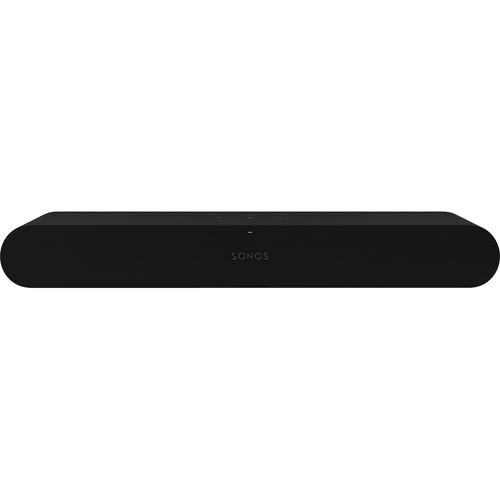
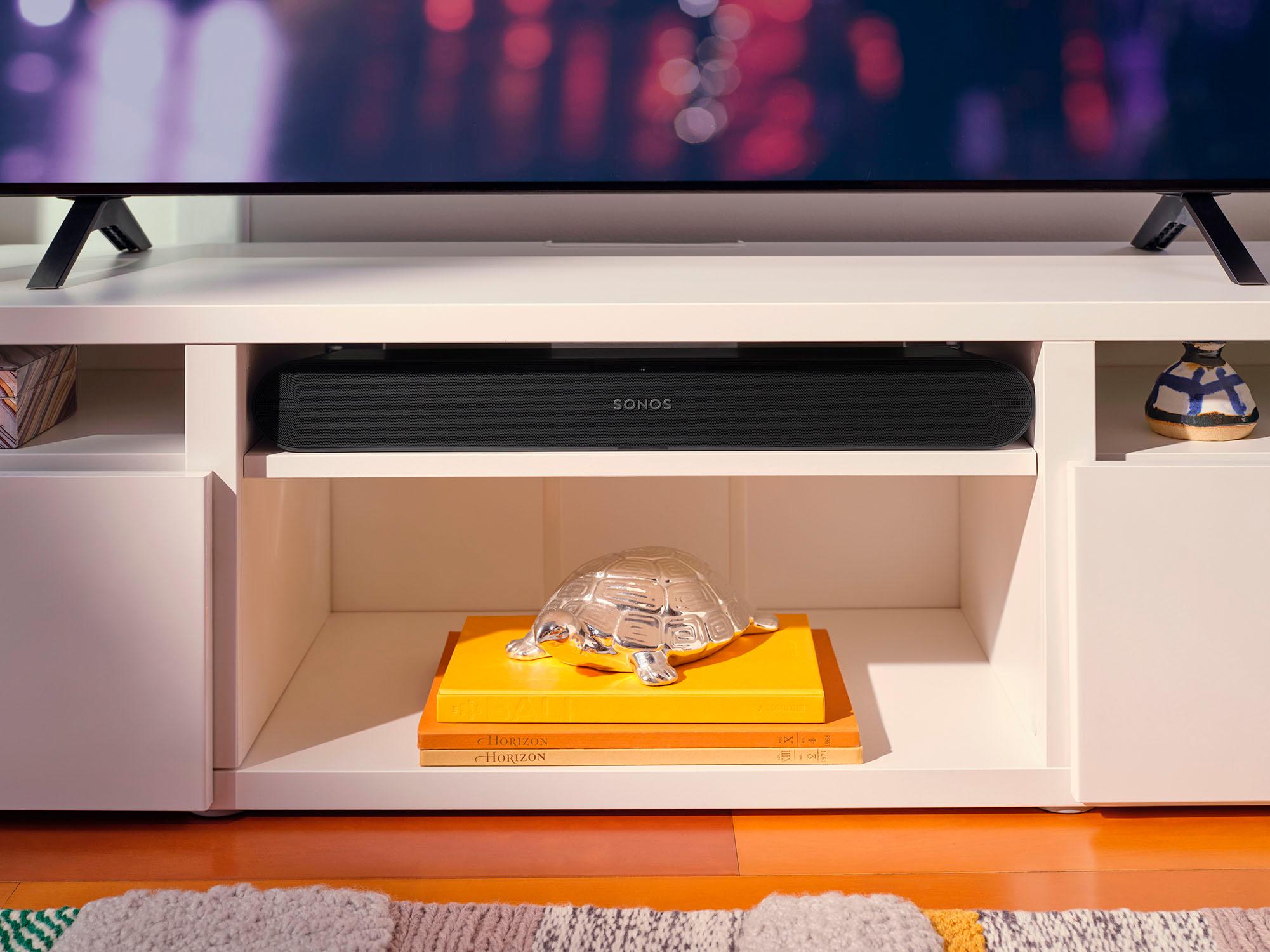
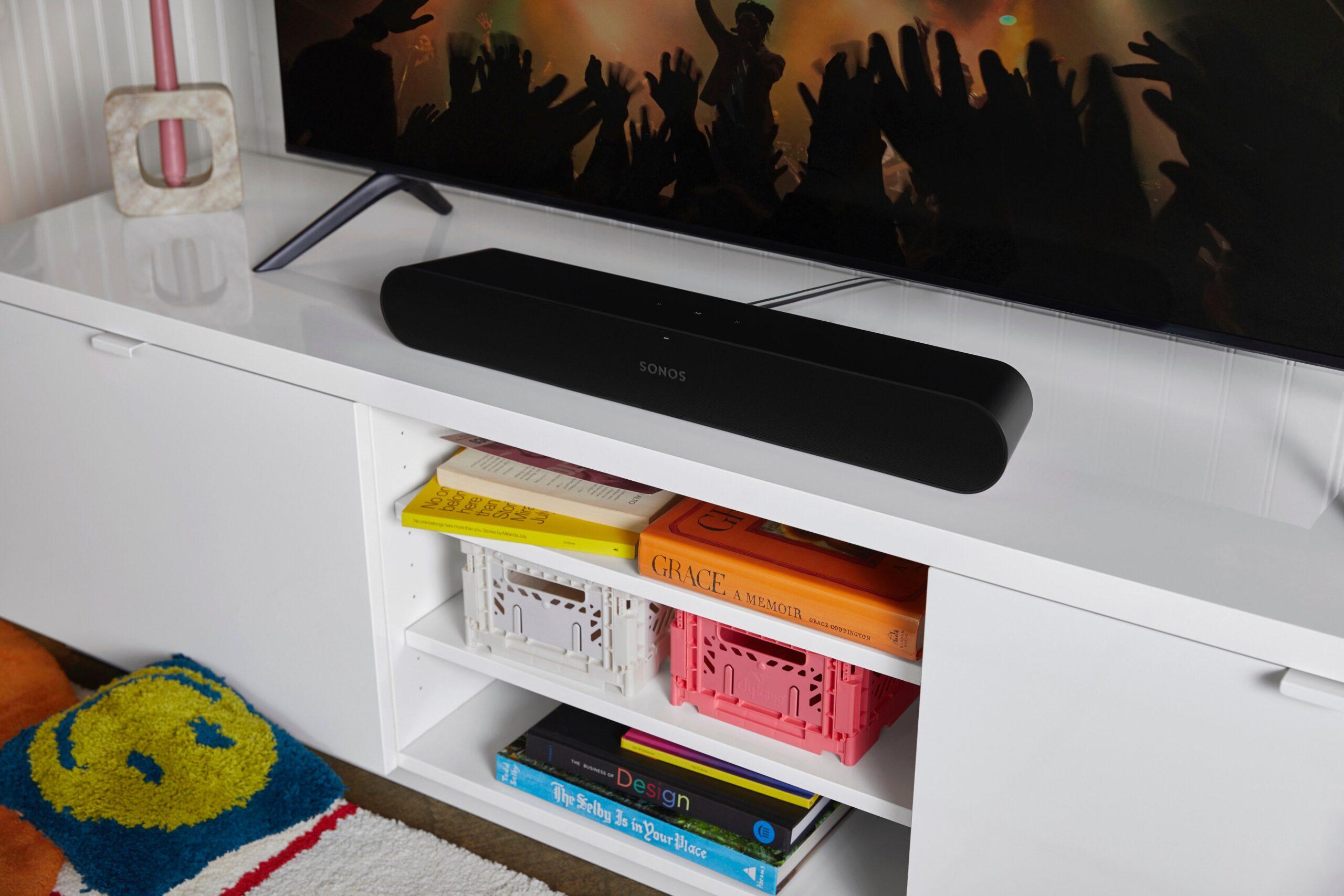
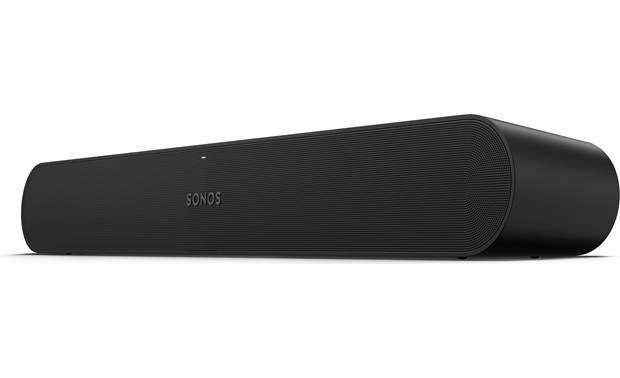
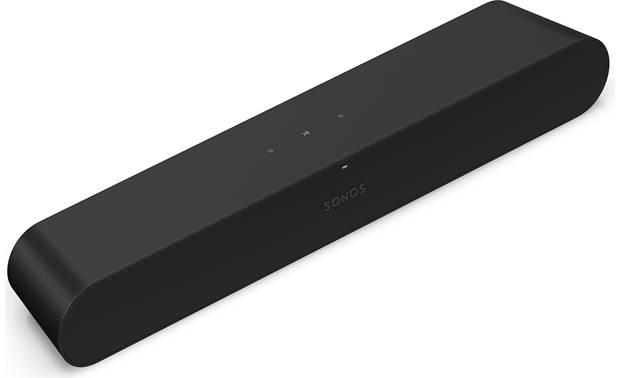
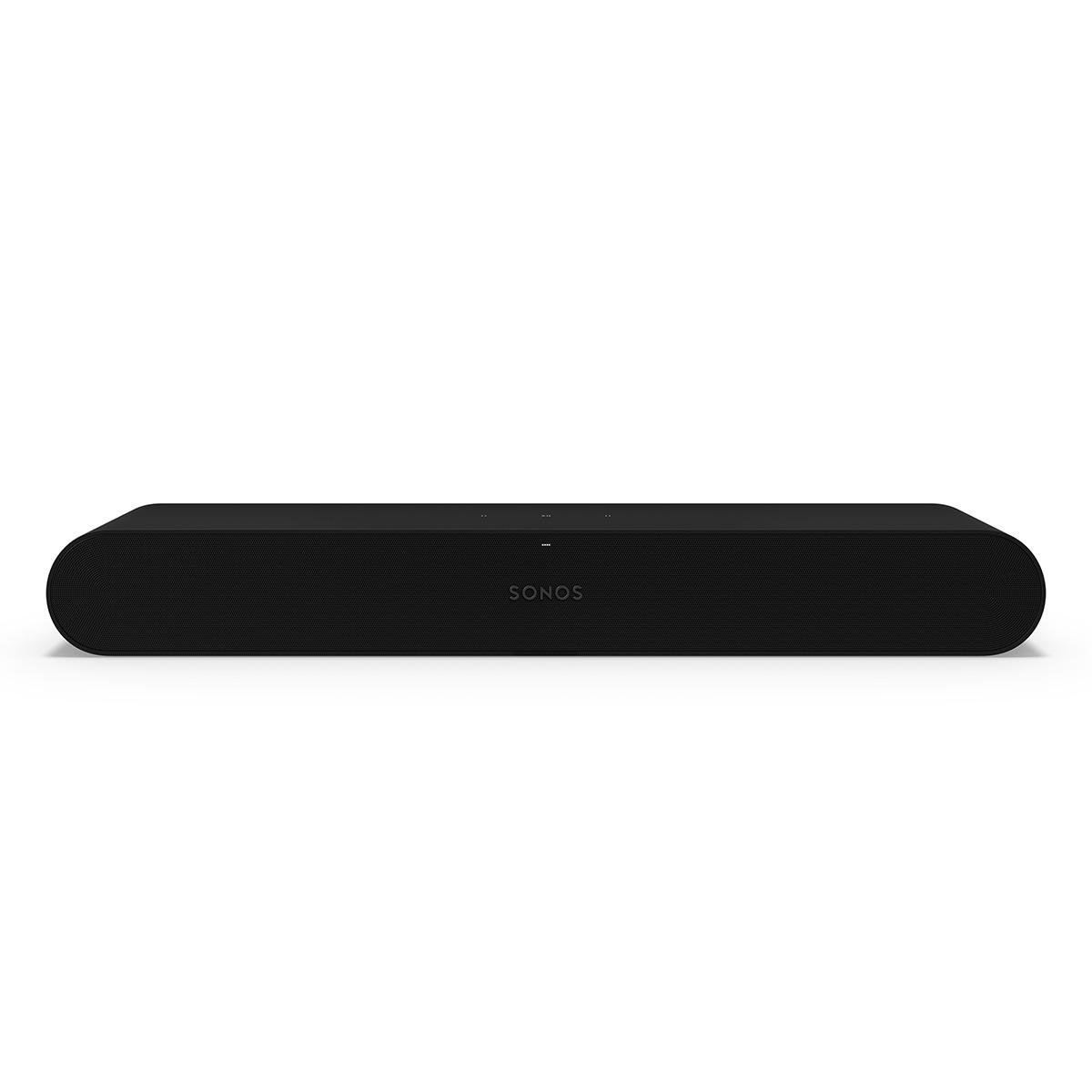
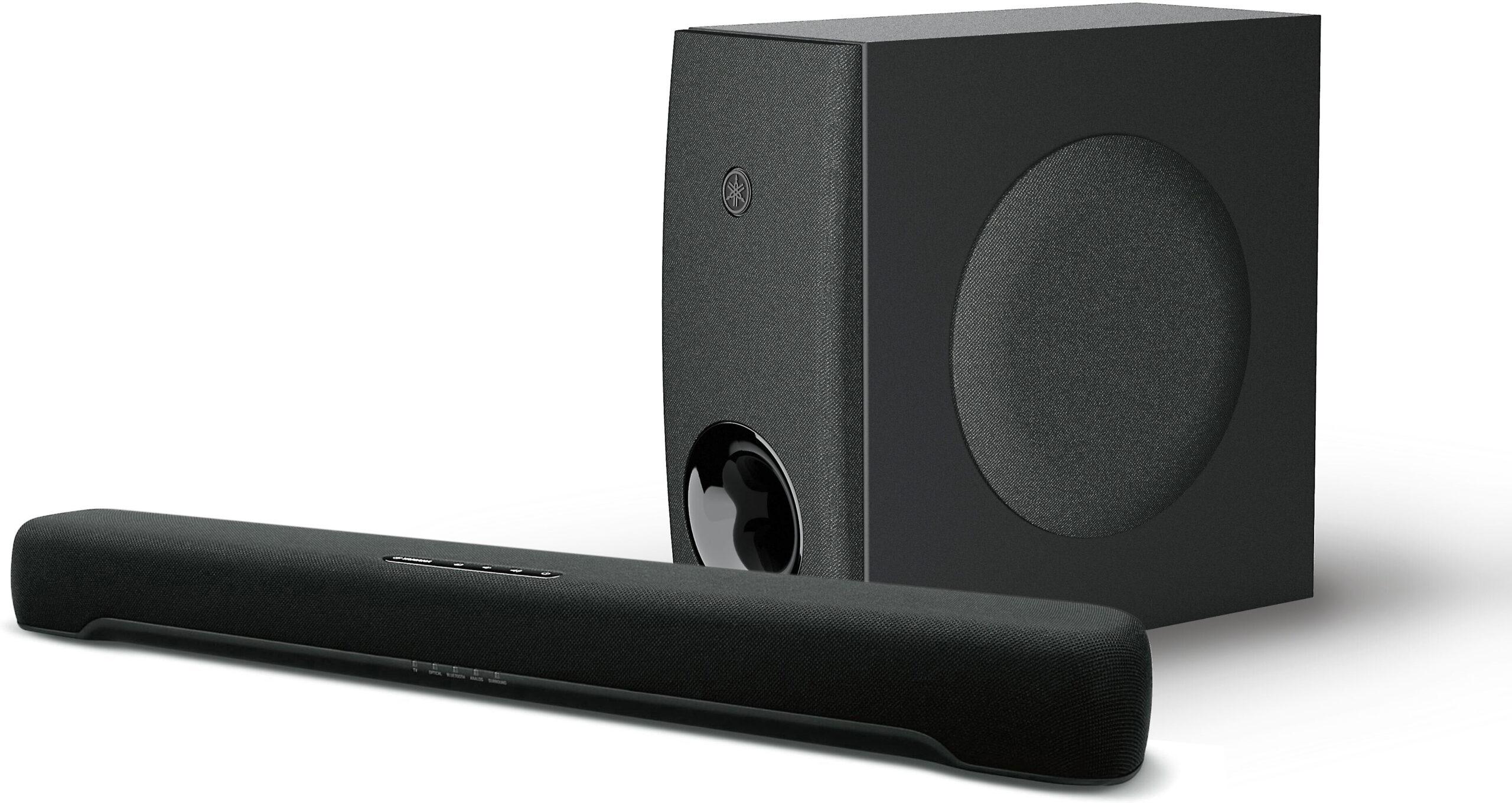
Today we're comparing two popular budget soundbars that take very different approaches to solving the same problem: the Sonos Ray ($169) and the Yamaha SR-C30A ($180). While they're separated by just $11 in price, their philosophies couldn't be more different. One focuses on pristine dialogue and smart home integration, while the other delivers immediate bass impact with traditional connectivity.
Budget soundbars serve as the entry point into better TV audio, typically priced under $300. Their primary mission is simple: make dialogue clearer and add some life to your movies and music. However, the way they achieve this goal varies dramatically.
The most important considerations when shopping in this category include audio quality (especially dialogue clarity), bass response, connectivity options, and long-term value. Some soundbars excel at creating wide soundstages that make your living room feel like a theater, while others prioritize crystal-clear voices. Some come with wireless subwoofers for deep bass, while others pack everything into a single compact unit.
Connectivity has become increasingly important as streaming devices and gaming consoles demand more sophisticated audio handling. HDMI-ARC (Audio Return Channel) allows your TV to send high-quality audio back to the soundbar, while optical connections provide a reliable but more limited connection. Wireless capabilities like Wi-Fi and Bluetooth open up streaming possibilities but serve different purposes – Wi-Fi typically enables multi-room audio and high-quality streaming, while Bluetooth focuses on convenient device pairing.
The Sonos Ray launched in 2022 as Sonos's most affordable entry point into their ecosystem. Released during a time when many people were upgrading their home entertainment setups, it represented a strategic move by Sonos to capture budget-conscious consumers who still wanted premium features like multi-room audio and advanced room correction.
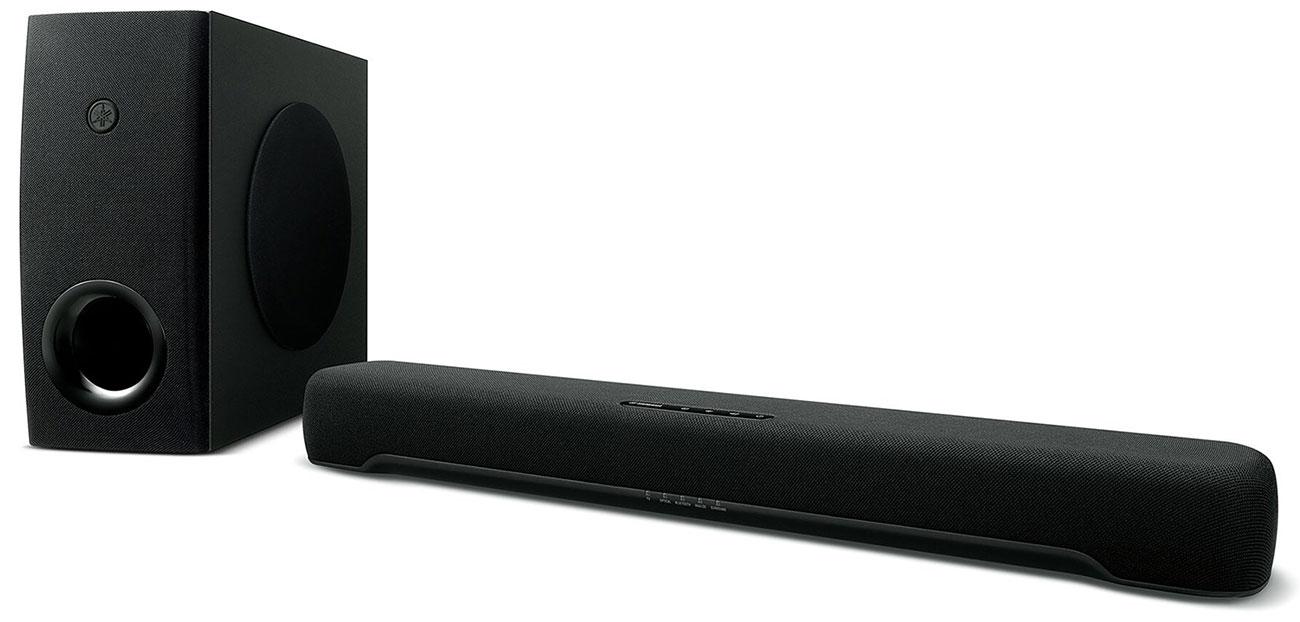
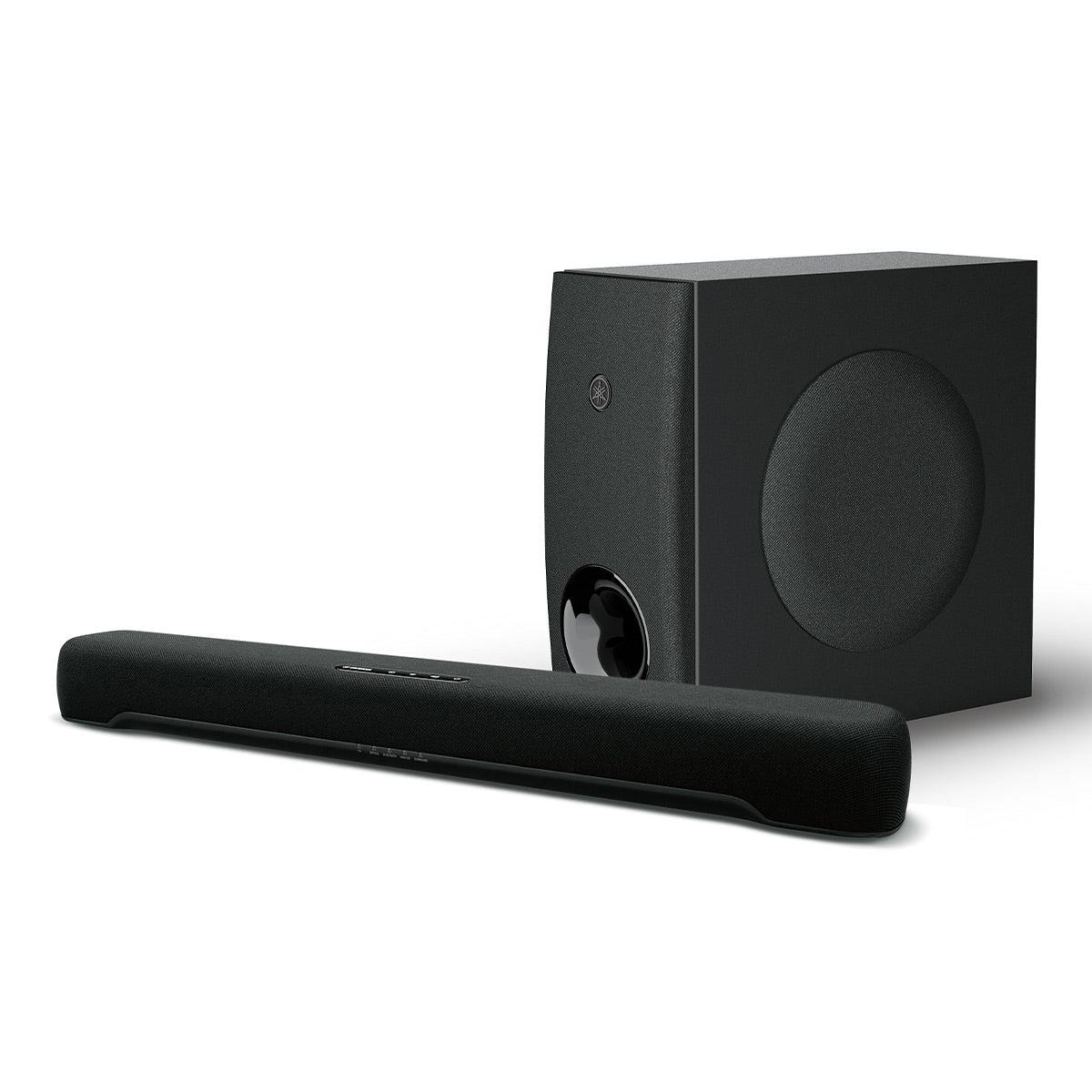
The Yamaha SR-C30A also debuted in October 2022, showing how competitive this market segment had become. Yamaha, with decades of audio engineering experience, designed this system to address one of the biggest complaints about budget soundbars: weak bass response. By including a wireless subwoofer at this price point, they set a new standard for what consumers could expect from budget audio systems.
Since their releases, both products have received firmware updates that have improved performance and added features. The Sonos Ray has benefited from Sonos's regular software updates that enhance streaming capabilities and fix compatibility issues. The Yamaha has received updates that improve its Bluetooth connectivity and audio processing, though these updates are less frequent than Sonos's continuous improvements.
Nothing matters more in a soundbar than making dialogue clear and natural. This is where the Sonos Ray truly shines with its four-driver configuration. The soundbar uses two central full-range drivers working in tandem with two precision-engineered tweeters (high-frequency speakers) to create what Sonos calls "Speech Enhancement." This technology specifically boosts voice frequencies while maintaining the natural balance of the audio mix.
What makes this impressive is that the Ray achieves excellent dialogue clarity without a dedicated center channel – the speaker specifically designed for voices in traditional surround sound systems. Instead, Sonos uses advanced digital signal processing (DSP) to create a "phantom center" that focuses vocal information in the middle of the soundstage. In practice, this means characters' voices appear to come directly from your TV screen rather than floating somewhere between the speakers.
The Yamaha SR-C30A takes a different approach with its Clear Voice mode. This feature essentially applies an EQ curve that emphasizes the frequency range where most human speech occurs (roughly 1-4 kHz). While effective, it's a more basic implementation than Sonos's sophisticated processing. The lack of a true center channel in the SR-C30A's soundbar can sometimes make dialogue feel less anchored, especially during complex action scenes where multiple sound effects compete for attention.
This is where these two soundbars diverge most dramatically. The Sonos Ray relies entirely on its internal drivers and two carefully designed bass ports to produce low frequencies. Bass ports are openings that allow air to move in and out of the speaker cabinet, effectively extending the low-frequency response. While clever engineering allows the Ray to produce surprisingly full sound for its size, it simply cannot match the physical capabilities of a dedicated subwoofer.
During action movies with intense low-frequency effects – think helicopter rotors, explosions, or the famous T-Rex footsteps in Jurassic Park – the Ray can feel strained. The bass ports help, but they can create a "chuffing" sound when pushed too hard, especially if you like your movies loud.
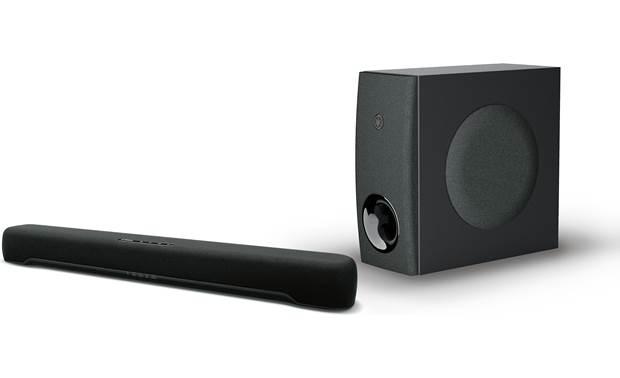
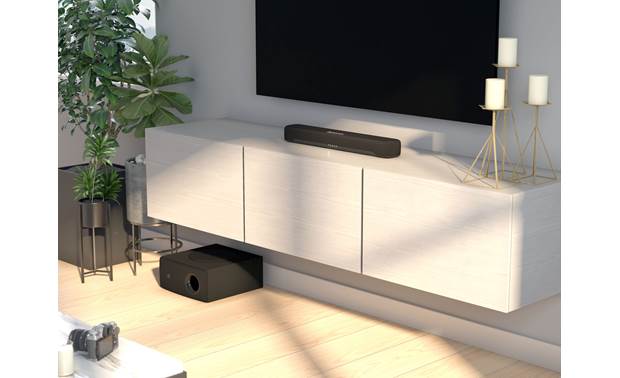
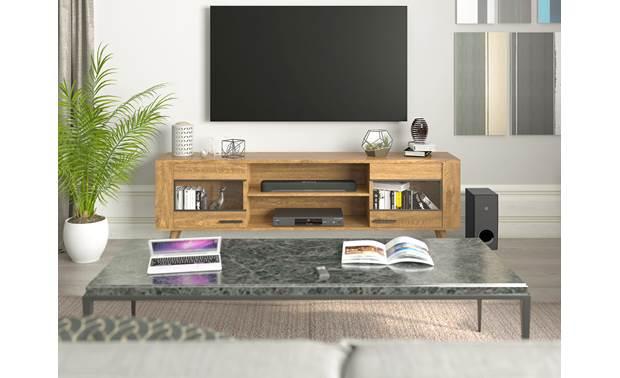
The Yamaha SR-C30A takes the opposite approach with its dedicated wireless subwoofer featuring a 5.1-inch driver and 50 watts of dedicated power. This subwoofer can be placed anywhere in your room (within wireless range), allowing you to optimize bass response for your specific space. Subwoofers work by moving large volumes of air at low frequencies, something that's physically impossible for the small drivers in a compact soundbar.
The difference is immediately noticeable. Action sequences that leave the Ray sounding thin and strained come alive with the Yamaha's setup. The subwoofer handles everything below about 120 Hz, freeing up the soundbar's drivers to focus on midrange and high frequencies where they perform best.
Soundstage refers to the perceived width and depth of audio – essentially, how well a soundbar can make you forget you're listening to speakers. The Sonos Ray uses custom-designed waveguides (specially shaped channels that direct sound waves) to project audio "from wall to wall," as Sonos describes it. Combined with advanced processing that can place individual sound effects throughout the room, the Ray creates an impressively wide presentation that makes your living room feel larger.
The Yamaha SR-C30A offers multiple sound modes to shape the audio presentation. Standard mode provides straightforward stereo sound, while 3D Movie mode attempts to create virtual surround effects using psychoacoustic processing – essentially tricking your brain into perceiving sounds that aren't really there. While this can add some spaciousness to movie soundtracks, it's less convincing than the Ray's more sophisticated approach to stereo imaging.
However, the Yamaha's subwoofer adds an important dimension that the Ray cannot match: true low-frequency extension that you feel as much as hear. This physical impact can make action scenes more engaging, even if the overall soundstage isn't as precisely crafted as the Sonos.
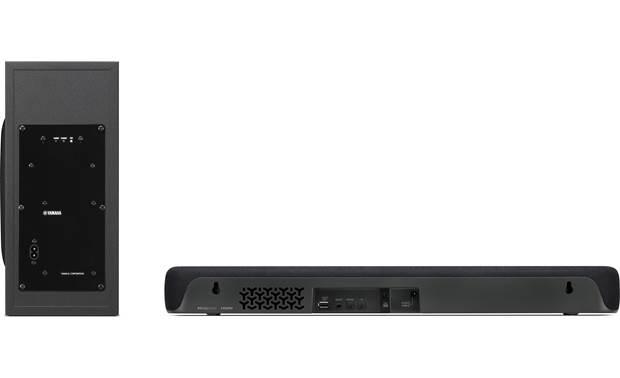
The Yamaha SR-C30A includes HDMI-ARC connectivity, which has become increasingly important for modern home theater setups. HDMI-ARC allows your TV to send audio back to the soundbar through the same HDMI cable that streaming devices use to send video to your TV. This creates a cleaner setup with fewer cables and enables features like automatic volume control – when you adjust your TV's volume, it automatically adjusts the soundbar.
More importantly, HDMI-ARC supports higher-quality audio formats than optical connections. While optical is limited to compressed Dolby Digital, HDMI-ARC can handle uncompressed audio and newer formats that streaming services increasingly use. This means better audio quality from Netflix, Disney+, and other streaming platforms.
The Sonos Ray relies solely on optical audio input, which limits its compatibility with some newer TVs and prevents it from accessing the highest quality audio formats. However, Sonos made this choice to keep costs down and maintain their focus on wireless streaming capabilities.
Here's where the philosophical differences between these companies become clear. The Sonos Ray uses Wi-Fi connectivity to integrate into Sonos's multi-room ecosystem and support high-quality streaming services through AirPlay 2 and Spotify Connect. Wi-Fi provides more stable connections and higher audio quality than Bluetooth, especially for streaming music.
The Ray's Wi-Fi capabilities enable some genuinely useful features. You can group it with other Sonos speakers for synchronized whole-home audio, stream directly from dozens of music services without using your phone as a middleman, and take advantage of Trueplay room correction (on iPhones) that automatically adjusts the sound based on your room's acoustics.
The Yamaha SR-C30A takes the more traditional route with Bluetooth 5.0, including multi-point connectivity that lets you switch between paired devices easily. While Bluetooth is more universally compatible and simpler to use, it typically provides lower audio quality than Wi-Fi streaming and doesn't support multi-room functionality.
One of the Sonos Ray's most impressive features is Trueplay room correction, though it only works with iPhones due to Sonos's need for consistent microphone characteristics. Trueplay uses your phone's microphone to measure how sound bounces around your room, then automatically adjusts the soundbar's output to compensate for acoustic problems.
Room acoustics dramatically affect sound quality. Hard surfaces like windows and hardwood floors create reflections that can make audio sound harsh or muddy, while soft furnishings absorb sound and can make everything sound dull. Trueplay measures these characteristics and applies custom EQ curves to optimize the sound for your specific room.
In practice, Trueplay can make a dramatic difference. A Ray that sounds boomy when placed in a corner might become perfectly balanced after Trueplay tuning. This technology typically costs hundreds of dollars more in higher-end audio equipment.
The Yamaha SR-C30A offers four preset sound modes: Stereo, Standard, 3D Movie, and Game. While less sophisticated than automatic room correction, these modes allow you to optimize performance for different content types. Game mode, for example, reduces audio processing delays to keep sound effects synchronized with on-screen action – crucial for competitive gaming where audio cues matter.
For dedicated home theater use, both soundbars offer distinct advantages. The Yamaha SR-C30A provides more immediate cinematic impact with its subwoofer, making action movies and blockbusters more engaging. The HDMI-ARC connection also integrates better with modern streaming devices and gaming consoles.
However, the Sonos Ray excels with dialogue-heavy content like dramas and comedies where crystal-clear speech matters most. Its superior dialogue processing can make the difference between following a complex plot and constantly reaching for the remote to adjust volume.
For gaming, the Yamaha's dedicated Game mode and immediate bass response provide better feedback for action games, while the Sonos's precise imaging helps with directional audio cues in competitive titles.
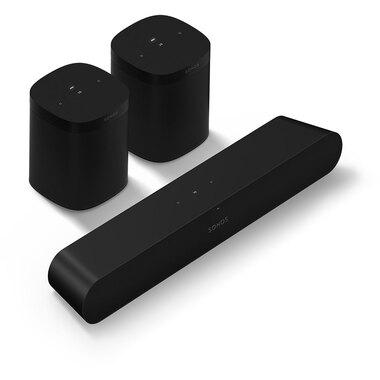
At $169, the Sonos Ray provides exceptional value if you prioritize dialogue clarity and plan to build a multi-room audio system. Its integration capabilities mean you can start with just the soundbar and gradually add other Sonos speakers throughout your home. The regular software updates also mean the Ray continues improving over time.
The Yamaha SR-C30A at $180 offers tremendous immediate value by including a wireless subwoofer that would cost $100-200 if purchased separately. For users who want a complete solution right away, especially those who watch action movies or listen to bass-heavy music, the Yamaha provides more bang for your buck initially.
However, consider the upgrade path. The Sonos can grow into a sophisticated multi-room system, while the Yamaha is essentially complete as purchased. If you might want whole-home audio in the future, the Sonos becomes increasingly attractive despite its current limitations.
Choose the Sonos Ray if dialogue clarity is your primary concern, you want to build a multi-room system, or you primarily stream music and watch dialogue-heavy content. Its sophisticated processing and ecosystem integration provide long-term value that extends well beyond basic TV audio improvement.
Choose the Yamaha SR-C30A if you want immediate bass impact, need HDMI-ARC connectivity, or watch a lot of action movies and gaming content. The included subwoofer provides a more complete audio experience right out of the box, and the traditional connectivity options ensure broad compatibility.
Both represent excellent values in the budget soundbar category, but they serve different priorities. The Yamaha delivers more immediate audio impact and traditional home theater functionality, while the Sonos offers superior dialogue processing and smart home integration that becomes more valuable over time. Your choice should depend on your specific needs, room setup, and long-term audio goals.
| Sonos Ray Soundbar | Yamaha SR-C30A Soundbar with Subwoofer |
|---|---|
| Price - Entry-level soundbar pricing with different value propositions | |
| $169 (compact single-unit design) | $180 (includes wireless subwoofer) |
| Audio Configuration - Fundamentally different approaches to sound | |
| 4-driver stereo system (no subwoofer) | 2.1 system with dedicated wireless subwoofer |
| Bass Performance - Critical for action movies and music | |
| Built-in bass ports only (limited low-end extension) | 5.1" wireless subwoofer with 50W dedicated power |
| Dialogue Clarity - Most important feature for TV watching | |
| Advanced Speech Enhancement with phantom center channel | Clear Voice mode with basic EQ boost |
| TV Connection - Affects audio quality and setup simplicity | |
| Optical audio only (no HDMI-ARC) | HDMI-ARC + optical (better format support) |
| Wireless Connectivity - Different streaming philosophies | |
| Wi-Fi with AirPlay 2 and Spotify Connect (no Bluetooth) | Bluetooth 5.0 with multi-point (no Wi-Fi) |
| Smart Features - Room optimization capabilities | |
| Trueplay automatic room correction (iPhone only) | Manual sound modes (Stereo, 3D Movie, Game) |
| Multi-Room Audio - Expandability for whole-home systems | |
| Full Sonos ecosystem integration | Single-room solution only |
| Dimensions - Space requirements | |
| 22" × 2.8" × 3.7" (soundbar only) | 23.6" × 2.6" × 3.7" (bar) + wireless sub placement |
| Best For - Target use cases | |
| Dialogue-heavy content, music streaming, ecosystem building | Action movies, gaming, immediate bass impact |
The Yamaha SR-C30A ($180) has significantly better bass performance thanks to its dedicated wireless subwoofer with a 5.1" driver and 50 watts of power. The Sonos Ray ($169) relies only on built-in drivers and bass ports, which limits its low-frequency extension and can sound strained during action movies.
No, only the Yamaha SR-C30A supports HDMI-ARC connectivity, which provides better audio quality and simpler setup with modern TVs and streaming devices. The Sonos Ray only has optical audio input, which limits its compatibility with some newer TVs and audio formats.
The Sonos Ray excels at dialogue clarity with its advanced Speech Enhancement technology and four-driver configuration that creates a phantom center channel. While the Yamaha SR-C30A has a Clear Voice mode, it's less sophisticated and the lack of a dedicated center channel can affect speech clarity during complex audio scenes.
Only the Yamaha SR-C30A supports Bluetooth 5.0 connectivity with multi-point pairing for easy device switching. The Sonos Ray doesn't have Bluetooth but offers Wi-Fi streaming through AirPlay 2 and Spotify Connect, which typically provides higher audio quality.
Both offer excellent value but for different reasons. The Yamaha SR-C30A ($180) includes a wireless subwoofer that would cost $100-200 separately, making it great immediate value. The Sonos Ray ($169) provides long-term value through ecosystem integration and regular software updates.
Only the Sonos Ray supports multi-room audio through the Sonos ecosystem, allowing you to sync music across multiple rooms. The Yamaha SR-C30A is designed as a single-room solution without multi-room capabilities.
The Yamaha SR-C30A is better for gaming with its dedicated Game mode that reduces audio processing delays and immediate bass response for action feedback. The Sonos Ray offers precise imaging that helps with directional audio cues but lacks gaming-specific optimizations.
Both soundbars are similarly compact. The Sonos Ray measures 22" × 2.8" × 3.7" as a single unit, while the Yamaha SR-C30A soundbar is 23.6" × 2.6" × 3.7" but includes a separate wireless subwoofer that requires additional placement space.
The Sonos Ray features Trueplay room correction that automatically adjusts sound based on your room's acoustics, though it only works with iPhones. The Yamaha SR-C30A offers manual sound modes (Stereo, Standard, 3D Movie, Game) but no automatic room correction.
Yes, both are designed for small spaces. The Sonos Ray is ideal if you want a single compact unit, while the Yamaha SR-C30A offers flexibility with its wireless subwoofer that can be placed anywhere in the room for optimal bass response.
The Sonos Ray receives frequent software updates that add new features, improve streaming capabilities, and enhance performance over time. The Yamaha SR-C30A receives occasional firmware updates but focuses more on hardware performance than evolving software features.
Choose the Yamaha SR-C30A if you watch action movies and want immediate bass impact with HDMI-ARC connectivity. Choose the Sonos Ray if you prioritize crystal-clear dialogue, plan to build a multi-room system, or primarily watch dialogue-heavy content like dramas and comedies.
We've done our best to create useful and informative comparisons to help you decide what product to buy. Our research uses advanced automated methods to create this comparison and perfection is not possible - please contact us for corrections or questions. These are the sites we've researched in the creation of this article: techradar.com - soundandvision.com - youtube.com - appleinsider.com - youtube.com - sonos.com - cnet.com - howtogeek.com - pcrichard.com - en.community.sonos.com - epicsystems.tech - en.community.sonos.com - cepro.com - videoandaudiocenter.com - techradar.com - usa.yamaha.com - expertreviews.com - usa.yamaha.com - trustedreviews.com - crutchfield.com - europe.yamaha.com - usa.yamaha.com - shop.usa.yamaha.com - assetserver.net

Privacy Policy
Terms and Conditions - Affiliate Policy
Home Security
© Copyright 2008-2026.
11816 Inwood Rd #1211, Dallas, TX 75244