





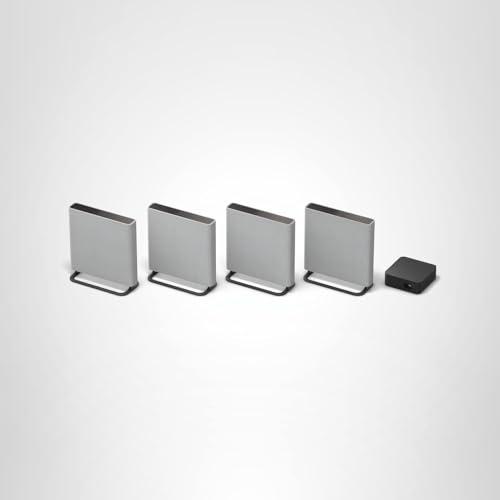

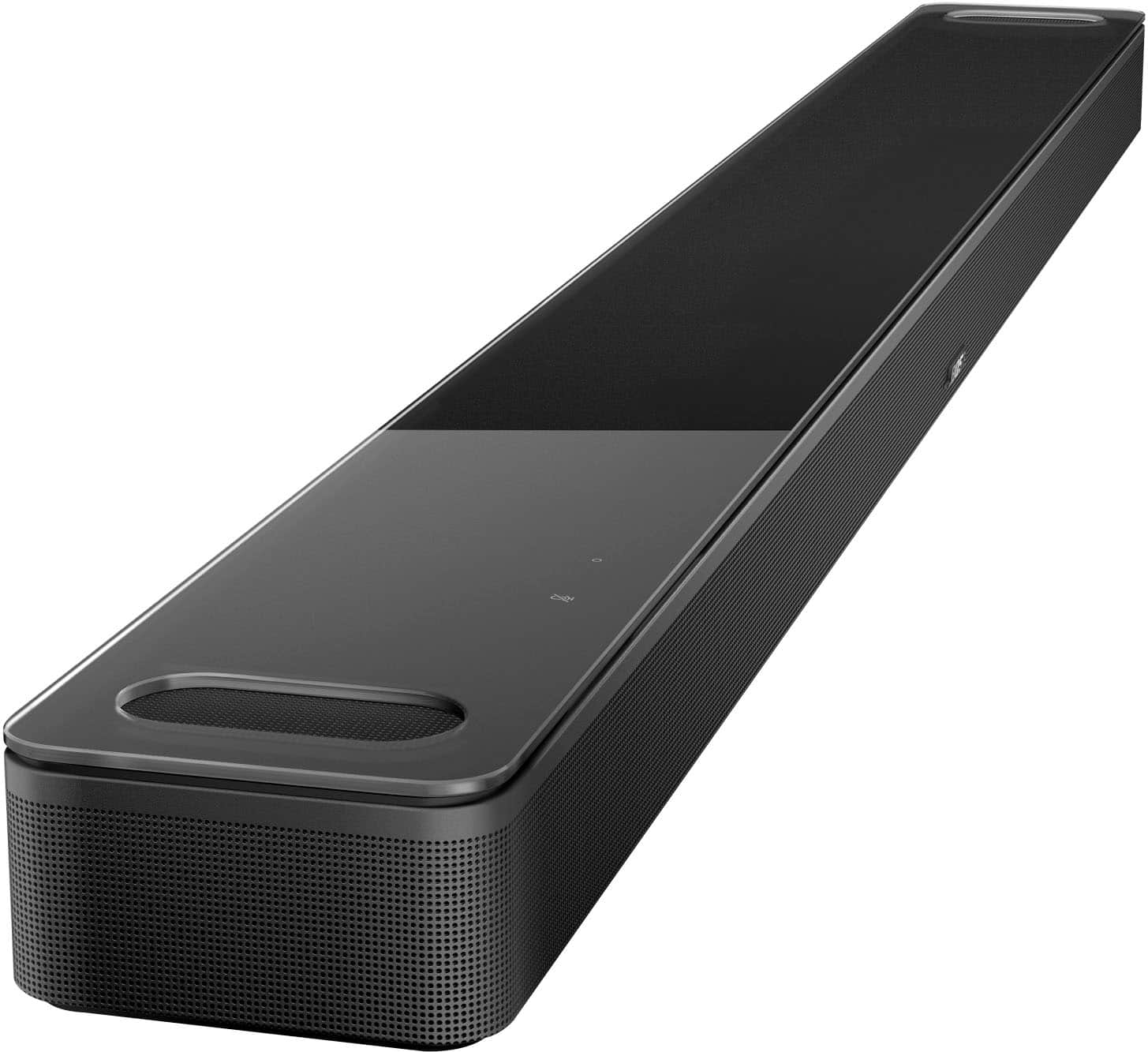

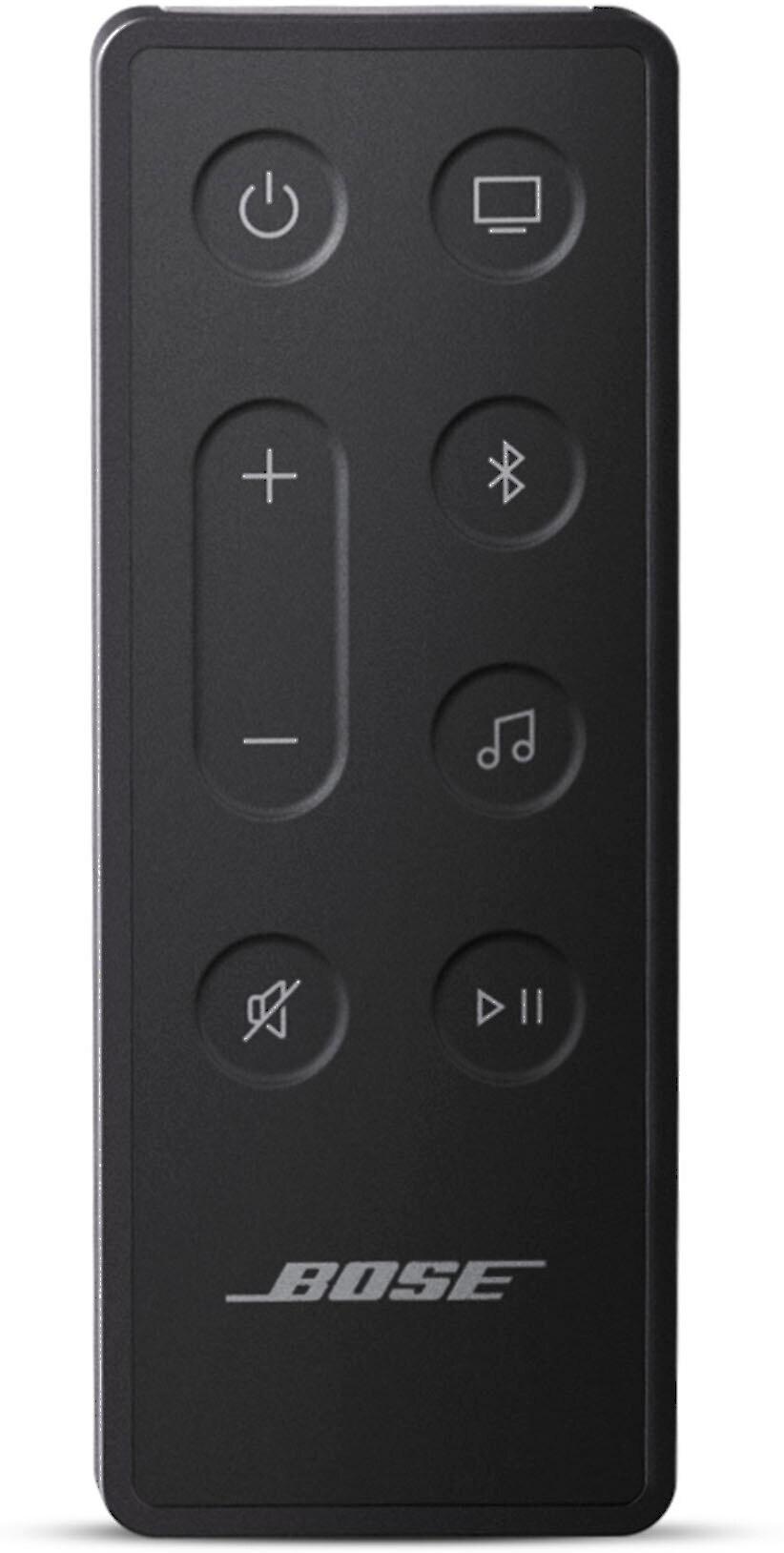
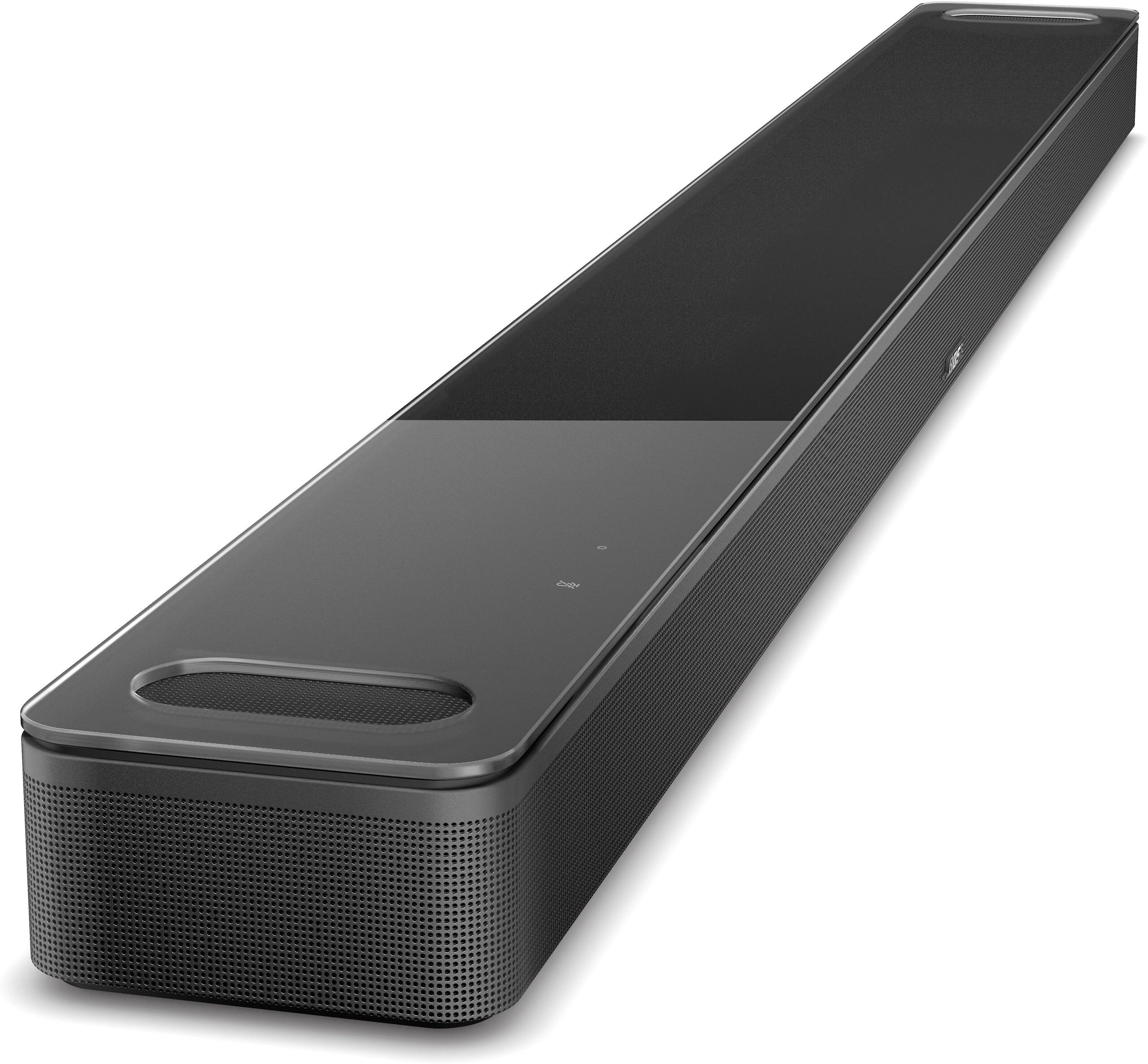
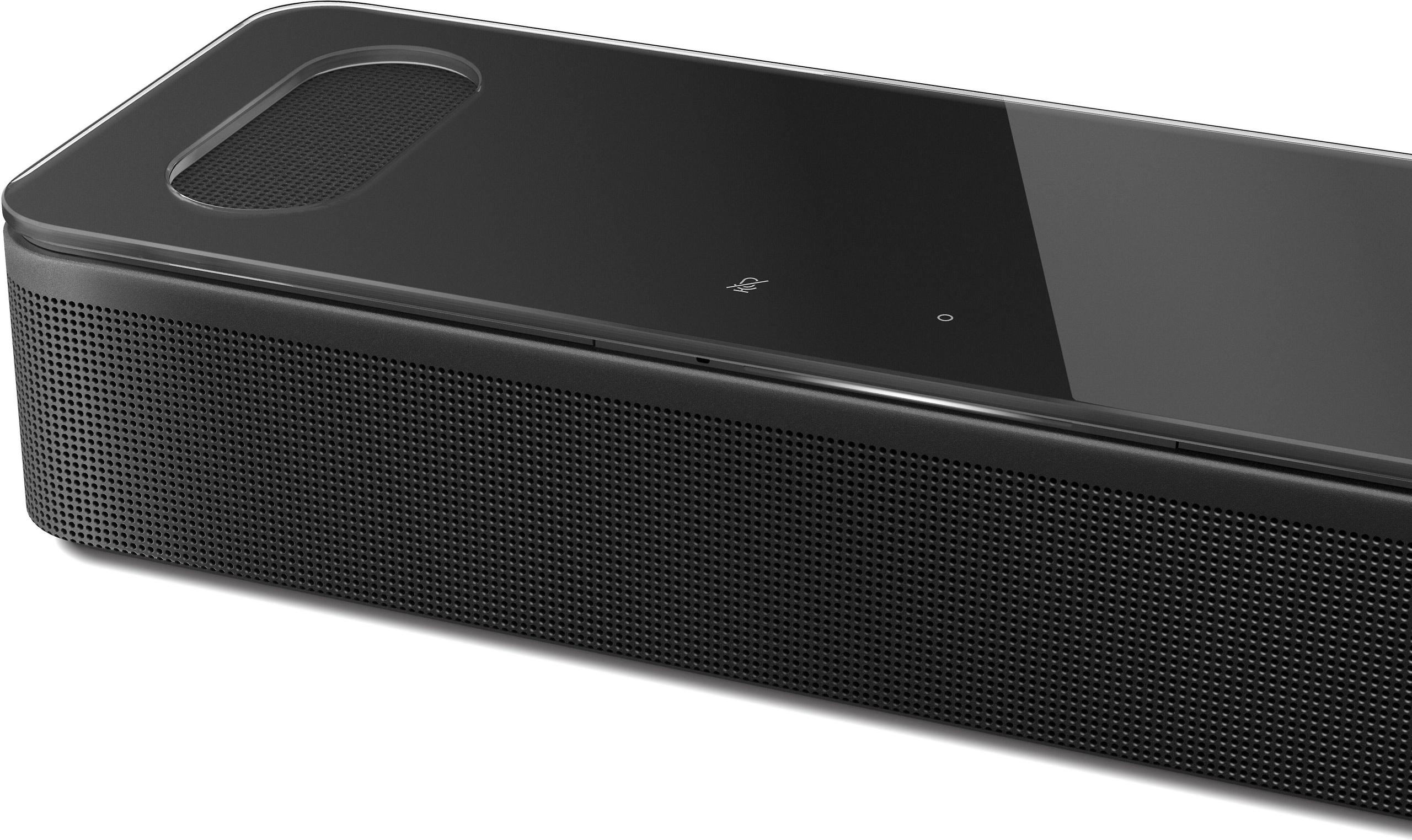
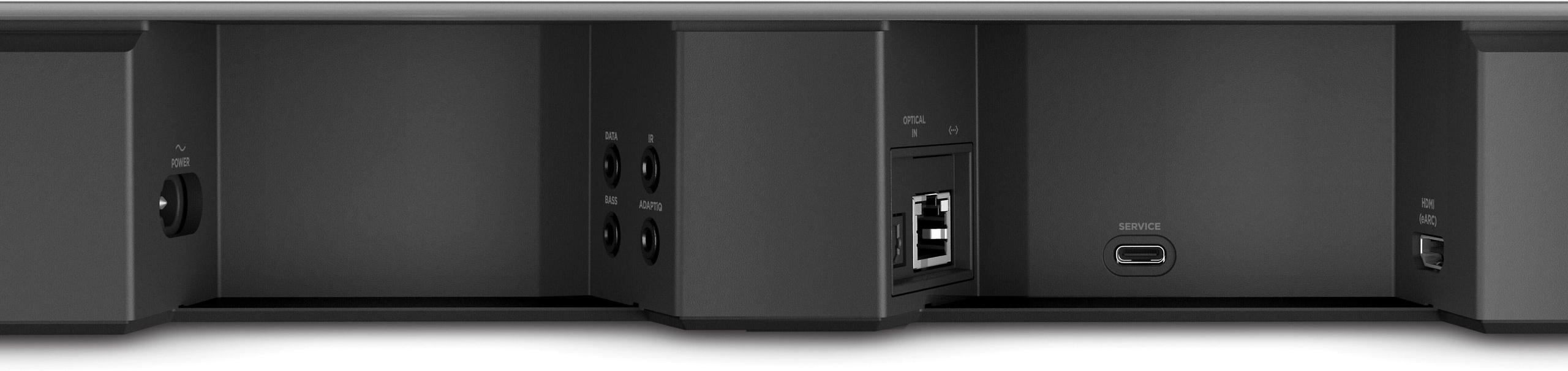
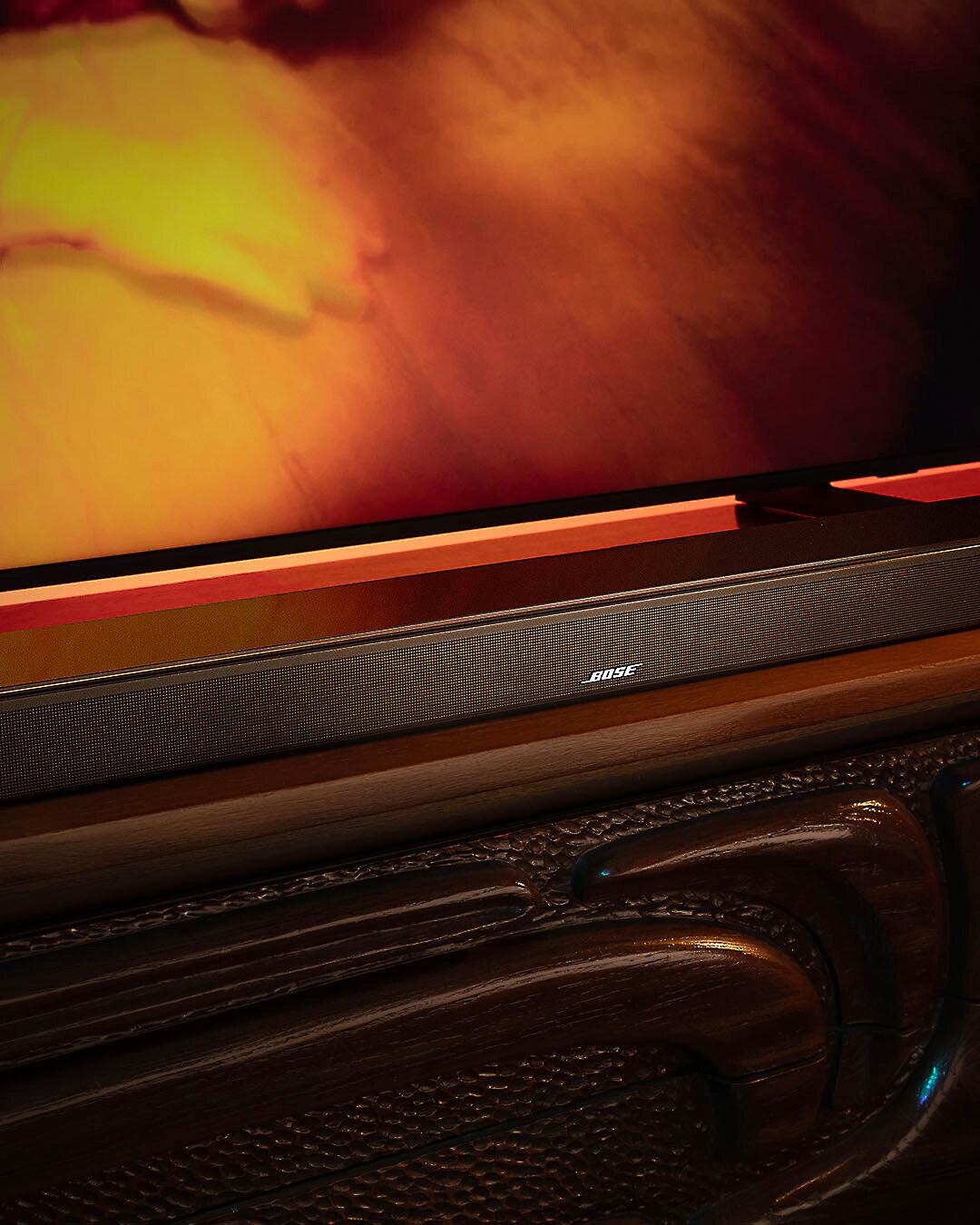
When you're ready to upgrade from your TV's built-in speakers but don't want the complexity of a full surround sound system, two distinctly different approaches emerge as top contenders. The Sony HT-A9M2 represents a revolutionary wireless multi-speaker system that physically surrounds you with sound, while the Bose Smart Ultra takes the refined single-unit approach that most people associate with modern soundbars.
Released in 2024 and 2023 respectively, these products showcase how dramatically home theater technology has evolved in just the past few years. Both promise to deliver that coveted "movie theater experience" at home, but they achieve this goal through completely different philosophies that affect everything from setup complexity to long-term performance.
The home theater audio landscape has transformed significantly since streaming services began offering Dolby Atmos content around 2017. What started as simple sound-enhancing bars has evolved into sophisticated systems that can create three-dimensional audio experiences without requiring speakers mounted on your ceiling.
The key considerations when choosing between these approaches come down to a few critical factors: how much space you have, how much setup complexity you're comfortable with, and what type of content you primarily watch. These aren't just different products—they represent fundamentally different approaches to solving the same problem.
Traditional soundbars excel at simplicity and dialogue clarity, making them perfect for apartments or bedrooms where a single sleek unit needs to handle everything. Multi-speaker systems like the Sony HT-A9M2 take a more ambitious approach, physically distributing sound sources around your room to create genuine surround effects that simply can't be replicated by clever processing alone.
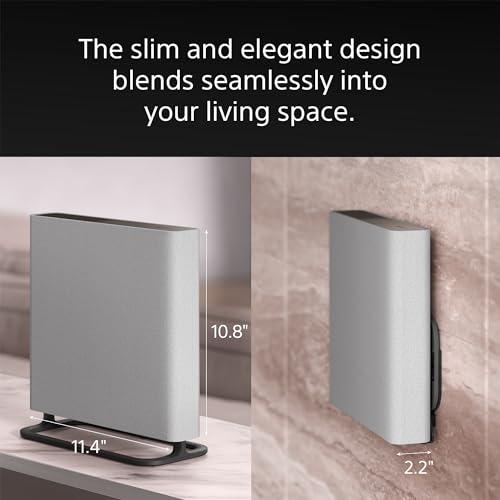
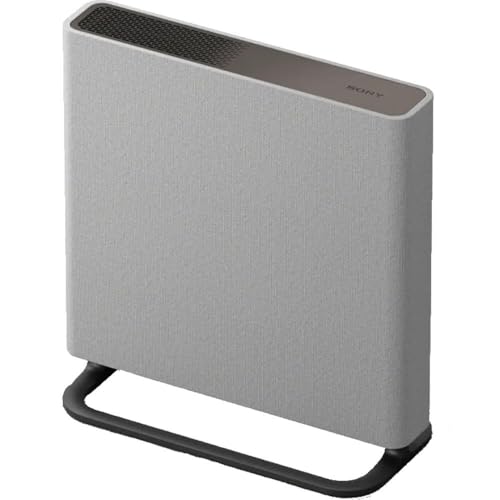
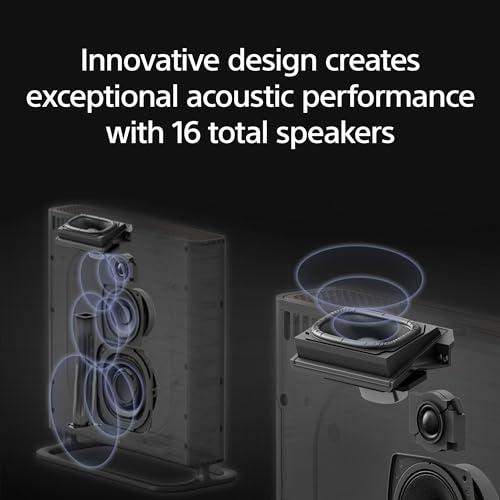
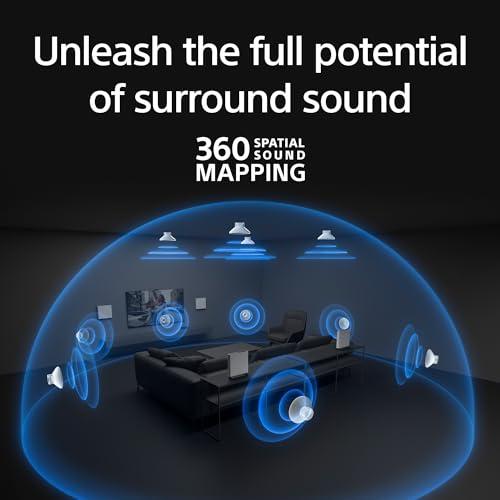
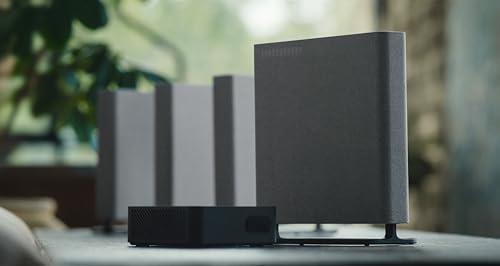
The Sony HT-A9M2 breaks the soundbar mold entirely by giving you four separate wireless speakers that work together as a cohesive system. Each speaker contains four drivers: a 3.375-inch woofer for bass, a 2.375-inch mid-bass driver for clarity, a 0.75-inch tweeter for highs, and crucially, an upward-firing driver specifically designed for Dolby Atmos height effects.
This 16-driver total creates what Sony calls "360 Spatial Sound Mapping"—essentially, the system uses all those speakers to bounce sound around your room and create the illusion of speakers in positions where none actually exist. Think of it like audio holography: the system analyzes your room's acoustics and creates "phantom speakers" that can place a helicopter overhead or footsteps behind you with surprising precision.
The wireless connectivity between speakers has been significantly improved since the original HT-A9 launched in 2022. Sony boosted the radio power by 2.5 times and added dual antennas with frequency hopping—technical improvements that translate to fewer audio dropouts and more reliable performance in homes filled with Wi-Fi devices and other wireless interference.
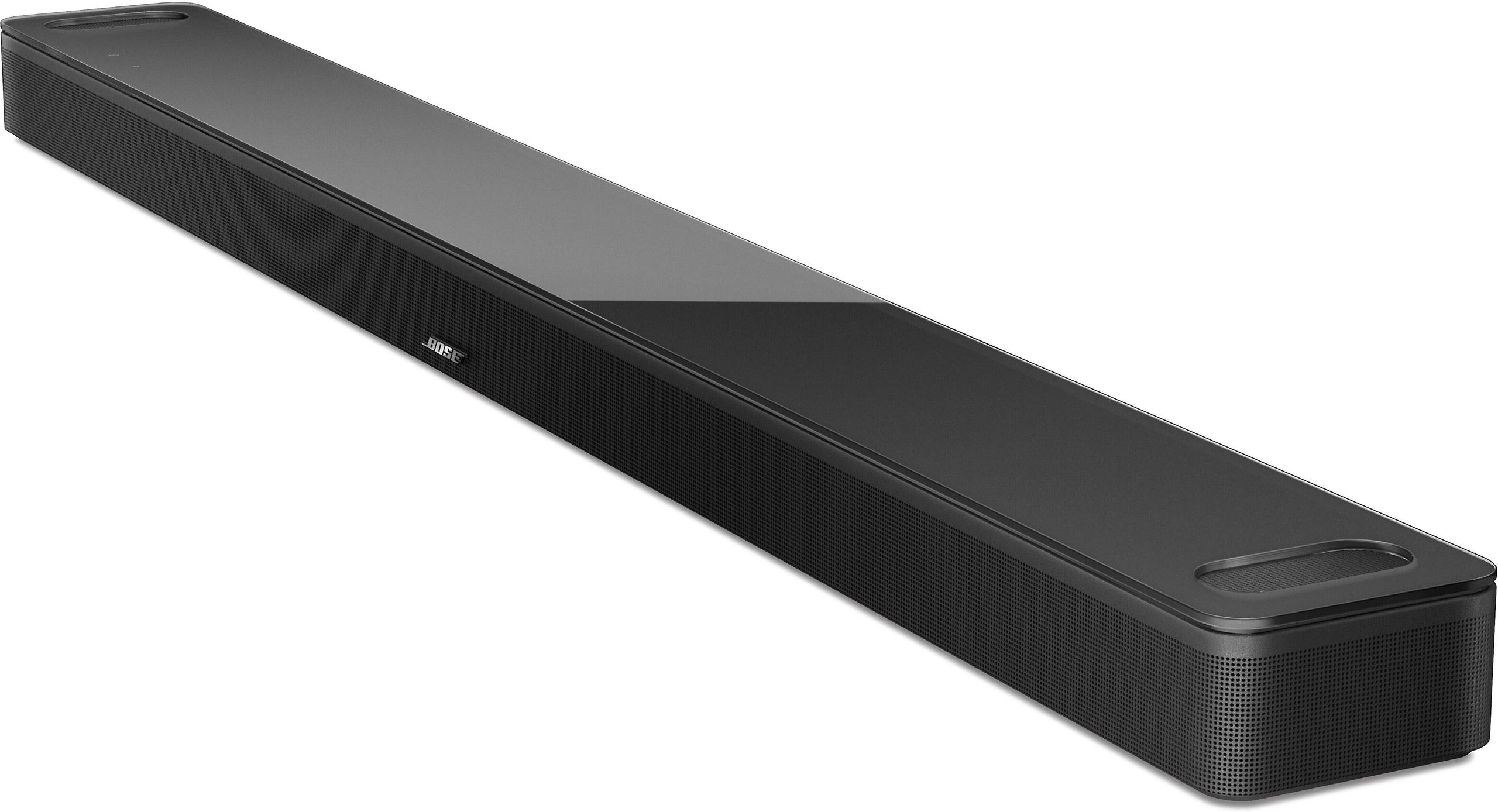
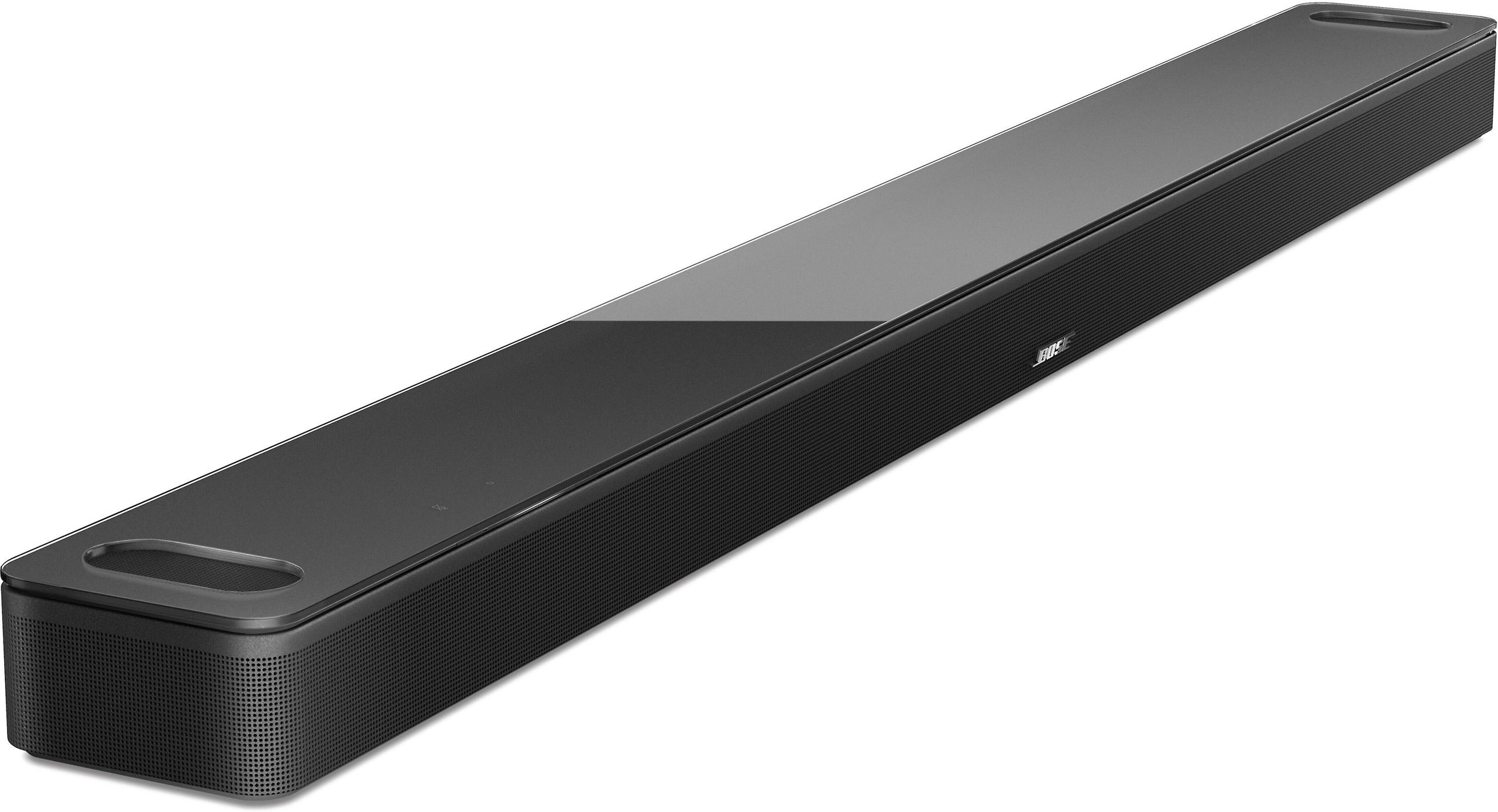
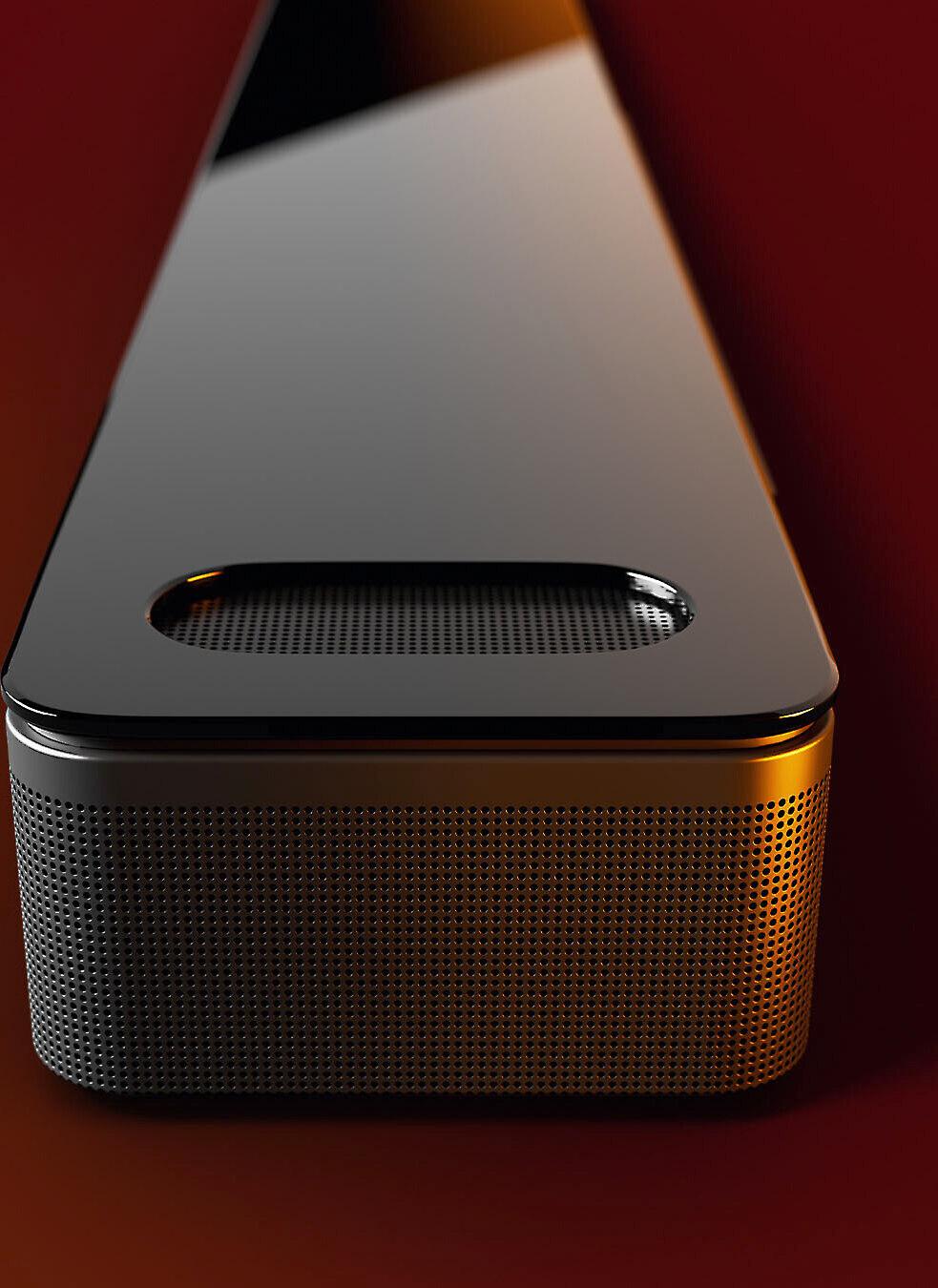
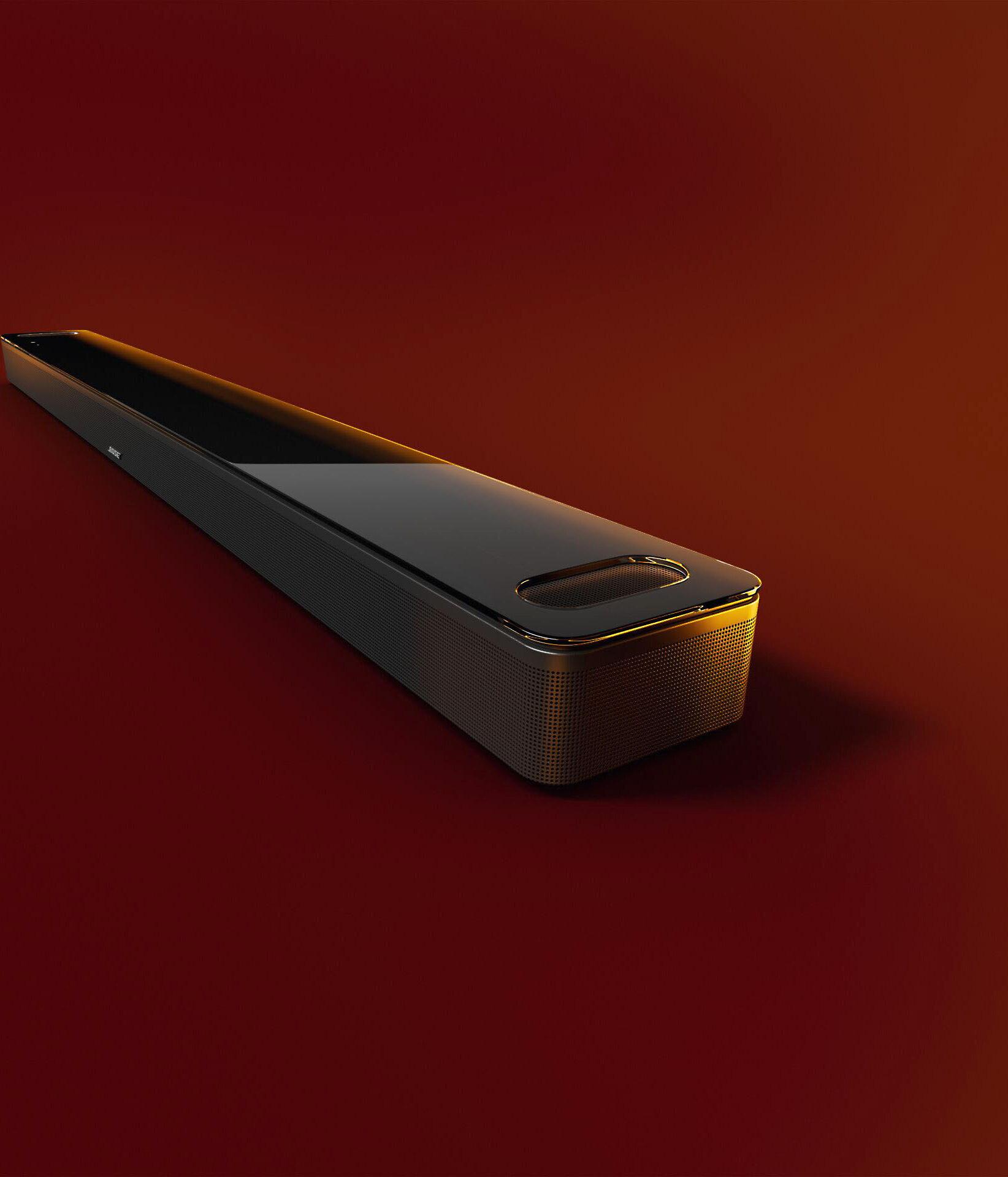
The Bose Smart Ultra, launched in 2023, represents the pinnacle of what a single soundbar can achieve. Rather than physically surrounding you with speakers, it uses advanced signal processing to create the impression of surround sound from just one location under your TV.
The secret lies in Bose's PhaseGuide technology, which precisely controls how sound waves interact with your room's walls and ceiling. By carefully timing when different frequencies reach your ears, the soundbar can make you believe sounds are coming from locations where no speakers exist. It's similar to how 3D movies work—your brain is tricked into perceiving depth that isn't physically there.
What makes the Bose Smart Ultra particularly compelling is its AI Dialogue Mode, which represents a significant leap forward in voice enhancement technology. Rather than simply boosting mid-range frequencies like older systems, this feature uses machine learning trained on millions of audio samples to identify and enhance human speech in real-time, automatically adjusting the tonal balance without affecting sound effects or music.
When it comes to creating that "you're in the movie" feeling, the Sony HT-A9M2 has a fundamental advantage that no amount of clever processing can overcome: physics. With speakers actually positioned around your room, sound effects can genuinely come from behind you, beside you, and above you in ways that feel completely natural.
Our research into user and expert reviews consistently highlights how the Sony system excels in larger rooms—spaces over 15 feet from your seating position to the front speakers. In these environments, the physical separation between speakers creates a genuinely enveloping soundstage where you can precisely locate sounds in three-dimensional space. Action sequences in movies like "Top Gun: Maverick" or "Dune" become notably more immersive when jet engines can pan from your left rear to right front with real physical movement.
The Bose Smart Ultra punches well above its weight class for a single-unit system, particularly in smaller rooms where its PhaseGuide technology can work most effectively. In spaces under 15 feet, the difference between physical and virtual surround becomes less pronounced, and Bose's superior dialogue processing often makes it the more satisfying choice for everyday TV watching.
However, there's a ceiling to what virtual processing can achieve. In larger rooms or when you move away from the optimal listening position, the Bose Smart Ultra begins to sound more like a very good soundbar rather than a true surround system.
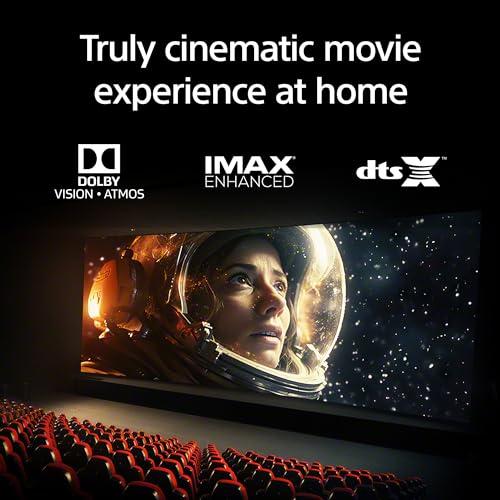
Here's where the differences become critically important for certain users. The Sony HT-A9M2 supports every major audio format you'll encounter, including DTS:X, IMAX Enhanced, and 360 Reality Audio. This comprehensive support matters significantly if you collect 4K Blu-rays or use streaming services that offer high-quality audio tracks.
The Bose Smart Ultra has one glaring omission that affects roughly 30% of premium content: no DTS:X support. While it excels with Dolby Atmos content from Netflix, Disney+, and Apple TV+, many 4K Blu-ray discs use DTS:X as their premium audio format. Without this support, you'll miss the enhanced spatial effects that these discs are designed to deliver.
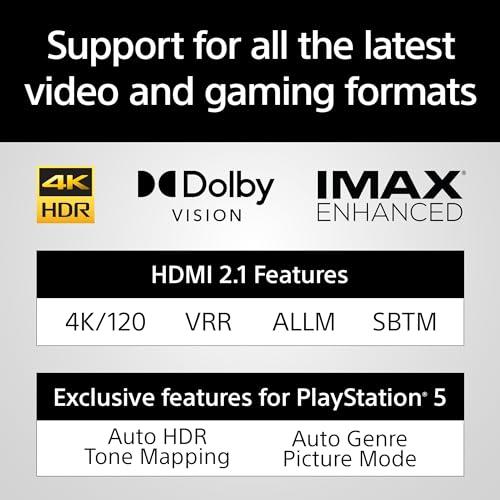
For gaming, the differences are even more pronounced. The Sony HT-A9M2 includes full HDMI 2.1 support with Variable Refresh Rate (VRR), Auto Low Latency Mode (ALLM), and 4K/120Hz passthrough. If you own a PlayStation 5 or Xbox Series X, these features eliminate screen tearing and reduce input lag—technical improvements that make gaming noticeably more responsive and visually smooth.
Both systems face the same fundamental challenge: delivering satisfying bass from relatively compact drivers. The Sony HT-A9M2 distributes its bass across four speakers, which can create more even coverage throughout your room but often lacks the deep, room-shaking impact that many people expect from action movies.
The Bose Smart Ultra includes dedicated woofers in its single chassis and generally delivers more satisfying bass response out of the box. However, neither system will satisfy bass enthusiasts without adding a subwoofer—an additional investment that typically adds several hundred dollars to your total cost.
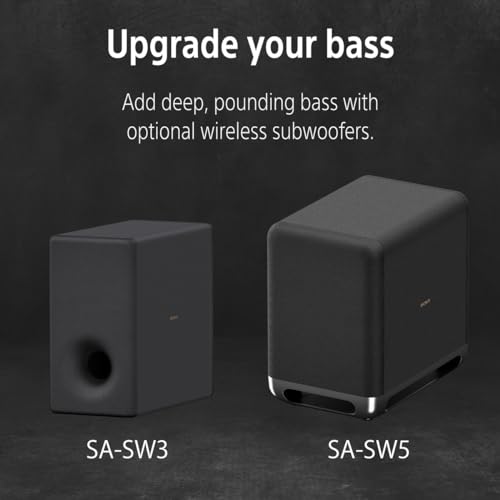
The Sony HT-A9M2 can be expanded with Sony's wireless subwoofers and even rear speakers to create a full 7.1.4 system, offering a clear upgrade path. The Bose Smart Ultra can also add a Bass Module, but the expansion options are more limited.
This is where the Bose Smart Ultra demonstrates clear superiority for most users. The AI Dialogue Mode represents a genuine technological breakthrough that automatically identifies when characters are speaking and enhances their voices without making the overall mix sound artificial.
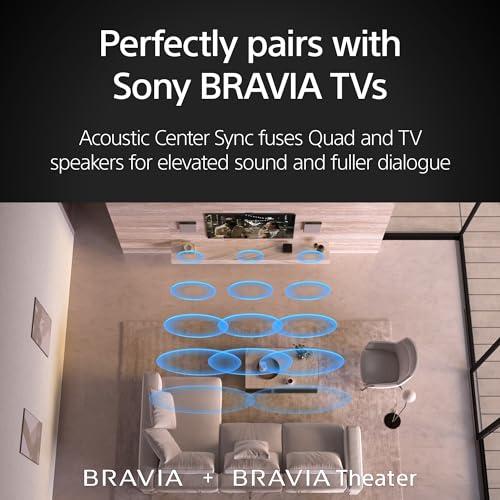
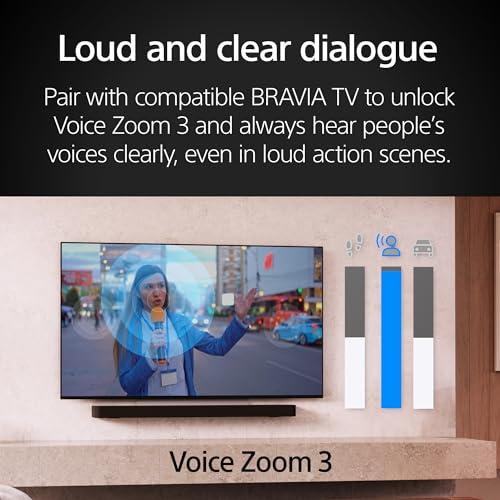
The Sony HT-A9M2 uses a phantom center channel—combining the front speakers to create the impression of a center speaker where none exists. While this works well for properly mixed content, dialogue can sometimes lack the sharp focus that a dedicated center channel provides. The system performs much better when paired with a Sony BRAVIA TV using Acoustic Center Sync, which allows the TV's speakers to function as a physical center channel.
For households where TV dialogue clarity is a primary concern—especially for news, documentaries, or shows with heavy dialogue—the Bose Smart Ultra provides a noticeably superior daily experience.
The Bose Smart Ultra excels in smart home integration with built-in Alexa, Google Assistant compatibility, and seamless support for AirPlay 2 and Chromecast. You can control your TV, adjust volume, or play music using voice commands, and the multi-room audio capability works beautifully with other Bose speakers throughout your home.
The Sony HT-A9M2 takes a more focused approach, prioritizing audio performance over smart features. While it lacks built-in voice assistants, it offers exceptional integration with Sony's BRAVIA TV ecosystem, including features like Acoustic Center Sync and automatic picture mode optimization for different content types.
At the time of writing, the Sony HT-A9M2 commands a significant price premium—roughly 50% more than the Bose Smart Ultra. This price difference reflects the complexity of manufacturing and coordinating four separate wireless speakers, but it also raises important questions about value.
The Sony system justifies its premium through superior spatial audio precision, comprehensive format support, and a clear upgrade path to a full surround system. However, reaching its full potential often requires adding a subwoofer, which increases the total investment considerably.
The Bose Smart Ultra offers more immediate satisfaction at a lower entry point. Its dialogue enhancement, smart features, and solid bass response deliver a complete experience without additional purchases. For many users, this represents better value despite the Sony system's higher performance ceiling.
Your room dimensions may be the most important factor in this decision. In spaces larger than 15 feet from seating to speakers, the Sony HT-A9M2 creates a noticeably more immersive experience that justifies its complexity and cost. The physical speaker separation becomes increasingly important as room size grows, and the system's calibration technology adapts remarkably well to challenging layouts.
In smaller rooms—typical apartments, bedrooms, or compact living spaces—the Bose Smart Ultra often provides a more satisfying experience. The dialogue clarity alone makes daily TV watching more enjoyable, and the virtual surround effects work surprisingly well when your seating position is closer to the soundbar.
For serious gamers, particularly those with PlayStation 5 or Xbox Series X consoles, the Sony HT-A9M2 offers compelling advantages. The HDMI 2.1 features reduce input lag and support high-refresh gaming, while the spatial audio capabilities enhance competitive gaming scenarios where hearing enemy positions provides tactical advantages.
The Bose Smart Ultra lacks these gaming-specific optimizations and offers only basic HDMI connectivity. While it won't hinder gaming performance, it doesn't actively enhance it either.
The Sony HT-A9M2 represents the future of home audio—a system that delivers genuine surround sound without the complexity of traditional receivers and wired speakers. It's the right choice if you have a larger room, prioritize spatial audio precision, or are serious about gaming. The investment makes sense when you view it as a foundation for a expandable high-end audio system.
The Bose Smart Ultra excels at being exactly what most people need: a single device that dramatically improves TV audio while adding smart features and maintaining simplicity. Choose it if dialogue clarity matters most, if you want voice control integration, or if you prefer the elegance of a one-unit solution.
Both systems represent significant improvements over basic soundbars and TV speakers. Your choice should align with your room size, content preferences, and tolerance for complexity. The Sony pushes boundaries and offers a glimpse of wireless audio's future, while the Bose perfects the traditional soundbar concept with modern technology.
The bottom line: there's no wrong choice between these systems, only different philosophies about how to achieve great home theater sound. Consider your space, your priorities, and your budget—both will transform your audio experience, just through very different approaches.
| Sony HT-A9M2 BRAVIA Theater Quad | Bose Smart Ultra Soundbar |
|---|---|
| System Design - Fundamentally different approaches to surround sound | |
| Four separate wireless speakers (true multi-speaker system) | Single soundbar unit with virtual surround processing |
| Total Drivers - More drivers generally mean better sound separation | |
| 16 drivers (4 per speaker: woofer, midrange, tweeter, upfiring) | 9 drivers in single chassis |
| Channel Configuration - Higher numbers indicate more precise audio positioning | |
| 4.0.4 channels with physical speaker separation | 5.1.2 channels with virtual surround simulation |
| Total Power Output - Higher wattage supports louder, cleaner sound | |
| 504W with S-Master HX digital amplifier | Not specified (typically lower for single-unit systems) |
| Room Size Optimization - Critical for achieving best performance | |
| Excels in large rooms (15+ feet), adapts to irregular layouts | Best in small-medium rooms (under 15 feet), fixed positioning |
| Audio Format Support - Affects compatibility with premium content | |
| Dolby Atmos, DTS:X, IMAX Enhanced, 360 Reality Audio | Dolby Atmos only (no DTS:X support) |
| Gaming Features - Important for console users seeking competitive advantage | |
| Full HDMI 2.1: VRR, ALLM, 4K/120Hz, PS5 optimizations | Basic HDMI eARC only, no gaming enhancements |
| Dialogue Enhancement - Critical for everyday TV watching experience | |
| Voice Zoom 3 (works best with Sony BRAVIA TVs) | AI Dialogue Mode (automatic, works with all content) |
| Smart Features - Convenience and ecosystem integration | |
| BRAVIA ecosystem integration, no built-in voice assistant | Built-in Alexa, Google Assistant, AirPlay 2, Chromecast |
| Setup Complexity - Balance between performance and convenience | |
| Four speakers require individual power outlets and placement | Single unit plugs in under TV |
| Expansion Options - Future upgrade potential | |
| Can expand to 7.1.4 with Sony wireless sub and rear speakers | Limited to Bass Module addition |
| Calibration Method - How the system adapts to your room | |
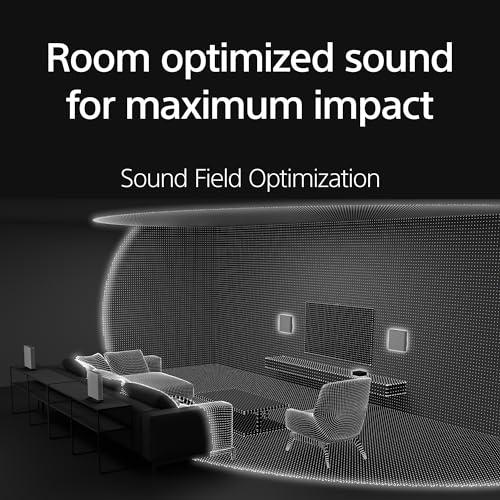
| Sound Field Optimization using built-in microphones | ADAPTiQ calibration with separate headset |
| Physical Footprint - Space requirements in your room | |
| Four 12"H × 11"W × 2"D speakers placed around room | Single 2.3"H × 41"W × 4.2"D bar under TV |
| Subwoofer Requirement - Important for full bass impact | |
| Often needs optional wireless subwoofer for satisfying bass | Better integrated bass, subwoofer less critical |
| Price Category - Value positioning at time of writing | |
| Premium pricing (roughly 50% higher cost) | Mid-to-high pricing with better immediate value |
The Sony HT-A9M2 is a four-speaker wireless system that physically surrounds you with sound, while the Bose Smart Ultra is a single soundbar that uses advanced processing to create virtual surround effects. The Sony provides true multi-directional audio from separate speakers, whereas the Bose relies on clever sound reflection and processing from one unit.
The Bose Smart Ultra is generally better for small rooms under 15 feet. Its virtual surround technology works most effectively in compact spaces, and the single-unit design fits perfectly under most TVs without requiring multiple speaker placements. The Sony HT-A9M2 truly shines in larger rooms where the physical speaker separation can create more dramatic surround effects.
Both systems can benefit from a subwoofer, but the Bose Smart Ultra delivers more satisfying bass out of the box thanks to its dedicated woofers. The Sony HT-A9M2 often requires an optional subwoofer to achieve the deep bass impact most people expect from action movies. Sony offers wireless subwoofers that integrate seamlessly with the system.
The Bose Smart Ultra excels at dialogue clarity with its AI Dialogue Mode, which automatically identifies and enhances speech without making the sound artificial. The Sony HT-A9M2 uses a phantom center channel that can sometimes lack focus, though it performs much better when paired with a Sony BRAVIA TV using Acoustic Center Sync.
The Sony HT-A9M2 is significantly better for gaming, offering full HDMI 2.1 support with features like Variable Refresh Rate (VRR), Auto Low Latency Mode (ALLM), and 4K/120Hz passthrough. It also includes PlayStation 5-specific optimizations. The Bose Smart Ultra provides basic connectivity without gaming enhancements.
The Bose Smart Ultra is much easier to set up—just plug it in under your TV and run the calibration. The Sony HT-A9M2 requires placing four separate speakers around your room, each needing a power outlet, though the wireless connectivity eliminates the need for speaker wires.
The Sony HT-A9M2 supports all major formats including Dolby Atmos, DTS:X, IMAX Enhanced, and 360 Reality Audio. The Bose Smart Ultra supports Dolby Atmos but notably lacks DTS:X support, which can be found on many 4K Blu-ray discs and some streaming content.
The Sony HT-A9M2 offers excellent expandability, allowing you to add wireless subwoofers and rear speakers to create a full 7.1.4 system. The Bose Smart Ultra can add a Bass Module subwoofer but has limited expansion options beyond that.
The Bose Smart Ultra wins on smart features with built-in Alexa, Google Assistant compatibility, AirPlay 2, and Chromecast support. The Sony HT-A9M2 focuses more on audio performance and BRAVIA TV integration rather than smart home features.
Both systems offer automatic room calibration, but with different approaches. The Sony HT-A9M2 uses Sound Field Optimization with built-in microphones in each speaker to analyze your room. The Bose Smart Ultra uses ADAPTiQ calibration that requires wearing a special headset during the setup process.
The Bose Smart Ultra typically offers better immediate value with its lower entry price, excellent dialogue enhancement, and smart features. The Sony HT-A9M2 costs significantly more but justifies the premium with superior spatial audio precision, comprehensive format support, and expandability for serious home theater enthusiasts.
Choose the Sony HT-A9M2 if you have a larger room, prioritize spatial audio accuracy, are a serious gamer, or want future expandability. Choose the Bose Smart Ultra if you have a smaller space, want excellent dialogue clarity, prefer simple setup, or value smart home integration over maximum audio performance.
We've done our best to create useful and informative comparisons to help you decide what product to buy. Our research uses advanced automated methods to create this comparison and perfection is not possible - please contact us for corrections or questions. These are the sites we've researched in the creation of this article: bestbuy.com - whathifi.com - whathifi.com - youtube.com - rtings.com - audiosciencereview.com - bhphotovideo.com - skybygramophone.com - sony.com - manuals.plus - audioadvice.com - dell.com - valueelectronics.com - youtube.com - merlinstv.com - videoandaudiocenter.com - electronics.sony.com - sony.com - bestbuy.com - beachcamera.com - sony.com - win.consulting - sony.com - techradar.com - bose.com - bestbuy.com - tomsguide.com - pcrichard.com - rtings.com - bose.com - boselatam.com - avsforum.com - bose.com

Privacy Policy
Terms and Conditions - Affiliate Policy
Home Security
© Copyright 2008-2026.
11816 Inwood Rd #1211, Dallas, TX 75244