






When you're shopping for premium home theater audio, you'll quickly discover that not all high-end systems follow the same playbook. The Sony HT-A9M2 and Samsung HW-Q990F represent two fundamentally different philosophies for creating immersive surround sound, and understanding these differences is crucial for making the right choice.
Both products launched in 2024, representing the latest thinking from two audio giants. The Sony HT-A9M2 builds on Sony's innovative 2022 HT-A9 concept, refining their wireless quad-speaker approach with improved reliability and processing power. Meanwhile, the Samsung HW-Q990F represents Samsung's continued evolution of traditional soundbar architecture, pushing physical channel counts to new heights while adding advanced room correction and streaming capabilities.
The core difference between these systems isn't just about features or price—it's about completely different strategies for creating surround sound in your living room.
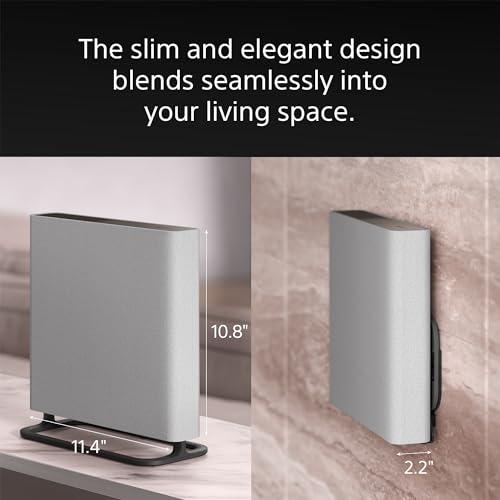
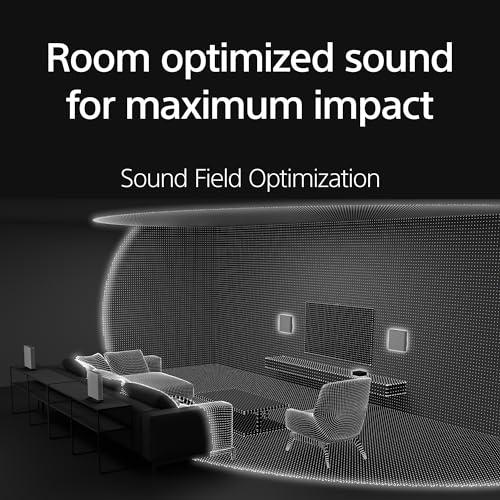
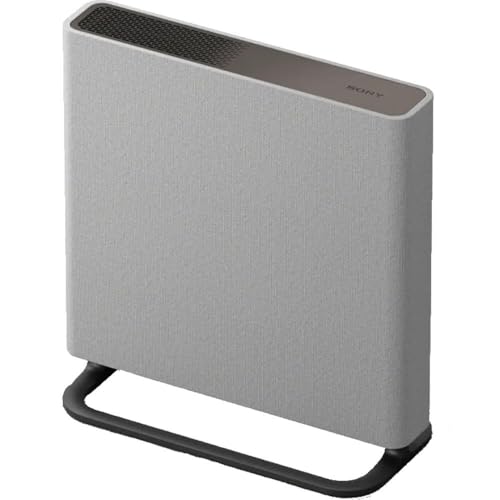
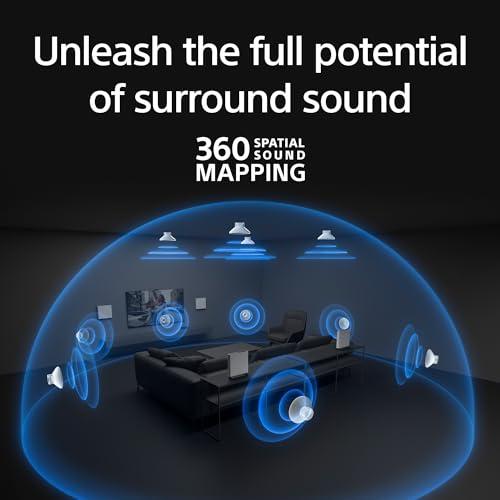
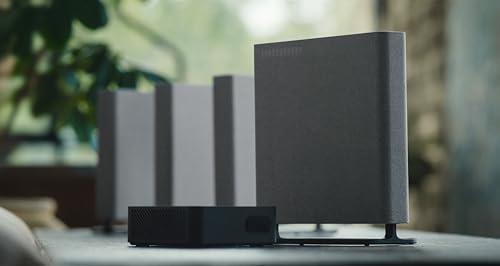
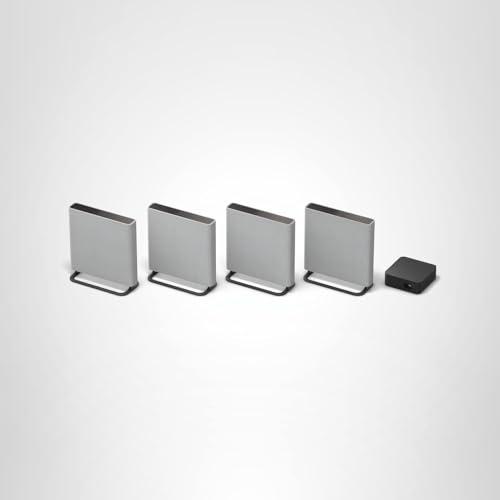
The Sony HT-A9M2 throws out conventional wisdom entirely. Instead of a soundbar with separate components, you get four identical wireless speakers that work together to create what Sony calls a "sound bubble" around your listening area. This system uses advanced processing called 360 Spatial Sound Mapping to bounce audio off your walls and ceiling, creating the illusion of speakers placed throughout your room—even where none exist physically.
Think of it like audio holography. The four speakers analyze your room's acoustics using built-in microphones, then use precise timing and phase manipulation to make sounds appear to come from specific locations in three-dimensional space. It's genuinely clever technology that creates phantom speakers—virtual sound sources your brain perceives as coming from empty air.
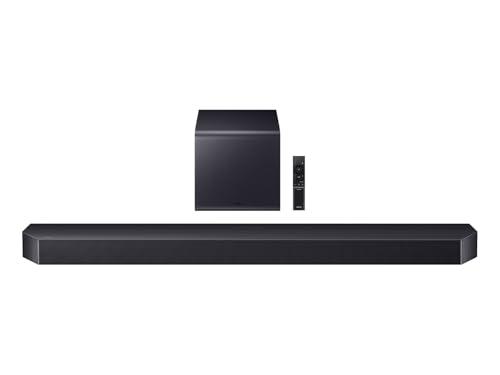
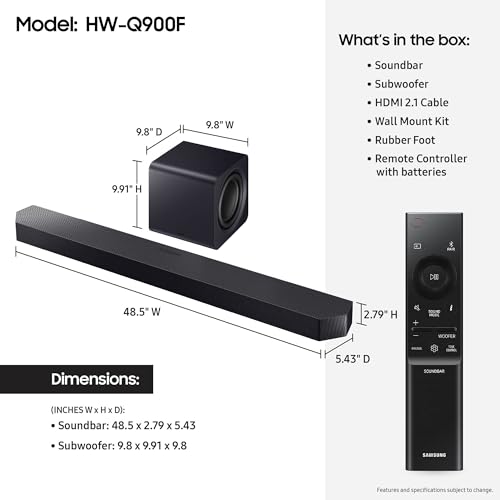
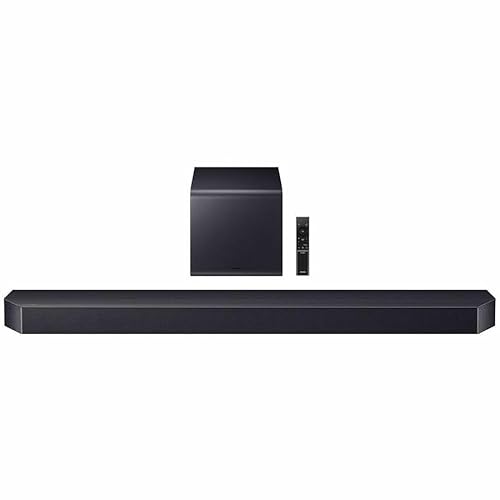
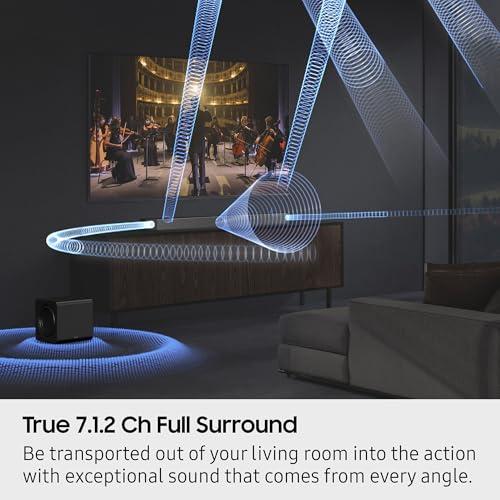
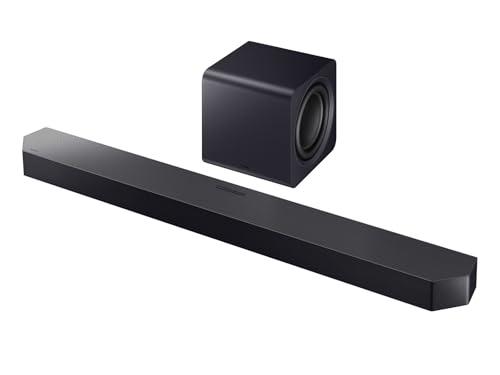
The Samsung HW-Q990F, by contrast, takes the traditional approach and executes it at the highest level. You get a substantial soundbar packed with drivers, a powerful wireless subwoofer, and dedicated rear speakers that provide authentic surround sound the old-fashioned way: by actually placing speakers around your room. This is an 11.1.4 channel system, meaning 11 main channels, one subwoofer channel, and four height channels for Dolby Atmos effects.
Both approaches have merit, but they excel in different situations and appeal to different priorities.
The Sony HT-A9M2 creates surprisingly convincing surround effects when conditions are right. In medium-sized rooms with reasonably reflective walls, the 360 Spatial Sound Mapping can genuinely fool your ears into thinking sounds are coming from behind you or above, even with no physical speakers in those locations. It's particularly impressive for ambient effects—rain falling around you, helicopters passing overhead, or crowd noise that envelops the listening area.
However, this virtual approach has limitations that become apparent in challenging rooms. If your space is heavily furnished with sound-absorbing materials, irregularly shaped, or very large, the wall reflections that make the magic work become unreliable. The system needs those reflections to create its phantom speakers, so a room full of thick carpets, heavy curtains, and overstuffed furniture can significantly diminish the effect.
The Samsung HW-Q990F doesn't rely on room acoustics to work its magic. Those rear speakers physically placed behind your seating area create authentic surround effects regardless of your room's shape or furnishing. When a helicopter flies from front to back in a movie, you hear it actually moving through space because the sound literally travels from the front soundbar to the rear speakers. This physical approach provides more consistent performance across different room types and sizes.
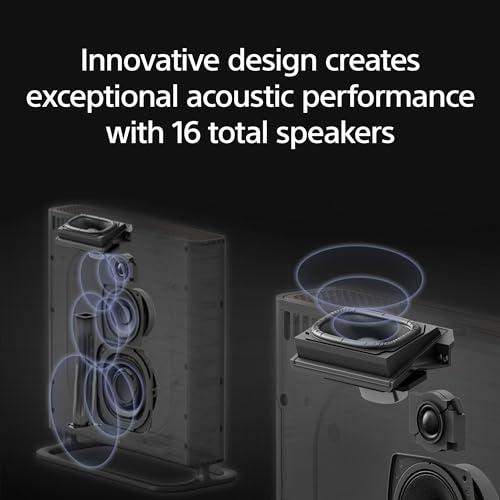
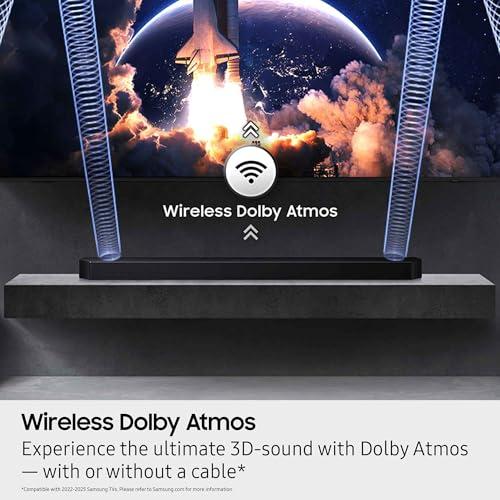
For Dolby Atmos height effects, both systems take different approaches. The Sony uses upward-firing drivers in each of its four speakers, combined with processing that aims to place height effects in specific overhead locations. The Samsung uses both upward-firing drivers in the soundbar and angled drivers in the rear speakers to create a true 360-degree sound field with authentic overhead effects.
In our research across expert and user reviews, the consensus suggests that the Samsung's physical approach delivers more convincing and consistent surround immersion, especially in larger rooms or challenging acoustic environments. However, the Sony can create an impressively seamless sound bubble when room conditions align with its requirements.
Bass reproduction reveals another fundamental difference between these systems. The Sony HT-A9M2 includes a 6.5-inch subwoofer that's designed for integration rather than maximum impact. This approach prioritizes musical bass that blends seamlessly with the main speakers, creating a cohesive sound that doesn't call attention to itself.
This works beautifully for dialogue-heavy content and music listening, where you want bass to support rather than dominate. However, when a T-rex stomps through Jurassic Park or explosions rock an action sequence, the Sony's bass lacks the room-pressurizing authority that makes movie sound effects truly visceral.
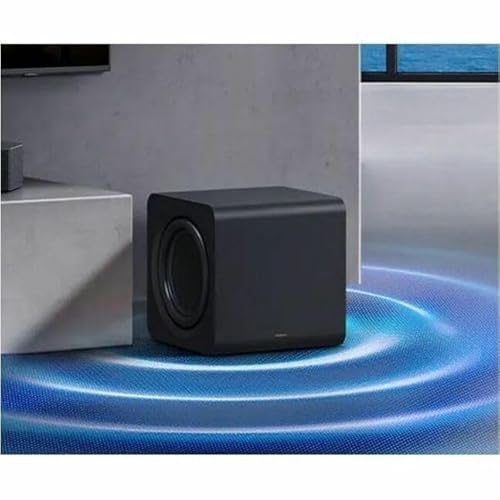
The Samsung HW-Q990F takes no prisoners in the bass department. Its dual 8-inch force-canceling subwoofers deliver the kind of deep, powerful bass that you feel in your chest during intense action sequences. The force-canceling design uses two opposing drivers that cancel out cabinet vibration, allowing the subwoofer to play louder without creating unwanted rattles or resonances.
This makes a dramatic difference for home theater use. Where the Sony might leave you wanting more impact during explosive scenes, the Samsung delivers bass that rivals dedicated home theater subwoofers. However, this power comes with responsibility—in smaller rooms or apartments, the Samsung's bass capability might be more than you can actually use without disturbing neighbors.
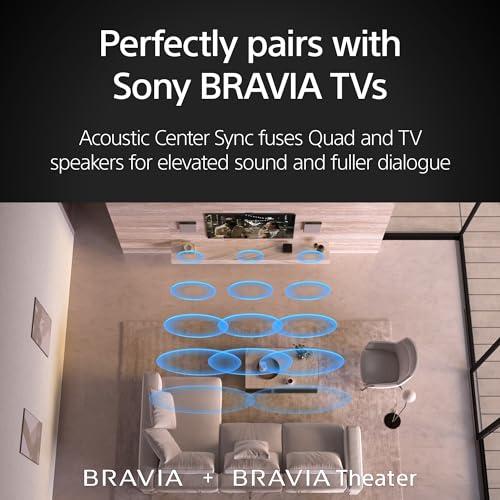
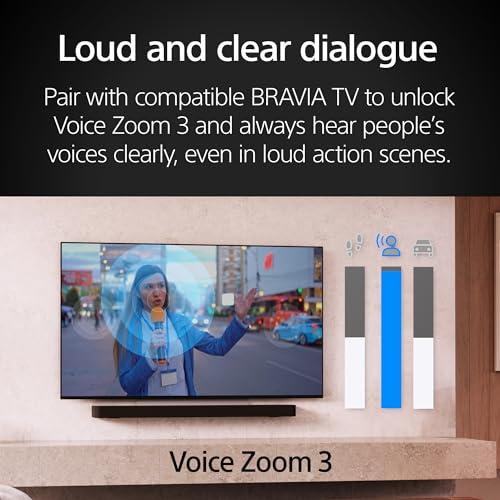
Dialogue reproduction showcases another interesting contrast. The Sony HT-A9M2 doesn't have a traditional center channel speaker. Instead, it creates a phantom center channel using processing across its four speakers. This might sound like a limitation, but Sony's implementation is surprisingly effective, especially when paired with their BRAVIA TVs using Acoustic Center Sync technology.
This feature allows compatible Sony TVs to act as the center channel, anchoring dialogue directly to the screen. When it works, dialogue appears to come precisely from actors' mouths on screen, creating an unusually convincing illusion. Even without a Sony TV, the phantom center approach distributes dialogue across the front speakers in a way that maintains clarity across a wider seating area than some traditional center channels.
The Samsung HW-Q990F uses a more conventional approach with dedicated center channel drivers in the soundbar. This provides consistent dialogue placement and excellent intelligibility, enhanced by Samsung's Active Voice Amplifier Pro technology. This feature analyzes ambient noise in your room and automatically adjusts dialogue frequencies to maintain clarity even when background noise might otherwise mask speech.
Both systems handle dialogue well, but they achieve clarity through different means. The Sony's approach can sound more natural and spacious, while the Samsung's provides more traditional, pinpoint dialogue placement that some listeners prefer.
Music playback reveals each system's distinct personality. The Sony HT-A9M2 demonstrates more refined musical reproduction with natural timbre and excellent stereo imaging. The four-speaker arrangement creates an unusually wide soundstage for music, placing instruments across a broad front stage with good depth and layering.
However, the Sony is limited by its connectivity options. With only Bluetooth for wireless streaming, you're restricted to compressed audio codecs that don't fully showcase the system's resolution capabilities. This is a significant limitation in 2024, when high-resolution streaming has become increasingly important for serious music listening.
The Samsung HW-Q990F offers more comprehensive streaming options, including Wi-Fi connectivity, Spotify Connect, TIDAL Connect, Apple AirPlay 2, and even Roon Ready certification for audiophile-level streaming. This connectivity advantage allows you to stream lossless and high-resolution audio files that better showcase the system's capabilities.
Sonically, the Samsung delivers more dynamic and energetic music reproduction. The dedicated subwoofer provides stronger bass foundation for genres like rock, hip-hop, and electronic music, while the seven-band equalizer allows extensive customization for different musical styles.
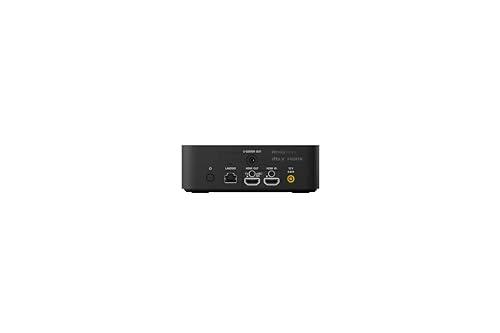
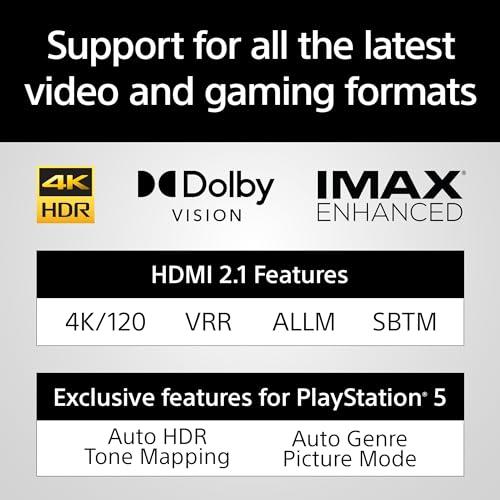
The connectivity difference between these systems is stark and practically important. The Sony HT-A9M2 includes just one HDMI 2.1 port, which means you'll need to connect everything through your TV or invest in an external HDMI switch if you have multiple source devices. While that single port supports impressive specifications—8K/60Hz, 4K/120Hz with Variable Refresh Rate and Auto Low Latency Mode for gaming—the limitation becomes problematic for complex setups.
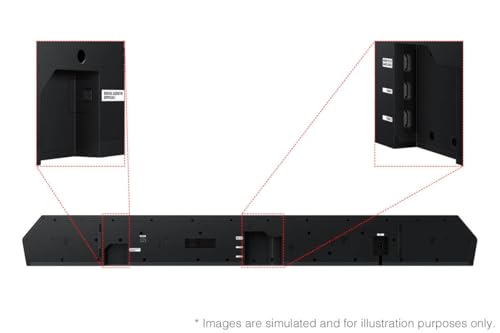
The Samsung HW-Q990F provides three HDMI 2.1 ports (two inputs, one eARC output), allowing direct connection of gaming consoles, Blu-ray players, and streaming devices. This flexibility becomes crucial if you want to take advantage of each device's unique audio capabilities without constantly swapping cables.
For gaming specifically, the Sony offers exceptional PlayStation 5 integration with automatic picture and sound mode switching, but the single HDMI port means you can't simultaneously connect multiple gaming systems. The Samsung doesn't offer PlayStation-specific features but accommodates multiple gaming platforms simultaneously.
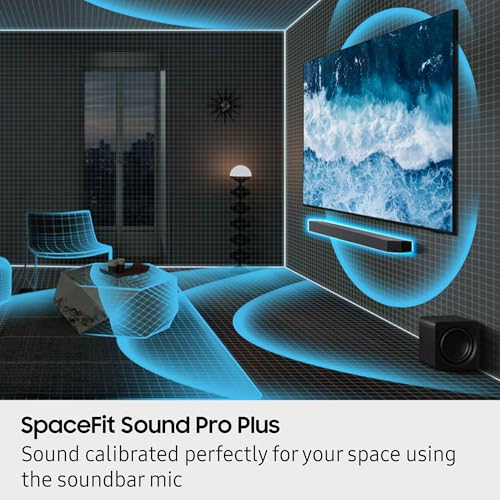
Both systems include automatic room calibration, but they work differently. The Sony's Sound Field Optimization uses microphones in each speaker to analyze your room's acoustics, then calibrates the 360 Spatial Sound Mapping to work optimally in your specific space. This calibration is crucial for the virtual surround processing to work effectively.
The Samsung's SpaceFit Sound Pro Plus analyzes room acoustics and automatically adjusts the soundbar's output characteristics. Since the Samsung relies less heavily on room reflections for its core functionality, this calibration focuses more on optimizing tonal balance and level matching between components.
At the time of writing, these products sit in very different price tiers, with the Sony HT-A9M2 commanding a significant premium over the Samsung HW-Q990F—often nearly three times the cost. This price difference raises important questions about value and priorities.
The Sony justifies its premium through innovative processing technology, superior build quality, and seamless ecosystem integration for Sony device owners. However, from a pure channel count perspective, the Samsung delivers nearly four times as many physical audio channels at a fraction of the price.
This isn't necessarily about one system being "better" than the other—it's about different value propositions serving different needs and budgets.
Your room characteristics often determine which system will work better, regardless of personal preferences.
The Sony HT-A9M2 excels in medium-sized rooms (roughly 200-400 square feet) with moderately reflective surfaces. Rooms with hardwood floors, painted walls, and minimal soft furnishings provide the acoustic conditions where 360 Spatial Sound Mapping works most effectively. However, heavily carpeted rooms, spaces with lots of soft furniture, or irregularly shaped areas can significantly diminish the virtual surround effects.
The Samsung HW-Q990F works effectively in virtually any room configuration, though it requires space for rear speaker placement. The physical speakers overcome acoustic challenges that might defeat virtual processing, making the Samsung more universally compatible with different room types and sizes.
For gaming enthusiasts, system integration becomes crucial. The Sony HT-A9M2 offers unmatched PlayStation 5 integration, automatically switching picture and audio modes based on game content. This seamless operation feels genuinely futuristic when switching between movie streaming and gaming.
However, the single HDMI port limitation means you can't simultaneously connect multiple gaming systems. If you own both PlayStation and Xbox consoles, or want to connect a gaming PC alongside a console, the Samsung HW-Q990F provides more practical flexibility.
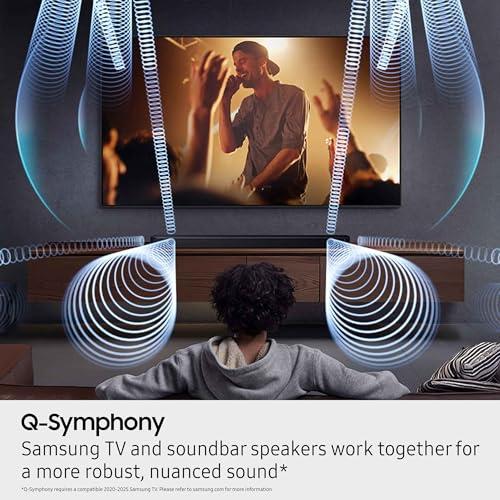
The Samsung also integrates exceptionally well with Samsung TVs through Q-Symphony technology, which allows the TV's speakers to work alongside the soundbar for an even larger soundstage. This feature works particularly well with Samsung's premium QLED and OLED TVs.
Choose the Sony HT-A9M2 if you live in a smaller space where rear speaker placement isn't practical, prioritize dialogue clarity and refined audio processing, own Sony BRAVIA TVs and PlayStation consoles for ecosystem benefits, prefer minimalist aesthetics without visible rear speakers, and have the budget for premium processing technology over maximum channel count.
The Sony represents the future of home theater audio in many ways, using computational audio processing to overcome physical limitations. It's genuinely innovative technology that works brilliantly when conditions align with its requirements.
Choose the Samsung HW-Q990F if you have a medium to large room where true surround can shine, frequently watch action movies or play immersive games, need connectivity for multiple source devices, value high-resolution music streaming and customization options, and want proven surround technology with exceptional value per audio channel.
The Samsung represents the pinnacle of traditional soundbar design, executing familiar concepts at an exceptionally high level while adding modern conveniences and connectivity.
These systems serve different masters. The Sony HT-A9M2 prioritizes innovation, convenience, and integration for users within Sony's ecosystem who value elegance over maximum output. The Samsung HW-Q990F prioritizes proven performance, connectivity, and value for users who want maximum home theater impact at a reasonable price.
Neither choice is wrong, but understanding which philosophy aligns with your priorities, room characteristics, and budget will determine which system delivers the better experience in your specific situation. The future of home theater audio includes room for both approaches, serving different needs in our increasingly diverse living situations.
| Sony HT-A9M2 BRAVIA Theater Quad | Samsung HW-Q990F Soundbar |
|---|---|
| Channel Configuration - Determines surround sound authenticity and immersion | |
| 4.0.4 channels (16 drivers across 4 wireless speakers) | 11.1.4 channels (23 speakers: soundbar + subwoofer + rear speakers) |
| Speaker Layout - Affects placement flexibility and room compatibility | |
| Four identical wireless speakers, no traditional soundbar | Traditional soundbar with wireless subwoofer and rear speakers |
| Subwoofer Configuration - Critical for bass impact in movies and music | |
| Single 6.5" subwoofer with shared amplification | Dual 8" force-canceling subwoofers with dedicated 300W amplification |
| Total Power Output - Determines maximum volume and dynamic range | |
| 504W total system power | 756W RMS total system power |
| Surround Technology - How each system creates immersive audio | |
| 360 Spatial Sound Mapping (virtual surround via room reflections) | Physical surround speakers with SpaceFit Sound Pro Plus calibration |
| HDMI Connectivity - Important for gaming and multiple device setups | |
| Single HDMI 2.1 port (8K/60Hz, 4K/120Hz support) | Three HDMI 2.1 ports (2 inputs, 1 eARC output, 4K/120Hz support) |
| Wireless Streaming - Affects music playback quality and convenience | |
| Bluetooth 5.2 only (no Wi-Fi streaming) | Wi-Fi + Bluetooth 5.3, Spotify Connect, TIDAL Connect, AirPlay 2, Roon Ready |
| Room Calibration - Optimizes performance for your specific space | |
| Sound Field Optimization using built-in microphones | SpaceFit Sound Pro Plus with multi-point room analysis |
| TV Integration - Enhanced features when paired with same-brand TVs | |
| Acoustic Center Sync with Sony BRAVIA TVs | Q-Symphony with Samsung TVs for expanded soundstage |
| Voice Enhancement - Improves dialogue clarity in complex audio mixes | |
| Voice Zoom 3 with AI dialogue separation | Active Voice Amplifier Pro with adaptive noise compensation |
| Gaming Features - Special optimizations for console gaming | |
| PlayStation 5 auto-optimization with picture/sound mode switching | VRR, ALLM support but no console-specific features |
| Design Approach - Affects aesthetic integration and setup complexity | |
| Four matching speakers for minimal visual impact | Traditional soundbar system requiring rear speaker placement |
| Release Year - Indicates latest technology and feature refinements | |
| 2024 (second-generation wireless quad technology) | 2024 (flagship traditional soundbar with latest Samsung features) |
The Sony HT-A9M2 is significantly better for small apartments because it doesn't require rear speaker placement. The four wireless speakers can be positioned flexibly around your room without dedicated rear channels, making it ideal for spaces where you can't place speakers behind your seating area. The Samsung HW-Q990F includes physical rear speakers that need proper positioning for optimal surround sound.
The Samsung HW-Q990F includes a powerful wireless subwoofer with dual 8-inch drivers, so no additional subwoofer is needed. The Sony HT-A9M2 has a built-in subwoofer in one of its speakers, but many users find it lacks the deep bass impact needed for action movies and may benefit from adding Sony's optional wireless subwoofer for fuller home theater experience.
Both systems excel at dialogue clarity but use different approaches. The Sony HT-A9M2 creates a phantom center channel and offers Voice Zoom 3 technology that uses AI to separate and enhance dialogue. The Samsung HW-Q990F has dedicated center channel speakers with Active Voice Amplifier Pro. For most users, the Samsung provides more consistent dialogue placement across different seating positions.
Both the Sony HT-A9M2 and Samsung HW-Q990F work well for music, but the Samsung has significant advantages for music lovers. It supports high-resolution streaming through Wi-Fi, Spotify Connect, TIDAL Connect, and AirPlay 2, plus offers a 7-band equalizer for customization. The Sony only supports Bluetooth streaming, which limits audio quality for music.
The Samsung HW-Q990F is generally easier to set up because it follows traditional soundbar placement. You position the soundbar under your TV, place the subwoofer nearby, and position the rear speakers behind your seating. The Sony HT-A9M2 requires more precise room calibration and speaker positioning to achieve optimal virtual surround effects, though both systems include automatic room calibration features.
The Sony HT-A9M2 has only one HDMI 2.1 port, which can be limiting if you have multiple devices like gaming consoles and Blu-ray players. The Samsung HW-Q990F provides three HDMI 2.1 ports (two inputs, one eARC output), making it much better for complex setups with multiple source devices without needing an external HDMI switch.
For PlayStation 5 gaming, the Sony HT-A9M2 offers superior integration with automatic picture and sound mode switching optimized specifically for PS5. For Xbox or multi-console gaming, the Samsung HW-Q990F is better because its multiple HDMI ports let you connect several gaming systems simultaneously. Both support 4K/120Hz gaming and advanced features like VRR and ALLM.
Both the Sony HT-A9M2 and Samsung HW-Q990F work with any TV brand through HDMI connections. However, each offers special features with same-brand TVs: the Sony provides Acoustic Center Sync with BRAVIA TVs, while the Samsung offers Q-Symphony technology that combines the TV and soundbar speakers when used with Samsung TVs.
The Samsung HW-Q990F performs significantly better in large rooms because it uses physical rear speakers that deliver authentic surround sound regardless of room size. The Sony HT-A9M2 relies on room reflections for its virtual surround effects, which become less effective in very large spaces or rooms with lots of soft furnishings that absorb sound.
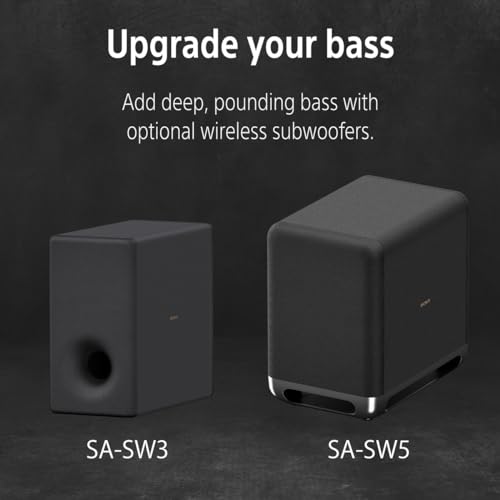
The Samsung HW-Q990F is a complete system that cannot be expanded with additional speakers. The Sony HT-A9M2 can be enhanced by adding Sony's wireless subwoofers (SA-SW3 or SA-SW5) for improved bass performance, but you cannot add more surround speakers to create a larger array.
The Samsung HW-Q990F delivers significantly better bass for action movies with its dual 8-inch force-canceling subwoofers and dedicated 300W subwoofer amplification. This provides the room-shaking bass needed for explosions and intense action sequences. The Sony HT-A9M2 has more restrained bass that prioritizes musical accuracy over maximum impact.
Both the Sony HT-A9M2 and Samsung HW-Q990F offer significant improvements over basic soundbars through advanced surround processing, room calibration, and premium build quality. The Samsung typically offers better value with more physical speakers and channels. The Sony commands a premium for its innovative wireless technology and is best for users who prioritize convenience and Sony ecosystem integration over maximum channel count.
We've done our best to create useful and informative comparisons to help you decide what product to buy. Our research uses advanced automated methods to create this comparison and perfection is not possible - please contact us for corrections or questions. These are the sites we've researched in the creation of this article: bestbuy.com - whathifi.com - whathifi.com - youtube.com - rtings.com - audiosciencereview.com - bhphotovideo.com - skybygramophone.com - sony.com - manuals.plus - audioadvice.com - dell.com - valueelectronics.com - youtube.com - merlinstv.com - videoandaudiocenter.com - electronics.sony.com - sony.com - bestbuy.com - beachcamera.com - sony.com - win.consulting - sony.com - rtings.com - crutchfield.com - sound-advice.online - samsung.com - soundandvision.com - samsung.com - whathifi.com - youtube.com - youtube.com - bestbuy.com - avsforum.com - content.syndigo.com - samsung.com - businessinsider.com - dolby.com - youtube.com - abcwarehouse.com

Privacy Policy
Terms and Conditions - Affiliate Policy
Home Security
© Copyright 2008-2026.
11816 Inwood Rd #1211, Dallas, TX 75244