







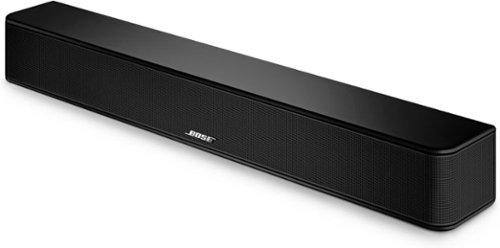
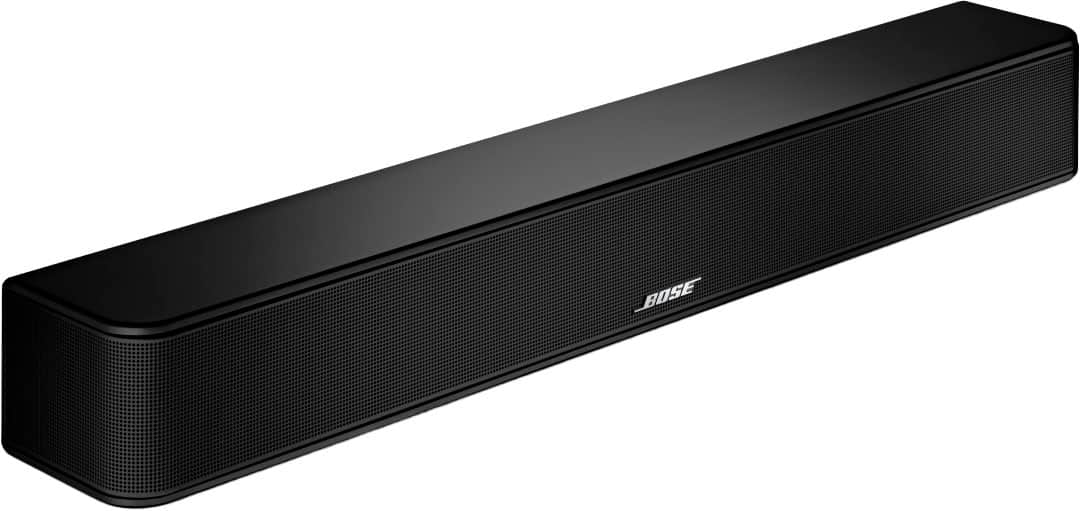
Shopping for better TV sound can feel overwhelming. On one hand, you have premium systems like the Sony HT-A9M2 BRAVIA Theater Quad promising a complete home theater transformation. On the other, there are affordable options like the Bose Solo Soundbar Series 2 that simply make dialogue clearer without breaking the bank. At the time of writing, these products sit at opposite ends of both the price spectrum and performance capabilities—but understanding which approach fits your needs is more important than the price tags alone.
Before diving into specifics, it's worth understanding what separates a basic soundbar from a premium home theater system. The core differences come down to several key factors: how many speakers are involved, how they're positioned in your room, and what audio processing technology they use.
Sound staging refers to how audio creates the illusion of space around you. A basic soundbar fires sound forward from one location, while advanced systems use multiple speakers positioned around the room to create what's called "spatial audio"—where sounds appear to come from specific locations in three-dimensional space, including above your head.
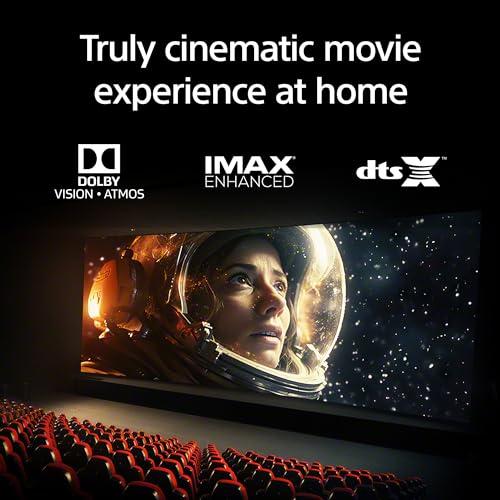
Audio codecs are the digital formats that encode sound information. Basic systems handle standard stereo, while premium systems can decode advanced formats like Dolby Atmos (which includes height information) and DTS:X (another spatial audio format). Think of these like the difference between a regular photo and a 3D movie—the advanced formats contain much more spatial information.
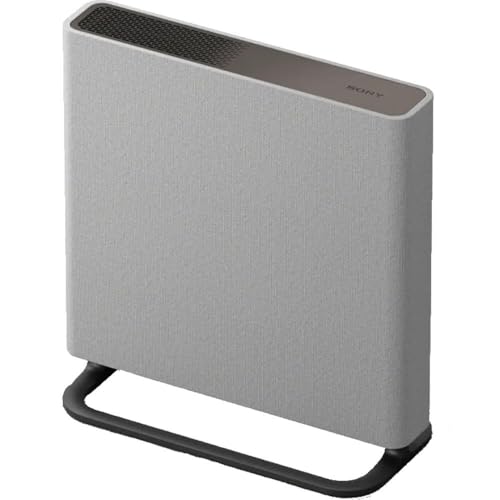
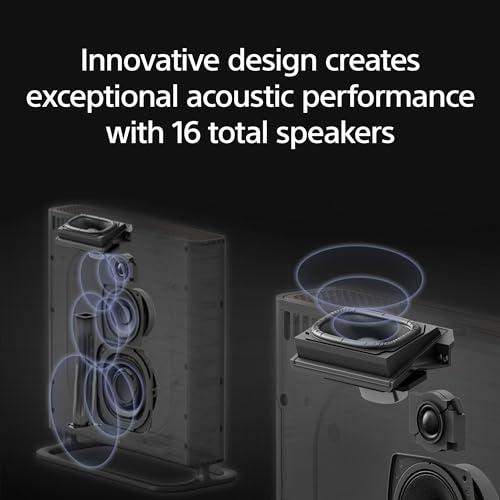
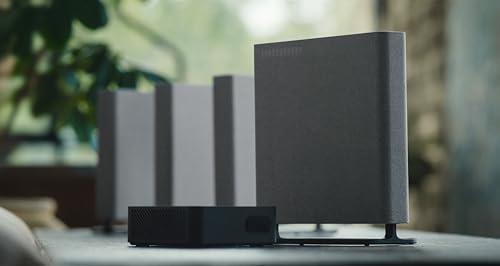
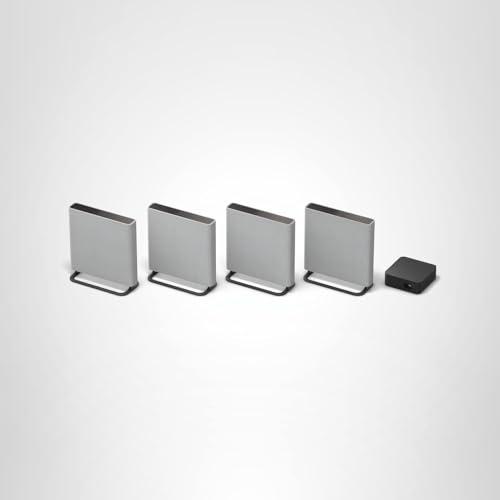
The Sony HT-A9M2, released in 2023 as an evolution of Sony's wireless theater concept, represents a complete rethinking of home audio. Instead of traditional speakers connected by wires to a central receiver, it uses four wireless speakers that work together as a coordinated system. Each speaker contains multiple drivers—the individual components that produce sound—including dedicated woofers for bass, tweeters for high frequencies, and upfiring drivers that bounce sound off your ceiling to create height effects.
The Bose Solo Series 2, updated in 2021 from the original Solo, takes the opposite approach. It's designed as a simple replacement for your TV's built-in speakers, focusing on doing a few things well rather than revolutionizing your entire audio experience. This reflects Bose's traditional strength in making complex audio engineering appear simple to the end user.
These different philosophies create vastly different user experiences, even though both products technically "make your TV sound better."
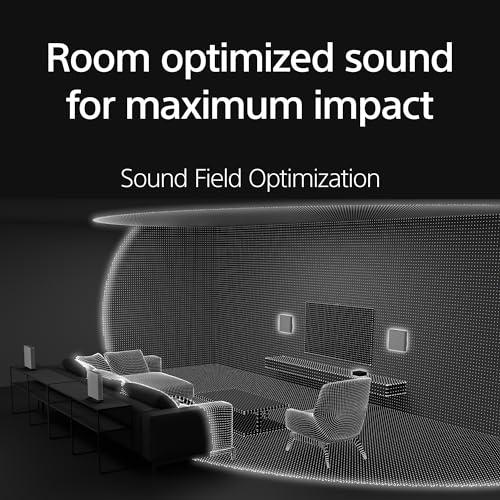
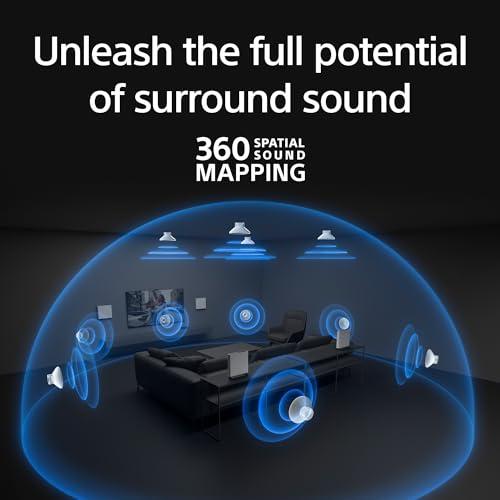
The most dramatic difference between these systems lies in their approach to creating immersive sound. The Sony HT-A9M2 uses what Sony calls "360 Spatial Sound Mapping"—essentially a sophisticated audio processing system that analyzes your room and creates virtual speakers in locations where no physical speakers exist. This isn't marketing fluff; the system actually measures distances, wall reflections, and ceiling height using built-in microphones, then uses advanced timing and phase manipulation to create convincing phantom sound sources.
In practice, this means when a helicopter flies overhead in a movie, you'll hear it move across your ceiling. When characters speak off-screen, their voices appear to come from the correct direction. The four physical speakers work together to create what can feel like 12 or more virtual speakers positioned around your room.
The Bose Solo Series 2, by contrast, creates what's essentially enhanced stereo sound. While Bose uses clever acoustic engineering to make the soundstage wider than you'd expect from a single bar, you're still fundamentally hearing sound projected from one location in front of you. There's no height dimension, no surround effects, and no spatial positioning of specific sounds.
Based on our analysis of user reviews and professional testing, this difference is immediately apparent. Users consistently describe the Sony as creating a "bubble" of sound that surrounds them, while the Bose is praised for making dialogue clearer and providing better overall sound than TV speakers, but without any illusion that sounds are coming from around the room.
Here's where the technical capabilities create real-world limitations. The Sony HT-A9M2 supports modern audio formats including Dolby Atmos, DTS:X, and even Sony's proprietary 360 Reality Audio for music. More importantly, it includes HDMI 2.1 connectivity with eARC (enhanced Audio Return Channel), which means it can handle the full-bandwidth, uncompressed audio from 4K Blu-rays and streaming services.
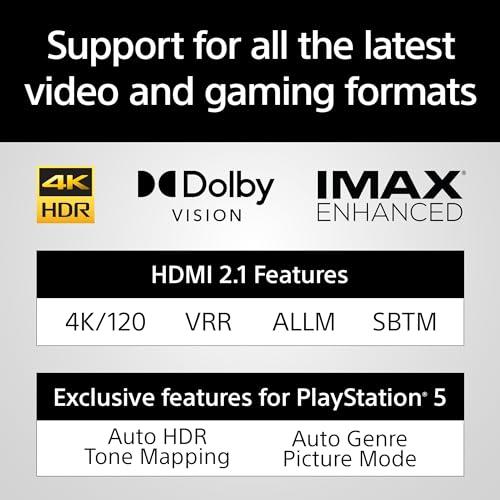
The system also supports advanced gaming features that have become essential for modern consoles. Variable Refresh Rate (VRR) eliminates screen tearing, Auto Low Latency Mode (ALLM) reduces input lag for competitive gaming, and Source-Based Tone Mapping (SBTM) ensures HDR content displays correctly. These features matter because the Sony acts as a passthrough for video signals—your PlayStation 5 or Xbox Series X connects to the Sony's control box, which then sends video to your TV while processing the audio.
The Bose Solo Series 2 takes a much more limited approach. It only accepts audio input through optical or auxiliary connections—no HDMI at all. This means it can't take advantage of advanced audio formats, and more importantly, it can't integrate into modern gaming setups where HDMI 2.1 features are becoming standard. The optical connection limits it to compressed audio formats, so even if your source material includes Dolby Atmos, the Bose will only receive a basic stereo or compressed surround signal.
Both systems face the fundamental challenge of physics: producing deep bass requires moving a lot of air, which typically means large drivers or dedicated subwoofers. The Sony HT-A9M2 addresses this with X-Balanced Speaker Units—rectangular woofers that provide more cone area than traditional round drivers of the same size. Each of the four speakers contains these specialized woofers, and the system's processing coordinates them to reinforce each other.
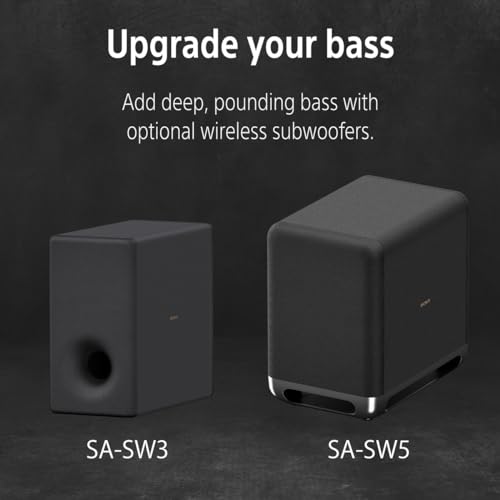
However, based on extensive user feedback and professional reviews, the Sony's bass performance is the most commonly cited limitation. Users consistently report that while the system excels at midrange clarity and spatial effects, it lacks the deep, room-shaking bass that makes action movies truly impactful. Sony addresses this by offering optional wireless subwoofers, but this represents additional cost and complexity.
The Bose Solo Series 2 faces even greater bass limitations due to its compact size and single-unit design. While Bose has a reputation for making small speakers sound bigger than they should, the laws of physics still apply. Users report adequate bass for dialogue and light music, but significant limitations with action movies or bass-heavy music genres.
What makes this interesting is that both systems would benefit from subwoofer additions, but only the Sony offers that upgrade path. The Bose has no subwoofer output, making it a closed system with no expandability options.
Modern gaming has pushed audio requirements beyond simple stereo sound. Games now include spatial audio engines that can position hundreds of individual sound sources in 3D space—footsteps approaching from behind, bullets whizzing overhead, or environmental audio that helps with gameplay positioning.
The Sony HT-A9M2 was designed with this evolution in mind. Beyond its HDMI 2.1 gaming features, it includes specific optimizations for PlayStation 5's Tempest 3D AudioTech engine. The system can process the console's spatial audio output and translate it into the room-filling experience Sony's hardware creates. This creates a competitive advantage in games where audio positioning matters—you can literally hear enemies approaching from specific directions.
For PC gaming, the Sony supports high-resolution audio up to 192kHz/24-bit, which benefits games with uncompressed audio tracks or music. The wireless connectivity also supports advanced Bluetooth codecs including LDAC, which maintains higher quality when streaming from phones or computers.
The Bose Solo Series 2 simply can't participate in modern gaming audio. Without HDMI connectivity, it's limited to basic stereo audio processing. There's no spatial positioning, no low-latency optimization, and no support for the audio features that make modern games more immersive.
For cinematic content, the difference between these systems is like comparing a local movie theater to your phone's speakers. The Sony HT-A9M2 creates the sense that you're inside the movie's soundscape. Dialogue appears to come from the screen even when the speakers aren't positioned there, effects move around the room following the action, and the overall experience feels much larger than your living room.
The system's room calibration automatically adjusts for your space, meaning it works whether you have a small apartment or a large open-plan living area. The wireless speakers can be positioned flexibly—on furniture, wall-mounted, or even placed behind your seating area—and the system adapts accordingly.
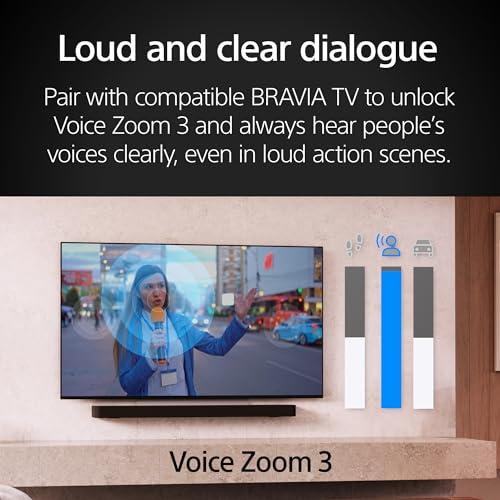
The Bose Solo Series 2 focuses on making TV dialogue more intelligible, which is honestly the biggest complaint most people have about modern TV audio. The dedicated dialogue enhancement mode uses frequency shaping to make voices cut through background music and effects. For news, talk shows, and dialogue-heavy dramas, this creates a noticeably better experience than TV speakers.
However, action movies reveal the system's limitations quickly. Without spatial audio processing, chase scenes feel flat. Without deep bass, explosions lack impact. The experience is better than TV speakers but remains fundamentally two-dimensional.
Music reproduction showcases another key difference in approach. The Sony HT-A9M2 can create an enveloping musical experience, especially with newer spatial audio formats like 360 Reality Audio or Dolby Atmos Music. These formats position individual instruments around the listening space, creating something closer to being in the recording studio or concert venue.
For traditional stereo music, the four-speaker arrangement allows for wider stereo imaging than a single soundbar can achieve. You can position the speakers further apart, creating a more spacious soundstage. The system's DSEE Ultimate technology also upscales compressed music formats, attempting to restore detail lost in streaming compression.
The Bose Solo Series 2 handles music adequately for casual listening. Bose's engineering heritage shows in the tonal balance—voices and instruments sound natural, and the system avoids the harsh or muddy sound that plagues some budget soundbars. However, it remains a front-firing stereo system without the spatial capabilities that make music feel immersive.
This is where the products truly diverge in philosophy. The Sony HT-A9M2 requires a more involved setup process. You'll need to position four speakers around your room, run power cables to each location, and go through an automated calibration process. The system uses Sony's BRAVIA Connect app for setup and control, which adds modern features like network streaming but also introduces another layer of complexity.
The payoff for this complexity is significant: once calibrated, the system automatically optimizes its performance for your specific room and speaker placement. Move furniture or reposition speakers, and you can recalibrate in a few minutes.
The Bose Solo Series 2 represents the opposite approach: connect one optical cable, plug in power, and you're done. There's no app, no calibration, and no complex positioning requirements. The remote control provides basic adjustments for volume, bass level, and dialogue enhancement, but that's intentionally the extent of user interaction.
At the time of writing, these products represent roughly a 10x price difference, which accurately reflects their dramatically different capabilities and target markets.
The Sony HT-A9M2 targets users who want a genuine home theater experience without the complexity of traditional component systems. If you're the type of person who researches audio equipment, cares about spatial audio formats, or wants your living room to feel like a cinema, the Sony's premium pricing reflects premium capabilities.
However, the system really benefits from adding Sony's wireless subwoofer, which increases the total investment significantly. Users who are serious about the cinematic experience should budget for this addition, as it addresses the system's main weakness.
The Bose Solo Series 2 serves users who simply want better TV audio without complexity or major expense. If your primary goal is making dialogue clearer and adding some richness to TV sound, it delivers exactly that experience at an accessible price point.
Choose the Sony HT-A9M2 if you're building a dedicated entertainment space where audio quality significantly impacts your enjoyment. This means movie enthusiasts, serious gamers, or anyone who wants to transform their living room into a mini cinema. The system justifies its premium cost by delivering an experience that no traditional soundbar can match.
The wireless flexibility also makes it ideal for users who want high-end audio without permanent installation. Renters, for instance, can create a sophisticated setup without running speaker wire through walls.
Choose the Bose Solo Series 2 if you want immediate, hassle-free improvement to TV audio. This works well for secondary TVs, bedroom setups, or situations where you primarily watch dialogue-heavy content like news or talk shows. The simplicity is a feature, not a limitation, for users who don't want to manage complex audio systems.
The Bose also makes sense for users with very limited space or those who prefer minimalist aesthetics. One small soundbar creates less visual impact than four wireless speakers positioned around the room.
These products succeed at completely different goals. The Sony HT-A9M2 transforms your space into a home theater, while the Bose Solo Series 2 simply makes your TV sound better. Both approaches have merit, but understanding which goal matches your needs and budget will determine which system delivers better value for your specific situation.
The key insight is that audio quality improvements aren't always linear with price. The jump from TV speakers to the Bose represents a dramatic improvement in dialogue clarity and overall sound quality. The jump from the Bose to the Sony represents a fundamental change in the audio experience itself—moving from enhanced stereo to true spatial audio immersion.
For most users, the question isn't which system sounds better—the Sony clearly does—but whether that improvement justifies the significantly higher investment and complexity. That depends entirely on how important audio quality is to your entertainment experience and whether you'll take advantage of the advanced features that drive the premium pricing.
| Sony HT-A9M2 BRAVIA Theater Quad | Bose Solo Soundbar Series 2 |
|---|---|
| Speaker Configuration - Determines immersive audio capability and room-filling sound | |
| 4.0.4-channel with 16 total drivers across 4 wireless speakers | 2.0-channel with 2 drivers in single soundbar |
| Spatial Audio Support - Essential for modern movie and gaming experiences | |
| Dolby Atmos, DTS:X, 360 Spatial Sound Mapping with phantom speakers | Basic stereo only, no height or surround effects |
| Bass Performance - Critical for action movies and music enjoyment | |
| X-Balanced woofers in each speaker, benefits from optional subwoofer | Limited bass from compact drivers, no subwoofer expansion |
| Gaming Connectivity - Important for console and PC gaming setups | |
| HDMI 2.1 with 4K@120Hz, VRR, ALLM, PlayStation 5 optimizations | No HDMI inputs, optical audio only |
| Room Calibration - Automatically optimizes sound for your specific space | |
| Sound Field Optimization with automatic room measurement | No calibration features, manual bass adjustment only |
| Wireless Connectivity - Affects music streaming quality and convenience | |
| Wi-Fi, Bluetooth 5.2 with LDAC, AirPlay 2, Spotify Connect | Bluetooth 4.0 only, no Wi-Fi or streaming services |
| Setup Complexity - Time and effort required for installation | |
| Four wireless speakers require positioning and app-based calibration | Single optical cable connection, plug-and-play |
| Expandability - Ability to add components for enhanced performance | |
| Compatible with Sony wireless subwoofers and BRAVIA TV integration | No expansion options, closed system |
| Power Output - Affects maximum volume and dynamic range | |
| 504W total across 16 channels with S-Master HX amplification | Approximately 100W from built-in amplifiers |
| Audio Format Support - Determines compatibility with high-quality sources | |
| Up to 192kHz/24-bit, Dolby TrueHD, DTS-HD Master Audio | Optical input limited to compressed formats |
| Physical Footprint - Space requirements in your room | |
| Four separate speakers plus control box, flexible placement | Single 21.6" soundbar, minimal space requirement |
| Target User - Best suited for different needs and budgets | |
| Movie enthusiasts and gamers wanting cinematic experience | Casual viewers seeking basic TV audio improvement |
The Sony HT-A9M2 BRAVIA Theater Quad is significantly better for home theater use. It features four wireless speakers that create true surround sound with Dolby Atmos support, while the Bose Solo Soundbar Series 2 only provides basic stereo enhancement. The Sony system delivers immersive spatial audio that makes you feel like you're inside the movie.
The fundamental difference is that the Sony HT-A9M2 is a complete wireless home theater system with four separate speakers, while the Bose Solo Series 2 is a simple single-unit soundbar. The Sony creates 360-degree surround sound, whereas the Bose only improves front-facing audio from your TV.
Only the Sony HT-A9M2 BRAVIA Theater Quad supports Dolby Atmos with dedicated upfiring drivers in each speaker for true height effects. The Bose Solo Soundbar Series 2 doesn't support Dolby Atmos or any advanced audio formats, limiting it to basic stereo sound.
The Bose Solo Series 2 is much easier to set up - just connect one optical cable and plug in power. The Sony HT-A9M2 requires positioning four wireless speakers around your room and running through an app-based calibration process, making it more complex but ultimately more rewarding.
The Sony HT-A9M2 is excellent for gaming with HDMI 2.1 support, 4K@120Hz passthrough, and PlayStation 5 optimizations. The Bose Solo Series 2 has no HDMI inputs and can't take advantage of modern gaming audio features, making it unsuitable for serious gaming setups.
Neither system excels at deep bass without a subwoofer. The Sony HT-A9M2 has larger X-Balanced woofers and can be paired with Sony's wireless subwoofers for expansion. The Bose Solo Series 2 has very limited bass due to its compact size and offers no subwoofer expansion options.
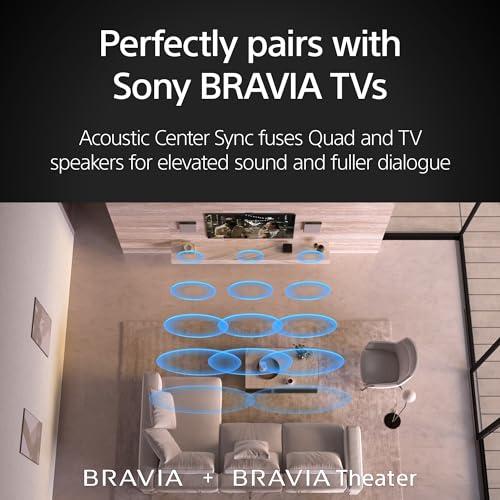
No, the Sony HT-A9M2 BRAVIA Theater Quad works with any TV that has HDMI eARC or optical output. However, it offers enhanced integration features when paired with Sony BRAVIA TVs, including Acoustic Center Sync and simplified control through the TV's menu system.
For small rooms, the Bose Solo Series 2 may be more practical due to its compact single-unit design and simple setup. However, the Sony HT-A9M2 can work in small spaces too, with its wireless speakers offering flexible placement options that traditional systems can't match.
The Sony HT-A9M2 offers comprehensive wireless streaming with Wi-Fi, Bluetooth 5.2, AirPlay 2, and Spotify Connect. The Bose Solo Series 2 only has basic Bluetooth 4.0 connectivity with no Wi-Fi or streaming service integration.
This depends on your needs and budget. The Bose Solo Series 2 offers excellent value for basic TV audio improvement at an affordable price. The Sony HT-A9M2 provides premium home theater performance that justifies its higher cost for movie enthusiasts and serious audio listeners.
The Bose Solo Series 2 is a complete system with no expansion options. The Sony HT-A9M2 BRAVIA Theater Quad includes everything needed for surround sound but benefits significantly from adding Sony's optional wireless subwoofer for fuller bass response in movies and music.
For dialogue-heavy content like TV shows and news, the Bose Solo Series 2 excels with its dedicated dialogue enhancement mode that makes voices clearer and more intelligible. While the Sony HT-A9M2 also delivers excellent dialogue clarity, its advanced features may be overkill for basic TV viewing.
We've done our best to create useful and informative comparisons to help you decide what product to buy. Our research uses advanced automated methods to create this comparison and perfection is not possible - please contact us for corrections or questions. These are the sites we've researched in the creation of this article: bestbuy.com - whathifi.com - whathifi.com - youtube.com - rtings.com - audiosciencereview.com - bhphotovideo.com - skybygramophone.com - sony.com - manuals.plus - audioadvice.com - dell.com - valueelectronics.com - youtube.com - merlinstv.com - videoandaudiocenter.com - electronics.sony.com - sony.com - bestbuy.com - beachcamera.com - sony.com - win.consulting - sony.com - rtings.com - bose.com - bose.com - assets.bose.com - bestbuy.com - youtube.com - pistonheads.com - costco.com - googlenestcommunity.com - youtube.com - discussions.apple.com

Privacy Policy
Terms and Conditions - Affiliate Policy
Home Security
© Copyright 2008-2026.
11816 Inwood Rd #1211, Dallas, TX 75244