






When your TV's built-in speakers just aren't cutting it anymore, you're faced with a fundamental choice: go simple with a traditional soundbar, or dive deep into the world of wireless surround sound. The Sony HT-A9M2 and Samsung HW-S700D represent two completely different philosophies for upgrading your home audio, and understanding their approaches will help you make the right choice for your space and budget.
The home theater audio world has evolved dramatically over the past few years. Traditional setups required running speaker wires around your room and finding space for multiple components, but modern systems have embraced wireless technology to simplify installation while still delivering impressive sound quality.
The most important factors when choosing an audio upgrade system include immersion level (how convincing the surround sound feels), dialogue clarity (whether you can actually understand what characters are saying), bass impact (the physical sensation of explosions and music), and practical considerations like installation complexity and room compatibility.
Immersion comes from creating a believable soundstage—the illusion that sounds are coming from specific locations around and above you. Dialogue clarity matters because modern movie mixes often bury speech in complex soundscapes. Bass extension provides the physical impact that makes action scenes feel visceral. And installation complexity determines whether you'll actually enjoy using the system or spend your time fighting with it.
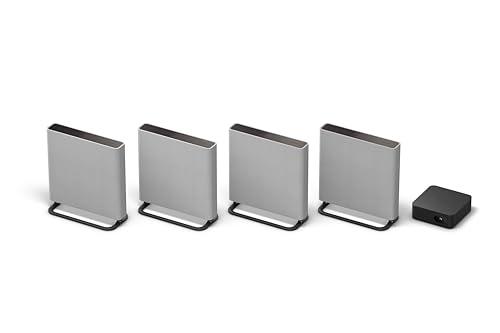
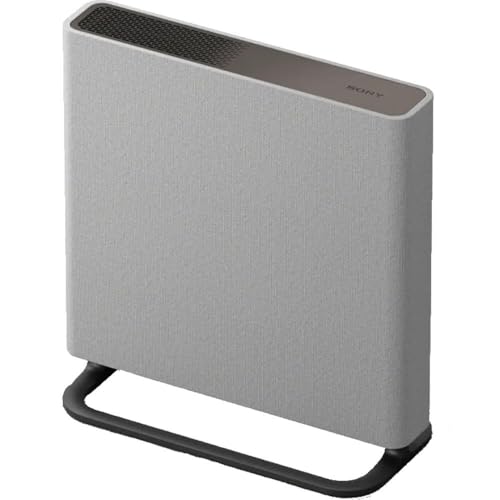
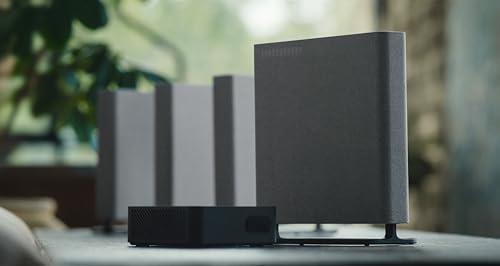
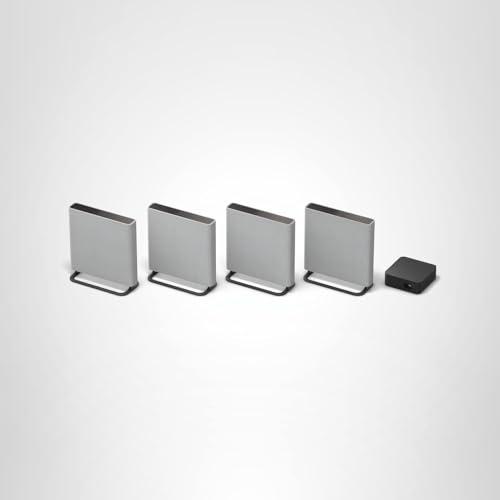
Released in 2024 as an evolution of Sony's original HT-A9 system, the Sony HT-A9M2 takes a radically different approach to home theater audio. Instead of cramming everything into a single soundbar, Sony created four identical wireless speakers that work together to surround your listening area.
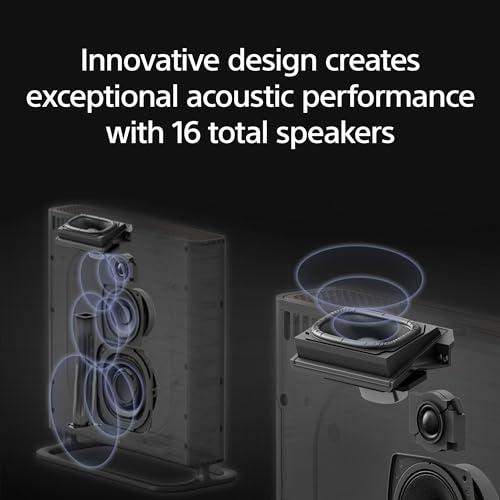
Each speaker contains four individual drivers: a woofer for mid-bass, a midrange driver for vocals, a tweeter for crisp high frequencies, and an upfiring driver that bounces sound off your ceiling to create height effects. This 3-way plus height design in each speaker means you're getting 16 total drivers across the system—more like a traditional high-end speaker setup than a typical soundbar.
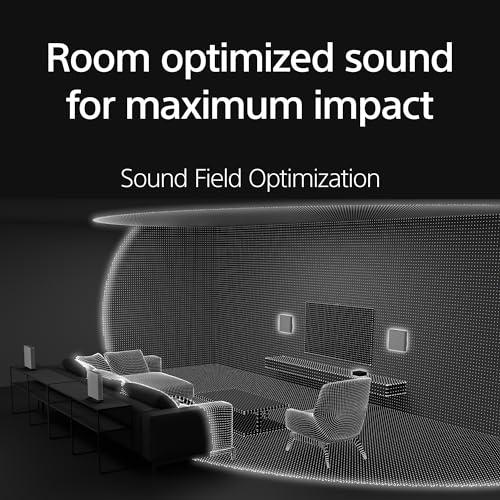
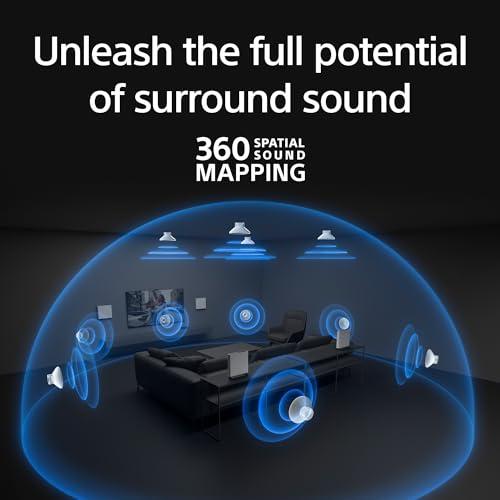
The real innovation lies in Sony's 360 Spatial Sound Mapping technology. The system uses built-in microphones to measure your room's acoustics, then creates what Sony calls "phantom speakers"—virtual sound sources that seem to exist between and around the physical speakers. This processing can make it sound like there are 12 speakers in your room when only four are present.
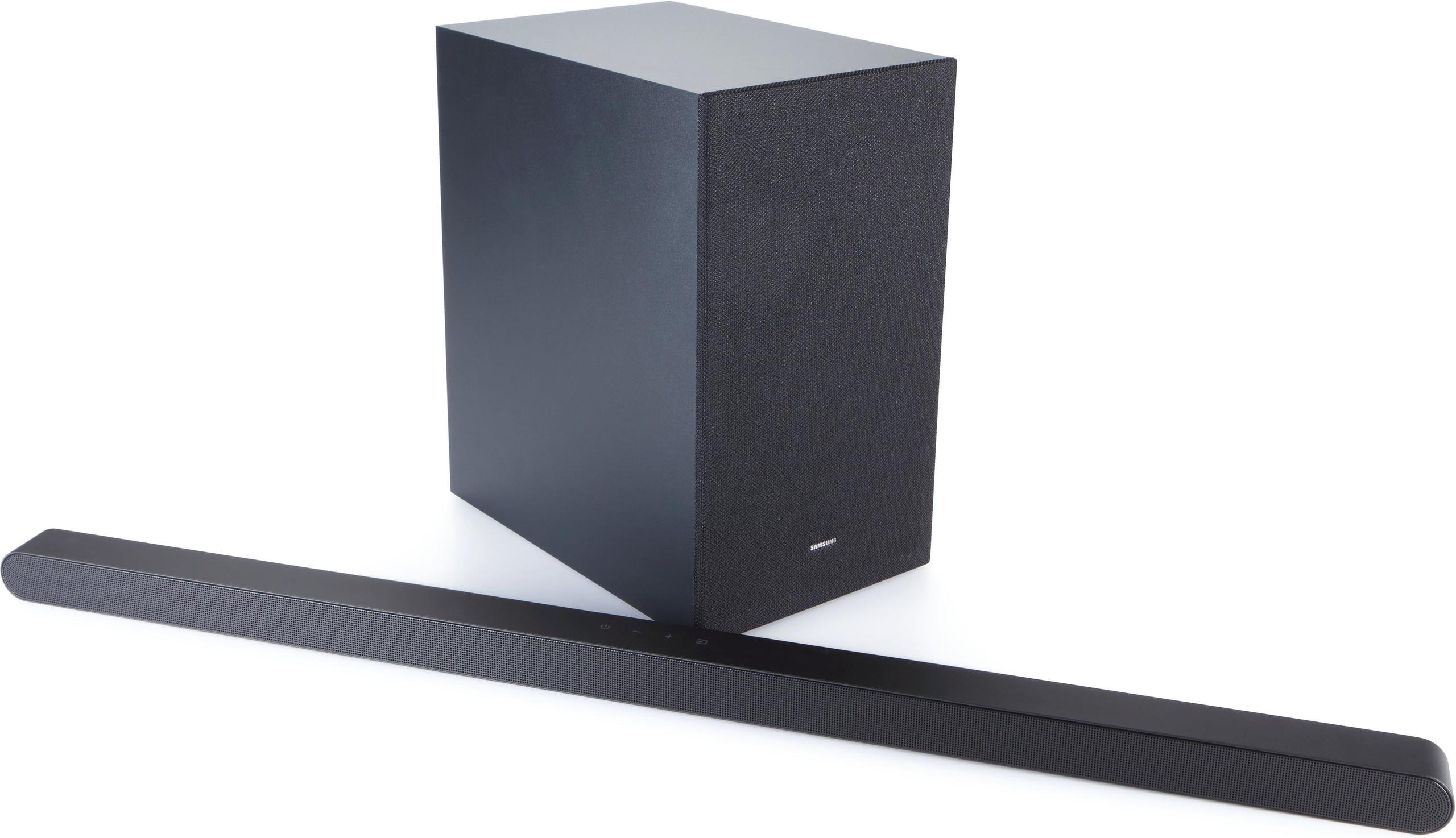
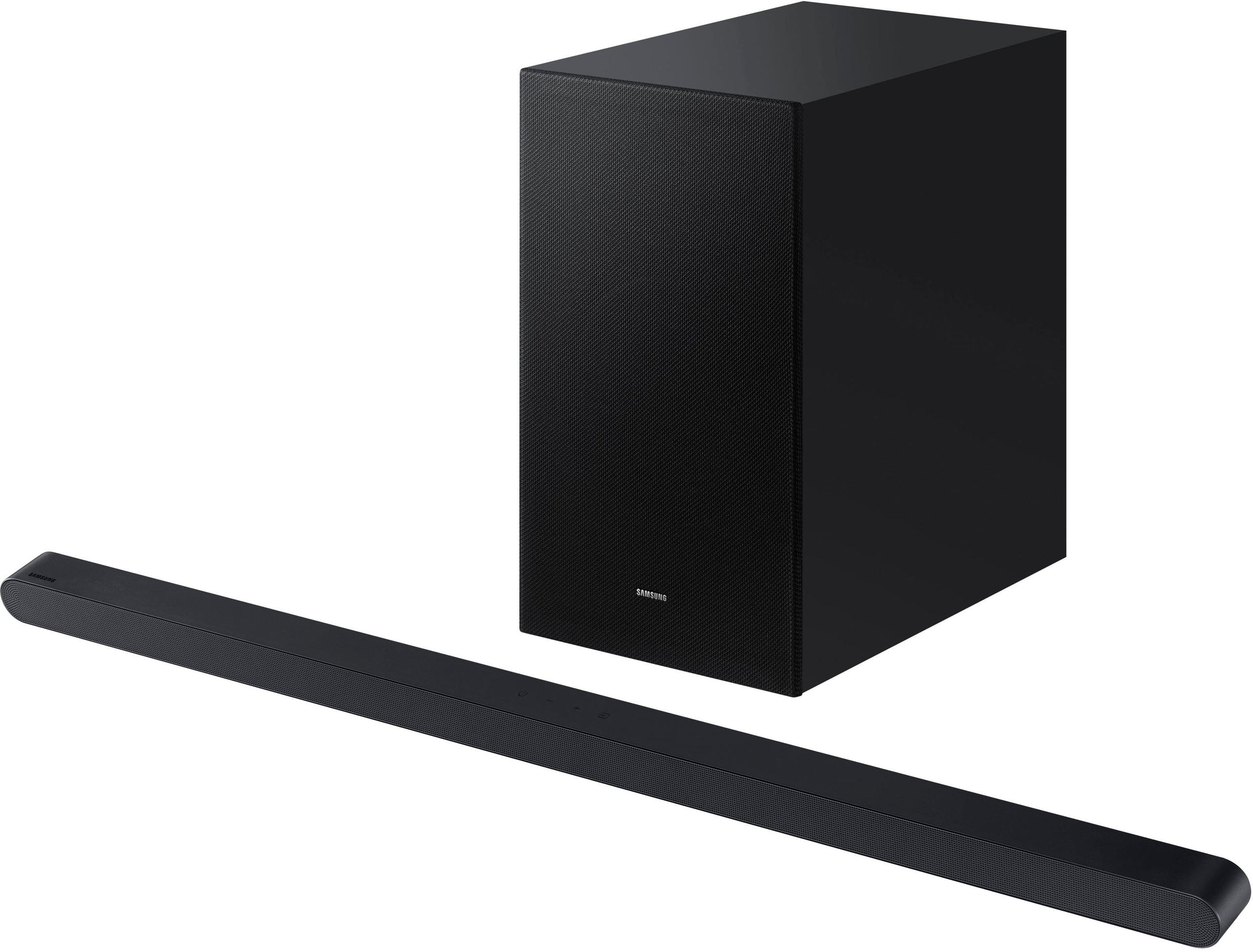
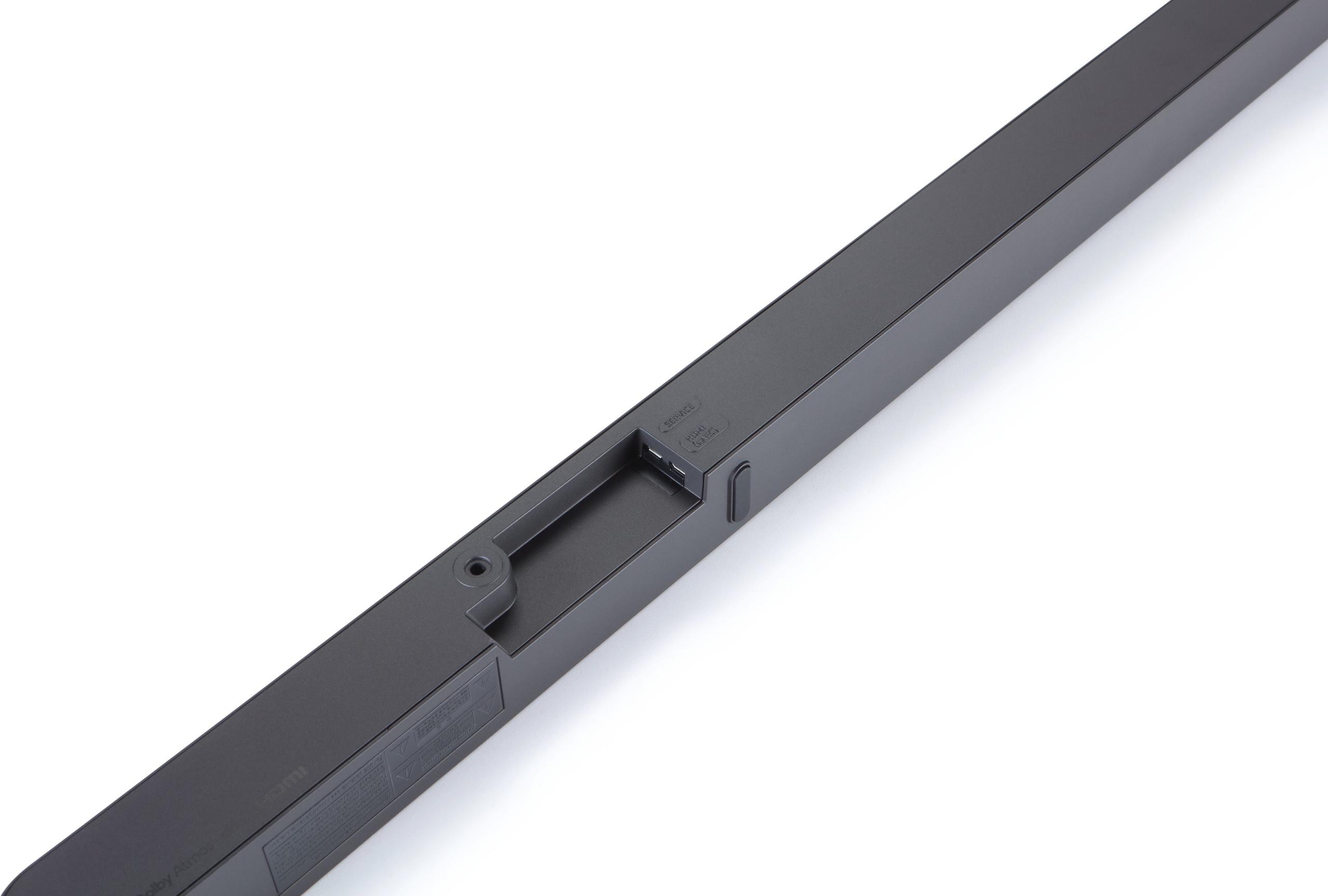
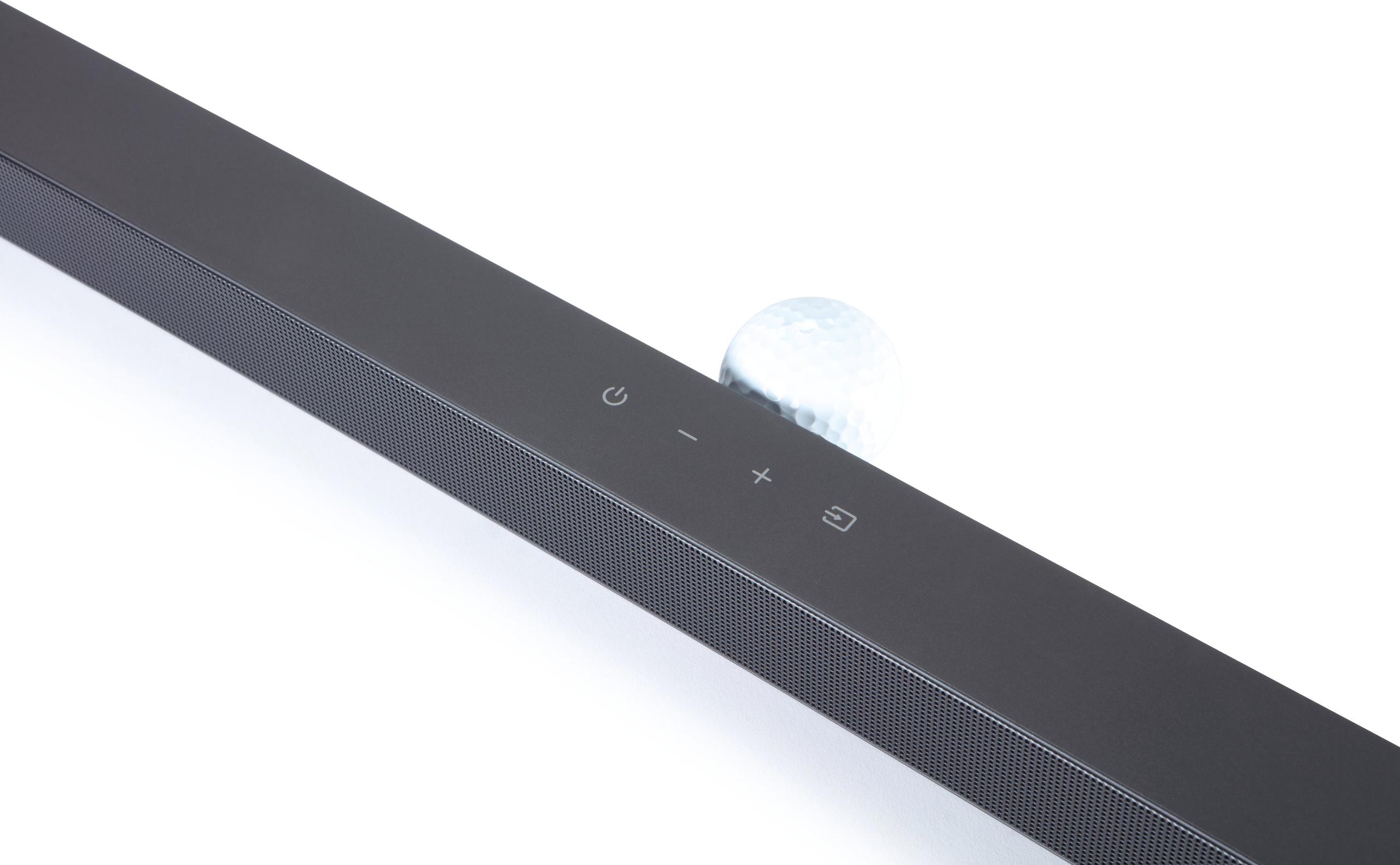
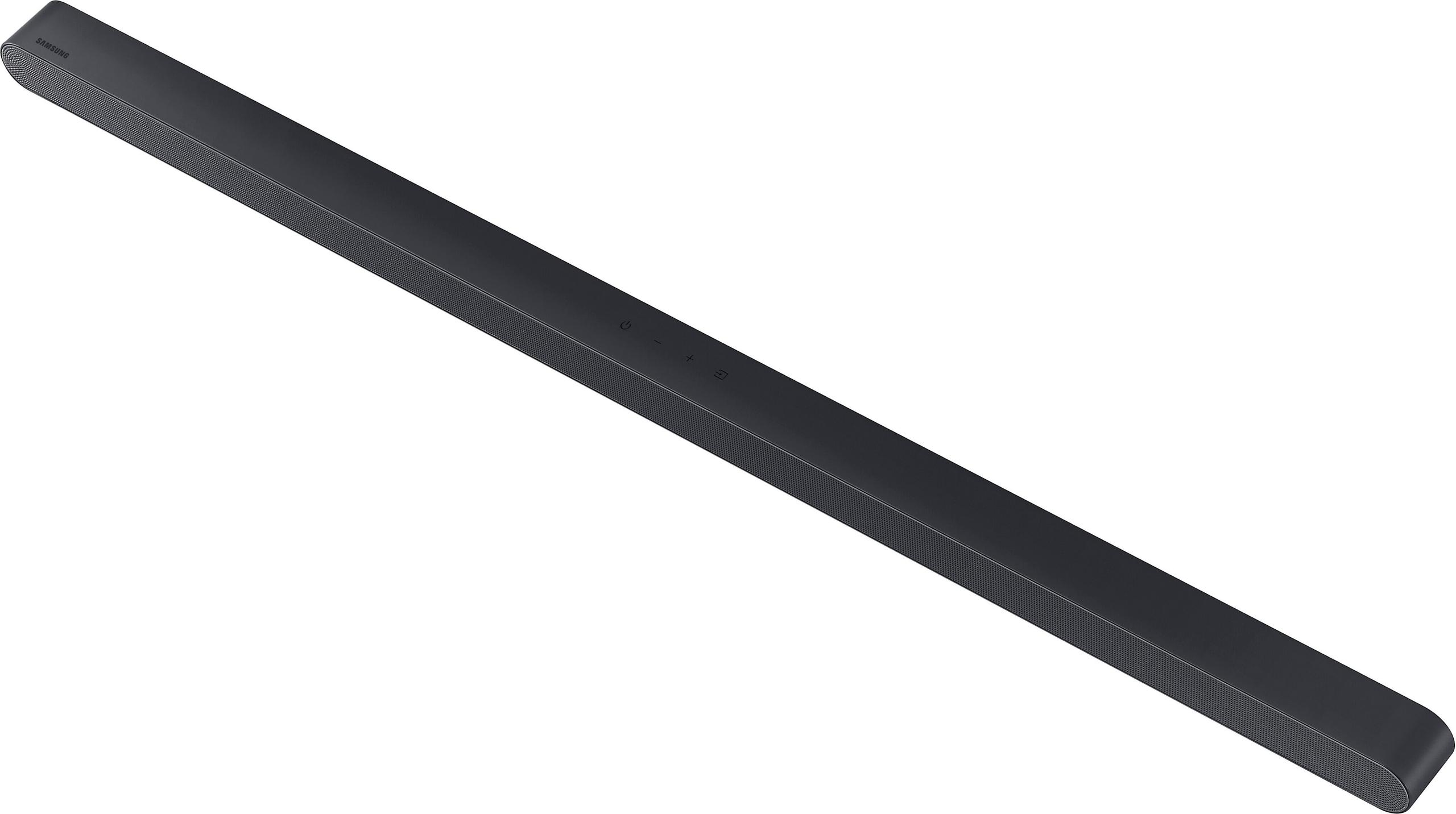
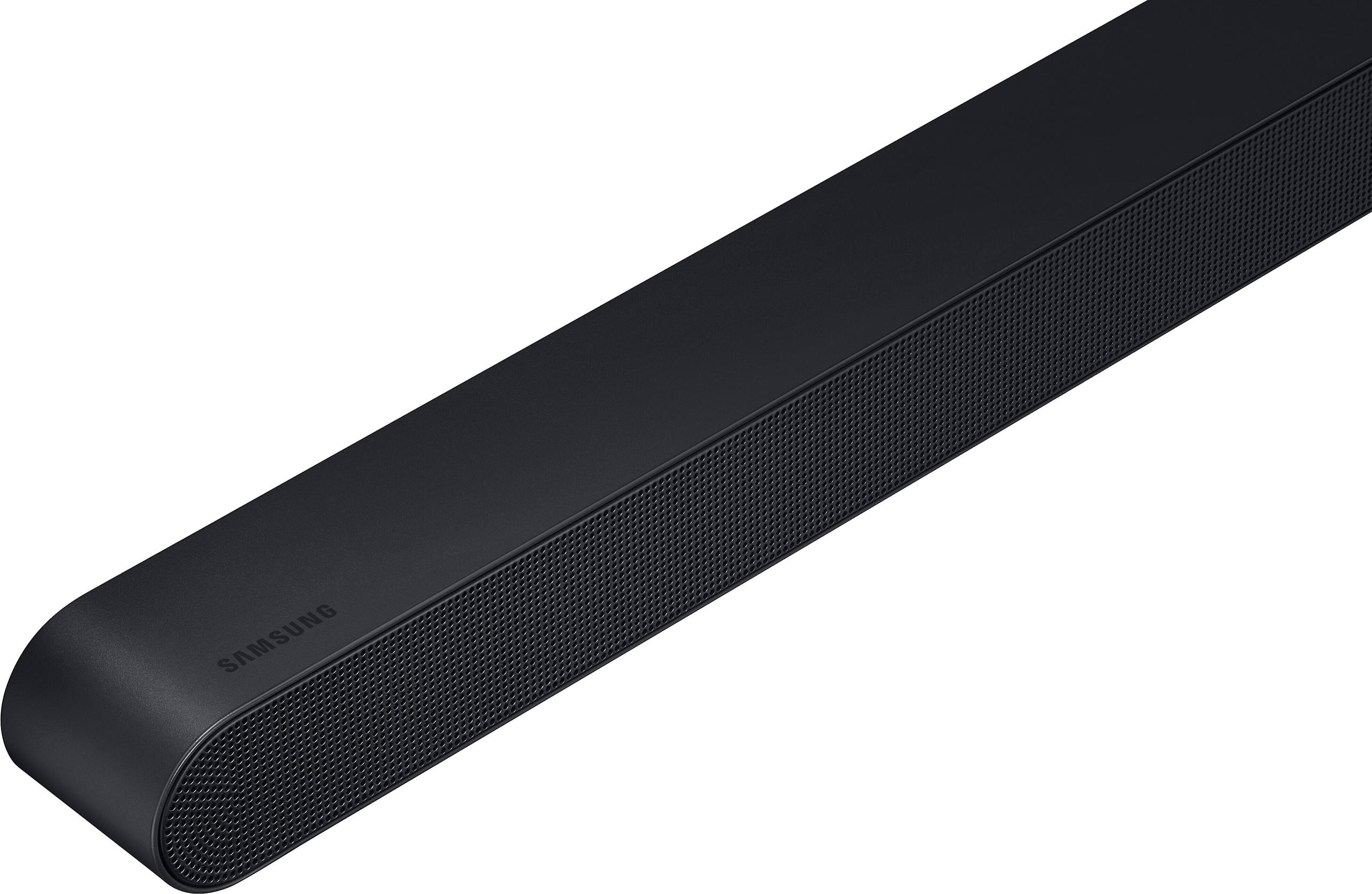
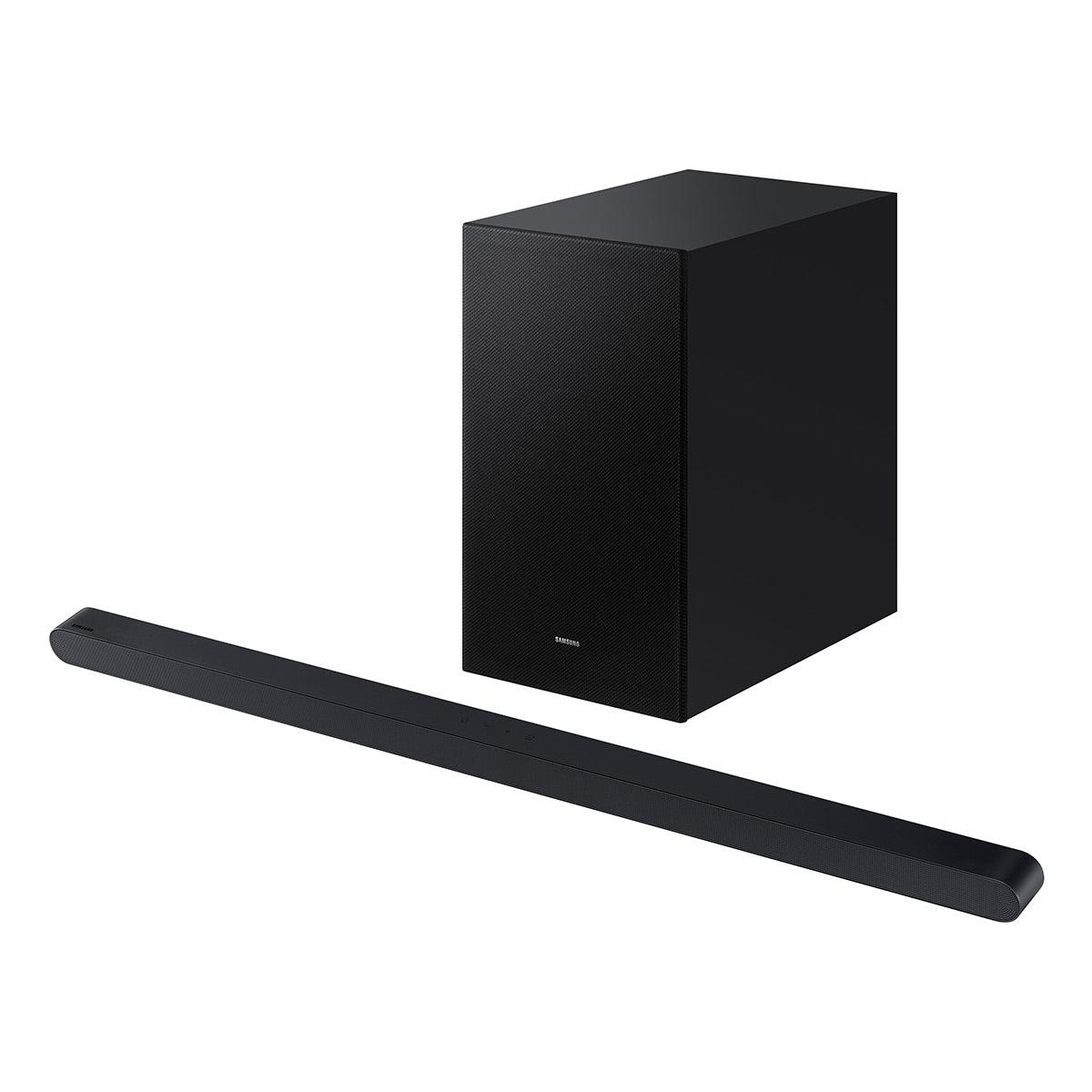
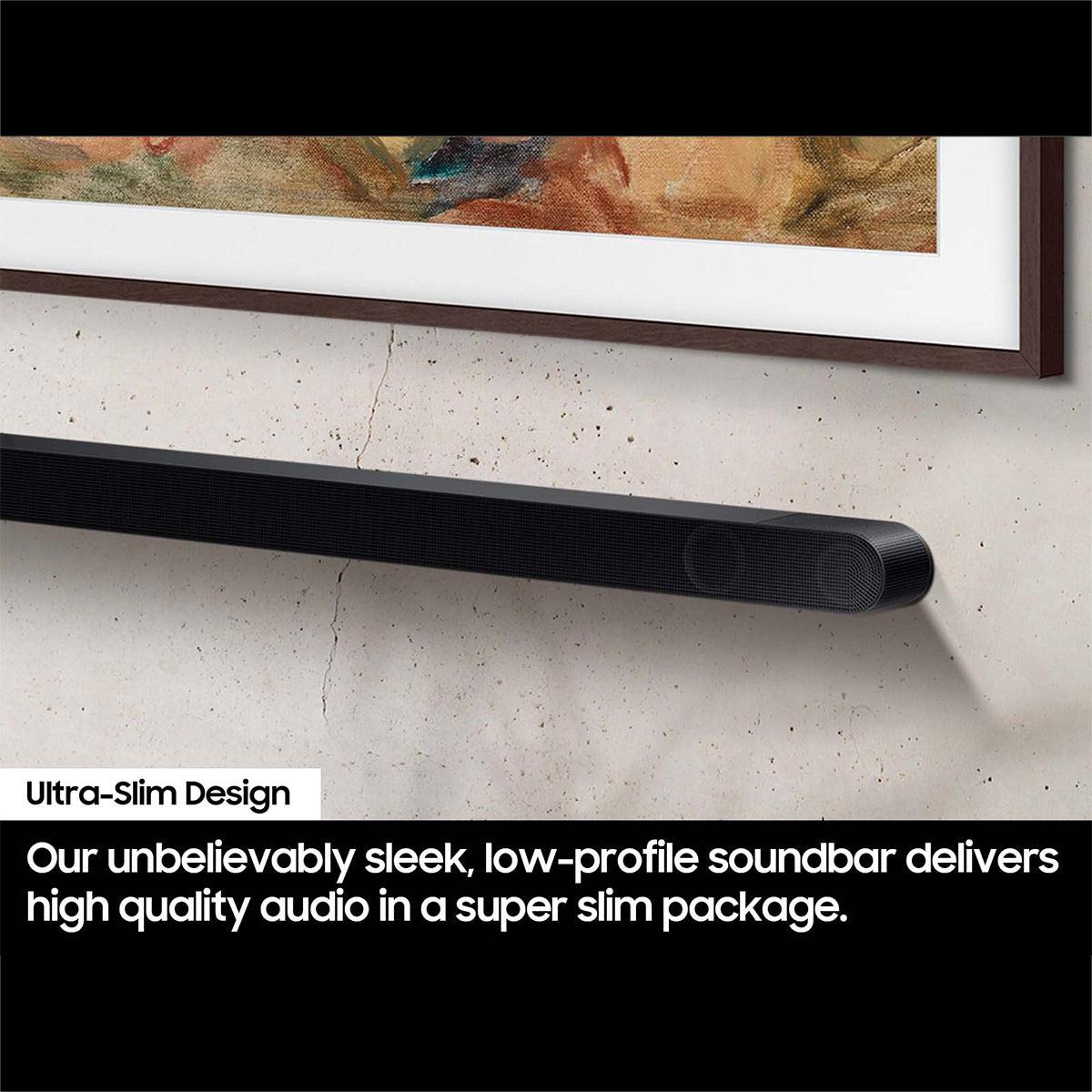
The Samsung HW-S700D, also released in 2024, represents the evolution of the traditional soundbar concept. Samsung focused on making a single, slim unit that delivers enhanced audio without the complexity of multiple components scattered around your room.
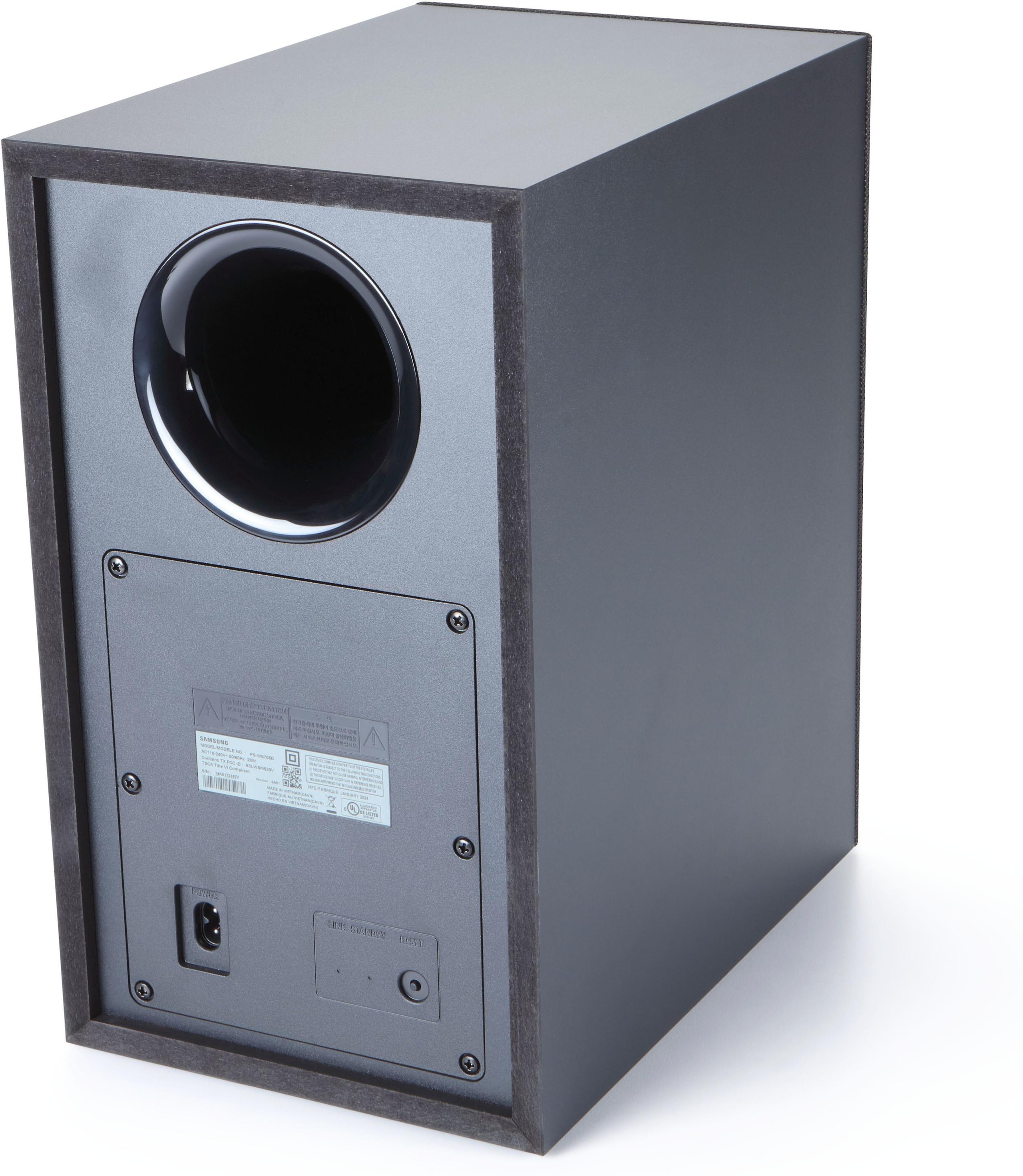
This 3.1-channel design includes left, center, and right channels in the main bar, plus a separate wireless subwoofer. The dedicated center channel is crucial because it handles dialogue—having a physical driver focused on speech usually produces clearer, more focused vocals than systems that create a "phantom" center channel through processing.
Samsung's key innovation is Q-Symphony, which allows compatible Samsung TVs to work alongside the soundbar. Instead of turning off your TV's speakers when you connect the soundbar, Q-Symphony lets them work together, effectively adding more channels to your system without extra hardware.
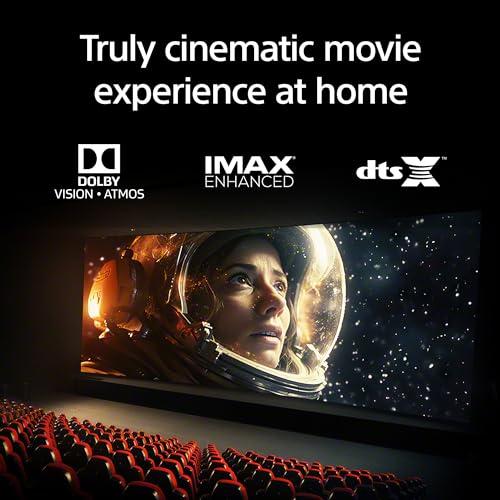
When it comes to creating that "you're in the movie" feeling, the Sony HT-A9M2 operates in a different league. Having four physically separate speakers means sounds can actually originate from different locations around your room, rather than being processed to seem like they're coming from different places.
The 360 Spatial Sound Mapping creates an remarkably wide bubble of sound. During action sequences, you'll hear helicopters circling overhead, bullets whizzing past your ears, and ambient effects that seem to come from outside your field of vision. The system's ability to create phantom speakers means this immersive effect works even if you can't place the speakers in perfect positions—the calibration adapts to your room's reality.
Professional reviewers consistently praise how the Sony system maintains this immersive bubble across multiple seating positions. Unlike traditional surround systems that have a narrow "sweet spot," the spatial mapping creates convincing surround effects whether you're sitting directly in front of the TV or off to one side.
The Samsung HW-S700D, working from a single bar, relies on Wireless Dolby Atmos processing and psychoacoustic tricks to create width and height. While these techniques have improved significantly in recent years, they can't match the physical separation of actual surround speakers. However, Samsung's implementation is quite good for a soundbar, especially when paired with Q-Symphony on compatible TVs.
Verdict: For pure immersion, the Sony HT-A9M2 wins decisively. The four-speaker design creates genuinely convincing surround effects that single soundbars simply cannot match.
This is where the comparison gets interesting, because the Samsung HW-S700D has a significant structural advantage. Its dedicated center channel provides a physical anchor point for dialogue, ensuring voices remain focused and clear even when you're not sitting directly in front of the TV.
The Active Voice Amplifier technology analyzes incoming audio and can boost dialogue when it detects complex background noise or music. Combined with the dedicated center driver, this means you're less likely to reach for the remote when characters start whispering in dramatic scenes.
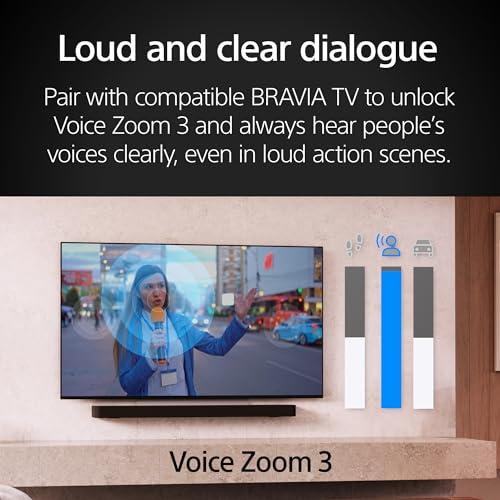
The Sony HT-A9M2 creates its center channel through phantom imaging—processing that makes dialogue seem to come from between the front speakers. While Sony's Voice Zoom 3 technology uses AI to separate and enhance dialogue, the lack of a physical center speaker can sometimes result in less focused vocal presentation, especially for listeners seated off-axis.
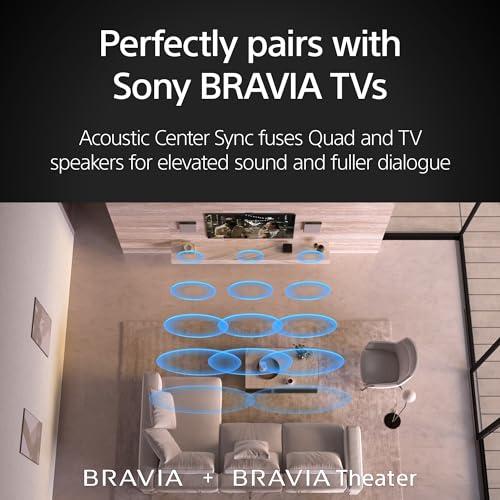
However, when paired with compatible Sony BRAVIA TVs, the Sony system can use Acoustic Center Sync to actually employ your TV's speakers as a physical center channel, potentially solving this issue entirely.
Verdict: The Samsung HW-S700D provides more consistent dialogue clarity out of the box, though the Sony system can match or exceed it when properly integrated with a compatible TV.
Here's where the value equation gets complex. The Samsung HW-S700D includes a wireless 6-inch subwoofer with a bass reflex design—meaning it uses a port to enhance low-frequency output. This provides immediate, room-shaking bass for explosions, music, and atmospheric effects.
The Sony HT-A9M2 ships as a 4.0.4 system—no subwoofer included. Each speaker contains X-Balanced woofers that use rectangular drivers to maximize cone area in the compact enclosure, but physics limits how much bass four small speakers can produce. Professional reviews consistently note that the Sony system feels lightweight and lacks impact in the low frequencies without adding an optional subwoofer.
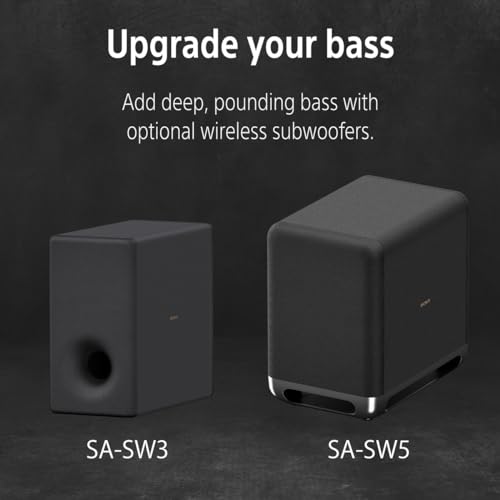
When you add Sony's wireless subwoofers (the SA-SW3 or SA-SW5, sold separately), the Sony system can match or exceed the Samsung's bass output. But that's an additional purchase that significantly increases the total system cost.
Verdict: The Samsung HW-S700D provides complete bass performance out of the box, while the Sony HT-A9M2 requires additional investment to achieve its full potential.
For music listening, these systems take notably different approaches. The Samsung HW-S700D functions more like a traditional stereo system, with left and right channels providing familiar stereo imaging. The included 7-band equalizer allows fine-tuning for different music genres, and the dedicated center channel can be dialed down or off for pure stereo listening.
The Sony HT-A9M2 excels with high-resolution audio files and spatial music formats. It supports Hi-Res Audio up to 192kHz/24-bit resolution—far beyond CD quality—and includes DSEE Ultimate processing that uses AI to restore detail in compressed music from streaming services. When listening to 360 Reality Audio tracks from services like Tidal or Amazon Music, the four-speaker setup can place individual instruments in 3D space around you.
The wide physical separation possible with the Sony system creates an expansive stereo soundstage that conventional soundbars can't match. Piano recordings feel like you're sitting at the keyboard, and orchestral pieces place different instrument sections in distinct locations.
Verdict: For casual music listening, both systems work well, but the Sony HT-A9M2 provides superior fidelity and spatial presentation for serious music enthusiasts.
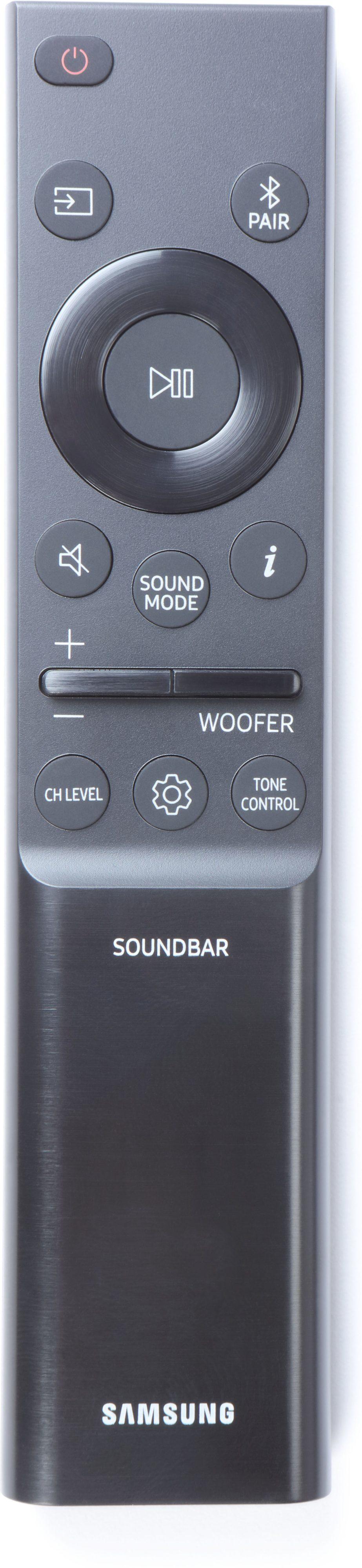
The Samsung HW-S700D wins decisively on simplicity. Connect one HDMI cable between the soundbar and your TV, plug in the wireless subwoofer, and you're essentially done. The One Remote Function means your TV's remote controls the soundbar volume, eliminating the need to juggle multiple controllers.
The Sony HT-A9M2 requires finding power outlets for four separate speakers and running initial room calibration through the BRAVIA Connect app. While the wireless connectivity eliminates speaker cable runs, you still need to position four components around your room. The automatic calibration is sophisticated—using built-in microphones to measure distances and reflections—but the initial setup is undeniably more involved.
This is where the Sony system shows its strength. The four wireless speakers can be placed asymmetrically, at different heights, or in unusual positions to work around furniture or room constraints. The 30-meter wireless range accommodates large or oddly shaped rooms, and the calibration system adapts to whatever placement you choose.
The Samsung soundbar must sit below or above your TV, limiting placement options. While the wireless subwoofer offers some positioning flexibility, you're still constrained by the single-bar design.
Verdict: The Samsung HW-S700D is dramatically easier to set up, but the Sony HT-A9M2 offers unmatched placement flexibility for challenging rooms.
Both systems were designed with 2024's smart TV landscape in mind, but they integrate best with their respective manufacturers' TVs.
The Samsung HW-S700D truly shines with Samsung QLED and Neo QLED TVs through Q-Symphony. This technology allows the TV's speakers to continue operating alongside the soundbar, effectively creating additional channels without extra hardware. SpaceFit Sound Pro uses the TV's processing power to analyze room acoustics and optimize the soundbar's output accordingly.
The Sony HT-A9M2 offers deep integration with Sony BRAVIA TVs through BRAVIA Sync and Acoustic Center Sync. The latter feature uses your TV's speakers as a physical center channel, potentially solving the phantom center issue while creating a more cohesive soundstage that appears to come directly from the screen.
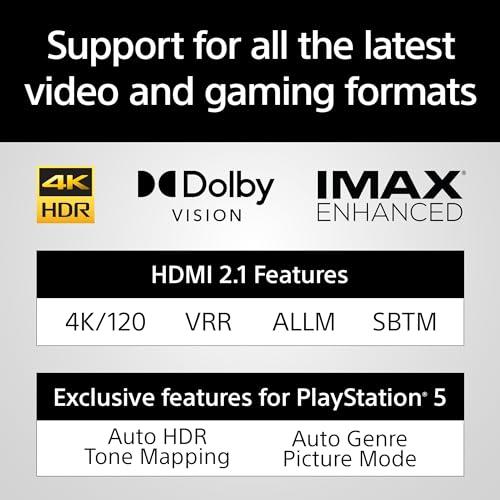
Both systems support modern streaming services and voice assistants, but the Sony system includes more advanced connectivity like HDMI 2.1 with full 40Gbps bandwidth support, making it better suited for next-generation gaming consoles and high-bandwidth video sources.
For serious gamers, the Sony HT-A9M2 provides better future-proofing with its full HDMI 2.1 implementation. It supports 4K/120Hz and 8K/60Hz video passthrough with Variable Refresh Rate (VRR) and Auto Low Latency Mode (ALLM)—features that reduce input lag and screen tearing with PlayStation 5, Xbox Series X, and high-end gaming PCs.
The immersive 360-degree audio processing creates excellent spatial awareness for competitive gaming, helping you locate opponents by sound in first-person shooters or hear approaching enemies in battle royale games.
The Samsung HW-S700D includes Game Mode Pro that specifically optimizes audio processing for gaming, reducing latency and emphasizing directional audio cues. While it lacks the advanced video passthrough features, its simpler processing chain can actually result in lower overall audio latency for casual gaming.
Verdict: The Sony system is better for enthusiast gamers with high-end equipment, while the Samsung soundbar works well for casual gaming with less complexity.
At the time of writing, these systems occupy different value categories. The Samsung HW-S700D represents exceptional value in the mid-range soundbar market, providing a complete system with subwoofer at a price point that makes it accessible to most buyers looking to upgrade their TV audio.
The Sony HT-A9M2 sits in the premium category, competing more with high-end soundbar systems and entry-level component separates than with basic soundbars. When you factor in the likely need for an additional subwoofer, the total system cost approaches that of some traditional receiver and speaker combinations.
However, the Sony system provides an experience that's genuinely difficult to replicate with other products. The combination of placement flexibility, room calibration, and spatial audio processing creates immersion that rivals much more expensive traditional surround systems.
For long-term value, the Sony system's modular design allows expansion with additional Sony components, while the Samsung soundbar is essentially a complete, non-expandable solution.
You're an audio enthusiast who values immersion above all else and has the budget for a premium system. The Sony system makes sense if you have a larger room where the four speakers can breathe, you're willing to add a subwoofer for complete performance, and you appreciate cutting-edge spatial audio technology.
This system particularly suits movie buffs and gamers who want to experience content as the creators intended, with precise object placement and convincing height effects. If you own or plan to buy a Sony BRAVIA TV, the integration benefits make the Sony system even more compelling.
The placement flexibility also makes the Sony system ideal for challenging rooms where a traditional soundbar setup wouldn't work well, or for users who want to hide speakers unobtrusively around their living space.
You want a dramatic improvement over TV speakers without the complexity of multiple components. The Samsung soundbar excels when you need simple installation, have space constraints that favor a slim design, or want immediate bass impact without additional purchases.
This system works particularly well for Samsung TV owners who can take advantage of Q-Symphony, and for anyone who prioritizes dialogue clarity over maximum immersion. It's also the better choice if you're working within a tighter budget but still want quality audio that includes proper bass extension.
The Samsung system suits users who prefer conventional soundbar simplicity with modern features, or anyone who wants a complete audio solution that works well out of the box without optimization or tweaking.
These systems represent fundamentally different approaches to home audio improvement. The Sony HT-A9M2 pushes the boundaries of what's possible with wireless surround technology, creating an genuinely immersive experience that rivals traditional component systems while offering unprecedented placement flexibility. However, it requires a serious financial commitment and works best when paired with additional components.
The Samsung HW-S700D exemplifies the modern soundbar philosophy—delivering significant audio improvements through intelligent design and processing while maintaining the simplicity that makes soundbars popular. It provides excellent value as a complete system that immediately transforms your TV viewing experience.
Your choice should depend on your budget, room constraints, and how much you value spatial audio immersion versus installation simplicity. Both systems will dramatically improve your TV's audio, but they'll do it in distinctly different ways that appeal to different types of users and listening preferences.
| Sony HT-A9M2 BRAVIA Theater Quad | Samsung HW-S700D |
|---|---|
| Channel Configuration - Determines surround sound capabilities | |
| 4.0.4 channels (16 total drivers across 4 wireless speakers) | 3.1 channels (soundbar + wireless subwoofer) |
| Physical Setup - Installation complexity and room requirements | |
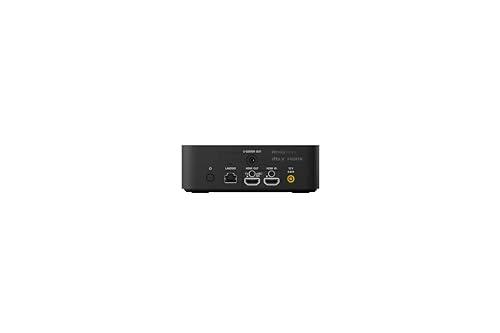
| 4 separate wireless speakers + control box (requires 4 power outlets) | Single soundbar + wireless subwoofer (2 components total) |
| Subwoofer Inclusion - Critical for bass impact and value | |
| No subwoofer included (sold separately for $400-700) | 6" wireless subwoofer included |
| Surround Technology - How immersive audio is created | |
| 360 Spatial Sound Mapping with phantom speakers | Wireless Dolby Atmos processing from single bar |
| Center Channel - Affects dialogue clarity | |
| Phantom center created through processing | Dedicated physical center channel driver |
| Speaker Placement Flexibility - Room adaptation capabilities | |
| Wireless speakers can be placed anywhere within 30m range | Soundbar must be positioned near TV |
| Room Calibration - Automatic sound optimization | |
| Sound Field Optimization using built-in microphones | SpaceFit Sound Pro (requires compatible Samsung TV) |
| TV Integration Features - Brand-specific benefits | |
| BRAVIA Sync + Acoustic Center Sync (Sony TVs) | Q-Symphony + SmartThings integration (Samsung TVs) |
| HDMI Capabilities - Gaming and video passthrough | |
| HDMI 2.1 with 40Gbps, 8K/60Hz, 4K/120Hz, VRR, ALLM | HDMI eARC support, standard bandwidth |
| High-Resolution Audio Support - Music quality | |
| Up to 192kHz/24-bit, DSEE Ultimate, 360 Reality Audio | Standard audio formats, 7-band EQ |
| Voice Enhancement Technology - Dialogue clarity features | |
| Voice Zoom 3 with AI-powered speech separation | Active Voice Amplifier + adjustable center channel |
| Streaming Connectivity - Built-in wireless options | |
| Wi-Fi, Bluetooth 5.2 with LDAC, Spotify Connect, AirPlay 2 | Bluetooth 5.2, AirPlay, Chromecast, voice assistant support |
| Target Market - Who each system is designed for | |
| Audio enthusiasts seeking maximum immersion | Mainstream users wanting simple TV audio upgrade |
The Samsung HW-S700D is significantly easier to set up. It requires just one HDMI connection to your TV and plugging in the wireless subwoofer. The Sony HT-A9M2 requires placing four separate wireless speakers around your room, each needing its own power outlet, plus running room calibration through an app.
The Samsung HW-S700D includes a wireless 6-inch subwoofer in the box, providing immediate bass impact. The Sony HT-A9M2 doesn't include a subwoofer and relies on small woofers in each speaker, which limits bass output. Most reviewers recommend adding Sony's optional subwoofer for the full experience.
The Sony HT-A9M2 delivers superior surround sound with its four physically separate speakers creating true 360-degree audio. The 360 Spatial Sound Mapping technology generates phantom speakers for immersive effects. The Samsung HW-S700D uses processing to simulate surround from a single bar, which can't match the spatial accuracy of actual surround speakers.
Both systems work with any TV brand, but offer special features with matching TVs. The Samsung HW-S700D provides Q-Symphony with Samsung TVs, using the TV's speakers alongside the soundbar. The Sony HT-A9M2 offers Acoustic Center Sync with Sony BRAVIA TVs, using the TV as a center channel for better dialogue placement.
The Samsung HW-S700D typically provides clearer dialogue due to its dedicated center channel speaker. It also includes Active Voice Amplifier technology and adjustable center channel volume. The Sony HT-A9M2 creates a phantom center channel through processing, which can be less focused, though Voice Zoom 3 technology helps enhance speech clarity.
The Sony HT-A9M2 works best in medium to large rooms where the four speakers can be properly spaced for optimal surround effects. The Samsung HW-S700D is designed for any room size and works well in smaller spaces due to its compact soundbar design and single placement requirement.
The Samsung HW-S700D offers better immediate value as a complete system with included subwoofer at a lower price point. The Sony HT-A9M2 costs significantly more and typically requires purchasing a separate subwoofer, but provides a more premium, immersive audio experience for those willing to invest in high-end home theater sound.
The Sony HT-A9M2 excels at music with Hi-Res Audio support up to 192kHz/24-bit, DSEE Ultimate upscaling, and wide stereo imaging from separated speakers. The Samsung HW-S700D handles music well with its 7-band equalizer and balanced sound, but focuses more on TV and movie audio enhancement than audiophile music reproduction.
The Sony HT-A9M2 is superior for serious gaming with full HDMI 2.1 support including 4K/120Hz, 8K/60Hz, VRR, and ALLM for reduced input lag. The immersive 360-degree audio helps with spatial awareness in games. The Samsung HW-S700D includes Game Mode Pro optimization but lacks advanced video passthrough features.
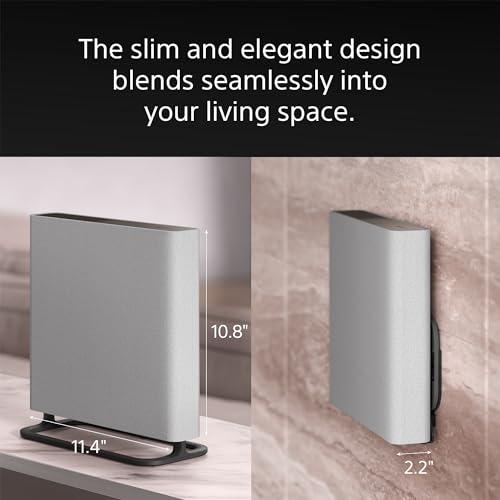
The Samsung HW-S700D includes a wall mount kit and is designed for easy wall mounting with its slim profile. The Sony HT-A9M2 speakers can be wall-mounted individually, but you'll need to mount four separate units around your room, which requires more planning and wall space.
Both systems offer strong wireless connectivity. The Sony HT-A9M2 features enhanced wireless linking between speakers with 30-meter range, plus Wi-Fi, Bluetooth 5.2 with LDAC codec, and multiple streaming options. The Samsung HW-S700D provides Bluetooth 5.2, AirPlay, Chromecast, and voice assistant compatibility for versatile connectivity.
Choose the Sony HT-A9M2 if you want maximum immersion, have space for four speakers, and budget for a premium system plus subwoofer. It's ideal for movie enthusiasts and audiophiles. Choose the Samsung HW-S700D if you want significant audio improvement with simple setup, complete bass out of the box, and excellent value for most home theater needs.
We've done our best to create useful and informative comparisons to help you decide what product to buy. Our research uses advanced automated methods to create this comparison and perfection is not possible - please contact us for corrections or questions. These are the sites we've researched in the creation of this article: bestbuy.com - whathifi.com - whathifi.com - youtube.com - rtings.com - audiosciencereview.com - bhphotovideo.com - skybygramophone.com - sony.com - manuals.plus - audioadvice.com - dell.com - valueelectronics.com - youtube.com - merlinstv.com - videoandaudiocenter.com - electronics.sony.com - sony.com - bestbuy.com - beachcamera.com - sony.com - win.consulting - sony.com - crutchfield.com - samsung.com - bestbuy.com - avsforum.com - walts.com - samsung.com - samsung.com - videoandaudiocenter.com - samsung.com - samsung.com - samsung.com - pcrichard.com

Privacy Policy
Terms and Conditions - Affiliate Policy
Home Security
© Copyright 2008-2026.
11816 Inwood Rd #1211, Dallas, TX 75244