


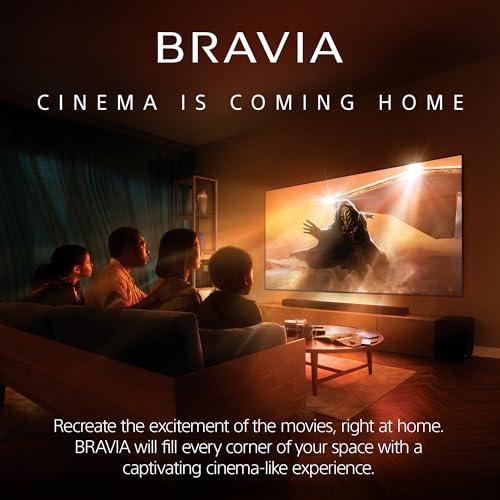




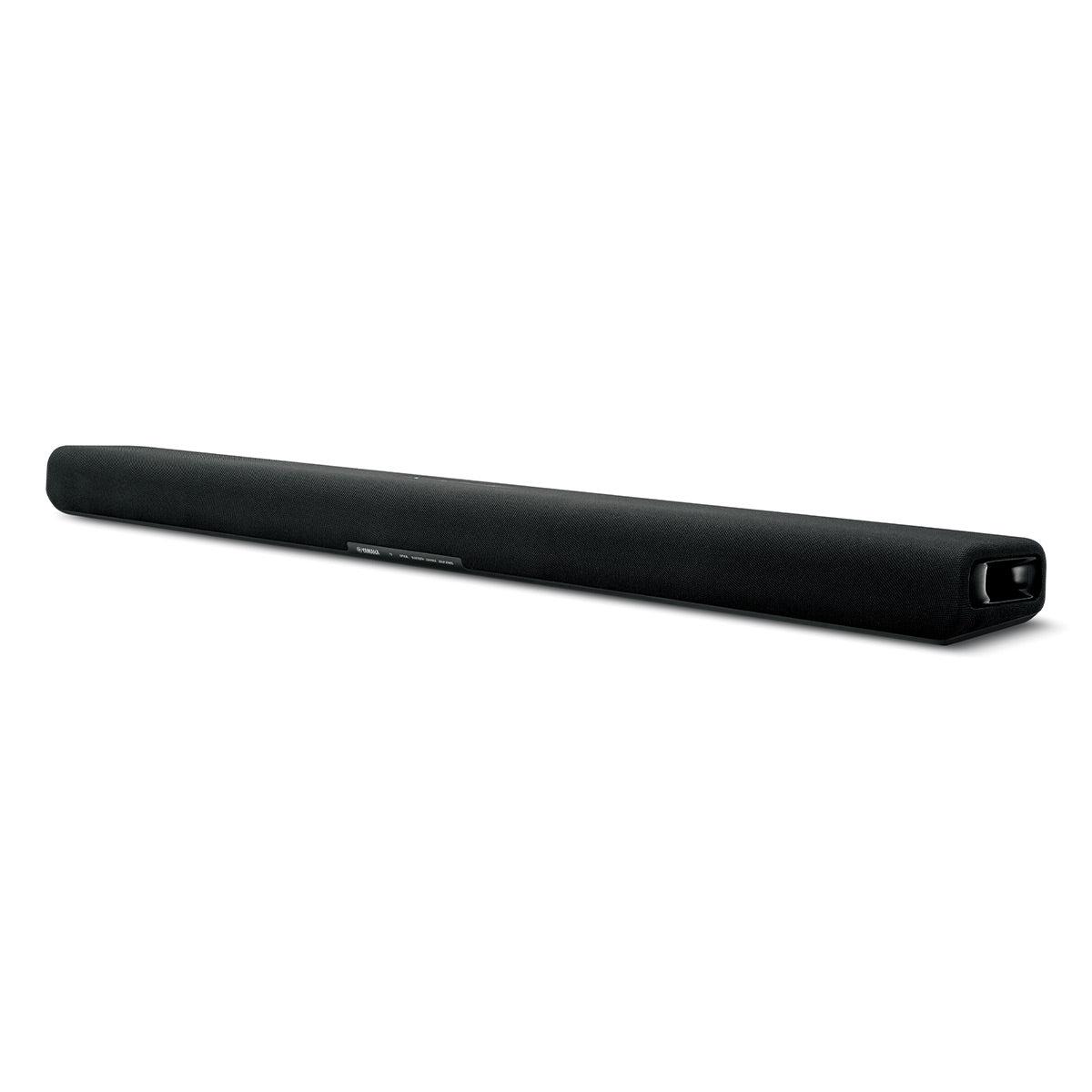
When your TV's built-in speakers sound like they're trapped in a tin can, it's time to upgrade. But choosing between a premium multi-speaker system and an affordable soundbar involves more than just looking at price tags. The Sony HT-A9M2 BRAVIA Theater Quad and Yamaha SR-B30A represent two completely different philosophies for solving the same problem: making your movies, shows, and games sound dramatically better.
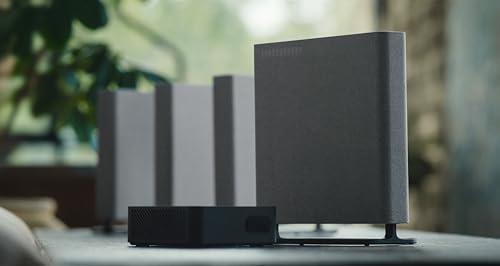
Released in late 2023, the Sony HT-A9M2 is essentially a complete home theater system disguised as four sleek wireless speakers. Meanwhile, the Yamaha SR-B30A, which hit the market in 2022, takes the traditional soundbar approach—pack everything into one long bar that sits under your TV. At the time of writing, these products sit at opposite ends of the price spectrum, with the Sony commanding premium flagship pricing while the Yamaha targets budget-conscious buyers.
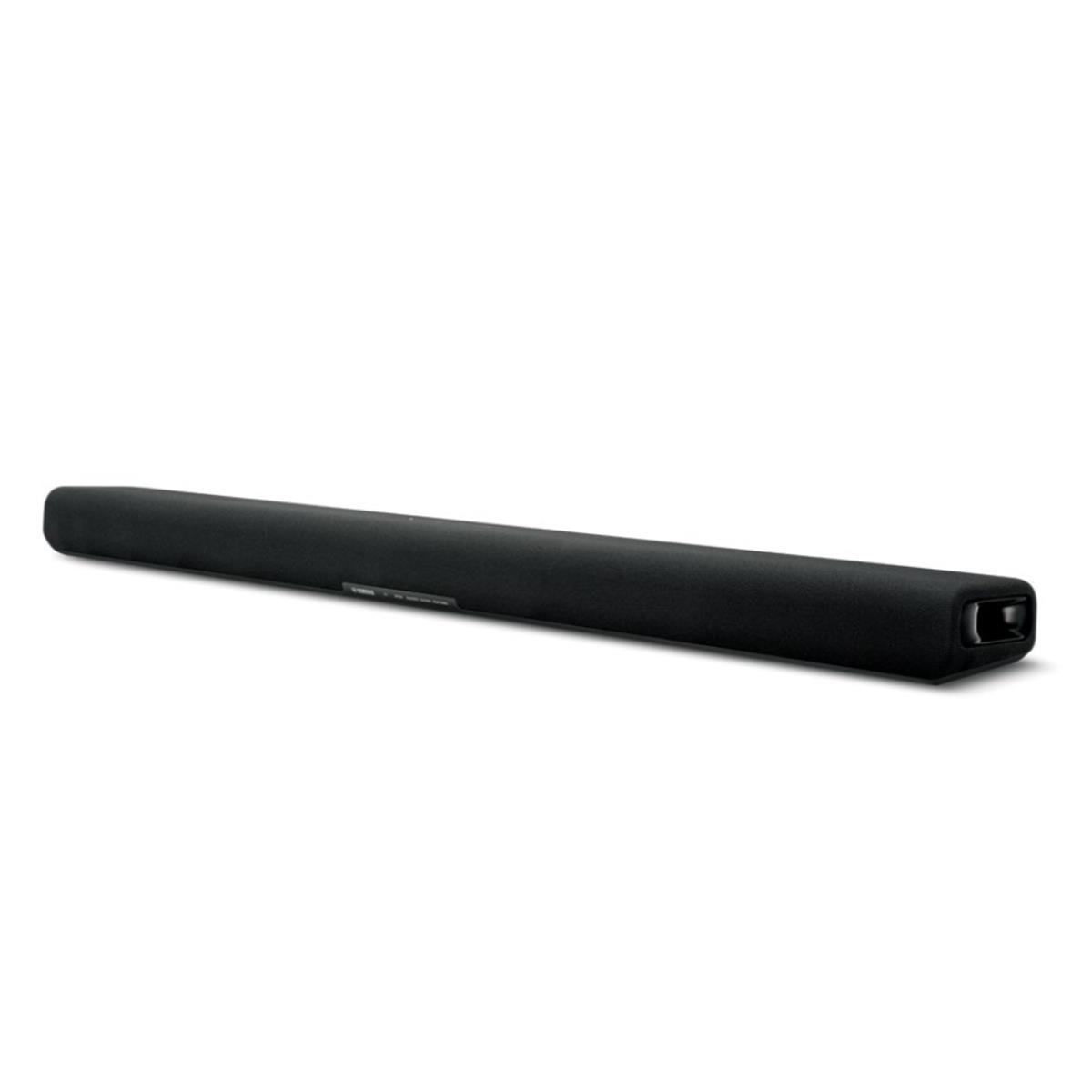
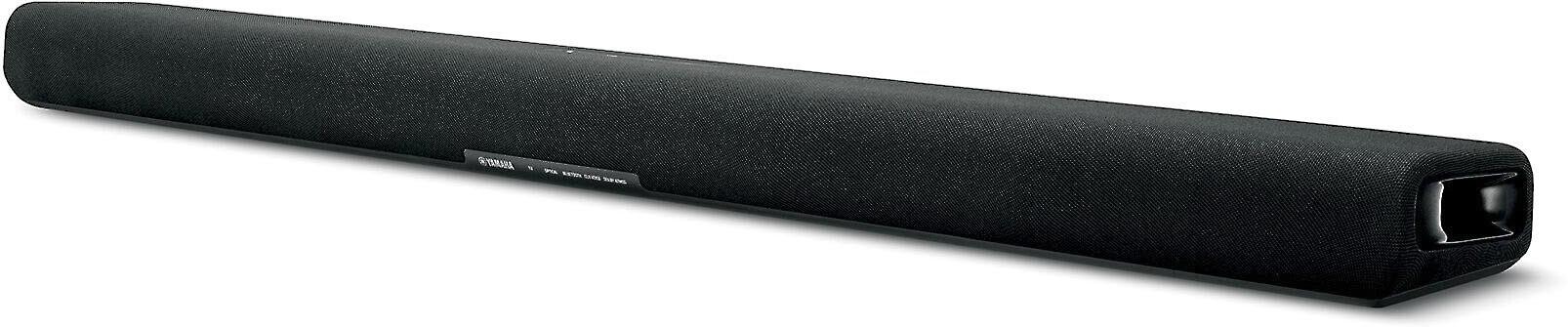
Before diving into specifics, it's crucial to understand what we're comparing. A soundbar like the Yamaha SR-B30A is designed to replace your TV's speakers with a single, wider speaker array. It's essentially a horizontal speaker cabinet with multiple drivers inside, creating a wider soundstage than your TV alone. Think of it as upgrading from earbuds to decent headphones—better, but still fundamentally limited by being a single point source.
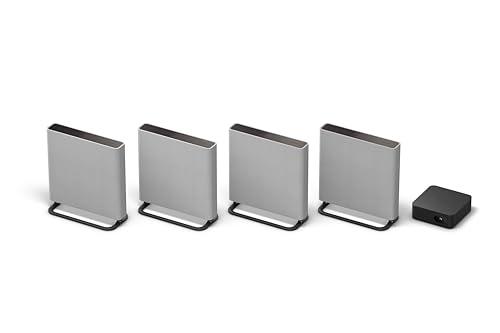
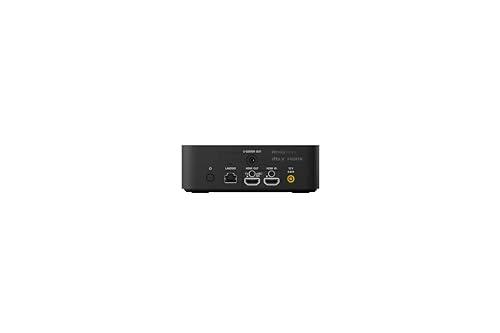
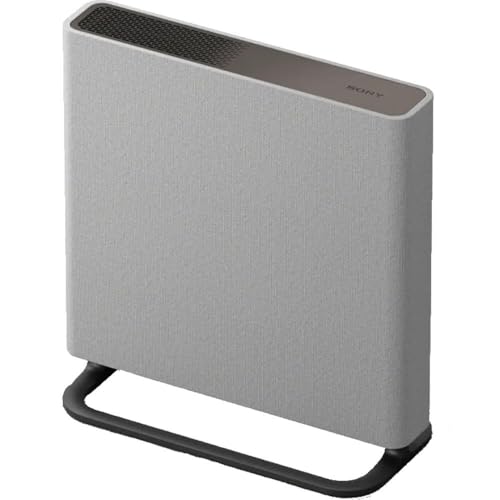
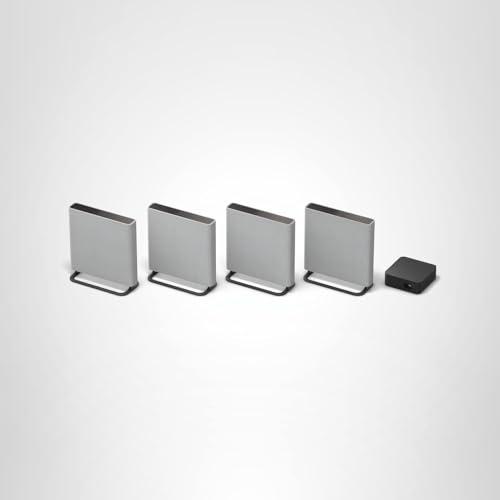
The Sony HT-A9M2, on the other hand, is what's called a wireless multi-speaker system. Instead of one bar, you get four separate speakers that you place around your room. Each speaker connects wirelessly to a central control box, creating what's essentially a traditional surround sound system without the hassle of running speaker wires everywhere. This is more like upgrading from earbuds to a full stereo system in your room.
The key considerations when choosing between these approaches are budget, room size, setup complexity, and how much you care about audio quality. The Sony costs roughly ten times more than the Yamaha at the time of writing, but that price difference reflects fundamentally different capabilities rather than just brand markup.
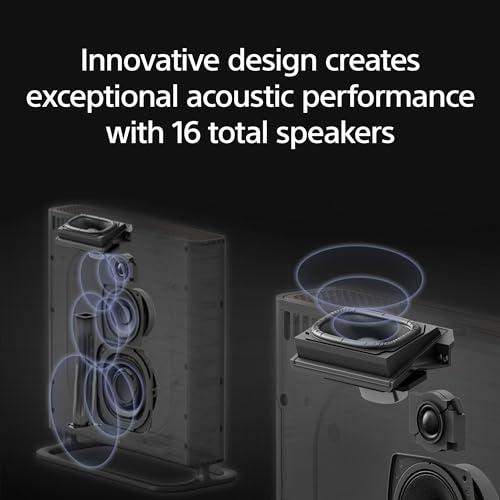
When it comes to creating an immersive audio experience, the Sony HT-A9M2 operates in a different league entirely. Its 4.0.4 channel system uses 16 individual speaker drivers spread across four separate units. Each speaker contains a 3-way design—meaning it has dedicated drivers for different frequency ranges (woofer for bass, midrange for vocals, tweeter for high frequencies)—plus an upward-firing driver on top for Dolby Atmos height effects.
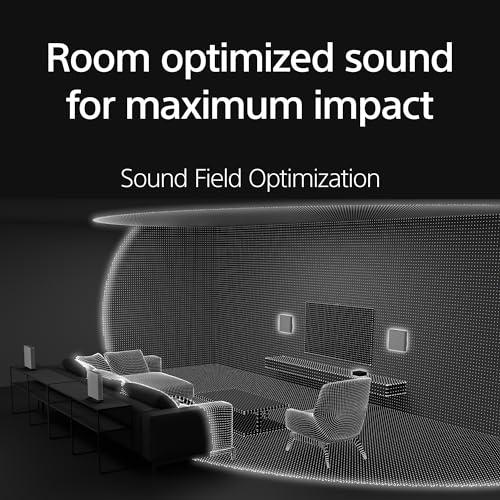
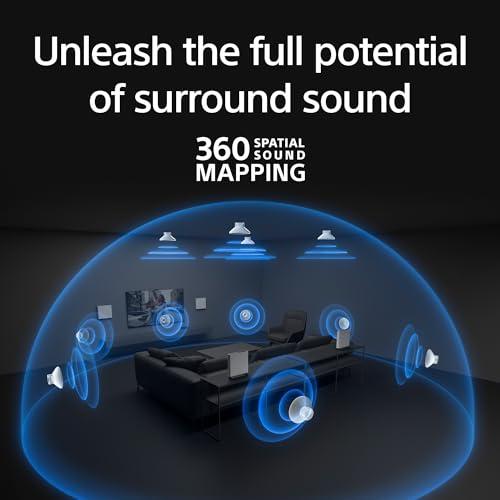
The real magic happens with Sony's 360 Spatial Sound Mapping technology. This system uses microphones in each speaker to measure your room's acoustics, then reflects sound off your walls and ceiling to create "phantom speakers"—virtual speakers that your brain perceives as being in locations where no physical speaker exists. In our research, users consistently report feeling surrounded by sound in a way that traditional soundbars simply cannot match.
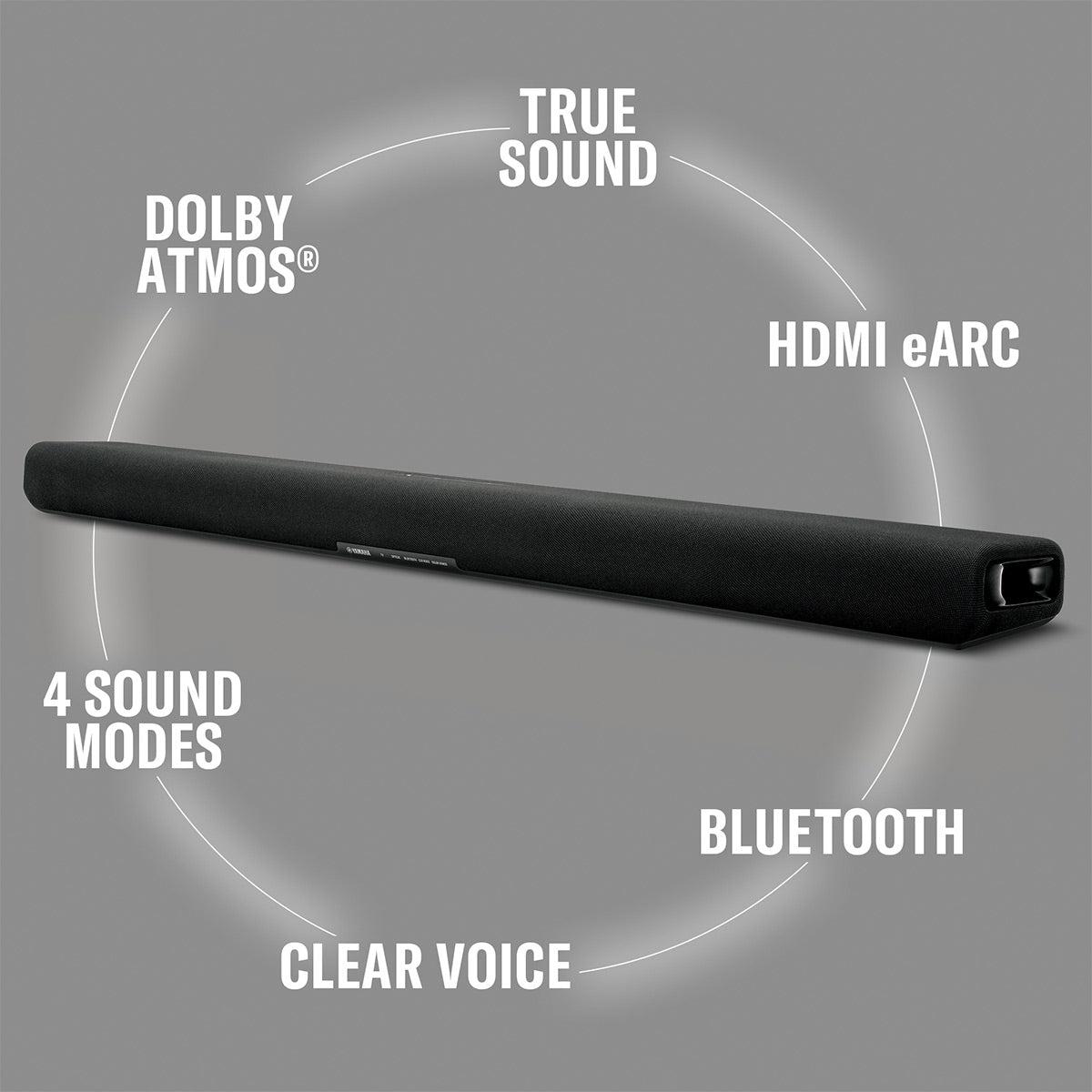
The Yamaha SR-B30A, by comparison, uses virtual surround processing to simulate a wider soundstage from its single location. While it supports Dolby Atmos, this is achieved through digital signal processing rather than physical upward-firing drivers. The result is a wider sound than your TV speakers, but without the true sense of envelopment that comes from having sounds actually originating from different locations around the room.
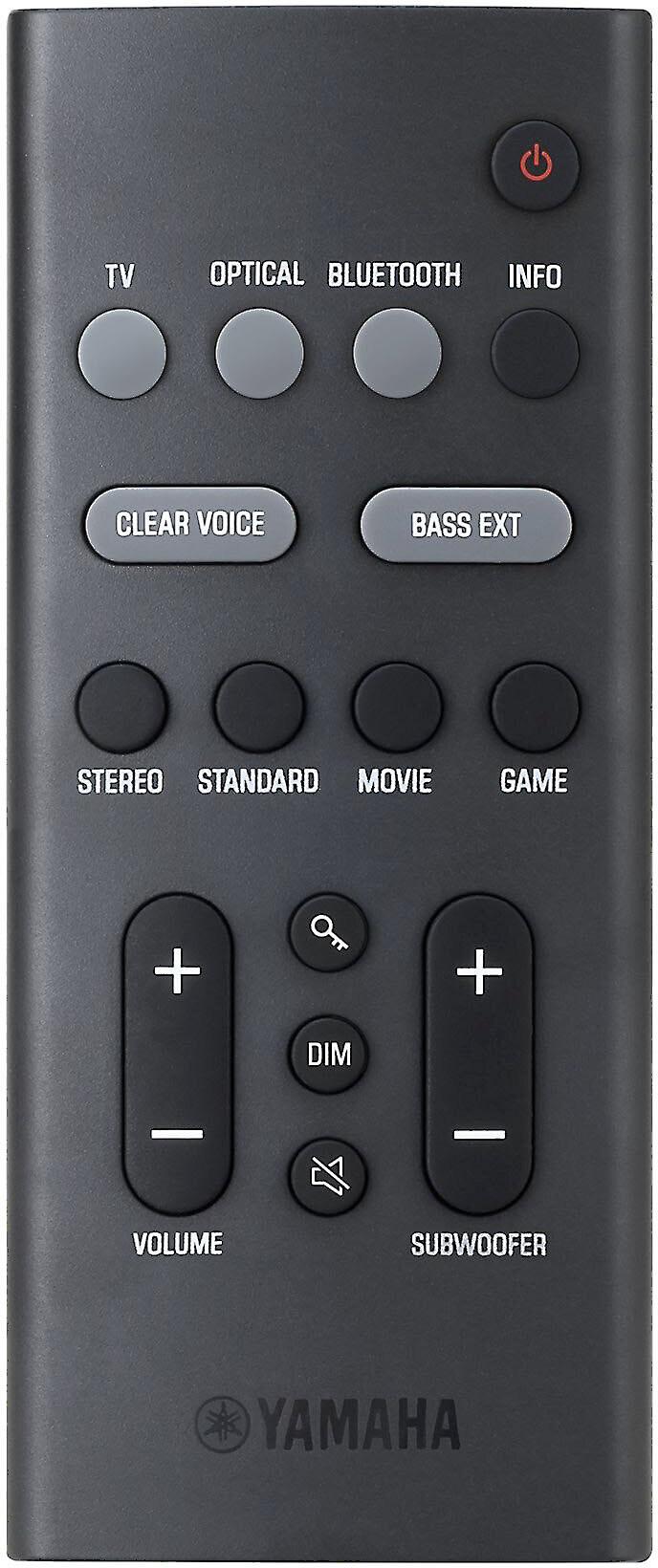
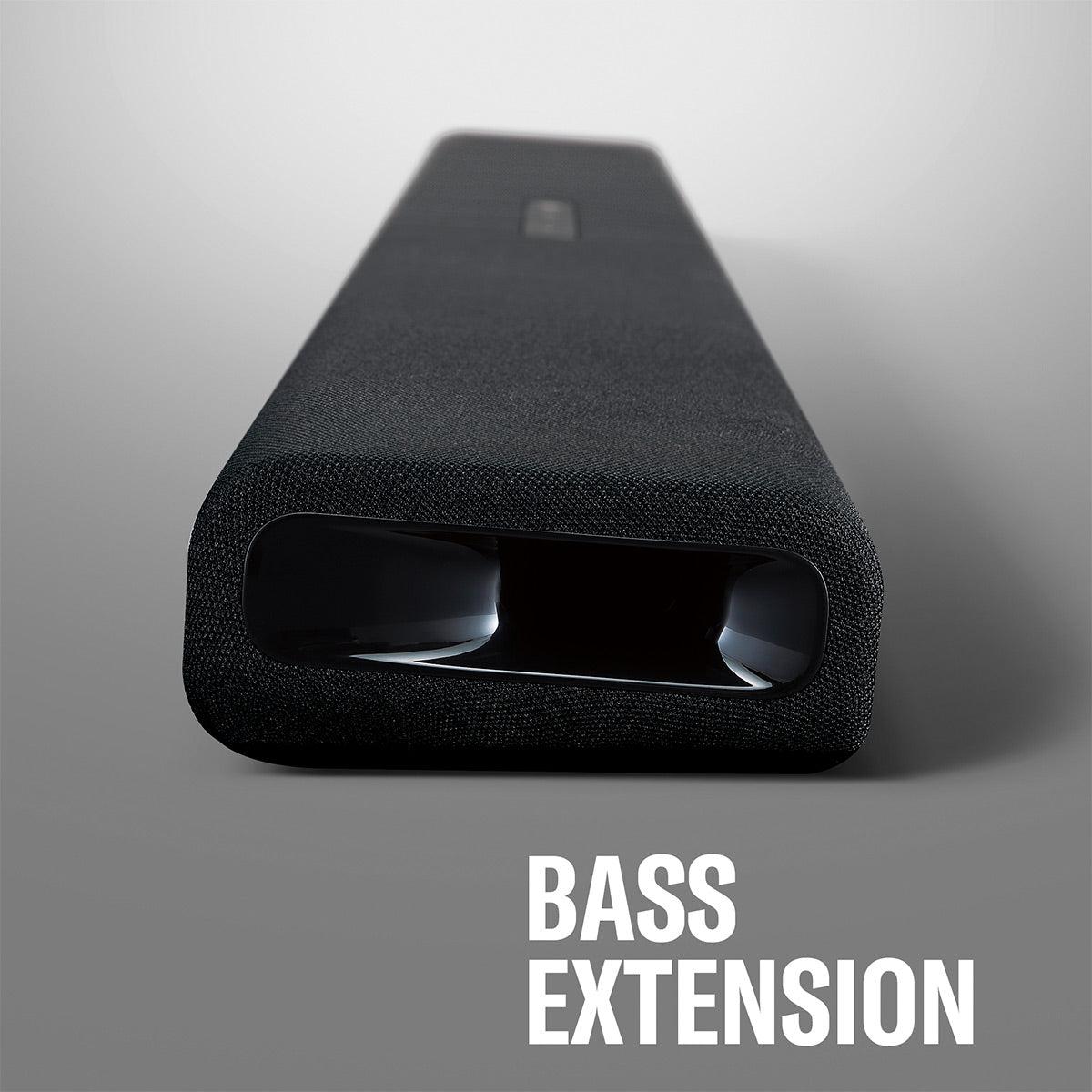
Bass handling reveals another fundamental difference between these systems. The Yamaha SR-B30A includes dual 3-inch subwoofers built directly into the soundbar. For a compact unit, this provides surprisingly decent bass response that works well in smaller rooms. The Bass Extension feature can boost low-frequency output even further, giving action movies more punch than you'd expect from such a compact system.
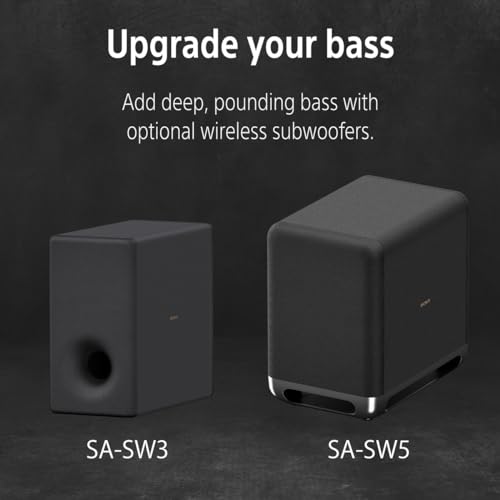
However, the Sony HT-A9M2 ships as a 4.0.4 system—that "4.0" means no dedicated subwoofer is included. Each speaker has its own woofer, but they're optimized for midrange and vocal clarity rather than deep bass. Professional reviews consistently note that while the system excels in clarity and spatial effects, it really needs Sony's optional wireless subwoofer to deliver the kind of bass impact that home theater enthusiasts expect. This represents an additional investment on top of the already premium price.
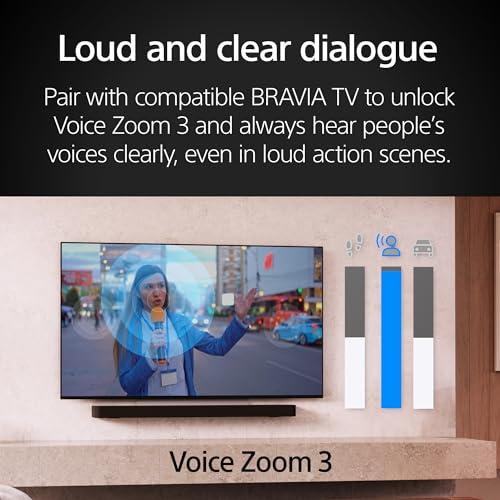
Clear dialogue is crucial for enjoying movies and TV shows, and both systems tackle this challenge differently. The Yamaha SR-B30A features Clear Voice technology, which specifically boosts the frequency range where human voices live. This makes it particularly effective for TV watching, where dialogue clarity often matters more than cinematic immersion.
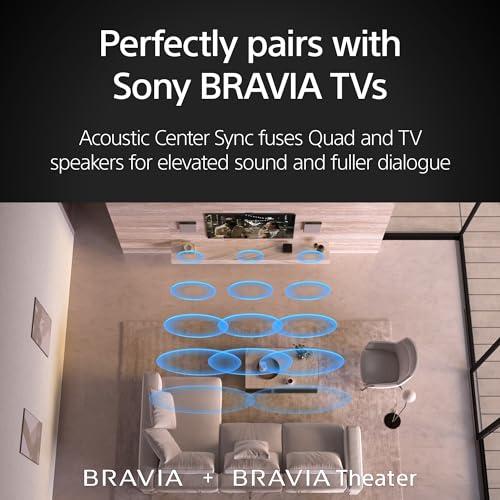
The Sony HT-A9M2 doesn't include a dedicated center speaker. Instead, it creates a phantom center channel by precisely timing audio from the front speakers to make dialogue appear to come from your TV screen. When paired with compatible Sony BRAVIA TVs, the system can use Acoustic Center Sync, which turns your TV's built-in speakers into a physical center channel. Based on expert reviews, this phantom center approach works convincingly but can lack the laser-sharp focus that a dedicated center speaker provides, especially if you're sitting off to the side.
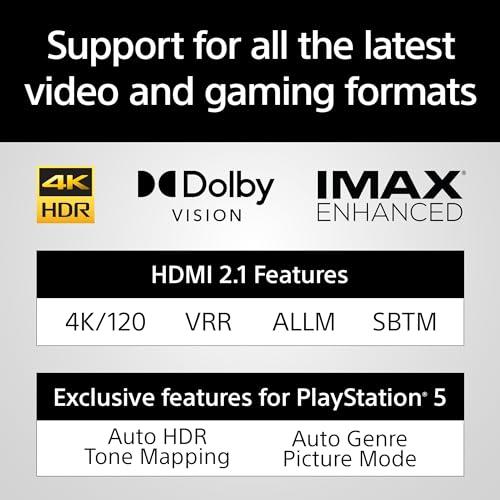
For gamers, especially those with PlayStation 5 or Xbox Series X consoles, the differences become even more pronounced. The Sony HT-A9M2 includes full HDMI 2.1 support, meaning it can handle 4K gaming at 120Hz refresh rates, Variable Refresh Rate (VRR) for smoother gameplay, and Auto Low Latency Mode (ALLM) for minimal input lag. These features are essential for competitive gaming where every millisecond counts.
The system's 360 Spatial Sound Mapping technology truly shines in games, creating precise positional audio that can give you a competitive advantage. When an enemy is sneaking up behind you in a first-person shooter, you'll hear exactly where they are in three-dimensional space. This level of spatial accuracy simply isn't possible with a single soundbar.
The Yamaha SR-B30A offers basic HDMI connectivity without these advanced gaming features. While it will certainly make your games sound better than TV speakers, it won't take advantage of next-generation console capabilities, and the spatial audio is limited by its single-point design.
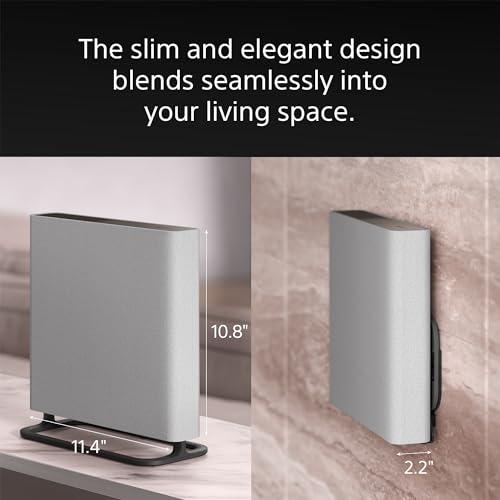
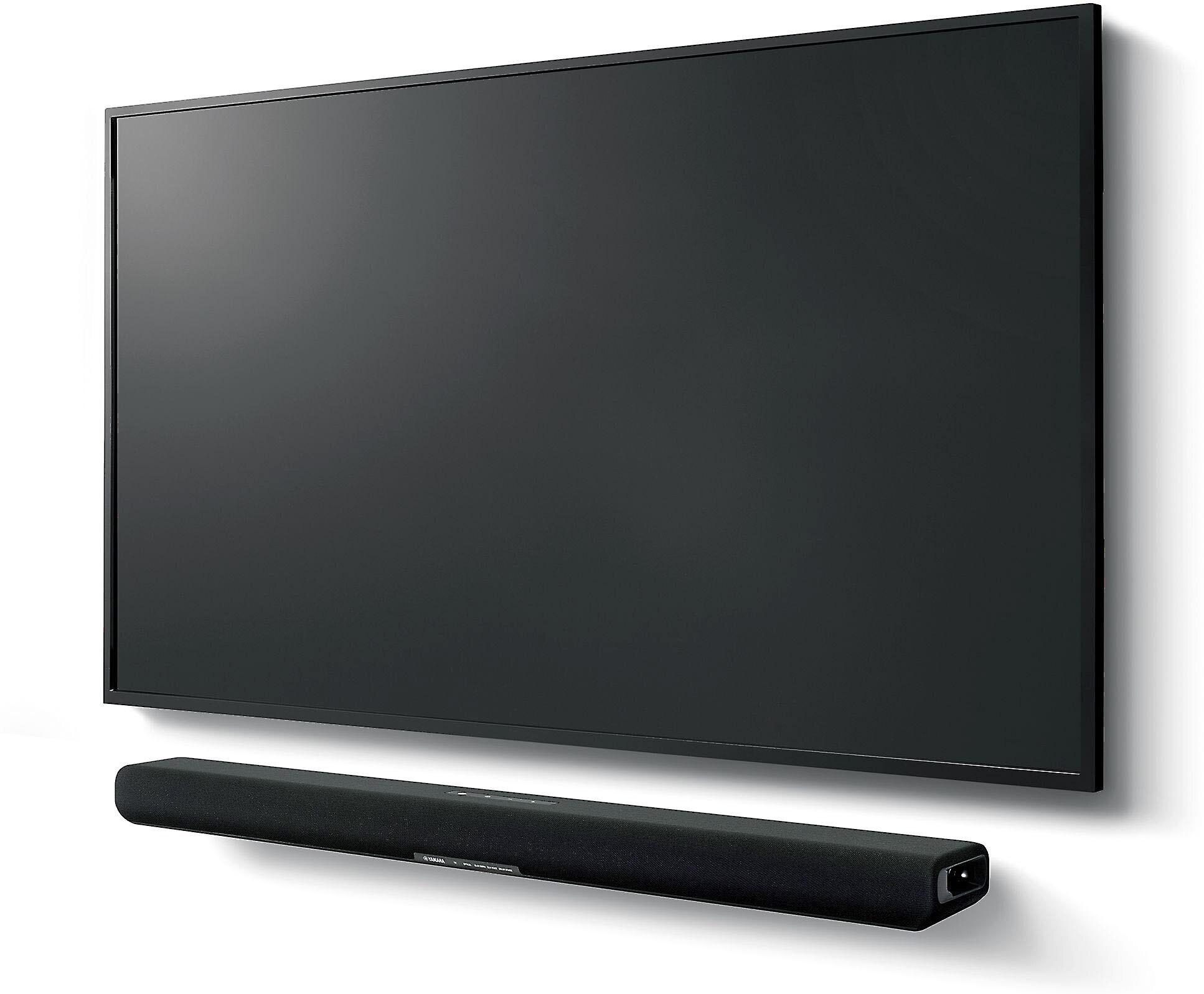
In smaller spaces like bedrooms, apartments, or secondary rooms, the Yamaha SR-B30A often makes more practical sense. Its wall-mountable design saves space, and the integrated subwoofers provide adequate bass response without overwhelming a compact room. The setup is genuinely plug-and-play—connect one cable to your TV, and you're done.
The Sony HT-A9M2 can actually be overkill in very small rooms. The sophisticated room calibration and spatial audio processing are designed to work with wall reflections and room acoustics that simply aren't present in a cramped bedroom. Plus, finding spots for four separate speakers in a small space can be challenging.
In medium to large rooms, the Sony HT-A9M2 comes into its own. The four wireless speakers can be positioned optimally around your seating area, creating a true surround sound bubble. The Sound Field Optimization automatically calibrates the system based on your specific room layout, speaker placement, and listening position.
The Yamaha SR-B30A struggles to fill larger spaces effectively. Even at maximum volume, the sound lacks the power and presence needed for bigger rooms, and the single-point source means people sitting far from the center won't get the full experience.
Since its 2022 release, the Yamaha SR-B30A has remained largely unchanged, which isn't necessarily problematic for a product in this category. Soundbars tend to have longer product cycles, and the core functionality remains relevant for basic TV audio improvement.
The Sony HT-A9M2, released in 2023, represents a significant evolution from Sony's original HT-A9. The newer model features improved wireless stability (a major complaint about the original), better room calibration algorithms, and enhanced integration with Sony's BRAVIA TV ecosystem. The wireless technology has been upgraded with dual antennas and frequency hopping to reduce dropouts, addressing one of the few technical weaknesses of the first-generation system.
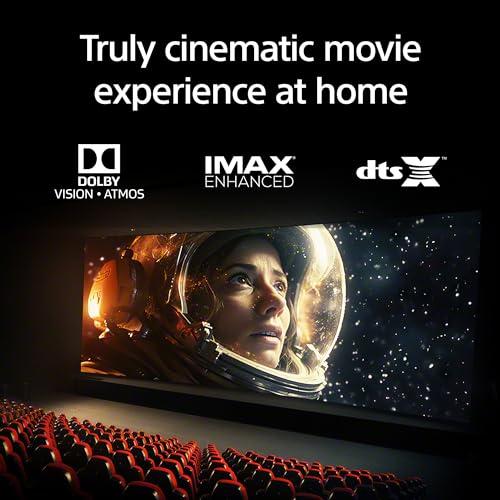
Looking forward, the Sony's support for emerging audio formats like 360 Reality Audio and IMAX Enhanced content suggests better longevity for premium audio enthusiasts. The modular design also allows for future expansion with additional speakers or subwoofers as Sony releases them.
At the time of writing, the price difference between these systems is substantial—roughly ten times the cost for the Sony versus the Yamaha. This isn't just brand premium; it reflects genuinely different product categories with vastly different engineering complexity.
For casual TV watching, news, and basic streaming content, the Yamaha SR-B30A delivers impressive value. Its Clear Voice technology makes dialogue more intelligible, the built-in subwoofers provide satisfying bass for most content, and the simple setup means you'll be enjoying better audio within minutes of unboxing.
The Sony HT-A9M2 is an investment piece for serious audio enthusiasts. If you're someone who appreciates the difference between stereo and surround sound, who games frequently, or who considers movie nights a primary form of entertainment, the dramatic improvement in immersion and spatial accuracy can justify the premium pricing.
One often-overlooked factor is how these systems integrate with your existing and future technology. The Sony HT-A9M2 offers deep integration with Sony BRAVIA TVs, PlayStation consoles, and can be expanded with additional Sony wireless speakers and subwoofers. If you're already in the Sony ecosystem or planning to upgrade other components, this integration adds significant value.
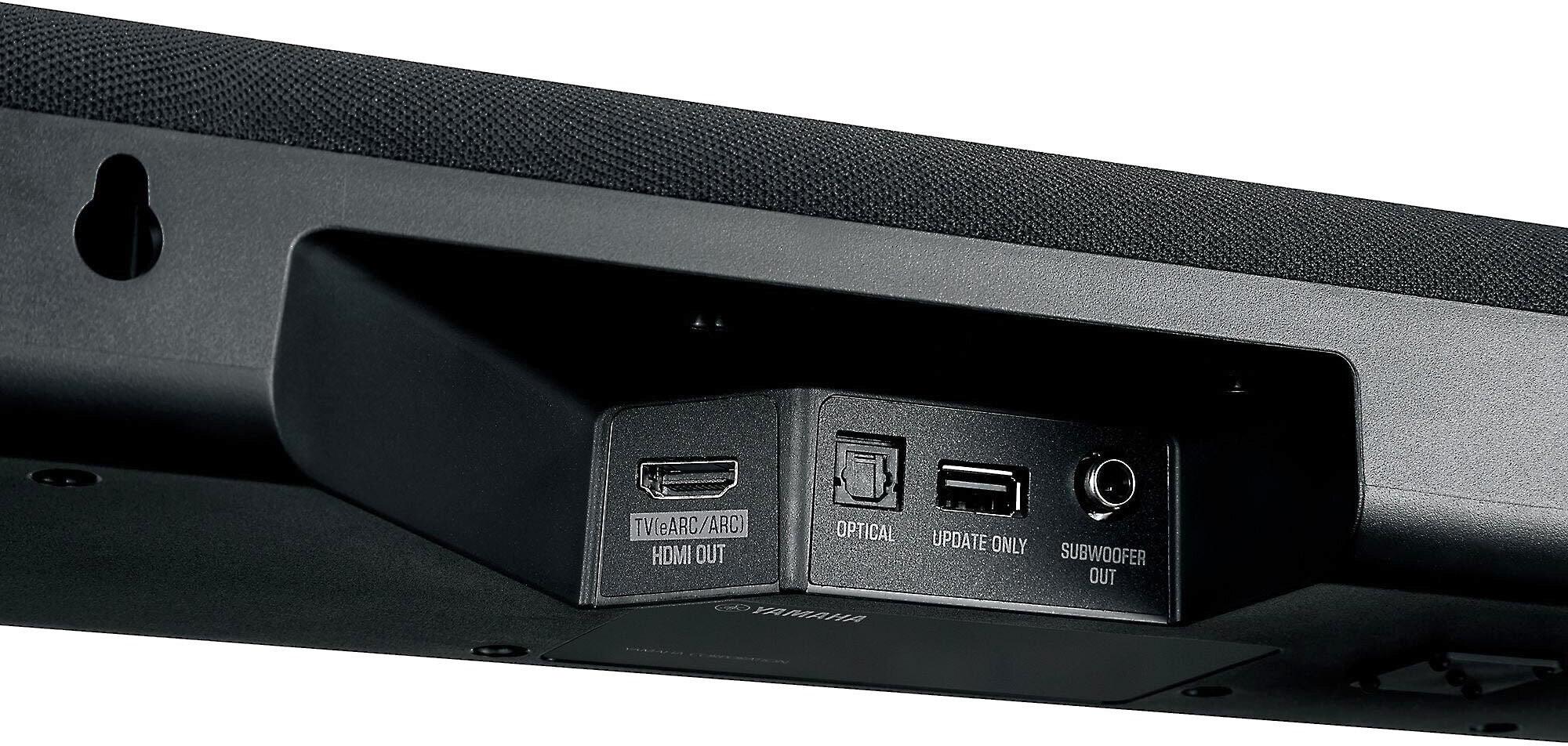
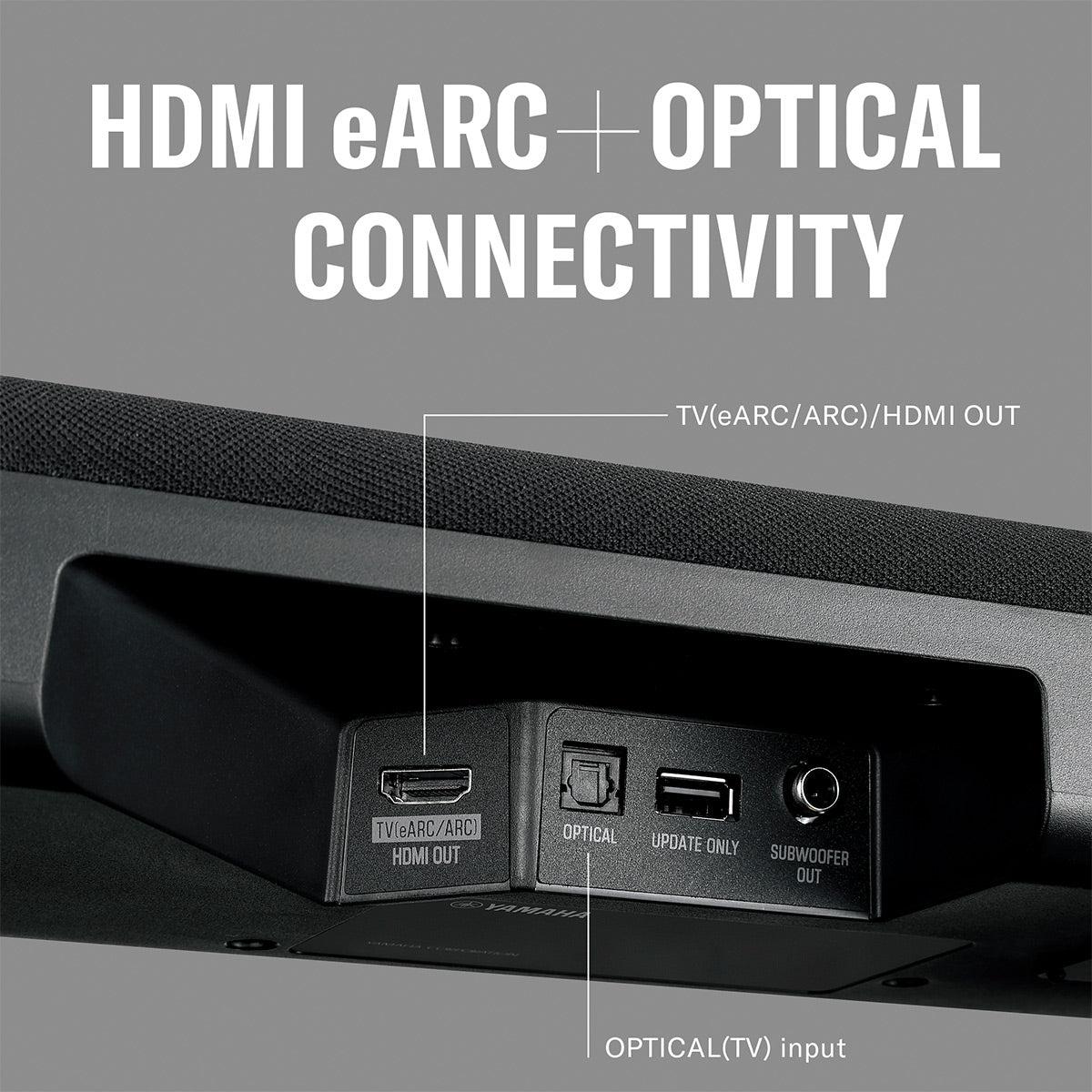
The Yamaha SR-B30A is essentially a standalone product. While it works with any TV via HDMI or optical connection, there's no expansion path or special integration features. This simplicity is actually a strength for many users who just want better TV audio without complexity.
Based on extensive research into user experiences and expert reviews, clear patterns emerge about who benefits most from each approach.
Choose the Sony HT-A9M2 if:
Choose the Yamaha SR-B30A if:
The fundamental question isn't really which is "better"—the Sony objectively provides superior audio performance. The question is whether that superior performance matters for your specific situation and whether the dramatic price difference represents good value for your particular needs.
In my opinion, the Yamaha SR-B30A hits a sweet spot for the majority of consumers who simply want their TV to sound significantly better without complexity or major expense. Meanwhile, the Sony HT-A9M2 serves the enthusiast market exceptionally well, providing genuinely impressive spatial audio that can rival much more complex traditional surround sound systems.
The key is being honest about your audio priorities, room constraints, and budget reality. Both products succeed brilliantly within their intended markets—they just happen to serve very different audiences with very different expectations.
| Sony HT-A9M2 BRAVIA Theater Quad | Yamaha SR-B30A Sound Bar |
|---|---|
| System Type - Determines setup complexity and performance potential | |
| 4-speaker wireless surround system with control box | Single all-in-one soundbar |
| Total Power Output - Affects maximum volume and dynamic range | |
| 504W (16-channel digital amplifier) | 120W (integrated amplification) |
| Speaker Configuration - Core difference in audio capabilities | |
| 4.0.4 channels with 16 total drivers (4 per speaker) | 2.1 channels with 7 drivers (all in one bar) |
| Dolby Atmos Implementation - Critical for immersive audio | |
| True object-based Atmos with physical upfiring drivers | Virtual Atmos processing without height drivers |
| Room Coverage - Determines ideal space size | |
| Medium to large rooms (200-500 sq ft) optimized | Small to medium rooms (under 200 sq ft) best |
| Setup Complexity - Time and effort required | |
| Advanced: 4 speaker placement + room calibration | Simple: single cable connection to TV |
| Gaming Features - Important for console owners | |
| Full HDMI 2.1 (4K120, VRR, ALLM) + PS5 optimization | Basic HDMI without gaming-specific features |
| Bass Handling - Affects movie and music impact | |
| No subwoofer included (optional wireless sub available) | Dual 3" subwoofers built-in |
| Expandability - Future upgrade potential | |
| Modular system (add subwoofers, rear speakers) | Fixed configuration with no expansion options |
| Smart Features - Streaming and control options | |
| Bluetooth 5.2, AirPlay 2, Spotify Connect, advanced app | Bluetooth 5.1 only, basic app control |
| BRAVIA TV Integration - Bonus for Sony TV owners | |
| Acoustic Center Sync, seamless control integration | Standard HDMI-CEC compatibility only |
| Target User - Who benefits most from each approach | |
| Home theater enthusiasts with premium budgets | Budget-conscious buyers wanting TV audio upgrade |
The Yamaha SR-B30A is better suited for small rooms like bedrooms or apartments. Its compact single-bar design fits easily under TVs without requiring additional space for multiple speakers. The Sony HT-A9M2 can actually be overkill in very small spaces since its advanced room calibration and spatial audio processing work best with larger rooms that have wall reflections.
The Yamaha SR-B30A includes dual 3-inch subwoofers built directly into the soundbar, so no additional subwoofer is needed for most users. The Sony HT-A9M2 ships without a subwoofer and many users find they need to add Sony's optional wireless subwoofer for satisfying bass response, especially for movies and music.
The Yamaha SR-B30A is significantly easier to set up - just connect one HDMI or optical cable to your TV and you're done. The Sony HT-A9M2 requires placing four separate speakers around your room, connecting them wirelessly to a control box, and running automatic room calibration for optimal performance.
The Yamaha SR-B30A needs only the space under your TV or wall mounting area. The Sony HT-A9M2 requires space for four separate speakers positioned around your room, plus adequate wall surfaces for its sound reflection technology to work effectively.
The Sony HT-A9M2 is superior for next-gen gaming, offering full HDMI 2.1 support including 4K/120Hz, Variable Refresh Rate (VRR), and Auto Low Latency Mode (ALLM). It also provides precise 3D positional audio for competitive gaming. The Yamaha SR-B30A lacks these advanced gaming features and has more limited spatial audio capabilities.
Yes, both the Sony HT-A9M2 and Yamaha SR-B30A work with any TV that has HDMI or optical audio outputs. However, the Sony HT-A9M2 offers enhanced features like Acoustic Center Sync when paired with Sony BRAVIA TVs.
The Yamaha SR-B30A excels at dialogue clarity with its dedicated Clear Voice technology that specifically enhances speech frequencies. The Sony HT-A9M2 creates a phantom center channel for dialogue, which works well but may not be as focused as a dedicated center speaker, especially when sitting off-center.
The Sony HT-A9M2 offers more comprehensive wireless features including Bluetooth 5.2, AirPlay 2, and Spotify Connect for streaming music. The Yamaha SR-B30A provides basic Bluetooth 5.1 connectivity for wireless music streaming but lacks the advanced wireless audio codecs and streaming platform integration.
The Sony HT-A9M2 is designed for larger spaces, with four separate speakers that can fill medium to large rooms with immersive surround sound. The Yamaha SR-B30A may struggle to adequately fill larger rooms with sound and lacks the power and presence needed for bigger spaces.
The Yamaha SR-B30A includes a basic Sound Bar Remote app for simple adjustments but most functions work with your TV remote via HDMI-CEC. The Sony HT-A9M2 uses the more advanced BRAVIA Connect app for detailed sound customization, room calibration, and accessing streaming features.
The Yamaha SR-B30A provides excellent value for budget-conscious buyers seeking a significant upgrade over TV speakers without complexity. The Sony HT-A9M2 targets premium audio enthusiasts and offers advanced features that justify its higher price point for those who prioritize immersive home theater experiences.
The Sony HT-A9M2 is part of a modular ecosystem that can be expanded with additional Sony wireless subwoofers and rear speakers. The Yamaha SR-B30A is a fixed all-in-one system with no expansion options - what you buy is what you get.
We've done our best to create useful and informative comparisons to help you decide what product to buy. Our research uses advanced automated methods to create this comparison and perfection is not possible - please contact us for corrections or questions. These are the sites we've researched in the creation of this article: bestbuy.com - whathifi.com - whathifi.com - youtube.com - rtings.com - audiosciencereview.com - bhphotovideo.com - skybygramophone.com - sony.com - manuals.plus - audioadvice.com - dell.com - valueelectronics.com - youtube.com - merlinstv.com - videoandaudiocenter.com - electronics.sony.com - sony.com - bestbuy.com - beachcamera.com - sony.com - win.consulting - sony.com - usa.yamaha.com - worldwidestereo.com - audiolab.com - shop.sg.yamaha.com - consumerreports.org - usa.yamaha.com - vinylsound.ca - bestbuy.com - modernappliancewoodward.com - bluestardist.com - target.com - my.yamaha.com

Privacy Policy
Terms and Conditions - Affiliate Policy
Home Security
© Copyright 2008-2026.
11816 Inwood Rd #1211, Dallas, TX 75244