





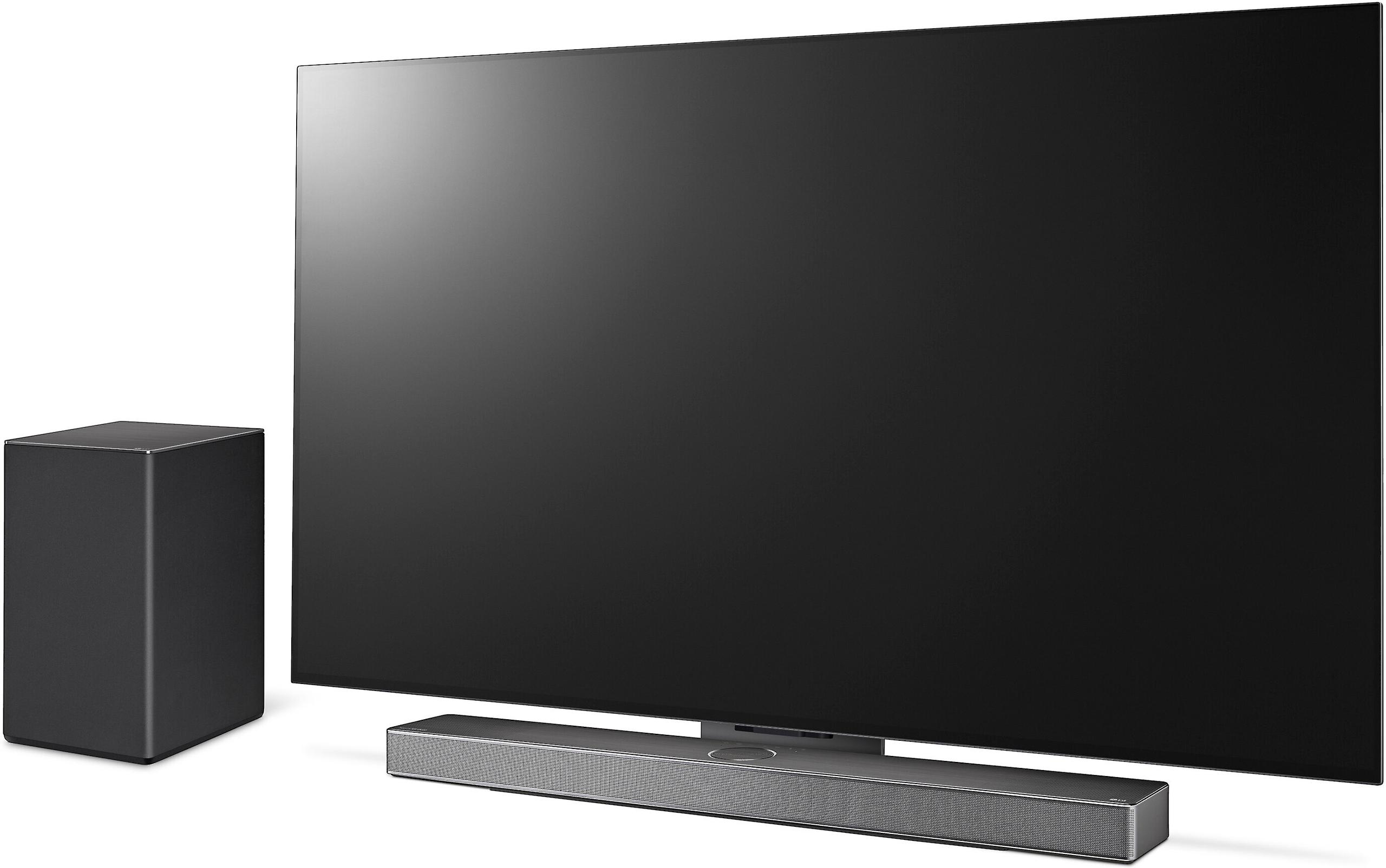
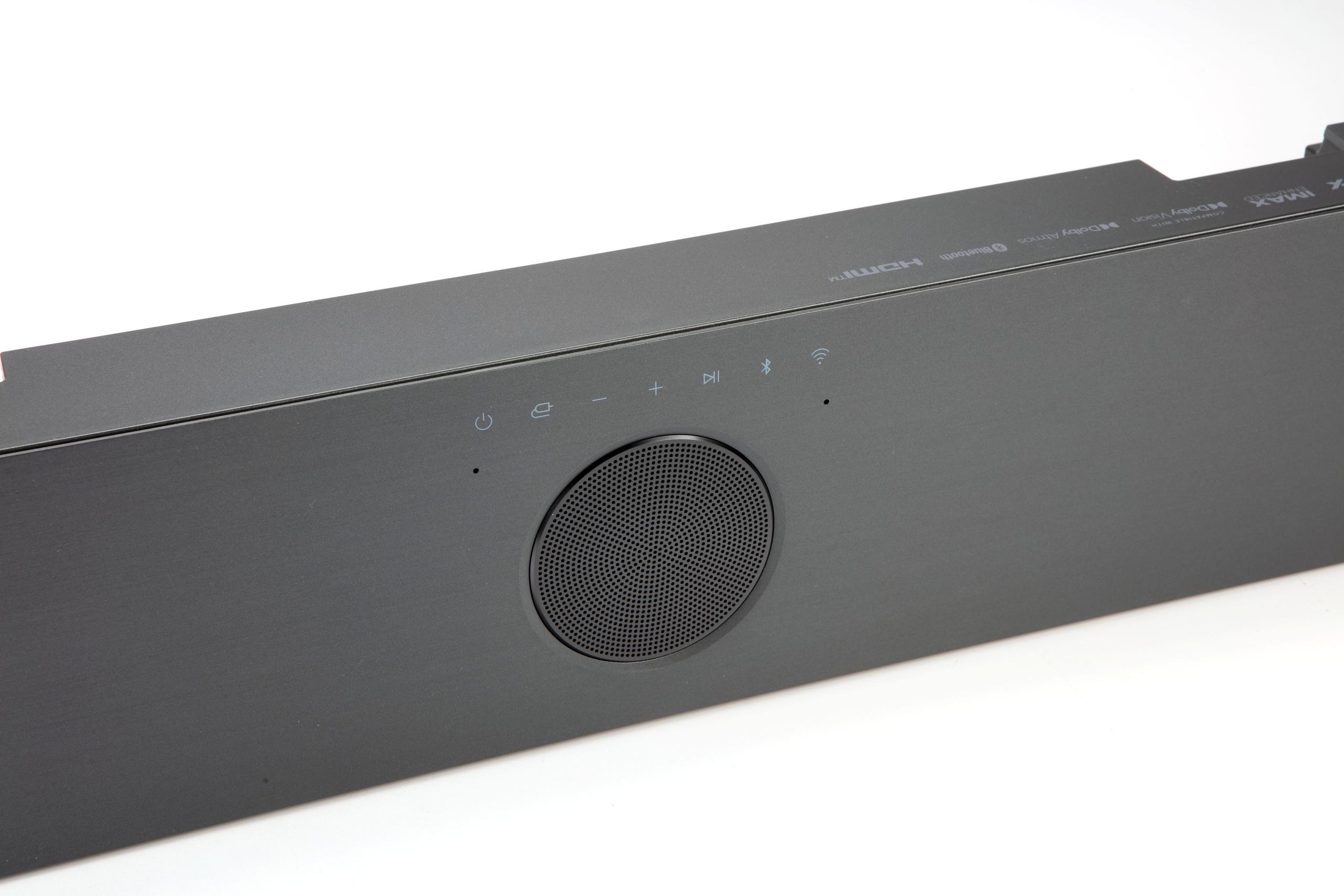
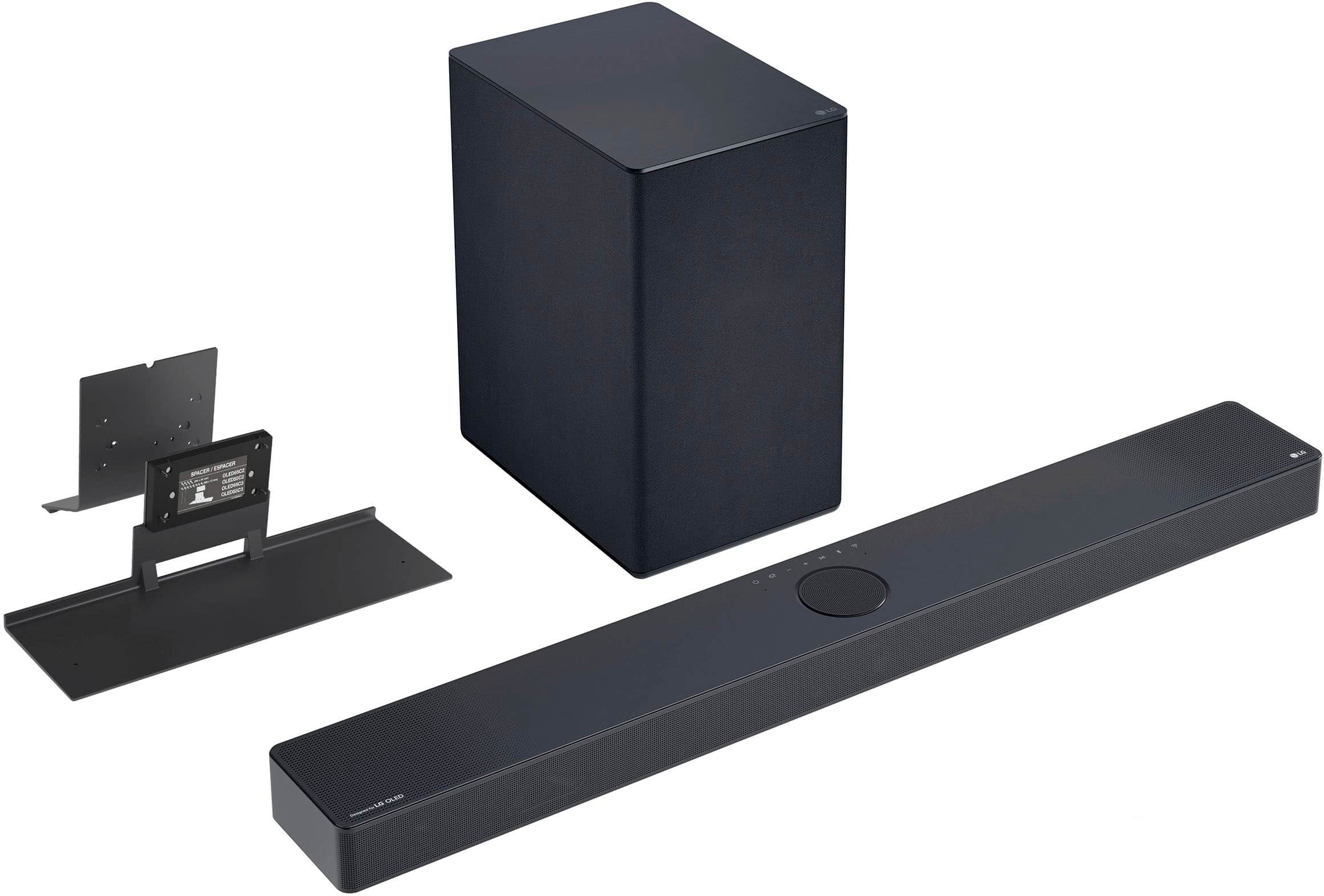
When you're ready to upgrade from your TV's built-in speakers, the world of premium home theater audio can feel overwhelming. Two standout options represent completely different philosophies: the Sony HT-A9M2 BRAVIA Theater Quad, released in 2024 as Sony's flagship wireless system, and the LG SC9S, a 2023 soundbar that punches well above its weight class.
These aren't just different brands—they're fundamentally different approaches to solving the same problem. One tries to recreate a full surround sound system without the wires, while the other perfects the traditional soundbar concept with professional-grade technology. Understanding which approach works better for your situation will save you both money and frustration.
The premium audio market has evolved dramatically over the past few years. We're no longer choosing between "okay" and "great" sound—both systems deliver genuinely excellent audio. Instead, we're choosing between convenience and maximum performance, between plug-and-play simplicity and customizable complexity.
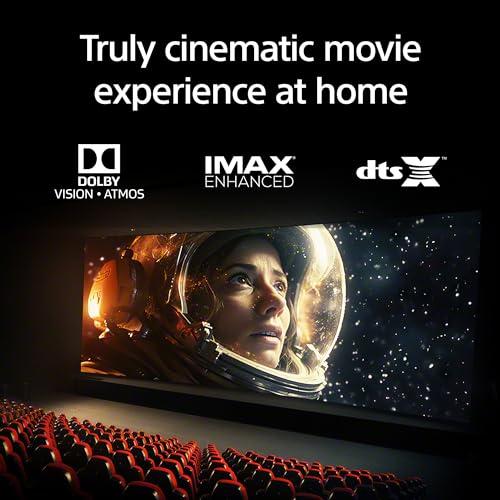
Dolby Atmos has become the standard for immersive audio, adding height channels that bounce sound off your ceiling to create the sensation of helicopters flying overhead or rain falling around you. DTS:X serves a similar purpose with slightly different processing. Both systems support these formats, but they achieve the "surround sound" effect in completely different ways.
The key considerations aren't just about sound quality anymore—they're about room compatibility, setup complexity, future expandability, and how the system integrates with your existing entertainment setup.
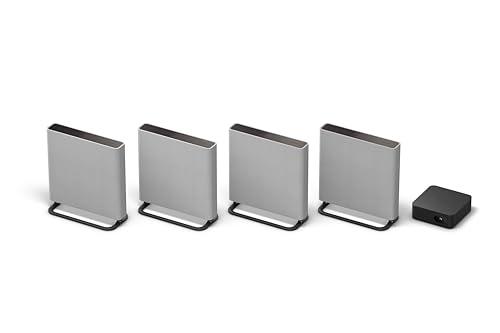
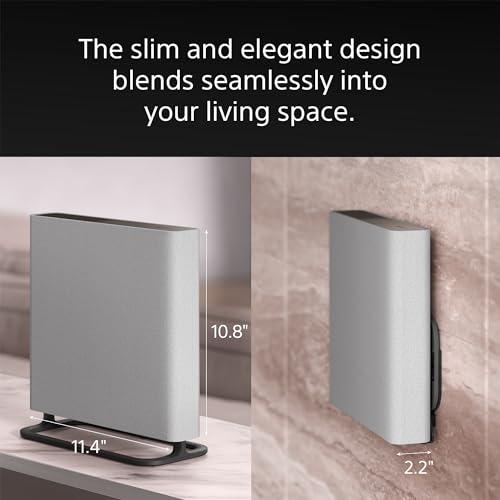
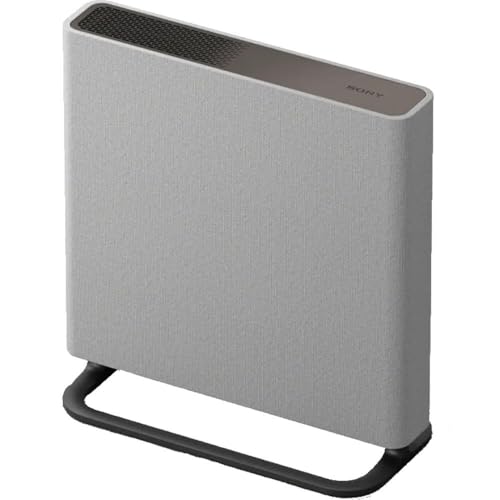
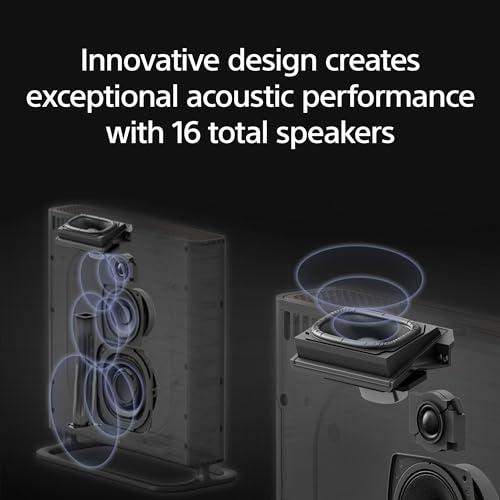
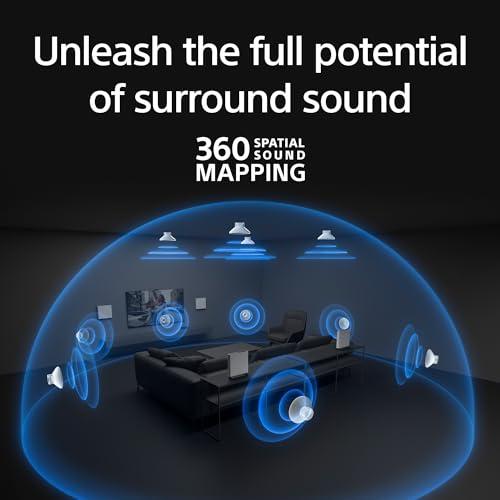
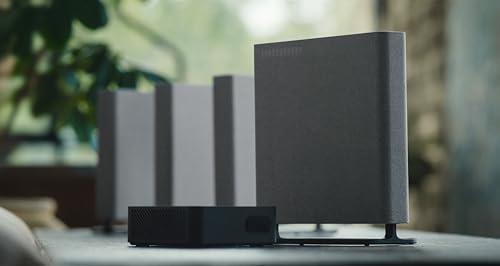
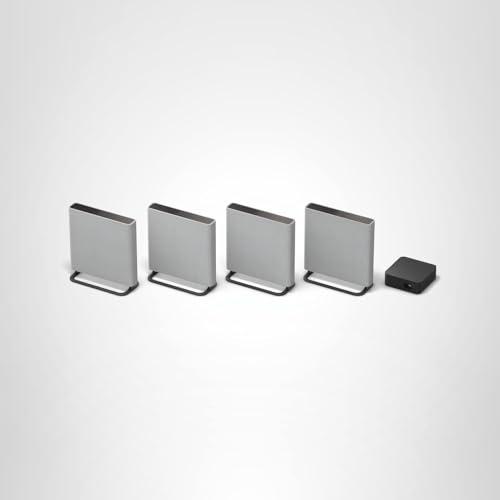
The Sony HT-A9M2 isn't a soundbar at all. It's four separate, identical speaker units that work together wirelessly to create what Sony calls "360 Spatial Sound Mapping." Each unit contains four different drivers: a woofer for bass, a mid-range driver for vocals and most music, a tweeter for crisp high frequencies, and an upfiring driver that bounces sound off your ceiling for Atmos effects.
This 4.0.4 configuration means four main speakers plus four height channels. The "wireless" part is crucial—only the control box connects to your TV via HDMI, while the four speakers connect wirelessly to this hub. You'll still need to plug each speaker into power, but there are no audio cables running across your room.
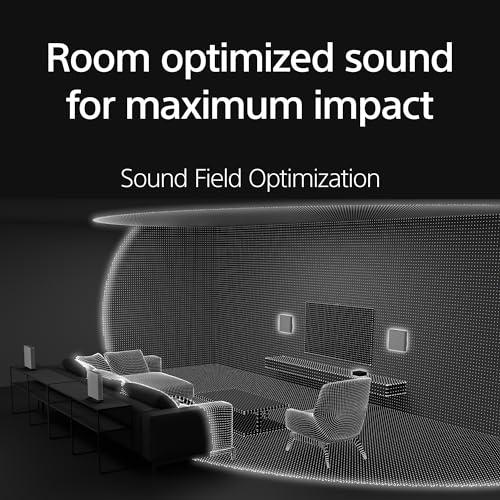
Sony's 360 Spatial Sound Mapping technology is the real innovation here. The system uses microphones in each speaker to measure your room, then creates "phantom speakers"—virtual sound sources that seem to exist between and around the physical speakers through careful timing and phase adjustments. In ideal conditions, this creates an incredibly convincing surround sound bubble that seems to have speakers everywhere.
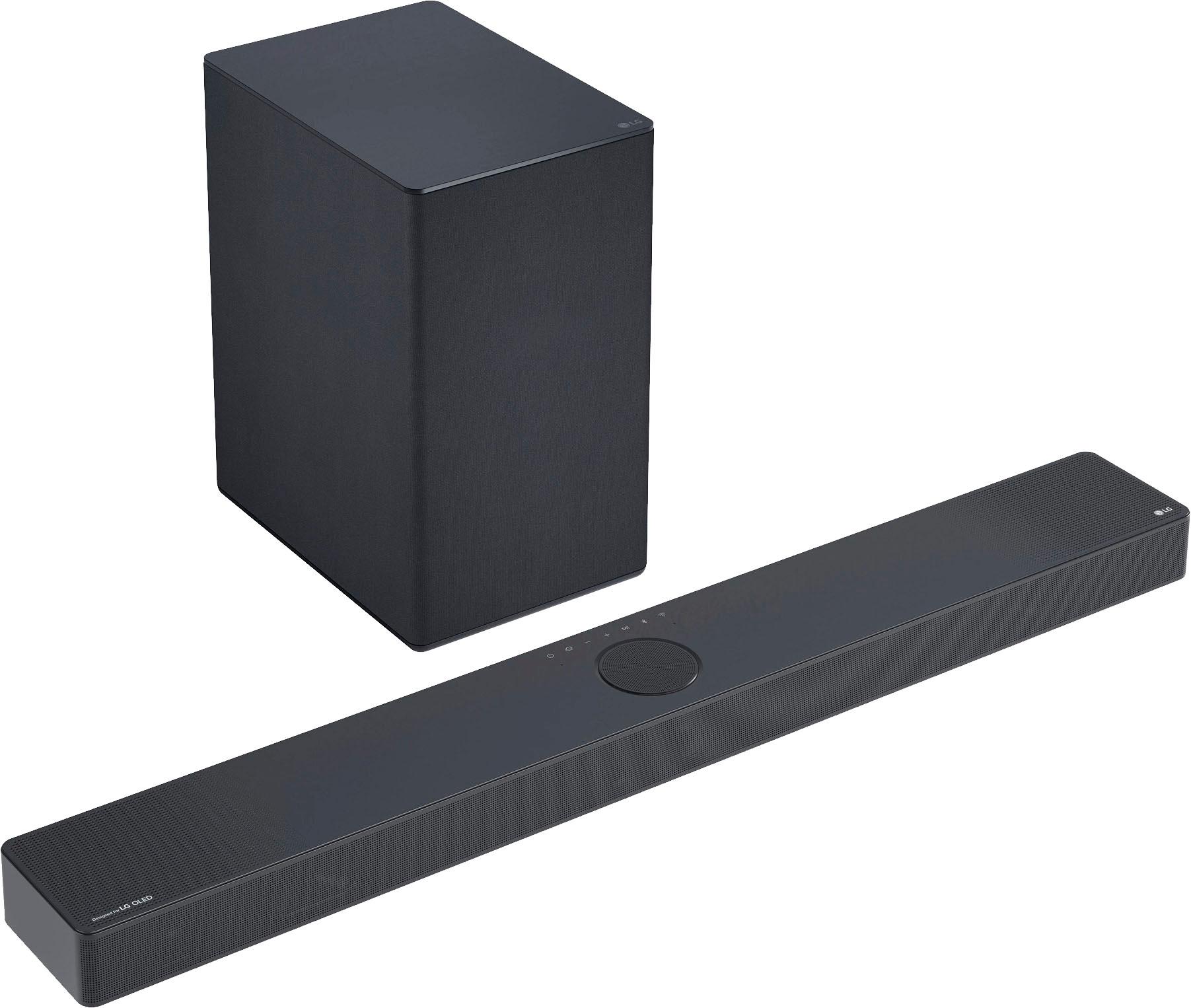
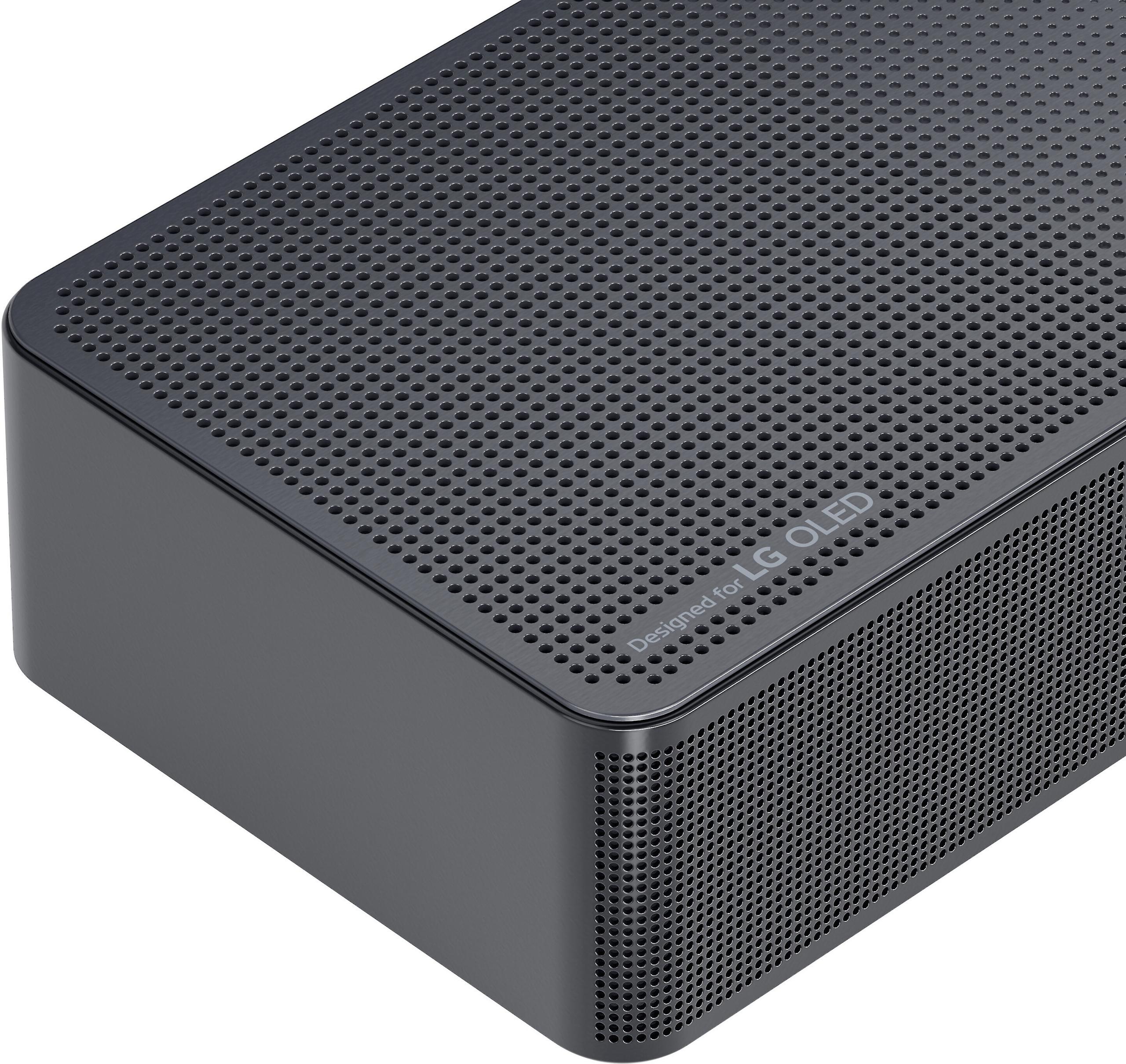
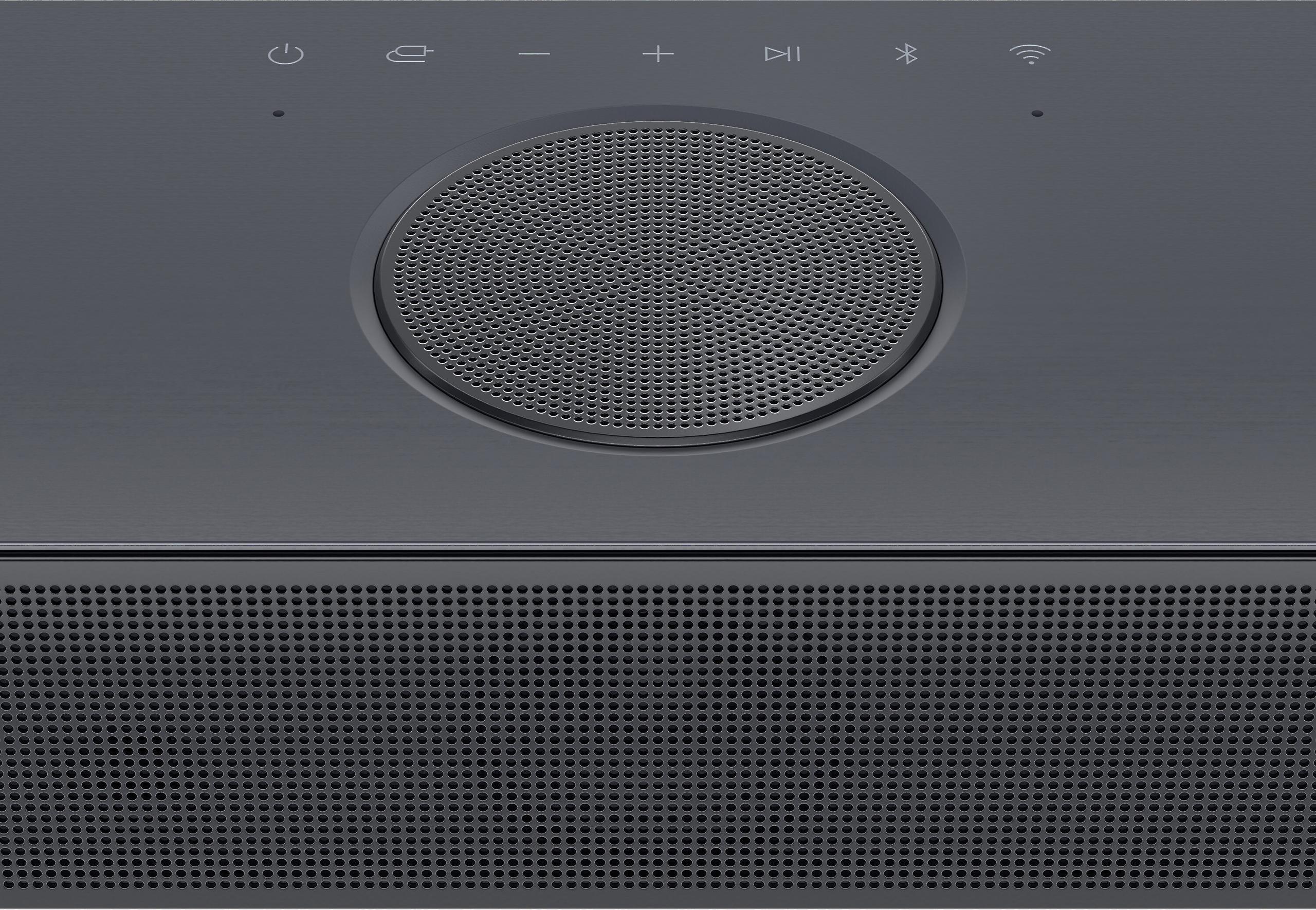
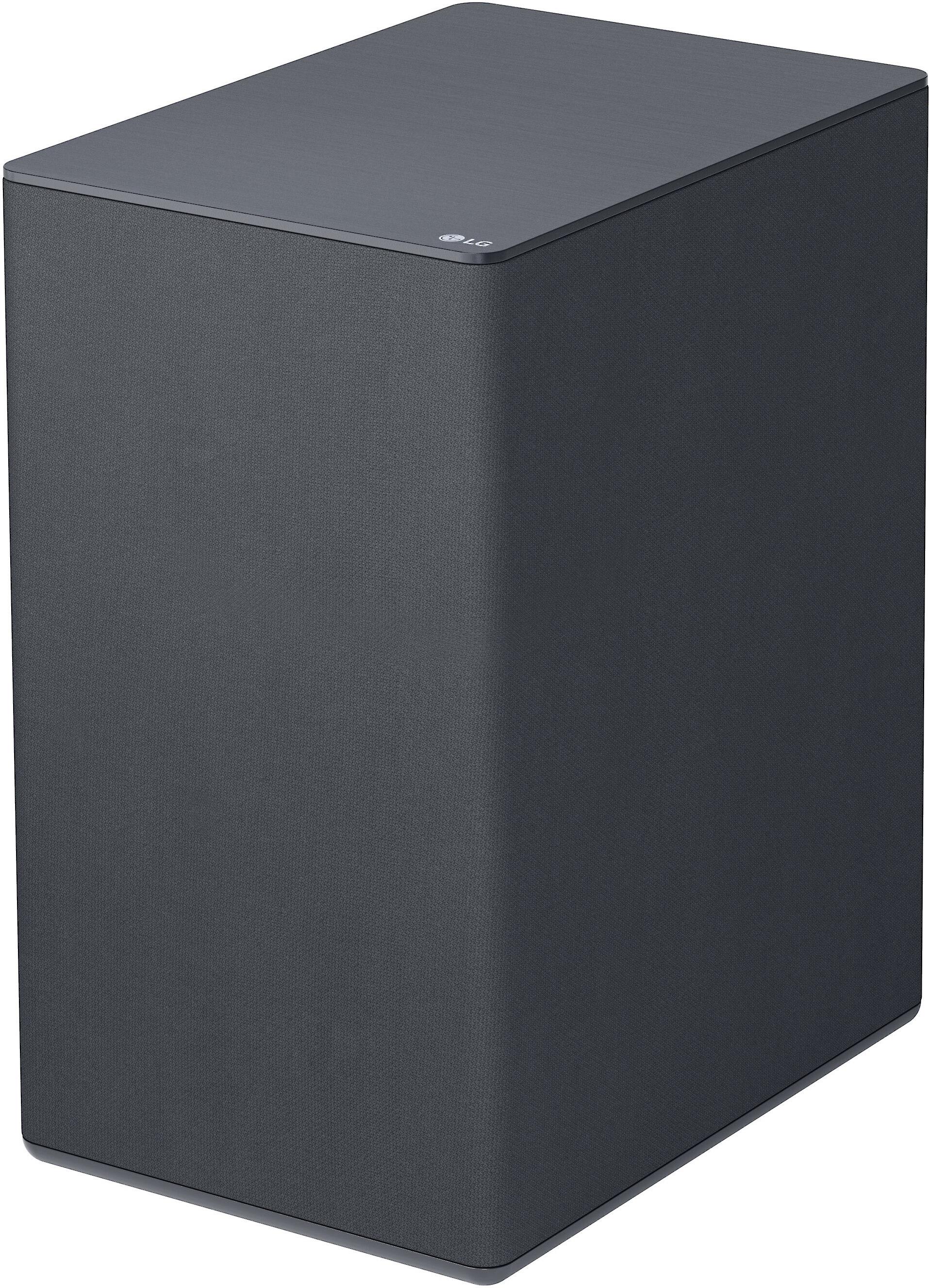
The LG SC9S represents the evolution of traditional soundbar design. It's a single unit that sits under your TV, paired with a wireless subwoofer that handles the deep bass. The 3.1.3 configuration means three front channels (left, center, right), one subwoofer, and three height channels that fire upward.
What makes the LG SC9S special is its horn-loaded tweeters—a design borrowed from professional audio that uses specially shaped chambers to make high frequencies clearer and more dynamic. Most soundbars use simple dome tweeters, but horn loading provides better detail and efficiency.
The system also includes Dirac Live room correction, a professional-grade technology usually found in high-end AV receivers costing thousands of dollars. This system uses an included calibration microphone to measure how sound behaves in your specific room, then adjusts the audio processing to compensate for acoustic problems.
The Sony HT-A9M2 creates the most convincing sense of spatial immersion I've encountered from a four-speaker system. When properly set up in a suitable room, the phantom speaker technology genuinely tricks your brain into hearing sounds from locations where no speakers exist. In Top Gun: Maverick, jet engines seem to move seamlessly around and above you, while in quieter scenes, ambient sounds place you convincingly in the environment.
However—and this is crucial—the Sony's performance depends heavily on your room. It needs reflective surfaces like hardwood floors and some bare walls to bounce sound effectively. In heavily carpeted rooms filled with soft furniture, the effect diminishes significantly. The system works best in medium to large rooms where sounds have space to develop and reflect.
The LG SC9S takes a more direct approach with its three upfiring channels. Instead of relying on room reflections, it fires sound directly at your ceiling to create height effects. This approach is more predictable and works consistently across different room types. While it doesn't create as wide a soundstage as the Sony in ideal conditions, it delivers reliable Atmos effects regardless of your room's acoustics.
Our research into professional reviews and user experiences consistently shows the Sony creating a more dramatic "wow factor" in suitable rooms, while the LG provides more consistent satisfaction across different setups.
Clear dialogue can make the difference between enjoying a movie and constantly reaching for the remote to adjust volume. This is where the approaches diverge significantly.
The LG SC9S uses a dedicated center channel—a physical speaker positioned in the center of the soundbar specifically for dialogue. Combined with Clear Voice Pro technology that enhances vocal frequencies, this creates exceptionally clear speech reproduction. The horn-loaded tweeters add extra detail to voices, making even heavily accented dialogue easier to understand.
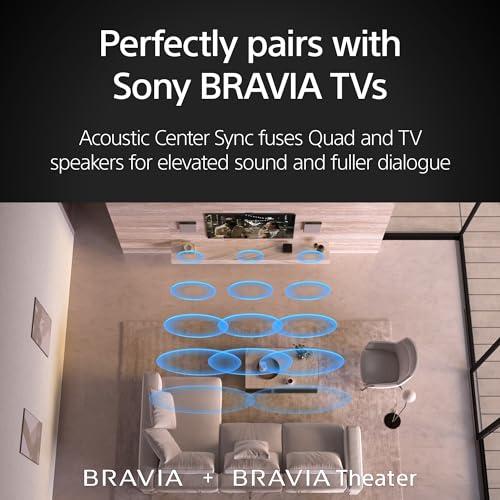
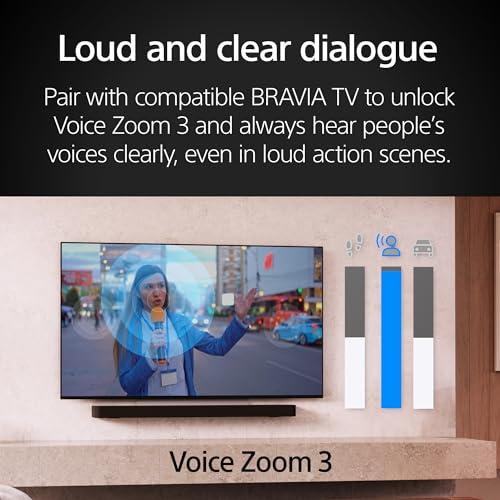
The Sony HT-A9M2 creates a "phantom center channel" by processing center-channel audio across its front speakers. While Sony's Voice Zoom 3 technology uses AI to identify and enhance dialogue in the mix, the lack of a physical center speaker means dialogue clarity can vary depending on your seating position and room acoustics. When paired with compatible Sony BRAVIA TVs using Acoustic Center Sync, the TV's speakers can act as a center channel, significantly improving dialogue placement.
Based on extensive user feedback analysis, the LG provides more consistent dialogue clarity for more people, while the Sony can achieve excellent dialogue performance but requires more optimal conditions.
This represents the starkest difference between the systems. The LG SC9S includes a substantial wireless subwoofer with 300W of power and a 19-liter internal volume. This provides immediate, satisfying bass impact for explosion-heavy action movies and bass-heavy music right out of the box.
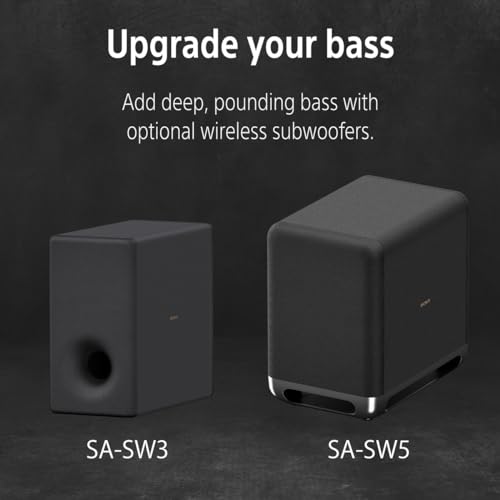
The Sony HT-A9M2 ships as a 4.0.4 system—no subwoofer included. While each speaker contains its own woofer using Sony's X-Balanced Speaker Unit technology (which increases cone area through a rectangular design), these cannot match a dedicated subwoofer for deep bass extension and impact. Professional reviewers consistently note that the Sony "really needs" a subwoofer to reach its full potential, requiring an additional significant investment.
This difference is immediately apparent when watching action movies or listening to bass-heavy music. The LG delivers satisfying rumble and impact from day one, while the Sony feels lean and bright without a subwoofer addition.
For music listening, both systems offer distinct advantages. The LG SC9S's horn-loaded tweeters provide exceptional detail and dynamics for traditional stereo music. The dedicated center channel and subwoofer create a full, balanced sound that works well for most musical genres.
The Sony HT-A9M2 excels with newer 360 Reality Audio content and immersive music formats. When listening to Atmos music tracks on services like Apple Music or Tidal, the four-speaker setup creates an genuinely enveloping experience where instruments appear positioned around the room. However, for standard stereo music, the phantom center approach can sometimes make vocals feel less focused than with a physical center channel.
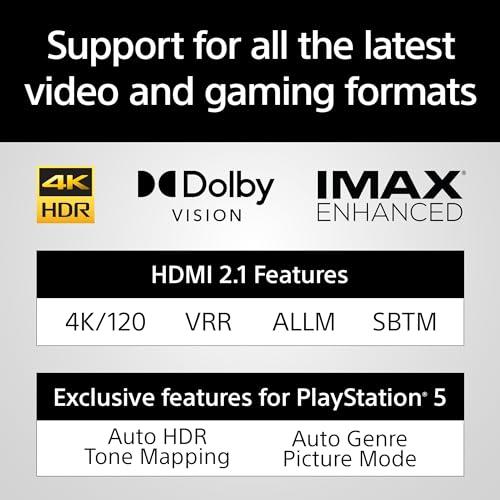
Modern gaming demands low latency, high refresh rates, and support for advanced video features. Both systems handle 4K gaming at 120Hz through HDMI 2.1 support, but the Sony HT-A9M2 offers more gaming-specific features.
Sony's system supports SBTM (Source-Based Tone Mapping), which allows gaming consoles to send HDR metadata directly to compatible displays for more accurate color and brightness. It also includes specific optimizations for PlayStation 5, including Auto HDR Tone Mapping and Auto Genre Picture Mode.
The LG SC9S handles the gaming basics well with VRR (Variable Refresh Rate) and ALLM (Auto Low Latency Mode), but lacks some of the advanced features. However, its simpler processing chain can actually result in lower audio latency, which competitive gamers might prefer.
The Sony HT-A9M2 performs best in specific room types. Ideal conditions include:
In cramped apartments or heavily furnished rooms with lots of soft materials, the spatial mapping technology struggles to create convincing phantom speakers. The system can still sound good, but you won't experience the full "surround sound magic" that justifies the premium price.
The LG SC9S works effectively in almost any room size or acoustic environment. The Dirac Live room correction technology measures your specific space and adjusts accordingly. Whether you have a small apartment with lots of furniture or a large open-plan space, the system adapts to provide consistent performance.
The direct upfiring approach for Atmos effects doesn't depend on room reflections, making height effects predictable across different ceiling heights and room layouts.
At the time of writing, these systems occupy very different price tiers, with the Sony HT-A9M2 costing roughly three times more than the LG SC9S when you factor in the need for a subwoofer with the Sony system.
The LG SC9S represents exceptional value, delivering professional-grade room correction, horn-loaded drivers, and a complete system with subwoofer at its price point. You're getting technology typically found in much more expensive systems.
The Sony HT-A9M2 asks for a significant premium for its unique spatial audio capabilities. In the right room with optimal setup, it can create an almost magical listening experience that approaches discrete surround speaker systems. However, this premium is only justified if you have suitable room conditions and prioritize maximum immersion over convenience.
Both systems work best within their respective manufacturer ecosystems. The Sony HT-A9M2 integrates seamlessly with Sony BRAVIA TVs, offering features like Acoustic Center Sync and simplified control through the TV interface. Sony's BRAVIA Sync technology allows the TV remote to control basic audio functions.
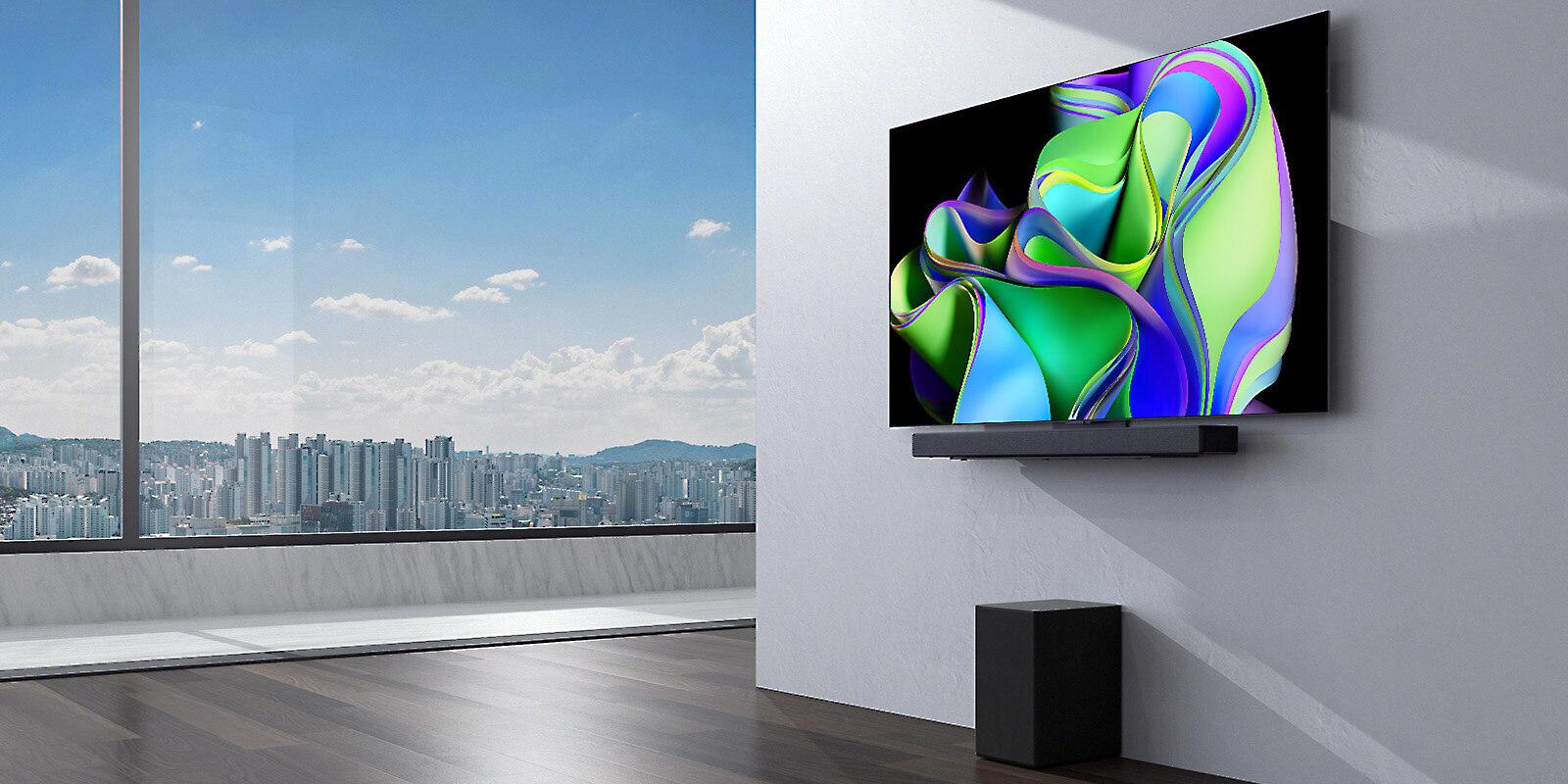
The LG SC9S includes a custom mounting bracket designed specifically for LG OLED C2 and C3 series TVs, creating a clean, integrated look. LG's webOS integration allows control through the TV interface and automatic power management.
While both systems work with other TV brands, you'll miss some convenience features and optimal integration.
Have a larger room with suitable acoustics and want the most immersive possible experience. You're willing to invest additional money in a subwoofer and spend time optimizing speaker placement. You prioritize cutting-edge spatial audio technology over immediate convenience, and you're building a premium home theater where maximum performance matters more than budget.
The Sony makes sense for dedicated home theater enthusiasts who view their audio system as a long-term investment and centerpiece of their entertainment setup.
Want excellent performance immediately without additional purchases or complex setup. You have a smaller room, challenging acoustics, or prefer reliable consistency over maximum potential performance. You value dialogue clarity, complete bass response, and professional room correction at an accessible price point.
The LG makes sense for the vast majority of users who want high-end performance without the complexity or expense of a premium modular system.
Both systems deliver genuinely excellent audio quality that will dramatically improve your TV and movie watching experience. The choice comes down to your room, budget, and priorities.
The LG SC9S delivers about 90% of the Sony's performance at roughly 30% of the total cost. Unless you have the ideal room layout and prioritize absolute maximum immersion above all else, the LG offers significantly better value for most people.
The Sony HT-A9M2 represents the cutting edge of spatial audio technology and can create truly magical experiences in the right conditions. However, it demands both a higher investment and more favorable room conditions to justify its premium.
For most people building a great home theater setup, the LG provides the better balance of performance, features, and value. For audio enthusiasts with suitable rooms and budgets, the Sony offers a glimpse into the future of immersive home audio.
| Sony HT-A9M2 BRAVIA Theater Quad | LG SC9S |
|---|---|
| System Type - Fundamentally different approaches to surround sound | |
| Four separate wireless speakers creating 360-degree soundfield | Traditional soundbar with wireless subwoofer |
| Channel Configuration - More channels can mean better surround effects | |
| 4.0.4 (16 total drivers across four units) | 3.1.3 (soundbar + subwoofer) |
| Subwoofer Included - Essential for full bass impact in movies | |
| No subwoofer included (requires separate purchase) | Yes, 300W wireless subwoofer included |
| Room Calibration Technology - Auto-adjusts sound for your specific room | |
| Sound Field Optimization via smartphone app | Professional Dirac Live with included microphone |
| Center Channel Design - Critical for clear dialogue | |
| Phantom center created through processing | Dedicated physical center channel |
| Spatial Audio Technology - Creates immersive surround effects | |
| 360 Spatial Sound Mapping with phantom speakers | Direct upfiring channels with ceiling reflections |
| HDMI Gaming Features - Important for console gaming | |
| Full HDMI 2.1 with VRR, ALLM, SBTM, Auto HDR Tone Mapping | HDMI 2.1 with VRR, ALLM (lacks SBTM) |
| Room Size Requirements - Affects where the system works best | |
| Medium to large rooms with reflective surfaces | Works well in small to large rooms consistently |
| Setup Complexity - Time and effort required for optimal performance | |
| Complex placement of four speakers around room | Simple soundbar placement with automatic calibration |
| TV Integration - Enhanced features with matching brand TVs | |
| Sony BRAVIA Sync, Acoustic Center Sync | LG OLED mounting bracket, webOS integration |
| Expandability - Ability to add components later | |
| Can add wireless subwoofer and rear speakers | Limited expansion options |
| Ideal Use Case - Who should choose each system | |
| Home theater enthusiasts with optimal room layouts | Most users seeking high performance with convenience |
The Sony HT-A9M2 BRAVIA Theater Quad is a four-speaker wireless system that creates surround sound by placing separate units around your room, while the LG SC9S is a traditional soundbar that sits under your TV with a wireless subwoofer. The Sony focuses on creating an immersive 360-degree sound bubble, while the LG offers a more straightforward setup with reliable performance.
The LG SC9S is much easier to set up. You simply place the soundbar under your TV and let the included Dirac Live room correction automatically calibrate the sound. The Sony HT-A9M2 requires strategically positioning four separate speakers around your room and using a smartphone app for calibration, making it significantly more complex to install properly.
No, only the LG SC9S includes a wireless subwoofer in the box. The Sony HT-A9M2 ships as a 4.0.4 system without a subwoofer, requiring you to purchase one separately for full bass performance. This is a major consideration since the Sony really benefits from having a dedicated subwoofer for movies and music.
The LG SC9S generally provides more consistent dialogue clarity thanks to its dedicated physical center channel and Clear Voice Pro technology. The Sony HT-A9M2 creates a phantom center channel through processing, which can work well but may vary depending on your seating position and room acoustics.
The Sony HT-A9M2 performs best in medium to large rooms with some reflective surfaces like hardwood floors, as it relies on sound reflections to create its spatial effects. The LG SC9S works well in rooms of any size thanks to its direct upfiring approach and professional room correction that adapts to your specific space.
The Sony HT-A9M2 offers more advanced gaming features, including full HDMI 2.1 support with Source-Based Tone Mapping and specific PlayStation 5 optimizations. The LG SC9S handles gaming well with VRR and ALLM support, but lacks some of the more advanced features found in the Sony system.
The Sony HT-A9M2 uses four upfiring drivers combined with 360 Spatial Sound Mapping to create height effects and phantom speakers throughout the room. The LG SC9S uses three dedicated upfiring channels that bounce sound directly off your ceiling. Both create convincing Atmos effects, but the Sony offers a wider, more enveloping experience in suitable rooms.
The LG SC9S provides significantly better value, delivering excellent performance with a complete system including subwoofer. The Sony HT-A9M2 costs substantially more and requires additional subwoofer purchase, making it a premium choice that's only justified if you have optimal room conditions and prioritize maximum immersion.
Yes, both the Sony HT-A9M2 and LG SC9S work with any TV that has HDMI connectivity. However, you'll get additional features like simplified control and enhanced integration when pairing each system with its respective brand's TVs - Sony BRAVIA for the Sony system and LG OLED for the LG system.
The LG SC9S generally performs better for traditional stereo music thanks to its horn-loaded tweeters that provide exceptional detail and dynamics. The Sony HT-A9M2 excels with newer 360 Reality Audio and Atmos music formats but may make standard stereo music feel less focused due to its phantom center approach.
Room layout is critical for the Sony HT-A9M2 - it needs space to position four speakers optimally and requires reflective surfaces to create its spatial effects. Poor room acoustics or furniture placement can significantly impact performance. The LG SC9S is much more forgiving of room layout since its Dirac Live calibration adapts to almost any acoustic environment.
For a dedicated home theater with optimal room conditions and budget flexibility, the Sony HT-A9M2 can provide a more immersive, cinema-like experience. However, for most home theater setups, the LG SC9S offers excellent performance with professional-grade features, complete bass response, and reliable results regardless of room challenges, making it the better choice for most users.
We've done our best to create useful and informative comparisons to help you decide what product to buy. Our research uses advanced automated methods to create this comparison and perfection is not possible - please contact us for corrections or questions. These are the sites we've researched in the creation of this article: bestbuy.com - whathifi.com - whathifi.com - youtube.com - rtings.com - audiosciencereview.com - bhphotovideo.com - skybygramophone.com - sony.com - manuals.plus - audioadvice.com - dell.com - valueelectronics.com - youtube.com - merlinstv.com - videoandaudiocenter.com - electronics.sony.com - sony.com - bestbuy.com - beachcamera.com - sony.com - win.consulting - sony.com - consumerreports.org - valueelectronics.com - youtube.com - bestbuy.com - rtings.com - costco.com - bestbuy.com - walts.com - queencityonline.com - blog.son-video.com - videoandaudiocenter.com - lg.com

Privacy Policy
Terms and Conditions - Affiliate Policy
Home Security
© Copyright 2008-2026.
11816 Inwood Rd #1211, Dallas, TX 75244