





























The world of home theater audio has transformed dramatically over the past few years. Gone are the days when you needed a massive AV receiver, miles of speaker wire, and a degree in audio engineering to get great surround sound. Today's wireless home theater systems promise cinema-quality audio with the convenience of wireless connectivity and smart features. But choosing between different approaches—like a distributed speaker system versus a premium soundbar—can be confusing.
That's where the comparison between the Sony HT-A9M2 and Sonos Arc gets interesting. These two systems represent fundamentally different philosophies for achieving immersive home theater audio, and understanding these differences is crucial for making the right choice for your setup.
Before diving into specifics, it's important to understand what we mean by "wireless home theater systems." These products aim to deliver surround sound and spatial audio without the complexity of traditional setups. They prioritize ease of installation, smart connectivity, and immersive sound delivery while eliminating the need for speaker wire runs throughout your room.
The main considerations when shopping in this category include spatial audio performance (how well the system creates that "you're in the movie" feeling), dialogue clarity, music reproduction quality, connectivity options, expandability for future upgrades, and overall value for your investment.
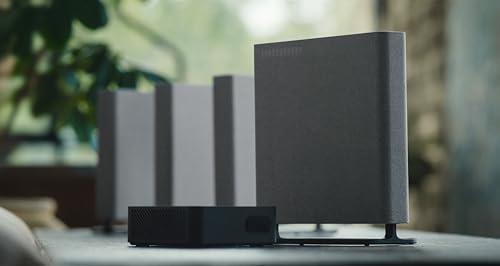
The Sony HT-A9M2, released in 2021 with updates continuing through 2022, takes what I'd call the "distributed speaker" approach. Instead of cramming all the drivers into a single soundbar, Sony gives you four separate wireless speakers that you place around your room. Each speaker contains multiple drivers including dedicated upfiring elements for height effects—a technology called Dolby Atmos that bounces sound off your ceiling to create overhead effects.
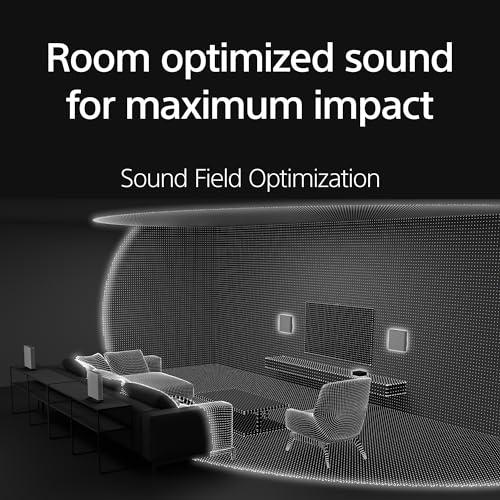
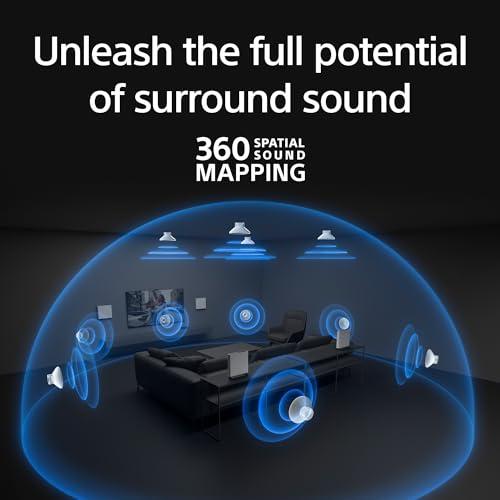
This system creates a true 4.0.4-channel setup, which means four main speakers at ear level plus four height channels. What makes this particularly clever is Sony's 360 Spatial Sound Mapping technology. Think of this as an advanced form of audio GPS—the system uses microphones built into each speaker to measure your room's dimensions, ceiling height, and wall positions, then creates a detailed acoustic map. Using this information, it generates "phantom speakers"—virtual sound sources that seem to exist between and around the physical speakers.
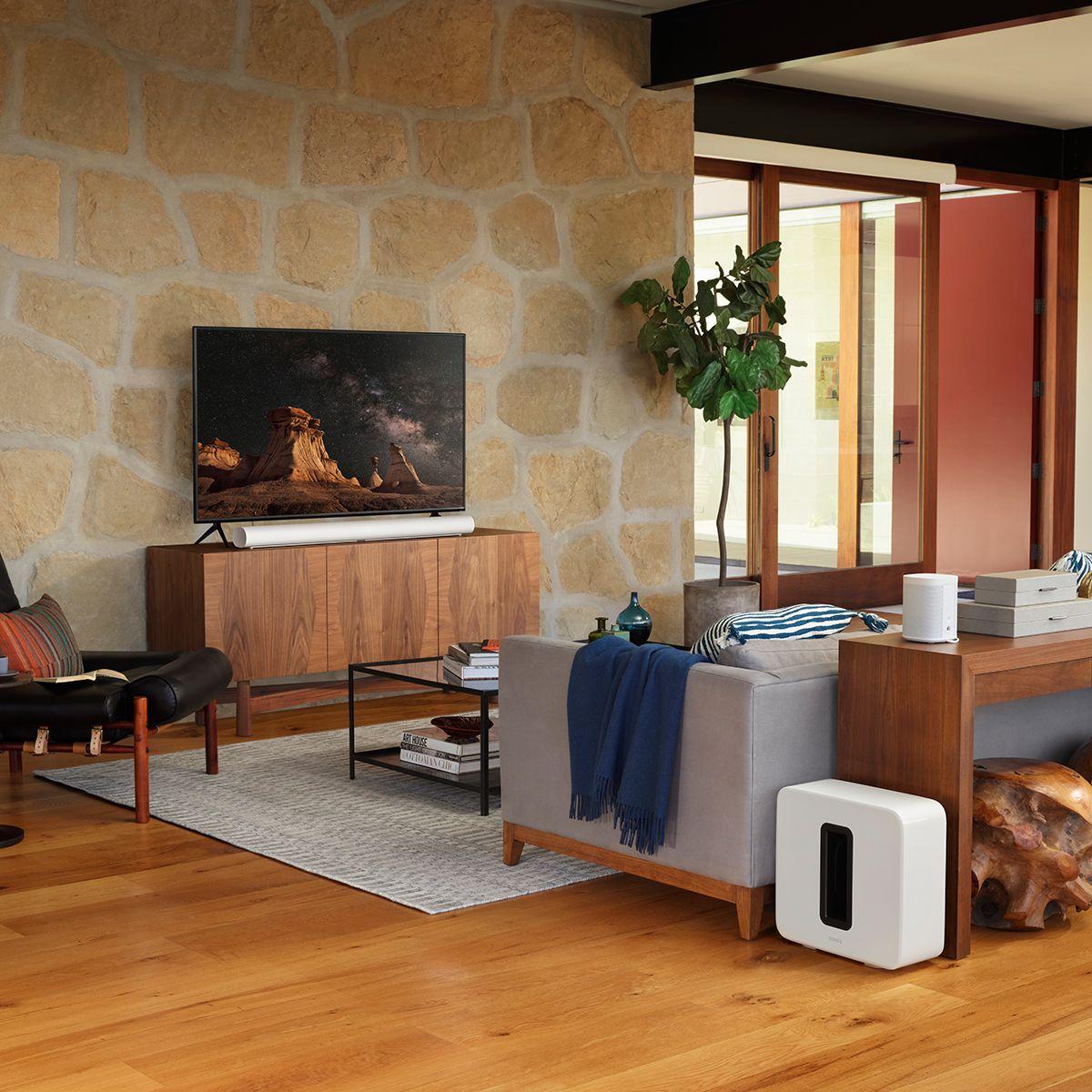
The Sonos Arc, launched in 2020, takes the traditional soundbar route but executes it at a premium level. This single unit houses 11 carefully positioned drivers configured as a 5.0.2-channel system. That means five front channels (left, center, right, plus two additional channels for wider stereo imaging) and two height channels for Atmos effects.
The Arc includes three silk-dome tweeters (the small speakers that handle high frequencies like dialogue and musical details) and eight elliptical woofers (larger drivers that handle mid-range and some bass frequencies). The center channel gets dedicated drivers, which is crucial for dialogue clarity—something the Sony system achieves through processing rather than dedicated hardware.
When it comes to creating that enveloping, room-filling audio experience, the Sony HT-A9M2 has a significant advantage. Having four physically separate speakers placed around your room creates genuine surround positioning that a single soundbar simply cannot match, regardless of how sophisticated its processing might be.
Sony's 360 Spatial Sound Mapping technology is genuinely impressive. Based on our research into user experiences and professional reviews, this system creates what many describe as an "audio bubble" that maintains immersion across a wide listening area rather than just a single sweet spot. The phantom speaker generation is sophisticated enough that effects seem to move seamlessly around and above you—a helicopter might start behind your left shoulder, pass overhead, and exit through your front right, all while sounding convincingly three-dimensional.
The height effects are particularly noteworthy. Each of the four Sony speakers contains dedicated upfiring drivers, compared to the Arc's two upfiring elements. This translates to more convincing overhead effects and better integration between the ear-level and height channels.
However, this advantage comes with a caveat: you need to have the space and flexibility to position four speakers around your room. In smaller spaces or rooms where speaker placement is restricted, some of Sony's advantage diminishes.
For dialogue and center channel performance, the Sonos Arc has a clear advantage. The dedicated center channel drivers provide focused, clear speech that's always anchored to your TV screen. This is particularly noticeable in complex movie mixes where dialogue might otherwise get lost among sound effects and music.
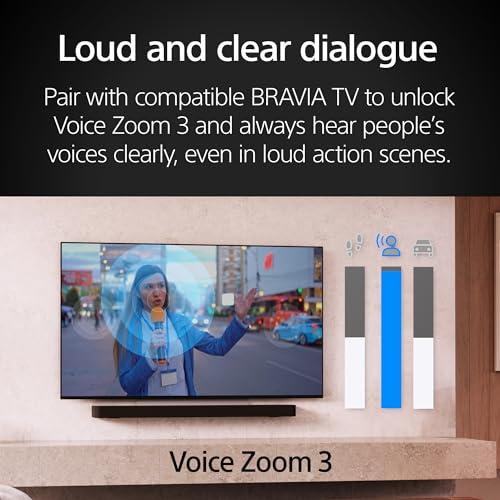
The Sony system, by contrast, creates what's called a "phantom center channel" by processing center information across the front speakers. While Sony's Voice Zoom 3 AI processing helps isolate and enhance dialogue, it can't quite match the focused clarity of dedicated center drivers. Users consistently report that dialogue on the Sony system, while generally clear, sometimes lacks the pinpoint focus that makes every word immediately intelligible.
The Sonos Arc also includes a Speech Enhancement feature that can be toggled on for particularly dialogue-heavy content or when background noise might interfere with comprehension. This feature specifically boosts vocal frequencies while maintaining the overall mix balance.
Neither system delivers satisfying bass performance on its own for serious movie watching. The Sony HT-A9M2 uses X-Balanced Speaker Units—drivers with rectangular rather than circular diaphragms that Sony claims provide better bass response in compact enclosures. While this does provide slightly better mid-bass than typical small speakers, it's not enough for the rumbling explosions and deep effects that make action movies exciting.
Similarly, the Sonos Arc, despite its eight woofers, lacks the deep bass extension needed for full-scale home theater impact. Both systems are designed to work with companion subwoofers—Sony offers the SA-SW3 and SA-SW5, while Sonos has its Sub Gen 3.
At the time of writing, adding a subwoofer represents a significant additional investment for either system, but it's almost essential for movie enthusiasts. The good news is that both companies' wireless subwoofer integration is seamless and doesn't require additional wiring.
For music listening, these systems show their different design philosophies clearly. The Sony HT-A9M2 excels with music that benefits from wide stereo imaging and spatial effects. With speakers physically separated around the room, stereo music gets an expansive soundstage that single soundbars can't match. The system also supports 360 Reality Audio, a spatial music format that places instruments and vocals around and above the listener for an immersive concert-like experience.
Sony's DSEE Ultimate technology uses AI processing to upscale compressed music files, attempting to restore high-frequency detail that's often lost in streaming compression. For Hi-Res Audio enthusiasts, the system supports files up to 192kHz/24-bit resolution.
The Sonos Arc takes a more traditional approach that many find more naturally pleasing for everyday music listening. Its Trueplay tuning technology (which requires an iOS device) analyzes your room acoustics and adjusts the frequency response for optimal sound. Many users report that the Arc has a more "musical" tone that works well across different genres, particularly acoustic music and jazz.
The Arc also integrates seamlessly with the broader Sonos ecosystem, making it easy to create a whole-home audio system where music follows you from room to room.
For gaming enthusiasts, the Sony HT-A9M2 is the clear choice. The system's control hub includes a full HDMI 2.1 input that supports 4K resolution at 120Hz refresh rates—crucial for getting the most out of PlayStation 5 and Xbox Series X consoles. It also supports Variable Refresh Rate (VRR) and Auto Low Latency Mode (ALLM), technologies that reduce screen tearing and input lag for competitive gaming.
Source-Based Tone Mapping (SBTM) allows gaming consoles to send HDR metadata that helps both the TV and audio system optimize their output for specific games. This level of gaming optimization simply isn't available with the Sonos Arc, which lacks HDMI inputs entirely.
The Arc requires all sources to connect through your TV, which can introduce audio delay depending on your TV's processing speed and capabilities. While most modern TVs handle this well, it's an additional variable that gaming enthusiasts typically prefer to avoid.
Both systems support modern streaming conveniences, but with different strengths. The Sony system offers more connection options, including Wi-Fi, Bluetooth 5.2, Apple AirPlay 2, and Spotify Connect. The Bluetooth support includes LDAC codec, which provides higher-quality wireless audio from compatible devices.
The Sonos Arc notably lacks Bluetooth connectivity—a decision that consistently frustrates users who want to quickly connect phones or other devices. However, Sonos makes up for this with superior multi-room audio integration. If you already have Sonos speakers elsewhere in your home, the Arc integrates seamlessly into that ecosystem.
The setup experience differs significantly between these systems. The Sonos Arc wins clearly for simplicity—it's essentially plug-and-play. Connect power and a single HDMI cable to your TV, download the Sonos app, and you're typically listening to optimized audio within 10 minutes. The system automatically syncs with your TV remote, so you don't need to learn new controls.
The Sony HT-A9M2 requires more consideration and effort. You need to position four speakers around your room, run power cables to each location, and go through the Sound Field Optimization calibration process. However, this extra effort pays dividends in flexibility. Unlike traditional surround systems that demand precise speaker positioning, Sony's system adapts to whatever placement works in your room—even asymmetrical arrangements work well thanks to the sophisticated room calibration.
Room size plays a crucial role in choosing between these systems. The Sony HT-A9M2 excels in larger rooms and open-concept spaces where its distributed speakers can create truly immersive effects. The wider you can spread the speakers, the more convincing the surround bubble becomes.
Conversely, the Sonos Arc works better in smaller to medium-sized rooms where its focused soundstage doesn't get lost. In very large spaces, even the Arc's impressive driver array can sound a bit thin without a subwoofer and rear speakers.
At the time of writing, these systems exist in different price tiers, with the Sony HT-A9M2 commanding a significant premium over the Sonos Arc. This price difference reflects their different approaches and target audiences.
The Sony system represents a premium product targeting enthusiasts who want cutting-edge spatial audio technology and are willing to pay for a unique experience. When you factor in the sophisticated room calibration, genuine 3D audio effects, and gaming connectivity features, the price premium makes sense for users who will utilize these advantages.
The Sonos Arc offers exceptional performance-per-dollar value, delivering roughly 80% of premium soundbar experience at a more accessible price point. For most users, particularly those who primarily watch TV and movies rather than seeking out spatial audio content, the Arc provides all the performance they'll realistically use.
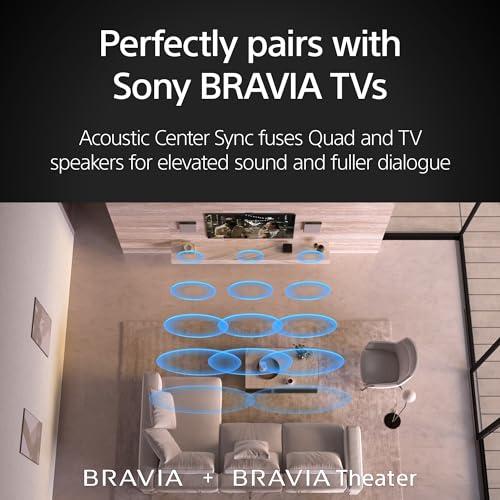
Both systems allow for expansion, but in different ways. The Sony HT-A9M2 can add wireless subwoofers and, when paired with compatible Sony BRAVIA TVs, can use the TV's speakers as an additional center channel through Acoustic Center Sync technology.
The Sonos Arc has more extensive expansion options within the Sonos ecosystem. You can add the Sub for bass extension and Sonos One SL speakers as rear surrounds to create a full 5.1.4 system. More importantly, the Arc integrates with existing Sonos speakers throughout your home for whole-house audio.
Want the most immersive spatial audio possible. If you're fascinated by the idea of sound effects moving seamlessly around and above you, and you have content that showcases these effects (particularly streaming services with Dolby Atmos content), the Sony system delivers an experience that no single soundbar can match.
Are serious about gaming. The HDMI 2.1 connectivity with VRR and ALLM support makes this system essential for PlayStation 5 and Xbox Series X owners who want to ensure their audio system doesn't compromise their gaming experience.
Have a larger or open-concept room. The distributed speaker approach maintains immersion across wide listening areas, making it ideal for spaces where multiple seating positions need good sound.
Value cutting-edge technology. Sony's 360 Spatial Sound Mapping and phantom speaker generation represent current state-of-the-art audio processing, appealing to tech enthusiasts who want the latest innovations.
Prioritize dialogue clarity and traditional content. The dedicated center channel provides superior speech intelligibility, making it ideal for users who primarily watch TV shows, news, and dialogue-heavy movies.
Want simple, reliable operation. The single-unit design with automatic setup appeals to users who want great sound without complexity or multiple components to manage.
Plan to build a multi-room system. If you're interested in whole-home audio or already have Sonos products, the Arc's ecosystem integration provides long-term value that extends beyond just home theater use.
Value proven performance at accessible pricing. The Arc delivers premium soundbar experience without the premium associated with cutting-edge spatial audio technology.
Both the Sony HT-A9M2 and Sonos Arc excel in their respective approaches to wireless home theater audio. The Sony system justifies its premium pricing through genuinely superior spatial audio immersion and gaming connectivity, making it ideal for enthusiasts seeking the most advanced home theater technology available.
The Sonos Arc provides excellent all-around performance with superior value, ease of use, and ecosystem integration, making it the smarter choice for most users seeking high-quality wireless home theater without complexity or premium pricing.
Your choice ultimately depends on whether you prioritize cutting-edge spatial audio technology and gaming features (Sony) or value, simplicity, and proven performance (Sonos). Both systems represent excellent examples of their respective approaches, and either will provide a significant upgrade over basic TV audio or entry-level soundbars.
| Sony HT-A9M2 BRAVIA Theater Quad | Sonos Arc Wireless Sound Bar |
|---|---|
| System Configuration - Determines surround sound authenticity and setup complexity | |
| True 4.0.4-channel with four separate wireless speakers | Single soundbar with 11 drivers in 5.0.2 configuration |
| Driver Count and Layout - Affects sound dispersion and immersion quality | |
| 16 total drivers (4 per speaker: woofer, midrange, tweeter, upfiring) | 11 drivers (3 tweeters, 8 elliptical woofers) |
| Spatial Audio Technology - Key differentiator for 3D sound experience | |
| 360 Spatial Sound Mapping with phantom speaker generation | Dolby Atmos processing with upfiring drivers |
| Center Channel Performance - Critical for dialogue clarity in movies | |
| Phantom center created through processing | Dedicated center channel drivers |
| HDMI Connectivity - Essential for gaming and source flexibility | |
| HDMI 2.1 input + eARC output with 4K/120Hz, VRR, ALLM | eARC output only (no HDMI inputs) |
| Wireless Connectivity - Affects device compatibility and streaming options | |
| Wi-Fi, Bluetooth 5.2 with LDAC, AirPlay 2, Spotify Connect | Wi-Fi, AirPlay 2, Spotify Connect (no Bluetooth) |
| Room Calibration - Optimizes sound for your specific space | |
| Automatic Sound Field Optimization using built-in microphones | Trueplay tuning (requires iOS device) |
| Installation Complexity - Time and effort required for setup | |
| Four speakers need positioning and power connections | Single unit with power and HDMI cable |
| Subwoofer Requirement - Necessary for full bass impact | |
| Requires separate SA-SW3/SW5 for movie-level bass | Requires separate Sonos Sub for deep bass |
| Voice Assistant Integration - Smart home control capabilities | |
| Google Assistant and Amazon Alexa built-in | Google Assistant and Amazon Alexa built-in |
| Multi-Room Audio - Whole-home system expansion potential | |
| Limited to Sony ecosystem products | Full integration with extensive Sonos product lineup |
| Gaming Optimization - Performance for console gaming | |
| Excellent with HDMI 2.1 features for PS5/Xbox Series X | Basic performance, all sources must route through TV |
| Music Performance - Stereo and Hi-Res audio quality | |
| Wide soundstage, 360 Reality Audio, Hi-Res up to 192kHz/24-bit | Natural tonal balance, excellent Sonos ecosystem integration |
The Sony HT-A9M2 is a four-speaker wireless surround system that you place around your room, while the Sonos Arc is a single premium soundbar. The Sony system creates true surround sound with physically separated speakers, whereas the Sonos uses advanced processing in one unit to simulate surround effects.
The Sonos Arc has better dialogue clarity due to its dedicated center channel drivers that focus speech directly at your listening position. The Sony HT-A9M2 uses a phantom center channel created through processing, which can sometimes make dialogue less focused, especially if you're sitting off-center.
Yes, both the Sony HT-A9M2 and Sonos Arc support Dolby Atmos. The Sony system has upfiring drivers in each of its four speakers for more comprehensive height effects, while the Sonos Arc uses upfiring drivers built into the soundbar. The Sony typically provides more convincing overhead effects due to its distributed speaker approach.
The Sonos Arc is much easier to install - it requires only a power cable and one HDMI connection to your TV. The Sony HT-A9M2 requires positioning four separate speakers around your room and connecting power to each one, making setup more complex but offering greater flexibility in speaker placement.
The Sony HT-A9M2 is excellent for gaming as it includes HDMI 2.1 input with support for 4K/120Hz, Variable Refresh Rate (VRR), and Auto Low Latency Mode (ALLM). The Sonos Arc has no HDMI inputs, so all gaming consoles must connect through your TV, which may introduce audio delay.
Both the Sony HT-A9M2 and Sonos Arc benefit significantly from adding a subwoofer for movie watching. Neither system provides enough deep bass on its own for action movies and explosive sound effects. Sony offers the SA-SW3 and SA-SW5 subwoofers, while Sonos has the Sub Gen 3.
The Sony HT-A9M2 creates a wider, more immersive soundstage for music due to its separated speakers and supports Hi-Res Audio up to 192kHz/24-bit. The Sonos Arc offers more natural tonal balance and integrates seamlessly with other Sonos speakers for whole-home music. Your preference depends on whether you want wide stereo imaging (Sony) or natural sound quality (Sonos).
The Sonos Arc automatically syncs with most TV remotes for volume and basic controls. The Sony HT-A9M2 includes its own remote control and can also integrate with your TV remote through HDMI CEC, though setup may require more configuration.
The Sonos Arc offers better value for most users, providing premium soundbar performance at a more accessible price point. The Sony HT-A9M2 commands a significant premium for its advanced spatial audio technology and gaming features, making it better value only for enthusiasts who will use these specific advantages.
The Sony HT-A9M2 offers more connection options including Wi-Fi, Bluetooth 5.2 with LDAC codec, AirPlay 2, and Spotify Connect. The Sonos Arc supports Wi-Fi, AirPlay 2, and Spotify Connect but notably lacks Bluetooth connectivity, which some users find limiting for quick device connections.
The Sony HT-A9M2 excels in larger and open-concept rooms where its distributed speakers can create truly immersive surround effects. The Sonos Arc works best in small to medium-sized rooms where its focused soundstage doesn't get overwhelmed by the space.
Both systems offer expansion options. The Sonos Arc can add Sonos Sub for bass and Sonos One SL speakers as rear surrounds, plus integrates with the entire Sonos ecosystem for multi-room audio. The Sony HT-A9M2 can add Sony wireless subwoofers and, with compatible BRAVIA TVs, can use the TV's speakers as an additional center channel through Acoustic Center Sync.
We've done our best to create useful and informative comparisons to help you decide what product to buy. Our research uses advanced automated methods to create this comparison and perfection is not possible - please contact us for corrections or questions. These are the sites we've researched in the creation of this article: bestbuy.com - whathifi.com - whathifi.com - youtube.com - rtings.com - audiosciencereview.com - bhphotovideo.com - skybygramophone.com - sony.com - manuals.plus - audioadvice.com - dell.com - valueelectronics.com - youtube.com - merlinstv.com - videoandaudiocenter.com - electronics.sony.com - sony.com - bestbuy.com - beachcamera.com - sony.com - win.consulting - sony.com - whathifi.com - soundandvision.com - en.community.sonos.com - cnet.com - worldwidestereo.com - abt.com - creativeaudio.net - target.com - sonos.com - worldwidestereo.com - businessinsider.com - en.community.sonos.com - youtube.com

Privacy Policy
Terms and Conditions - Affiliate Policy
Home Security
© Copyright 2008-2026.
11816 Inwood Rd #1211, Dallas, TX 75244