







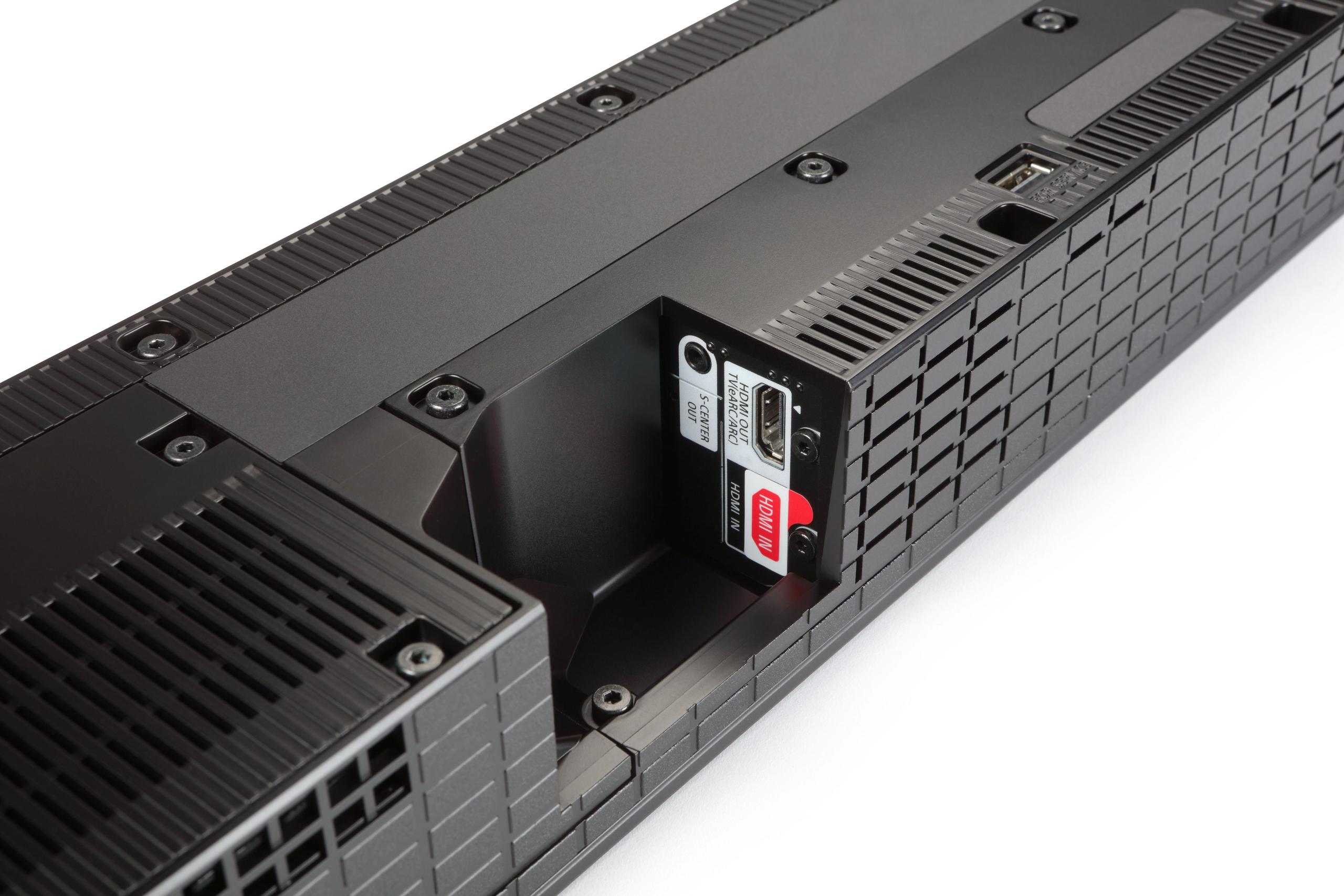
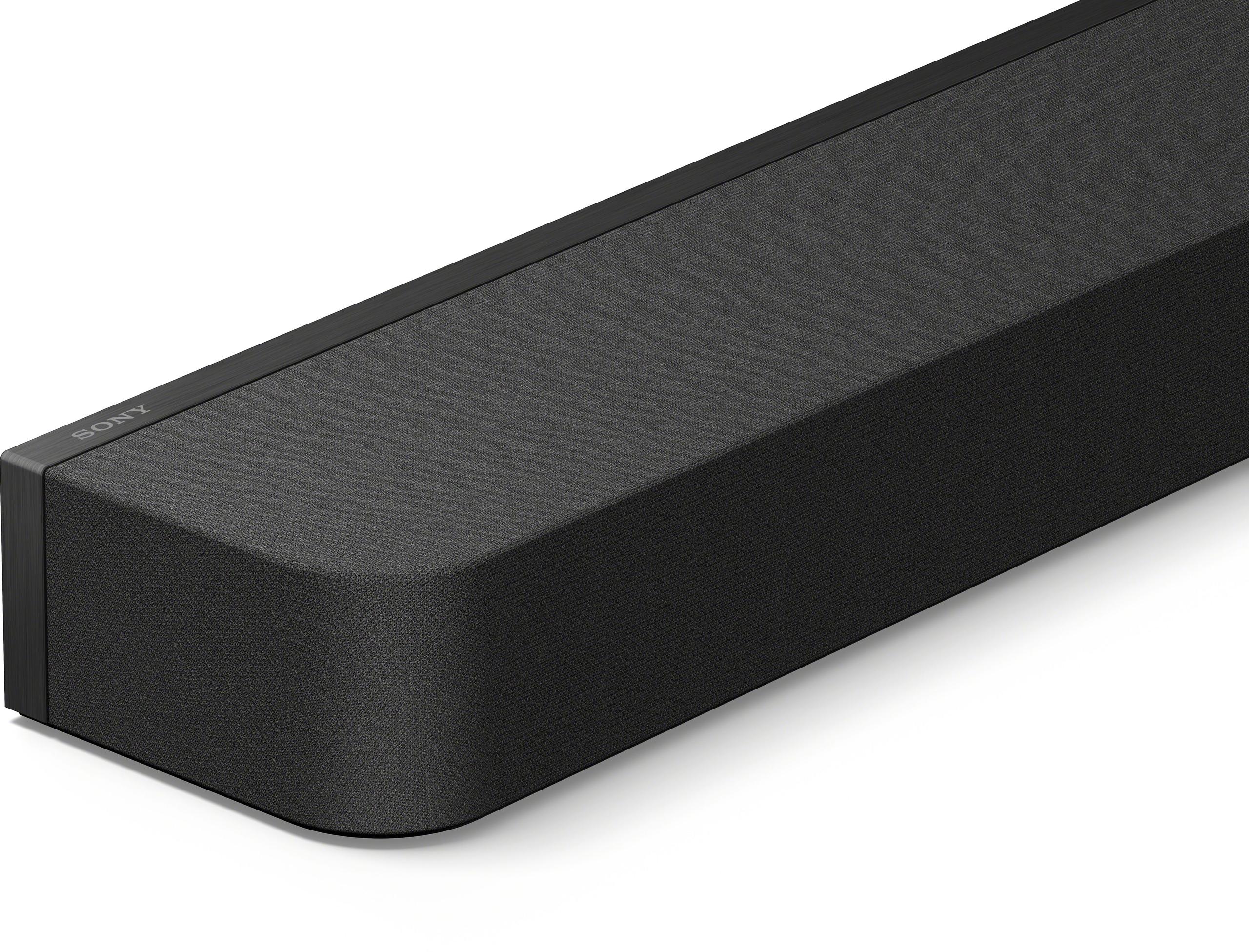


When Sony launched their BRAVIA Theater lineup in recent years, they took two distinctly different approaches to premium home audio. The HT-A9M2 BRAVIA Theater Quad, released in 2024 as an evolution of the original 2021 HT-A9, represents Sony's wireless modular philosophy. Meanwhile, the BRAVIA Theater Bar 9, also introduced in 2024, showcases their advanced soundbar engineering. Both systems promise cinema-quality audio, but they achieve it through fundamentally different methods.
Understanding these differences matters because choosing the wrong approach for your space and needs can mean the difference between audio nirvana and expensive disappointment. Let's break down what makes each system unique and help you decide which path leads to your ideal home theater experience.
Before diving into these specific products, it's worth understanding what separates premium home theater audio from basic sound solutions. The goal is recreating the spatial, dynamic experience of a commercial cinema in your living room. This requires handling multiple audio channels simultaneously – think of it like having different instruments in an orchestra playing from specific locations around you.
Traditional home theater setups use multiple speakers placed around the room, each handling specific audio channels. Front left and right speakers handle most music and effects, a center speaker anchors dialogue to the screen, surround speakers create ambient effects behind you, and height speakers add overhead sounds for formats like Dolby Atmos (a technology that places sounds in three-dimensional space above and around you).
The challenge comes when you want this experience without running speaker wires throughout your room or dedicating space for multiple large speakers. That's where Sony's two approaches come in: the HT-A9M2 creates true surround sound through wireless speakers, while the Theater Bar 9 uses advanced processing to simulate surround effects from a single unit.
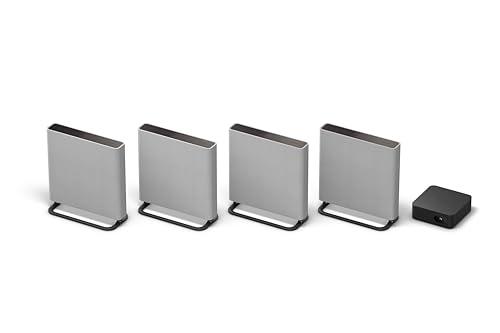
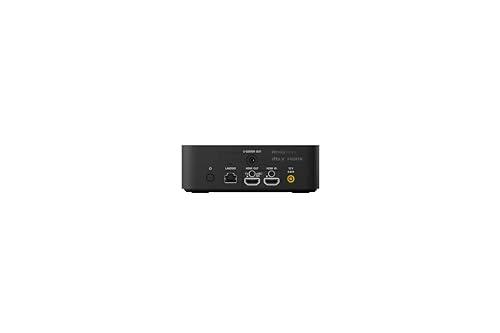
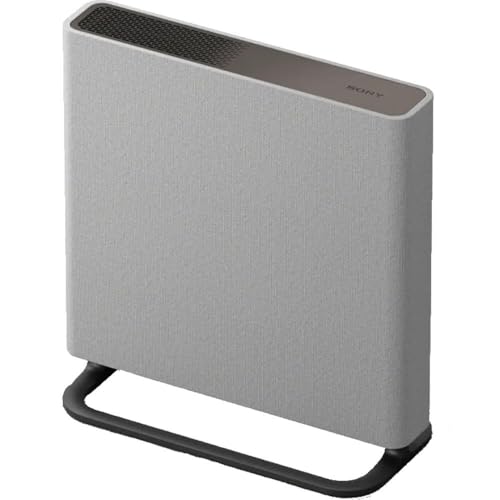
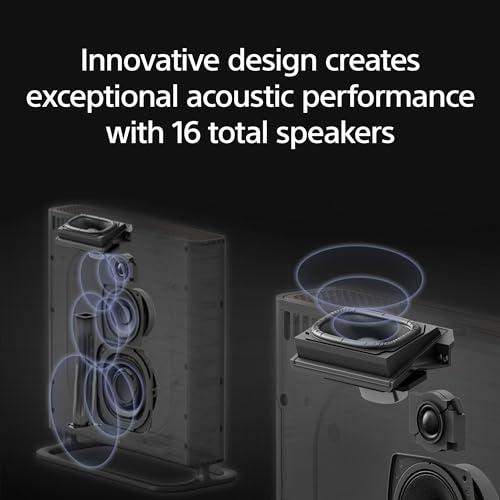
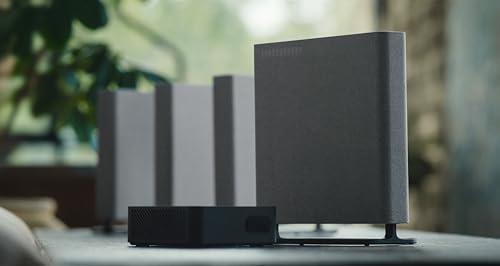
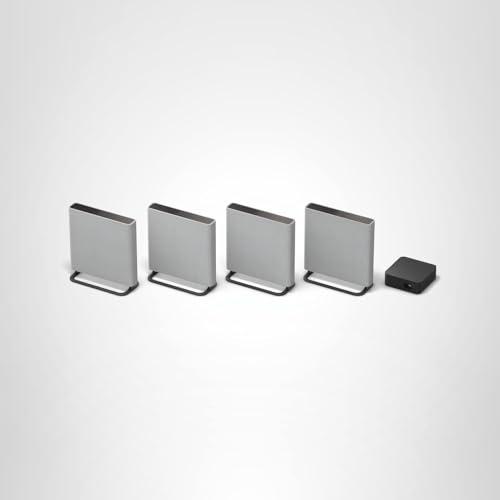
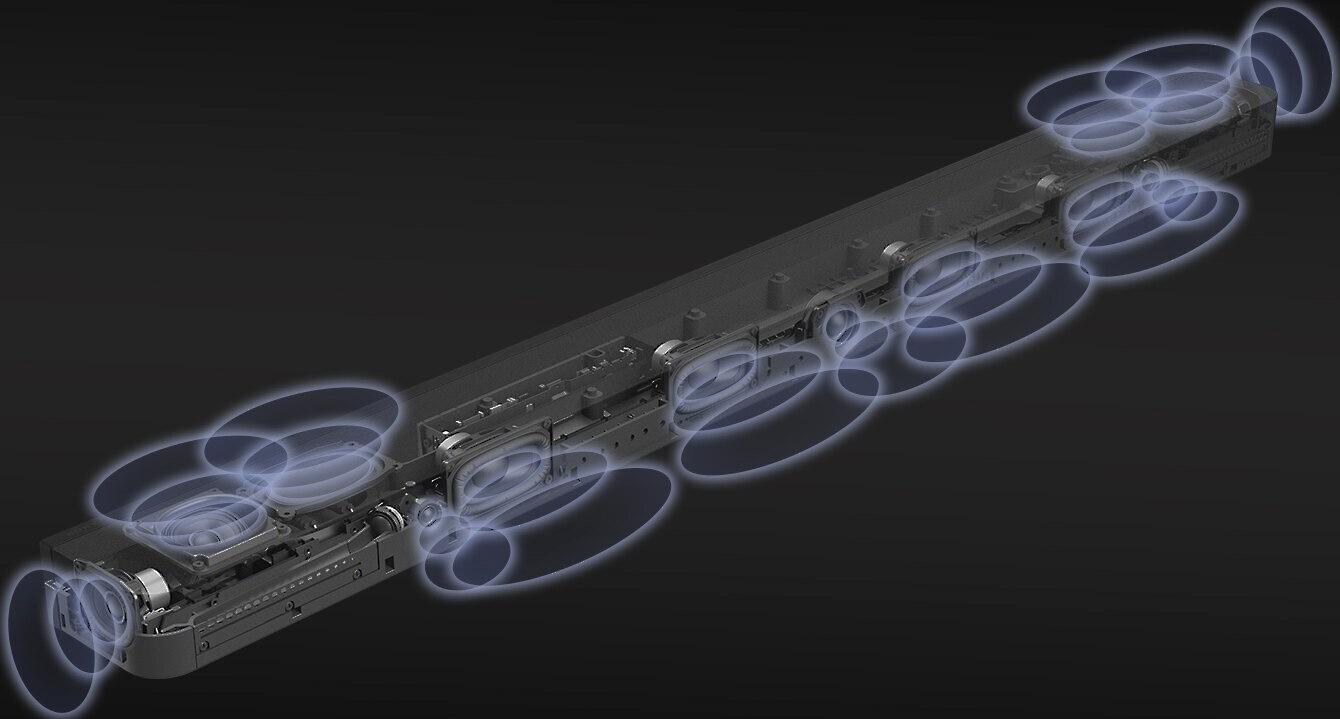
The HT-A9M2 BRAVIA Theater Quad takes the modular approach. It includes four identical wireless speakers that you place around your room, plus a compact control hub that connects to your TV. Each speaker is essentially a mini home theater system, containing a 3-way speaker design (separate drivers for bass, midrange, and treble) plus an upward-firing speaker for Atmos height effects. This gives you 16 total speakers across the four units.
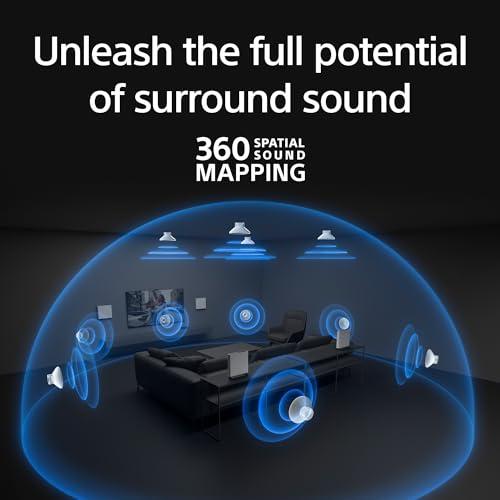
The magic happens through Sony's 360 Spatial Sound Mapping technology, which uses the room's acoustics to create "phantom speakers" – points where your brain perceives sound coming from, even though no physical speaker exists there. The system can create up to 12 of these phantom speakers, effectively turning four physical speakers into a much larger virtual array.
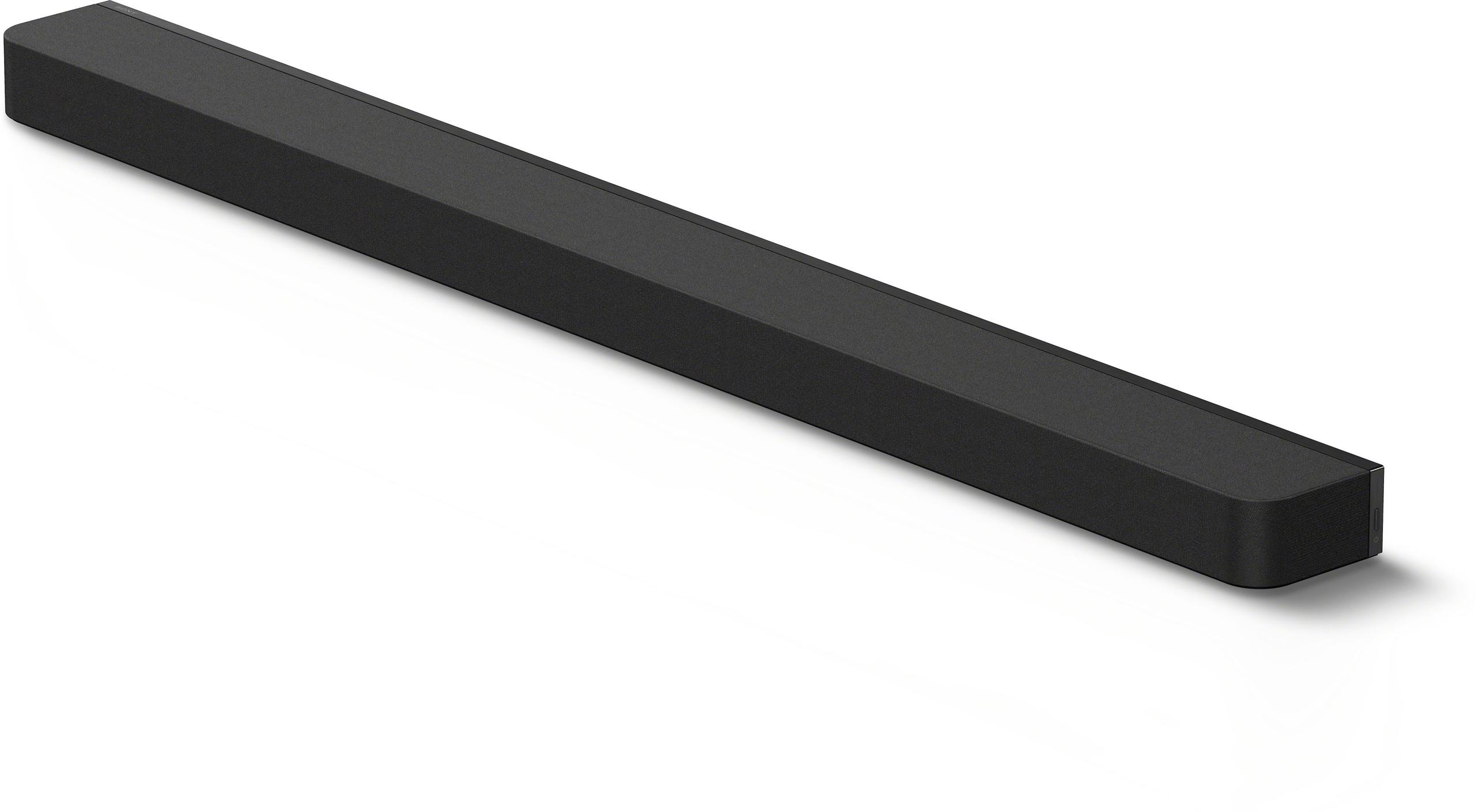
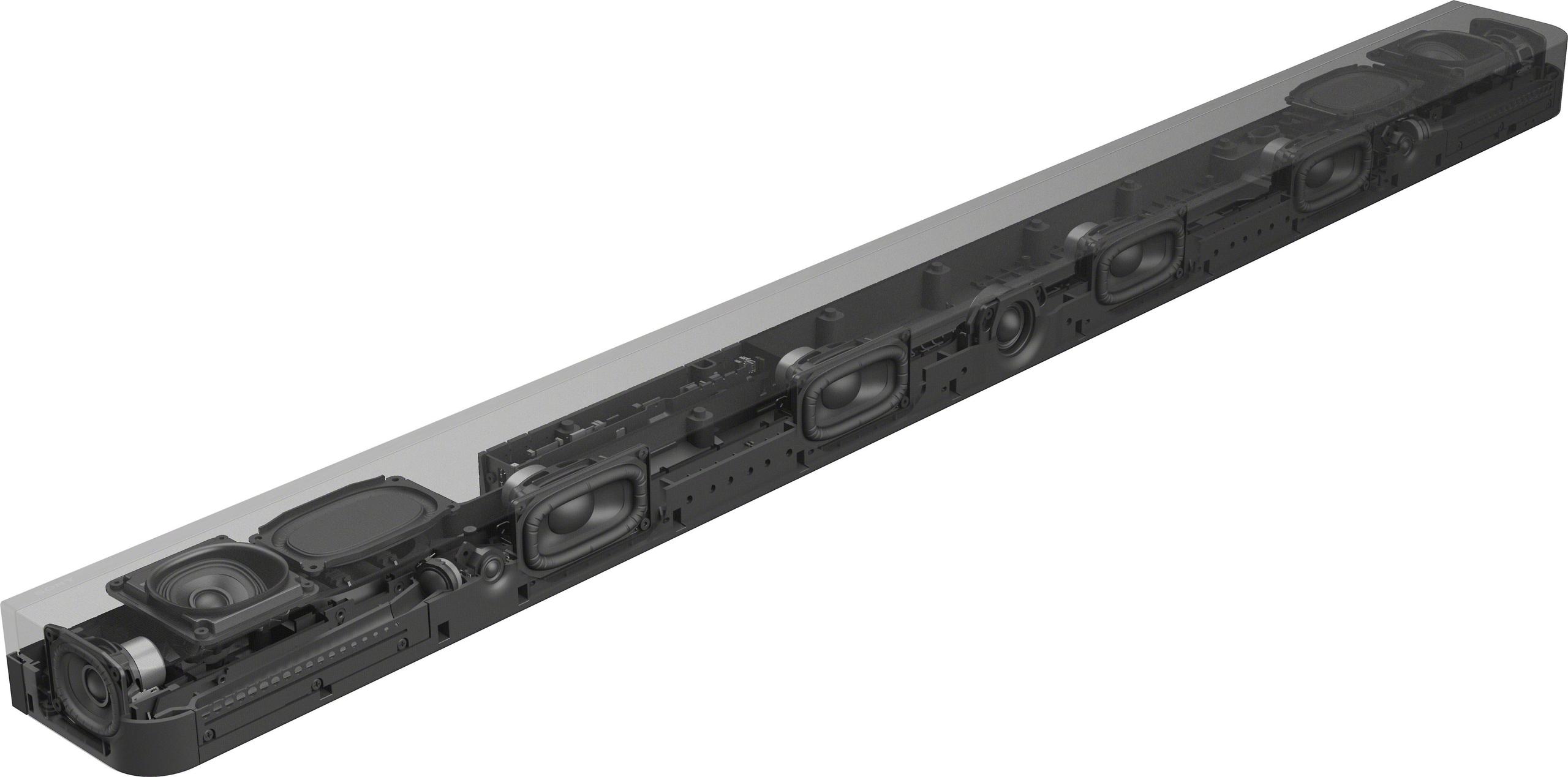
In contrast, the BRAVIA Theater Bar 9 packs 13 speakers into a single soundbar that sits below your TV. It uses sophisticated digital signal processing (DSP) – essentially computer algorithms that manipulate audio signals – to bounce sound off your walls and ceiling, creating the illusion of surround sound from a centralized location.
Both approaches have merit, but they excel in different scenarios and room types.
This is where the fundamental differences become most apparent. The HT-A9M2 has an inherent advantage because it uses actual physical separation. When a helicopter flies from front to back in a movie, the sound literally moves between different speakers placed around your room. There's no substitute for this kind of authentic spatial positioning.
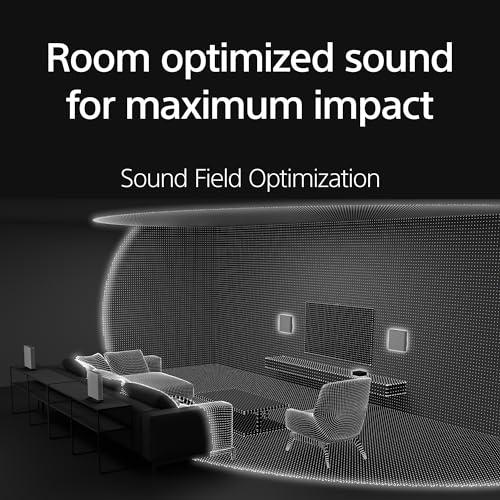
Our research into user and expert reviews consistently shows that the Theater Quad creates what many describe as a "bubble" of sound that surrounds you completely. The 360 Spatial Sound Mapping technology works by measuring your room's acoustics during setup, then using precise timing and phase adjustments to create those phantom speakers. The result is sound that seems to come from everywhere, not just from the four visible speakers.
The Theater Bar 9, despite its single-unit design, performs surprisingly well in creating width and some sense of surround. Its 13 speakers work together to bounce sound around the room, and in smaller spaces, this can be quite convincing. However, physics limits what's possible – you'll never get the same sense of sounds truly coming from behind you that the HT-A9M2 provides.
For medium to large rooms (anything over about 200 square feet), the HT-A9M2 consistently outperforms soundbars in creating true immersion. In smaller rooms or apartments, the Theater Bar 9 can provide excellent spatial effects with far less complexity.
Here's where the Theater Bar 9 takes a clear lead. Traditional home theater systems use a dedicated center speaker positioned directly below the TV screen to handle dialogue. This ensures voices sound like they're coming from the actors on screen, not from speakers to the left and right.
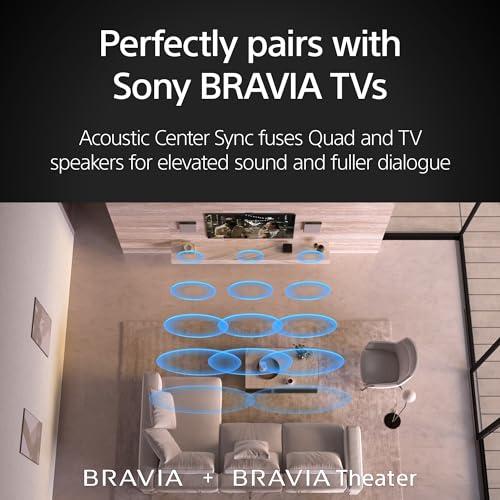
The HT-A9M2 doesn't include a physical center speaker. Instead, it creates a "phantom center" by carefully timing audio between the front left and right speakers. While Sony has refined this technique significantly, and their Acoustic Center Sync feature can use compatible BRAVIA TVs as a center channel, it's still not as focused as a dedicated center speaker.
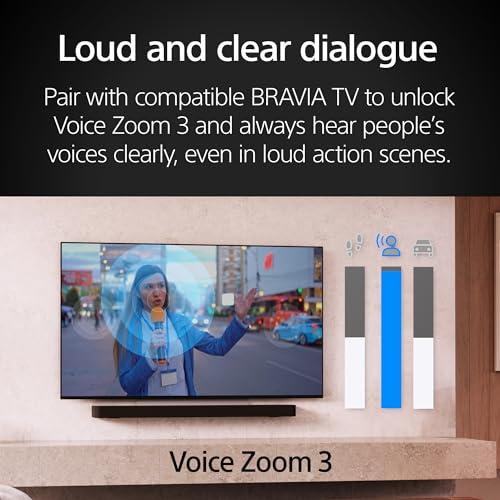
The Theater Bar 9 includes dedicated center channel drivers positioned directly below where you're watching. Combined with Sony's Voice Zoom 3 technology – an AI system that can identify and enhance human voices in complex audio mixes – dialogue typically sounds clearer and more anchored to the screen.
This difference is particularly noticeable with modern movie soundtracks, which often mix dialogue quieter relative to effects and music. If you frequently find yourself adjusting volume during movies or using subtitles, the Theater Bar 9's superior center channel performance could be a deciding factor.
Neither system includes a subwoofer, and this is where both reveal their main limitation. Low-frequency effects – the rumble of explosions, the deep notes in musical scores – require larger drivers and more air movement than either system provides on its own.
The Theater Bar 9 has a slight advantage here because its larger enclosure allows for bigger bass drivers. Users report it produces more satisfying low-end impact out of the box, though it can distort at high volumes when trying to reproduce deep bass.
Professional reviews consistently note that the HT-A9M2 sounds somewhat "lean" without a subwoofer, particularly compared to its predecessor, the original HT-A9. The focus on clarity and spatial effects comes at the cost of bottom-end weight.
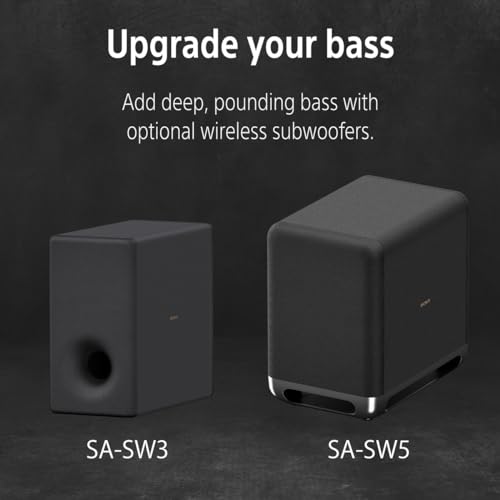
Both systems can be paired with Sony's wireless subwoofers (the SA-SW3 or SA-SW5), and this dramatically improves their performance. However, this adds significant cost to either system. At the time of writing, if you're serious about movie watching, budget for a subwoofer with either choice.
Dolby Atmos adds a vertical dimension to surround sound, placing effects above you for a more three-dimensional experience. Both systems support Atmos, but they achieve it differently.
The HT-A9M2 includes four separate upward-firing speakers – one on top of each satellite unit. These fire sound toward your ceiling, which reflects down to create overhead effects. Having four discrete height speakers provides more convincing vertical positioning than what's possible from a single soundbar.
The Theater Bar 9 uses two upward-firing speakers built into the soundbar. While this creates noticeable height effects, it's inherently more limited than having four separate height sources around the room.
In practice, the HT-A9M2 delivers more dramatic overhead effects – helicopters flying overhead, rain falling from above, or voices calling from upstairs rooms in horror movies all feel more convincing. The Theater Bar 9 provides good height effects for a soundbar, but they're more subtle.
The convenience factor heavily favors the Theater Bar 9. You plug it into power, connect one HDMI cable to your TV, and you're essentially done. Setup takes minutes, and the single unit fits neatly below most TVs without dominating the room visually.
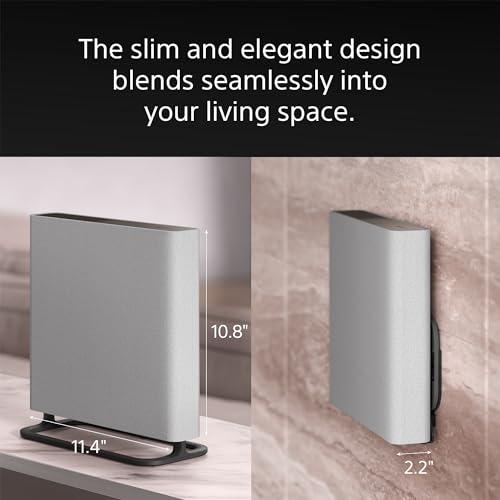
The HT-A9M2 requires more planning. You need power outlets near each of the four speaker locations, and you'll want to think carefully about placement for optimal performance. The wireless connection eliminates speaker wire runs, which is huge advantage over traditional surround systems, but you're still dealing with four separate units that need thoughtful positioning.
However, this complexity brings flexibility. The Theater Quad's speakers can go on shelves, stands, or mount to walls. You can place them at different heights and distances to work around your room's layout. This adaptability is particularly valuable in challenging rooms or open floor plans.
Both systems include automatic room calibration that measures your space's acoustics and adjusts performance accordingly. The HT-A9M2's system is more sophisticated because it needs to account for four different speaker positions, but both are effective at optimizing sound for your specific room.
At the time of writing, the HT-A9M2 commands a significant premium over the Theater Bar 9. This price difference reflects the complexity of the wireless surround system and its unique capabilities, but it also raises value questions.
The Theater Bar 9 represents better value for most users. It provides excellent sound quality, easy installation, and strong performance across all content types. For typical living rooms and mixed usage, it delivers premium audio without complexity or compromise.
The HT-A9M2 justifies its higher cost only if you specifically value its unique strengths: true surround immersion, placement flexibility, and maximum Atmos performance. It's a specialized solution that excels in specific scenarios rather than a universal upgrade.
Consider that both systems benefit significantly from adding a wireless subwoofer, which impacts the total investment. The Theater Bar 9 remains the more cost-effective solution even after accounting for this addition.
Choose the HT-A9M2 BRAVIA Theater Quad if you have a larger room (over 200 square feet), prioritize authentic surround sound immersion, and don't mind the additional setup complexity. It's ideal for serious movie enthusiasts who want the most convincing spatial audio experience possible from a wireless system. The placement flexibility also makes it perfect for challenging room layouts where a traditional setup wouldn't work.
The Theater Bar 9 is the better choice for smaller rooms, users who prioritize dialogue clarity and simplicity, or anyone who wants premium sound quality without the complexity of multiple speakers. It's particularly excellent for TV watching, where clear dialogue matters more than surround effects.
Your room size is perhaps the most important factor. In smaller spaces, the Theater Bar 9's virtualization works well and its superior center channel performance shines. In larger rooms, the HT-A9M2's physical speaker separation becomes increasingly important for maintaining immersion across multiple seating positions.
Also consider your primary content. If you watch a lot of dialogue-heavy shows, news, or documentaries, the Theater Bar 9's center channel advantage is significant. If you're primarily watching action movies, playing games, or listening to spatial music formats, the HT-A9M2's surround performance becomes more valuable.
Both represent Sony's current thinking on premium home audio, refined through years of development since their original launches. The Theater Bar 9 offers the broader appeal, but the HT-A9M2 provides something unique that no soundbar can match: authentic surround sound without the complexity of a traditional receiver-based system.
Your choice ultimately depends on whether you value convenience and dialogue clarity or immersion and spatial accuracy. Either way, you're getting sophisticated audio engineering that would have been impossible just a few years ago.
| Sony HT-A9M2 BRAVIA Theater Quad | Sony BRAVIA Theater Bar 9 |
|---|---|
| Speaker Configuration - Determines surround sound authenticity and room coverage | |
| 4.0.4 channels with 4 wireless speakers (16 total drivers) | 7.0.2 channels in single soundbar (13 total speakers) |
| Physical Design - Impacts installation complexity and room aesthetics | |
| Four separate wireless speakers + control hub | Single soundbar unit (51.25" wide) |
| Surround Sound Approach - Critical for immersion and spatial effects | |
| True physical surround with 360 Spatial Sound Mapping | Virtual surround via advanced processing and room reflections |
| Center Channel - Essential for dialogue clarity | |
| Phantom center between front speakers (can use TV with Acoustic Center Sync) | Dedicated center channel drivers in soundbar |
| Height Effects (Dolby Atmos) - Adds overhead dimensionality | |
| Four discrete upfiring speakers (one per satellite) | Two upfiring speakers in soundbar |
| Bass Response - Determines low-frequency impact without subwoofer | |
| Limited bass from compact speakers (subwoofer highly recommended) | Better integrated bass but still benefits from subwoofer |
| Installation Requirements - Affects setup time and room modifications | |
| Power outlets needed at 4 speaker locations | Single power connection and HDMI cable |
| Room Size Optimization - Performance varies significantly with space | |
| Excels in medium to large rooms (200+ sq ft) | Optimal for small to medium rooms |
| Placement Flexibility - Important for challenging room layouts | |
| Highly flexible positioning around room | Fixed position below TV |
| Wireless Connectivity - Reliability affects daily use experience | |
| Enhanced dual-antenna system with frequency hopping | Standard wireless streaming (Wi-Fi/Bluetooth) |
| HDMI Features - Gaming and video passthrough capabilities | |
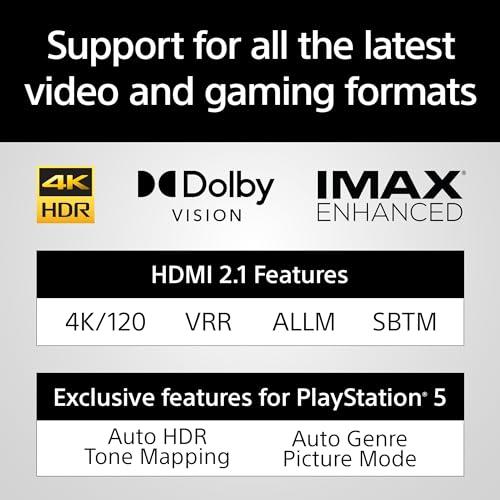
| HDMI 2.1 with 4K/120Hz, 8K/60Hz, VRR, ALLM | HDMI 2.1 with 4K/120Hz, 8K/60Hz, VRR, ALLM |
| Smart Features - Streaming and app integration | |
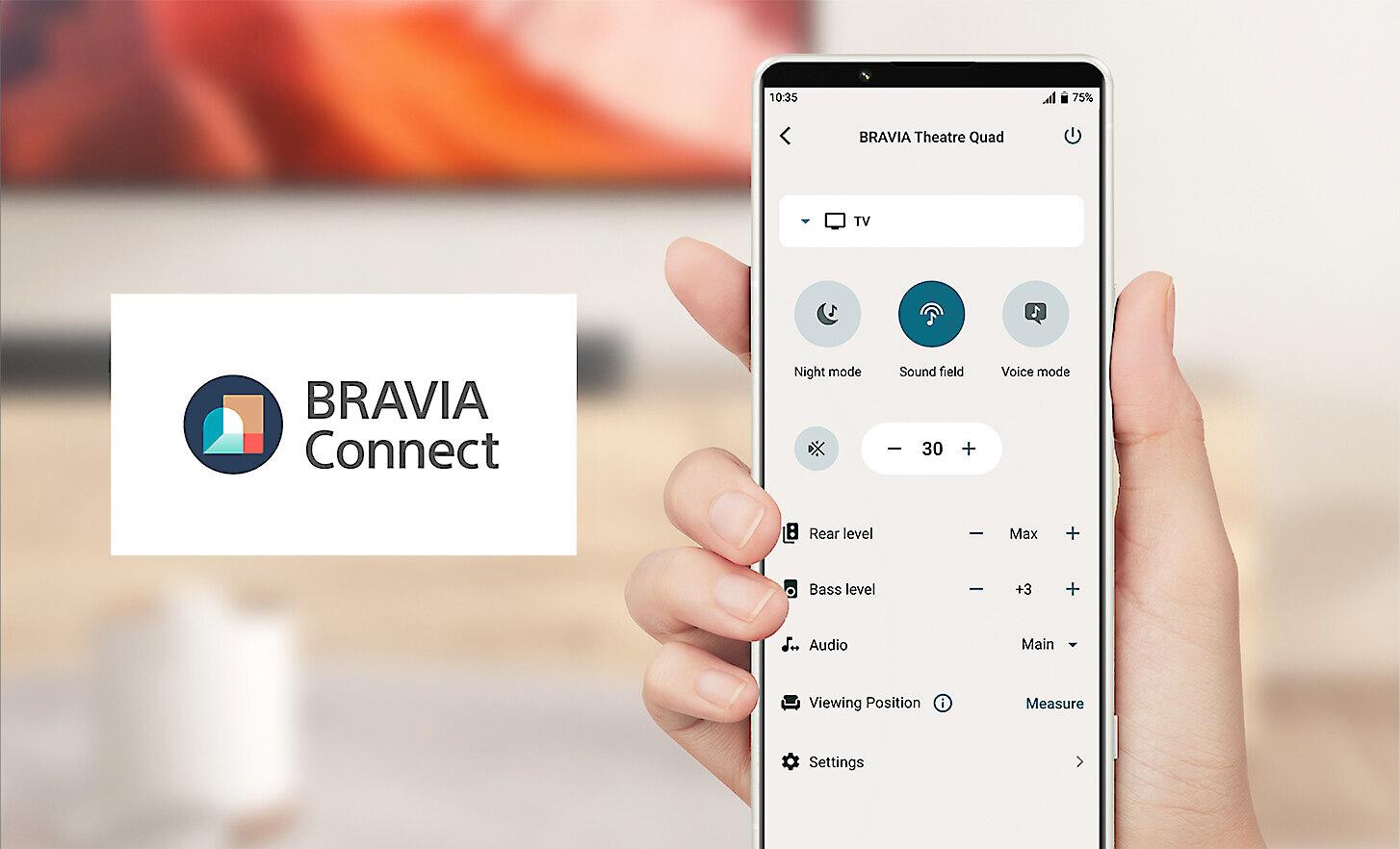
| BRAVIA Connect app, Spotify Connect, AirPlay 2 | BRAVIA Connect app, Spotify Connect, AirPlay 2 |
| Value Proposition - Performance per dollar at time of writing | |
| Premium pricing for unique wireless surround experience | Better value for most users seeking premium sound quality |
The Sony HT-A9M2 BRAVIA Theater Quad is a wireless surround sound system with four separate speakers you place around your room, while the BRAVIA Theater Bar 9 is a single soundbar that sits below your TV. The HT-A9M2 provides true surround sound with physical speaker separation, whereas the Theater Bar 9 creates virtual surround effects through advanced processing.
The BRAVIA Theater Bar 9 is much easier to install - you simply connect one HDMI cable and plug it into power. The Sony HT-A9M2 requires placing four wireless speakers around your room and ensuring each has access to a power outlet, making it more complex but offering greater placement flexibility.
Neither the HT-A9M2 nor the Theater Bar 9 includes a subwoofer, and both benefit significantly from adding one for deep bass effects in movies. The BRAVIA Theater Bar 9 has slightly better built-in bass due to its larger enclosure, but both systems are designed to work with Sony's optional wireless subwoofers.
The BRAVIA Theater Bar 9 typically provides clearer dialogue because it includes dedicated center channel speakers positioned directly below your TV screen. The Sony HT-A9M2 uses phantom center technology, which can be less focused for speech, though it can utilize compatible BRAVIA TVs as a center channel through Acoustic Center Sync.
The HT-A9M2 BRAVIA Theater Quad offers superior Dolby Atmos performance with four separate upward-firing speakers (one on each satellite unit) compared to the Theater Bar 9's two upward-firing speakers. This gives the HT-A9M2 more convincing overhead effects and better three-dimensional sound placement.
The BRAVIA Theater Bar 9 performs excellently in small to medium rooms where its virtual surround processing can effectively use wall reflections. The Sony HT-A9M2 excels in medium to large rooms (200+ square feet) where the physical separation of its four speakers creates more authentic surround sound that can't be achieved by a single soundbar.
Both systems can be expanded with Sony's wireless subwoofers, and the HT-A9M2 can potentially work with additional Sony wireless speakers. The Theater Bar 9 can also be paired with optional wireless rear speakers for enhanced surround effects, but the HT-A9M2 offers more flexibility for future expansion within Sony's ecosystem.
The BRAVIA Theater Bar 9 generally offers better value for most users, providing excellent sound quality and convenience at a lower cost than the Sony HT-A9M2. The HT-A9M2 justifies its premium pricing if you specifically need its unique wireless surround capabilities and have a larger room that can take advantage of true speaker separation.
The Sony HT-A9M2 features an advanced wireless system with dual antennas and frequency hopping to maintain stable connections between its four speakers and control hub. The BRAVIA Theater Bar 9 uses standard Wi-Fi and Bluetooth for streaming but doesn't require the same complex wireless coordination since it's a single unit.
For traditional stereo music, the Theater Bar 9 typically provides more focused imaging and conventional stereo presentation. The HT-A9M2 BRAVIA Theater Quad excels with spatial music formats like 360 Reality Audio and can create wider stereo separation, but its phantom center approach may not suit all music genres.
Both the HT-A9M2 and BRAVIA Theater Bar 9 support HDMI 2.1 features including 4K/120Hz, Variable Refresh Rate (VRR), and Auto Low Latency Mode (ALLM) for gaming. The HT-A9M2 provides more immersive positional audio for games with surround sound, while the Theater Bar 9 offers simpler setup for casual gaming.
Choose the Sony HT-A9M2 BRAVIA Theater Quad if you have a larger room, prioritize authentic surround sound immersion, and don't mind complex setup. Select the BRAVIA Theater Bar 9 if you want premium sound quality with simple installation, have a smaller space, or prioritize dialogue clarity for TV and movie watching.
We've done our best to create useful and informative comparisons to help you decide what product to buy. Our research uses advanced automated methods to create this comparison and perfection is not possible - please contact us for corrections or questions. These are the sites we've researched in the creation of this article: bestbuy.com - whathifi.com - whathifi.com - youtube.com - rtings.com - audiosciencereview.com - bhphotovideo.com - skybygramophone.com - sony.com - manuals.plus - audioadvice.com - dell.com - valueelectronics.com - youtube.com - merlinstv.com - videoandaudiocenter.com - electronics.sony.com - sony.com - bestbuy.com - beachcamera.com - sony.com - win.consulting - sony.com - rtings.com - residentialsystems.com - rtings.com - bestbuy.com - valueelectronics.com - sony.com - sony.co.uk - sony.co.uk - rtings.com - sony.co.in - sony.com - pocket-lint.com - sony.com - crutchfield.com

Privacy Policy
Terms and Conditions - Affiliate Policy
Home Security
© Copyright 2008-2026.
11816 Inwood Rd #1211, Dallas, TX 75244