








When you're shopping for a home theater system today, you're essentially choosing between two different philosophies for creating surround sound. The traditional approach uses multiple speakers spread around your room, while the modern convenience approach packs everything into a sleek soundbar that sits under your TV. The Sony HT-A9M2 and Denon Home Sound Bar 550 represent the best of both worlds, but they take dramatically different paths to get there.
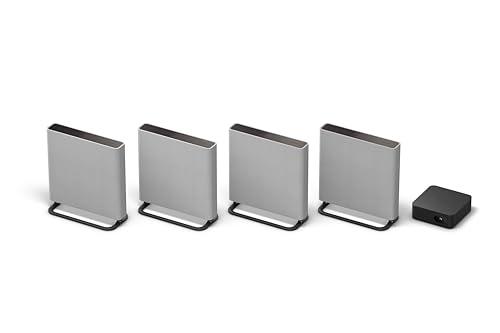
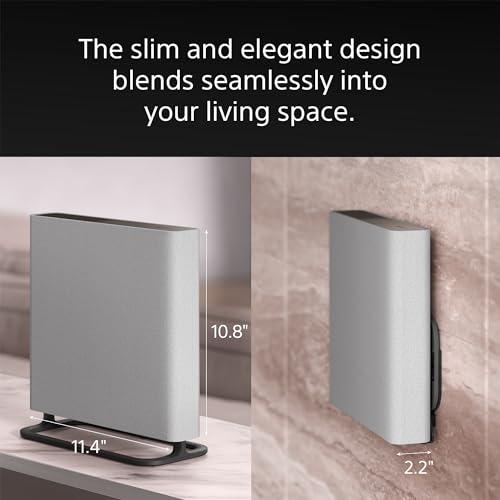
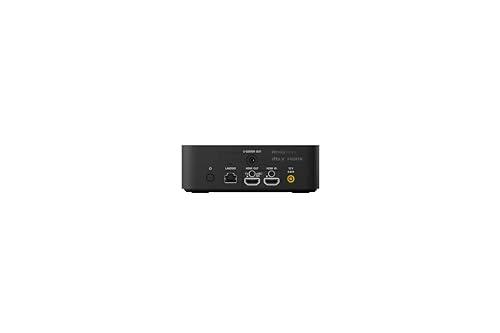
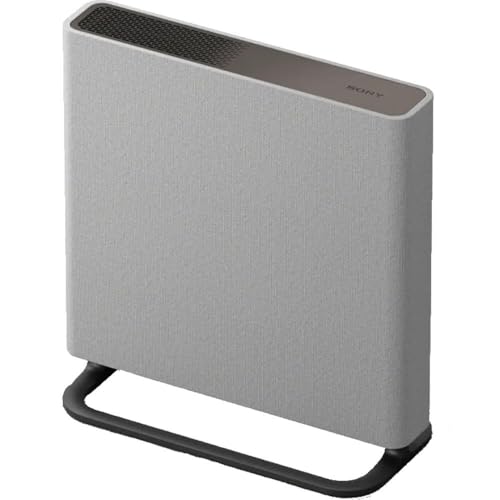
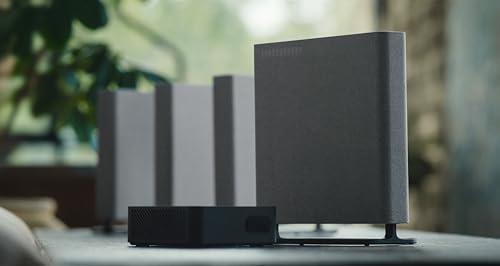
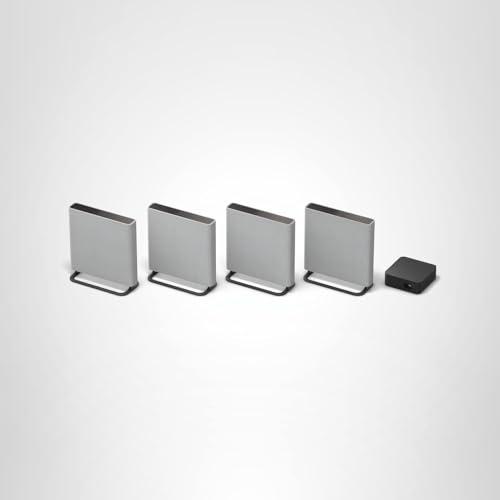
The Sony HT-A9M2, released in 2024 as an evolution of Sony's innovative wireless theater concept, doesn't look like any home theater system you've seen before. Instead of a traditional setup with an AV receiver (the central hub that processes audio and video) and wired speakers, you get four identical wireless speakers that communicate with a small control box. Each speaker is essentially a complete 3-way speaker system with its own upfiring driver for Dolby Atmos height effects—imagine having four mini tower speakers that can be placed anywhere in your room without running a single speaker wire.
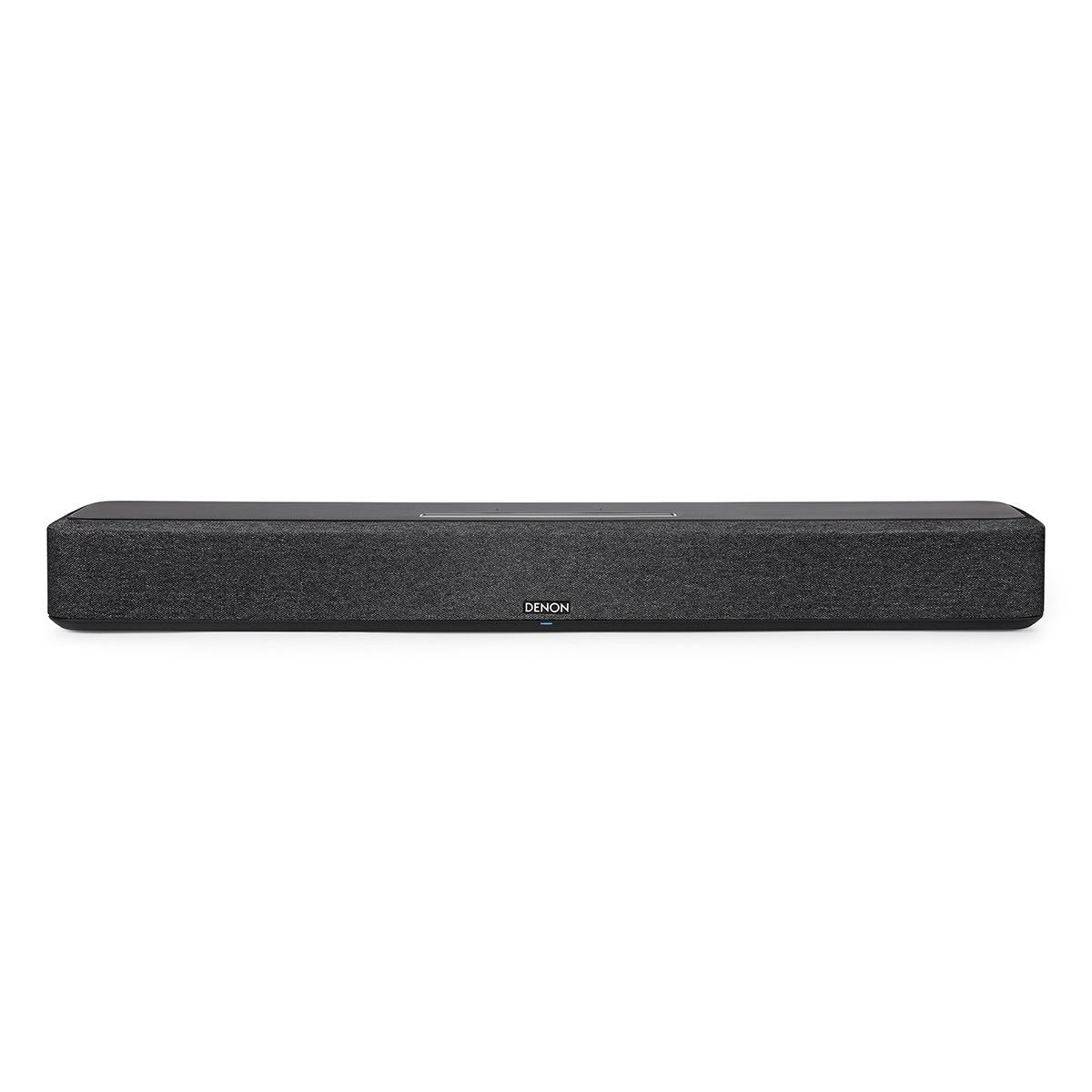
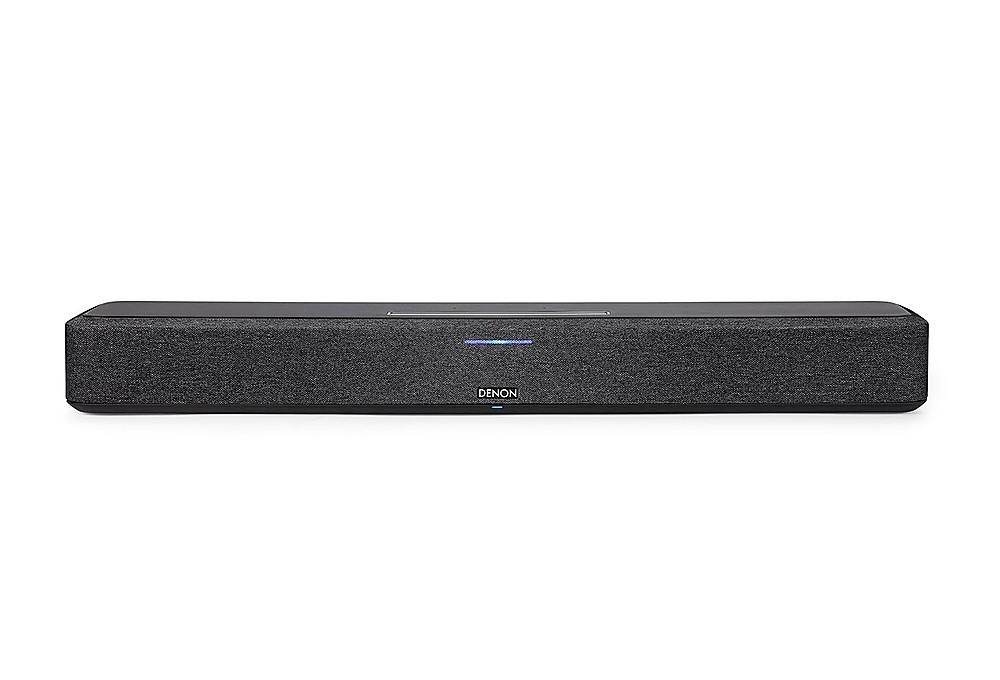
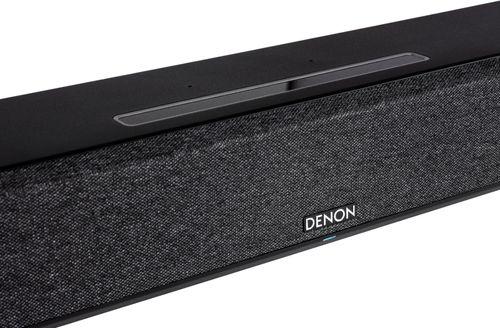
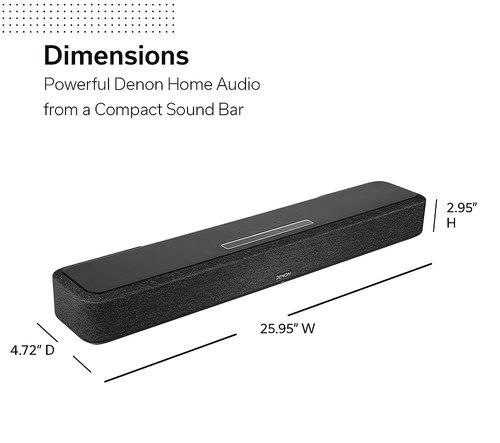
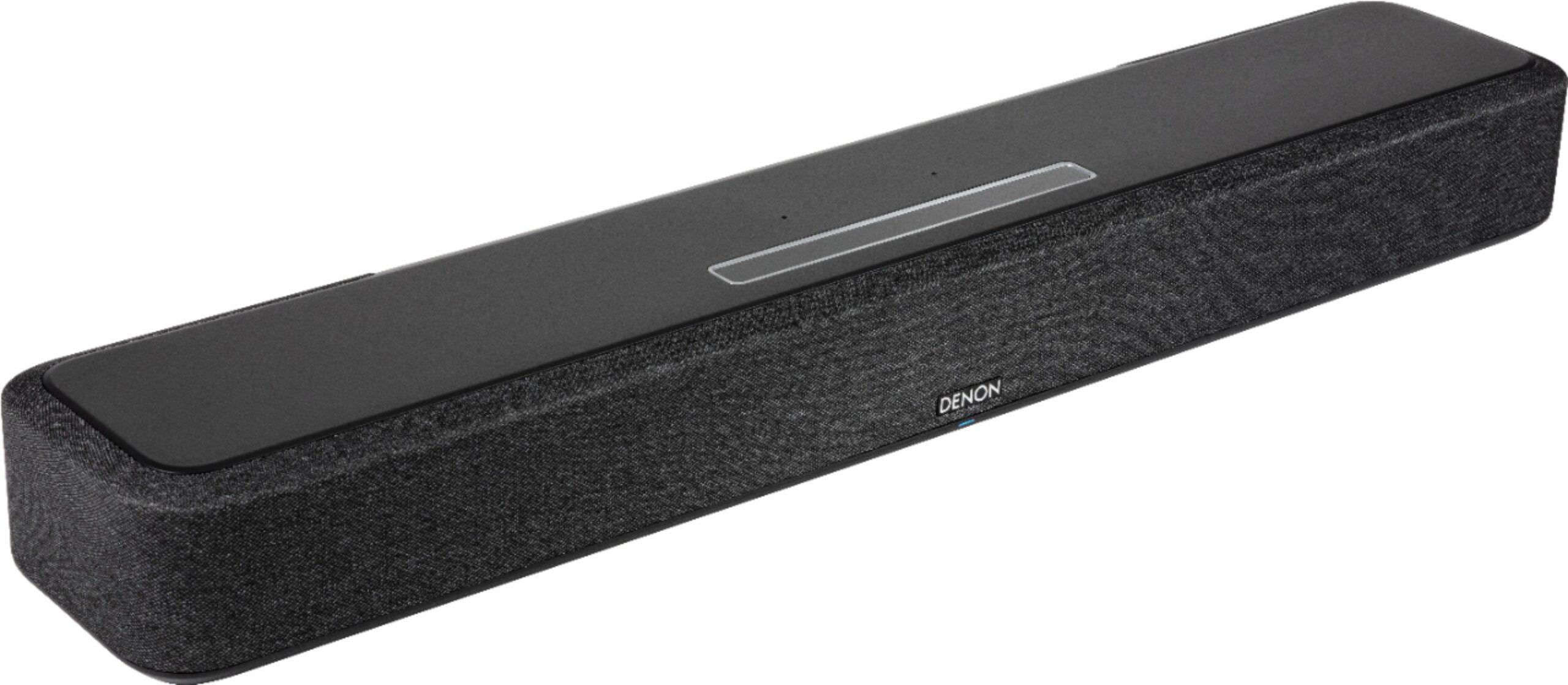
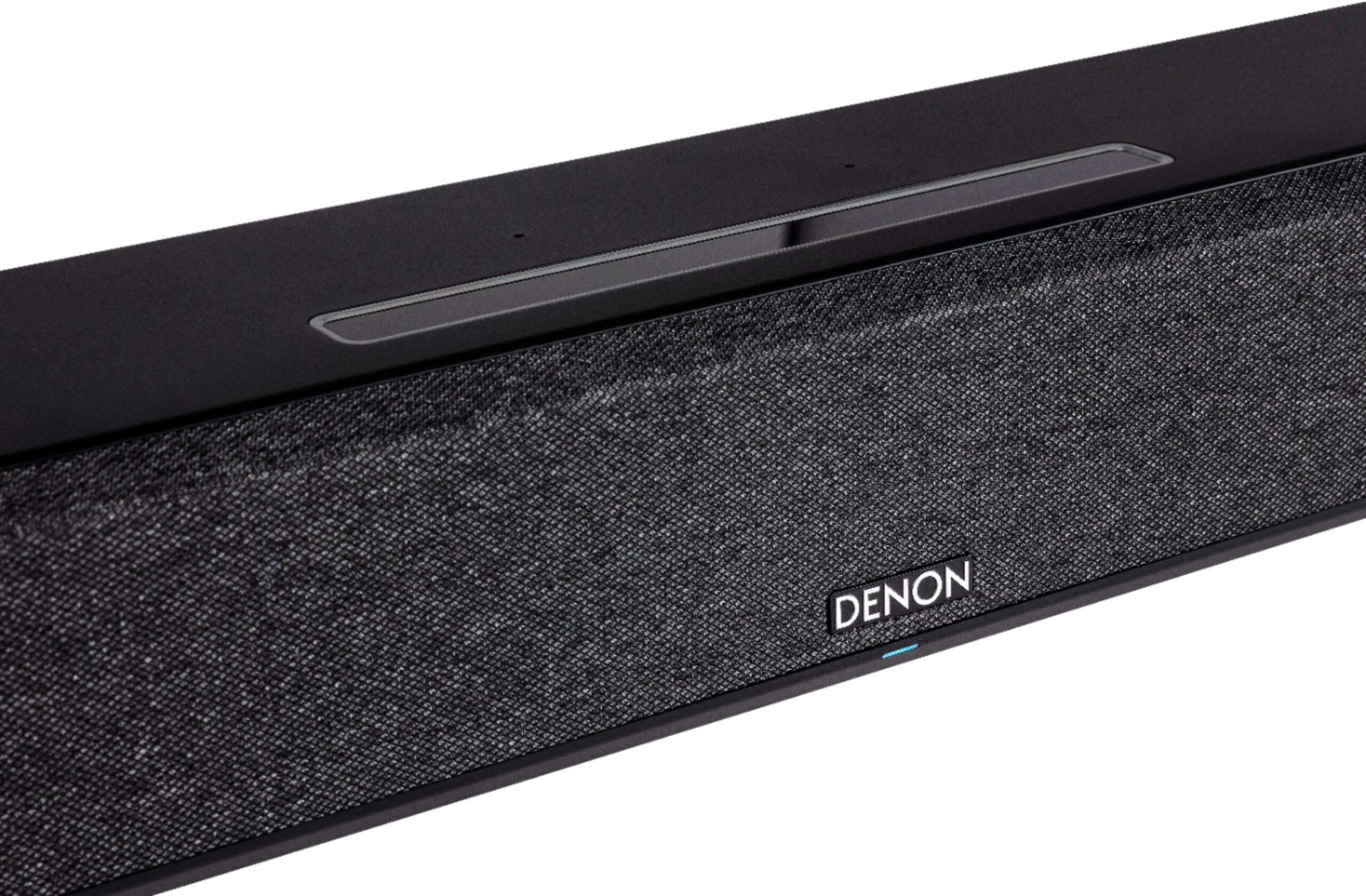
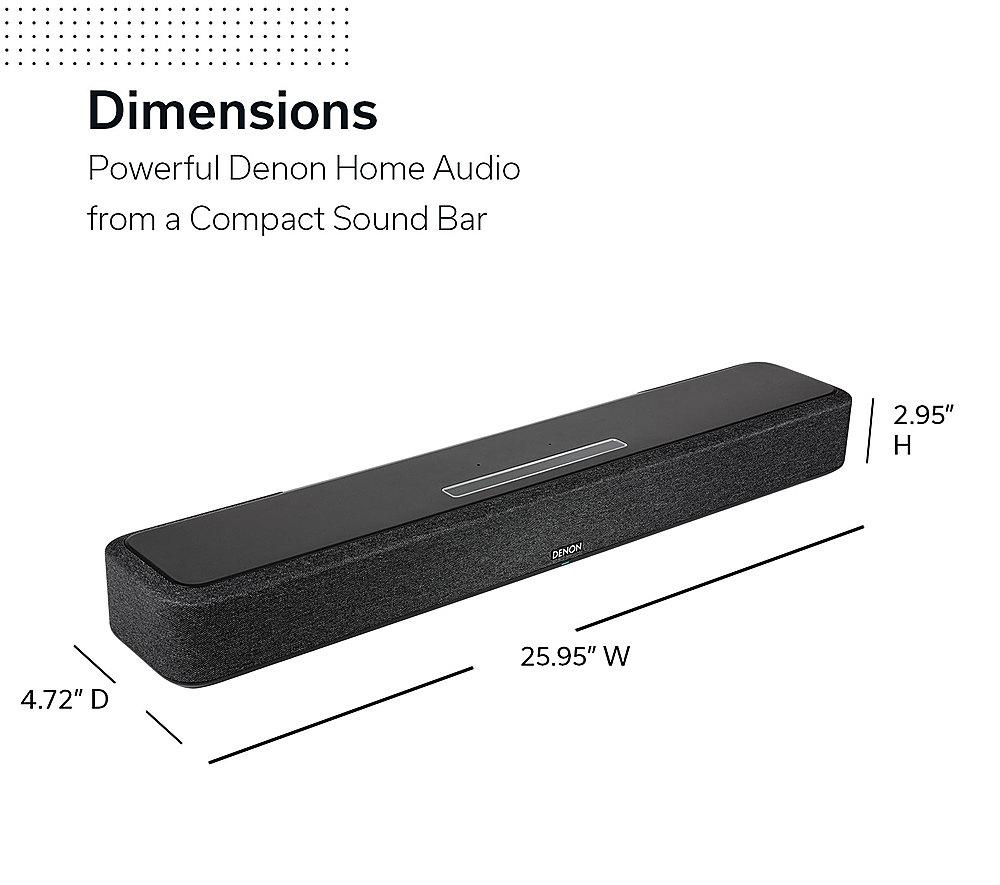
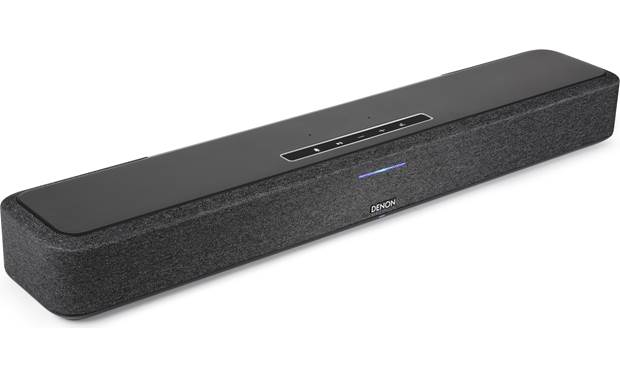
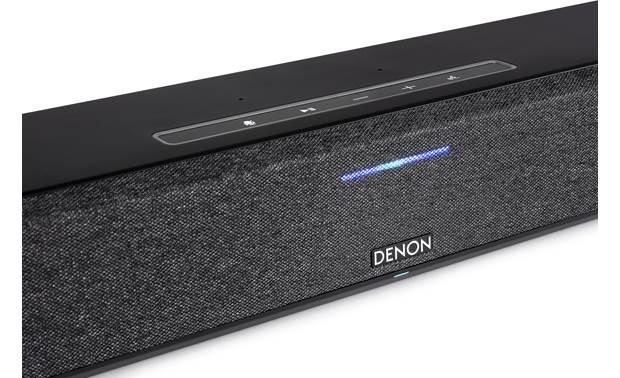
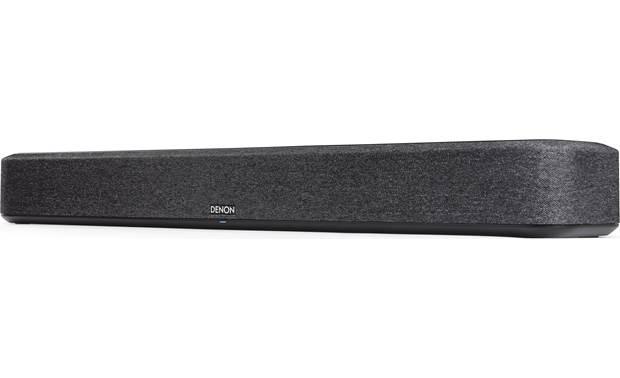
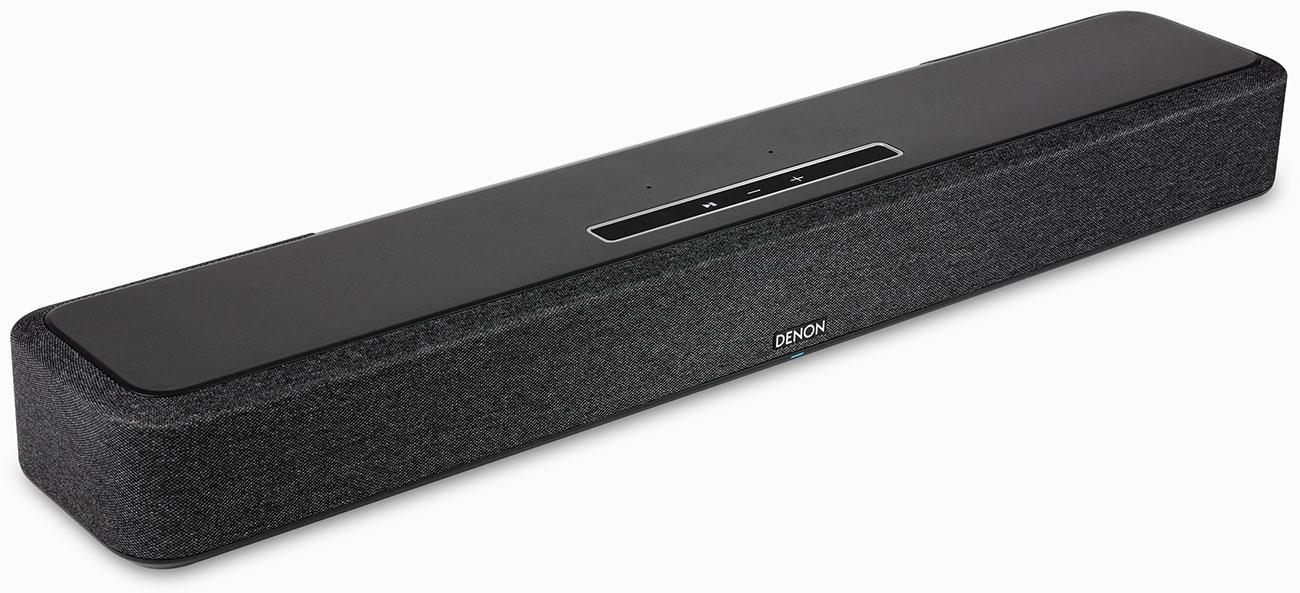
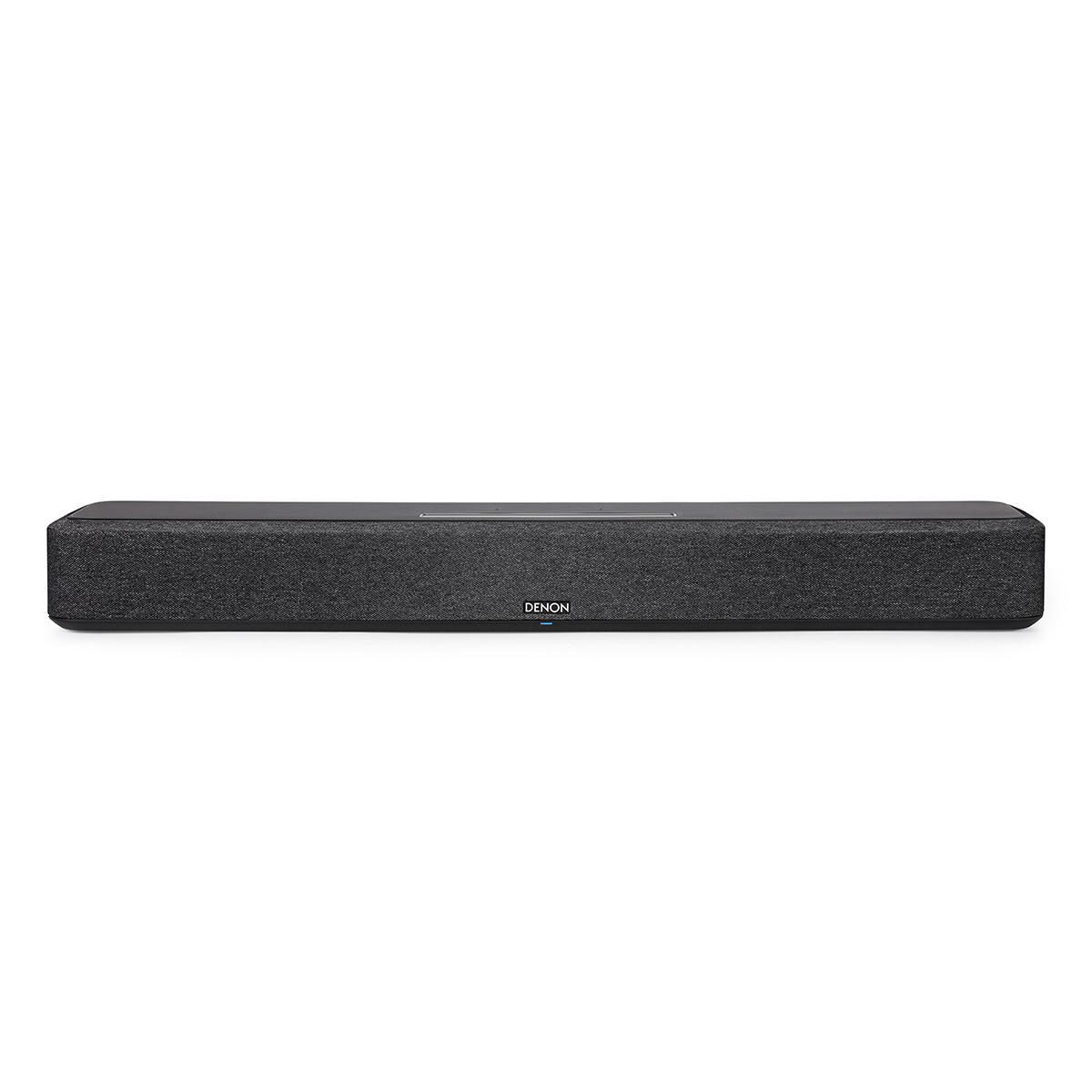
The Denon Home Sound Bar 550, launched in 2021, represents the premium end of soundbar evolution. At just over 25 inches wide, it packs six drivers (the individual speakers inside the enclosure) and uses advanced digital signal processing to create the illusion of surround sound coming from all around you, even though the sound is actually coming from one location under your TV.
The fundamental difference here is physical versus virtual surround sound. With the Sony HT-A9M2, you're getting actual speakers positioned around your room, so when a helicopter flies overhead in a movie, the sound literally moves from speaker to speaker. With the Denon Home Sound Bar 550, clever audio processing tricks your brain into thinking sound is coming from different directions using psychoacoustic principles—essentially exploiting how your ears and brain interpret reflected sound waves.
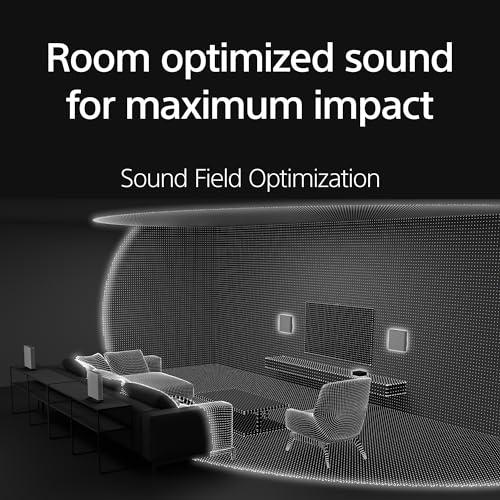
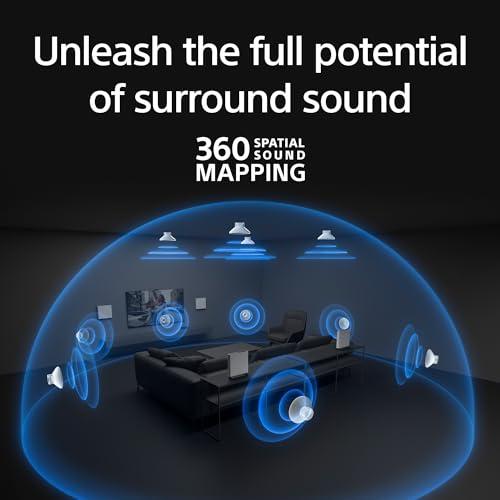
Sony's approach with the HT-A9M2 feels almost like science fiction in practice. The system's 360 Spatial Sound Mapping technology uses built-in microphones in each speaker to measure your room's acoustics, then creates what Sony calls "phantom speakers"—virtual sound sources that appear to exist between and around the physical speakers. This means the system can theoretically create up to 12 different speaker positions from just four physical units.
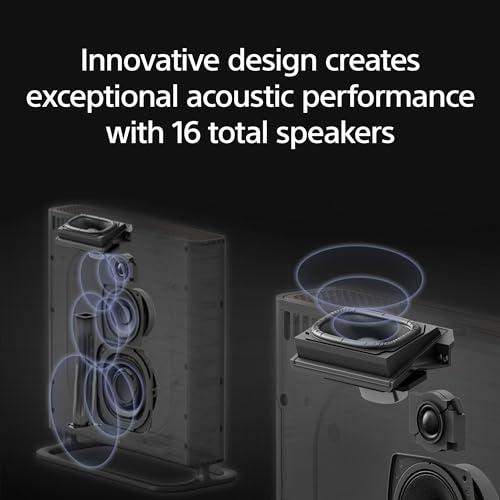
Each of the four speakers contains impressive technology for its size. There's a dedicated woofer for bass, a separate midrange driver for voices and most instruments, a tweeter for high frequencies like cymbals and ambient details, and an upfiring driver specifically designed for Dolby Atmos height effects. That's 16 total drivers across the system, each powered by its own amplification channel for precise control.
The wireless connectivity has been significantly improved since the original HT-A9 from 2021. Sony boosted the radio transmission power by roughly 2.5 times and added dual antennas with automatic frequency hopping. In practical terms, this means much more reliable connectivity even in homes with lots of Wi-Fi devices competing for radio spectrum space.
What sets this system apart from traditional setups is the flexibility. You don't need to position speakers at exact distances or angles—the calibration system adapts to wherever you place them. The speakers can be on stands, mounted on walls, or even placed asymmetrically around furniture. The system measures the acoustic environment and adjusts timing and levels to create a coherent surround sound field.
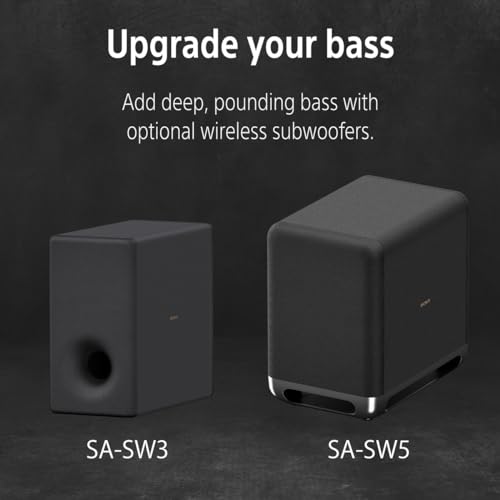
However, there's a significant caveat that becomes apparent when you dig into professional reviews and user feedback. The Sony HT-A9M2 ships as a 4.0.4 system, meaning it has four main speakers and four height channels, but no dedicated subwoofer. While each speaker has a small woofer, the bass output is noticeably limited compared to systems with dedicated subwoofers. Multiple professional reviews emphasize that the system "really needs" Sony's optional wireless subwoofer to reach its full potential, particularly for action movies and music with significant low-frequency content.
The Denon Home Sound Bar 550 takes an entirely different approach, concentrating all its technology into a single, elegantly designed enclosure. Despite being just under 26 inches wide, it manages to create convincing surround sound effects through a combination of precise driver placement and sophisticated digital processing.
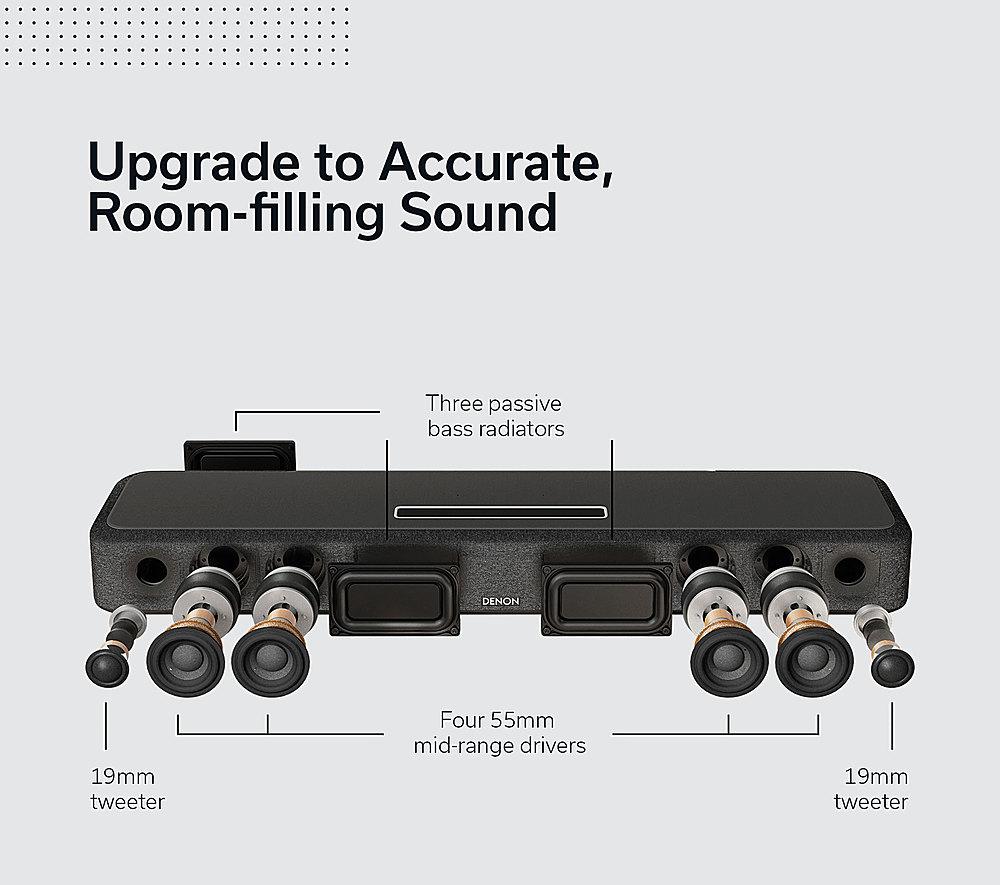
The soundbar's driver arrangement is thoughtfully designed: two premium soft-dome tweeters handle high frequencies with clarity, four full-range drivers manage midrange and vocal content, and three passive radiators (speakers without their own power that vibrate in response to the active drivers) enhance bass response. This configuration allows the soundbar to create a surprisingly wide soundstage—the apparent width of the sound field—that extends well beyond the physical boundaries of the speaker itself.
For Dolby Atmos content, the Denon Home Sound Bar 550 uses Dolby Height Virtualization technology. This system analyzes the audio signal and applies precise timing delays and filtering to create the perception of overhead sound effects. While it can't match the physical height sensation of actual ceiling speakers, the effect is convincing enough for most viewers, especially in smaller to medium-sized rooms.
One of the standout features is the integration with Denon's HEOS ecosystem. HEOS (which stands for "Home Entertainment Operating System") is Denon's multiroom audio platform that allows you to connect multiple speakers throughout your home. You can start music on the soundbar and have it play simultaneously in other rooms, or use voice commands through the built-in Amazon Alexa to control playback.
The dialog enhancement feature addresses one of the most common complaints about modern movie soundtracks: mumbled or hard-to-hear dialogue. The soundbar can specifically boost the frequency ranges where human speech occurs while leaving music and sound effects at their original levels.
Surround Sound Immersion: This is where the fundamental architectural differences become most apparent. The Sony HT-A9M2 creates what reviewers consistently describe as a "bubble" of sound around the listener. Because sound is actually coming from different physical locations, the spatial effects are more convincing and work across a wider listening area. Multiple people can sit in different positions and still experience effective surround sound.
The Denon Home Sound Bar 550 creates impressive virtual surround effects, but they're more dependent on sitting in the optimal listening position directly in front of the soundbar. The virtual processing works by sending slightly different signals to your left and right ears, which means the effect can diminish if you're sitting off to the side.
Height Effects and Dolby Atmos: The Sony system has a clear advantage here with dedicated upfiring drivers in each speaker. When a scene calls for overhead rain, aircraft, or ambient effects, the sound literally comes from above your listening position. Professional reviews consistently praise the height effects as one of the system's strongest points.
The Denon soundbar's virtual height processing is clever, but it's still an approximation of overhead sound rather than the real thing. In smaller rooms with lower ceilings, the effect can be quite convincing, but it doesn't match the physical reality of sounds actually originating from different vertical positions.
Bass Response: This is where the comparison becomes more complex. The Sony HT-A9M2 without its optional subwoofer is consistently criticized for lacking low-frequency impact. Action scenes feel less powerful, and music that relies on deep bass doesn't have the same emotional impact. However, when paired with Sony's wireless subwoofer, the system transforms into something that can compete with much more expensive setups.
The Denon Home Sound Bar 550 includes passive radiators that provide reasonable bass extension for its size. While it won't shake the room like a dedicated subwoofer, it offers enough low-end response for most content without requiring additional purchases.
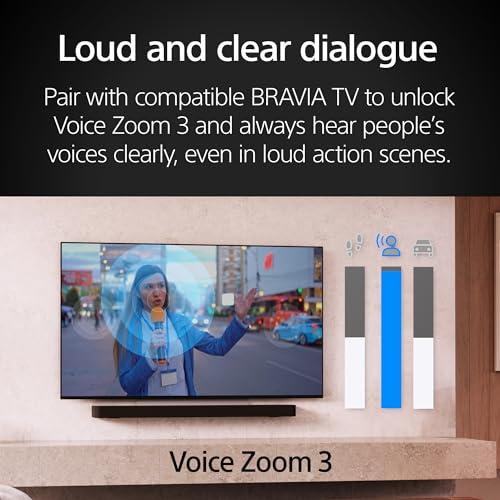
Dialog Clarity: Here, the Denon soundbar has some advantages. Its dedicated center channel processing and dialog enhancement feature make voices consistently clear and well-positioned. The Sony system uses phantom center imaging, where dialogue appears to come from between the front speakers rather than from a dedicated center speaker. This works well when you're sitting in the sweet spot, but can lack focus for off-center listening positions.
Audio Quality for Music: Both systems handle music well, but in different ways. The Sony HT-A9M2 excels with spatial music formats like 360 Reality Audio and can create an enveloping musical experience that's unlike traditional stereo. Its DSEE Ultimate technology also upscales compressed music files, restoring some of the detail lost in streaming formats.
The Denon soundbar provides excellent stereo imaging and, through its HEOS platform, integrates seamlessly with high-quality music streaming services. While it doesn't offer the spatial music capabilities of the Sony, it delivers clean, balanced sound that works well across different musical genres.
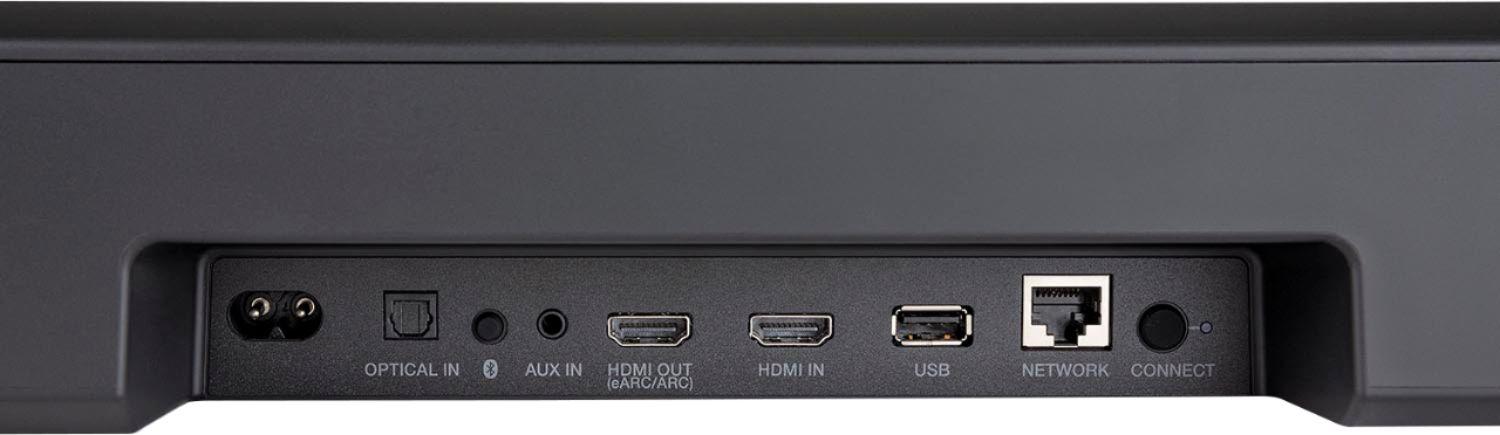
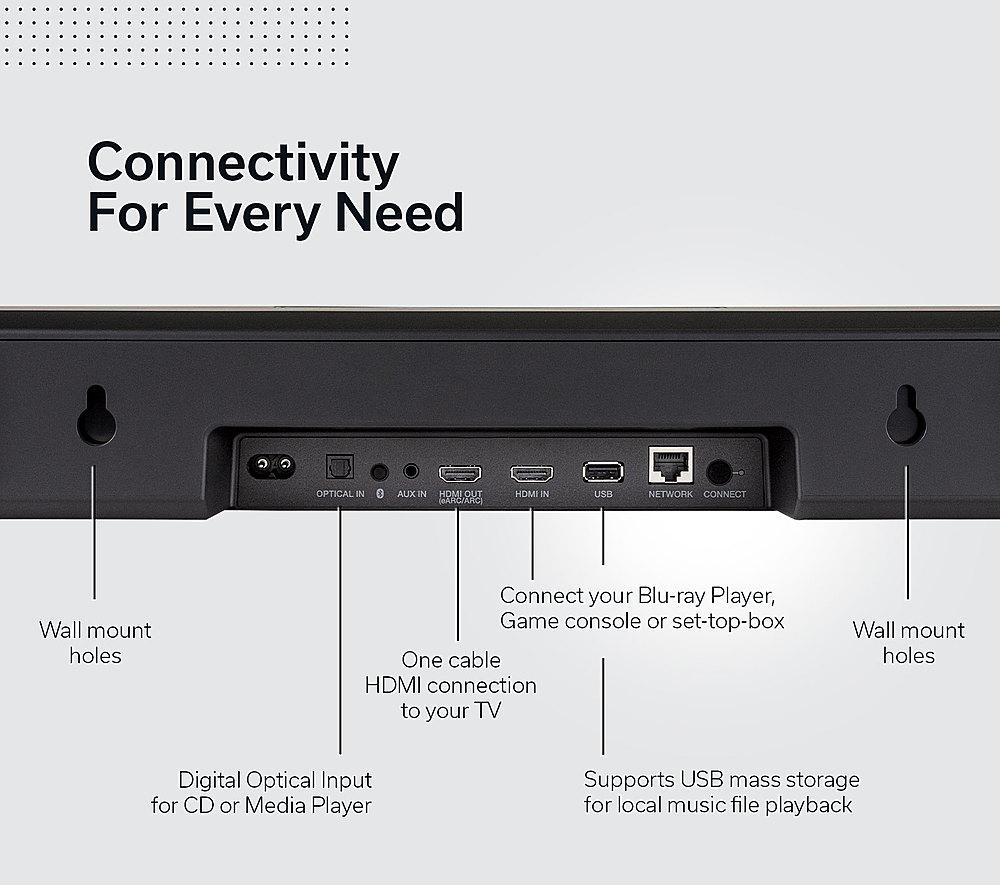
The installation experience highlights another major difference between these approaches. The Denon Home Sound Bar 550 is essentially plug-and-play: connect the HDMI cable to your TV, plug it in, and you're ready to go. The soundbar's compact size means it fits under most TVs without blocking the screen or remote sensors.
Setting up the Sony HT-A9M2 is more involved but ultimately more flexible. You need to find four locations around your room with access to power outlets, position the speakers thoughtfully (though not perfectly), and run the calibration process through Sony's BRAVIA Connect app. The calibration takes several minutes as the system measures acoustic distances and room reflections, but the results are remarkably effective at adapting to your specific space.
Room size plays a significant role in determining which system works better. The Denon soundbar excels in smaller to medium rooms where its virtual processing can effectively fill the space. In very large rooms, the virtualization effects become less convincing as the distances involved make it harder to create the acoustic illusions the system relies on.
The Sony HT-A9M2 actually performs better in larger spaces where you can position the speakers farther apart, creating a more expansive sound field. However, it can feel overwhelming in very small rooms where the multiple speaker positions might create a confused or overly busy sonic presentation.
The Sony HT-A9M2 includes full HDMI 2.1 support, which is becoming increasingly important for gaming and high-resolution video content. It can pass through 4K video at 120Hz and 8K video at 60Hz, supports Variable Refresh Rate (VRR) for smoother gaming, and Auto Low Latency Mode (ALLM) for reduced input lag. These features are essential if you're using the latest gaming consoles or high-end gaming PCs.
The Denon Home Sound Bar 550 uses the older HDMI 2.0b standard, which supports 4K at 60Hz but lacks the advanced gaming features. For most current content this is sufficient, but it may limit compatibility with future devices.
Both systems include modern wireless connectivity, but they serve different purposes. The Sony emphasizes high-quality audio streaming with support for LDAC Bluetooth and various lossless formats. The Denon focuses more on smart home integration and voice control through its Alexa integration and HEOS platform.
At the time of writing, these systems occupy different price tiers, which significantly affects their value calculations. The Denon Home Sound Bar 550 positions itself in the mid-to-upper soundbar market, offering premium features at a more accessible price point. You get excellent performance immediately, with no required additional purchases.
The Sony HT-A9M2 requires a larger initial investment and, based on consensus from professional reviews, really benefits from adding the optional subwoofer. This pushes the total system cost significantly higher, but also delivers a uniquely immersive experience that's difficult to achieve with conventional products.
When evaluating long-term value, consider the upgrade path each system offers. The Denon's HEOS ecosystem allows you to gradually build a whole-home audio system, adding speakers in other rooms over time. You can also add Denon's wireless subwoofer and rear speakers to create a more complete surround system.
The Sony's expandability is more limited—you can add the wireless subwoofer, but beyond that, you're largely committed to the four-speaker configuration. However, the performance ceiling is higher, and the system's unique capabilities may provide longer-term satisfaction for serious home theater enthusiasts.
Choose the Sony HT-A9M2 if you're willing to invest in the ultimate wireless surround sound experience and have the room to accommodate four speakers. This system makes sense for dedicated home theater setups where audio quality is the primary concern, and you're planning to eventually add the subwoofer. It's particularly compelling if you own or are considering a Sony BRAVIA TV for the enhanced integration features.
The Denon Home Sound Bar 550 is the better choice for most people who want excellent sound quality with minimal complexity. It delivers impressive results immediately, works well in typical living rooms, and provides a clear upgrade path through the HEOS ecosystem. The smart home integration and voice control features add daily convenience that many users will appreciate more than the ultimate in audio fidelity.
Both systems represent significant improvements over basic TV speakers and entry-level soundbars, but they serve different priorities. The Sony pushes the boundaries of what's possible with wireless audio technology, while the Denon optimizes the balance between performance, convenience, and value. Understanding which approach better matches your priorities, room setup, and long-term plans will guide you to the right choice for your home theater needs.
| Sony HT-A9M2 BRAVIA Theater Quad | Denon Home Sound Bar 550 Soundbar |
|---|---|
| System Architecture - Fundamentally different approaches to surround sound | |
| Four wireless speakers with 16 total drivers (4.0.4 channel true separates) | Single soundbar with 6 drivers plus passive radiators (4.0 virtual surround) |
| Bass Response - Critical for action movies and music impact | |
| No subwoofer included; requires separate purchase for full bass impact | Built-in passive radiators provide adequate bass without additional purchase |
| Height Effects - Important for Dolby Atmos immersion | |
| Dedicated upfiring drivers in each speaker create actual overhead sound | Virtual height processing simulates overhead effects |
| Installation Complexity - Affects daily living and WAF (Wife Acceptance Factor) | |
| Requires 4 power outlets and strategic speaker placement around room | Simple plug-and-play under TV with single power connection |
| Room Size Compatibility - Determines which system works best in your space | |
| Medium to large rooms (12x15 ft+); adapts to asymmetrical placement | Small to medium rooms; optimal performance directly in front of TV |
| HDMI Connectivity - Future-proofing for gaming and 8K content | |
| Full HDMI 2.1 with 8K/60Hz, 4K/120Hz, VRR, ALLM for next-gen gaming | HDMI 2.0b with 4K/60Hz; lacks advanced gaming features |
| Smart Features - Convenience and ecosystem integration | |
| BRAVIA Connect app, Spotify Connect, AirPlay 2 | Built-in Alexa, HEOS multiroom platform, broader streaming integration |
| Expandability - Options for future system growth | |
| Limited to adding Sony wireless subwoofer | Full HEOS ecosystem with wireless sub, rears, and multiroom speakers |
| Dialog Clarity - Essential for modern movie soundtracks | |
| Phantom center imaging; enhanced with compatible Sony BRAVIA TVs | Dedicated center processing with Dialog Enhancement mode |
| Wireless Audio Quality - Important for music streaming | |
| Bluetooth 5.2 with LDAC high-res codec support | Bluetooth 4.1 with standard SBC/AAC codecs |
| Setup Calibration - Affects out-of-box performance | |
| Automatic room measurement with 360 Spatial Sound Mapping | Minimal calibration; relies on fixed virtual processing algorithms |
| Total System Cost - Budget planning including recommended additions | |
| Premium tier; strongly benefits from adding wireless subwoofer | Mid-tier pricing; complete experience without additional purchases |
The Denon Home Sound Bar 550 is better suited for small rooms. Its compact 26-inch design fits easily under most TVs without overwhelming the space, while the Sony HT-A9M2 requires four separate speakers positioned around the room, which can feel crowded in smaller spaces. The Denon soundbar delivers excellent virtual surround sound that works well in tight quarters.
The Denon Home Sound Bar 550 works great as a complete system right out of the box with no additional purchases required. However, the Sony HT-A9M2 strongly benefits from adding Sony's wireless subwoofer, as professional reviews consistently note the system lacks bass impact without one. The Sony system is designed with expansion in mind.
The Denon Home Sound Bar 550 has noticeably better bass response without a subwoofer thanks to its built-in passive radiators. The Sony HT-A9M2 has limited low-frequency output from its satellite speakers alone, with most reviewers recommending the addition of Sony's wireless subwoofer for satisfying bass performance.
The Denon Home Sound Bar 550 offers plug-and-play simplicity - just connect one HDMI cable and plug it in. The Sony HT-A9M2 requires more involved setup with four speakers needing power outlets around your room, plus running calibration through the BRAVIA Connect app. However, the Sony system adapts to any speaker placement automatically.
The Sony HT-A9M2 is superior for next-gen gaming with full HDMI 2.1 support including 4K/120Hz, Variable Refresh Rate (VRR), and Auto Low Latency Mode (ALLM). The Denon Home Sound Bar 550 uses older HDMI 2.0b that supports 4K/60Hz but lacks the advanced gaming features that enhance modern console performance.
The Denon Home Sound Bar 550 has built-in Amazon Alexa for direct voice control of volume, inputs, and playback. The Sony HT-A9M2 doesn't have built-in voice assistants but can be controlled through compatible Sony BRAVIA TVs that include voice features, or through smartphone apps.
The Sony HT-A9M2 creates superior surround sound with genuine multichannel separation from four physically separated speakers. Sound literally moves around your room, creating a more convincing surround experience. The Denon Home Sound Bar 550 uses impressive virtual processing to simulate surround effects, but the Sony system provides more authentic spatial audio.
Both excel at music but differently. The Sony HT-A9M2 supports high-resolution audio formats, 360 Reality Audio, and creates an enveloping musical experience with its four-speaker arrangement. The Denon Home Sound Bar 550 offers excellent stereo imaging and integrates with the HEOS multiroom platform for whole-home music streaming.
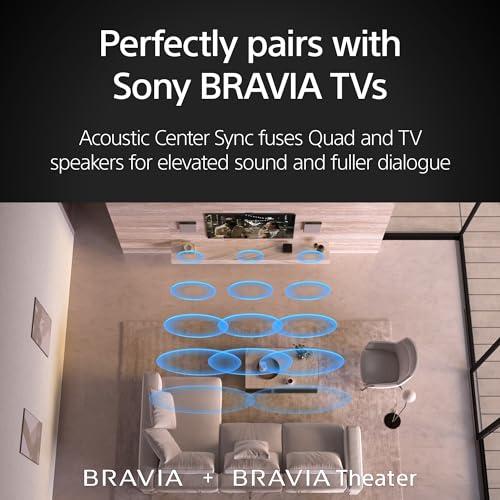
The Denon Home Sound Bar 550 works equally well with any TV brand through standard HDMI connections. While the Sony HT-A9M2 functions with any TV, it offers enhanced features like Acoustic Center Sync when paired with Sony BRAVIA TVs, making the Denon more universally compatible.
The Denon Home Sound Bar 550 has an advantage for dialogue with dedicated center channel processing and a specific Dialog Enhancement mode that boosts speech clarity. The Sony HT-A9M2 uses phantom center imaging that can lack focus for off-center seating, though it improves significantly when paired with compatible Sony TVs.
The Denon Home Sound Bar 550 offers better immediate value as a complete system requiring no additional purchases. The Sony HT-A9M2 requires a higher investment and benefits from adding a subwoofer, but delivers a unique wireless separates experience unavailable elsewhere. The Denon provides more bang for your buck initially.
The Denon Home Sound Bar 550 offers more expansion flexibility through the HEOS ecosystem, allowing you to add wireless subwoofers, rear speakers, and multiroom audio throughout your home. The Sony HT-A9M2 has limited expansion options beyond adding Sony's wireless subwoofer, but the Denon system provides a clearer upgrade path for growing your audio setup.
We've done our best to create useful and informative comparisons to help you decide what product to buy. Our research uses advanced automated methods to create this comparison and perfection is not possible - please contact us for corrections or questions. These are the sites we've researched in the creation of this article: bestbuy.com - whathifi.com - whathifi.com - youtube.com - rtings.com - audiosciencereview.com - bhphotovideo.com - skybygramophone.com - sony.com - manuals.plus - audioadvice.com - dell.com - valueelectronics.com - youtube.com - merlinstv.com - videoandaudiocenter.com - electronics.sony.com - sony.com - bestbuy.com - beachcamera.com - sony.com - win.consulting - sony.com - consumerreports.org - soundandvision.com - crutchfield.com - rtings.com - crutchfield.com - gzhls.at - denon.com - walmart.com - youtube.com - whathifi.com - bestbuy.com

Privacy Policy
Terms and Conditions - Affiliate Policy
Home Security
© Copyright 2008-2026.
11816 Inwood Rd #1211, Dallas, TX 75244