








Choosing a home theater system can feel overwhelming, especially when you're comparing products that take completely different approaches to creating immersive sound. The Sony HT-A9M2 BRAVIA Theater Quad and VIZIO 5.1 Soundbar SE represent two fundamentally different philosophies in home audio—one prioritizes cutting-edge wireless technology and premium immersion, while the other focuses on delivering solid traditional surround sound at an accessible price point.
At the time of writing, these systems sit at opposite ends of the market spectrum, with the Sony commanding premium pricing while the VIZIO offers remarkable value for budget-conscious buyers. Understanding their differences will help you make the right choice for your specific needs and budget.
Before diving into these specific products, it's worth understanding what modern home theater systems are trying to achieve. The goal is creating an immersive three-dimensional soundscape that makes you feel like you're inside the movie or game, rather than just watching it. This involves several key technologies:
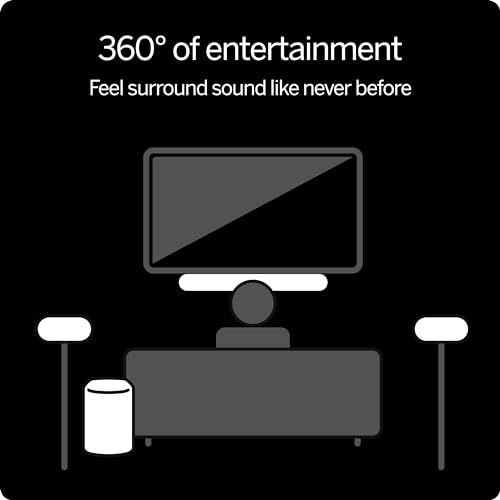
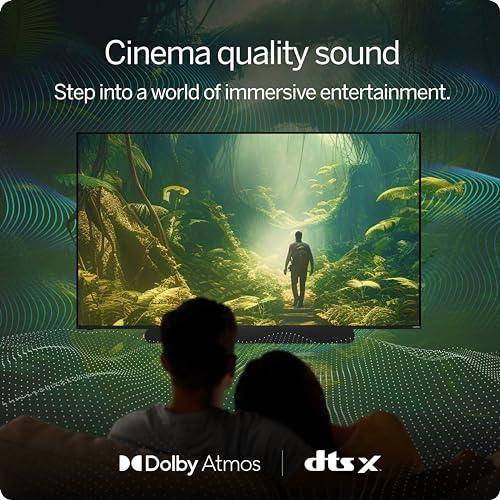
Surround sound places different audio elements around you—dialogue from the center, effects from the sides, and ambient sounds from behind. Dolby Atmos takes this further by adding height channels, allowing sounds to move overhead and creating a true "sphere" of audio around your listening position.
The challenge is achieving this immersion while dealing with real-world constraints like room layout, furniture placement, and the desire to avoid running speaker wires throughout your living space. This is where these two systems diverge dramatically in their approach.
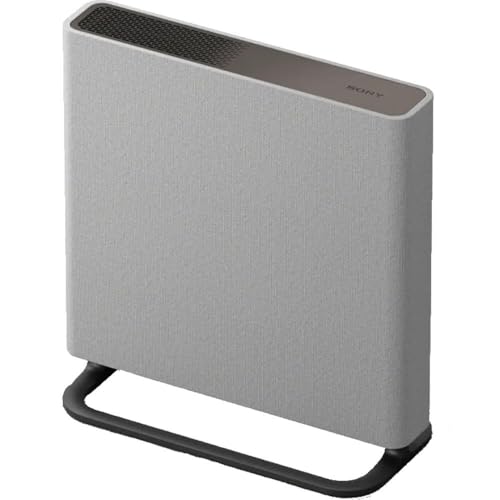
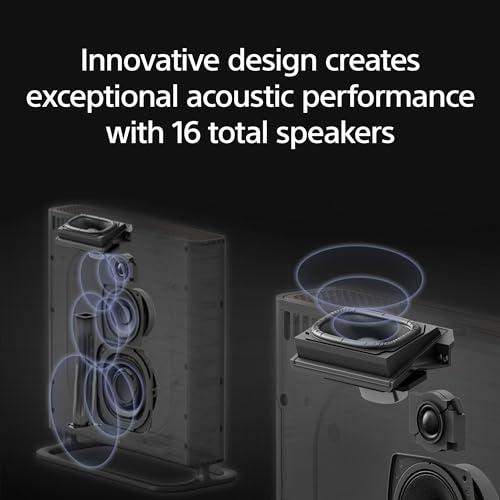
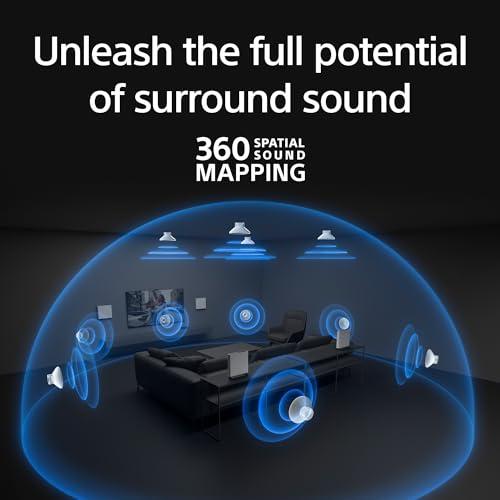
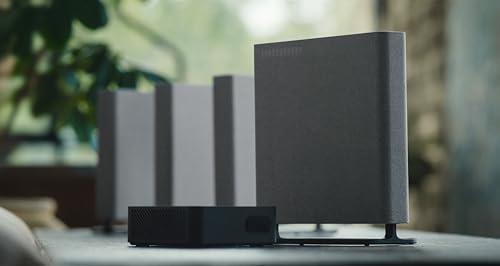
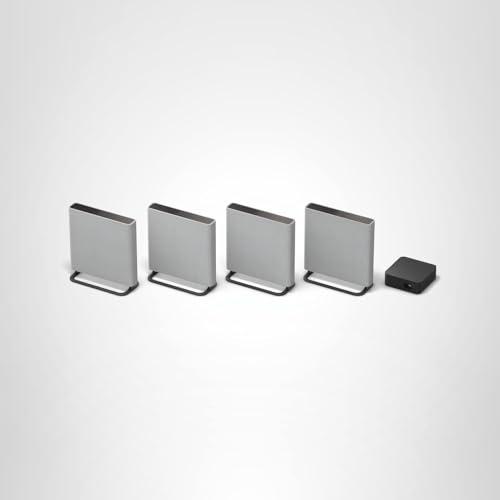
Released in 2023, the Sony HT-A9M2 represents Sony's most ambitious attempt to reimagine home theater audio. Rather than using a traditional soundbar-plus-satellites approach, Sony created four identical wireless speakers that work together to create what they call "360 Spatial Sound Mapping."
Each of the four speakers is a complete 3-way system containing multiple drivers: dedicated woofers, tweeters, mid-range drivers, and upward-firing Atmos speakers. The magic happens through Sony's advanced signal processing, which creates "phantom speakers" throughout your room by carefully controlling how sound reflects off your walls and ceiling.
This system evolved from Sony's original HT-A9 (released in 2021), with significant improvements to wireless stability, sound clarity, and room calibration technology. The 2023 update addressed the main complaint about the original—occasional wireless dropouts—while refining the overall sonic character.
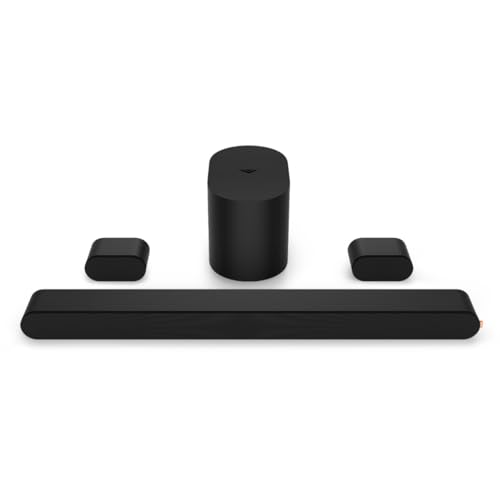
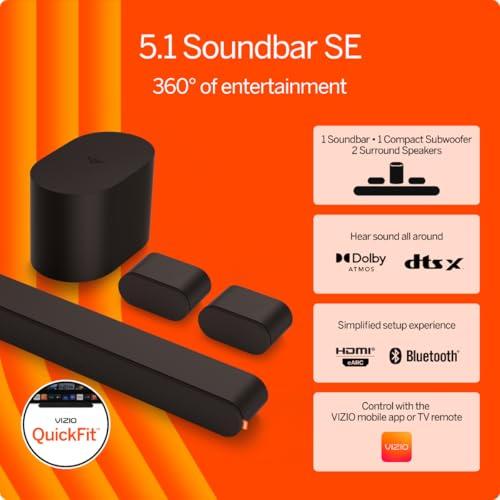
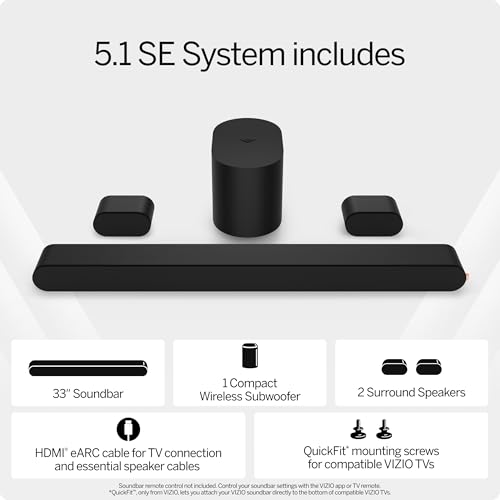
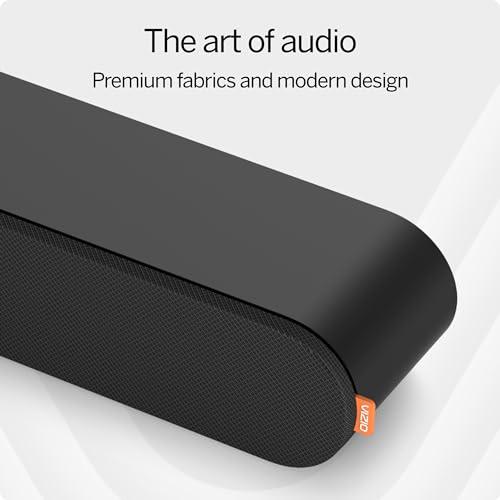
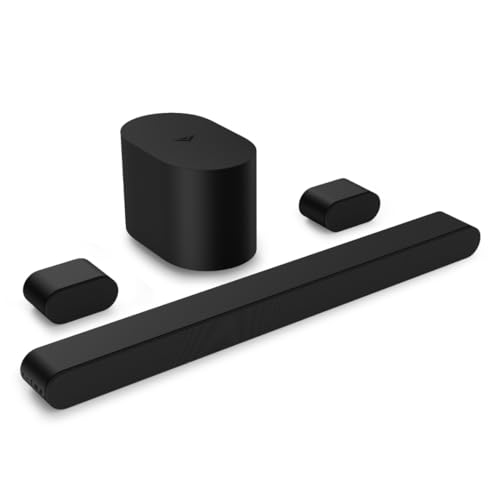
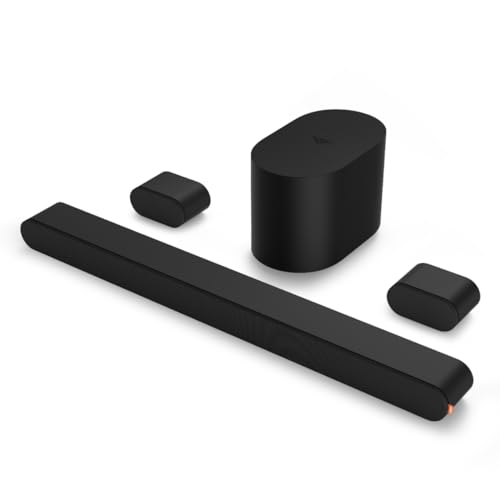
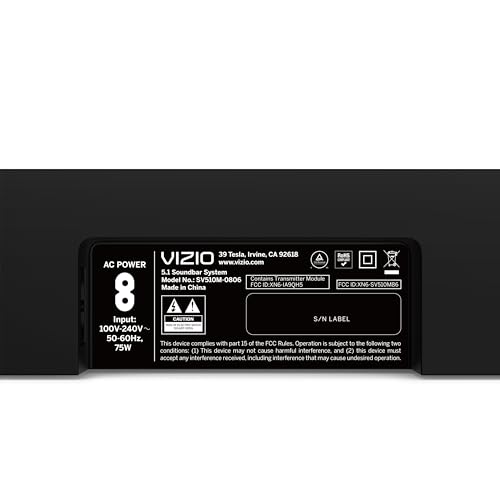
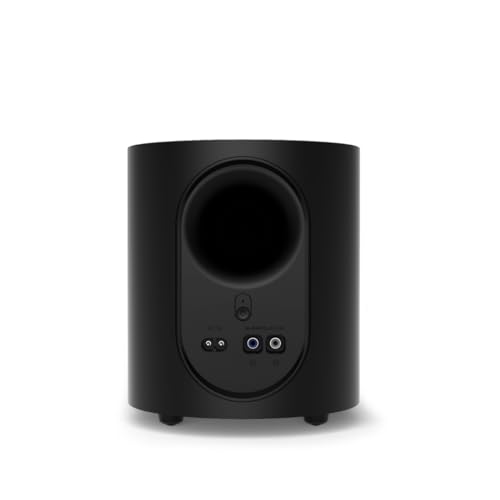
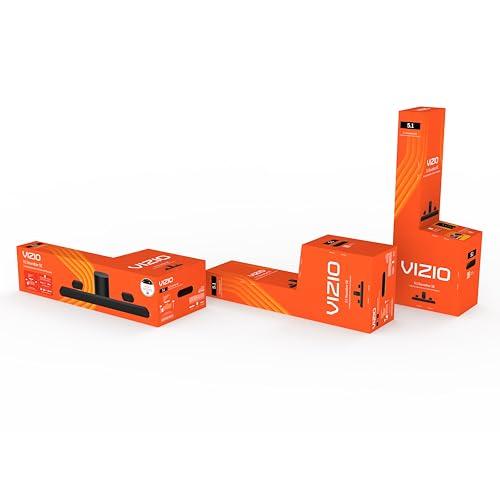
The VIZIO 5.1 Soundbar SE, also from 2023, takes the proven traditional approach: a main soundbar handles front channels, a wireless subwoofer provides bass, and separate satellite speakers create rear surround effects. This "5.1" configuration (five main speakers plus one subwoofer) has been the home theater standard for decades.
VIZIO's strength has always been delivering impressive performance at aggressive price points. Their 2023 SE series represents the company's effort to bring Dolby Atmos and modern connectivity to mainstream buyers without the premium pricing typically associated with these features.
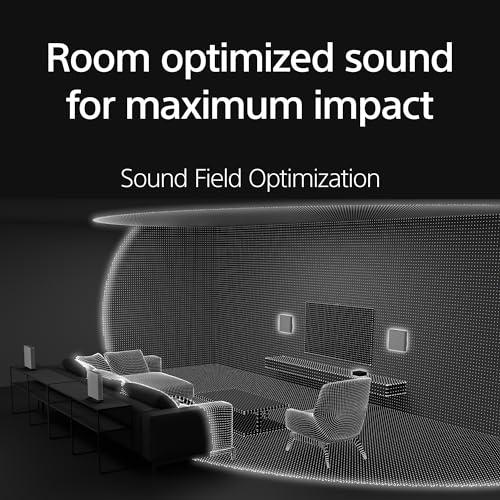
This is where the fundamental differences between these systems become most apparent. The Sony HT-A9M2 creates what reviewers consistently describe as a "bubble of sound" that envelops your entire listening area. Using its 360 Spatial Sound Mapping technology, the system measures your room's acoustics and creates virtual speakers at positions where no physical speakers exist.
In practice, this means when a helicopter flies overhead in a movie, you'll hear it moving in a convincing arc above your head, even though all four Sony speakers are positioned around your room at ear level or below. The system's advanced processing creates the illusion of sounds coming from your ceiling by precisely controlling timing, phase relationships, and how sound reflects off your room's surfaces.
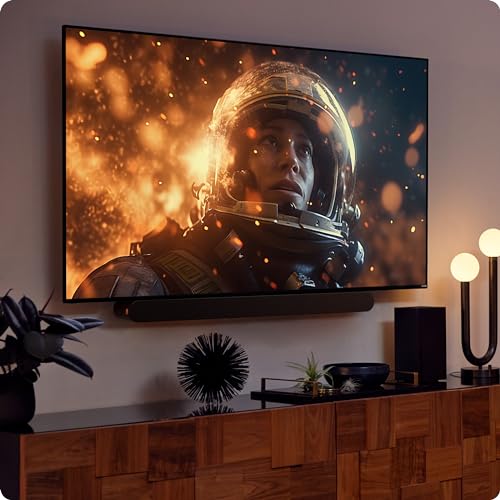
The VIZIO system, by contrast, uses physical rear speakers to create its surround effects. While this provides authentic directional audio—you'll clearly hear sounds moving from front to back—the immersion isn't as seamless or three-dimensional as what Sony achieves. The VIZIO's Atmos implementation is more basic, with height effects primarily coming from the main soundbar rather than creating the overhead "dome" that more sophisticated systems can achieve.
From our research into user experiences and professional reviews, the Sony consistently impresses listeners with its ability to create sound that doesn't seem to come from specific speaker locations. Instead, effects appear to originate from precise points in space, creating an almost holographic audio experience. The VIZIO provides satisfying surround sound that clearly improves on basic TV audio, but you'll remain aware of where the speakers are positioned.
Poor dialogue reproduction ruins movies faster than almost any other audio flaw. Here, both systems take different approaches to solving the same problem.
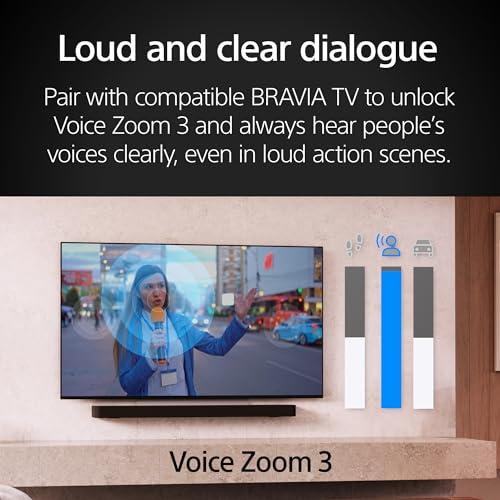
The Sony HT-A9M2 doesn't include a physical center speaker. Instead, it uses sophisticated processing to create a "phantom center channel" that appears to place dialogue directly at your TV screen. Sony's Voice Zoom 3 technology uses artificial intelligence to identify and enhance speech in the audio mix, separating dialogue from background effects and music to ensure clarity even in complex scenes.
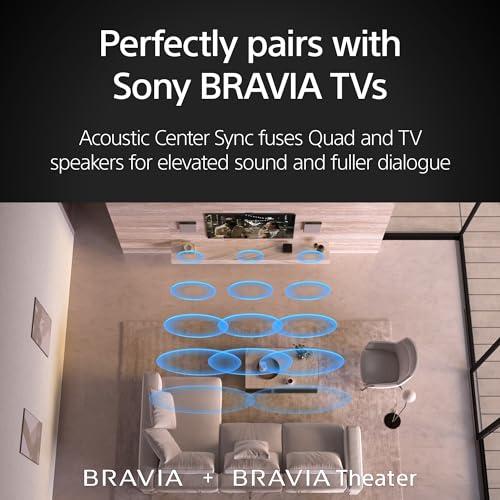
When paired with compatible Sony BRAVIA TVs, the system can use the TV's own speakers as an additional center channel through a feature called Acoustic Center Sync. This creates an even more convincing illusion that voices are coming directly from actors' mouths on screen.
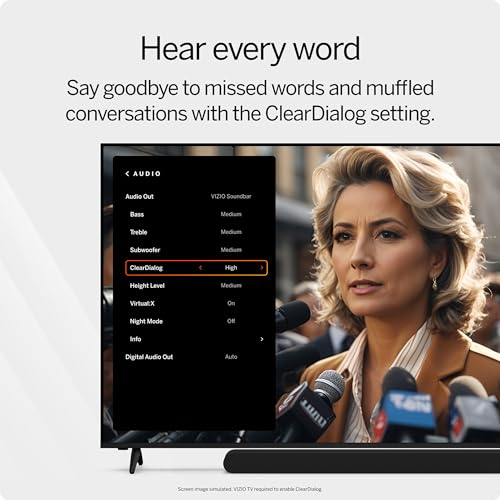
The VIZIO uses a traditional approach with dedicated center channel drivers in the main soundbar. While less sophisticated than Sony's AI-powered processing, this physical center channel provides solid, focused dialogue reproduction that most users find perfectly adequate for daily viewing.
Professional reviews suggest the Sony's phantom center can be more impressive when properly calibrated, but the VIZIO's physical center is more foolproof and works well regardless of room acoustics or listener position.
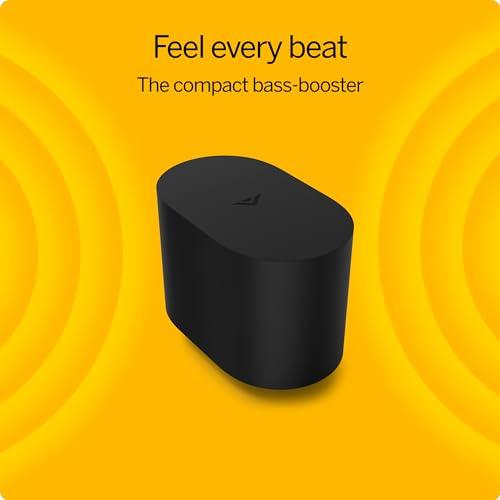
This represents the most significant practical difference between these systems. The VIZIO includes a wireless subwoofer out of the box, providing immediate bass impact that extends down to 50Hz—low enough to handle most movie sound effects and music with authority.
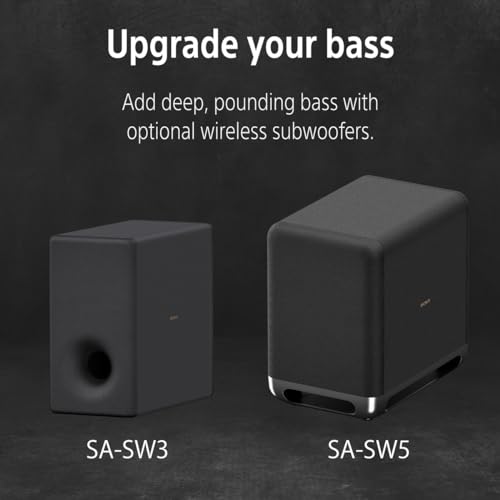
The Sony HT-A9M2, however, ships as a 4.0.4 system with no subwoofer included. While each speaker contains capable woofers, they can't match the deep bass extension and physical impact that a dedicated subwoofer provides. Professional reviews consistently note that while the Sony sounds excellent in many ways, it "really needs the optional subwoofer to flourish" for full cinematic impact.
Sony does offer compatible wireless subwoofers, but these represent additional significant cost on top of an already premium system. The result is that the VIZIO provides more complete, room-filling bass response in its base configuration, while the Sony requires additional investment to achieve similar low-frequency impact.
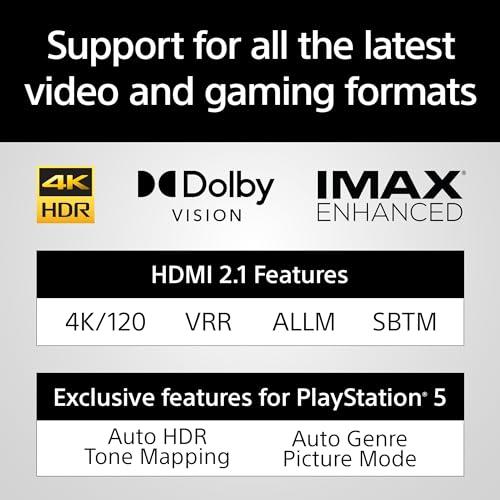
For gaming enthusiasts, the connectivity differences between these systems become crucial. The Sony HT-A9M2 includes a full HDMI 2.1 implementation with eARC (enhanced Audio Return Channel), supporting 8K video passthrough and 4K at 120Hz refresh rates.
More importantly for gamers, the Sony supports Variable Refresh Rate (VRR) and Auto Low Latency Mode (ALLM)—technologies that eliminate screen tearing and minimize input lag for competitive gaming. The system includes specific optimizations for PlayStation 5, with features like Auto HDR Tone Mapping that ensure both audio and video are perfectly synchronized.
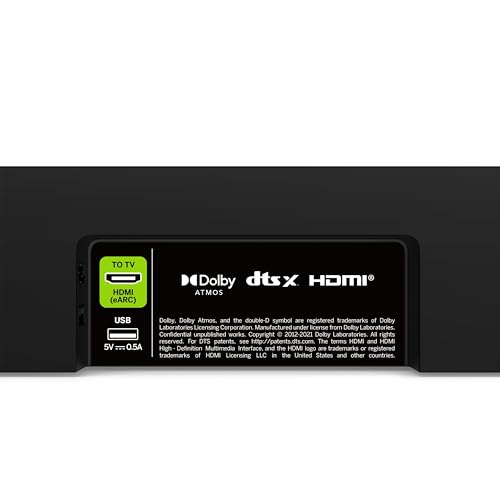
The VIZIO uses older HDMI ARC connectivity, which limits it to standard 4K HDR passthrough without the advanced gaming features that current-generation consoles can utilize. For casual gaming, this isn't a significant limitation, but serious gamers will notice the difference in responsiveness and visual quality.
At the time of writing, these systems occupy completely different market segments. The VIZIO 5.1 SE offers exceptional value, delivering a complete 5.1 surround system with subwoofer and rear speakers at a price point that makes it accessible to most buyers seeking to upgrade from basic TV audio.
The Sony HT-A9M2 commands premium pricing that reflects its advanced technology and sophisticated engineering. When you factor in the cost of adding Sony's wireless subwoofer for optimal performance, the total investment becomes substantial. However, this pricing reflects the system's unique capabilities and the extensive research and development behind its 360 Spatial Sound Mapping technology.
The value proposition comes down to your priorities and budget reality. The VIZIO delivers roughly 80% of what most people consider "good surround sound" at a fraction of premium system pricing. The Sony provides a fundamentally different and more advanced audio experience, but at a cost that puts it in enthusiast territory.
Installation complexity varies dramatically between these systems. The Sony HT-A9M2 requires only power connections at each speaker location—no speaker wires to run or hide. The four speakers can be placed asymmetrically around your room, and the system's automatic calibration will adapt to create a coherent soundstage regardless of positioning irregularities.
This flexibility proves invaluable in real-world living spaces where optimal speaker placement isn't always possible due to furniture, doorways, or aesthetic concerns. The Sony's calibration system measures distances, analyzes wall reflections, and adjusts each speaker's output to compensate for room acoustics and placement compromises.
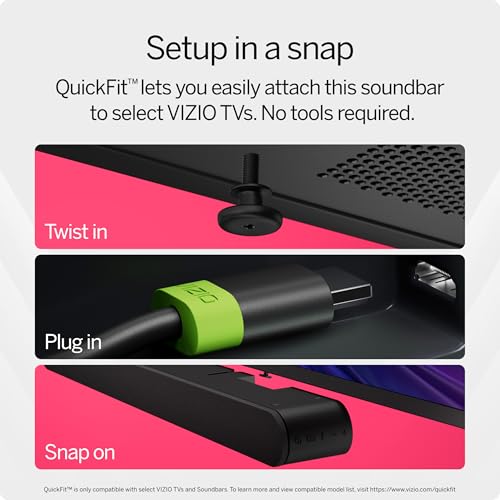
The VIZIO system requires more traditional placement considerations. The rear satellites need to be positioned behind your listening area and require their own power connections. While this isn't particularly complex, it does require more planning and potentially visible cables depending on your room layout.
However, the VIZIO's traditional approach also means more predictable performance. You're less dependent on room acoustics and calibration algorithms—the physical speakers do most of the work through their actual positioning.
The Sony HT-A9M2 includes comprehensive modern connectivity with Wi-Fi, Bluetooth 5.2, Spotify Connect, and Apple AirPlay 2 support. The HDMI 2.1 implementation ensures compatibility with current and future gaming consoles and high-end streaming devices.
One limitation worth noting: the Sony includes only one HDMI input, so users with multiple source devices may need an external HDMI switch or rely on their TV's built-in switching capabilities.
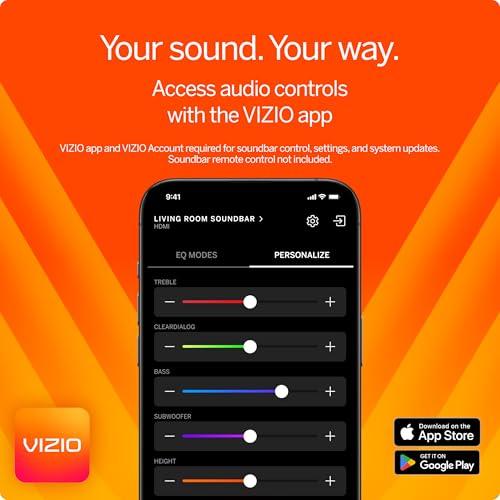
The VIZIO provides basic modern connectivity with Bluetooth and app control, but lacks the advanced features and future-proofing of the Sony system. For users who primarily watch streaming content through their TV's built-in apps, this may not matter. However, those planning to use high-end gaming consoles or dedicated media players might find the limitations restrictive over time.
You're willing to invest in premium audio technology and want the most immersive possible home theater experience. The Sony excels when budget allows for the complete system including subwoofer, when flexible speaker placement is crucial due to room constraints, or when gaming performance and future-proofing are high priorities.
The Sony particularly makes sense for apartment dwellers or those with challenging room layouts where traditional speaker placement isn't feasible. Its wireless design and advanced calibration can create impressive surround sound even in less-than-ideal acoustic environments.
Your priority is getting excellent bang for your buck with immediate, complete surround sound performance. The VIZIO provides everything needed for a substantial upgrade from TV speakers, including impactful bass response, without requiring additional purchases.
This system works best for buyers who want straightforward setup, don't need cutting-edge gaming features, and prefer proven traditional surround sound to experimental new technologies. It's also the clear choice when budget constraints make premium systems impractical.
These systems serve different audiences pursuing different goals. The Sony HT-A9M2 pushes the boundaries of what's possible in home audio, creating an almost magical listening experience through advanced technology and sophisticated engineering. It represents the future of home theater audio, but at a price point that limits its audience.
The VIZIO 5.1 SE proves that excellent home theater audio doesn't require premium pricing. While it won't create the seamless audio illusions that Sony achieves, it delivers satisfying, room-filling surround sound that will dramatically improve your movie and TV watching experience.
Your choice ultimately depends on whether you value cutting-edge immersion technology and future-proofing enough to justify premium pricing, or whether proven traditional surround sound at exceptional value better matches your needs and budget. Both approaches have merit—the key is honest assessment of your priorities, room requirements, and long-term audio goals.
| Sony HT-A9M2 BRAVIA Theater Quad | VIZIO 5.1 Soundbar SE |
|---|---|
| Speaker Configuration - Determines surround sound approach and immersion quality | |
| 4.0.4-channel wireless system with 16 total drivers across 4 identical speakers | Traditional 5.1 setup with soundbar, wireless subwoofer, and rear satellites |
| Subwoofer Inclusion - Critical for bass impact in movies and music | |
| No subwoofer included; requires separate purchase for full bass response | Wireless 6" subwoofer included, extends down to 50Hz |
| Immersive Audio Technology - How the system creates 3D soundscapes | |
| 360 Spatial Sound Mapping creates phantom speakers throughout room | Physical rear speakers provide directional surround; basic Dolby Atmos processing |
| Room Calibration - Adapts performance to your specific space | |
| Advanced Sound Field Optimization automatically measures and adjusts for room acoustics | Basic calibration via app; relies on proper physical speaker placement |
| HDMI Connectivity - Affects gaming performance and future-proofing | |
| HDMI 2.1 eARC with 8K HDR, 4K 120Hz, VRR, ALLM support | HDMI ARC only; standard 4K HDR passthrough without gaming features |
| Gaming Features - Important for console and PC gaming | |
| PlayStation 5 integration, Auto HDR Tone Mapping, Variable Refresh Rate support | No specialized gaming features or console optimizations |
| Installation Complexity - Setup requirements and flexibility | |
| Wireless speakers need only power cables; extremely flexible placement options | Traditional wired rear speakers; requires strategic placement for optimal performance |
| Audio Formats Support - Compatibility with high-quality content | |
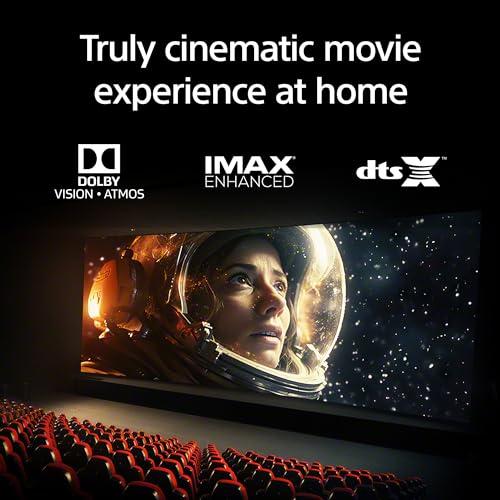
| Dolby Atmos, DTS:X, IMAX Enhanced, 360 Reality Audio, Hi-Res Audio up to 192kHz/24-bit | Dolby Atmos support; limited high-resolution audio capabilities |
| Voice/Dialogue Enhancement - Critical for movie and TV clarity | |
| AI-powered Voice Zoom 3 with phantom center channel; BRAVIA TV integration available | Physical center channel in soundbar with basic dialogue processing |
| Wireless Technology - Reliability and connectivity options | |
| Enhanced 2.5x radio power with dual antennas and frequency hopping; Bluetooth 5.2 with LDAC | Basic Bluetooth connectivity; standard wireless subwoofer connection |
| Total Power Output - Affects maximum volume and dynamic range | |
| 504W across 16 discrete channels with S-Master HX digital amplification | Approximately 330W total system power with traditional amplification |
| Price Category - Value positioning at time of writing | |
| Premium pricing tier; requires additional subwoofer investment for optimal performance | Budget-friendly complete system; excellent value for money spent |
The Sony HT-A9M2 delivers superior immersive audio quality through its advanced 360 Spatial Sound Mapping technology, creating a three-dimensional "bubble of sound" that envelops your entire viewing area. The VIZIO 5.1 Soundbar SE provides solid traditional surround sound with physical rear speakers, but lacks the seamless spatial immersion that the Sony system achieves through its sophisticated processing.
Yes, the Sony HT-A9M2 does not include a subwoofer and requires a separate purchase for optimal bass performance in movies and music. The VIZIO 5.1 Soundbar SE includes a wireless 6" subwoofer out of the box, providing immediate bass impact without additional cost.
The VIZIO 5.1 Soundbar SE offers simpler plug-and-play setup with traditional speaker placement, though rear speakers require power connections. The Sony HT-A9M2 requires app-based room calibration but offers superior placement flexibility since the wireless speakers only need power cables and can be positioned asymmetrically.
The Sony HT-A9M2 excels for gaming with HDMI 2.1 support, 4K 120Hz passthrough, Variable Refresh Rate (VRR), and PlayStation 5 integration features. The VIZIO system provides basic HDMI ARC connectivity without advanced gaming features, making it suitable for casual gaming but limiting performance with current-generation consoles.
The Sony HT-A9M2 is ideal for challenging spaces due to its wireless design and advanced room calibration that adapts to any layout. The VIZIO 5.1 Soundbar SE requires traditional 5.1 speaker placement with rear satellites positioned behind the listening area, which may be difficult in smaller or oddly-shaped rooms.
The Sony HT-A9M2 uses AI-powered Voice Zoom 3 technology and creates a phantom center channel that can integrate with compatible BRAVIA TVs for enhanced dialogue clarity. The VIZIO 5.1 SE features a traditional physical center channel in the soundbar that provides reliable, focused dialogue reproduction without advanced processing.
The VIZIO 5.1 Soundbar SE provides exceptional value as a complete surround sound system with subwoofer included at an accessible price point. The Sony HT-A9M2 commands premium pricing for its advanced wireless technology and superior immersion capabilities, requiring additional subwoofer investment for optimal performance.
Both systems support Bluetooth streaming, but the Sony HT-A9M2 offers more advanced connectivity with Wi-Fi, Spotify Connect, Apple AirPlay 2, and high-quality LDAC codec support. The VIZIO system provides basic Bluetooth streaming with standard audio quality suitable for casual music listening.
The Sony HT-A9M2 includes one HDMI 2.1 input with eARC and one output, requiring external switching for multiple devices. The VIZIO 5.1 Soundbar SE typically offers HDMI ARC connectivity focused on TV integration rather than multiple source device connections.
The Sony HT-A9M2 can fill larger spaces effectively through its 360 Spatial Sound Mapping, though it benefits from adding a subwoofer for room-filling bass. The VIZIO system includes a subwoofer for immediate bass impact but may struggle with immersion in very large rooms due to its more traditional surround sound approach.
The Sony HT-A9M2 provides more sophisticated Dolby Atmos processing with dedicated upfiring drivers in each speaker and advanced height channel rendering. The VIZIO 5.1 SE supports basic Dolby Atmos primarily through the main soundbar, offering height effects but with less precise overhead localization than the Sony system.
The Sony HT-A9M2 offers better future-proofing with HDMI 2.1, support for emerging audio formats, and regular firmware updates. The VIZIO system provides solid current performance but lacks advanced connectivity features that may become important as streaming and gaming technology continues to evolve.
We've done our best to create useful and informative comparisons to help you decide what product to buy. Our research uses advanced automated methods to create this comparison and perfection is not possible - please contact us for corrections or questions. These are the sites we've researched in the creation of this article: bestbuy.com - whathifi.com - whathifi.com - youtube.com - rtings.com - audiosciencereview.com - bhphotovideo.com - skybygramophone.com - sony.com - manuals.plus - audioadvice.com - dell.com - valueelectronics.com - youtube.com - merlinstv.com - videoandaudiocenter.com - electronics.sony.com - sony.com - bestbuy.com - beachcamera.com - sony.com - win.consulting - sony.com - bestbuy.com - vizio.com - rtings.com - vizio.com - vizio.com - vizio.com - youtube.com - vizio.com - vizio.com - cnet.com - samsclub.com - walmart.com - nfm.com - finelinesdesignstudio.com - dugoutnorthbrook.com - bestbuy.com

Privacy Policy
Terms and Conditions - Affiliate Policy
Home Security
© Copyright 2008-2026.
11816 Inwood Rd #1211, Dallas, TX 75244