






When you're ready to upgrade from your TV's built-in speakers, the world of home theater audio can feel overwhelming. Do you go with a traditional soundbar setup, or embrace newer wireless technology? Two standout systems released in 2024 represent dramatically different approaches to premium home theater audio: the Sony HT-A9M2 BRAVIA Theater Quad and the JBL Bar 1300X.
At the time of writing, these systems occupy different price tiers, with the Sony HT-A9M2 commanding a significantly higher price point than the JBL Bar 1300X. But price alone doesn't tell the whole story—these products solve the same problem using fundamentally different philosophies, and understanding those differences is crucial to making the right choice for your specific situation.
Before diving into the specifics, it's helpful to understand what separates premium home theater systems from basic soundbars. The goal is creating an immersive audio experience that places you inside the action, whether that's hearing raindrops falling overhead in a nature documentary or pinpointing exactly where footsteps are coming from in a thriller.
The key performance metrics that matter most are dialogue clarity (can you understand every word without turning up the volume?), soundstage width (how far beyond your TV screen does the audio seem to extend?), bass impact (do explosions feel visceral rather than just loud?), and surround accuracy (can you actually locate sounds around and above you?). Traditional metrics like total wattage, while important, don't tell you much about real-world performance in your living room.
Modern systems also need to handle the technical realities of today's entertainment: multiple HDMI sources, wireless streaming, gaming with low latency requirements, and the growing prevalence of Dolby Atmos content that uses "height channels" to create overhead sound effects.
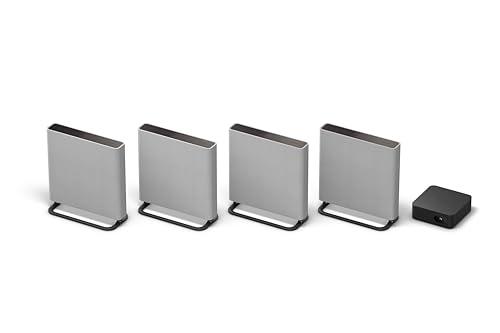
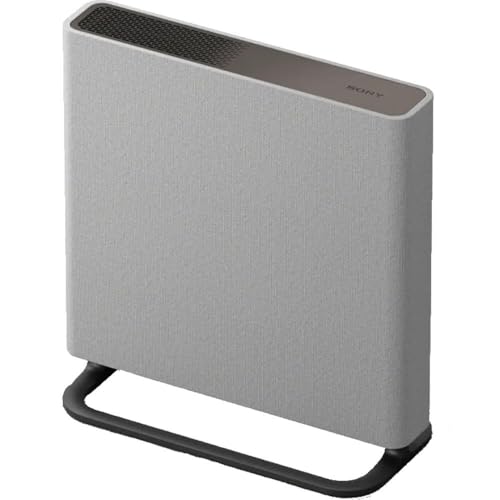
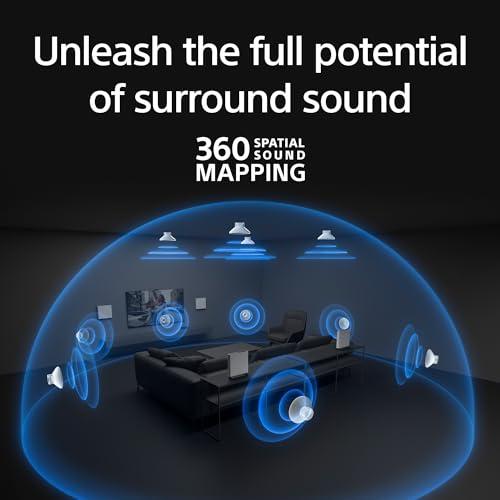
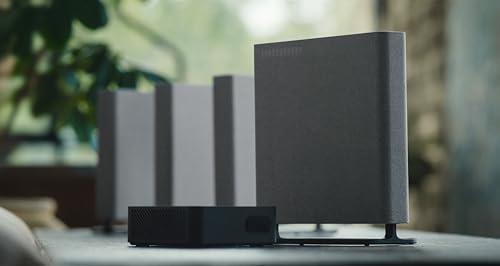
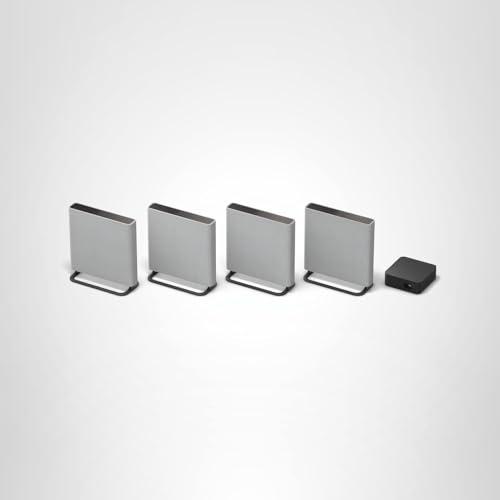
The Sony HT-A9M2 represents Sony's bet on advanced audio processing over traditional hardware. Instead of a conventional soundbar-plus-subwoofer setup, you get four identical wireless speakers that work together to create what Sony calls "360 Spatial Sound Mapping."
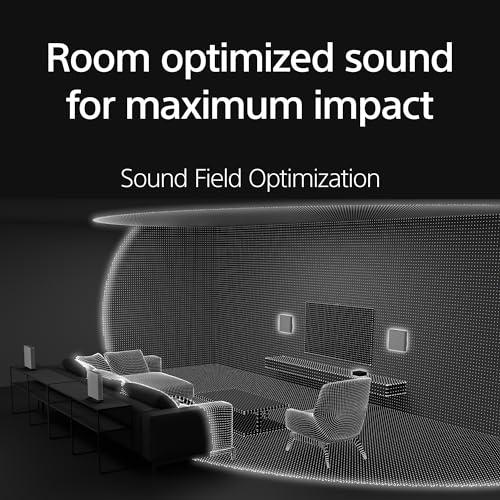
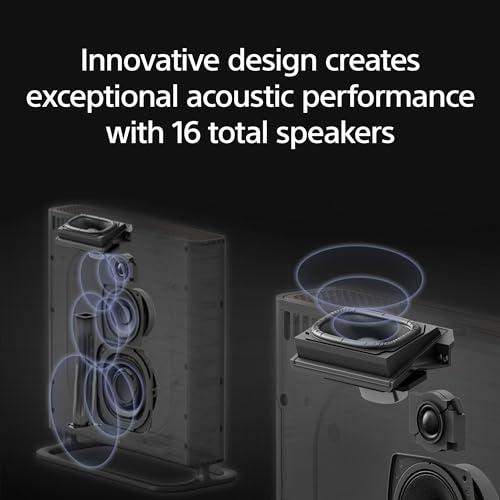
Here's where it gets technically interesting: each of these four speakers contains four individual drivers (a woofer, midrange, tweeter, and upward-firing Atmos driver), totaling 16 drivers across the system. But the real magic happens in software. The system uses built-in microphones to measure your room's acoustics—wall distances, ceiling height, furniture placement—then creates a custom audio profile that generates "phantom speakers" in positions where no physical speakers exist.
Think of it like audio holography. When you hear a helicopter flying overhead in a movie, the Sony HT-A9M2 calculates precisely how to time and phase the sound from its 16 drivers so your brain perceives the audio as coming from above, even though all the speakers are at ear level or below. It's genuinely impressive technology when it works, but it depends heavily on your room cooperating with the physics involved.
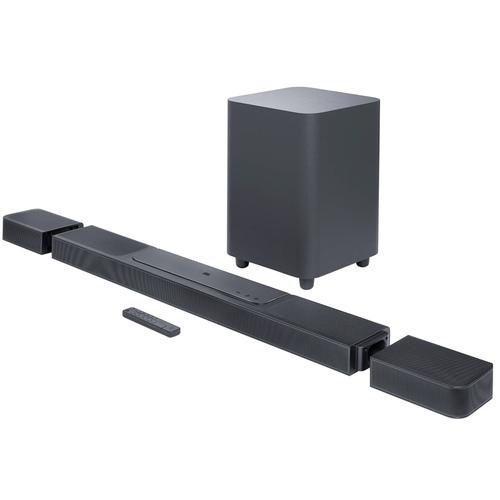
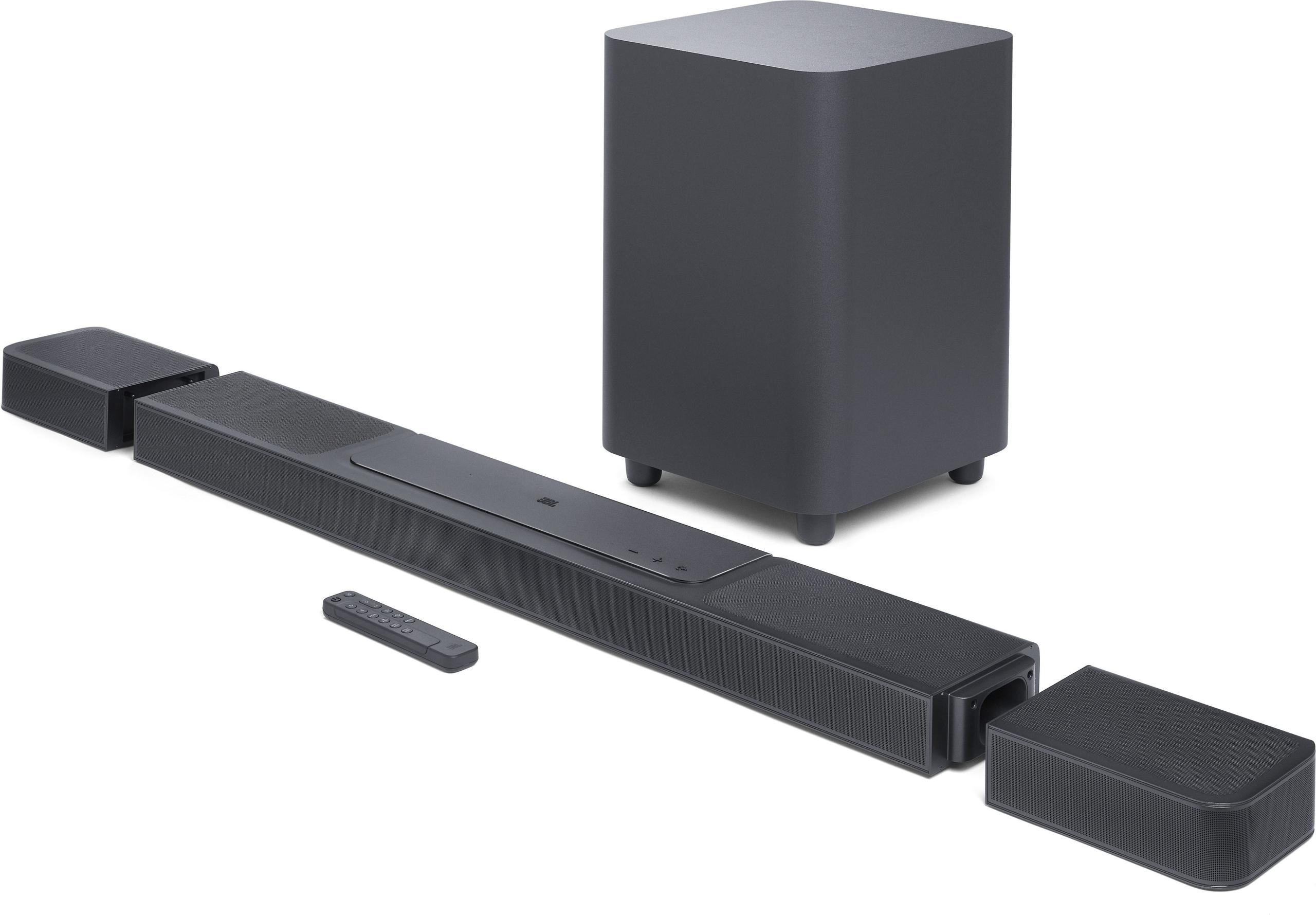
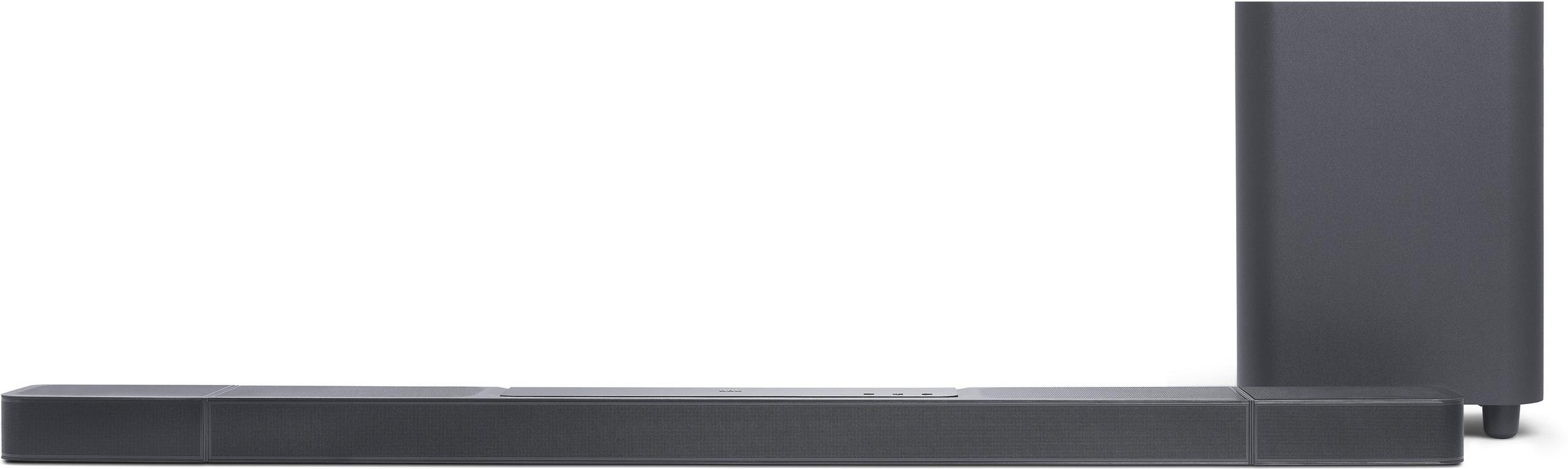
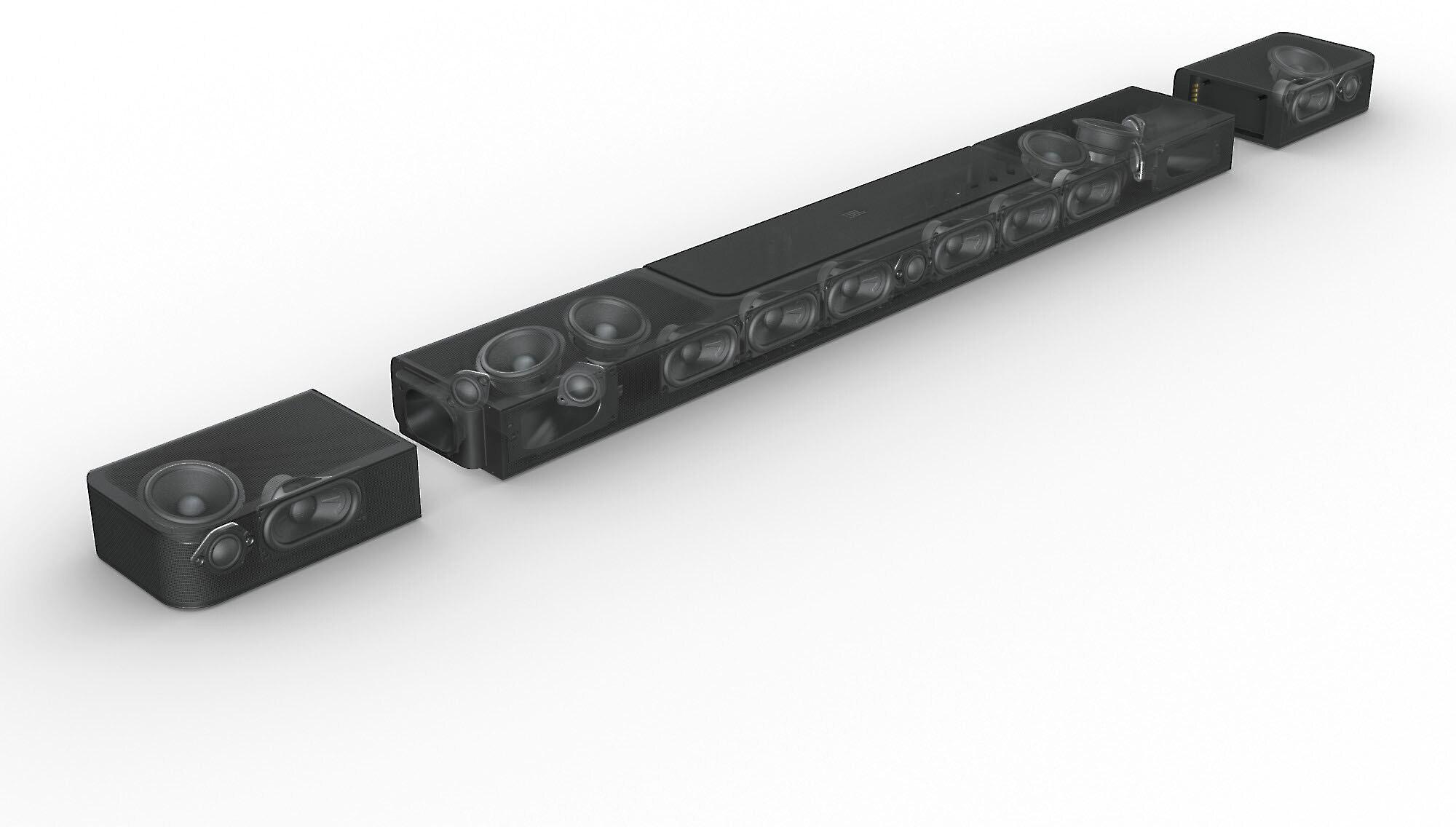
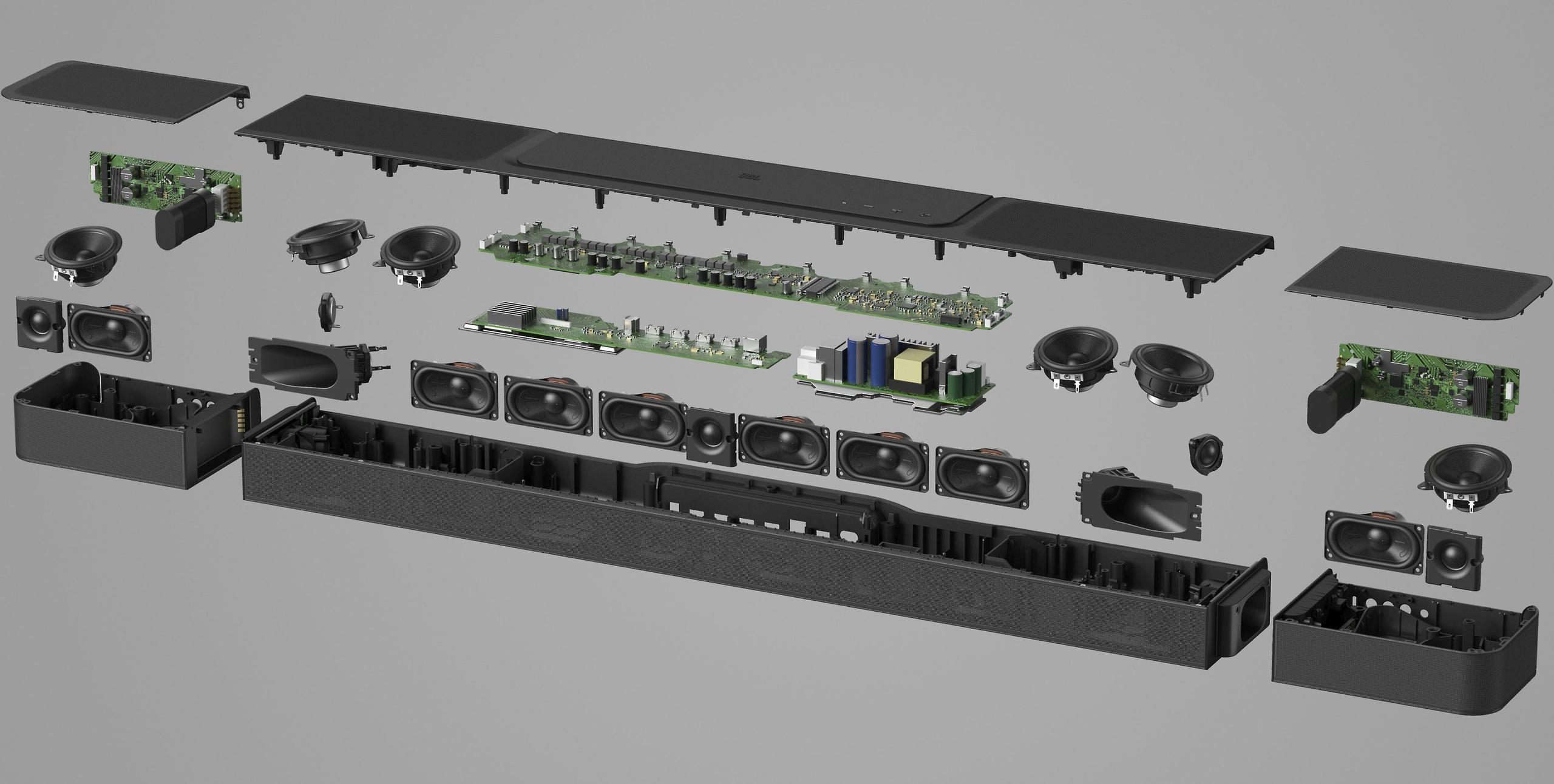
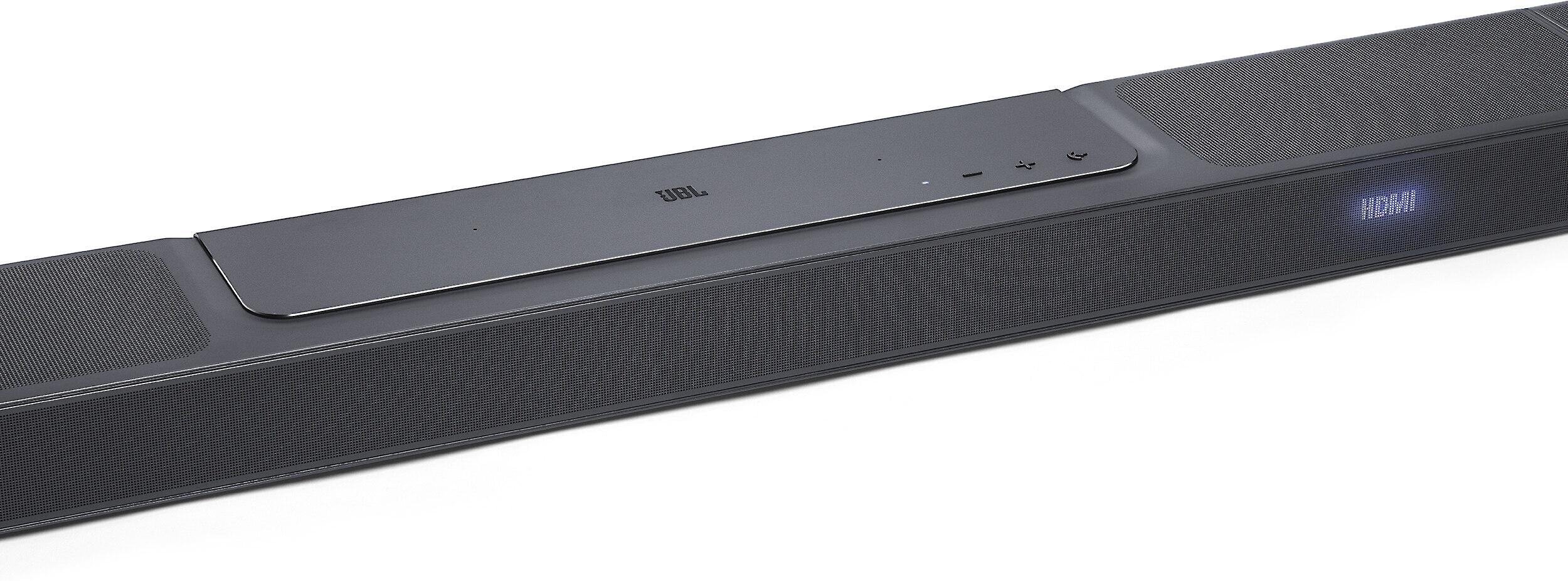
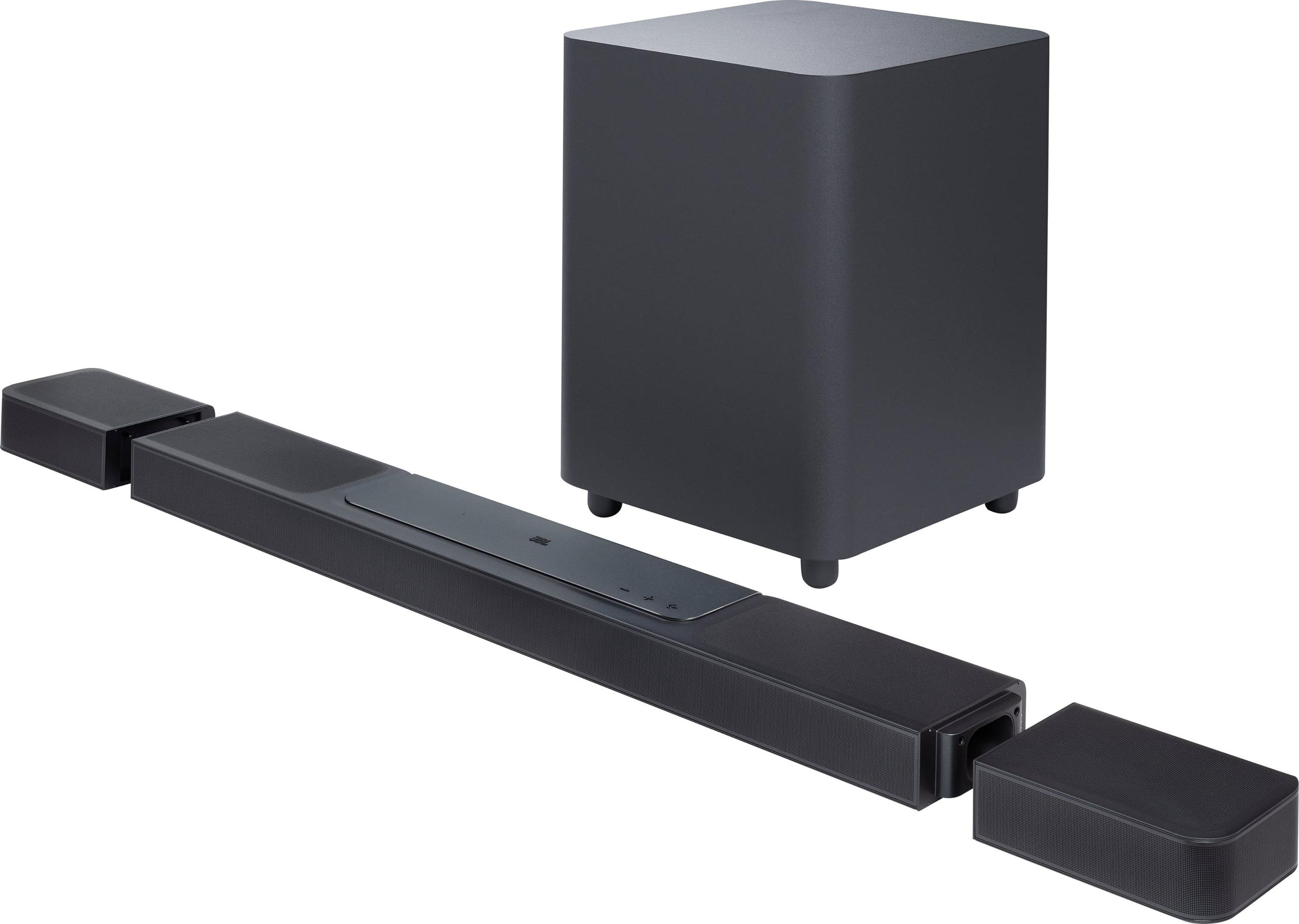
The JBL Bar 1300X takes a more traditional but arguably more reliable approach. You get discrete physical components: a main soundbar, a substantial 12-inch wireless subwoofer, and—here's the clever part—detachable wireless rear speakers that can be removed from the main bar and placed behind your seating area.
This system doesn't try to trick your ears into hearing sounds from places they're not. When the JBL Bar 1300X wants to create a rear surround effect, it actually plays that audio through physical speakers positioned behind you. When it needs deep bass impact, it uses a dedicated 12-inch subwoofer that can move serious air. The total power output of 1,170 watts across all components gives you an idea of this system's brute-force approach to room-filling sound.
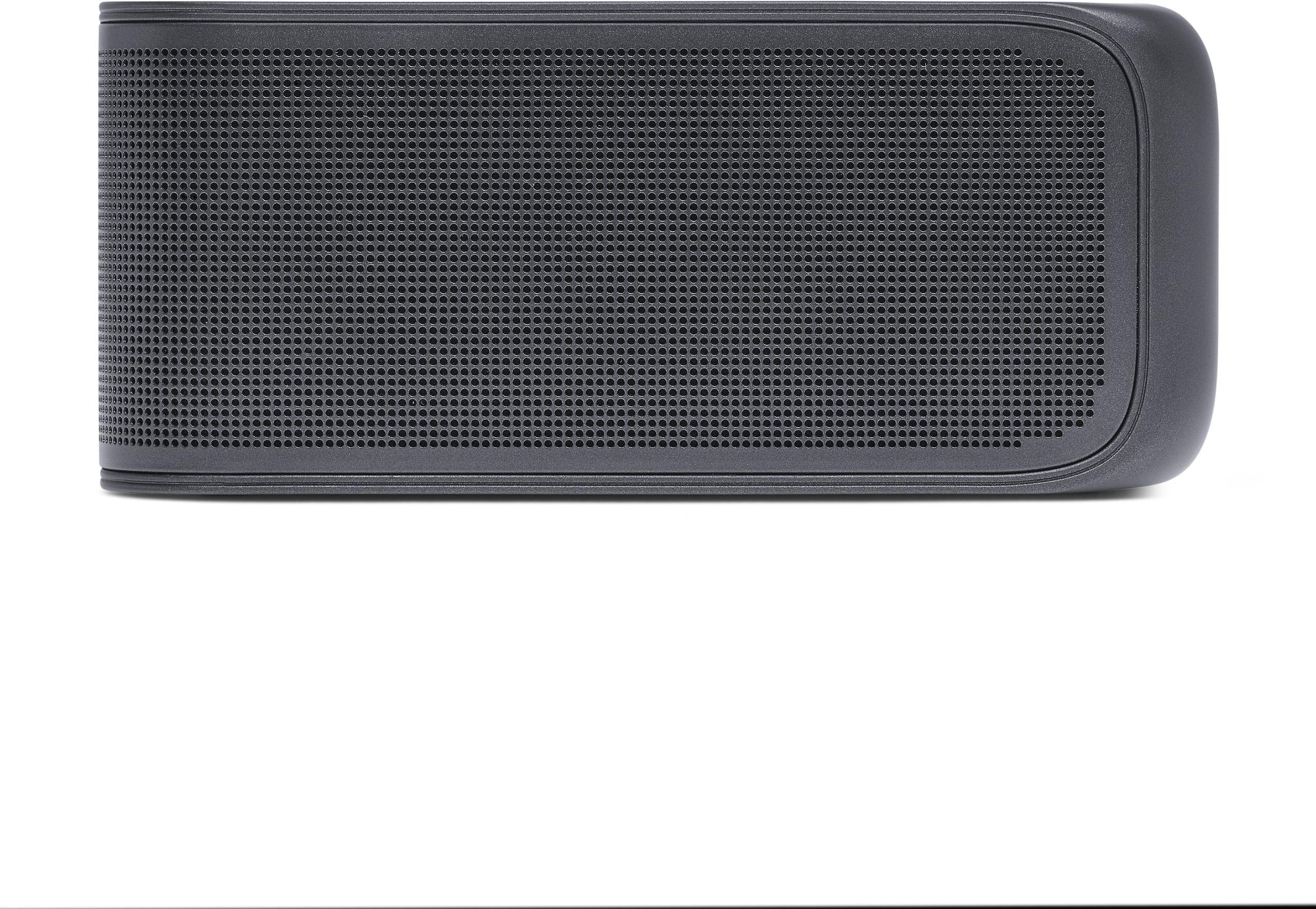
The detachable rear speakers are particularly clever—they're battery-powered and automatically charge when docked to the main bar. When you want to watch a movie, you can place them around your room for true surround sound. When you're done, they reattach magnetically and charge for next time. You can even use them as standalone Bluetooth speakers around the house.
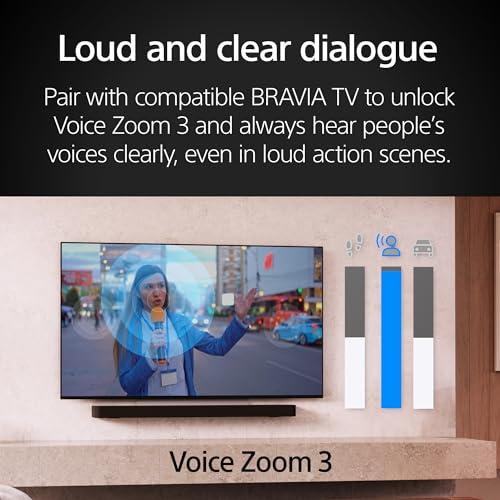
In our research of professional reviews and user feedback, dialogue performance shows interesting contrasts. The Sony HT-A9M2 excels here thanks to its Voice Zoom 3 technology, which uses AI processing to identify and enhance human voices in the mix. This means you can keep action scenes at reasonable volumes while still clearly hearing every whispered conversation.
The JBL Bar 1300X handles dialogue well through its PureVoice technology, but doesn't quite reach the Sony's level of precision. Where the JBL system compensates is in its dedicated center channel array within the main soundbar, which provides a more traditional anchor point for dialogue compared to Sony's phantom center imaging.
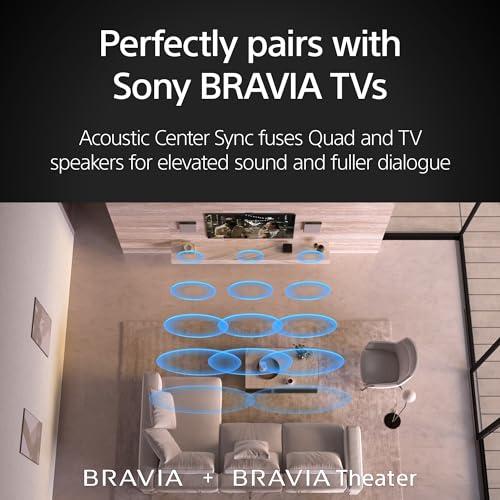
For anyone who struggles with modern movie mixes where dialogue often gets buried under sound effects, the Sony HT-A9M2 represents a significant advantage. However, if you're pairing with a Sony BRAVIA TV, the Acoustic Center Sync feature can use your TV's speakers as an additional center channel, creating an even more focused dialogue experience.
This is where the fundamental design differences become most apparent. The Sony HT-A9M2 creates an impressively wide soundstage that can seem to extend well beyond the physical boundaries of your room. Professional reviewers consistently mention being surprised by how convincing the virtual surround effects can be, with sounds appearing to come from positions where no speakers exist.
But there's a catch: this virtual processing works best in smaller to medium-sized rooms (roughly under 200 square feet) with predictable acoustics. In larger spaces or rooms with unusual layouts, the illusion starts to break down. The system needs wall reflections and acoustic boundaries to work its magic, so it can struggle in open-concept living spaces or rooms with high ceilings.
The JBL Bar 1300X takes a more straightforward approach that works consistently regardless of room size. When a movie's sound designer wants you to hear a sound from behind and to your left, the JBL system plays it through the actual rear left speaker. There's no processing trickery involved—just physics. This means the surround experience remains convincing even in challenging room layouts where the Sony system might struggle.
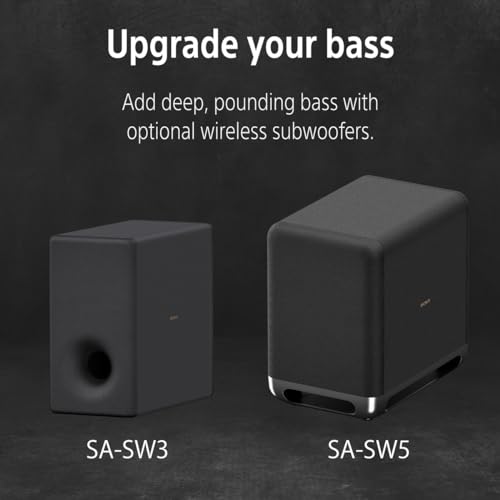
This represents perhaps the starkest difference between the two systems. The Sony HT-A9M2 includes built-in subwoofer drivers distributed across its four speakers, which provide adequate bass for dialogue-heavy content and moderate volume levels. However, multiple professional reviews note that the system really benefits from adding Sony's optional wireless subwoofer for full cinematic impact.
The JBL Bar 1300X includes a substantial 12-inch wireless subwoofer as part of the base package. This isn't just a bigger number—it's a fundamentally different approach to low-frequency reproduction. The larger driver can move more air and reach deeper bass frequencies, creating the physical sensation of impact that makes action movies exciting and music feel more complete.
In practical terms, this means the JBL system can fill larger rooms with bass that you feel as much as hear, while the Sony system is more suited to smaller spaces where subtlety and precision matter more than sheer impact.
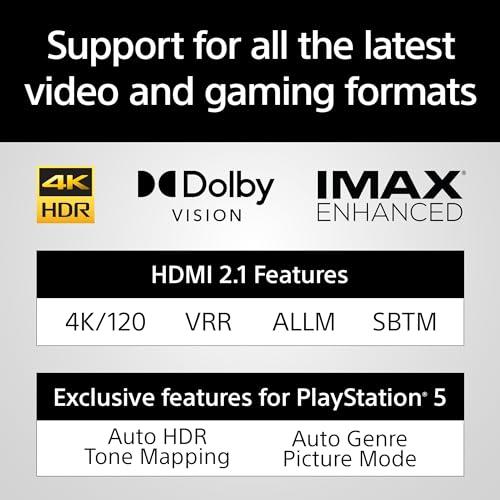
Both systems support the latest HDMI 2.1 features crucial for modern gaming: 4K resolution at 120Hz refresh rates, Variable Refresh Rate (VRR) to eliminate screen tearing, and Auto Low Latency Mode (ALLM) to minimize input delay. However, they handle multiple gaming sources differently.
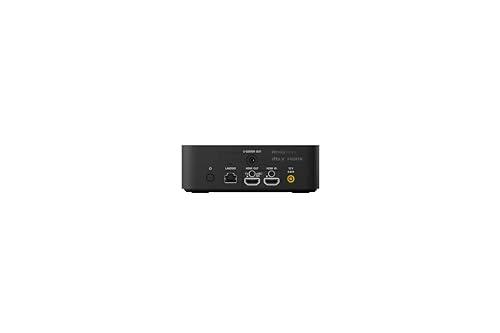
The Sony HT-A9M2 offers just one HDMI input alongside its eARC output, which can be limiting if you have multiple gaming consoles. You'll likely need an additional HDMI switch if you want to connect both a PlayStation 5 and Xbox Series X, for example.
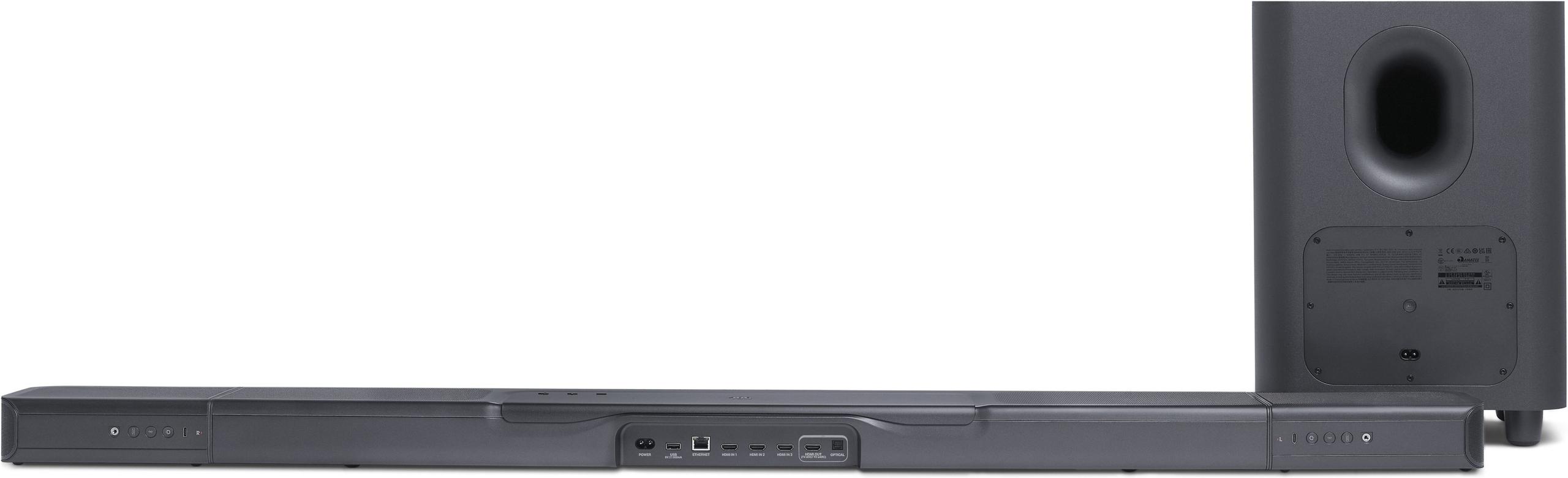
The JBL Bar 1300X provides three HDMI 2.1 inputs plus the eARC output, making it much more practical for households with multiple gaming systems. You can connect your consoles, streaming devices, and other sources directly without additional switching hardware.
For PlayStation 5 owners specifically, the Sony system offers some additional integration benefits when paired with Sony BRAVIA TVs, including optimized picture and sound modes that automatically adjust based on the content type.
Setting up the Sony HT-A9M2 feels refreshingly simple at first—just place four speakers around your room and plug them into power outlets. The system handles all the wireless connectivity automatically, and the Sound Field Optimization process takes care of acoustic calibration without requiring manual measurements.
However, this simplicity comes with constraints. You need four available power outlets positioned where the speakers will work best, which isn't always practical in every room layout. The wireless connection, while generally reliable according to user reports, can occasionally experience dropouts in RF-noisy environments with many wireless devices.
The room calibration process is genuinely impressive when it works well. The system plays test tones from each speaker, measures the acoustic response using built-in microphones, then creates a custom sound profile for your specific space. Professional reviewers consistently praise this automatic optimization, noting that it often produces better results than manual calibration processes.
The JBL Bar 1300X requires more traditional setup considerations. You'll need to position the main soundbar, find an appropriate location for the wireless subwoofer (away from walls for optimal bass response), and decide how to handle the detachable rear speakers.
The beauty of the detachable rear speakers becomes apparent in daily use. For casual TV watching, they stay attached to the main bar, creating a wide but manageable soundstage. When you want the full surround experience for movie night, you can quickly detach them and place them around your seating area. The battery life of up to 12 hours means you don't need to worry about charging them between uses.
The multiple HDMI inputs eliminate the cable management headaches that plague many home theater setups. You can connect your gaming console, streaming device, and cable box directly to the soundbar, then send everything to your TV through a single HDMI cable.
In rooms under roughly 200 square feet, the Sony HT-A9M2 often outperforms more traditional setups. The virtual surround processing works best when the system can predict and control acoustic reflections, which happens naturally in smaller, more enclosed spaces.
User feedback suggests that in these environments, the Sony system can create convincingly immersive experiences that rival much more expensive dedicated speaker systems. The dialogue clarity remains excellent even at low volume levels, making it ideal for apartments or situations where you can't play audio loudly.
For larger spaces, open floor plans, or rooms with high ceilings, the JBL Bar 1300X maintains its effectiveness where the Sony system begins to struggle. The physical rear speakers continue to provide directional audio cues regardless of room acoustics, and the powerful subwoofer can fill larger volumes with bass impact.
Professional reviews consistently note that the JBL system scales better with room size. The 1,170 watts of total power can drive sound levels that remain clear and dynamic even in challenging acoustic environments.
At the time of writing, the Sony HT-A9M2 commands a premium price that reflects its advanced processing technology and build quality. However, this price is for the four-speaker system alone—adding Sony's wireless subwoofer and rear speakers to match the JBL's component count would significantly increase the total investment.
The JBL Bar 1300X offers what many consider exceptional value by including the wireless subwoofer and detachable rear speakers in its base package. You get a complete surround system without additional purchases, making the total cost of ownership more predictable.
Both systems receive firmware updates that can add features and improve performance over time. The Sony system has shown particular improvement in wireless reliability since its launch, while the JBL system has added support for additional streaming services and voice assistant integrations.
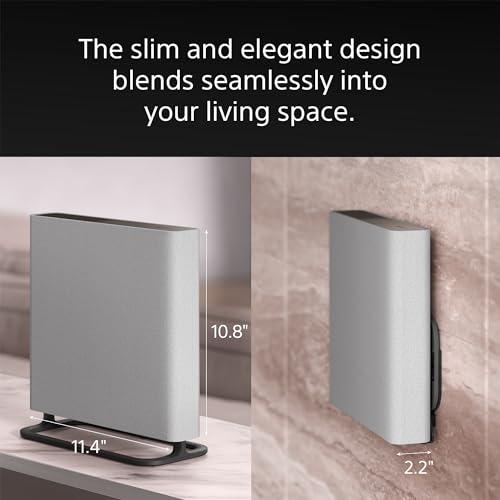
Choose the Sony HT-A9M2 if you have a smaller room where its virtual processing can work optimally, if you prioritize dialogue clarity above all else, or if you're building an ecosystem around Sony BRAVIA TVs. The system excels when its technological advantages can overcome the limitations of having no dedicated subwoofer or physical rear speakers. It's also the better choice if you value a minimalist aesthetic and don't mind paying premium pricing for cutting-edge audio processing.
The JBL Bar 1300X makes more sense for larger rooms, households that want maximum bass impact, or anyone who prefers the reliability of physical surround speakers over virtual processing. It's also the clear winner if you need multiple HDMI inputs or want a complete system without additional purchases. The value proposition is compelling for anyone who wants professional-level performance without premium pricing.
Ultimately, both systems represent excellent approaches to home theater audio, but they're optimized for different situations and preferences. The Sony system pushes the boundaries of what's possible with advanced signal processing, while the JBL system delivers proven performance through well-executed traditional design. Your room, your content preferences, and your budget will determine which philosophy serves you better.
| Sony HT-A9M2 BRAVIA Theater Quad | JBL Bar 1300X Soundbar |
|---|---|
| Channel Configuration - Determines surround sound capability | |
| 4.0.4 channel (4 main + 4 height, no dedicated subwoofer) | 11.1.4 channel (11 main + 1 subwoofer + 4 height) |
| Total Power Output - Affects maximum volume and dynamic range | |
| 504W across 4 wireless speakers | 1,170W (650W soundbar + 300W subwoofer + 220W rear speakers) |
| Subwoofer Configuration - Critical for bass impact in movies and music | |
| Built-in dual subwoofers (optional wireless sub available separately) | Dedicated 12" wireless subwoofer included |
| Surround Speaker Setup - Determines authenticity of surround effects | |
| Virtual surround via 360 Spatial Sound Mapping technology | Physical detachable wireless rear speakers with 12-hour battery |
| Room Size Compatibility - Affects performance in your specific space | |
| Optimal for small-medium rooms under 200 sq ft | Excellent for large rooms over 200 sq ft |
| HDMI Connectivity - Important for multiple gaming consoles and sources | |
| 1 HDMI input + 1 eARC output | 3 HDMI 2.1 inputs + 1 eARC output |
| Gaming Features - Essential for PS5/Xbox Series X compatibility | |
| 4K/120Hz, VRR, ALLM, enhanced PS5 integration with Sony TVs | 4K/120Hz, VRR, ALLM, Dolby Vision passthrough |
| Dialogue Enhancement - Crucial for understanding speech in movies | |
| Voice Zoom 3 with AI-powered dialogue separation | PureVoice dialogue enhancement technology |
| Setup Complexity - Affects ease of installation | |
| 4 wireless speakers requiring power outlets, automatic room calibration | Traditional soundbar setup with wireless subwoofer and detachable rears |
| Unique Advantages - Key differentiating features | |
| 360 Spatial Sound Mapping, seamless Sony BRAVIA TV integration | Detachable speakers double as Bluetooth speakers, complete system included |
The Sony HT-A9M2 is better suited for small to medium rooms under 200 square feet. Its 360 Spatial Sound Mapping technology works optimally in controlled acoustic environments where it can predict sound reflections. The JBL Bar 1300X can overwhelm smaller spaces with its powerful 12-inch subwoofer and may feel too intense for compact living rooms.
The Sony HT-A9M2 includes built-in dual subwoofers across its four speakers, but many users find it benefits from Sony's optional wireless subwoofer for full bass impact. The JBL Bar 1300X includes a dedicated 12-inch wireless subwoofer in the box, providing significantly more bass power without additional purchases.
The Sony HT-A9M2 excels in dialogue clarity thanks to its Voice Zoom 3 technology, which uses AI to identify and enhance human voices in the audio mix. While the JBL Bar 1300X offers good dialogue through its PureVoice technology, the Sony system provides superior speech intelligibility, especially at lower volume levels.
The Sony HT-A9M2 offers one HDMI input plus one eARC output, which may require an HDMI switch for multiple sources. The JBL Bar 1300X provides three HDMI 2.1 inputs plus one eARC output, making it much more convenient for connecting multiple gaming consoles, streaming devices, and other sources directly.
The Sony HT-A9M2 doesn't include dedicated rear speakers - it creates virtual surround effects using its four main speakers. The JBL Bar 1300X features detachable battery-powered rear speakers that can be removed from the main soundbar and placed behind your seating area for true physical surround sound.
Both the Sony HT-A9M2 and JBL Bar 1300X support essential gaming features like 4K/120Hz, VRR, and ALLM. However, the JBL system is more practical for multiple consoles with its three HDMI inputs, while the Sony system offers enhanced PlayStation 5 integration when paired with Sony BRAVIA TVs.
Yes, both systems support wireless music streaming. The Sony HT-A9M2 offers AirPlay 2, Spotify Connect, and Bluetooth with LDAC codec support. The JBL Bar 1300X includes AirPlay, Chromecast built-in, Alexa MRM, and Bluetooth connectivity for accessing over 300 music streaming services.
The Sony HT-A9M2 offers simpler setup with just four speakers requiring power outlets and automatic room calibration. The JBL Bar 1300X requires more traditional placement of the soundbar, subwoofer, and rear speakers, but doesn't need as many power outlets since the rear speakers are battery-powered.
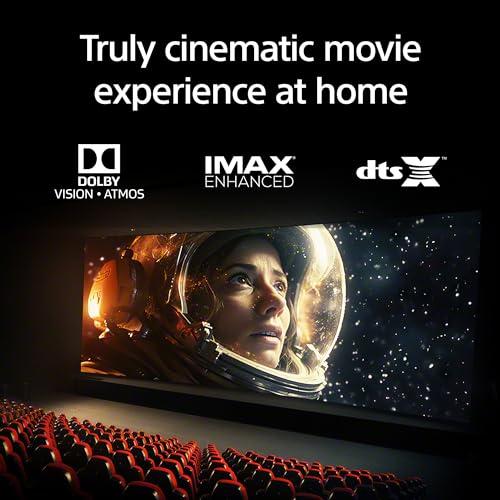
Yes, both the Sony HT-A9M2 and JBL Bar 1300X fully support Dolby Atmos and DTS:X for immersive overhead sound effects. The Sony system uses upward-firing drivers in each of its four speakers, while the JBL system has dedicated height drivers in the main soundbar and detachable rear speakers.
The JBL Bar 1300X offers better overall value by including a complete surround system with wireless subwoofer and rear speakers in one package. The Sony HT-A9M2 commands a premium price for its advanced technology but may require additional purchases like a wireless subwoofer to match the JBL's complete feature set.
Yes, the detachable rear speakers on the JBL Bar 1300X can function as standalone Bluetooth speakers when removed from the main soundbar. They offer up to 12 hours of battery life and automatically charge when reattached. The Sony HT-A9M2 speakers cannot be used independently as they require connection to the main control hub.
The JBL Bar 1300X performs better in large rooms over 200 square feet thanks to its physical rear speakers and powerful 1,170W total output. The Sony HT-A9M2 relies on virtual surround processing that can become less convincing in larger or open-concept spaces where acoustic reflections are unpredictable.
We've done our best to create useful and informative comparisons to help you decide what product to buy. Our research uses advanced automated methods to create this comparison and perfection is not possible - please contact us for corrections or questions. These are the sites we've researched in the creation of this article: bestbuy.com - whathifi.com - whathifi.com - youtube.com - rtings.com - audiosciencereview.com - bhphotovideo.com - skybygramophone.com - sony.com - manuals.plus - audioadvice.com - dell.com - valueelectronics.com - youtube.com - merlinstv.com - videoandaudiocenter.com - electronics.sony.com - sony.com - bestbuy.com - beachcamera.com - sony.com - win.consulting - sony.com - techradar.com - jbl.com - audioadvice.com - youtube.com - rtings.com - jbl.com - greentoe.com - harmanaudio.com - youtube.com - mm.jbl.com - jbl.com

Privacy Policy
Terms and Conditions - Affiliate Policy
Home Security
© Copyright 2008-2026.
11816 Inwood Rd #1211, Dallas, TX 75244