






When your TV's built-in speakers sound like they're trapped in a tin can, it's time to upgrade. But choosing between a premium wireless system like the Sony HT-A9M2 BRAVIA Theater Quad and a budget powerhouse like the Ultimea Aura A40 isn't straightforward—these products represent completely different philosophies in home theater audio.
The Sony HT-A9M2, released in 2024, costs roughly 15-17 times more than the Ultimea Aura A40 at the time of writing. That price gap reflects fundamentally different approaches: Sony bets everything on advanced wireless technology and virtual sound processing, while Ultimea delivers traditional physical surround speakers at an accessible price point.
Home theater audio has evolved dramatically since the early 2000s. Back then, your options were simple: buy a receiver (the central hub that processes audio) plus five or seven separate speakers, or stick with terrible TV audio. Today's market offers everything from $50 soundbars to $10,000+ wireless systems that create phantom speakers using room acoustics.
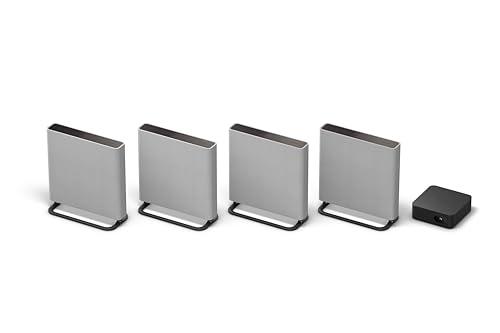
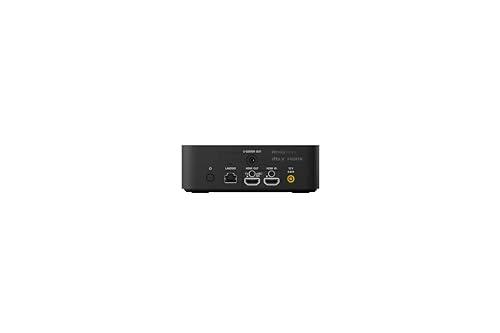
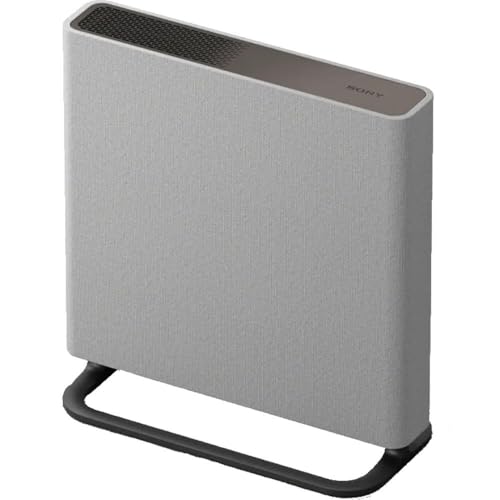
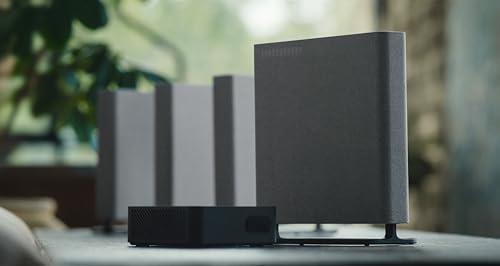
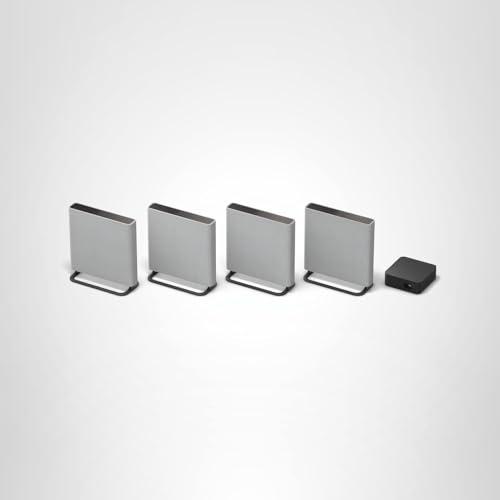
The Sony HT-A9M2 represents the cutting edge of wireless surround technology. Instead of traditional wired speakers, it uses four identical wireless units that communicate with a central control box. Advanced digital signal processing (DSP)—basically computer algorithms that manipulate sound waves—creates virtual speakers that seem to come from locations where no physical speakers exist.
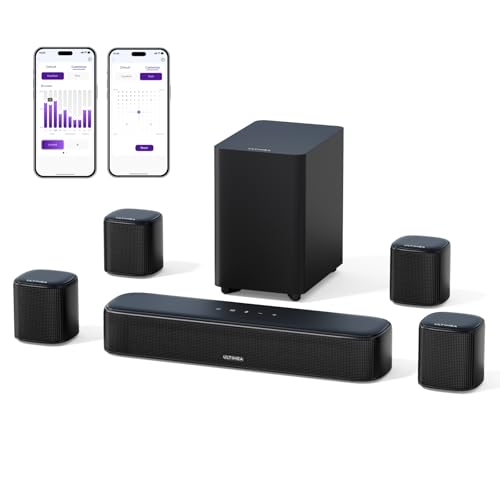
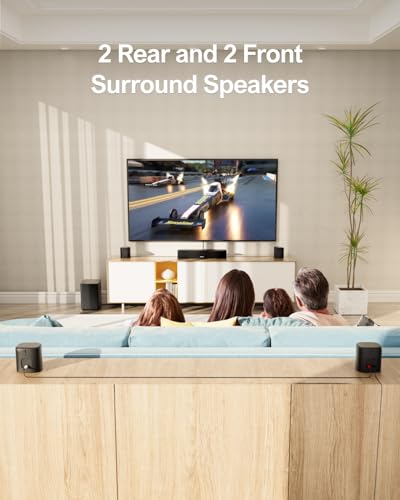
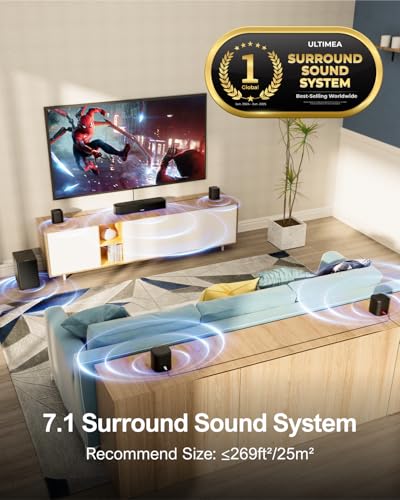
The Ultimea Aura A40 takes the tried-and-true approach: physical speakers placed around your room. You get a main soundbar, four satellite speakers (two front, two rear), and a dedicated subwoofer for bass. While this requires more wires, it guarantees that surround effects come from actual speakers positioned behind and beside you.
Both approaches have merit, but they excel in different scenarios and serve different priorities.
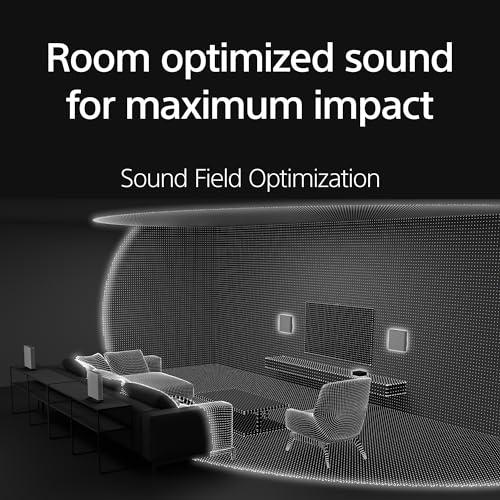
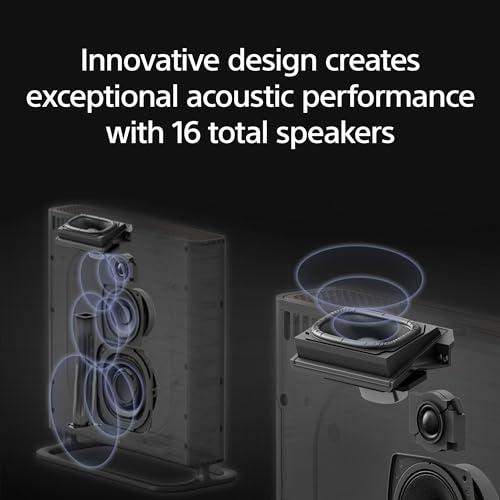
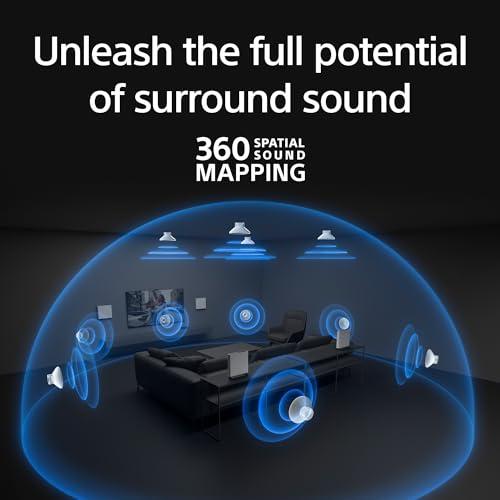
The Sony HT-A9M2 uses something called 360 Spatial Sound Mapping—Sony's proprietary technology that analyzes your room's acoustics and creates phantom speakers by bouncing sound off walls, ceilings, and furniture. During setup, microphones in each speaker measure distances, wall reflections, and ceiling height, then the system calculates precisely how to time and adjust each of the 16 individual drivers to create the illusion of speakers everywhere.
This isn't marketing gimmick territory. When properly calibrated, the Sony HT-A9M2 can make helicopters sound like they're flying overhead, even though the physical speakers are sitting at ear level. The system supports Dolby Atmos and DTS:X—premium audio formats that treat sounds as objects moving through three-dimensional space rather than just left/right/center channels.
Each of Sony's four speakers contains a three-way driver arrangement: a dedicated tweeter for high frequencies, a midrange driver for vocals, a woofer for bass, and an upward-firing driver that bounces sound off your ceiling to create height effects. The X-Balanced Speaker design uses rectangular instead of round drivers, increasing the cone area for better sound pressure while reducing distortion.
The Ultimea Aura A40 doesn't need to create phantom speakers because it has real ones. Four satellite speakers create genuine 360-degree sound placement—when something happens behind you in a movie, you hear it from actual speakers behind you. This approach eliminates the guesswork of virtual processing and room acoustics.
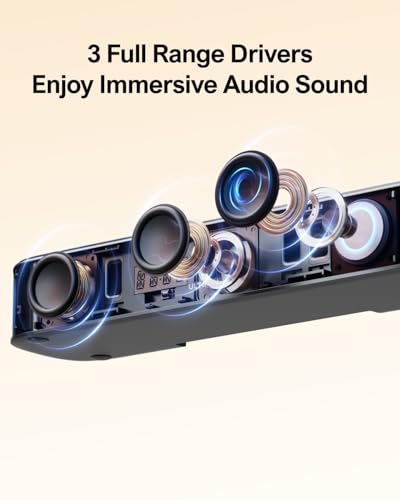
Each satellite speaker contains a 2-inch driver, while the main soundbar houses three drivers and the subwoofer adds a 4-inch woofer for dedicated bass duty. The total system puts out 330 watts of power across all drivers. While that's less than Sony's 504 watts, the Ultimea Aura A40 focuses its power more efficiently through dedicated speaker placement.
The system's BassMX Technology optimizes low-frequency output to prevent the "boomy" bass that plagues many budget systems. SurroundX Technology coordinates all eight speakers to create what users consistently describe as surprisingly convincing surround effects for the price point.
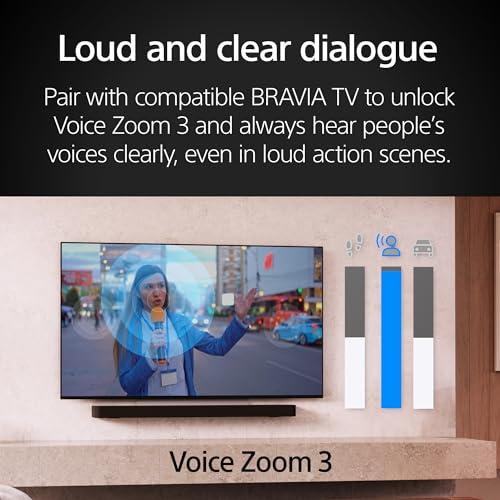
Based on extensive research of user and professional reviews, the Sony HT-A9M2 delivers more sophisticated, nuanced audio overall. Its dialogue clarity stands out—voices remain intelligible even during explosive action sequences. The spatial processing creates an impressively wide soundstage that extends well beyond the physical speaker locations.
However, the Ultimea Aura A40 excels in specific areas. Users consistently report that directional effects feel more convincing because they actually come from different locations. Gaming performance particularly benefits from this—footsteps, gunfire, and environmental audio provide clear positional cues that help competitive players locate enemies.
The Sony HT-A9M2 does require a room with decent acoustics to reach its full potential. Hard surfaces for sound reflection work better than heavily carpeted, furniture-dense spaces. The Ultimea Aura A40 performs more consistently regardless of room characteristics because it doesn't rely on acoustic manipulation.
Modern gaming audio has become incredibly sophisticated. Game developers now create object-based soundtracks that place individual sounds—enemy footsteps, reloading weapons, environmental effects—at specific three-dimensional coordinates.
The Sony HT-A9M2 was designed with next-generation gaming in mind. Its HDMI 2.1 connectivity supports Variable Refresh Rate (VRR), which synchronizes the audio system with your TV's changing refresh rate to eliminate audio-visual synchronization issues. Auto Low Latency Mode (ALLM) automatically switches to the fastest processing mode when gaming input is detected.
For PlayStation 5 owners, the integration runs deeper. Auto HDR Tone Mapping ensures that both picture and sound adapt simultaneously to different game genres—bright, punchy settings for action games, more subdued processing for cinematic story modes. The system can pass through 4K content at 120 frames per second without any quality loss.
The spatial processing particularly shines in open-world games. Environmental audio like wind, distant conversations, or vehicle engines gets placed convincingly in three-dimensional space around the player.
The Ultimea Aura A40 lacks advanced gaming features like VRR or 4K120 passthrough, but its physical surround speakers provide something valuable: reliable directional audio. In competitive shooters, knowing exactly which direction enemies are approaching from can be the difference between winning and losing rounds.
The dedicated Game EQ mode optimizes frequency response to emphasize important gaming audio cues—footsteps, weapon sounds, voice chat—while reducing distracting background noise. Users report that the physical speaker separation makes it noticeably easier to locate enemies compared to virtual surround processing.
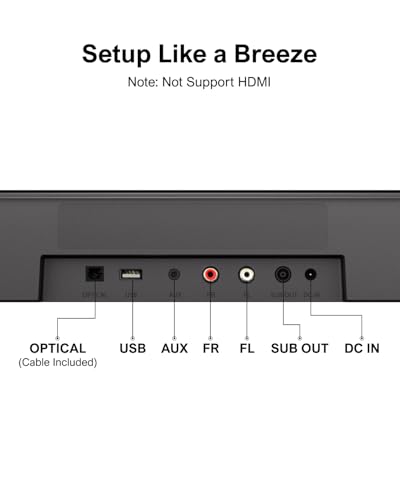
However, connectivity limitations matter here. Without HDMI input, the Ultimea Aura A40 connects via optical cable, which limits audio quality to compressed Dolby Digital rather than uncompressed formats that modern consoles can output.
The Sony HT-A9M2 supports high-resolution audio up to 192kHz/24-bit—far beyond CD quality's 44.1kHz/16-bit standard. DSEE Ultimate uses artificial intelligence to analyze compressed music files and restore high-frequency detail that streaming services typically remove to save bandwidth.
360 Reality Audio support creates immersive music experiences where instruments appear positioned around and above the listener. The wide soundstage particularly benefits jazz, classical, and acoustic recordings where instrument placement matters.
Built-in streaming service integration means you can access Spotify, Apple Music, and TIDAL directly without needing additional devices. The system's Wi-Fi connectivity maintains better quality than Bluetooth for high-bitrate streaming.
The Ultimea Aura A40 takes a more traditional stereo approach to music, but the physical speaker separation creates an unusually wide soundstage for the price range. The frequency response from 65Hz to 18kHz covers the full range of most music, and the balanced driver arrangement prevents the harsh treble that plagues many budget systems.
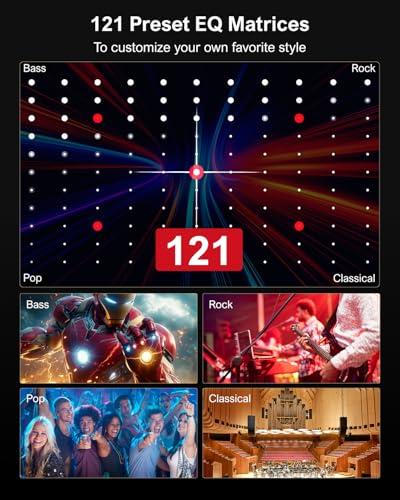
The comprehensive EQ system—121 preset matrices plus a 10-band equalizer accessible through the smartphone app—provides extensive customization options. Users can fine-tune the sound signature for different music genres or personal preferences.
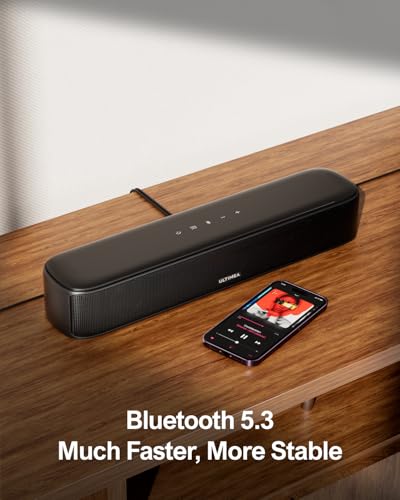
Bluetooth 5.3 connectivity offers stable wireless streaming from phones and tablets, though it lacks the audiophile codecs (like Sony's LDAC) that preserve more detail from high-quality source files.
The Sony HT-A9M2 processes audio the same way professional movie theaters do. Dolby Atmos and DTS:X support means the system can reproduce exactly what sound engineers intended when they mixed the movie's soundtrack.
Voice enhancement technology separates dialogue from background effects using machine learning, keeping conversations intelligible even when explosions are shaking the room. This addresses one of the biggest complaints about modern movie mixes—dialogue that gets lost in the action.
The automatic room calibration continuously adjusts the sound based on your specific listening environment. Whether you're sitting dead center or off to the side, the processing maintains consistent dialogue clarity and effect placement.
The Ultimea Aura A40 delivers movie audio through physical speaker placement rather than processing wizardry. When a helicopter flies from left to right across the screen, you hear it move from the left satellite speaker, through the soundbar, to the right satellite speaker. This creates convincing movement effects without relying on room acoustics or complex algorithms.
The dedicated subwoofer handles low-frequency effects that make explosions and rumbling engines feel visceral. Users consistently praise the bass as tight and controlled rather than the loose, boomy response common in budget systems.
Movie EQ mode optimizes the frequency response for dialogue clarity while maintaining impact for action sequences. Night mode compresses the dynamic range—the difference between quiet and loud sounds—so you can watch late at night without disturbing neighbors or family members.
The connectivity differences between these systems reflect their target markets and design philosophies.
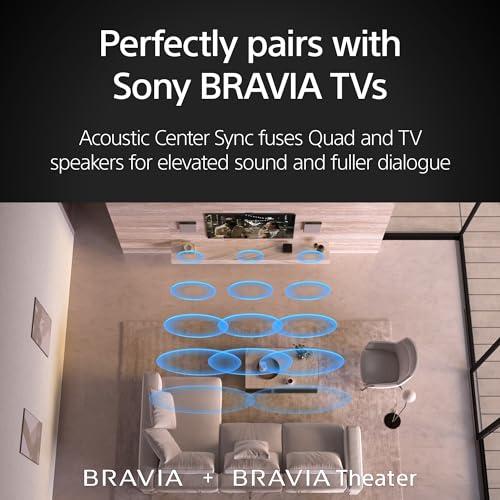
The Sony HT-A9M2 assumes you have relatively recent equipment. HDMI 2.1 with eARC (enhanced Audio Return Channel) enables single-cable connection to compatible TVs, automatically switching audio sources and controlling volume with your TV remote.
The system passes through 8K video at 60Hz and 4K video at 120Hz without quality loss—important for next-generation gaming and high-end streaming content. Support for advanced HDR formats ensures that picture and sound remain synchronized as content quality improves.
Wi-Fi connectivity enables over-the-air firmware updates, so new features and compatibility improvements arrive automatically. The wireless speaker design means no cable runs between components, but each speaker needs a power outlet.
The Ultimea Aura A40 works with virtually any TV made in the last 15 years. Optical digital connection provides reliable audio transmission without depending on HDMI compatibility. AUX and USB inputs handle older equipment and direct music playback.
The trade-off is limited audio quality—optical connections max out at compressed Dolby Digital rather than the uncompressed or high-bitrate formats that HDMI can carry. This matters more for music than movies, where the compression is less noticeable.
Wired connections between speakers ensure reliable operation without wireless interference, but require planning speaker locations around available power outlets and acceptable cable runs.
Setting up the Sony HT-A9M2 involves downloading the BRAVIA Connect app and running the automatic calibration sequence. The system emits test tones, measures room response, and calculates optimal settings without user intervention.
The automated approach works well in typical rooms but can struggle in spaces with unusual acoustics—very large rooms, asymmetrical layouts, or heavy sound absorption. Users report the best results in medium-sized rectangular rooms with some hard surfaces for sound reflection.
Once calibrated, daily operation is seamless. BRAVIA integration means your TV remote controls volume and input switching. The system automatically powers on when the TV starts and switches audio sources as you change inputs.
The Ultimea Aura A40 requires manual speaker placement and cable management, but this hands-on approach provides predictable results. You control exactly where each surround speaker sits and can experiment with positions to optimize the soundstage for your seating arrangement.
The smartphone app provides extensive customization options—EQ adjustment, surround level control, individual speaker volume balancing. This level of control appeals to users who enjoy fine-tuning their audio experience rather than accepting automated decisions.
Setup takes more time initially, but the system's behavior becomes predictable once configured. You know exactly what each setting does and how changes affect the sound.
The Sony HT-A9M2 makes sense for specific users and situations. If you own a modern 4K or 8K TV with HDMI 2.1 and appreciate cutting-edge technology, the integration benefits justify the premium price. PlayStation 5 owners get particular value from the gaming-specific features.
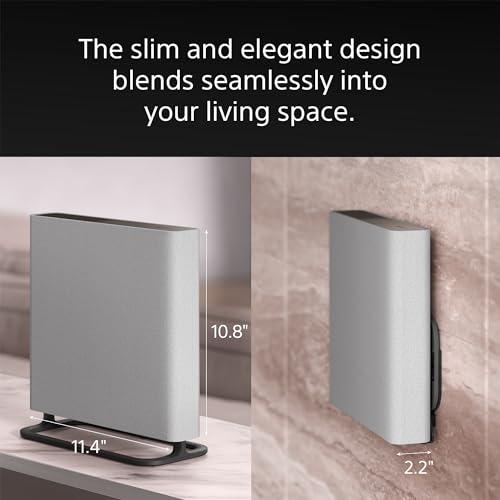
The wireless design appeals to renters or frequent movers who can't install permanent speaker wiring. The compact speakers work well in modern, minimalist living spaces where traditional home theater equipment would feel intrusive.
At the time of writing, the system costs as much as a decent used car, so it's clearly aimed at enthusiasts willing to prioritize audio quality over other spending. The investment makes sense if you watch movies, play games, or listen to music regularly and want professional-grade performance.
The Ultimea Aura A40 delivers genuine surround sound at a fraction of the cost. If your budget allows hundreds rather than thousands of dollars, it provides features typically found in much more expensive systems.
The physical surround speakers particularly benefit gamers who prioritize directional audio accuracy over advanced features. Older TV owners without HDMI ARC get full functionality through optical connection.
Users who enjoy customizing audio settings will appreciate the extensive EQ options and manual control over surround effects. The app provides more adjustment options than many systems costing several times more.
The Sony HT-A9M2 represents the current pinnacle of wireless home theater technology. It delivers reference-quality audio with maximum convenience, but demands a significant financial investment and compatible modern equipment to reach its full potential.
The Ultimea Aura A40 provides remarkable value by delivering genuine physical surround sound at an entry-level price point. While it lacks premium features and advanced connectivity, it significantly outperforms TV speakers and basic soundbars.
For most users, the decision comes down to budget and priorities. If you have the means and equipment to support the Sony HT-A9M2, it provides a transformational upgrade that will remain current for years. If budget constraints matter more, the Ultimea Aura A40 delivers impressive performance that punches well above its weight class.
Both systems represent honest approaches to improving your home theater experience. The key is matching the system's strengths to your specific needs, room characteristics, and long-term audio ambitions.
| Sony HT-A9M2 BRAVIA Theater Quad | Ultimea Aura A40 U2601 |
|---|---|
| Speaker Configuration - Determines surround sound authenticity and placement flexibility | |
| 4.0.4 channels with 16 drivers across 4 wireless speakers | 7.1 virtual channels with 8 physical speakers (4 satellites + soundbar + subwoofer) |
| Power Output - Affects maximum volume and dynamic range | |
| 504W total system power with dedicated amplification per driver | 330W peak power distributed across all components |
| Audio Format Support - Critical for premium streaming content and gaming | |
| Full Dolby Atmos, DTS:X, IMAX Enhanced, 360 Reality Audio | Basic virtual surround processing, no Dolby Atmos or DTS:X |
| HDMI Connectivity - Essential for modern TV and gaming integration | |
| HDMI 2.1 with eARC, 8K/4K120 passthrough, VRR, ALLM | No HDMI support (optical, AUX, USB only) |
| Room Calibration - Automatically optimizes sound for your space | |
| Advanced Sound Field Optimization with automatic room measurement | Manual adjustment only through app controls |
| Wireless Technology - Affects setup convenience and reliability | |
| Fully wireless speakers with dual-antenna stability system | Wired satellite speakers require cable management |
| Gaming Features - Important for console and PC gaming | |
| PlayStation 5 integration, Auto HDR Tone Mapping, low-latency processing | Basic Game EQ mode, no advanced gaming features |
| Customization Options - Lets you fine-tune sound to personal preference | |
| Limited manual controls with automatic optimization focus | Extensive app control: 121 EQ presets, 10-band equalizer, 6 surround levels |
| Streaming Integration - Built-in music service access | |
| Spotify Connect, AirPlay 2, Chromecast, Wi-Fi streaming | Bluetooth 5.3 only, no built-in streaming services |
| High-Resolution Audio Support - Matters for audiophile music listening | |
| Up to 192kHz/24-bit, DSEE Ultimate AI upscaling, LDAC codec | 65Hz-18kHz frequency response, standard Bluetooth codecs |
| Physical Design - Impacts room aesthetics and placement options | |
| 4 identical wireless speakers (11.4" × 10.9" × 2.9" each) | Compact soundbar + small satellites + separate subwoofer |
| Setup Complexity - Time and technical skill required | |
| App-guided wireless setup with automatic calibration | Manual speaker placement with extensive wiring |
The Sony HT-A9M2 BRAVIA Theater Quad uses four wireless speakers with advanced virtual processing to create surround sound, while the Ultimea Aura A40 uses traditional physical surround speakers placed around your room. Sony focuses on premium wireless technology and automatic room calibration, while Ultimea provides genuine physical separation at a budget-friendly price point.
The Sony HT-A9M2 is significantly better for gaming, especially with modern consoles. It supports HDMI 2.1 features like 4K120 passthrough, Variable Refresh Rate (VRR), and has special PlayStation 5 integration. The Ultimea Aura A40 lacks HDMI connectivity entirely and only offers basic game audio processing, though its physical surround speakers do provide good directional audio cues.
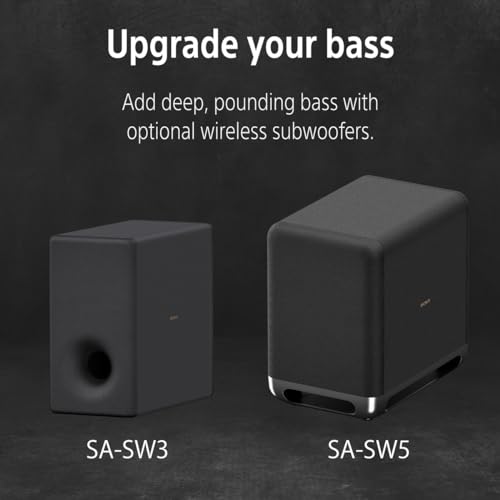
The Sony HT-A9M2 BRAVIA Theater Quad doesn't include a subwoofer but can add Sony's wireless models for deeper bass. The Ultimea Aura A40 comes with a dedicated 4-inch subwoofer included in the package, providing immediate bass impact without additional purchases.
The Sony HT-A9M2 is easier for wireless setup since you only need power outlets at each speaker location, but requires app configuration and room calibration. The Ultimea Aura A40 needs more cable management for the surround speakers but has straightforward plug-and-play operation once connected.
The Ultimea Aura A40 works with virtually any TV from the last 15 years through optical, AUX, or USB connections. The Sony HT-A9M2 requires HDMI eARC for full functionality, limiting compatibility to newer TVs, though it can work with basic HDMI ARC on some older models.
The Sony HT-A9M2 BRAVIA Theater Quad excels for premium movie content with full Dolby Atmos and DTS:X support, creating cinema-quality overhead effects. The Ultimea Aura A40 provides convincing surround effects through physical speaker placement but lacks support for advanced audio formats found in modern streaming content.
The Sony HT-A9M2 offers comprehensive wireless connectivity including Wi-Fi, Bluetooth 5.0 with LDAC, AirPlay 2, and built-in streaming services. The Ultimea Aura A40 only provides Bluetooth 5.3 for wireless music streaming, with all other connections being wired.
The Ultimea Aura A40 provides extensive manual customization through its app, including 121 EQ presets, 10-band equalizer, and adjustable surround levels. The Sony HT-A9M2 focuses on automatic optimization with limited manual controls, prioritizing convenience over detailed user adjustment.
The Sony HT-A9M2 BRAVIA Theater Quad delivers more sophisticated audio processing with superior dialogue clarity, wider soundstage, and support for high-resolution audio formats. The Ultimea Aura A40 provides authentic directional surround effects through physical speaker separation but with less refined overall audio quality and processing.
The Sony HT-A9M2 is better for serious music listening with high-resolution audio support up to 192kHz/24-bit, AI upscaling, and immersive 360 Reality Audio. The Ultimea Aura A40 offers good stereo music performance with balanced sound and wide speaker separation but lacks audiophile features.
The Sony HT-A9M2 BRAVIA Theater Quad requires four speaker locations around the room with power outlets, each speaker measuring about 11" × 11" × 3". The Ultimea Aura A40 needs space for a compact soundbar, small satellite speakers, and a subwoofer, plus cable routing for the surround speakers.
The Sony HT-A9M2 provides better long-term value for users with modern equipment and premium content, featuring future-proof connectivity and automatic updates. The Ultimea Aura A40 offers exceptional immediate value by delivering genuine surround sound features typically found in much more expensive systems, making it ideal for budget-conscious buyers wanting significant audio improvement.
We've done our best to create useful and informative comparisons to help you decide what product to buy. Our research uses advanced automated methods to create this comparison and perfection is not possible - please contact us for corrections or questions. These are the sites we've researched in the creation of this article: bestbuy.com - whathifi.com - whathifi.com - youtube.com - rtings.com - audiosciencereview.com - bhphotovideo.com - skybygramophone.com - sony.com - manuals.plus - audioadvice.com - dell.com - valueelectronics.com - youtube.com - merlinstv.com - videoandaudiocenter.com - electronics.sony.com - sony.com - bestbuy.com - beachcamera.com - sony.com - win.consulting - sony.com - walmart.com - newegg.com - youtube.com - ultimea.com - youtube.com - device.report - ultimea.co - manuals.plus - homestudiobasics.com - youtube.com - bestbuy.com - community.ultimea.com - manuals.plus - eu.ultimea.com - navesapeugeot.com.br - bestbuy.com - images.thdstatic.com - provantage.com - ultimea.com - bestbuy.com

Privacy Policy
Terms and Conditions - Affiliate Policy
Home Security
© Copyright 2008-2026.
11816 Inwood Rd #1211, Dallas, TX 75244