



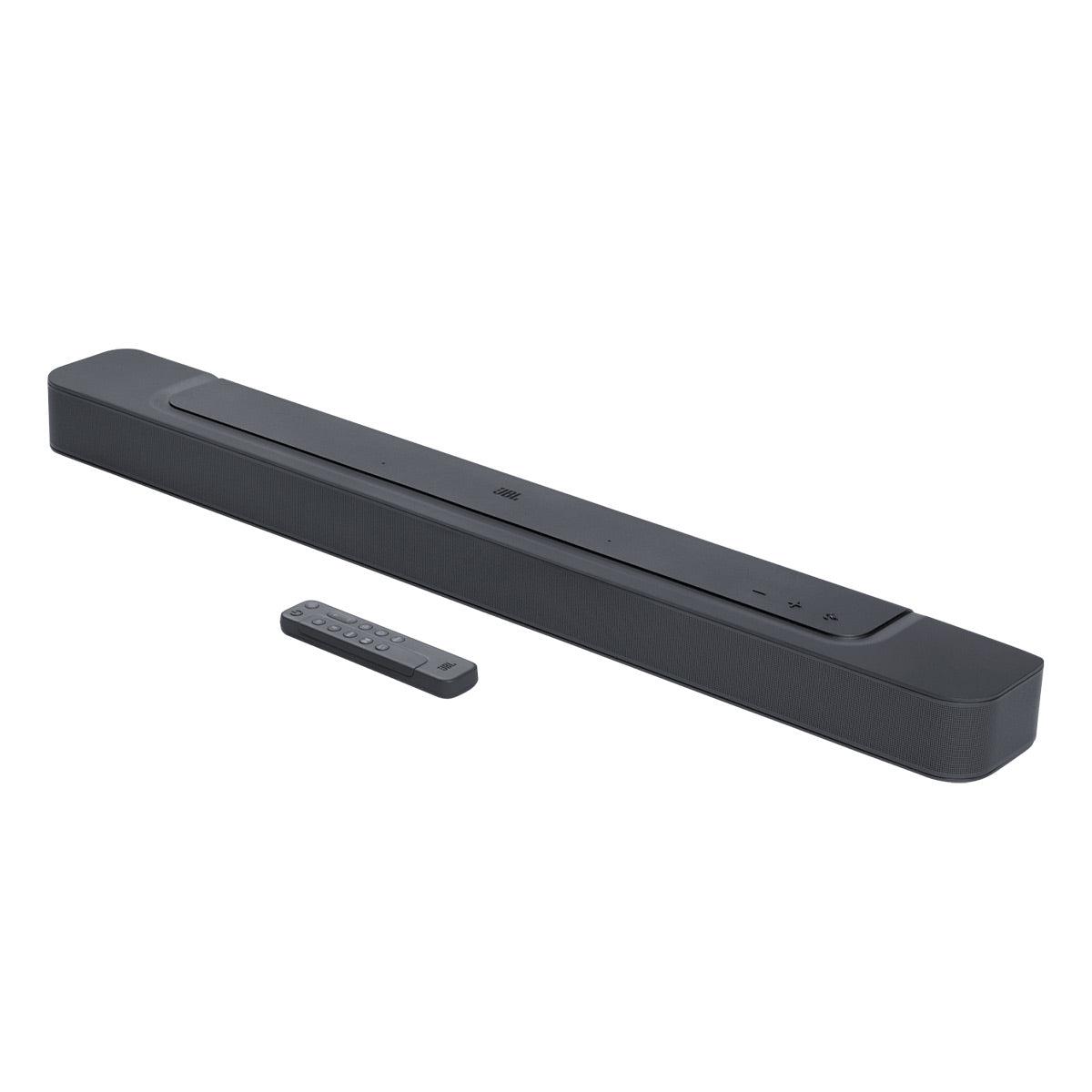
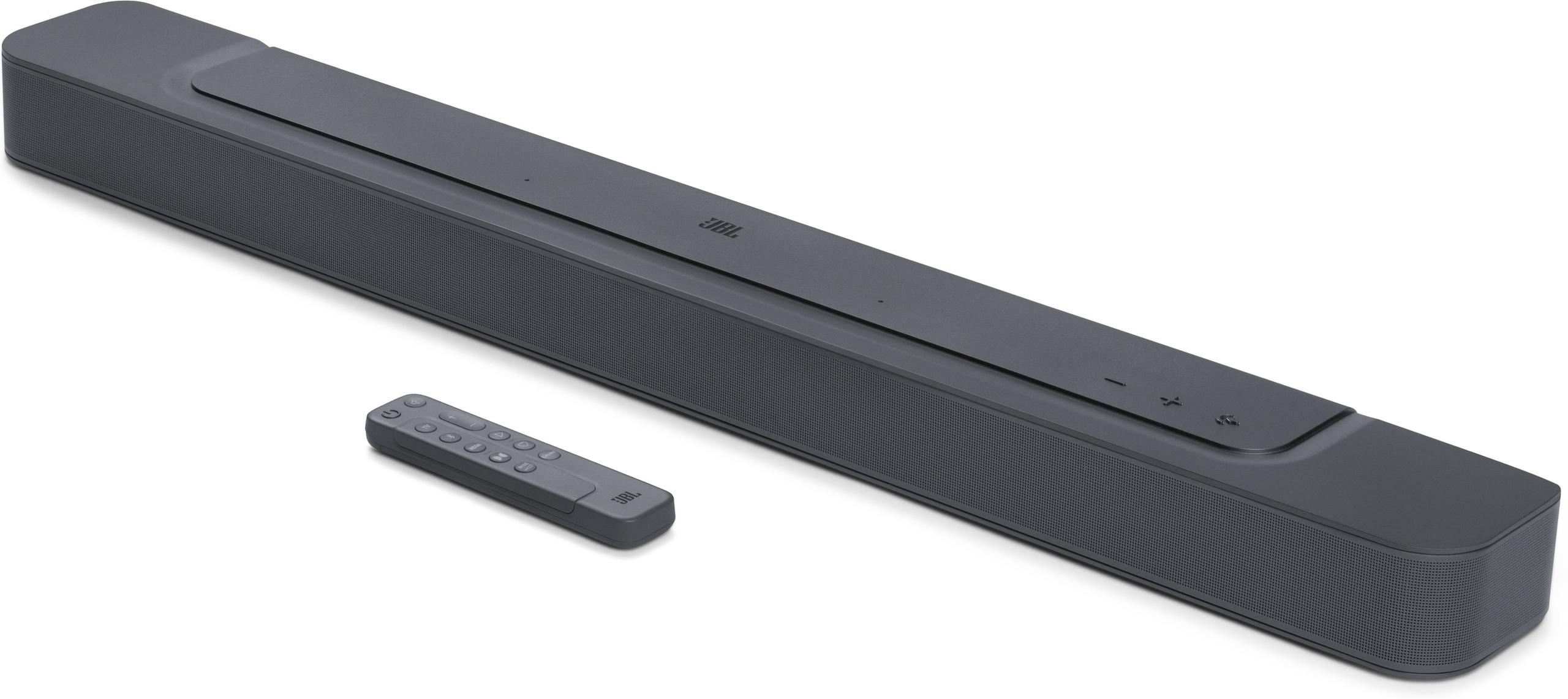

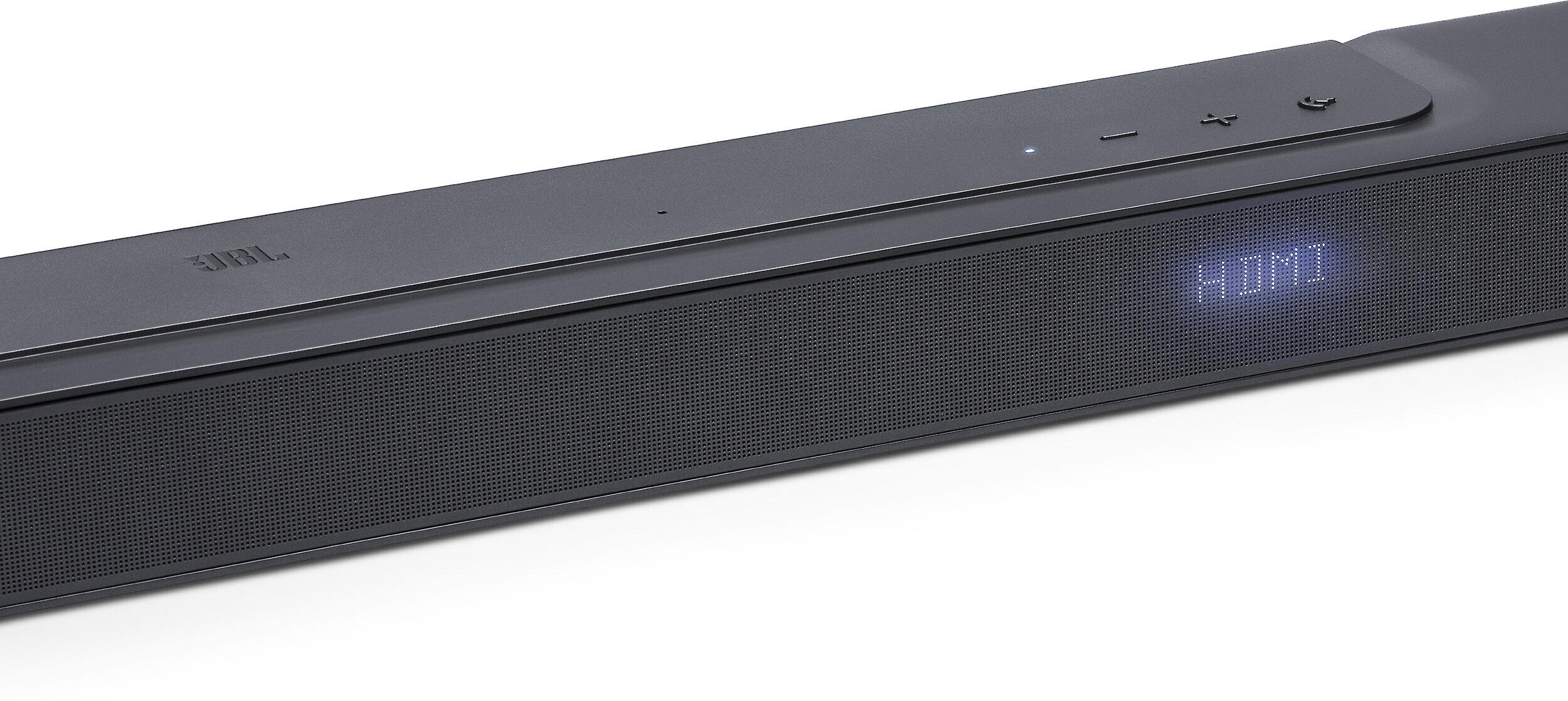


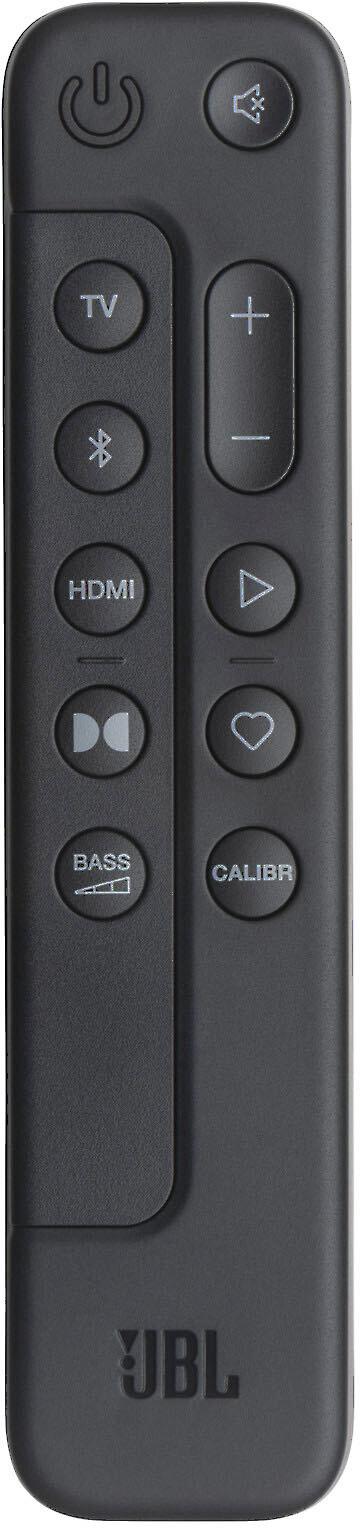
When your TV's built-in speakers make dialogue sound like it's coming through a tin can, it's time to upgrade. But the world of home theater audio has split into two very different camps, and choosing between them can feel overwhelming. Should you go with a traditional all-in-one soundbar like the JBL Bar 300, or take the plunge into a more complex wireless speaker system like the Sony HT-A9M2?
At the time of writing, these products represent vastly different price points and philosophies. The JBL Bar 300 sits in budget-friendly territory, while the Sony HT-A9M2 commands a premium price that's roughly seven times higher. That massive price gap isn't just markup—it reflects fundamentally different approaches to creating surround sound in your living room.
Before diving into specifics, it's crucial to understand what makes these systems tick. Traditional soundbars like the JBL Bar 300 pack all their drivers into a single horizontal unit that sits below your TV. They create the illusion of surround sound through clever digital processing—think of it as audio sleight of hand that tricks your brain into hearing sounds coming from places where there are no actual speakers.
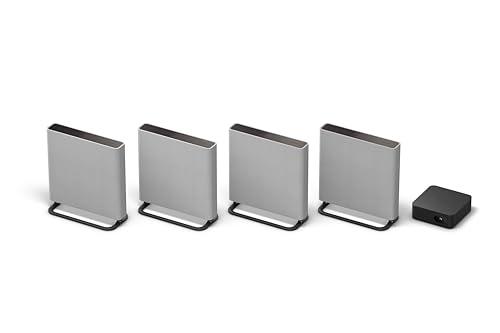
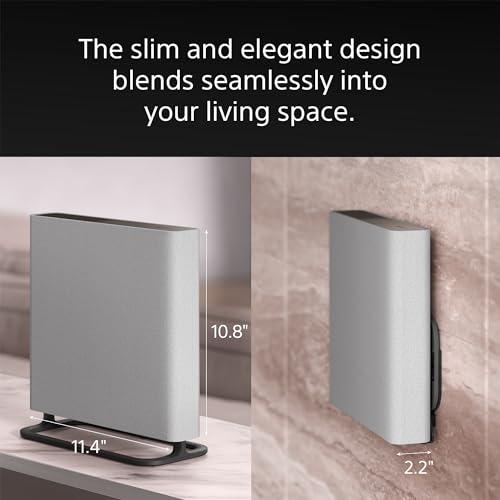
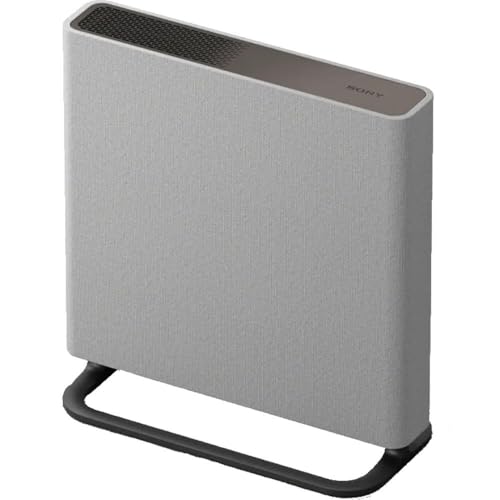
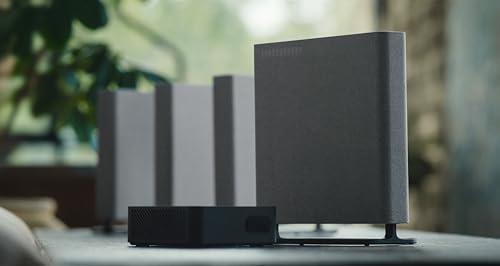
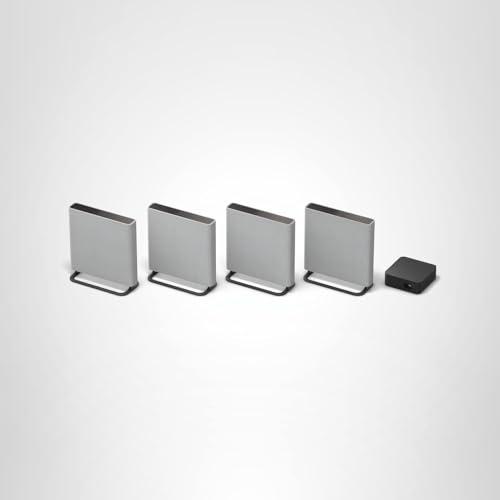
The Sony HT-A9M2, released in early 2025 as an evolution of Sony's wireless theater concept, takes a completely different approach. It's essentially four separate speakers that work together wirelessly, creating what's called a "distributed array." Instead of faking surround sound, it actually places speakers around your room to create genuine 360-degree audio.
This fundamental difference shapes everything else about these systems—from setup complexity to performance ceiling to room requirements. Neither approach is inherently better; they're optimized for different situations and user priorities.
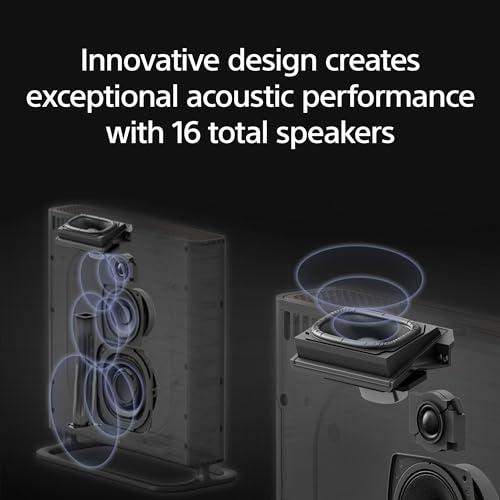
The Sony HT-A9M2 packs serious hardware across its four wireless speakers. Each speaker houses four separate drivers: a rectangular woofer (using Sony's X-Balanced technology), a mid-range driver, a tweeter, and an upward-firing "height" driver. That's 16 total drivers working together, powered by 504 watts of amplification using Sony's S-Master HX digital technology.
The X-Balanced drivers deserve special mention—they use rectangular diaphragms instead of traditional round ones. This increases the surface area within the same enclosure size, allowing for better bass response and lower distortion. It's like fitting a larger engine into the same car.
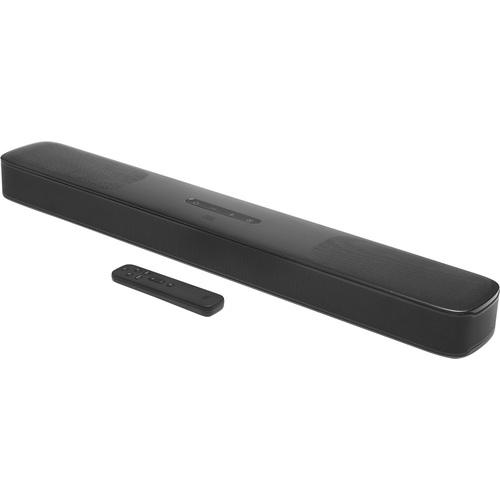
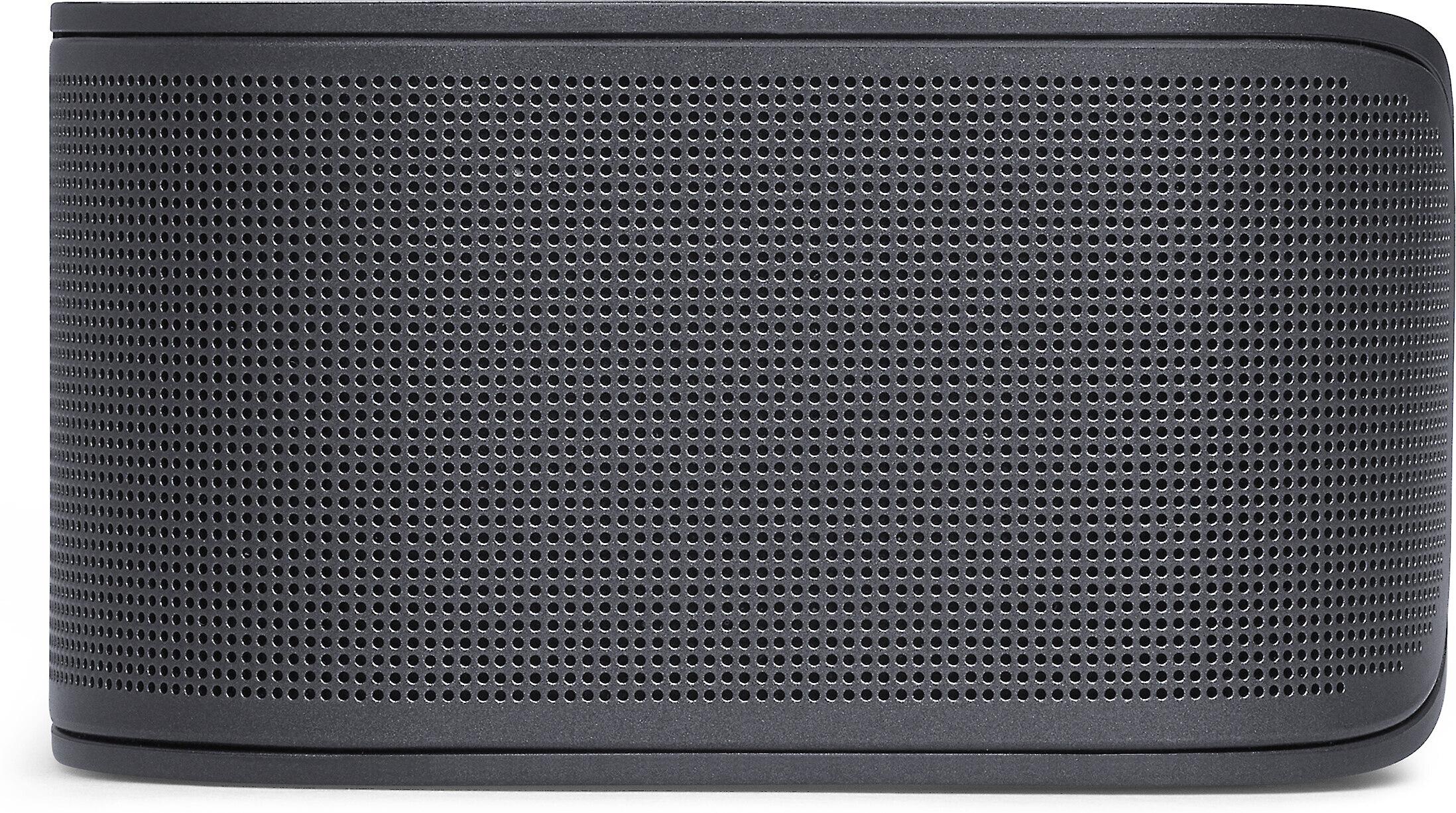
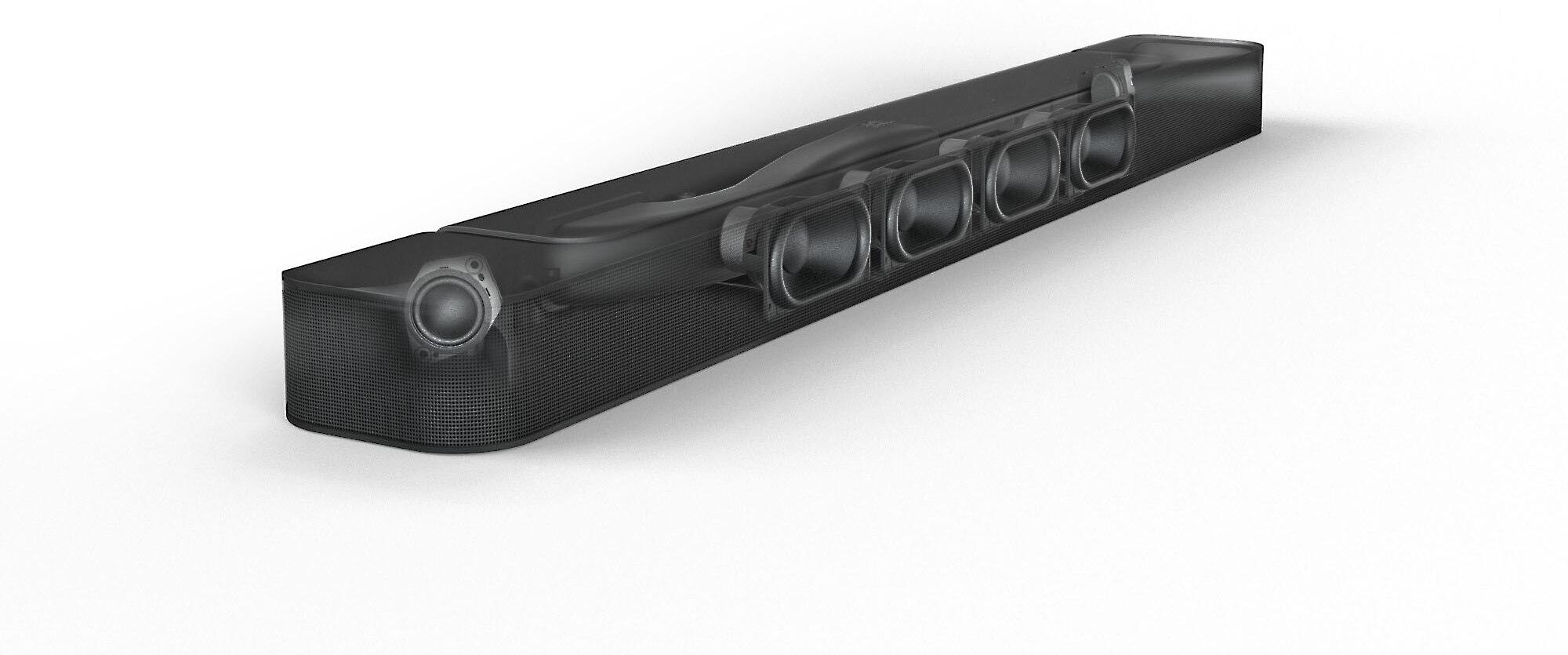
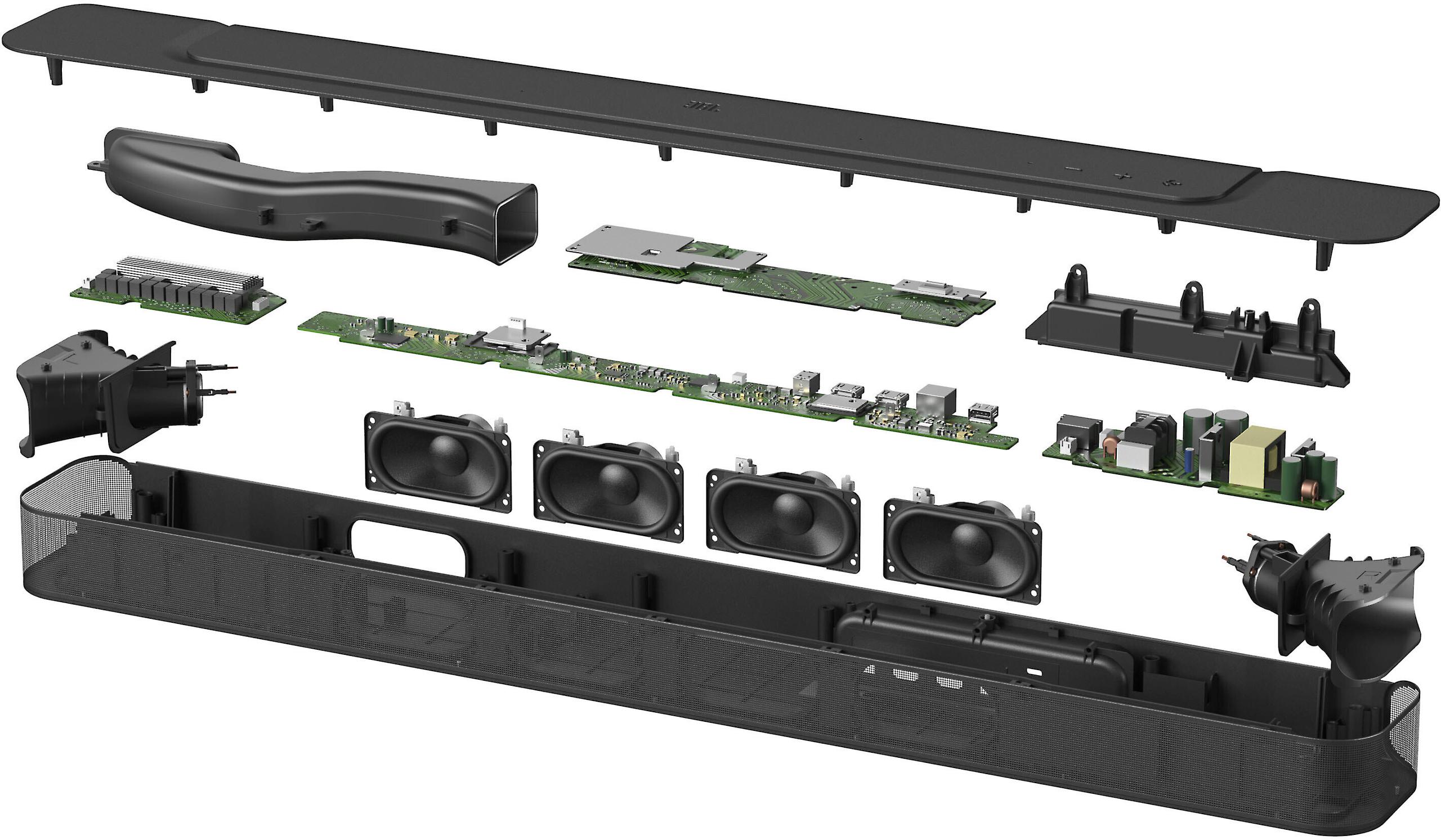
The JBL Bar 300, released in early 2024, takes a more focused approach with six drivers in its single enclosure: four racetrack-shaped main drivers and two dome tweeters. These racetrack drivers are oval-shaped, which helps them fit into the slim soundbar profile while still moving enough air for decent bass response. The total power output is 260 watts—respectable for a single unit.
Here's where the real differences emerge. The JBL Bar 300 uses what's called MultiBeam technology to create virtual surround sound. It carefully controls how different frequencies are aimed and timed to bounce off your walls and ceiling, creating the perception that sound is coming from multiple locations. It's surprisingly effective, but it's still an illusion.
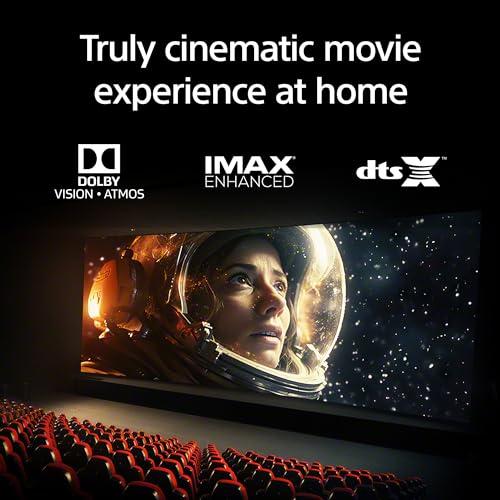
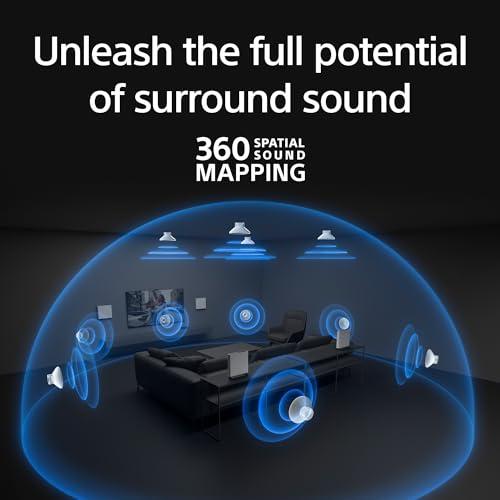
The Sony HT-A9M2 doesn't need illusions because it has actual speakers placed around the room. More importantly, those upward-firing drivers in each speaker create real height channels for Dolby Atmos content. When a helicopter flies overhead in a movie, you're hearing sound from actual drivers pointed at your ceiling, not just processed audio trying to fool your ears.
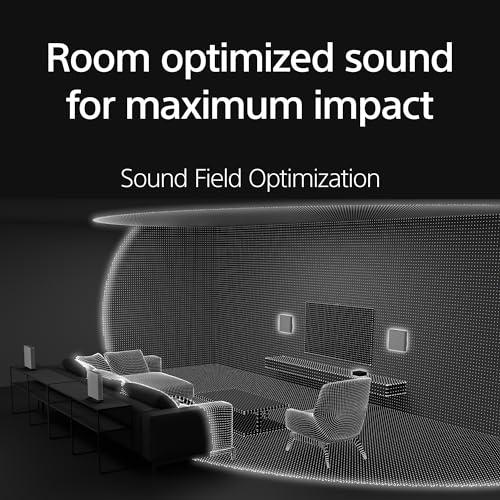
Sony's 360 Spatial Sound Mapping technology goes further, using the four speakers to create "phantom speakers"—virtual sound sources that seem to exist between the physical speakers. Think of it as acoustic billiards, where Sony precisely controls how sound bounces around your room to create an even larger soundstage than the four physical speakers would suggest.
Based on extensive user feedback and professional reviews, the difference in surround sound immersion between these systems is substantial—but only under the right conditions. The Sony HT-A9M2 creates what many describe as a true "bubble" of sound that envelops the listening area. Action sequences feel more dynamic, with effects that seem to move seamlessly around and above you.
The system's room calibration deserves credit here. During setup, each speaker uses built-in microphones to measure your room's acoustics, automatically adjusting timing and frequency response to optimize the sound field. This technology, typically found in much more expensive systems, ensures that the phantom speakers are positioned correctly for your specific space.
The JBL Bar 300 can't match this level of immersion, but it punches above its weight class. MultiBeam processing creates a noticeably wider soundstage than basic soundbars, and the virtual Dolby Atmos processing adds a sense of height that works well for most content. In smaller rooms especially, the difference becomes less pronounced.
However, there's a ceiling to what virtual processing can achieve. In larger spaces or with particularly demanding Atmos content, the illusion breaks down. The Sony HT-A9M2 maintains its immersive bubble regardless of room size, as long as the speakers are properly positioned.
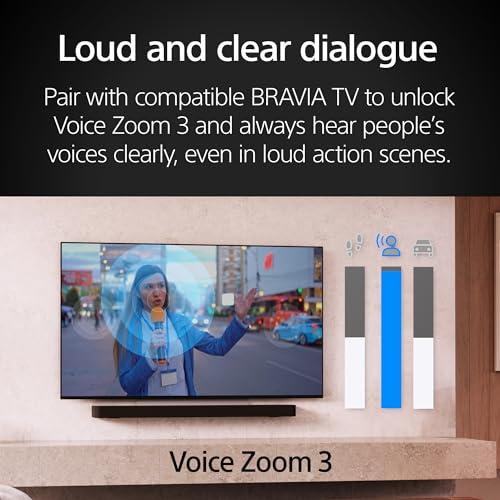
Surprisingly, the JBL Bar 300 often edges out the Sony HT-A9M2 in pure dialogue clarity. JBL's PureVoice technology uses algorithms specifically designed to enhance speech intelligibility, ensuring that conversations cut through even complex soundtracks. This is particularly valuable for TV shows, news, and dialogue-heavy movies.
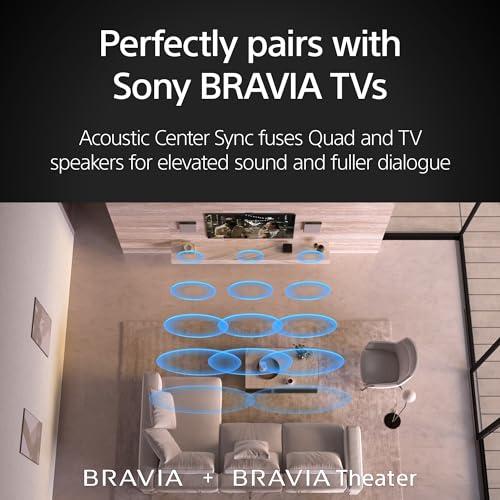
The Sony HT-A9M2 handles dialogue well, but its strength lies more in creating a natural, spacious presentation rather than aggressive voice enhancement. When paired with compatible Sony BRAVIA TVs, the system can use the TV's speakers as an additional center channel through Acoustic Center Sync, which helps anchor dialogue to the screen.
For users who frequently struggle with mumbly dialogue or watch a lot of TV content, the JBL Bar 300's focus on voice clarity represents a real practical advantage.
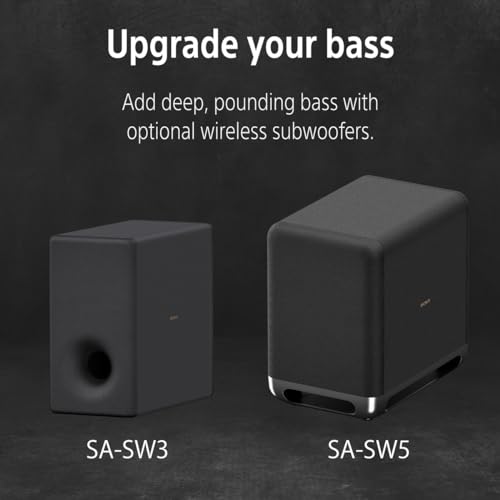
Neither system includes a subwoofer, which significantly impacts their bass performance. The Sony HT-A9M2 distributes bass duties across four woofers, which helps with overall room coverage and prevents the boomy, localized bass you sometimes get from soundbars. However, it's clearly designed with expansion in mind—Sony offers wireless subwoofers that integrate seamlessly with the system.
The JBL Bar 300 actually delivers more immediate bass impact out of the box. Its racetrack drivers and bass ports create surprisingly punchy low-end response for a single unit. You'll feel explosions and musical basslines more directly than with the Sony HT-A9M2 alone.
But there's a trade-off: the JBL's bass is more limited in both extension and refinement. It can't match the deep, room-shaking low frequencies that a dedicated subwoofer provides, and unlike the Sony system, there's no option to add one later.
For music listening, the systems take notably different approaches. The Sony HT-A9M2 excels with complex arrangements and audiophile content. The physical separation of speakers creates genuine stereo imaging and soundstage width that makes instruments feel positioned in space. Jazz recordings, orchestral music, and well-produced rock albums benefit enormously from this spatial presentation.
The JBL Bar 300 takes a more consumer-friendly approach, with slightly boosted bass and treble that makes pop music and electronic genres sound engaging. Its streaming integration is also superior—built-in Spotify Connect, AirPlay 2, and Chromecast mean you can easily stream from any device without fiddling with Bluetooth pairing.
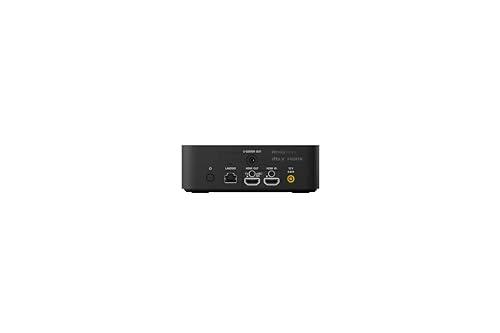
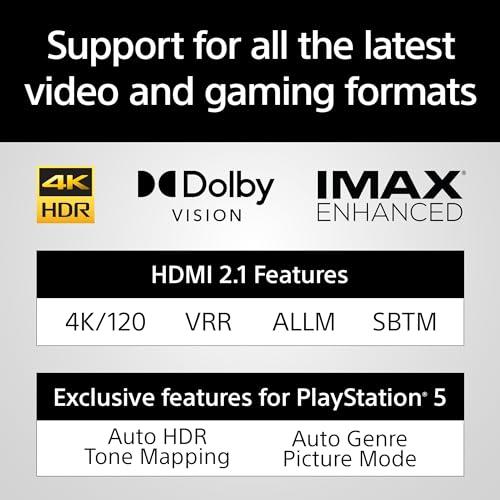
This is where the Sony HT-A9M2 pulls decisively ahead. Released with gaming in mind, it supports the full HDMI 2.1 feature set: 4K at 120Hz, Variable Refresh Rate (VRR), and Auto Low Latency Mode (ALLM). These features are essential for getting the most out of PlayStation 5 and Xbox Series X consoles.
More importantly, the system includes specific PlayStation 5 optimizations like Auto HDR Tone Mapping, which automatically adjusts the audio processing based on the game's HDR metadata. The true height channels also provide a significant advantage in games that support 3D audio—you can actually hear enemies approaching from above or below in supported titles.
The JBL Bar 300 is limited to HDMI 2.0, which caps video at 4K/60Hz and lacks the advanced gaming features. For casual gaming, this isn't a problem, but serious gamers will notice the difference.
The Sony HT-A9M2 is honestly quite demanding about room setup. It works best in larger rooms (400+ square feet) with adequate ceiling height for the upward-firing drivers to work effectively. You'll need to place four speakers around the room, each requiring a power outlet, and run through a calibration process that takes several minutes.
For many people, this setup reality is a deal-breaker. Not everyone has the space, outlets, or patience for proper speaker placement. The system also assumes you have furniture or wall mounts to position speakers at appropriate heights and distances.
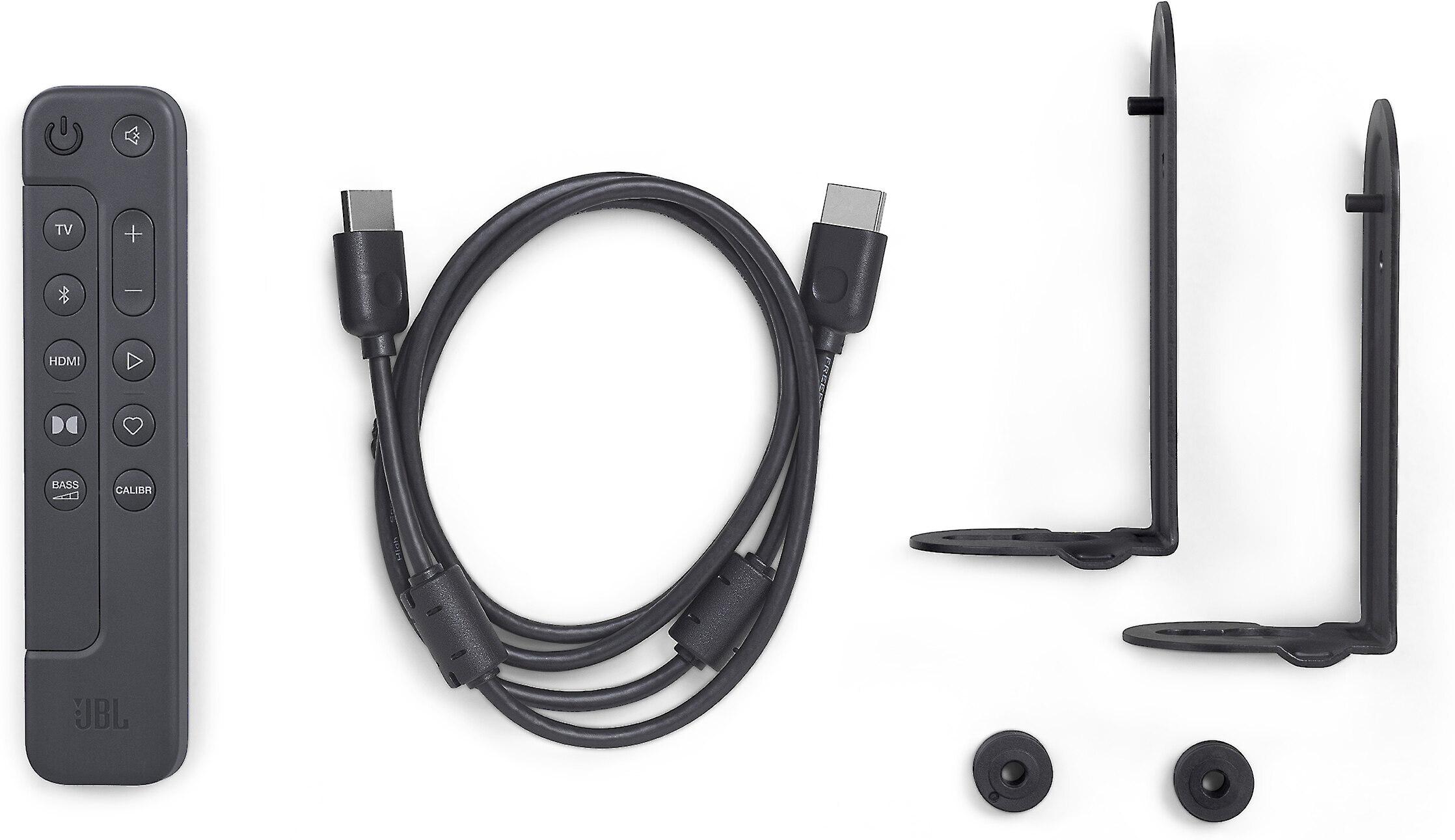
The JBL Bar 300 eliminates all these concerns. One unit, one power cable, one HDMI connection. It learns your TV remote's commands automatically and starts working immediately. For apartments, smaller rooms, or users who just want better TV sound without the hassle, this simplicity is invaluable.
At the time of writing, the pricing difference between these systems is dramatic enough to put them in different categories entirely. The JBL Bar 300 represents exceptional value for someone wanting Dolby Atmos processing and enhanced TV audio without breaking the budget or dealing with complex setup.
The Sony HT-A9M2 costs significantly more, but you're paying for genuinely advanced technology and performance that approaches dedicated component systems. More importantly, it's expandable—you can add Sony's wireless subwoofers and, in some markets, additional rear speakers to create a full surround system.
This expandability matters for long-term value. While the JBL Bar 300 is essentially a complete system that can't be upgraded, the Sony HT-A9M2 can grow with your needs and room. If you move to a larger space or want more bass impact later, you have options.
The JBL Bar 300 makes sense for a surprisingly broad range of users. If you live in an apartment, have a smaller TV room (under 300 square feet), or simply want noticeably better TV audio without complexity, it's an excellent choice. The dialogue enhancement alone will transform your viewing experience, and the virtual Atmos processing provides enough spatial effect to make movies more engaging.
It's also the clear winner for music streaming. The built-in Wi-Fi and multiple streaming protocols mean you can easily use it as a whole-home audio endpoint without additional equipment.
The Sony HT-A9M2 is for users who prioritize audio performance and have the room and patience to set it up properly. If you have a dedicated home theater space, own or plan to buy a Sony TV and PlayStation 5, or simply want the most immersive surround sound experience possible without running speaker wires, it justifies its premium pricing.
The gaming advantages alone make it worthwhile for serious console gamers, and the expandability provides a clear upgrade path as needs or budgets change.
These systems succeed in their respective niches, but they're solving different problems. The JBL Bar 300 transforms TV audio for the masses—it's the practical choice that most people should probably buy. The Sony HT-A9M2 pushes the boundaries of what's possible with wireless home theater, but at a cost and complexity that limits its appeal.
Neither system is perfect. The Sony HT-A9M2 really needs a subwoofer to reach its full potential, and the JBL Bar 300 can't escape the limitations of virtual processing. But both represent solid value within their intended markets and use cases.
Choose based on your room, budget, and how much effort you're willing to invest in setup. For most people, the JBL Bar 300 provides 90% of the benefit at a fraction of the cost and complexity. For those who want that extra 10% of performance and have the means to achieve it, the Sony HT-A9M2 delivers an genuinely impressive wireless surround sound experience.
| Sony HT-A9M2 BRAVIA Theater Quad | JBL Bar 300 5.0 Soundbar |
|---|---|
| System Configuration - Determines setup complexity and performance ceiling | |
| Four separate wireless speakers (4.0.4 channels) | Single soundbar unit (5.0 virtual channels) |
| Total Power Output - Impacts maximum volume and dynamic range | |
| 504W distributed across 16 drivers | 260W from 6 drivers |
| Surround Sound Technology - How immersive effects are created | |
| Physical speakers + 360 Spatial Sound Mapping (real height channels) | MultiBeam virtual processing (simulated surround) |
| Room Size Requirements - Critical for optimal performance | |
| 400+ sq ft recommended, needs ceiling height for height effects | Works well in rooms up to 300 sq ft, minimal space requirements |
| Setup Complexity - Time and effort required | |
| Four speaker placement + room calibration + multiple power outlets | Single unit, plug-and-play setup |
| Gaming Features - Important for console users | |
| Full HDMI 2.1 (4K/120Hz, VRR, ALLM, PS5 optimization) | HDMI 2.0 only (4K/60Hz maximum, no VRR/ALLM) |
| Dialogue Enhancement - Critical for TV and movie clarity | |
| Good clarity, Acoustic Center Sync with Sony TVs | Excellent with PureVoice technology (works with any TV) |
| Bass Performance - Affects impact of movies and music | |
| Four distributed woofers, expandable with wireless subwoofer | Surprising punch from racetrack drivers, no expansion option |
| Music Streaming Integration - Convenience for daily music use | |
| Basic Wi-Fi streaming, requires more setup | Excellent (Spotify Connect, AirPlay 2, Chromecast built-in) |
| Expandability - Future upgrade potential | |
| Can add Sony wireless subwoofers and rear speakers | No expansion options available |
| Value Proposition - Performance per dollar spent | |
| Premium price for near-separates performance | Exceptional features for budget-friendly price |
The JBL Bar 300 is significantly better for small rooms under 300 square feet. Its single-unit design works well in compact spaces, while the Sony HT-A9M2 requires four separate speakers placed around the room and performs best in larger spaces of 400+ square feet.
Neither system includes a subwoofer, but the JBL Bar 300 delivers more immediate bass impact out of the box thanks to its racetrack drivers. The Sony HT-A9M2 is designed to work with Sony's optional wireless subwoofers for fuller bass, while the JBL Bar 300 has no subwoofer expansion option.
The JBL Bar 300 is much easier to set up with its plug-and-play design requiring just one HDMI connection. The Sony HT-A9M2 requires placing four wireless speakers around your room, connecting each to power, and running through room calibration, making it significantly more complex to install.
The Sony HT-A9M2 produces true Dolby Atmos with physical upward-firing drivers in each of its four speakers. The JBL Bar 300 uses virtual Dolby Atmos processing to simulate height effects, which is effective but not as immersive as the physical height channels in the Sony HT-A9M2.
The Sony HT-A9M2 is significantly better for gaming with full HDMI 2.1 support including 4K/120Hz, Variable Refresh Rate, and PlayStation 5 optimization features. The JBL Bar 300 is limited to HDMI 2.0 and 4K/60Hz, lacking the advanced gaming features that next-gen consoles offer.
The JBL Bar 300 often provides superior dialogue clarity thanks to its dedicated PureVoice technology that enhances speech intelligibility. While the Sony HT-A9M2 handles dialogue well with natural presentation, the JBL Bar 300 specifically excels at making voices cut through complex soundtracks.
For music streaming convenience, the JBL Bar 300 wins with built-in Spotify Connect, AirPlay 2, and Chromecast. However, the Sony HT-A9M2 provides superior music quality with better instrument separation and soundstage width thanks to its four physically separated speakers.
The Sony HT-A9M2 is expandable with Sony's wireless subwoofers and additional speakers to create a full surround system. The JBL Bar 300 cannot be expanded with additional speakers or subwoofers, making it a complete but non-upgradeable system.
The Sony HT-A9M2 delivers significantly better surround sound immersion with its four physical speakers creating a true 360-degree sound bubble. The JBL Bar 300 provides decent virtual surround through MultiBeam processing, but cannot match the genuine spatial audio experience of the Sony HT-A9M2.
The Sony HT-A9M2 outputs 504 watts across its 16 drivers while the JBL Bar 300 produces 260 watts from 6 drivers. The Sony system can get louder and handle dynamic movie scenes better, especially in larger rooms, though both provide adequate volume for typical home theater use.
The JBL Bar 300 offers exceptional value with Dolby Atmos processing, streaming features, and solid performance at a budget-friendly price point. The Sony HT-A9M2 costs significantly more but provides premium performance approaching dedicated component systems, justifying its higher price for serious home theater enthusiasts.
The Sony HT-A9M2 offers additional features like Acoustic Center Sync when paired with Sony BRAVIA TVs, but works well with any TV. The JBL Bar 300 is completely brand-agnostic and learns any TV remote's commands automatically, making it equally compatible with all television brands.
We've done our best to create useful and informative comparisons to help you decide what product to buy. Our research uses advanced automated methods to create this comparison and perfection is not possible - please contact us for corrections or questions. These are the sites we've researched in the creation of this article: bestbuy.com - whathifi.com - whathifi.com - youtube.com - rtings.com - audiosciencereview.com - bhphotovideo.com - skybygramophone.com - sony.com - manuals.plus - audioadvice.com - dell.com - valueelectronics.com - youtube.com - merlinstv.com - videoandaudiocenter.com - electronics.sony.com - sony.com - bestbuy.com - beachcamera.com - sony.com - win.consulting - sony.com - whathifi.com - safeandsoundhq.com - youtube.com - cnet.com - mm.jbl.com - jbl.com - bestbuy.com - support.jbl.com - dell.com - walmart.com

Privacy Policy
Terms and Conditions - Affiliate Policy
Home Security
© Copyright 2008-2026.
11816 Inwood Rd #1211, Dallas, TX 75244