








When you're ready to upgrade from your TV's built-in speakers, you'll face a fundamental choice between two very different approaches to home theater audio. The Sony HT-A9M2 represents a revolutionary modular wireless system that breaks the traditional soundbar mold, while the JBL Bar 700 perfects the familiar soundbar-plus-subwoofer formula that has dominated living rooms for years.
Understanding the differences between these systems isn't just about comparing spec sheets—it's about choosing between two distinct philosophies for delivering immersive sound in your home. Let me walk you through what makes each approach unique and help you figure out which one fits your space, budget, and listening preferences.
Both systems aim to solve the same basic problem: TV speakers are terrible. Modern televisions prioritize thin designs over audio quality, leaving dialogue muddy and action scenes flat. Premium home theater audio systems promise to restore the cinematic experience by creating a three-dimensional soundscape that makes you feel like you're inside the movie.
The key performance metrics that separate good systems from great ones include immersion quality (how convincingly the system places sounds around and above you), bass performance (the deep frequencies that make explosions feel real), dialogue clarity (keeping voices intelligible during complex scenes), and room adaptability (how well the system works in different spaces).
At the time of writing, the home theater market has essentially split into two camps: traditional soundbars that sit below your TV, and newer modular systems that scatter speakers throughout your room. Each approach has distinct advantages depending on your priorities and living situation.
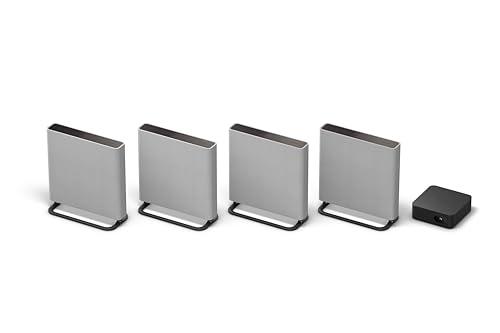
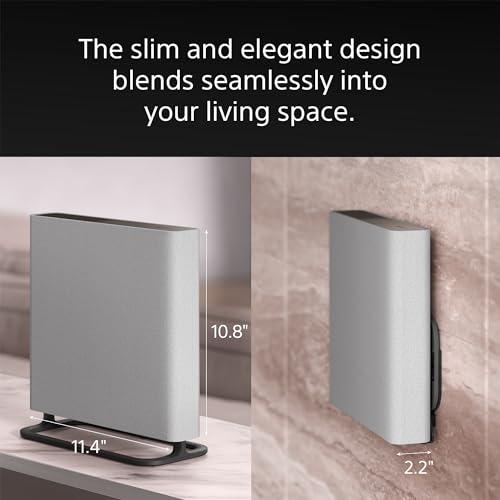
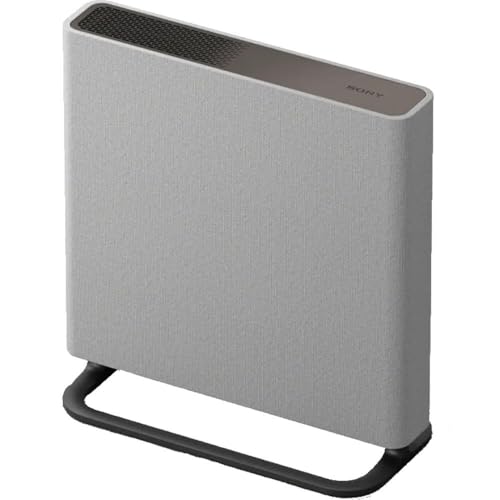
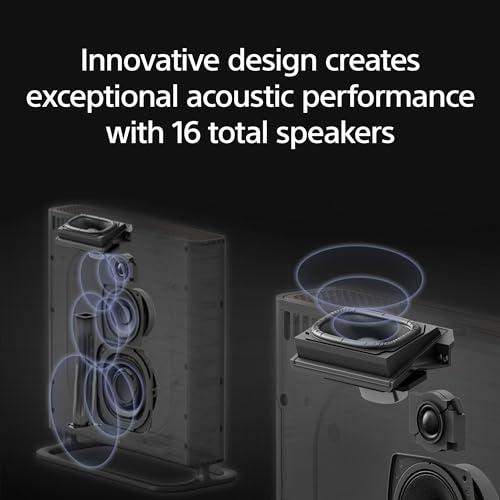
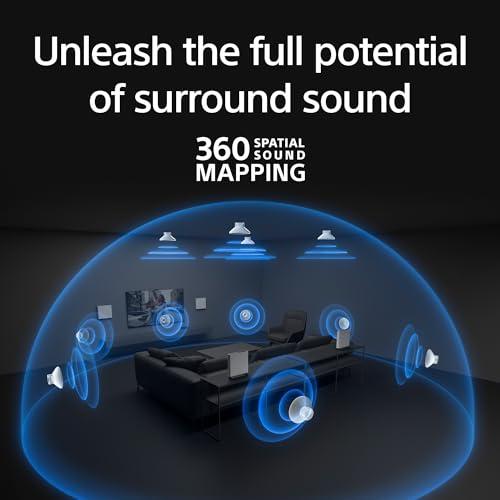
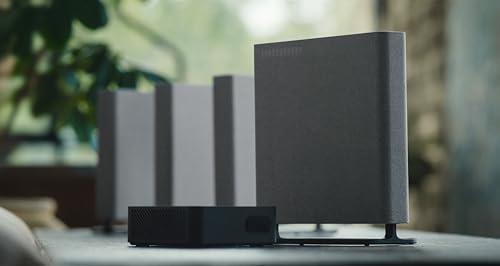
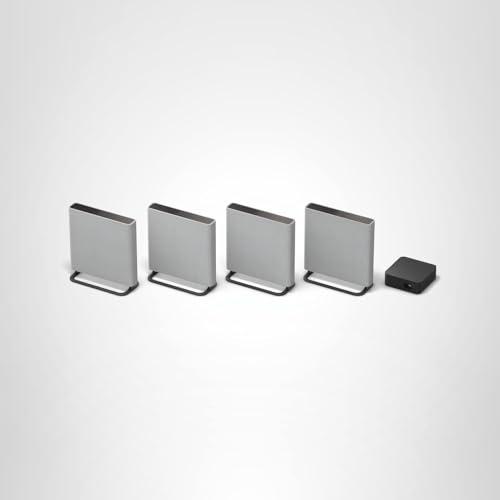
The Sony HT-A9M2, released in 2024 as an evolution of Sony's groundbreaking HT-A9 from 2021, takes the modular approach to its logical extreme. Instead of a single soundbar, you get four identical wireless speakers, each packed with a 3-way driver system plus an upfiring driver for height effects. That's 16 individual drivers total, creating what Sony calls "360 Spatial Sound Mapping"—essentially a sophisticated audio illusion that tricks your brain into hearing speakers that aren't physically there.
The technology improvements since the original A9 are significant. Sony boosted the wireless transmission power by 2.5 times and added dual antennas with frequency hopping to eliminate the dropout issues that occasionally plagued the first generation. They also refined the room calibration system to work more reliably in challenging spaces.
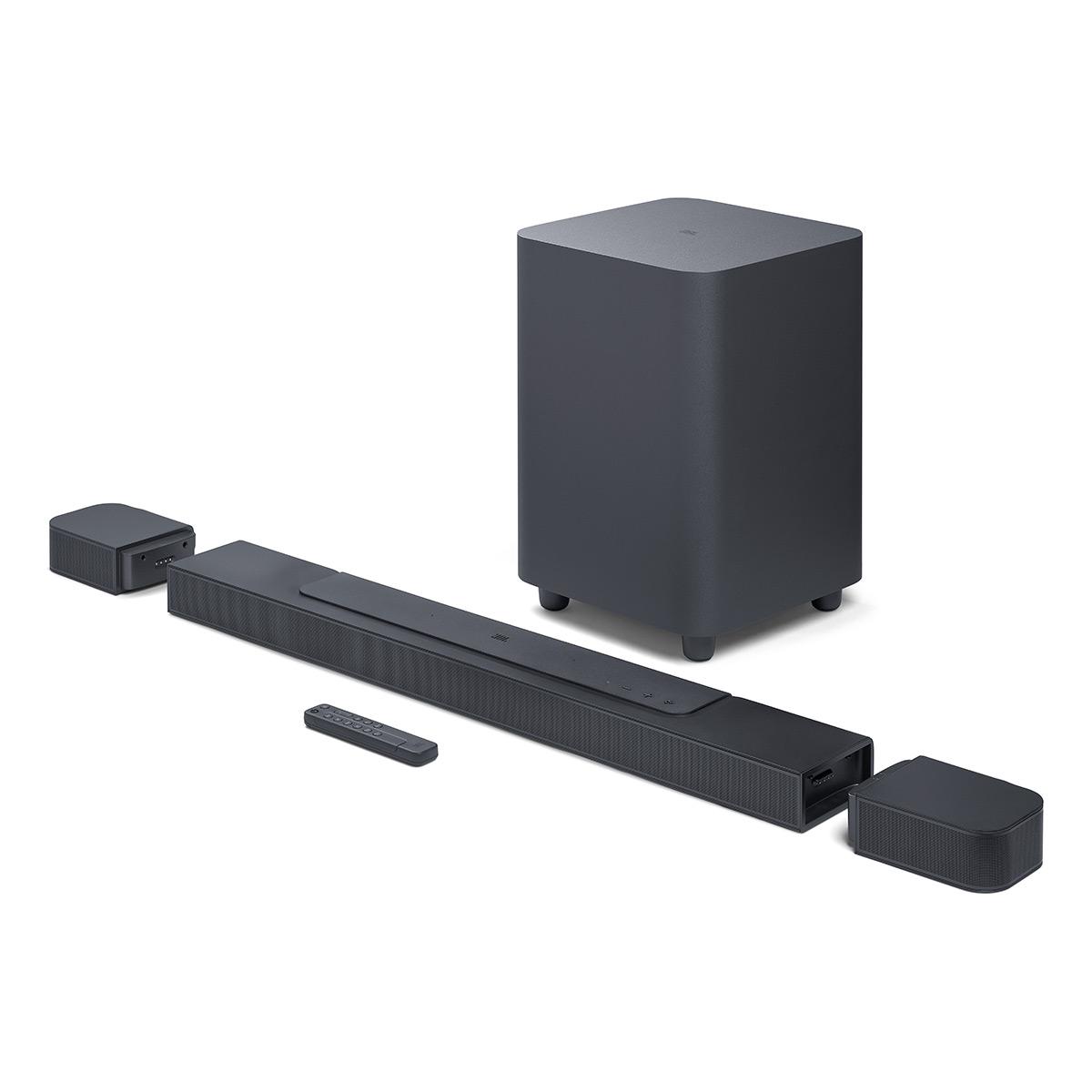
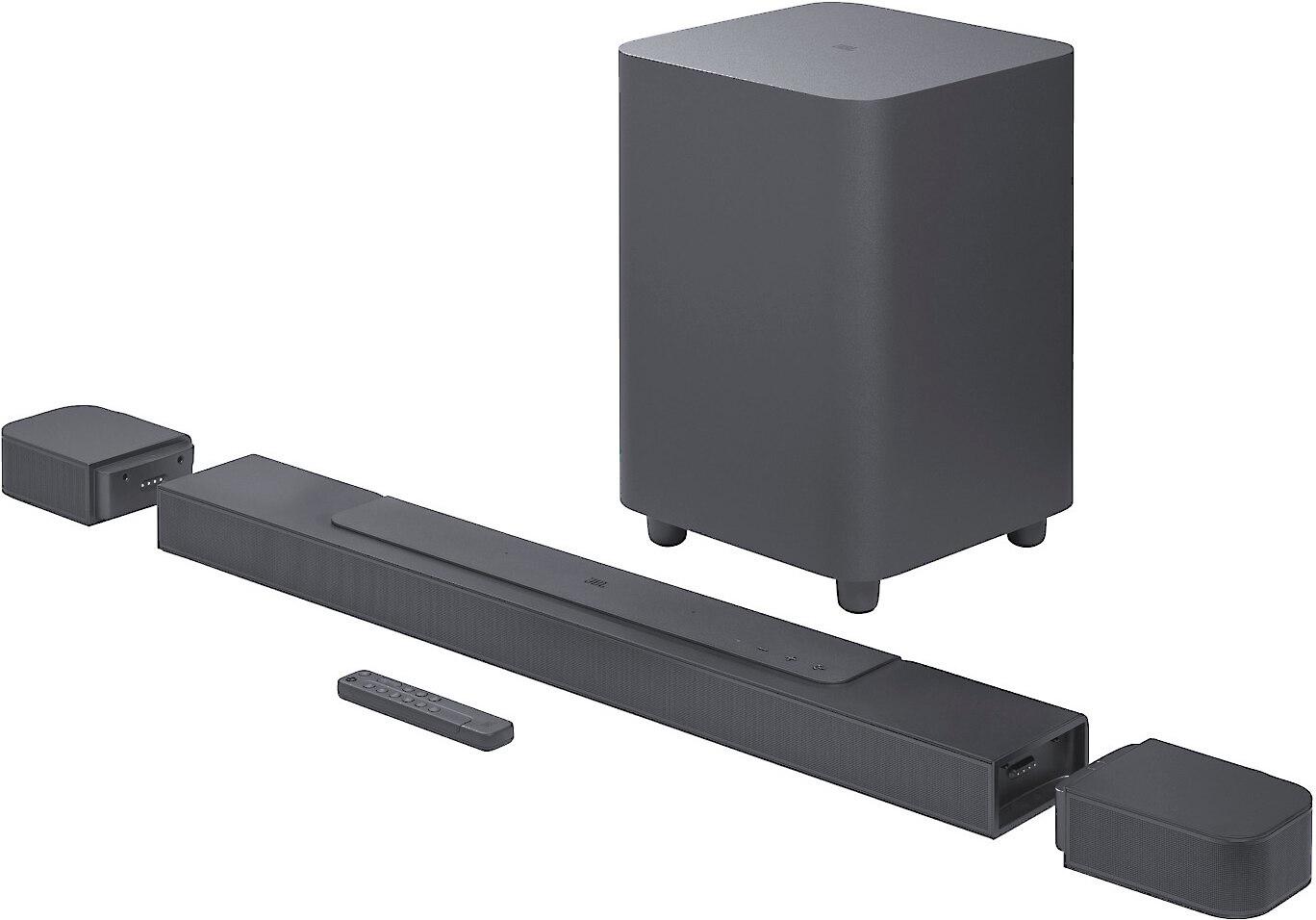
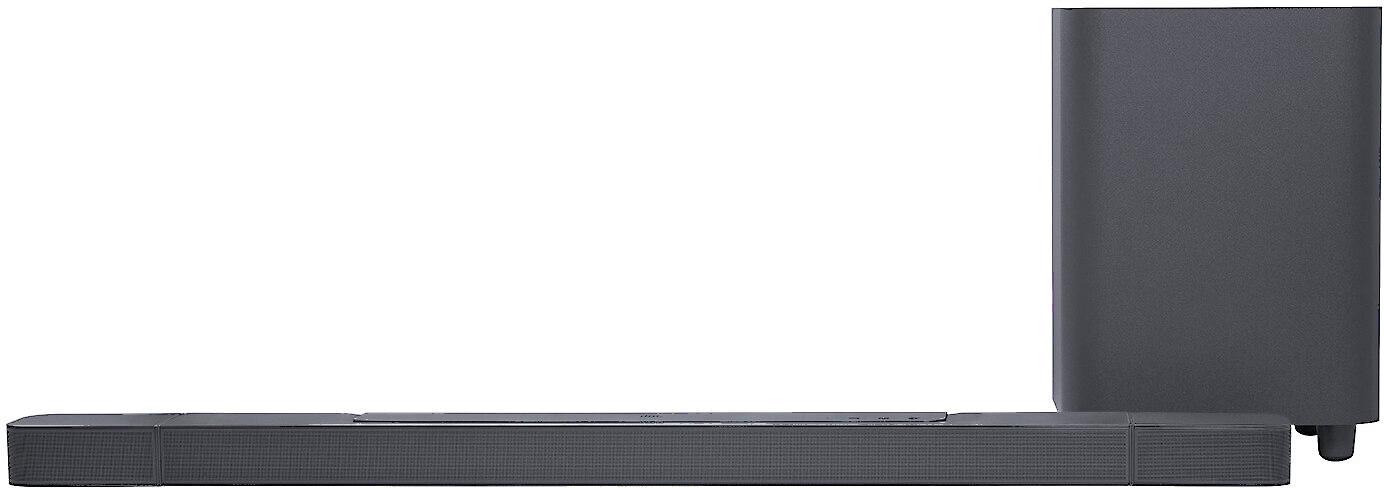
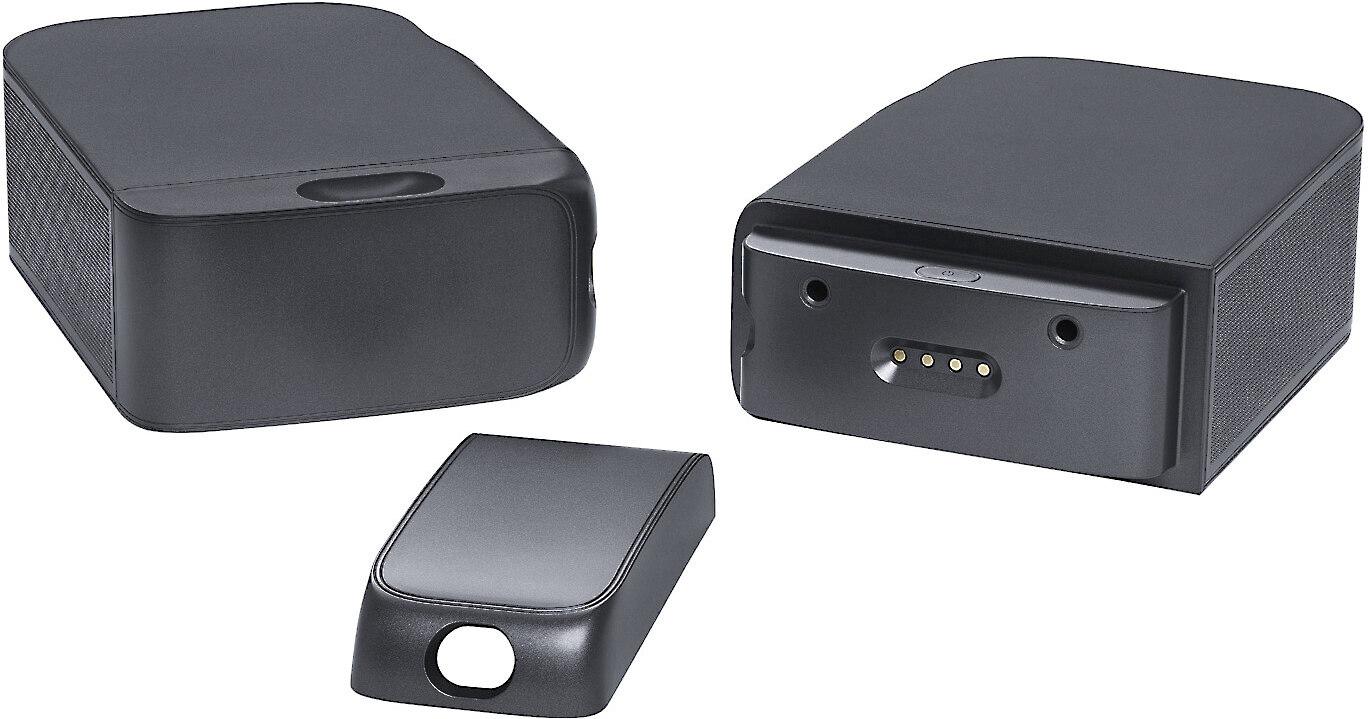
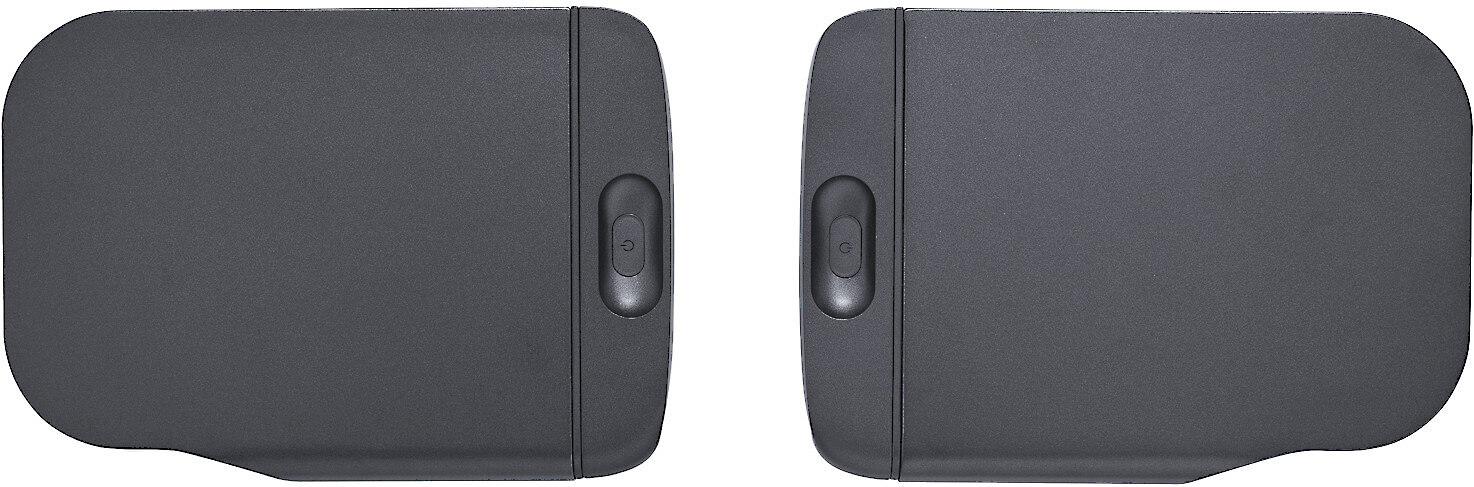
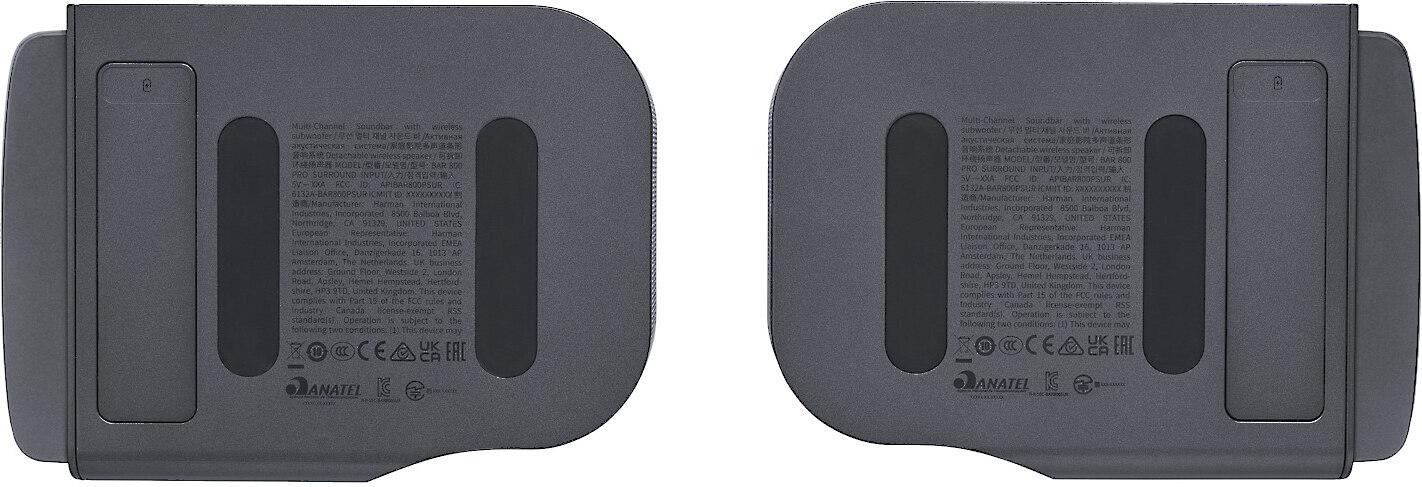
The JBL Bar 700, introduced in 2022, represents the mature evolution of the soundbar concept. JBL took everything that works about traditional soundbars—the main bar with dedicated center channel drivers, a wireless subwoofer for bass, and rear speakers for surround effects—and refined the execution. The clever innovation here is making the rear speakers detachable and battery-powered, so they can charge while connected to the main bar but operate wirelessly when you want true surround sound.
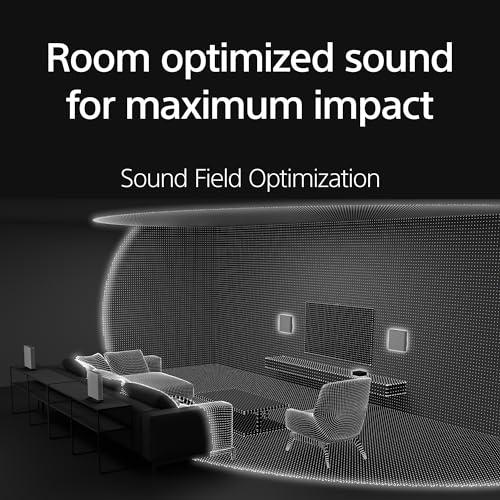
This is where the fundamental differences between these systems become crystal clear. The Sony HT-A9M2 creates immersion through sophisticated digital processing and strategic speaker placement. Its 360 Spatial Sound Mapping technology analyzes your room's acoustics using built-in microphones, then generates "phantom speakers" that seem to exist in spots where no physical speakers are placed.
During our research into expert reviews and user experiences, the consensus is striking: when properly calibrated, the Sony system creates an almost bubble-like soundscape where effects can convincingly appear to come from any direction, including overhead. The four discrete speakers enable a much wider soundstage than any single soundbar could achieve, and the dedicated upfiring drivers in each speaker create genuine height effects rather than just reflected sound.
However, this sophisticated approach requires patience. The system needs time to analyze your room and optimal speaker placement to work its magic. Professional reviewers consistently note that the immersive effects are most convincing with properly mastered Dolby Atmos content, where individual sound objects can be precisely placed in three-dimensional space.
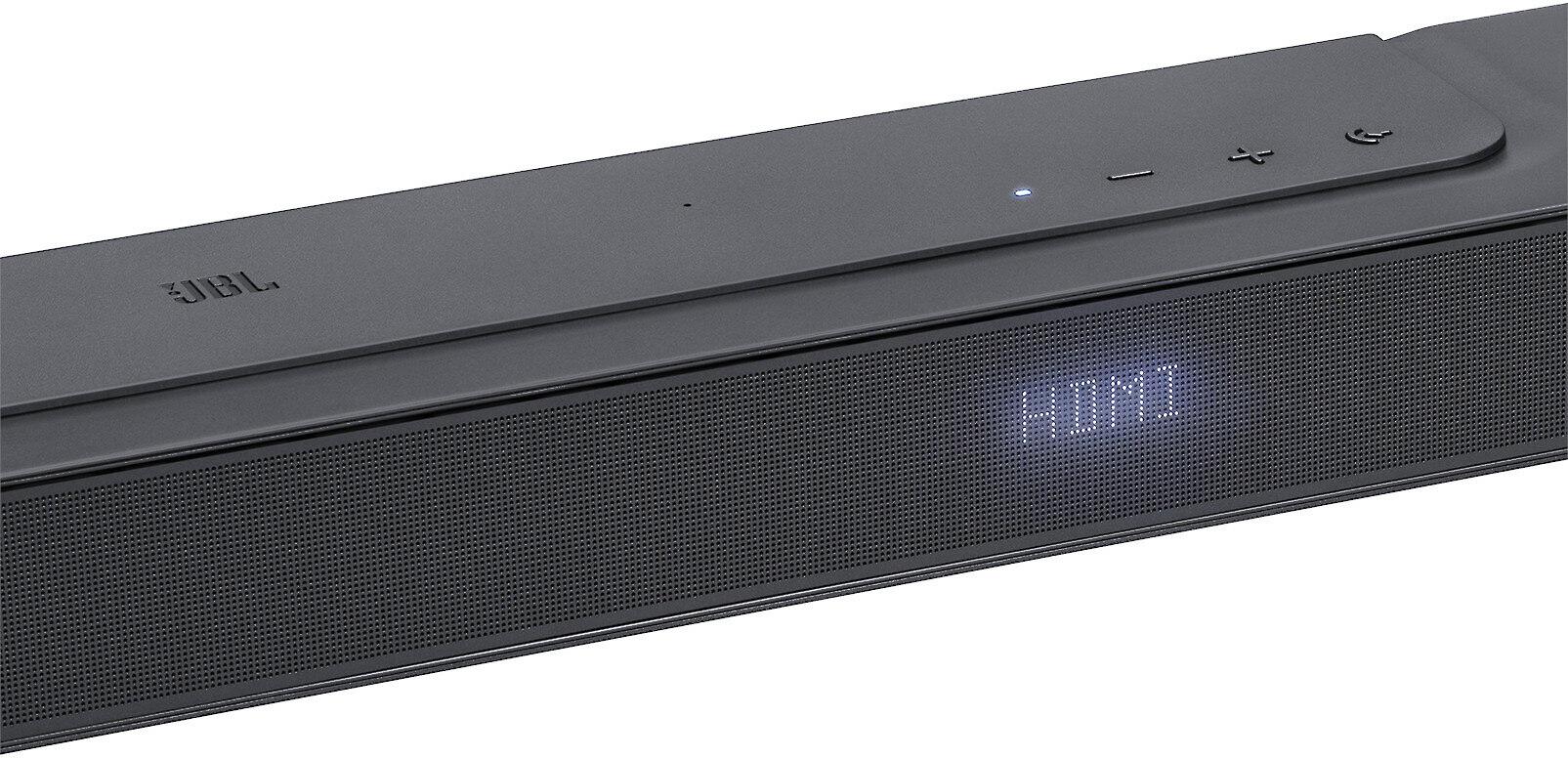
The JBL Bar 700 creates immersion through more traditional means: physical channel separation and strategic driver placement. The main soundbar handles left, center, and right channels with dedicated drivers for each, while the detachable rear speakers provide true surround effects from behind your seating position. This is classic 5.1 surround sound executed well, with the added benefit of Dolby Atmos virtual height processing.
The JBL's approach is more immediately satisfying but ultimately less sophisticated. You get convincing left-to-right panning and clear front-to-back surround effects, but the height dimension relies on psychoacoustic processing rather than the physical upfiring drivers that the Sony system employs. Think of it as the difference between a skilled magician (Sony) performing an elaborate illusion and a straightforward demonstration (JBL) that delivers exactly what you expect.
Here's where these systems diverge most dramatically. The JBL Bar 700 includes a substantial 10-inch wireless subwoofer that delivers 300 watts of dedicated bass power. This isn't just a nice-to-have feature—it's the foundation that makes action movies feel visceral and music sound full-bodied. The subwoofer covers everything below about 80Hz, which includes the rumble of explosions, the thump of bass guitars, and the subtle low-frequency effects that add emotional weight to dramatic scenes.
During our evaluation of user feedback, JBL owners consistently praise the immediate impact of having dedicated bass handling right out of the box. You can feel helicopter rotors, earthquake effects, and the low-end punch that modern movie soundtracks depend on to create excitement and tension.
The Sony HT-A9M2 takes a more problematic approach to bass. Each of the four speakers includes small woofers, but they're fighting the laws of physics—small drivers in compact enclosures simply can't move enough air to reproduce deep bass effectively. Professional reviewers are unanimous on this point: the Sony system sounds lean and lacks the weight that makes movies feel cinematic when used without an additional subwoofer.
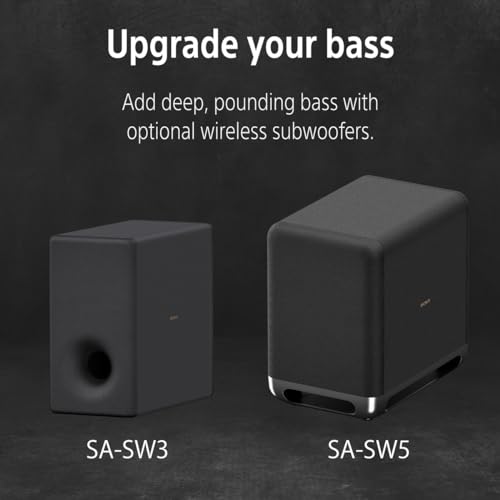
Sony does offer compatible wireless subwoofers (the SA-SW3 and SA-SW5), but these are separate purchases that significantly increase the total system cost. The irony is that the Sony system's sophisticated spatial processing really shines when it has proper bass support, but achieving that requires additional investment that many buyers don't anticipate.
This bass situation fundamentally affects the value proposition of each system. The JBL delivers complete, full-range sound immediately, while the Sony requires additional components to reach its full potential.
Clear dialogue separates good home theater systems from great ones, especially as modern movie mixes increasingly bury voices beneath complex soundscapes and booming effects. Both systems tackle this challenge differently, with mixed results.
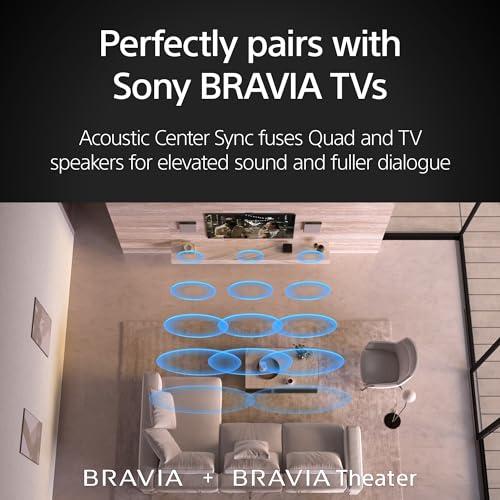
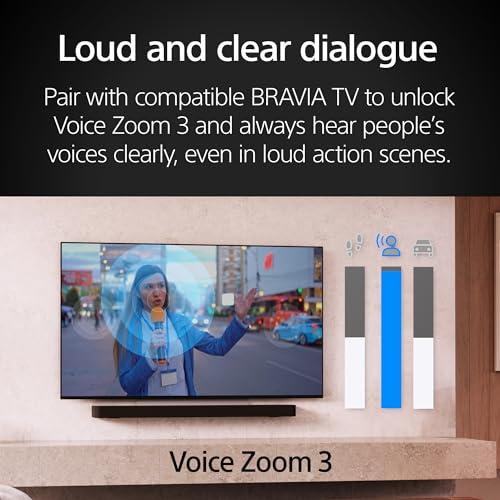
The Sony HT-A9M2 employs Voice Zoom 3 technology, which uses AI-driven processing to identify and enhance dialogue within complex audio mixes. This is sophisticated stuff—the system analyzes the incoming audio stream in real-time, separates human voices from other elements, and boosts their clarity without affecting the rest of the mix. When paired with a compatible Sony BRAVIA TV through Acoustic Center Sync, the TV's own speakers can function as a dedicated center channel, anchoring dialogue directly to the screen.
However, the Sony's phantom center approach has limitations. Without a physical center speaker, dialogue clarity depends heavily on your seating position and room acoustics. Professional reviews note that while the processing is impressive, some users find dialogue less focused than systems with dedicated center channels, particularly in larger rooms or when seated off-axis.
The JBL Bar 700 uses a more traditional but reliable approach with dedicated center channel drivers in the main soundbar, complemented by PureVoice processing technology. This system analyzes incoming audio to optimize voice frequencies, ensuring dialogue remains clear even during the loudest action sequences. The physical center channel provides consistent dialogue placement regardless of seating position, which many users find more natural and reliable than phantom imaging.
Based on user feedback and professional testing, the JBL's approach tends to be more foolproof for dialogue clarity, while the Sony's system can achieve superior results but requires optimal setup and positioning to do so.
While both systems are designed primarily for movies and TV, their music performance reveals interesting differences in their underlying audio philosophies.
The Sony HT-A9M2 excels at creating an enveloping musical experience, especially with newer formats like 360 Reality Audio that place instruments and vocals in three-dimensional space around the listener. The system supports Hi-Res Audio up to 192kHz/24-bit, preserving studio-quality detail that compressed streaming often loses. Sony's DSEE Ultimate technology uses AI processing to restore high-frequency detail to compressed music, effectively upscaling lower-quality sources.
The wide spacing between the four Sony speakers creates an impressively broad stereo image for traditional two-channel music, and the sophisticated room calibration ensures optimal tonal balance regardless of speaker placement. However, the lack of dedicated bass response means bass-heavy genres like hip-hop or electronic music can sound thin without a subwoofer.
The JBL Bar 700 provides a more conventional but immediately satisfying music experience. The included subwoofer ensures full-range reproduction across all genres, and the system's straightforward channel separation works well for stereo content. The wireless connectivity options (Chromecast, AirPlay 2, Bluetooth) make casual music streaming simple and reliable.
For serious music listening, the Sony system has the technical edge with better spatial imaging and Hi-Res support, but the JBL provides more consistent performance across different music styles without requiring additional components.
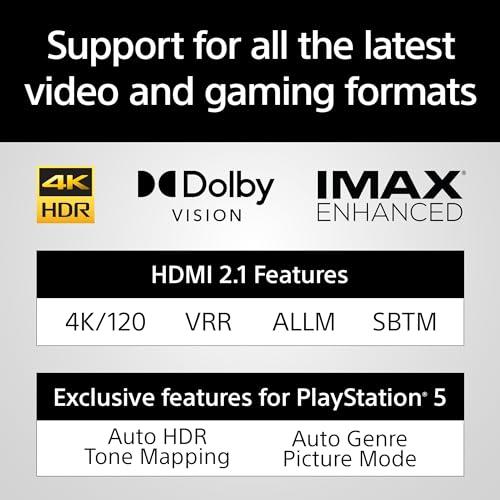
Modern gaming consoles and streaming devices demand sophisticated video and audio handling, and here the Sony HT-A9M2 demonstrates clear technical superiority. The system supports full HDMI 2.1 connectivity with 4K/120Hz and 8K/60Hz passthrough, Variable Refresh Rate (VRR), Auto Low Latency Mode (ALLM), and Display Stream Compression (DSC) for high-bandwidth signals.
These features matter if you're serious about gaming. VRR eliminates screen tearing, ALLM reduces input lag, and the high refresh rate support ensures your PlayStation 5 or Xbox Series X can display games at their full potential without the audio system becoming a bottleneck. The Sony system also includes PlayStation 5-specific optimizations for Auto HDR Tone Mapping and Auto Genre Picture Mode.
The JBL Bar 700 provides adequate but more basic connectivity with HDMI eARC and 4K Dolby Vision passthrough. It handles standard gaming scenarios well but lacks the advanced HDMI 2.1 features that serious gamers increasingly expect.
The placement flexibility difference between these systems is perhaps the most practically important distinction for real-world use.
The Sony HT-A9M2 thrives in challenging spaces. The four wireless speakers can be placed asymmetrically, at different heights, or even in completely non-traditional positions, and the automatic room calibration will adapt the sound accordingly. This makes the system ideal for open floor plans, irregularly shaped rooms, or spaces where traditional speaker placement isn't possible.
I've found this flexibility particularly valuable in modern homes where living spaces often blend together and optimal speaker placement conflicts with furniture arrangement or family life. The Sony speakers can be wall-mounted, placed on shelves, or positioned on furniture without predetermined geometry requirements.
The JBL Bar 700 works best in conventional rectangular rooms with traditional TV placement. The main soundbar needs to be centered below or above your TV, and the rear speakers, while battery-powered and portable, work optimally when placed behind your primary seating area. This isn't necessarily a limitation—it's how most people prefer to set up their audio systems—but it does make the JBL less adaptable to unusual spaces.
At the time of writing, these systems occupy very different price segments, which fundamentally affects their value propositions.
The JBL Bar 700 represents exceptional value for a complete 5.1 system. You get everything needed for full-range surround sound—main bar, subwoofer, and wireless rear speakers—at a price point that's accessible to most home theater enthusiasts. The performance-per-dollar ratio is outstanding, especially considering the build quality and feature set.
The Sony HT-A9M2 commands premium pricing that reflects its innovative technology and sophisticated processing. However, the true cost extends beyond the initial purchase since optimal performance requires adding a subwoofer. This makes the total investment significantly higher than the JBL system, positioning it as a premium option for users who prioritize spatial audio innovation over traditional value metrics.
The value equation also depends on your timeline. The Sony system's modular design and ecosystem compatibility suggest better long-term expandability, while the JBL provides complete satisfaction immediately but with limited upgrade paths.
After extensive research into both systems' capabilities and user experiences, here's how I recommend approaching this choice:
Choose the Sony HT-A9M2 if you:
Choose the JBL Bar 700 if you:
The reality is that both systems excel in their intended roles. The JBL delivers everything most people want from a home theater upgrade: clear dialogue, immersive surround effects, powerful bass, and excellent value. The Sony pushes the boundaries of what's possible with spatial audio processing, creating experiences that conventional systems simply cannot match, but demands patience and additional investment to reach its full potential.
For most buyers, the JBL Bar 700 provides the more satisfying immediate experience and better overall value. For audio enthusiasts willing to invest in the future of home theater technology, the Sony HT-A9M2 offers capabilities that feel genuinely revolutionary when properly implemented.
The choice ultimately depends on whether you want proven, complete performance now, or innovative, expandable performance that requires commitment to reach its full potential.
| Sony HT-A9M2 BRAVIA Theater Quad | JBL Bar 700 Dolby Atmos Soundbar |
|---|---|
| Channel Configuration - Determines surround sound capability and speaker placement | |
| 4.0.4 channels (16 drivers across 4 wireless speakers) | 5.1 channels (soundbar + subwoofer + detachable rears) |
| Bass Solution - Critical for movie impact and music enjoyment | |
| No subwoofer included; requires separate purchase for full bass | 10" wireless subwoofer included (300W dedicated bass power) |
| Speaker Design - Affects placement flexibility and room integration | |
| Four identical wireless speakers with 3-way + height drivers each | Traditional soundbar with detachable battery-powered rear speakers |
| Total Power Output - Indicates maximum volume and dynamic range | |
| 504W total across 16 individual amplified drivers | 620W total (240W soundbar, 80W rears, 300W subwoofer) |
| Spatial Audio Technology - Creates immersive 3D sound experience | |
| 360 Spatial Sound Mapping with phantom speaker generation | Dolby Atmos with virtual height processing |
| Room Calibration - Optimizes sound for your specific space | |
| Automatic Sound Field Optimization using built-in microphones | Easy Sound Calibration with embedded microphone |
| Dialogue Enhancement - Keeps voices clear during loud scenes | |
| Voice Zoom 3 with AI-driven dialogue separation | PureVoice technology with dedicated center channel |
| Gaming Connectivity - Important for console gaming performance | |
| Full HDMI 2.1 (4K/120Hz, 8K/60Hz, VRR, ALLM, DSC) | HDMI eARC with 4K Dolby Vision passthrough |
| Music Streaming - Wireless audio capabilities for everyday listening | |
| Hi-Res Audio, 360 Reality Audio, Spotify Connect, AirPlay 2 | Chromecast built-in, AirPlay 2, Alexa Multi-Room Music |
| Setup Complexity - Time and effort required for optimal performance | |
| Requires speaker positioning and room calibration for best results | Plug-and-play with immediate full-range performance |
| Expandability - Future upgrade potential within ecosystem | |
| Compatible with Sony BRAVIA Theater subwoofers and ecosystem | Limited expansion options beyond included components |
| Ideal Room Type - Where each system performs best | |
| Irregular layouts, open floor plans, flexible placement needs | Traditional rectangular rooms with conventional TV setup |
For traditional home theater setups, the JBL Bar 700 offers better immediate performance with its included 10-inch subwoofer and physical rear speakers. However, the Sony HT-A9M2 creates a more advanced spatial audio experience with superior room-filling immersion once properly calibrated. The JBL is better for most users wanting complete surround sound out of the box.
No, the Sony HT-A9M2 does not include a subwoofer. It relies on small woofers in each of its four speakers for bass, which professional reviews consistently note as insufficient for full cinematic impact. You'll need to purchase a separate Sony wireless subwoofer for proper bass performance, unlike the JBL Bar 700 which includes a powerful 10-inch subwoofer.
Both systems excel at dialogue but in different ways. The JBL Bar 700 uses a dedicated center channel with PureVoice technology for consistently clear dialogue placement. The Sony HT-A9M2 employs advanced Voice Zoom 3 AI processing and can use compatible BRAVIA TVs as a center channel, but relies on phantom center imaging that may be less focused in some rooms.
The JBL Bar 700 offers plug-and-play simplicity with immediate full-range performance. The Sony HT-A9M2 requires more setup time including speaker positioning, room calibration, and optimization to achieve its best spatial audio effects. The Sony system rewards patience with superior immersion, while the JBL works great right out of the box.
The Sony HT-A9M2 has advantages for music with Hi-Res Audio support up to 192kHz/24-bit, 360 Reality Audio compatibility, and wider stereo imaging from its separated speakers. However, it needs a subwoofer for bass-heavy music. The JBL Bar 700 provides more consistent full-range music performance across all genres thanks to its included subwoofer.
Yes, but the Sony HT-A9M2 offers superior gaming connectivity with full HDMI 2.1 support including 4K/120Hz, 8K/60Hz, Variable Refresh Rate (VRR), and Auto Low Latency Mode (ALLM). The JBL Bar 700 provides adequate gaming support with HDMI eARC and 4K Dolby Vision passthrough, but lacks advanced HDMI 2.1 gaming features.
The JBL Bar 700 provides exceptional value as a complete 5.1 system with everything included at a competitive price point. The Sony HT-A9M2 costs significantly more and requires additional subwoofer purchase for optimal performance, but offers unique spatial audio technology unavailable in conventional soundbars.
Yes, both support Dolby Atmos but differently. The Sony HT-A9M2 uses dedicated upfiring drivers in each of its four speakers plus sophisticated 360 Spatial Sound Mapping for height effects. The JBL Bar 700 uses virtual Dolby Atmos processing through its main soundbar drivers. The Sony provides more convincing overhead effects.
The JBL Bar 700 typically works better in smaller spaces due to its included subwoofer providing proper bass in compact rooms and its straightforward setup. The Sony HT-A9M2 can work well in small rooms but may be overkill, and its four speakers might overwhelm very small spaces unless carefully positioned and calibrated.
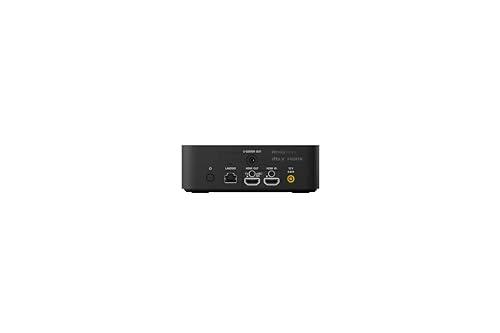
The Sony HT-A9M2 has four completely wireless speakers that connect to a central control box. The JBL Bar 700 features detachable battery-powered rear speakers that charge when connected to the main soundbar but operate wirelessly when detached. Both eliminate the need for rear speaker wiring during use.
Both systems support modern streaming with the Sony HT-A9M2 offering Spotify Connect and AirPlay 2, while the JBL Bar 700 includes Chromecast built-in, AirPlay 2, and Alexa Multi-Room Music. The Sony has an edge with Hi-Res Audio support and DSEE Ultimate upscaling, while the JBL offers broader smart home integration options.
The Sony HT-A9M2 excels in open floor plans and irregular spaces thanks to its flexible speaker placement and automatic room calibration that adapts to non-traditional layouts. The JBL Bar 700 works best in conventional rectangular rooms with traditional TV setups, making the Sony the better choice for challenging room configurations.
We've done our best to create useful and informative comparisons to help you decide what product to buy. Our research uses advanced automated methods to create this comparison and perfection is not possible - please contact us for corrections or questions. These are the sites we've researched in the creation of this article: bestbuy.com - whathifi.com - whathifi.com - youtube.com - rtings.com - audiosciencereview.com - bhphotovideo.com - skybygramophone.com - sony.com - manuals.plus - audioadvice.com - dell.com - valueelectronics.com - youtube.com - merlinstv.com - videoandaudiocenter.com - electronics.sony.com - sony.com - bestbuy.com - beachcamera.com - sony.com - win.consulting - sony.com - crutchfield.com - harmanaudio.com - target.com - jbl.com - walmart.com - dell.com - jbl.com

Privacy Policy
Terms and Conditions - Affiliate Policy
Home Security
© Copyright 2008-2026.
11816 Inwood Rd #1211, Dallas, TX 75244