







Home theater audio has evolved dramatically in recent years. Gone are the days when you needed a massive AV receiver and a dozen speakers snaking wires around your living room to get truly immersive sound. Today's premium systems promise cinema-quality audio with minimal setup complexity, but they achieve this goal through radically different approaches.
The Sony HT-A9M2 and JBL Bar 1000 represent two distinct philosophies in premium home theater design. Released in 2024 and 2023 respectively, these systems tackle the same challenge—delivering spectacular surround sound in modern homes—but their solutions couldn't be more different. Understanding these differences is crucial for making the right choice for your setup.
Before diving into specifics, let's establish what we're really comparing here. Premium home theater systems occupy the sweet spot between simple soundbars and complex component systems. They're designed for enthusiasts who want reference-quality audio without becoming audio engineers.
The key performance metrics that matter most are immersion quality (how convincingly the system places sounds around you), bass performance (the deep frequencies that make explosions feel real), dialogue clarity (ensuring you never miss what characters are saying), and room adaptability (how well the system works in different spaces). These systems also need to balance setup complexity with performance capability—nobody wants to spend weekends calibrating speakers.
At the time of writing, premium systems typically range from around $700 to over $3,000 for complete setups. The value equation becomes complex because some systems include everything you need, while others require expensive add-ons to reach their full potential.
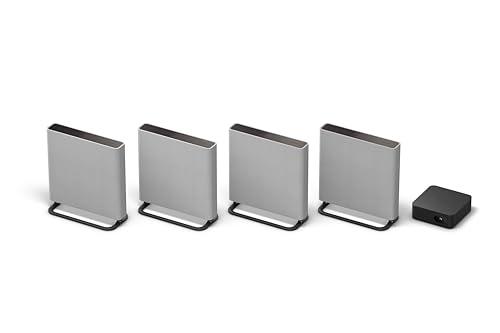
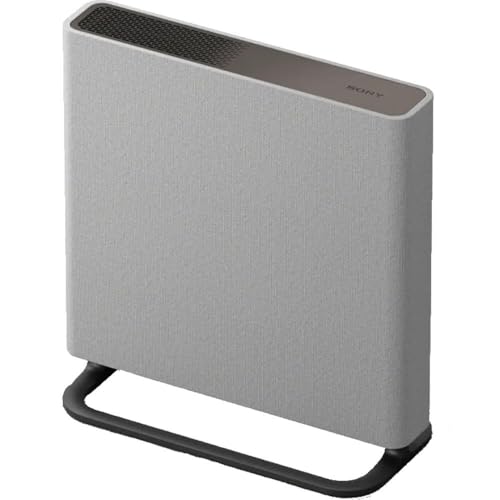
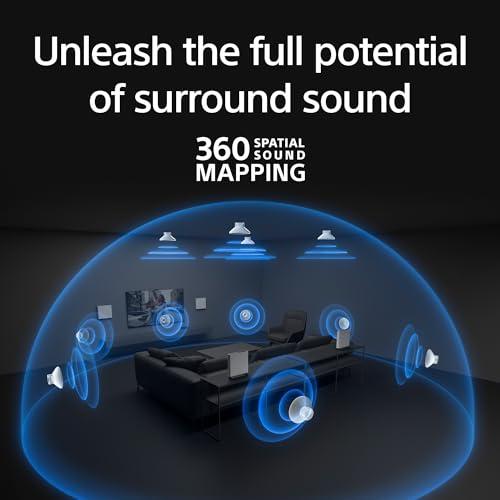
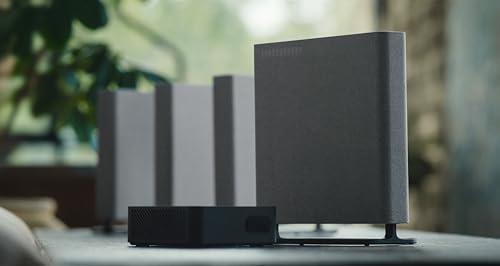
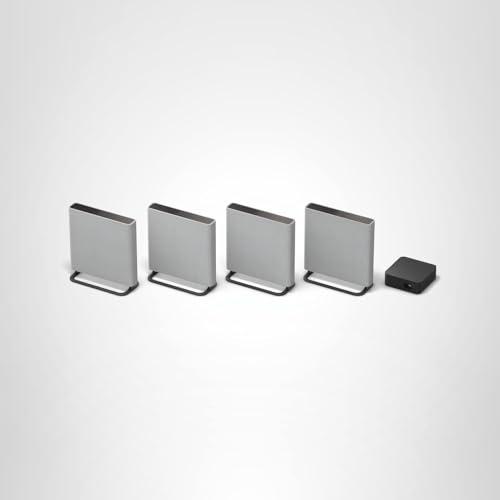
The Sony HT-A9M2 throws out conventional wisdom entirely. Instead of a traditional soundbar, you get four identical wireless speakers that look more like small bookshelf speakers than typical home theater components. These speakers use Sony's 360 Spatial Sound Mapping technology—essentially advanced digital processing that analyzes your room's acoustics and creates "phantom speakers" through carefully controlled sound reflections.
Think of it like audio holography. The four physical speakers work together to create the illusion of up to 12 speakers positioned around your room, including overhead positions for height effects. This 4.0.4 channel configuration means four main speakers and four height channels, but no dedicated subwoofer or rear speakers in the base package.
Sony has made significant improvements since the original HT-A9 launched in 2021. The most important upgrade is enhanced wireless reliability—the original system occasionally suffered audio dropouts, particularly in homes with heavy Wi-Fi traffic. The new model features dual antennas with frequency hopping, automatically switching to clearer radio frequencies to maintain stable connections between the control box and speakers.
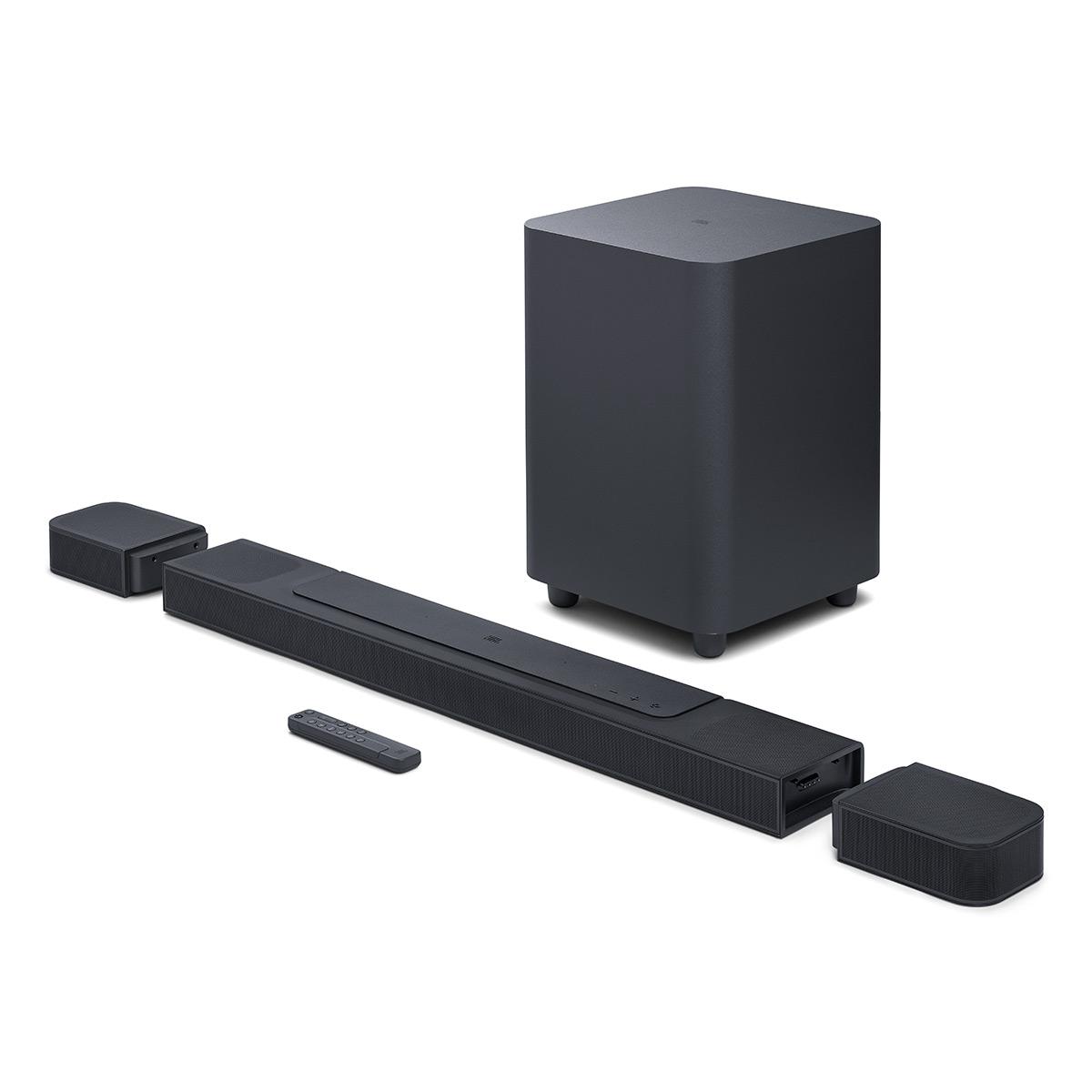
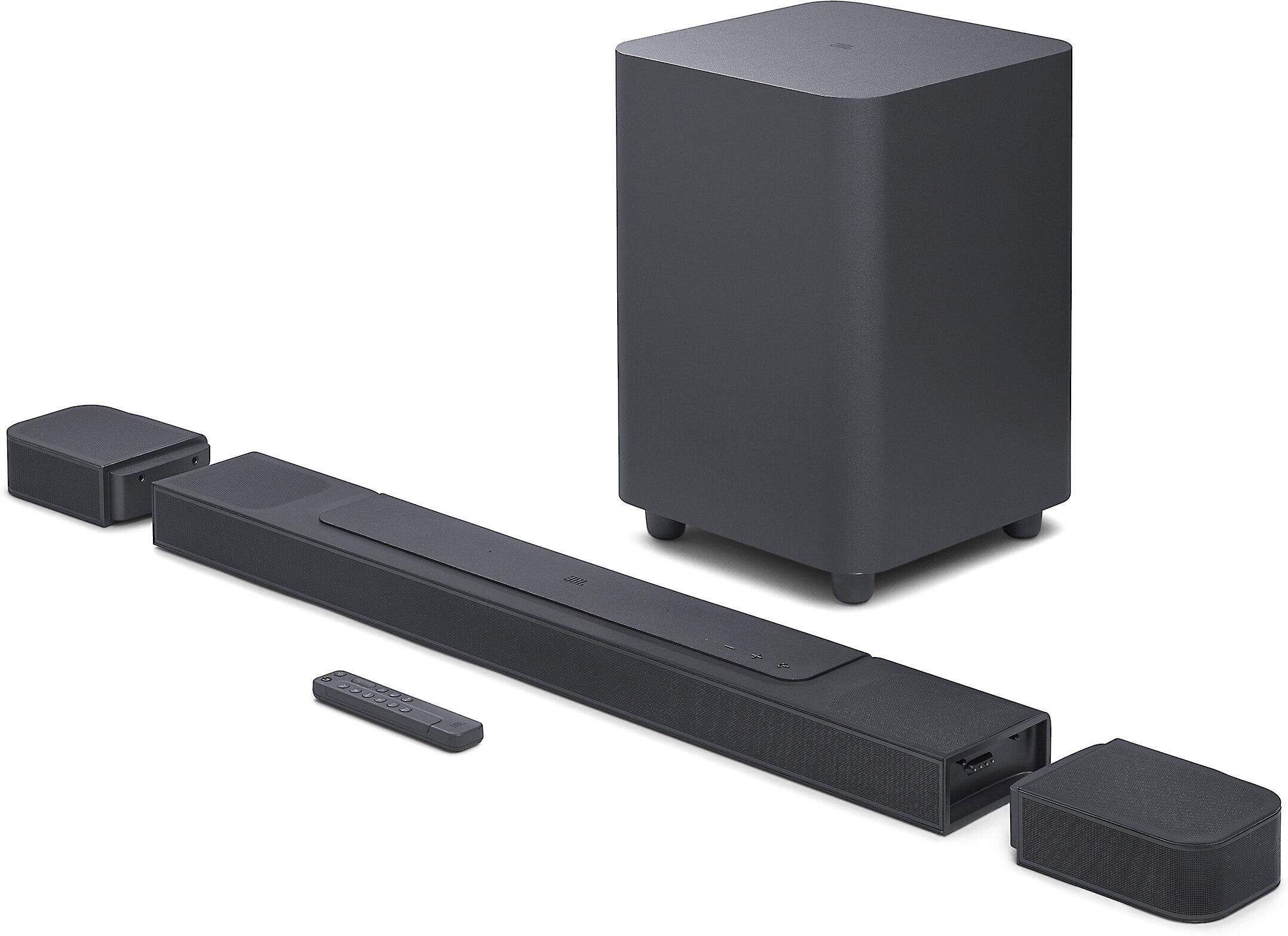
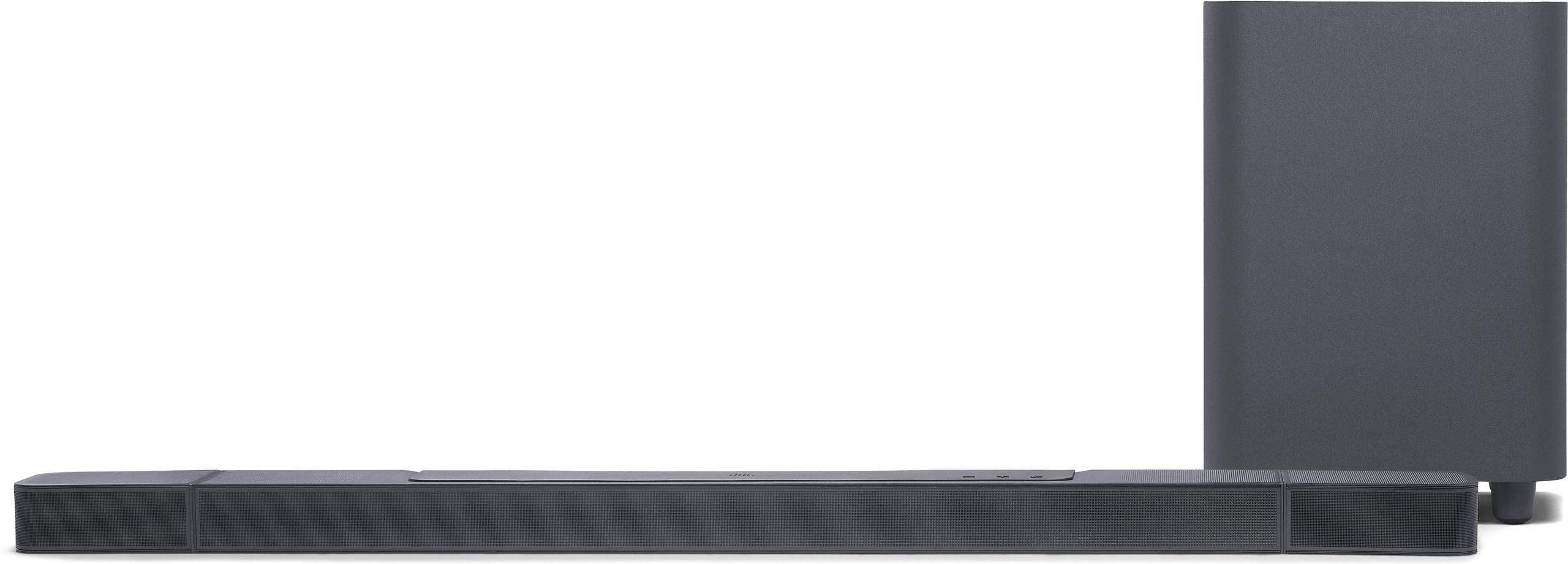
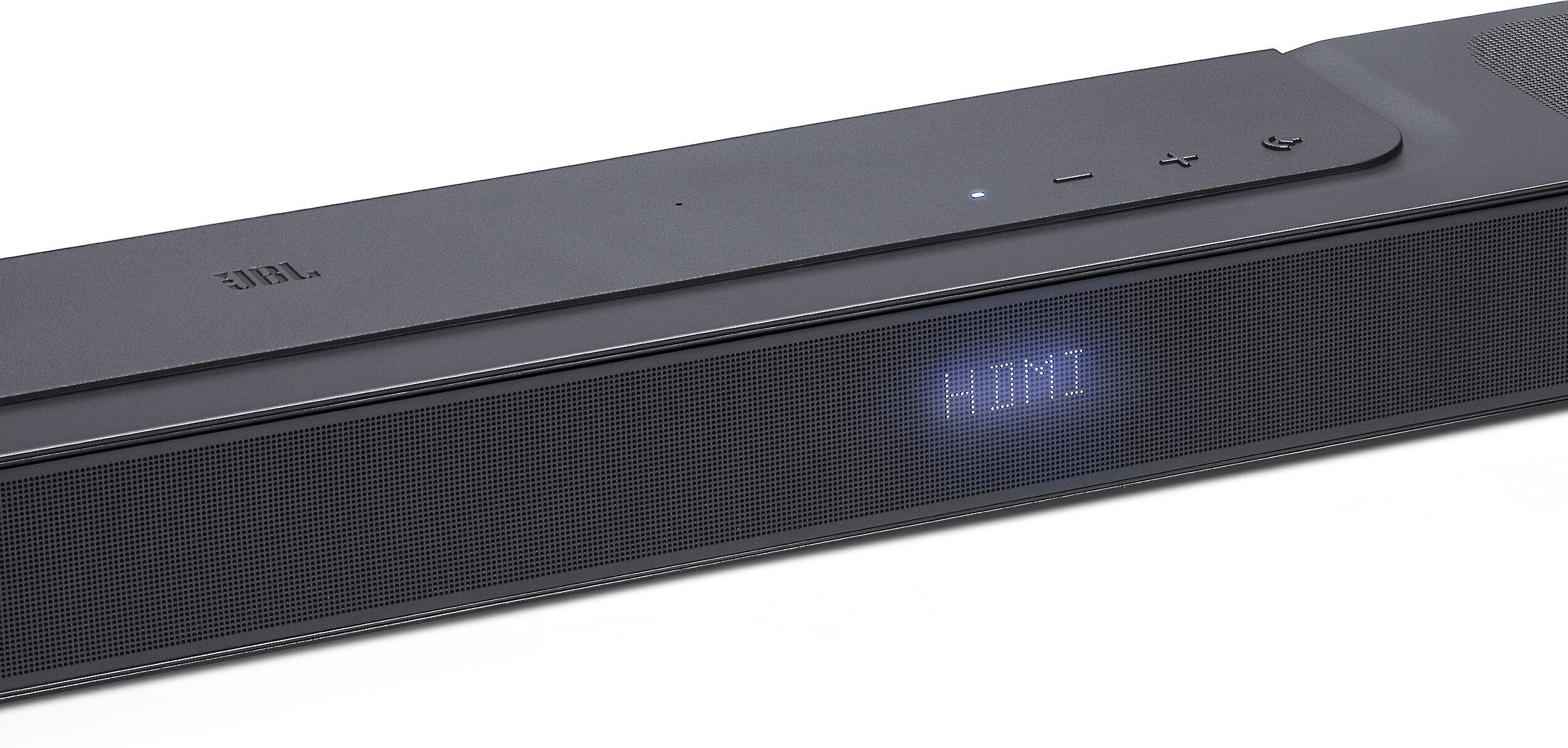
The JBL Bar 1000, released in 2023, takes the traditional but refined approach. You get a substantial soundbar, a 10-inch wireless subwoofer, and two detachable rear speakers that create a genuine 7.1.4 channel system. This means seven main channels (left, center, right, side surrounds, rear surrounds, and subwoofer) plus four height channels for Dolby Atmos effects.
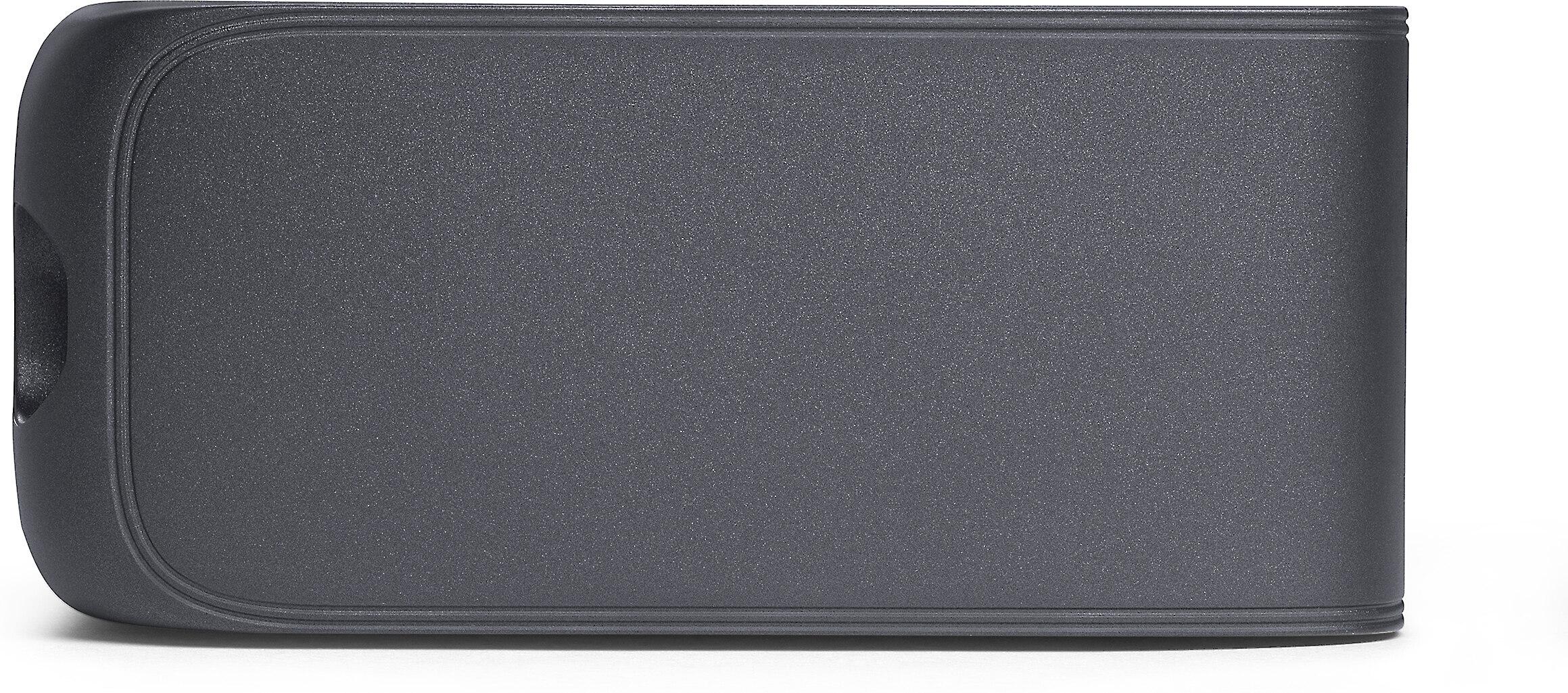
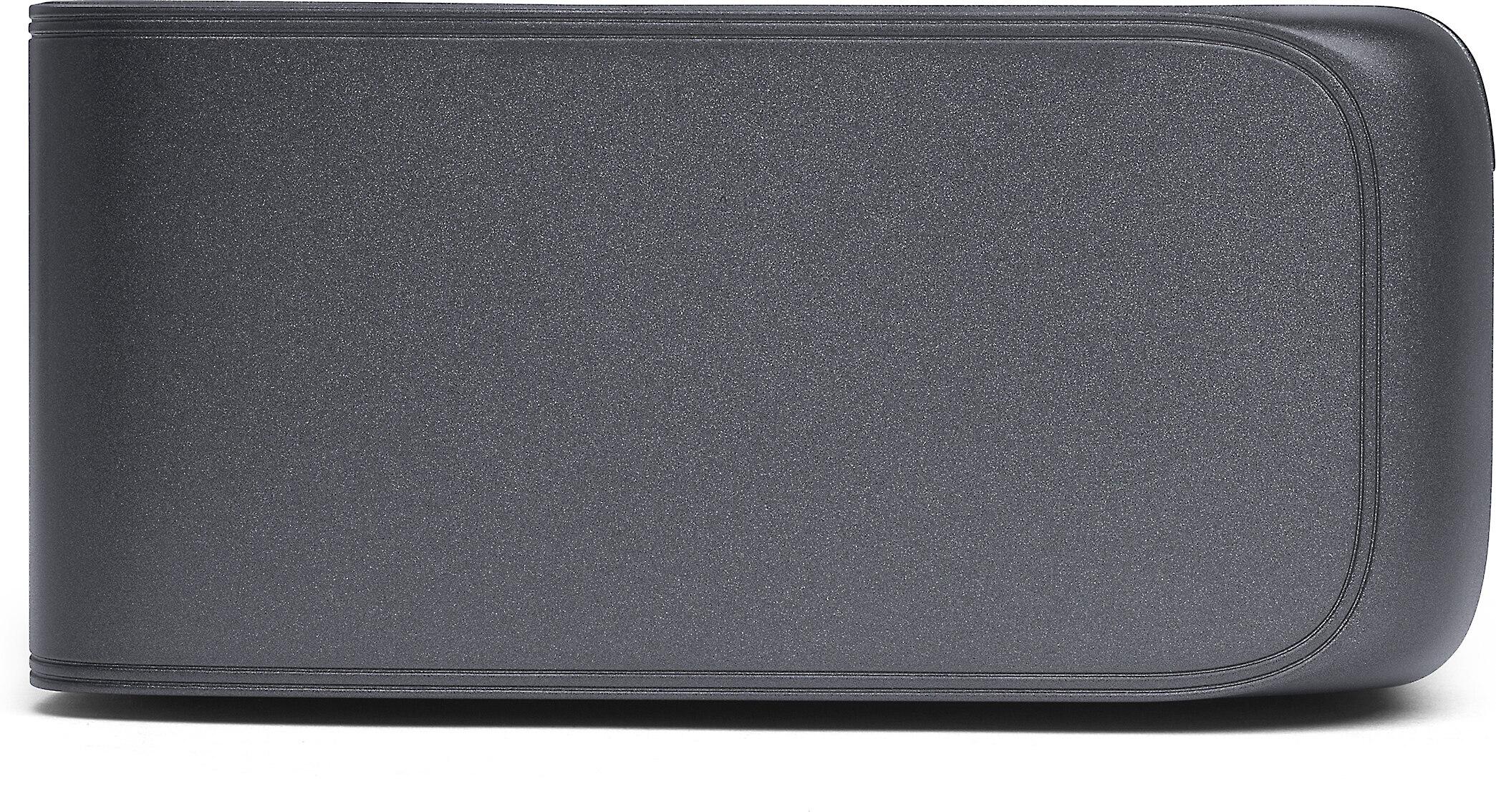
What makes the JBL Bar 1000 special is those detachable rear speakers. They're battery-powered (lasting about 10 hours per charge) and magnetically dock to the main soundbar when not in use. When you want surround sound, you simply detach them and place them behind your seating area—no wires, no additional power outlets required.
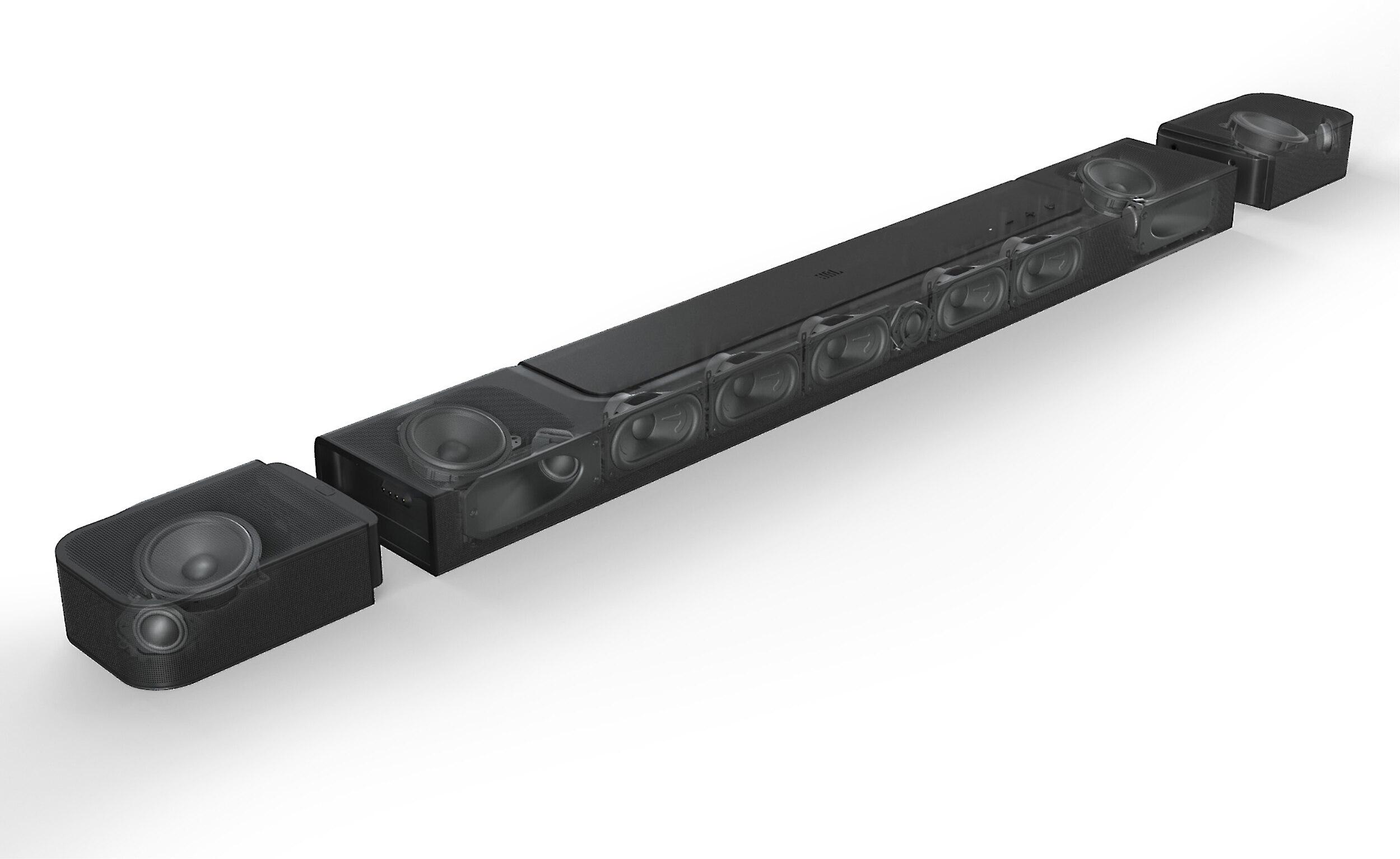
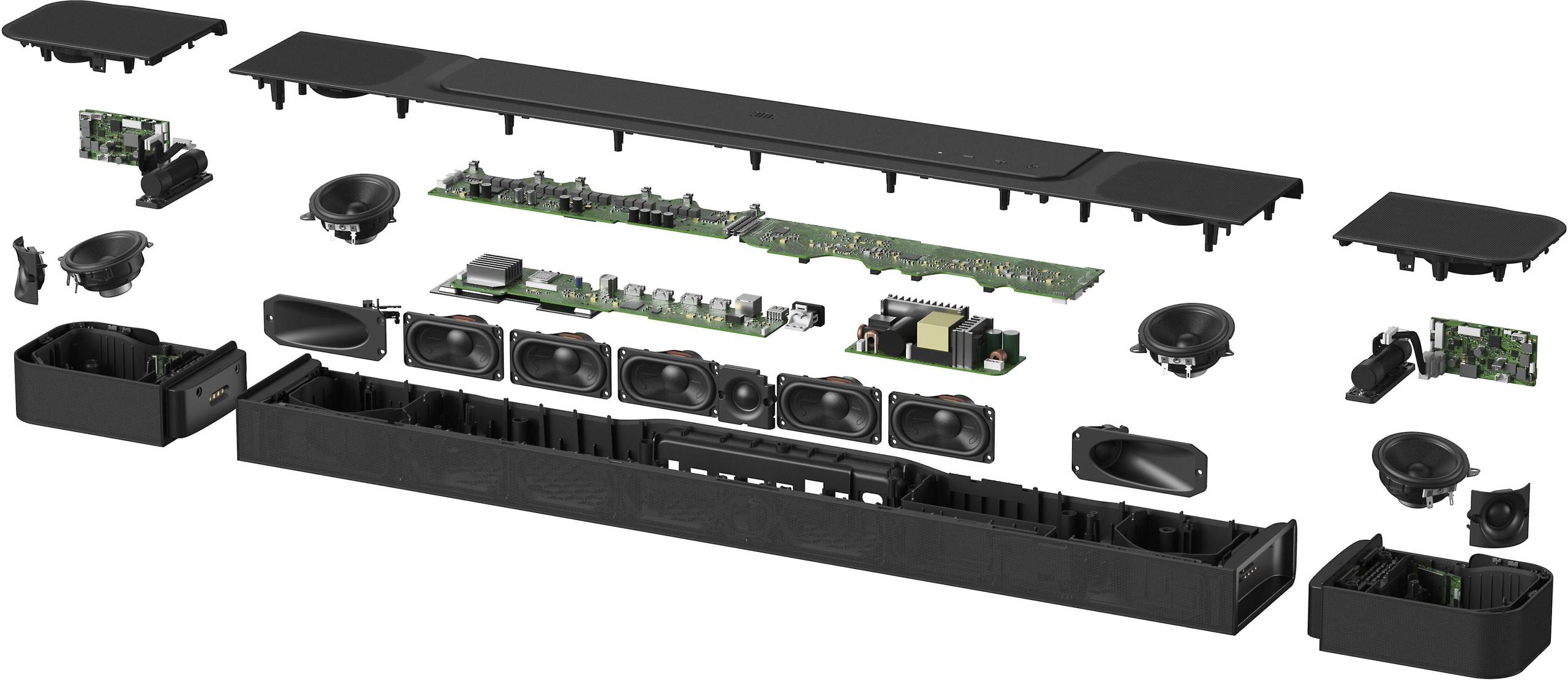
The system uses MultiBeam 3.0 technology, which employs multiple drivers in the main bar to create a wider soundstage than traditional soundbars. Combined with the physical rear speakers and four up-firing drivers (two in the main bar, two in the rear speakers), it creates genuine surround sound rather than virtual effects.
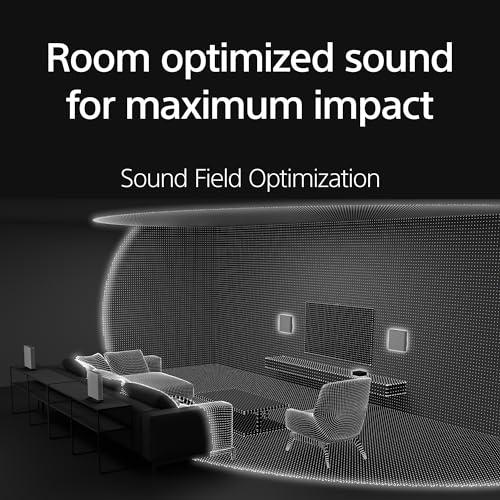
This is where the fundamental difference between these systems becomes most apparent. The Sony HT-A9M2 creates its surround effects entirely through processing and room reflections. When it works well—and our research suggests it works remarkably well in medium-sized rooms with decent acoustics—the effect is genuinely impressive. Users consistently report hearing effects that seem to come from specific locations around the room, even though no speakers exist there.
The key to Sony's success is its Sound Field Optimization process. During setup, each speaker emits test tones while built-in microphones analyze how sound reflects off your walls, ceiling, and furniture. The system then adjusts timing, levels, and frequency response to create the most convincing phantom speaker effect possible.
However, this virtual approach has limitations. Rooms with unusual shapes, very high ceilings, or heavy sound absorption (think lots of thick curtains and plush furniture) can break the illusion. The Sony HT-A9M2 works best in relatively conventional rectangular rooms with hard surfaces that can reflect sound effectively.
The JBL Bar 1000 sidesteps these issues entirely by using physical speakers. When explosions happen behind you in a movie, they're actually coming from speakers positioned behind you. This creates more reliable surround effects that work consistently regardless of your room's acoustics. The trade-off is placement flexibility—you need to position those rear speakers appropriately, and they need to be recharged periodically.
Based on user experiences and expert consensus, the Sony HT-A9M2 delivers more precise, pinpoint imaging when conditions are right. You can literally point to where sounds are coming from. The JBL Bar 1000 provides more enveloping, room-filling surround sound that works reliably in any space.
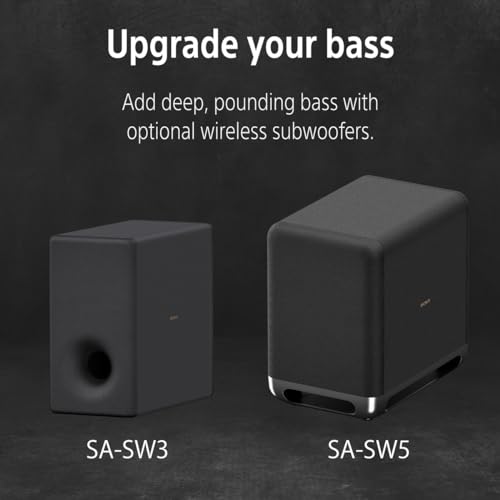
This is perhaps the most significant performance gap between these systems. The Sony HT-A9M2 ships without a subwoofer, relying on its satellite speakers for bass. Multiple professional reviews describe the bass as "too lean" or "lacking weight" without Sony's optional subwoofer add-on.
This isn't necessarily a fatal flaw—the system's midrange and treble are exceptionally clean and detailed. But for movie watching, especially action films with explosions, rumbling vehicles, or deep musical soundtracks, the Sony HT-A9M2 feels incomplete without additional bass. Sony offers the SA-SW3 and SA-SW5 wireless subwoofers, but they represent significant additional investment.
The JBL Bar 1000 includes a substantial 10-inch wireless subwoofer that provides deep, powerful bass down to 33Hz—low enough to reproduce the deepest movie sound effects. This creates an immediate sense of cinematic scale that the Sony HT-A9M2 can't match without extra components.
For music listening, the bass difference is less critical unless you primarily listen to hip-hop, EDM, or other bass-heavy genres. The Sony HT-A9M2 actually has advantages for acoustic music, jazz, and classical recordings where precision matters more than impact.
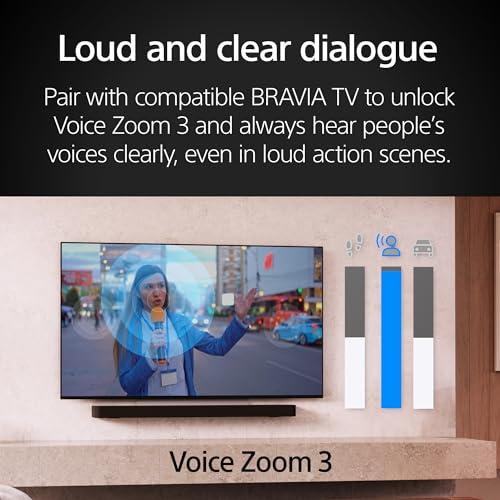
Both systems tackle dialogue clarity differently. The Sony HT-A9M2 uses Voice Zoom 3, an AI-powered system that analyzes audio in real-time, separates dialogue from background sounds, and enhances speech intelligibility. This technology adapts automatically to different content, boosting quiet whispers in dramas while preventing dialogue from being overwhelmed during action sequences.
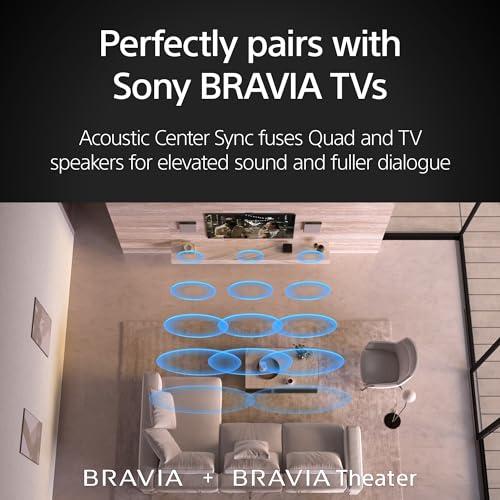
Sony's approach becomes even more sophisticated when paired with compatible BRAVIA TVs through Acoustic Center Sync. This feature uses the TV's built-in speakers as a dedicated center channel, anchoring dialogue directly to the screen while the four satellite speakers handle everything else.
The JBL Bar 1000 uses a more traditional approach with PureVoice 2.0 technology and dedicated center channel drivers in the main soundbar. This physical center channel provides consistent dialogue reproduction regardless of your listening position or room acoustics.
In practice, both approaches work well, but they excel in different scenarios. The Sony HT-A9M2 is particularly impressive with complex movie mixes where dialogue needs to be extracted from dense soundtracks. The JBL Bar 1000 provides more reliable dialogue clarity in rooms where people might be seated at various angles to the TV.
The JBL Bar 1000 delivers significantly more raw power—880 watts peak output compared to the Sony HT-A9M2's 504 watts. More importantly, the JBL's physical speakers maintain their effectiveness as you move further away, making it better suited for large rooms, open floor plans, or high-ceiling spaces.
The Sony HT-A9M2 works best in medium-sized rooms, roughly 12x15 feet or smaller. Its wireless signal strength and virtual surround effects become less convincing in very large spaces. The system also performs better when listeners are positioned within a relatively defined seating area.
This isn't necessarily a limitation for many users. Most dedicated home theaters or media rooms fall within the Sony HT-A9M2's optimal range. But if you're setting up in a large family room or open-concept living space, the JBL Bar 1000 is more likely to fill the space convincingly.
At the time of writing, these systems occupy very different price categories. The JBL Bar 1000 typically costs significantly less while including everything needed for complete 7.1.4 surround sound. The Sony HT-A9M2 costs considerably more for just the base 4.0.4 system, with the total investment climbing substantially when you add Sony's subwoofer and rear speakers for the complete experience.
This price difference reflects their different design philosophies. The JBL Bar 1000 gives you physical speakers for every channel immediately. The Sony HT-A9M2 provides a foundation for an expandable system that can grow over time, but reaching its full potential requires additional investment.
From a pure performance-per-dollar perspective, the JBL Bar 1000 is extremely compelling. You get genuine surround sound, powerful bass, and height effects for a fraction of what the fully-equipped Sony HT-A9M2 system costs.
However, the Sony HT-A9M2 offers unique capabilities unavailable elsewhere. Its spatial processing technology represents genuinely innovative audio engineering. If you're fascinated by cutting-edge audio technology and have the budget for the complete system, Sony's approach delivers experiences that no other system can replicate.
The JBL Bar 1000 follows the familiar soundbar playbook but executes it exceptionally well. Setup involves positioning the main bar, placing the subwoofer, and running a simple room calibration routine. When you want surround sound, you detach the rear speakers and position them appropriately. The magnetic docking system is genuinely clever—the speakers charge automatically when attached to the main bar.
The Sony HT-A9M2 requires more strategic thinking. Speaker placement affects performance significantly, and the system benefits from the initial room calibration and periodic re-optimization as you adjust furniture or room layout. The BRAVIA Connect app guides you through setup, but achieving optimal performance takes more effort than the JBL Bar 1000.
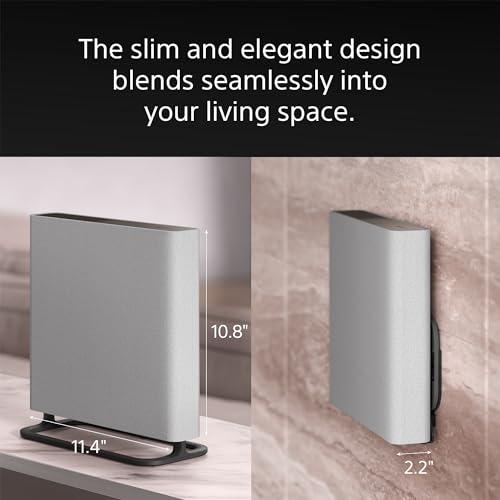
Aesthetically, the Sony HT-A9M2 has a significant advantage. Four small speakers scattered around your room are far less visually intrusive than a large soundbar. The speakers can be wall-mounted, placed on furniture, or even positioned at different heights to optimize the spatial effect. For living rooms where visual impact matters, Sony's approach is much more discrete.
The JBL Bar 1000 is undeniably bulkier. The main soundbar is substantial, and while the rear speakers are reasonably compact, the overall system has a bigger footprint. However, many users prefer the traditional soundbar aesthetic and find the complete, physical speaker approach more intuitive.
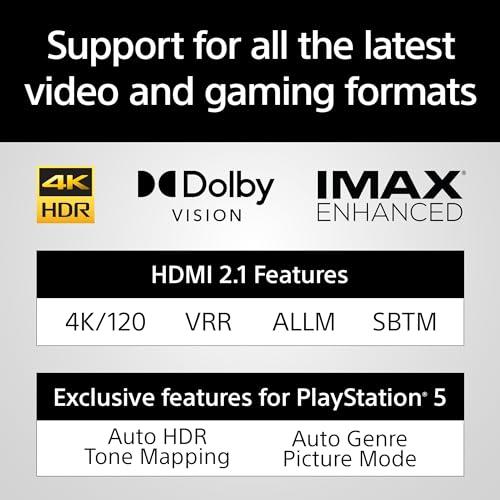
Both systems handle modern connectivity requirements well, supporting HDMI eARC, 4K/120Hz passthrough for gaming, and the latest Dolby Atmos and DTS:X formats. The Sony HT-A9M2 includes more advanced HDMI 2.1 features like Variable Refresh Rate (VRR) and 8K passthrough, making it slightly more future-proof for high-end gaming setups.
For streaming audio, both offer Wi-Fi connectivity with support for AirPlay, though the JBL Bar 1000 includes Chromecast and broader streaming service integration. The Sony HT-A9M2 supports LDAC Bluetooth for higher-quality wireless audio and includes 360 Reality Audio support for compatible music services.
If you're already invested in Sony's ecosystem—particularly if you own a BRAVIA TV and PlayStation 5—the Sony HT-A9M2 offers deeper integration. Features like Acoustic Center Sync and automatic picture mode switching create a more seamless experience. For users with mixed-brand setups, the JBL Bar 1000 is more universally compatible.
The JBL Bar 1000 makes sense for the majority of users. If you want powerful, reliable surround sound with minimal complexity and maximum value, it's the clear choice. The complete system works well in large rooms, provides immediate cinematic impact with its included subwoofer, and offers genuine rear surround effects through physical speakers.
Choose the JBL Bar 1000 if you:
The Sony HT-A9M2 appeals to a more specific audience: audio enthusiasts willing to pay premium prices for innovative technology and users already invested in Sony's ecosystem. Its spatial processing is genuinely impressive when conditions are right, and the discrete speaker placement offers aesthetic advantages in design-conscious living spaces.
Choose the Sony HT-A9M2 if you:
After extensive research into user experiences and expert opinions, the JBL Bar 1000 emerges as the better choice for most people. It delivers more complete functionality out of the box, provides reliable performance in any room, and offers exceptional value. The included subwoofer and physical rear speakers create convincing surround sound without the complexity or additional investment required by the Sony HT-A9M2.
However, the Sony HT-A9M2 isn't a poor choice—it's a specialist tool for specific users. If you're deep in Sony's ecosystem, have the budget for the complete system, and are intrigued by virtual surround technology, Sony's offering provides unique experiences unavailable elsewhere.
The decision ultimately comes down to your priorities: maximum value and reliable performance versus cutting-edge technology and aesthetic integration. For most home theater setups, the JBL Bar 1000 provides more satisfying results with less hassle. But if you're the type of person who appreciates audio innovation and has the budget to support it, the Sony HT-A9M2 offers a glimpse into the future of home theater design.
| Sony HT-A9M2 BRAVIA Theater Quad | JBL Bar 1000 Surround Sound System |
|---|---|
| System Configuration - Determines surround sound approach and setup complexity | |
| 4.0.4 channels via four wireless speakers, no soundbar | 7.1.4 channels with soundbar + subwoofer + detachable rear speakers |
| Included Components - What you get out of the box | |
| Four wireless speakers + control box (subwoofer sold separately) | Complete system: soundbar, 10" subwoofer, two battery-powered rear speakers |
| Bass Performance - Critical for movie impact and music depth | |
| No subwoofer included; requires optional SA-SW5 for full bass | 10" wireless subwoofer included (33Hz-20kHz frequency response) |
| Total System Power - Affects maximum volume and room size capability | |
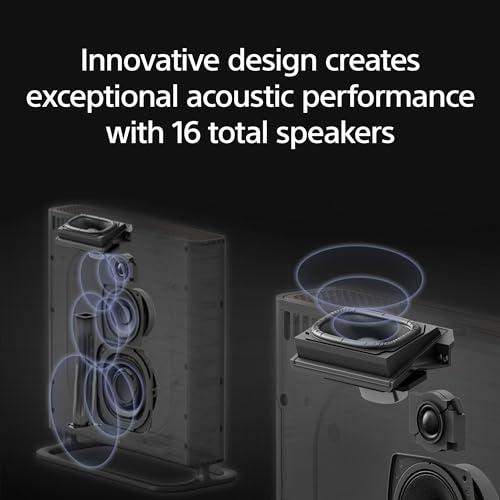
| 504W across 16 drivers | 880W peak (480W RMS) with discrete amplification |
| Surround Technology - How immersive effects are created | |
| 360 Spatial Sound Mapping creates virtual speakers via room reflections | Physical rear speakers + MultiBeam 3.0 for genuine surround placement |
| Room Size Optimization - Maximum effective coverage area | |
| Best in medium rooms (under 300 sq ft) with good acoustics | Designed for large rooms (300+ sq ft) and open floor plans |
| Speaker Placement Flexibility - Installation and aesthetic options | |
| Four speakers can be positioned anywhere, wall-mounted or on furniture | Traditional soundbar setup with detachable, rechargeable rear speakers |
| Dialogue Enhancement - Voice clarity technology | |
| Voice Zoom 3 AI processing + optional Acoustic Center Sync with BRAVIA TVs | PureVoice 2.0 with dedicated center channel drivers in main bar |
| Setup Complexity - Time and effort required for optimal performance | |
| Strategic speaker placement + room calibration via BRAVIA Connect app | Simple positioning + one-button room calibration via JBL One app |
| HDMI Features - Gaming and video passthrough capabilities | |
| HDMI 2.1 with 8K/60Hz, 4K/120Hz, VRR, ALLM, eARC | HDMI eARC with 4K/120Hz passthrough, three HDMI inputs |
| Streaming Integration - Built-in music services and wireless connectivity | |
| Wi-Fi, AirPlay 2, Spotify Connect, LDAC Bluetooth, 360 Reality Audio | Wi-Fi, AirPlay, Chromecast, Alexa MRM, 300+ streaming services |
| Ecosystem Integration - Brand-specific features and compatibility | |
| Deep BRAVIA TV integration, PlayStation 5 optimizations, Sony device syncing | Universal compatibility with all TV brands and gaming consoles |
| Aesthetic Impact - Visual footprint in living spaces | |
| Minimal footprint with discrete satellite speakers, no visible soundbar | Traditional soundbar design with substantial but familiar form factor |
| Complete System Investment - Total cost for full functionality | |
| Base system plus optional subwoofer and rear speakers for complete setup | Complete 7.1.4 system included with no required add-ons |
The JBL Bar 1000 provides significantly better value, including a complete 7.1.4 surround sound system with subwoofer and rear speakers at a lower price point. The Sony HT-A9M2 requires additional purchases like a subwoofer to reach its full potential, making the total investment much higher for complete functionality.
The Sony HT-A9M2 uses four wireless speakers with virtual surround processing to create phantom speakers around your room, while the JBL Bar 1000 uses a traditional soundbar design with physical rear speakers and a subwoofer for genuine surround sound placement.
The JBL Bar 1000 has superior bass performance out of the box with its included 10-inch wireless subwoofer. The Sony HT-A9M2 ships without a subwoofer and requires purchasing Sony's optional subwoofer separately for comparable low-frequency impact.
The JBL Bar 1000 is much easier to set up with simple speaker placement and one-button room calibration. The Sony HT-A9M2 requires more strategic speaker positioning and extensive room calibration through the BRAVIA Connect app to achieve optimal virtual surround effects.
The Sony HT-A9M2 performs best in medium-sized rooms under 300 square feet with good acoustics for wall reflections. The JBL Bar 1000 is designed for larger rooms over 300 square feet and works well in open floor plans due to its higher power output and physical speakers.
The JBL Bar 1000 provides more reliable surround sound through its physical rear speakers, which work consistently regardless of room acoustics. The Sony HT-A9M2 creates impressive virtual surround effects but performance depends heavily on room shape and surface materials.
Both systems handle music well, but differently. The Sony HT-A9M2 excels with precise imaging for acoustic and jazz music, while the JBL Bar 1000 provides better bass impact for rock, hip-hop, and electronic music thanks to its included subwoofer.
The Sony HT-A9M2 offers superior gaming integration, especially with PlayStation 5, featuring advanced HDMI 2.1 support including 8K passthrough, VRR, and ALLM. The JBL Bar 1000 supports 4K/120Hz gaming but lacks some advanced HDMI 2.1 features.
The JBL Bar 1000 includes everything needed: main soundbar, 10-inch subwoofer, and two detachable rear speakers. The Sony HT-A9M2 includes four wireless speakers and a control box, but the subwoofer and rear speakers are sold separately.
The Sony HT-A9M2 has a more discrete aesthetic with four small speakers that can be wall-mounted or placed on furniture without a visible soundbar. The JBL Bar 1000 uses a traditional but substantial soundbar design that's more noticeable but familiar to most users.
Both systems excel at dialogue but use different approaches. The Sony HT-A9M2 uses AI-powered Voice Zoom 3 technology and can integrate with BRAVIA TVs for center channel enhancement. The JBL Bar 1000 uses PureVoice 2.0 with dedicated center channel drivers for consistent dialogue reproduction.
The JBL Bar 1000 works better for multiple seating positions due to its physical speakers and higher power output that maintains performance at various listening angles. The Sony HT-A9M2 creates a more focused sweet spot that works best for defined seating arrangements in smaller rooms.
We've done our best to create useful and informative comparisons to help you decide what product to buy. Our research uses advanced automated methods to create this comparison and perfection is not possible - please contact us for corrections or questions. These are the sites we've researched in the creation of this article: bestbuy.com - whathifi.com - whathifi.com - youtube.com - rtings.com - audiosciencereview.com - bhphotovideo.com - skybygramophone.com - sony.com - manuals.plus - audioadvice.com - dell.com - valueelectronics.com - youtube.com - merlinstv.com - videoandaudiocenter.com - electronics.sony.com - sony.com - bestbuy.com - beachcamera.com - sony.com - win.consulting - sony.com - zdnet.com - jbl.com - jbl.com - pcrichard.com - rtings.com - d21buns5ku92am.cloudfront.net - ro.harmanaudio.com - target.com - harmanaudio.com - dell.com - mm.jbl.com - dolby.com - jbl.com.my - videoandaudiocenter.com

Privacy Policy
Terms and Conditions - Affiliate Policy
Home Security
© Copyright 2008-2026.
11816 Inwood Rd #1211, Dallas, TX 75244