














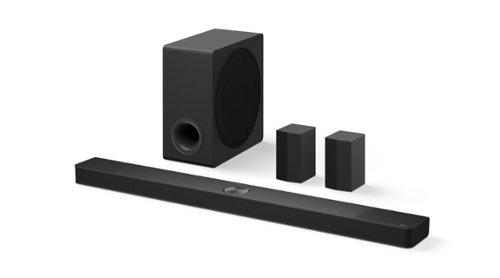
Shopping for a home theater system in 2024 means choosing between two fundamentally different approaches to surround sound. The Sony HT-A9M2 BRAVIA Theater Quad represents Sony's bold vision of wireless audio innovation, while the LG S90TR sticks to the proven soundbar formula with modern refinements. Both promise immersive Dolby Atmos experiences, but they achieve this goal through completely different philosophies.
At the time of writing, these systems sit in vastly different price categories—the Sony HT-A9M2 commands a premium price that's roughly three times higher than the LG S90TR. This dramatic price difference isn't just about brand positioning; it reflects genuinely different approaches to home audio that serve different needs and priorities.
Before diving into specifics, it's crucial to understand what both systems are trying to achieve. Modern home theater audio has evolved beyond simple left-right stereo into complex, three-dimensional soundscapes. Technologies like Dolby Atmos create "object-based audio"—instead of just sending sounds to specific speakers, the system places audio objects in 3D space around you. Think of it like the difference between painting on a flat canvas versus sculpting in three dimensions.
The key considerations when evaluating any home theater system include surround sound immersion (how convincingly the system places you inside the action), dialogue clarity (can you understand conversations without constantly adjusting volume), bass response (the deep, rumbling effects that make explosions feel real), and setup complexity (how much work it takes to get everything sounding great).
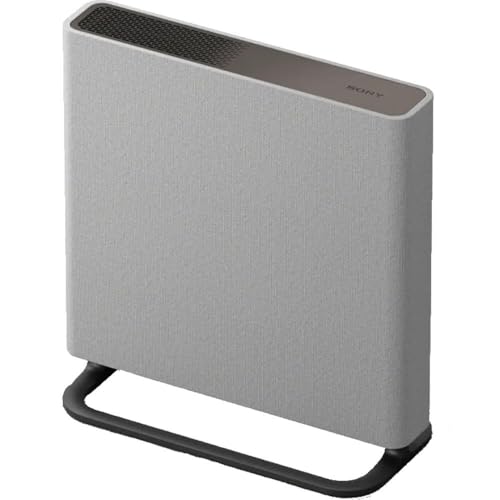
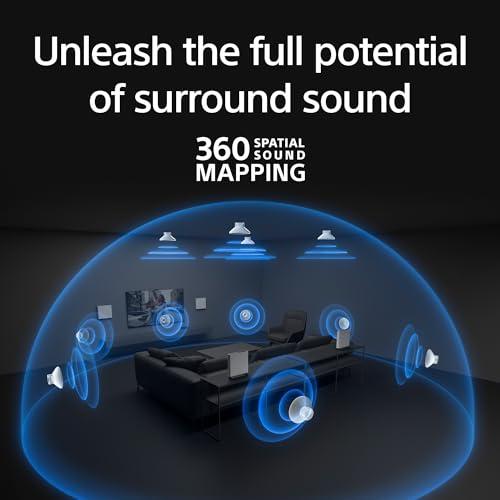
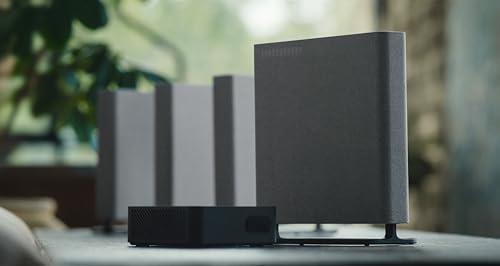
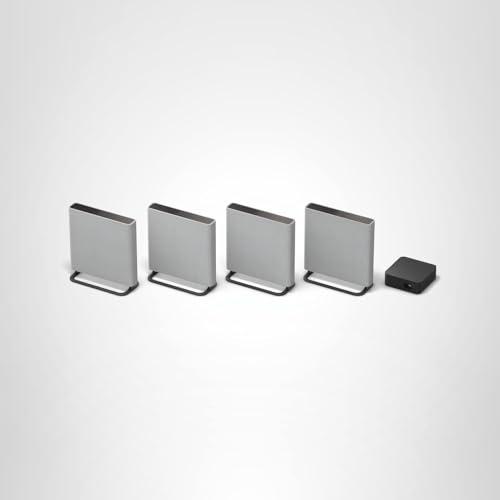
Released in 2024 as an evolution of the groundbreaking 2021 HT-A9, the Sony HT-A9M2 abandons conventional wisdom about home theater setup. Instead of a traditional soundbar with separate components, Sony provides four identical wireless speakers that work together to create what they call "360 Spatial Sound Mapping."
Here's where it gets interesting: each of these four speakers contains four individual drivers—a full-range driver, a tweeter, a woofer, and an upward-firing driver for height effects. That's 16 total drivers working in concert, all powered by Sony's S-Master HX digital amplification technology that provides dedicated power to each individual driver.
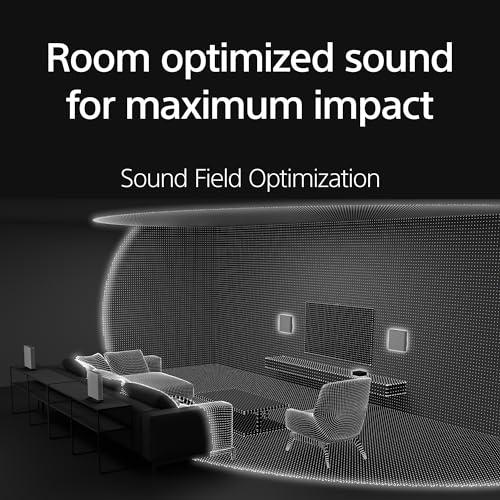
The magic happens in the processing. Using built-in microphones, the system measures your room's acoustic properties—wall distances, ceiling height, furniture placement—then creates virtual "phantom speakers" that seem to exist where no physical speakers are placed. Sony claims this can generate up to 12 phantom speaker positions, effectively turning your living room into a concert hall or movie theater.
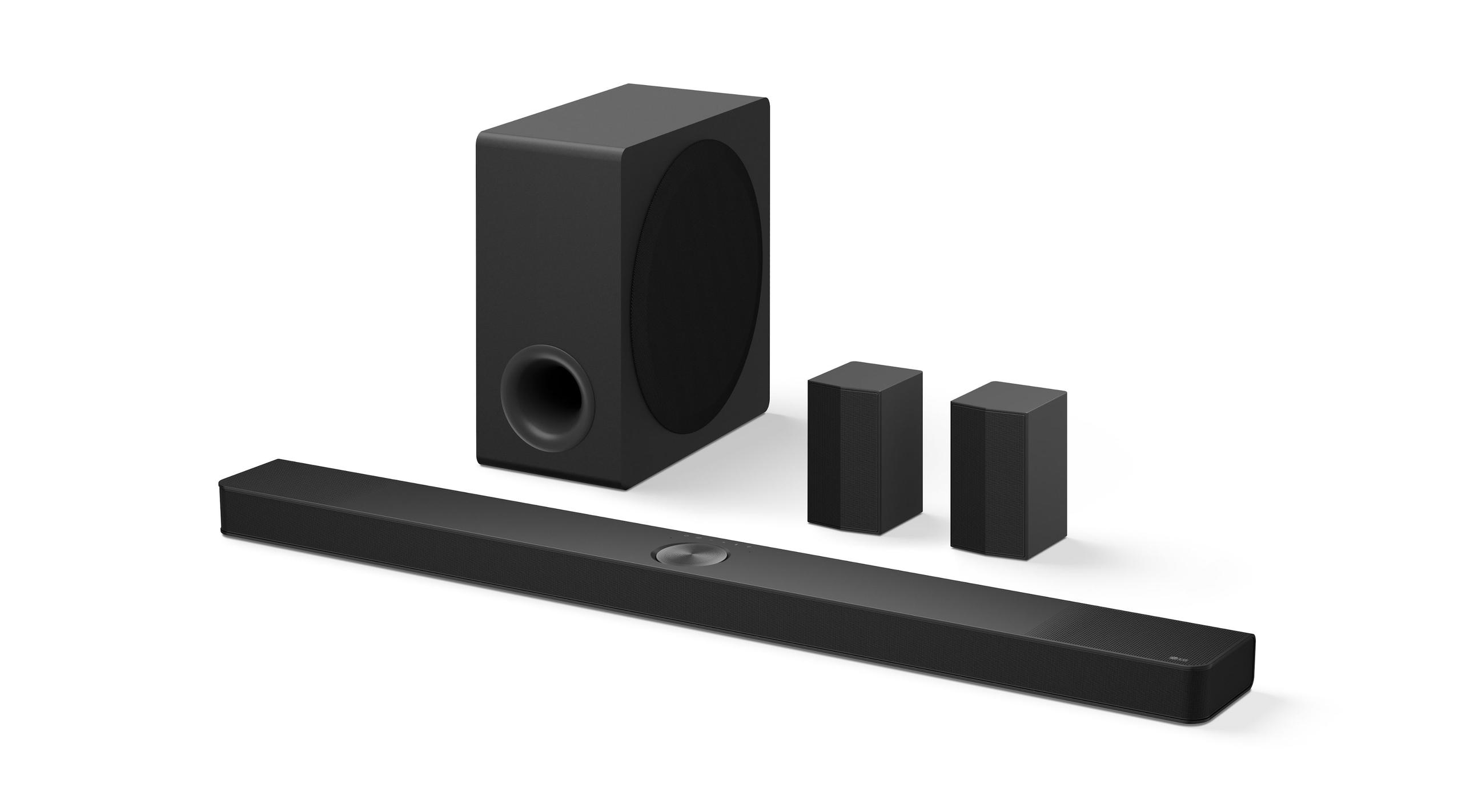
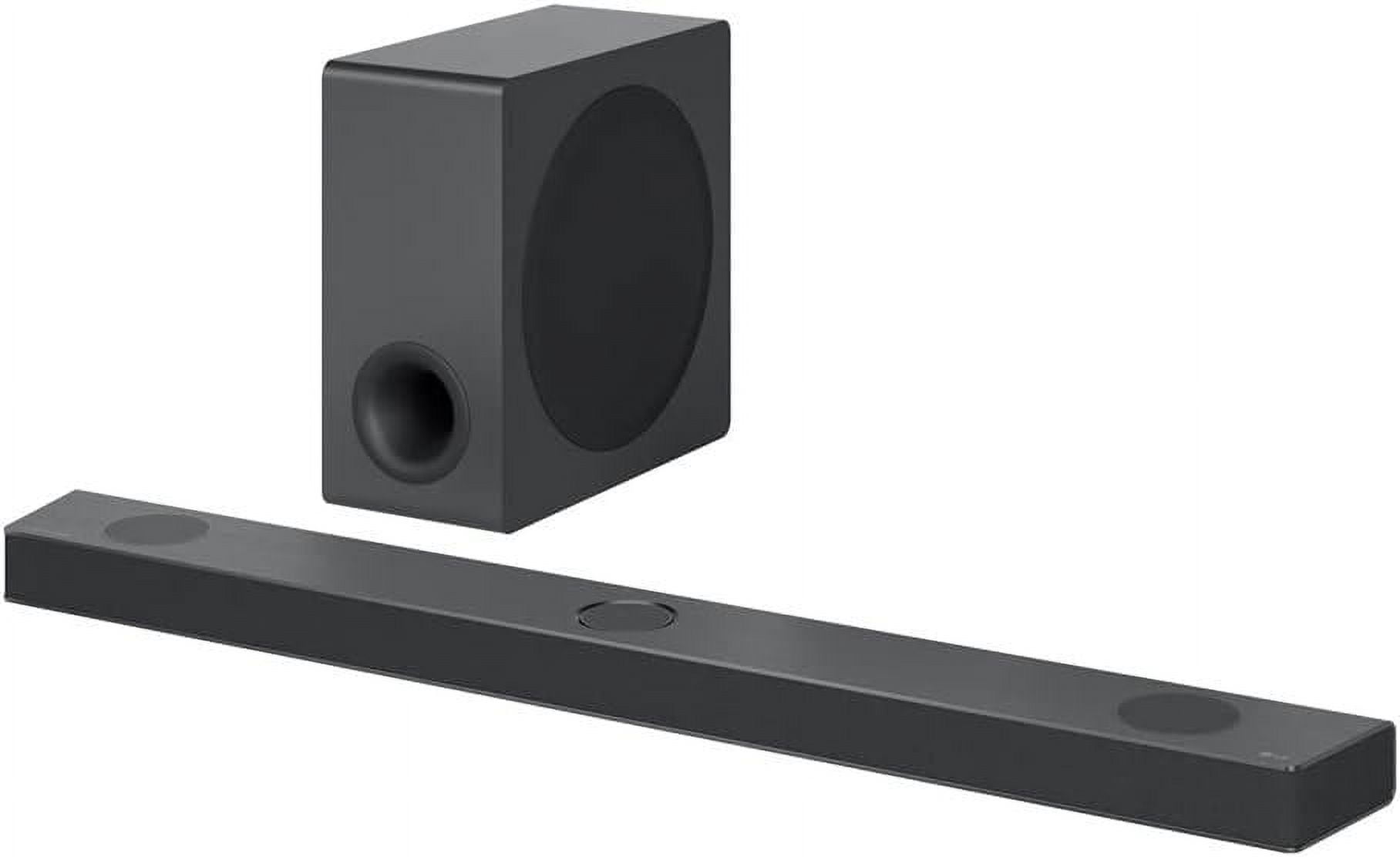
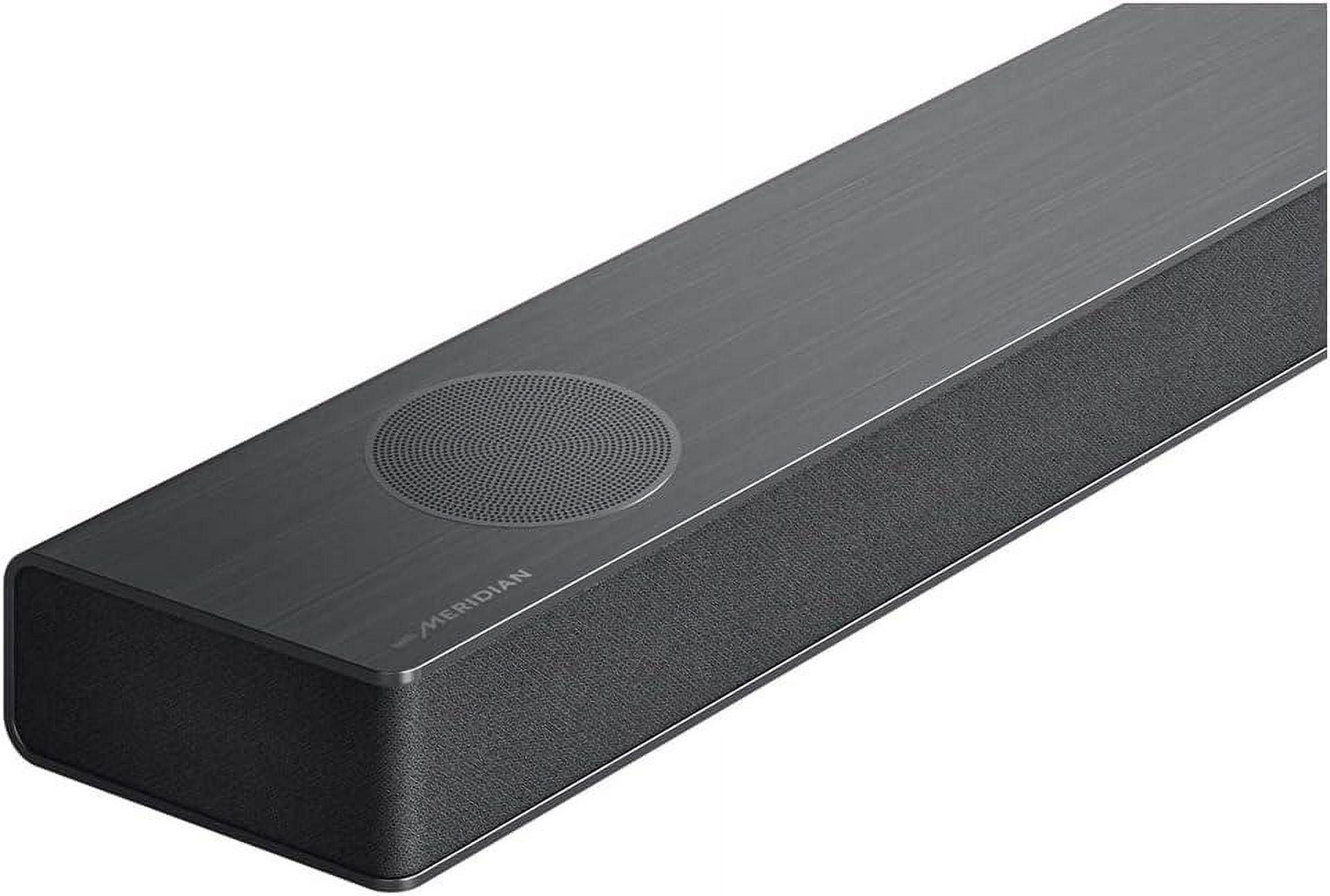
The LG S90TR, released in 2023, represents the modern evolution of the soundbar concept. LG has taken the familiar formula of soundbar plus wireless subwoofer plus rear speakers and refined it with contemporary technologies like AI room calibration and enhanced connectivity options.
This system follows a logical 7.1.3 channel configuration—seven main channels (left, center, right, two side surrounds, two rear surrounds), one subwoofer channel (.1), and three height channels (.3) for overhead effects. The soundbar itself handles front and center duties, while dedicated wireless rear speakers provide surround effects and a separate wireless subwoofer delivers the deep bass that smaller drivers simply cannot produce.
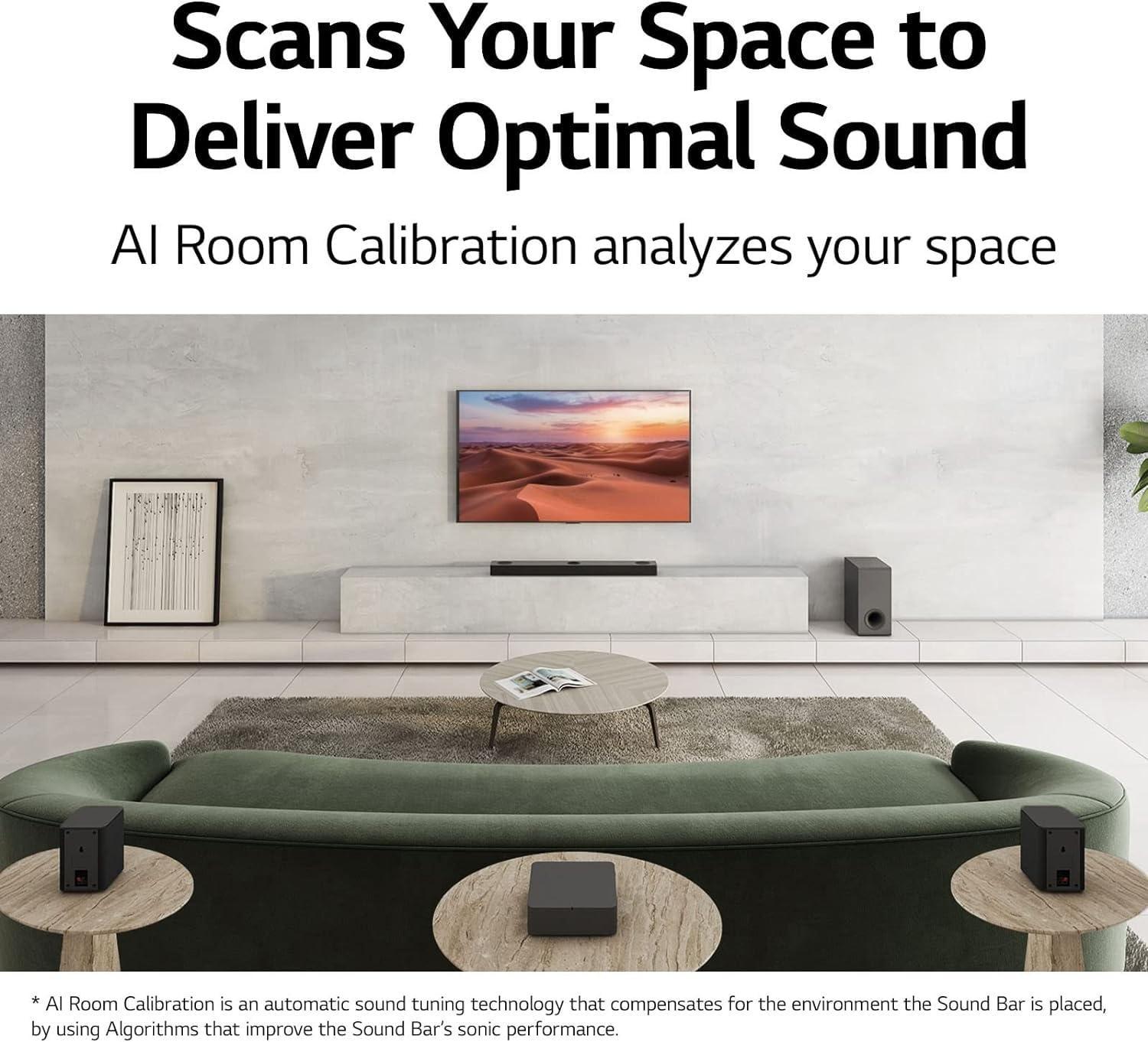
LG's AI Sound Calibration technology analyzes your room and adjusts frequency response accordingly, but it works within the traditional framework of discrete channels rather than creating phantom speaker positions like Sony's approach.
The Sony HT-A9M2 excels at creating what audio enthusiasts call "soundstage width"—the perception that sound extends far beyond the physical speaker locations. During our research into user experiences, a consistent theme emerged: people describe feeling "surrounded by a bubble of sound" rather than hearing distinct left and right channels.
This stems from Sony's sophisticated processing algorithms that bounce sound off your room's surfaces to create reflection patterns that trick your brain into perceiving sounds from locations where no speakers exist. The system's four upward-firing drivers work particularly well for Dolby Atmos content, where helicopters genuinely seem to pass overhead and rain appears to fall from the ceiling.
However, this innovation comes with trade-offs. The Sony HT-A9M2 relies heavily on room acoustics to work its magic. In rooms with irregular shapes, high ceilings, or lots of soft furnishings that absorb sound reflections, the phantom speaker effect can become inconsistent.
The LG S90TR takes a more predictable approach. Its discrete rear speakers provide reliable surround effects regardless of room acoustics, and the dedicated center channel ensures dialogue always appears to come from the screen. While it may not create the same "enveloping bubble" effect as the Sony system, it delivers consistent surround sound performance that most users find satisfying.
This comparison reveals the Sony HT-A9M2's most significant limitation. Without a dedicated subwoofer, the system relies on its compact drivers to produce low-frequency effects. Sony's X-Balanced Speaker Unit technology—which uses rectangular drivers instead of circular ones to maximize cone area—helps, but physics ultimately wins.
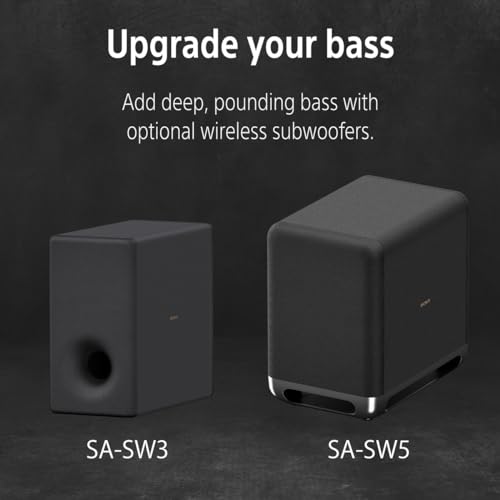
Multiple expert reviews consistently note that the Sony HT-A9M2 sounds impressive until an explosion happens or a hip-hop track drops a deep bass line. The system simply cannot reproduce the sub-40Hz frequencies that make action movies visceral and music feel alive. Sony offers a compatible wireless subwoofer as a separate purchase, but this significantly increases the total system cost.
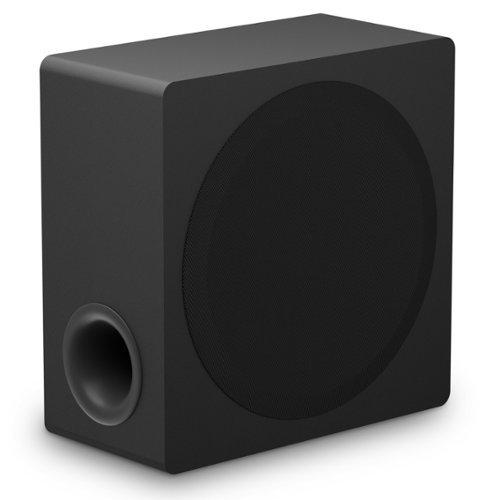
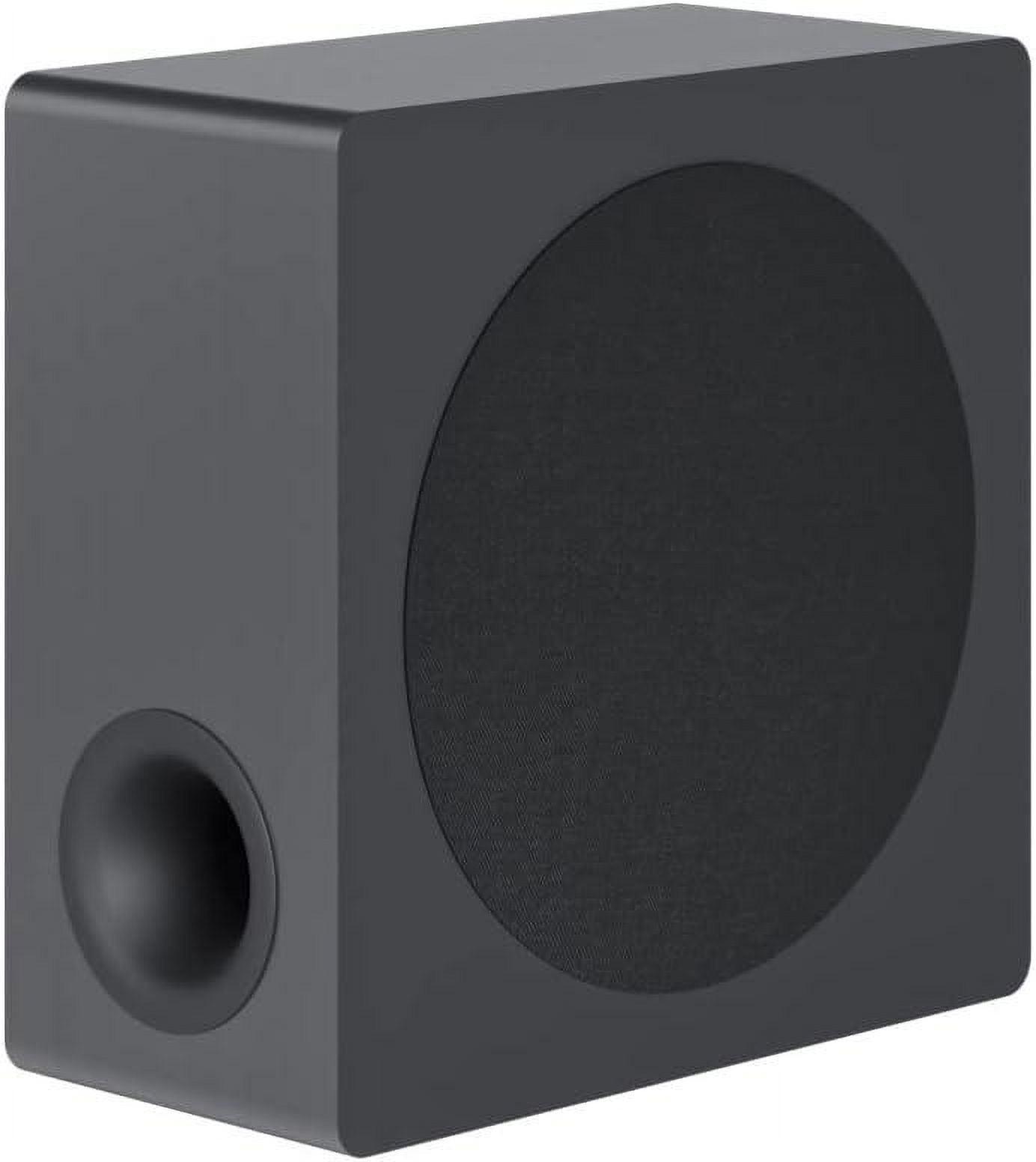
The LG S90TR includes a substantial wireless subwoofer with an 8-inch driver from the start. This component handles all the low-frequency heavy lifting, delivering the chest-thumping bass that makes movie soundtracks come alive. Whether it's the rumble of distant thunder or the impact of a superhero landing, the dedicated subwoofer provides the foundation that smaller speakers cannot match.
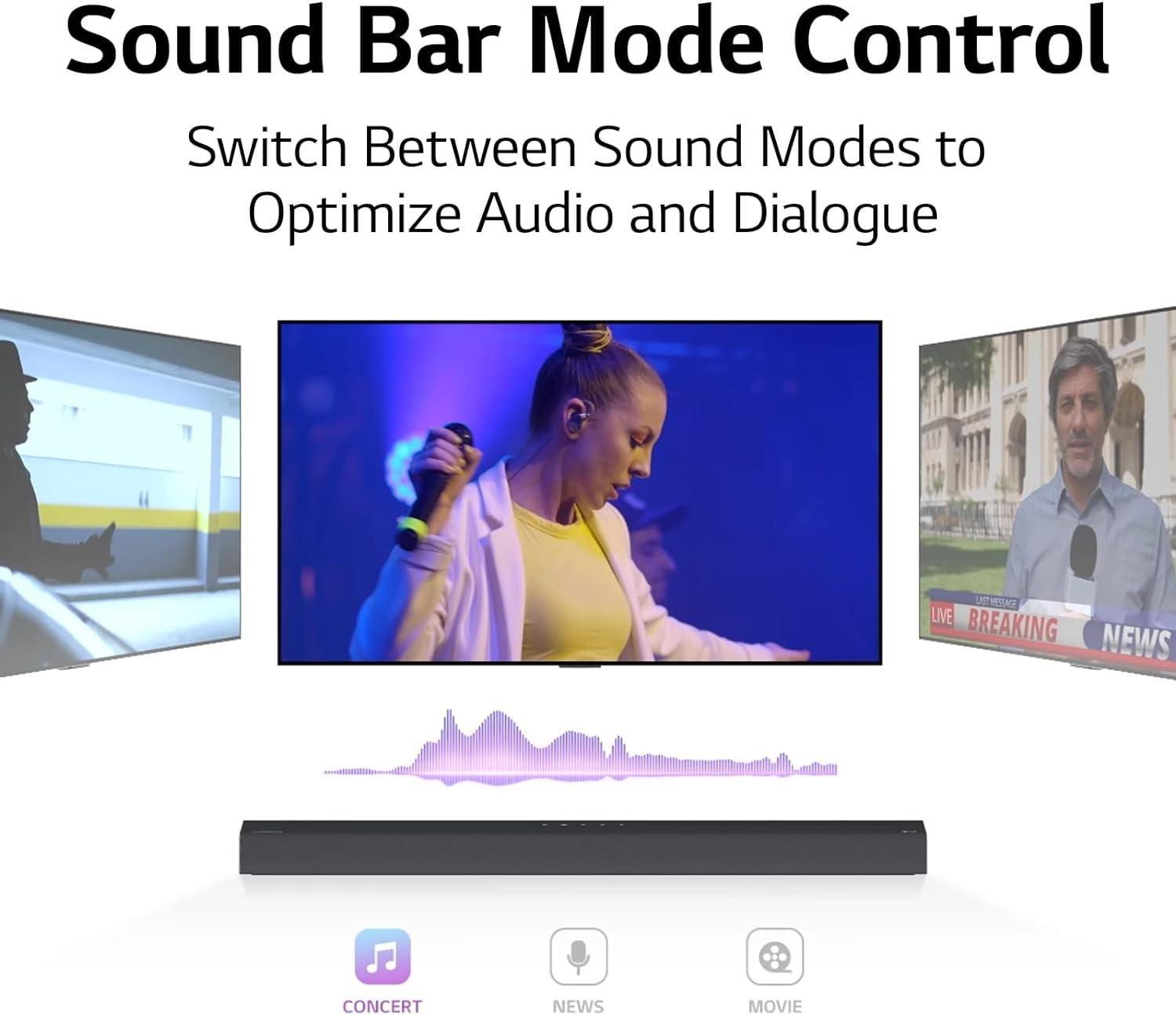
Clear dialogue reproduction represents another philosophical divide between these systems. The LG S90TR uses a traditional dedicated center channel—a specific driver array in the soundbar designed solely for reproducing voices and dialogue. This approach, refined over decades of home theater development, anchors voices directly to the screen and ensures consistent intelligibility.
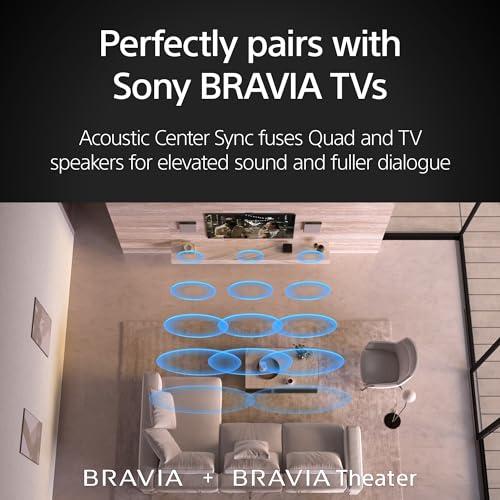
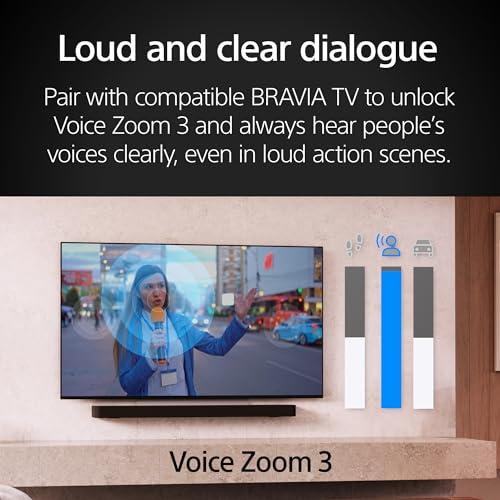
The Sony HT-A9M2 creates a "phantom center channel" by processing dialogue across its front speakers and using Sony's Voice Zoom 3 technology. This AI-driven system analyzes audio in real-time, identifies human voices, and enhances them independently from background music and effects. When paired with a compatible Sony BRAVIA TV, the system can even use the TV's built-in speakers as an additional center channel through Acoustic Center Sync technology.
In practice, both approaches work well, but they excel in different scenarios. The LG S90TR provides more consistent dialogue performance across different seating positions, while the Sony HT-A9M2 can sound more natural when everything is optimally calibrated.
Dolby Atmos height effects—sounds that appear to come from above—represent a crucial battleground for modern home theater systems. The Sony HT-A9M2 includes upward-firing drivers in all four speakers, creating a true 4.0.4 configuration (four main channels, zero traditional subwoofer, four height channels). This provides genuine overhead sound placement that can be remarkably convincing.
The LG S90TR takes a different approach, using processing algorithms to create virtual height effects from its horizontal drivers. While this can produce pleasant overhead ambiance, expert reviews consistently note that it lacks the precision and realism of dedicated upward-firing drivers.
For content-rich Dolby Atmos movies and games, the difference becomes apparent. The Sony HT-A9M2 can place specific sound objects with pinpoint accuracy in three-dimensional space, while the LG S90TR creates a more general sense of height and spaciousness.
The Sony HT-A9M2 demands more thoughtful setup than traditional systems. You need to position four identical speakers around your room—not necessarily in perfect squares or symmetrical arrangements, but in locations where they can effectively map your acoustic space. The system's calibration process involves each speaker emitting test tones while others listen, building an acoustic map of your room.
This flexibility becomes an advantage in awkward rooms where traditional speaker placement doesn't work. Irregular layouts, open-plan designs, or rooms where you can't run wires become manageable with the Sony HT-A9M2's wireless approach.
The LG S90TR follows familiar installation patterns: soundbar below or in front of the TV, subwoofer somewhere along the front wall, rear speakers positioned behind the seating area. This simplicity appeals to users who want great sound without complex setup procedures.
Both systems embrace current gaming requirements, but the Sony HT-A9M2 goes further with PlayStation 5-specific optimizations. Features like Auto HDR Tone Mapping and Auto Genre Picture Mode automatically adjust both audio and video settings based on game content. For PlayStation enthusiasts, this integration creates a more seamless experience.
The LG S90TR supports essential gaming features like 4K/120Hz passthrough, Variable Refresh Rate (VRR), and Auto Low Latency Mode (ALLM), making it compatible with current-generation consoles without introducing lag or compromising visual quality.
At the time of writing, the price difference between these systems reflects more than just brand premium—it represents fundamentally different value propositions. The LG S90TR delivers a complete 7.1.3 surround sound experience out of the box, including the crucial subwoofer component that provides satisfying bass response.
The Sony HT-A9M2 represents an investment in innovative technology that may require additional purchases to reach its full potential. Without the optional subwoofer, the system excels at immersive surround effects and dialogue clarity but falls short in the visceral impact department that many home theater enthusiasts prioritize.
Your living space significantly influences which system will perform better. The Sony HT-A9M2 shines in medium to large rooms where its spatial processing has space to work. Small rooms with lots of furniture can interfere with the reflection patterns the system relies on.
The LG S90TR works effectively in a broader range of room sizes and layouts. Its direct-radiating approach doesn't depend on complex acoustic interactions, making it more predictable in challenging spaces.
You're fascinated by cutting-edge audio technology and don't mind paying premium prices for innovation. The system makes most sense for Sony ecosystem users who own BRAVIA TVs and PlayStation 5 consoles, where the integration benefits justify the higher cost.
This system also appeals to renters or people with unusual room layouts who need maximum placement flexibility. If your living room doesn't accommodate traditional speaker positioning, the Sony HT-A9M2's wireless approach opens up possibilities that conventional systems cannot match.
Budget considerations matter here—plan for the additional subwoofer investment if you want the complete experience Sony intended.
You want exceptional home theater performance without paying premium prices for experimental technology. The LG S90TR delivers satisfying surround sound, powerful bass, and clear dialogue in a package that works reliably in most rooms.
This system particularly suits users who prioritize bass-heavy content like action movies, hip-hop music, or explosive video games. The included subwoofer provides immediate satisfaction that the Sony HT-A9M2 cannot match without additional investment.
Budget-conscious buyers who still want genuine Dolby Atmos capability will find the LG S90TR offers remarkable value for a complete surround sound system.
Both systems succeed at their intended goals, but they serve different priorities and budgets. The Sony HT-A9M2 pushes home audio technology forward with genuinely innovative spatial processing, creating surround sound experiences that can be magical when everything aligns properly. However, its premium pricing and dependence on optimal conditions limit its appeal to audio enthusiasts willing to invest in the complete ecosystem.
The LG S90TR represents the refinement of proven technology, delivering reliable surround sound performance with powerful bass response at a much more accessible price point. While it may not offer the same technological wow factor as Sony's approach, it provides consistent satisfaction for a broader range of users and room conditions.
For most buyers seeking an upgrade from TV speakers or basic soundbars, the LG S90TR offers better immediate value and more complete performance out of the box. The Sony HT-A9M2 appeals to users who view audio systems as long-term investments in cutting-edge technology and are willing to pay accordingly.
Your choice ultimately depends on whether you're buying into Sony's vision of the future of home audio or prefer the proven effectiveness of traditional surround sound architecture executed at a high level.
| Sony HT-A9M2 BRAVIA Theater Quad | LG S90TR |
|---|---|
| Speaker Configuration - Determines surround sound approach and setup complexity | |
| 4.0.4 channel (4 identical wireless speakers, no subwoofer) | 7.1.3 channel (soundbar + wireless subwoofer + rear speakers) |
| Total Drivers - More drivers can mean better sound separation and detail | |
| 16 drivers (4 per speaker: full-range, tweeter, woofer, upfiring) | 13 drivers across all components |
| Bass Performance - Critical for action movies and music impact | |
| No dedicated subwoofer (requires separate purchase) | Includes 8-inch wireless subwoofer |
| Height Channels - Essential for realistic Dolby Atmos overhead effects | |
| True 4.0.4 with upfiring drivers in each speaker | Virtual height processing (no dedicated upfiring drivers) |
| Setup Complexity - Affects how quickly you can enjoy your system | |
| Complex: 4 wireless speakers need strategic room placement | Simple: Traditional soundbar positioning |
| Room Calibration Technology - Optimizes sound for your specific space | |
| Sound Field Optimization with 360 Spatial Sound Mapping | AI Sound Calibration |
| Center Channel - Crucial for clear dialogue in movies and TV | |
| Phantom center created through processing | Dedicated center channel in soundbar |
| Gaming Features - Important for console and PC gaming | |
| PlayStation 5 optimization, Auto HDR Tone Mapping | HDMI 2.1 passthrough with VRR and ALLM support |
| Amplification Technology - Affects power efficiency and sound quality | |
| S-Master HX digital amplifier (504W total) | Digital amplification (670W total) |
| Wireless Technology - Determines connection reliability | |
| Bluetooth 5.2 with LDAC, proprietary wireless for speakers | Bluetooth 5.1, Wi-Fi connectivity |
| TV Integration - Enhances experience with compatible TVs | |
| Deep BRAVIA integration with Acoustic Center Sync | WOW Orchestra with LG TVs |
| Value Proposition - What you get for your investment | |
| Premium innovation requiring subwoofer purchase for full experience | Complete surround system with all components included |
The LG S90TR offers significantly better value as a complete home theater package, including a wireless subwoofer and rear speakers out of the box. The Sony HT-A9M2 costs considerably more and requires a separate subwoofer purchase to match the bass performance of the LG S90TR.
No, the Sony HT-A9M2 does not include a subwoofer. It's a 4.0.4 system with four wireless speakers that handle all frequencies. For deep bass, you'll need to purchase Sony's compatible wireless subwoofer separately, which significantly increases the total system cost.
The LG S90TR is much easier to set up, following traditional soundbar placement with the main bar near your TV, subwoofer along the front wall, and rear speakers behind your seating area. The Sony HT-A9M2 requires strategic placement of four separate wireless speakers around your room and complex calibration.
The LG S90TR delivers significantly better bass performance with its included 8-inch wireless subwoofer. The Sony HT-A9M2 lacks deep bass impact without purchasing an additional subwoofer, making the LG S90TR better for action movies and bass-heavy music.
Yes, both the Sony HT-A9M2 and LG S90TR support Dolby Atmos. However, the Sony HT-A9M2 provides superior height effects with true upfiring drivers in each speaker, while the LG S90TR creates virtual height effects through processing.
The Sony HT-A9M2 offers better gaming performance, especially for PlayStation 5 owners, with exclusive features like Auto HDR Tone Mapping and Auto Genre Picture Mode. Both systems support HDMI 2.1 gaming features, but the Sony HT-A9M2 provides more immersive spatial audio for competitive gaming.
The LG S90TR typically provides more consistent dialogue clarity with its dedicated center channel that anchors voices to the screen. The Sony HT-A9M2 uses phantom center processing and Voice Zoom 3 technology, which can be excellent when properly calibrated but may vary based on room setup.
Both systems work with any TV brand through HDMI connections. However, the Sony HT-A9M2 offers enhanced integration with Sony BRAVIA TVs, while the LG S90TR provides additional features when paired with LG TVs through WOW Orchestra technology.
The LG S90TR generally works better in small rooms due to its straightforward setup and direct-radiating speakers. The Sony HT-A9M2 relies on room reflections for its spatial effects, which can be challenging in smaller spaces with lots of furniture or soft surfaces.
The Sony HT-A9M2 creates a unique 360-degree sound bubble using spatial processing technology that can be more immersive when properly set up. The LG S90TR provides traditional but reliable surround sound with discrete rear speakers that work consistently regardless of room acoustics.
Both systems are relatively maintenance-free, but the Sony HT-A9M2 may require occasional recalibration if you move furniture or change room layout. The LG S90TR maintains consistent performance once positioned correctly, making it more "set and forget" friendly.
The Sony HT-A9M2 uses innovative 360 Spatial Sound Mapping to create phantom speakers and immersive effects through four identical wireless speakers. The LG S90TR uses traditional discrete channel separation with dedicated components for each audio channel, providing a more conventional but proven surround sound approach.
We've done our best to create useful and informative comparisons to help you decide what product to buy. Our research uses advanced automated methods to create this comparison and perfection is not possible - please contact us for corrections or questions. These are the sites we've researched in the creation of this article: bestbuy.com - whathifi.com - whathifi.com - youtube.com - rtings.com - audiosciencereview.com - bhphotovideo.com - skybygramophone.com - sony.com - manuals.plus - audioadvice.com - dell.com - valueelectronics.com - youtube.com - merlinstv.com - videoandaudiocenter.com - electronics.sony.com - sony.com - bestbuy.com - beachcamera.com - sony.com - win.consulting - sony.com - rtings.com - abt.com - youtube.com - bestbuy.com - microcenter.com - buydig.com - bestbuy.com - videoandaudiocenter.com - oceanstateappliance.com - youtube.com - avsforum.com - lg.com

Privacy Policy
Terms and Conditions - Affiliate Policy
Home Security
© Copyright 2008-2026.
11816 Inwood Rd #1211, Dallas, TX 75244