



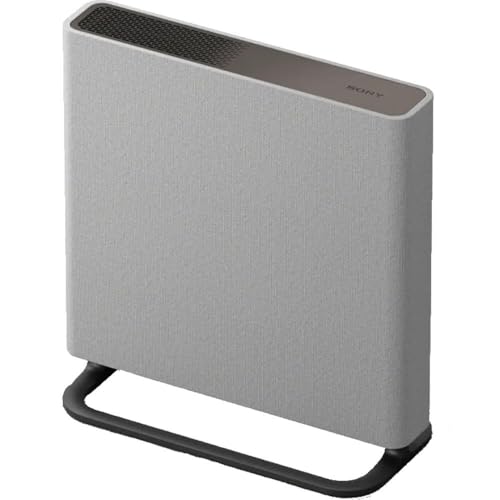





Finding the right audio upgrade for your TV can feel overwhelming, especially when you're comparing products that seem to exist in completely different universes. The Sony HT-A9M2 and Sonos Ray represent two fundamentally different philosophies in home audio enhancement, and understanding their approaches will help you make the right choice for your situation.
Before diving into specifics, it's worth understanding what we're actually trying to solve. Most TV speakers are genuinely terrible—they're tiny drivers crammed into thin bezels, pointing away from you, with zero room for proper bass response. Any dedicated audio system will be a massive upgrade, but the question becomes: how much upgrade do you actually need?
The audio enhancement market has evolved significantly since 2020. We've seen soundbars become more sophisticated while premium wireless systems have emerged as genuine alternatives to traditional surround sound setups. The Sony HT-A9M2, released in 2024, represents the cutting edge of wireless theater systems, while the Sonos Ray, launched in 2022, focuses on delivering maximum value at the entry level.
What makes this comparison particularly interesting is that these products tackle the same core problem—bad TV audio—but with completely different solutions and budgets. At the time of writing, the Sony system costs roughly ten times more than the Sonos soundbar, which immediately tells you they're targeting very different audiences.
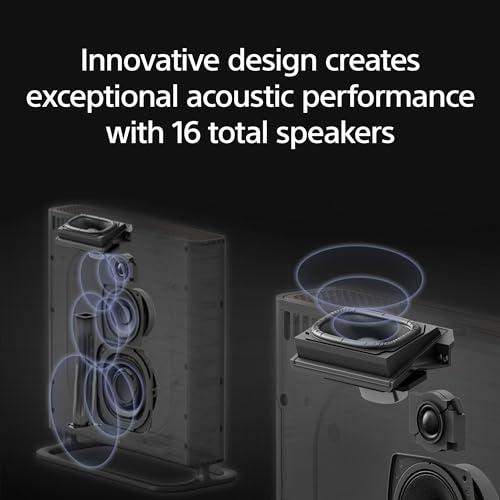
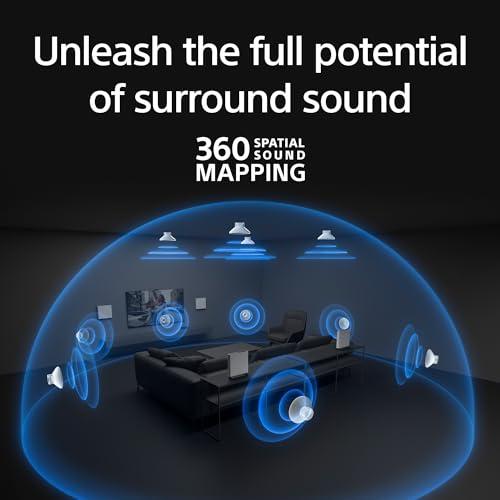
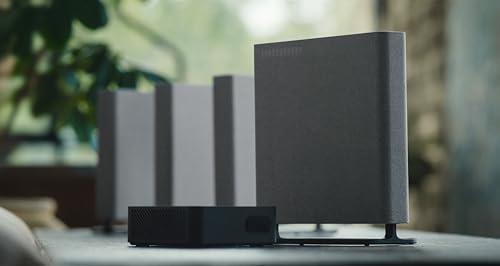
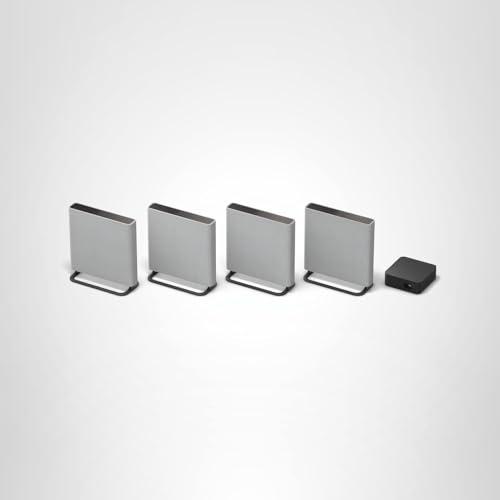
The Sony HT-A9M2 takes what I'd call the "scorched earth" approach to home theater. Instead of trying to cram everything into a single soundbar, Sony distributes the audio workload across four separate wireless speakers, each containing four individual drivers. This gives you 16 total drivers working together to create what Sony calls "360 Spatial Sound Mapping."
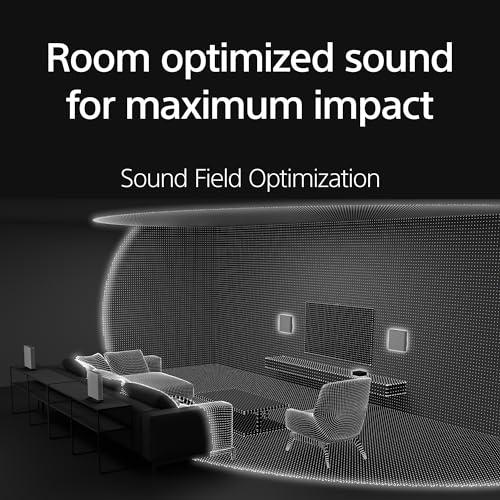
This technology is genuinely impressive when you understand what it's doing. Each speaker measures your room's acoustics using built-in microphones, then the system creates virtual "phantom speakers" that seem to exist in locations where you haven't placed any physical speakers. The result is audio that appears to come from all around you, including overhead, despite having only four boxes in the room.
The technical implementation here is fascinating. Each speaker houses a complete 3-way driver array (meaning separate drivers handle high, mid, and low frequencies) plus an additional upward-firing driver for Dolby Atmos height effects. Sony's X-Balanced Speaker Units use rectangular diaphragms instead of traditional round ones, which allows more cone area in the same space—translating to better sound pressure and less distortion.
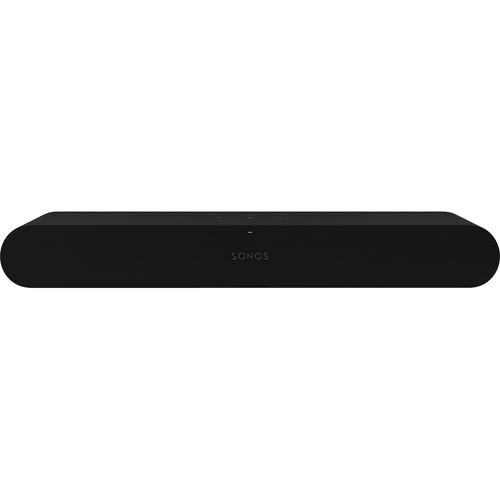
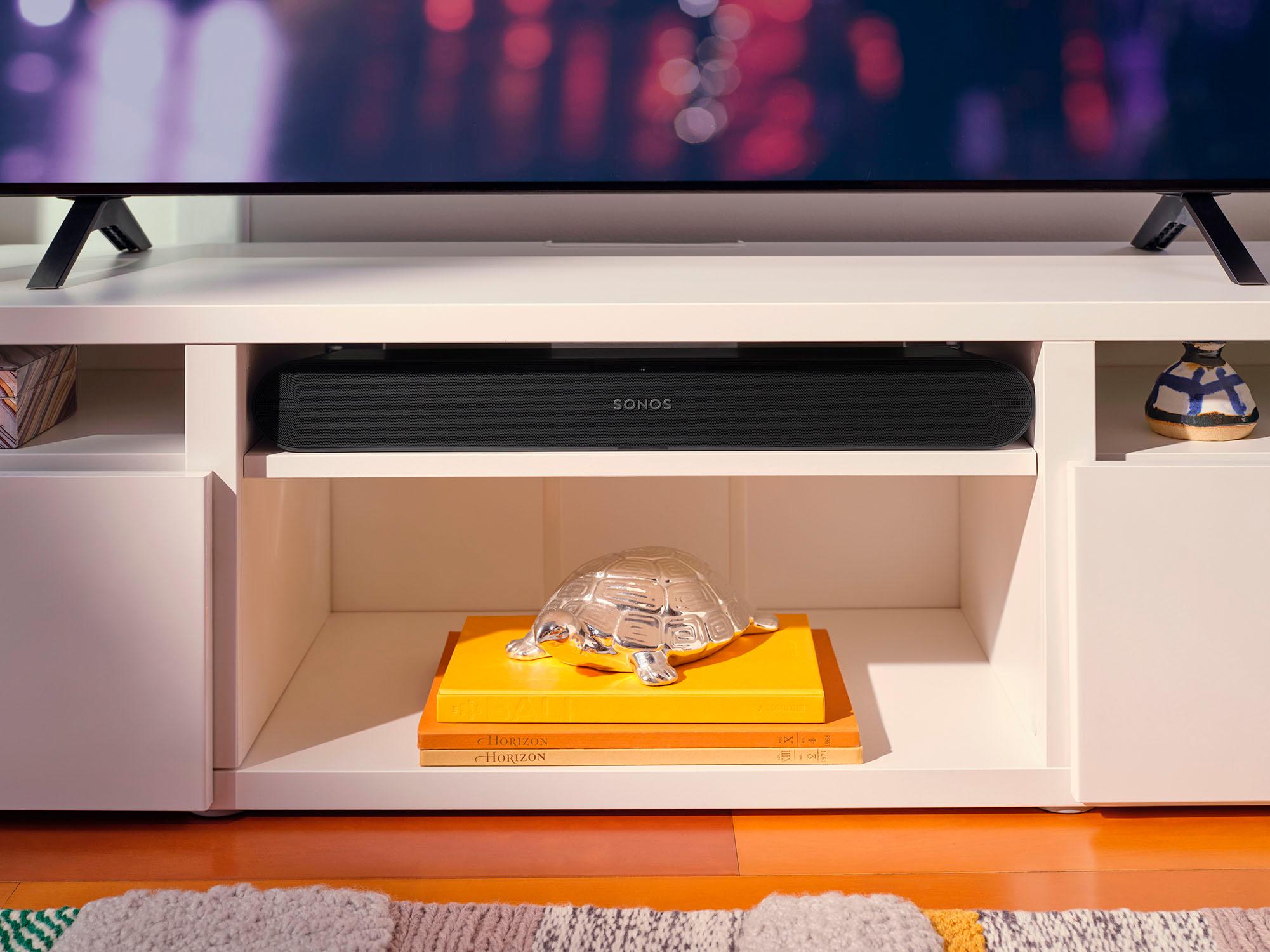
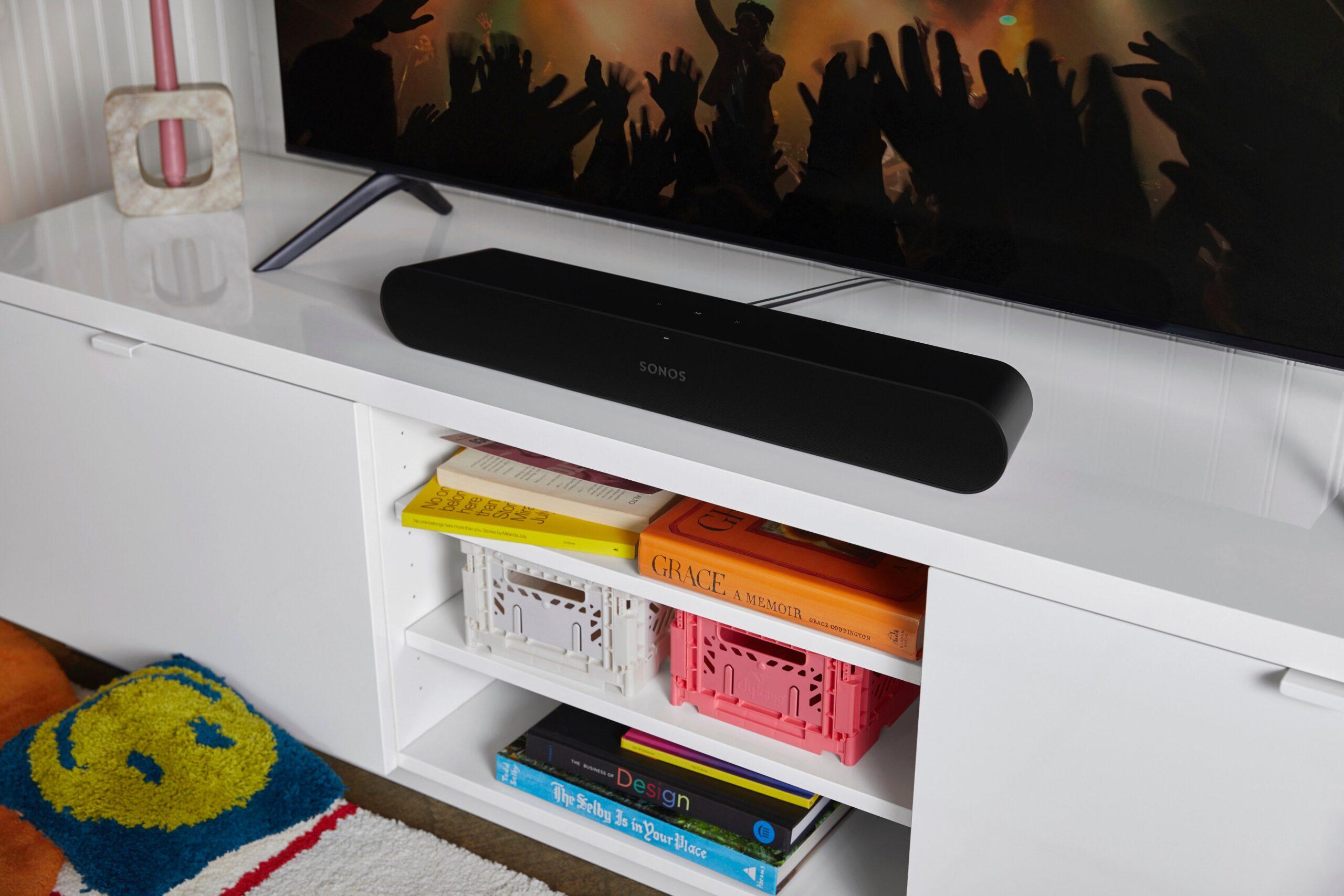
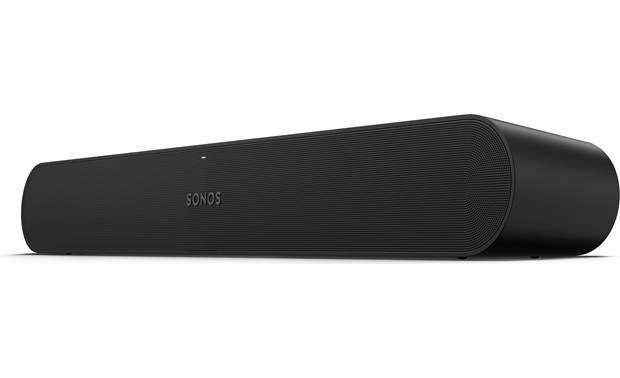
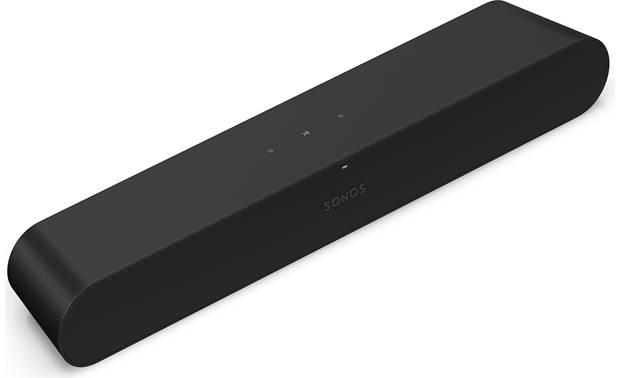
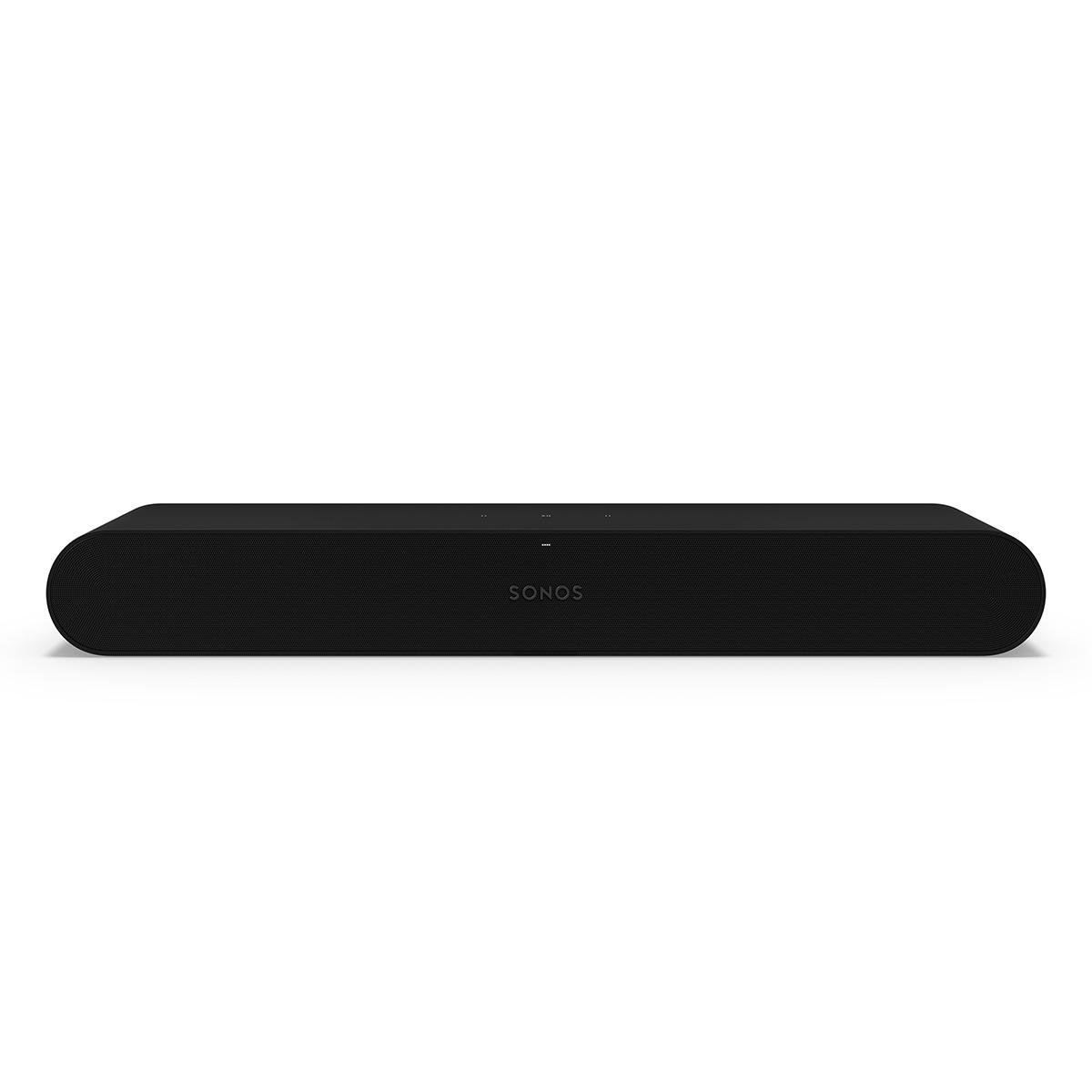
The Sonos Ray takes the opposite approach: pack everything into one sleek, affordable package that just works. This soundbar contains four drivers total—two full-range drivers and two tweeters (high-frequency drivers)—arranged to create the best possible stereo experience from a single enclosure.
What Sonos lacks in driver count, it makes up for in software sophistication and ecosystem integration. The Ray includes Speech Enhancement processing that specifically boosts voice frequencies, making dialogue clearer without requiring a dedicated center channel speaker. Its bass reflex design (which uses carefully tuned ports to enhance low-frequency response) provides surprisingly solid bass for such a compact unit.
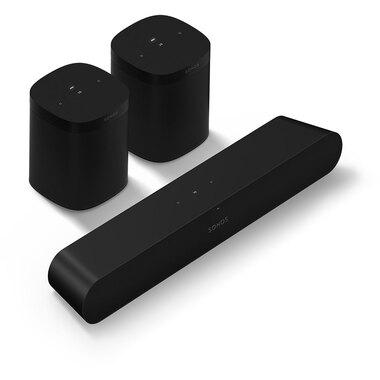
The real genius of the Sonos Ray lies in its ecosystem potential. While it starts as a basic stereo soundbar, it's designed to grow with you. You can add Sonos Sub for deep bass, rear speakers for surround sound, and integrate it with Sonos speakers throughout your home for whole-house audio.
This is where the price difference becomes most apparent. The Sony HT-A9M2 creates genuine surround sound—audio that seems to come from specific locations around and above you. When a helicopter flies overhead in a movie, you'll hear it track across the ceiling. When rain falls in a forest scene, it surrounds you from all directions.
Based on expert reviews and user feedback, the Sony's 360 Spatial Sound Mapping technology works remarkably well. Professional reviewers consistently describe experiencing audio effects that seem to come from locations where no speakers exist. This isn't just marketing speak—the system's room calibration creates measurable acoustic reflections that your brain interprets as discrete audio sources.
The Sonos Ray, by contrast, creates enhanced stereo. It's a significant upgrade from TV speakers—dialogue becomes clearer, effects have more impact, and music sounds fuller—but it remains fundamentally two-channel audio. You won't get sounds moving around you or overhead effects. For many users, this enhanced stereo experience is perfectly adequate, especially considering the price difference.
Both systems have interesting bass stories that highlight their different design philosophies. The Sony system technically doesn't include a subwoofer, relying instead on the woofers in each of its four speakers. While Sony's X-Balanced drivers are engineered to move more air than traditional round drivers, physics still limits what small speakers can achieve in the low-frequency department.
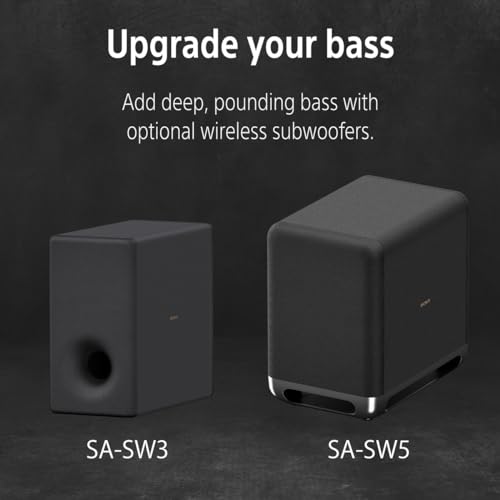
Professional reviews consistently note that the Sony HT-A9M2 benefits significantly from adding Sony's optional wireless subwoofer. Without it, the system sounds "lean" or "crisp" but lacks the physical impact you'd expect from explosions, music with heavy bass, or the rumble of thunder. This represents an additional investment beyond the already premium price.
The Sonos Ray includes built-in bass reflex ports that enhance low-frequency response within the constraints of its compact design. While it can't match a dedicated subwoofer, reviewers note it provides "meaty" bass that's impressive for its size. However, it can sound "mushy" when pushed hard with bass-heavy content, as the small drivers reach their physical limits.
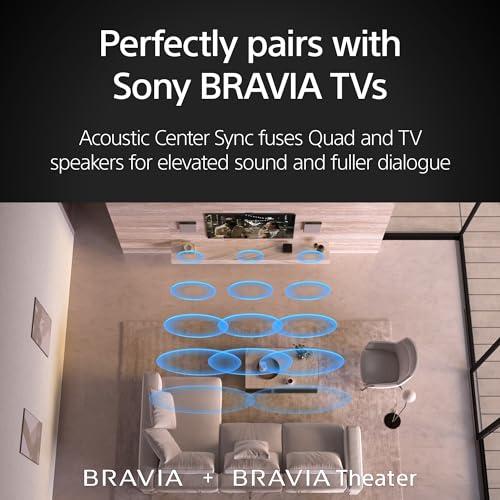
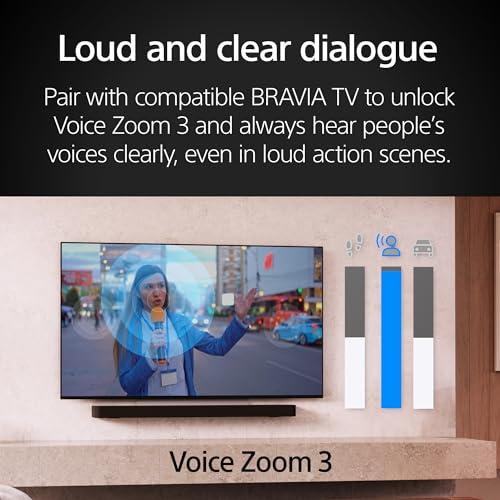
Interestingly, both systems excel at dialogue clarity despite using completely different approaches. The Sony system uses AI-powered Voice Zoom 3 technology that actively separates dialogue from background music and effects, then emphasizes it without making the audio sound unnatural. When paired with compatible Sony BRAVIA TVs, it can even use the TV's built-in speakers as a dedicated center channel through Acoustic Center Sync—essentially turning your TV into part of the surround system.
The Sonos Ray achieves excellent dialogue clarity through more traditional means: Speech Enhancement processing that specifically boosts voice frequencies, combined with Sony's careful driver positioning. Professional reviews consistently praise the Ray's dialogue reproduction, with one noting that "dialogue just popped" despite the absence of a dedicated center channel speaker.
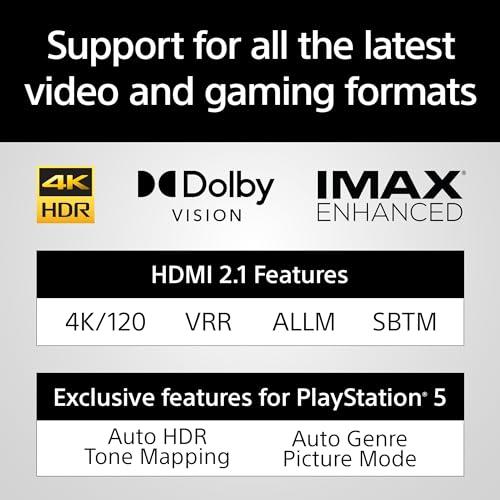
For gamers, the differences become stark. The Sony HT-A9M2 includes full HDMI 2.1 support, meaning it can handle 4K gaming at 120Hz, 8K at 60Hz, and advanced gaming features like Variable Refresh Rate (VRR) and Auto Low Latency Mode (ALLM). These technologies ensure your games look their best while minimizing the audio delay that can throw off competitive gaming.
The system also includes specific PlayStation 5 optimizations like Auto HDR Tone Mapping, which automatically adjusts both picture and sound settings based on the type of content you're playing. This integration reflects Sony's broader ecosystem approach across their entertainment products.
The Sonos Ray offers basic HDMI ARC (Audio Return Channel) support, which is adequate for casual gaming but lacks the bandwidth and advanced features of HDMI 2.1. If you're primarily playing single-player games on older consoles, this limitation won't matter much. But for serious gamers with current-generation consoles, the Sony's advanced connectivity represents a meaningful advantage.
At the time of writing, these products exist in completely different price brackets, making direct value comparisons challenging but illuminating. The Sony HT-A9M2 commands a premium price that puts it in competition with traditional AV receivers and full speaker packages. You're paying for cutting-edge wireless technology, sophisticated room calibration, 16 discrete drivers, and the convenience of avoiding speaker wire runs.
Professional reviews suggest the Sony system can indeed replace traditional surround sound setups in many homes, particularly for users who can't or don't want to run speaker cables to ideal surround positions. The wireless flexibility allows speaker placement that would be impossible with traditional systems, and the automatic calibration means you don't need expertise in acoustic room treatment.
The Sonos Ray represents exceptional value in the budget category. At its price point, you're getting build quality, software sophistication, and ecosystem integration that typically costs significantly more. The Ray serves as an affordable entry point into the Sonos ecosystem, with a clear upgrade path as your needs or budget evolve.
However, this value proposition comes with limitations. The Ray can sound excellent for TV dialogue and casual music listening, but it won't create the immersive experiences that define modern home theater. If your primary goal is making dialogue clearer and adding some presence to your TV audio, the Ray delivers remarkable value. If you want to recreate the cinema experience at home, you'll quickly bump against its limitations.
The installation experience differs dramatically between these systems. The Sony HT-A9M2 requires finding four locations around your room with power outlets, but no speaker cables. The system's wireless design means you can place speakers on shelves, wall-mount them, or even position them at different heights—the automatic calibration will compensate for irregular placement.
This flexibility is genuinely valuable in real homes where "ideal" speaker placement often conflicts with furniture, decor, or room layout. I've found that many traditional surround systems end up compromised because users can't run cables to optimal positions, making Sony's wireless approach practically superior even when it might not measure perfectly in an ideal setup.
The Sonos Ray requires only a power outlet and an optical cable connection to your TV. Setup takes minutes, and the improvement is immediately apparent. For users who want meaningful audio enhancement without any complexity, this simplicity is a major selling point.
Want genuine home theater immersion and have the budget for it. The Sony system makes sense for users who prioritize the cinematic experience and appreciate having cutting-edge technology. If you frequently watch action movies, play immersive games, or listen to spatial audio music formats, the Sony's 360-degree soundfield creates experiences that simpler systems simply cannot match.
This system particularly appeals to users with challenging room layouts where traditional surround systems would be difficult to install properly. The wireless flexibility combined with automatic calibration means you can achieve great results even in irregular spaces or rooms where running speaker cables isn't practical.
Want significant TV audio improvement without complexity or premium pricing. The Sonos Ray excels for users whose primary goal is clearer dialogue and more impactful TV audio. If you mainly watch news, talk shows, sitcoms, or casual streaming content, the Ray's enhanced stereo presentation will feel like a major upgrade without any learning curve.
The Ray also makes sense for users interested in building a Sonos ecosystem gradually. Starting with the Ray gives you excellent TV audio improvement while providing a foundation for adding other Sonos components over time as budget allows.
These products succeed by staying focused on their respective strengths. The Sony HT-A9M2 pushes the boundaries of what's possible with wireless home theater technology, creating genuinely immersive experiences that rival traditional component systems while offering superior installation flexibility.
The Sonos Ray maximizes value and simplicity, delivering meaningful audio improvements that satisfy the majority of users' needs without requiring significant investment or setup complexity.
Your choice ultimately depends on matching your expectations and budget to the right tool. If you want to transform your living room into a home theater and have the budget for premium technology, the Sony system delivers an experience that few alternatives can match. If you want to fix your TV's audio problems affordably and elegantly, the Sonos Ray provides exceptional value with room to grow.
Both represent thoughtful engineering approaches to the same fundamental problem, just aimed at very different portions of the market. Understanding which category you fall into will make your decision straightforward.
| Sony HT-A9M2 BRAVIA Theater Quad | Sonos Ray Soundbar |
|---|---|
| Audio Configuration - Determines surround sound capability and immersion level | |
| 4.0.4-channel with 16 total drivers across 4 wireless speakers | 2.0-channel stereo soundbar with 4 drivers total |
| Dolby Atmos Support - Essential for modern movie soundtracks with overhead effects | |
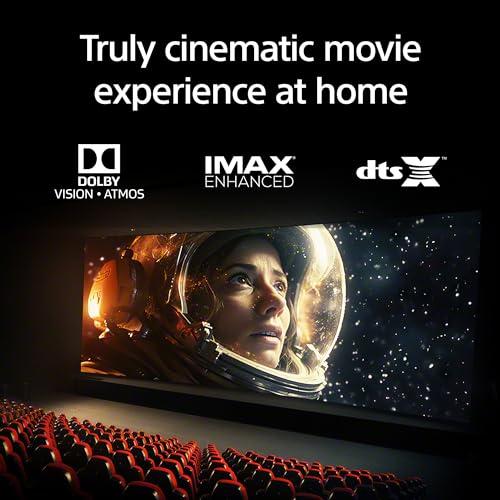
| Full Dolby Atmos, DTS:X, and object-based audio with dedicated upfiring drivers | No Dolby Atmos support; stereo enhancement only |
| Room Calibration - Automatically optimizes sound for your specific space | |
| Sound Field Optimization with 360 Spatial Sound Mapping creates virtual speakers | Basic Trueplay tuning (iPhone only); no advanced room mapping |
| HDMI Connectivity - Important for high-quality gaming and modern device compatibility | |
| HDMI 2.1 with eARC, 4K/120Hz, 8K/60Hz, VRR, ALLM for gaming | Basic HDMI ARC only; no HDMI 2.1 features |
| Setup Requirements - How much effort and space planning you'll need | |
| 4 wireless speakers requiring power outlets around room; automatic wireless sync | Single soundbar with power and optical cable; instant setup |
| Bass Performance - Affects movie impact and music enjoyment | |
| Requires separate subwoofer for full bass impact; lean sound without sub | Built-in bass reflex design adequate for size; can add Sonos Sub later |
| Ecosystem Integration - Long-term expandability and smart home features | |
| BRAVIA Theater ecosystem with Sony TV integration and Acoustic Center Sync | Full Sonos multi-room ecosystem; can expand to 5.1 surround with additional speakers |
| Voice/Dialogue Clarity - Critical for TV and movie comprehension | |
| Voice Zoom 3 AI processing with phantom center channel | Speech Enhancement processing; excellent dialogue clarity despite no center channel |
| Wireless Music Streaming - Convenience for daily music listening | |
| Wi-Fi, Bluetooth 5.2 with LDAC, 360 Reality Audio, Hi-Res up to 192kHz/24-bit | Wi-Fi, basic Bluetooth, Apple AirPlay 2, Spotify Connect through Sonos app |
| Power Output - Determines maximum volume and dynamic range | |
| 504W total across 16 channels with discrete amplification per driver | Unspecified power; adequate for small-to-medium rooms |
The Sony HT-A9M2 is significantly better for home theater use. It creates true surround sound with Dolby Atmos support and 360-degree audio immersion using four wireless speakers. The Sonos Ray only provides stereo sound enhancement, making it more suitable for casual TV watching rather than cinematic experiences.
The Sony HT-A9M2 performs best with an additional subwoofer, as it can sound lean without one despite its 16 drivers. The Sonos Ray includes built-in bass enhancement that's adequate for its size, though you can add a Sonos Sub later if desired. Neither system includes a subwoofer in the base package.
The Sonos Ray is much easier to set up—just connect power and an optical cable to your TV. The Sony HT-A9M2 requires placing four wireless speakers around your room with power outlets, though it automatically calibrates once positioned. Setup time is minutes for Sonos versus potentially hours for Sony.
Yes, both systems work with most TVs. The Sonos Ray connects via optical digital input, which virtually all modern TVs have. The Sony HT-A9M2 uses HDMI eARC for best performance but can also use optical connections. Sony systems work especially well with BRAVIA TVs for additional features.
Both excel at dialogue clarity through different approaches. The Sony HT-A9M2 uses AI-powered Voice Zoom 3 technology and can utilize your Sony TV as a center channel. The Sonos Ray employs Speech Enhancement processing that reviewers consistently praise for making dialogue "pop" clearly.
The Sony HT-A9M2 is vastly superior for gaming with HDMI 2.1 support, 4K/120Hz passthrough, VRR, and ALLM for competitive gaming. It includes PlayStation 5 optimizations. The Sonos Ray only offers basic HDMI ARC without gaming-specific features, making it suitable only for casual gaming.
Yes, but in different ways. The Sonos Ray can grow into a full 5.1 surround system by adding Sonos Sub and rear speakers, plus integrate with other Sonos speakers for multi-room audio. The Sony HT-A9M2 can add Sony wireless subwoofers but has limited expansion options beyond that.
The Sony HT-A9M2 offers superior music performance with Hi-Res Audio support up to 192kHz/24-bit, 360 Reality Audio, and DSEE Ultimate upscaling. The Sonos Ray provides good music quality with access to the Sonos ecosystem and streaming services, but without spatial audio features.
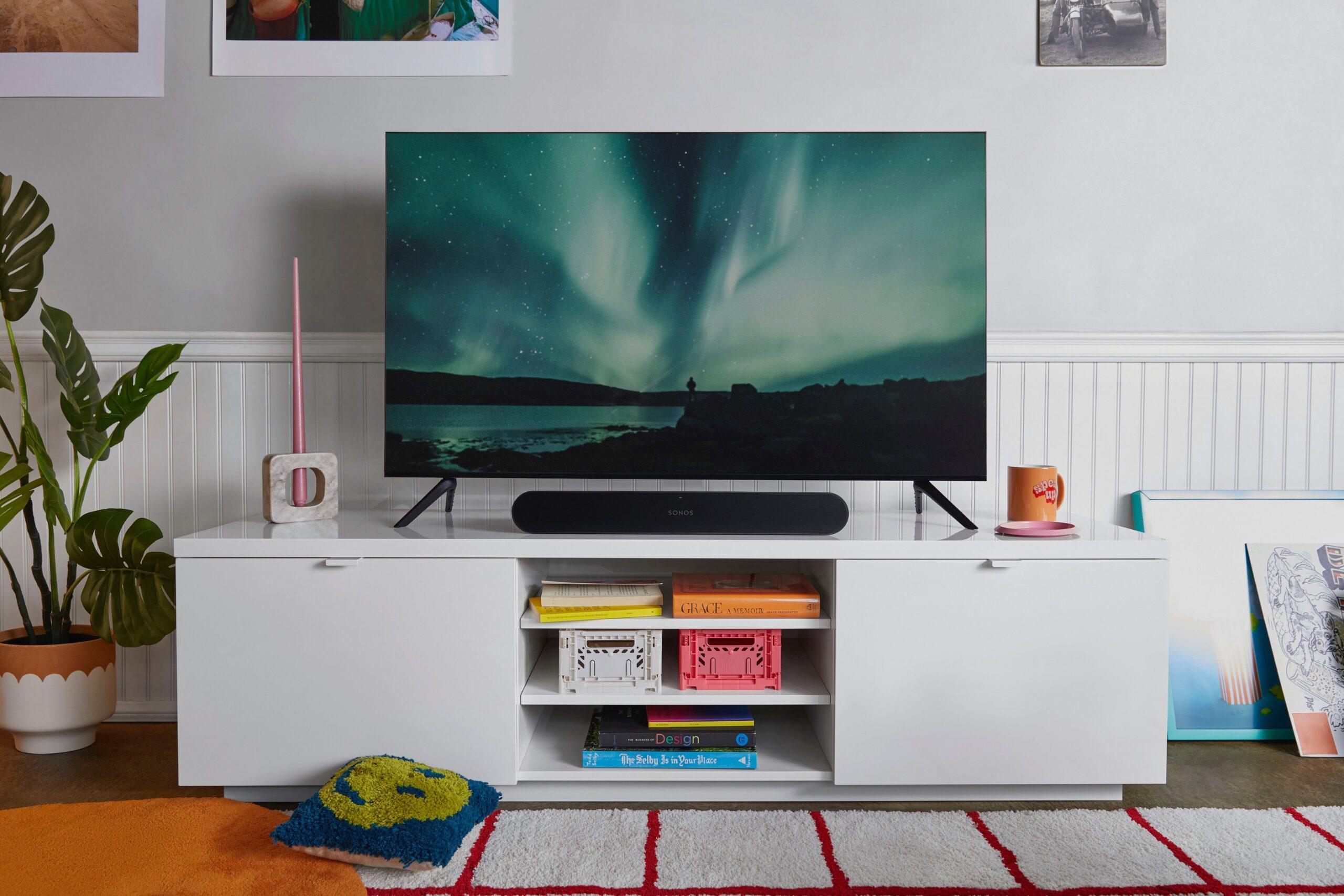
The Sonos Ray requires minimal space as a single 22-inch soundbar that sits under your TV. The Sony HT-A9M2 needs four speaker locations around your room with power access, offering flexible placement but requiring more planning and space consideration.
Value depends on your needs and budget. The Sonos Ray offers exceptional value for basic TV audio improvement and entry into the Sonos ecosystem. The Sony HT-A9M2 provides premium home theater performance but at a significantly higher investment level, justifiable only if you want true surround sound immersion.
The Sonos Ray uses the well-regarded Sonos S2 app for setup and control, plus responds to your TV remote for volume. The Sony HT-A9M2 uses the BRAVIA Connect app for setup and can be controlled through Sony TV interfaces or compatible remotes. Both offer smartphone app control options.
The Sonos Ray is ideal for small apartments due to its compact single-unit design and ability to provide meaningful audio improvement without taking up much space. The Sony HT-A9M2 may be overkill for small spaces and could be challenging to position optimally in limited room layouts, though its wireless flexibility can work in creative placements.
We've done our best to create useful and informative comparisons to help you decide what product to buy. Our research uses advanced automated methods to create this comparison and perfection is not possible - please contact us for corrections or questions. These are the sites we've researched in the creation of this article: bestbuy.com - whathifi.com - whathifi.com - youtube.com - rtings.com - audiosciencereview.com - bhphotovideo.com - skybygramophone.com - sony.com - manuals.plus - audioadvice.com - dell.com - valueelectronics.com - youtube.com - merlinstv.com - videoandaudiocenter.com - electronics.sony.com - sony.com - bestbuy.com - beachcamera.com - sony.com - win.consulting - sony.com - techradar.com - soundandvision.com - youtube.com - appleinsider.com - youtube.com - sonos.com - cnet.com - howtogeek.com - pcrichard.com - en.community.sonos.com - epicsystems.tech - en.community.sonos.com - cepro.com - videoandaudiocenter.com

Privacy Policy
Terms and Conditions - Affiliate Policy
Home Security
© Copyright 2008-2026.
11816 Inwood Rd #1211, Dallas, TX 75244