









When you're ready to upgrade from your TV's built-in speakers, you'll quickly discover that modern home theater audio has evolved into two distinct camps. Traditional soundbars pack multiple speakers into a sleek horizontal unit that sits below your TV, while newer wireless speaker systems distribute individual speakers around your room for true surround sound. The choice between these approaches can dramatically affect your listening experience, setup complexity, and long-term satisfaction.
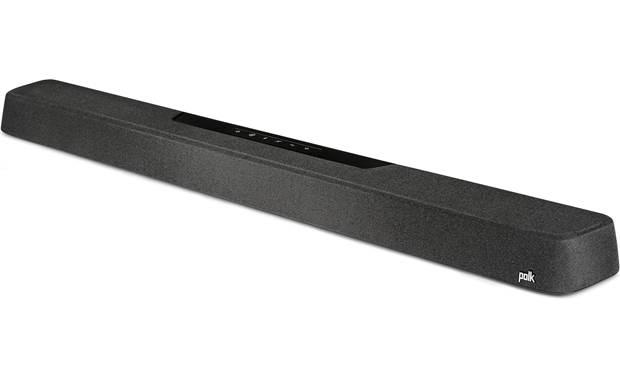
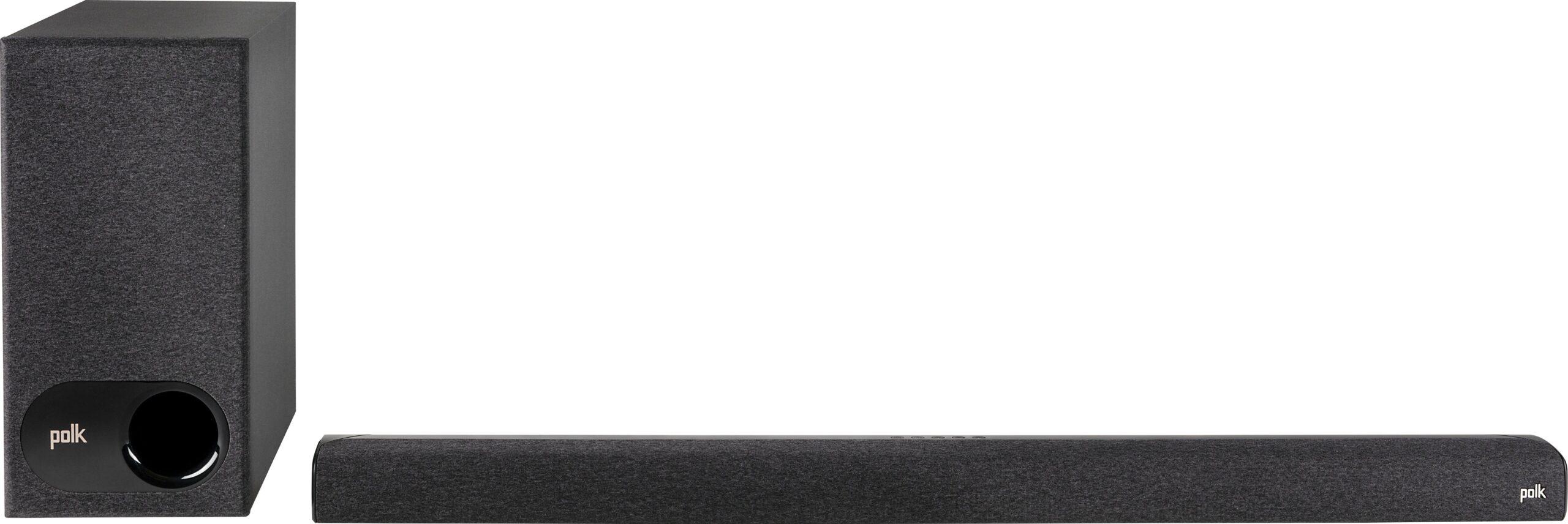
At the time of writing, these two categories are represented perfectly by the Sony HT-A9M2 BRAVIA Theater Quad (released in 2024) and the Polk Audio MagniFi Max AX (released in 2022). While both aim to transform your TV watching and gaming experience, they take fundamentally different approaches that serve different users and room situations.
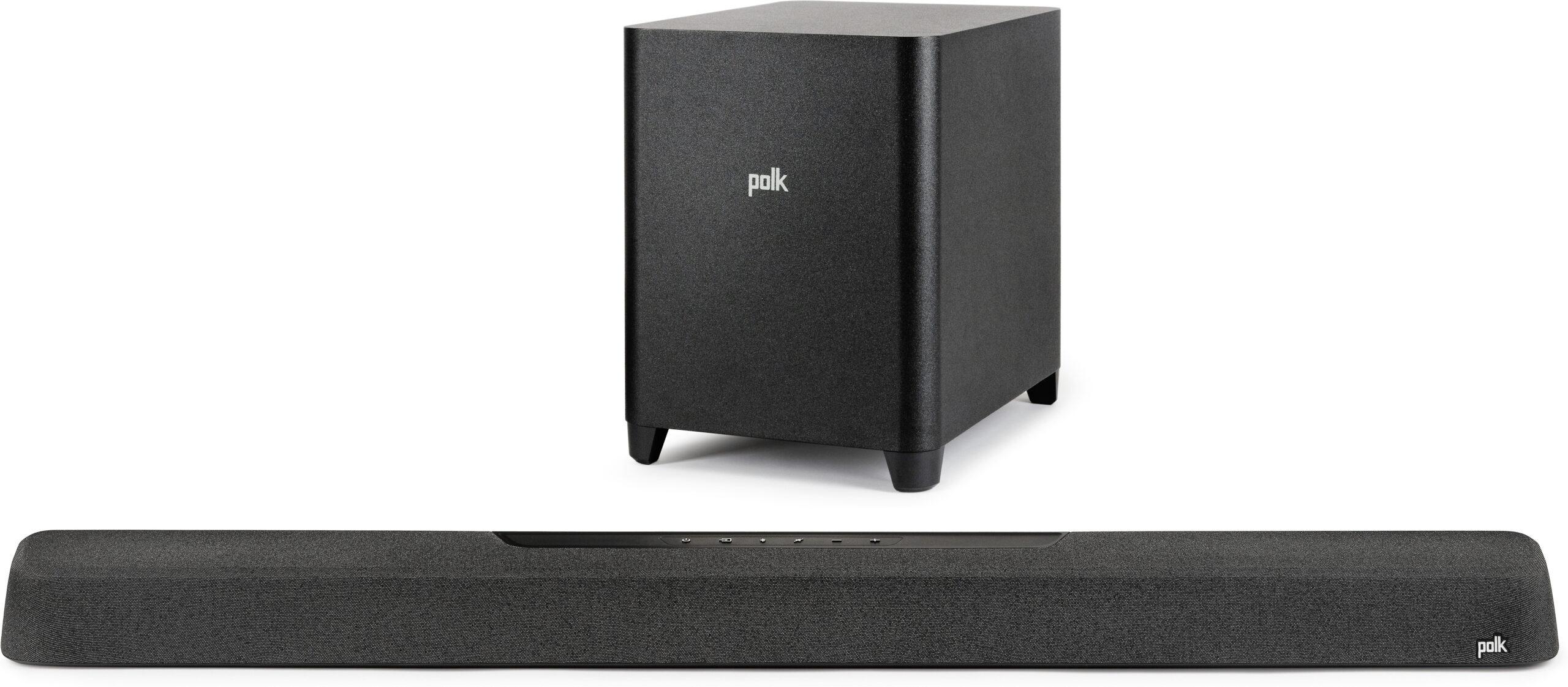
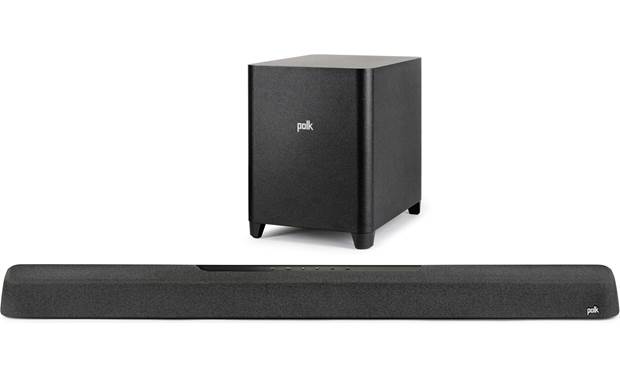
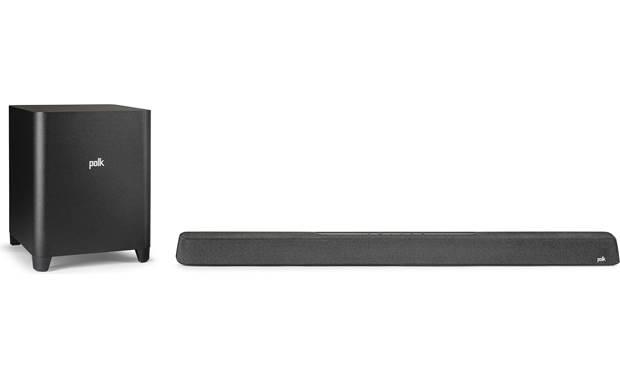
The core difference between these systems comes down to physics versus processing. Soundbars like the Polk MagniFi Max AX use psychoacoustic tricks—basically exploiting how your brain processes sound—to create the illusion of surround audio from a single location. They bounce sound off your walls and ceiling, adjust timing between drivers, and use digital processing to simulate speakers that aren't actually there.
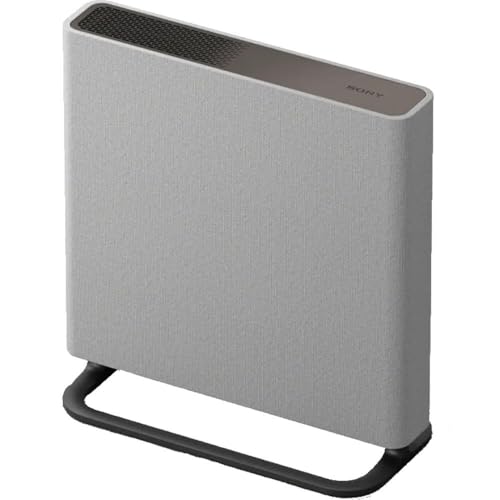
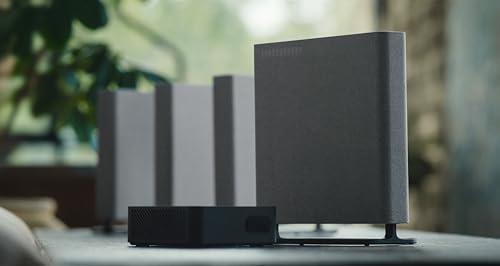
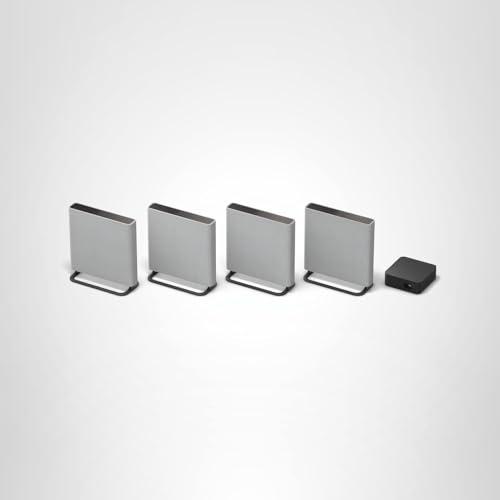
Wireless speaker systems like the Sony HT-A9M2 take the opposite approach: they place actual speakers around your room but eliminate the complex wiring that traditional surround systems require. Each speaker communicates wirelessly with a central control unit, creating genuine multichannel audio without running cables through your walls.
Both approaches have merit, but they excel in different situations. Understanding which philosophy aligns with your room, budget, and audio priorities is crucial for making the right choice.
The Sony HT-A9M2 represents Sony's most ambitious home theater product, building on lessons learned from the original HT-A9 released in 2021. Sony refined the wireless technology significantly for the 2024 model, addressing connectivity issues that occasionally plagued the first generation while improving the spatial audio processing that makes the system unique.
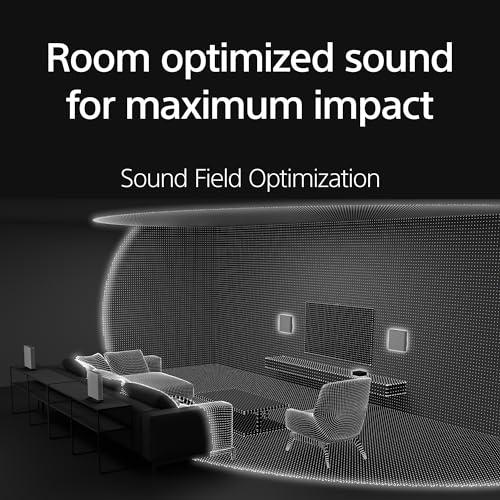
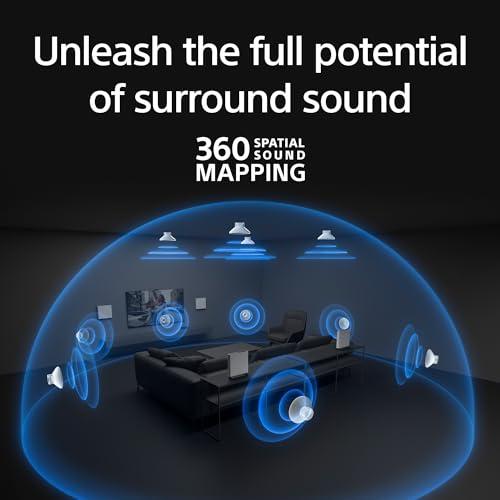
Sony's signature technology, called 360 Spatial Sound Mapping, is genuinely innovative. Each of the four wireless speakers contains multiple microphones that measure your room during setup. The system analyzes wall distances, ceiling height, furniture placement, and acoustic reflections, then creates a virtual map of your space.
Using this map, the Sony HT-A9M2 generates what Sony calls "phantom speakers"—virtual sound sources that seem to exist between and around the physical speakers. This isn't just stereo imaging expanded; the system can create the perception of up to 12 different speaker locations using only four physical units.
The technical implementation is sophisticated. Each speaker contains 4 individual drivers: a full-range driver, tweeter, woofer, and dedicated upfiring height driver. With 16 total drivers across the four speakers, Sony can precisely control timing, phase, and amplitude for each driver independently. This level of control enables the phantom speaker effect while maintaining accurate sound localization.
Based on extensive professional reviews and user feedback, the Sony HT-A9M2 excels in several key areas. The spatial accuracy is genuinely impressive—sound effects in movies appear to come from specific directions and distances, creating an enveloping bubble of audio that extends well beyond the physical speaker locations.
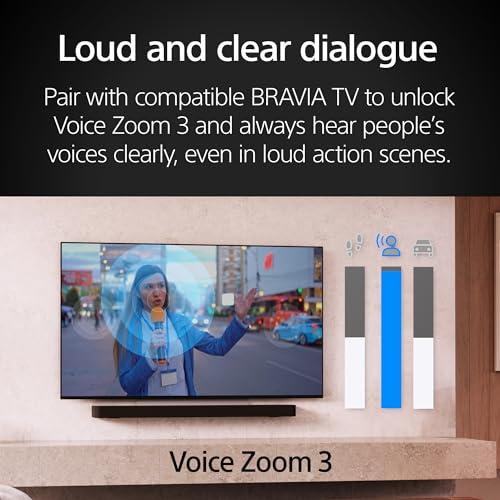
Dialogue performance deserves special mention. While the system lacks a dedicated center channel, Sony's processing creates a convincing phantom center that anchors voices to the screen. The Voice Zoom 3 feature uses AI to identify and enhance dialogue in complex mixes, which proves especially valuable for modern movies with aggressive dynamic range.
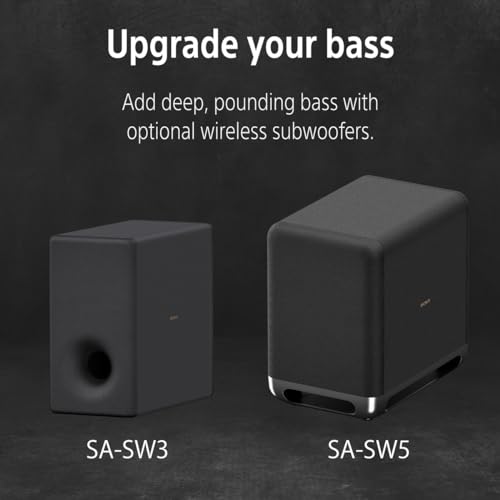
However, the system has one significant weakness: bass performance. The Sony HT-A9M2 ships without a subwoofer, and professional reviewers consistently note that low-frequency impact suffers as a result. While Sony offers optional wireless subwoofers (the SA-SW3 and SA-SW5), they represent additional cost and complexity.
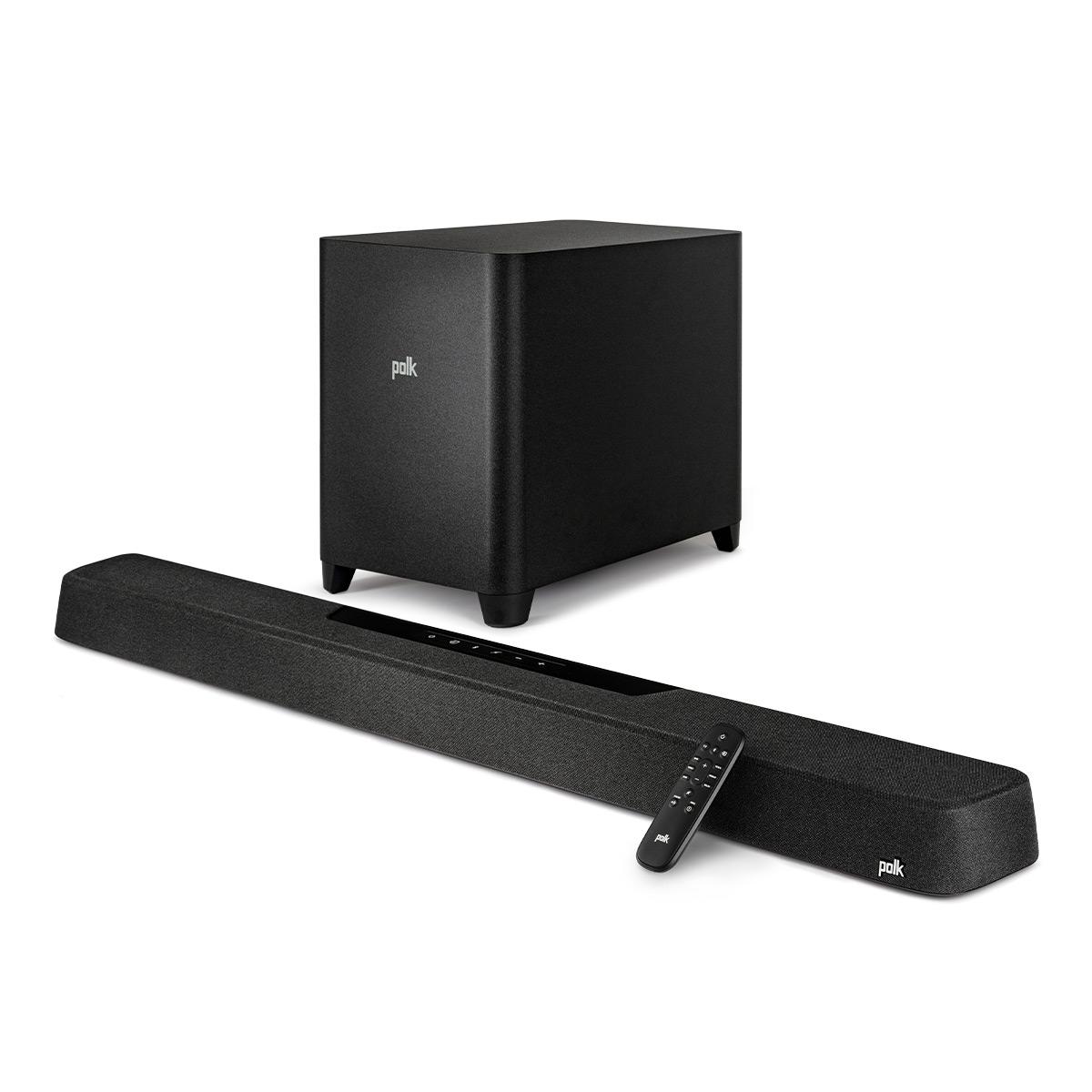
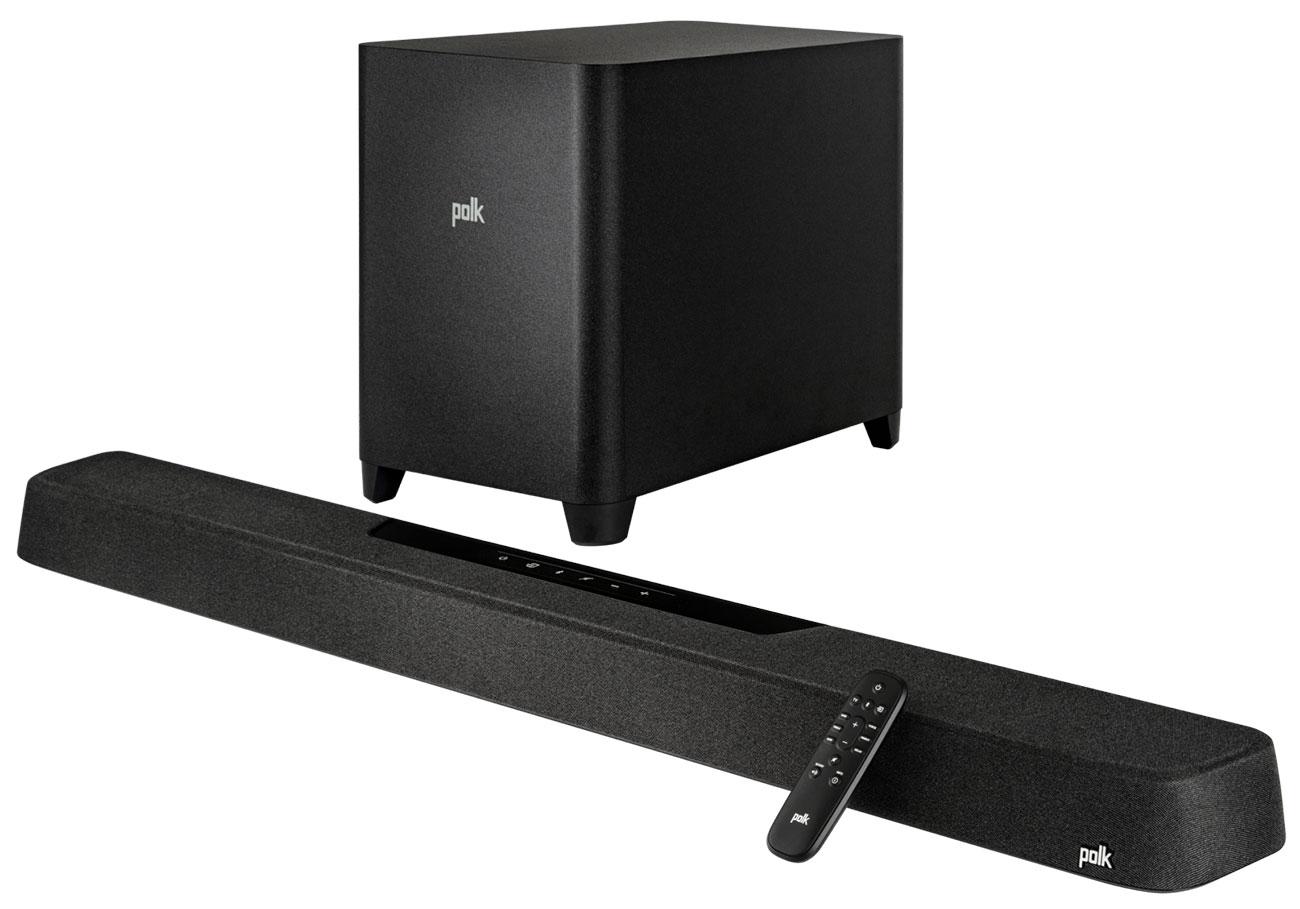
The Polk MagniFi Max AX, released in 2022, represents the evolution of Polk's soundbar technology, incorporating lessons from years of MagniFi development. Polk focused on addressing common soundbar weaknesses: muddy dialogue, weak surround effects, and limited streaming options.
Polk's SDA (Stereo Dimensional Array) technology has roots dating back to the 1980s, but its implementation in the Polk MagniFi Max AX is thoroughly modern. The system uses precise timing delays and phase relationships between drivers to create an expanded soundstage that extends well beyond the physical width of the soundbar.
The 11-driver array includes dedicated components for different frequency ranges and spatial effects. Four racetrack-shaped mid-woofers handle the bulk of the frequency spectrum, while two tweeters provide crisp high frequencies. Two upfiring drivers attempt to create height effects by bouncing sound off your ceiling, though this approach depends heavily on having appropriate ceiling height and reflective surfaces.
One area where the Polk MagniFi Max AX genuinely excels is dialogue clarity. The VoiceAdjust technology works with the soundbar's dedicated center channel array to enhance speech intelligibility without affecting the rest of the soundtrack. This feature addresses one of the most common complaints about modern movie mixes: dialogue that gets buried under effects and music.
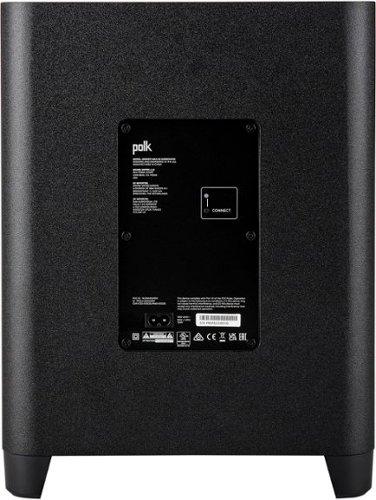
The included wireless subwoofer deserves recognition. The 10-inch downfiring driver provides substantial bass impact that immediately distinguishes the system from smaller soundbars. Unlike the Sony HT-A9M2, you get complete low-frequency performance right out of the box, without additional purchases.
Gaming performance reveals a significant technology gap between these systems. The Sony HT-A9M2 includes comprehensive HDMI 2.1 support, enabling 4K gaming at 120Hz and 8K content at 60Hz. For PlayStation 5 and Xbox Series X owners, this means accessing the full potential of next-generation consoles.
The gaming-specific features matter more than the raw specifications suggest. Variable Refresh Rate (VRR) eliminates screen tearing during fast action, while Auto Low Latency Mode (ALLM) reduces input lag by bypassing unnecessary video processing. Source-Based Tone Mapping (SBTM) allows games to send HDR metadata directly to your display, improving color accuracy and brightness mapping.
The Polk MagniFi Max AX lacks these modern gaming features, limiting connections to HDMI 2.0 and 4K at 60Hz. While this covers most current gaming scenarios, it reduces future-proofing for users planning to keep their audio system for several years.
Streaming capabilities highlight different design priorities. The Polk MagniFi Max AX embraces the modern smart home ecosystem with built-in Wi-Fi, Apple AirPlay 2, Google Chromecast, and Spotify Connect. You can stream music directly from your phone, tablet, or computer without additional devices.
The Sony HT-A9M2 takes a more focused approach, prioritizing audio quality over streaming convenience. While it supports Bluetooth 5.2 with LDAC (a high-quality codec that preserves more musical detail than standard Bluetooth), it lacks built-in Wi-Fi streaming. Sony's philosophy seems to be that serious listeners will use dedicated streaming devices or game consoles rather than relying on built-in smart features.
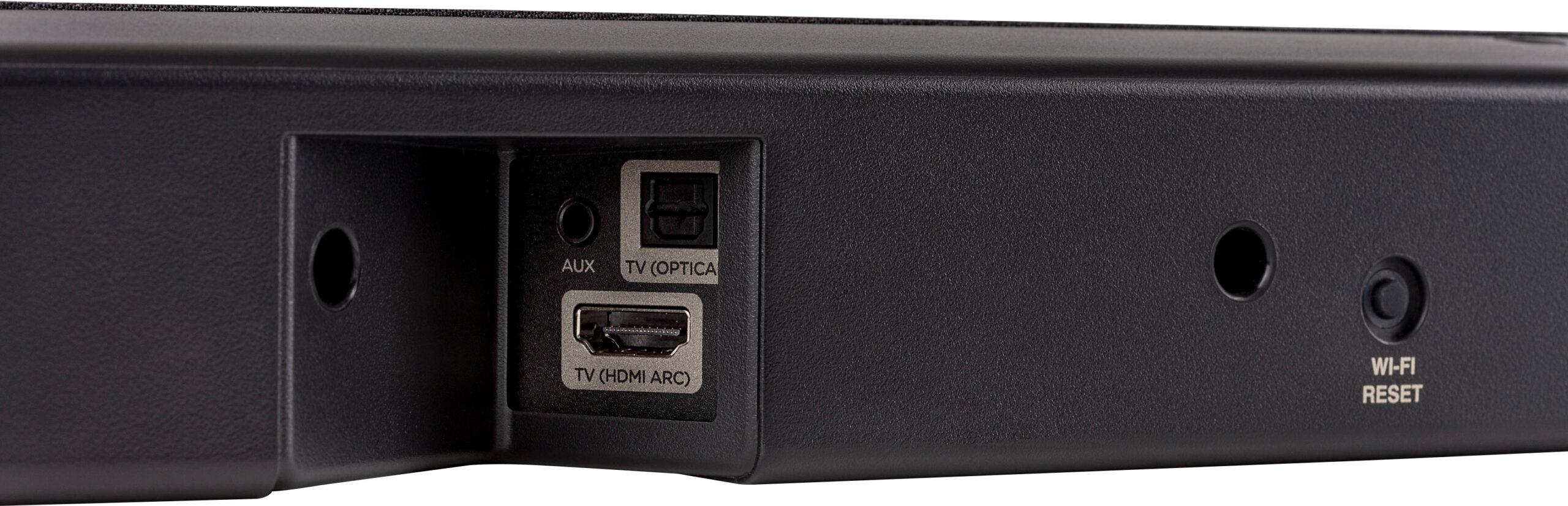
Setup complexity represents perhaps the most significant practical difference between these systems. The Polk MagniFi Max AX follows the traditional soundbar model: place the bar near your TV, position the subwoofer somewhere in the room, and connect via HDMI. Most users can complete installation in under 30 minutes.
The Sony HT-A9M2 requires more planning and flexibility. You'll need to position four speakers around your room's perimeter, each requiring a power outlet. The speakers don't need to be equidistant or at identical heights—Sony's calibration system compensates for asymmetrical placement—but you do need sufficient space to spread them effectively.
Room characteristics matter more for the Sony HT-A9M2. The 360 Spatial Sound Mapping works best with reflective walls and ceilings that can bounce sound back to the listening area. Rooms with heavy acoustic treatment, irregular shapes, or very high ceilings may not provide optimal results.
Low-frequency performance represents a crucial decision point. The Polk MagniFi Max AX includes a substantial subwoofer that provides immediate bass impact for movies and music. Action sequences, explosions, and bass-heavy music genres receive proper weight and impact without additional purchases.
The Sony HT-A9M2 ships as a 4.0.4 system without a subwoofer, and professional reviewers consistently identify this as a significant limitation. While Sony's X-Balanced Speaker Units (which use rectangular drivers to maximize cone area) provide better bass than typical satellite speakers, they cannot match a dedicated subwoofer for deep frequency extension and impact.
Sony offers compatible wireless subwoofers, but they represent additional cost. At the time of writing, adding a subwoofer significantly increases the total system investment, affecting the value proposition for budget-conscious buyers.
Price positioning reveals different target markets. The Polk MagniFi Max AX competes in the premium soundbar category, offering advanced features at a price point that many consider reasonable for the included components and capabilities.
The Sony HT-A9M2 commands significantly higher pricing, reflecting its innovative technology and niche positioning. Sony positions this system as an alternative to traditional high-end separates systems, where users might spend similar amounts on an AV receiver plus multiple speakers.
The value equation becomes more complex when considering long-term satisfaction. The Sony HT-A9M2 provides a fundamentally different and potentially superior audio experience, but only in appropriate rooms and usage scenarios. The Polk MagniFi Max AX offers broader compatibility and immediate satisfaction across more diverse situations.
Research into professional reviews and user experiences reveals interesting patterns. Audio enthusiasts and home theater specialists tend to prefer the Sony HT-A9M2 for its spatial accuracy and immersive capabilities, particularly in medium to large rooms where the four-speaker setup can be properly implemented.
Casual users and those prioritizing convenience often gravitate toward the Polk MagniFi Max AX for its straightforward setup, complete feature set, and reliable performance across diverse content types. The included subwoofer and multiple streaming options provide immediate satisfaction without requiring additional investments or complex setup procedures.
Both systems receive praise for build quality and engineering, but user satisfaction correlates strongly with matching the system to appropriate use cases and room characteristics.
Choose the Sony HT-A9M2 if you have a room that can accommodate four speakers with adequate spacing, prioritize gaming with next-generation consoles, and value audio innovation over convenience features. The system works best for users who appreciate the nuances of spatial audio and are willing to invest in the complete ecosystem, including a subwoofer for optimal bass performance.
The Polk MagniFi Max AX serves users who want significant audio improvement with minimal complexity, have space constraints that prevent multiple speaker placement, or prioritize streaming variety and immediate bass impact. It's also the better choice if your budget is more constrained or if you're uncertain about committing to a premium wireless system.
Consider your room characteristics carefully. Open floor plans with reflective surfaces favor the Sony HT-A9M2, while smaller or irregularly shaped rooms may not provide the space needed for optimal performance. The Polk MagniFi Max AX works reliably regardless of room acoustics, though ceiling-bounced height effects depend on appropriate ceiling characteristics.
Both systems represent significant upgrades over TV speakers, but they serve different user profiles and listening priorities. The choice ultimately depends on balancing performance aspirations against practical constraints, with neither option being inherently superior—just better suited to different situations and user preferences.
| Sony HT-A9M2 BRAVIA Theater Quad | Polk Audio MagniFi Max AX |
|---|---|
| System Type - Fundamentally different approaches to surround sound | |
| Four separate wireless speakers (true multichannel) | Single soundbar with wireless subwoofer (simulated surround) |
| Total Drivers - More drivers enable better frequency separation | |
| 16 drivers (4 per speaker unit) | 11 drivers (soundbar + subwoofer) |
| Channel Configuration - Higher numbers mean more precise audio placement | |
| 4.0.4 (4 main + 4 height channels) | 3.1.2 (3 main + 1 sub + 2 height channels) |
| Subwoofer Inclusion - Critical for bass impact in movies and music | |
| Not included (optional SA-SW3/SW5 required) | 10" wireless subwoofer included |
| Gaming Support - Essential for next-gen console owners | |
| HDMI 2.1 (4K/120Hz, VRR, ALLM) | HDMI 2.0 (4K/60Hz only) |
| Room Calibration - Automatically optimizes sound for your space | |
| 360 Spatial Sound Mapping with microphone array | No automatic room correction |
| Streaming Features - Convenience for music playback | |
| Bluetooth 5.2 with LDAC codec only | Wi-Fi, AirPlay 2, Chromecast, Spotify Connect |
| Setup Complexity - Time and effort required for installation | |
| Four speaker placements around room required | Single soundbar placement below TV |
| Power Output - Total amplification across all components | |
| 504W distributed across 4 speakers | Approximately 340W total system power |
| Height Effect Method - How overhead sound is created | |
| Physical upfiring drivers + 360 mapping | Ceiling reflection from upfiring drivers |
| Release Year - Indicates how current the technology is | |
| 2024 (latest generation improvements) | 2022 (established but recent design) |
| HDMI Connectivity - Number of devices you can connect directly | |
| 1 input + 1 eARC output | 3 inputs + 1 eARC output |
| Dialogue Enhancement - Technology for clearer speech | |
| Voice Zoom 3 with AI processing | VoiceAdjust with center channel focus |
The Polk Audio MagniFi Max AX is better for small rooms because it requires only one soundbar placement below your TV. The Sony HT-A9M2 BRAVIA Theater Quad needs space to position four separate speakers around the room, which can be challenging in compact spaces. Small rooms may not provide enough distance between speakers for the Sony HT-A9M2 to create its optimal surround effect.
The Polk Audio MagniFi Max AX includes a 10-inch wireless subwoofer in the box, providing immediate bass impact. The Sony HT-A9M2 BRAVIA Theater Quad does not include a subwoofer and professional reviewers consistently recommend adding Sony's optional SA-SW3 or SA-SW5 subwoofer for proper bass performance in movies and music.
The Polk Audio MagniFi Max AX is significantly easier to set up. You simply place the soundbar near your TV, position the wireless subwoofer anywhere in the room, and connect via HDMI. The Sony HT-A9M2 requires positioning four speakers around your room, each needing a power outlet, plus running the automatic calibration process.
The Sony HT-A9M2 BRAVIA Theater Quad provides superior surround sound because it uses four physical speakers placed around the room to create true multichannel audio. The Polk Audio MagniFi Max AX simulates surround effects from a single soundbar location, which can be convincing but cannot match the spatial accuracy of the Sony HT-A9M2.
The Sony HT-A9M2 BRAVIA Theater Quad is excellent for gaming with HDMI 2.1 support, enabling 4K/120Hz gaming and features like Variable Refresh Rate (VRR) for PlayStation 5 and Xbox Series X. The Polk Audio MagniFi Max AX is limited to HDMI 2.0 and 4K/60Hz, making it less ideal for next-generation gaming but still suitable for most current gaming scenarios.
The Polk Audio MagniFi Max AX offers superior streaming convenience with built-in Wi-Fi, Apple AirPlay 2, Google Chromecast, and Spotify Connect. The Sony HT-A9M2 focuses on audio quality with Bluetooth 5.2 and LDAC codec support but lacks built-in streaming services, requiring external devices for most wireless music playback.
Both systems excel at dialogue but use different approaches. The Polk Audio MagniFi Max AX uses VoiceAdjust technology with dedicated center channel drivers for speech enhancement. The Sony HT-A9M2 BRAVIA Theater Quad employs Voice Zoom 3 with AI processing to separate and enhance dialogue, creating a phantom center channel that anchors voices to the screen.
The Polk Audio MagniFi Max AX provides better value for most buyers, offering a complete system with subwoofer, multiple streaming options, and solid performance at a lower price point. The Sony HT-A9M2 costs significantly more but delivers innovative spatial audio technology and true surround sound for users willing to invest in premium performance.
The Sony HT-A9M2 BRAVIA Theater Quad can be expanded with Sony's wireless subwoofers but is designed as a complete four-speaker system. The Polk Audio MagniFi Max AX can be expanded with Polk's SR2 wireless rear speakers to create a 5.1.2 system, offering more flexibility for future upgrades without replacing the main components.
The Sony HT-A9M2 BRAVIA Theater Quad excels in open floor plans because its four speakers can be spread across a larger area, and the 360 Spatial Sound Mapping technology works well with the reflective surfaces typical in open spaces. The Polk Audio MagniFi Max AX may struggle to fill very large open areas effectively from a single soundbar location.
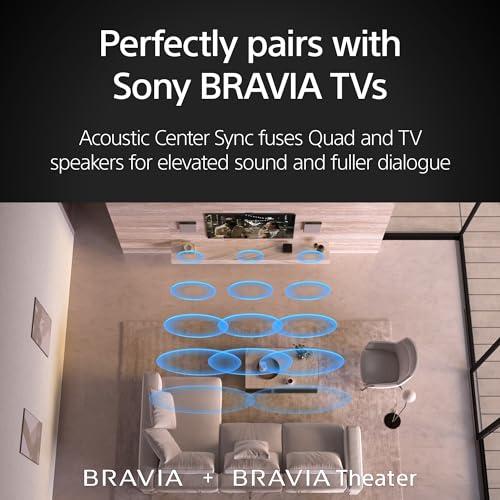
Both systems work with any TV that has HDMI connections. The Sony HT-A9M2 offers enhanced integration features with Sony BRAVIA TVs, including Acoustic Center Sync that uses the TV speakers as an additional center channel. The Polk Audio MagniFi Max AX provides universal compatibility with all TV brands without brand-specific advantages.
The Polk Audio MagniFi Max AX is better suited for apartment living due to its simpler setup, smaller footprint, and built-in Night Mode that reduces bass levels for neighbor-friendly viewing. The Sony HT-A9M2 requires more space and speaker placement flexibility that may not be practical in rental situations or smaller apartments.
We've done our best to create useful and informative comparisons to help you decide what product to buy. Our research uses advanced automated methods to create this comparison and perfection is not possible - please contact us for corrections or questions. These are the sites we've researched in the creation of this article: bestbuy.com - whathifi.com - whathifi.com - youtube.com - rtings.com - audiosciencereview.com - bhphotovideo.com - skybygramophone.com - sony.com - manuals.plus - audioadvice.com - dell.com - valueelectronics.com - youtube.com - merlinstv.com - videoandaudiocenter.com - electronics.sony.com - sony.com - bestbuy.com - beachcamera.com - sony.com - win.consulting - sony.com - youtube.com - avsforum.com - rtings.com - rtings.com - bestbuy.com - walts.com - hometechnologyreview.com - polkaudio.com - pcrichard.com

Privacy Policy
Terms and Conditions - Affiliate Policy
Home Security
© Copyright 2008-2026.
11816 Inwood Rd #1211, Dallas, TX 75244