






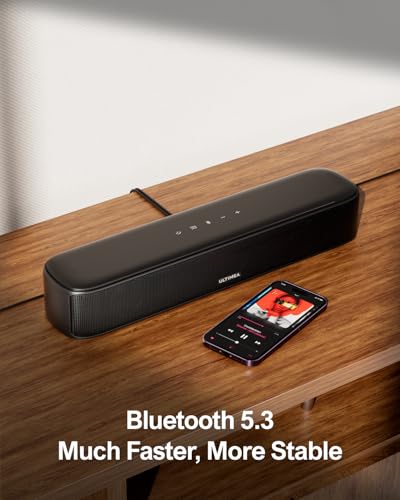
When you're looking to upgrade from your TV's built-in speakers, you'll quickly discover that home theater audio systems come in wildly different forms. Some focus on simplicity, others on raw performance, and a few try to reinvent how surround sound works entirely. Today we're comparing two systems that represent opposite ends of this spectrum: the premium Sony HT-A9M2 BRAVIA Theater Quad and the budget-friendly Ultimea Aura A40 7.1 Channel Soundbar System.
These products approach home theater audio from completely different angles. The Sony HT-A9M2, released in 2024, represents Sony's latest thinking on wireless surround sound, using four identical speakers and sophisticated processing to create an immersive bubble of sound around your seating area. The Ultimea Aura A40, also from 2024, takes a more traditional route with a central soundbar, four discrete surround speakers, and a dedicated subwoofer—essentially giving you the classic 7.1 surround sound experience at an accessible price point.
Before diving into specifics, it's worth understanding what makes home theater audio effective. The goal isn't just loud sound—it's about creating a convincing illusion that places you inside the movie, game, or concert you're watching. This requires several key elements working together.
Surround sound immersion is probably the most obvious benefit. When done right, you should be able to close your eyes and pinpoint where sounds are coming from—whether that's a helicopter passing overhead, footsteps behind you, or dialogue anchored to the screen. Bass response provides the physical impact that makes explosions feel real and music feel full-bodied. Dialogue clarity ensures you can understand conversations even during loud action sequences. And increasingly important is height channel support for Dolby Atmos (a surround sound format that adds overhead effects), which creates that three-dimensional soundscape modern movies are designed for.
The challenge is that achieving all this traditionally required running speaker wires throughout your room, calibrating multiple speakers, and dealing with equipment that could easily overwhelm your living space. Both systems we're examining attempt to solve these problems, just in very different ways.
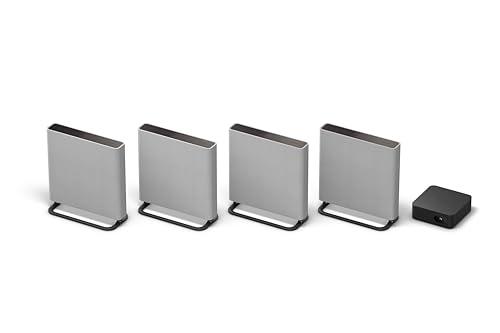
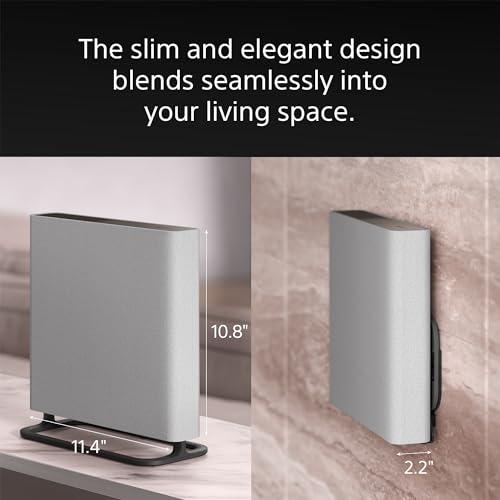
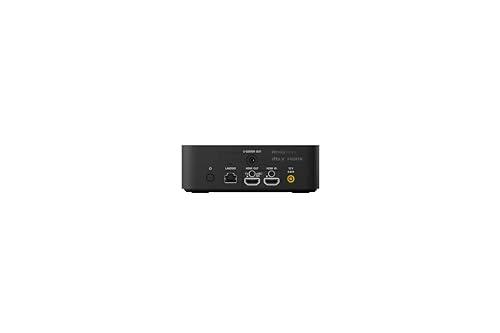
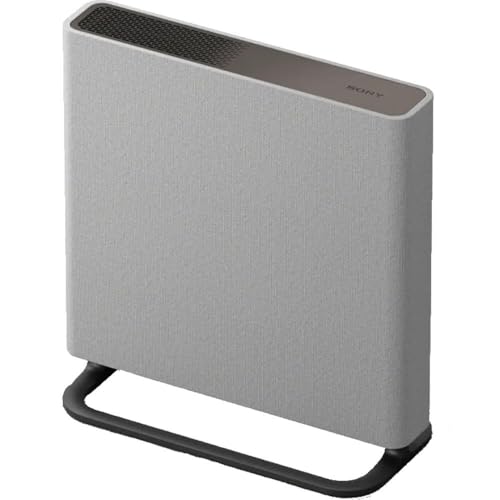
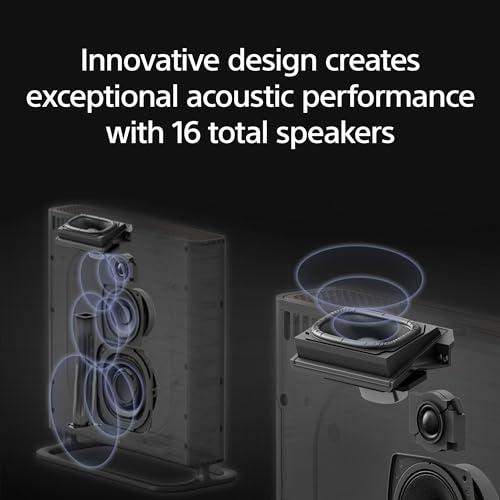
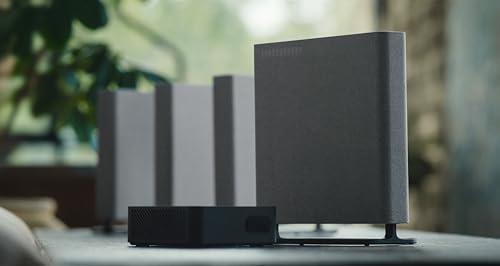
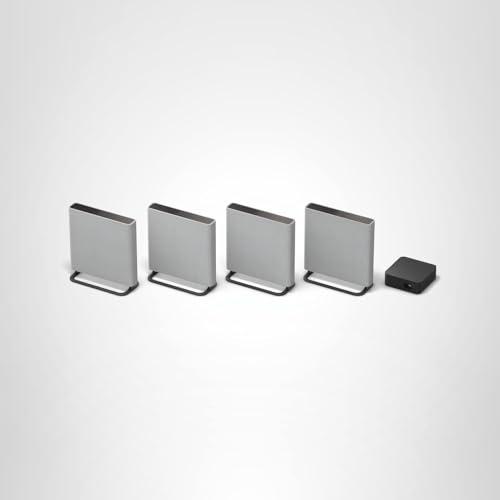
The Sony HT-A9M2 represents Sony's answer to the traditional home theater setup's complexity. Released as an update to their well-regarded HT-A9 from 2021, this system consists of four identical speakers that connect wirelessly to a small control box. Each speaker is essentially a complete 3-way audio system with dedicated woofer, midrange, and tweeter drivers, plus an additional up-firing driver for Atmos height effects. That's 16 total drivers across the four speakers, each powered by its own amplification channel.
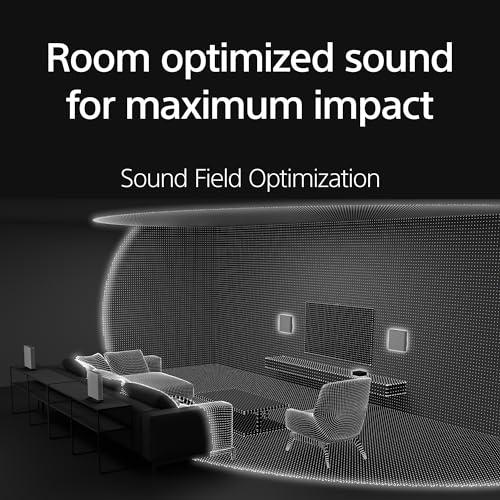
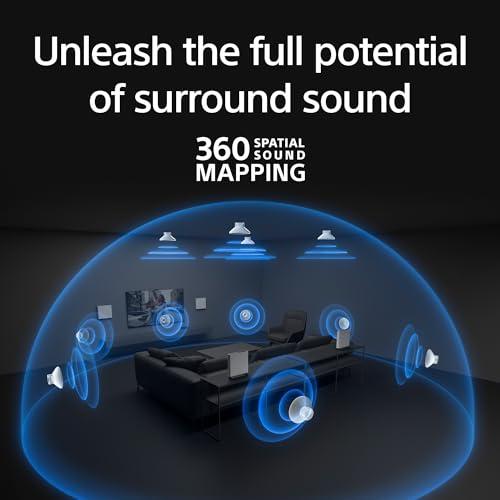
What makes this system unique is Sony's 360 Spatial Sound Mapping technology. Rather than simply playing different audio channels through different speakers, the system uses sophisticated processing to create "phantom speakers"—virtual sound sources that appear to exist in positions where there are no actual speakers. During setup, the speakers use built-in microphones to measure your room's acoustics, then the system calculates how to coordinate all 16 drivers to create a surround bubble that adapts to your specific space.
This wireless approach solves several real-world problems. You can place the speakers anywhere you have power outlets, without worrying about running cables or achieving perfect geometric positioning. The automatic room calibration means the system adapts to irregular room shapes, furniture placement, and even ceiling height. For people in apartments, rental homes, or rooms where traditional speaker placement isn't practical, this flexibility is genuinely transformative.
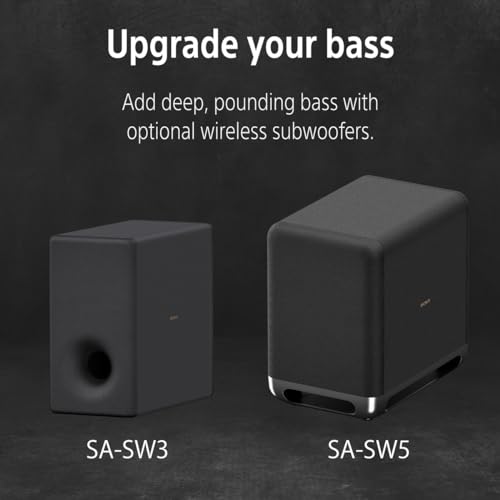
However, the Sony HT-A9M2 ships as what's technically called a 4.0.4 system—four main channels plus four height channels, but no dedicated subwoofer. This is where Sony's approach becomes more complex and expensive than it initially appears. While the system includes some bass capability through its woofer drivers, professional reviews consistently note that it really needs Sony's optional wireless subwoofer to deliver the full-range impact most people expect from a premium home theater system. At the time of writing, this pushes the total investment well into premium territory.
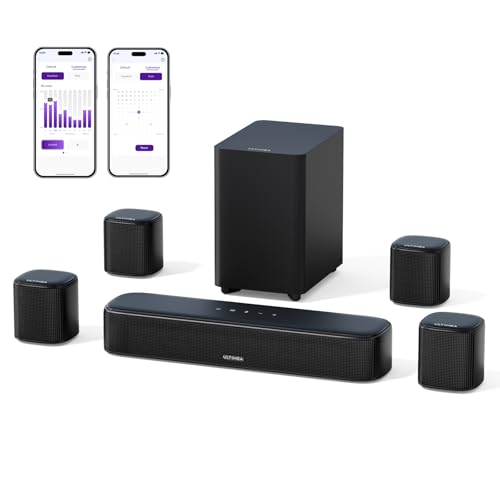
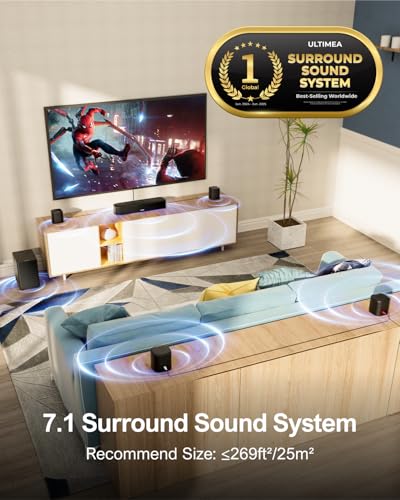
The Ultimea Aura A40 takes the opposite approach. Rather than reinventing surround sound, it delivers the classic 7.1 channel experience—a center channel for dialogue, left and right front channels, four surround speakers, and a dedicated subwoofer—at a price point that was unthinkable for true surround systems just a few years ago.
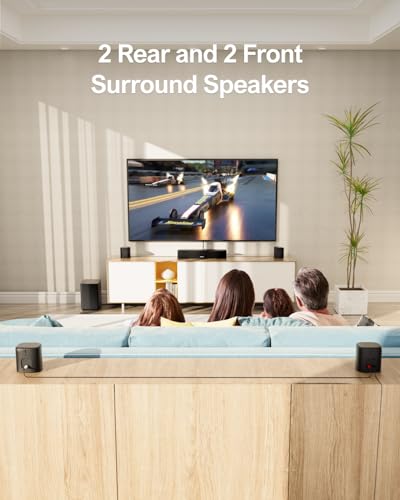
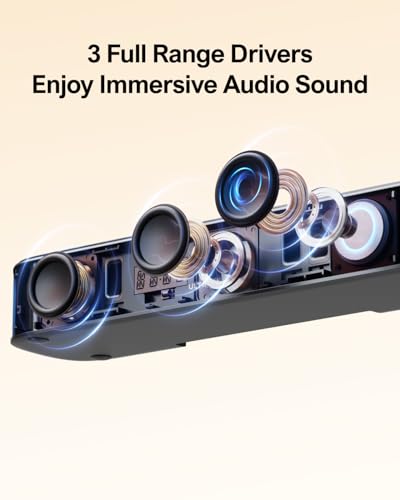
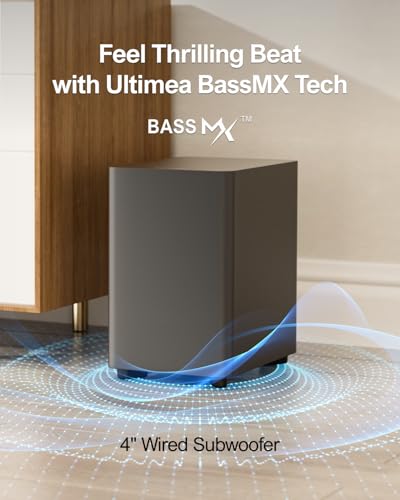
The system uses what's called discrete channel processing, meaning each of the 7.1 audio channels gets sent to its own dedicated speaker or driver. The main soundbar houses three channels (left, center, right) using 2-inch drivers, while four separate surround speakers handle the side and rear channels. A 4-inch subwoofer with Ultimea's BassMX technology provides dedicated bass support down to about 65Hz.
This approach offers some inherent advantages. When a sound effect is supposed to come from behind you and to the left, it actually does—there's a physical speaker in that location playing that sound. The dialogue consistently comes from the center of the soundbar, which sits near your TV screen, providing solid voice anchoring. And because you get a dedicated subwoofer from day one, action movies deliver the visceral bass impact that makes home theater exciting.
The trade-off is setup complexity. You'll need to run cables to position surround speakers behind or beside your seating area. The system includes a 6-meter cable for the rear speakers and mounting hardware, but you'll still need to plan your room layout around speaker placement. One innovation here is that the rear-right speaker can connect wirelessly to reduce cable runs, though the others require physical connections.
This is where the fundamental differences between these systems become most apparent. The Sony HT-A9M2 creates what many reviewers describe as a "bubble" of sound that seems to extend well beyond the four physical speakers. Using its spatial mapping technology, the system can place sound effects in locations where no speakers exist, creating an unusually wide and enveloping soundstage.
Professional audio reviewers consistently praise this effect when it works well. In movies like "Blade Runner 2049" or "Dune," where the sound design includes subtle environmental details and sweeping atmospheric effects, the Sony system can create an almost surreal sense of being inside the movie's world. The automatic room calibration means this effect remains consistent even if you move furniture or change your seating arrangement.
However, this processing-heavy approach has limitations. Some listeners find that very precise sound localization—like pinpointing exactly where a gunshot came from—can be less accurate than with discrete speakers. The system also seems to work best with content specifically mixed for Dolby Atmos or other object-based audio formats, while older surround content might not showcase its capabilities as effectively.
The Ultimea Aura A40, by contrast, provides the more traditional but reliable discrete surround experience. When positioned properly, the four physical surround speakers create clear directional audio that's easy to locate. This approach tends to work consistently across all types of content, from old DVD movies to the latest streaming shows. Gaming enthusiasts particularly appreciate this precision—being able to accurately locate enemy footsteps or gunfire can provide a genuine competitive advantage.
The trade-off is that the Ultimea's surround effect depends heavily on speaker placement and room layout. In irregular rooms or when speakers can't be optimally positioned, the effect becomes less convincing. The Sony system's adaptive processing can often overcome poor placement, while the traditional approach of the Ultimea requires more careful setup to achieve its best performance.
This category reveals one of the starkest differences between these systems and their target markets. The Ultimea Aura A40 includes a 4-inch subwoofer from day one, providing immediate bass impact that makes action movies and music feel full and engaging. While this subwoofer won't match the output of larger, more expensive units, it delivers adequate low-end extension for most content in medium-sized rooms.
User reviews consistently mention that the Ultimea provides satisfying rumble for explosions and good punch for music bass lines, though audiophiles note that the bass can occasionally sound "loose" or less controlled compared to higher-end subwoofers. The 65Hz extension means you're getting most of the bass content in typical movies and music, though the deepest synthesizer notes and some of the most intense movie effects might lack the ultimate impact of more expensive systems.
The Sony HT-A9M2, however, ships without any dedicated subwoofer. Sony's engineers included woofer drivers in each of the four speakers, and these do produce some bass output. But professional reviews universally note that the system feels bass-light without the optional subwoofer. This isn't necessarily a fatal flaw—the system excels in other areas—but it does mean that the "complete" Sony experience requires additional investment.
When paired with Sony's wireless subwoofer options, reviews suggest the combined system delivers excellent, well-integrated bass that seamlessly blends with the spatial processing. But this pushes the total cost significantly higher, moving the Sony from a premium purchase to a luxury one.
Both systems handle dialogue well, but through different mechanisms. The Ultimea Aura A40 uses a traditional center channel approach—dedicated drivers in the soundbar positioned near your TV screen. This creates consistent voice anchoring that keeps dialogue tied to the visual action. The system also includes a dedicated Voice mode in its EQ settings that emphasizes the frequency ranges where human speech lives, helping dialogue cut through background music and effects.
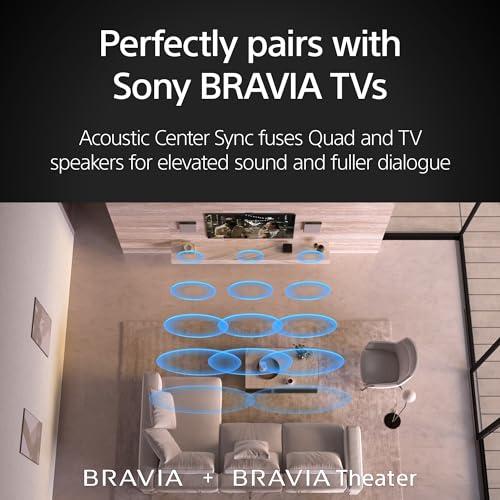
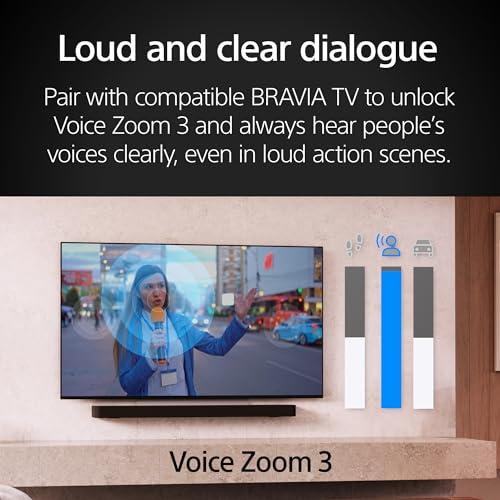
The Sony HT-A9M2 uses what's called phantom center processing, where it coordinates the front speakers to create the illusion of a center channel. When this works well—particularly when paired with compatible Sony BRAVIA TVs using Acoustic Center Sync technology—dialogue can sound remarkably natural and precisely located. Sony's Voice Zoom 3 feature uses AI processing to identify and enhance human voices in the audio mix, which can be particularly helpful with modern movies that sometimes bury dialogue under effects and music.
The challenge with phantom center processing is that it can be more sensitive to listening position and room acoustics. If you're sitting significantly off-center, dialogue may lose focus or seem to wander. The traditional center channel approach of the Ultimea provides more consistent performance across different seating positions.
This is where the Sony HT-A9M2 clearly outperforms the Ultimea Aura A40. Each Sony speaker includes a dedicated up-firing driver specifically designed for Dolby Atmos height channels. Combined with the spatial mapping processing, this creates genuine overhead effects that can place sounds above your listening position.
Professional reviews consistently highlight this as one of the Sony system's strongest capabilities. In properly mixed Atmos content, effects like rain, helicopters, or falling debris can convincingly appear to come from overhead, adding a three-dimensional quality that significantly enhances immersion.
The Ultimea Aura A40 relies on virtual height processing—using software to simulate overhead effects through the existing speakers. While this can create some sense of vertical space, it's not comparable to the dedicated height drivers of the Sony system. For users who prioritize the latest Atmos content and want the full overhead experience, this represents a significant advantage for the Sony system.
The installation experience differs dramatically between these systems. The Sony HT-A9M2 offers perhaps the most flexible setup of any surround sound system. The four speakers only need power connections—no audio cables required. During initial setup, the system automatically measures your room using built-in microphones and calibrates itself for optimal performance.
This flexibility proves invaluable in real-world situations. You can place speakers on shelves, mount them on walls, or even position them asymmetrically if that's what your room requires. The system adapts to your space rather than forcing you to adapt your room to the system. For apartment dwellers or anyone dealing with furniture constraints, this represents a genuine breakthrough in home theater accessibility.
The Ultimea Aura A40 requires more traditional planning. You'll need to run the included surround cables to position speakers behind or beside your seating area. The system includes mounting hardware and reasonably long cables, but you're still dealing with the logistics of cable management and speaker placement that traditional surround systems have always required.
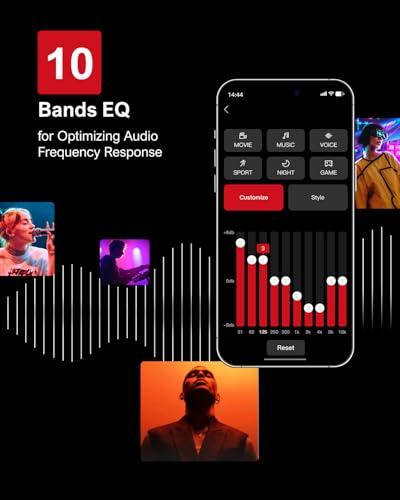
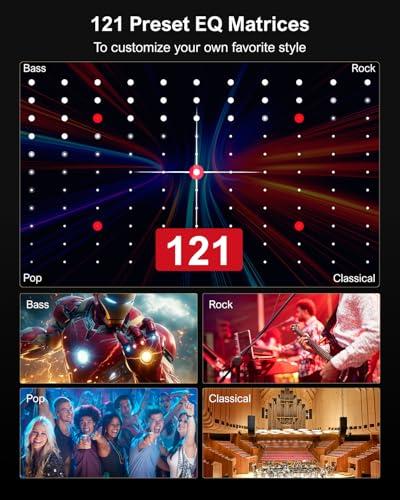
However, once properly set up, the Ultimea offers extensive customization through its Smart App. You get a 10-band equalizer, 121 preset sound profiles for different music genres, adjustable surround levels, and six listening modes optimized for different content types. This level of control lets you fine-tune the system to your specific preferences and room characteristics.
Connectivity reveals another key difference. The Sony HT-A9M2 includes full HDMI 2.1 support with eARC, enabling 4K/120Hz passthrough, Variable Refresh Rate for gaming, and other modern video features. This makes it an excellent choice for PS5 or Xbox Series X gaming, where the HDMI features can reduce input lag and improve visual quality.
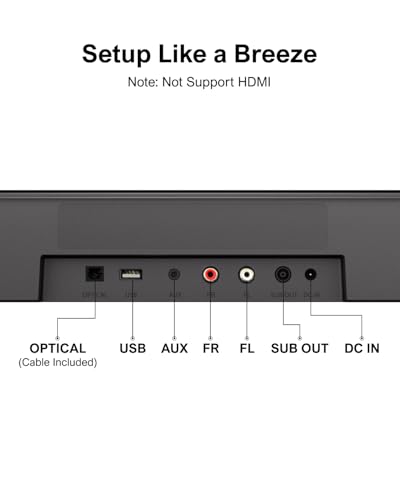
The Ultimea Aura A40 focuses on audio connectivity with optical, AUX, USB, and Bluetooth inputs, but lacks HDMI entirely. This simplifies compatibility with any TV that has optical output, but means you're relying on your TV's processing for any advanced audio formats rather than handling them directly.
At the time of writing, these systems occupy completely different price tiers. The Ultimea Aura A40 represents extraordinary value—delivering genuine 7.1 surround sound with a dedicated subwoofer at a price point where most alternatives are basic soundbars. For someone stepping up from TV speakers for the first time, the improvement in movie and gaming immersion is dramatic and immediate.
The system's extensive customization options and solid build quality make it feel like a much more expensive product. While the audio quality won't satisfy audiophiles, it provides engaging surround sound that transforms the viewing experience for most content.
The Sony HT-A9M2 operates in premium territory even before adding the recommended subwoofer. This pricing reflects the sophisticated wireless technology, premium build quality, and advanced processing capabilities. For users who can take advantage of its specific strengths—difficult room layouts, Sony TV integration, or preference for cutting-edge spatial processing—the price can be justified.
However, when you factor in the near-necessity of adding Sony's wireless subwoofer, the total investment moves into luxury territory. At that price point, you're competing with high-end traditional speaker packages that might offer better absolute audio quality, though without the convenience and flexibility advantages.
The decision between these systems ultimately depends on your priorities, room constraints, and budget philosophy.
Choose the Sony HT-A9M2 if you're dealing with a challenging room layout where traditional speaker placement isn't practical. If you own or plan to buy a Sony BRAVIA TV, the ecosystem integration provides additional value through features like Acoustic Center Sync. The system also makes sense for users who prioritize the latest Dolby Atmos capabilities and don't mind investing in the optional subwoofer for complete performance.
The Sony approach particularly appeals to tech enthusiasts who appreciate innovative solutions and premium build quality. If you value setup simplicity and room flexibility over absolute audio fidelity, and your budget supports the higher investment, the Sony delivers a genuinely unique experience.
Choose the Ultimea Aura A40 if you want immediate, complete surround sound performance at an accessible price. The system works best in rooms where you can properly position surround speakers, but rewards good placement with convincing directional audio and solid bass impact from day one.
This system particularly suits users new to surround sound who want to experience what they've been missing without a major financial commitment. It's also ideal for gaming enthusiasts who value precise audio localization, and for anyone who enjoys tweaking and customizing their audio settings.
These products serve fundamentally different needs in the home theater market. The Ultimea Aura A40 democratizes quality surround sound, offering features and performance that would have cost thousands just a few years ago. It's not perfect—the audio quality won't impress dedicated audiophiles, and setup requires some cable management—but it delivers genuine surround immersion at an unprecedented price point.
The Sony HT-A9M2 represents the cutting edge of home theater convenience, solving real problems that have plagued surround sound systems for decades. Its wireless flexibility and adaptive processing can provide excellent results in situations where traditional systems simply won't work. However, this innovation comes at a significant price premium, and the system really needs its optional subwoofer to justify the investment.
For most people stepping up from TV speakers, the Ultimea provides better immediate satisfaction and value. The Sony makes sense for specific situations where its unique capabilities solve particular problems, or for users who prioritize having the latest audio technology regardless of cost. Both represent solid choices within their respective market segments—the key is honestly assessing which set of compromises and strengths better matches your specific needs and constraints.
| Sony HT-A9M2 BRAVIA Theater Quad | Ultimea Aura A40 7.1 Channel Soundbar System |
|---|---|
| Channel Configuration - Determines surround sound capabilities | |
| 4.0.4 channels (4 main + 4 height) with 16 total drivers | 7.1 channels (7 main + subwoofer) with 8 total drivers |
| Subwoofer Inclusion - Critical for bass impact and complete experience | |
| No subwoofer included (optional wireless sub required for full bass) | 4-inch wired subwoofer included with BassMX technology |
| Speaker Setup - Affects installation complexity and room flexibility | |
| 4 wireless speakers (power-only connections) with automatic calibration | 1 soundbar + 4 wired surround speakers + subwoofer (cables required) |
| Dolby Atmos Support - Important for modern movie immersion | |
| True Atmos with dedicated up-firing drivers in each speaker | Virtual Atmos processing only (no dedicated height drivers) |
| Total Power Output - Impacts maximum volume and dynamic range | |
| 504W across 16 amplified channels | 330W peak power across all drivers |
| HDMI Connectivity - Essential for modern gaming and video features | |
| HDMI 2.1 with eARC, 4K/120Hz, VRR, ALLM support | No HDMI inputs (optical, AUX, USB, Bluetooth only) |
| Room Calibration - Affects ease of setup and sound optimization | |
| Automatic 360 Spatial Sound Mapping with built-in microphones | Manual EQ with 10-band adjustment and 121 preset matrices |
| Wireless Technology - Impacts placement flexibility and setup | |
| Full wireless surround with enhanced dual-antenna system | Hybrid: most speakers wired, rear-right can connect wirelessly |
| App Control Features - Determines customization depth | |
| Basic Sony BRAVIA Connect app with limited adjustments | Advanced Ultimea Smart App with extensive EQ and surround level control |
| TV Integration - Added value for compatible TVs | |
| Deep integration with Sony BRAVIA TVs (Acoustic Center Sync) | Universal compatibility with any TV having optical output |
| Frequency Response - Shows bass extension and treble reach | |
| Not specified (depends on optional subwoofer for low end) | 65Hz - 18kHz (adequate bass extension with included sub) |
| Price Positioning - Reflects target market and value proposition | |
| Premium tier (requires additional subwoofer investment for complete system) | Budget-friendly with complete system included at entry-level pricing |
The Sony HT-A9M2 BRAVIA Theater Quad creates a more immersive surround bubble using 360 Spatial Sound Mapping technology, while the Ultimea Aura A40 provides traditional discrete 7.1 channel surround with physical speakers. For movies, the Sony HT-A9M2 excels with Dolby Atmos content and overhead effects, but the Ultimea Aura A40 offers reliable directional audio placement at a much lower cost.
The Ultimea Aura A40 7.1 Channel Soundbar System includes everything you need: soundbar, four surround speakers, and subwoofer. The Sony HT-A9M2 ships without a subwoofer, and most reviews recommend adding Sony's optional wireless subwoofer for complete bass performance, significantly increasing the total investment.
The Sony HT-A9M2 BRAVIA Theater Quad is much easier to install since all four speakers connect wirelessly and only need power outlets. The Ultimea Aura A40 requires running cables to position surround speakers behind your seating area, though it includes the necessary 6-meter cables and mounting hardware.
For competitive gaming, the Ultimea Aura A40 7.1 Channel Soundbar System provides precise directional audio that helps locate enemy positions. The Sony HT-A9M2 offers superior HDMI 2.1 gaming features like 4K/120Hz passthrough and Variable Refresh Rate support, making it better for next-gen console gaming overall.
The Ultimea Aura A40 works with any TV that has optical audio output, making it universally compatible. The Sony HT-A9M2 BRAVIA Theater Quad works with all TVs via HDMI eARC but offers special integration features like Acoustic Center Sync only with compatible Sony BRAVIA TVs.
The Ultimea Aura A40 7.1 Channel Soundbar System includes a 4-inch subwoofer that provides immediate bass impact for action movies and music. The Sony HT-A9M2 has limited bass without the optional subwoofer, though it delivers excellent bass when paired with Sony's wireless subwoofer options.
The Sony HT-A9M2 BRAVIA Theater Quad adapts to any room size and layout since speakers can be placed flexibly and calibrate automatically. The Ultimea Aura A40 works best in rooms where you can properly position surround speakers and is recommended for spaces between 10-25 square meters.
The Ultimea Aura A40 7.1 Channel Soundbar System provides extensive customization with a 10-band equalizer, 121 preset sound profiles, and adjustable surround levels through its Smart App. The Sony HT-A9M2 focuses on automatic optimization with limited manual adjustment options.
Both systems support Dolby Atmos, but the Sony HT-A9M2 BRAVIA Theater Quad provides true Atmos with dedicated up-firing drivers for overhead effects. The Ultimea Aura A40 uses virtual Atmos processing and supports standard surround formats through its discrete 7.1 channel setup.
The Ultimea Aura A40 7.1 Channel Soundbar System offers exceptional value as a complete surround system at an entry-level price point. The Sony HT-A9M2 represents premium value for users who need its wireless flexibility and advanced processing, but requires additional investment for complete performance.
The Sony HT-A9M2 BRAVIA Theater Quad can be expanded with Sony's wireless subwoofers and integrates with other BRAVIA Theater products. The Ultimea Aura A40 is a complete system with limited upgrade paths, designed to provide full surround sound functionality from day one.
The Sony HT-A9M2 BRAVIA Theater Quad excels in apartments and rentals since it requires no permanent installation or cable runs - just power outlets for the four wireless speakers. The Ultimea Aura A40 7.1 Channel Soundbar System requires running surround speaker cables, which may be challenging in rental situations or rooms with layout constraints.
We've done our best to create useful and informative comparisons to help you decide what product to buy. Our research uses advanced automated methods to create this comparison and perfection is not possible - please contact us for corrections or questions. These are the sites we've researched in the creation of this article: bestbuy.com - whathifi.com - whathifi.com - youtube.com - rtings.com - audiosciencereview.com - bhphotovideo.com - skybygramophone.com - sony.com - manuals.plus - audioadvice.com - dell.com - valueelectronics.com - youtube.com - merlinstv.com - videoandaudiocenter.com - electronics.sony.com - sony.com - bestbuy.com - beachcamera.com - sony.com - win.consulting - sony.com - youtube.com - walmart.com - youtube.com - ultimea.com - homestudiobasics.com - ultimea.co - youtube.com - eu.ultimea.com - walmart.com - device.report - bestbuy.com - manuals.plus - community.ultimea.com - judge.me - support.ultimea.com - geekmaxi.com - provantage.com - bestbuy.com - youtube.com - uk.whatgeek.com

Privacy Policy
Terms and Conditions - Affiliate Policy
Home Security
© Copyright 2008-2026.
11816 Inwood Rd #1211, Dallas, TX 75244