








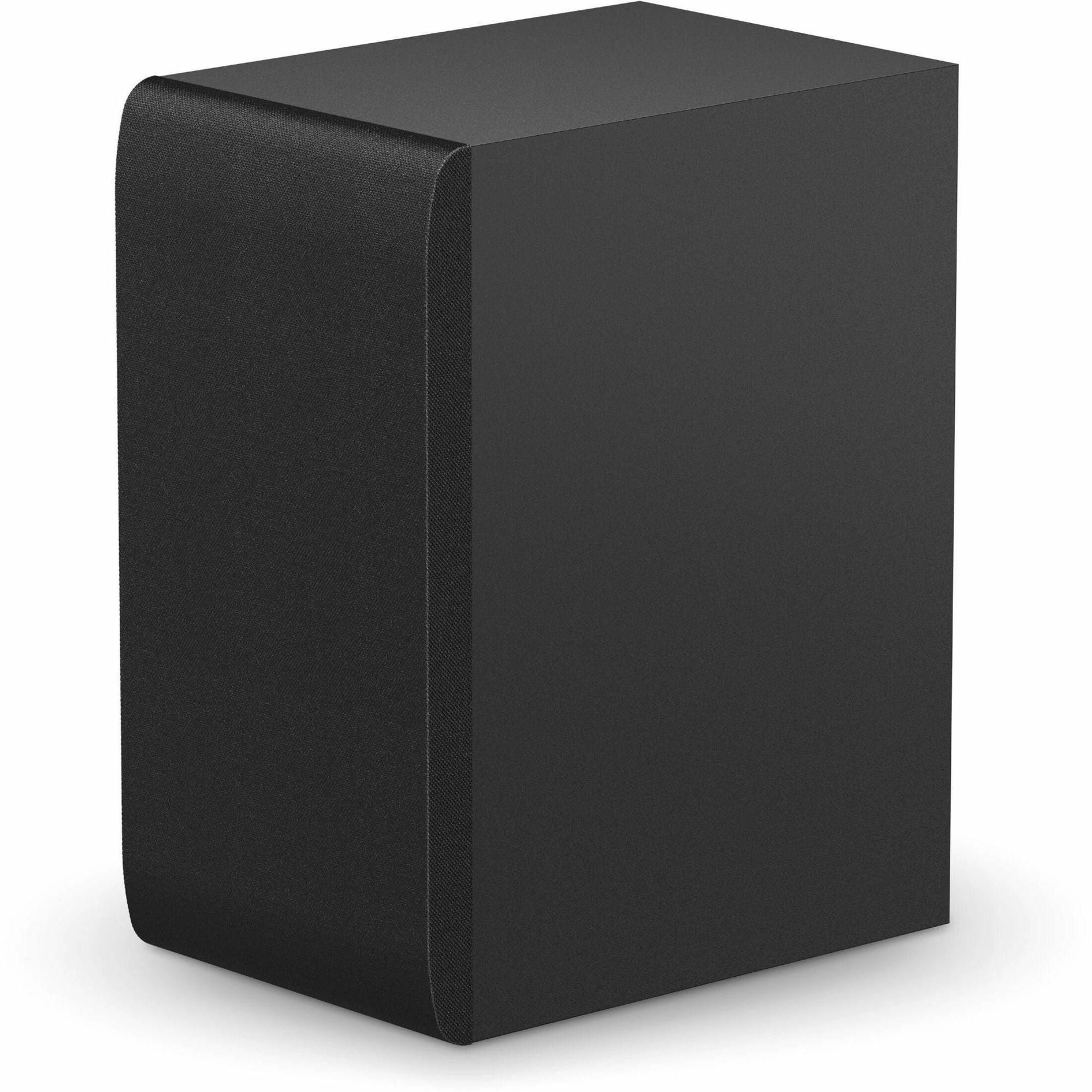
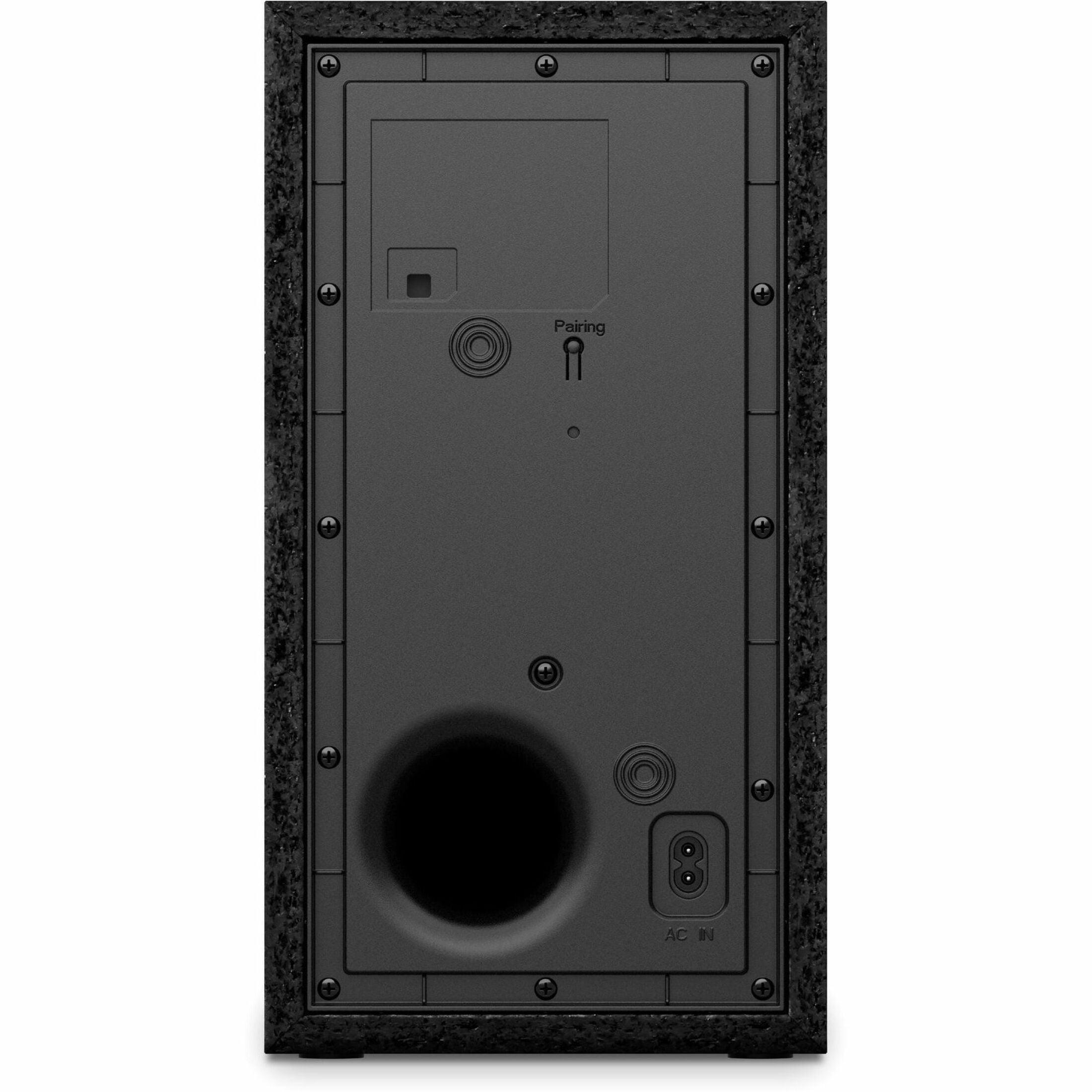
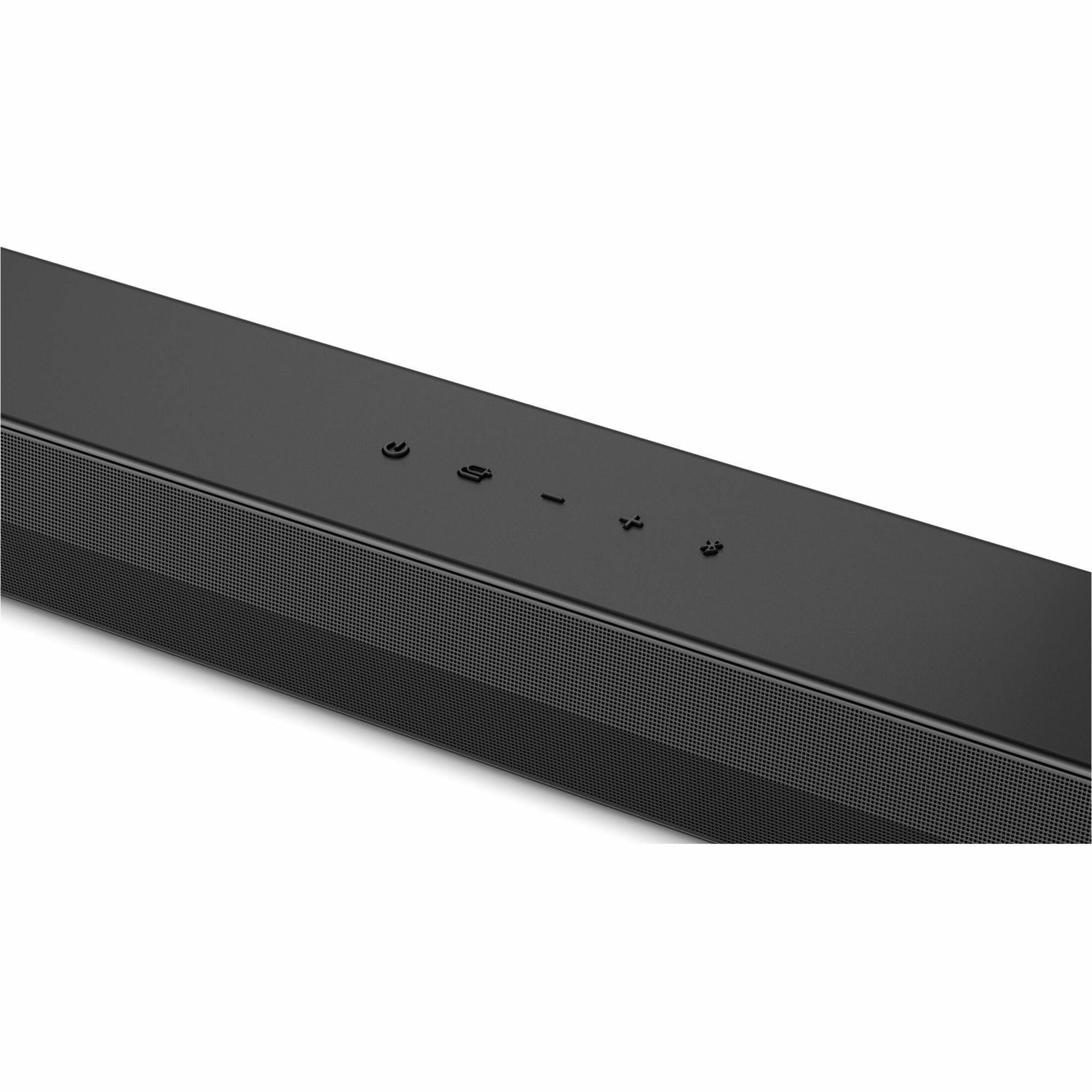

When your TV's built-in speakers just aren't cutting it anymore, you're faced with a fascinating choice that reveals how dramatically the home audio market has evolved. On one side, we have Sony's HT-A9M2 BRAVIA Theater Quad, representing the cutting edge of wireless home theater technology. On the other, there's LG's S40T soundbar, a straightforward approach that's been refined over decades. These products couldn't be more different in their philosophy, and understanding that difference is crucial to making the right choice for your setup.
The audio upgrade landscape has fundamentally shifted since 2020. What used to be a simple choice between "cheap soundbar" and "expensive surround system" has exploded into multiple categories. Wireless speaker arrays like the Sony HT-A9M2 emerged as a third path, promising to deliver true surround sound without the complexity of traditional home theater receivers and wired speakers. Meanwhile, budget soundbars have gotten surprisingly sophisticated, with models like the LG S40T packing features that would have cost significantly more just a few years ago.
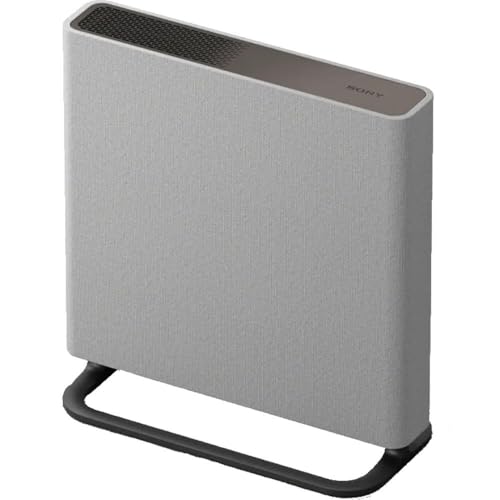
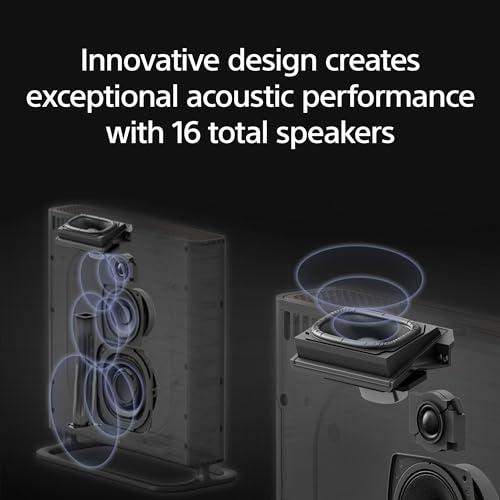
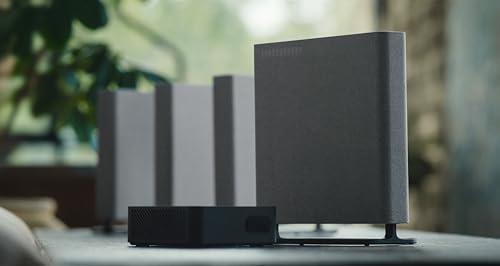
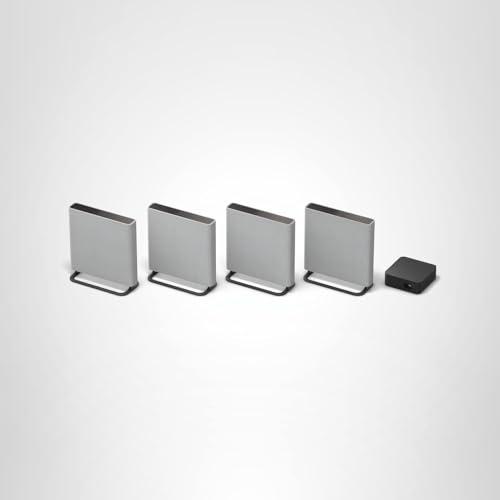
The Sony HT-A9M2, released in 2023 as an evolution of Sony's groundbreaking HT-A9 concept, represents something genuinely new in home audio. Instead of trying to create surround sound from a single bar, it uses four completely wireless speakers that work together as a cohesive system. Each speaker contains four separate drivers: a woofer (the large driver that handles bass frequencies), a midrange driver (for vocals and most instruments), a tweeter (for high-frequency details like cymbals), and an upfiring driver that bounces sound off your ceiling to create height effects.
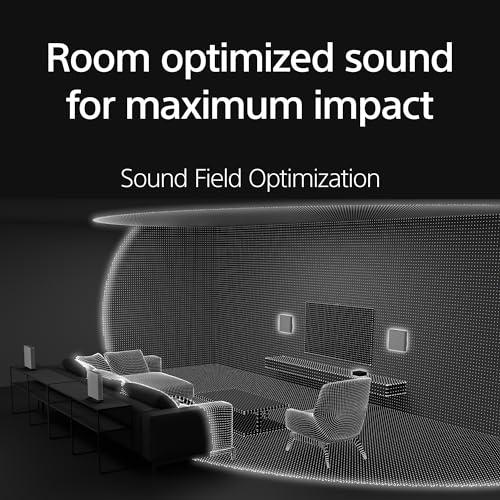
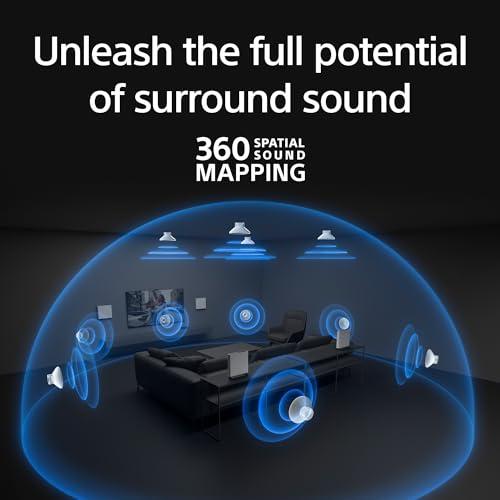
This 16-driver setup (4 drivers × 4 speakers) is coordinated by Sony's 360 Spatial Sound Mapping technology, which essentially tricks your brain into hearing sounds coming from locations where no speakers actually exist. During setup, the system measures your room using built-in microphones, then creates what Sony calls "phantom speakers" – virtual sound sources that your ears perceive as real speakers positioned throughout the space.
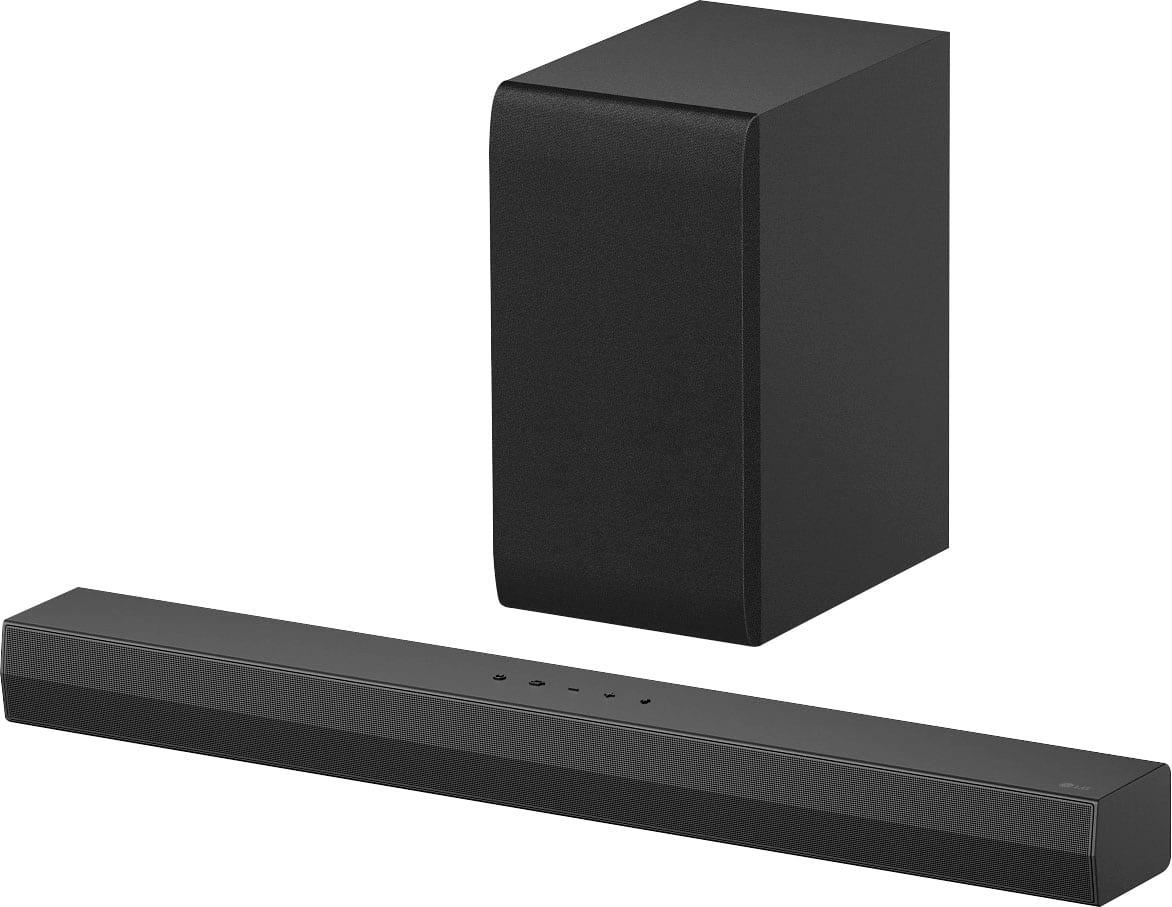
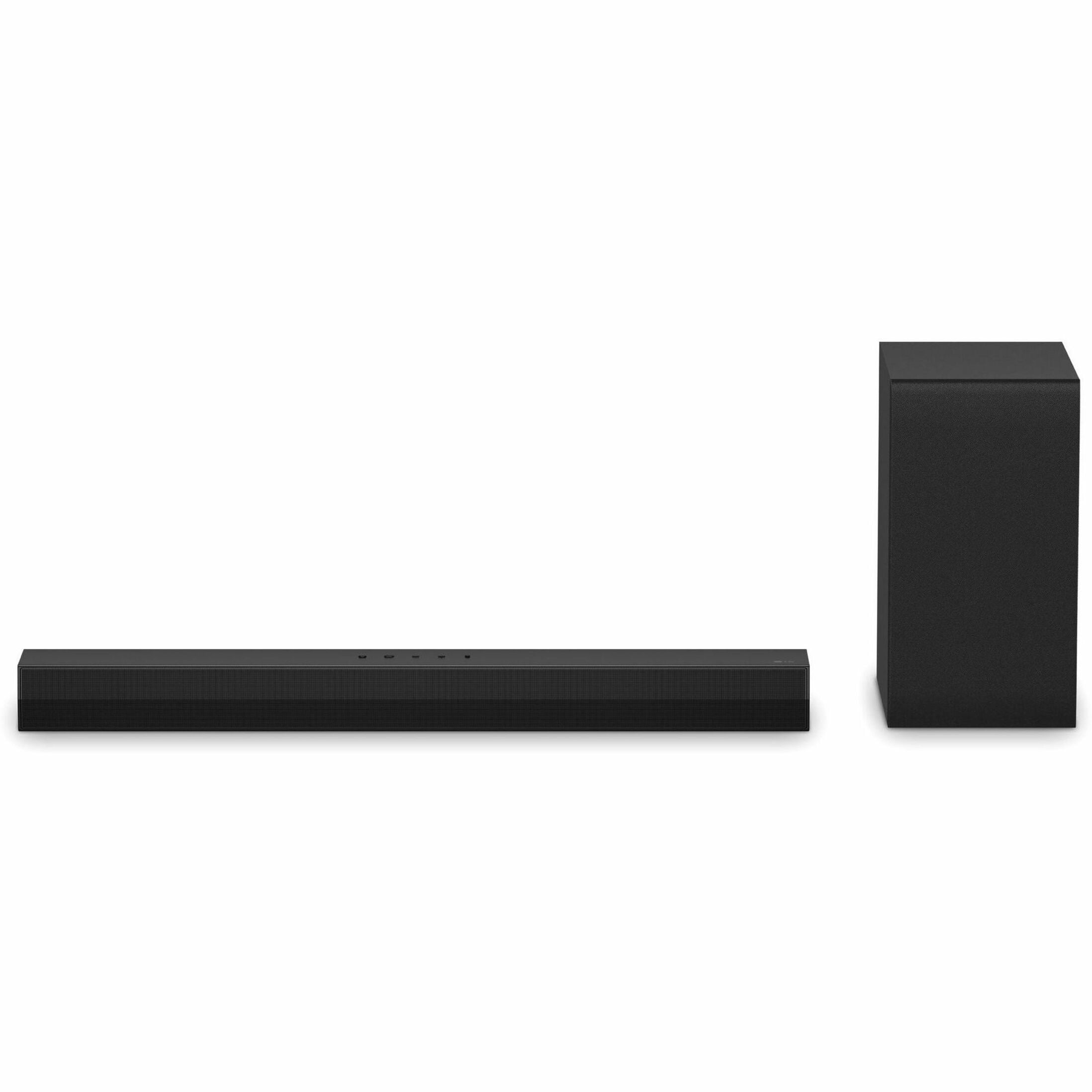
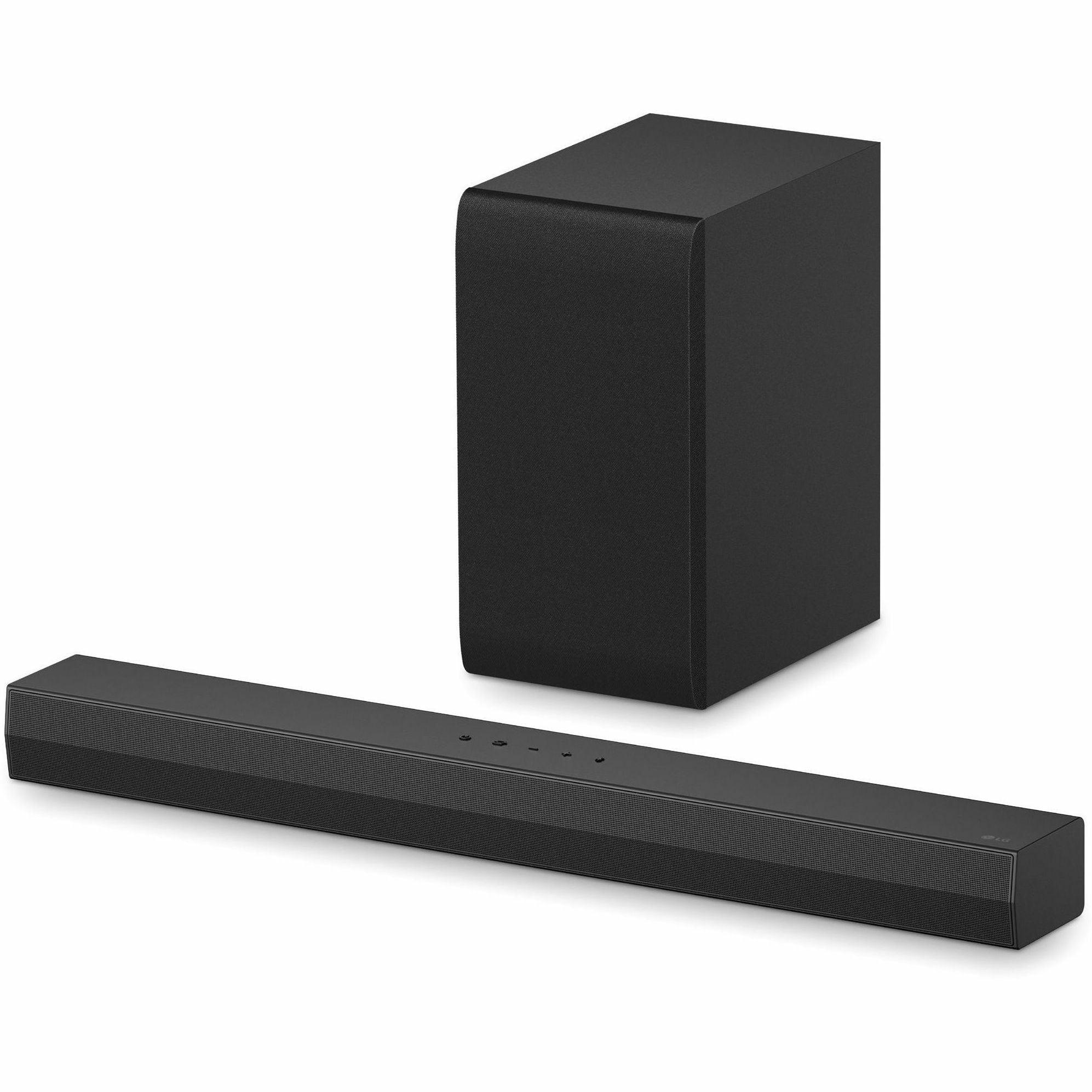
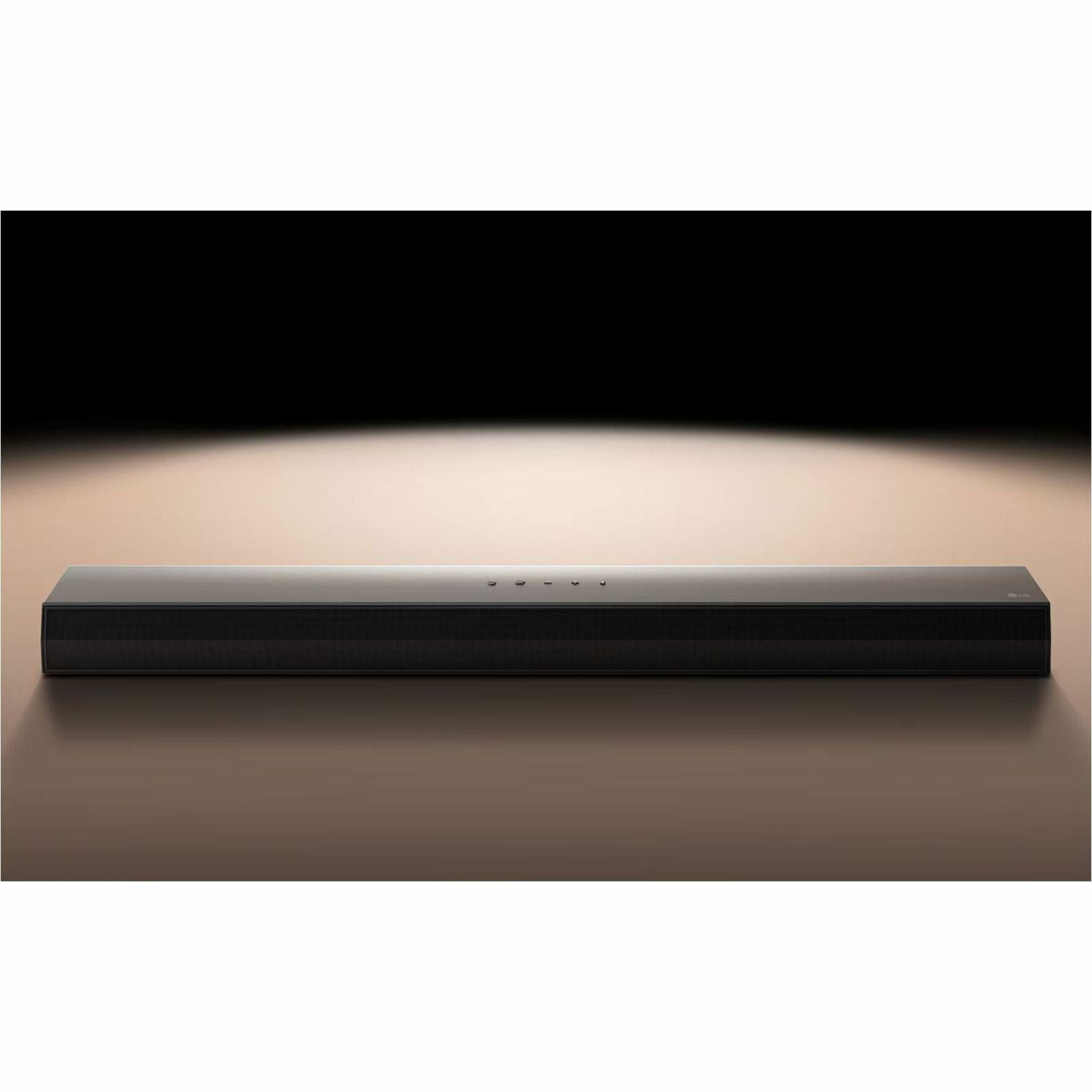
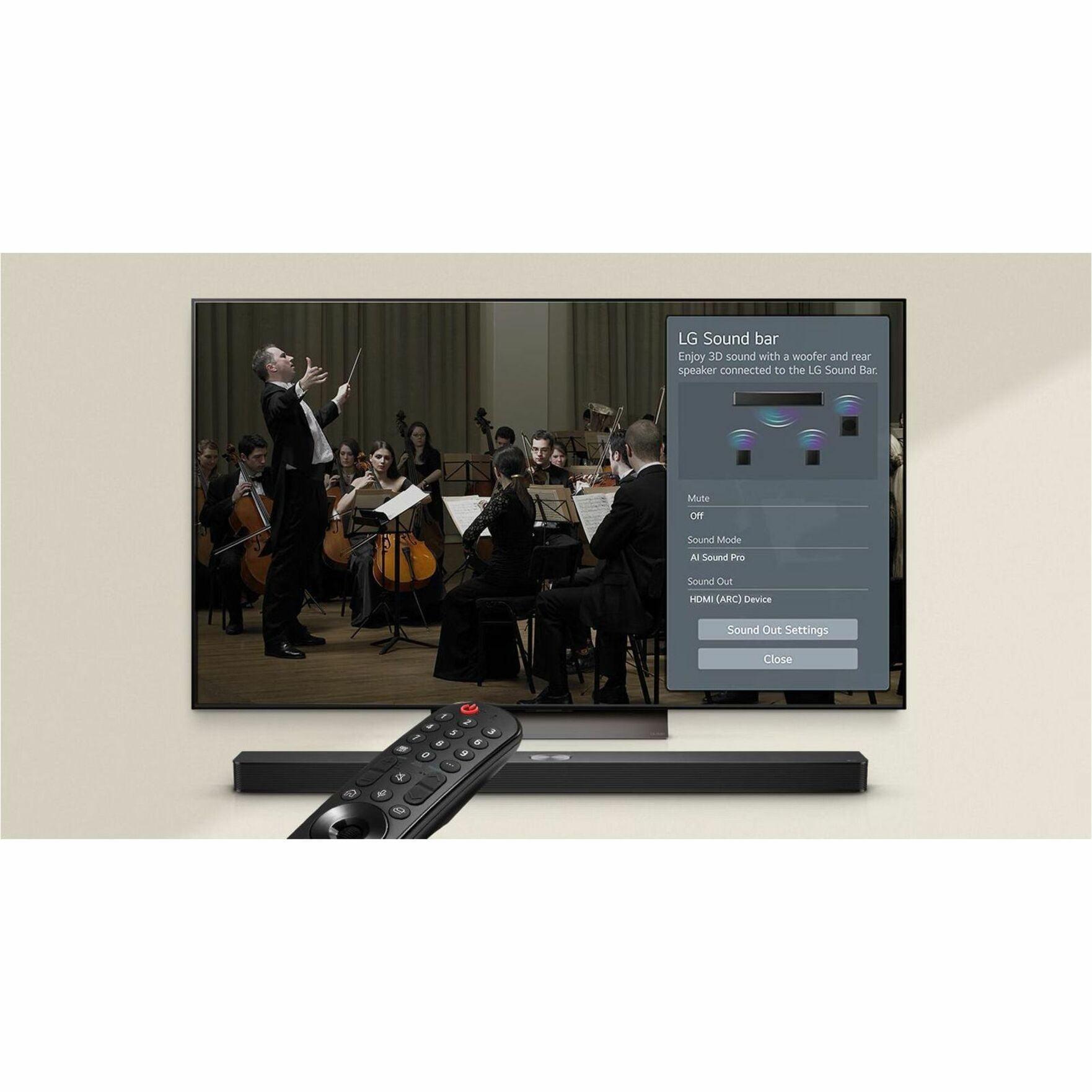
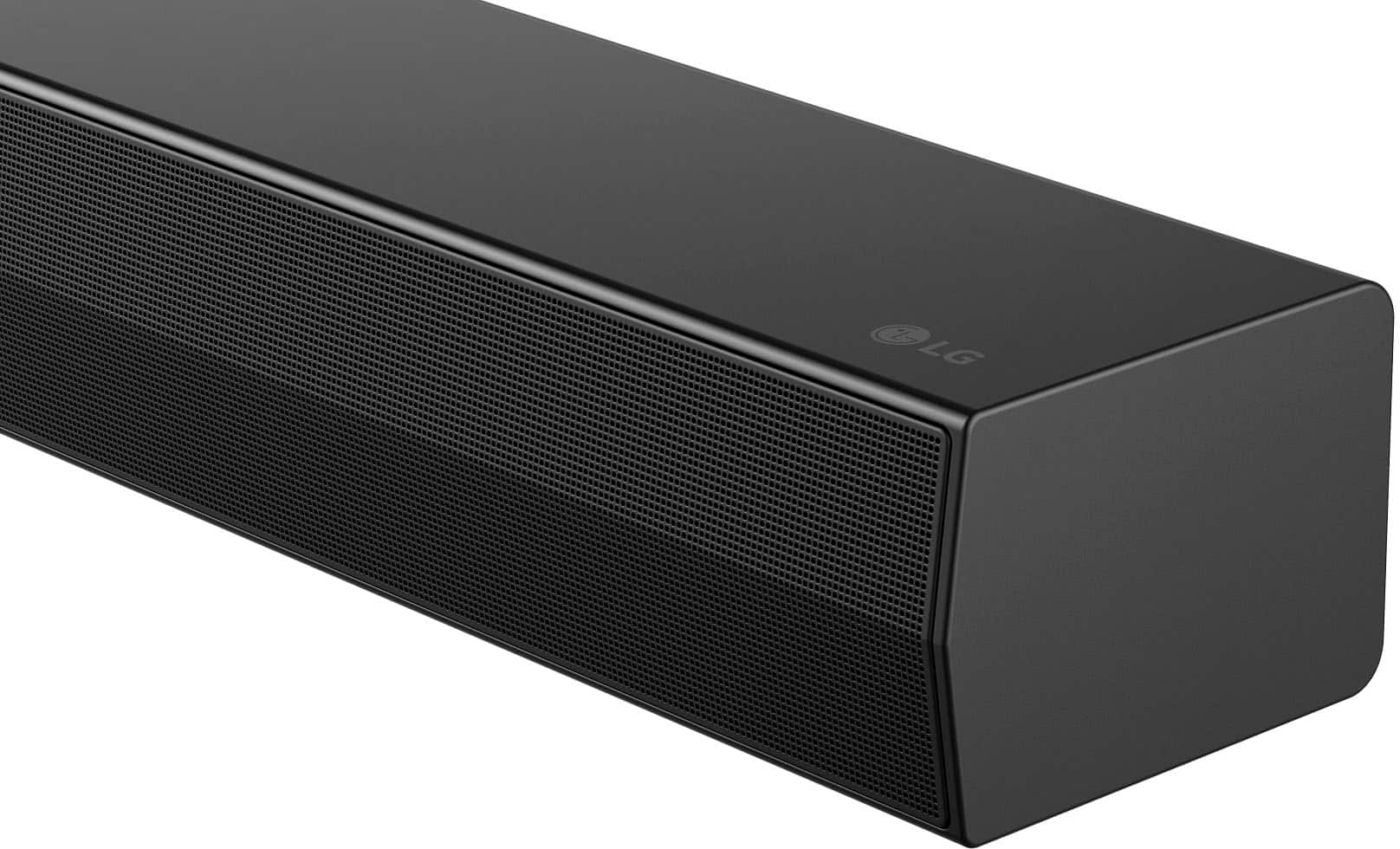
The LG S40T, launched in 2023 as part of LG's value-focused lineup, takes the traditional approach that's dominated the market for over a decade. It's a 2.1 system, meaning two main channels (left and right) in the soundbar itself, plus a separate wireless subwoofer (the ".1") that handles deep bass frequencies below about 80Hz. The soundbar contains multiple drivers arranged to create a wider stereo image than your TV speakers, while AI Sound Pro technology automatically adjusts the sound based on what you're watching.
Here's where the fundamental difference becomes crystal clear. The Sony HT-A9M2 delivers genuine surround sound because it has discrete speakers positioned around your listening area. When a helicopter flies overhead in a movie, you're not hearing a clever audio trick – you're hearing sound actually coming from above via the upfiring drivers, bouncing off your ceiling to reach your ears from the correct direction.
Our research into professional reviews consistently shows that this approach works remarkably well. What Hi-Fi's testing found that effects in films like "Top Gun: Maverick" and "Dune: Part 2" create a convincing three-dimensional bubble of sound, with dialogue and effects positioned precisely where they should be in the visual scene. RTINGS confirmed that the height effects, while not as dramatic as ceiling-mounted speakers, provide a genuine sense of verticality that most people can clearly perceive.
The LG S40T, by contrast, creates virtual surround through processing tricks. It can widen the stereo image and enhance certain frequencies to make dialogue clearer, but it can't create true directional effects. When that same helicopter flies overhead, you'll hear it get louder and the frequency response might change, but the sound is still fundamentally coming from in front of you.
This isn't necessarily a dealbreaker – many people are perfectly happy with enhanced stereo sound. But it's important to understand that these are fundamentally different experiences. The Sony system creates spatial immersion; the LG system provides enhanced clarity and wider stereo imaging.
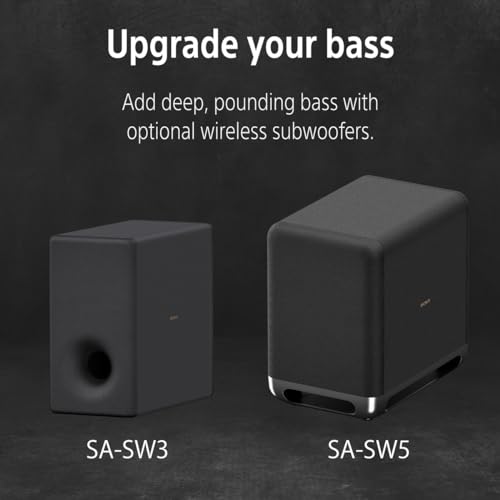
Ironically, despite costing dramatically more, the Sony HT-A9M2 has a significant weakness out of the box: it doesn't include a subwoofer. Professional reviewers consistently noted this limitation. What Hi-Fi's review stated bluntly that the system "really needs the optional subwoofer to flourish," describing the sound as "too lean" without dedicated bass reinforcement.
This is actually a deliberate design choice. Sony configured the system as 4.0.4 (four main channels, zero subwoofer channels, four height channels) to maximize spatial precision and allow flexible speaker placement. Adding a subwoofer changes the designation to 4.1.4 and requires careful integration to maintain the spatial illusion.
The LG S40T includes a wireless subwoofer that delivers what user reviews consistently describe as "powerful bass response." This 200-watt dedicated bass unit provides the kind of low-frequency impact that makes explosions feel visceral and music sound full-bodied. For most people upgrading from TV speakers, this immediate bass improvement is the most noticeable upgrade.
From a pure performance standpoint, the LG system delivers more satisfying bass impact right out of the box, while the Sony system excels in spatial precision but requires additional investment for comparable low-end authority.
Gaming performance reveals another stark difference between these approaches. The Sony HT-A9M2 includes a full HDMI 2.1 implementation with features specifically designed for modern gaming consoles. Variable Refresh Rate (VRR) eliminates screen tearing by allowing the display to match the console's frame rate. Auto Low Latency Mode (ALLM) automatically switches to the fastest video processing when gaming is detected. These features are essential for getting the best experience from PlayStation 5 or Xbox Series X consoles.
The system also supports 4K resolution at 120Hz refresh rates, which future-proofs it for the most demanding gaming scenarios. Source-Based Tone Mapping (SBTM) allows games to send specific HDR instructions, ensuring consistent brightness and color accuracy across different titles.
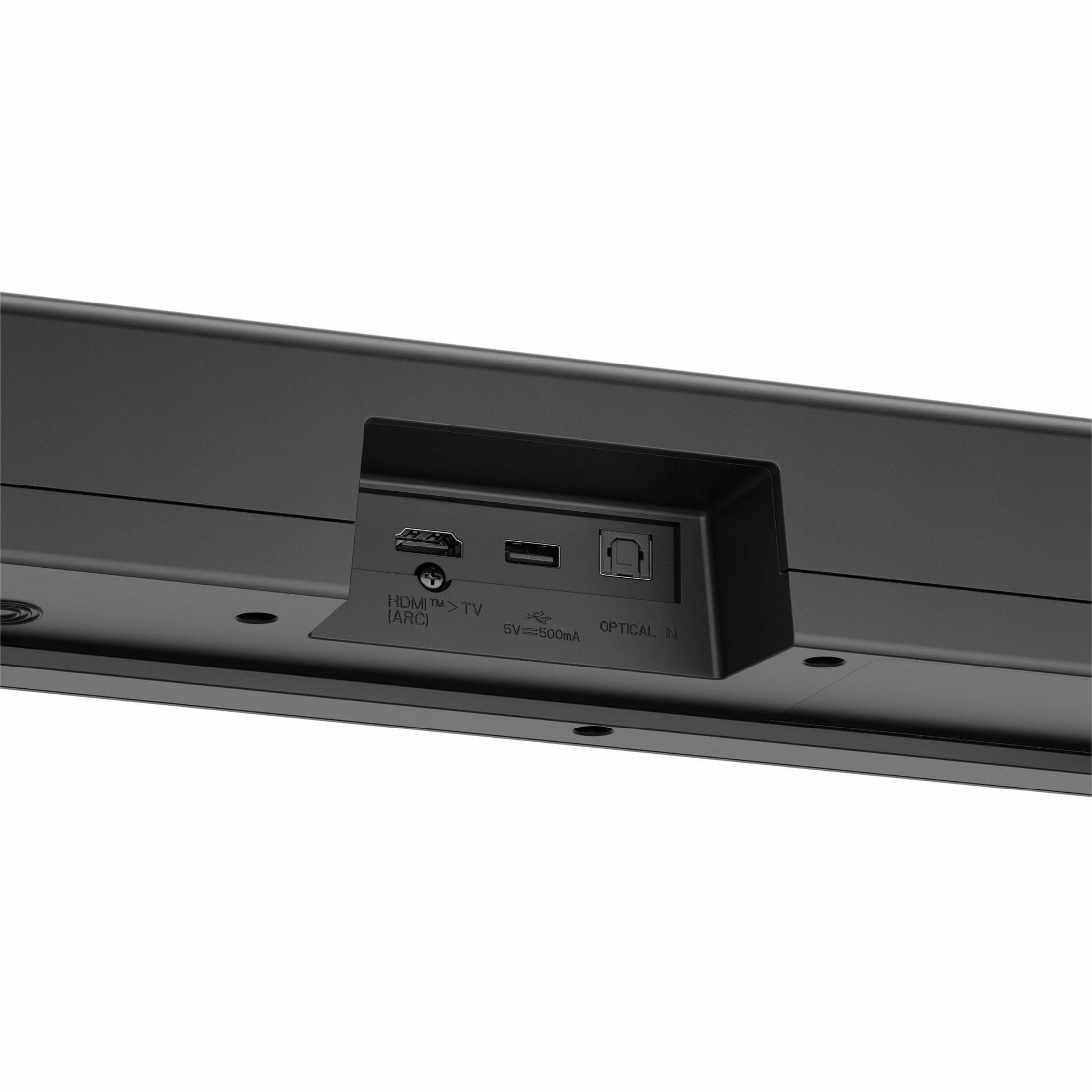
The LG S40T provides basic HDMI ARC (Audio Return Channel) connectivity, which is sufficient for standard TV watching but lacks the bandwidth and features needed for high-refresh gaming. There's no eARC (enhanced Audio Return Channel) support, which limits the audio formats it can receive from modern TVs and gaming systems.
For casual gaming, this difference might not matter. But for enthusiasts with modern consoles, the Sony system's gaming-specific features represent a significant advantage.
The LG S40T embodies the "plug and play" philosophy that made soundbars popular. Connect one HDMI cable to your TV, plug in the soundbar and subwoofer, and they automatically pair with each other. The entire setup process typically takes less than 10 minutes, and you're immediately hearing better sound than your TV's built-in speakers.
The Sony HT-A9M2 requires more thoughtful installation. You need to position four speakers around your room, run power cables to each location, and complete an automated calibration process. Sony has improved the wireless reliability significantly since the original HT-A9 – the radio power has been increased by 2.5 times and a dual-antenna system with frequency hopping helps avoid interference from Wi-Fi networks and other devices.
The calibration process is genuinely impressive. Using microphones built into each speaker, the system measures distances, analyzes wall reflections, and determines ceiling height. It then adjusts timing, levels, and frequency response to create the most convincing surround experience possible given your room's acoustics and speaker placement.
This flexibility is the Sony system's secret weapon. Professional reviews found that even with asymmetrical placement – speakers at different heights, distances, and angles – the calibration creates a remarkably coherent soundstage. You're not locked into the traditional "speakers must be exactly positioned" constraints of conventional surround systems.
The LG S40T works best in small to medium-sized rooms where the soundbar can be positioned relatively close to your seating area. The 28.4-inch width fits under most TVs without looking oversized, and the wireless subwoofer can be tucked into a corner or behind furniture.
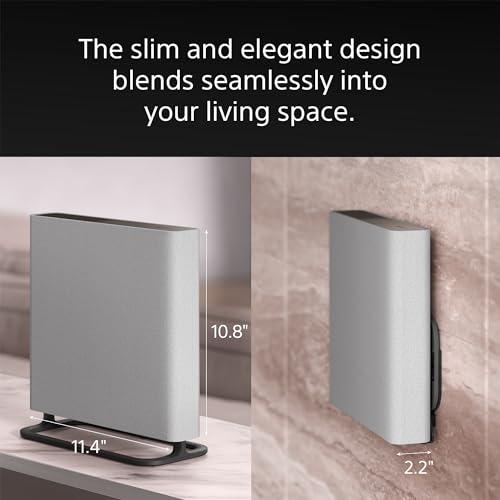
The Sony HT-A9M2 scales better with room size but requires more aesthetic consideration. Four speakers around the room means four visible components and four power cords. Sony moved from the original HT-A9's cylindrical design to flatter, more rectangular speakers that mount more easily on walls and blend better with typical home decor. Still, you're dealing with significantly more visual impact than a single soundbar.
Both systems handle music differently than movies, and this reveals another layer of their design philosophy. The Sony HT-A9M2 supports high-resolution audio up to 192kHz/24-bit through HDMI, along with Sony's DSEE Ultimate technology that uses AI to upscale compressed music files. For spatial music formats like 360 Reality Audio, the system can create an enveloping experience that places instruments around and above you.
However, some audiophiles find that the heavy processing and phantom center approach can make traditional stereo music sound less natural than a dedicated two-channel system. The spatial mapping that works so well for movies can make stereo recordings feel artificially manipulated.
The LG S40T takes a more straightforward approach to music. Without complex spatial processing, stereo tracks sound relatively natural, though the wireless subwoofer adds bass weight that many people prefer for modern music genres. The AI Sound Pro feature can enhance certain instruments or vocal clarity, but it's a much lighter touch than Sony's spatial processing.
At the time of writing, these products occupy completely different price tiers – the Sony HT-A9M2 costs approximately 15-20 times more than the LG S40T. This dramatic difference reflects their fundamentally different missions and target markets.
The LG S40T succeeds brilliantly at its core mission: providing a significant upgrade over TV speakers at an accessible price point. User reviews consistently praise its value, with many noting that it delivers "cinema-like sound" compared to built-in TV audio. For apartments, bedrooms, or secondary viewing areas, it hits the sweet spot of meaningful improvement without complexity or major expense.
The Sony HT-A9M2 targets buyers who want to replace a traditional home theater receiver and speaker system with something more flexible and easier to integrate into living spaces. When compared to the cost of a quality AV receiver, four quality speakers, and professional installation, the pricing becomes more reasonable for its target market.
But value isn't just about cost – it's about getting what you need. If you want genuine surround sound with height effects and have a room that can accommodate four speakers, the Sony system delivers an experience that no soundbar can match. If you want better TV audio without complexity, the LG system provides excellent results at a fraction of the investment.
Both products reflect how the audio industry has adapted to modern home environments. Traditional home theater systems assumed dedicated rooms with optimal speaker placement. The Sony HT-A9M2 acknowledges that most people watch TV in living rooms with furniture, artwork, and family members who don't want speakers dominating the space.
The wireless technology in both systems has improved dramatically since 2020. The Sony system's enhanced wireless implementation addresses the occasional dropouts that plagued earlier wireless speaker systems, while the LG system's automatic subwoofer pairing eliminates the setup frustrations common in earlier budget systems.
Looking forward, both approaches will likely continue evolving. Wireless systems like Sony's will probably add more speakers and smarter room adaptation, while soundbars will continue improving virtual surround processing and adding more sophisticated driver arrays.
The decision between these systems ultimately comes down to your priorities, room, and expectations. Choose the Sony HT-A9M2 if you want the most immersive possible audio experience and can accommodate four speakers in your room. It's ideal for movie enthusiasts, gamers with modern consoles, and anyone who values spatial audio precision over simplicity. Be prepared to eventually add a subwoofer for optimal bass performance.
Choose the LG S40T if you want immediate, significant improvement over TV speakers without complexity or major expense. It's perfect for smaller rooms, casual viewing, and anyone who prioritizes plug-and-play simplicity over ultimate audio performance.
Both systems succeed at their intended missions. The Sony system delivers genuine surround sound that competes with traditional home theaters, while the LG system provides excellent TV audio enhancement that most people will find satisfying. Understanding which mission aligns with your needs and expectations will lead you to the right choice.
The future of home audio is clearly trending toward these more flexible, easier-to-install solutions. Whether you choose wireless separates or an enhanced soundbar, you're getting dramatically better sound than what TVs provided just a few years ago – and that's something worth celebrating regardless of which path you take.
| Sony HT-A9M2 BRAVIA Theater Quad | LG S40T 2.1 Channel Soundbar |
|---|---|
| Speaker Configuration - Determines surround sound capability and immersion level | |
| 4.0.4 channels with 16 total drivers across 4 wireless speakers | 2.1 channels with soundbar + wireless subwoofer |
| Total Power Output - Affects maximum volume and dynamic range | |
| 504W distributed across 16 channels | 300W (100W soundbar + 200W subwoofer) |
| Dolby Atmos Support - Essential for overhead sound effects in modern movies | |
| Full Dolby Atmos with physical height drivers | No Atmos support, Dolby Digital only |
| Setup Complexity - Time and effort required for installation | |
| Four speakers to position + automatic room calibration | Plug-and-play: one HDMI cable + auto-pairing subwoofer |
| Gaming Features - Important for PlayStation 5/Xbox Series X owners | |
| HDMI 2.1 with 4K120, VRR, ALLM, PlayStation 5 optimization | Basic HDMI ARC only, no gaming enhancements |
| Subwoofer Inclusion - Critical for bass impact in movies and music | |
| No subwoofer included (sold separately) | Wireless subwoofer included |
| Wireless Technology - Affects reliability and placement flexibility | |
| Enhanced wireless with dual antennas, 2.5x stronger signal | Standard wireless subwoofer connection |
| Room Size Compatibility - Determines optimal listening environment | |
| Medium to large rooms, handles irregular layouts well | Small to medium rooms, best near TV placement |
| Audio Processing - Advanced features for sound enhancement | |
| 360 Spatial Sound Mapping, Voice Zoom 3, DSEE Ultimate | AI Sound Pro for automatic content optimization |
| High-Resolution Audio - For audiophile music listening | |
| Up to 192kHz/24-bit, LDAC, 360 Reality Audio | Basic Bluetooth codecs, no Hi-Res support |
| TV Integration - Seamless control and enhanced features | |
| Deep BRAVIA TV integration with Acoustic Center Sync | Compatible with LG TVs via WOW Orchestra |
| Future-Proofing - Longevity of features and connectivity | |
| HDMI 2.1 full spec, expandable system, premium build | Basic current-gen features, limited expandability |
The Sony HT-A9M2 BRAVIA Theater Quad is a wireless home theater system with four separate speakers that create true surround sound, while the LG S40T is a traditional soundbar with a wireless subwoofer. The Sony system delivers genuine 360-degree audio with overhead effects, whereas the LG focuses on enhanced stereo sound with powerful bass.
The LG S40T is much simpler to install - just connect one HDMI cable and the wireless subwoofer pairs automatically. The Sony HT-A9M2 requires positioning four speakers around your room and running through an automatic calibration process, though this flexibility allows for better surround sound placement.
No, the Sony HT-A9M2 doesn't include a subwoofer and is configured as a 4.0.4 system. Professional reviews consistently note it needs Sony's optional wireless subwoofer for full bass impact. The LG S40T includes a 200W wireless subwoofer right in the box.
The Sony HT-A9M2 is significantly better for gaming, featuring full HDMI 2.1 support with 4K120Hz, Variable Refresh Rate (VRR), Auto Low Latency Mode (ALLM), and PlayStation 5 optimizations. The LG S40T only offers basic HDMI ARC without modern gaming features.
Only the Sony HT-A9M2 supports true Dolby Atmos with physical height drivers that bounce sound off your ceiling. The LG S40T supports Dolby Digital only and cannot reproduce the overhead sound effects that make Atmos special.
The LG S40T is ideal for small to medium rooms with its compact soundbar design and included subwoofer. The Sony HT-A9M2 can work in smaller spaces but really shines in medium to large rooms where the four speakers have space to create an immersive surround bubble.
The Sony HT-A9M2 offers high-resolution audio support up to 192kHz/24-bit, LDAC wireless codec, and 360 Reality Audio for spatial music. The LG S40T provides good stereo music playback with enhanced bass from its included subwoofer, but lacks advanced audio processing features.
The LG S40T offers excellent value as an immediate TV audio upgrade with powerful bass included. The Sony HT-A9M2 costs significantly more but delivers a complete home theater experience that replaces traditional surround sound systems - better value for serious movie and gaming enthusiasts.
The Sony HT-A9M2 features four completely wireless speakers that connect to a central hub, offering maximum placement flexibility. The LG S40T has a wireless connection only between the soundbar and subwoofer - the soundbar itself connects to your TV via HDMI.
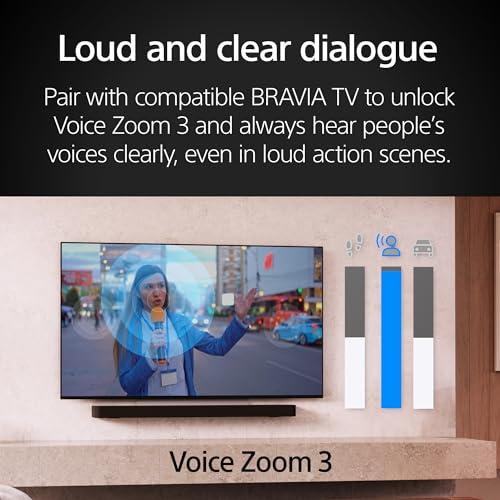
Both excel at dialogue but differently. The Sony HT-A9M2 uses Voice Zoom 3 AI technology and can create a phantom center channel for precise dialogue localization. The LG S40T features AI Sound Pro that automatically enhances speech clarity, and many users praise its clear dialogue reproduction.
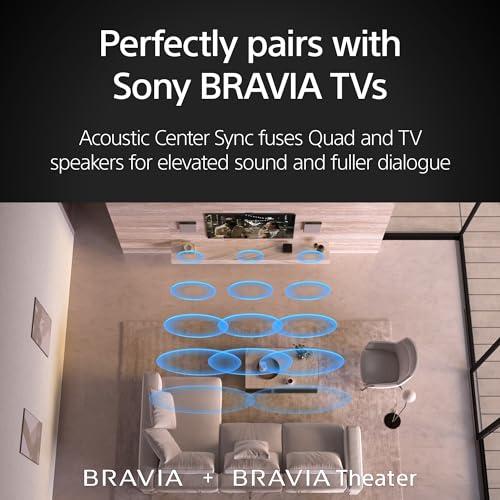
The Sony HT-A9M2 offers deep integration with compatible BRAVIA TVs through Acoustic Center Sync and appears in the TV's quick settings menu. The LG S40T works with LG TVs via WOW Orchestra and connects to any TV with HDMI ARC, though with more basic integration features.
Choose the Sony HT-A9M2 if you want true surround sound with height effects, have space for four speakers, own modern gaming consoles, and prioritize immersive audio quality. Pick the LG S40T if you want significant TV audio improvement with simple setup, immediate bass impact, and don't need advanced surround sound features.
We've done our best to create useful and informative comparisons to help you decide what product to buy. Our research uses advanced automated methods to create this comparison and perfection is not possible - please contact us for corrections or questions. These are the sites we've researched in the creation of this article: bestbuy.com - whathifi.com - whathifi.com - youtube.com - rtings.com - audiosciencereview.com - bhphotovideo.com - skybygramophone.com - sony.com - manuals.plus - audioadvice.com - dell.com - valueelectronics.com - youtube.com - merlinstv.com - videoandaudiocenter.com - electronics.sony.com - sony.com - bestbuy.com - beachcamera.com - sony.com - win.consulting - sony.com - bestbuy.com - bestbuy.com - rtings.com - pcrichard.com - lg.com - lg.com - lg.com - lg.com - microcenter.com - flanners.com - bestbuy.com - microcenter.com

Privacy Policy
Terms and Conditions - Affiliate Policy
Home Security
© Copyright 2008-2026.
11816 Inwood Rd #1211, Dallas, TX 75244