




When your TV's built-in speakers just aren't cutting it anymore, you're faced with a decision that's become increasingly complex. The soundbar market has evolved dramatically over the past few years, splitting into two distinct paths: premium systems that promise cinema-quality experiences and budget-friendly options that focus on solid fundamentals without breaking the bank.
The Hisense HT Saturn and LG S60TR represent these two philosophies perfectly. Released in 2025 and 2024 respectively, they showcase how different manufacturers approach the challenge of bringing great sound to your living room. The Hisense commands a premium price point (at the time of writing, roughly five times more expensive than the LG), while the LG focuses on delivering complete surround sound at an entry-level price.
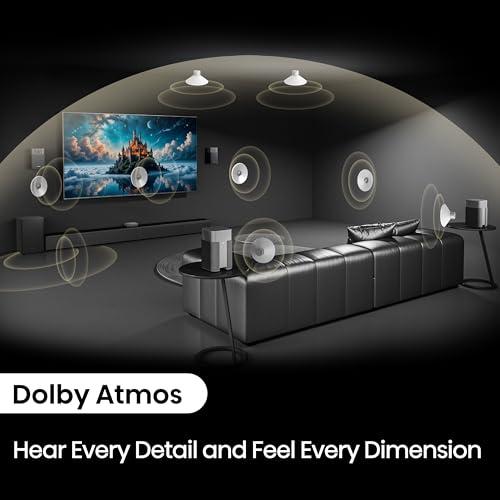
Before diving into these specific systems, it's worth understanding what separates today's soundbars from the simple audio bars of a decade ago. The biggest game-changer has been the introduction of object-based audio formats like Dolby Atmos and DTS:X. Unlike traditional surround sound that sends specific audio to predetermined channels, these formats treat sounds as objects that can be placed anywhere in three-dimensional space – including above your head.
This creates what audio engineers call "height channels," which bounce sound off your ceiling to simulate overhead effects. When a helicopter flies across the screen, you actually hear it moving above you rather than just from left to right. It's genuinely impressive when done well, though it requires specific hardware and room conditions to work properly.
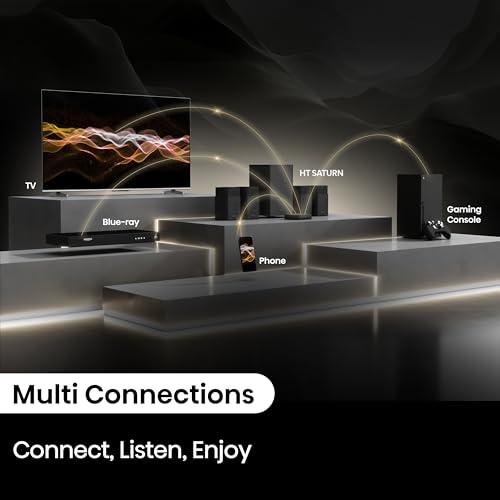
The other major advancement is wireless connectivity between speakers. Earlier systems required running cables to rear speakers, which was often impractical. Now, most quality soundbars include wireless subwoofers and rear speakers that connect automatically to the main unit.
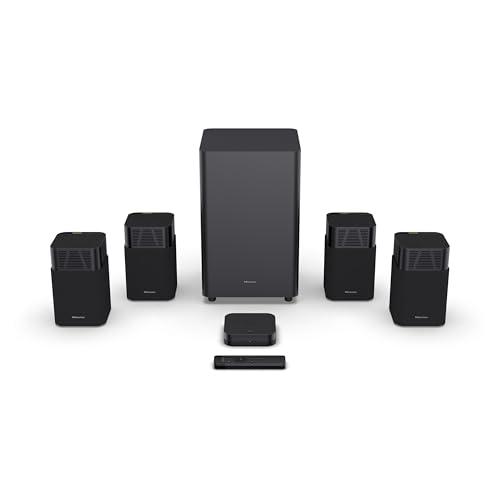
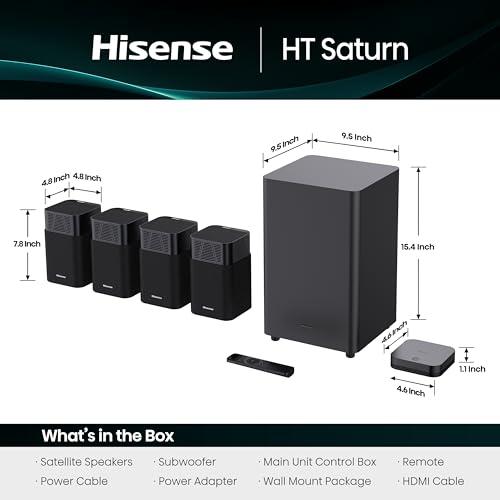
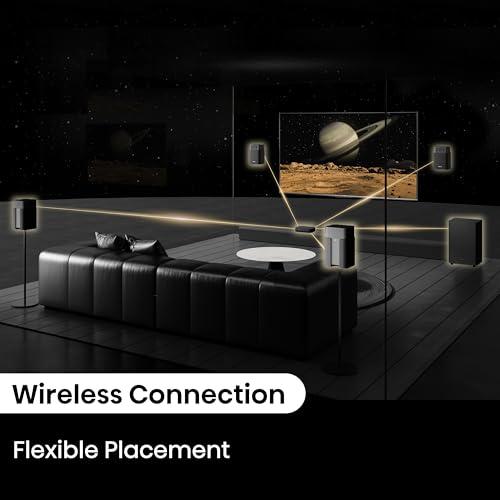
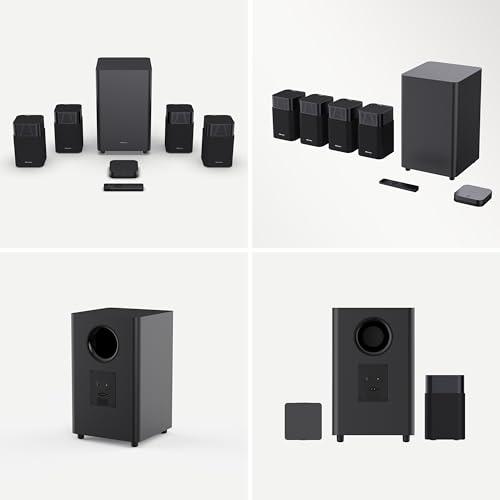
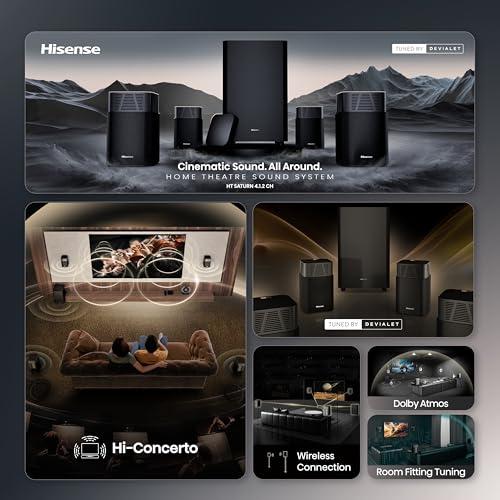
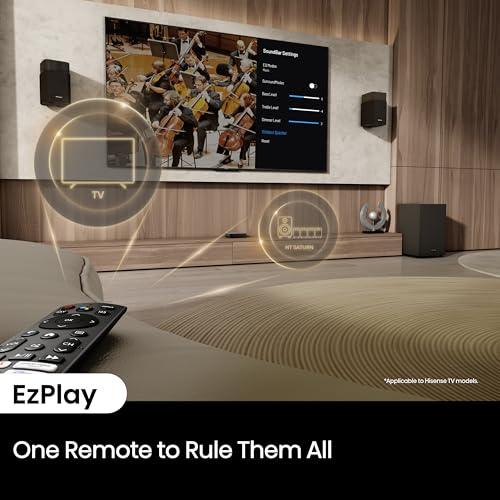
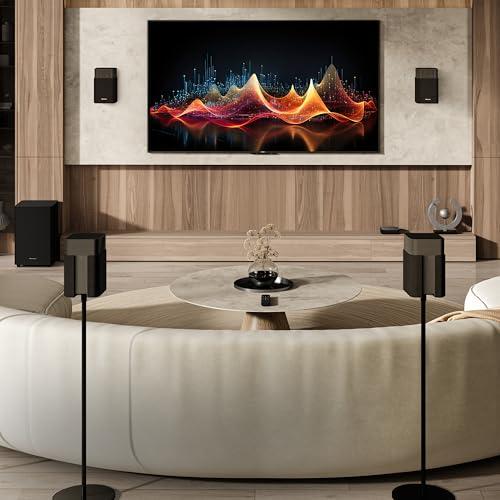
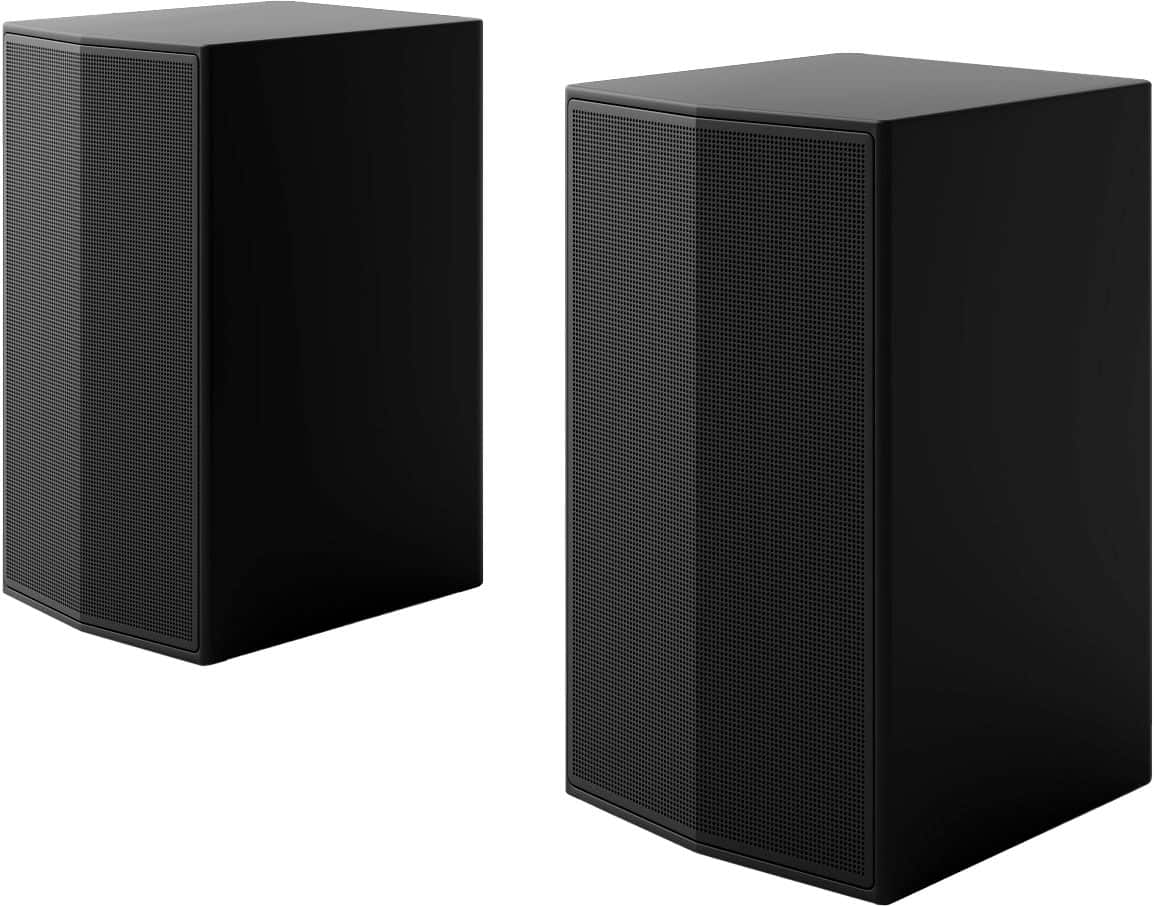
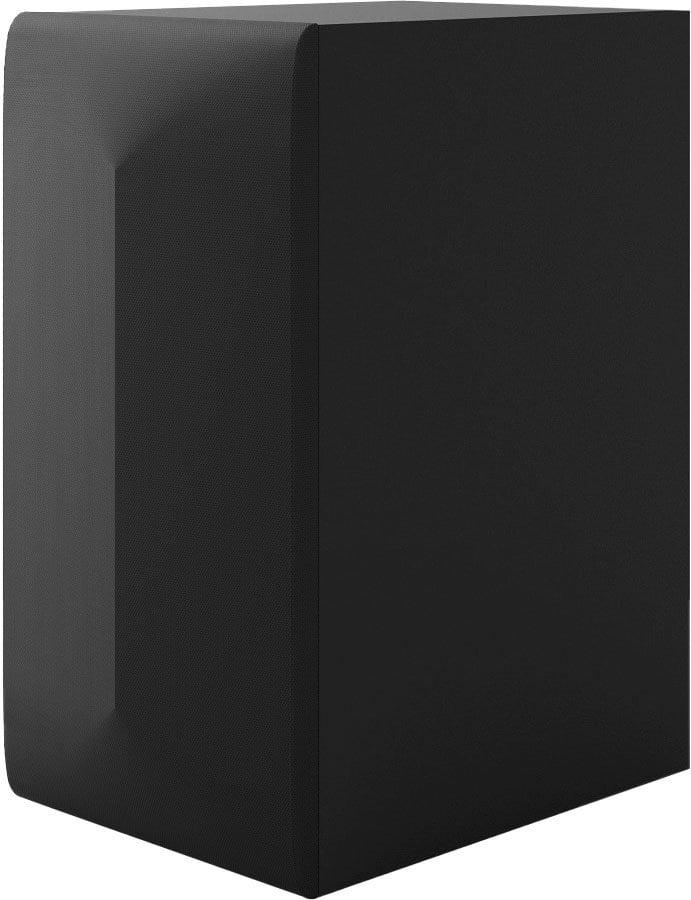
The Hisense HT Saturn takes an entirely different approach to home theater audio. Instead of a traditional soundbar, you get a central control hub and four separate wireless satellite speakers that you position around your room. Think of it as a home theater system disguised as a soundbar package.
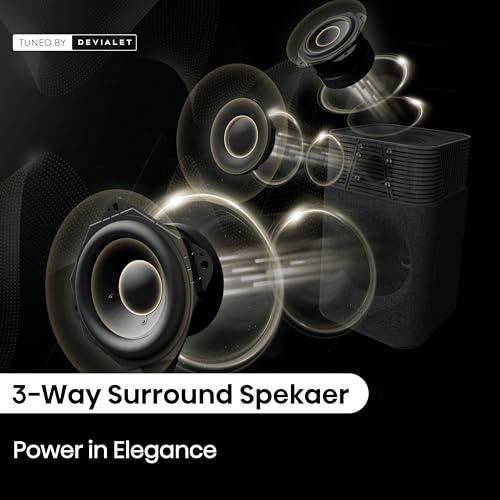
What makes the HT Saturn unusual is its 4.1.2 channel configuration with 13 total speakers spread across the system. Each satellite speaker is a three-way design, meaning it has separate drivers for bass, midrange, and treble frequencies. This allows each speaker to reproduce the full range of sound more accurately than typical single-driver satellite speakers.
The "4.1.2" designation means four main speakers (front and rear), one subwoofer, and two height channels. Those height channels are built into the front speakers and fire upward, bouncing sound off your ceiling to create the illusion of overhead audio. It's an elegant solution that doesn't require mounting speakers on your ceiling.
Our research into user experiences reveals that this distributed speaker approach creates a genuinely immersive sound bubble. Unlike traditional soundbars that try to simulate surround sound through psychoacoustic trickery, the HT Saturn provides actual discrete surround channels positioned around your room.
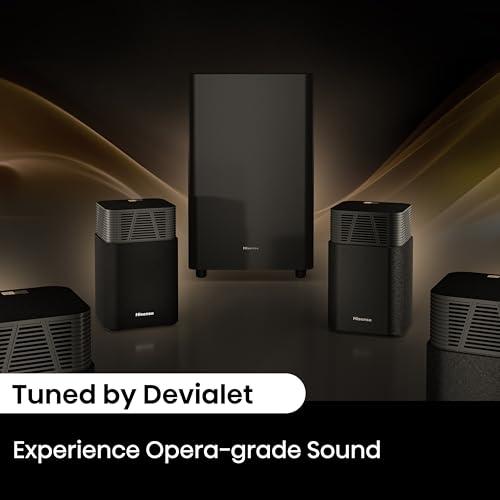
One of the HT Saturn's most intriguing features is its collaboration with Devialet, a French company known for ultra-high-end audio equipment. Devialet's engineers tuned the system's acoustics, focusing on what they call "opera-grade" sound quality with emphasis on clarity and low distortion.
In practical terms, this means the system handles complex soundtracks without the muddiness that plagues many all-in-one systems. Dialog remains clear even during loud action sequences, and the phantom center channel (created by precise timing between left and right speakers) reportedly rivals systems with dedicated center speakers.
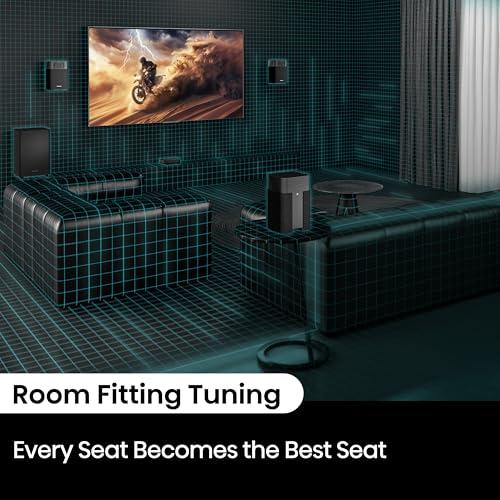
Perhaps the HT Saturn's most impressive feature is its Room Fitting Tuning system. When paired with compatible Hisense TVs, the system actually measures your room's acoustic characteristics and automatically adjusts channel levels, timing, and equalization to compensate for your specific space.
This addresses one of the biggest challenges with Dolby Atmos systems: they're extremely sensitive to room conditions. The height effects that make Atmos special only work well if you have the right ceiling height, furniture placement, and acoustic properties. The automatic calibration helps optimize performance even in less-than-ideal rooms.
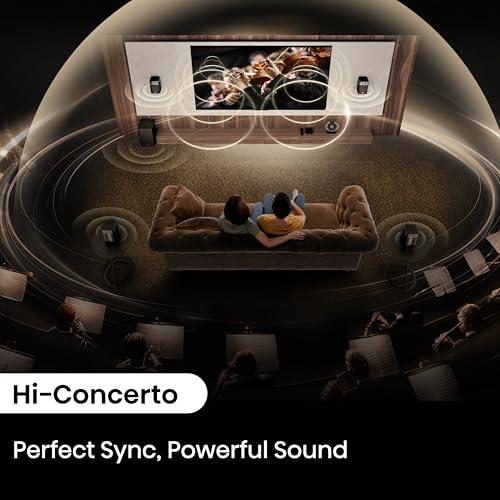
The HT Saturn also introduces Hi-Concerto technology, which synchronizes the soundbar system with your TV's built-in speakers. Instead of disabling the TV speakers (as most soundbars do), Hi-Concerto uses them as additional channels to expand the soundstage. It's an innovative approach that effectively increases the number of active drivers in your system.
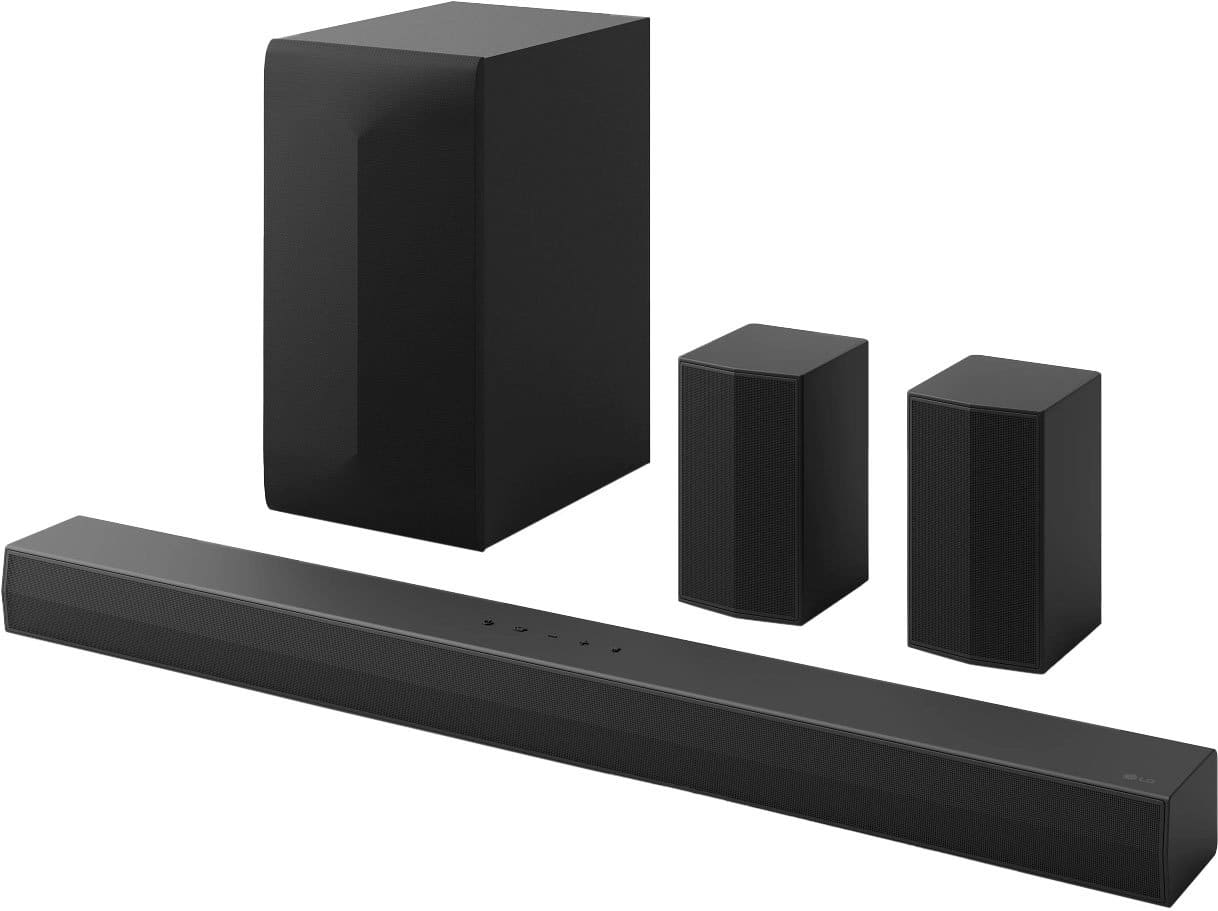
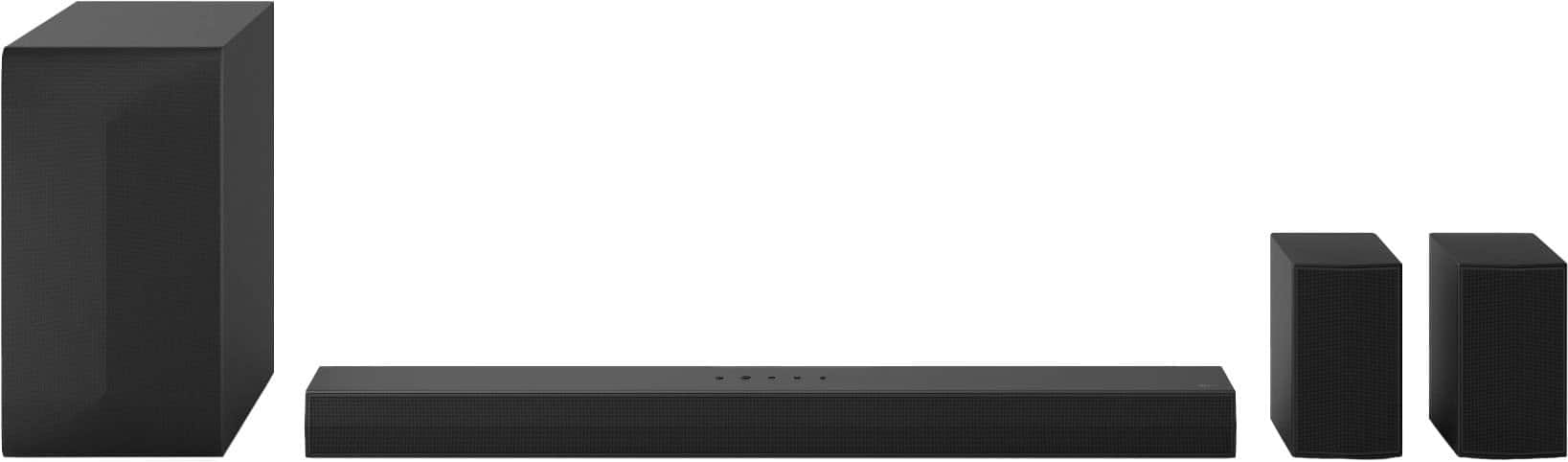
The LG S60TR takes the traditional approach: a front soundbar with wireless subwoofer and rear speakers. While it lacks the HT Saturn's innovative features, it delivers something arguably more important for many users – a complete, reliable 5.1 surround sound experience at a fraction of the cost.
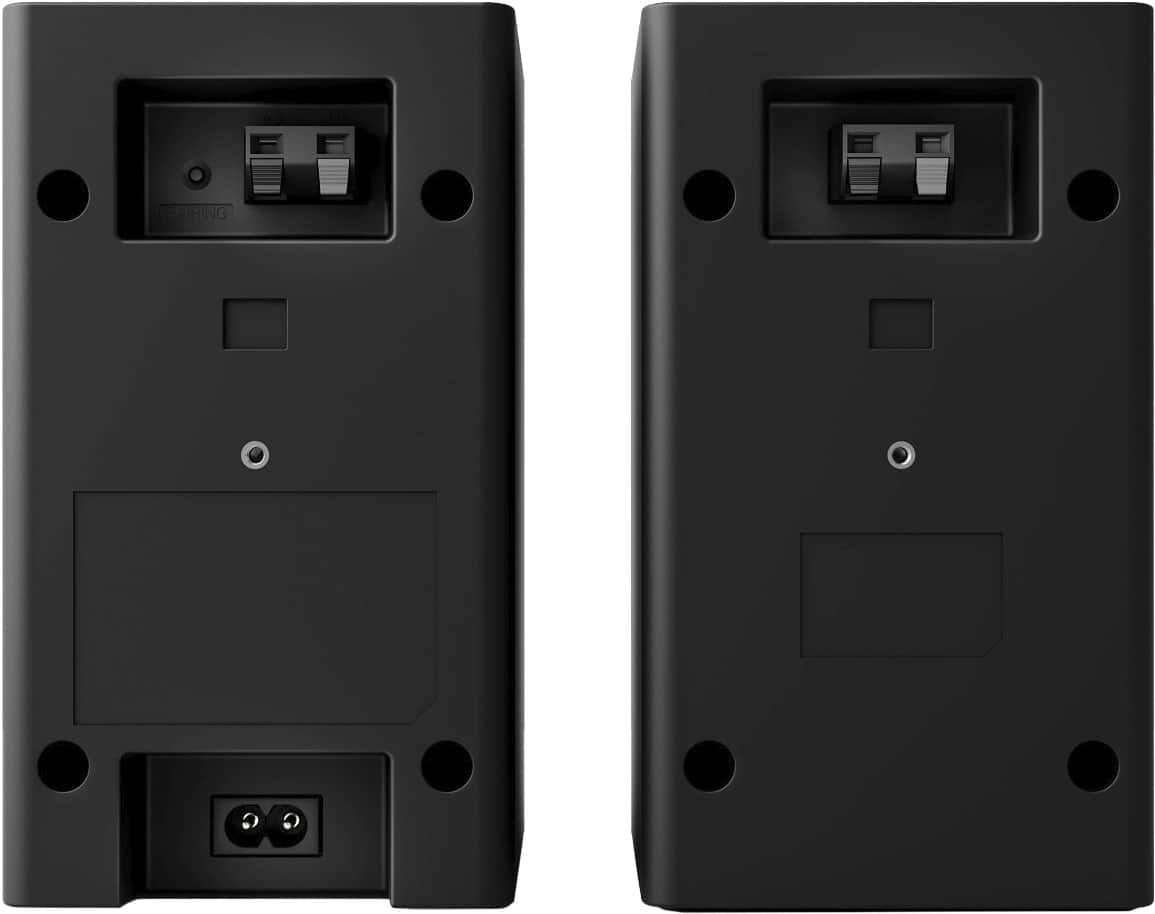
What's immediately appealing about the S60TR is that you get everything needed for true surround sound. The package includes the main soundbar, wireless subwoofer, two wireless rear speakers, all necessary cables, and wall mounting hardware. There's no need to purchase additional components or worry about compatibility.
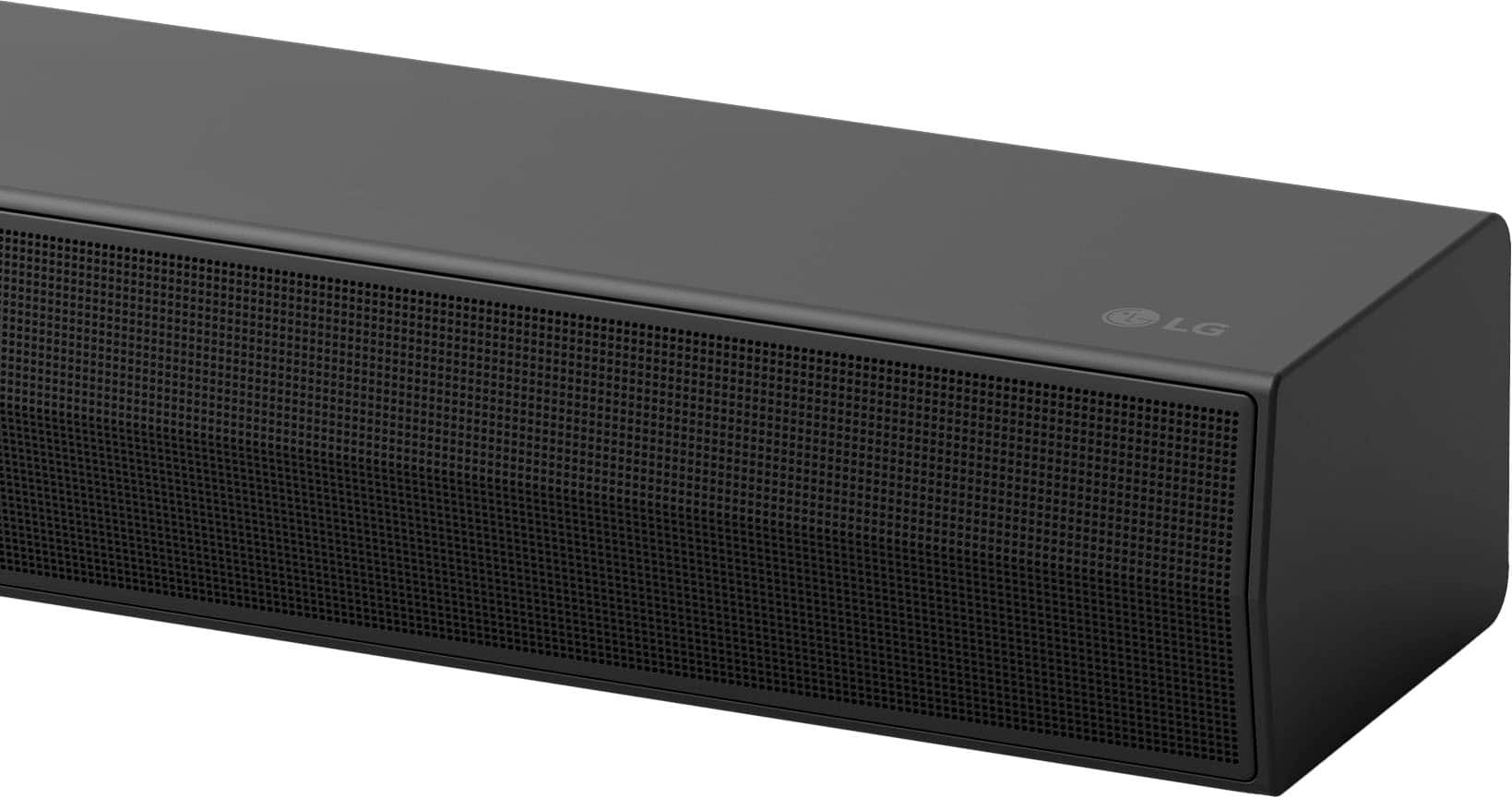
The soundbar itself houses three channels: left, center, and right. Having a dedicated center channel is crucial for dialog clarity, as this is where most speech in movies and TV shows is mixed. The wireless rear speakers handle surround effects, while the 7-inch subwoofer provides low-frequency impact.
While the S60TR doesn't match the HT Saturn's sophisticated room calibration, it includes AI Sound Pro technology that analyzes incoming audio and adjusts the sound profile automatically. It's not as advanced as full room correction, but it does help optimize the system for different content types – boosting dialog clarity for news, enhancing bass for action movies, or opening up the soundstage for music.
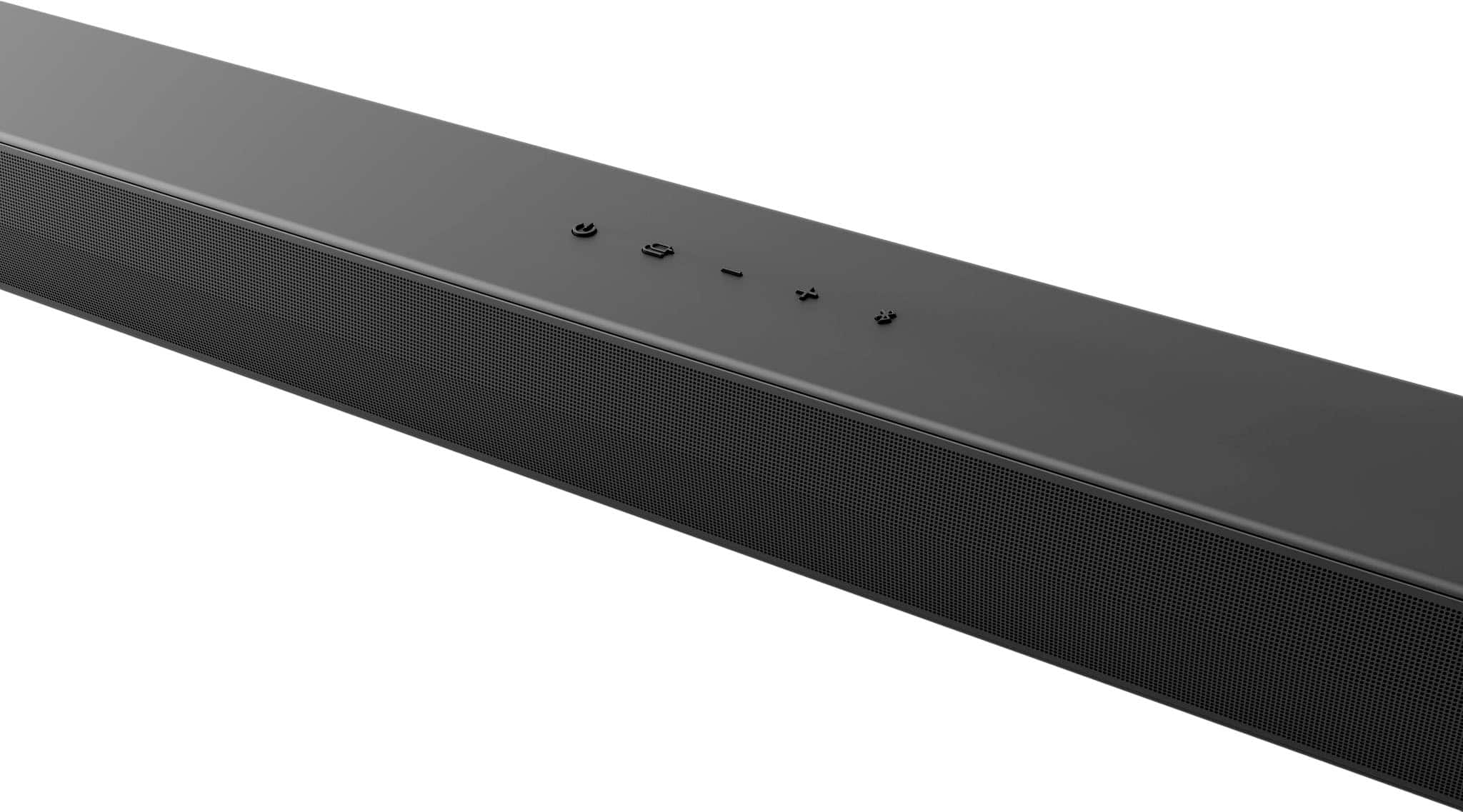
The WOW interface deserves mention for its practical value. If you have an LG TV, you can control the entire soundbar system using your TV remote. Volume, input switching, and sound mode selection all work seamlessly through the TV's interface. It's the kind of integration that makes daily use more enjoyable.
The most significant performance difference between these systems is format support. The HT Saturn fully decodes Dolby Atmos and DTS:X content, while the S60TR is limited to traditional formats like Dolby Digital and DTS Digital Surround.
This matters more than you might think. Netflix, Disney+, Apple TV+, and most other streaming services now offer extensive Atmos content libraries. When you watch these with the HT Saturn, you get the full three-dimensional audio experience with overhead effects, precise object positioning, and immersive soundscapes.
The S60TR will still play this content, but it downmixes everything to standard 5.1 surround. You lose the height dimension entirely. For users who primarily watch cable TV or older content, this may not matter. But if you're invested in streaming services and modern gaming, the difference is substantial.
Based on our analysis of user feedback and professional reviews, these systems create very different listening experiences. The HT Saturn's distributed speakers produce what reviewers consistently describe as a "sound bubble" that envelops the listener. Effects move smoothly between speakers, and the overall presentation feels spacious and open.
The S60TR's traditional 5.1 setup provides more conventional but arguably more predictable surround sound. The dedicated center channel anchors dialog precisely to the screen, while the rear speakers handle ambient effects and music surround information. It's less ambitious than the HT Saturn but also less dependent on room conditions and proper setup.
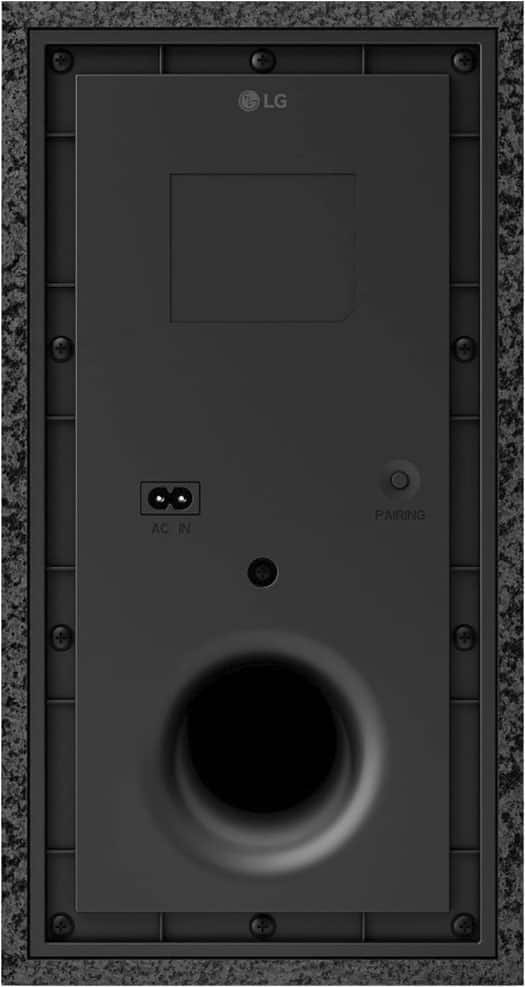
Both systems include wireless subwoofers, but they take different approaches. The S60TR's subwoofer receives 220 watts of the system's total 440-watt amplification – exactly half the total power. This results in substantial low-frequency impact that works well for action movies and music with heavy bass content.
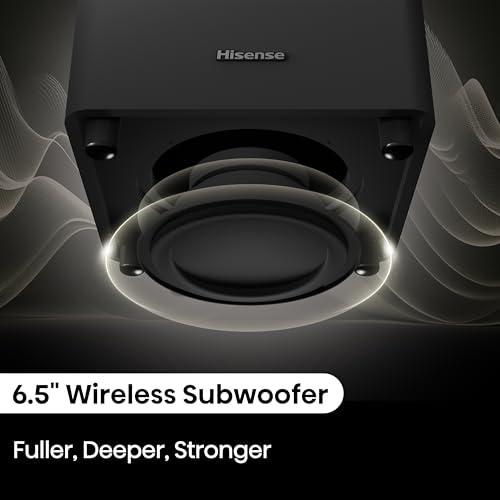
The HT Saturn's 6.5-inch subwoofer is smaller but benefits from more sophisticated integration with the satellite speakers. The crossover between subwoofer and satellites is carefully tuned, resulting in what reviewers describe as tighter, more controlled bass that doesn't overwhelm dialog or other frequencies.
For most users, the S60TR will provide more visceral bass impact. But in smaller rooms or for users who prioritize accuracy over raw power, the HT Saturn's approach may be preferable.
Here's where the HT Saturn shows its premium nature. The automatic room calibration genuinely works, according to both professional reviews and user feedback. The system measures your room and adjusts accordingly, compensating for factors like ceiling height, furniture placement, and wall materials.
The S60TR requires manual placement optimization. You'll need to experiment with subwoofer positioning, adjust rear speaker levels, and possibly tweak the basic EQ settings to get optimal performance. It's not difficult, but it requires more user involvement.
At the time of writing, the pricing difference between these systems is dramatic – the HT Saturn costs approximately five times more than the S60TR. This raises important questions about value and diminishing returns.
The S60TR delivers the core benefits that most people want from a soundbar upgrade: significantly better sound than TV speakers, true surround sound immersion, and powerful bass impact. For users upgrading from TV speakers, the improvement is immediately obvious and satisfying.
The HT Saturn provides genuine technological advantages, but whether those justify the premium depends heavily on your specific situation. If you have a large room, watch lots of Atmos content, and want the latest audio technology, the investment makes sense. But for users in smaller spaces or those satisfied with traditional surround sound, the value proposition becomes questionable.
You have a large room (ideally with an 85-inch or larger TV) and want cutting-edge audio technology. The HT Saturn is designed for spacious environments where its wireless satellites can be properly positioned and where Atmos height effects have room to develop.
You watch significant amounts of streaming content on services that provide Dolby Atmos soundtracks. Modern movies, documentaries, and even some TV series now include Atmos mixing, and the difference is genuinely noticeable on capable systems.
You own or plan to purchase a large Hisense TV. The Hi-Concerto integration and automatic calibration features work best within Hisense's ecosystem, providing functionality you won't get with other TV brands.
You're willing to invest in premium audio and want a system that will remain current as content continues to evolve toward object-based audio formats.
You want the maximum improvement over TV speakers for the least money. The S60TR represents excellent value for users primarily focused on better sound rather than the latest audio technology.
Your room is standard-sized (with TVs in the 55-75 inch range) and you prefer straightforward setup without extensive calibration. The S60TR works well out of the box in typical living rooms.
You watch a mix of cable TV, sports, movies, and streaming content but don't specifically seek out Atmos material. Traditional 5.1 surround provides excellent immersion for conventional content.
You have an LG TV and want seamless integration with single-remote control. The WOW interface makes daily operation more convenient.
These represent fundamentally different approaches to home audio improvement. The HT Saturn is a premium system for enthusiasts who want the latest technology and have the room size and budget to support it properly. It delivers genuine innovation with its wireless multi-speaker design and advanced room calibration.
The S60TR focuses on proven fundamentals: complete 5.1 surround sound at an accessible price point. It provides substantial improvement over TV speakers without requiring significant investment or complex setup.
For most users upgrading from TV speakers, the S60TR will provide all the improvement they realistically need. The HT Saturn is for those who specifically want cutting-edge features and don't mind paying significantly more for them.
The key is being honest about your actual usage patterns, room size, and how much value you place on having the latest audio technology versus simply having much better sound than your TV can provide.
| Hisense HT Saturn HTSATURN 4.1.2Ch Sound Bar System | LG S60TR 5.1 Channel Soundbar with Wireless Subwoofer and Rear Speakers |
|---|---|
| Audio Format Support - Critical for modern streaming content | |
| Full Dolby Atmos & DTS:X decoding (Netflix, Disney+, gaming) | Traditional formats only (Dolby Digital, DTS) - no Atmos |
| Channel Configuration - Determines surround immersion | |
| 4.1.2 channels (4 satellites + sub + 2 height channels) | 5.1 channels (soundbar + sub + 2 rear speakers) |
| Total Speaker Count - Affects audio clarity and separation | |
| 13 speakers (8 full-range, 4 tweeters, 1 subwoofer) | 6 speakers across all components |
| Power Output - Impacts volume and dynamic range | |
| 720W total system power | 440W total system power |
| Speaker Architecture - Determines setup flexibility | |
| Four fully wireless satellite speakers (no cables to speakers) | Traditional soundbar + wireless sub + wireless rear speakers |
| Room Calibration - Optimizes sound for your space | |
| Automatic Room Fitting Tuning with compatible Hisense TVs | Basic AI Sound Pro content analysis |
| TV Integration Features - Simplifies control and setup | |
| Hi-Concerto (uses TV speakers as additional channels) + EzPlay | WOW interface (control via LG TV remote) |
| Audio Tuning - Professional sound engineering | |
| Tuned by Devialet (French premium audio brand) | Standard LG acoustic tuning |
| Connectivity Options - Modern device compatibility | |
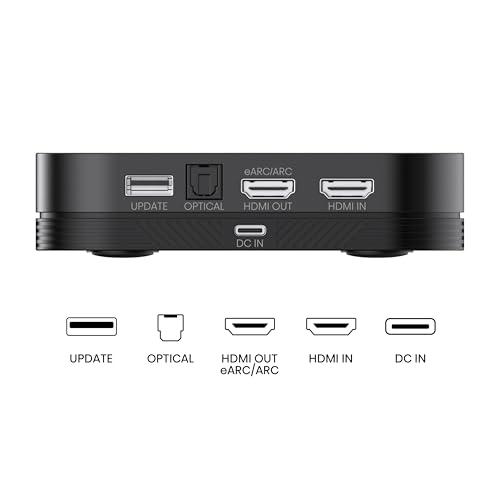
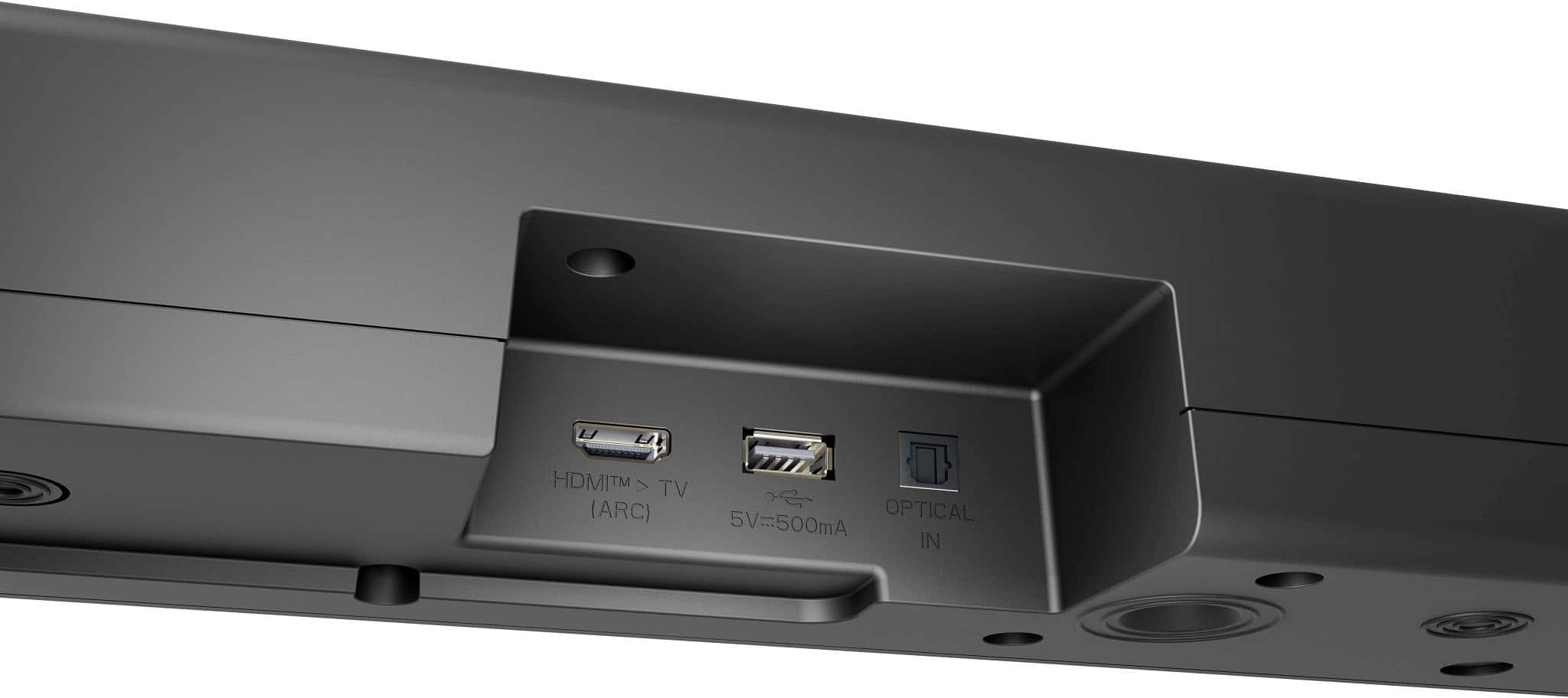
| HDMI eARC, Optical, Bluetooth 5.3, 4K 60Hz pass-through | HDMI ARC, Optical, Bluetooth 5.3, Wi-Fi |
| Subwoofer Specifications - Low-frequency performance | |
| 6.5" wireless subwoofer (40Hz-20kHz response) | 7.0" wireless subwoofer (220W of total power) |
| Release Year - Technology generation | |
| 2025 (latest Atmos technology) | 2024 (proven traditional surround) |
| Target Room Size - Optimal performance environment | |
| Large rooms with 85"+ TVs | Standard living rooms with 55"-75" TVs |
| Value Proposition - Performance per dollar spent | |
| Premium pricing for cutting-edge features | Excellent value for complete 5.1 system |
The Hisense HT Saturn is better for dedicated home theater use because it supports Dolby Atmos and DTS:X for 3D audio effects. The LG S60TR is better for everyday TV watching with traditional 5.1 surround sound at a much lower price point.
Yes, the Hisense HT Saturn fully supports Dolby Atmos and DTS:X object-based audio with dedicated height channels. The LG S60TR only supports traditional formats like Dolby Digital and cannot decode Atmos content from streaming services.
The Hisense HT Saturn's 4.1.2 setup includes four main speakers, one subwoofer, and two height channels for overhead effects. The LG S60TR's 5.1 configuration has five speakers (including a dedicated center channel) plus one subwoofer, but no height channels.
The Hisense HT Saturn has 13 total speakers across its four wireless satellites and subwoofer. The LG S60TR has fewer individual drivers but includes a dedicated center channel speaker that the Hisense system lacks.
Yes, both systems include wireless rear speakers. The Hisense HT Saturn uses four fully wireless satellite speakers, while the LG S60TR includes two dedicated wireless rear speakers plus a wireless subwoofer.
The LG S60TR is easier to set up with straightforward placement and basic configuration. The Hisense HT Saturn offers automatic room calibration when paired with compatible Hisense TVs but requires more careful satellite speaker positioning.
Both systems work with any TV brand through HDMI or optical connections. However, the Hisense HT Saturn offers advanced features like Hi-Concerto with Hisense TVs, and the LG S60TR provides seamless control integration with LG TVs.
The LG S60TR is better suited for smaller spaces with its compact soundbar design and standard room acoustics. The Hisense HT Saturn is optimized for larger rooms where its distributed speakers and Atmos effects have space to work properly.
The Hisense HT Saturn delivers 720W total power across its 13-speaker array. The LG S60TR provides 440W total power, with 220W dedicated to the subwoofer for strong bass impact.
Yes, both the Hisense HT Saturn and LG S60TR support Bluetooth 5.3 for wireless music streaming from phones, tablets, and other devices. Both also include multiple wired input options.
The LG S60TR offers exceptional value as a complete 5.1 surround system at an entry-level price. The Hisense HT Saturn costs significantly more but provides premium features like Dolby Atmos and advanced room calibration for serious home theater enthusiasts.
The Hisense HT Saturn supports 4K 60Hz HDMI pass-through with eARC for lossless audio. The LG S60TR includes HDMI ARC connectivity but doesn't specifically mention 4K pass-through capabilities in its standard specifications.
We've done our best to create useful and informative comparisons to help you decide what product to buy. Our research uses advanced automated methods to create this comparison and perfection is not possible - please contact us for corrections or questions. These are the sites we've researched in the creation of this article: bestbuy.com - youtube.com - blog.son-video.com - youtube.com - youtube.com - techradar.com - ecoustics.com - jbhifi.com.au - shop.hisense-usa.com - bhphotovideo.com - bestbuy.com - digitalreviews.net - hisense-usa.com - projectorscreenstore.com - valueelectronics.com - dolby.com - giftpack.ai - bestbuy.com - mynavyexchange.com - youtube.com - consumerreports.org - avsforum.com - rentacenter.com - bestbuy.com - homechoicestores.com - oconsommateur.com - lg.com - bestbuy.com - samsung.com

Privacy Policy
Terms and Conditions - Affiliate Policy
Home Security
© Copyright 2008-2026.
11816 Inwood Rd #1211, Dallas, TX 75244