

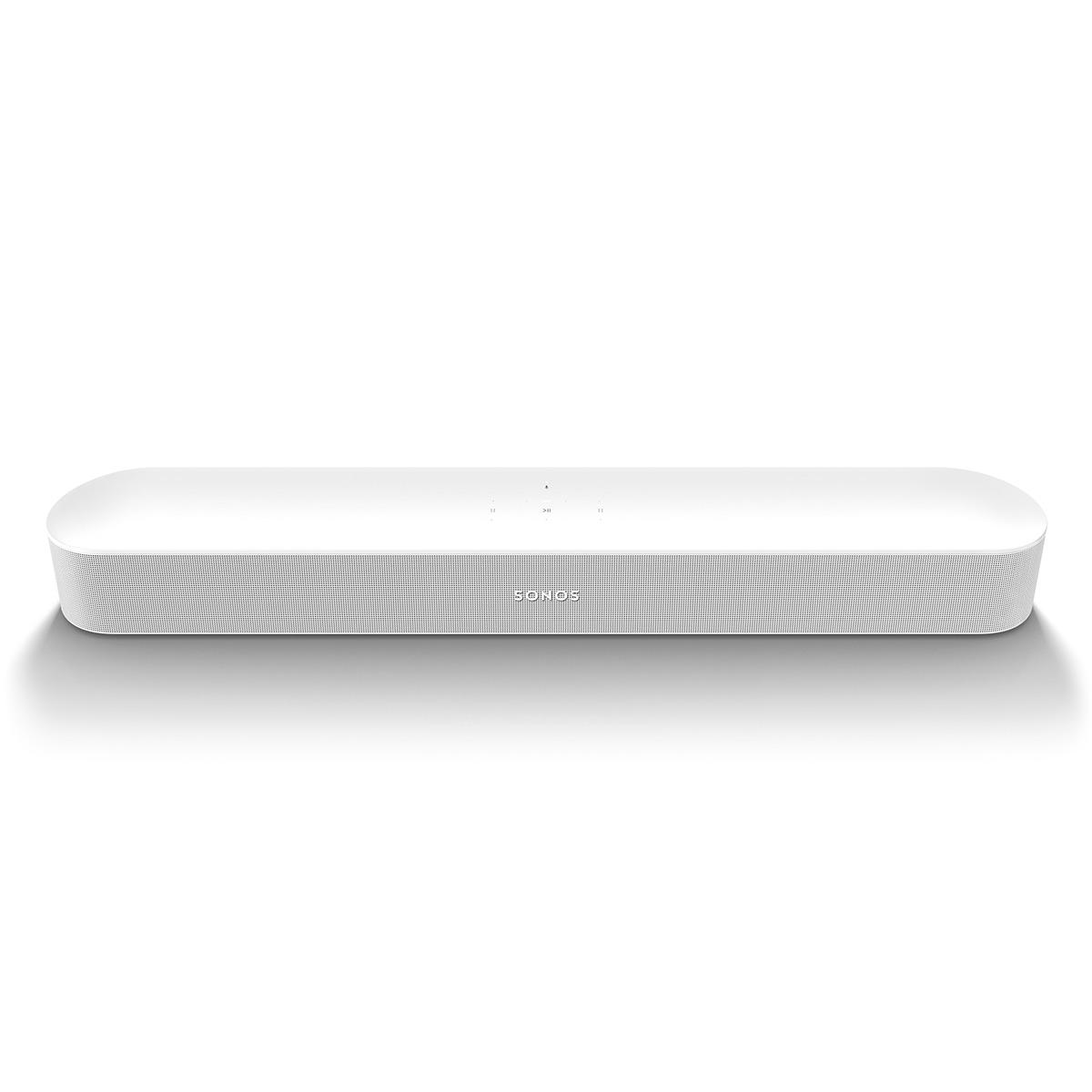
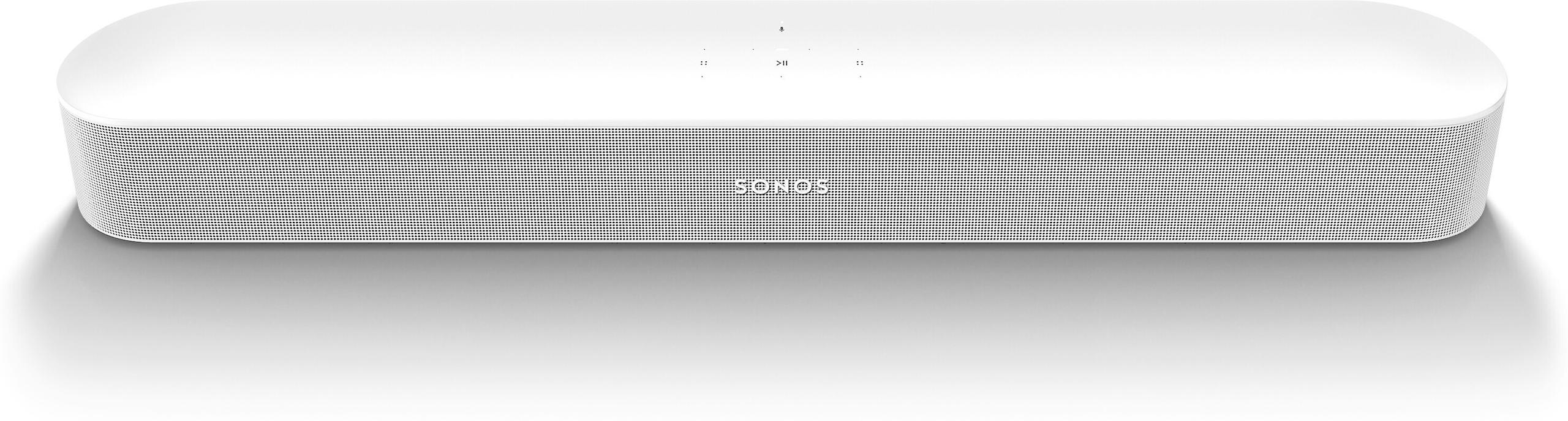
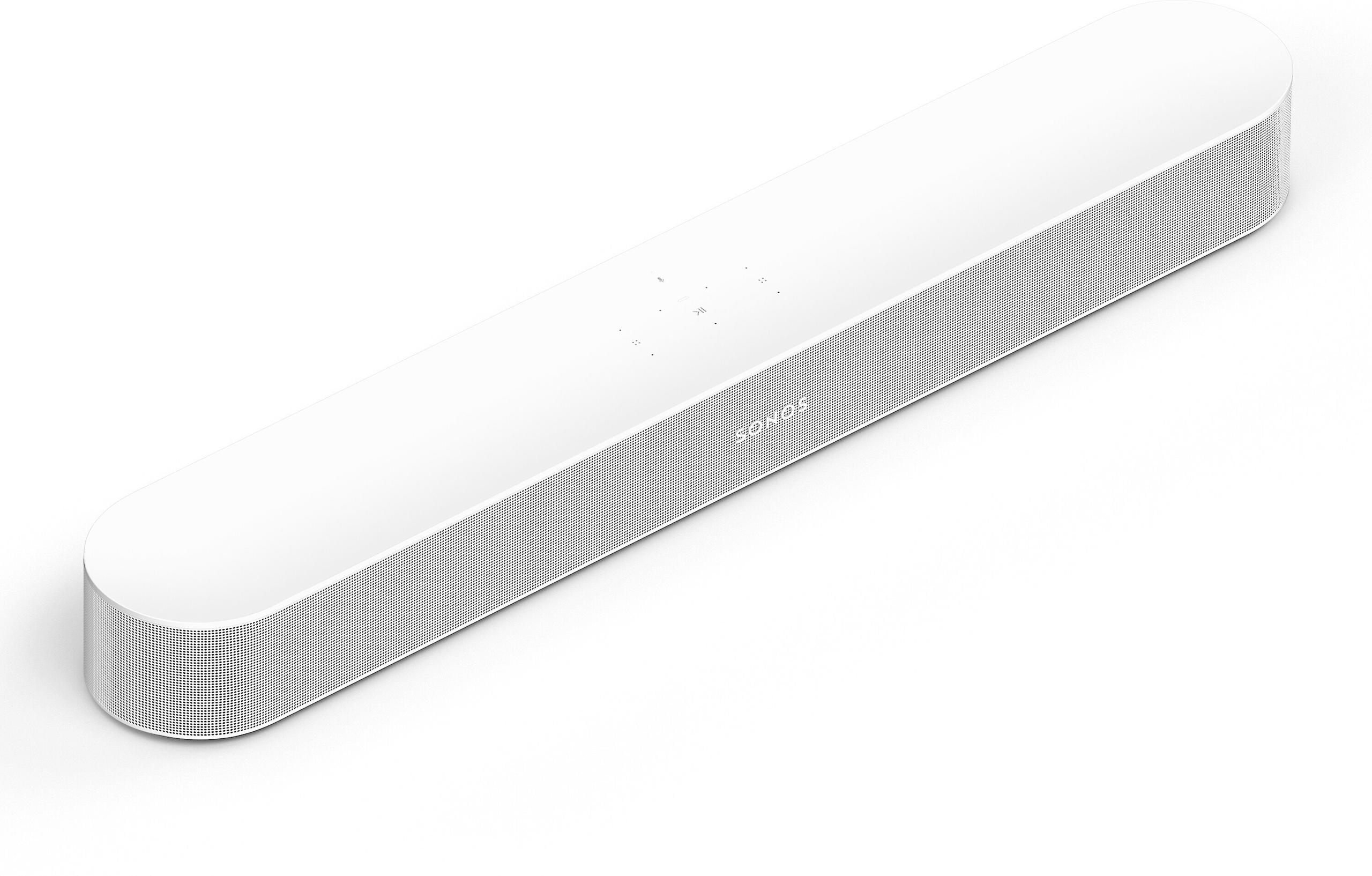



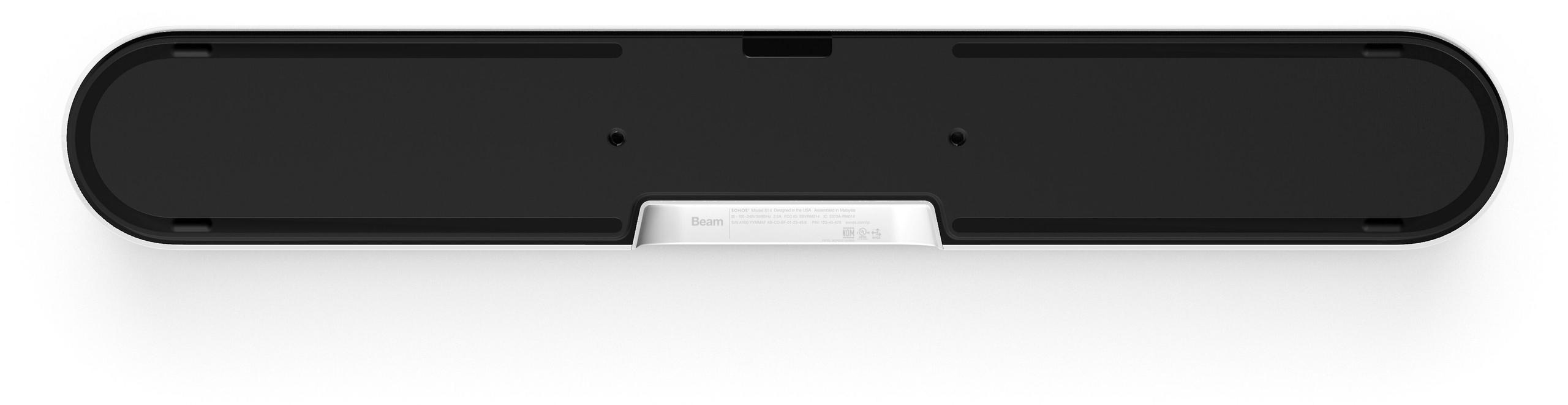
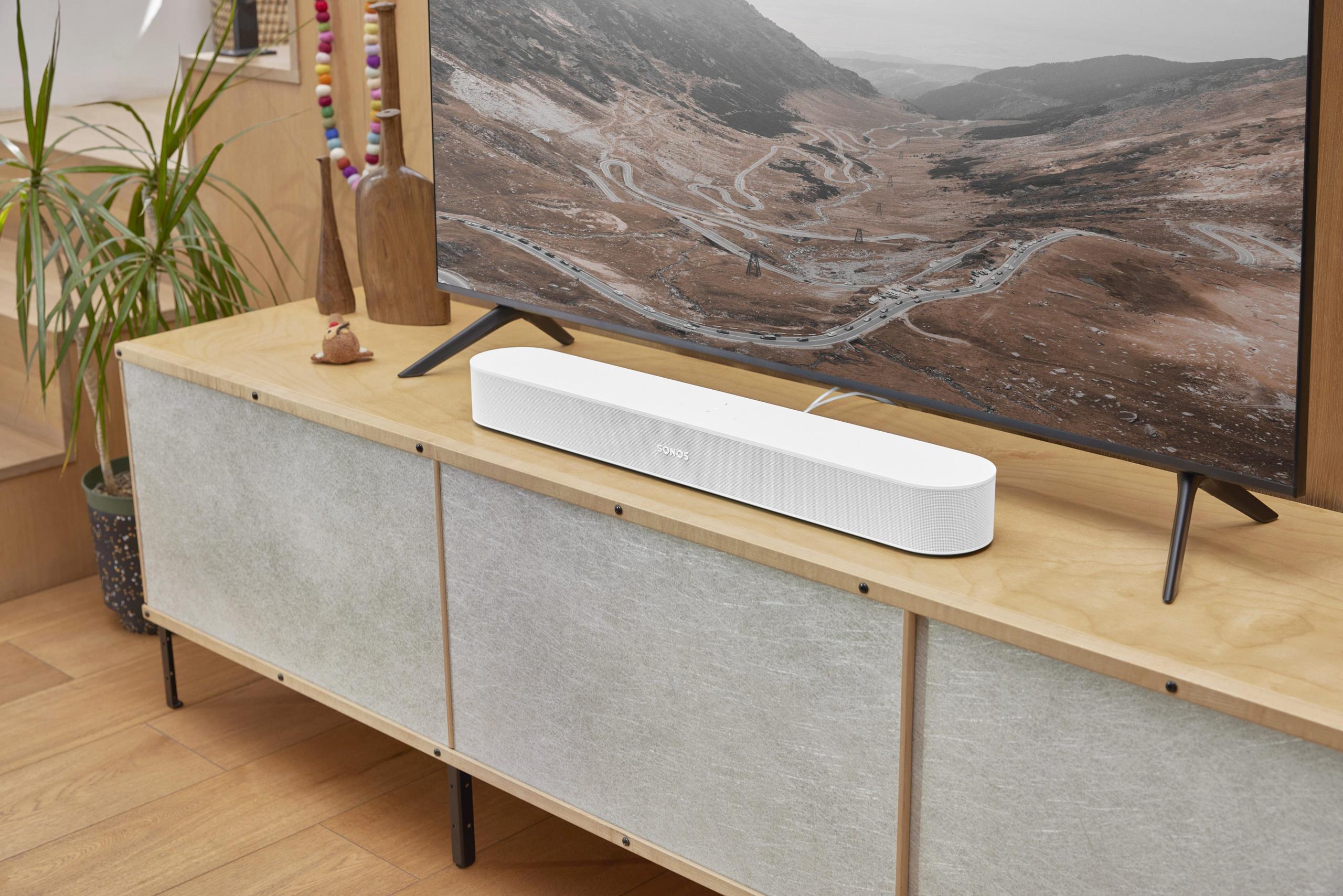
When you're tired of straining to hear dialogue over your TV's built-in speakers, upgrading to a dedicated audio system becomes essential. But the world of home theater audio has evolved beyond simple soundbars, offering dramatically different approaches to solving the same problem. Today we're comparing two fundamentally different solutions: the Hisense HT Saturn, a complete wireless surround system released in 2025, and the Sonos Beam Gen 2, a premium single-unit soundbar from 2021.
These products represent opposing philosophies in home audio design. The HT Saturn takes the "go big or go home" approach with discrete wireless speakers positioned around your room, while the Beam Gen 2 follows the "elegant simplicity" path with everything packed into one sophisticated soundbar. Understanding which approach suits your needs requires diving deep into how each system works and what trade-offs you're making.
Before we dive into specifics, let's establish what makes a home theater system truly effective. The most critical performance metrics aren't just about volume—they're about creating a convincing illusion that transports you into the content.
Audio immersion is the holy grail here. This means sound that seems to come from all directions, placing you in the center of the action rather than just in front of speakers. Dialogue clarity ranks equally important because if you can't understand what characters are saying, even the most impressive explosions become meaningless. Frequency response—how well a system reproduces bass, midrange, and treble—determines whether music sounds natural and movie soundtracks have proper impact.
Dynamic range describes the difference between the quietest whispers and loudest explosions a system can handle without distortion. Modern movies use extreme dynamic range to create tension, so your audio system needs to reproduce both delicate ambient sounds and room-shaking effects convincingly. Finally, channel separation determines how precisely you can locate sounds in space—crucial for both movie immersion and gaming where directional audio provides competitive advantages.
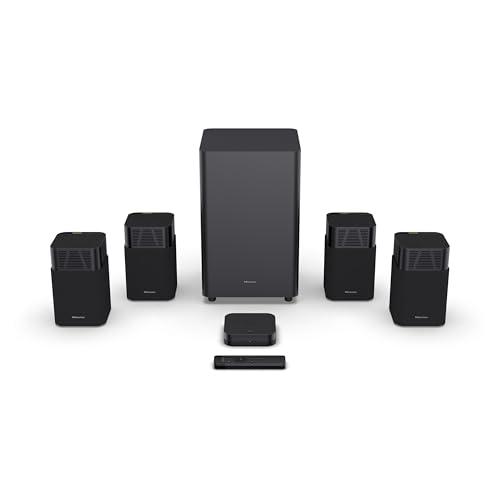
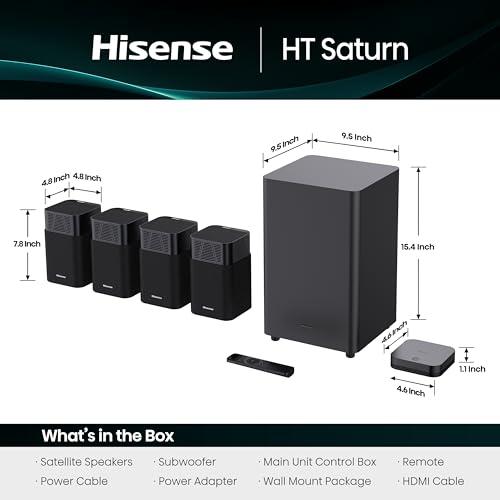
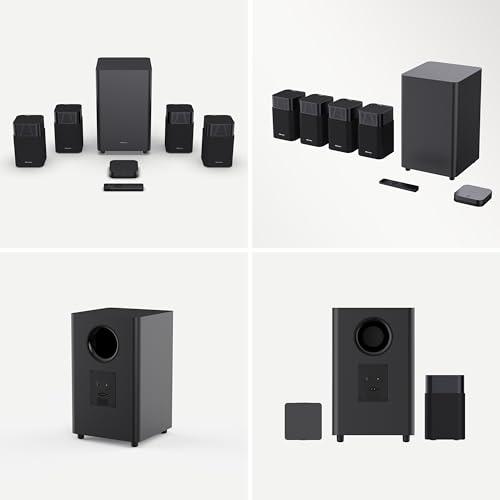
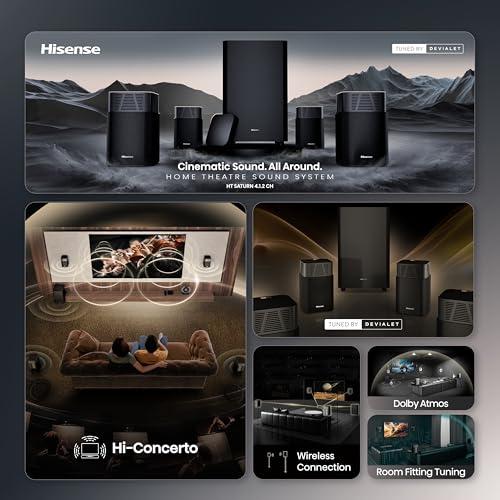
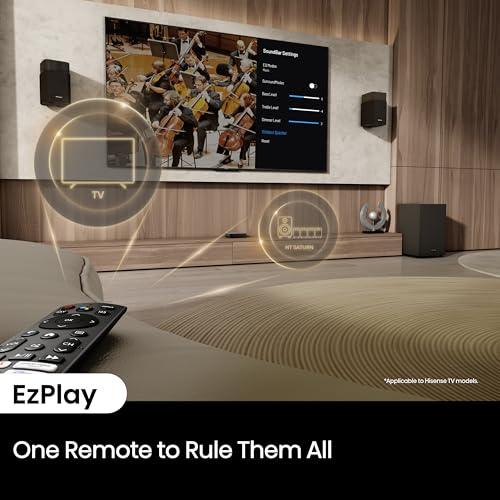
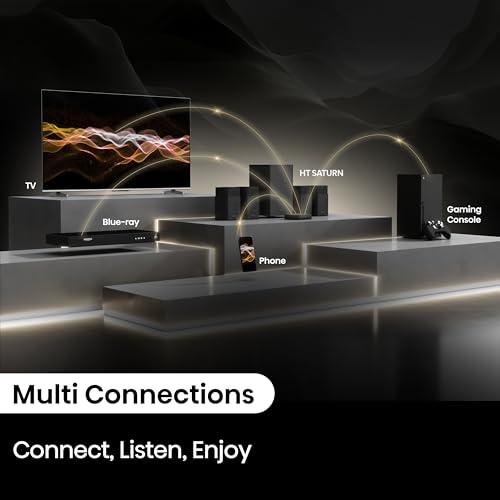
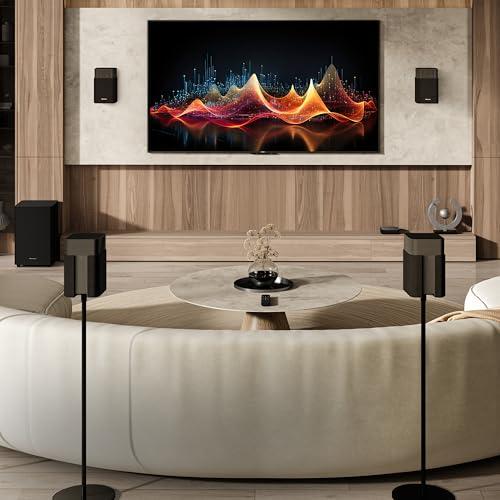
The Hisense HT Saturn represents a significant shift in consumer audio, bringing professional theater concepts into living rooms through wireless technology. Rather than cramming everything into a single cabinet, this system distributes 13 individual speakers across five separate components: four satellite speakers, one subwoofer, and a central control hub.
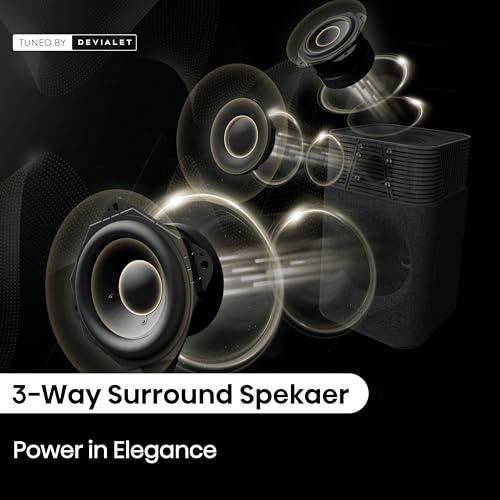
This 4.1.2 configuration breaks down as follows: four main channels (front left/right, rear left/right), one dedicated subwoofer channel for bass below 120Hz, and two upfiring channels that bounce sound off your ceiling to create height effects. Each satellite speaker is a sophisticated 3-way design, meaning it contains separate drivers optimized for bass, midrange, and treble frequencies. This approach eliminates the compromises inherent in single-driver designs.
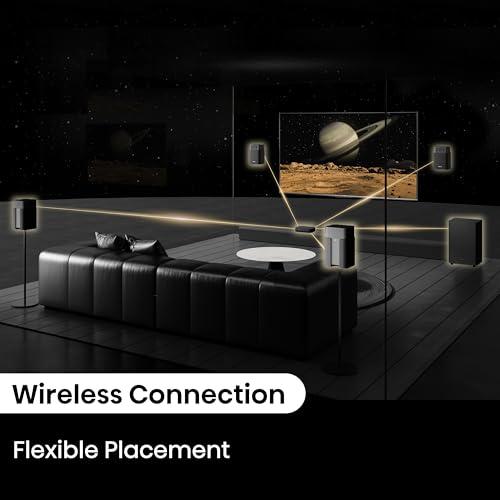
The system's wireless architecture operates across three frequency bands (2.4GHz, 5.2GHz, and 5.8GHz) to ensure stable connections even in electromagnetically crowded environments. This tri-band approach prevents the dropouts and delays that plague simpler wireless speakers, maintaining the precise timing essential for surround sound imaging.
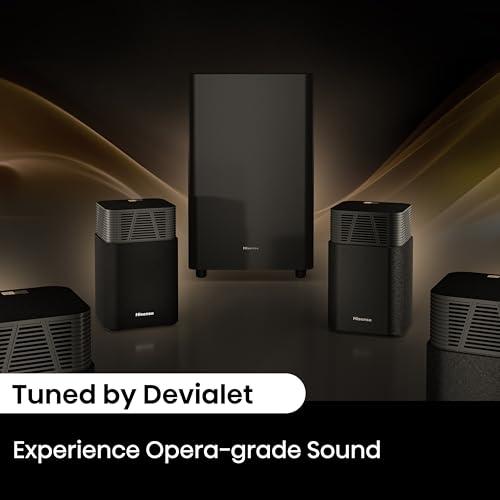
Perhaps most intriguingly, the HT Saturn features "Tuned by Devialet" engineering. Devialet, known for high-end speakers costing tens of thousands of dollars, applied their acoustic expertise to optimize driver placement, crossover design, and digital signal processing. This collaboration brings genuine audiophile-grade tuning to a mass-market product.
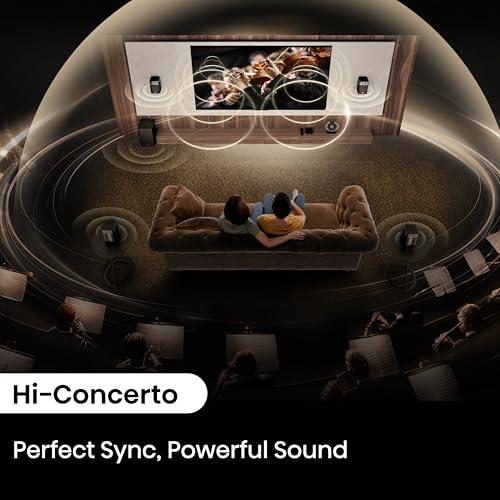
The Hi-Concerto technology deserves special mention as it transforms compatible Hisense TVs into part of the speaker array. Rather than competing with TV speakers, the system integrates them as additional channels, effectively expanding the front soundstage. Think of it as turning your TV into a massive center channel speaker while the satellites handle surround duties.
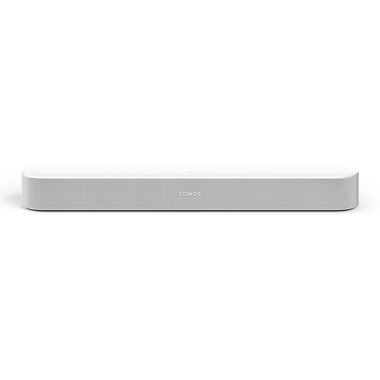
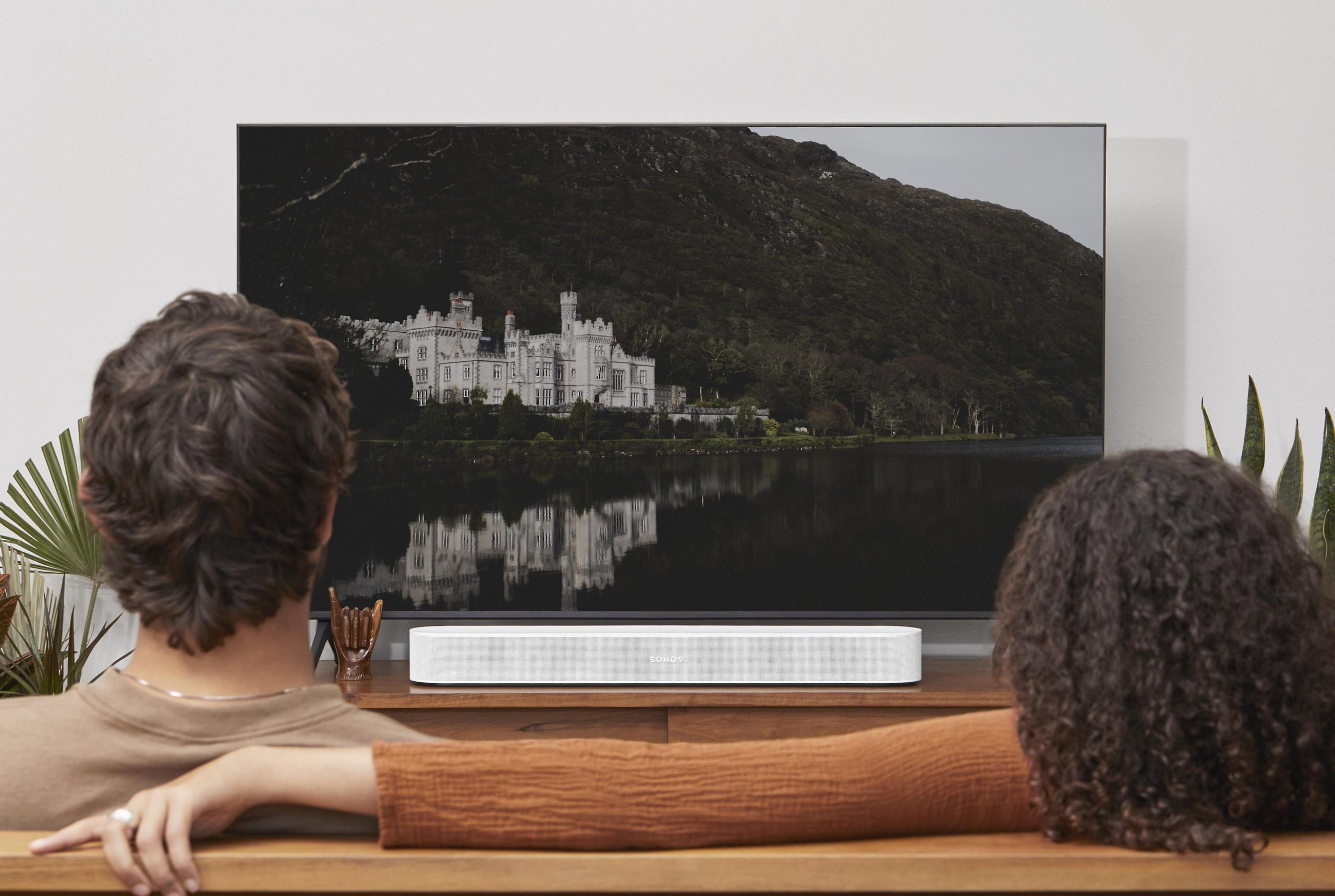
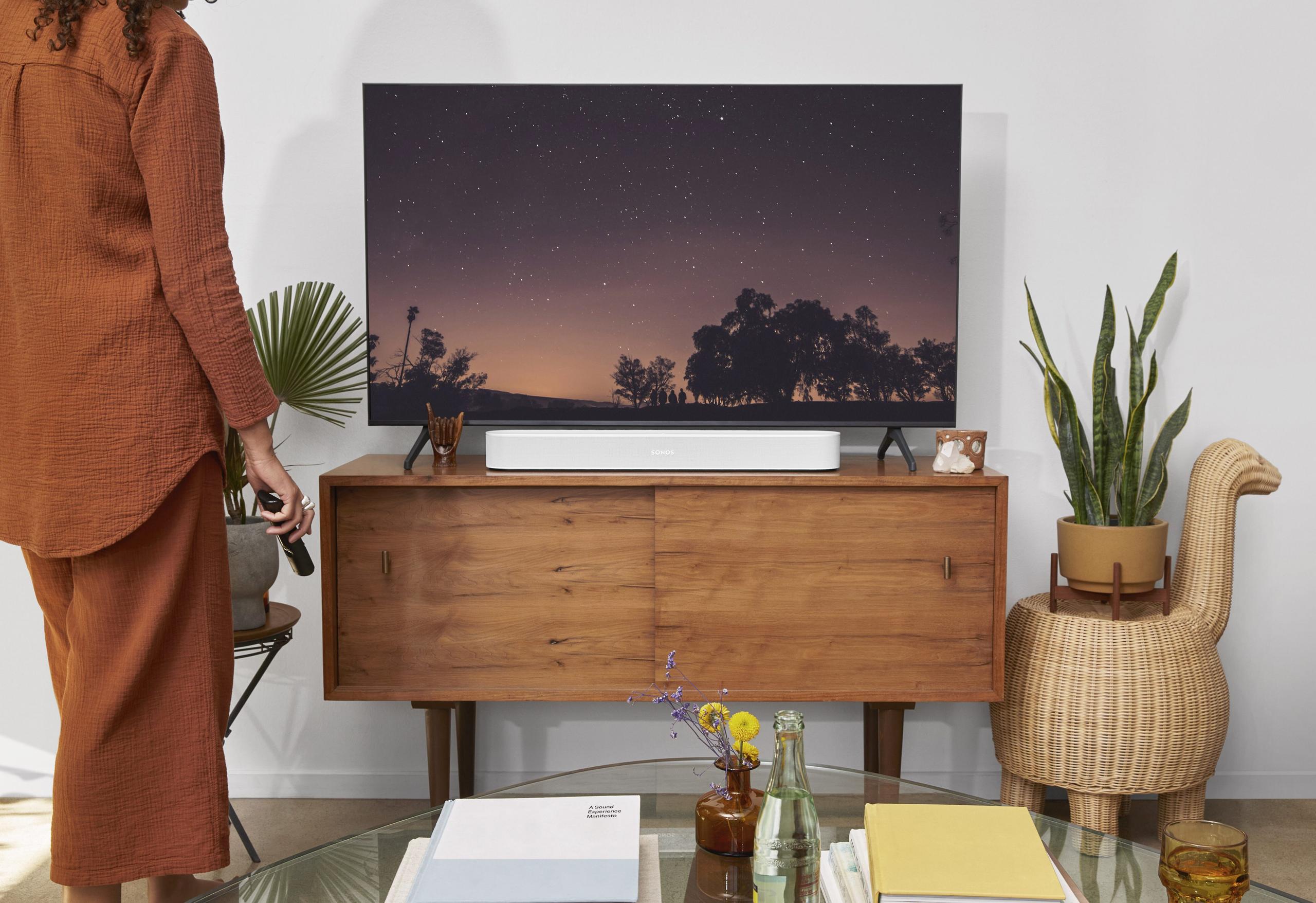
The Sonos Beam Gen 2 takes the opposite approach, consolidating everything into a single 25.6-inch cabinet that houses five precisely engineered drivers. This isn't just miniaturization for its own sake—it's acoustic engineering focused on maximizing performance within physical constraints.
The second-generation Beam, released in 2021, represented a major leap from its 2018 predecessor. The new version features a 40% faster processor specifically to handle Dolby Atmos processing, which requires significant computational power to create convincing height effects from forward-facing speakers. This processing creates "phantom speakers" through psychoacoustic techniques—essentially tricking your brain into perceiving sounds coming from locations where no physical speakers exist.
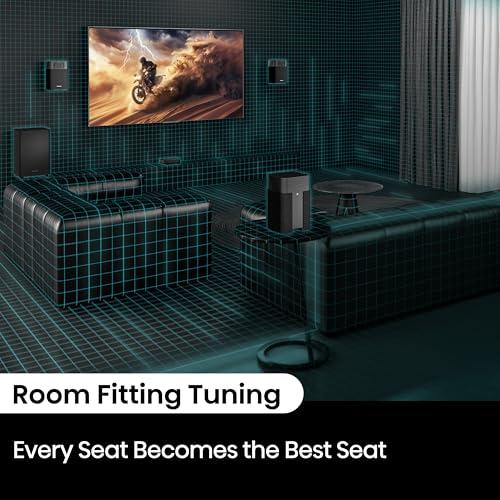
Sonos's Trueplay technology uses your smartphone's microphone to analyze your room's acoustics, then automatically adjusts the system's frequency response and timing to compensate for reflective surfaces, furniture placement, and room dimensions. This calibration process can dramatically improve performance in challenging acoustic environments.
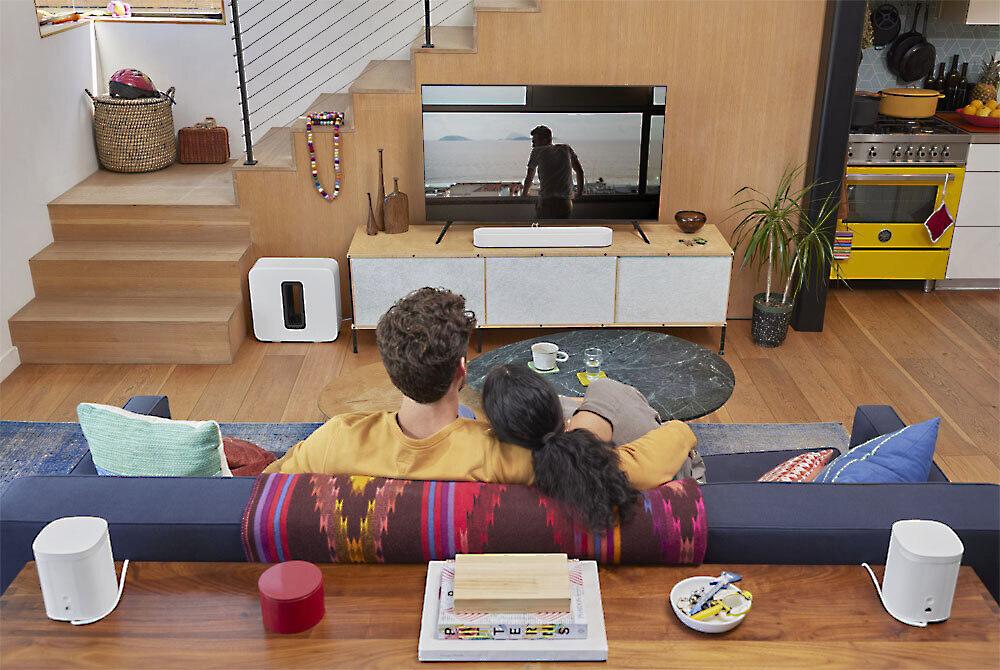
The Beam Gen 2 also represents Sonos's broader ecosystem philosophy. While it functions excellently as a standalone unit, it's designed to integrate seamlessly with other Sonos products. You can add a Sonos Sub for deep bass extension or rear speakers for true surround sound, but these additions come at significant additional cost.
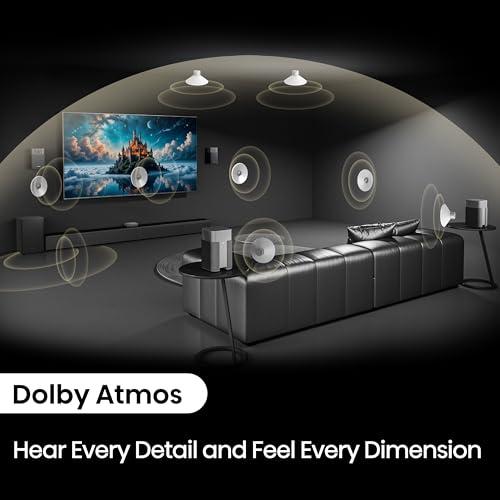
The fundamental difference between these systems becomes most apparent in surround sound performance. The HT Saturn creates genuine 360-degree sound fields because it physically places speakers around your listening position. When a helicopter flies overhead in a movie, dedicated upfiring drivers actually bounce sound off your ceiling, creating authentic overhead sensation.
Our research into professional and user reviews consistently highlights this advantage. The discrete rear speakers provide precise localization that simply cannot be replicated through processing. When bullets whiz past in action movies or ambient forest sounds surround you in nature documentaries, the HT Saturn creates convincing spatial illusions that make you forget you're in your living room.
The Beam Gen 2, despite its processing sophistication, faces inherent physical limitations. All sound originates from a single point in front of you, requiring psychoacoustic tricks to suggest directionality. While Sonos has mastered these techniques—What Hi-Fi consistently rates it among the best Atmos soundbars—it cannot match the spatial accuracy of discrete speakers positioned around the room.
However, the Sonos Beam Gen 2 excels in creating an impressively wide soundstage for a compact unit. The careful driver arrangement and advanced processing create sound that seems to extend well beyond the physical boundaries of the soundbar, making it particularly effective in smaller rooms where satellite speaker placement might be challenging.
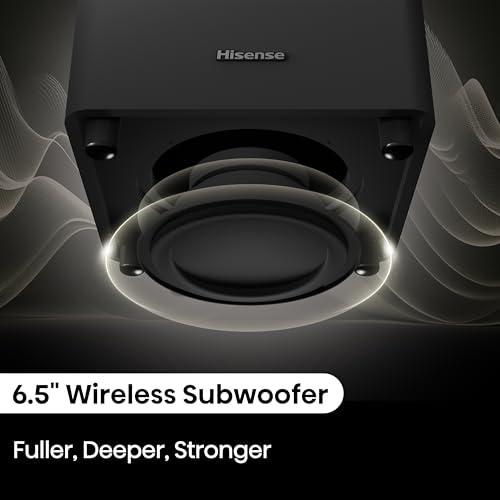
Bass performance reveals another fundamental difference between these approaches. The HT Saturn includes a dedicated 6.5-inch wireless subwoofer engineered specifically for low-frequency reproduction down to 40Hz. This specialized approach provides the deep, impactful bass essential for modern movie soundtracks and music genres like hip-hop or electronic dance music.
The wireless subwoofer can be positioned optimally in your room—typically in a corner or along a wall—to maximize bass output and smoothness. This flexibility allows you to achieve consistent, powerful low-end response regardless of where your main speakers are located.
The Beam Gen 2 relies on compact drivers within the soundbar cabinet for bass reproduction, which inherently limits low-frequency extension and impact. While the engineering is sophisticated and bass response is impressive for the size, it cannot match a dedicated subwoofer's capabilities. Adding a Sonos Sub addresses this limitation but significantly increases the total system cost.
Dialogue clarity represents one of the most crucial aspects of home theater performance, and both systems approach this challenge differently. The HT Saturn lacks a traditional center channel speaker, instead creating a "phantom center" through precise level matching between the front left and right satellites. When properly calibrated, this technique can create remarkably stable dialogue imaging that seems to emanate directly from your TV screen.
The Sonos Beam Gen 2 dedicates specific drivers to center channel duties, providing more direct control over dialogue reproduction. Sonos has optimized this configuration specifically for speech intelligibility, and reviews consistently praise the system's ability to maintain clear dialogue even during complex soundtracks with competing elements.
Both approaches can deliver excellent dialogue clarity, but they require different room conditions to perform optimally. The HT Saturn needs symmetric speaker placement and proper calibration to maintain center imaging, while the Beam Gen 2 provides more consistent performance regardless of room layout.
The connectivity and smart features comparison reveals each manufacturer's priorities. The Sonos Beam Gen 2 integrates deeply with modern smart home ecosystems, featuring built-in Amazon Alexa and Google Assistant support. You can control playback, adjust volume, and even manage other smart home devices using voice commands. The comprehensive Sonos app provides intuitive control over all system functions, room correction settings, and integration with popular streaming services.
Wi-Fi connectivity enables features like multi-room audio, where you can synchronize music playback across multiple Sonos speakers throughout your home. This ecosystem approach makes the Beam Gen 2 particularly appealing for users already invested in smart home technology or those who value convenience features alongside audio performance.
The HT Saturn takes a more audio-focused approach, prioritizing sound quality over smart features. While it includes Bluetooth 5.3 for device connectivity and integrates well with Hisense TVs through Hi-Concerto technology, it lacks built-in voice assistants or comprehensive streaming capabilities. The system's strength lies in delivering exceptional audio performance rather than serving as a smart home hub.
Installation complexity differs dramatically between these systems. The Sonos Beam Gen 2 requires a single HDMI eARC connection to your TV and brief app-guided setup process. Trueplay calibration takes just a few minutes, automatically optimizing performance for your specific room. This plug-and-play approach appeals to users who want excellent sound without dealing with complex configurations.
The HT Saturn demands more initial effort, requiring placement of four satellite speakers around your listening area. However, the wireless connections eliminate cable management challenges that plague traditional surround systems. Each component pairs automatically when powered on, and the Room Fitting Tuning feature provides automated calibration similar to Sonos's approach.
The additional setup complexity pays dividends in customization options. The HT Saturn allows precise speaker positioning to optimize performance for your specific room layout and listening preferences. This flexibility enables performance optimization that single-unit systems simply cannot match.
At the time of writing, these products occupy different price categories that reflect their distinct approaches. The Beam Gen 2 costs significantly less initially but represents the foundation of a potentially expensive ecosystem. Adding a Sonos Sub and rear speakers for comparable surround performance roughly triples the initial investment.
The HT Saturn costs considerably more upfront but includes everything necessary for authentic 4.1.2 surround sound. This complete system approach provides better immediate value for users seeking maximum audio performance without ongoing upgrade pressure.
Consider the long-term value equation carefully. The Sonos Beam Gen 2 offers a gradual upgrade path—start with the soundbar, add a subwoofer later, then rear speakers as budget allows. This flexibility appeals to users who prefer spreading costs over time or aren't certain about their long-term audio needs.
Room size and layout significantly influence which system performs better in your specific environment. The Sonos Beam Gen 2 excels in small to medium rooms, apartments, or spaces where discrete speaker placement isn't feasible. Its compact design and wall-mounting capability make it ideal for minimalist aesthetics or rental properties where permanent installation isn't desired.
The HT Saturn requires adequate space for satellite speaker positioning but rewards this investment with room-filling sound that scales effectively to larger spaces. The wireless design provides placement flexibility while maintaining authentic surround imaging, making it suitable for dedicated home theater rooms or larger living spaces.
Consider your ceiling height for Atmos performance. The HT Saturn's upfiring speakers work best with 8-10 foot ceilings and relatively reflective surfaces above the listening area. The Beam Gen 2's virtual processing is less dependent on ceiling characteristics but still benefits from typical residential room proportions.
The decision ultimately depends on your priorities and circumstances. Choose the HT Saturn if authentic surround sound immersion is your primary goal and you have the space for proper satellite placement. This system excels for movie enthusiasts, gamers seeking competitive audio advantages, or anyone building a dedicated home theater room. The Devialet tuning and Hi-Concerto integration make it particularly compelling for Hisense TV owners who want maximum audio performance.
The Sonos Beam Gen 2 suits users who prioritize convenience, smart features, and gradual system building. It's ideal for smaller spaces, renters who cannot permanently install speakers, or households where simplicity trumps ultimate performance. The ecosystem integration makes it perfect for users already invested in Sonos products or those who value voice control and streaming convenience.
Both systems excel within their intended use cases, representing mature approaches to common home audio challenges. The HT Saturn delivers superior pure audio performance through authentic multi-speaker surround sound, making it the clear choice for serious home theater enthusiasts. The Sonos Beam Gen 2 provides exceptional convenience and smart features in a compact package that delivers impressive performance for its size.
Your choice should align with your specific needs, room constraints, and long-term audio goals. Neither system represents a compromise—they're optimized for different user priorities and installation scenarios. Consider your primary use cases, available space, and desired level of system complexity when making this decision. Both products deliver excellent value within their respective approaches to home theater audio.
| Hisense HT Saturn HTSATURN 4.1.2Ch Sound Bar System | Sonos Beam Gen 2 Soundbar |
|---|---|
| System Type - Determines immersion level and setup complexity | |
| True 4.1.2 multi-speaker wireless system with discrete satellites | Compact 5.0 channel all-in-one soundbar |
| Total Power Output - Affects maximum volume and dynamic range | |
| 500W across 13 separate drivers | Not specified (estimated ~150W across 5 drivers) |
| Physical Surround Sound - Creates authentic directional audio | |
| Four discrete wireless satellite speakers positioned around room | Virtual surround through psychoacoustic processing |
| Subwoofer Inclusion - Essential for movie bass and music depth | |
| Dedicated 6.5" wireless subwoofer included | No subwoofer (optional Sonos Sub sold separately) |
| Dolby Atmos Implementation - Height effects for 3D audio | |
| Physical upfiring speakers for authentic overhead sound | Virtual Atmos through advanced processing algorithms |
| Room Calibration - Optimizes sound for your specific space | |
| Room Fitting Tuning with automatic acoustic adjustment | Trueplay room correction using smartphone microphone |
| Smart Home Integration - Voice control and streaming convenience | |
| Basic Bluetooth 5.3, best with Hisense TVs via Hi-Concerto | Built-in Alexa/Google Assistant, comprehensive Sonos ecosystem |
| Connectivity Options - Determines compatibility with devices | |
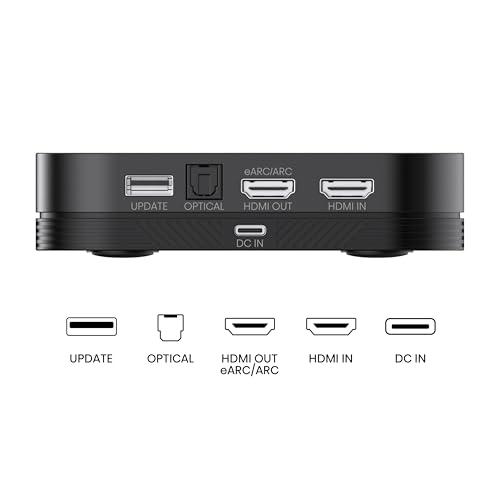
| HDMI eARC, Optical, Bluetooth (no Wi-Fi) | HDMI eARC, Wi-Fi, AirPlay 2 (no Bluetooth) |
| Setup Complexity - Time and effort required for installation | |
| Multiple wireless speakers require room positioning | Single unit with simple HDMI connection |
| Expandability - Future upgrade potential | |
| Complete system, limited expansion options | Highly expandable within Sonos ecosystem |
| Best Room Size - Optimal performance environment | |
| Medium to large rooms with space for satellite placement | Small to medium rooms, apartments, minimal setups |
| Primary Strength - What each system does exceptionally well | |
| Authentic surround immersion with HT Saturn's discrete speakers | Convenience and smart features in Beam Gen 2's compact design |
The Hisense HT Saturn is a complete wireless surround sound system with four separate satellite speakers and a subwoofer, while the Sonos Beam Gen 2 is a single compact soundbar. The HT Saturn creates authentic surround sound by physically placing speakers around your room, whereas the Beam Gen 2 uses advanced processing to simulate surround effects from one unit.
The Hisense HT Saturn delivers superior movie sound quality due to its discrete speaker placement and dedicated subwoofer. It creates genuine 360-degree surround sound with physical upfiring speakers for Dolby Atmos effects. The Sonos Beam Gen 2 offers excellent sound quality for its size but cannot match the immersive experience of separate speakers positioned around your room.
The Sonos Beam Gen 2 is significantly easier to install, requiring only a single HDMI connection to your TV. The Hisense HT Saturn requires positioning four wireless satellite speakers around your room, though the wireless connections eliminate cable management issues. Setup time for the Beam Gen 2 is typically under 30 minutes, while the HT Saturn may take 1-2 hours for optimal placement.
Yes, both the Hisense HT Saturn and Sonos Beam Gen 2 support Dolby Atmos, but they achieve it differently. The HT Saturn uses physical upfiring speakers that bounce sound off your ceiling for authentic overhead effects. The Beam Gen 2 creates virtual Atmos through sophisticated processing that simulates height effects without physical upfiring drivers.
The Sonos Beam Gen 2 is ideal for small spaces due to its compact 25.6-inch design and single-unit setup. It delivers impressive sound quality without requiring space for multiple speakers. The Hisense HT Saturn needs adequate room for satellite speaker placement and performs best in medium to large spaces where discrete speakers can be properly positioned.
The Sonos Beam Gen 2 offers excellent expandability within the Sonos ecosystem - you can add a Sonos Sub for deeper bass or rear speakers for true surround sound. The Hisense HT Saturn is a complete system with limited expansion options, but it includes everything needed for authentic 4.1.2 surround sound from the start.
The Sonos Beam Gen 2 excels in smart home integration with built-in Amazon Alexa and Google Assistant, Wi-Fi connectivity, and comprehensive app control. The Hisense HT Saturn offers basic smart features with Bluetooth connectivity and works best when paired with Hisense TVs through Hi-Concerto technology, but lacks built-in voice assistants.
The Hisense HT Saturn includes a dedicated 6.5-inch wireless subwoofer that delivers deep, impactful bass down to 40Hz. The Sonos Beam Gen 2 relies on internal drivers for bass reproduction, which is impressive for its compact size but cannot match a dedicated subwoofer's performance. Adding a Sonos Sub to the Beam Gen 2 addresses this limitation but increases the total cost.
Value depends on your needs and budget. The Sonos Beam Gen 2 offers excellent initial value as a complete soundbar solution, though building a comparable surround system requires additional purchases. The Hisense HT Saturn costs more upfront but includes everything needed for authentic multi-speaker surround sound without future upgrade pressure.
Both systems handle music well, but with different strengths. The Sonos Beam Gen 2 excels at music reproduction with Sonos's expertise in audio streaming and processing. The Hisense HT Saturn provides wider soundstage and better stereo separation due to its discrete speaker configuration, making it excellent for music that benefits from spatial presentation.
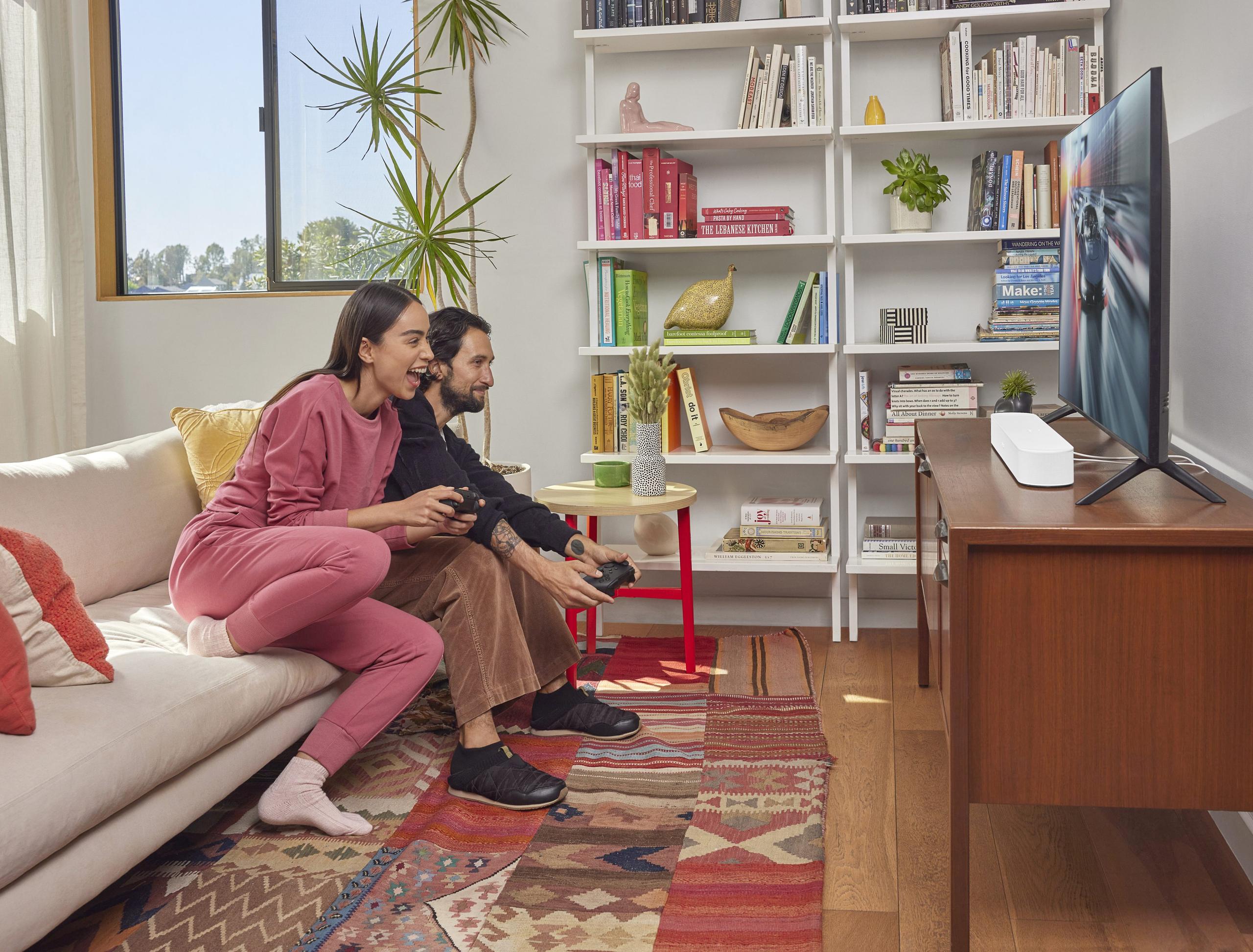
The Hisense HT Saturn is superior for gaming due to its discrete speaker placement providing precise positional audio crucial for competitive gaming. The separate rear speakers create authentic directional cues for footsteps, gunfire, and environmental sounds. The Sonos Beam Gen 2 offers good gaming audio but cannot match the spatial accuracy of physically separated speakers.
Choose the Hisense HT Saturn if you want authentic surround sound immersion, have space for satellite placement, and prioritize maximum audio performance for movies and gaming. Choose the Sonos Beam Gen 2 if you prefer simplicity, need smart home integration, have limited space, or want the flexibility to build your system gradually over time.
We've done our best to create useful and informative comparisons to help you decide what product to buy. Our research uses advanced automated methods to create this comparison and perfection is not possible - please contact us for corrections or questions. These are the sites we've researched in the creation of this article: bestbuy.com - youtube.com - blog.son-video.com - youtube.com - youtube.com - techradar.com - ecoustics.com - jbhifi.com.au - shop.hisense-usa.com - bhphotovideo.com - bestbuy.com - digitalreviews.net - hisense-usa.com - projectorscreenstore.com - valueelectronics.com - dolby.com - giftpack.ai - whathifi.com - en.community.sonos.com - techradar.com - youtube.com - consumerreports.org - bestbuy.com - youtube.com - sonos.com - wave-electronics.com - en.community.sonos.com - epicsystems.tech - tomsguide.com - bestbuy.com

Privacy Policy
Terms and Conditions - Affiliate Policy
Home Security
© Copyright 2008-2026.
11816 Inwood Rd #1211, Dallas, TX 75244