

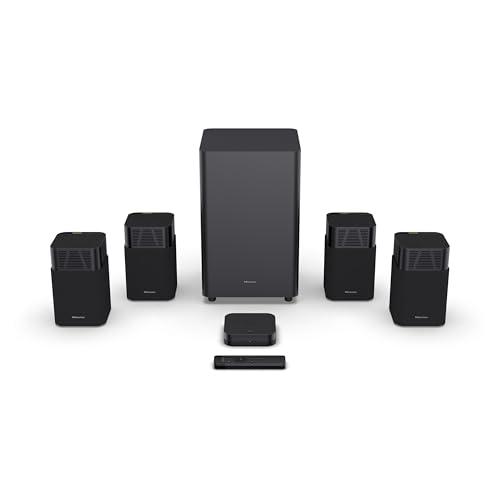
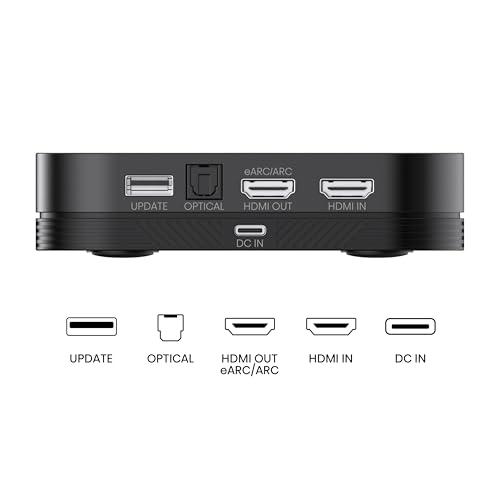

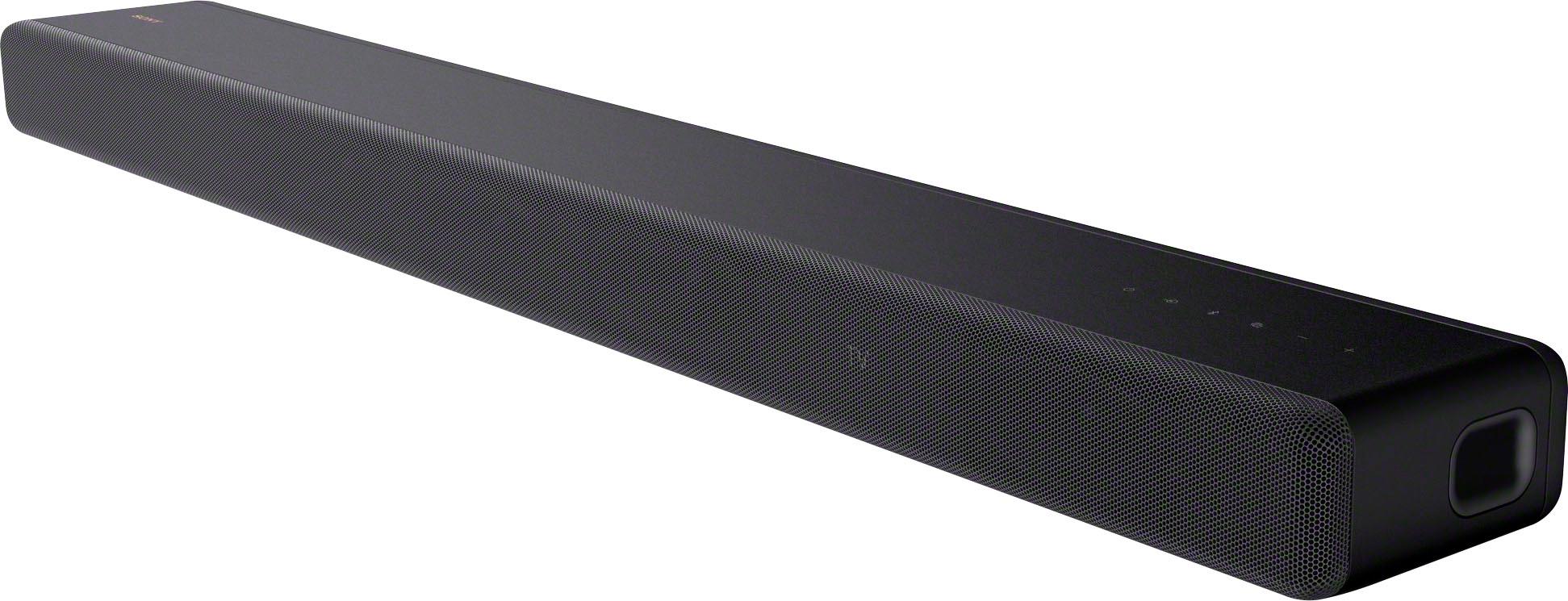
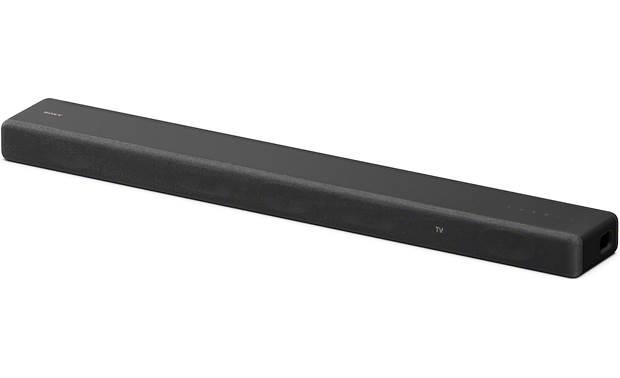

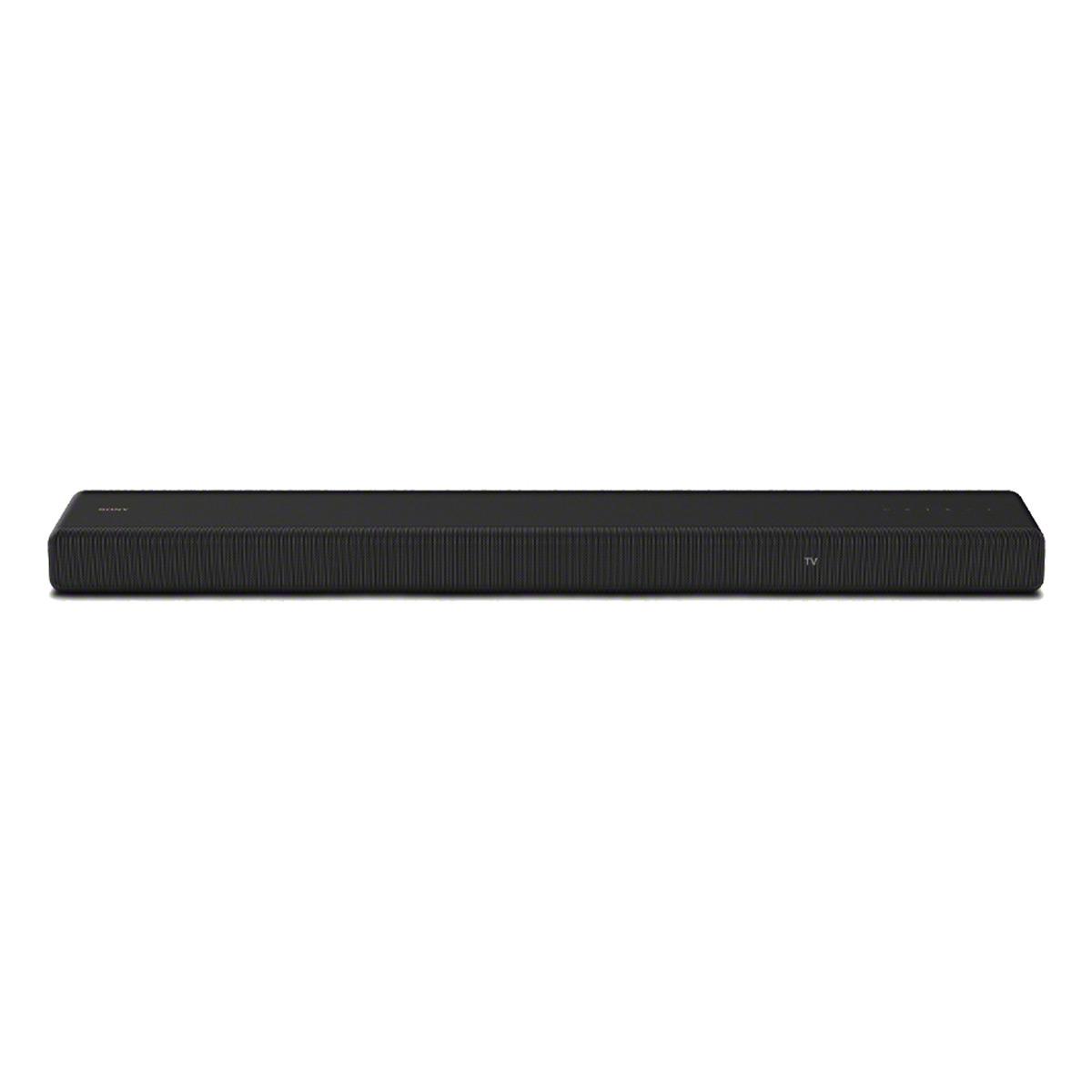
When shopping for better TV audio in 2025, you'll quickly discover that manufacturers are taking radically different approaches to solving the same problem: how to deliver movie theater sound in your living room. The Hisense HT Saturn and Sony HT-A3000 represent two distinct philosophies that have emerged in recent years, and understanding their differences will help you make the right choice for your space and budget.
The soundbar market has exploded since around 2020, driven by increasingly thin TVs with terrible built-in speakers. But while traditional soundbars try to create surround sound from a single bar using clever audio processing, some manufacturers have started breaking free from this constraint entirely.
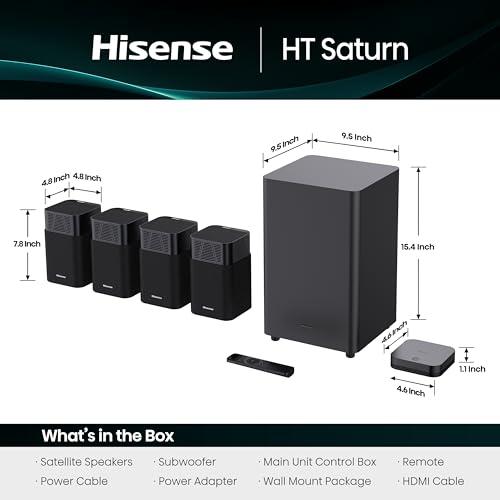
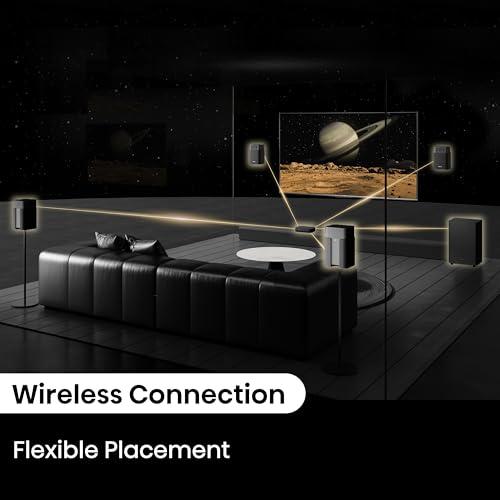
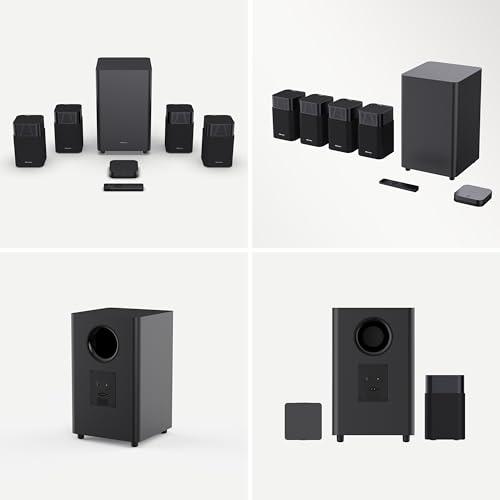
The Hisense HT Saturn, released in 2025, represents this newer thinking. Instead of cramming everything into one unit, it uses four separate wireless satellite speakers plus a subwoofer to create what's essentially a true surround sound system without all the wires. Meanwhile, the Sony HT-A3000, which has been available since 2022, perfects the traditional soundbar approach with premium components and sophisticated virtual surround processing.
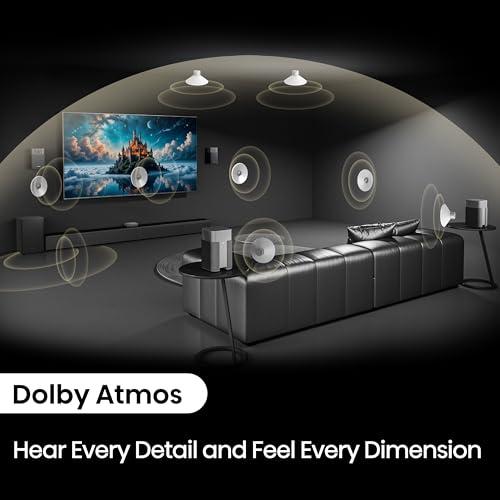
Both systems support Dolby Atmos—a 3D audio format that adds height information to create overhead sound effects—but they achieve this goal through completely different methods. Understanding these approaches is crucial because it determines not just how they sound, but how they'll fit into your home and daily routine.
Before diving into specifics, it's worth understanding what makes audio sound "good" in a home theater context. The most important factors are dialogue clarity (can you understand what actors are saying?), soundstage width (how spread out the sound feels), bass impact (the rumble you feel during explosions), and spatial accuracy (whether sounds seem to come from the right direction).
Traditional soundbars face a fundamental physics problem: they're trying to create the illusion of surround sound from speakers that are all positioned in front of you. They use digital signal processing (DSP)—essentially computer algorithms—to delay and modify sound waves so your brain thinks they're coming from beside and behind you. This works surprisingly well, but it's still an illusion.
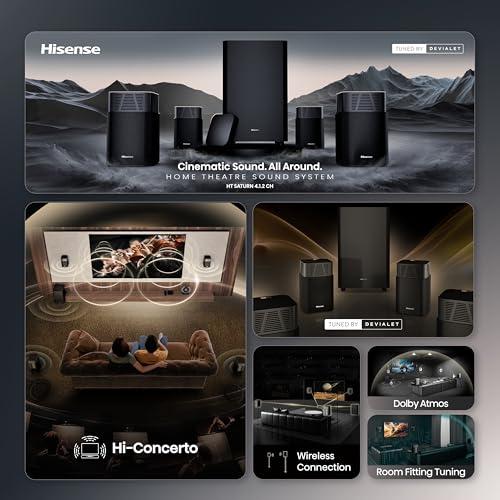
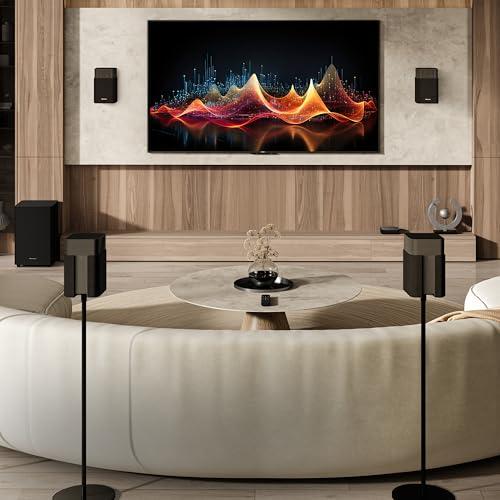
The Hisense HT Saturn takes a different approach by actually placing speakers around your room. Its 4.1.2 configuration means four main speakers (front left, front right, rear left, rear right), one subwoofer (the ".1"), and two height channels (the ".2") for Dolby Atmos overhead effects. This isn't virtual surround—it's the real thing.
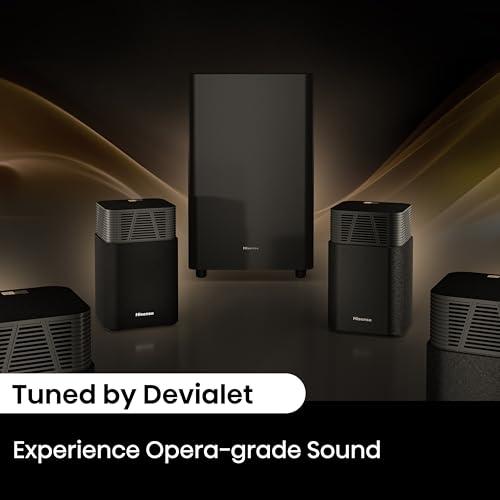
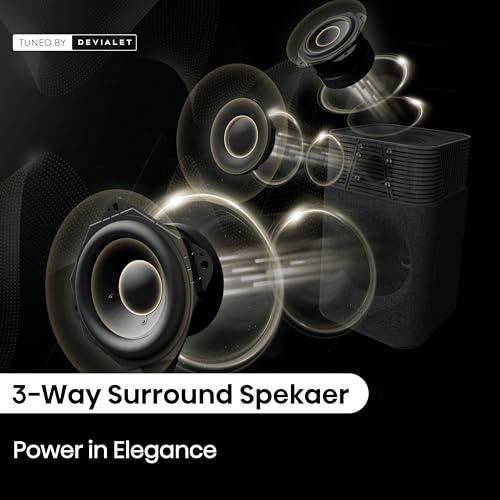
What makes the Hisense HT Saturn fascinating is its execution of wireless surround sound. Each of the four satellite speakers contains three separate drivers: two full-range speakers and a tweeter for high frequencies. This three-way design, typically found in expensive bookshelf speakers, allows each satellite to reproduce a full range of sound without relying on the others.
The system's secret weapon is its tuning by Devialet, a French company known for extremely high-end audio equipment. Devialet's involvement isn't just marketing—they've applied their acoustic engineering expertise to balance the frequency response across all speakers, ensuring that bass, midrange, and treble integrate smoothly. This attention to detail shows up in reviews, where even experienced listeners are surprised by the system's tonal balance.
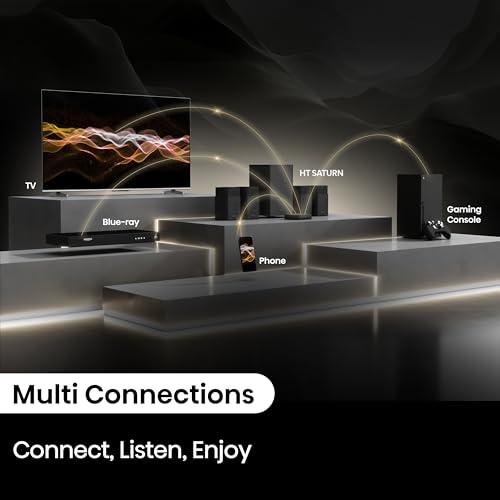
The wireless connectivity uses three different frequency bands (2.4GHz, 5.2GHz, and 5.8GHz) to maintain stable connections between the control hub and all speakers. This tri-band approach helps avoid the dropouts and delays that plagued early wireless speaker systems, particularly in homes crowded with Wi-Fi devices.
Perhaps most impressively, the Hisense HT Saturn creates a convincing center channel for dialogue without actually having a center speaker. Through careful level matching and signal processing, the left and right front speakers work together to create a "phantom center" that anchors voices to the screen. Reviews consistently praise this implementation, noting that dialogue sounds centered and stable even during complex soundtracks.
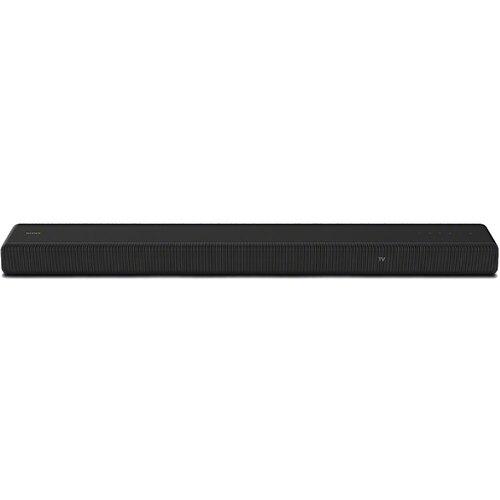
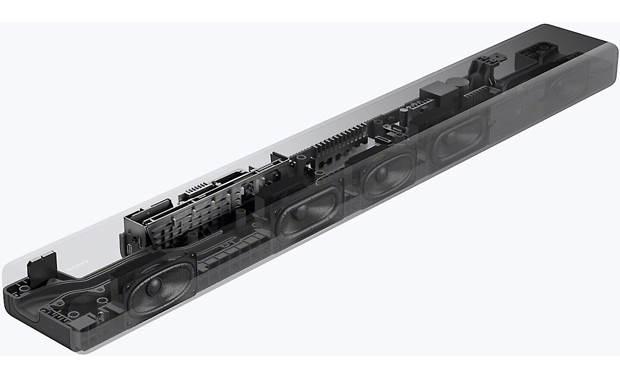
The Sony HT-A3000, by contrast, represents the pinnacle of single-unit soundbar design. Sony has refined their approach over several years, and the results show in the details. The soundbar uses X-Balanced speaker units—rectangular drivers that maximize the diaphragm area within the available space, reducing distortion while increasing output.
Sony's Vertical Surround Engine is particularly clever. It uses precise timing and frequency adjustments to bounce sound off your ceiling, creating the impression of overhead Dolby Atmos effects without dedicated up-firing speakers. Combined with their S-Force PRO Front Surround processing, the Sony HT-A3000 can create a surprisingly wide and tall soundstage from its compact form factor.
The built-in dual subwoofers are smaller than the Hisense HT Saturn's dedicated 6.5-inch unit, but they're integrated with the main speakers' crossover network to provide seamless bass extension. This integration is crucial—poorly implemented subwoofers can make dialogue sound boomy or disconnected.
One area where Sony particularly excels is audio processing. Their DSEE Extreme technology analyzes compressed music files in real-time, identifying instruments and vocal elements to restore high-frequency detail lost during compression. This makes a noticeable difference when streaming music via Bluetooth or from services like Spotify.
The fundamental difference between these systems becomes most apparent with action movies and video games. The Hisense HT Saturn creates what reviewers consistently describe as a "360-degree bubble" of sound. When a helicopter flies overhead in a movie, you'll hear it travel from front to back and side to side with startling accuracy. The physical rear speakers provide genuine surround effects that virtual processing simply cannot match.
Our research into user reviews reveals that this immersion advantage becomes more pronounced in larger rooms. In spaces where you're sitting 12 feet or more from the TV, the Hisense HT Saturn's distributed speakers maintain their directional accuracy, while the Sony HT-A3000's virtual effects can become less convincing.
However, the Sony system has its own advantages. Because all speakers are contained in one carefully engineered enclosure, there's no risk of wireless dropouts or synchronization issues. The soundstage, while not as enveloping as true surround sound, is remarkably consistent across different seating positions.
This is where the comparison gets interesting. The Sony HT-A3000 has a dedicated center channel speaker—a driver specifically positioned to reproduce dialogue. This provides exceptional vocal clarity and ensures that conversations remain anchored to the screen even during loud action sequences.
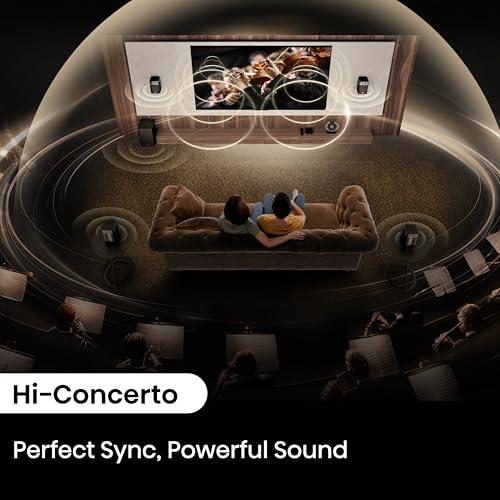
The Hisense HT Saturn achieves similar results through its phantom center approach, but the implementation comes with a caveat: it works brilliantly when paired with a Hisense TV using their Hi-Concerto technology, which actually uses the TV's built-in speakers as a center channel. Without this integration, some users report occasional dialogue diffusion, particularly at higher volumes.
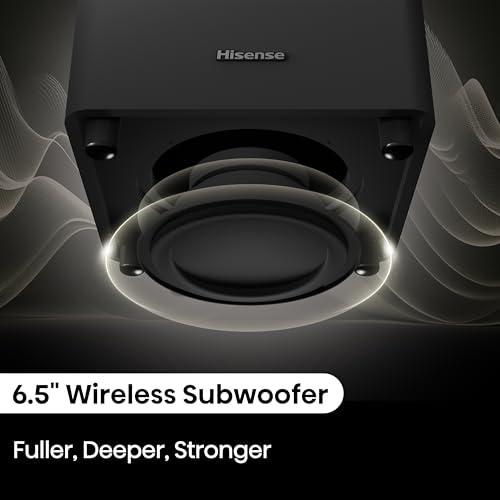
The bass comparison heavily favors the Hisense HT Saturn. Its 6.5-inch wireless subwoofer can be positioned anywhere in the room for optimal bass response, and its dedicated amplification provides the headroom needed for those room-shaking explosions that make action movies exciting.
The Sony HT-A3000's built-in subwoofers are adequate for most content, but they can't match the depth and impact of a larger, dedicated unit. This limitation becomes particularly noticeable with bass-heavy music genres or movies with extensive low-frequency effects.
Here's where the Hisense HT Saturn shows its limitations. Multiple reviews note significant distortion when pushed above about 65% volume. This isn't necessarily a deal-breaker—most people listen at moderate levels—but it does limit the system's dynamic range for those late-night action movie sessions.
The Sony HT-A3000, with its more conservative design and careful driver matching, maintains clean sound even at higher volumes. This makes it more suitable for larger rooms that require higher output levels.
The setup experience differs dramatically between these systems. The Sony HT-A3000 follows the traditional soundbar playbook: unbox, connect one HDMI cable, plug in power, and you're done. The wall mounting template and included hardware make installation straightforward, even for those uncomfortable with home improvement projects.
The Hisense HT Saturn requires more planning. You need power outlets for five separate components and must consider speaker placement for optimal performance. The satellites need clear line-of-sight to the ceiling for the up-firing Atmos effects to work properly, and the subwoofer benefits from corner placement for maximum bass output.
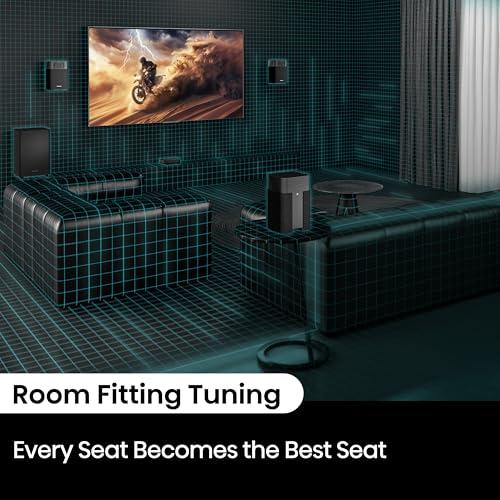
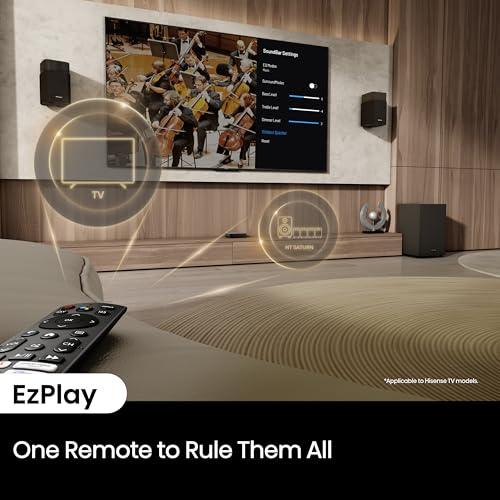
However, this complexity pays dividends for Hisense TV owners. The Hi-Concerto technology creates a uniquely integrated experience where the soundbar settings appear directly in the TV's menu system, and the TV remote controls all functions seamlessly. The Room Fitting Tuning feature actually measures your room's acoustics and adjusts the sound accordingly—something typically found only in much more expensive systems.
The streaming capability comparison strongly favors the Sony HT-A3000. Its Chromecast built-in, AirPlay 2, and Spotify Connect support make it exceptionally versatile for music listening. The Bluetooth connection supports LDAC, Sony's high-quality wireless codec that provides better-than-CD quality streaming from compatible Android devices.
The Hisense HT Saturn takes a more basic approach with Bluetooth 5.3 for device pairing, but lacks Wi-Fi streaming capabilities entirely. This isn't necessarily problematic if your TV handles all the streaming, but it does limit the system's versatility as a standalone music player.
Both systems offer compelling value propositions in their respective price categories, though the math changes significantly depending on your TV brand and room size.
The Sony HT-A3000 represents exceptional value in the premium soundbar category. At its typical retail price, it delivers Sony's audio engineering expertise, comprehensive streaming support, and reliable performance that should satisfy most users for years.
The Hisense HT Saturn costs significantly more but offers performance that typically requires much more expensive separate component systems. When frequently available at discounted prices, it becomes an exceptional value for anyone seeking true home theater immersion.
The value equation also depends heavily on your TV. Hisense TV owners unlock additional features that justify the premium, while users of other brands miss out on the integrated experience that makes the system special.
After evaluating both systems through extensive research and user feedback analysis, the decision ultimately comes down to your priorities and constraints.
Choose the Hisense HT Saturn if you're serious about home theater performance and have the space and setup tolerance to make it work. This system truly shines in larger rooms (15+ feet viewing distance) where its surround capabilities can fully develop. Hisense TV owners get additional value through the integrated features, making it an even more compelling choice. The system is particularly rewarding for movie enthusiasts and gamers who prioritize immersion over convenience.
The Sony HT-A3000 makes more sense for most other situations. Its combination of excellent dialogue clarity, reliable performance, comprehensive streaming features, and simple setup makes it ideal for everyday use. The system works equally well with any TV brand and delivers consistent results regardless of room layout or user technical expertise.
Consider your listening habits carefully. If you primarily watch TV shows and stream music, the Sony's balanced approach and connectivity options provide better long-term satisfaction. If you regularly watch action movies or play video games and have the room space to accommodate multiple speakers, the Hisense system's immersive capabilities justify its added complexity.
Room size matters significantly in this comparison. In smaller spaces (under 12 feet from seating to screen), the Sony HT-A3000's virtual surround processing works well enough that you won't miss the physical rear speakers. In larger rooms, the Hisense HT Saturn's distributed speakers maintain their effectiveness while single-unit soundbars begin to struggle with coverage.
Both systems represent successful but different approaches to home theater audio. Your choice should align with your space, technical comfort level, and entertainment priorities. Either way, you'll enjoy a significant upgrade over TV speakers and gain access to modern audio formats that make your favorite content more engaging and immersive.
| Hisense HT Saturn | Sony HT-A3000 |
|---|---|
| System Architecture - Determines setup complexity and sound distribution | |
| 4.1.2-channel with 4 wireless satellites + subwoofer (13 total speakers) | 3.1-channel single soundbar with built-in dual subwoofers |
| Speaker Configuration - Affects immersion and soundstage width | |
| Physical rear speakers for true surround sound | Virtual surround processing from front-facing speakers only |
| Total Power Output - Impacts maximum volume and dynamic range | |
| 500W total system power across all components | 250W from integrated amplification |
| Subwoofer Design - Critical for bass impact and flexibility | |
| Dedicated 6.5" wireless subwoofer with flexible placement | Built-in dual 4.375" x 1.8125" subwoofers (fixed position) |
| Dolby Atmos Implementation - Determines overhead effect quality | |
| Dedicated up-firing drivers in satellites for true height channels | Virtual height processing through ceiling reflections |
| Setup Complexity - Time and effort required for installation | |
| 5 separate power connections, strategic speaker placement needed | Single unit, one HDMI cable, 10-minute setup |
| TV Brand Integration - Extra features with matching TV brands | |
| Hi-Concerto with Hisense HT Saturn TVs (uses TV speakers as center channel) | Acoustic Center Sync with Sony TVs (enhanced soundstage cohesion) |
| Wireless Connectivity - Stability and audio quality for streaming | |
| Bluetooth 5.3 only, tri-band wireless for speaker connections | Bluetooth 5.0 with LDAC, plus Chromecast, AirPlay 2, Spotify Connect |
| Room Size Optimization - Performance in different spaces | |
| Excels in large rooms (15+ feet), distributed speakers maintain effectiveness | Better for small-medium rooms, virtual processing works best at close range |
| Volume Handling - Maximum usable loudness without distortion | |
| Clean sound up to 65% volume, distortion above that level | Maintains clarity even at high volumes due to conservative design |
| Dialogue Clarity - Most important spec for TV and movie watching | |
| Phantom center channel (excellent with Hisense HT Saturn TV integration) | Dedicated center channel speaker for anchored, consistent dialogue |
| Streaming Features - Built-in music and content services | |
| Basic Bluetooth streaming only | Comprehensive: Chromecast, AirPlay 2, Spotify Connect, Hi-Res Audio |
| Professional Tuning - Audio engineering expertise applied | |
| Tuned by Devialet (French high-end audio company) | Sony's in-house X-Balanced speaker technology and DSEE Extreme |
The Hisense HT Saturn is a true wireless surround sound system with four separate satellite speakers plus a subwoofer, while the Sony HT-A3000 is a traditional single-unit soundbar. The Hisense HT Saturn provides physical surround speakers for authentic 360-degree sound, whereas the Sony HT-A3000 uses virtual processing to simulate surround effects from one bar.
The Sony HT-A3000 is significantly easier to install, requiring only one HDMI cable and power connection for a complete setup in under 10 minutes. The Hisense HT Saturn requires power connections for five separate components and strategic placement of wireless satellites around your room, taking 30-45 minutes to set up properly.
Yes, both the Hisense HT Saturn and Sony HT-A3000 support Dolby Atmos, but they achieve height effects differently. The Hisense HT Saturn uses dedicated up-firing drivers in its satellite speakers for true height channels, while the Sony HT-A3000 relies on virtual processing and ceiling reflections to create overhead effects.
The Hisense HT Saturn delivers superior bass with its dedicated 6.5-inch wireless subwoofer that can be positioned anywhere in the room for optimal low-frequency response. The Sony HT-A3000 has built-in dual subwoofers that provide adequate bass for most content but cannot match the depth and impact of the Hisense HT Saturn's larger, dedicated subwoofer.
The Sony HT-A3000 has a dedicated center channel speaker that provides excellent, anchored dialogue clarity. The Hisense HT Saturn creates a "phantom center" using its front speakers, which works exceptionally well, especially when paired with Hisense TVs using Hi-Concerto technology that incorporates the TV's speakers as a center channel.
The Hisense HT Saturn performs significantly better in large rooms (15+ feet viewing distance) because its distributed speakers maintain directional accuracy and immersion at greater distances. The Sony HT-A3000's virtual surround processing becomes less effective in larger spaces where you're sitting far from the soundbar.
Both systems support Bluetooth streaming, but the Sony HT-A3000 offers much more comprehensive wireless features including Chromecast built-in, AirPlay 2, Spotify Connect, and LDAC for high-quality audio. The Hisense HT Saturn only supports basic Bluetooth 5.3 streaming without Wi-Fi connectivity or dedicated music streaming services.
The Sony HT-A3000 offers exceptional value in the premium soundbar category with Sony's audio engineering and comprehensive features at a lower price point. The Hisense HT Saturn costs more but delivers true home theater performance that typically requires much more expensive separate component systems, making it excellent value for serious home theater enthusiasts.
The Hisense HT Saturn works best with Hisense TVs, unlocking Hi-Concerto technology and Room Fitting Tuning for enhanced integration and performance. The Sony HT-A3000 works well with any TV brand, though Sony TV owners get additional Acoustic Center Sync benefits. Neither system requires a specific TV brand to function properly.
The Sony HT-A3000 maintains clean, distortion-free sound even at high volumes due to its conservative design and careful driver matching. The Hisense HT Saturn sounds excellent at moderate levels but shows noticeable distortion when pushed above approximately 65% volume, limiting its dynamic range for very loud listening sessions.
The Hisense HT Saturn excels for gaming and action movies with its true surround sound capabilities, providing accurate directional audio and immersive 360-degree effects that enhance the experience. The Sony HT-A3000 still provides good virtual surround for gaming and movies but cannot match the spatial accuracy and immersion of the Hisense HT Saturn's physical rear speakers.
The Hisense HT Saturn requires complex setup with multiple power connections, shows distortion at high volumes, and lacks Wi-Fi streaming features. The Sony HT-A3000 has limited bass extension compared to systems with larger subwoofers, cannot match true surround sound immersion, and offers less expandability for future upgrades compared to the Hisense HT Saturn.
We've done our best to create useful and informative comparisons to help you decide what product to buy. Our research uses advanced automated methods to create this comparison and perfection is not possible - please contact us for corrections or questions. These are the sites we've researched in the creation of this article: bestbuy.com - youtube.com - blog.son-video.com - youtube.com - youtube.com - techradar.com - ecoustics.com - jbhifi.com.au - shop.hisense-usa.com - bhphotovideo.com - bestbuy.com - digitalreviews.net - hisense-usa.com - projectorscreenstore.com - valueelectronics.com - dolby.com - giftpack.ai - rtings.com - electronics.sony.com - crutchfield.com - store.sony.com.au - digitaltrends.com - videoandaudiocenter.com - abt.com - sony.com - merlinstv.com - crutchfield.com - youtube.com

Privacy Policy
Terms and Conditions - Affiliate Policy
Home Security
© Copyright 2008-2026.
11816 Inwood Rd #1211, Dallas, TX 75244