


When your TV's built-in speakers just aren't cutting it anymore, upgrading to a sound bar seems like the obvious next step. But the sound bar market has evolved dramatically in recent years, splitting into two distinct camps: traditional single-bar systems and multi-component wireless setups that blur the line between sound bars and full home theater systems.
This evolution creates an interesting comparison between the Hisense HT Saturn and Yamaha SR-B40A – two products that tackle TV audio improvement from completely different angles. At the time of writing, these systems sit at opposite ends of the price spectrum, with the Yamaha representing excellent value in the budget category while the Hisense positions itself as a premium alternative to traditional multi-thousand-dollar home theater setups.
Before diving into specifics, it's worth understanding what we mean by channel configurations like "4.1.2" and "2.1." The first number represents main speakers (left, right, center), the second indicates subwoofers, and the third refers to height or Atmos channels. So a 4.1.2 system has four main speakers, one subwoofer, and two height channels, while 2.1 means left and right speakers plus a subwoofer.
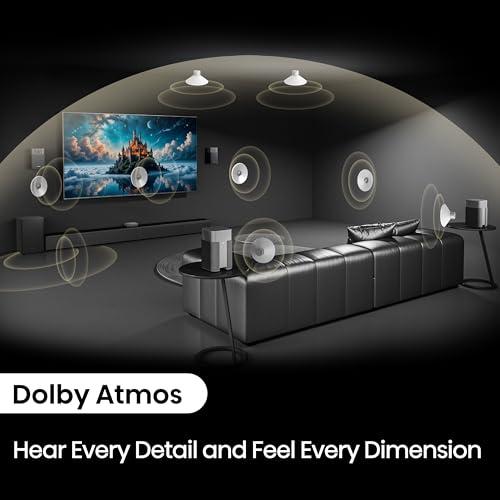
The rise of Dolby Atmos – a technology that adds overhead sound effects by bouncing audio off your ceiling – has pushed sound bar design in new directions. Some manufacturers use virtual processing to simulate height effects, while others incorporate physical up-firing drivers that literally shoot sound upward to create authentic overhead audio.
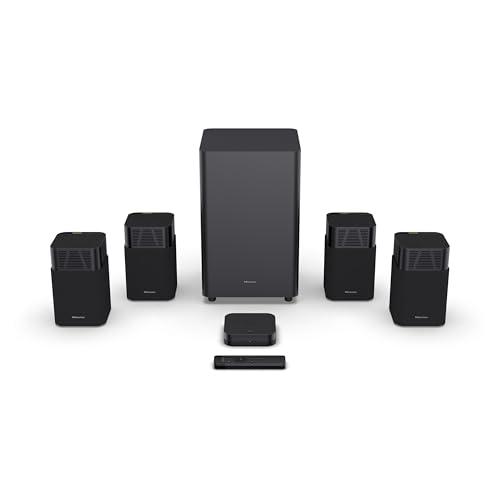
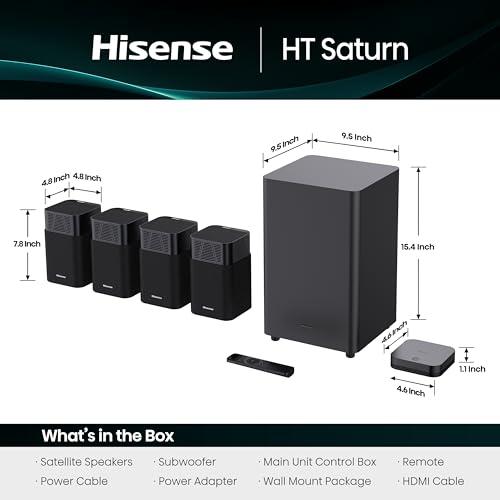
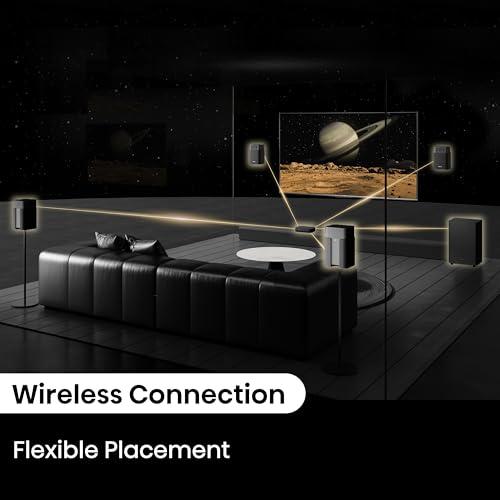
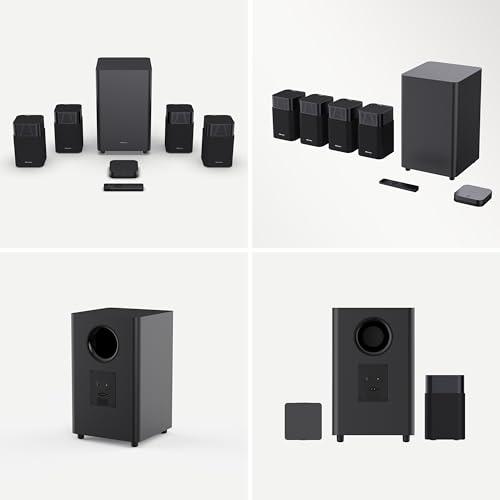
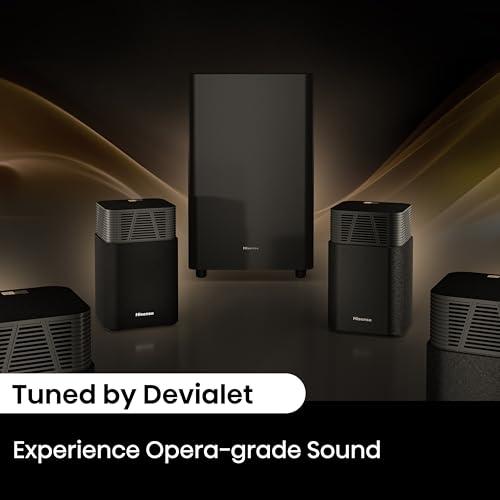
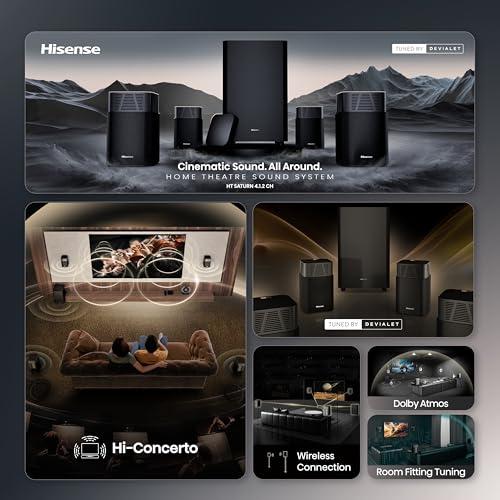
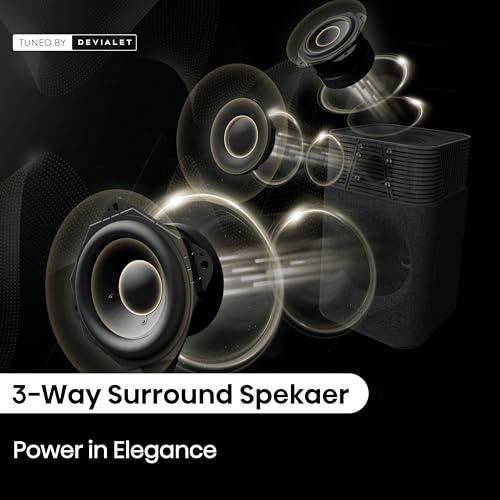
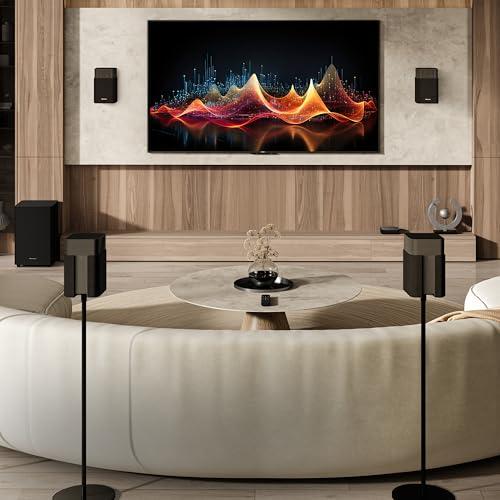
The Hisense HT Saturn, released in 2024, represents a radical departure from traditional sound bar design. Instead of a single bar sitting under your TV, it's actually a five-component system featuring four identical satellite speakers and a wireless subwoofer. Each satellite contains multiple drivers including up-firing elements for Dolby Atmos effects. This creates what Hisense calls a true 4.1.2 system with 13 total speakers working together.
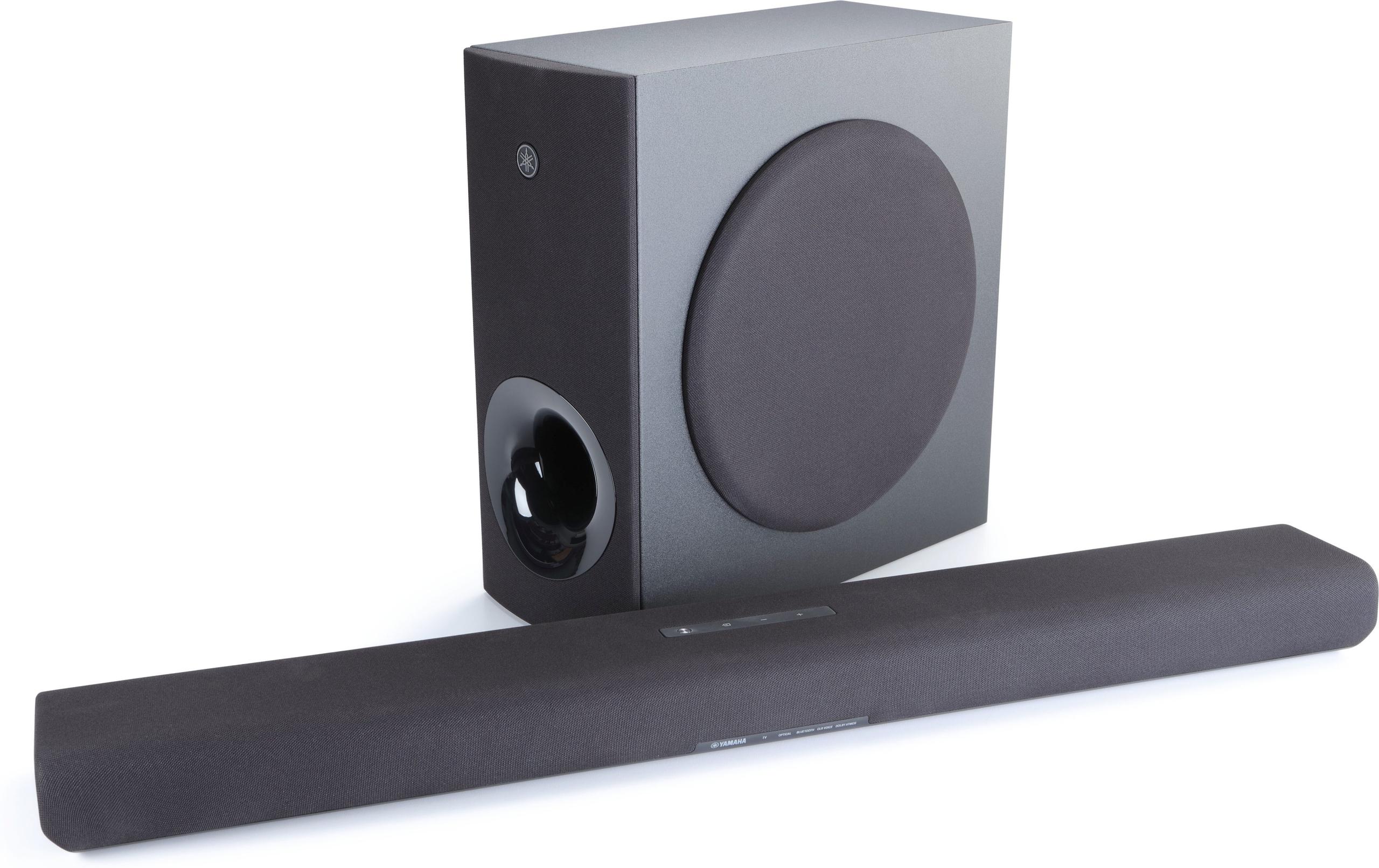
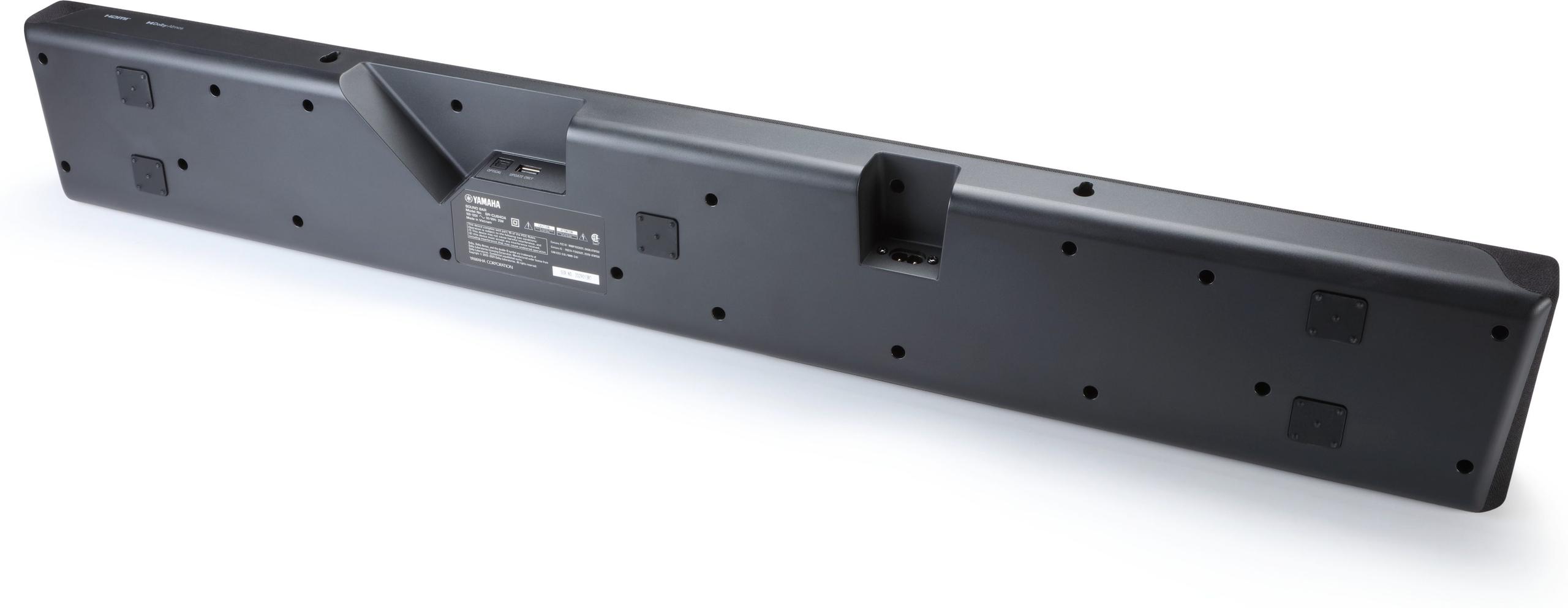
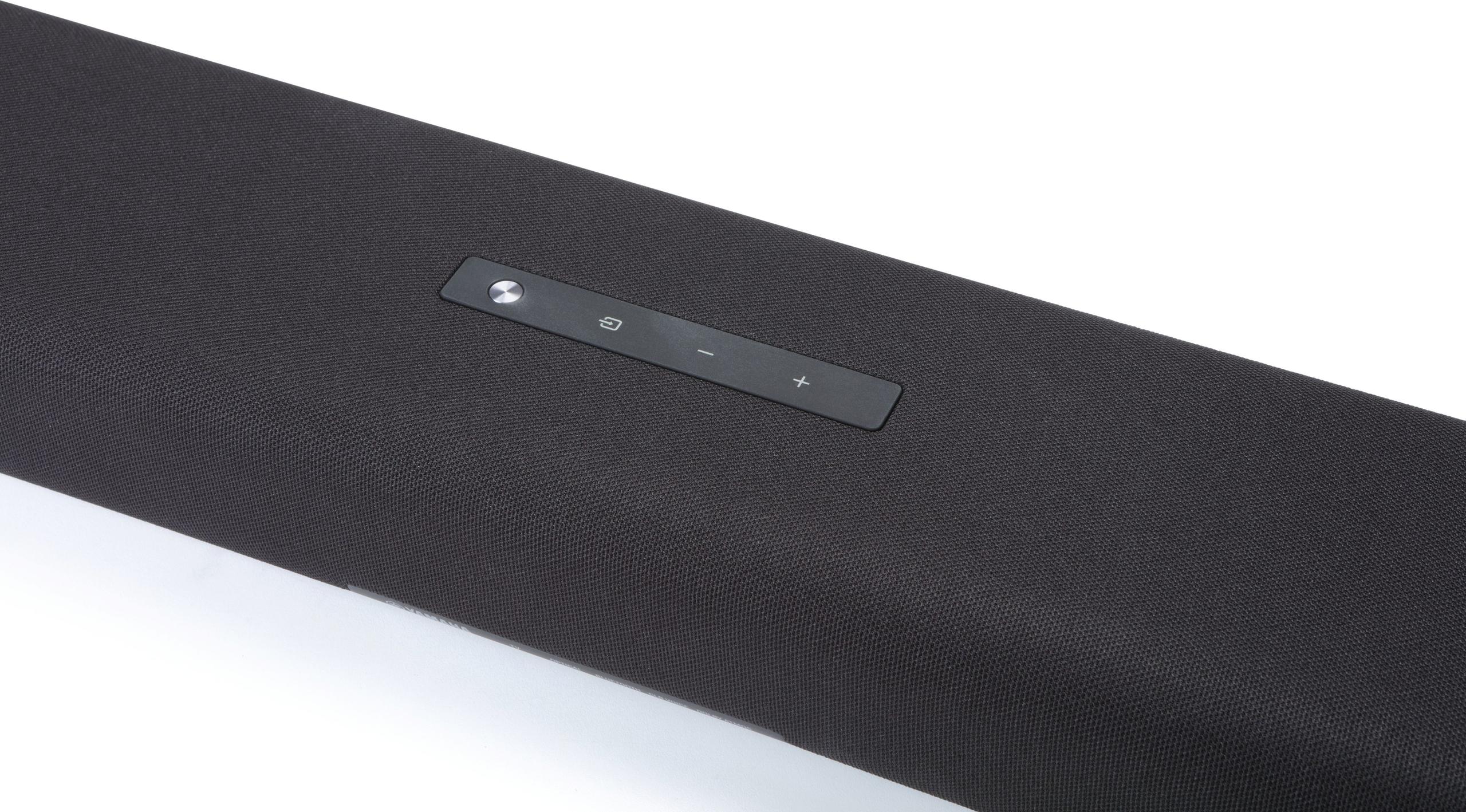
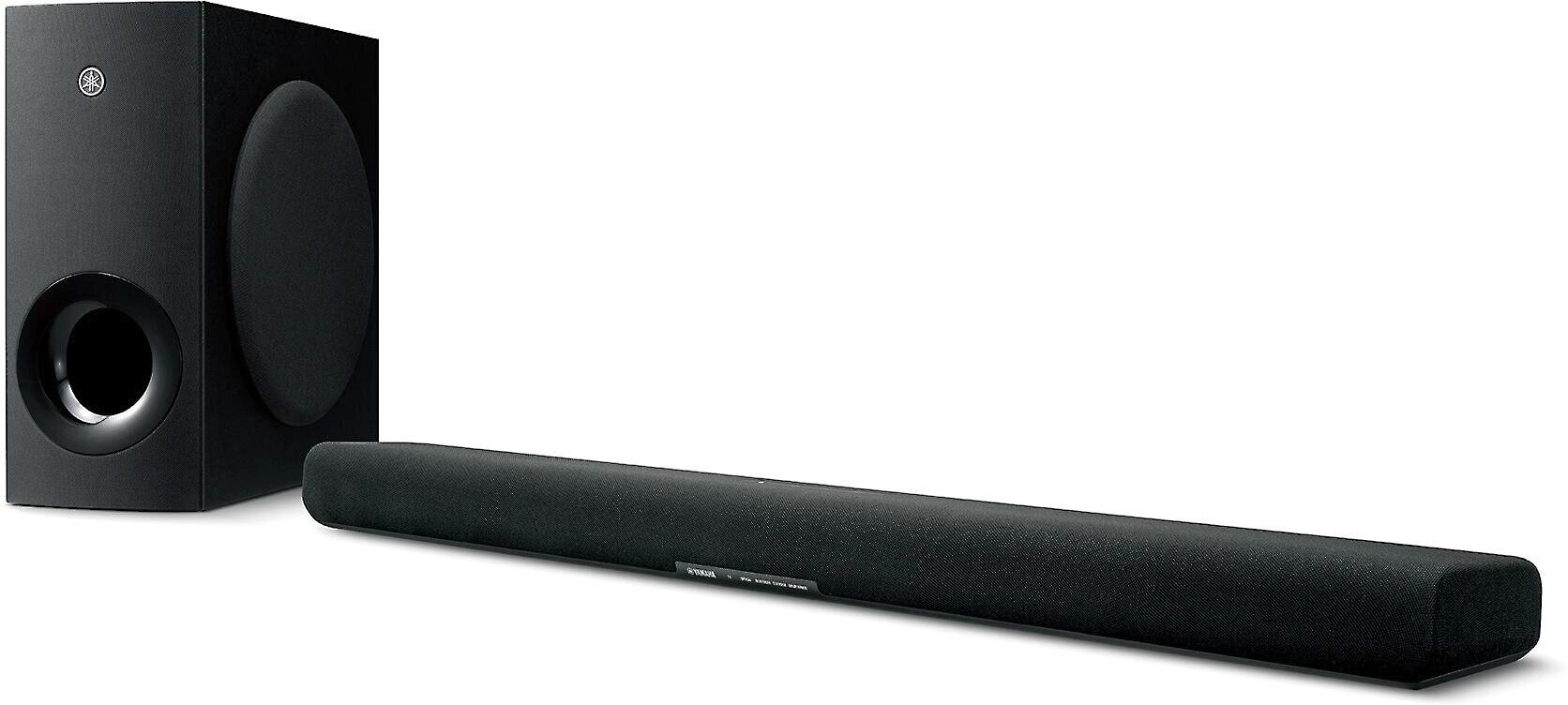
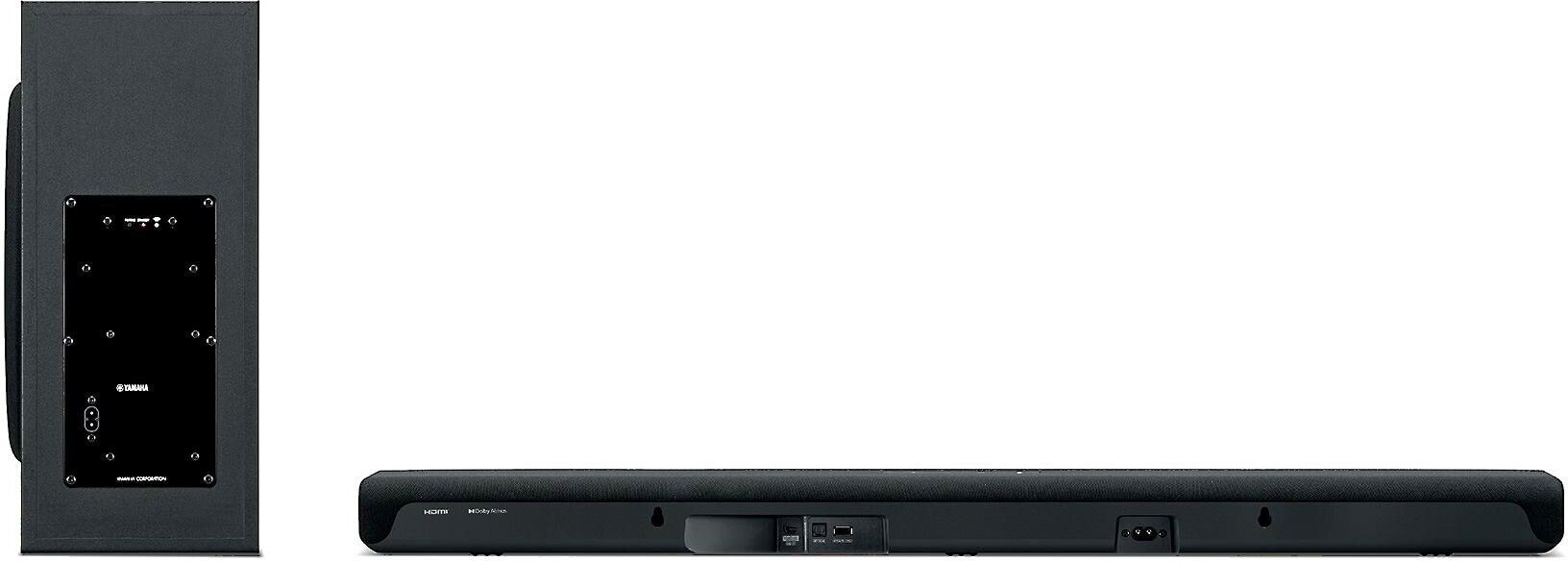
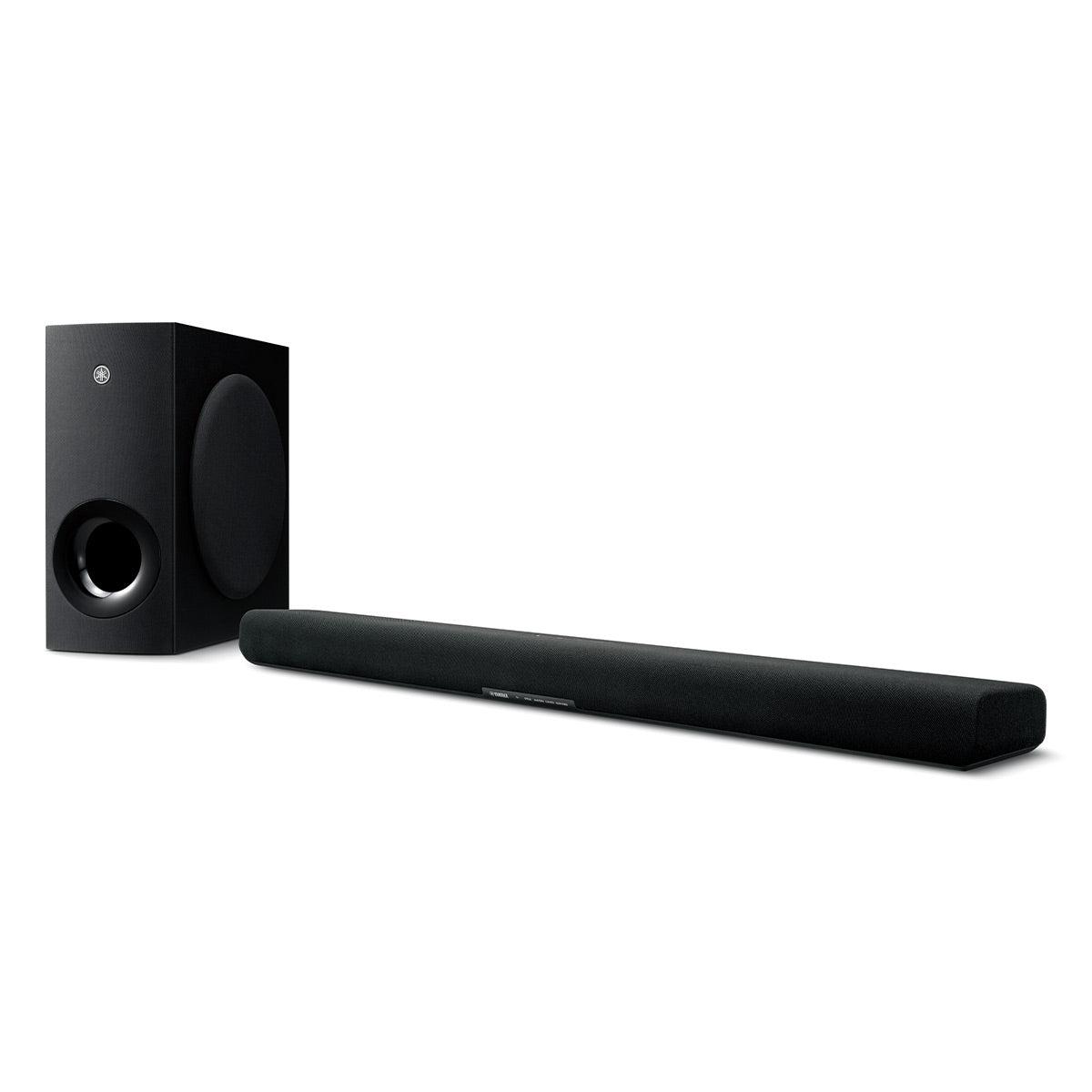
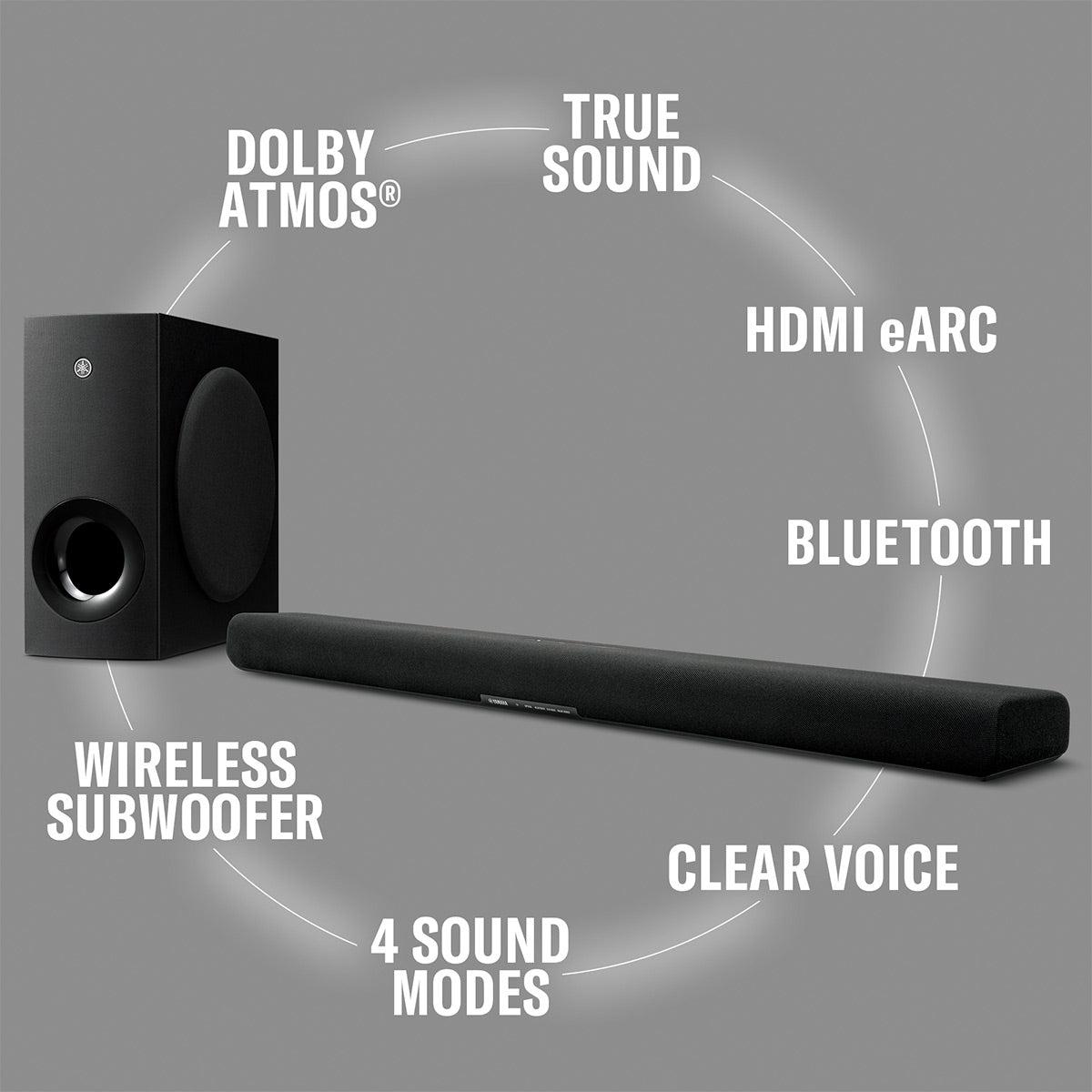
The Yamaha SR-B40A, also from 2024, takes the classic approach: a single sound bar with built-in drivers paired with a wireless subwoofer. It uses virtual processing to simulate surround sound and height effects rather than relying on physical speaker placement around your room.
These different philosophies lead to vastly different user experiences, setup requirements, and performance characteristics.
The most significant performance difference between these systems lies in spatial audio reproduction. The Hisense HT Saturn creates genuine surround sound by placing actual speakers around your listening area. When a helicopter flies overhead in a movie, you hear it move from speaker to speaker in a convincing arc above and behind you. This is authentic Dolby Atmos – the way the format was designed to work.
The physical up-firing drivers in each Hisense HT Saturn satellite bounce sound off your ceiling to create height effects. This only works properly if you have adequate ceiling height (8+ feet is ideal) and reasonably reflective surfaces above. In the right room, the effect is remarkably convincing, with rain, aircraft, and ambient sounds appearing to come from above rather than from the speakers themselves.
By contrast, the Yamaha SR-B40A uses sophisticated digital signal processing (DSP) to trick your brain into perceiving surround and height effects from just two main speakers. Yamaha's algorithms analyze incoming audio and apply phase shifts, delays, and frequency adjustments to create the illusion of sounds coming from different directions. While impressive for what it is, virtual surround can't match the precision of physical speaker placement.
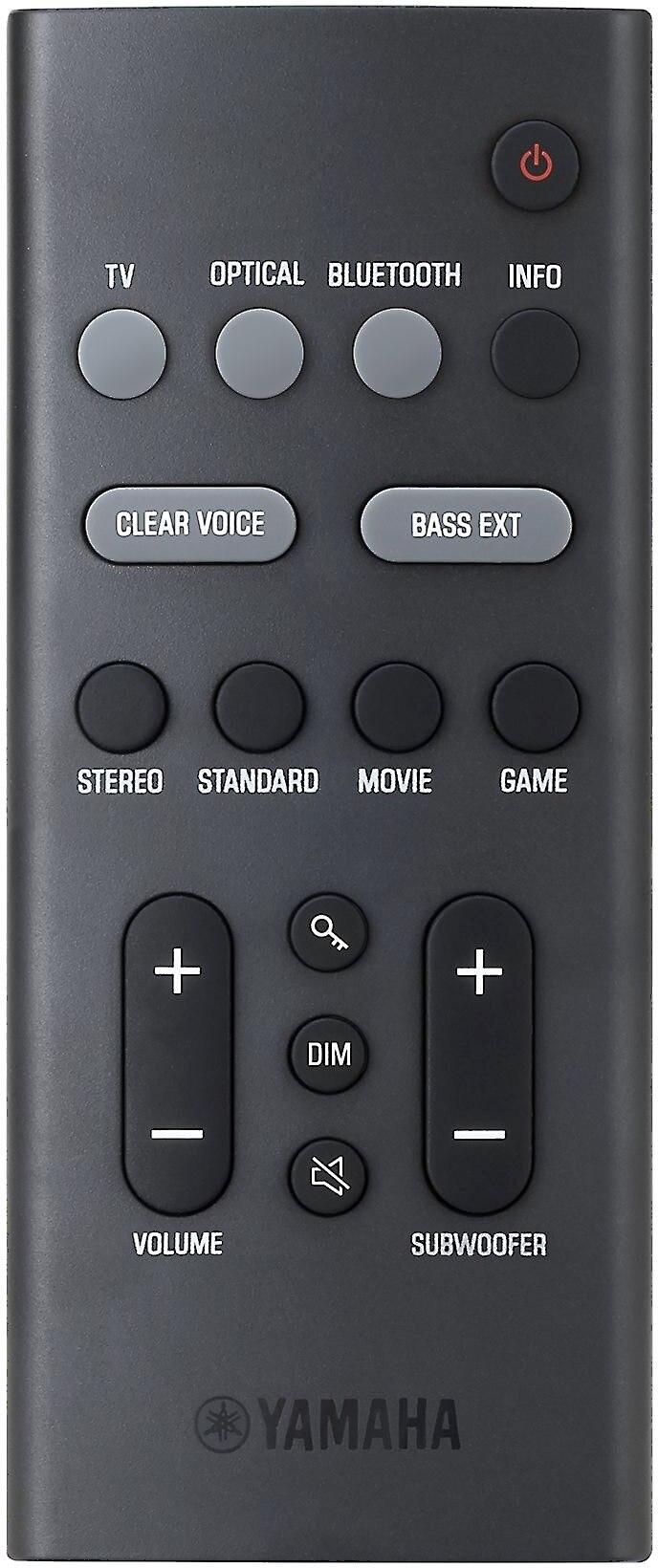
Interestingly, the Yamaha SR-B40A often outperforms the Hisense HT Saturn in dialogue reproduction, thanks to Yamaha's dedicated Clear Voice technology. This feature analyzes speech frequencies and enhances them while suppressing background noise and music. For viewers who struggle with dialogue clarity – particularly older adults or those with hearing difficulties – this can be transformative.
The Hisense HT Saturn handles dialogue well through its phantom center channel (created by precisely matched left and right speakers), but it doesn't have the same speech-specific processing as the Yamaha. However, the Hisense does offer extensive EQ customization through its app, allowing users to boost vocal frequencies manually.
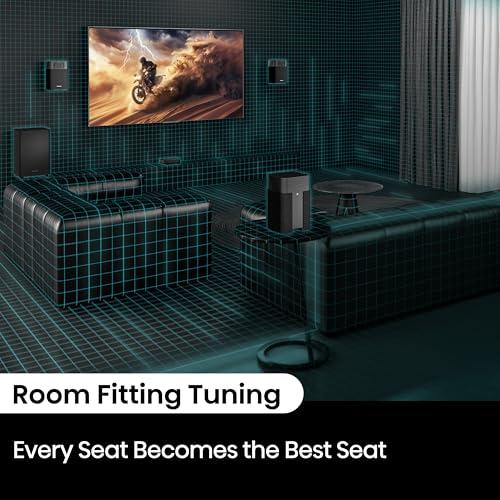
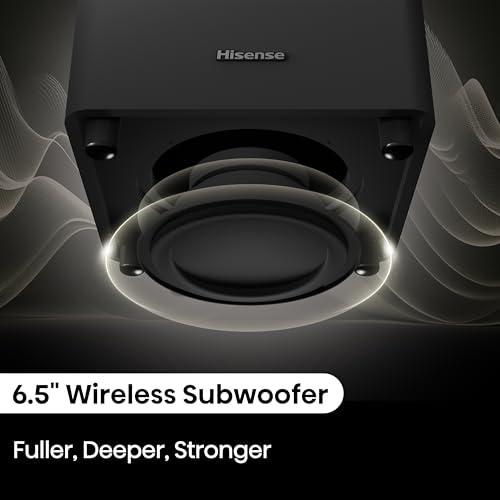
Both systems include wireless subwoofers, but their approaches differ significantly. The Hisense HT Saturn features a 6.5-inch down-firing subwoofer that integrates seamlessly with the satellite speakers through sophisticated crossover management. The system's Room Fitting Tuning technology automatically adjusts bass levels and timing to optimize low-frequency response for your specific room.
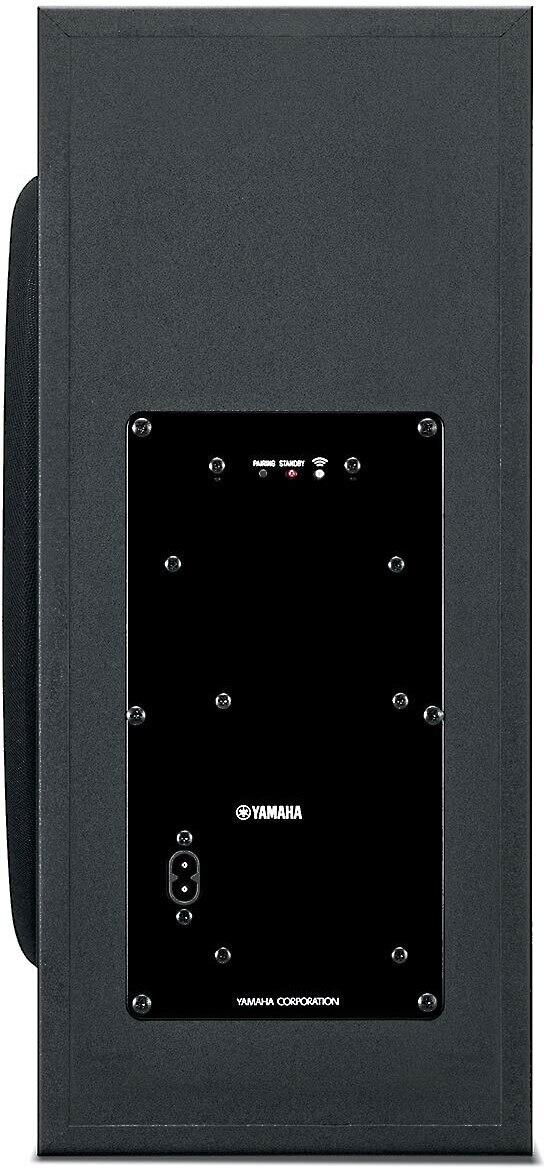
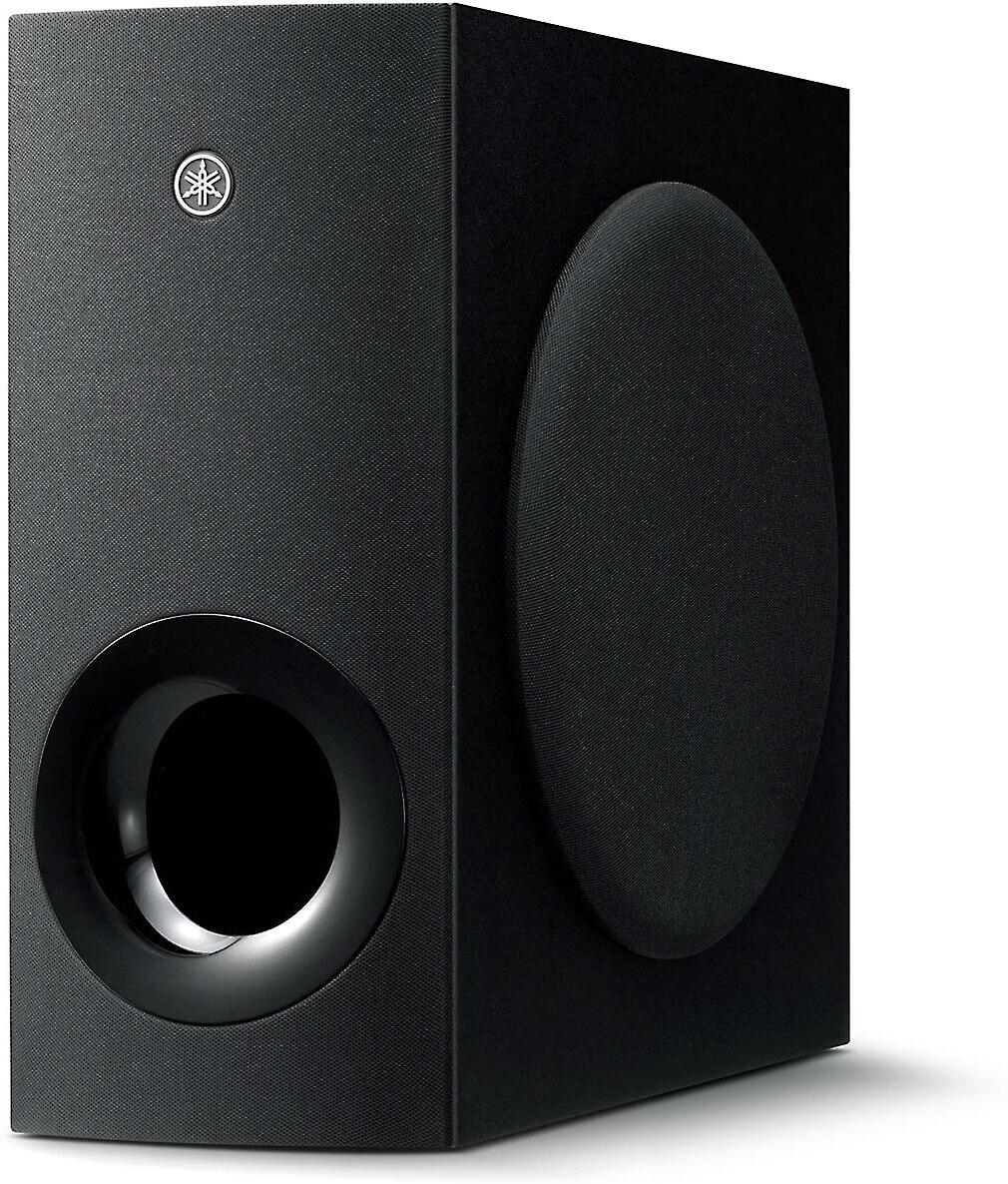
The Yamaha SR-B40A uses a 6.25-inch subwoofer with Yamaha's Active Servo Technology (YST), which reduces distortion by monitoring the driver's movement and making real-time corrections. While slightly smaller, the Yamaha's bass often sounds tighter and more controlled, though it may not reach quite as deep as the Hisense in larger rooms.
This is where technical specifications translate directly into real-world performance differences. The Hisense HT Saturn supports both Dolby Atmos and DTS:X – the two competing object-based audio formats used in modern movies and games. DTS:X support is particularly important for gaming and certain streaming services that prefer this format.
The Yamaha SR-B40A only supports Dolby Atmos, which covers most mainstream content but leaves you missing out on DTS:X soundtracks. While this won't affect casual viewers, it's a limitation for enthusiasts who want maximum compatibility with their content library.
Both systems support high-resolution audio formats through their HDMI connections, with the Hisense HT Saturn offering broader codec support including lossless formats like FLAC and ALAC for music enthusiasts.
Here's where these systems diverge most dramatically in terms of user experience. The Yamaha SR-B40A epitomizes plug-and-play simplicity: connect one HDMI cable to your TV, plug in the subwoofer, and you're done. The subwoofer automatically pairs wirelessly, and HDMI CEC (Consumer Electronics Control) allows your TV remote to control basic functions.
The Hisense HT Saturn requires significantly more effort and planning. You need to position four satellite speakers around your seating area, each requiring access to power outlets. The system includes wall-mounting hardware, but finding suitable locations for all four speakers can be challenging in smaller rooms or apartments with limited wall space.
The payoff for this extra complexity is the Room Fitting Tuning feature, which uses your compatible Hisense TV to measure your room's acoustics and automatically optimize the system's performance. This is genuinely sophisticated room correction technology that was once exclusive to high-end AV receivers costing thousands of dollars.
Room size plays a crucial role in determining which system will work better. The Yamaha SR-B40A excels in small to medium rooms (up to about 250 square feet) where its focused soundstage and Clear Voice processing shine. It's particularly well-suited to apartments, bedrooms, or kitchens where simplicity and space efficiency matter most.
The Hisense HT Saturn really comes alive in larger spaces where the satellite speakers can be properly positioned for optimal surround effects. In rooms smaller than 200 square feet, the multiple speakers can actually work against you, creating an overwhelming or confused soundstage. You also need adequate ceiling height and reflective surfaces for the Atmos effects to work properly.
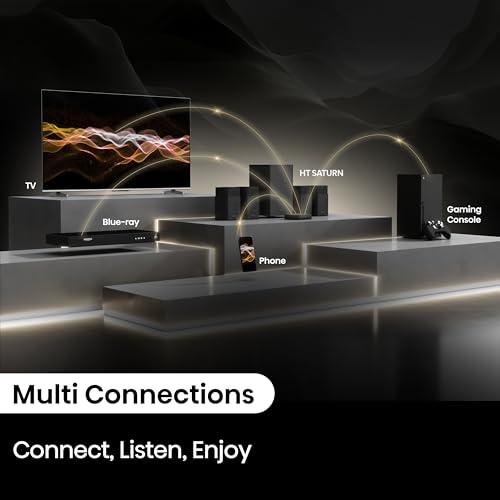
Both systems offer modern connectivity options, though with different emphases. The Hisense HT Saturn includes newer Bluetooth 5.3 for improved wireless audio streaming and uses multiple wireless bands (2.4GHz, 5.2GHz, and 5.8GHz) to maintain stable connections between all its components, even in crowded wireless environments.
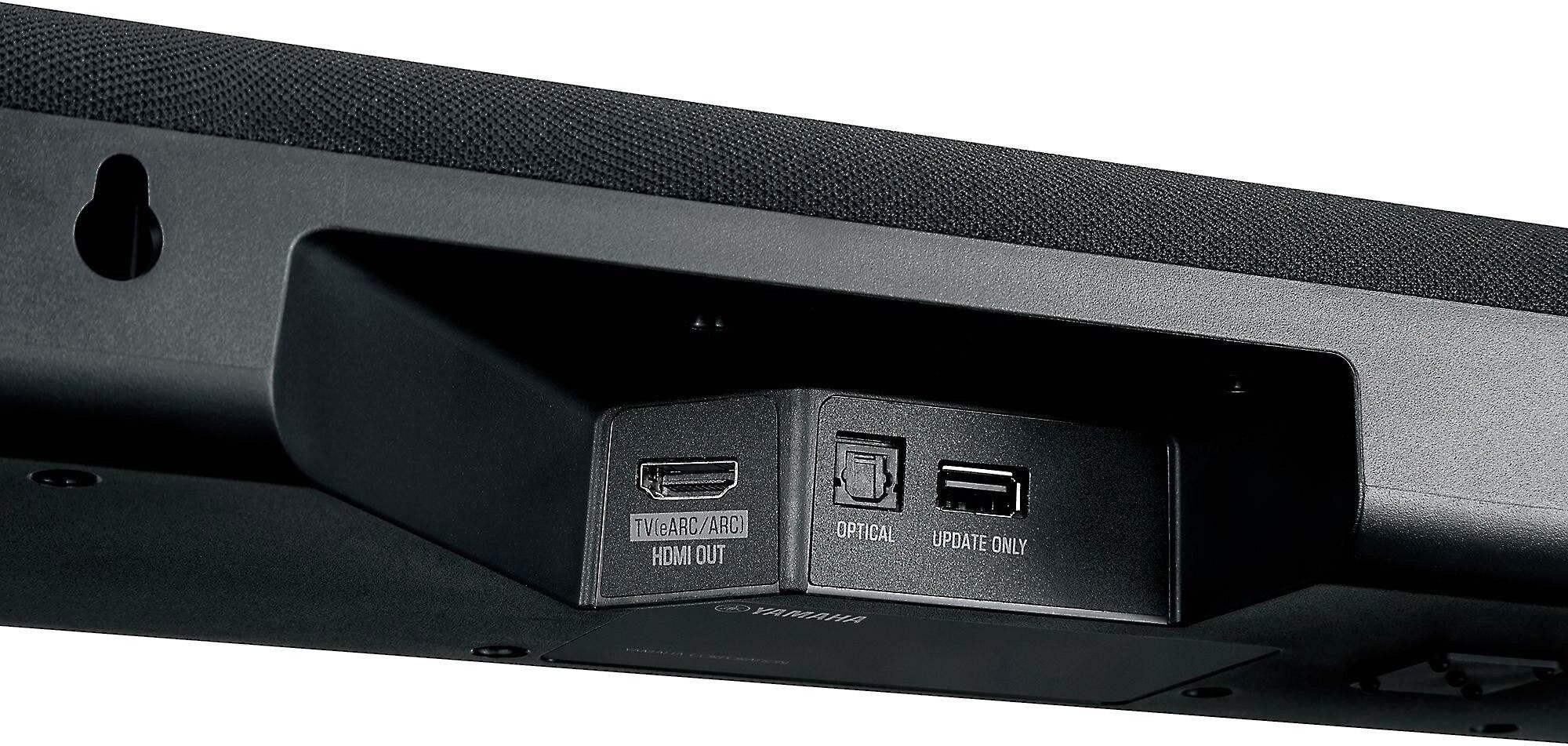
The Yamaha SR-B40A focuses on essential connections with HDMI ARC, optical input, and Bluetooth 5.1. While it lacks some of the advanced wireless features of the Hisense, it offers rock-solid reliability and broad compatibility with older TVs and devices.
Both systems work with dedicated smartphone apps for advanced control and customization, though the Hisense HT Saturn offers more extensive tuning options through its partnership with premium audio company Devialet.
At the time of writing, these systems target completely different budget categories, with the Yamaha SR-B40A costing roughly one-fifth the price of the Hisense HT Saturn. This price difference reflects fundamental differences in complexity, component count, and target audience.
The Yamaha SR-B40A delivers exceptional value for budget-conscious buyers who want meaningful TV audio improvement without complexity. It's a mature, refined product that does exactly what most people need from a sound bar: clearer dialogue, better bass, and a wider soundstage than TV speakers.
The Hisense HT Saturn competes not against traditional sound bars but against full home theater systems costing significantly more. For buyers willing to invest in proper setup and room treatment, it offers authentic surround sound and Atmos performance that was previously impossible without running speaker wires throughout your room.
Gaming performance highlights another key difference between these systems. The Hisense HT Saturn excels with modern games that include Dolby Atmos or DTS:X soundtracks, providing precise positional audio that can give competitive advantages in first-person shooters while creating incredible immersion in single-player adventures.
The Yamaha SR-B40A offers a dedicated Game mode that optimizes for dialogue clarity and reduces audio lag, making it excellent for gaming where clear communication and quick response times matter more than surround immersion.
For streaming content, both systems handle Netflix, Disney+, and other services well, though the Hisense HT Saturn provides a more cinematic experience when watching Atmos-enabled movies, while the Yamaha SR-B40A makes dialogue-heavy series and documentaries more enjoyable through its Clear Voice processing.
The decision between these systems ultimately comes down to your priorities, room, and commitment level. Choose the Yamaha SR-B40A if you want immediate improvement over TV speakers without complexity, have a smaller room, prioritize dialogue clarity, or simply want excellent performance without breaking the budget. It's also the clear winner for apartment dwellers, renters who can't install multiple speakers, or anyone who wants to upgrade multiple rooms affordably.
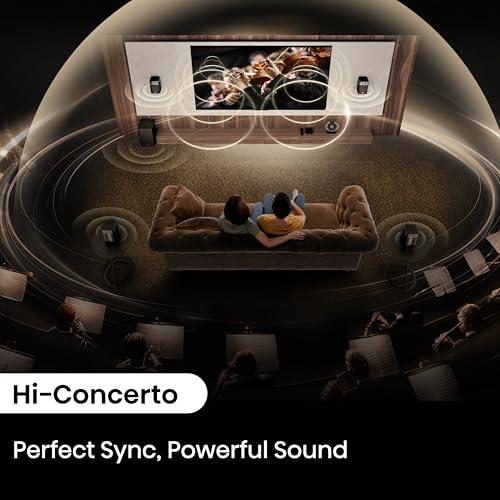
The Hisense HT Saturn makes sense for dedicated home theater enthusiasts with larger rooms who want authentic surround sound and are willing to invest time in proper setup. It's particularly compelling for homeowners who can take advantage of the wall-mounting options and room calibration features, or for buyers who already own Hisense TVs and can leverage the Hi-Concerto integration.
Both systems represent thoughtful approaches to improving TV audio, but they solve different problems for different users. The Yamaha focuses on doing the basics exceptionally well, while the Hisense pushes the boundaries of what's possible in a wireless speaker system. Your choice should align with your room, budget, and how seriously you take your home entertainment audio.
| Hisense HT Saturn HTSATURN 4.1.2Ch | Yamaha SR-B40A 2.1-Channel |
|---|---|
| Channel Configuration - Determines spatial audio capability and immersion level | |
| True 4.1.2 with 13 physical speakers across 5 components | Traditional 2.1 with virtual surround processing |
| Speaker Setup - Affects installation complexity and room requirements | |
| 4 wireless satellite speakers + subwoofer requiring room positioning | Single soundbar + wireless subwoofer, minimal setup |
| Dolby Atmos Implementation - Critical for overhead sound effects | |
| Physical up-firing drivers in satellites bounce sound off ceiling | Virtual Atmos processing simulates height effects |
| Audio Format Support - Compatibility with different movie and game soundtracks | |
| Dolby Atmos, DTS:X, Dolby TrueHD, DTS-HD Master Audio | Dolby Atmos only (no DTS:X support) |
| Total Power Output - Impacts volume capability and dynamic range | |
| 500W total (marketing spec, ~180W actual RMS) | 200W total RMS (more realistic rating) |
| Subwoofer Size - Affects bass depth and room-filling capability | |
| 6.5" wireless down-firing with Room Fitting Tuning | 6.25" wireless with Yamaha Active Servo Technology |
| Room Size Optimization - Determines ideal installation environment | |
| Medium to large rooms (250+ sq ft) with proper acoustics | Small to medium rooms (up to 250 sq ft) |
| Connectivity Options - Modern device compatibility and future-proofing | |
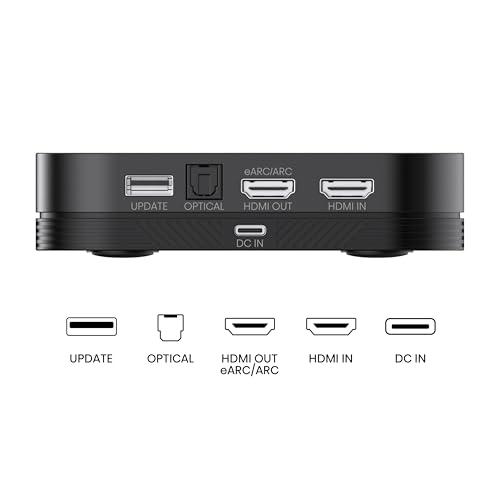
| HDMI eARC, Optical, Bluetooth 5.3, USB (service only) | HDMI ARC, Optical, Bluetooth 5.1 |
| Room Calibration Technology - Automatic optimization for your space | |
| Room Fitting Tuning via compatible Hisense TVs | No automatic room correction |
| Dialogue Enhancement - Clarity for speech-heavy content | |
| Phantom center channel with manual EQ adjustment | Dedicated Clear Voice technology |
| Special Features - Brand partnerships and unique technologies | |
| Devialet tuning, Hi-Concerto TV integration, EZ-Play | Yamaha True Sound engineering, multiple sound modes |
| Installation Requirements - Space and complexity considerations | |
| Wall mounts included, requires 4 speaker positions + power outlets | Plug-and-play, single HDMI connection |
| Target Use Case - Best suited applications | |
| Dedicated home theater enthusiasts wanting authentic surround | TV audio upgrade focused on simplicity and dialogue clarity |
The Hisense HT Saturn is significantly better for large rooms thanks to its 4.1.2 channel configuration with four wireless satellite speakers that can be positioned around the room. This creates authentic surround sound that fills larger spaces effectively. The Yamaha SR-B40A works best in small to medium rooms where its 2.1 channel virtual processing can provide adequate coverage.
The Hisense HT Saturn uses a true 4.1.2 setup with four main speakers, one subwoofer, and two height channels for Dolby Atmos overhead effects. The Yamaha SR-B40A has a simpler 2.1 configuration with left and right channels plus a subwoofer, using digital processing to simulate surround sound rather than physical speakers.
The Yamaha SR-B40A is much easier to install, requiring only a single HDMI connection and automatic wireless pairing with the subwoofer. The Hisense HT Saturn requires positioning four satellite speakers around your room, each needing power outlets, making installation significantly more complex but offering better performance when properly set up.
Yes, both systems support Dolby Atmos, but in different ways. The Hisense HT Saturn uses physical up-firing drivers in its satellite speakers to bounce sound off your ceiling for authentic overhead effects. The Yamaha SR-B40A uses virtual Dolby Atmos processing to simulate height effects through digital signal processing from its main soundbar.
The Yamaha SR-B40A typically provides superior dialogue clarity thanks to its dedicated Clear Voice technology that specifically enhances speech frequencies while reducing background noise. While the Hisense HT Saturn handles dialogue well through its phantom center channel, it doesn't have the same speech-focused processing as the Yamaha system.
The Hisense HT Saturn supports more audio formats including Dolby Atmos, DTS:X, Dolby TrueHD, and DTS-HD Master Audio, making it more versatile for different content sources. The Yamaha SR-B40A supports Dolby Atmos and standard formats but lacks DTS:X compatibility, which may limit compatibility with some gaming and streaming content.
For dedicated home theater setups, the Hisense HT Saturn provides a more authentic cinematic experience with its true surround sound, physical Atmos speakers, and comprehensive format support. The Yamaha SR-B40A is better suited for casual TV watching and smaller spaces where simplicity and dialogue clarity are priorities over immersive surround effects.
Both systems include wireless subwoofers, but the Hisense HT Saturn features a slightly larger 6.5-inch driver with Room Fitting Tuning for automatic bass optimization. The Yamaha SR-B40A uses a 6.25-inch subwoofer with Yamaha's Active Servo Technology for clean, controlled bass response that works well in smaller rooms.
The Yamaha SR-B40A offers exceptional value for budget-conscious buyers, delivering significant TV audio improvement at a fraction of the cost. The Hisense HT Saturn provides better value in the premium category, offering true multi-channel surround sound capabilities that typically require much more expensive separate component systems.
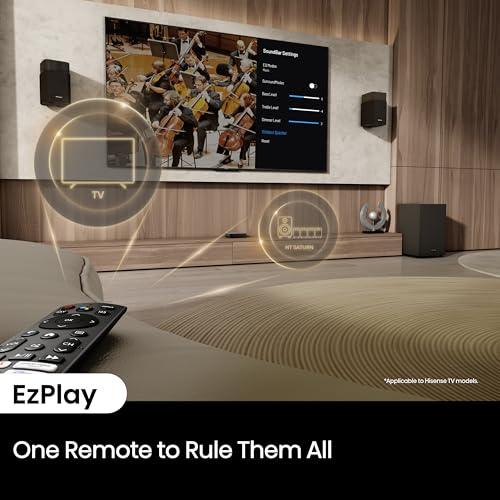
Both systems offer TV remote compatibility through HDMI CEC technology. The Yamaha SR-B40A provides straightforward remote control integration for basic functions. The Hisense HT Saturn includes EZ-Play technology for enhanced TV integration, plus dedicated smartphone apps for advanced control and customization of both systems.
The Hisense HT Saturn excels for gaming with its support for both Dolby Atmos and DTS:X, providing precise positional audio that can enhance competitive gaming and create immersive single-player experiences. The Yamaha SR-B40A offers a dedicated Game mode optimized for clear dialogue and reduced audio lag, making it suitable for gaming where communication clarity matters most.
The Hisense HT Saturn offers more advanced connectivity with HDMI eARC, newer Bluetooth 5.3, and support for high-resolution audio formats. The Yamaha SR-B40A provides essential connections including HDMI ARC, optical input, and Bluetooth 5.1, covering all basic needs while maintaining broad compatibility with older devices and TVs.
We've done our best to create useful and informative comparisons to help you decide what product to buy. Our research uses advanced automated methods to create this comparison and perfection is not possible - please contact us for corrections or questions. These are the sites we've researched in the creation of this article: bestbuy.com - youtube.com - blog.son-video.com - youtube.com - youtube.com - techradar.com - ecoustics.com - jbhifi.com.au - shop.hisense-usa.com - bhphotovideo.com - bestbuy.com - digitalreviews.net - hisense-usa.com - projectorscreenstore.com - valueelectronics.com - dolby.com - giftpack.ai - crutchfield.com - visions.ca - shop.usa.yamaha.com - bestbuy.com - bestbuy.com - usa.yamaha.com - my.yamaha.com - europe.yamaha.com - adorama.com - usa.yamaha.com - digitalhomecreations.com - europe.yamaha.com - sundownone.com

Privacy Policy
Terms and Conditions - Affiliate Policy
Home Security
© Copyright 2008-2026.
11816 Inwood Rd #1211, Dallas, TX 75244