






The home theater audio landscape changed dramatically in recent years, creating two distinct paths for upgrading your TV's built-in speakers. You've got traditional soundbars that try to simulate surround sound from a single unit, and the newer wireless multi-speaker systems that actually position speakers around your room. Both approaches have their merits, but they deliver fundamentally different experiences.
Understanding these differences matters because audio quality significantly impacts how much you enjoy movies, shows, and games. Poor dialogue clarity ruins dramatic moments, while missing spatial effects diminishes action sequences. The right audio system transforms your living room into an immersive entertainment space—the wrong choice leaves you wondering why you bothered upgrading at all.
Traditional soundbars emerged in the early 2010s as a simple solution to terrible TV speakers. They pack multiple drivers into a single horizontal enclosure, using digital signal processing to create the illusion of surround sound. This virtualization technology has improved considerably, but it's still fundamentally trying to trick your ears into hearing effects that aren't really positioned around you.
Wireless multi-speaker systems represent a newer approach that gained traction around 2020. Instead of simulation, they physically place speakers throughout your room while eliminating the wire-running hassles that traditionally made surround sound installation complex. This technology has matured rapidly, with 2025 releases offering sophisticated room calibration and seamless TV integration.
The core difference comes down to physics versus processing power. Virtualized surround uses clever algorithms to manipulate audio timing and frequency response, making your brain think sounds come from locations they don't. True surround physically positions speakers where the effects should originate, creating genuine spatial audio that your ears naturally interpret as three-dimensional sound.
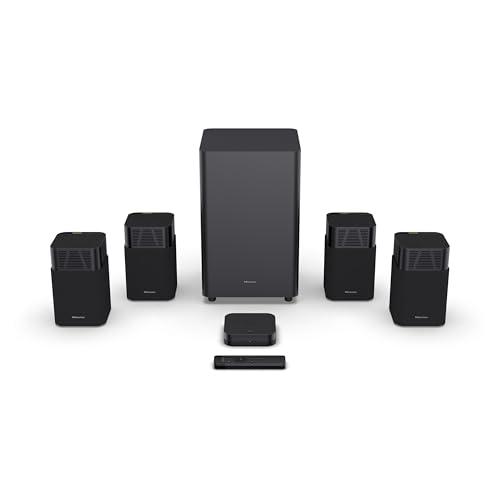
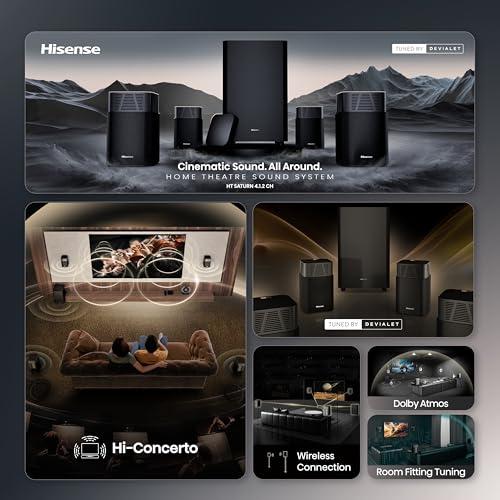
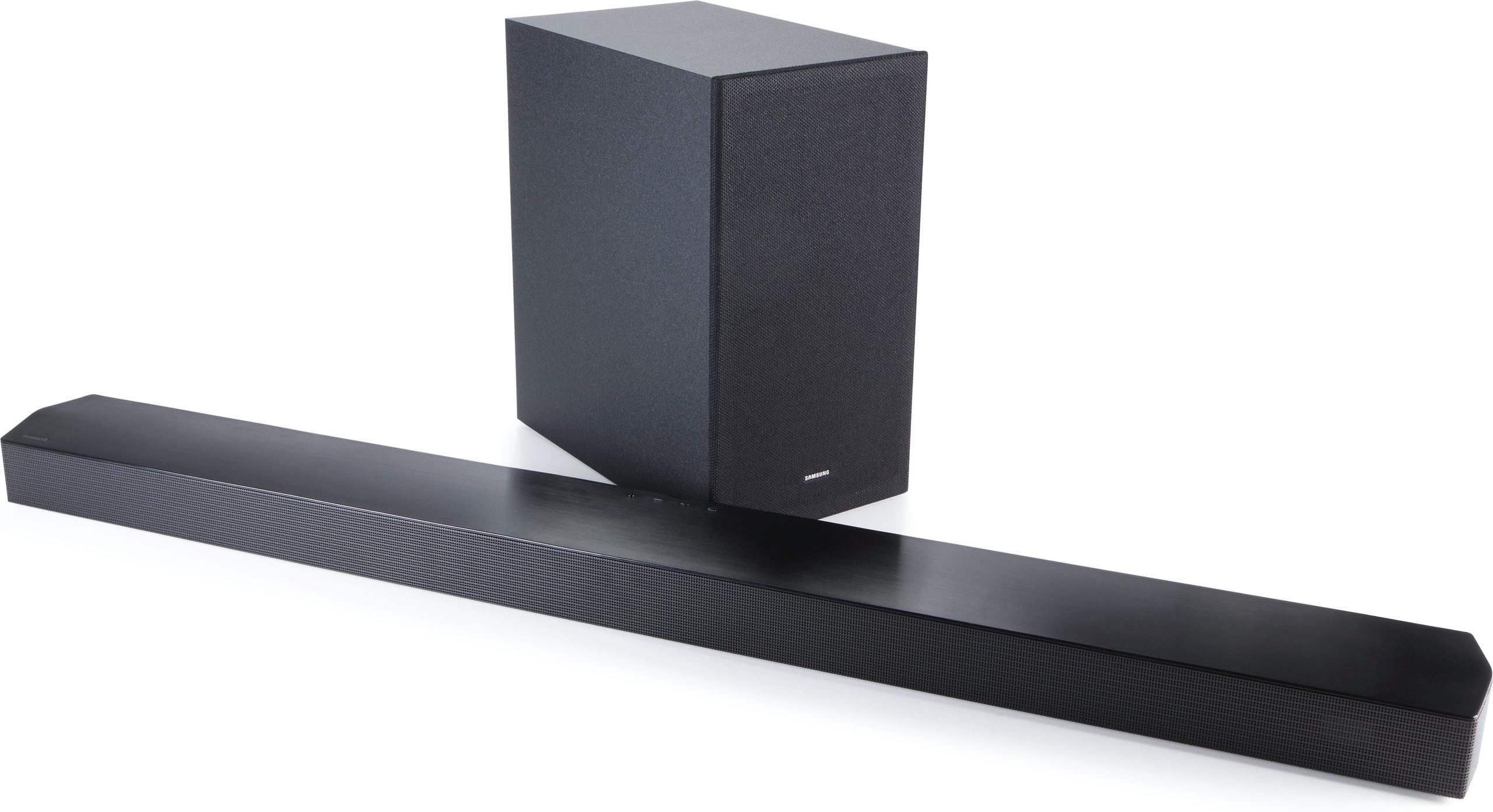
The Hisense HT Saturn HTSATURN and Samsung B-Series 5.1 represent these two philosophies perfectly. Released in 2025, the Hisense system embodies the wireless multi-speaker revolution with four separate satellite units plus a subwoofer creating true 4.1.2-channel surround. The Samsung B-Series, updated in 2024, follows the refined traditional soundbar approach with virtualization technology in a single main unit plus wireless subwoofer.
At the time of writing, these products sit in different price tiers—the Hisense HT Saturn commands a premium price reflecting its advanced technology, while the Samsung B-Series offers excellent value in the affordable soundbar category. This price difference reflects not just marketing positioning, but fundamentally different approaches to solving the same problem.
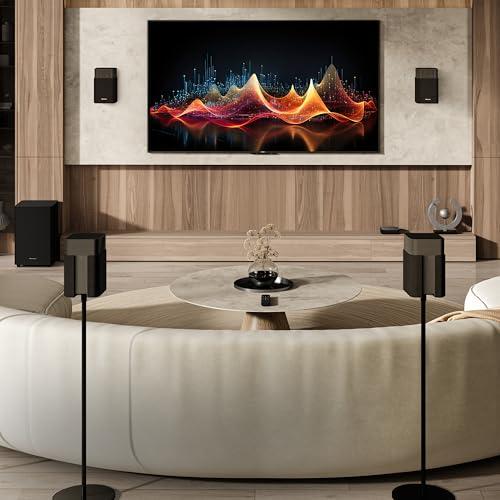
The most significant performance difference between these systems lies in spatial accuracy—how convincingly they position sounds around you. The Hisense HT Saturn achieves this through brute-force physics: four satellite speakers physically positioned around your seating area, each containing multiple drivers optimized for different frequency ranges.
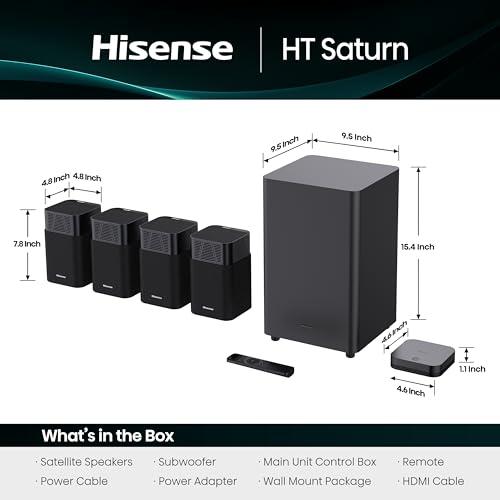
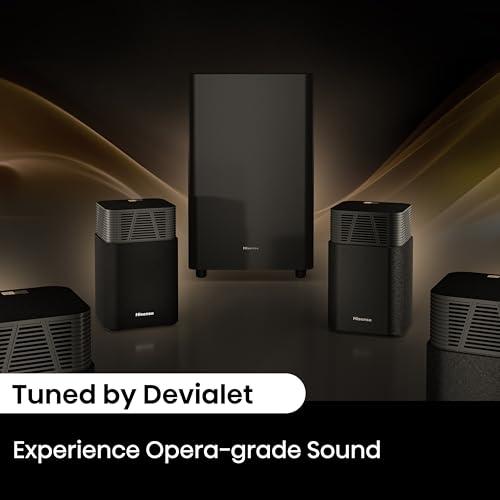
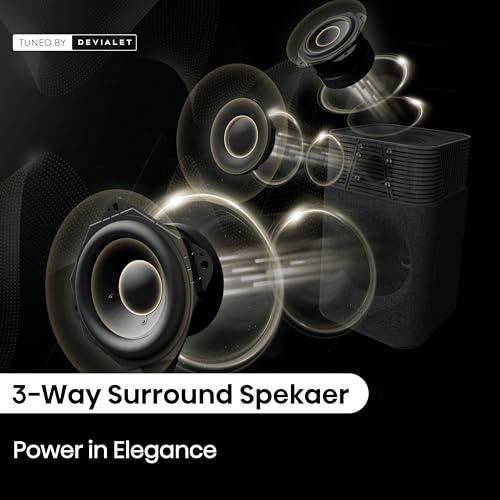
Each satellite in the Hisense system uses a three-way design, meaning it has separate drivers handling bass, midrange, and treble frequencies. This separation prevents the muddiness that occurs when a single driver tries to reproduce everything from explosions to whispered dialogue. With 13 total speakers across the system (eight full-range drivers, four tweeters, and one subwoofer), the HT Saturn creates what reviewers consistently describe as a "360-degree audio bubble."
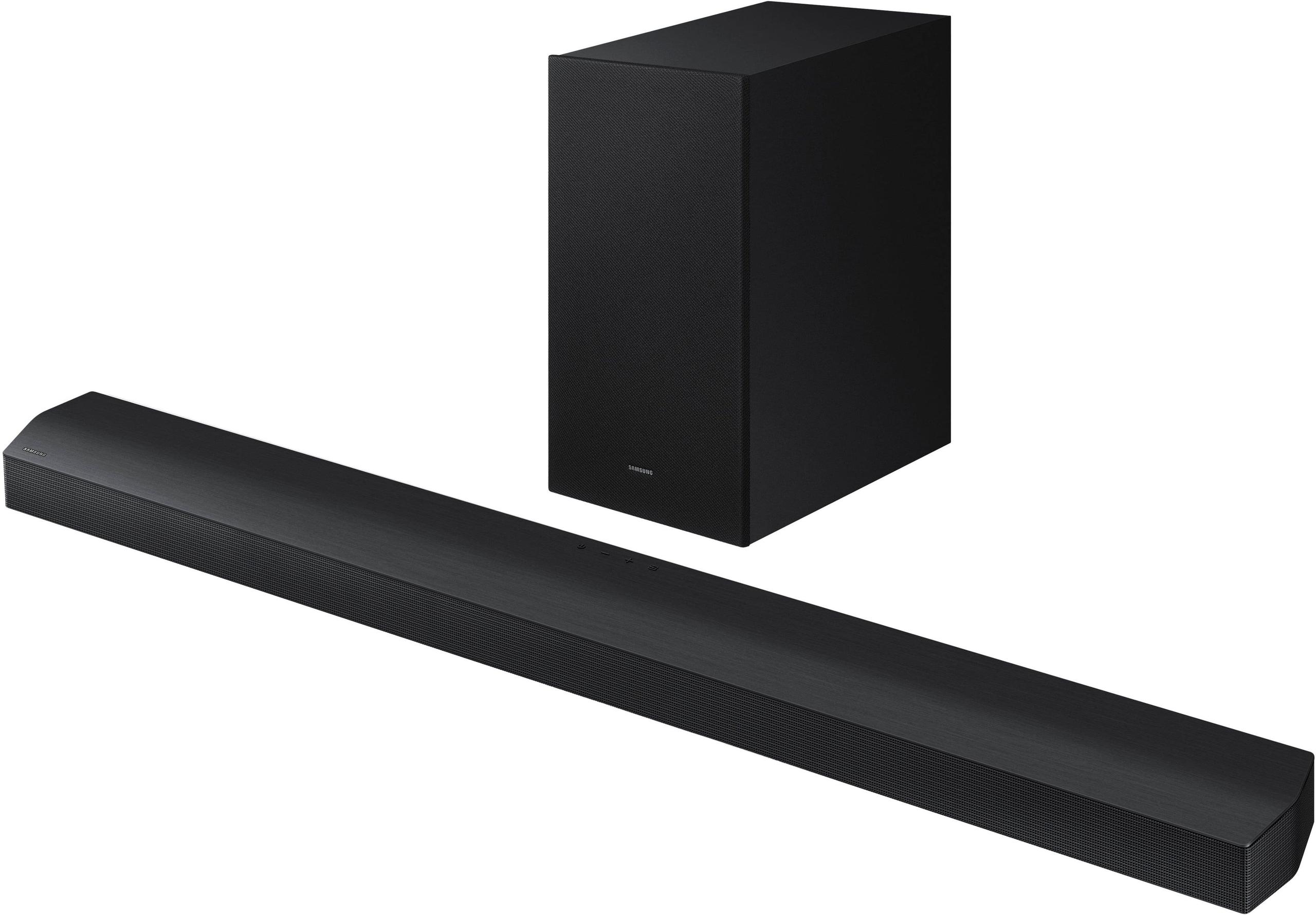
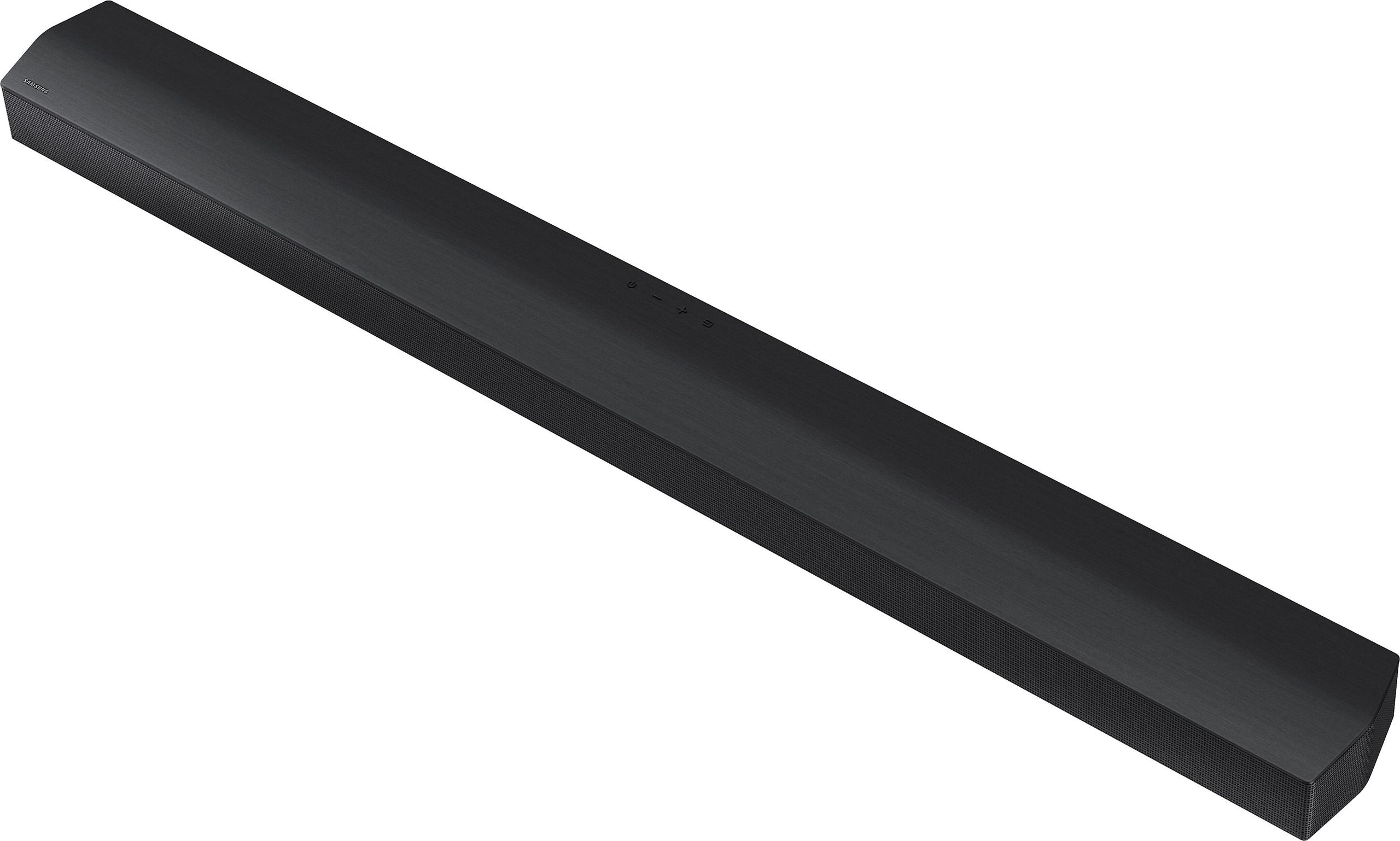
The Samsung B-Series, conversely, uses DTS Virtual:X processing to simulate surround effects from its six-speaker soundbar configuration. DTS Virtual:X is sophisticated technology that analyzes incoming audio and manipulates timing, phase relationships, and frequency response to trick your brain into perceiving directional effects. It works by exploiting how your ears naturally interpret sound reflections and timing differences to determine location.
For dialogue clarity, both systems excel but through different methods. The Samsung's dedicated center channel speaker ensures voices remain anchored to the screen, a tried-and-true approach that works reliably across different room configurations. The Hisense system creates a "phantom center" by precisely balancing output between its left and right front satellites—a technique that can sound more natural but requires careful calibration.
Based on expert reviews and user feedback, the spatial differences are immediately apparent. The Hisense HT Saturn places effects with pinpoint accuracy—helicopter sounds genuinely seem to move overhead, while gunfire in action movies comes from specific directions around the room. The Samsung system creates a wider, more enveloping soundstage than TV speakers, but effects remain anchored to the front of the room rather than truly surrounding you.
Power specifications tell an important story about how these systems handle demanding content. The Hisense HT Saturn distributes 720 watts across its 13 speakers, allowing each component to specialize in its frequency range without strain. This distributed approach means dialogue drivers aren't trying to simultaneously reproduce explosion sound effects, maintaining clarity during complex soundtracks.
Dynamic range—the difference between the quietest and loudest sounds a system can reproduce—benefits enormously from this approach. Movie soundtracks often jump from whispered conversations to thunderous action sequences within seconds. The Hisense system's distributed power handling prevents the compression that occurs when a single amplifier tries to manage these extremes.
The Samsung B-Series takes a more efficient approach, focusing its power budget on proven driver configurations that deliver maximum impact from a single enclosure. While specific power ratings vary across Samsung's B-Series models, the emphasis remains on delivering clear dialogue and punchy bass rather than ultimate dynamic range.
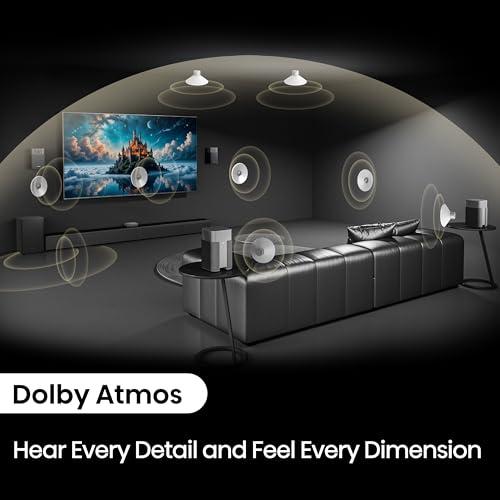
Height effects represent perhaps the most dramatic difference between these approaches. Dolby Atmos—the object-based audio format that adds overhead dimension to surround sound—requires specific speaker positioning to work properly. The format treats sounds as objects that can move freely through three-dimensional space, including above the listener.
The Hisense HT Saturn includes dedicated height channels through upward-firing drivers in its front satellites. These speakers bounce sound off your ceiling, creating the illusion that effects originate from above. For this to work effectively, you need adequate ceiling height and reflective surfaces—something the system's room calibration technology helps optimize.
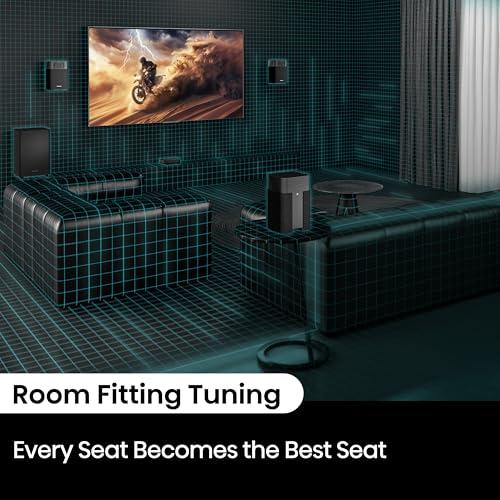
Room calibration has become increasingly sophisticated in recent years. The Hisense system includes "Room Fitting Tuning" that analyzes your space's acoustic characteristics and automatically adjusts timing, levels, and EQ to optimize height effects. This technology measures how sound reflects in your specific room and compensates for challenging acoustics.
The Samsung B-Series uses DTS Virtual:X to simulate height effects through psychoacoustic processing. This approach analyzes incoming Dolby Atmos signals and creates the impression of overhead effects using the soundbar's existing drivers. While clever, it can't replicate the genuine three-dimensional immersion of physical height speakers.
Based on consensus reviews, the difference in height effects is substantial. Users consistently report that the Hisense system delivers convincing overhead rain effects, aircraft flyovers, and ambient environmental sounds. The Samsung system widens the soundstage and improves dialogue clarity but doesn't achieve the same vertical dimension.
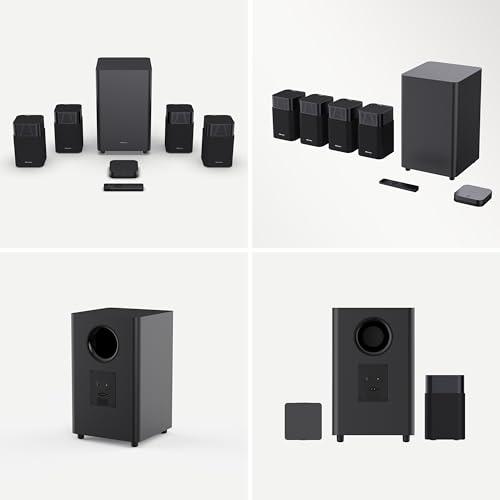
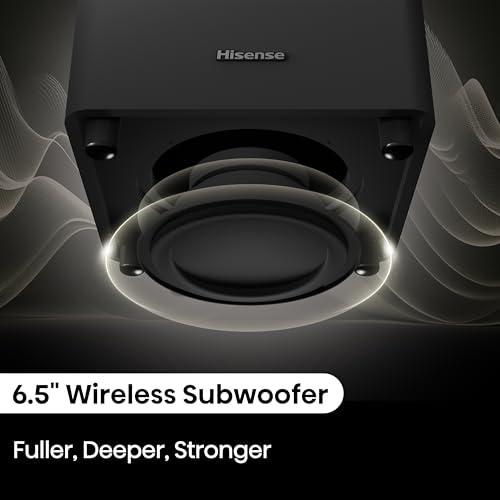
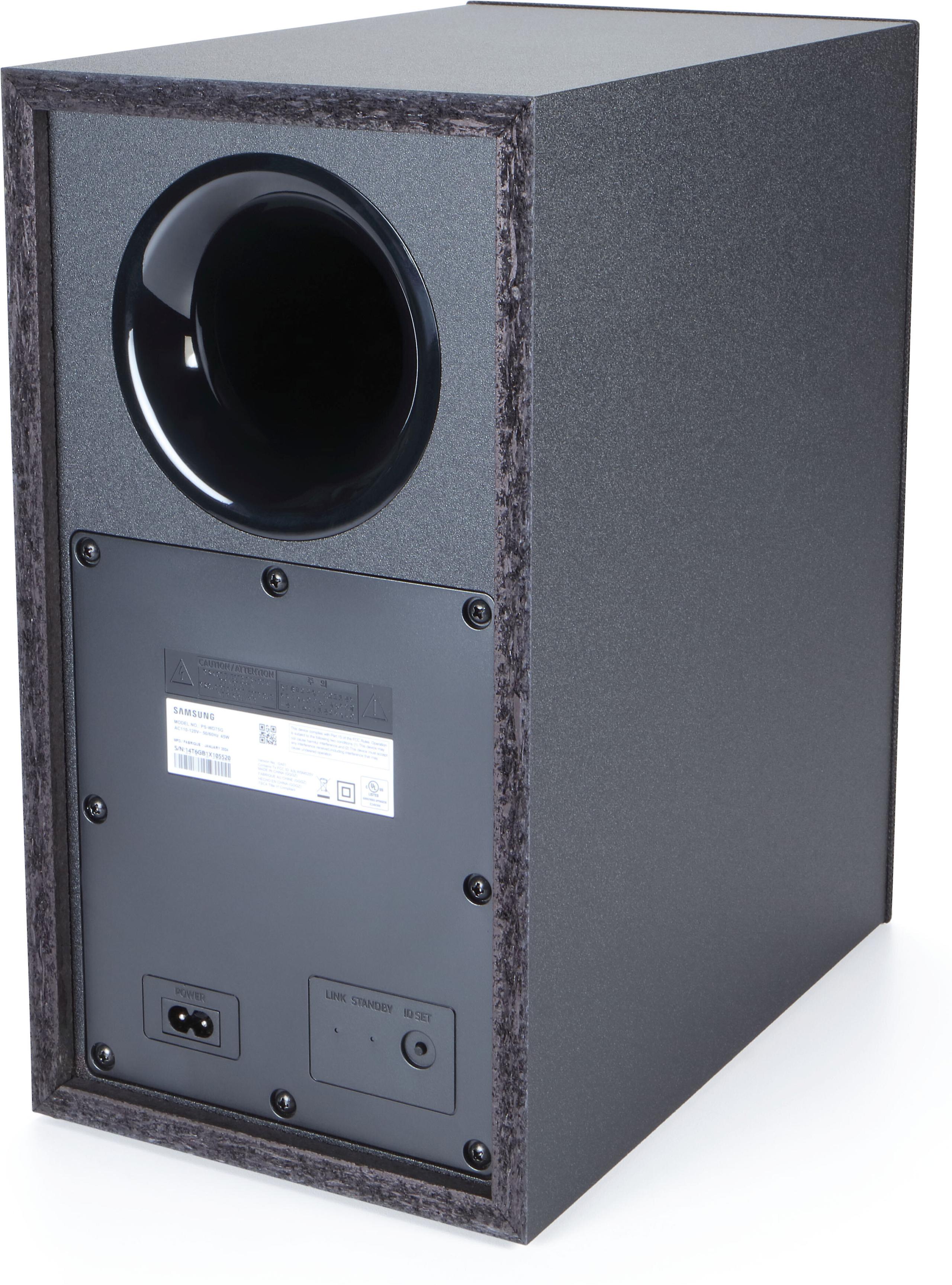
Both systems include wireless subwoofers, but their integration approaches differ significantly. The Hisense HT Saturn uses a 6.5-inch down-firing subwoofer specifically tuned to complement its satellite speakers. The crossover point—the frequency where the subwoofer hands off to the main speakers—is carefully calibrated so transitions remain seamless during complex soundtracks.
Subwoofer placement flexibility matters more than many people realize. Since bass frequencies are largely non-directional, you can position subwoofers away from the main speakers to optimize room response. Both systems offer this flexibility through wireless connectivity, but the Hisense system's distributed satellite approach means you're not tied to a specific main unit location.
The Samsung B-Series includes Bass Boost mode and adaptive EQ that automatically adjusts low-frequency response based on content type. This intelligent processing helps maintain punchy bass for action sequences while preventing overwhelming rumble during dialogue scenes.
Low-frequency extension—how deep into the bass spectrum each system reaches—affects the physical impact of movie effects. Explosions, earthquakes, and other dramatic effects rely on frequencies below 50Hz to create that chest-thumping sensation. The Hisense subwoofer extends down to 40Hz, providing substantial low-end impact for medium-sized rooms.
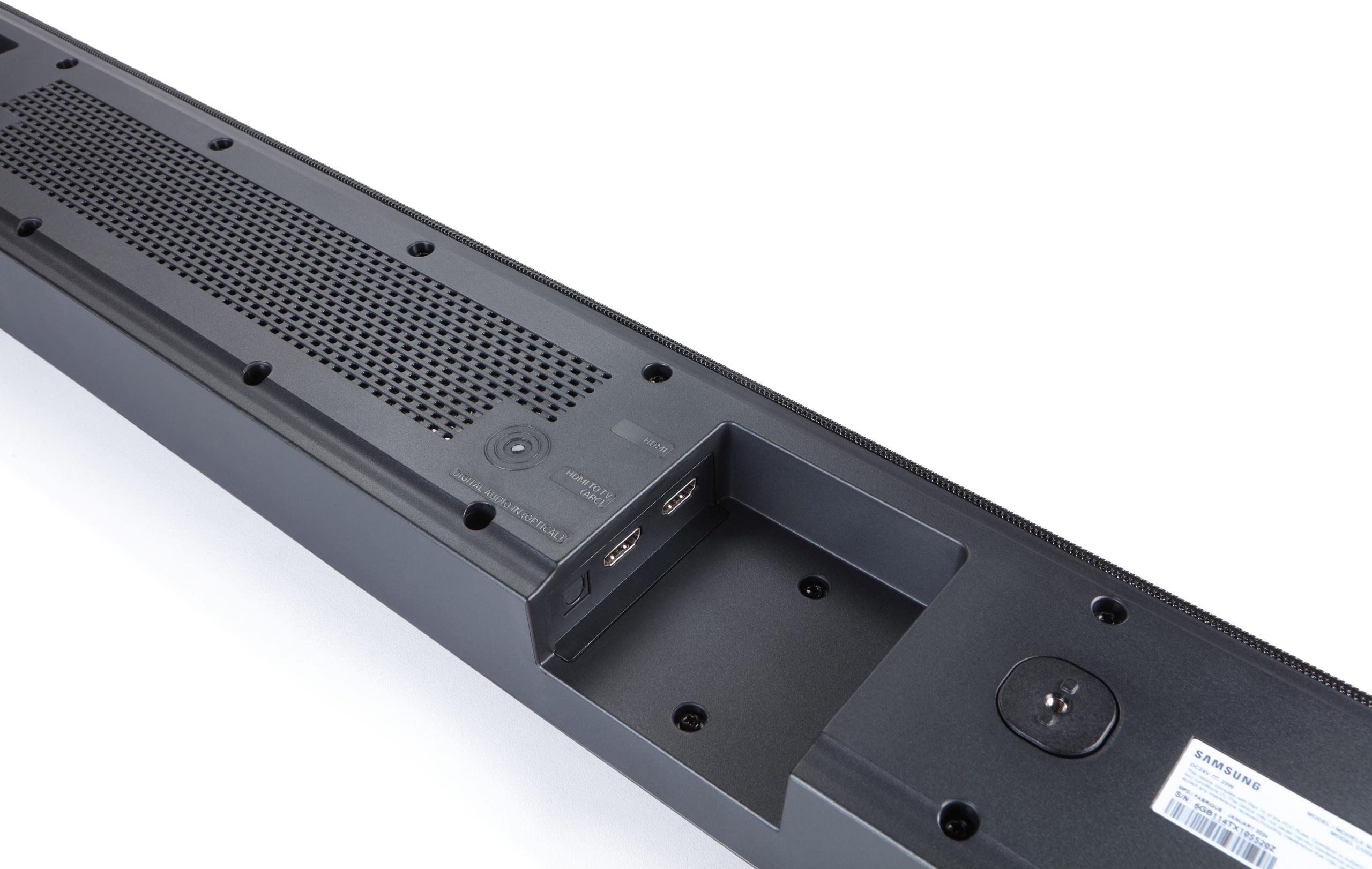
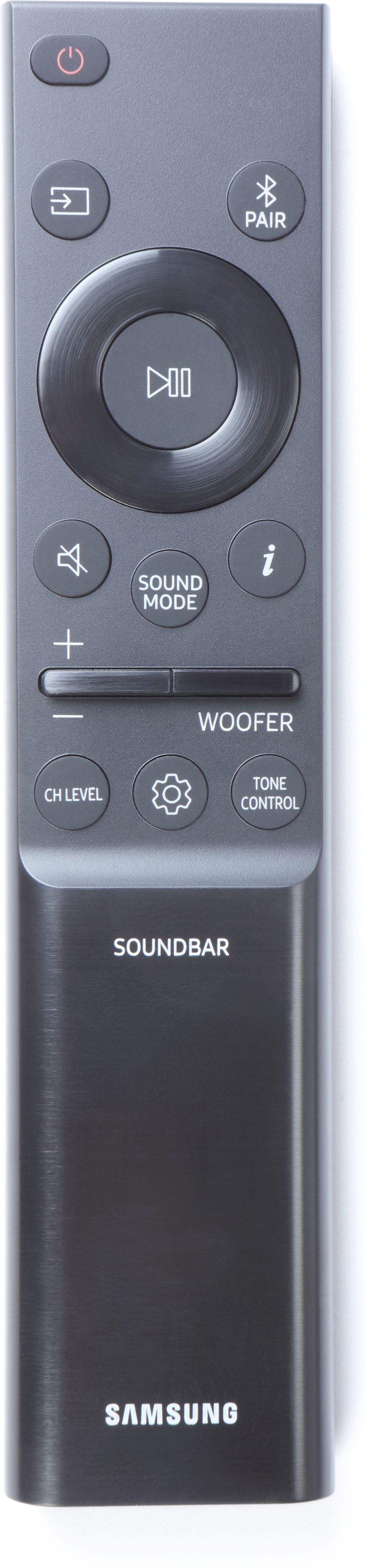
Installation complexity represents the biggest practical difference between these approaches. The Samsung B-Series follows the traditional soundbar model: position the main unit below your TV, place the wireless subwoofer somewhere in the room, and connect via HDMI or optical cable. Most users report setup times around 15 minutes.
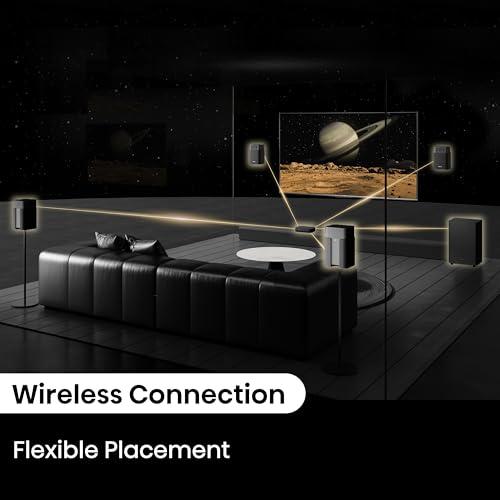
The Hisense HT Saturn requires more thoughtful planning. You'll need to position four satellite speakers around your seating area, each requiring access to power outlets. The included wall mounts provide flexibility, but optimal performance depends on proper placement relative to your seating position and ceiling height.
However, the Hisense system's wireless approach eliminates the cable-running nightmare traditionally associated with surround sound. Each satellite connects wirelessly using three frequency bands (2.4G, 5.2G, and 5.8G) to avoid interference from Wi-Fi networks and other devices. This multi-band approach ensures stable connections even in crowded wireless environments.
Room size considerations affect both systems differently. The Samsung soundbar works well in most spaces but may struggle to fill very large rooms with convincing surround effects. The Hisense system scales better to larger spaces since you can position speakers at appropriate distances from the seating area.
Modern soundbars have evolved beyond simple audio reproduction to include intelligent processing and seamless device integration. Both systems offer multiple listening modes optimized for different content types, but their approaches reflect their fundamental philosophies.
The Hisense HT Saturn includes seven distinct sound modes (Standard, Movie, Music, Sport, Game, News, Night) plus AI processing that analyzes incoming audio in real-time. This AI component automatically adjusts EQ, dynamic range, and surround processing based on content characteristics—boosting dialogue clarity during TV shows while enhancing spatial effects during action movies.
Night Mode has become essential for apartment living and late-night viewing. Both systems compress dynamic range during quiet hours, but the Hisense system's distributed speaker approach provides more granular control over this compression, maintaining detail while reducing peak volumes.
The Samsung B-Series offers SpaceFit Sound technology that uses built-in microphones to analyze room acoustics and automatically adjust audio output. This feature represents Samsung's approach to simplified optimization—providing benefits without requiring user expertise or manual adjustment.
Voice enhancement deserves special attention since dialogue clarity remains the primary complaint about TV audio. The Samsung's dedicated center channel provides reliable voice reproduction, while the Hisense system's phantom center approach can sound more natural but requires precise calibration to maintain stability across different seating positions.
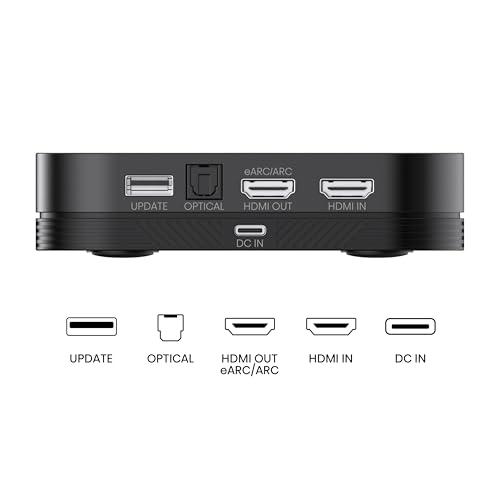
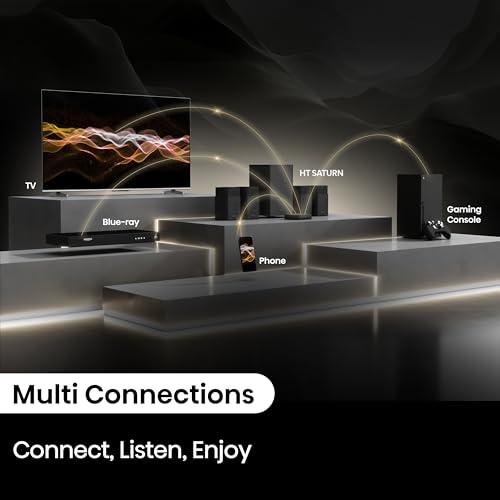
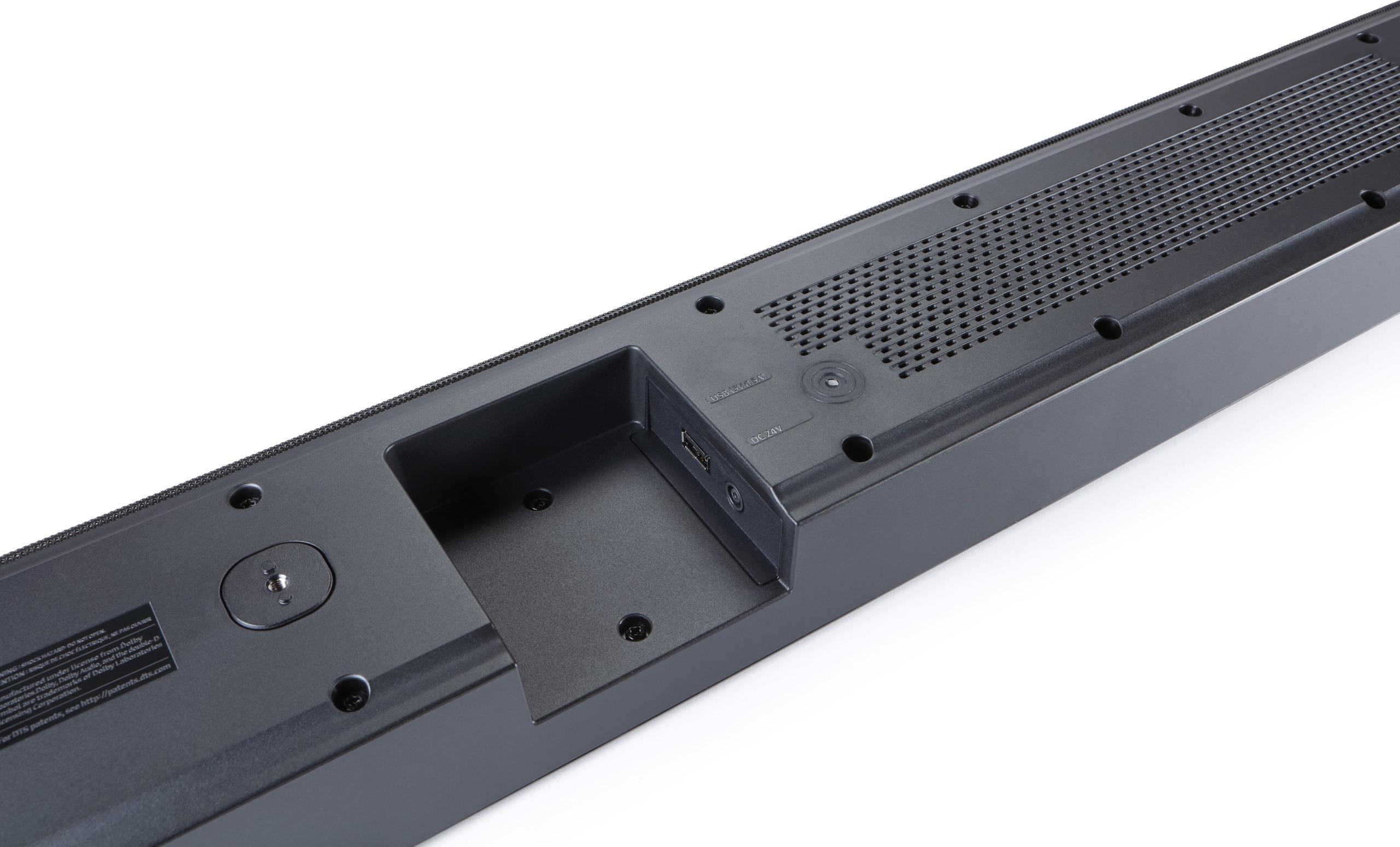
Both systems support modern connectivity standards, but with different emphases. HDMI eARC (enhanced Audio Return Channel) has become the preferred connection method, supporting high-bandwidth audio formats like Dolby TrueHD-based Atmos without compression. Both systems handle 4K video pass-through, ensuring compatibility with modern gaming consoles and streaming devices.
Bluetooth connectivity varies between the systems. The Hisense HT Saturn uses Bluetooth 5.3, offering improved range, stability, and energy efficiency compared to earlier versions. The Samsung B-Series includes dual-device Bluetooth pairing, allowing two smartphones to stay connected simultaneously for easy music sharing.
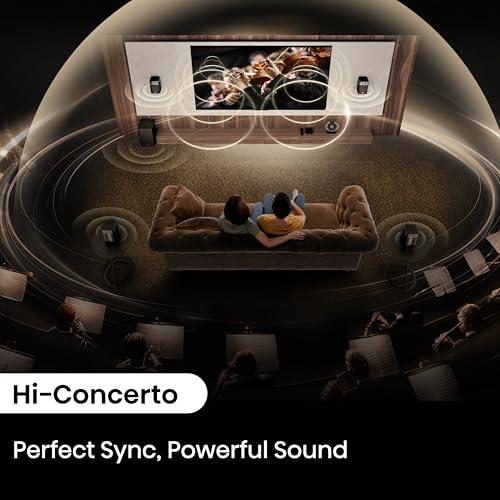
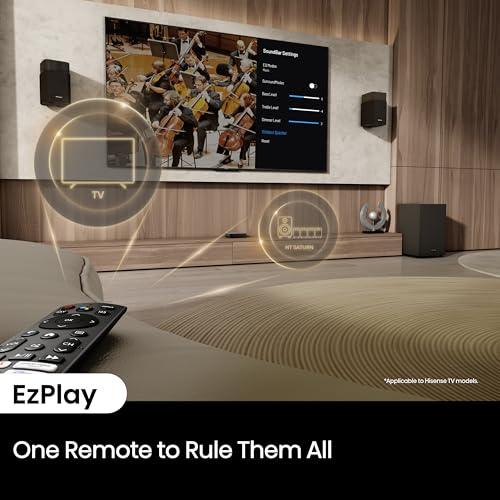
The Hisense system includes unique integration features for Hisense TV owners. Hi-Concerto technology allows the system to work in conjunction with the TV's built-in speakers, creating an even wider soundstage by utilizing every available driver. EzPlay enables direct control of soundbar settings through the TV's interface, simplifying operation to a single remote.
At the time of writing, these products represent different value propositions based on your priorities and budget flexibility. The Samsung B-Series delivers exceptional value for users seeking immediate, substantial improvement over TV speakers without complex installation or premium pricing.
The investment in the Hisense HT Saturn makes sense for users prioritizing ultimate audio quality and willing to accommodate multiple speakers. The technology represents a more future-proof approach as content creators increasingly embrace object-based audio formats like Dolby Atmos.
Consider the total cost of ownership beyond initial purchase price. The Samsung system requires no additional components and works optimally out of the box. The Hisense system includes everything needed for its full feature set, but optimal performance may require careful room treatment or furniture arrangement.
Expandability differs significantly between approaches. Traditional soundbars like the Samsung typically represent closed systems—you can't add components or upgrade individual elements. The Hisense system's modular wireless approach suggests potential future expandability, though specific upgrade paths remain to be seen.
Choose the Samsung B-Series if you want immediate, dramatic improvement over TV speakers with minimal hassle. It's ideal for apartments, smaller rooms, or situations where you can't position multiple speakers. The system excels for users who primarily watch TV shows and movies rather than gaming or music listening. Its broad compatibility makes it a safe choice regardless of your TV brand.
The Hisense HT Saturn makes sense for users committed to the best possible audio experience and willing to accommodate its requirements. It's particularly compelling for Hisense TV owners who can utilize the full integration features. Large rooms, dedicated home theaters, and users who frequently enjoy action movies or games will appreciate the genuine spatial audio.
Consider your long-term plans when making this decision. If you're building toward a dedicated home theater space, the Hisense system provides a foundation for true reference-quality audio. If you want a simple upgrade that improves your current setup without major changes, the Samsung B-Series delivers excellent results with minimal effort.
The fundamental choice comes down to whether you value convenience and simplicity or are willing to embrace complexity for superior performance. Both approaches have evolved significantly in recent years, but they remain fundamentally different solutions to the challenge of bringing cinema-quality audio into your home.
| Hisense HT Saturn HTSATURN 4.1.2Ch | Samsung B-Series 5.1 Channel |
|---|---|
| Speaker Configuration - Determines how accurately sounds are positioned around you | |
| True 4.1.2 channel with 4 wireless satellite speakers + subwoofer (13 total speakers) | Traditional 5.1 soundbar with 6 speakers in main unit + wireless subwoofer |
| Audio Processing Technology - Core difference in how surround sound is created | |
| Physical speaker placement creates genuine spatial audio | DTS Virtual:X processing simulates surround effects from single bar |
| Dolby Atmos Support - Essential for overhead effects in modern movies | |
| Dedicated height channels with upward-firing drivers for true 3D audio | Virtual height effects through DTS Virtual:X processing |
| Total System Power - Affects dynamic range and volume capabilities | |
| 720W distributed across 13 speakers for specialized frequency handling | Energy-efficient design with moderate power optimized for single-unit operation |
| Installation Complexity - How much effort required to set up properly | |
| Requires positioning 4 satellites around room (wireless audio, power cables only) | Simple soundbar placement below TV, 15-minute setup |
| Bass Extension - Determines impact of explosions and low-frequency effects | |
| 6.5" wireless subwoofer extending to 40Hz for substantial low-end impact | Wireless subwoofer with Bass Boost mode for enhanced impact |
| Room Calibration Technology - Automatic optimization for your space | |
| Room Fitting Tuning analyzes acoustics and auto-adjusts for optimal performance | SpaceFit Sound uses microphones to adapt audio output to room characteristics |
| TV Integration Features - How well it works with your specific TV brand | |
| Hi-Concerto technology combines with Hisense TV speakers, EzPlay single-remote control | Universal HDMI ARC compatibility, works optimally with any TV brand |
| Connectivity Options - Future-proofing and device compatibility | |
| HDMI eARC, Bluetooth 5.3, Optical, 4K 60Hz pass-through | HDMI ARC, Bluetooth 4.2 with dual-device pairing, Optical, USB playback |
| Sound Modes and AI Processing - Automatic optimization for different content | |
| 7 sound modes + real-time AI content analysis with adaptive EQ | 4 primary modes including Game Pro and Adaptive Sound |
| Value Proposition - What you get for your investment | |
| Premium pricing for cutting-edge wireless surround technology and Devialet tuning | Exceptional value for dramatic TV audio improvement with minimal complexity |
The Hisense HT Saturn HTSATURN 4.1.2Ch uses four separate wireless satellite speakers positioned around your room to create true surround sound, while the Samsung B-Series 5.1 Channel is a traditional single soundbar that uses virtual surround technology to simulate directional effects. The Hisense system physically places sounds where they should be, while the Samsung relies on audio processing to create the illusion of surround sound.
The Samsung B-Series 5.1 Channel is significantly easier to install, requiring only placement of the main soundbar unit and wireless subwoofer with setup taking about 15 minutes. The Hisense HT Saturn requires positioning four satellite speakers around your room, each needing power outlets, though all audio connections are wireless. While more complex, the Hisense system eliminates traditional surround sound wiring hassles.
Yes, but they handle Dolby Atmos differently. The Hisense HT Saturn HTSATURN includes dedicated upward-firing speakers that bounce sound off your ceiling for genuine overhead effects. The Samsung B-Series uses DTS Virtual:X processing to simulate height effects from its existing drivers. For true three-dimensional Atmos experience, the Hisense system provides more convincing overhead audio positioning.
Both excel at dialogue clarity through different approaches. The Samsung B-Series 5.1 Channel uses a dedicated center channel speaker that anchors voices to the screen reliably. The Hisense HT Saturn creates a "phantom center" by balancing audio between front speakers, which can sound more natural but requires proper calibration. Most users find both systems dramatically improve dialogue over TV speakers.
Both include wireless subwoofers for flexible placement, but the Hisense HT Saturn features a 6.5-inch subwoofer extending down to 40Hz for substantial bass impact. The Samsung B-Series includes Bass Boost mode for enhanced low-frequency effects. The Hisense subwoofer is specifically tuned to integrate seamlessly with its satellite speakers, while the Samsung focuses on easy room integration with adaptive bass management.
The Hisense HT Saturn HTSATURN 4.1.2Ch performs better in larger spaces because you can position its satellite speakers at appropriate distances from your seating area. Its distributed 720W power across 13 speakers provides better coverage than a single soundbar unit. The Samsung B-Series works well in most rooms but may struggle to create convincing surround effects in very large spaces where virtual processing has limitations.
Both systems include dedicated gaming modes optimized for interactive entertainment. The Hisense HT Saturn offers Game mode as part of its seven sound presets, with AI processing that adapts to gaming audio characteristics. The Samsung B-Series 5.1 Channel includes Game Pro mode with cross-talk cancellation technology for precise enemy positioning. The Hisense system's true surround placement provides more accurate directional gaming audio.
Both support HDMI ARC/eARC connections for seamless TV integration and 4K video pass-through. The Hisense HT Saturn includes Bluetooth 5.3 with improved stability and range, while the Samsung B-Series offers Bluetooth 4.2 with dual-device pairing for simultaneous smartphone connections. Both include optical inputs for older TVs, making the Samsung system universally compatible across TV brands.
The Samsung B-Series 5.1 Channel provides exceptional value for users wanting significant audio improvement over TV speakers without complex installation. The Hisense HT Saturn HTSATURN justifies its premium pricing through cutting-edge wireless surround technology and Devialet audio tuning. Your choice depends on whether you prioritize affordability and simplicity versus ultimate audio performance and genuine spatial effects.
The Samsung B-Series is a closed system that cannot be expanded with additional components. The Hisense HT Saturn uses modular wireless technology that suggests potential future expandability, though specific upgrade paths aren't currently available. If you're planning to build a more advanced home theater system over time, the Hisense system's distributed approach provides a better foundation.
The Hisense HT Saturn HTSATURN 4.1.2Ch includes AI processing that analyzes incoming audio and automatically adjusts EQ, dialogue enhancement, and surround effects based on content type. It offers seven sound modes for different media. The Samsung B-Series 5.1 Channel provides Adaptive Sound technology with four primary modes that optimize audio characteristics for movies, music, sports, and gaming content.
The Samsung B-Series is more apartment-friendly due to its simpler single-unit design and night mode that compresses dynamic range for quieter listening. The Hisense HT Saturn also includes night mode but requires multiple speakers around the room, which may not be practical in smaller spaces. However, both systems offer significant audio improvement while maintaining neighbor-conscious volume control options for late-night viewing.
We've done our best to create useful and informative comparisons to help you decide what product to buy. Our research uses advanced automated methods to create this comparison and perfection is not possible - please contact us for corrections or questions. These are the sites we've researched in the creation of this article: bestbuy.com - youtube.com - blog.son-video.com - youtube.com - youtube.com - techradar.com - ecoustics.com - jbhifi.com.au - shop.hisense-usa.com - bhphotovideo.com - bestbuy.com - digitalreviews.net - hisense-usa.com - projectorscreenstore.com - valueelectronics.com - dolby.com - giftpack.ai - bestbuy.com - abt.com - avsforum.com - crutchfield.com - camelcamelcamel.com - samsung.com - samsung.com - samsung.com - images.samsung.com - samsung.com - avblinq.avbportal.com - samsung.com - samsung.com

Privacy Policy
Terms and Conditions - Affiliate Policy
Home Security
© Copyright 2008-2026.
11816 Inwood Rd #1211, Dallas, TX 75244