



When your TV's built-in speakers make dialogue sound like it's coming from inside a tin can, it's time to consider a soundbar upgrade. But the audio market in 2025 presents a fascinating choice: do you go for the latest premium wireless home theater system, or stick with a proven budget-friendly solution that gets the job done?
The Hisense HT Saturn and LG S40T represent two completely different philosophies in TV audio enhancement. One is a cutting-edge wireless surround system released in early 2025 that costs as much as a decent used car payment, while the other is a straightforward soundbar from 2024 that costs less than a nice dinner for two. Understanding which approach works better for your situation requires diving into what these systems actually do differently.
The soundbar category has evolved dramatically over the past few years. What started as simple speaker bars designed to improve dialogue clarity has split into distinct categories serving very different needs. Traditional soundbars like the LG S40T focus on enhancing stereo audio with virtual surround processing—essentially using clever audio tricks to make two speakers sound wider than they physically are.
Premium systems like the Hisense HT Saturn, however, have moved beyond the single-bar concept entirely. These are complete wireless home theater systems that happen to be marketed as "soundbars" because that's what consumers understand. The difference is crucial: one uses audio processing to simulate surround sound, while the other uses actual speakers placed around your room to create genuine surround sound.
The technical term you'll encounter most is "channels"—this refers to how many distinct audio signals a system can handle. The LG S40T is a 2.1 system (left, right, plus a subwoofer), while the Hisense HT Saturn is 4.1.2 (four main channels, one subwoofer, plus two height channels for overhead effects). More channels generally mean more realistic audio placement, but they also mean more complexity and cost.
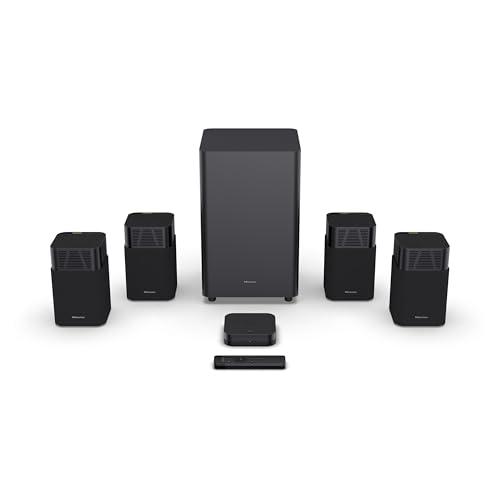
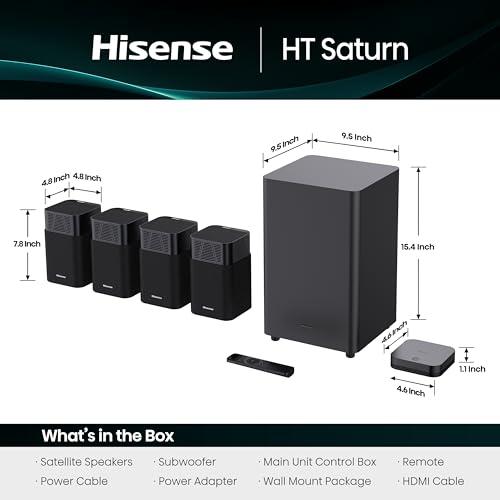
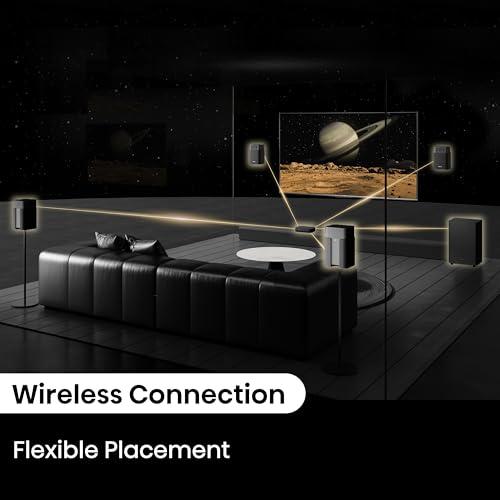
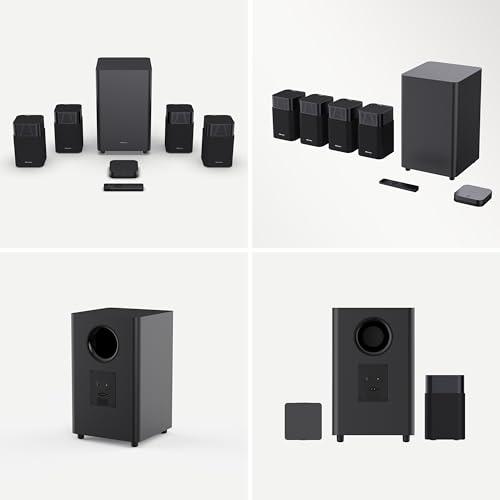
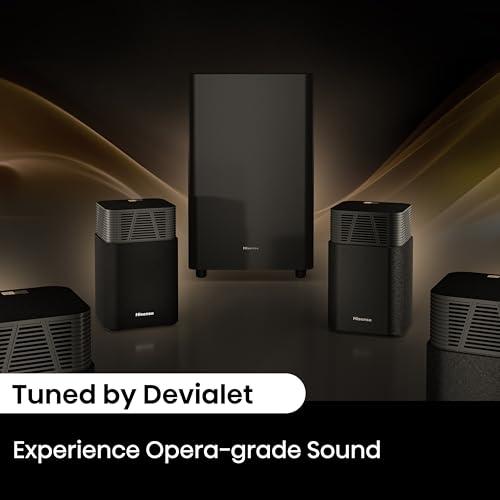
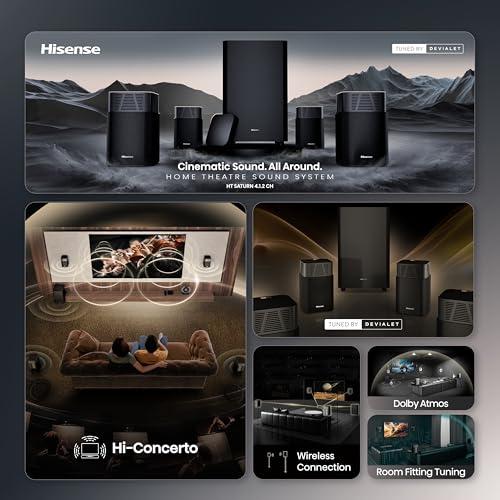
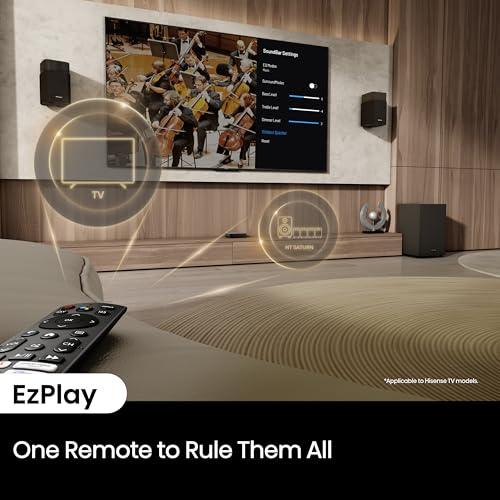
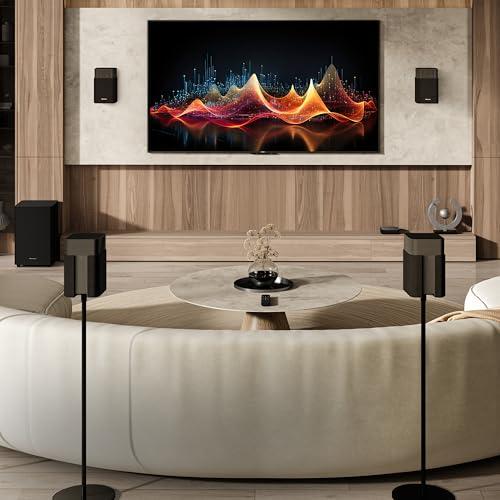
Released in early 2025, the Hisense HT Saturn represents the latest thinking in home audio: why limit yourself to a single soundbar when wireless technology lets you place speakers anywhere? This system includes four separate satellite speakers that you position around your room, plus a wireless subwoofer, all connecting to a central control unit.
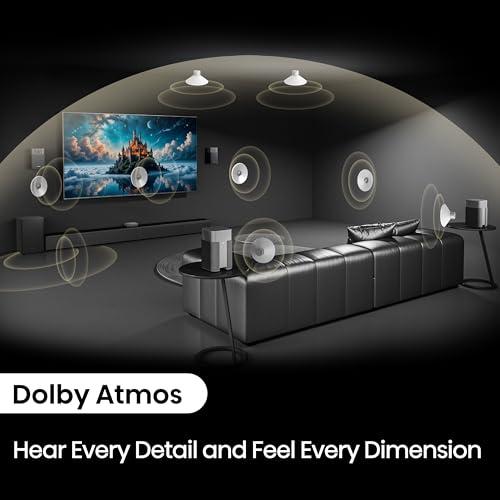
The most impressive aspect is how this creates true three-dimensional audio. Traditional soundbars, even expensive ones, rely on bouncing sound off your ceiling and walls to create the illusion of overhead effects. The Hisense HT Saturn includes actual upward-firing speakers in its satellites, so when a helicopter flies overhead in a movie, the sound genuinely comes from above your seating position.
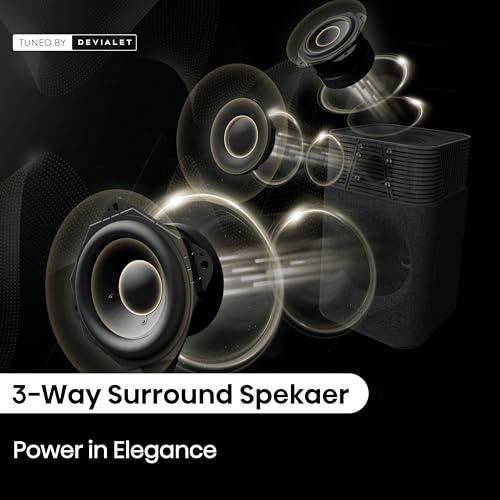
This system uses 13 total speakers across all components—a massive array compared to typical soundbars. Each satellite speaker is a "3-way" design, meaning it has separate drivers for bass, midrange, and treble frequencies. This allows for much better sound separation and clarity than cramming everything into a single enclosure.
The audio processing deserves special attention. The Hisense HT Saturn supports full Dolby Atmos and DTS:X decoding—the premium surround sound formats that place individual sound objects in specific locations around and above you. This isn't the virtual processing found in cheaper systems; it's the same technology used in commercial movie theaters, just scaled for home use.
Perhaps most intriguingly, Hisense partnered with Devialet, a French company known for extremely high-end audio equipment costing tens of thousands of dollars. Devialet's "tuning" involves careful calibration of how all these speakers work together, ensuring smooth transitions between channels and minimal distortion even at high volumes.
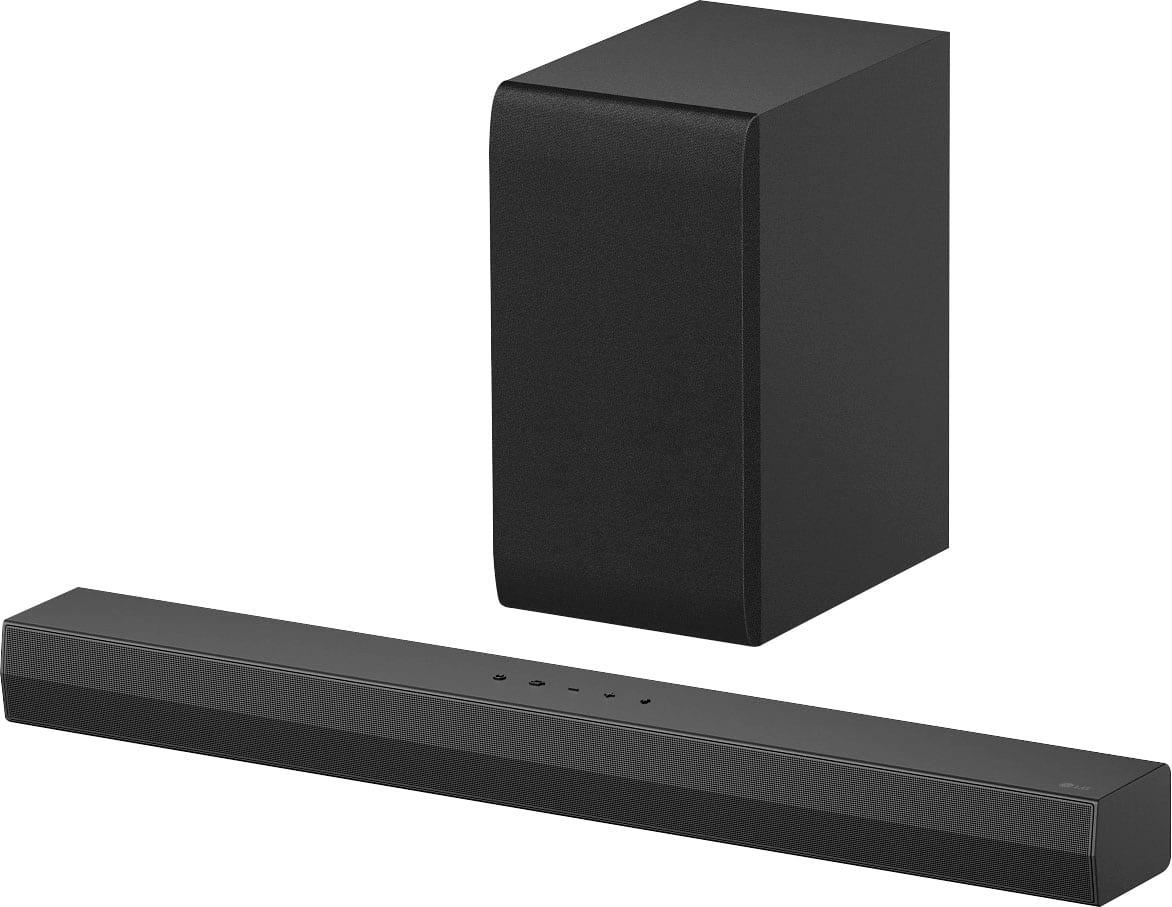
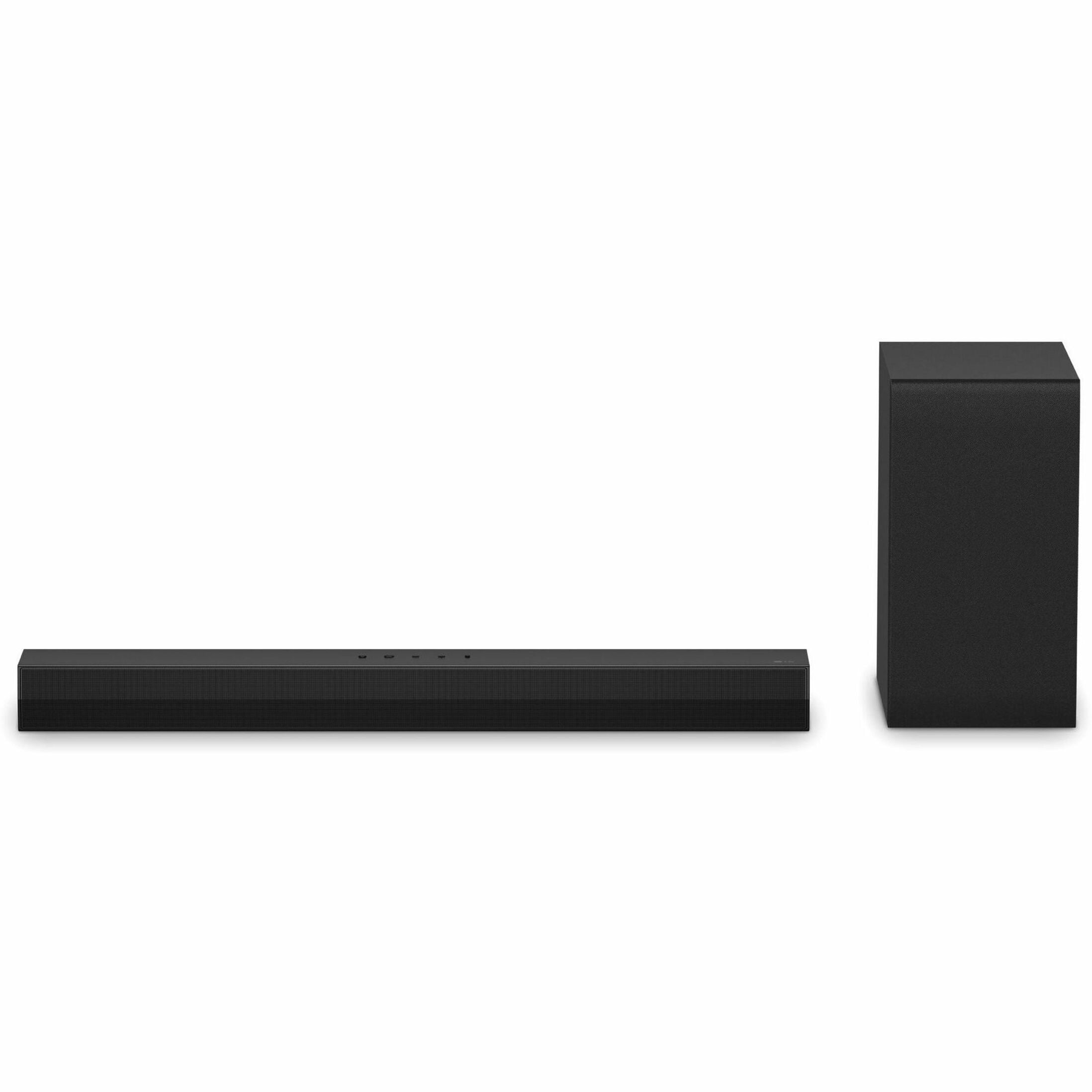
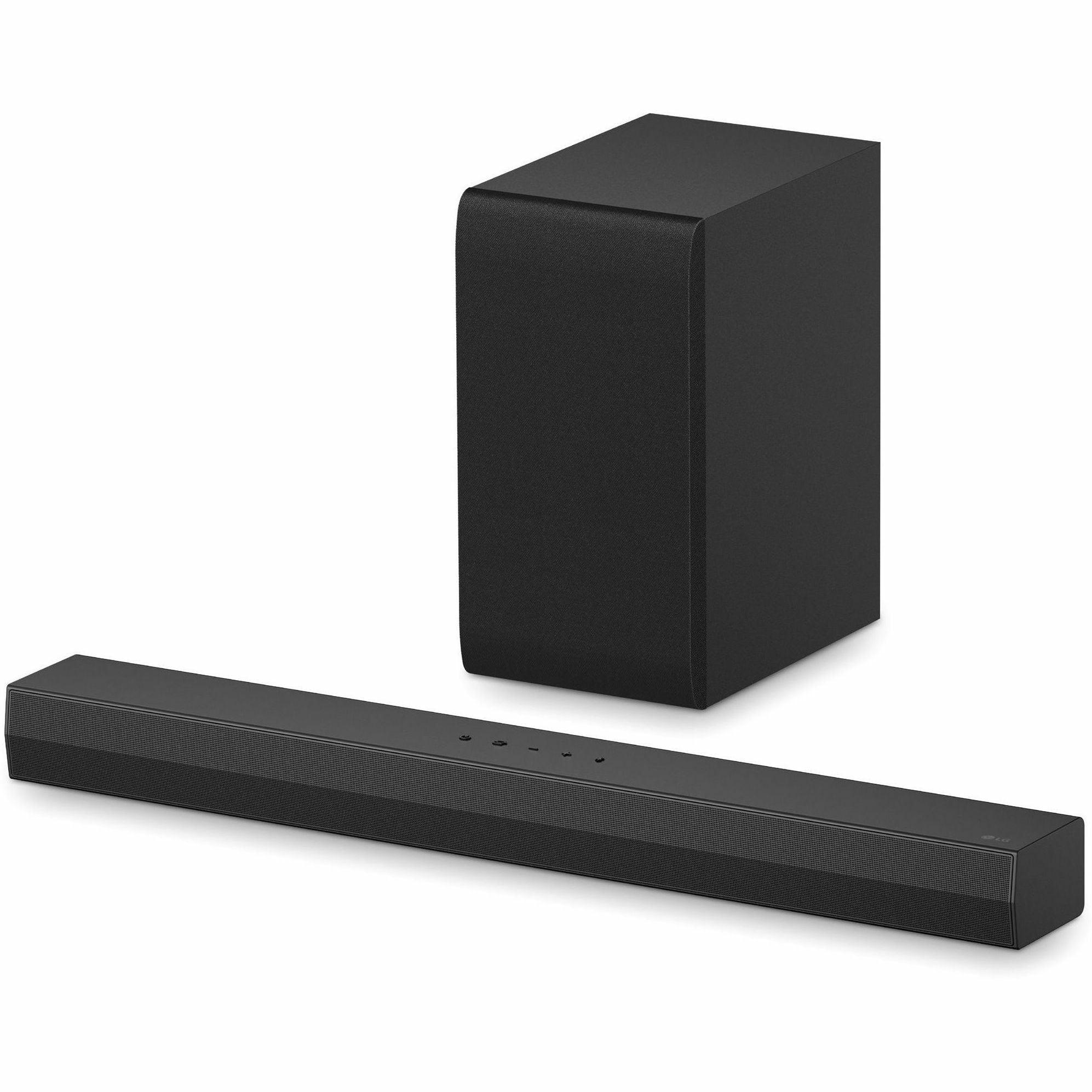
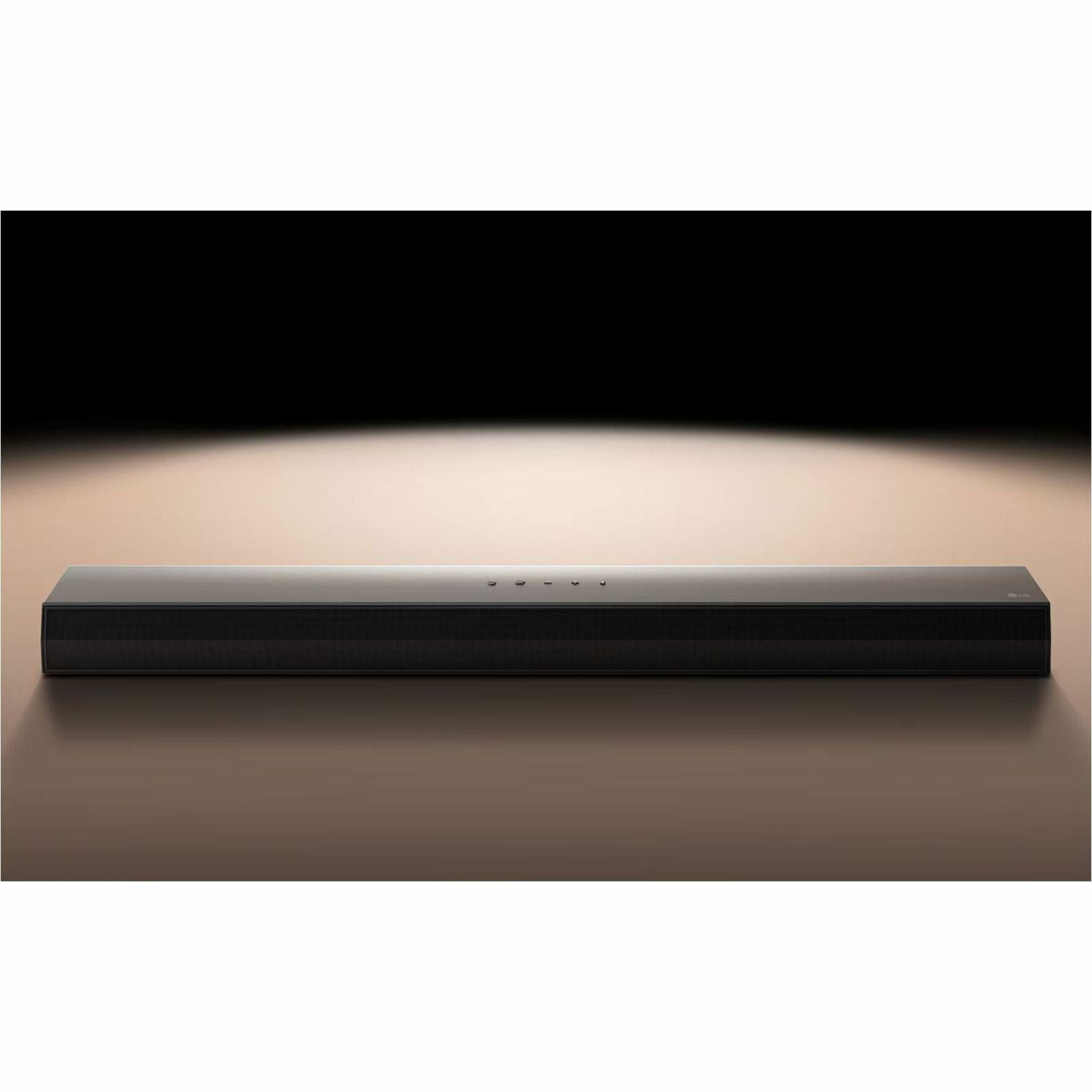
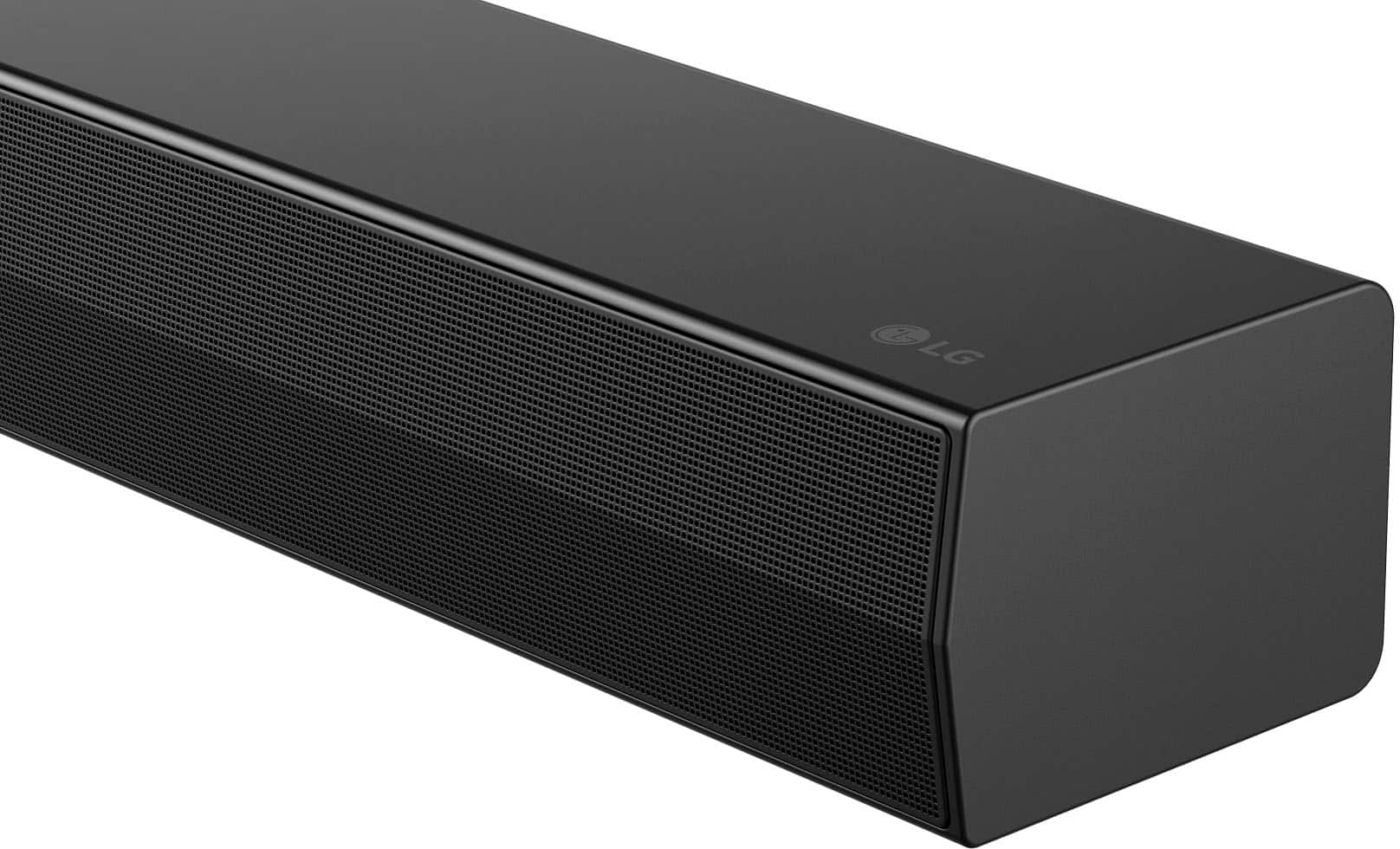
The LG S40T, released in 2024, takes the opposite approach: do a few things really well rather than attempting everything. This is a traditional soundbar setup with a separate wireless subwoofer, focused primarily on improving dialogue clarity and adding some bass impact to your TV viewing.
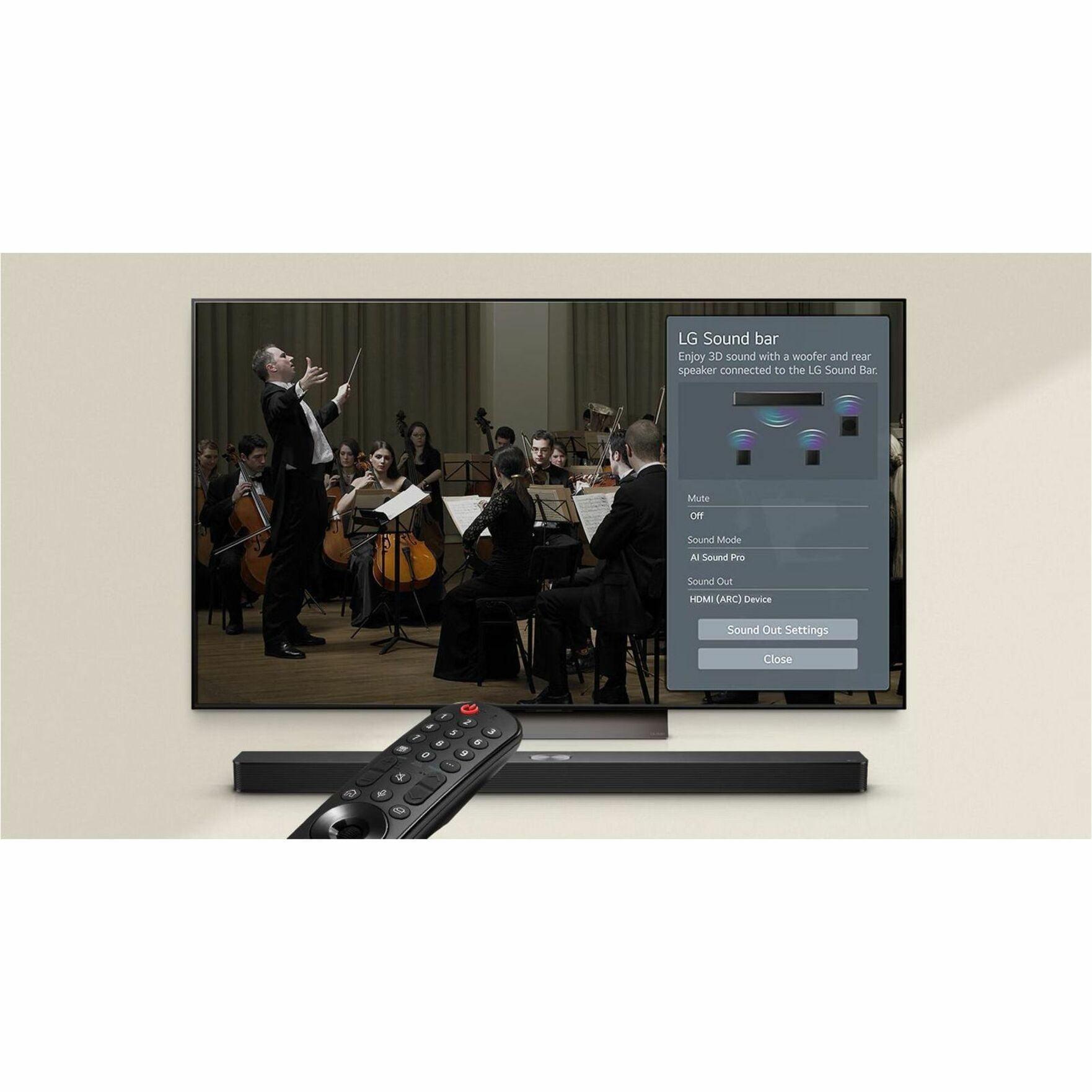
At its heart, this is a 2.1 system, meaning it handles left and right audio channels plus a dedicated subwoofer for low frequencies. The "AI Sound Pro" processing analyzes incoming audio in real-time and adjusts the sound profile based on what type of content you're watching. When it detects dialogue-heavy scenes, it boosts the frequency range where human voices sit, making conversations easier to follow.
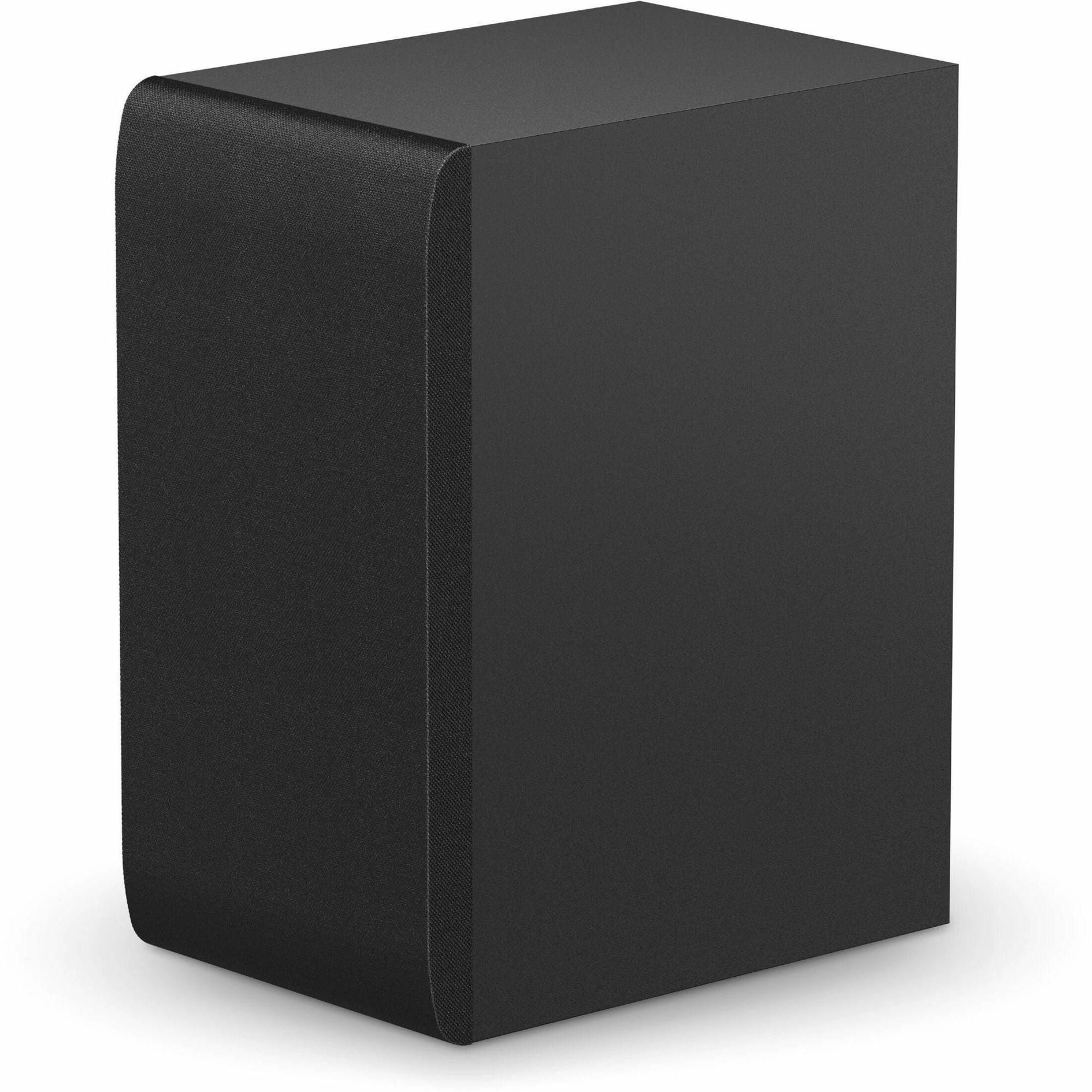
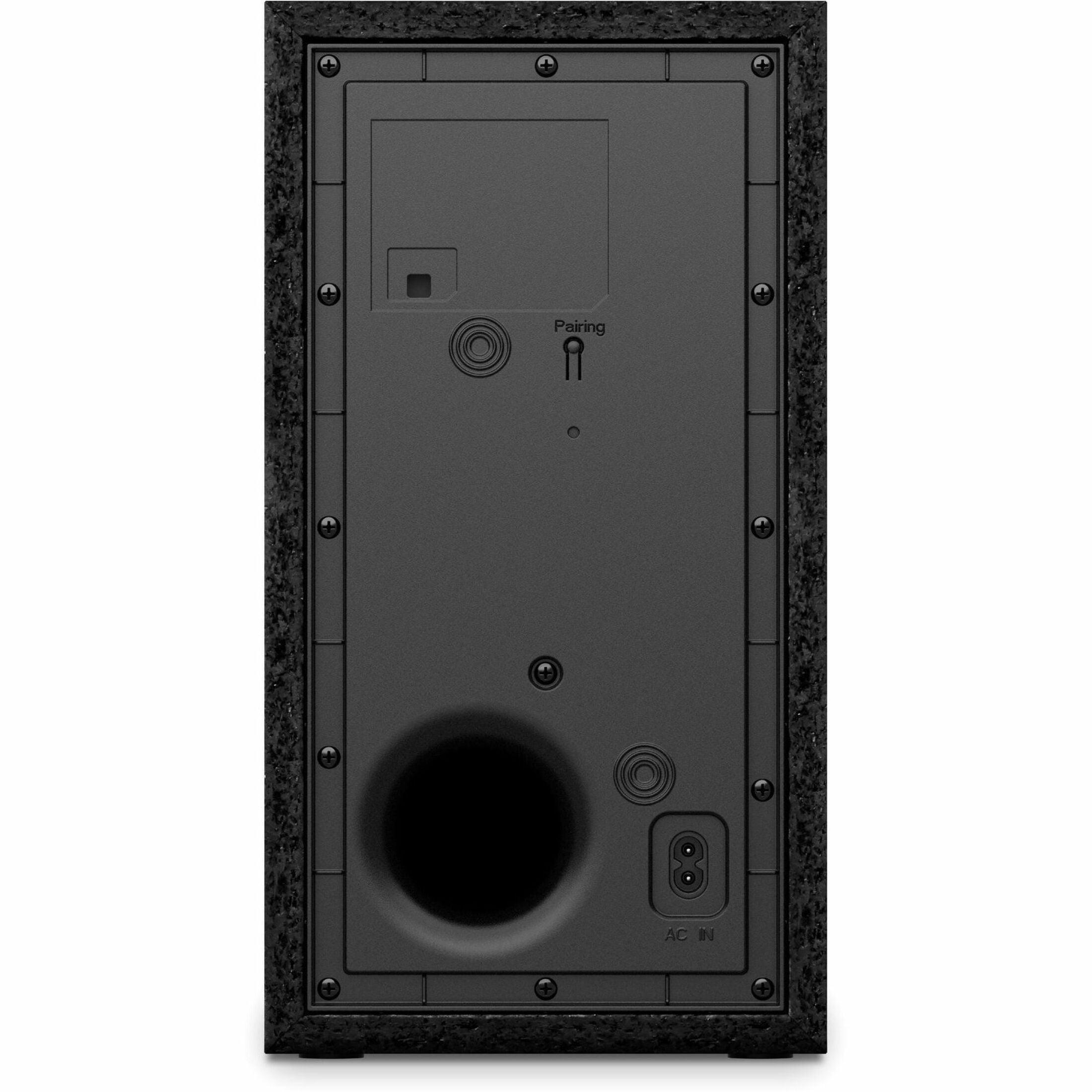
The subwoofer connection is wireless, which eliminates the most annoying cable run in typical soundbar setups. You can place it anywhere in your room where it sounds good, usually in a corner or along a wall where bass naturally builds up.
What the LG S40T doesn't do is attempt true surround sound. Its "virtual surround" processing uses audio tricks called psychoacoustics—manipulating how your brain interprets sound to create the impression of width and depth from just two main speakers. This works reasonably well for casual viewing, but it can't match the precise positioning that multiple physical speakers provide.
The performance gap between these systems is most obvious in how they handle spatial audio. The Hisense HT Saturn creates what reviewers consistently describe as a "genuine 360° immersive bubble." When you watch action movies or play games, sound effects move smoothly around and above you in ways that feel convincing and natural.
This comes down to physics: having actual speakers behind and beside your seating position means sounds can genuinely originate from those locations. The LG S40T, regardless of how sophisticated its processing, is still firing all audio from the front of your room and relying on reflections to create the illusion of surround sound.
For content that supports Dolby Atmos—most modern movies and many streaming shows—this difference is dramatic. Rain, helicopters, explosions, and ambient environmental sounds in the Hisense HT Saturn system have a three-dimensional quality that single soundbars simply cannot match. The LG S40T can process these formats, but it's creating a simulation rather than reproducing the intended effect.
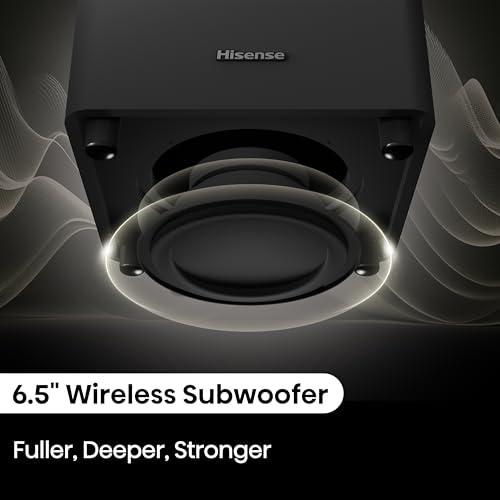
Both systems include wireless subwoofers, but they serve different purposes. The Hisense HT Saturn uses a 6.5-inch driver that extends down to 40Hz—deep enough to reproduce the rumbling bass in action movies and the foundation frequencies in music. More importantly, it's tuned to integrate seamlessly with the satellite speakers, so transitions from bass to midrange frequencies sound smooth rather than disconnected.
The LG S40T subwoofer focuses more on supporting dialogue and adding some weight to TV content. It provides enough bass to make movies more engaging than TV speakers alone, but it won't deliver the deep, room-shaking impact that dedicated home theater enthusiasts expect. This is actually appropriate for its intended use—most people watching TV don't want bass that disturbs neighbors or family members.
Interestingly, both systems excel at dialogue reproduction, but through different approaches. The Hisense HT Saturn creates what reviewers describe as a solid, centered dialogue image despite having no dedicated center channel speaker. This "phantom center" effect uses precise level matching and timing between left and right speakers to make voices appear to come from the screen center.
The LG S40T takes a more direct approach with its "Clear Voice Plus" processing, which specifically targets the frequency ranges where human speech occurs. This makes conversations easier to follow even during loud action scenes, addressing the primary complaint about modern TV audio—that you can't understand what people are saying.
For most TV viewing, both approaches work well. The difference becomes apparent in complex movie soundtracks where multiple people are speaking while sound effects and music play simultaneously. The Hisense HT Saturn can separate these elements spatially, while the LG S40T relies more on frequency-based separation.
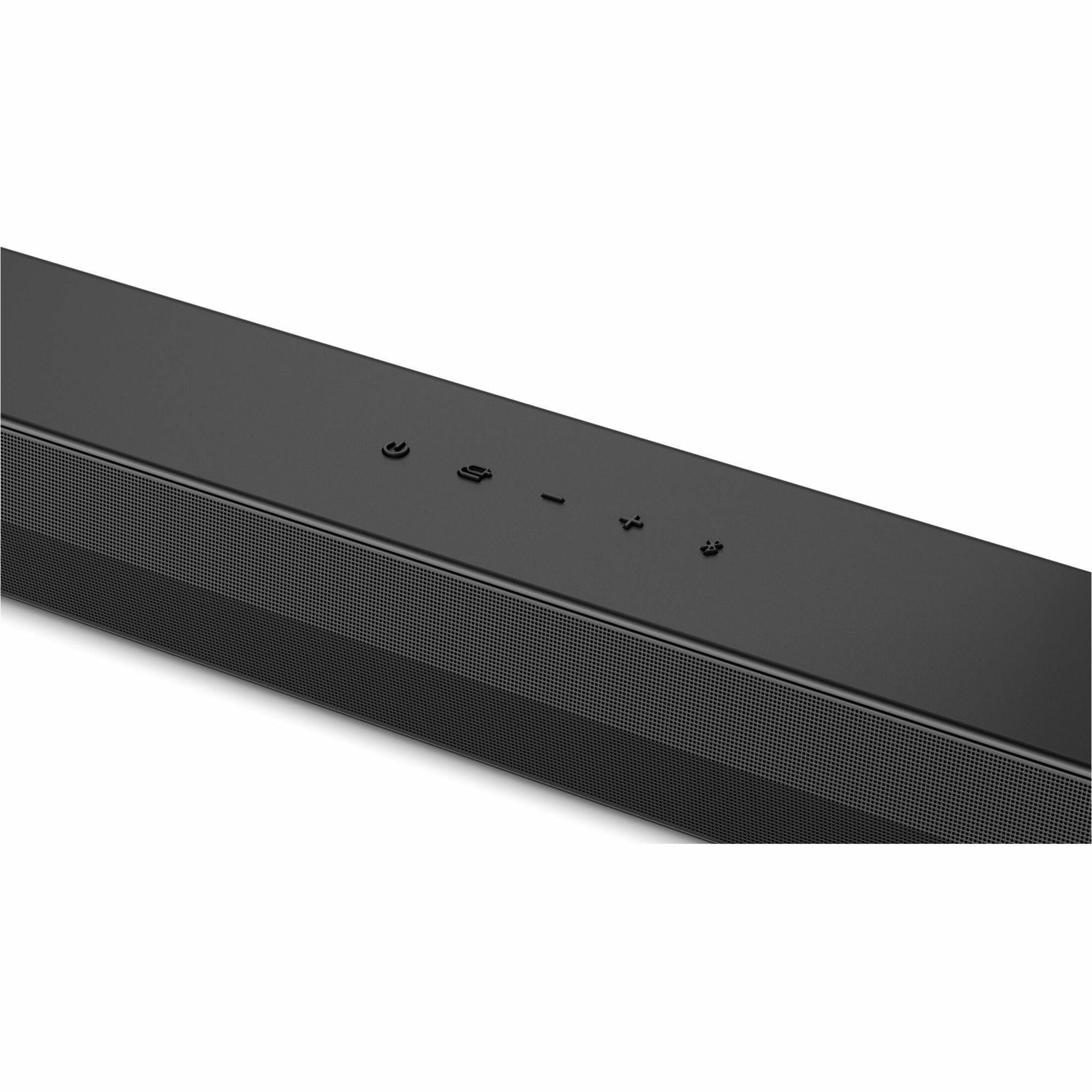
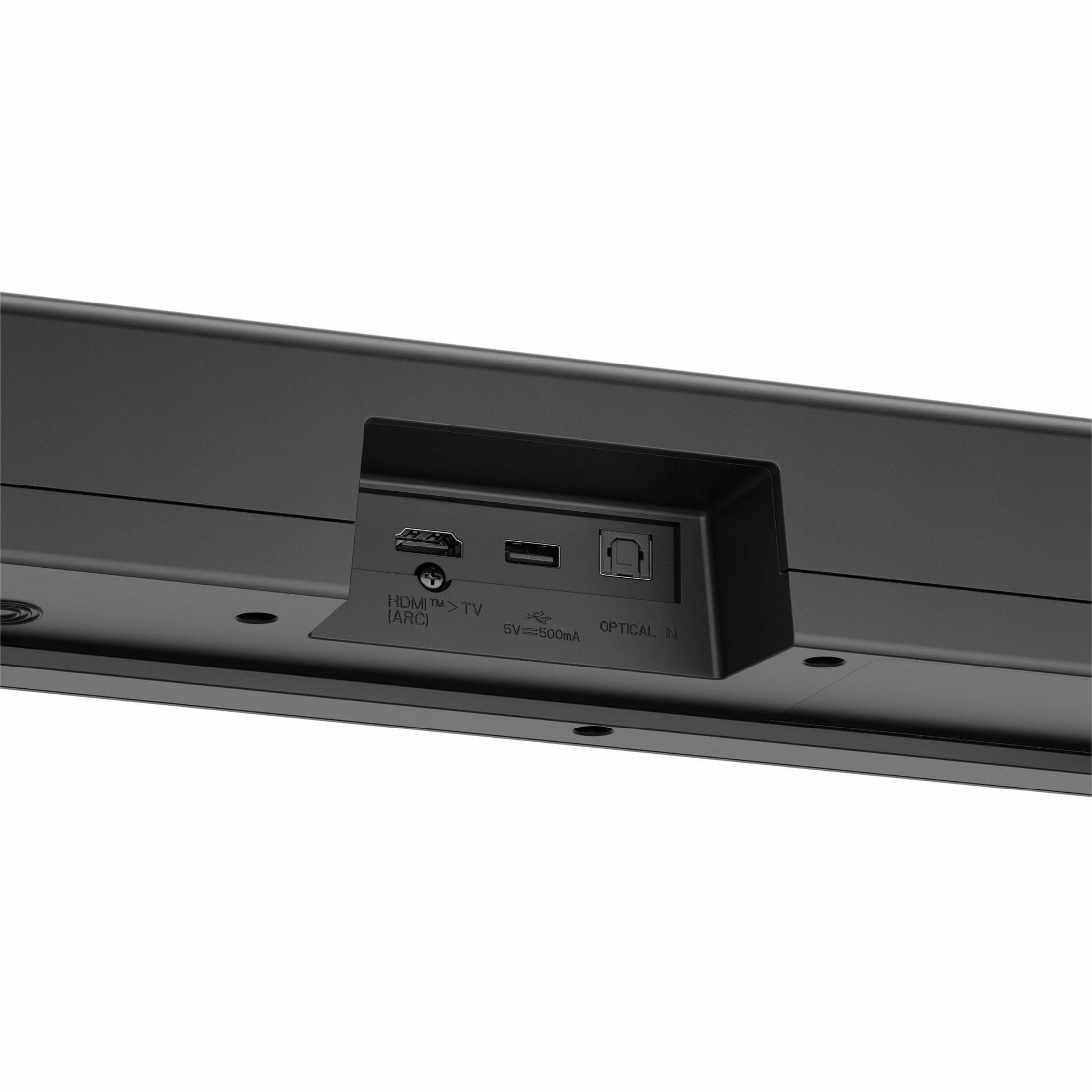
The setup experience reveals these systems' different target audiences. The LG S40T connects with a single HDMI cable or optical connection, pairs its subwoofer automatically, and you're done. This plug-and-play approach appeals to people who want immediate improvement without dealing with speaker placement or room acoustics.
The Hisense HT Saturn requires more thought and effort. You need to position four satellite speakers around your room—ideally with some space above them for the upward-firing drivers to work properly. All connections are wireless, so you only need power outlets, but finding the optimal placement for each speaker takes time and experimentation.
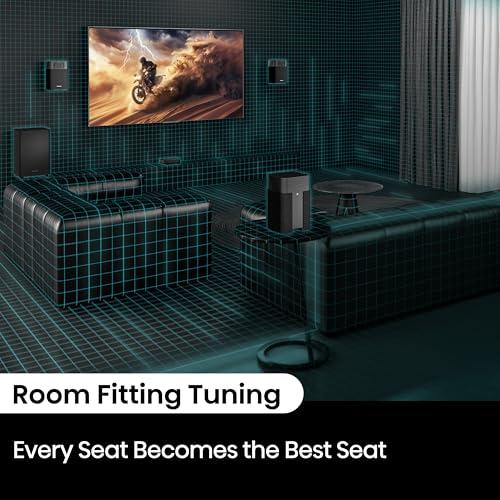
However, the Hisense HT Saturn includes sophisticated room correction technology. When paired with compatible Hisense TVs, it can automatically measure your room's acoustics and adjust timing, levels, and equalization to compensate for less-than-ideal placement or room characteristics. This automatic calibration can significantly improve performance in challenging spaces.
At the time of writing, these systems occupy completely different price brackets. The LG S40T costs roughly what many people spend on a weekend getaway, while the Hisense HT Saturn approaches the price of a high-end laptop or several months of streaming subscriptions.
The LG S40T offers exceptional value for people primarily watching TV shows, news, and streaming content. It transforms the TV viewing experience for a relatively modest investment, with user reviews consistently praising its performance relative to cost. For someone upgrading from TV speakers, the improvement is immediately obvious and satisfying.
The Hisense HT Saturn targets buyers willing to invest significantly more for a premium experience. Its price reflects advanced wireless technology, Devialet's acoustic engineering, and the complexity of coordinating multiple speakers. Whether this premium is worthwhile depends entirely on your priorities, room size, and how much you value immersive audio.
Your living space largely determines which approach makes sense. The LG S40T works best in smaller to medium-sized rooms where a single soundbar can effectively fill the space. In apartments, bedrooms, or cozy living rooms, it provides substantial improvement over TV speakers without overwhelming the space.
The Hisense HT Saturn needs room to breathe—literally. Its satellite speakers require spacing around your seating area, and the upward-firing elements need ceiling space to create proper height effects. In cramped spaces, you can't position the speakers optimally, negating much of the system's advantage.
Large, open-plan living areas highlight the Hisense HT Saturn's strengths. Here, a single soundbar often sounds lost or strained, while distributed speakers can fill the space more naturally. The system's 500W of total power provides enough headroom for larger rooms without distortion.
Your viewing habits should heavily influence this decision. If you primarily watch TV shows, news, sports, and casual streaming content, the LG S40T provides everything you need. Its dialogue enhancement and AI-powered content optimization handle these sources well, and you won't miss surround effects that aren't in the content anyway.
Movie enthusiasts and gamers benefit much more from the Hisense HT Saturn's advanced capabilities. Modern films increasingly use sophisticated surround sound design, with effects that move around and above the listening area. Games also use spatial audio for competitive advantage—hearing footsteps or gunfire from specific directions can improve gameplay.
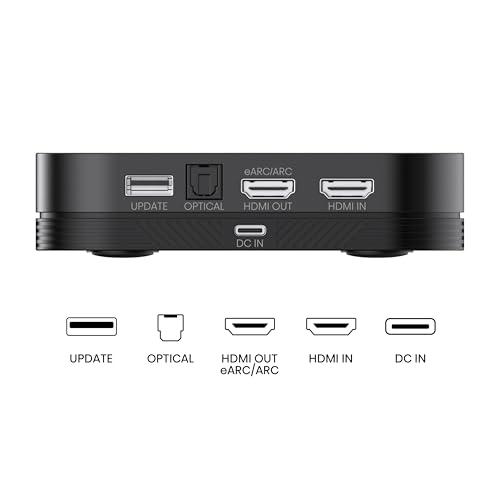
The Hisense HT Saturn also supports lossless audio formats through its HDMI eARC connection. This means it can handle the highest-quality audio from Blu-ray discs and high-end streaming services without compression, preserving the full dynamic range and detail of the original recording.
Audio technology continues evolving, and these systems take different approaches to staying current. The LG S40T focuses on proven, stable technologies that will work reliably for years. Its feature set is intentionally limited but thoroughly implemented.
The Hisense HT Saturn includes more advanced connectivity and processing that should remain relevant longer. HDMI eARC support, high-resolution audio decoding, and sophisticated room correction represent current best practices in home theater technology.
However, both systems face the same challenge: wireless audio technology and AI processing continue advancing rapidly. What seems impressive today may look dated in a few years, regardless of initial purchase price.
After analyzing user feedback and expert reviews, both systems succeed at their intended purposes. The LG S40T excels as a TV audio upgrade for people who want significant improvement without complexity or major investment. User reviews consistently mention improved dialogue clarity and satisfying bass enhancement for everyday viewing.
The Hisense HT Saturn delivers on its promise of premium wireless home theater performance. Reviewers praise its immersive capabilities and sophisticated features, though some question whether competing high-end soundbars might offer better value at similar price points.
For most people upgrading from TV speakers, the LG S40T provides the better value proposition. It solves the primary problems with TV audio—weak dialogue and no bass—at a reasonable cost with minimal setup complexity.
The Hisense HT Saturn makes sense for dedicated home theater enthusiasts with appropriate spaces and budgets. If you regularly watch movies, play games, or otherwise consume content designed for surround sound, and you have both the room and budget for a premium system, its advanced capabilities justify the investment.
Choose the LG S40T if you want immediate, substantial improvement to your TV watching experience without breaking the bank or dealing with multiple speakers. Choose the Hisense HT Saturn if you want the closest thing to a movie theater experience that current wireless technology can deliver in your living room.
The audio market will continue evolving, but these systems represent solid examples of their respective approaches: focused simplicity versus comprehensive performance. Your space, budget, and viewing habits should make the choice clear.
| Hisense HT Saturn HTSATURN 4.1.2Ch Sound Bar System | LG S40T 2.1 Channel Soundbar |
|---|---|
| Audio Channel Configuration - Determines surround sound capability and immersion level | |
| True 4.1.2 channel with 4 wireless satellites + subwoofer + 2 height channels | 2.1 channel (stereo soundbar + wireless subwoofer) |
| Speaker Count and Design - More speakers allow better sound separation and placement | |
| 13 total speakers: 8 full-range, 4 tweeters, 1 subwoofer (3-way satellite design) | 2 main speakers + 1 subwoofer (traditional soundbar design) |
| Dolby Atmos Support - Essential for 3D movie theater-like audio effects | |
| True Dolby Atmos and DTS:X decoding with physical height channels | Virtual Dolby Audio processing (simulated surround effects) |
| Total System Power - Higher wattage supports larger rooms and dynamic content | |
| 500W total (120W satellites + 40W subwoofer) | 300W PMPO with wireless subwoofer |
| Frequency Response - Lower bass extension provides more impactful movie soundtracks | |
| 40Hz-20kHz (deeper bass extension for movie effects) | Standard range with AI-optimized dialogue frequencies |
| Premium Audio Engineering - Professional tuning affects overall sound quality | |
| Devialet-tuned "opera-grade" acoustics with advanced calibration | LG AI Sound Pro with Clear Voice Plus dialogue enhancement |
| Setup Complexity - Balance between performance potential and ease of use | |
| 4 wireless satellites require room positioning, includes automatic room calibration | Simple 2-piece setup with plug-and-play wireless subwoofer pairing |
| HDMI Connectivity - eARC enables lossless high-quality audio from modern TVs | |
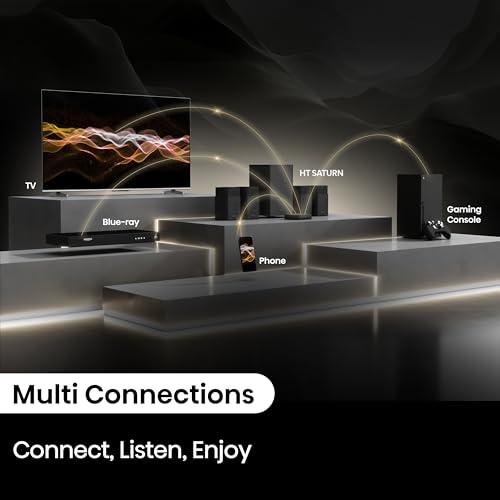
| HDMI eARC + optical + Bluetooth 5.3 (supports lossless formats) | HDMI ARC + optical + Bluetooth 5.3 (compressed audio only) |
| Room Size Optimization - Determines which spaces each system serves best | |
| Designed for 200+ sq ft rooms with distributed speaker placement | Ideal for small to medium rooms up to 200 sq ft |
| Smart TV Integration - Enhanced features when paired with same-brand TVs | |
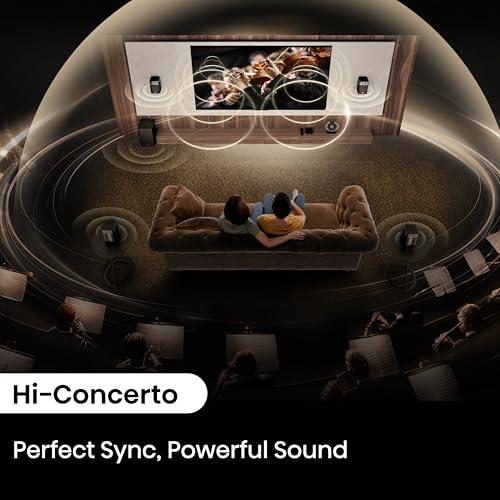
| Hi-Concerto technology syncs with Hisense TVs for expanded soundstage | Standard TV remote control integration with volume/power sync |
| Release Year and Technology Generation - Newer systems include latest wireless and processing advances | |
| 2025 release with cutting-edge wireless technology and room fitting tuning | 2024 release focusing on proven, reliable audio enhancement features |
The LG S40T 2.1 Channel Soundbar is better suited for small rooms. Its compact design and focused audio delivery work well in spaces up to 200 square feet. The Hisense HT Saturn requires more space to position its four satellite speakers effectively, making it less practical for smaller living areas or bedrooms.
The Hisense HT Saturn provides true Dolby Atmos with physical height channels and overhead effects, creating genuine 3D audio. The LG S40T only offers virtual Dolby Audio processing, which simulates surround effects but cannot match the immersive experience of actual height channels found in the Hisense HT Saturn.
The LG S40T delivers exceptional value as a budget-friendly option that dramatically improves TV audio quality. While the Hisense HT Saturn offers premium features and performance, it comes at a significantly higher price point that may not be justified for casual TV viewing needs.
The LG S40T features simple plug-and-play setup with automatic wireless subwoofer pairing. The Hisense HT Saturn requires more involved setup, including positioning four satellite speakers around your room, though all connections are wireless and it includes automatic room calibration for optimal performance.
The Hisense HT Saturn excels for movie watching with its true surround sound, Dolby Atmos support, and immersive audio experience. Its distributed speaker system creates authentic overhead effects and precise sound placement. The LG S40T works well for casual movie viewing but cannot match the cinematic experience of the Hisense HT Saturn.
Yes, both the LG S40T and Hisense HT Saturn work with any TV brand through HDMI ARC, optical, or Bluetooth connections. However, the Hisense HT Saturn offers enhanced features like Hi-Concerto technology when paired with compatible Hisense TVs for expanded audio integration.
The Hisense HT Saturn provides superior bass with its 6.5-inch wireless subwoofer that extends down to 40Hz, delivering deep, impactful low frequencies for movies and music. The LG S40T includes a wireless subwoofer that enhances TV audio but focuses more on dialogue support than deep bass impact.
Both soundbars feature Bluetooth 5.3 connectivity for wireless streaming from smartphones, tablets, and other devices. The LG S40T and Hisense HT Saturn can easily switch between TV audio and mobile device streaming for music playback and other content.
The Hisense HT Saturn offers superior gaming performance with its true surround sound that helps locate in-game audio cues like footsteps and gunfire from specific directions. The spatial audio capabilities provide a competitive advantage that the LG S40T's virtual processing cannot match for serious gaming.
The Hisense HT Saturn includes 13 total speakers across four satellite units and one subwoofer, with each satellite featuring a 3-way design for better sound separation. The LG S40T has a simpler configuration with main soundbar speakers plus a wireless subwoofer for basic stereo enhancement.
Neither soundbar requires professional installation. The LG S40T is designed for DIY setup with simple connections and automatic wireless pairing. The Hisense HT Saturn can also be self-installed, though positioning the satellite speakers optimally may require some experimentation to achieve the best surround sound performance.
The Hisense HT Saturn is specifically designed for larger rooms over 200 square feet, with distributed speakers that can fill bigger spaces effectively. Its 500W total power provides adequate volume for large areas. The LG S40T may struggle in very large or open-concept spaces where a single soundbar cannot project sound effectively throughout the room.
We've done our best to create useful and informative comparisons to help you decide what product to buy. Our research uses advanced automated methods to create this comparison and perfection is not possible - please contact us for corrections or questions. These are the sites we've researched in the creation of this article: bestbuy.com - youtube.com - blog.son-video.com - youtube.com - youtube.com - techradar.com - ecoustics.com - jbhifi.com.au - shop.hisense-usa.com - bhphotovideo.com - bestbuy.com - digitalreviews.net - hisense-usa.com - projectorscreenstore.com - valueelectronics.com - dolby.com - giftpack.ai - bestbuy.com - bestbuy.com - rtings.com - pcrichard.com - lg.com - lg.com - lg.com - lg.com - microcenter.com - flanners.com - bestbuy.com - microcenter.com

Privacy Policy
Terms and Conditions - Affiliate Policy
Home Security
© Copyright 2008-2026.
11816 Inwood Rd #1211, Dallas, TX 75244