



Shopping for a soundbar can feel overwhelming. Walk into any electronics store and you'll face dozens of black bars promising theater-quality sound, but the reality is far more nuanced. Today's soundbar market has split into two distinct camps: traditional single-unit soundbars that improve TV audio, and complete wireless home theater systems that deliver genuine surround sound without the complexity of receivers and wired speakers.
The Hisense HT Saturn and Sonos Ray represent these two philosophies perfectly. At first glance, both promise better audio than your TV's built-in speakers, but they take radically different approaches to achieving that goal. Understanding these differences—and which matters more for your specific situation—is crucial to making the right choice.
Before diving into specifics, let's establish what we're actually comparing. The soundbar category has evolved dramatically since its early days of simple stereo bars. Modern options range from basic TV speaker replacements to sophisticated systems capable of reproducing three-dimensional audio that places sound effects around and above your listening position.
The key considerations when evaluating any soundbar system include audio architecture (how many speakers and channels you're getting), immersion level (stereo vs. surround vs. height effects), installation complexity, room compatibility, and long-term value. Some systems prioritize simplicity and gradual expansion, while others deliver complete solutions immediately.
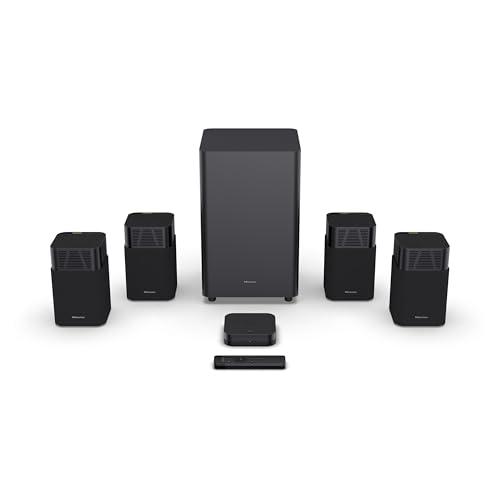
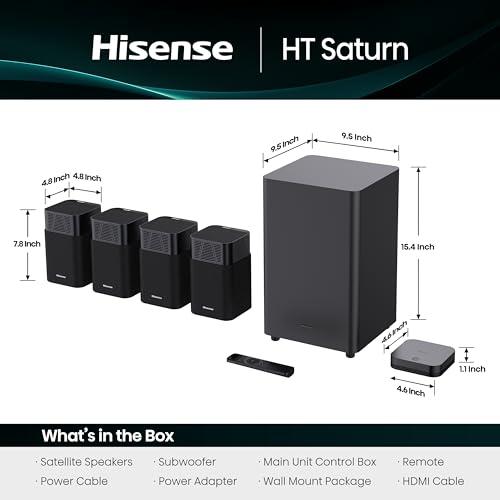
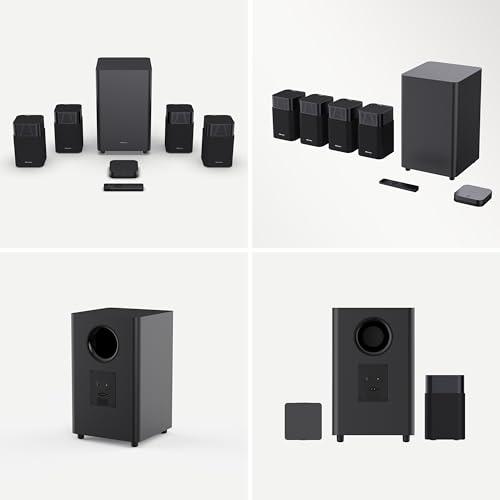
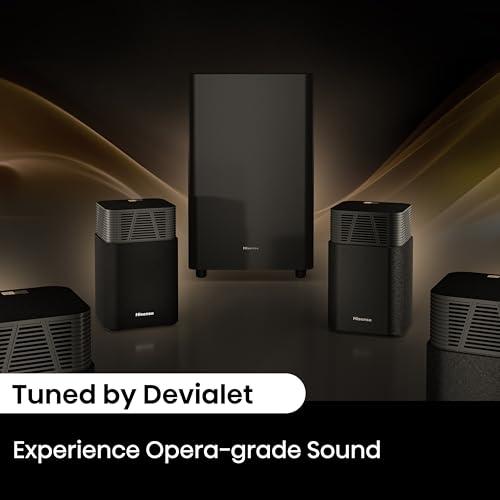
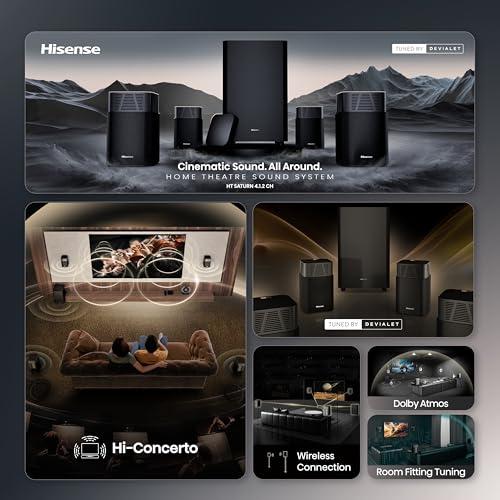
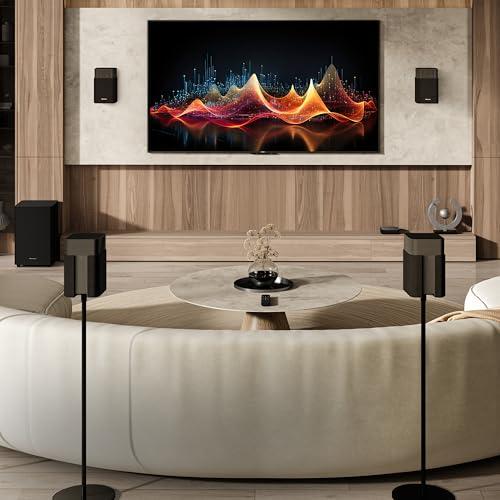
The Hisense HT Saturn, released in 2025, represents the newest wave of wireless home theater systems. Rather than cramming everything into a single bar, it distributes 13 speakers across six separate components: four wireless satellite speakers, one wireless subwoofer, and a central control hub. This approach delivers true 4.1.2-channel Dolby Atmos with physical surround channels and height effects that reflect off your ceiling.
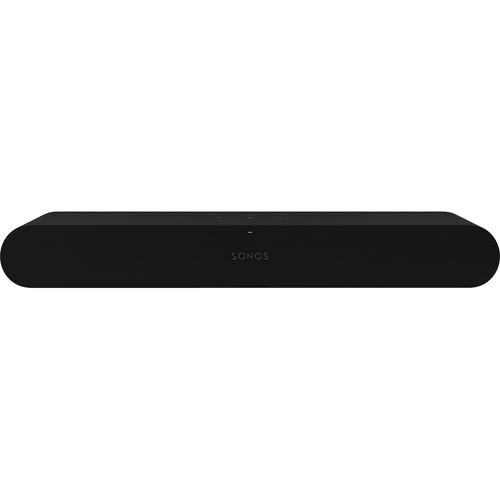
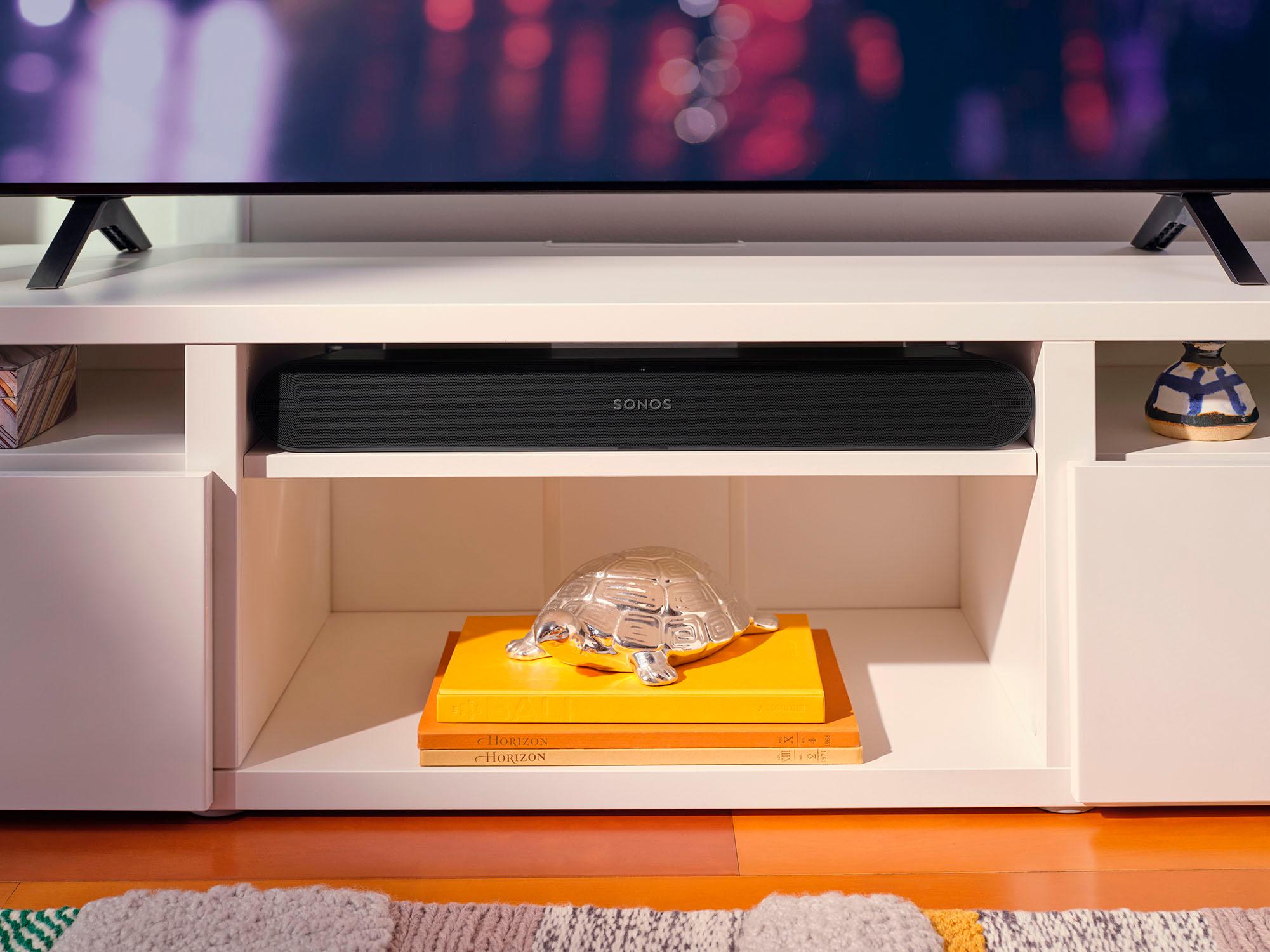
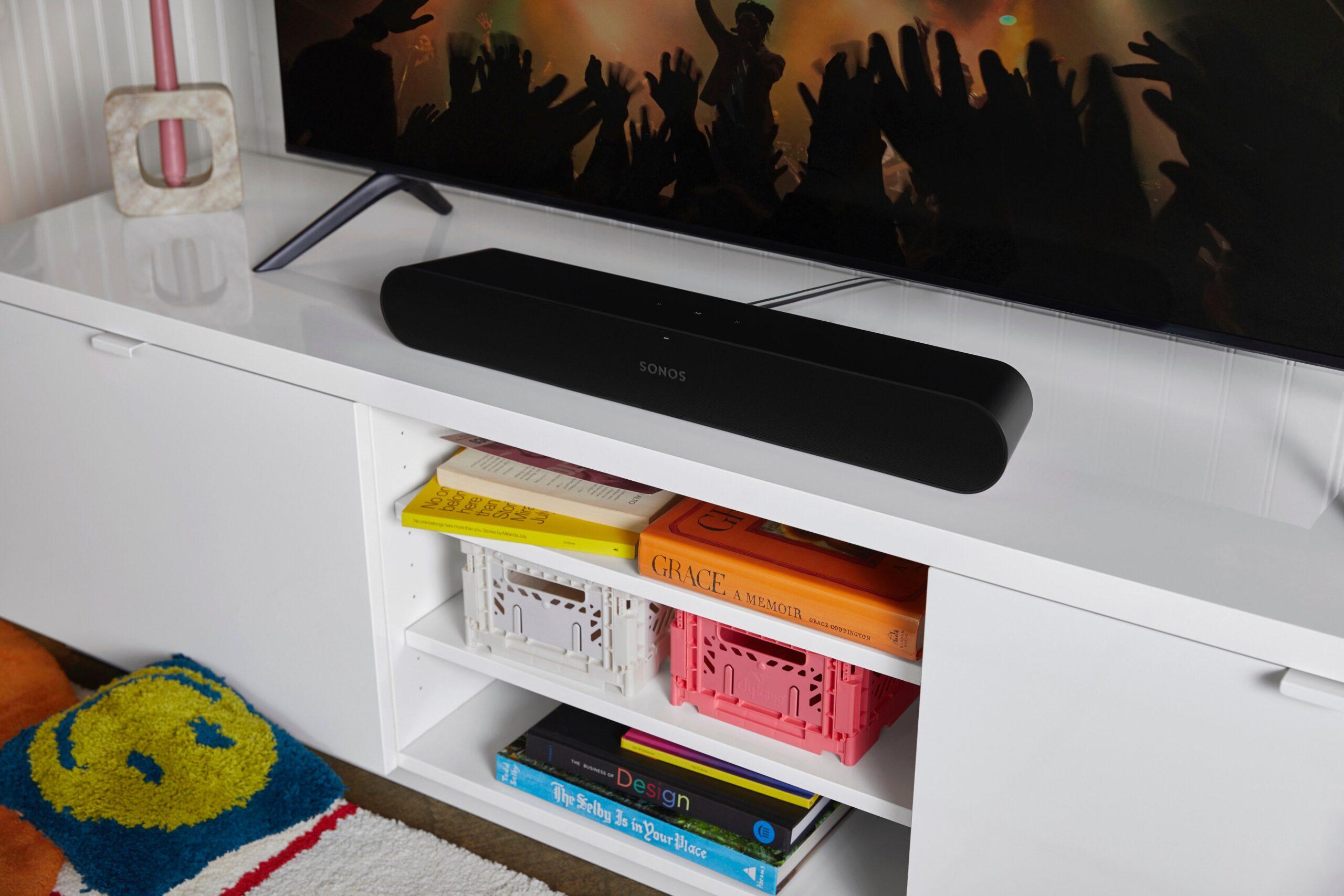
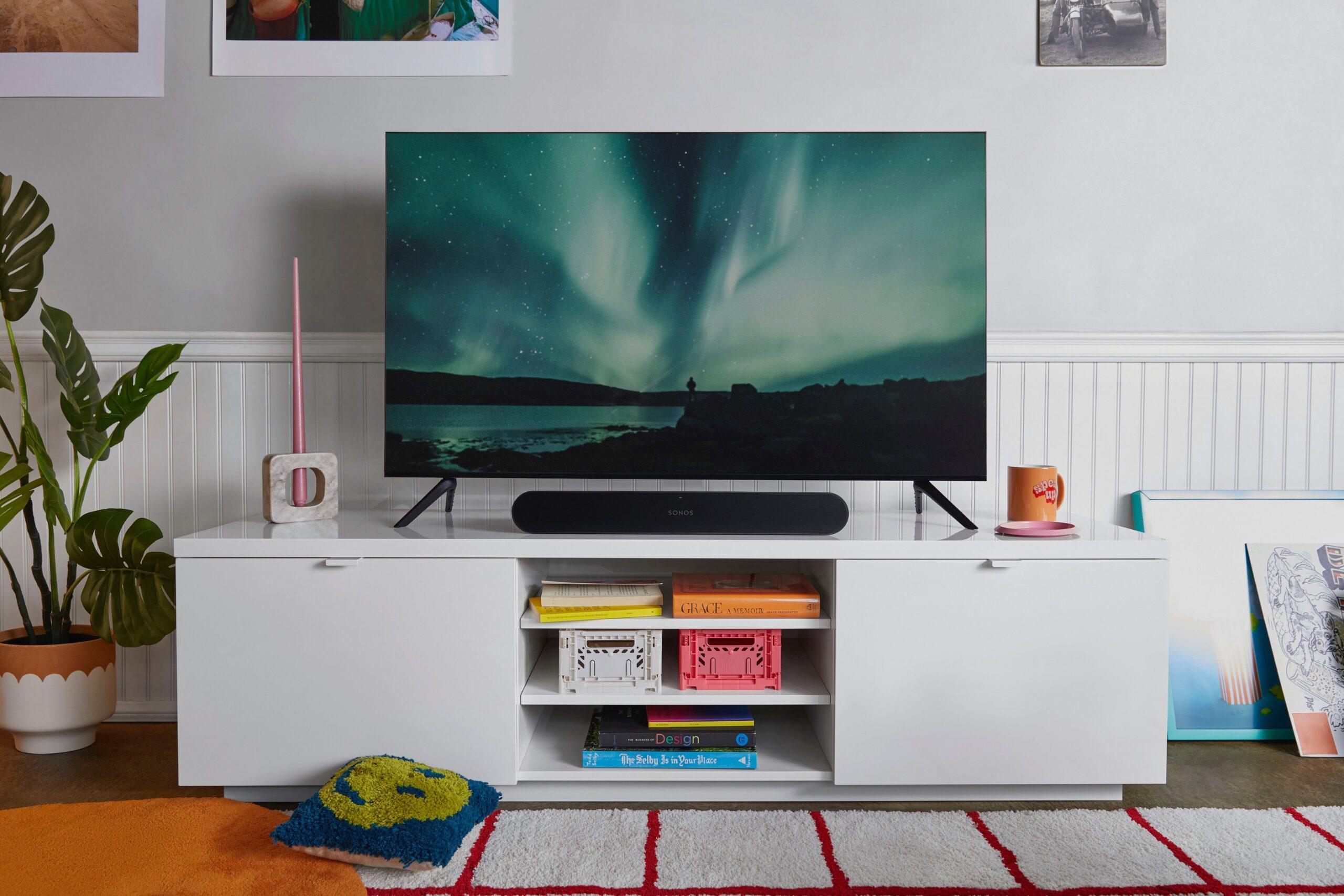
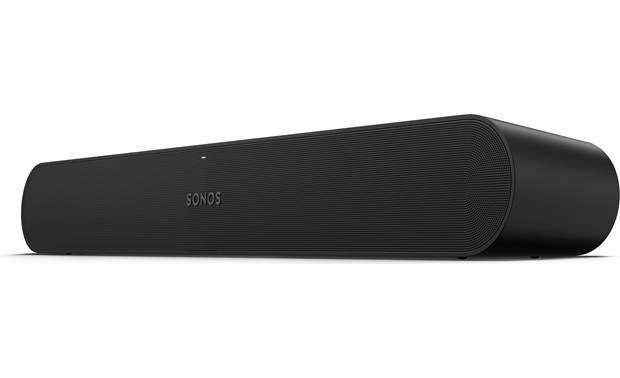
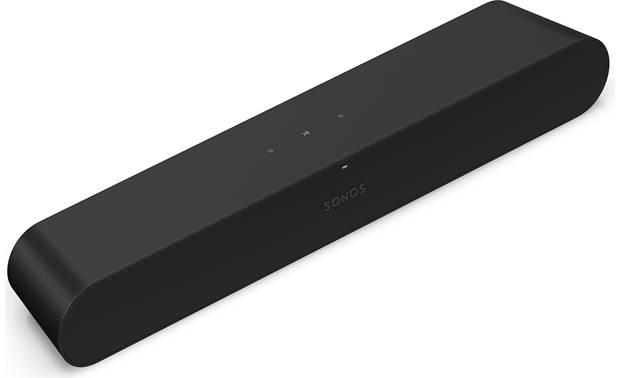
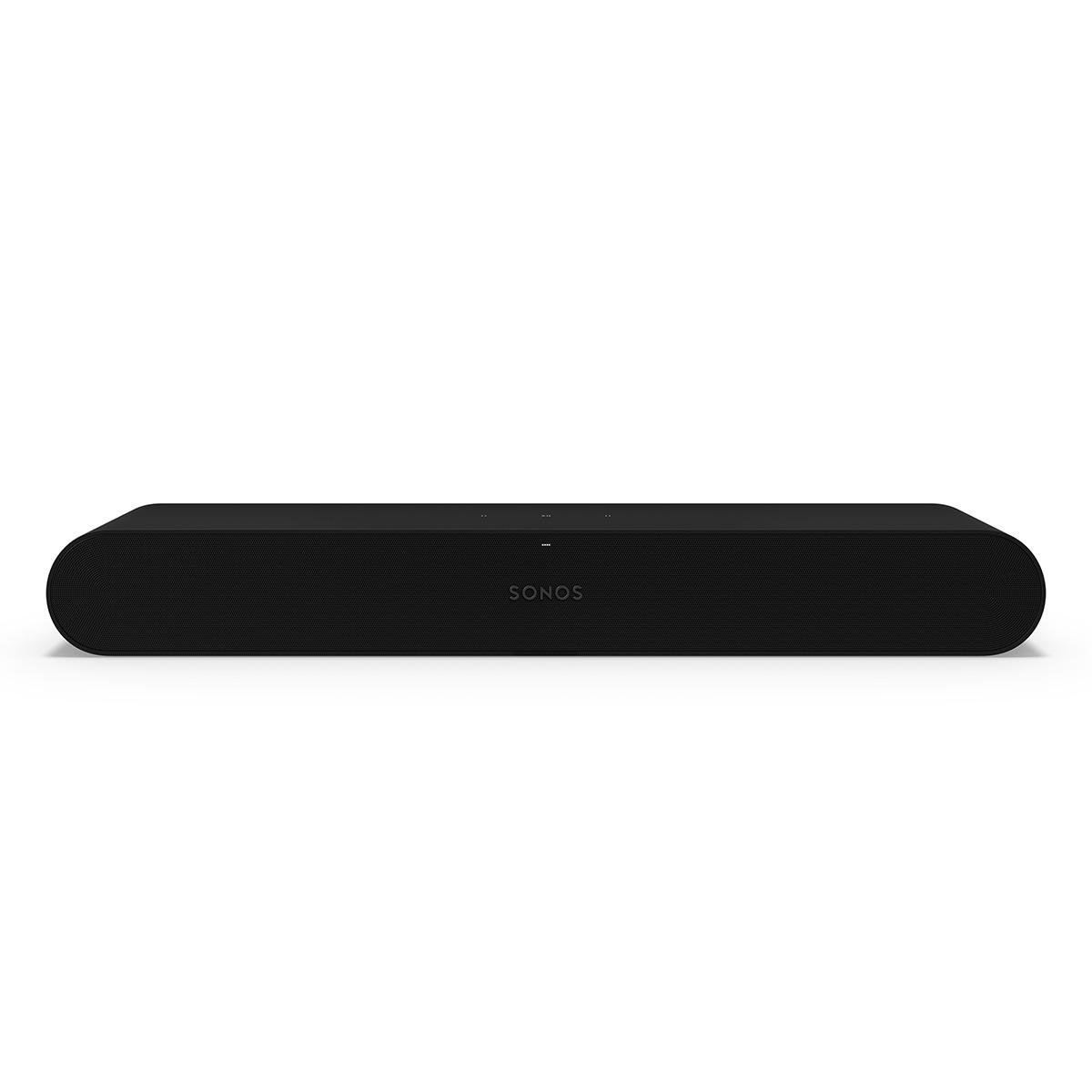
The Sonos Ray, launched in 2022, takes the traditional soundbar approach refined to near-perfection. It's a compact 2.0-channel stereo unit with four carefully tuned drivers designed primarily for dialogue clarity and music streaming. Part of Sonos's broader ecosystem, it focuses on simplicity while offering expansion possibilities down the road.
At the time of writing, these products sit in completely different price tiers—the HT Saturn costs roughly six times more than the Ray. This dramatic price difference reflects their fundamentally different architectures and capabilities.
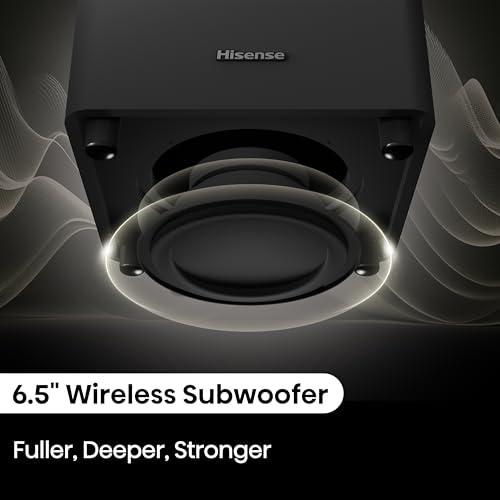
The Hisense HT Saturn delivers something that traditional soundbars simply cannot: genuine 360-degree surround sound. Its 13-speaker configuration includes eight full-range drivers and four precision tweeters distributed across four satellite speakers, plus a dedicated 6.5-inch wireless subwoofer. This isn't virtual surround processing—it's actual speakers positioned around your room creating discrete audio channels.
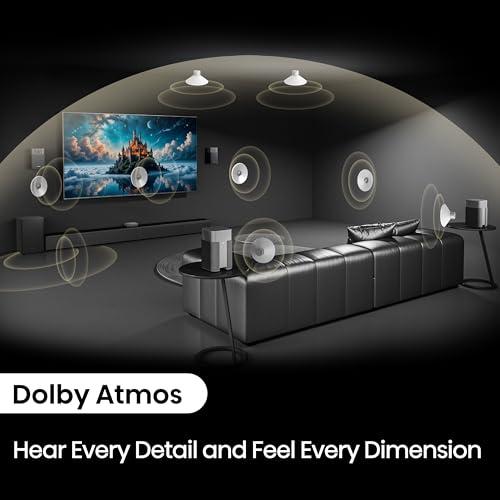
What makes this particularly impressive is the system's 4.1.2 configuration. The "4.1" part refers to four main channels (front left/right, rear left/right) plus the subwoofer channel. The ".2" indicates two height channels that bounce sound off your ceiling to create Dolby Atmos effects. When a helicopter flies overhead in a movie, you'll actually hear it moving above you, not just from the front speakers trying to simulate that effect.
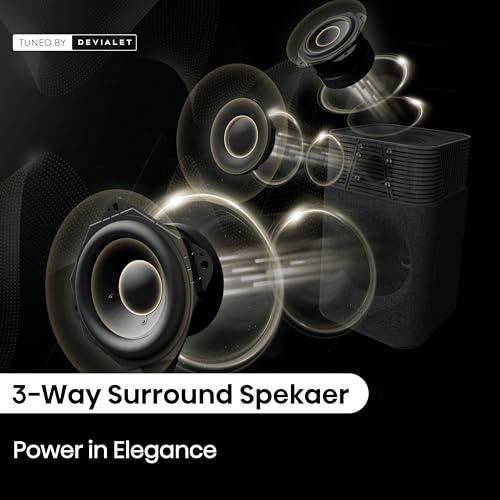
The system's collaboration with Devialet, a premium French audio company known for high-end speakers, brings "opera-grade" acoustic tuning to a mass-market product. Each satellite speaker uses a three-way design—meaning separate drivers handle bass, midrange, and treble frequencies—allowing for cleaner, more detailed sound reproduction than single-driver solutions.
Perhaps most remarkably, despite having no dedicated center channel speaker, the HT Saturn creates what's called a "phantom center" through precise signal processing. Reviews consistently praise its dialogue clarity, with voices appearing to come directly from the TV screen rather than floating somewhere between the left and right speakers.
The Sonos Ray takes a completely different approach, concentrating its efforts on perfecting stereo sound in a compact package. Its four-driver array includes two tweeters for crisp highs and two full-range woofers that handle everything else. While this might sound modest compared to the Saturn's 13 speakers, the Ray's strength lies in its optimization.
Sonos has spent years perfecting dialogue reproduction, and it shows. The Ray includes dedicated speech enhancement that boosts voice frequencies without making everything sound thin or harsh. This makes it exceptional for TV shows, news, and movies where understanding every word matters more than explosive action sequences.
For music, the Ray benefits from Sonos's streaming-focused heritage. It connects directly to your Wi-Fi network, supporting high-quality streaming from services like Spotify, Apple Music, and Tidal without requiring your phone to stay connected. The sound signature emphasizes clarity and balance rather than overwhelming bass, making it particularly good for vocal-heavy music genres.
However, the Ray's limitations become apparent with demanding content. Its frequency response rolls off around 60Hz, meaning deep bass effects in action movies or electronic music won't have the same impact. The system also cannot decode Dolby Atmos or DTS:X—it simply downmixes this content to stereo, losing the spatial information entirely.
When evaluating soundbar performance, several key metrics matter more than others. Dialogue intelligibility ranks highest for most users—if you can't understand what characters are saying, nothing else matters. Both systems excel here, but through different methods: the HT Saturn through physical center channel processing and room-filling sound, the Ray through specialized speech enhancement algorithms.
Dynamic range—the difference between the quietest and loudest sounds a system can reproduce—significantly impacts the cinematic experience. The HT Saturn has a substantial advantage here, with its dedicated subwoofer extending response down to 40Hz and 720W of total system power providing ample headroom for explosive effects. The Ray handles moderate volume levels beautifully but can sound compressed during complex, loud passages.
Spatial accuracy determines how convincingly a system can place sound effects around the room. This is where the architectural differences become most apparent. The HT Saturn physically places sounds where they should be—behind you, to your sides, above you. The Ray relies on psychoacoustic processing to create the illusion of width and depth, which works for some content but cannot match the precision of actual surround speakers.
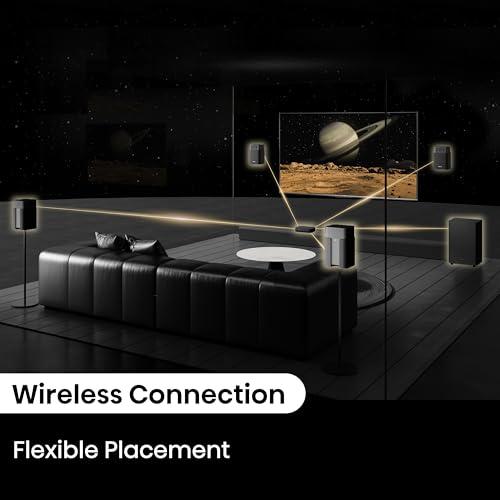
Installing the Hisense HT Saturn requires commitment and planning. You'll need to position six separate components around your room, each requiring power outlets. The four satellite speakers work best when placed at roughly ear height, either on stands, shelves, or wall-mounted using the included brackets.
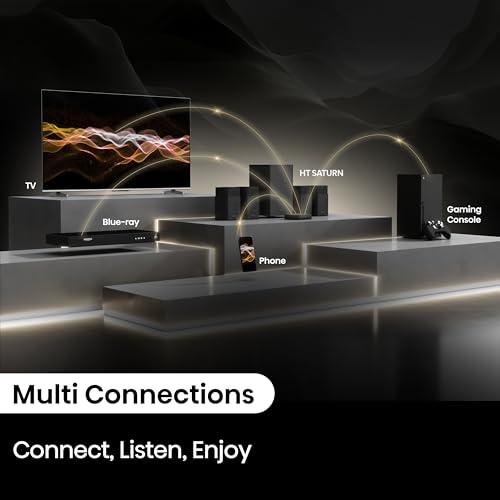
The system's wireless connectivity helps tremendously here. Using three frequency bands (2.4GHz, 5.2GHz, and 5.8GHz), all speakers connect to the central hub without running audio cables. This tri-band approach reduces interference and maintains low latency—crucial for keeping dialogue synchronized with lip movements.
Room size matters significantly for the HT Saturn. In spaces smaller than 200 square feet, the satellite speakers might feel overwhelming, and the Dolby Atmos height effects require adequate ceiling clearance to work properly. The system truly shines in medium to large rooms where the speakers have space to create a proper soundstage.
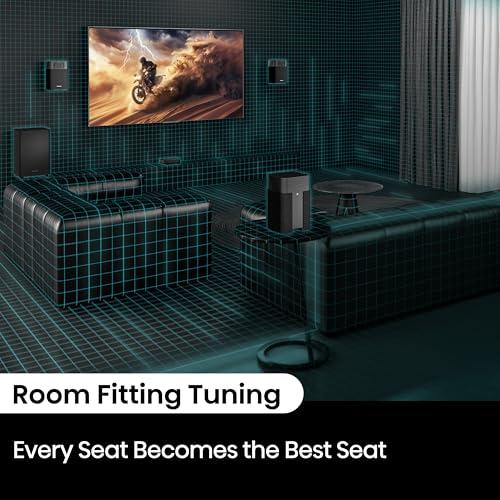
The HT Saturn includes automatic room calibration when paired with compatible Hisense TVs. The system analyzes your room's acoustics and adjusts speaker levels, timing, and equalization accordingly. This technology, while limited to Hisense's ecosystem, can make a dramatic difference in optimizing performance for your specific space.
The Sonos Ray installation couldn't be simpler: connect the optical cable to your TV, plug in the power cord, and follow the Sonos app setup process. The entire procedure typically takes less than 10 minutes, making it ideal for renters, frequent movers, or anyone who values simplicity.
At just 22 inches wide and under 3 inches tall, the Ray fits comfortably under most TVs or inside media consoles. Its understated design blends into any décor without drawing attention to itself—a significant advantage for living spaces where aesthetics matter.
The Ray includes Trueplay room correction, but it requires an iOS device to function. The system plays test tones that your iPhone or iPad's microphones analyze, then adjusts the soundbar's output to compensate for room acoustics. While not as sophisticated as the HT Saturn's multi-speaker calibration, Trueplay can noticeably improve performance, especially in acoustically challenging rooms.
Modern soundbars live or die by their connectivity options, and here we see another fundamental difference in philosophy.
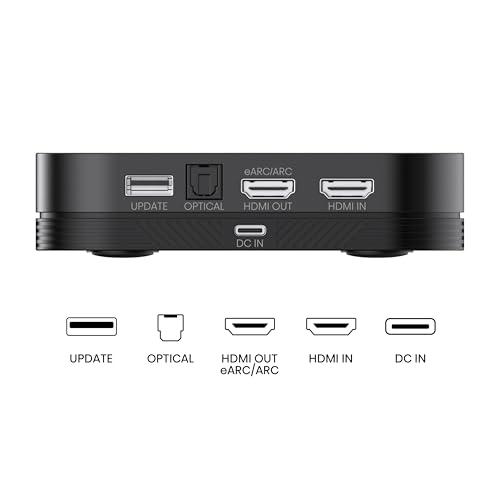
The Hisense HT Saturn includes HDMI eARC (enhanced Audio Return Channel)—essential for transmitting lossless Dolby Atmos audio from your TV. It also provides HDMI input for connecting sources directly, 4K 60Hz pass-through for gaming consoles, and Bluetooth 5.3 for wireless streaming. This comprehensive connectivity makes it suitable as a central audio hub for multiple sources.
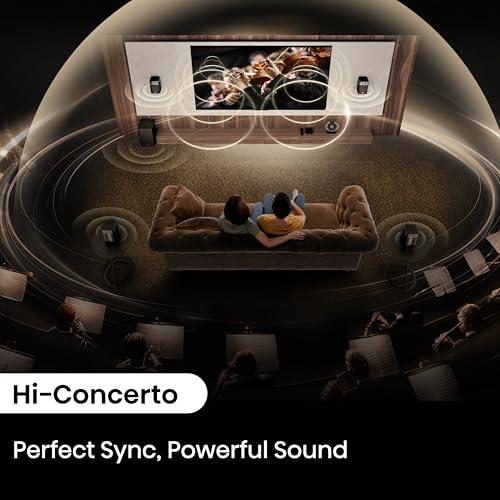
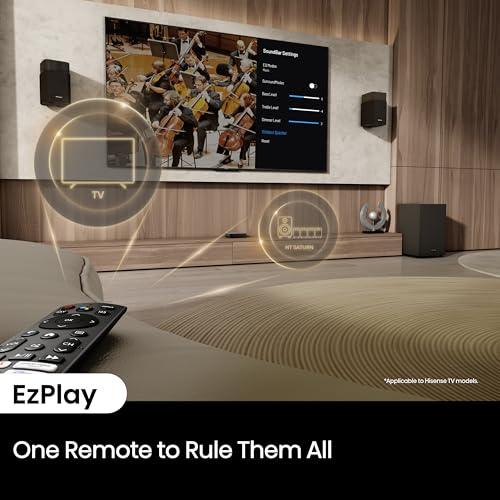
The system's EzPlay technology creates seamless integration with Hisense TVs, allowing control through the TV's interface and enabling Hi-Concerto mode, where the TV's speakers work alongside the soundbar system to create an even wider soundstage.
The Sonos Ray takes a more limited but arguably more elegant approach. Its optical-only audio input works with virtually any TV manufactured in the last 15 years, ensuring universal compatibility. However, this also means no HDMI ARC capabilities, limiting it to compressed audio formats and requiring your TV to handle all source switching.
Where the Ray excels is wireless streaming. Built-in Wi-Fi supports Apple AirPlay 2, Spotify Connect, and direct streaming through the Sonos app. The system updates automatically with new features and service integrations, keeping it current long after purchase. Notably absent is Bluetooth support, which some find limiting but Sonos argues maintains better audio quality and battery life for mobile devices.
Both systems offer expansion possibilities, but through very different approaches.
The HT Saturn is essentially complete out of the box. While you cannot add additional speakers or upgrade components individually, it delivers its full potential immediately. The system's integration with Hisense TVs provides additional features, but it functions perfectly well with any TV that has HDMI ARC or optical output.
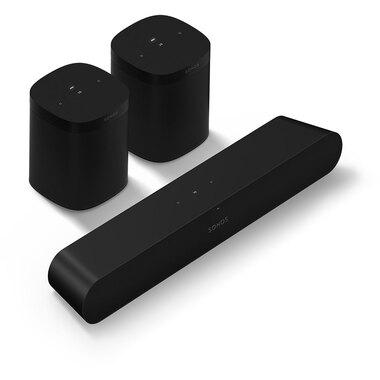
The Sonos Ray represents an entry point into Sonos's comprehensive ecosystem. You can add a Sonos Sub for deeper bass, Sonos One speakers for rear channels, or integrate it into a whole-home audio system with other Sonos products in different rooms. This modular approach appeals to users who prefer gradual upgrades or want multi-room capabilities.
However, building a full 5.1 system around the Ray requires significant additional investment. A Sonos Sub and pair of rear speakers would roughly triple the total system cost, putting it in the same price range as the complete HT Saturn while still lacking true Dolby Atmos capabilities.
After extensive research into user experiences and expert reviews, clear usage patterns emerge for each system.
Choose the Hisense HT Saturn if you want a complete home theater experience immediately. It's ideal for movie enthusiasts and gamers who have adequately sized rooms and don't mind a more complex setup process. The system particularly appeals to those who prioritize immersion over simplicity—when you want to feel like you're inside the action rather than just hearing it more clearly.
The HT Saturn also makes sense for Hisense TV owners who can take advantage of the advanced integration features. Its future-proofing through modern HDMI standards and wireless technologies suggests it will remain relevant as content and sources evolve.
Choose the Sonos Ray if you primarily watch dialogue-heavy content in smaller spaces and value system simplicity above all else. It's perfect for apartments, bedrooms, or secondary viewing areas where a full surround system would be overwhelming. The Ray also appeals to existing Sonos users who want to extend their ecosystem or anyone who prioritizes music streaming alongside TV audio.
The Ray's greatest strength may be its flexibility. You can start small and expand gradually, or use it as part of a larger multi-room audio system. Its proven reliability and strong resale value make it a safer choice for uncertain or evolving needs.
At the time of writing, these products serve fundamentally different markets despite both being called "soundbars." The HT Saturn is really a complete wireless home theater system that happens to include a soundbar-like control unit. The Ray is a premium TV speaker upgrade with expansion possibilities.
For pure audio performance and cinematic immersion, the HT Saturn operates in a different league entirely. Its true surround sound, Dolby Atmos capabilities, and room-filling presentation cannot be matched by any single-unit soundbar, regardless of price.
However, for simplicity, reliability, and gradual expandability, the Ray remains compelling. Its dialogue clarity improvements over TV speakers are immediately noticeable, and its integration into the broader Sonos ecosystem provides long-term value beyond just TV audio.
Your choice ultimately depends on whether you want a complete solution now or prefer to build gradually, whether your room can accommodate a multi-speaker system, and whether you prioritize maximum immersion or maximum simplicity. Both represent excellent execution of their respective approaches—just make sure you're choosing the right approach for your specific needs and space.
| Hisense HT Saturn HTSATURN 4.1.2Ch Sound Bar System | Sonos Ray Soundbar |
|---|---|
| Audio Architecture - Determines if you get true surround or enhanced stereo | |
| True 4.1.2 channel with 13 discrete speakers across 6 components | 2.0 channel stereo with 4 drivers in single soundbar |
| Dolby Atmos Support - Essential for 3D movie audio with overhead effects | |
| Full native Dolby Atmos and DTS:X decoding with physical height channels | No Dolby Atmos support; downmixes to stereo |
| Speaker Configuration - More speakers generally means better sound separation | |
| 4 wireless satellites + 6.5" wireless subwoofer + control hub | Single soundbar unit with integrated drivers |
| Room Size Compatibility - Larger systems need more space to perform optimally | |
| Best for medium to large rooms (300+ sq ft) with ceiling height for Atmos | Perfect for small to medium rooms, apartments, bedrooms |
| Installation Complexity - Balance between performance and convenience | |
| Complex: 6 components requiring positioning and power outlets | Simple: Single unit with optical cable connection |
| HDMI Connectivity - Critical for modern TV and gaming console compatibility | |
| HDMI eARC/ARC + HDMI input with 4K 60Hz pass-through | No HDMI; optical input only |
| Wireless Streaming - How you'll play music from phones and streaming services | |
| Bluetooth 5.3 with high-res codec support | Wi-Fi with Apple AirPlay 2, Spotify Connect; no Bluetooth |
| Bass Extension - Lower frequencies provide movie impact and music fullness | |
| 40Hz-20kHz with dedicated 6.5" wireless subwoofer | Limited to ~60Hz; requires separate Sonos Ray Sub for deep bass |
| Room Calibration - Auto-tuning optimizes sound for your specific space | |
| Room Fitting Tuning via compatible Hisense TVs | Trueplay tuning (requires iOS device) |
| Ecosystem Integration - Determines expansion options and multi-room capabilities | |
| Optimized for Hisense TVs with Hi-Concerto technology | Full Sonos ecosystem integration for whole-home audio |
| Total System Power - Higher wattage generally means louder, more dynamic sound | |
| 720W peak across all components | Unspecified; sufficient for small-medium rooms |
| Expandability - Whether you can add components later | |
| Complete system; no expansion options | Can add Sonos Ray Sub, rear speakers, or integrate with other Sonos products |
| Voice Assistant Support - Hands-free control and smart home integration | |
| No built-in voice assistant | No built-in assistant; works with Alexa/Google via other Sonos speakers |
| Release Year - Newer products often have latest features and connectivity | |
| 2025 (latest wireless and HDMI standards) | 2022 (proven reliability, established ecosystem) |
The Hisense HT Saturn is significantly better for movies due to its true 4.1.2 surround sound system with 13 speakers, including four wireless satellites and a dedicated subwoofer. It supports full Dolby Atmos and DTS:X with overhead effects that make you feel like you're in a theater. The Sonos Ray only provides stereo sound and cannot decode Dolby Atmos, making it better suited for TV shows and dialogue-focused content rather than cinematic experiences.
The fundamental difference is that the Hisense HT Saturn is a complete wireless home theater system with six separate components (four satellites, subwoofer, and control hub), while the Sonos Ray is a traditional single-unit soundbar. The HT Saturn delivers true surround sound with physical speakers placed around your room, whereas the Ray uses virtual processing to simulate surround effects from a single bar.
The Sonos Ray is much easier to set up, requiring only an optical cable connection to your TV and takes about 10 minutes to install. The Hisense HT Saturn is more complex, needing placement of six separate wireless components around your room, each requiring power outlets. While the HT Saturn offers superior sound, the Ray wins for simplicity and convenience.
Yes, the Hisense HT Saturn performs best in medium to large rooms (300+ square feet) with adequate ceiling height for its Dolby Atmos effects to reflect properly off the ceiling. In smaller spaces, the four satellite speakers may feel overwhelming. The Sonos Ray is perfect for smaller rooms, apartments, and bedrooms where a full surround system would be too much.
Both excel at dialogue but in different ways. The Sonos Ray is specifically engineered for voice clarity with dedicated speech enhancement that boosts dialogue frequencies without harshness. The Hisense HT Saturn creates excellent dialogue through its phantom center channel processing that makes voices appear to come directly from the TV screen. For pure dialogue focus, the Ray has a slight edge.
The Sonos Ray offers excellent expandability within the Sonos ecosystem - you can add a Sonos Sub for bass, rear speakers for surround sound, or integrate with other Sonos products for whole-home audio. The Hisense HT Saturn is a complete system that cannot be expanded, but it already includes everything you need for full surround sound out of the box.
The Sonos Ray is superior for music streaming with built-in Wi-Fi, Apple AirPlay 2, Spotify Connect, and direct app control. It's designed primarily as a streaming device that also handles TV audio well. The Hisense HT Saturn supports Bluetooth 5.3 and high-resolution audio codecs, making it excellent for music, but lacks the streaming-focused features that make the Ray more convenient for daily music listening.
The Hisense HT Saturn offers modern connectivity with HDMI eARC/ARC for lossless audio, HDMI input, and 4K 60Hz pass-through - essential for gaming consoles and streaming devices. The Sonos Ray only has optical audio input, which works with most TVs but limits you to compressed audio formats and means no HDMI ARC capabilities for simplified control.
This depends on your needs. The Sonos Ray offers exceptional value for dialogue improvement, music streaming, and simple setup at its price point. The Hisense HT Saturn provides incredible value for a complete home theater experience that would typically require much more expensive traditional components. The Ray wins for budget-conscious buyers, while the HT Saturn wins for those wanting maximum performance.
Only the Hisense HT Saturn supports true Dolby Atmos and DTS:X with its 4.1.2 configuration and up-firing speakers that reflect sound off your ceiling for overhead effects. The Sonos Ray does not support Dolby Atmos and will downmix this content to stereo, losing the spatial audio information entirely. For Atmos content, the HT Saturn is the clear choice.
The Sonos Ray is ideal for apartments due to its compact 22-inch size, simple setup with no additional components, and excellent dialogue clarity at moderate volumes. Its Night Sound feature prevents disturbing neighbors. The Hisense HT Saturn requires six separate components and performs best at higher volumes in larger spaces, making it less suitable for typical apartment living situations.
The Sonos Ray responds to most TV remotes through infrared (IR) for basic volume control, and its optical connection allows simple operation. The Hisense HT Saturn offers more advanced control through HDMI CEC when connected via HDMI ARC, and includes EzPlay technology for seamless integration with compatible Hisense TVs. Both work with TV remotes, but the HT Saturn offers more sophisticated integration options.
We've done our best to create useful and informative comparisons to help you decide what product to buy. Our research uses advanced automated methods to create this comparison and perfection is not possible - please contact us for corrections or questions. These are the sites we've researched in the creation of this article: bestbuy.com - youtube.com - blog.son-video.com - youtube.com - youtube.com - techradar.com - ecoustics.com - jbhifi.com.au - shop.hisense-usa.com - bhphotovideo.com - bestbuy.com - digitalreviews.net - hisense-usa.com - projectorscreenstore.com - valueelectronics.com - dolby.com - giftpack.ai - techradar.com - soundandvision.com - youtube.com - appleinsider.com - youtube.com - sonos.com - cnet.com - howtogeek.com - pcrichard.com - en.community.sonos.com - epicsystems.tech - en.community.sonos.com - cepro.com - videoandaudiocenter.com

Privacy Policy
Terms and Conditions - Affiliate Policy
Home Security
© Copyright 2008-2026.
11816 Inwood Rd #1211, Dallas, TX 75244