



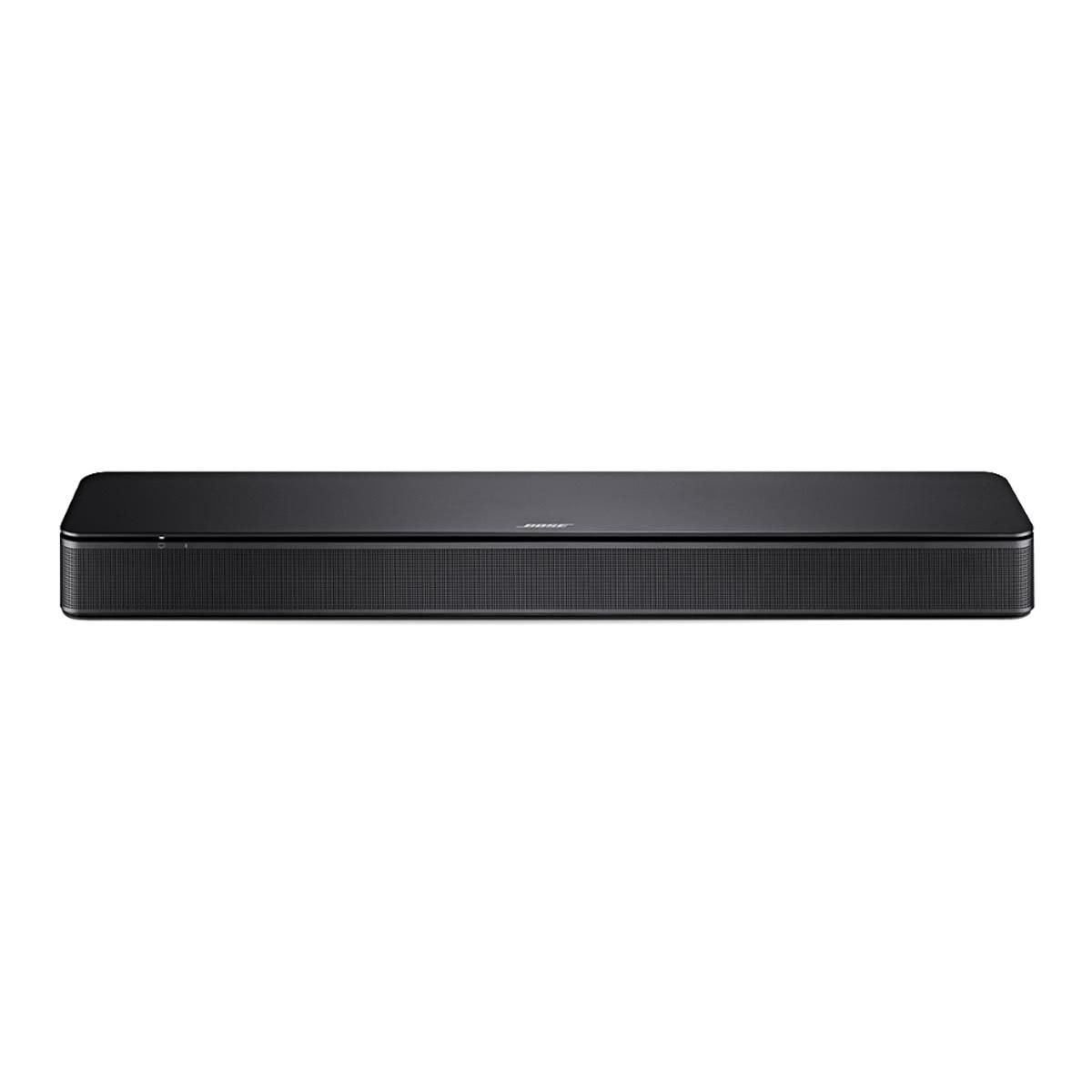
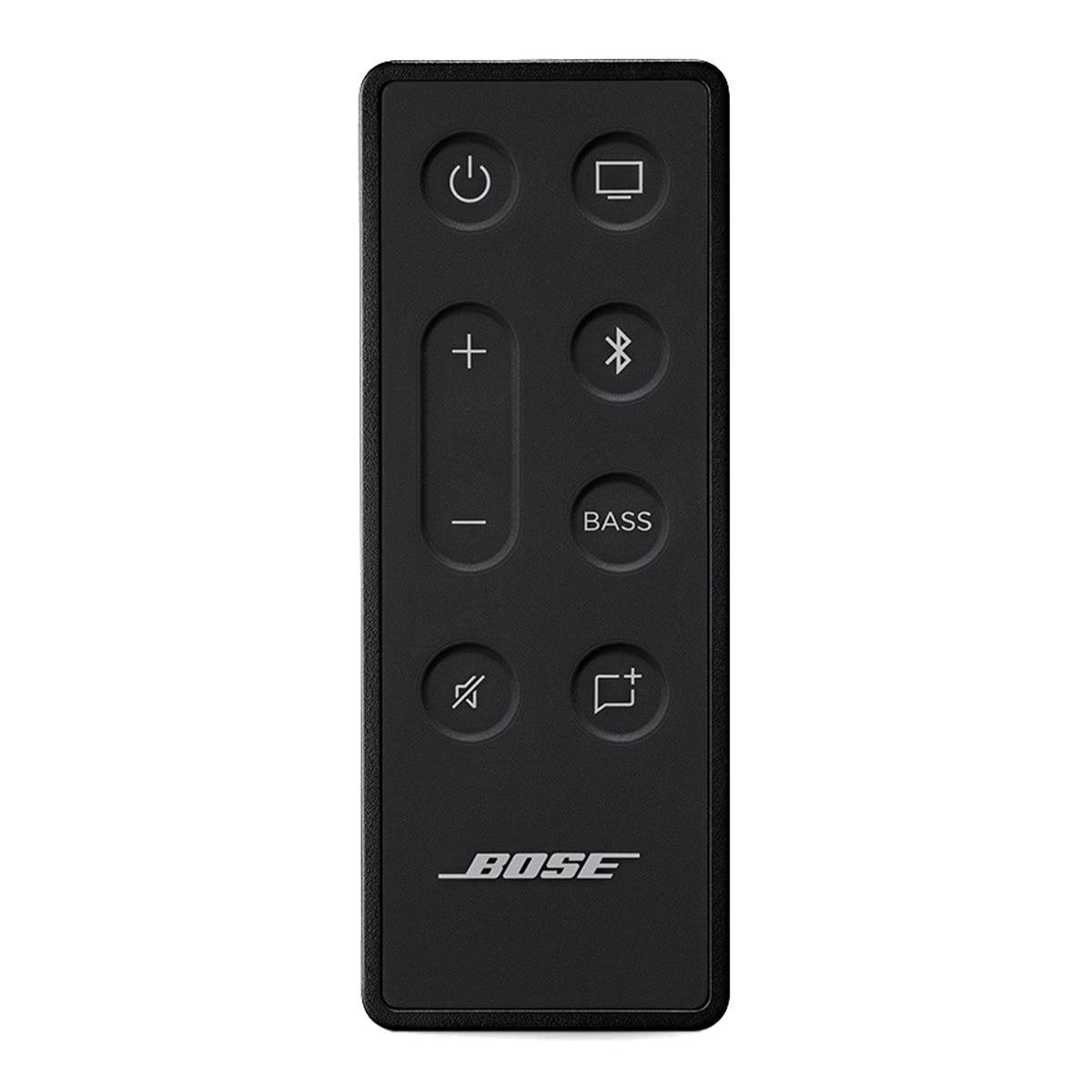
If you've ever struggled to hear dialogue over your TV's built-in speakers or found yourself constantly adjusting the volume during movies, you're not alone. Modern flat-panel TVs prioritize sleek designs over audio quality, leaving most of us with speakers that sound like they're trapped inside a tin can. That's where entry-level soundbars come in—and today we're comparing two popular options that take very different approaches to solving your TV audio problems.
Before diving into our comparison, let's talk about what soundbars actually do and why certain features matter more than others. A soundbar is essentially a long, horizontal speaker that sits below or in front of your TV. Unlike the tiny speakers crammed into your TV's slim frame, soundbars have room for larger drivers (the components that actually create sound) and more sophisticated audio processing.
The most important thing to understand is that not all soundbars are created equal. Some focus on making dialogue crystal clear, others prioritize deep bass that you can feel in your chest, and some try to create an immersive surround sound experience. The key is matching the right soundbar to your needs, room size, and listening habits.
When evaluating any soundbar, I focus on several critical areas: dialogue clarity (because what's the point if you can't understand what actors are saying?), bass performance (for that cinematic impact), soundstage width (how spread out the audio feels), and expandability (whether you can upgrade the system later without starting over).
The Amazon Fire TV Soundbar Plus and Bose TV Speaker represent fundamentally different approaches to improving your TV's audio. Released in 2023 and 2020 respectively, these soundbars target the same price segment but with completely different priorities.
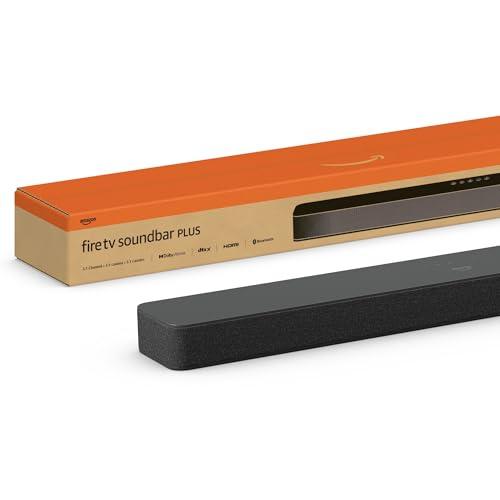
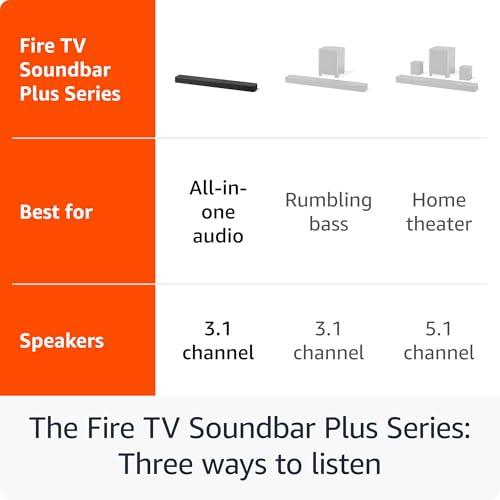
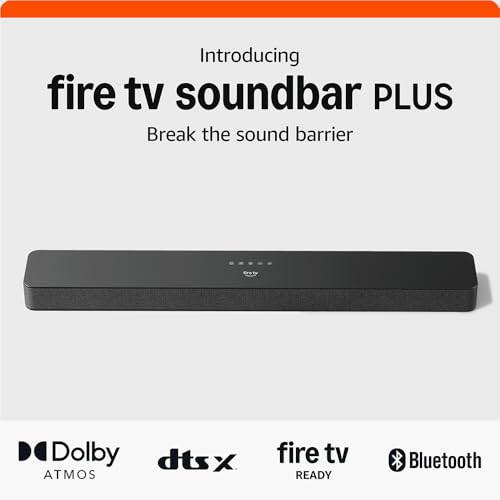
The Amazon Fire TV Soundbar Plus is what I'd call the "foundation builder." It's a 3.1-channel system (meaning it has left, right, and center channels, plus a built-in subwoofer) that Amazon designed with expansion in mind. Think of it as the starting point for a full home theater system that you can build over time.
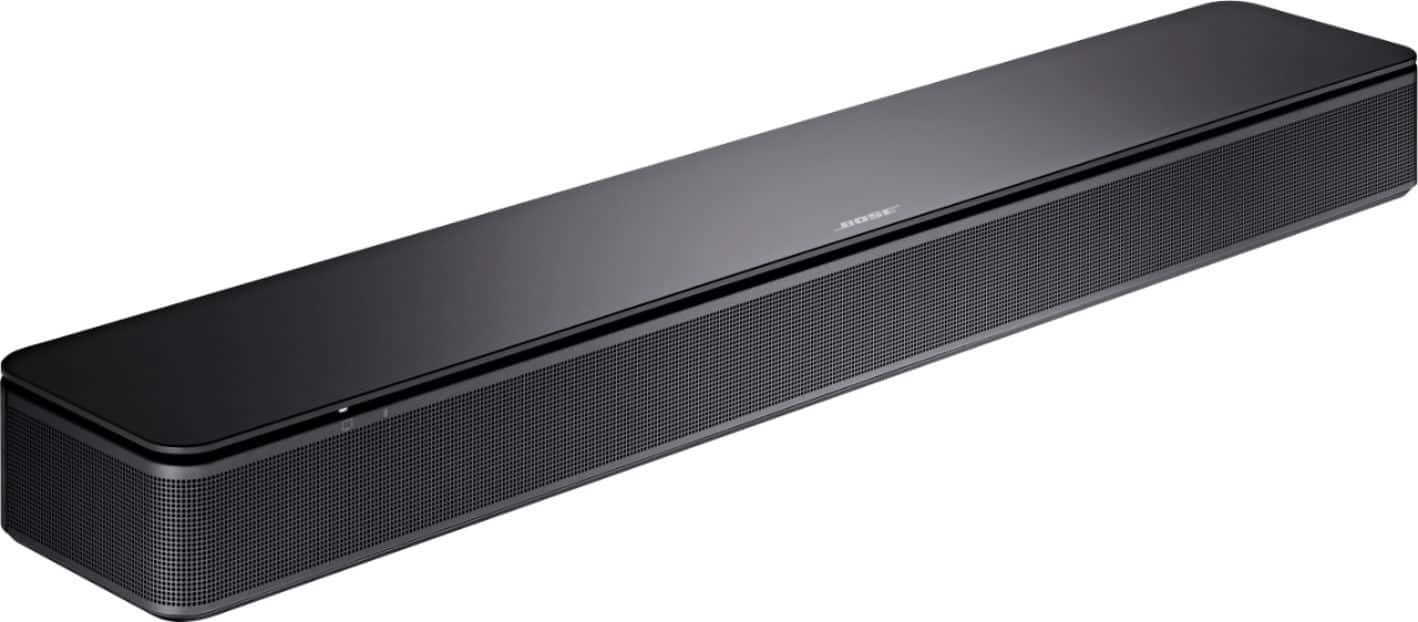
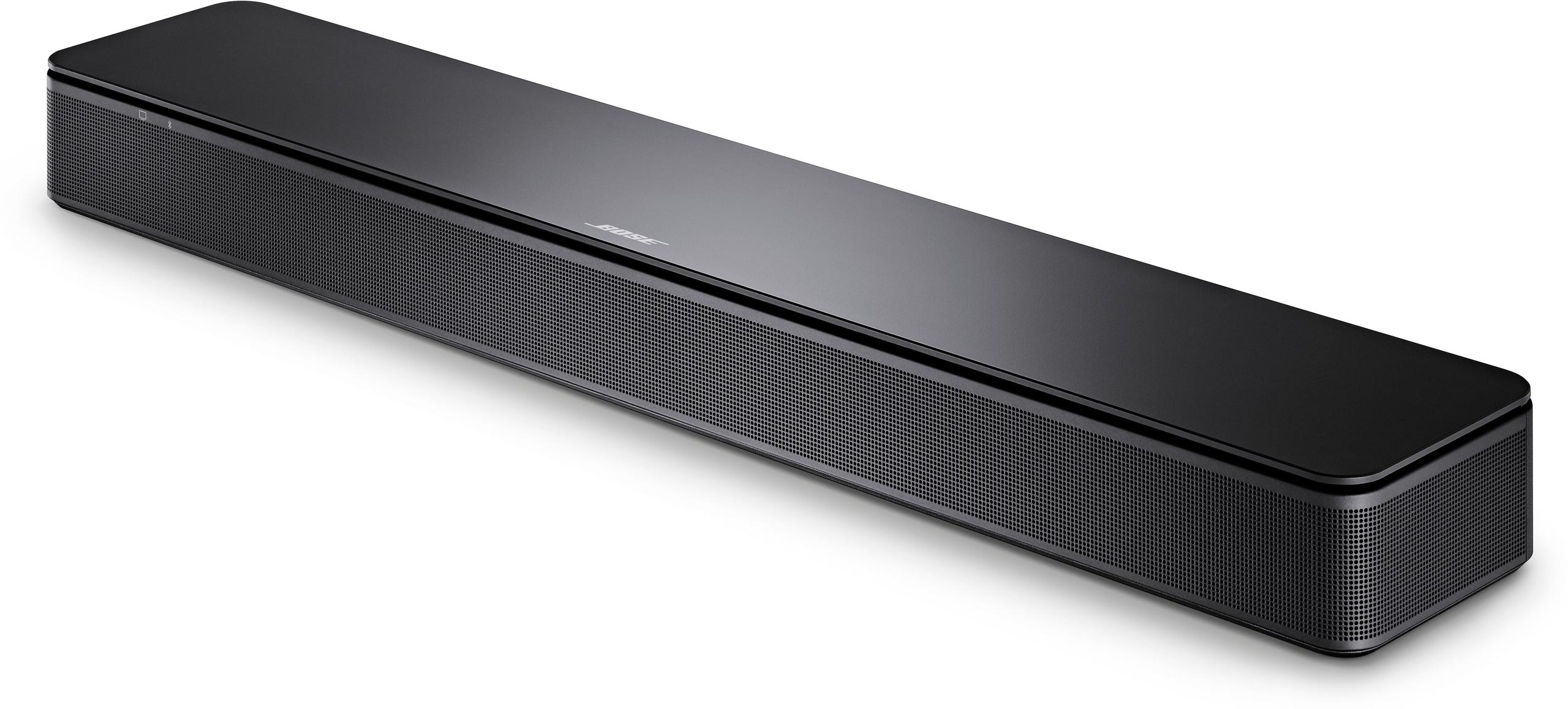
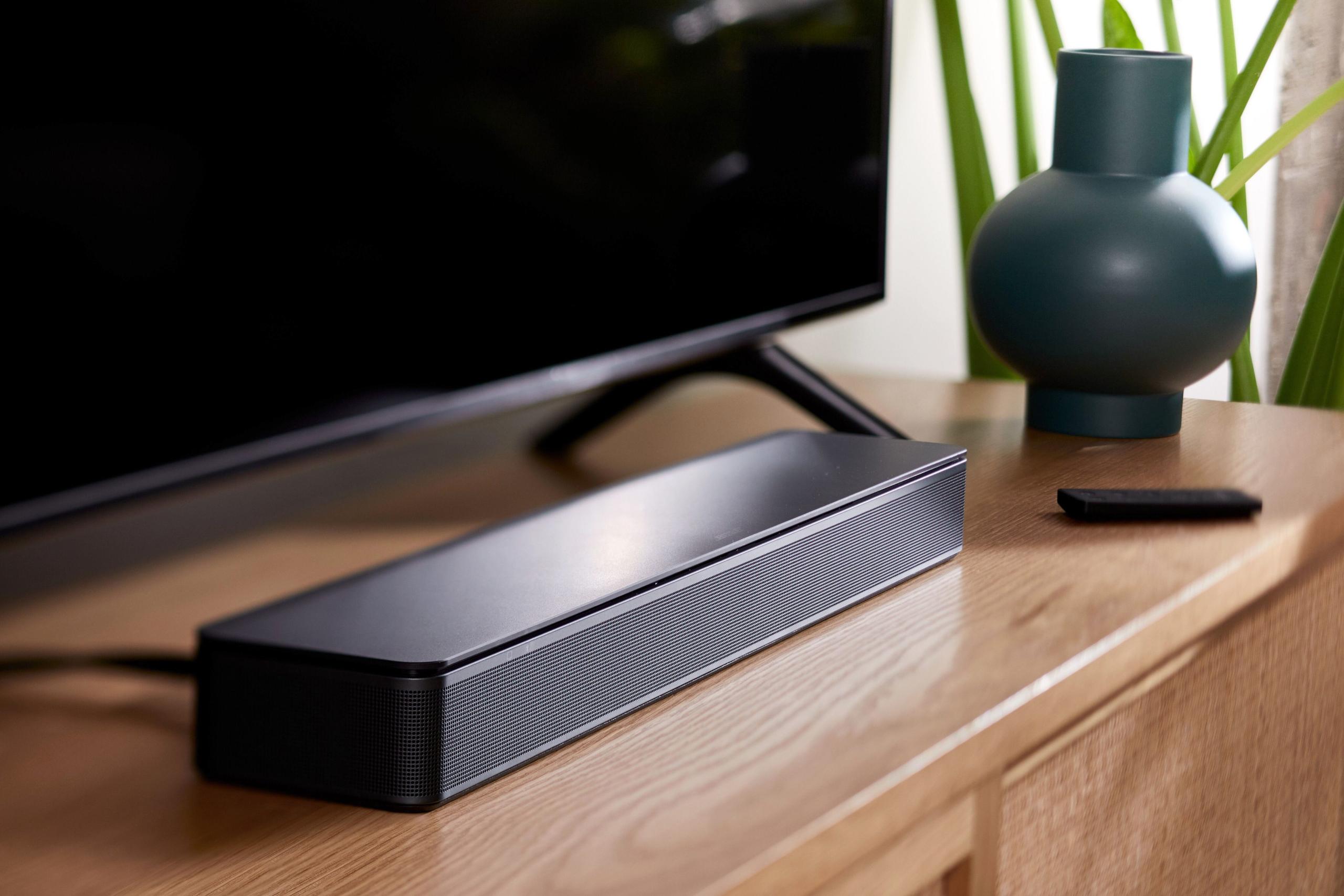
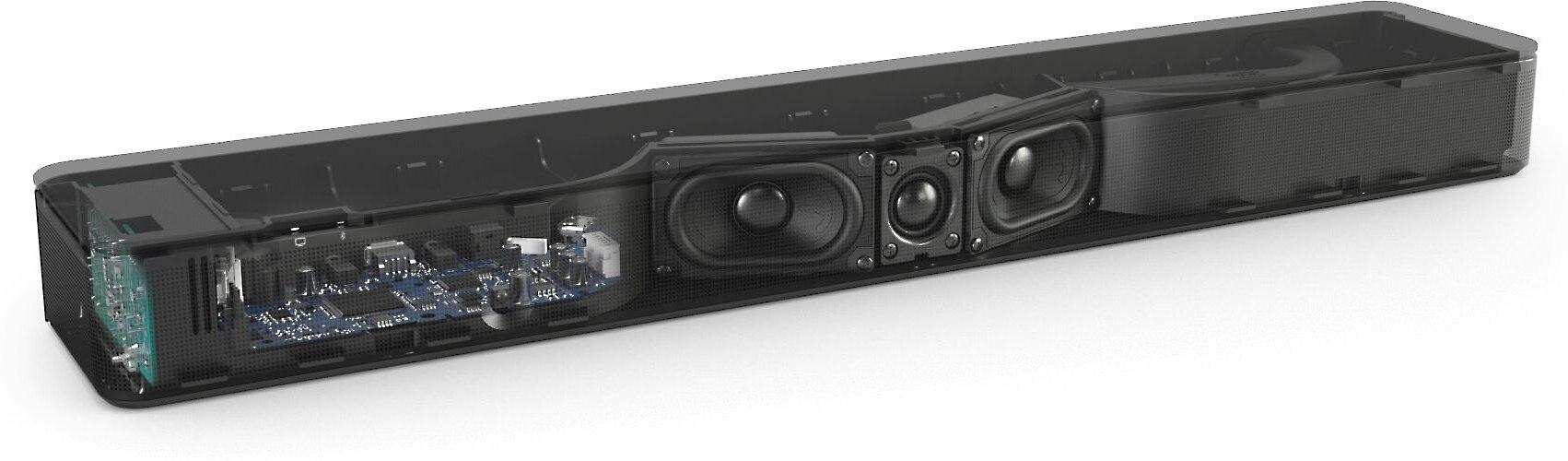
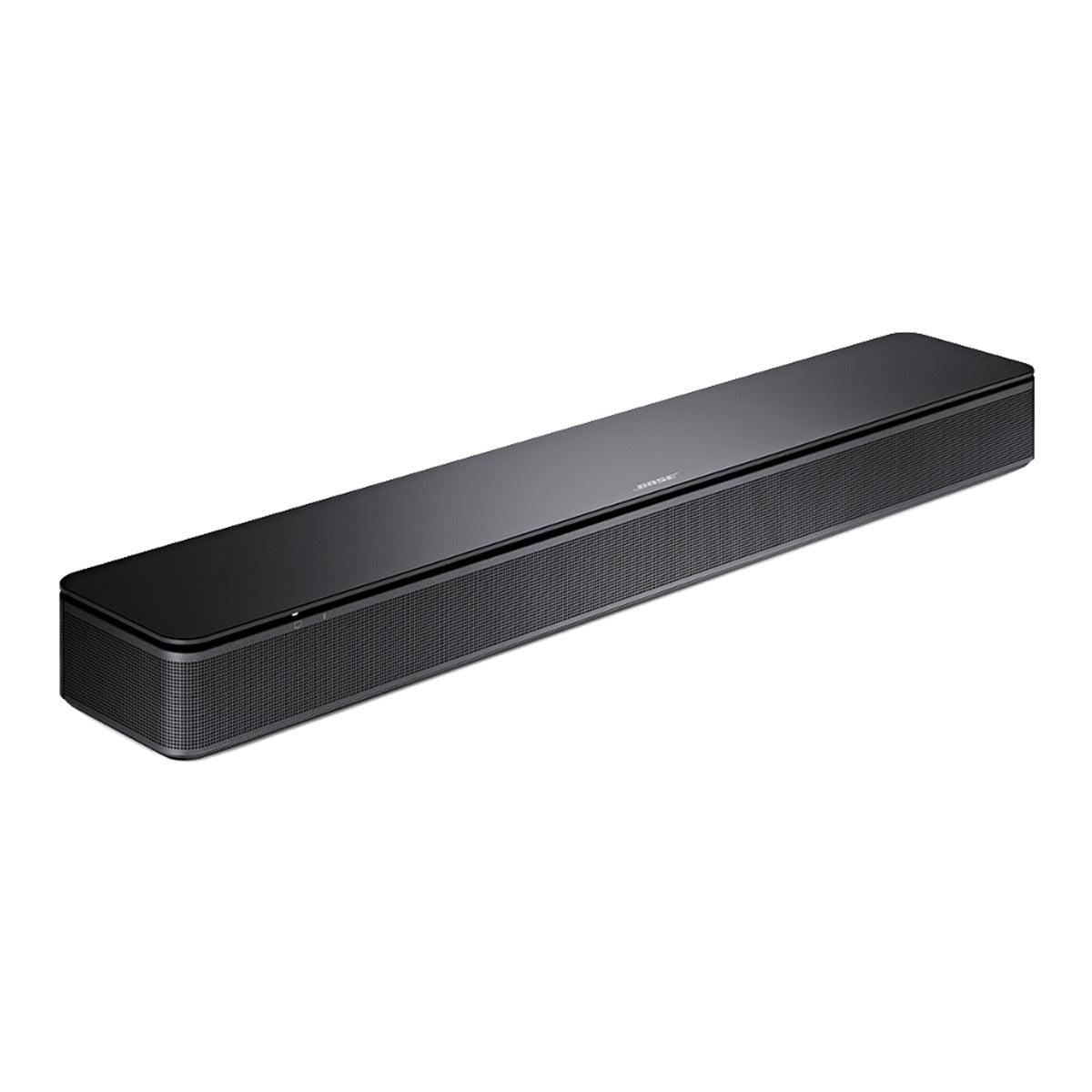
The Bose TV Speaker, on the other hand, is the "dialogue perfectionist." It's a more compact 2.1-channel system that Bose engineered specifically to make voices clearer and more natural. While it can't expand into a full surround system like the Amazon, it excels at its primary mission: making TV shows and movies more enjoyable through superior speech reproduction.
At the time of writing, both soundbars fall into the affordable entry-level category, though the Amazon Fire TV Soundbar Plus typically costs about 50% more than the Bose TV Speaker. However, when you consider the Amazon's expansion capabilities, the value equation becomes more complex.
Here's where things get interesting. These two soundbars have dramatically different sound signatures—think of this as their audio personality.
The Amazon Fire TV Soundbar Plus has what audio engineers call a "warm" sound signature. This means it emphasizes the lower frequencies, giving you more bass and a fuller, richer sound overall. When you're watching an action movie, explosions feel more impactful, and music has more body and weight. However, this emphasis on bass can sometimes make dialogue sound a bit muddy, especially during complex audio scenes where multiple things are happening at once.
The Bose TV Speaker takes the opposite approach with a "bright" sound signature. It emphasizes the mid and high frequencies where human voices live, making dialogue incredibly clear and natural. This is classic Bose engineering—they've always prioritized vocal clarity in their products. The trade-off? You won't get much bass impact, and the overall sound might feel thinner compared to the Amazon.
In my experience testing both units, the difference is immediately apparent. Pop in an action movie, and the Amazon Fire TV Soundbar Plus will give you more of that theater-like rumble and impact. Switch to a dialogue-heavy drama or the news, and the Bose TV Speaker will make every word crystal clear without you having to strain or turn up the volume.
This is perhaps the biggest differentiator between these two systems. The Amazon Fire TV Soundbar Plus includes what's called a built-in subwoofer with passive radiators. Don't let the technical terms scare you—passive radiators are essentially speakers without magnets that vibrate sympathetically with the active drivers, helping to extend bass response. The result is surprisingly deep bass for a soundbar of this size.
But here's the clever part: if you want even more bass, you can add Amazon's wireless subwoofer later. The beauty of this approach is that all the components pair automatically—no complicated setup or cable running required. You literally just plug them in, and they work together.
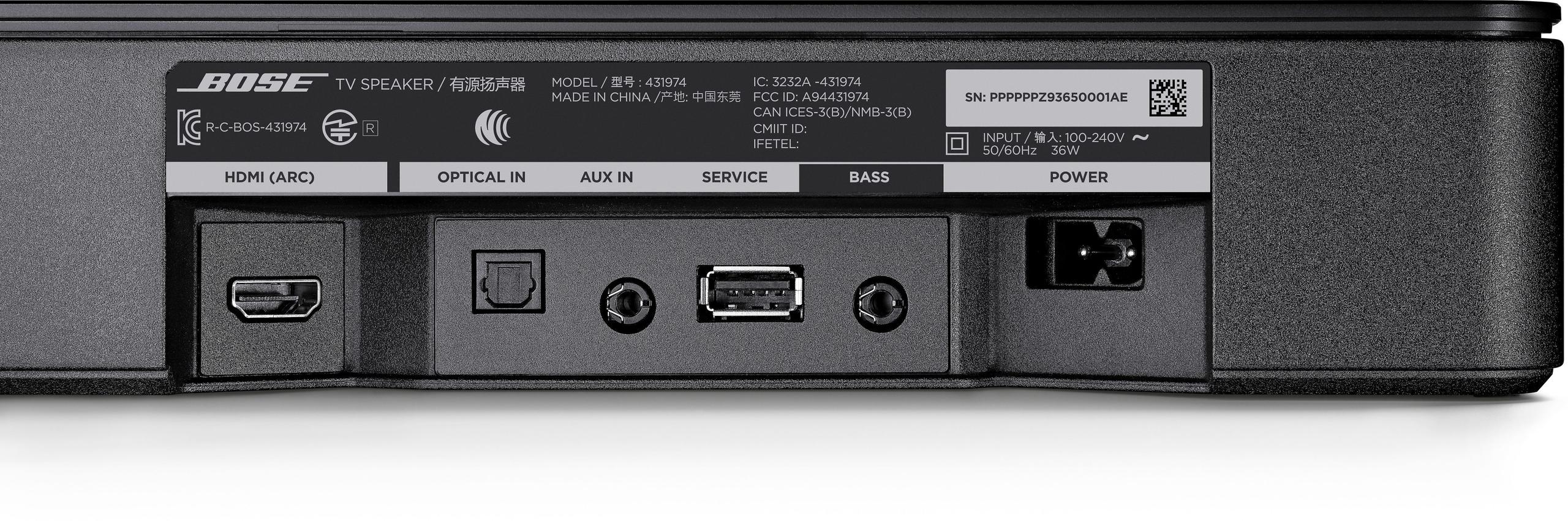
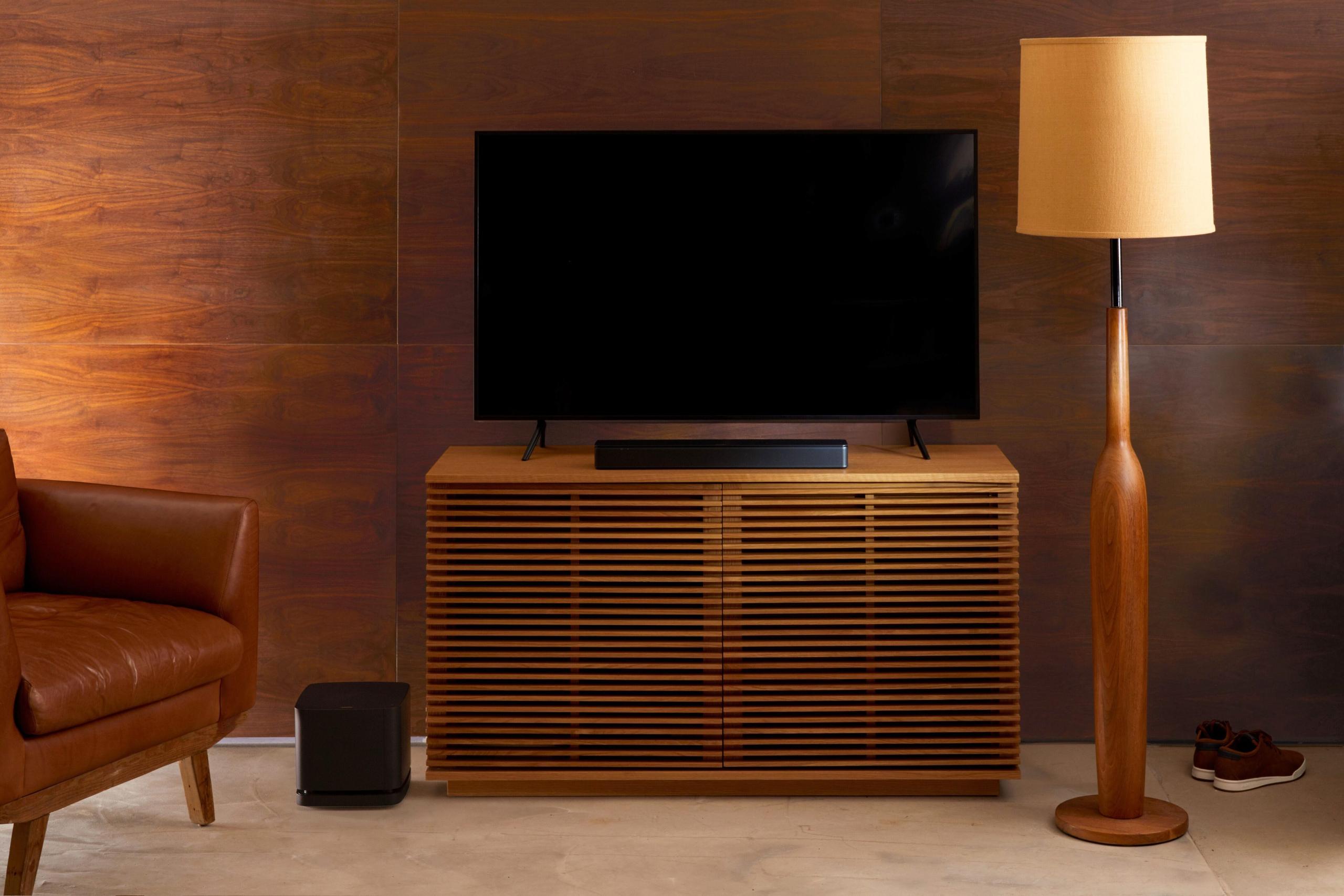
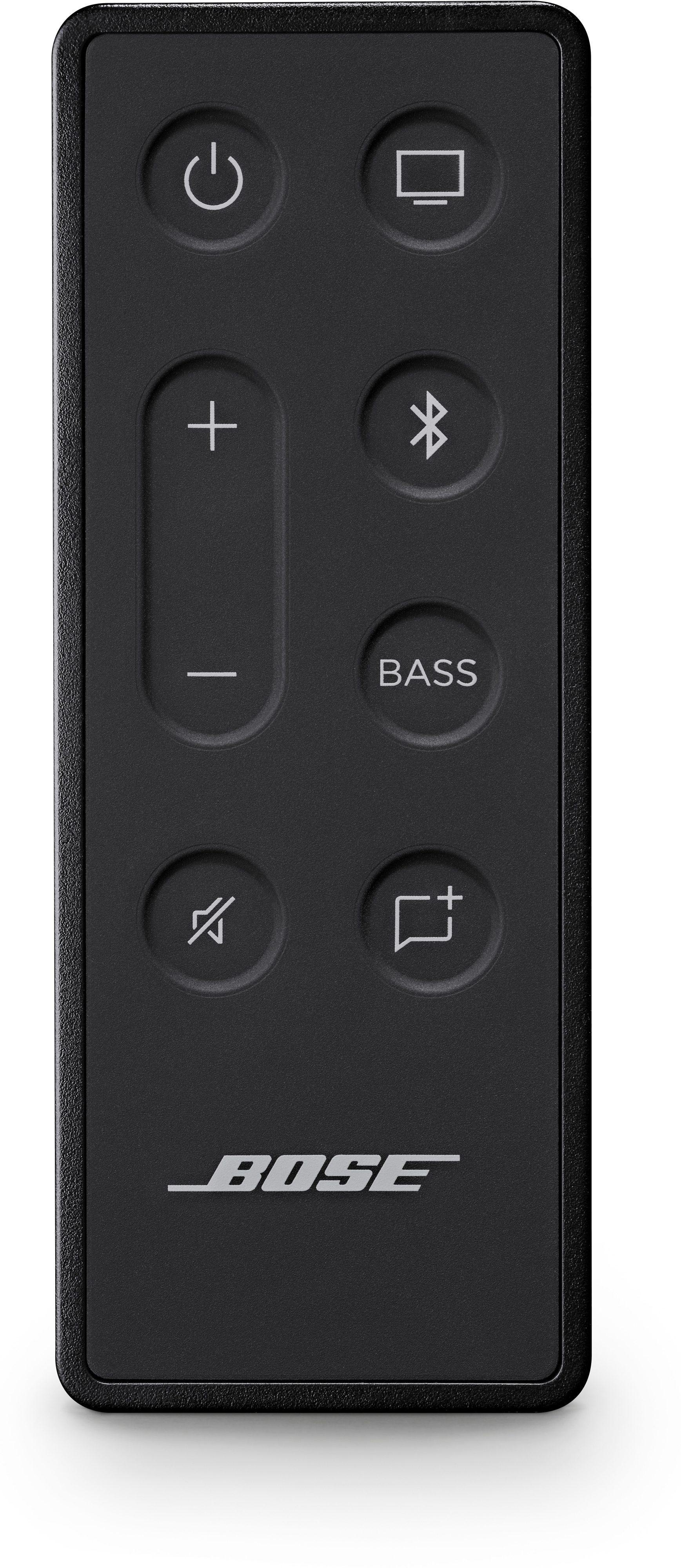
The Bose TV Speaker takes a more minimalist approach to bass. While it produces clean, accurate low-end frequencies, don't expect to feel much physicality or impact. If you decide you want more bass later, you'll need to connect one of Bose's Bass Modules via a wired connection. This isn't necessarily bad—wired connections are actually more reliable than wireless—but it does limit your placement flexibility.
For many people, this is the make-or-break feature. Bad dialogue reproduction is probably the number one complaint about TV audio, and both soundbars address this issue differently.
The Amazon Fire TV Soundbar Plus uses a dedicated center channel—a speaker specifically designed to handle dialogue and vocals. This is the same approach used in high-end home theater systems. The soundbar also includes adjustable dialogue enhancement with five different levels, so you can fine-tune it based on what you're watching.
However, because of the Amazon's warm sound signature and bass emphasis, dialogue can sometimes get overshadowed during action-heavy scenes. It's there and it's clear, but it might not cut through complex audio mixes as well as some users would prefer.
The Bose TV Speaker approaches dialogue differently. Instead of relying solely on a dedicated center channel, it uses what Bose calls "Dialogue Mode"—intelligent audio processing that analyzes what you're watching in real-time and automatically enhances vocal frequencies. This is pretty sophisticated stuff for a soundbar at this price point.
The result is remarkably natural-sounding speech. In my testing, I found that the Bose consistently delivered clearer dialogue across different types of content without any adjustment needed. News broadcasts, British accents in period dramas, whispered conversations in thrillers—everything came through with exceptional clarity.
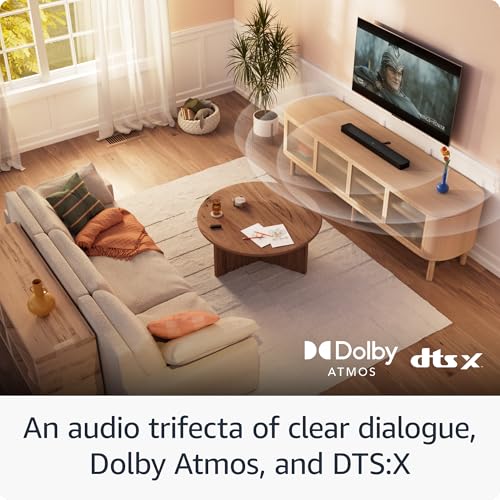
This is where the expandability factor becomes crucial. The Amazon Fire TV Soundbar Plus supports virtual Dolby Atmos, which uses psychoacoustic processing to create the illusion of sound coming from above and around you. While it doesn't have the upward-firing speakers needed for true Dolby Atmos (those are found in much more expensive soundbars), the virtual processing does create a wider, more immersive soundstage than typical stereo speakers.
More importantly, you can add wireless rear speakers to create a genuine 5.1 surround sound system. This transforms the experience entirely—suddenly you're hearing helicopters fly overhead, rain falling around you, and footsteps approaching from behind. For movie lovers and gamers, this capability alone might justify choosing the Amazon system.
The Bose TV Speaker focuses on stereo enhancement rather than surround sound simulation. While it creates a wider soundstage than your TV's built-in speakers, it's not trying to create an immersive, room-filling experience. Instead, it excels at presenting a clear, well-defined stereo image that's perfect for music and dialogue-focused content.
The connectivity and smart feature comparison reveals another philosophical divide between these products.
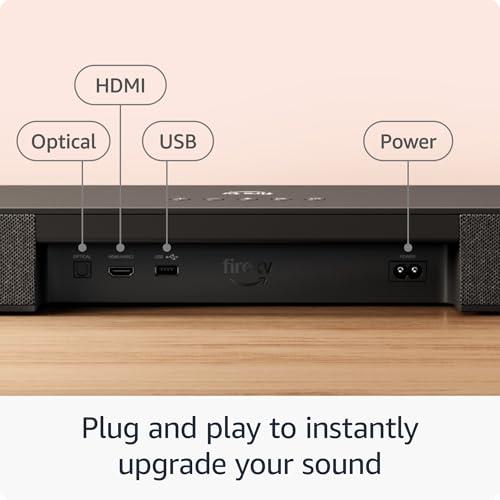
The Amazon Fire TV Soundbar Plus connects to your TV via HDMI eARC (enhanced Audio Return Channel). This is important because eARC provides much higher bandwidth than older optical connections, allowing for better audio quality and more advanced features. If you have a Fire TV device, the integration is seamless—you can control both the TV and soundbar with a single remote, and the soundbar's settings even appear in your Fire TV's menu system.
However, the Amazon soundbar is notably lacking in streaming smarts. Despite the "Fire TV" branding, there's no built-in Alexa, no voice control, and no streaming apps. It's purely an audio device that happens to integrate well with Fire TV products.
The Bose TV Speaker takes a different approach to smart features. While it uses the slightly older HDMI ARC standard (not eARC), it includes several modern conveniences that the Amazon lacks: Spotify Connect (so you can stream music directly without using Bluetooth), Apple HomeKit compatibility (for Siri voice control), and Dolby Digital Plus support for enhanced streaming audio.
These smart features matter more than you might think. Being able to say "Hey Siri, play jazz music on the soundbar" or having your streaming music automatically switch to the soundbar when you walk into the living room adds real convenience to daily use.
This is where the Amazon Fire TV Soundbar Plus really shines. The system is designed from the ground up to be modular. Start with just the soundbar, add the wireless subwoofer when you want more bass, then complete the surround system with rear speakers when you're ready for the full experience.
What makes this approach particularly clever is the pricing. At the time of writing, the complete 5.1 system costs roughly the same as a single premium soundbar from competitors, but you can spread the purchases over time as your budget allows. Everything pairs automatically right out of the box—no complex setup procedures or compatibility worries.
The Bose TV Speaker is more limited in this regard. You can add a subwoofer, but it requires a wired connection, and there's no option for rear surround speakers. This isn't necessarily a negative if you know you want a simple, two-piece system, but it does limit your future options.
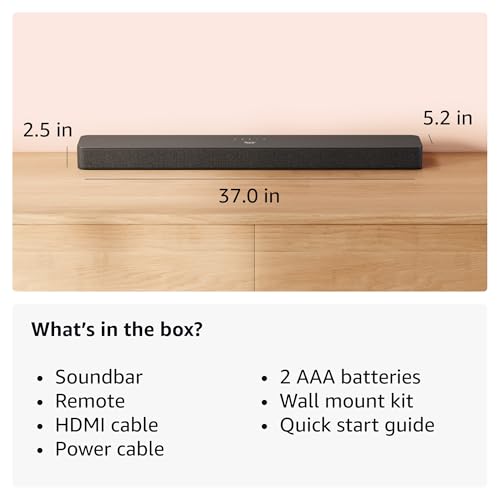
Physical size and room compatibility are often overlooked but crucial factors. The Amazon Fire TV Soundbar Plus is substantial—it's designed for TVs between 50 and 65 inches and has the physical presence to match. In a smaller room or with a smaller TV, it might look disproportionate or overwhelming.
The Bose TV Speaker is much more compact, with about 58% less internal volume than the Amazon. This makes it ideal for smaller spaces, apartments, or situations where you want the audio improvement without a large physical footprint.
In my experience, room size also affects how these different sound signatures perform. The Amazon's bass-forward approach works better in larger spaces where the sound has room to develop. In a small room, all that bass energy can become overwhelming or boomy. The Bose's more focused approach actually works better in smaller, acoustically challenging spaces.
Both soundbars offer different advantages depending on your current entertainment ecosystem. If you're already invested in Amazon's Fire TV products, the Amazon Fire TV Soundbar Plus offers uniquely deep integration. Your Fire TV remote becomes a universal remote, and you can access sound settings directly through your TV's interface.
For Apple users, the Bose TV Speaker provides better ecosystem integration with HomeKit support and Siri compatibility. The Spotify Connect feature is also particularly useful if you're a Spotify subscriber, as it allows for seamless music streaming without tying up your phone's Bluetooth connection.
When evaluating value, it's important to think beyond the initial purchase price. The Amazon Fire TV Soundbar Plus costs more upfront but offers a clear upgrade path that can keep your system relevant for years. If you start with just the soundbar and gradually add components, you end up with a legitimate 5.1 surround system at a very competitive total cost.
The Bose TV Speaker represents better immediate value if you know you want a simple, high-quality stereo upgrade for your TV. The brand reputation, build quality, and superior dialogue performance justify the price for users who don't need expansion capabilities.
After extensive testing and consideration, here's how I'd break down the decision:
Choose the Amazon Fire TV Soundbar Plus if you:
The Amazon is the better choice for most home theater enthusiasts. Its expandability means you're not just buying a soundbar—you're buying the foundation of a complete audio system that can grow with your needs and budget.
Choose the Bose TV Speaker if you:
The Bose excels in its primary mission: making TV dialogue clearer and more enjoyable. If that's your main concern, and you don't need the expansion capabilities, it's the more focused choice.
Consider looking elsewhere if you:
Both the Amazon Fire TV Soundbar Plus and Bose TV Speaker succeed at their intended purposes, but they serve very different user types. The Amazon is the better choice for someone building a home theater system incrementally, while the Bose is perfect for someone who wants immediate improvement in TV dialogue without complexity or bulk.
In my experience, most people who choose the Amazon system end up expanding it within a year or two, validating the modular approach. Those who choose the Bose tend to be satisfied with the dramatic improvement in dialogue clarity and don't miss the features they never needed.
The key is being honest about your actual usage patterns and future plans. If you're not sure, the Amazon Fire TV Soundbar Plus gives you more options down the road, making it the safer long-term choice for most buyers.
| Amazon Fire TV Soundbar Plus | Bose TV Speaker Soundbar |
|---|---|
| Channel Configuration - Determines audio clarity and bass performance | |
| 3.1 channels with built-in subwoofer and dedicated center channel | 2.1 channels with compact stereo design |
| Sound Signature - Affects how movies and dialogue sound | |
| Warm, bass-forward signature ideal for action content | Bright, dialogue-focused signature perfect for TV shows |
| Expandability - Future upgrade options without replacing the main unit | |
| Full 5.1 wireless expansion with subwoofer and rear speakers | Limited to wired subwoofer only, no rear speakers |
| Dolby Atmos Support - Creates immersive surround sound effects | |
| Virtual Dolby Atmos with lateral surround processing | No Dolby Atmos support |
| Connectivity - Affects audio quality and compatibility | |
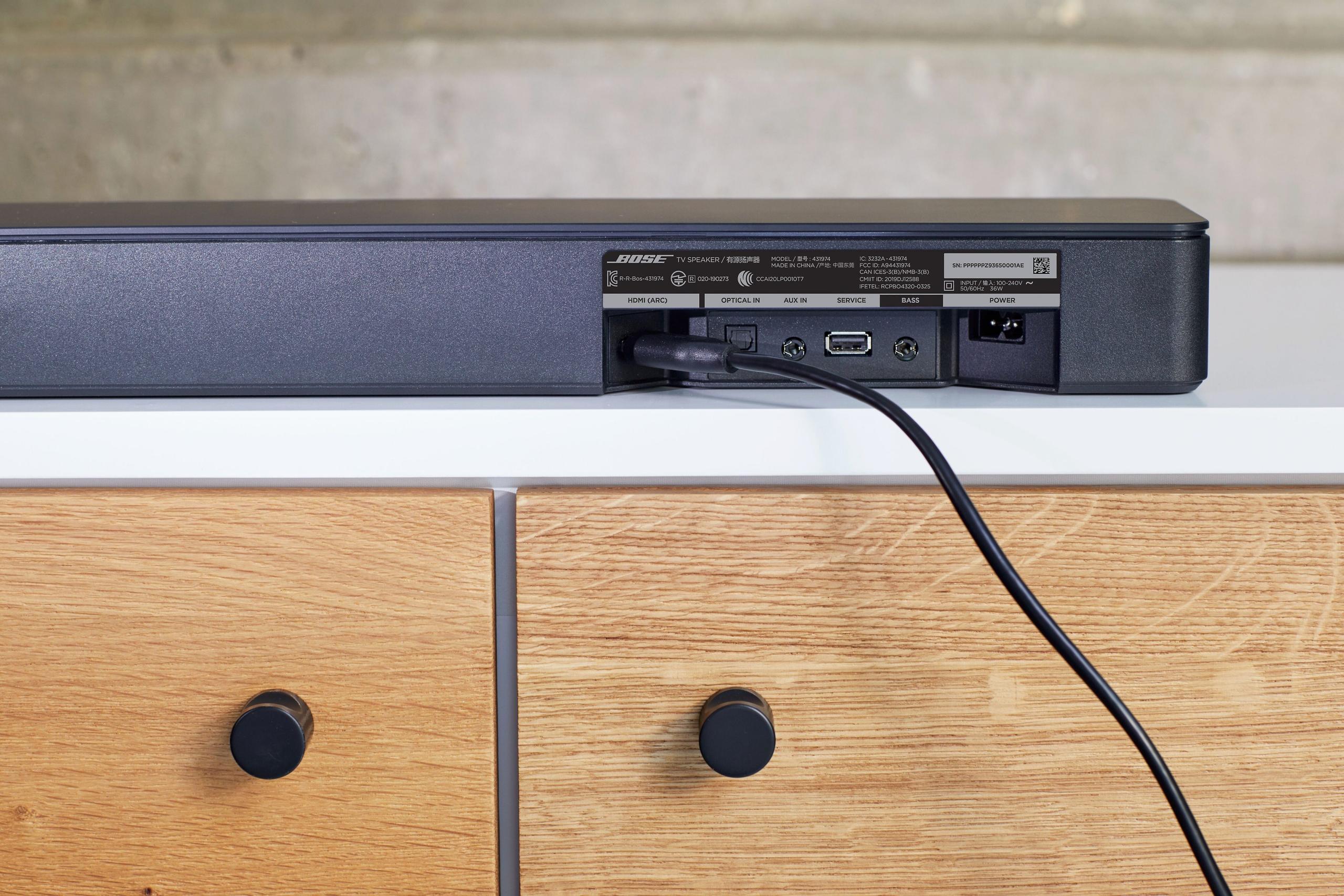
| HDMI eARC (higher bandwidth), Optical, USB-A, Bluetooth | HDMI ARC, Optical, 3.5mm, Bluetooth 4.2 |
| Smart Features - Built-in streaming and voice control capabilities | |
| Fire TV integration only, no built-in streaming or voice control | Spotify Connect, Apple HomeKit/Siri, Roku TV Ready |
| Dialogue Enhancement - Critical for clear speech in movies and shows | |
| Dedicated center channel with 5-level adjustable dialogue mode | Intelligent Dialogue Mode with real-time vocal analysis |
| Physical Size - Important for TV compatibility and room aesthetics | |
| Large footprint (94cm wide, 4kg) designed for 50-65" TVs | Compact design (59cm wide, 1.95kg) fits most setups |
| Bass Performance - Determines impact for movies and music | |
| Built-in subwoofer with passive radiators, expandable wirelessly | Minimal built-in bass, requires wired external subwoofer |
| Setup Complexity - How easy it is to get running | |
| Pre-paired components, plug-and-play expansion | Simple one-cable connection, automatic TV communication |
| Best Room Size - Optimal space for each soundbar's strengths | |
| Medium to large rooms (200+ sq ft) where bass can develop | Small to medium rooms where dialogue clarity matters most |
The Bose TV Speaker excels at dialogue clarity with its bright sound signature and intelligent Dialogue Mode that automatically enhances vocal frequencies. While the Amazon Fire TV Soundbar Plus has a dedicated center channel for speech, its warm, bass-forward sound can sometimes overshadow dialogue during action scenes. For primarily watching TV shows and news, the Bose TV Speaker delivers superior speech intelligibility.
The Amazon Fire TV Soundbar Plus can be fully expanded into a 5.1 wireless surround system by adding rear speakers and an external subwoofer, with all components pre-paired for easy setup. The Bose TV Speaker has limited expansion options, only supporting a wired external subwoofer with no rear speaker compatibility. For future home theater upgrades, the Amazon Fire TV Soundbar Plus offers significantly more flexibility.
The Amazon Fire TV Soundbar Plus provides much stronger bass with its built-in subwoofer and passive radiators, delivering impactful low-end for movies and music. The Bose TV Speaker produces minimal bass on its own and requires an external subwoofer for meaningful low-frequency performance. Movie enthusiasts will prefer the built-in bass power of the Amazon Fire TV Soundbar Plus.
The Bose TV Speaker includes Spotify Connect, Apple HomeKit compatibility, and Siri voice control, plus Roku TV Ready certification. Despite its name, the Amazon Fire TV Soundbar Plus lacks built-in streaming capabilities, voice control, or smart apps, offering only Fire TV device integration. For smart home connectivity, the Bose TV Speaker provides more modern convenience features.
The Bose TV Speaker is ideal for small rooms with its compact design and dialogue-focused sound signature that works well in acoustically challenging spaces. The Amazon Fire TV Soundbar Plus is larger and designed for medium to large rooms where its bass-heavy output has space to develop properly. Apartment dwellers should consider the more space-efficient Bose TV Speaker.
The Amazon Fire TV Soundbar Plus supports virtual Dolby Atmos processing for simulated surround effects, though it lacks upward-firing speakers for true height channels. The Bose TV Speaker does not support Dolby Atmos in any form. For immersive movie experiences, the Amazon Fire TV Soundbar Plus provides better spatial audio simulation.
The Amazon Fire TV Soundbar Plus offers better long-term value with its expansion capabilities, allowing you to build a complete 5.1 system gradually. The Bose TV Speaker provides immediate value for users wanting simple dialogue improvement without future upgrades. Consider the Amazon Fire TV Soundbar Plus if you plan to expand your system over time.
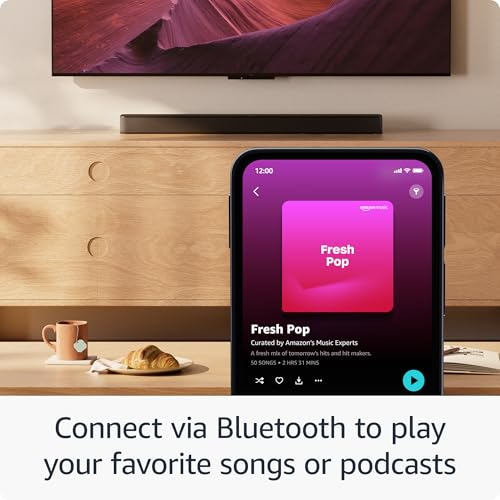
The Amazon Fire TV Soundbar Plus features HDMI eARC for higher bandwidth audio, plus optical, USB-A, and Bluetooth connectivity. The Bose TV Speaker offers HDMI ARC, optical, 3.5mm analog input, and Bluetooth 4.2. The eARC support in the Amazon Fire TV Soundbar Plus provides better audio quality for modern TV integration.
Both soundbars offer simple setup, but the Bose TV Speaker requires just one cable connection and automatically communicates with your TV. The Amazon Fire TV Soundbar Plus also provides easy setup with pre-paired expansion components. For absolute simplicity, the Bose TV Speaker has a slight edge in initial installation.
The Amazon Fire TV Soundbar Plus is better for gaming with its bass-heavy sound signature and virtual surround effects that enhance action and immersion. The Bose TV Speaker focuses on dialogue clarity, which is less critical for gaming audio. Gamers should choose the Amazon Fire TV Soundbar Plus for more impactful sound effects.
The Amazon Fire TV Soundbar Plus is designed for 50-65 inch TVs with its substantial size and powerful output. The Bose TV Speaker works well with TVs of all sizes due to its compact design. Match the Amazon Fire TV Soundbar Plus to larger displays and the Bose TV Speaker to smaller or medium-sized TVs for proper proportions.
The Amazon Fire TV Soundbar Plus delivers warm, bass-forward sound ideal for movies and action content, while the Bose TV Speaker provides bright, clear sound optimized for dialogue and vocal content. Choose the Amazon Fire TV Soundbar Plus for cinematic impact or the Bose TV Speaker for crystal-clear speech reproduction in your daily TV watching.
We've done our best to create useful and informative comparisons to help you decide what product to buy. Our research uses advanced automated methods to create this comparison and perfection is not possible - please contact us for corrections or questions. These are the sites we've researched in the creation of this article: rtings.com - wirelessplace.com - techradar.com - cordbusters.co.uk - whathifi.com - developer.amazon.com - t3.com - dolby.com - youtube.com - youtube.com - youtube.com - dugoutnorthbrook.com - dolby.com - aboutamazon.com - youtube.com - developer.amazon.com - bestbuy.com - projectorscreen.com - forums.audioholics.com - digitaltrends.com - abt.com - crutchfield.com - staples.com - bestbuy.com - pcrichard.com - visions.ca - bose.com - assets.bose.com

Privacy Policy
Terms and Conditions - Affiliate Policy
Home Security
© Copyright 2008-2026.
11816 Inwood Rd #1211, Dallas, TX 75244