

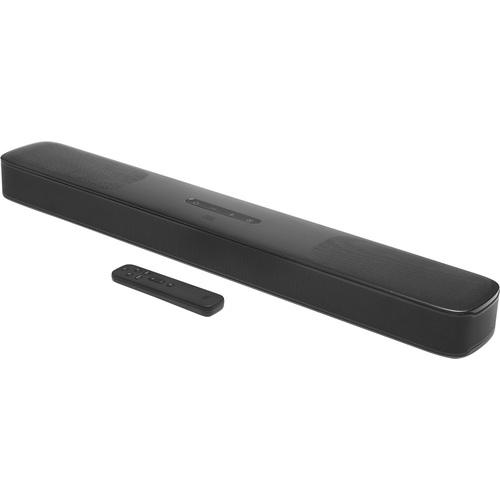
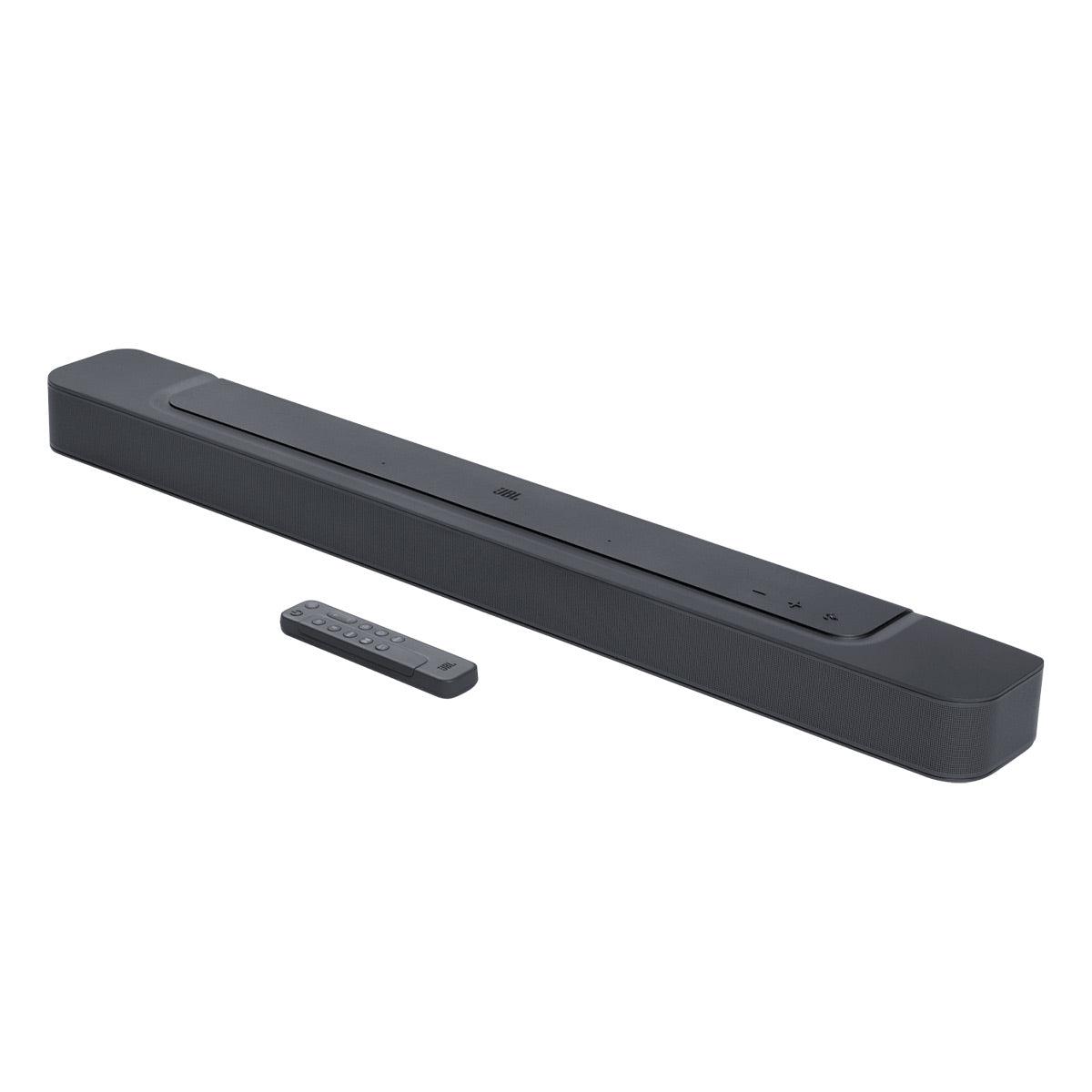
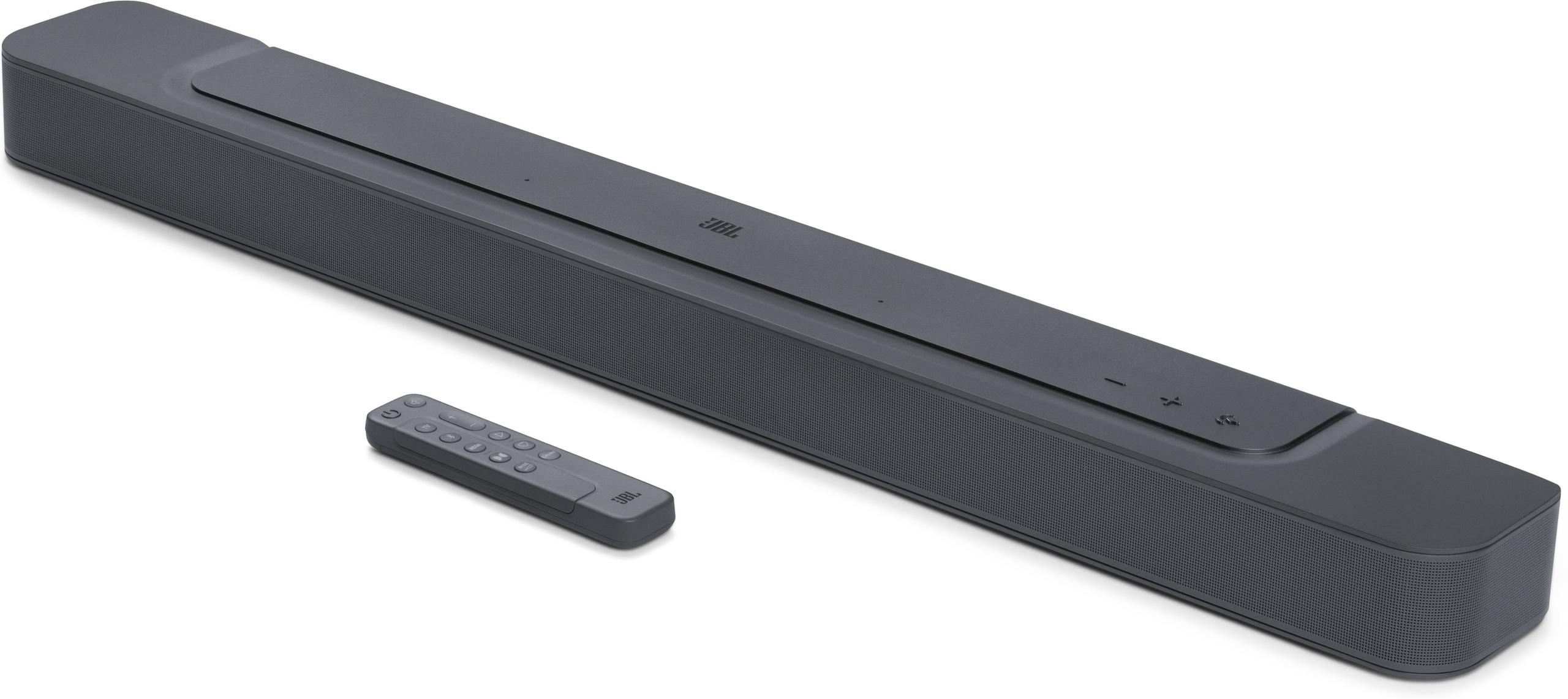

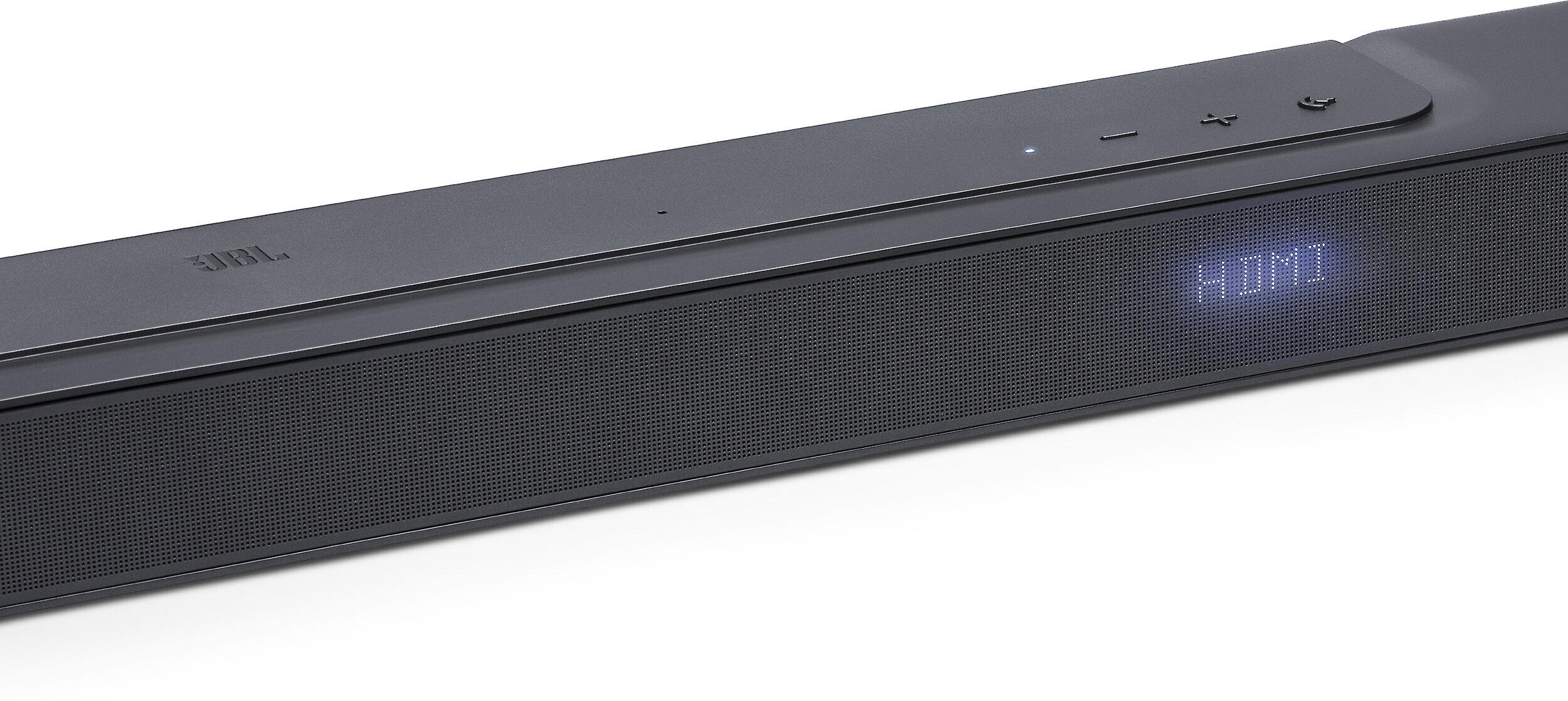


When your TV's built-in speakers make movie dialogue sound like it's coming through a tin can, upgrading to a soundbar becomes a priority. But with prices ranging from under $100 to over $1,000, choosing the right one can feel overwhelming. Two popular options that represent very different approaches are the Amazon Fire TV Soundbar and the JBL Bar 300, which launched in 2024 and 2023 respectively.
These soundbars sit at opposite ends of the value spectrum. At the time of writing, Amazon's offering costs about one-third the price of JBL's model, making this comparison particularly interesting for buyers trying to understand what that price difference actually gets you.
Before diving into specifics, let's establish what separates good soundbars from mediocre ones. The most important factors include channel configuration (how many separate audio streams the bar can handle), power output (which affects maximum volume and dynamic range), and audio processing capabilities (the digital wizardry that creates surround sound effects).
Channel configuration is probably the most crucial specification to understand. A 2.0 system means two channels (left and right), essentially stereo sound. A 5.0 system handles five discrete audio channels - left, right, center, and two surround channels - without a dedicated subwoofer for bass. The more channels, the better the soundbar can separate different audio elements and create spatial effects.
Power output, measured in watts, determines how loud your soundbar can go without distorting. More importantly, higher wattage usually correlates with better dynamic range - the difference between quiet dialogue and explosive action sequences. This matters enormously for movie watching, where you want whispered conversations to be clear without getting your eardrums blown out during chase scenes.
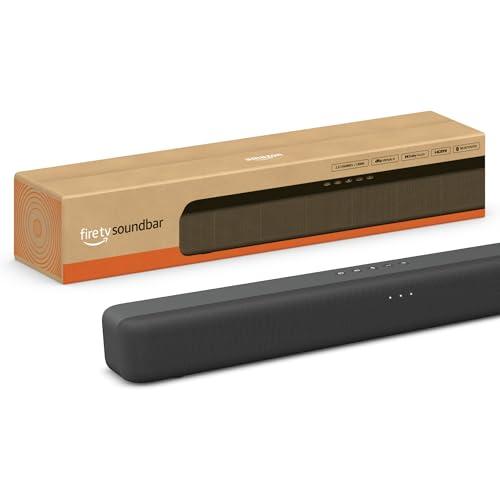
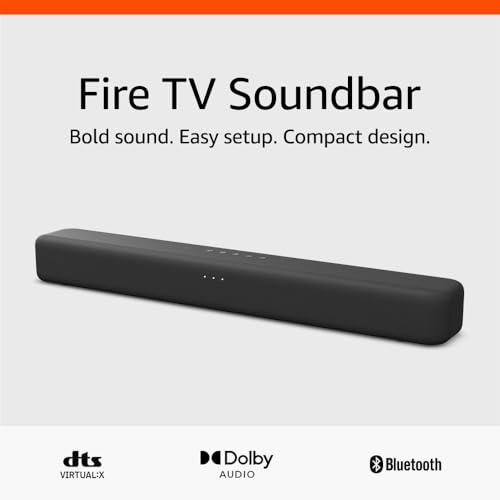
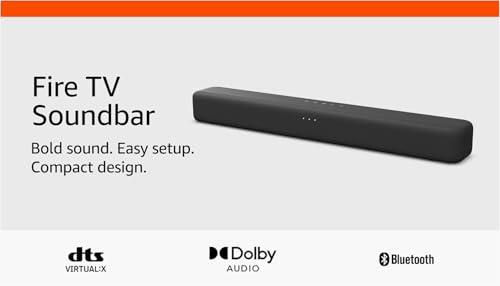
The Amazon Fire TV Soundbar represents Amazon's first serious entry into the standalone soundbar market. Launched in 2024, it's designed to integrate seamlessly with Fire TV streaming devices while offering a significant upgrade over built-in TV speakers at an aggressively competitive price point.
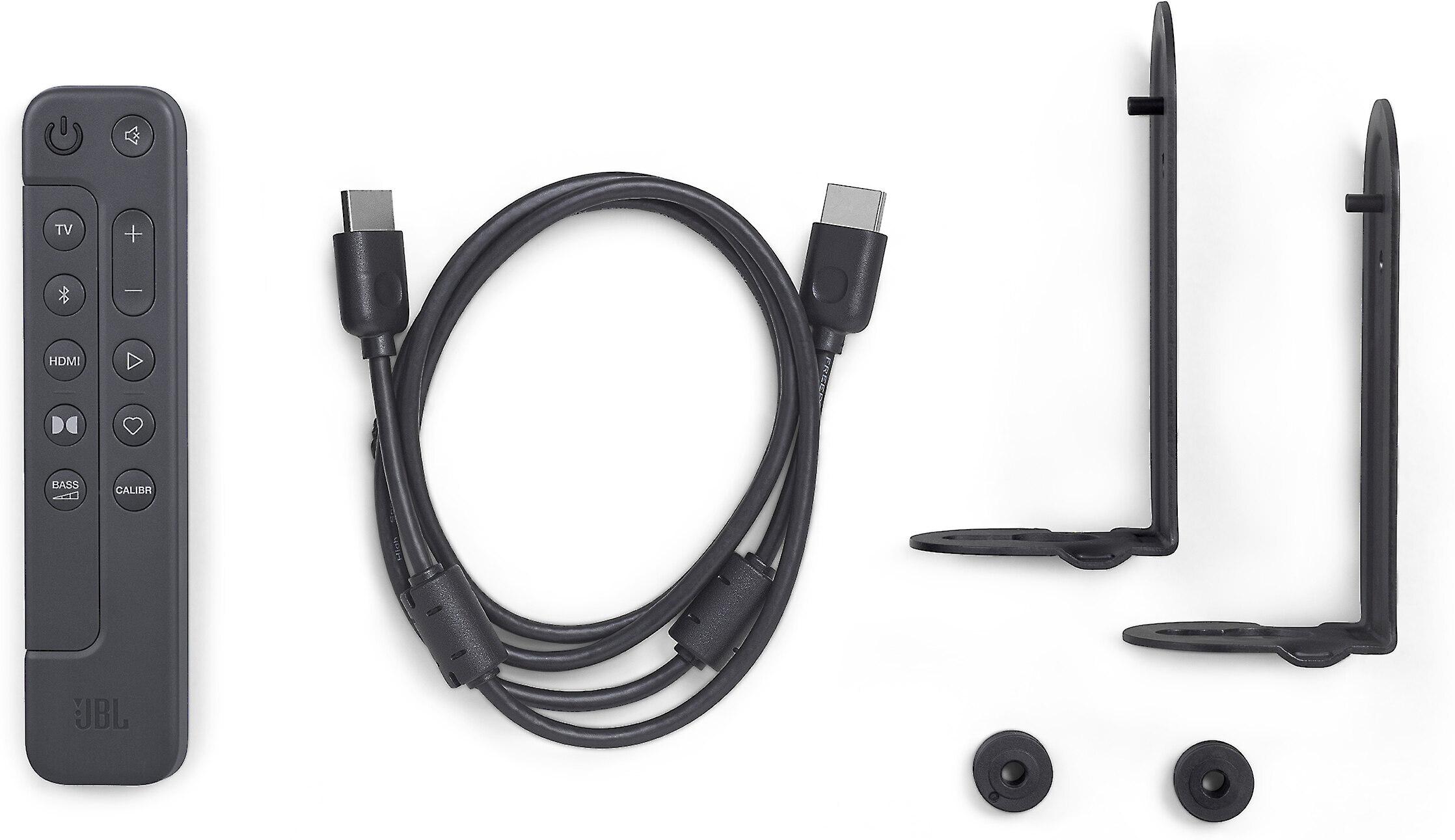
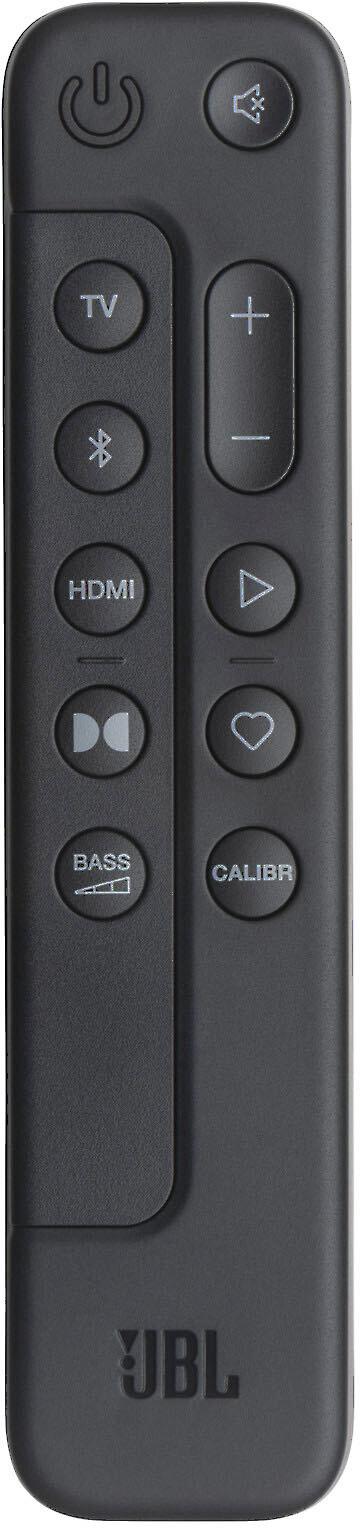
The JBL Bar 300, released in early 2023, targets the mid-range market segment. JBL, with decades of professional audio experience, brings serious audio engineering to this compact soundbar format. It's positioned as a "no subwoofer needed" solution that can deliver cinema-quality sound without additional components cluttering your living room.
Since their respective launches, the soundbar market has seen increased competition in both budget and premium segments, making both products work harder to justify their positioning. Amazon has leveraged its ecosystem integration advantages, while JBL has focused on audio performance and smart home compatibility improvements.
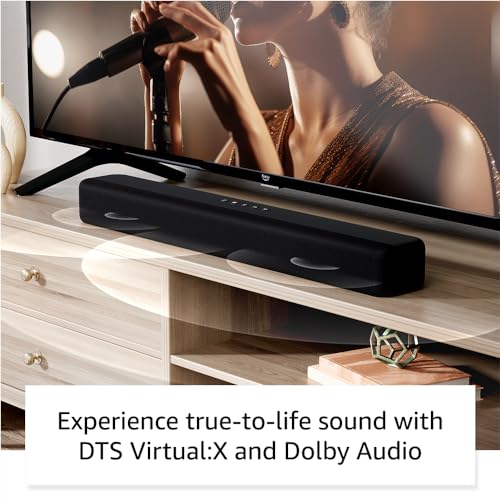
The most fundamental difference between these soundbars lies in their channel configuration. The Amazon Fire TV Soundbar uses a 2.0 stereo setup enhanced with DTS Virtual:X processing. This technology uses digital signal processing (DSP) algorithms to create the illusion of surround sound from just two speakers. Think of it as audio sleight of hand - clever math that tricks your brain into hearing sounds that seem to come from different directions.
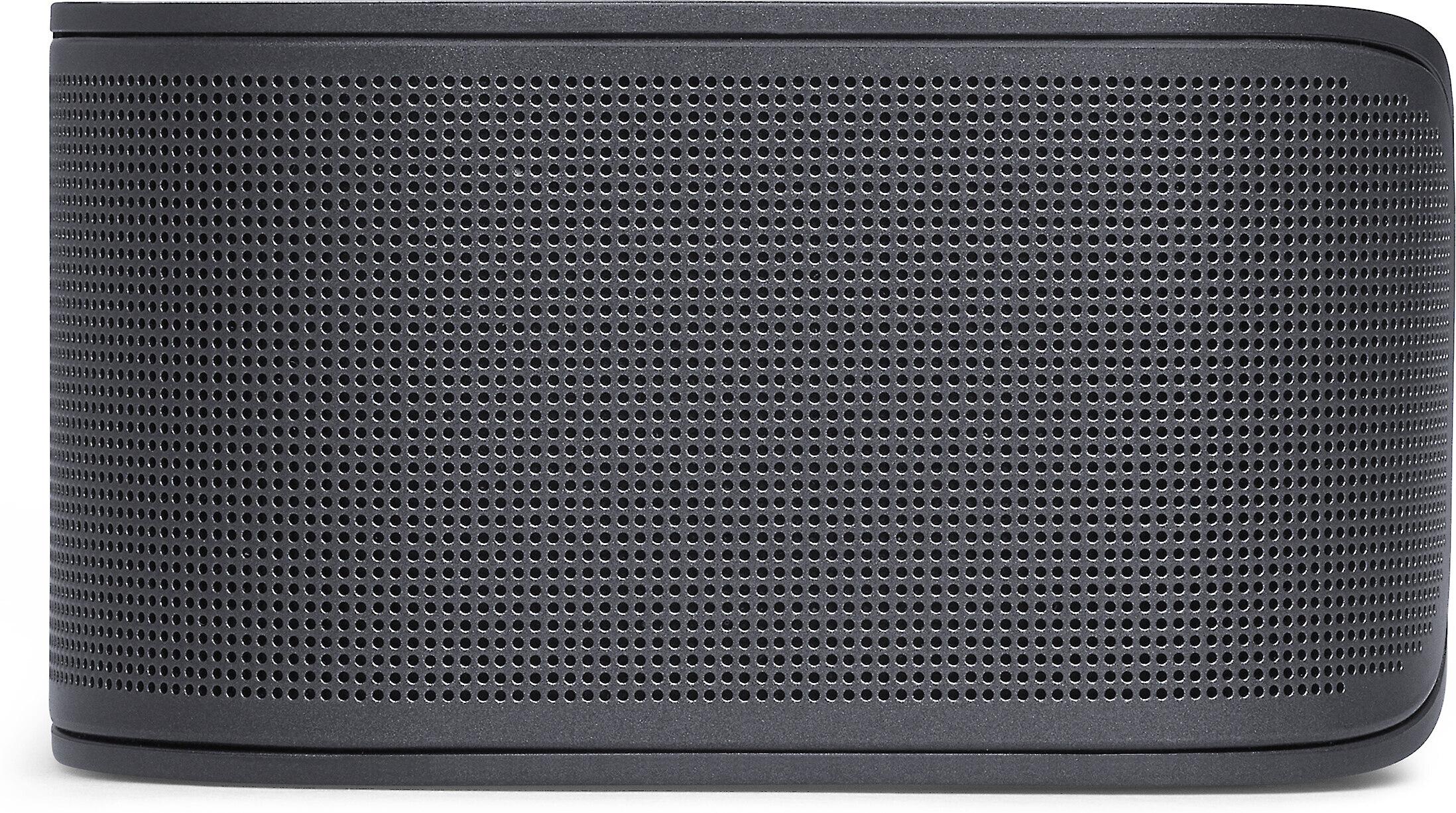
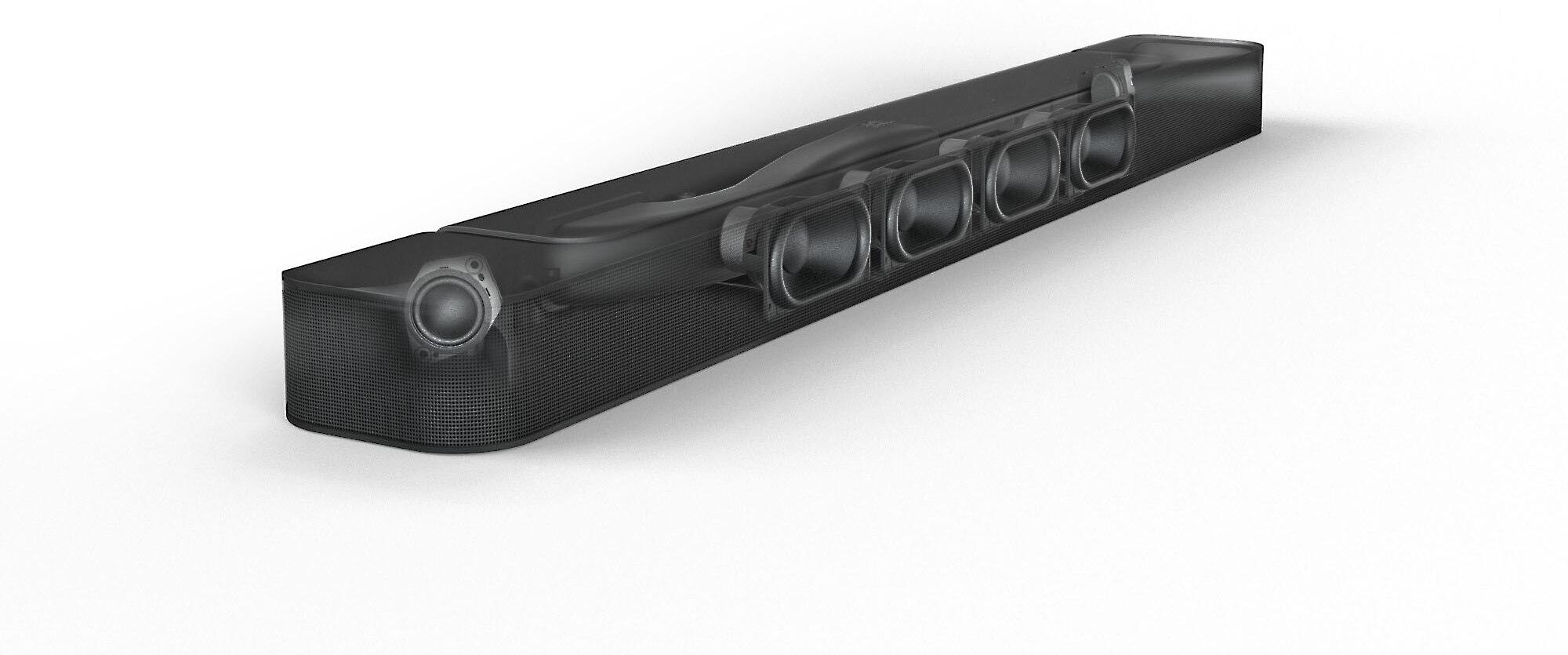
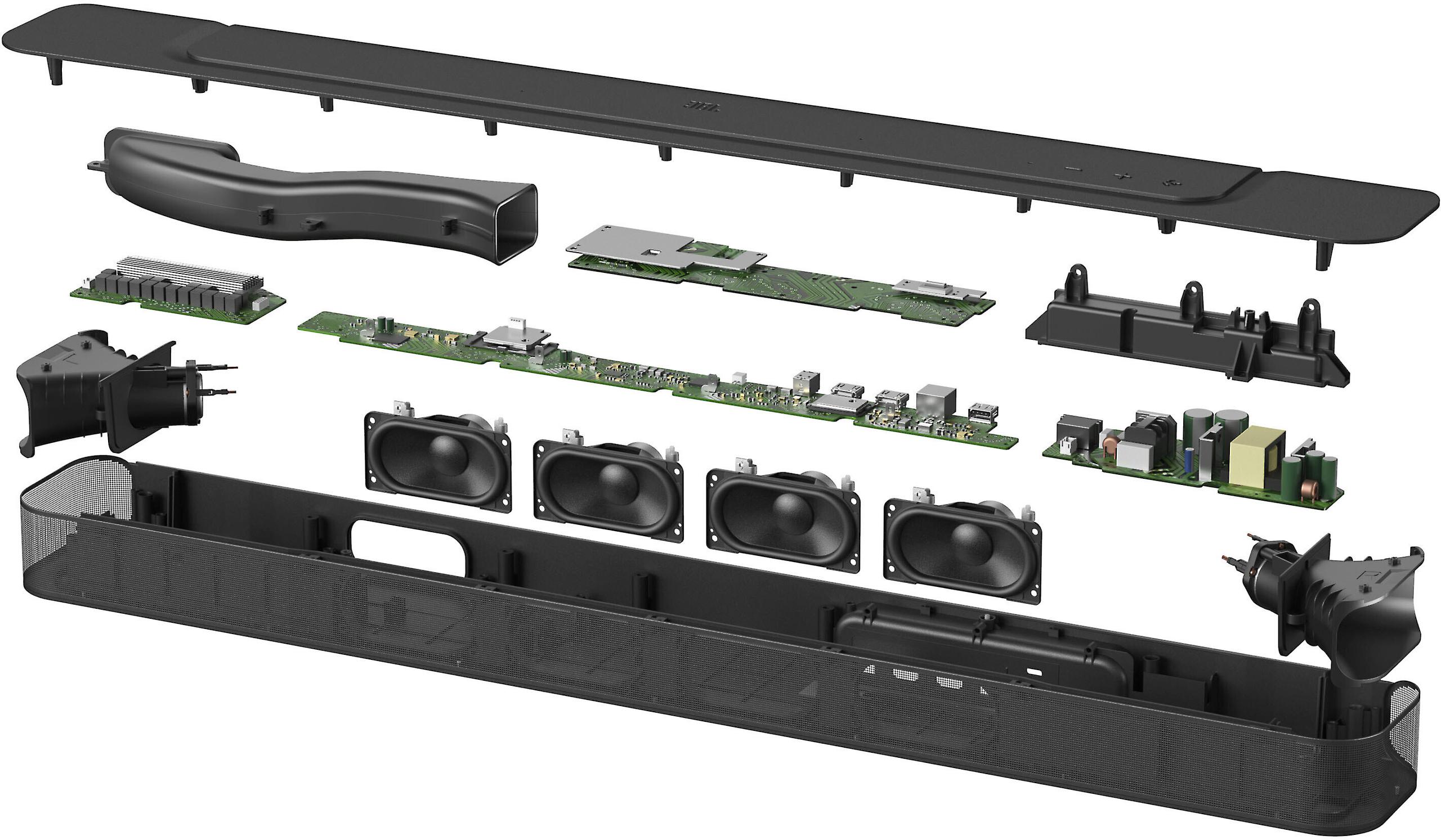
The JBL Bar 300 takes a completely different approach with true 5.0 channel processing and Dolby Atmos support. Instead of relying solely on digital trickery, it uses multiple drivers positioned at different angles to create genuine spatial separation. Dolby Atmos adds another dimension by including height information in the audio signal, creating a three-dimensional sound bubble around your listening position.
Based on expert reviews and user feedback, this difference is immediately noticeable. The JBL Bar 300 creates a wider, more convincing soundstage where you can actually pinpoint where different sounds are coming from. Dialog appears to emanate from the screen center, while ambient effects spread naturally across the room. The Amazon Fire TV Soundbar, while impressive for its price, relies more heavily on your brain's ability to interpret processed stereo signals as surround sound.
The power difference between these units is substantial. The Amazon Fire TV Soundbar delivers 40 watts total from its two 20-watt amplifiers, while the JBL Bar 300 pumps out 260 watts across its driver array. That's more than six times the power, and it shows in real-world performance.
Higher wattage doesn't just mean louder volume - it provides headroom for dynamic peaks. When a movie scene transitions from quiet dialogue to an explosion, the JBL Bar 300 can handle that contrast without compression or distortion. The Amazon Fire TV Soundbar performs admirably within its limits but reaches those limits sooner, especially in larger rooms or when you want truly cinematic volume levels.
User reviews consistently praise the JBL Bar 300 for its ability to maintain clarity even at high volumes, while the Amazon Fire TV Soundbar gets marked down when pushed beyond moderate listening levels. For apartment dwellers or smaller rooms, this difference might be less critical, but anyone with a proper home theater setup will appreciate the JBL's additional headroom.
Neither soundbar includes a separate subwoofer, making their built-in bass performance crucial for movies and music. The Amazon Fire TV Soundbar uses a bass reflex design - essentially a tuned port that enhances low-frequency response from its compact drivers. It's an elegant engineering solution that maximizes bass output from a small enclosure.
The JBL Bar 300 benefits from its larger cabinet volume and more powerful amplification to generate substantially more bass impact. Expert reviews note that it delivers satisfying low-end punch for most content without feeling the need for a separate subwoofer. The Amazon Fire TV Soundbar, while improved over TV speakers, produces more modest bass levels that might leave action movie fans wanting more.
Our research suggests the bass difference becomes most apparent with music playback and action movies. Hip-hop, electronic music, and blockbuster films all benefit from the JBL Bar 300's stronger low-frequency performance, while the Amazon Fire TV Soundbar handles dialog-heavy content and lighter entertainment perfectly well.
Both soundbars prioritize clear dialogue, but they use different technologies to achieve it. The Amazon Fire TV Soundbar includes dedicated dialog enhancement modes that boost midrange frequencies where human speech occurs. It's a straightforward approach that works well for most content.
The JBL Bar 300 employs PureVoice technology, which uses more sophisticated algorithms to isolate and enhance speech even during complex audio scenes. User feedback suggests this makes a noticeable difference during movies with dense soundtracks, where dialog can get buried under music and effects.
Professional reviews consistently rate both soundbars highly for voice clarity compared to built-in TV speakers, but give the edge to the JBL Bar 300 for challenging content where multiple audio elements compete for attention.
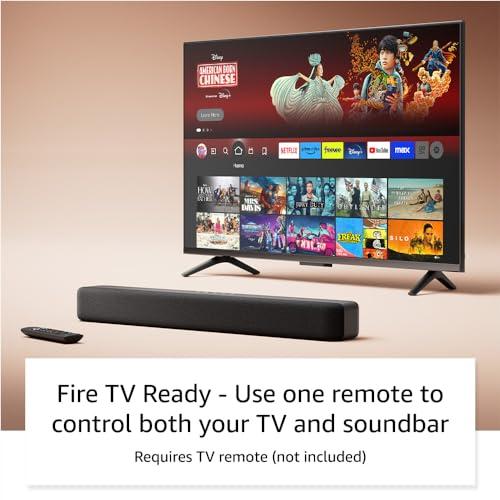
The Amazon Fire TV Soundbar showcases Amazon's commitment to ecosystem integration. It supports Wi-Fi 6 (the latest wireless standard), ensuring fast, stable connections for streaming high-quality audio. The tight integration with Fire TV devices means setup is nearly automatic, and the soundbar can be controlled using your existing Fire TV remote.
The JBL Bar 300 takes a more platform-agnostic approach, supporting AirPlay, Chromecast, and Alexa Multi-Room Music. This broader compatibility makes it more versatile if you use multiple streaming services or have a mixed ecosystem of devices. The built-in Wi-Fi enables direct streaming from over 300 music services without needing your TV to be on.
Based on user reviews, both approaches have merit. Amazon device users appreciate the seamless integration of the Amazon Fire TV Soundbar, while households with diverse device ecosystems prefer the JBL Bar 300's universal compatibility.
Voice control represents another area where these soundbars differ significantly. The Amazon Fire TV Soundbar works with Fire TV remotes but doesn't include built-in voice recognition. You'll need to use your Fire TV remote or Echo devices for voice commands.
The JBL Bar 300 supports multiple voice assistants including Alexa, Google Assistant, and Siri. This flexibility lets you use whichever assistant you prefer, and the soundbar can participate in multi-room audio setups regardless of your chosen ecosystem.
For smart home enthusiasts, the JBL Bar 300's broader voice assistant support provides more integration possibilities, while Fire TV users might prefer the streamlined experience of the Amazon Fire TV Soundbar.
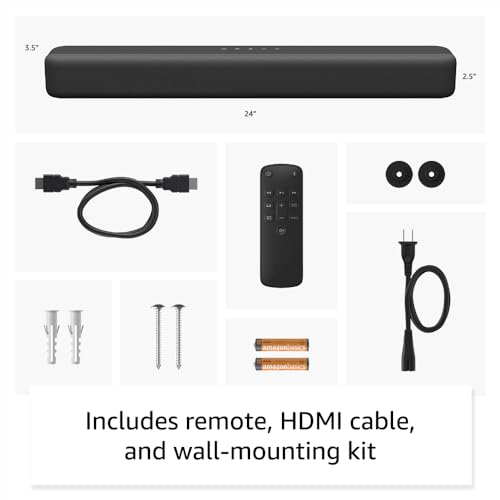
The Amazon Fire TV Soundbar prioritizes compactness, measuring just 61cm wide and weighing 1.8kg. This makes it ideal for smaller TVs or setups where space is at a premium. The understated design with fabric grille blends into most entertainment centers without calling attention to itself.
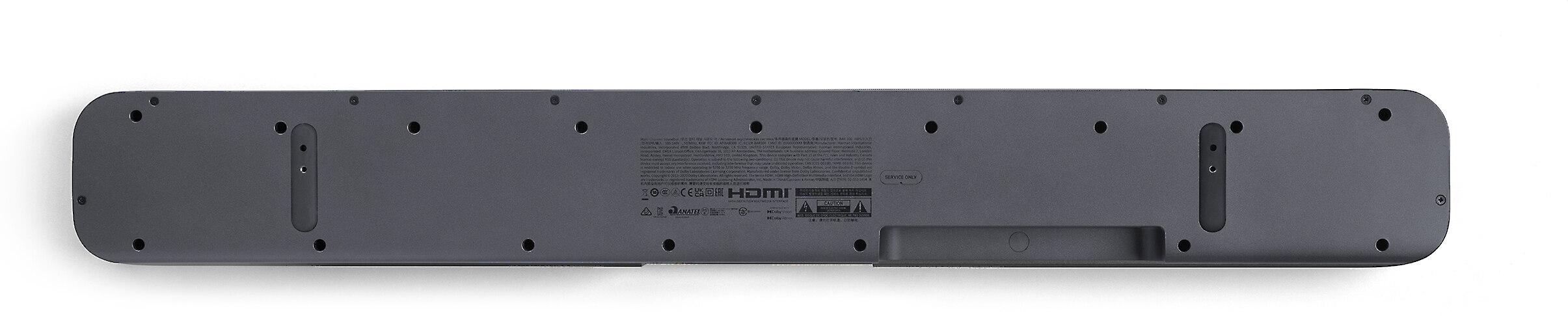
The JBL Bar 300 is larger at 82cm wide and 2.5kg, but its sleeker profile actually looks more proportional under larger TVs. The build quality feels more premium, with better materials and more refined construction details.
User feedback suggests both soundbars are well-suited to their target applications. The Amazon Fire TV Soundbar excels in bedroom setups or smaller living spaces, while the JBL Bar 300 looks and performs better in primary home theater installations.
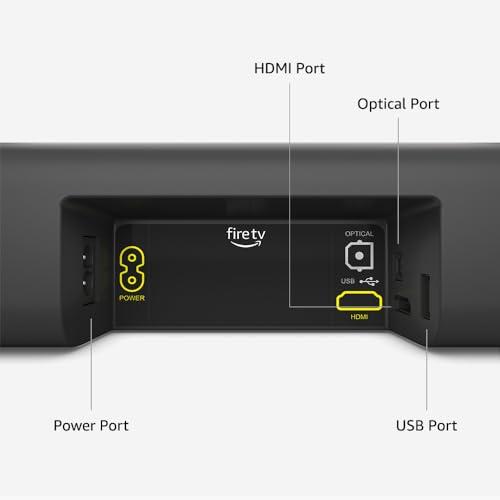
The Amazon Fire TV Soundbar keeps things simple with basic touch controls and primary operation through your Fire TV remote. Setup involves connecting the HDMI cable and following on-screen prompts - reviewers consistently praise the straightforward installation process.
The JBL Bar 300 includes more sophisticated features like automatic room calibration using a built-in microphone. The JBL One app provides detailed control over EQ settings and sound modes. While this offers more customization options, it also means a slightly more complex setup process.
Professional reviews favor the plug-and-play nature of the Amazon Fire TV Soundbar for less technical users, while audio enthusiasts appreciate the JBL Bar 300's tuning capabilities.
For dedicated home theater use, the differences between these soundbars become more pronounced. The JBL Bar 300's Dolby Atmos support and higher power output make it better suited for movie-focused setups. The wider soundstage and superior bass response create a more immersive experience for film content.
The Amazon Fire TV Soundbar works well in secondary viewing areas or for casual entertainment, but might feel limiting in a primary home theater. Its strengths lie in value and integration rather than ultimate performance.
Expert consensus suggests the JBL Bar 300 provides a more convincing cinema-like experience, while the Amazon Fire TV Soundbar offers excellent value for general TV watching improvement.
At the time of writing, the price difference between these soundbars reflects their different design philosophies. The Amazon Fire TV Soundbar maximizes features and performance per dollar, making it an exceptional value for budget-conscious buyers. You get modern connectivity, decent sound quality, and seamless Fire TV integration at a very accessible price point.
The JBL Bar 300 costs significantly more but delivers substantially better audio performance, premium build quality, and more sophisticated features. The question becomes whether that improved experience justifies the higher investment.
Based on our analysis of user reviews and expert opinions, both soundbars succeed in their respective market segments. The Amazon Fire TV Soundbar delivers impressive results for its price tier, while the JBL Bar 300 provides genuine high-quality audio performance that competes with more expensive options.
The Amazon Fire TV Soundbar makes sense for several specific scenarios. If you're primarily looking to improve TV dialog clarity without spending much money, it delivers excellent value. Fire TV users will appreciate the seamless integration and simple setup. It's also perfect for smaller rooms, bedrooms, or secondary viewing areas where space constraints matter more than ultimate audio performance.
The JBL Bar 300 targets users who prioritize audio quality and want a more immersive experience. If you're setting up a primary home theater, frequently watch movies, or listen to music through your TV setup, the superior sound quality justifies the higher cost. The broader smart home compatibility also makes it better for complex entertainment systems.
Choose the Amazon Fire TV Soundbar if you want the maximum improvement over TV speakers for the least money, use Fire TV devices extensively, have space constraints, or primarily watch casual content like TV shows and news.
Choose the JBL Bar 300 if audio quality is important to you, you want genuine surround sound effects, you watch a lot of movies, or you're building a proper home theater setup where the soundbar will be a long-term investment.
The decision ultimately comes down to whether you're solving a basic problem (poor TV audio) or pursuing a specific goal (immersive home entertainment). Both soundbars excel in their intended roles, making either choice a good one depending on your priorities and budget.
| Amazon Fire TV Soundbar | JBL Bar 300 5.0 Soundbar |
|---|---|
| Channel Configuration - Determines surround sound quality and immersion | |
| 2.0 stereo with DTS Virtual:X processing | True 5.0 channels with Dolby Atmos support |
| Total Power Output - Affects maximum volume and dynamic range | |
| 40W total (2×20W drivers) | 260W total across multiple drivers |
| Surround Sound Technology - Key difference in audio experience | |
| DTS Virtual:X simulated surround from 2 speakers | Dolby Atmos with MultiBeam for genuine 3D audio |
| Bass Performance - Important for movies and music without subwoofer | |
| Built-in bass reflex, adequate for dialog-heavy content | Integrated bass optimization, strong low-end punch |
| Physical Size - Space requirements and TV compatibility | |
| Compact: 61×9×6.5cm, 1.8kg (ideal for smaller setups) | Larger: 82×5.6×10.4cm, 2.5kg (better for main theater) |
| Wireless Connectivity - Streaming and smart home integration | |
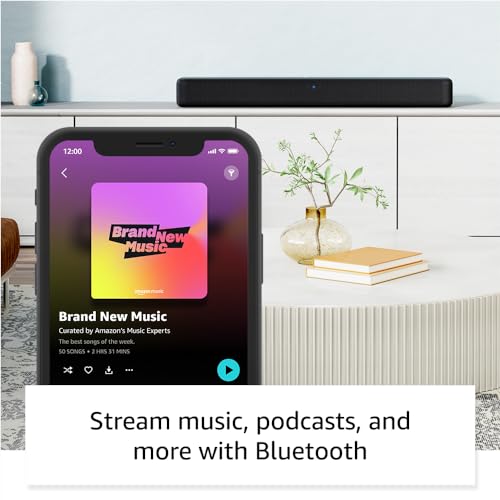
| Wi-Fi 6, Bluetooth 5.0, Fire TV ecosystem integration | Wi-Fi streaming, AirPlay, Chromecast, broader platform support |
| Voice Assistant Support - Smart home control options | |
| Works with Fire TV remote, requires Echo for voice control | Built-in Alexa, Google Assistant, and Siri compatibility |
| HDMI Features - TV connection and video passthrough capabilities | |
| HDMI ARC/eARC support | HDMI eARC with 4K Dolby Vision passthrough |
| Advanced Audio Features - Professional sound processing | |
| Basic dialog enhancement modes | PureVoice technology, automatic room calibration |
| Build Quality and Materials - Long-term durability and aesthetics | |
| Plastic construction with fabric grille, basic controls | Premium materials, app-based control, refined design |
| Target Market - Who each product serves best | |
| Budget buyers, Fire TV users, smaller rooms | Audio enthusiasts, home theater setups, movie lovers |
The JBL Bar 300 delivers superior sound quality for movies with its true 5.0 channel configuration and Dolby Atmos support. It creates genuine surround sound effects and has 260W of power for dynamic movie scenes. The Amazon Fire TV Soundbar uses DTS Virtual:X to simulate surround sound from two speakers, which works well but can't match the immersive experience of the JBL Bar 300's multi-channel setup.
The primary difference is audio technology and power. The Amazon Fire TV Soundbar is a 2.0 stereo system with 40W power that uses digital processing for surround effects, while the JBL Bar 300 is a true 5.0 channel system with 260W power and Dolby Atmos for authentic three-dimensional sound.
The Amazon Fire TV Soundbar is ideal for small rooms due to its compact 61cm width and lighter weight. It provides significant improvement over TV speakers without overwhelming smaller spaces. The JBL Bar 300 is larger and more powerful, making it better suited for medium to large rooms where its superior audio performance can be fully appreciated.
Both soundbars work with any TV that has HDMI ARC/eARC or optical audio outputs. The Amazon Fire TV Soundbar offers special integration with Fire TV devices but functions normally with other brands. The JBL Bar 300 provides universal compatibility and includes 4K Dolby Vision passthrough for gaming consoles and streaming devices.
The JBL Bar 300 produces significantly stronger bass due to its larger cabinet and more powerful amplification. Users consistently report satisfying low-end performance for movies and music. The Amazon Fire TV Soundbar includes bass reflex design that improves over TV speakers but produces more modest bass levels.
The Amazon Fire TV Soundbar works seamlessly with Fire TV devices and supports Wi-Fi 6 for streaming. The JBL Bar 300 offers broader streaming support with built-in AirPlay, Chromecast, and access to over 300 music services directly through Wi-Fi, making it more versatile for different device ecosystems.
The Amazon Fire TV Soundbar offers simpler plug-and-play setup, especially for Fire TV users. The JBL Bar 300 includes more advanced features like automatic room calibration and app-based controls, which provide better customization but require slightly more setup time.
The JBL Bar 300 supports multiple voice assistants including Alexa, Google Assistant, and Siri directly. The Amazon Fire TV Soundbar works with Fire TV remotes and requires separate Echo devices for full voice control functionality.
Value depends on your priorities. The Amazon Fire TV Soundbar offers exceptional value for budget-conscious buyers, delivering significant audio improvement at a low cost. The JBL Bar 300 provides better value for audio quality, offering genuine surround sound and premium features that typically cost much more in competing products.
Both handle music well, but the JBL Bar 300 excels with its wider soundstage, stronger bass, and higher power output for dynamic music genres. The Amazon Fire TV Soundbar works fine for casual music listening but may feel limited for audiophiles or bass-heavy music styles.
The JBL Bar 300 is significantly better for dedicated home theater use with its Dolby Atmos support, 5.0 channel processing, and higher power output creating a more cinematic experience. The Amazon Fire TV Soundbar works well for casual viewing but lacks the immersive capabilities needed for serious home theater applications.
The Amazon Fire TV Soundbar at 61cm wide fits well under TVs 32-55 inches, while the JBL Bar 300 at 82cm wide is better proportioned for TVs 55 inches and larger. Both are relatively low-profile, but the Amazon Fire TV Soundbar works better in space-constrained setups where the JBL Bar 300 might appear oversized.
We've done our best to create useful and informative comparisons to help you decide what product to buy. Our research uses advanced automated methods to create this comparison and perfection is not possible - please contact us for corrections or questions. These are the sites we've researched in the creation of this article: rtings.com - developer.amazon.com - stereoguide.com - developer.amazon.com - techradar.com - hometechnologyreview.com - whathifi.com - youtube.com - whathifi.com - wirelessplace.com - hometechnologyreview.com - dolby.com - aboutamazon.com - developer.amazon.com - community.anker.com - youtube.com - cordbusters.co.uk - whathifi.com - safeandsoundhq.com - youtube.com - cnet.com - mm.jbl.com - jbl.com - bestbuy.com - support.jbl.com - dell.com - walmart.com

Privacy Policy
Terms and Conditions - Affiliate Policy
Home Security
© Copyright 2008-2026.
11816 Inwood Rd #1211, Dallas, TX 75244