

If your TV's built-in speakers sound like they're coming from inside a tin can, you're not alone. Modern flat-panel TVs prioritize thin designs over audio quality, leaving most people struggling to hear dialogue clearly or feel any bass impact. That's where soundbars come in – these sleek audio upgrades sit beneath your TV and dramatically improve your viewing experience without the complexity of a full surround sound system.
Today we're comparing two popular budget-friendly options that take completely different approaches: the ultra-compact Amazon Fire TV Soundbar and the feature-packed Polk Audio Signa S4. Both promise better TV audio than what you're currently hearing, but they're designed for entirely different users and situations.
Before diving into specifics, it's worth understanding what you're actually buying. Soundbars use multiple drivers (individual speakers) arranged horizontally to create a wider, more engaging soundstage than your TV's tiny built-in speakers. The magic happens through careful positioning of these drivers and digital processing that makes two or more speakers sound like they're coming from multiple directions.
The most important considerations when shopping for soundbars include channel configuration (how many discrete audio channels the system can reproduce), bass handling (whether low frequencies come from the soundbar itself or a separate subwoofer), and connectivity options (how the soundbar connects to your TV and other devices). Modern soundbars also support advanced audio formats like Dolby Atmos, which adds height information to create a more three-dimensional listening experience.
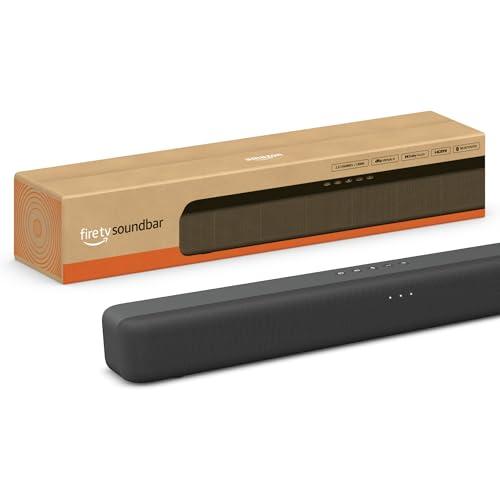
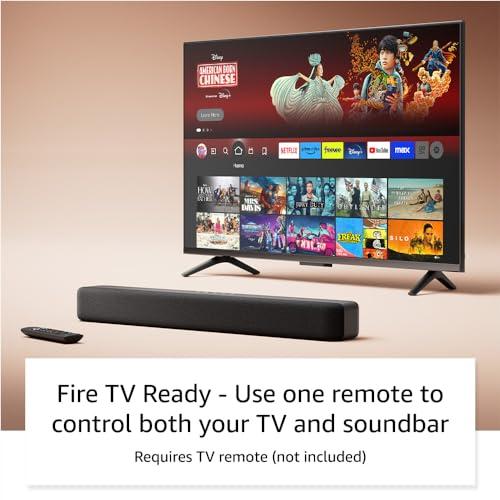
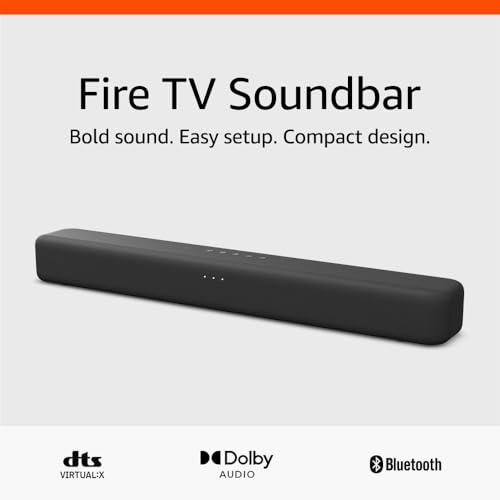
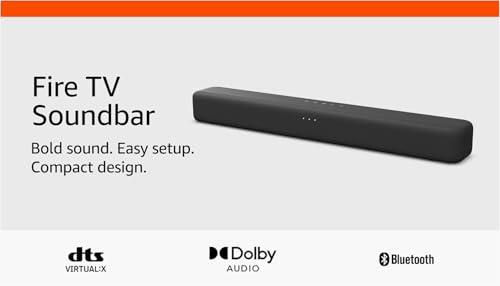
Released in 2023, the Amazon Fire TV Soundbar represents Amazon's entry into the budget soundbar market. Despite its "Fire TV" branding, this device doesn't actually include any streaming capabilities or voice control – it's purely focused on improving your TV's audio output through a remarkably compact design.
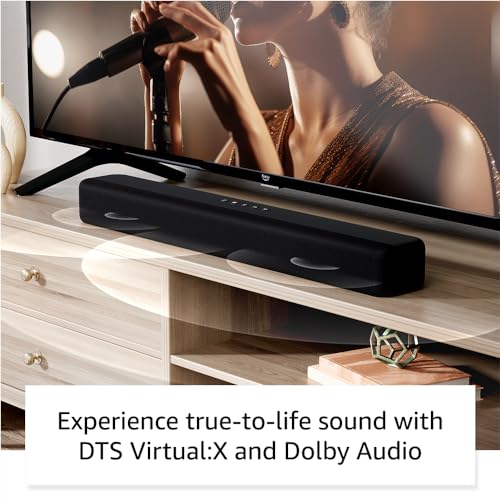
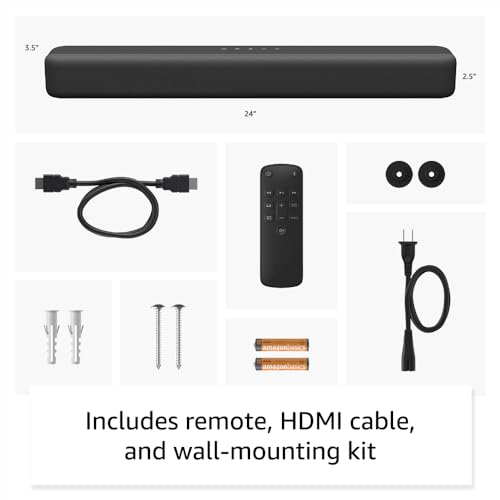
At just 61 centimeters wide and weighing under two kilograms, the Fire TV Soundbar uses a 2.0 stereo configuration with two "Racetrack" drivers. These oval-shaped speakers maximize surface area within the soundbar's slim profile, while DTS Virtual:X processing creates simulated surround sound effects. Think of Virtual:X as sophisticated audio trickery that makes two physical speakers sound like they're positioned around your room.
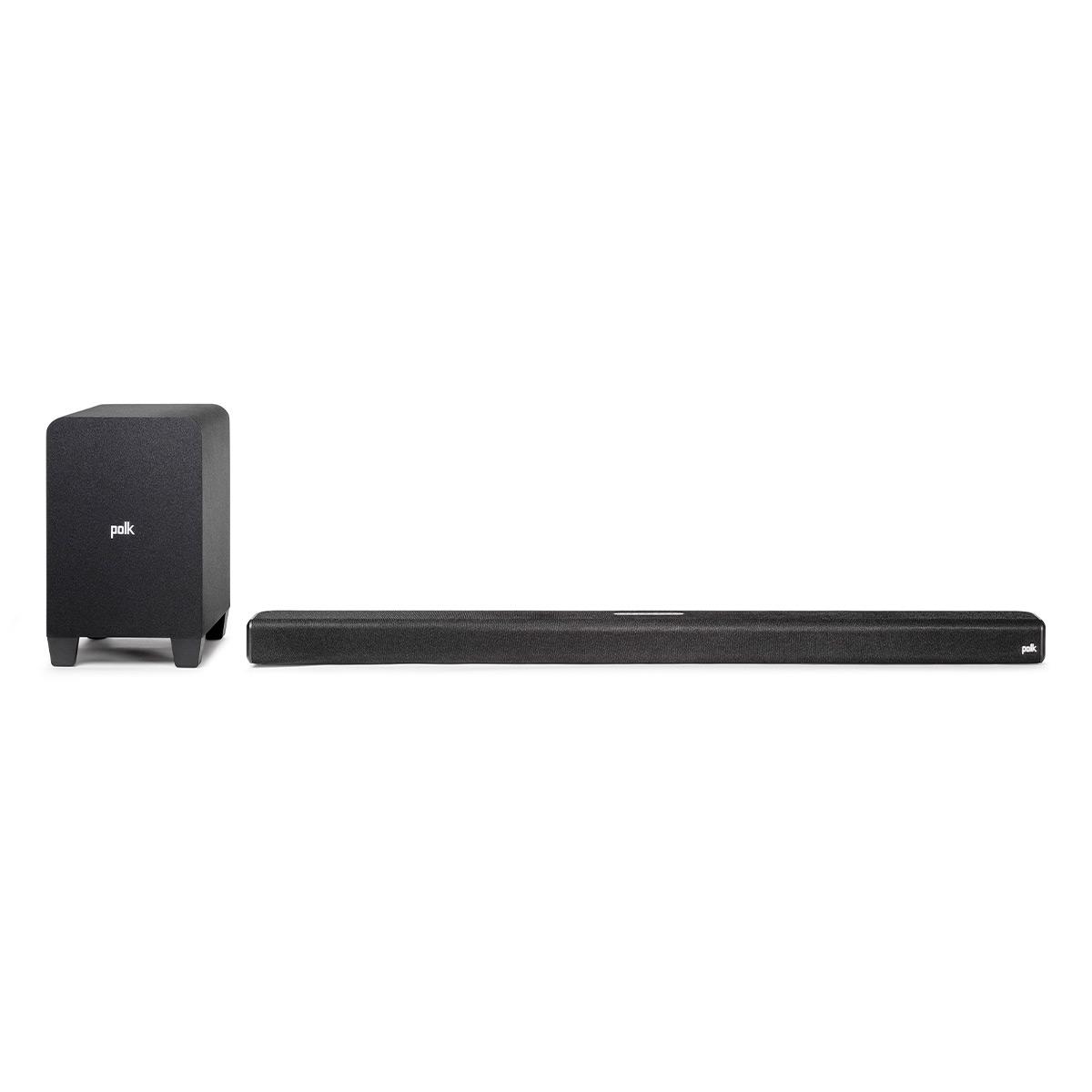
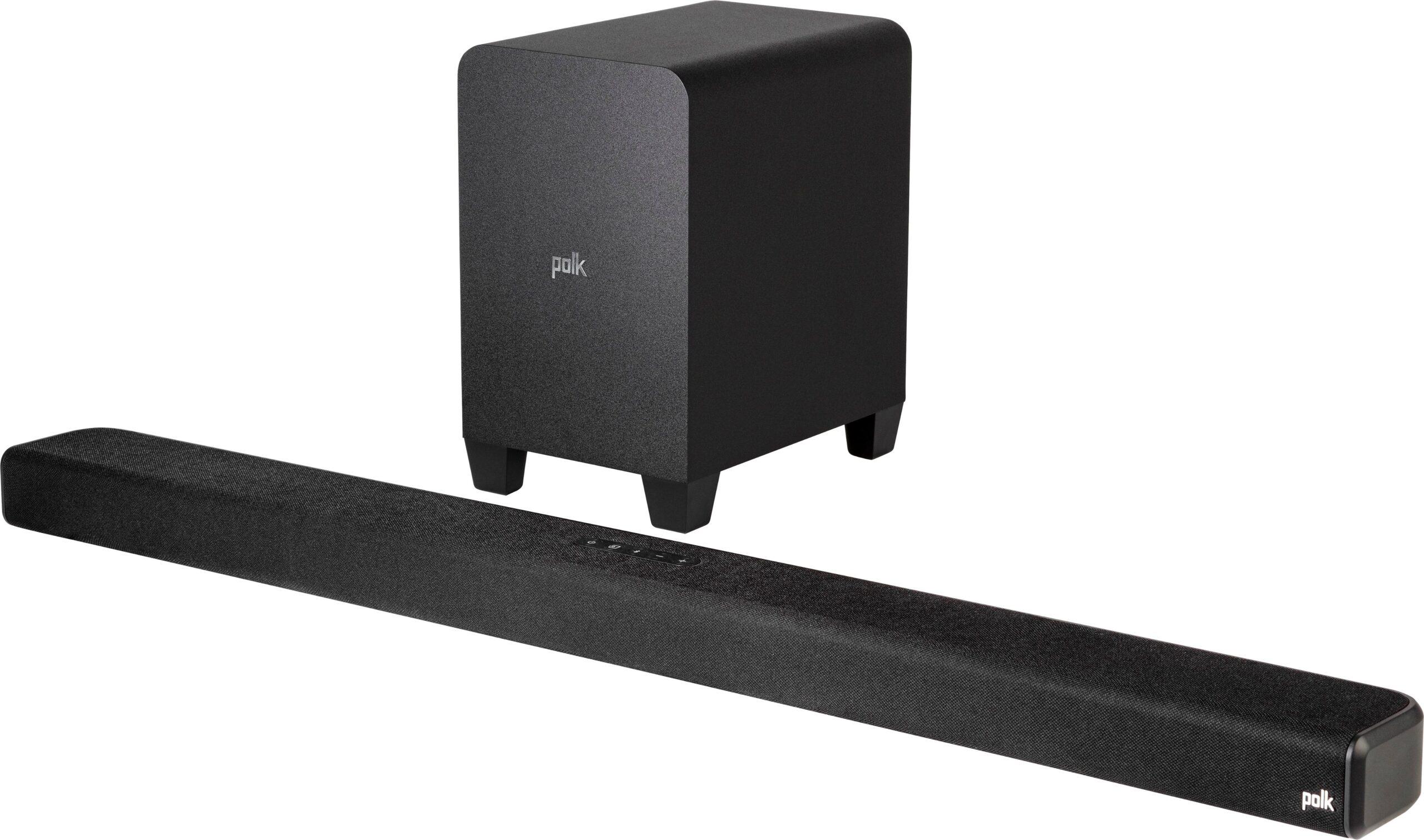
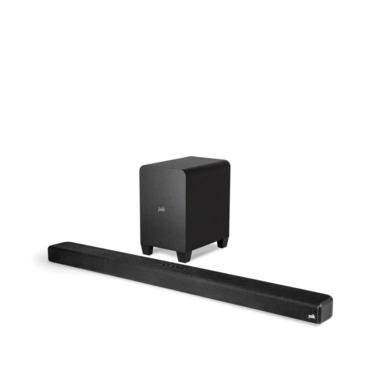
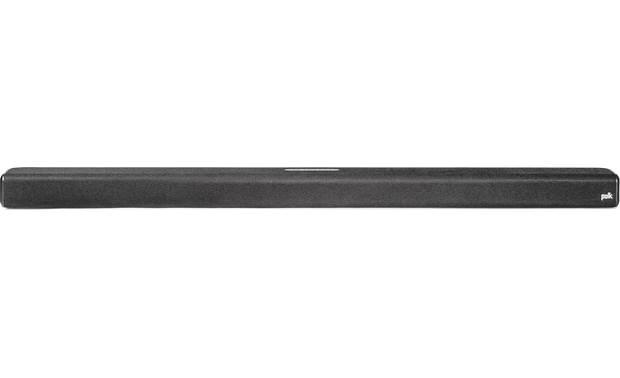
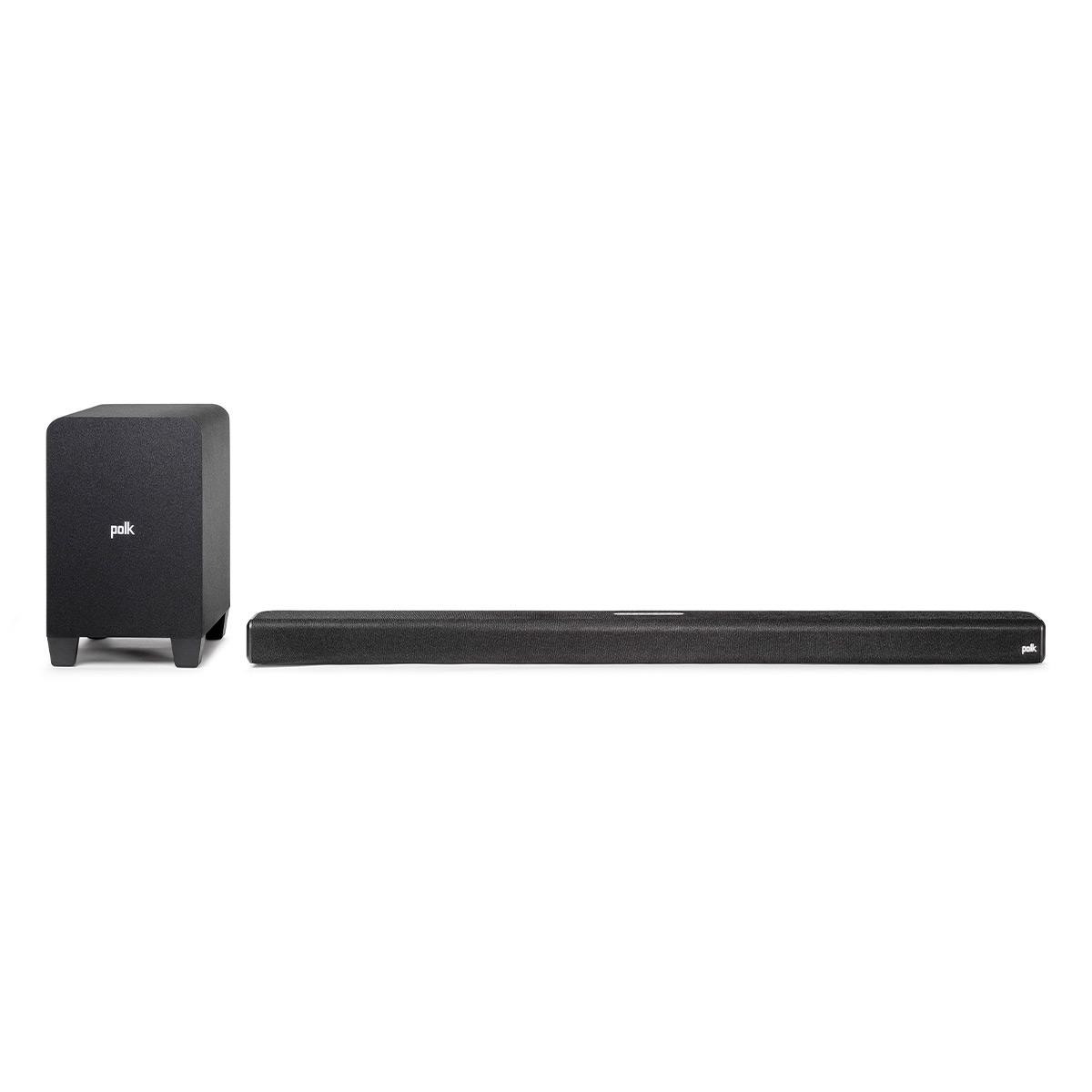
The Polk Audio Signa S4, launched in 2022, takes a fundamentally different approach. This is a true 3.1.2 Dolby Atmos system, which means it has dedicated left, right, and center channels, plus a separate subwoofer and two upward-firing drivers for height effects. In simple terms, it's designed to create genuine surround sound rather than simulating it.
The Signa S4 includes seven individual drivers arranged across its 104-centimeter width, plus a wireless subwoofer that handles all the low-frequency heavy lifting. Those upward-firing drivers bounce sound off your ceiling to create overhead effects – when a helicopter flies across the screen, you'll actually hear it pass above your head.
The performance gap between these two soundbars is substantial, which shouldn't surprise anyone given their different approaches and price points. The Amazon Fire TV Soundbar delivers what I'd call "enhanced TV audio" – it's noticeably better than built-in TV speakers with clearer dialogue and a wider soundstage, but it's still fundamentally a stereo system trying to do more than stereo can accomplish.
Our research into user experiences and professional reviews consistently shows the Fire TV Soundbar produces balanced sound with surprisingly good stereo separation for such a compact device. The DTS Virtual:X processing does create some sense of space and dimensionality, though it's more about making the audio feel less confined to the TV rather than creating true surround effects.
The Polk Audio Signa S4, by contrast, operates in a completely different performance tier. With its seven-driver array and dedicated subwoofer, it creates what reviewers consistently describe as genuine home theater audio. The discrete center channel ensures dialogue stays anchored to the screen even during complex action sequences, while the left and right channels handle effects and ambient sounds with much greater precision than any stereo system can achieve.
Most importantly, the Signa S4's Dolby Atmos implementation uses actual upward-firing speakers rather than psychoacoustic processing. This means when content includes height information – and more movies and shows do every year – you get authentic overhead effects rather than simulated ones.
This is where the fundamental design difference becomes most apparent. The Amazon Fire TV Soundbar relies on its built-in bass reflex system, essentially a tuned port that enhances the low-frequency output of its small drivers. While this approach works reasonably well for its size constraints, physics ultimately limits how much bass two compact drivers can produce.
User feedback consistently indicates the Fire TV Soundbar provides adequate bass for dialogue-heavy content like news and sitcoms, but struggles with action movies or music that demands real low-end impact. The three-stage bass EQ helps optimize what's available, but you're still working within significant physical limitations.
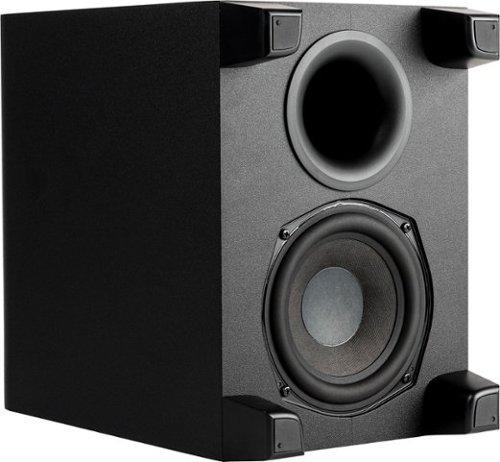
The Signa S4's wireless subwoofer changes everything. Reviews frequently mention floors shaking during action sequences – this isn't hyperbole, but rather the result of a dedicated 5.9-inch driver designed specifically for low-frequency reproduction. The BassAdjust technology lets you fine-tune the subwoofer's output to match your room and preferences, something impossible with a soundbar-only system.
More importantly, proper bass reproduction isn't just about explosions and gunshots. It adds weight and fullness to music, makes dialogue sound more natural, and creates the foundation that makes everything else sound more realistic and engaging.
Clear dialogue reproduction might be the most crucial performance metric for any TV audio system. Nothing ruins a viewing experience like constantly adjusting volume or rewinding to catch missed lines. Both soundbars address this challenge, but through different methods.
The Amazon Fire TV Soundbar includes a dedicated voice mode that emphasizes mid-range frequencies where most speech occurs. This processing-based approach works reasonably well, and user reports suggest significant improvement over typical TV speakers. However, you're still dealing with stereo reproduction, which means dialogue can sometimes feel disconnected from the screen during complex scenes.
The Polk Audio Signa S4 solves this through hardware rather than software. Its dedicated center channel driver handles all dialogue, keeping voices locked to the screen regardless of what's happening in the left and right channels. Polk's VoiceAdjust technology builds on this foundation, offering three levels of dialogue enhancement that boost only speech frequencies without affecting the rest of the soundtrack.
Professional reviews consistently highlight this difference, noting that the Signa S4 maintains dialogue clarity even during chaotic action sequences where other soundbars struggle. The Night Mode feature compresses dynamic range specifically to keep dialogue audible at low volumes – crucial for apartment living or late-night viewing.
This category represents the biggest philosophical difference between these products. The Amazon Fire TV Soundbar uses DTS Virtual:X to create surround effects through psychoacoustic processing – essentially tricking your brain into perceiving sounds from directions where no speakers exist. This technology has improved significantly in recent years and can create convincing width and some sense of depth from just two drivers.
However, virtual processing has inherent limitations. The effectiveness varies dramatically based on room acoustics, seating position, and individual hearing characteristics. Some users experience convincing surround effects, while others barely notice any difference from regular stereo.
The Polk Audio Signa S4 doesn't rely on trickery. Its physical driver arrangement creates actual surround sound through discrete channel separation and those crucial upward-firing speakers. When properly set up, Dolby Atmos content produces genuine overhead effects – rain falling from above, aircraft passing overhead, or ambient sounds that seem to come from all around you.
This difference becomes most apparent with modern content specifically mixed for Dolby Atmos. While the Fire TV Soundbar can make this content sound wider and more spacious than TV speakers, the Signa S4 reproduces the spatial information as the content creators intended.
At the time of writing, these soundbars occupy different price tiers that reflect their capabilities and target audiences. The Amazon Fire TV Soundbar typically costs around one-quarter to one-third the price of the Polk Audio Signa S4, making direct value comparisons challenging.
From a pure price-to-performance perspective, the Fire TV Soundbar delivers remarkable value for its cost bracket. It provides a significant upgrade over TV speakers at a price point that competes with basic streaming devices or a decent set of computer speakers. For users primarily watching dialogue-heavy content in smaller rooms, it represents excellent bang for buck.
The Polk Audio Signa S4 operates in a higher value category, competing against soundbars costing significantly more from established audio brands. User experiences and professional evaluations consistently place it among the best Dolby Atmos systems available at its price point. When you factor in the included wireless subwoofer – which often costs extra with competing products – the value proposition becomes even stronger.
However, "value" depends entirely on your priorities and situation. If you're replacing truly awful TV speakers on a tight budget, the Fire TV Soundbar might represent better value despite its limitations. If you're serious about improving your home entertainment experience and can afford the investment, the Signa S4 delivers substantially more performance per dollar in the long term.
For bedrooms, kitchens, or apartments with limited space, the Amazon Fire TV Soundbar makes compelling sense. Its ultra-compact footprint fits under virtually any TV without blocking sensors or overwhelming smaller displays. The lack of a separate subwoofer eliminates placement concerns and neighbor considerations in thin-walled buildings.
User feedback suggests the Fire TV Soundbar works particularly well with 32-50 inch TVs in intimate viewing environments. The stereo soundstage scales appropriately for smaller rooms, and the bass limitations become less noticeable when you're not trying to fill large spaces.
The Polk Audio Signa S4 shines in main living areas where it serves as the primary entertainment system. Its larger size complements 55+ inch TVs proportionally, and the wireless subwoofer provides flexibility for room optimization. Users consistently report that it transforms movie watching from a casual activity into an engaging experience.
The Dolby Atmos capabilities become most apparent in rooms with appropriate ceiling height – generally 8-10 feet works best for the upward-firing speakers to create convincing overhead effects. Lower ceilings can still benefit from the improved soundstage and bass response, but the height channels lose some of their impact.
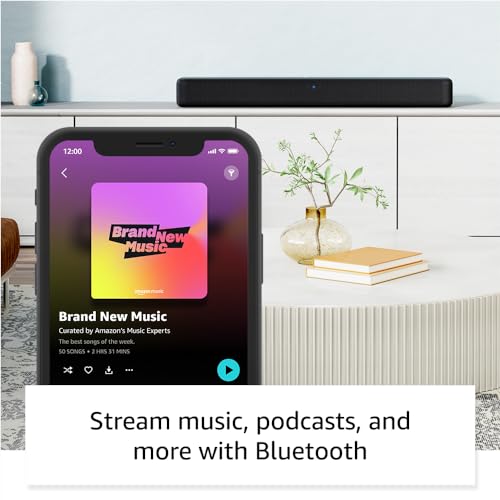
While both soundbars include Bluetooth for wireless music streaming, they approach music reproduction differently. The Amazon Fire TV Soundbar provides adequate background music playback but lacks the dynamics and frequency extension for serious music listening.
The Polk Audio Signa S4 offers genuinely engaging music performance, with several users noting it replaced their separate stereo systems. The subwoofer adds critical foundation for all music genres, while the wider driver array creates better stereo imaging than typical soundbars manage.
Both products reflect recent technological improvements in budget audio processing. The Amazon Fire TV Soundbar, released in 2023, benefits from the latest DTS Virtual:X algorithms and improved driver design that maximizes performance from minimal hardware. Amazon's experience with voice processing likely influenced the dialogue enhancement capabilities.
The Polk Audio Signa S4, launched in 2022, represents the maturation of affordable Dolby Atmos implementation. Earlier budget Atmos soundbars often delivered disappointing height effects, but improvements in driver design and processing power now make convincing overhead audio possible at reasonable prices.
Looking forward, both approaches will likely continue improving. Virtual surround processing becomes more sophisticated each year, potentially closing the gap with physical multi-channel systems. Meanwhile, true Dolby Atmos systems should become more affordable as the technology scales down market.
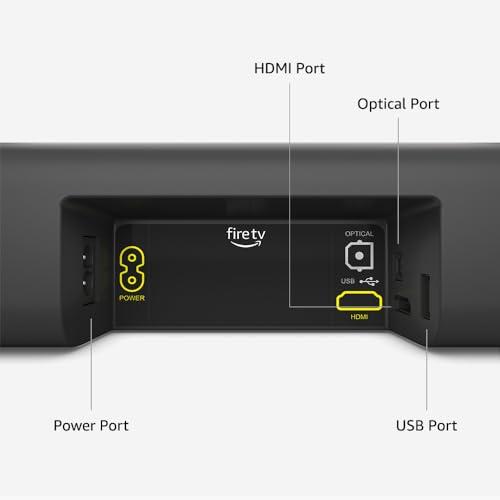
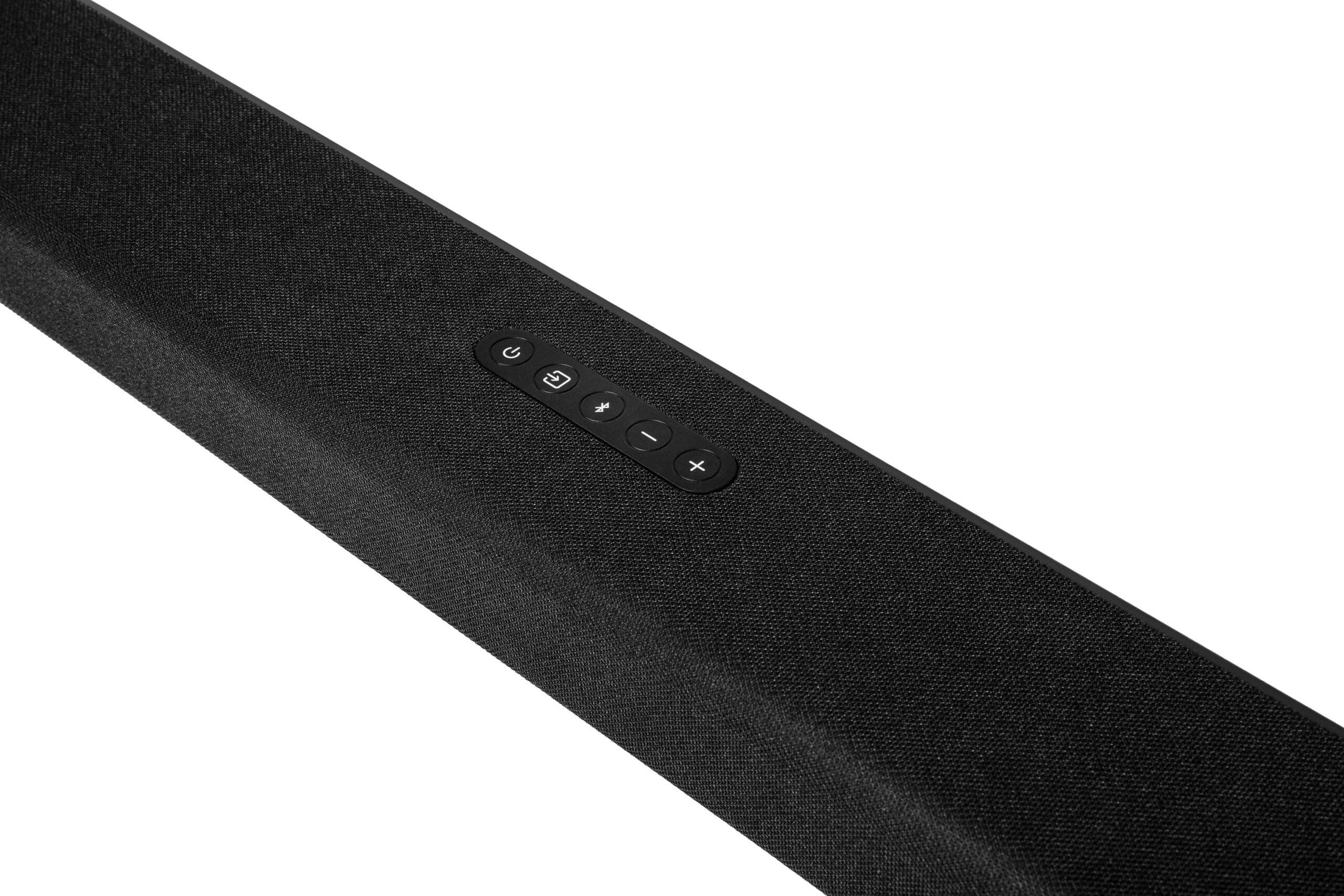
Installation complexity differs significantly between these products. The Amazon Fire TV Soundbar offers genuine plug-and-play simplicity – connect one cable (HDMI ARC or optical), pair your phone for music if desired, and you're finished. The minimal controls and automatic source detection appeal to users who want better sound without technical complexity.
The Polk Audio Signa S4 requires more consideration but remains relatively straightforward. You'll need to position both the soundbar and subwoofer, run power to both units, and possibly adjust settings for optimal performance. The wireless subwoofer connection eliminates cable runs, but you still need to find appropriate placement for maximum impact.
Room acoustics matter more with the Signa S4 due to its Dolby Atmos capabilities. Hard surfaces and appropriate ceiling height enhance the height effects, while heavily carpeted or furnished rooms might diminish some spatial benefits. The Fire TV Soundbar proves more forgiving of room conditions since it doesn't rely on acoustic reflection.
After extensive research into user experiences and professional evaluations, these products succeed in their intended roles but serve fundamentally different needs.
Choose the Amazon Fire TV Soundbar if you're looking for a simple, affordable upgrade to poor TV speakers without complications or space concerns. It's ideal for secondary rooms, smaller TVs, or situations where budget constraints make premium audio unrealistic. The compact design and easy setup appeal to users who want better sound without changing their viewing habits or room layout.
The Polk Audio Signa S4 makes sense when you're serious about improving your entertainment experience and can accommodate its larger footprint and higher cost. It transforms movie watching into something approaching theater-quality audio and handles music with genuine competence. The true Dolby Atmos implementation and powerful subwoofer justify the investment for users who watch action movies, play video games, or listen to music regularly.
Ultimately, both products deliver on their promises within their intended scope. The Fire TV Soundbar provides remarkable value for casual enhancement, while the Signa S4 offers legitimate home theater performance at an accessible price. Your choice should align with both your budget reality and your entertainment ambitions – neither will disappoint when matched to appropriate expectations and use cases.
The key is being honest about your priorities, room constraints, and how much better audio matters to your daily viewing experience. Both soundbars solve the problem of poor TV audio, just at very different levels of complexity and performance.
| Amazon Fire TV Soundbar | Polk Audio Signa S4 Dolby Atmos Soundbar with Wireless Subwoofer |
|---|---|
| Channel Configuration - Determines surround sound capabilities and audio separation | |
| 2.0 stereo with DTS Virtual:X processing | 3.1.2 with true Dolby Atmos and dedicated center channel |
| Subwoofer Inclusion - Critical for bass impact and full-range audio | |
| No subwoofer (built-in bass reflex system only) | Wireless 5.9" subwoofer included |
| Physical Size - Impacts TV compatibility and room placement | |
| Ultra-compact: 61cm wide, 1.8kg total | Full-size: 104cm wide plus separate subwoofer |
| Dolby Atmos Support - Essential for 3D surround sound from modern content | |
| No (DTS Virtual:X simulation only) | Yes (physical upfiring drivers for true overhead effects) |
| Connectivity Options - Determines compatibility with TVs and devices | |
| HDMI ARC, optical, Bluetooth, USB-A | HDMI eARC, optical, Bluetooth 4.2, 3.5mm analog |
| Voice Enhancement Technology - Important for dialogue clarity | |
| Basic voice mode with 3-stage bass EQ | VoiceAdjust with 3 enhancement levels plus Night Mode |
| Sound Modes - Affects optimization for different content types | |
| Movie, Music, Dialog modes | Movie, Music, Night modes with customizable adjustments |
| Driver Count - More drivers typically mean better sound separation and quality | |
| 2 full-range "Racetrack" drivers | 7-driver array (tweeters, midrange, woofers) plus subwoofer |
| Total System Power - Indicates maximum volume and dynamic range capability | |
| 2 x 20W (40W total) | 80W total (40W soundbar + 40W subwoofer) |
| Smart Features - Added functionality beyond basic audio improvement | |
| None (despite "Fire TV" name) | None (focus on audio performance) |
| Setup Complexity - Time and effort required for installation | |
| Plug-and-play simplicity | Moderate (soundbar + subwoofer placement required) |
| Best Room Size Match - Physical and acoustic suitability | |
| Small to medium rooms, secondary setups | Medium to large rooms, primary entertainment areas |
The Amazon Fire TV Soundbar is ideal for smaller setups with its ultra-compact 61cm width that fits perfectly under 32-50 inch TVs without overwhelming the space. Its lightweight design and simple setup make it perfect for bedrooms, kitchens, or secondary viewing areas where you want better audio without complexity.
Yes, the Polk Audio Signa S4 includes a wireless subwoofer that's essential for its impressive bass performance and overall audio quality. The subwoofer handles all low-frequency sounds, allowing the main soundbar to focus on dialogue and mid-range effects. This separation creates much fuller, more cinematic audio compared to soundbars without dedicated subwoofers.
The Polk Audio Signa S4 offers superior dialogue clarity thanks to its dedicated center channel and VoiceAdjust technology with three enhancement levels. While the Amazon Fire TV Soundbar includes voice mode improvements, the physical center channel in the Signa S4 keeps dialogue locked to the screen even during complex action scenes.
Only the Polk Audio Signa S4 provides genuine Dolby Atmos with physical upfiring speakers that bounce sound off your ceiling for overhead effects. The Amazon Fire TV Soundbar uses DTS Virtual:X to simulate surround sound from its two speakers, which creates wider audio but cannot replicate true 3D Atmos experiences.
The Amazon Fire TV Soundbar wins for simplicity with true plug-and-play setup – just connect one cable and you're done. The Polk Audio Signa S4 requires positioning both the soundbar and wireless subwoofer, though the setup remains straightforward for most users willing to spend a few extra minutes optimizing placement.
The Amazon Fire TV Soundbar needs minimal space at just 61cm wide and can sit directly against a wall. The Polk Audio Signa S4 requires significantly more room with its 104cm width plus floor space for the separate subwoofer, making it better suited for larger entertainment areas.
Both offer excellent value in their price ranges. The Amazon Fire TV Soundbar provides remarkable improvement over TV speakers at an entry-level cost, while the Polk Audio Signa S4 delivers genuine home theater audio with included subwoofer at a price point where competitors often charge extra for bass modules.
Yes, both the Amazon Fire TV Soundbar and Polk Audio Signa S4 include Bluetooth connectivity for wireless music streaming from smartphones, tablets, and other compatible devices. The Signa S4 uses Bluetooth 4.2 with support for higher-quality AAC codec from Apple devices.
The Polk Audio Signa S4 significantly outperforms the Amazon Fire TV Soundbar for music with its seven-driver array, dedicated subwoofer, and wider frequency response. Many users report the Signa S4 replaced their separate stereo systems, while the Fire TV Soundbar works better for casual background music.
Both soundbars work with standard TV connections. The Amazon Fire TV Soundbar connects via HDMI ARC or optical input, while the Polk Audio Signa S4 includes HDMI eARC for the highest quality audio formats. Most TVs from the last 5-7 years support these connection types.
The Amazon Fire TV Soundbar is more apartment-friendly due to its compact size and lack of subwoofer that could disturb neighbors. The Polk Audio Signa S4 includes a powerful subwoofer that delivers impressive bass but may require volume considerations in shared living situations.
For serious home theater use, the Polk Audio Signa S4 transforms the experience with true Dolby Atmos, dedicated center channel, and powerful subwoofer that makes action movies feel cinematic. The Amazon Fire TV Soundbar improves TV audio significantly but remains best suited for casual viewing rather than immersive home theater experiences.
We've done our best to create useful and informative comparisons to help you decide what product to buy. Our research uses advanced automated methods to create this comparison and perfection is not possible - please contact us for corrections or questions. These are the sites we've researched in the creation of this article: rtings.com - developer.amazon.com - stereoguide.com - developer.amazon.com - techradar.com - hometechnologyreview.com - whathifi.com - youtube.com - whathifi.com - wirelessplace.com - hometechnologyreview.com - dolby.com - aboutamazon.com - developer.amazon.com - community.anker.com - youtube.com - cordbusters.co.uk - soundandvision.com - audioholics.com - crutchfield.com - cnet.com - richersounds.com - crutchfield.com - rtings.com - polkaudio.com - walmart.com - polkaudio.com - crutchfield.com - youtube.com - profx.com

Privacy Policy
Terms and Conditions - Affiliate Policy
Home Security
© Copyright 2008-2026.
11816 Inwood Rd #1211, Dallas, TX 75244