





If you're tired of constantly adjusting your TV volume to hear dialogue clearly, or if action scenes sound flat and lifeless, you're not alone. TV speakers have gotten progressively worse as manufacturers make screens thinner and prioritize visual appeal over audio quality. This is where soundbars come in – they're designed to solve these exact problems by providing clearer dialogue, wider sound staging, and overall better audio quality than what's built into your TV.
The soundbar market offers everything from basic stereo units that simply make dialogue clearer, to sophisticated multi-channel systems that can recreate a full surround sound experience. At the time of writing, you can find decent options starting around $100 and extending well past $1,000 for premium models with advanced features.
Today we're comparing two soundbars that represent completely different philosophies: the Amazon Fire TV Soundbar and the Samsung HW-Q800D. These products sit at opposite ends of the spectrum – one focuses on affordability and simplicity, while the other delivers premium home theater performance. Understanding their differences will help you decide which approach makes sense for your specific needs and budget.
Before diving into our comparison, it's helpful to understand how soundbars work and what the key specifications mean. The most important specification is channel configuration, which tells you how many separate audio channels the soundbar can reproduce. A 2.0 system has two channels (left and right), while a 5.1.2 system has five main channels (front left, center, front right, surround left, surround right), one subwoofer channel (the .1), and two height channels (the final .2).
Audio format support is another crucial consideration. Dolby Atmos and DTS:X are object-based surround sound formats that can place individual sounds precisely in three-dimensional space around you. Virtual surround processing attempts to simulate these effects using software algorithms rather than physical speaker placement.
Power output, measured in watts, indicates how loud a soundbar can get, but more watts don't always mean better sound quality. Driver design, amplifier quality, and acoustic engineering matter just as much as raw power numbers.
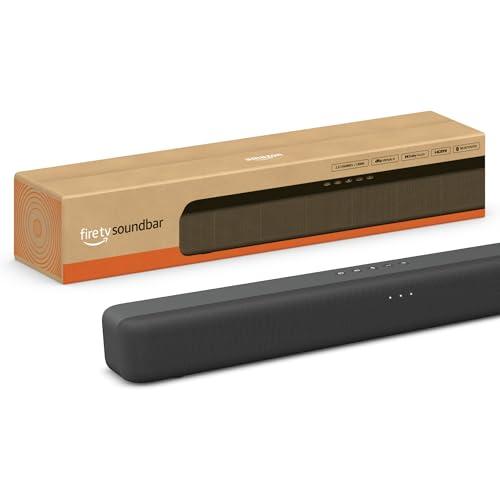
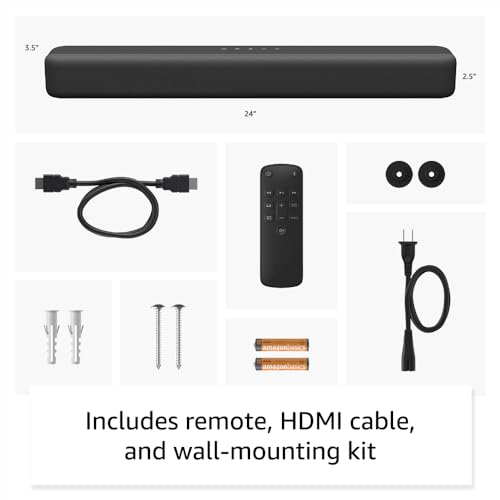
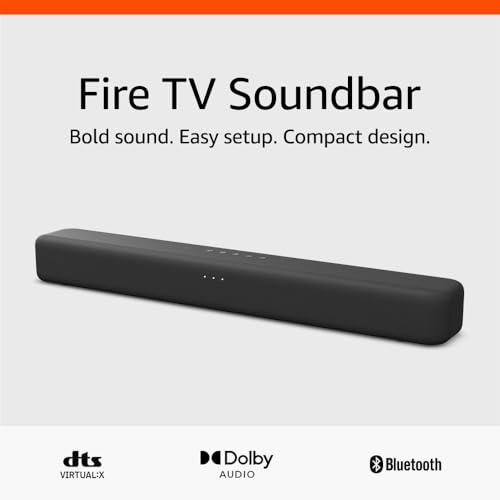
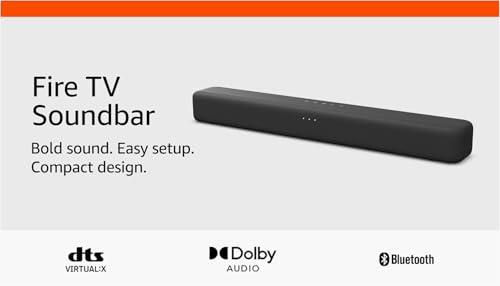
The Amazon Fire TV Soundbar, released in 2023, represents the "keep it simple" philosophy. It's a compact 2.0 channel system measuring just over two feet wide and weighing under four pounds. With 40 watts of total power split between two full-range "Racetrack" drivers, it focuses on delivering clear dialogue and basic audio enhancement at an entry-level price point.
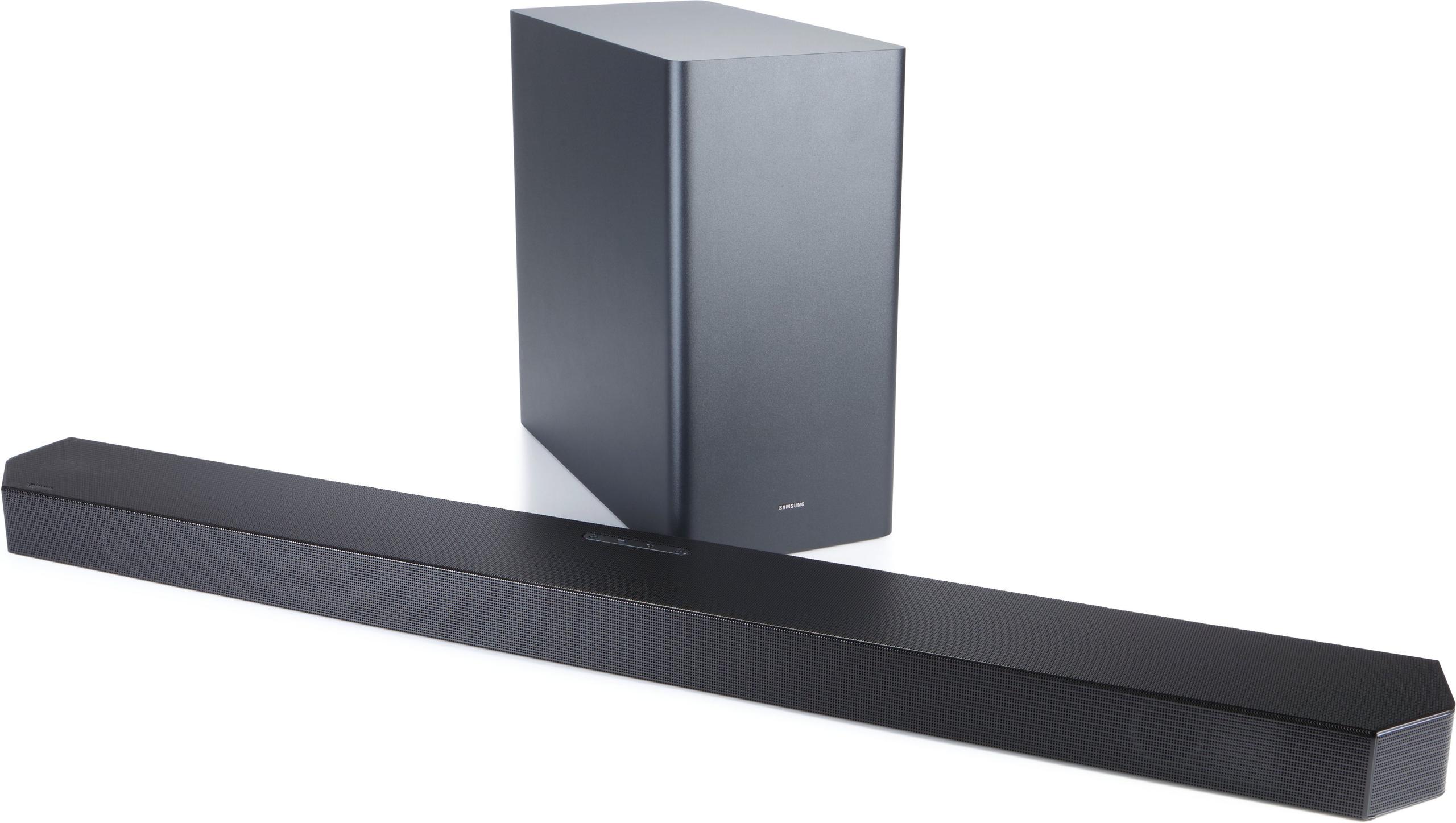
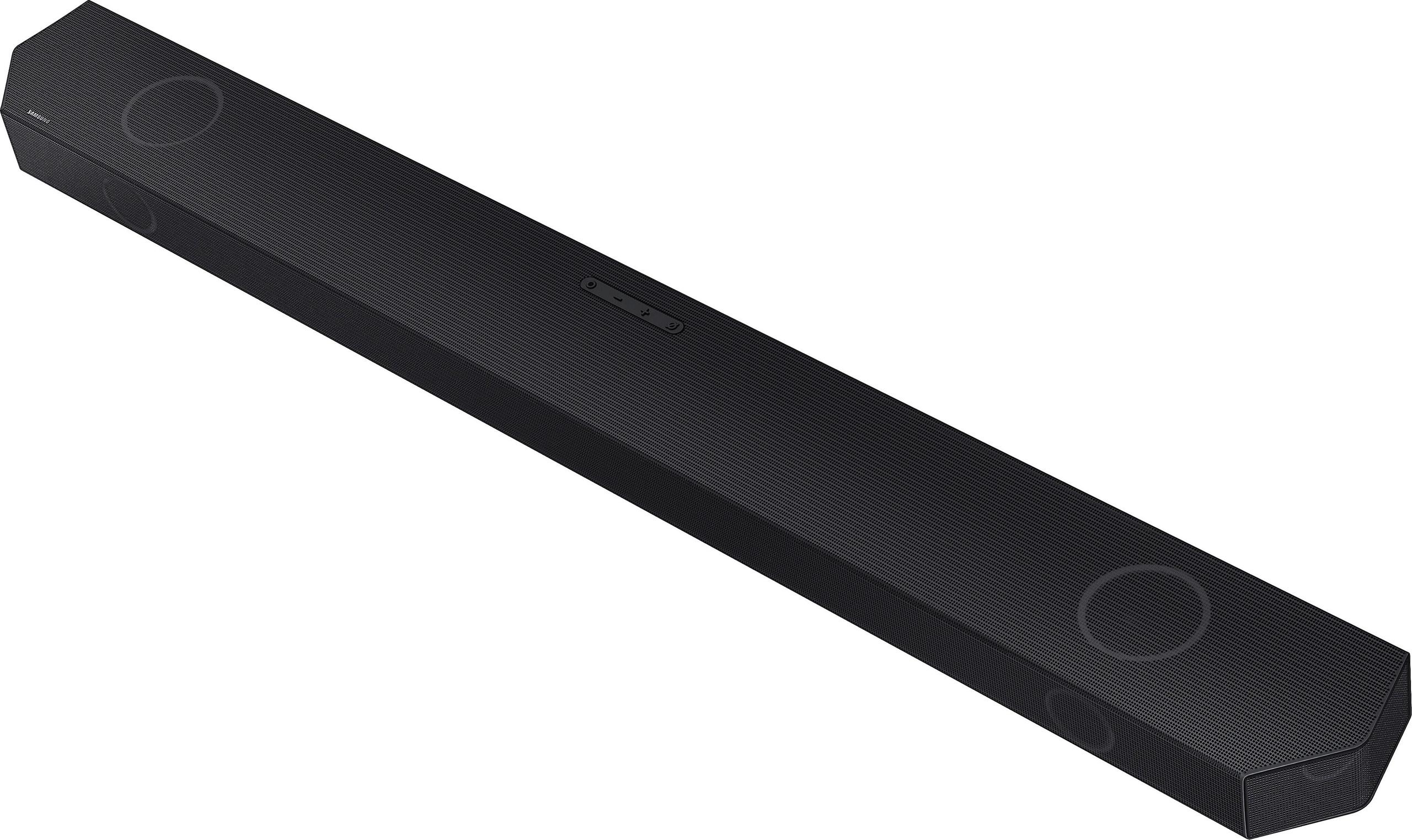
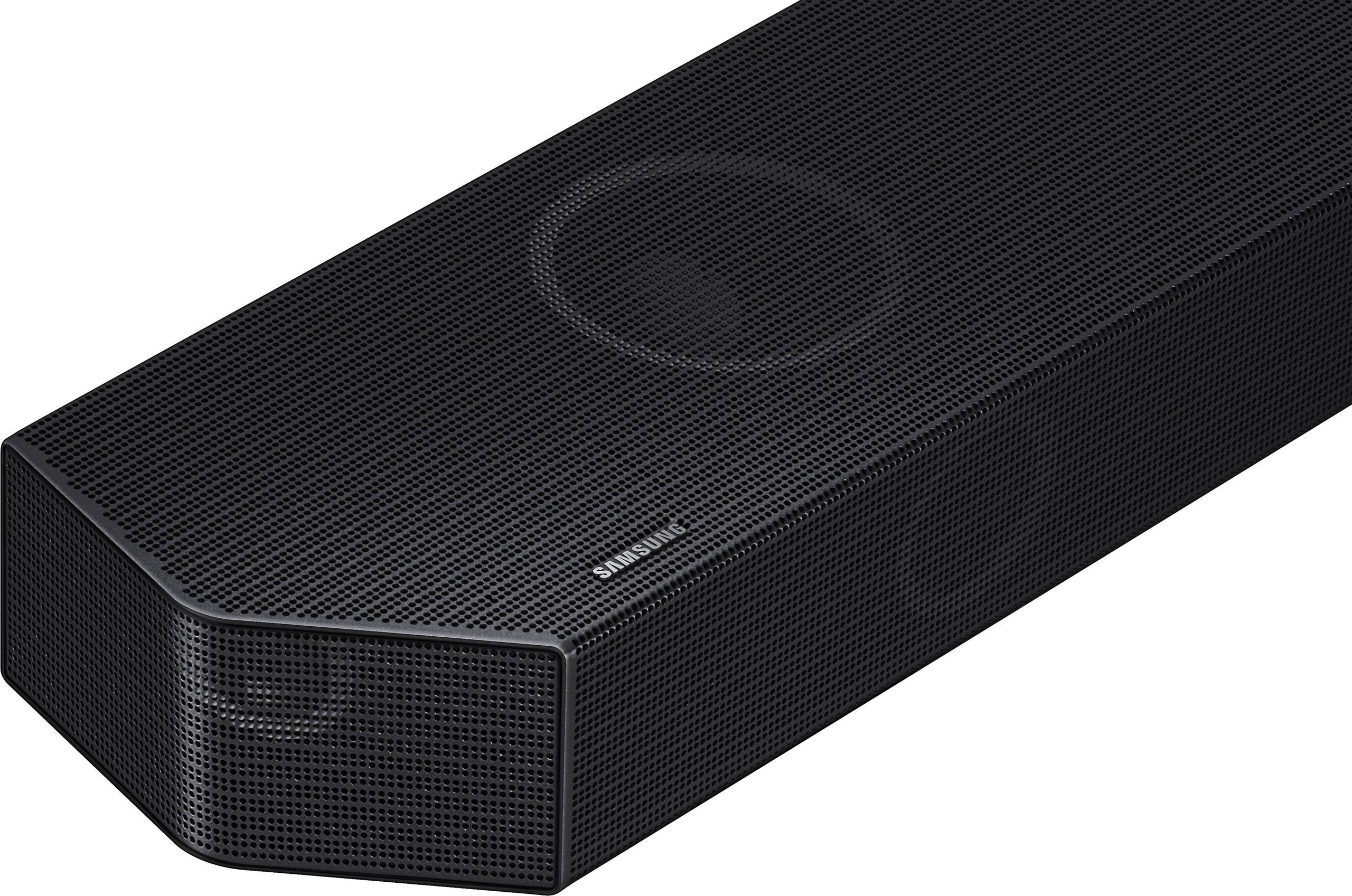
The Samsung HW-Q800D, released in 2024, takes the opposite approach. This 5.1.2 channel system pumps out 360 watts through 11 separate speakers, including a wireless subwoofer and dedicated height channels for Dolby Atmos effects. It's designed for users who want a genuine home theater experience without the complexity of separate components.
These different philosophies become clear when you look at their target audiences. The Fire TV Soundbar appeals to apartment dwellers, budget-conscious buyers, and casual viewers who just want their TV to sound better. The Samsung HW-Q800D targets movie enthusiasts, gamers, and anyone building a proper home theater setup.
The power difference between these soundbars is immediately apparent. The Fire TV Soundbar's 40 watts provides adequate volume for small to medium rooms, but it starts to strain at higher volumes. The dual 20-watt amplifiers driving those Racetrack drivers can get surprisingly loud for their size, but dynamic range – the difference between quiet and loud sounds – remains limited.
The Samsung HW-Q800D's 360 watts of power creates an entirely different listening experience. This isn't just about getting louder; it's about maintaining clarity and detail even during complex audio scenes. When a movie soundtrack combines whispered dialogue with explosive action sequences, the Samsung has enough headroom to reproduce both convincingly without compression or distortion.
Perhaps the most significant performance gap lies in bass reproduction. The Fire TV Soundbar uses a bass reflex design with a front-facing port to enhance low-frequency output from its compact drivers. While this provides more bass than typical TV speakers, it can't compete with a dedicated subwoofer.
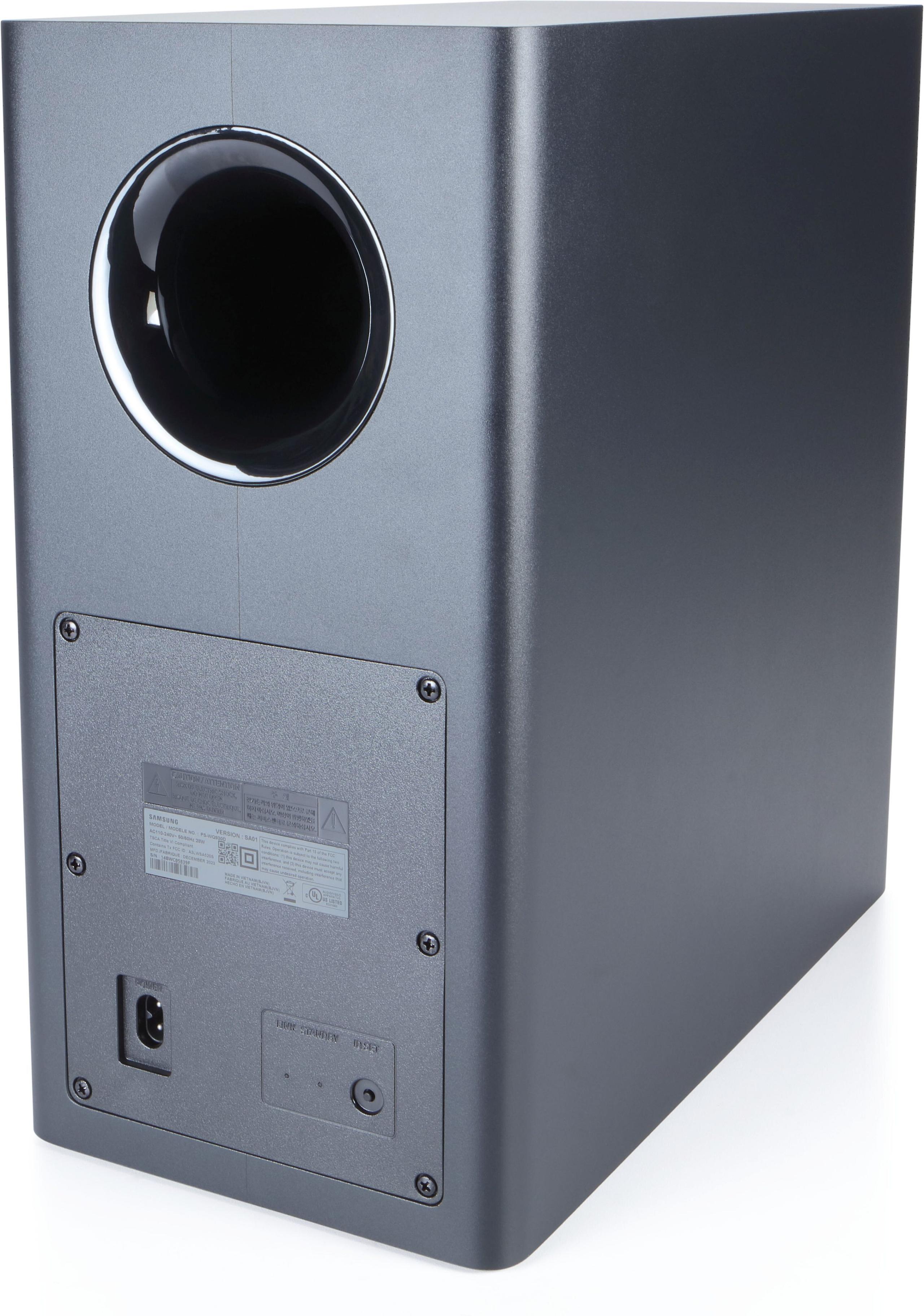
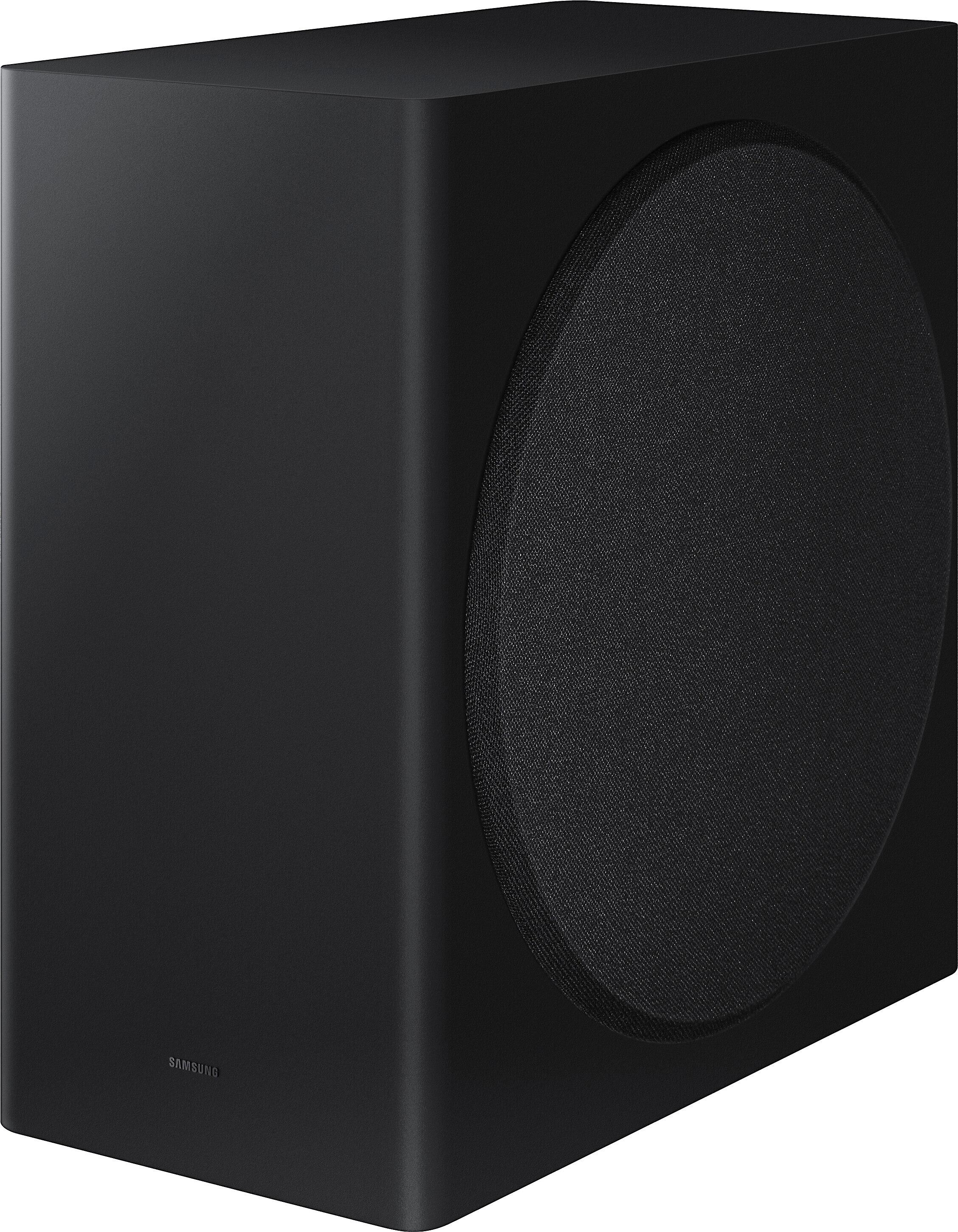
The Samsung HW-Q800D includes a wireless 8-inch subwoofer that transforms the entire listening experience. This isn't just about making explosions louder – proper bass response adds weight and realism to everything from footsteps to musical instruments. The subwoofer connects wirelessly to the main soundbar, giving you flexibility in placement while maintaining the full frequency range that makes movies and music come alive.
Both soundbars significantly improve dialogue clarity compared to TV speakers, but they achieve this through different methods. The Fire TV Soundbar uses its front-firing drivers and dedicated dialogue mode to focus vocal frequencies and reduce background noise interference. For news, talk shows, and casual TV viewing, this approach works excellently.
The Samsung HW-Q800D employs a dedicated center channel speaker specifically designed for dialogue reproduction. This physical separation of vocal content from other audio elements provides more consistent performance across all content types. The system's Active Voice Amplifier (AVA) technology automatically adjusts dialogue levels based on ambient noise, ensuring you can always hear conversations clearly.
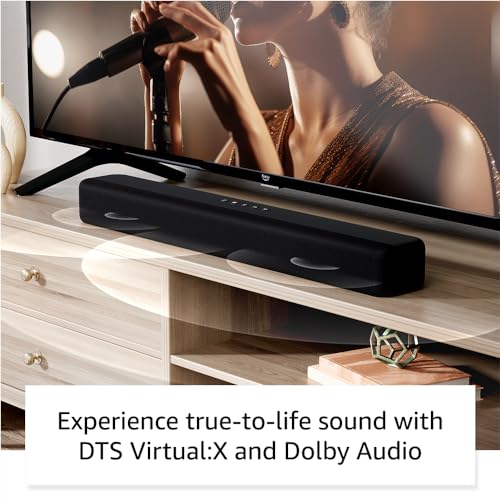
This is where the fundamental differences between these soundbars become most apparent. The Fire TV Soundbar relies on DTS Virtual:X processing to create a simulated surround sound experience. This technology uses psychoacoustic principles – how our brains interpret sound – to trick your ears into perceiving sounds coming from locations where no speakers exist.
While virtual surround can create an impressively wide soundstage from just two speakers, it has inherent limitations. The effect varies significantly based on your seating position, room acoustics, and personal hearing characteristics. Some people find virtual surround convincing, while others notice it's clearly artificial.
The Samsung HW-Q800D takes the physical approach with true 5.1.2 channel reproduction. Side-firing speakers create genuine surround effects, while upfiring drivers bounce sound off your ceiling to create height channels for Dolby Atmos content. This object-based audio processing can precisely place individual sounds – like a helicopter flying overhead or rain falling around you – in three-dimensional space.
The difference becomes particularly noticeable with modern movie soundtracks and video games that use advanced audio mixing. While the Fire TV Soundbar makes everything sound better than TV speakers, the Samsung HW-Q800D can actually recreate the filmmaker's intended audio experience.
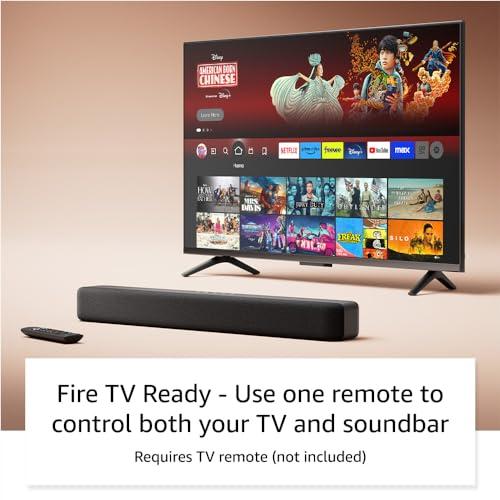
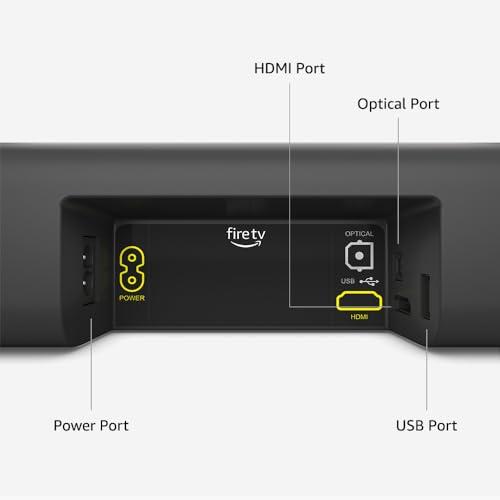
Both soundbars offer modern connectivity options, but with different focuses. The Fire TV Soundbar integrates seamlessly with Amazon's ecosystem, automatically optimizing settings when connected to Fire TV devices via HDMI. Bluetooth connectivity allows wireless music streaming from phones and tablets, while HDMI ARC (Audio Return Channel) enables single-cable connection to your TV.
The Samsung HW-Q800D offers more sophisticated integration features, particularly for Samsung TV owners. Q-Symphony technology synchronizes the soundbar with compatible Samsung TV speakers, using both sets of drivers simultaneously for an expanded soundstage. SpaceFit Sound Pro uses built-in microphones to analyze your room's acoustics and automatically adjust audio output for optimal performance.
The Samsung also includes more comprehensive wireless capabilities. Wireless Dolby Atmos support with compatible Samsung TVs eliminates the need for HDMI cables while maintaining full surround sound quality – a genuinely impressive technical achievement that reduces setup complexity.
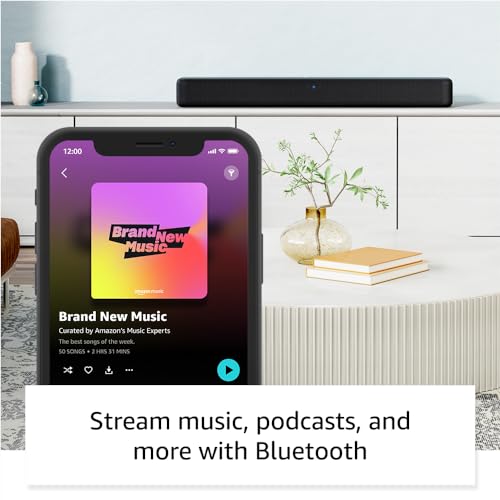
While both soundbars were designed primarily for TV audio enhancement, their music reproduction capabilities differ significantly. The Fire TV Soundbar provides basic stereo imaging suitable for casual music listening. Its Bluetooth connectivity makes it convenient for streaming from mobile devices, but the limited frequency response and lack of dedicated bass means music lacks the fullness and impact of dedicated audio systems.
The Samsung HW-Q800D functions as a legitimate stereo system replacement. The dedicated subwoofer delivers impactful bass for genres like hip-hop and electronic music, while the multiple drivers handle complex musical arrangements with better separation and detail. Various EQ presets optimize performance for different music styles, and the wide soundstage creates an engaging listening experience even when you're not directly in front of the speakers.
The setup experience reflects each soundbar's design philosophy. The Fire TV Soundbar epitomizes plug-and-play simplicity. Connect one HDMI or optical cable, and you're essentially done. The compact form factor means it fits almost anywhere without dominating your entertainment center. Touch controls on the device itself eliminate dependence on yet another remote control.
The Samsung HW-Q800D requires more consideration during setup. The wireless subwoofer needs proper placement for optimal bass response – typically on the floor near a wall but not in a corner where it might sound boomy. The main soundbar itself is considerably larger and heavier, requiring a more substantial TV stand or wall mounting hardware.
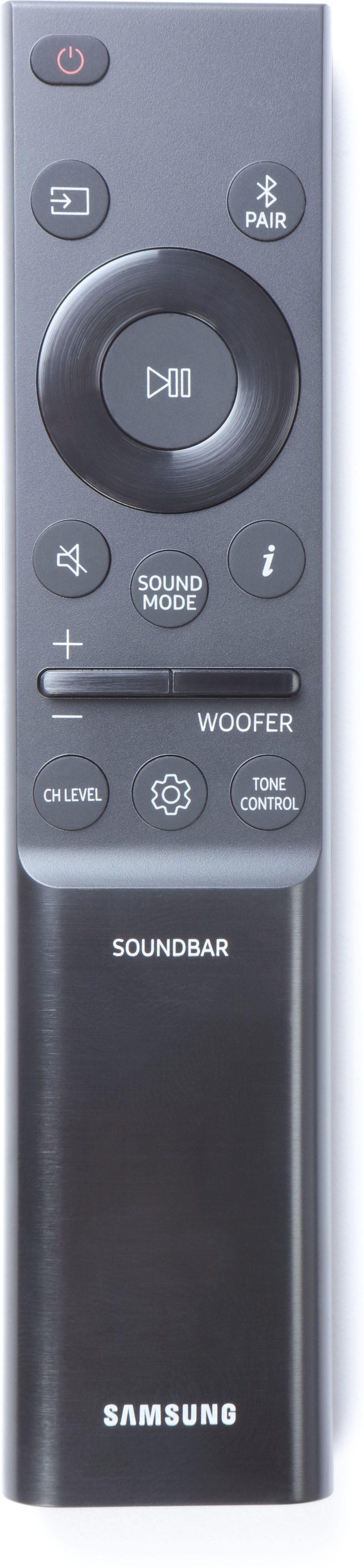
However, this complexity comes with benefits. The Samsung's room correction features actually improve performance over time, and the comprehensive remote control provides access to detailed audio settings. The SmartThings app integration allows for fine-tuning EQ settings and managing multiple connected devices.
At the time of writing, these soundbars occupy completely different price segments, with the Samsung HW-Q800D costing roughly 7-10 times more than the Fire TV Soundbar. This price difference might seem extreme, but it reflects genuinely different capabilities rather than just premium branding.
The Fire TV Soundbar offers exceptional value for its price point. It delivers the most important benefit – significantly clearer dialogue than TV speakers – while remaining affordable enough that most households can justify the purchase. For many users, this level of improvement satisfies their needs completely.
The Samsung HW-Q800D justifies its premium pricing through advanced features and dramatically superior performance. When you consider that comparable Dolby Atmos systems from dedicated audio companies often cost significantly more, the Samsung represents solid value within the premium soundbar category.
Small Spaces and Urban Living: If you're in an apartment, dorm room, or small bedroom, the Fire TV Soundbar's compact footprint and moderate volume capabilities match your environment perfectly. You'll get meaningful audio improvement without overwhelming your space or annoying neighbors.
Budget-Conscious Buyers: When your primary goal is making TV dialogue clearer without spending much money, the Fire TV Soundbar delivers exactly what you need. It's an excellent first soundbar that proves the concept without requiring significant financial commitment.
Casual TV Viewers: If you primarily watch news, talk shows, sitcoms, and other dialogue-heavy content, the Fire TV Soundbar's focus on vocal clarity provides the most noticeable improvement for your viewing habits.
Fire TV Ecosystem Users: The seamless integration with Amazon's streaming devices creates a cohesive user experience that simplifies setup and operation.
Home Theater Enthusiasts: If you watch movies regularly and care about audio quality, the Samsung HW-Q800D's true surround sound capabilities and Dolby Atmos support transform your viewing experience in ways the basic soundbar simply cannot match.
Gamers Seeking Immersion: Modern video games use sophisticated audio design to create immersive environments. The Samsung's precise sound placement and Game Pro mode enhance gaming experiences significantly.
Music Lovers: When your TV area doubles as your primary music listening space, the Samsung HW-Q800D's dedicated subwoofer and wide frequency response provide genuine stereo system performance.
Samsung TV Owners: The Q-Symphony integration and wireless Dolby Atmos support create synergies that enhance the overall system performance beyond what either component achieves alone.
Long-term Investment Mindset: If you plan to use your soundbar for several years and want room for your audio expectations to grow, the Samsung's advanced features ensure continued satisfaction as you discover new content and capabilities.
For dedicated home theater use, the performance gap between these soundbars becomes most apparent. The Fire TV Soundbar improves the TV audio experience but doesn't fundamentally change it. You'll hear dialogue more clearly and get some sense of enhanced stereo imaging, but movie soundtracks still lack the impact and immersion that filmmakers intended.
The Samsung HW-Q800D creates a legitimate home theater experience. Dolby Atmos soundtracks come alive with sounds moving overhead and around the room. The dedicated subwoofer adds visceral impact to action sequences, while the center channel ensures dialogue remains clear even during complex audio scenes. For movie nights and binge-watching sessions, this level of performance enhancement justifies the price difference.
The choice between these soundbars ultimately depends on your specific needs, space constraints, and audio expectations. The Fire TV Soundbar excels at solving the most common TV audio problem – unclear dialogue – while remaining affordable and simple to use. It's an excellent choice for anyone seeking noticeable improvement without complexity or significant expense.
The Samsung HW-Q800D delivers a fundamentally different level of performance that transforms your entire audio experience. If you have the space, budget, and desire for genuine home theater sound quality, its advanced features and superior performance provide excellent value within the premium soundbar category.
Neither choice is wrong – they simply serve different purposes and user priorities. Consider your content viewing habits, living space limitations, and long-term expectations to determine which approach aligns with your specific situation. Both soundbars excel within their intended market segments and will provide years of improved audio enjoyment over standard TV speakers.
| Amazon Fire TV Soundbar | Samsung HW-Q800D |
|---|---|
| Channel Configuration - Determines surround sound capability and immersion | |
| 2.0 stereo (left/right only) | 5.1.2 true surround (includes height channels for Dolby Atmos) |
| Total Power Output - Affects volume and dynamic range | |
| 40W (2 x 20W drivers) | 360W (distributed across 11 speakers) |
| Subwoofer Included - Essential for impactful bass and full movie experience | |
| No dedicated subwoofer (bass reflex design only) | Wireless 8-inch subwoofer included |
| Dolby Atmos Support - Creates overhead sound effects for modern movies | |
| No (uses DTS Virtual:X for simulated surround) | Yes (true Dolby Atmos with upfiring speakers) |
| Physical Dimensions - Important for TV stand placement and room aesthetics | |
| Compact: 61cm wide, 9cm tall, 1.8kg | Larger: Substantial soundbar plus separate subwoofer |
| Smart Features - Integration with TVs and streaming services | |
| Fire TV integration, basic Bluetooth | Q-Symphony with Samsung TVs, SpaceFit room correction, advanced app control |
| Setup Complexity - Time and effort required for installation | |
| Plug-and-play simplicity (single cable connection) | More involved (subwoofer placement, room calibration, multiple settings) |
| Best Use Case - What this soundbar excels at | |
| Clear dialogue for casual TV viewing in small spaces | Full home theater experience with movies, games, and music |
| Connectivity Options - How you connect devices and sources | |
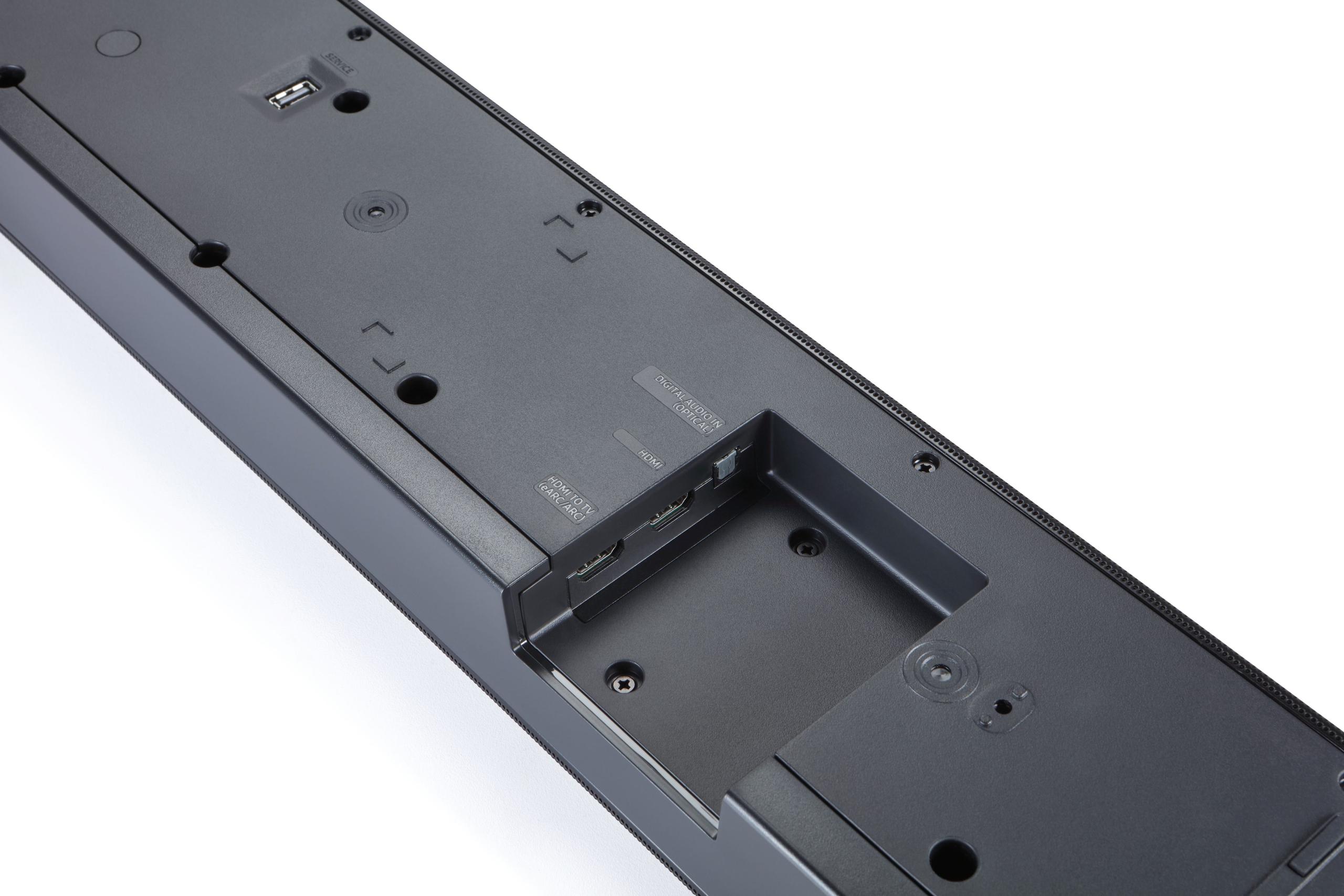
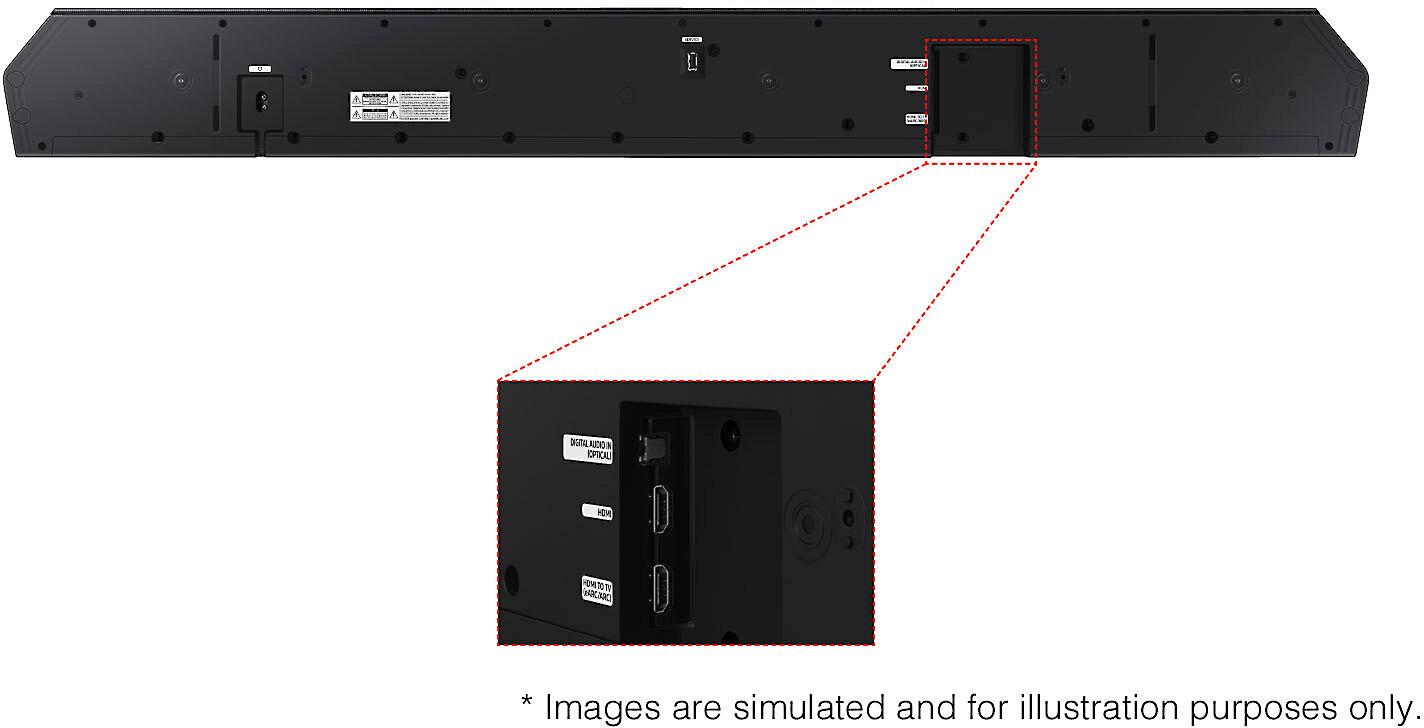
| HDMI ARC/eARC, optical input, Bluetooth | HDMI ARC/eARC with 4K passthrough, optical, Bluetooth 5.2, wireless subwoofer |
| Music Performance - How well it handles stereo music playback | |
| Basic stereo imaging, limited frequency range | Dedicated subwoofer and wide soundstage rival dedicated stereo systems |
The Amazon Fire TV Soundbar is a basic 2.0 channel stereo system designed for clear dialogue and simple TV audio improvement, while the Samsung HW-Q800D is a premium 5.1.2 channel system with true Dolby Atmos surround sound and a wireless subwoofer for full home theater experiences.
The Amazon Fire TV Soundbar is ideal for small spaces due to its compact 61cm width and lightweight 1.8kg design. It provides meaningful audio improvement without overwhelming small rooms or requiring additional floor space for a subwoofer like the Samsung HW-Q800D.
The Samsung HW-Q800D includes a wireless 8-inch subwoofer that delivers deep, impactful bass for movies and music. The Amazon Fire TV Soundbar uses bass reflex design to enhance low frequencies, but cannot match the bass depth and impact of a dedicated subwoofer.
The Amazon Fire TV Soundbar offers plug-and-play simplicity with just one cable connection and touch controls on the device. The Samsung HW-Q800D requires more setup time for subwoofer placement, room calibration features, and accessing its advanced settings through the remote or mobile app.
Both soundbars work with any TV that has HDMI ARC or optical outputs. However, the Samsung HW-Q800D offers enhanced integration with Samsung TVs through Q-Symphony technology, which uses both the TV and soundbar speakers simultaneously for expanded sound.
The Samsung HW-Q800D excels for movies with true Dolby Atmos support, dedicated surround channels, and 360W of power that reproduces cinematic soundtracks as intended. The Amazon Fire TV Soundbar improves dialogue clarity but cannot create the immersive surround sound experience of modern movie soundtracks.
For music, the Samsung HW-Q800D functions as a legitimate stereo system replacement with its dedicated subwoofer, wide frequency response, and multiple EQ presets. The Amazon Fire TV Soundbar provides basic stereo imaging suitable for casual music listening but lacks the fullness and impact for serious music enjoyment.
The Amazon Fire TV Soundbar provides exceptional value for budget-conscious buyers seeking clear dialogue improvement. The Samsung HW-Q800D justifies its premium pricing with advanced features, true surround sound, and home theater-quality performance that transforms the entire viewing experience.
Neither soundbar includes built-in voice control or smart assistants. The Amazon Fire TV Soundbar integrates with Fire TV devices for optimized settings, while the Samsung HW-Q800D offers smart features through the SmartThings app for advanced audio customization and room correction.
The Samsung HW-Q800D includes Game Pro mode with precise directional audio that enhances gaming immersion and helps identify enemy positions. The Amazon Fire TV Soundbar improves game audio over TV speakers but cannot provide the spatial awareness and impact that modern games are designed to deliver.
The Amazon Fire TV Soundbar is a complete 2.0 system with no expansion options. The Samsung HW-Q800D is also a complete system, but its advanced features and true surround sound capabilities provide room for audio expectations to grow without needing additional components.
Choose the Samsung HW-Q800D for dedicated home theater use, as it delivers true Dolby Atmos effects, impactful bass, and surround sound that matches modern movie production standards. The Amazon Fire TV Soundbar works best for casual TV viewing where clear dialogue is the primary concern rather than full cinematic immersion.
We've done our best to create useful and informative comparisons to help you decide what product to buy. Our research uses advanced automated methods to create this comparison and perfection is not possible - please contact us for corrections or questions. These are the sites we've researched in the creation of this article: rtings.com - developer.amazon.com - stereoguide.com - developer.amazon.com - techradar.com - hometechnologyreview.com - whathifi.com - youtube.com - whathifi.com - wirelessplace.com - hometechnologyreview.com - dolby.com - aboutamazon.com - developer.amazon.com - community.anker.com - youtube.com - cordbusters.co.uk - techradar.com - valueelectronics.com - samsung.com - rtings.com - samsung.com - crutchfield.com - samsung.com - samsung.com - samsung.com - shidirect.com

Privacy Policy
Terms and Conditions - Affiliate Policy
Home Security
© Copyright 2008-2026.
11816 Inwood Rd #1211, Dallas, TX 75244