



When you're watching your favorite show and constantly reaching for the remote to turn up the volume during dialogue scenes, you've discovered the universal truth about modern TVs: they look amazing but sound terrible. Those paper-thin displays simply don't have room for decent speakers, which is where soundbars come to the rescue.
The soundbar market spans from basic stereo upgrades to full home theater replacements, and today we're looking at two products that couldn't be more different. The Amazon Fire TV Soundbar, released in 2023, represents the "good enough" philosophy at an entry-level price point. Meanwhile, the Samsung HW-Q990D, launched in 2024, showcases what happens when engineers are given a premium budget and told to create something extraordinary.
Understanding where these products fit requires grasping what soundbars actually do. At their core, they're solving the acoustic limitations of modern TV design while offering varying degrees of surround sound simulation or genuine multi-channel audio reproduction.
The soundbar world breaks down into several distinct categories, each serving different needs and budgets. At the entry level, you'll find basic stereo soundbars that simply make TV audio louder and clearer. Mid-range options typically add a wireless subwoofer for better bass and some form of virtual surround processing. Premium soundbars go all-out with multiple components, genuine surround sound, and advanced audio processing.
The key considerations when choosing any soundbar include audio performance (how good it actually sounds), immersion features (whether it creates a believable surround experience), connectivity options, space requirements, and ultimately, value for money. What makes this comparison particularly interesting is how the Amazon Fire TV Soundbar and Samsung HW-Q990D approach these considerations from completely opposite directions.
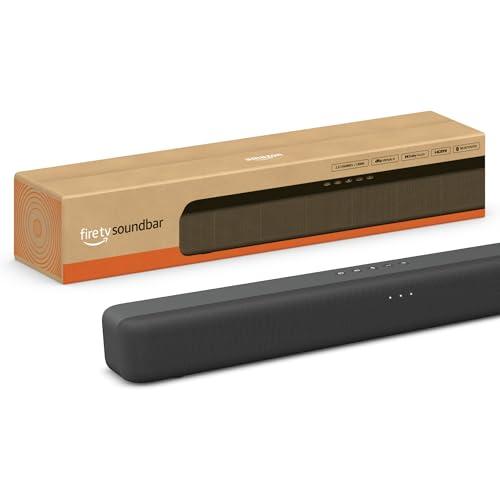
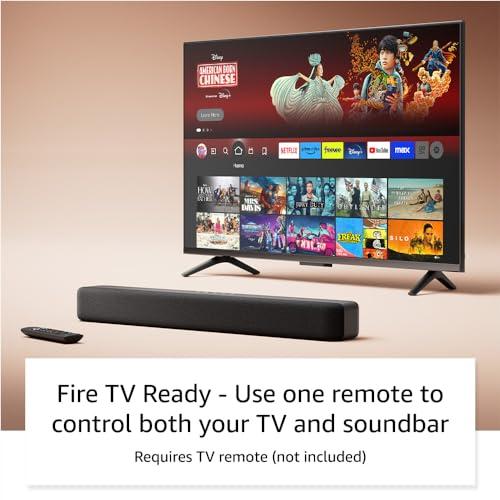
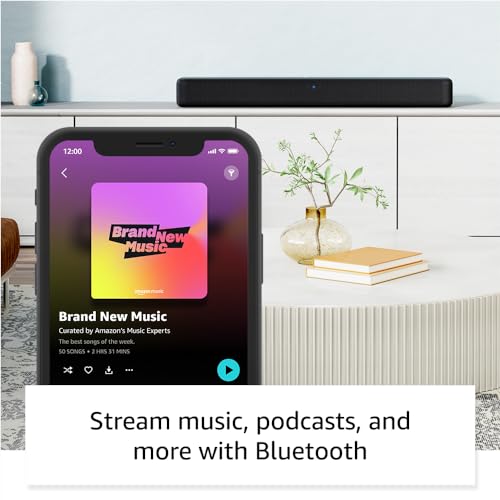
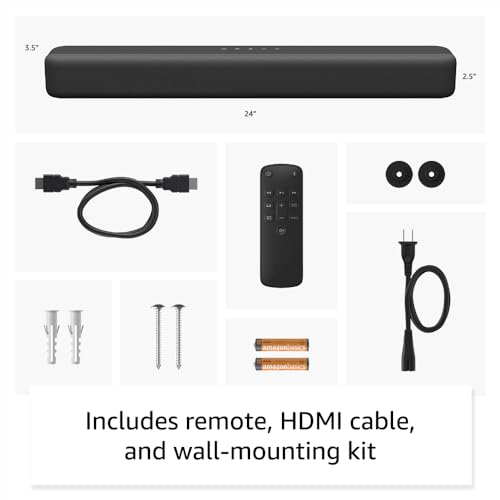
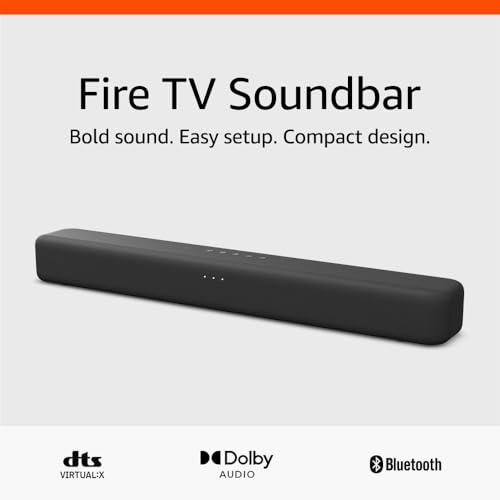
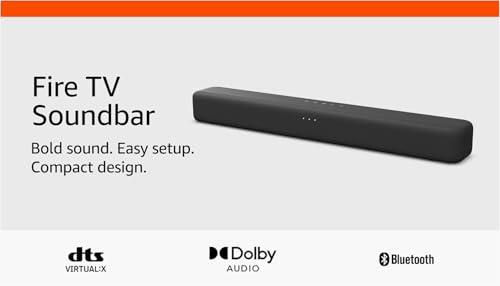
The Amazon Fire TV Soundbar embodies minimalism. At just 61 centimeters wide and weighing only 1.8 kilograms, it's designed to be the simplest possible upgrade over built-in TV speakers. Despite the "Fire TV" branding, it doesn't actually stream content or include Alexa voice control – it's purely focused on audio improvement through HDMI ARC connection, optical input, or Bluetooth streaming.
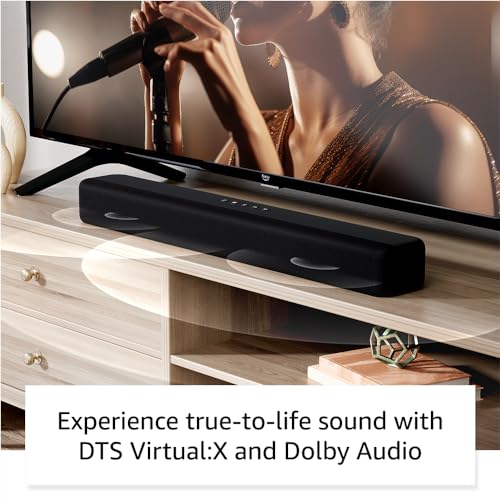
Under its fabric-covered exterior, the Amazon Fire TV Soundbar houses two "Racetrack" drivers – oval-shaped speakers that provide more surface area than traditional round drivers within the same height constraints. Each driver is powered by a 20-watt amplifier, and the entire system supports Dolby Audio and DTS Virtual:X, which are technologies that simulate surround sound from just two speakers.
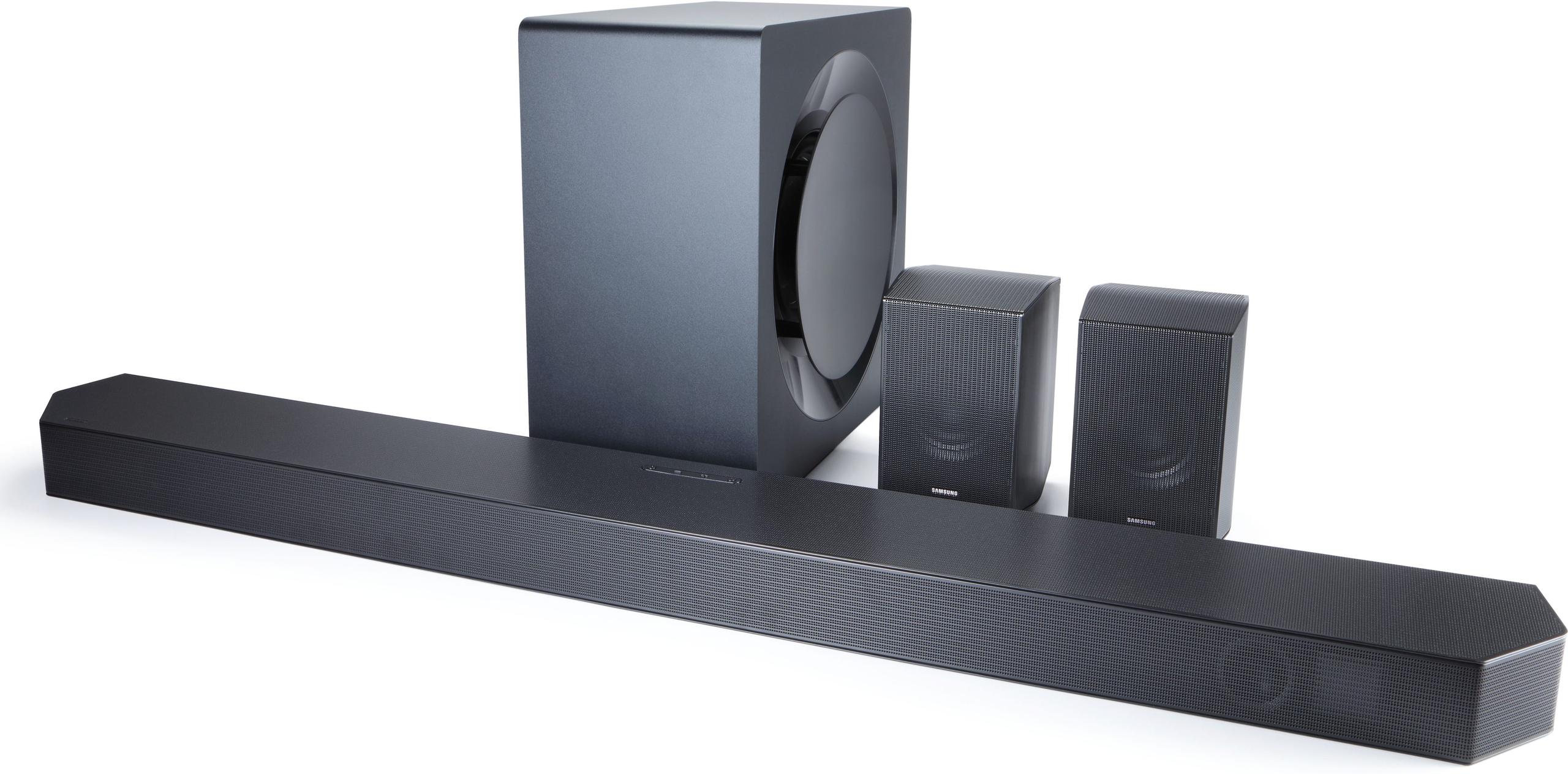
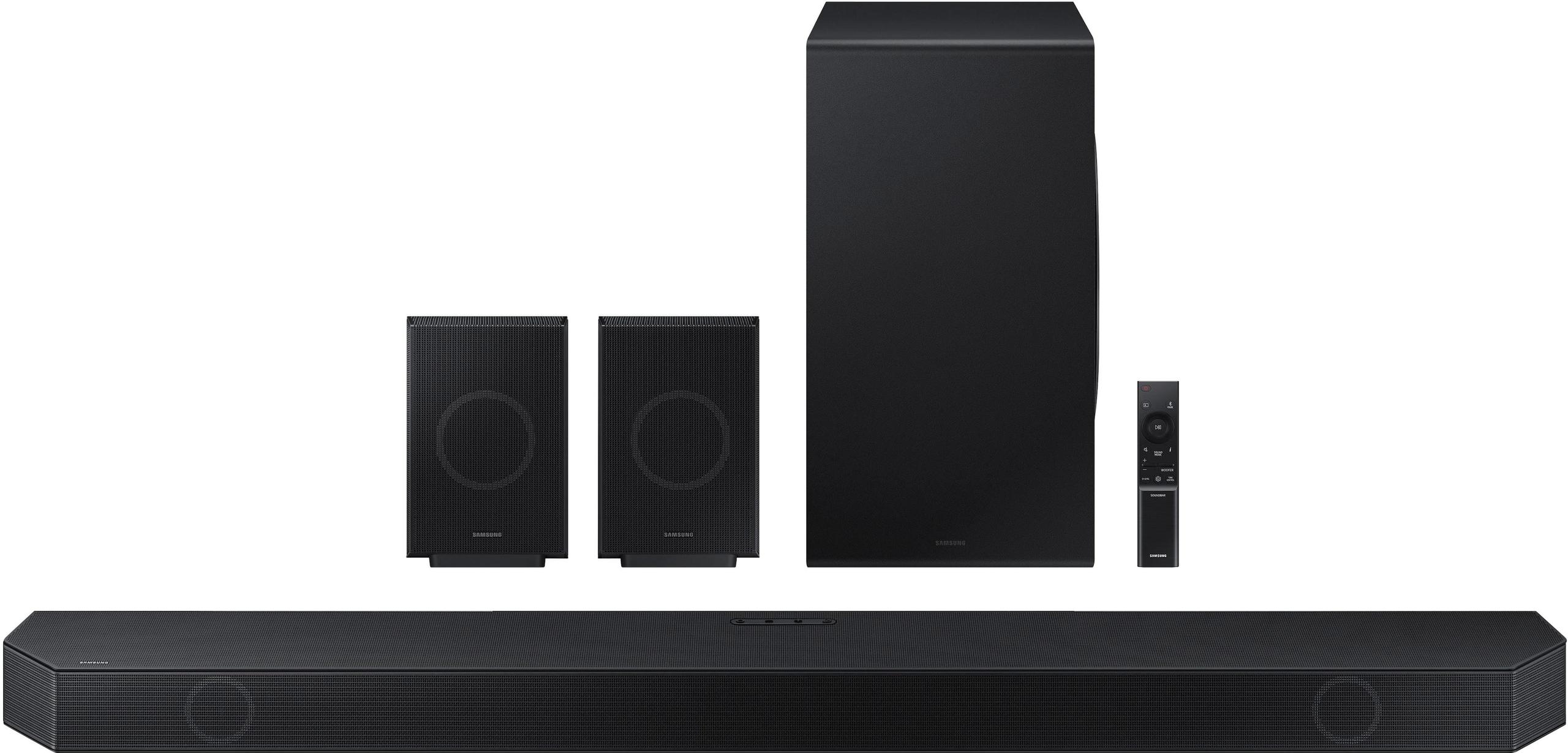
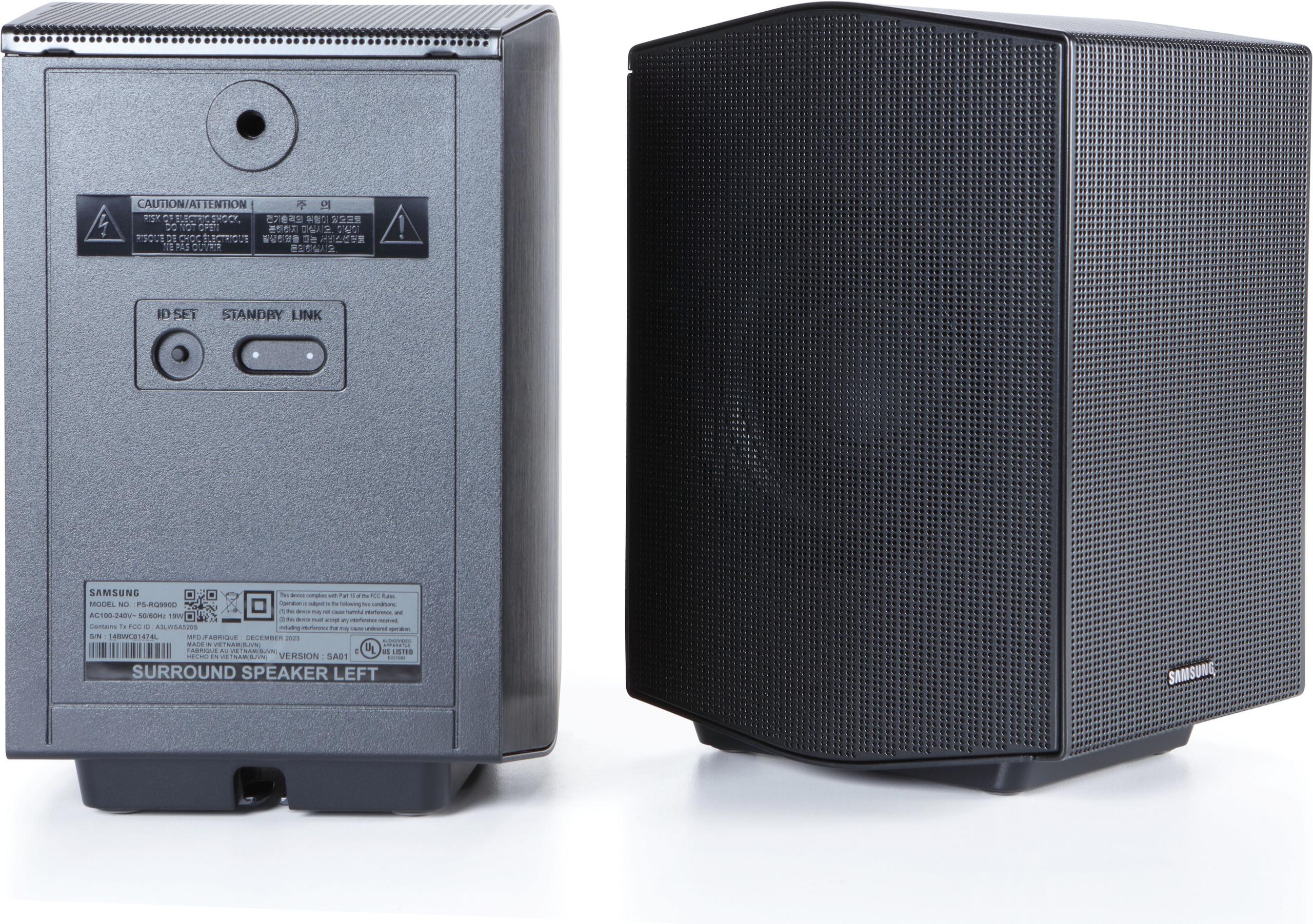
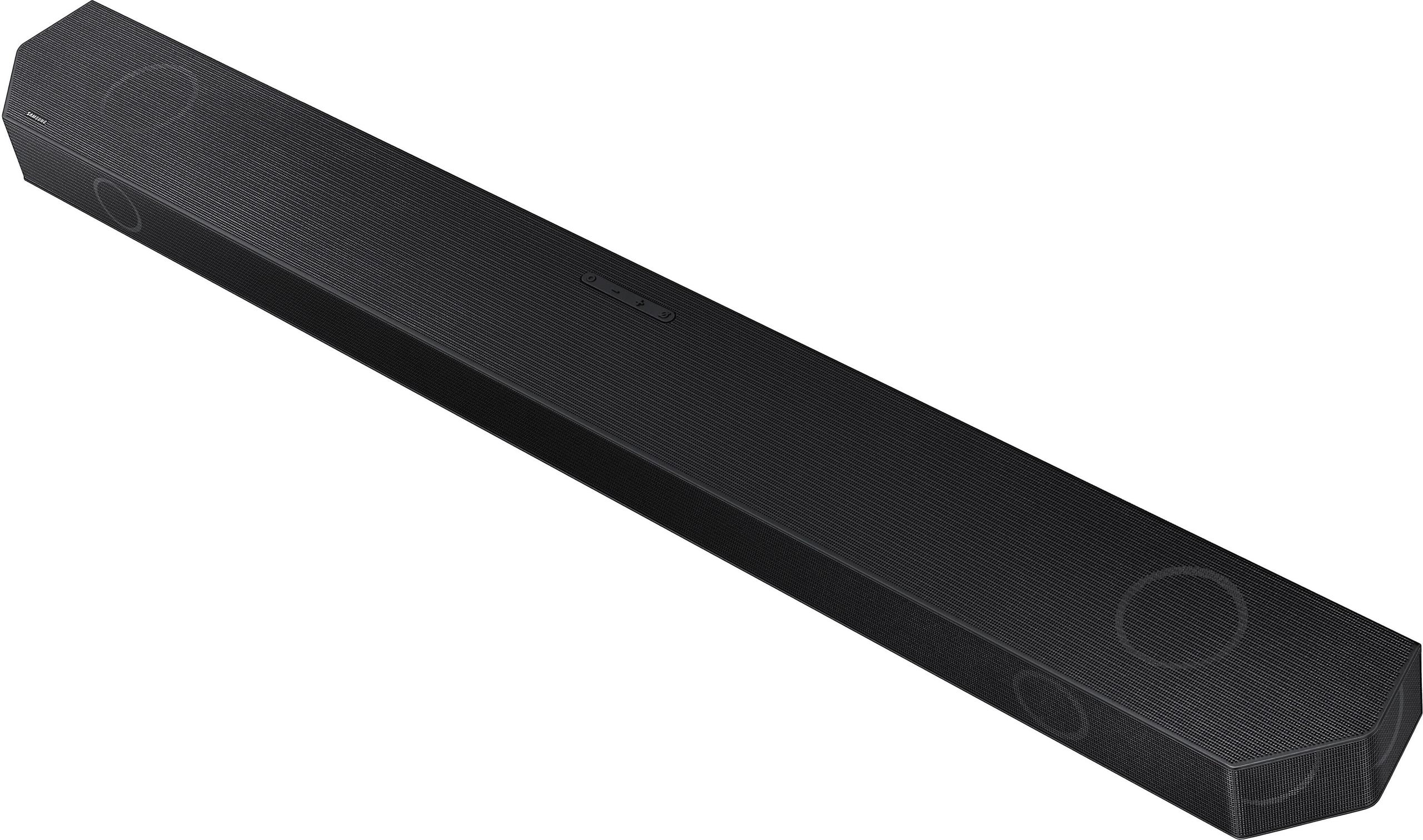
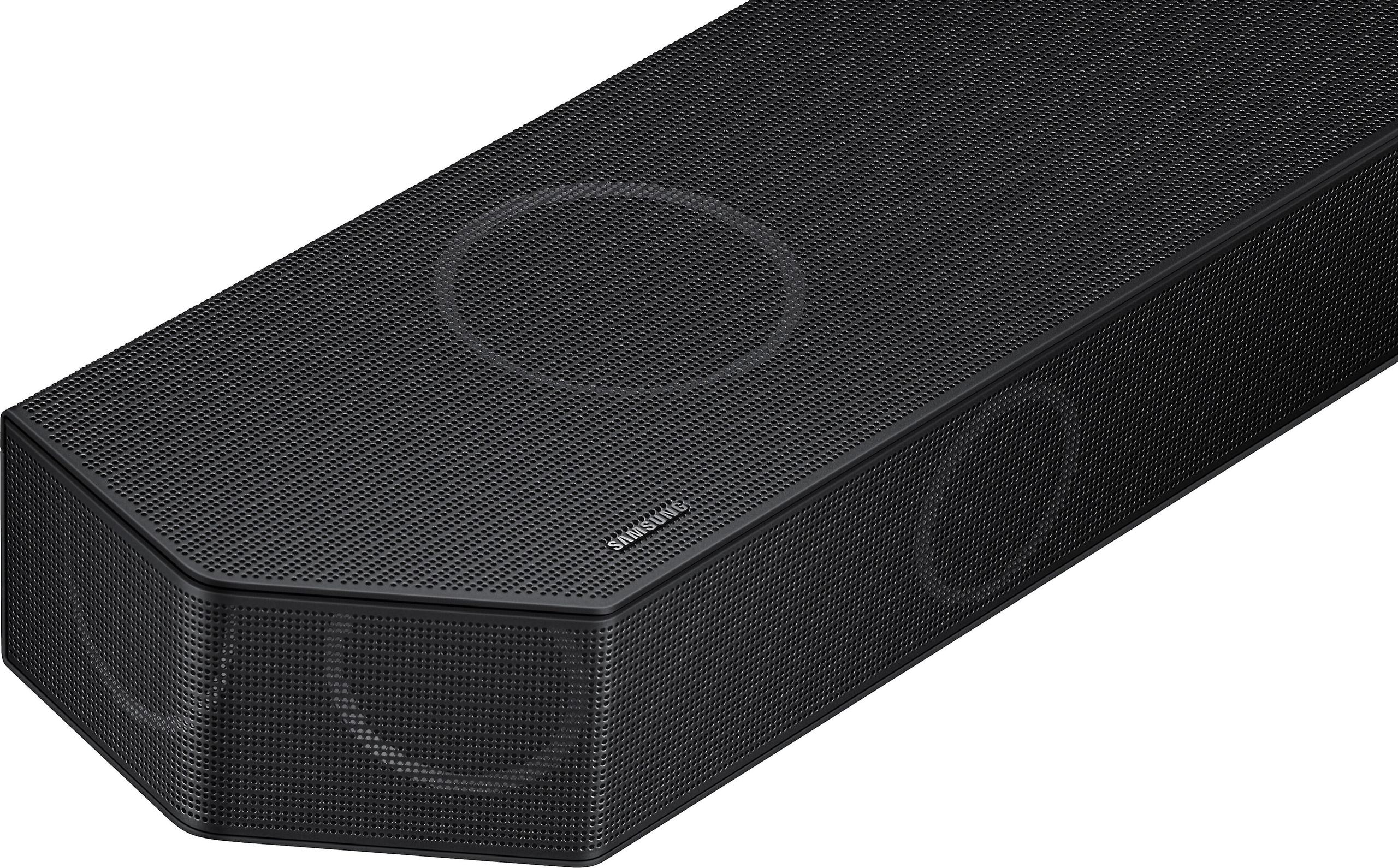
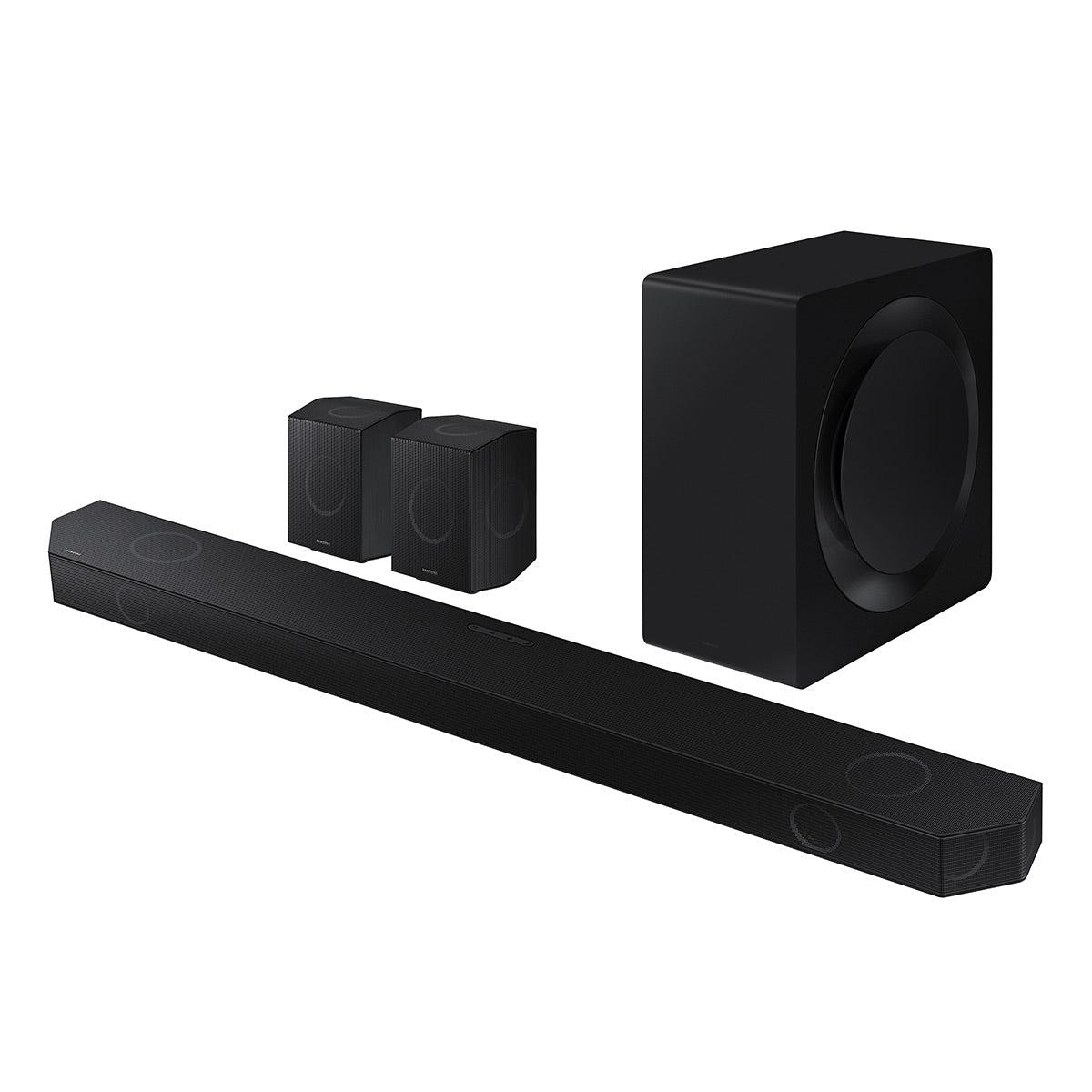
The Samsung HW-Q990D takes the opposite approach entirely. This flagship system includes a main soundbar, wireless subwoofer, and two wireless rear speakers, creating what Samsung calls an 11.1.4 channel configuration. Breaking down that number: 11 represents the main horizontal channels (left, center, right, plus various side and back channels), .1 indicates the subwoofer channel, and 4 refers to the height channels that fire upward to create overhead sound effects.
With 22 total speakers across all components, the Samsung HW-Q990D doesn't just simulate surround sound – it creates genuine three-dimensional audio using actual Dolby Atmos and DTS:X processing. Released in 2024, it represents Samsung's current audio technology peak, incorporating AI-enhanced sound processing and advanced connectivity including HDMI 2.1 with support for 4K at 120Hz refresh rates.
Both soundbars excel at their intended clarity goals, but through vastly different approaches. The Amazon Fire TV Soundbar focuses its limited resources on the frequency ranges most important for television dialogue – roughly 200Hz to 4kHz where human voices primarily live. Our research into user experiences reveals consistent praise for how well it separates dialogue from background music and effects, making conversations significantly clearer than typical TV speakers.
The Samsung HW-Q990D approaches clarity through brute force and sophistication. Its dedicated center channel speaker handles dialogue exclusively, while Active Voice Amplifier Pro technology analyzes incoming audio in real-time to boost speech frequencies when needed. The difference is immediately apparent – voices don't just sound clearer, they sound more natural and positioned precisely in the acoustic space.
From a technical standpoint, the Samsung system benefits from having separate drivers handling different frequency ranges, preventing the compromises inherent in full-range drivers like those in the Amazon soundbar. When a single driver must reproduce everything from deep bass to high frequencies, it can't optimize for any particular range as effectively.
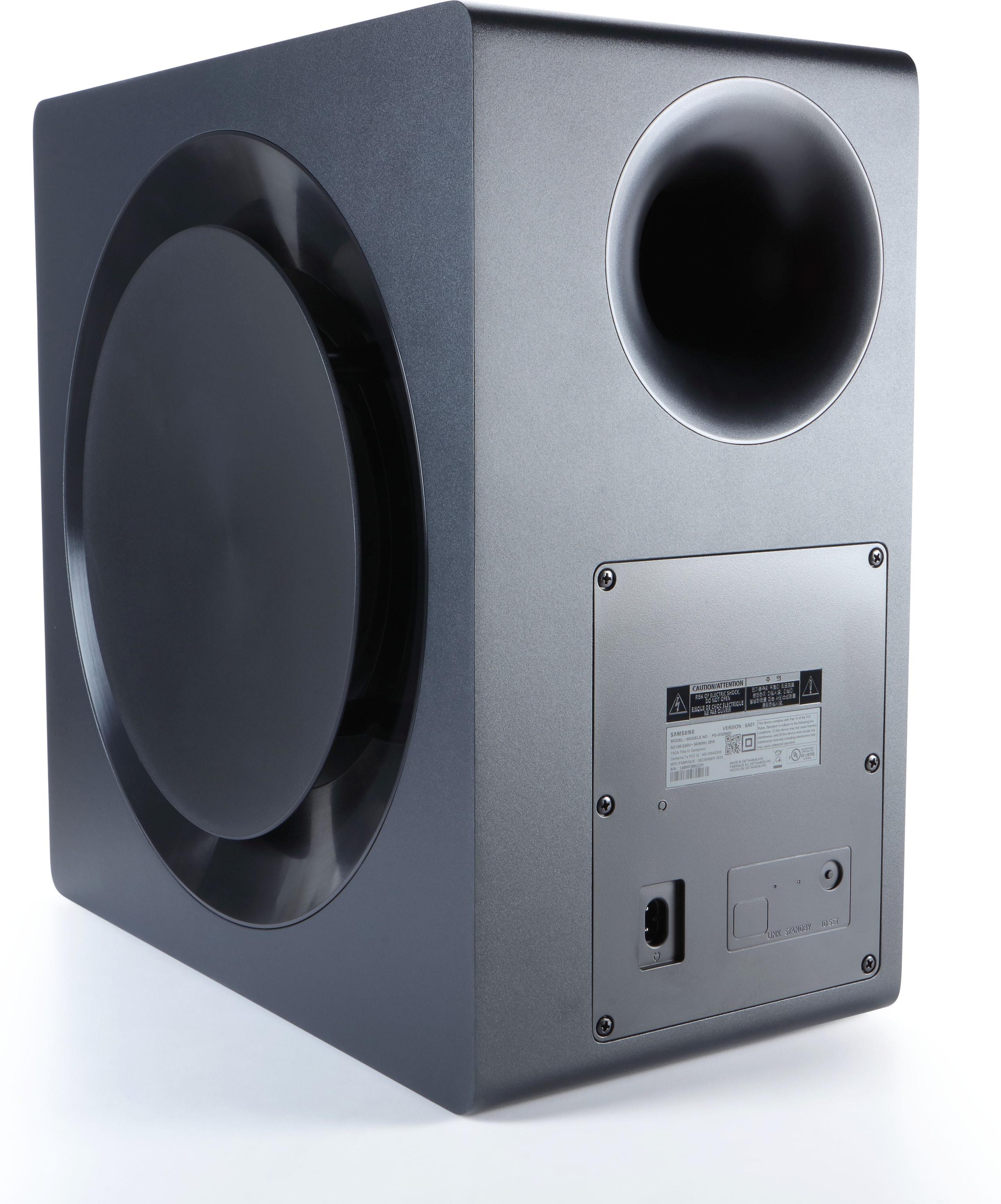
This is where the philosophical differences between these products become most apparent. The Amazon Fire TV Soundbar uses a bass reflex design – essentially a tuned port that reinforces certain low frequencies – but physics limits how much bass any small, closed system can produce. User feedback consistently notes that while bass is present and adequate for most TV content, it lacks the impact needed for action movies or music with significant low-end content.
The Samsung HW-Q990D includes a dedicated wireless subwoofer with a 20-centimeter driver specifically designed for frequencies below 100Hz. This isn't just about volume – it's about reproducing the full frequency spectrum that makes explosions feel impactful and music sound complete. The subwoofer can move much more air than any soundbar-integrated driver, creating the physical sensation of bass that you feel as much as hear.
Our analysis of professional reviews reveals that the Samsung system's bass integration is particularly noteworthy. Many multi-component systems struggle to blend the subwoofer seamlessly with the main speakers, but Samsung's processing ensures that low frequencies appear to come from the appropriate screen location rather than obviously from the subwoofer's physical position.
The surround sound comparison highlights the fundamental difference between these products. The Amazon Fire TV Soundbar relies entirely on psychoacoustic processing – essentially tricking your brain into perceiving surround sound from stereo sources. DTS Virtual:X technology creates phase relationships and timing differences between the two drivers that can genuinely create the impression of sounds coming from beside or behind you.
However, virtual surround has inherent limitations. It works best in specific listening positions and room configurations, and the effect can be subtle or entirely absent depending on your seating arrangement. User experiences vary significantly – some find the virtual surround convincing for certain content, while others barely notice any effect beyond basic stereo separation.
The Samsung HW-Q990D uses actual rear speakers positioned behind the listening area, combined with up-firing drivers that bounce sound off the ceiling to create height effects. This is genuine Dolby Atmos – not a simulation, but the real three-dimensional audio format used in commercial cinemas. When you hear a helicopter flying overhead in a movie, the sound literally travels from the rear speakers, up to the ceiling-mounted speakers, and across to the front, matching the visual movement.
The technical superiority is undeniable, but it requires proper room setup. Dolby Atmos works best with reasonably flat ceilings at appropriate heights, and the rear speakers need clear paths to your listening position. In ideal conditions, the immersion level is transformative – sounds appear to come from precise locations in three-dimensional space around you.
Gaming audio has evolved significantly since both manufacturers developed these products. Modern games increasingly use spatial audio to provide competitive advantages – hearing exactly where opponents are located can mean the difference between winning and losing in competitive shooters.
The Amazon Fire TV Soundbar handles gaming adequately through its HDMI ARC connection, providing low latency and clear audio separation. However, its stereo configuration limits the positional audio information it can convey. You'll hear enemies approaching, but determining their exact location requires visual confirmation.
The Samsung HW-Q990D includes Game Mode Pro, which adjusts processing specifically for different game types. First-person shooters get enhanced directional cues, while role-playing games receive optimized dialogue and environmental effects. The system's HDMI 2.1 inputs support Variable Refresh Rate (VRR) and Auto Low Latency Mode (ALLM), ensuring smooth gaming performance without audio delays.
More importantly, the genuine surround sound provides legitimate competitive advantages. In supported games, you can pinpoint enemy locations with remarkable accuracy – footsteps behind you are actually behind you, not just mixed into the general audio stream.
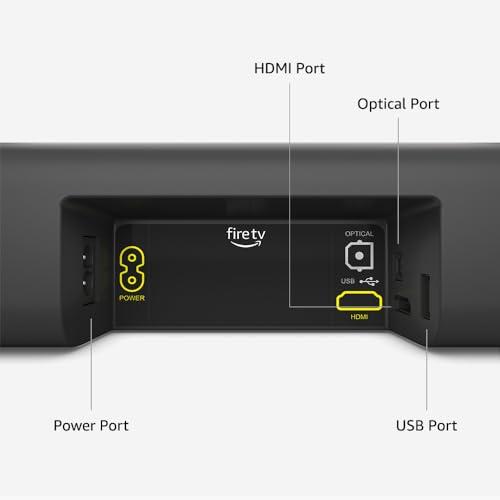
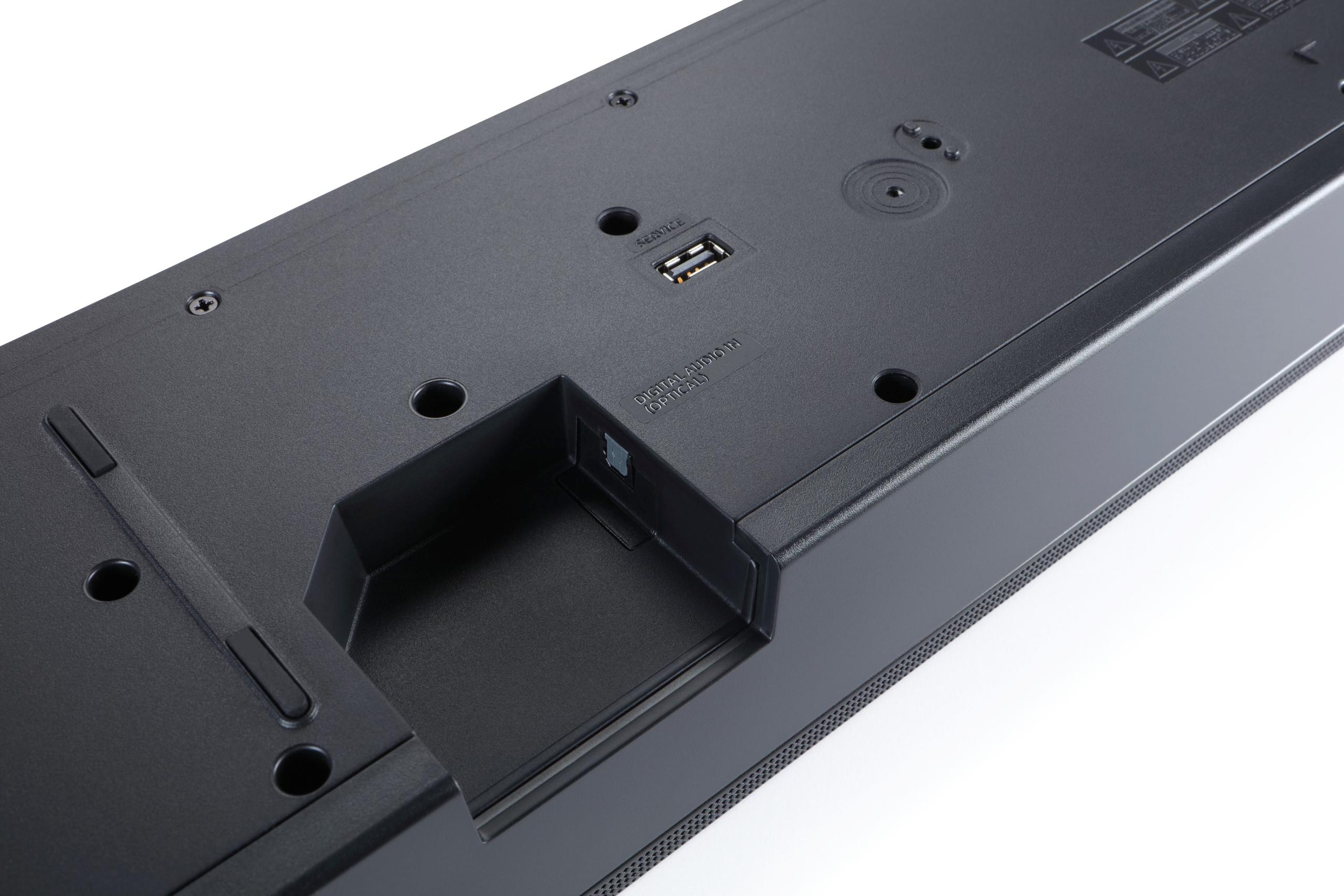
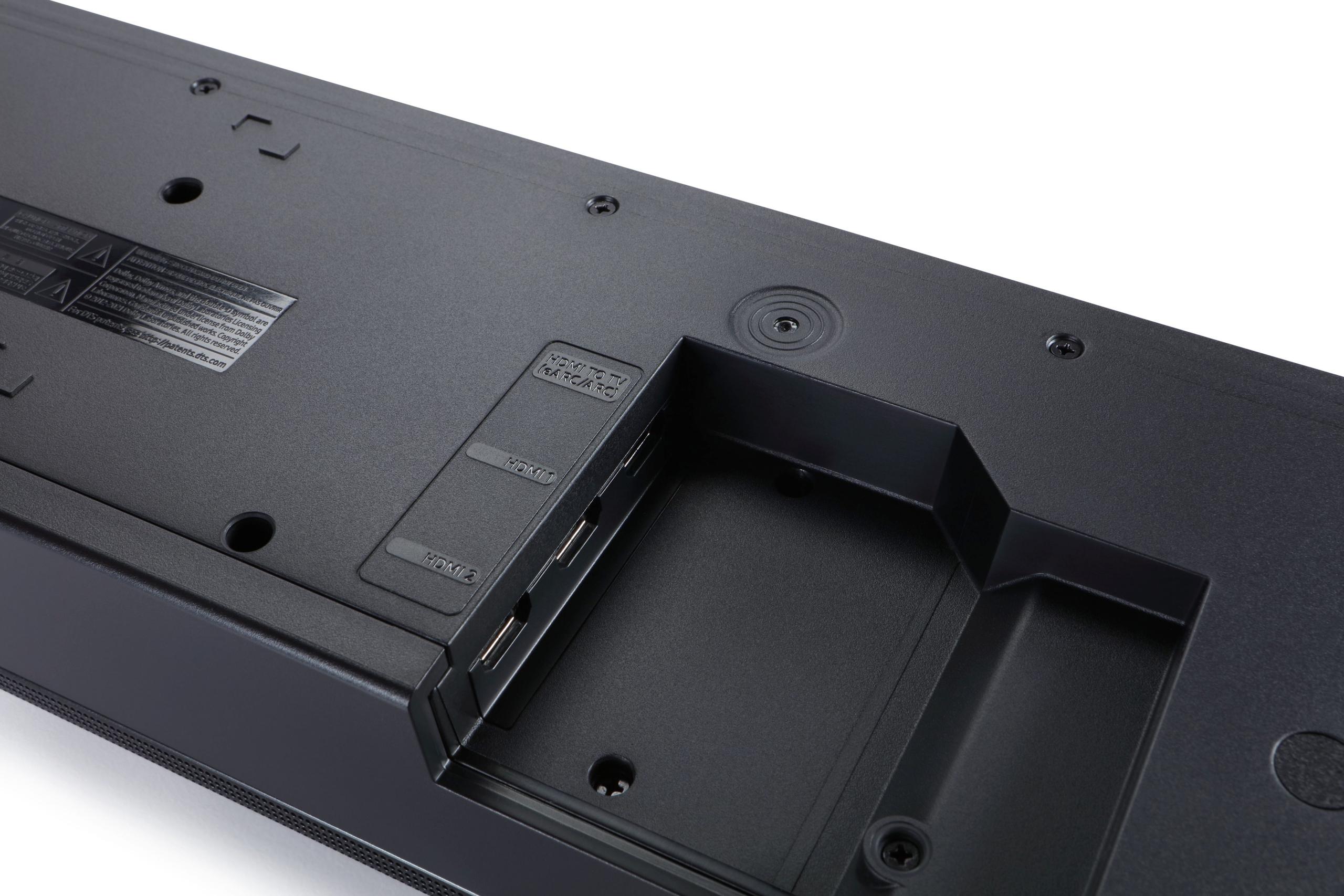
The connectivity story reflects each product's design philosophy perfectly. The Amazon Fire TV Soundbar offers the essentials: HDMI ARC/eARC for TV connection, optical input for older devices, and Bluetooth for music streaming from phones or tablets. Setup involves connecting a single cable, and the soundbar automatically powers on with your TV.
Somewhat confusingly, despite the "Fire TV" branding, this soundbar doesn't include streaming capabilities or voice control. It's purely an audio device that happens to carry Amazon's branding, likely due to its optimization for Fire TV streaming devices.
The Samsung HW-Q990D approaches connectivity as a comprehensive ecosystem. Beyond basic HDMI and optical connections, it includes Wi-Fi for firmware updates and streaming, Bluetooth 5.2 for improved wireless audio quality, AirPlay 2 for Apple device integration, and Chromecast for Google ecosystem compatibility.
The system's two HDMI 2.1 inputs are particularly valuable for modern setups. You can connect both a gaming console and streaming device directly to the soundbar, then send everything to your TV through a single cable. This configuration often provides better audio processing than connecting devices directly to the TV.
Q-Symphony represents Samsung's most interesting connectivity feature. When paired with compatible Samsung TVs, the soundbar can synchronize with the television's built-in speakers to create an even wider front soundstage. Rather than disabling the TV speakers, Q-Symphony uses them as additional channels in the overall audio system.
At the time of writing, the Amazon Fire TV Soundbar represents exceptional value in the entry-level category. For roughly the cost of a nice dinner, you get a legitimate upgrade over TV speakers with room-filling sound and clear dialogue improvement. The value proposition becomes even stronger when you consider that many comparable soundbars from established audio brands cost significantly more while offering similar performance.
However, value calculations must consider limitations. The Amazon soundbar represents the ceiling of what's possible with its configuration. You can't add a subwoofer later, upgrade to genuine surround sound, or access advanced features. It's a complete solution within narrow parameters.
The Samsung HW-Q990D operated in premium territory at launch, with pricing reflecting its flagship status. However, our research suggests that significant discounts have become common since its 2024 release, potentially making it more accessible than its original positioning suggested.
From a performance-per-dollar perspective, the Samsung system becomes increasingly compelling as its price decreases. When available at substantial discounts, it delivers professional-grade home theater performance at prices that previously bought mid-range soundbars. The system includes everything needed for a complete setup – no additional purchases required.
The Amazon Fire TV Soundbar excels in specific scenarios that align with its design priorities. Small apartments or rooms where a multi-component system would overwhelm the space benefit from its compact footprint. Secondary viewing areas like bedrooms or offices, where simple audio improvement matters more than immersive surround sound, represent ideal applications.
For users who primarily watch television shows, news, or casual streaming content, the Amazon soundbar's focus on dialogue clarity provides meaningful benefits without unnecessary complexity. The single-cable setup appeals to those who want better sound without dealing with multiple wireless connections or room calibration procedures.
The Samsung HW-Q990D targets fundamentally different use cases. Dedicated home theater rooms benefit from its comprehensive approach to spatial audio reproduction. Large living spaces that can accommodate the subwoofer and rear speakers without crowding allow the system to demonstrate its full capabilities.
Movie enthusiasts and gaming hobbyists represent the system's primary audience. Content mastered in Dolby Atmos – increasingly common on streaming platforms and Ultra HD Blu-ray discs – reveals capabilities that justify the Samsung system's complexity and cost. The difference between virtual and genuine surround sound becomes most apparent with this type of content.
Since the Amazon Fire TV Soundbar's 2023 release, the entry-level soundbar market has remained relatively stable. The fundamental physics of small speakers haven't changed, and manufacturers continue focusing on refining virtual surround processing and dialogue enhancement within strict cost constraints.
The Samsung HW-Q990D's 2024 introduction incorporated several technological advances that weren't available in earlier generations. AI-enhanced room calibration, improved wireless connectivity, and advanced gaming features reflect the rapid evolution of premium audio processing. Samsung's integration of multiple voice assistants and comprehensive smart home connectivity represents industry trends toward unified ecosystems.
Looking forward, both categories will likely see continued development. Entry-level products may incorporate more sophisticated processing as chipset costs decrease, while premium systems will probably add more AI-driven features and improved wireless performance.
Your choice between these products should reflect honest assessment of your priorities, space, and expectations. The Amazon Fire TV Soundbar makes sense when you want meaningful audio improvement without complications or significant investment. If your primary concern is making dialogue clearer during evening TV viewing, and you don't have space or need for a multi-component system, it delivers exactly what it promises.
Choose the Amazon soundbar if you're working with limited budgets, small spaces, or simple requirements. It excels as a bedroom TV upgrade, apartment living solution, or office audio improvement. The lack of expandability isn't a limitation if you don't need expandability.
The Samsung HW-Q990D becomes the obvious choice when audio quality ranks among your top priorities and you have the space to accommodate its components properly. If you regularly watch movies, play games with spatial audio, or listen to music through your TV setup, the performance differences justify the complexity and cost.
Consider the Samsung system particularly when it's available at significant discounts from original pricing. At reduced costs, it provides premium performance at prices that previously bought much less capable systems.
The middle ground between these products – mid-range soundbars with wireless subwoofers but simpler configurations – might appeal to users who want better bass than the Amazon option provides but don't need the complexity of the full Samsung system.
Ultimately, both products succeed at their intended purposes. The Amazon Fire TV Soundbar proves that significant audio improvements don't require significant investments, while the Samsung HW-Q990D demonstrates what's possible when engineering priorities focus on ultimate performance rather than cost constraints. Your choice depends entirely on which philosophy better matches your audio aspirations and practical requirements.
| Amazon Fire TV Soundbar | Samsung HW-Q990D 11.1.4 Channel Sound Bar |
|---|---|
| Channel Configuration - Determines surround sound capabilities and audio positioning | |
| 2.0 stereo (virtual surround only) | 11.1.4 true surround with physical rear and height speakers |
| Total Speakers - More drivers allow for better frequency separation and clarity | |
| 2 full-range "Racetrack" drivers | 22 speakers across main bar, subwoofer, and rear speakers |
| Subwoofer Inclusion - Critical for movie impact and music bass response | |
| None (integrated bass reflex only) | Dedicated wireless 20cm subwoofer included |
| Dolby Atmos Support - Essential for modern movie and gaming immersion | |
| No (DTS Virtual:X simulation only) | Yes, true Dolby Atmos with physical height channels |
| Physical Footprint - Important for room size and WAF (Wife Acceptance Factor) | |
| Single 61cm bar, wall-mountable | Multi-component system requiring floor space for sub and rears |
| HDMI Connectivity - Affects gaming performance and future TV compatibility | |
| HDMI ARC/eARC (1 connection) | HDMI 2.1 eARC + 2 HDMI 2.1 inputs with 4K@120Hz passthrough |
| Smart Features - Convenience and ecosystem integration capabilities | |
| Basic audio-only device with Bluetooth | Built-in Alexa/Google Assistant, Wi-Fi, AirPlay 2, Chromecast |
| Room Calibration - Optimizes sound for your specific space | |
| None (manual EQ presets only) | SpaceFit Sound Pro with automatic microphone-based tuning |
| Gaming Features - Important for console and PC gaming optimization | |
| Basic stereo audio with low latency | Game Mode Pro with VRR, ALLM, and directional audio enhancement |
| Setup Complexity - Time and technical skill required for optimal performance | |
| Single cable connection, plug-and-play | Multiple wireless components requiring positioning and calibration |
| Expandability - Future upgrade potential | |
| None (complete system as-is) | Q-Symphony integration with Samsung TVs for expanded soundstage |
The Amazon Fire TV Soundbar is ideal for small rooms due to its compact 61cm width and single-unit design. It provides significant audio improvement over TV speakers without overwhelming limited space. The Samsung HW-Q990D requires substantial floor space for its subwoofer and rear speakers, making it impractical for apartments or small living areas.
While the Amazon Fire TV Soundbar uses bass reflex technology to enhance low frequencies, it cannot match the deep, impactful bass that the Samsung HW-Q990D's dedicated wireless subwoofer provides. For casual TV viewing, the Amazon option is sufficient, but movie enthusiasts and music lovers will notice the significant bass difference with Samsung's dedicated subwoofer.
The Amazon Fire TV Soundbar offers plug-and-play simplicity with just one HDMI cable connection to your TV. The Samsung HW-Q990D requires positioning multiple wireless components and running room calibration, though Samsung's setup process is well-guided. Choose Amazon for simplicity, Samsung if you don't mind spending time optimizing your setup.
The Samsung HW-Q990D delivers true Dolby Atmos with physical height and rear channels, creating genuine three-dimensional sound that places audio objects precisely around you. The Amazon Fire TV Soundbar only simulates surround sound through processing. If you watch movies regularly or play modern games, Dolby Atmos provides a transformative audio experience.
The Samsung HW-Q990D excels for gaming with Game Mode Pro optimization, HDMI 2.1 support for 4K@120Hz, and directional audio that provides competitive advantages in shooters. The Amazon Fire TV Soundbar handles gaming adequately with low latency but lacks the spatial audio benefits that modern games utilize.
Both the Amazon Fire TV Soundbar and Samsung HW-Q990D include optical inputs for older TVs without HDMI ARC. However, you'll lose some advanced features like automatic volume control. The Amazon soundbar's simpler feature set means fewer compatibility issues with older equipment.
The Samsung HW-Q990D provides superior music reproduction with its multi-driver configuration, dedicated subwoofer, and balanced frequency response across all ranges. The Amazon Fire TV Soundbar handles music adequately for casual listening but lacks the detail and bass extension that music enthusiasts expect from their audio systems.
The Amazon Fire TV Soundbar is a complete system with no expansion options - what you buy is what you get. The Samsung HW-Q990D includes everything needed for a full home theater experience: main bar, subwoofer, and rear speakers. Neither requires additional purchases, but only Samsung offers premium multi-component performance.
Both soundbars significantly improve dialogue over TV speakers, but they use different approaches. The Amazon Fire TV Soundbar focuses its limited resources on speech frequencies, while the Samsung HW-Q990D uses a dedicated center channel and Active Voice Amplifier Pro technology for superior vocal clarity and positioning.
The Amazon Fire TV Soundbar needs only 61cm of width under your TV and can mount on walls. The Samsung HW-Q990D requires floor space for its subwoofer plus clear paths for rear speaker placement behind your seating area. Consider your room layout carefully before choosing the Samsung system.
Value depends on your needs and budget. The Amazon Fire TV Soundbar offers exceptional value for basic audio improvement at entry-level pricing. The Samsung HW-Q990D provides premium home theater performance that justifies its higher cost, especially when found at discounted pricing from its original launch price.
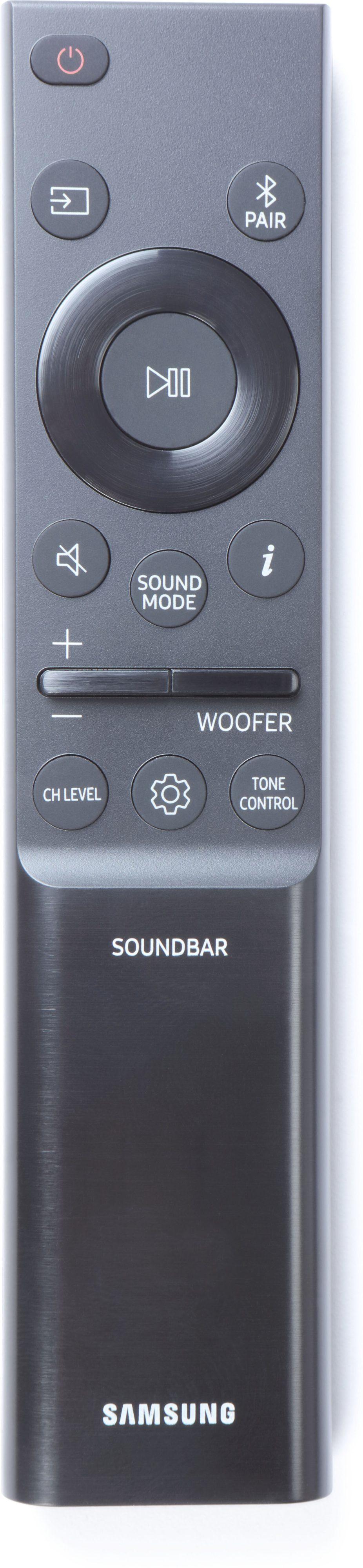
The Samsung HW-Q990D includes built-in Alexa, Google Assistant, and Bixby for voice control of both audio and smart home devices. Despite its "Fire TV" branding, the Amazon Fire TV Soundbar lacks voice control entirely - it's purely an audio device without smart features or streaming capabilities.
We've done our best to create useful and informative comparisons to help you decide what product to buy. Our research uses advanced automated methods to create this comparison and perfection is not possible - please contact us for corrections or questions. These are the sites we've researched in the creation of this article: rtings.com - developer.amazon.com - stereoguide.com - developer.amazon.com - techradar.com - hometechnologyreview.com - whathifi.com - youtube.com - whathifi.com - wirelessplace.com - hometechnologyreview.com - dolby.com - aboutamazon.com - developer.amazon.com - community.anker.com - youtube.com - cordbusters.co.uk - techradar.com - avsforum.com - valueelectronics.com - samsung.com - rtings.com - samsung.com - avsforum.com - samsung.com - cdwg.com - youtube.com - whathifi.com

Privacy Policy
Terms and Conditions - Affiliate Policy
Home Security
© Copyright 2008-2026.
11816 Inwood Rd #1211, Dallas, TX 75244