




Let's be honest - your TV's built-in speakers probably sound terrible. Those paper-thin panels crammed behind your screen can barely handle dialogue, let alone deliver the rumbling explosions or soaring orchestral scores that make movies worth watching. This is exactly why the budget soundbar market has exploded over the past few years, with manufacturers racing to offer meaningful audio improvements without breaking the bank.
When shopping for an affordable soundbar, you're essentially looking for three things: dialogue that doesn't require subtitles, bass that actually exists, and a setup process that won't drive you insane. Everything else - fancy surround sound effects, streaming capabilities, smart home integration - is gravy. But as we'll see, some gravy is definitely worth having.
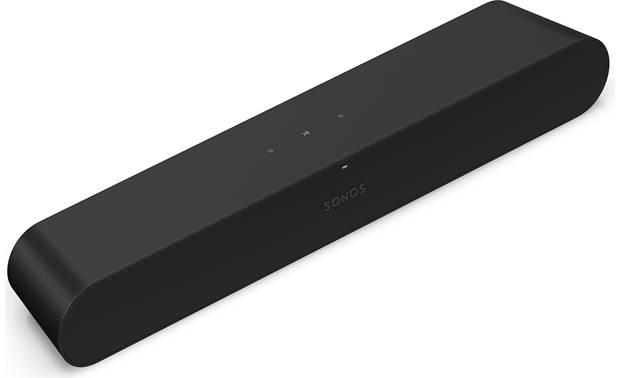
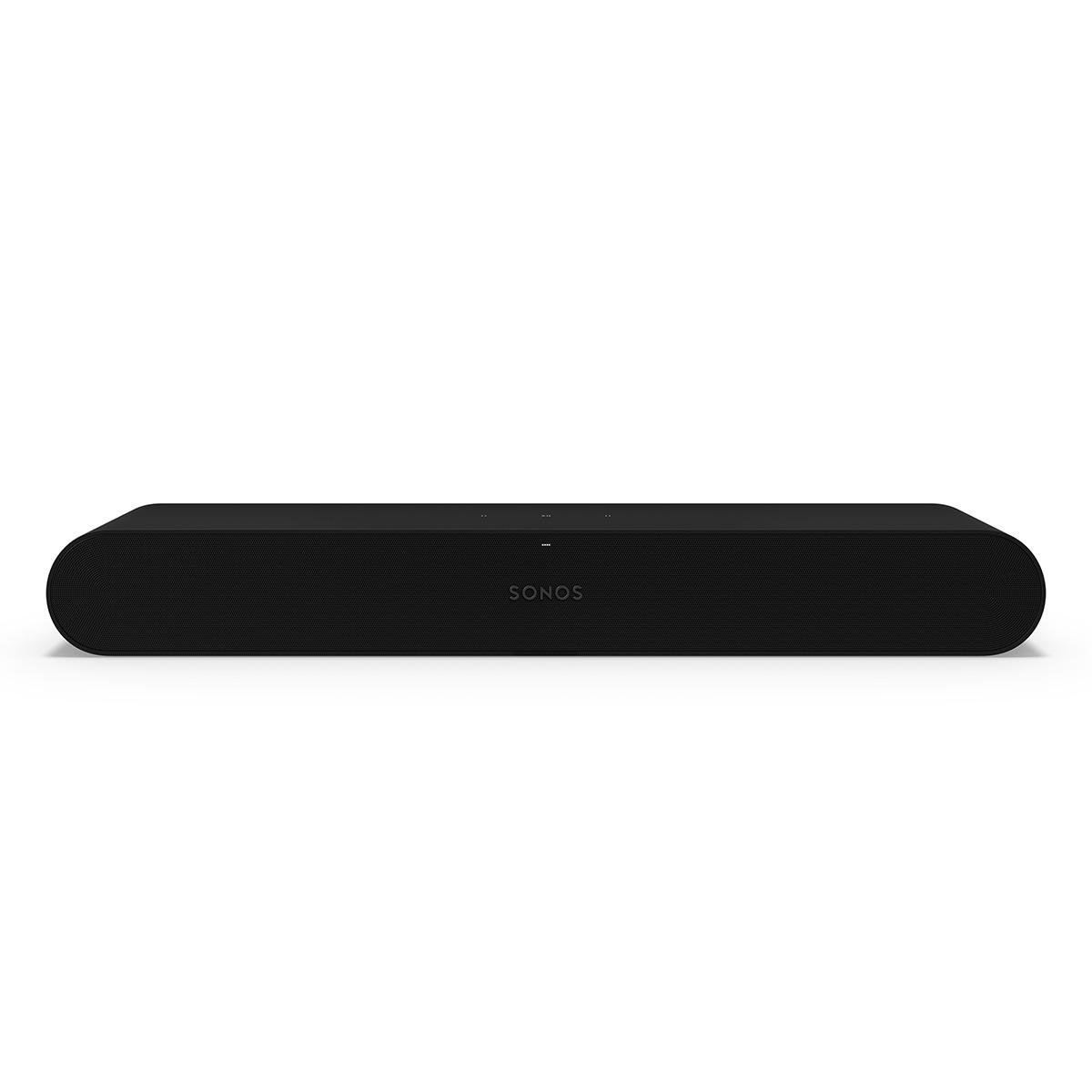
Today we're comparing two popular budget options that take very different approaches: the Amazon Fire TV Soundbar, released in 2023 as Amazon's entry into the affordable audio space, and the Sonos Ray, which launched in 2022 as the company's most budget-friendly option. At the time of writing, these represent two distinct philosophies - bare-bones functionality versus ecosystem integration - with price points that reflect their different ambitions.
Before diving into specifics, it's worth understanding why soundbars exist and what they're trying to accomplish. Modern TVs have gotten incredibly thin, which means there's literally no room for decent speakers. The tiny drivers (the actual speaker components that move air to create sound) in your TV are often pointing backward or downward, creating muffled, indirect sound that lacks clarity and presence.
A soundbar solves this by placing larger, forward-firing drivers at ear level, creating a proper "soundstage" - the perceived width and depth of audio that makes dialogue feel like it's coming from the characters on screen rather than from some mysterious void behind your TV. The best soundbars also use digital signal processing (DSP) to enhance certain frequencies, particularly the mid-range frequencies where human voices live, making dialogue clearer and more intelligible.
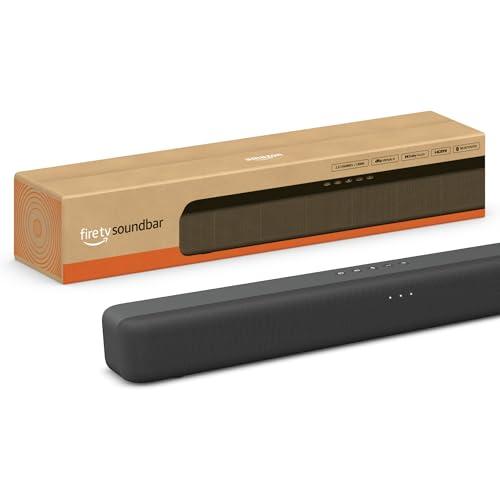
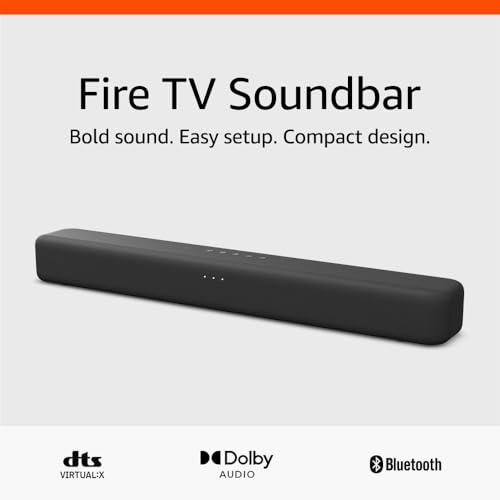
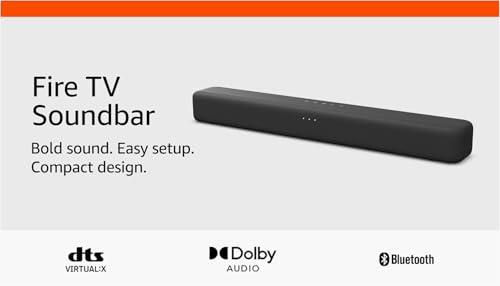
The Amazon Fire TV Soundbar represents the "keep it simple" school of thought. Amazon looked at what most people actually need - better dialogue and some bass - and built exactly that, nothing more. It's a straightforward stereo soundbar (meaning two separate audio channels, left and right) with basic connectivity and Fire TV integration.
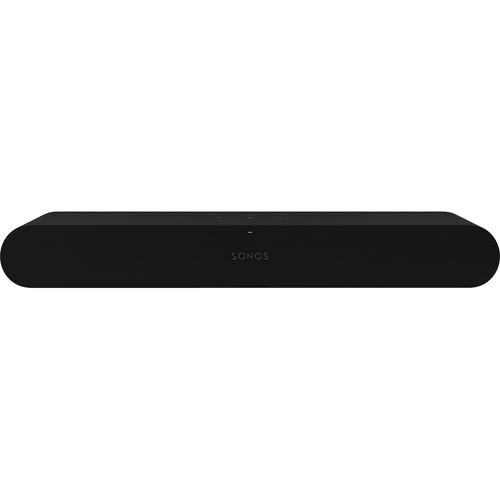
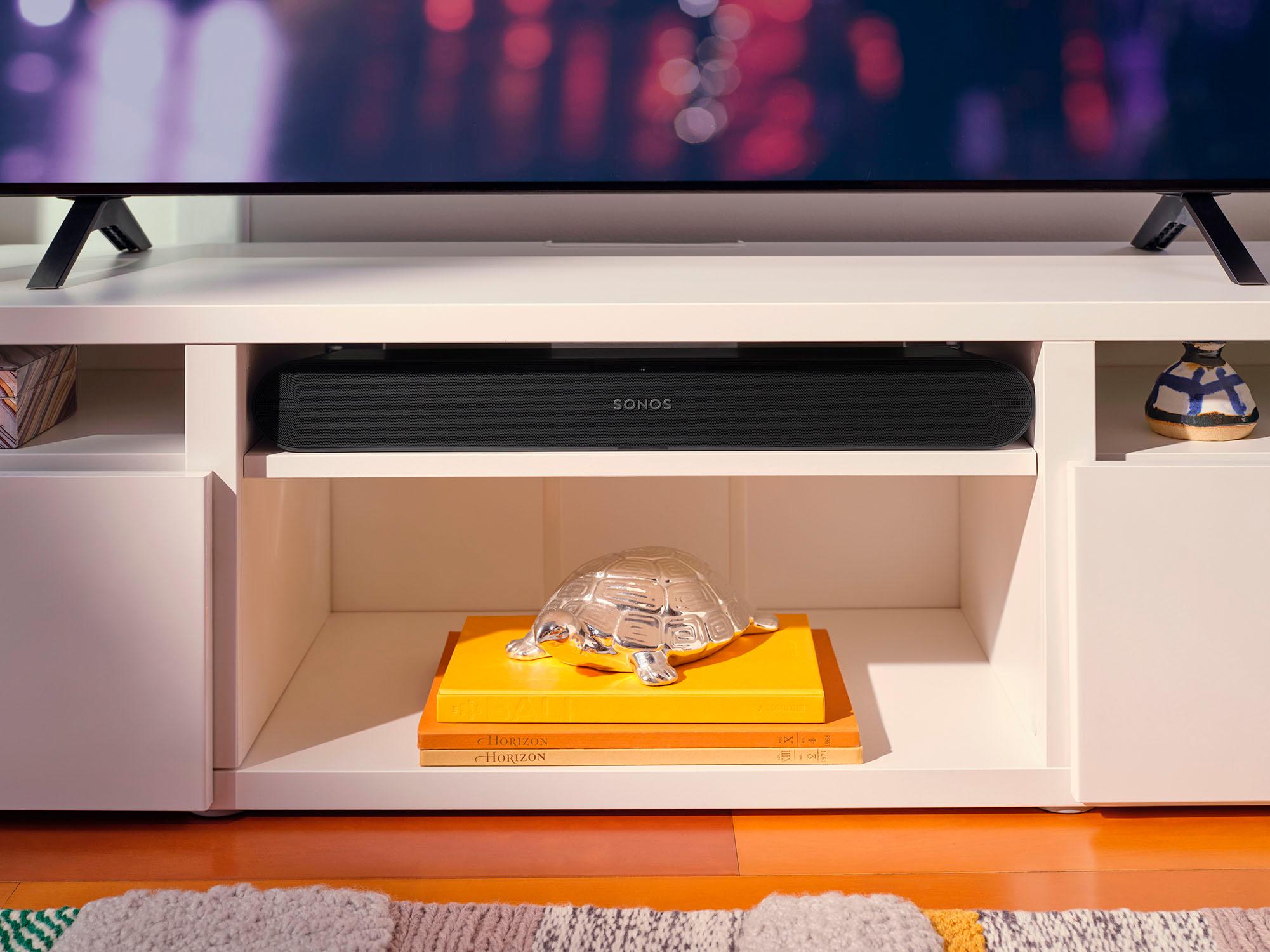
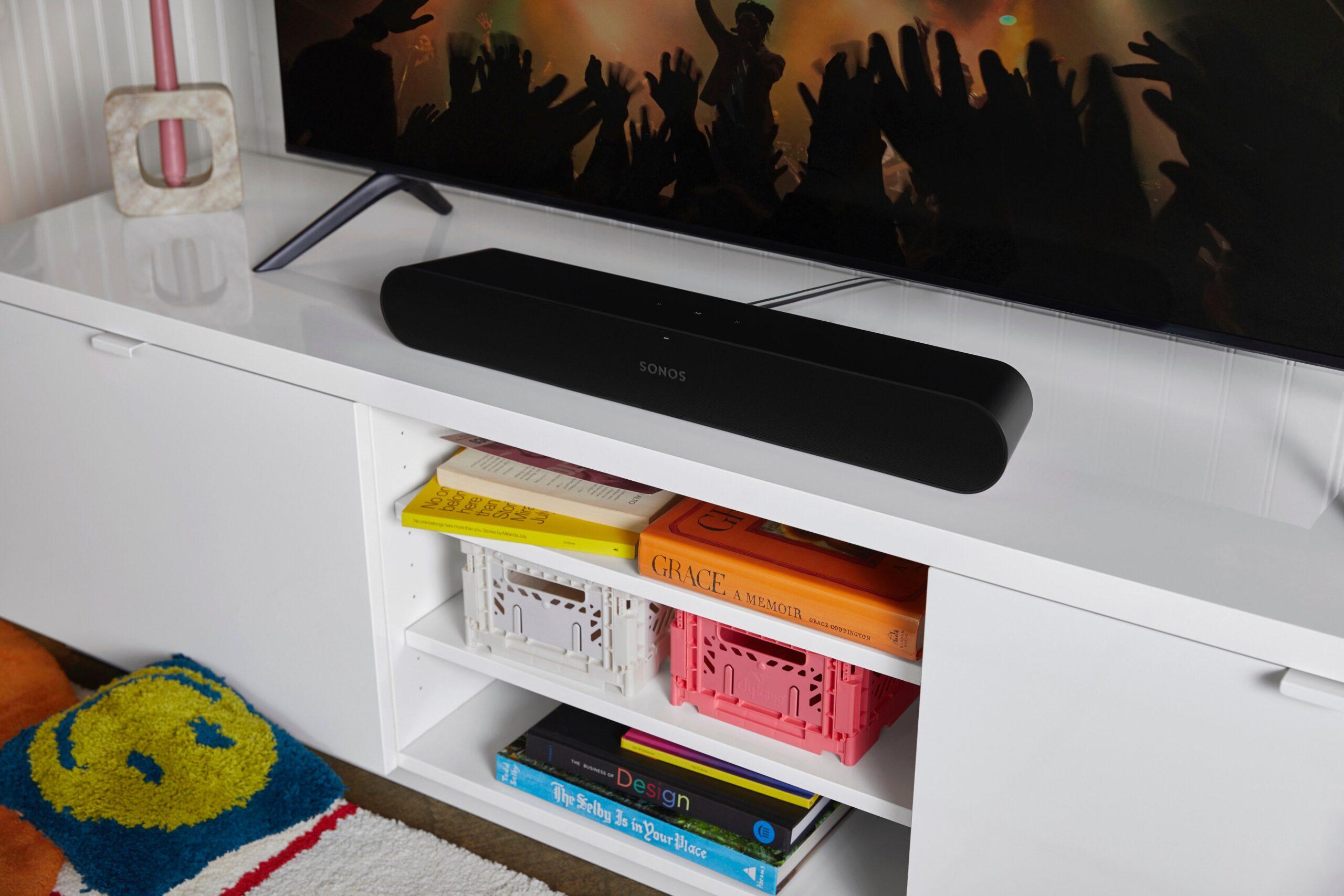
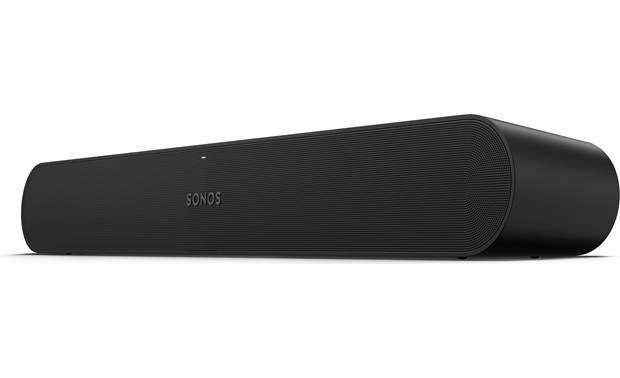
The Sonos Ray, on the other hand, brings the premium audio company's expertise to the budget market. While still technically a stereo soundbar, it includes advanced audio processing, Wi-Fi streaming capabilities, and the ability to expand into a full multi-room audio system. It's what happens when a company known for high-end wireless speakers decides to make something affordable.
Since 2022, both approaches have proven popular, but for different reasons. The direct TV integration and foolproof setup of the Fire TV Soundbar appeals to people who just want their TV to sound better without any fuss. Meanwhile, the Ray's superior audio quality and smart features attract buyers who see it as the foundation of a larger audio setup.
Here's what matters most: can you understand what people are saying without turning on subtitles? Both soundbars deliver significant improvements over TV speakers, but they get there differently.
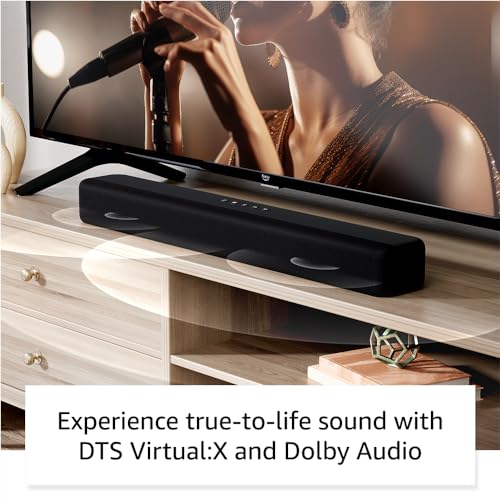
The Fire TV Soundbar uses something called DTS Virtual:X, which is essentially software that tries to create a surround sound effect from just two speakers. It works by carefully timing and adjusting audio signals to trick your brain into perceiving sound coming from different directions. The soundbar also includes a dedicated "Dialog" sound mode that specifically boosts the frequency ranges where human voices live, typically between 1-4 kHz.
The Sonos Ray takes a more sophisticated approach with its Speech Enhancement feature. Instead of just boosting certain frequencies, it uses advanced processing to identify and isolate dialogue within the audio mix, then enhances it without distorting the rest of the soundtrack. Based on user reviews and expert opinions, this results in notably clearer voices, especially during complex scenes with background music or sound effects.
Our research suggests the Ray has a clear advantage here. Multiple reviews consistently praise its dialogue clarity, with some noting that conversations "just popped" from the soundbar in a way that felt natural and effortless. The Fire TV Soundbar certainly improves dialogue over TV speakers, but it doesn't quite achieve the same level of clarity.
Neither of these soundbars will shake your windows, but they both attempt to provide meaningful bass without a separate subwoofer. This is where physics starts to matter - you need to move a lot of air to create low frequencies, and small soundbars have inherent limitations.
The Fire TV Soundbar uses a bass reflex design with a front-facing port. Think of this like the port on the back of some bookshelf speakers - it's a carefully tuned opening that allows air to escape from inside the cabinet in a way that reinforces certain low frequencies. The "Racetrack" drivers (oval-shaped instead of round) provide more surface area for moving air while keeping the soundbar's height manageable.
The Sonos Ray employs dual bass chambers with front-firing ports, which is essentially a more sophisticated version of the same concept. Reviews describe it as surprisingly "full and bassy" for its size, though it can become muddy during particularly bass-heavy scenes where multiple low-frequency elements compete for the limited driver capabilities.
In practice, both soundbars provide adequate bass for most content, with the Ray having a slight edge in overall fullness. However, neither will satisfy bass enthusiasts, and both would benefit from eventual subwoofer additions - though only the Ray offers that upgrade path within its ecosystem.
This is where the Fire TV Soundbar shows its strength. With dual 20-watt amplifiers powering its drivers, it can get genuinely loud without obvious distortion. This matters more than you might think - many budget soundbars start to sound harsh or compressed when pushed to higher volumes, exactly when you want clear dialogue during action scenes.
The Sonos Ray, according to multiple reviews, runs quieter than similarly priced competitors. While it provides adequate volume for bedrooms or small living rooms, it may struggle to fill larger spaces or compete with noisy environments. This isn't necessarily a flaw - Sonos prioritized audio quality over raw output - but it's worth considering based on your room size and listening habits.
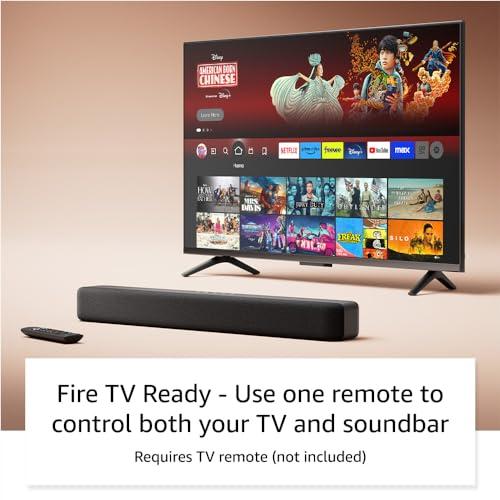
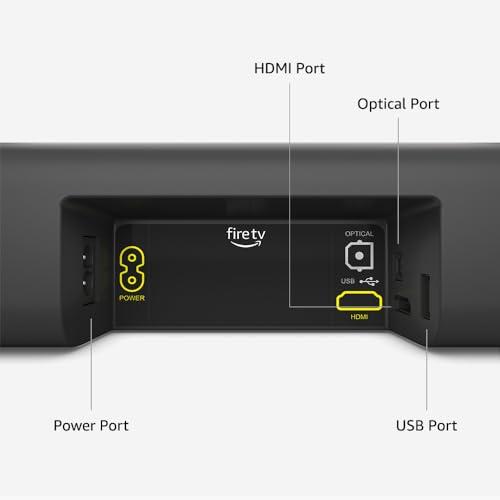
The Fire TV Soundbar includes HDMI ARC (Audio Return Channel) connectivity, which is genuinely important for everyday usability. ARC allows your TV to send audio to the soundbar while also letting the soundbar respond to your TV remote's volume commands. This means one remote controls everything - exactly what you want from a simple upgrade.
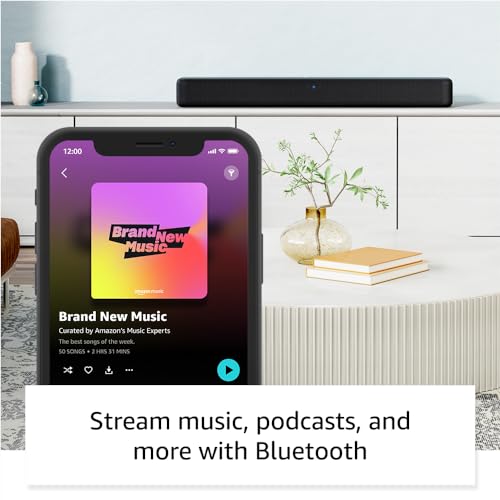
The inclusion of HDMI eARC (enhanced Audio Return Channel) support means the Fire TV Soundbar can handle higher-quality audio formats and potentially work better with future TV upgrades. The soundbar also includes an optical input for older TVs that lack HDMI ARC, plus Bluetooth for streaming music from your phone when the TV is off.
Here's where the Sonos Ray makes a significant compromise: it only connects via optical cable. No HDMI ARC means no single-remote convenience, and you'll need to use either the Sonos app or the included remote for volume control. This is particularly frustrating because optical connections can't carry some modern audio formats, limiting the soundbar's ability to decode certain high-quality audio streams.
However, the Ray compensates with Wi-Fi connectivity and comprehensive streaming capabilities. Once connected to your network, it becomes a full-fledged streaming speaker that can play music from services like Spotify, Apple Music, or Amazon Music, even when your TV is off. The Sonos app provides extensive control over audio settings, including a room-tuning feature called Trueplay that uses your iPhone's microphone to optimize sound for your specific space.
The Fire TV Soundbar is designed specifically to work with Amazon's Fire TV devices, though it functions fine with any TV brand. The integration mainly means simplified setup and optimized audio processing for Fire TV content, but don't expect advanced smart features. There's no voice control, no streaming services built-in, and no app beyond basic remote functionality.
This simplicity is actually a selling point for many users. The soundbar does one thing - makes your TV sound better - without requiring account setups, software updates, or complicated configurations.
The Ray is fundamentally different because it's designed as your entry point into Sonos's multi-room audio ecosystem. Even as a standalone device, you get access to the excellent Sonos app, which provides detailed audio controls, streaming service integration, and regular feature updates.
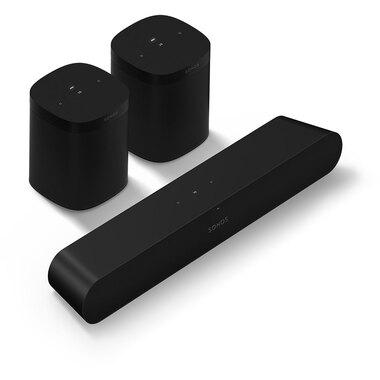
More importantly, the Ray can be expanded with additional Sonos speakers to create rear surrounds, or paired with other Sonos devices throughout your home for synchronized multi-room audio. While these additions increase the total cost significantly, they transform the system from a simple TV soundbar into a comprehensive home audio solution.
The Trueplay room correction feature deserves special mention. Using your iPhone's microphone, it measures how sound reflects in your room and adjusts the soundbar's output accordingly. This kind of sophisticated room correction was previously found only in much more expensive systems.
At the time of writing, these soundbars occupy different value propositions despite both being considered "budget" options. The Fire TV Soundbar represents exceptional value for basic improvement - you get meaningful dialogue enhancement, decent bass, and proper connectivity at an entry-level price point. It's a complete solution that requires no additional purchases or subscriptions.
The Sonos Ray costs significantly more but provides notably better audio quality and sophisticated features that justify the premium. You're essentially paying extra for superior dialogue clarity, streaming capabilities, and future expandability. For many users, these improvements are worth the additional investment.
However, there's a hidden cost consideration with the Ray: its full potential really emerges when you add other Sonos components. While it works fine as a standalone soundbar, the optical-only connectivity and moderate volume output feel like limitations that encourage system expansion. Factor in a Sonos Sub and rear speakers, and you're looking at a total investment several times the original soundbar price.
For dedicated home theater use, both soundbars have limitations that are important to understand. Neither supports Dolby Atmos or DTS:X, the modern surround sound formats that create height effects and more immersive audio. They're both fundamentally stereo devices that use processing tricks to simulate surround sound.
The Fire TV Soundbar's DTS Virtual:X does create a wider, more enveloping sound than basic stereo, and it's particularly effective with dialogue-heavy content like TV shows and dramas. For movie watching, it provides solid improvement over TV speakers without the complexity of a full surround system.
The Sonos Ray excels with dialogue clarity and music, making it excellent for character-driven films and TV series where conversation is paramount. Its sophisticated processing creates a convincing soundstage that makes voices feel properly positioned on screen. However, it's less effective with action movies that rely on directional sound effects and explosive dynamics.
If you're serious about home theater and plan to watch a lot of action movies or gaming content, both of these soundbars should be considered stepping stones rather than final destinations. They'll provide meaningful improvement immediately while you decide whether to invest in more comprehensive systems later.
After extensive research into user experiences and expert reviews, here's how to decide between these soundbars:
Choose the Amazon Fire TV Soundbar if you want immediate improvement without complexity. It's perfect for people who primarily watch TV shows and movies, use Fire TV devices, and want a simple setup that just works. The HDMI ARC connectivity alone makes daily use more convenient, and the price point makes it an easy decision for basic improvement.
The Fire TV Soundbar is also the better choice for larger rooms where you need adequate volume, or if you have no interest in streaming music through your soundbar. It's a straightforward purchase that delivers exactly what it promises without hidden limitations or upgrade pressure.
Choose the Sonos Ray if audio quality is your priority and you're willing to pay more for noticeably better dialogue clarity and sophisticated features. It's ideal for people who stream music regularly, might expand their audio system over time, or simply want the best possible sound quality in this price range.
The Ray makes particular sense if you already use other Sonos products, have an iPhone for Trueplay tuning, or view this purchase as the foundation of a larger audio investment. Just be prepared for the optical connectivity limitations and understand that you're buying into an ecosystem rather than just a soundbar.
Both soundbars represent good values in their respective categories, but they serve different types of users. The Fire TV Soundbar excels at being exactly what most people need - a simple, effective TV audio upgrade that works immediately and doesn't require ongoing attention or additional investments.
The Sonos Ray justifies its higher price with superior audio quality and features that grow with your needs. If you can afford the premium and appreciate the difference in dialogue clarity, it's a more satisfying long-term choice.
The technology in both soundbars has remained relatively stable since their releases, with minor software updates but no major feature additions. This suggests both represent mature, well-considered products rather than rapidly evolving platforms.
Ultimately, your choice depends on whether you're solving a simple problem (bad TV audio) or beginning a journey toward better home audio overall. Both soundbars accomplish their missions admirably, just with very different ambitions in mind.
| Amazon Fire TV Soundbar | Sonos Ray Soundbar |
|---|---|
| Audio Channels - Determines surround sound capabilities | |
| 2.0 stereo with DTS Virtual:X processing | 2.0 stereo with advanced waveguide design |
| Driver Configuration - Affects sound quality and volume | |
| Dual 20W "Racetrack" drivers with bass reflex | Dual tweeters + dual full-range drivers |
| Connectivity Options - Critical for easy setup and compatibility | |
| HDMI ARC/eARC + Optical + Bluetooth | Optical only (major limitation for modern TVs) |
| Smart Features - Streaming and app control capabilities | |
| Basic Fire TV integration, no streaming | Full Sonos app, Wi-Fi streaming, AirPlay 2 |
| Dialogue Enhancement - Most important feature for TV watching | |
| Dialog mode + DTS Virtual:X processing | Speech Enhancement + advanced vocal processing |
| Expandability - Future upgrade potential | |
| None (standalone system only) | Full Sonos ecosystem integration possible |
| Room Correction - Optimizes sound for your space | |
| Manual 3-stage bass EQ presets | Trueplay automatic tuning (iPhone required) |
| Physical Controls - Daily usability factor | |
| Touch controls + works with TV remote via HDMI ARC | Touch controls + separate remote (no TV remote integration) |
| Bass Performance - Low-frequency extension without subwoofer | |
| Front-firing bass reflex port | Dual bass chambers with front ports |
| Setup Complexity - How easy it is to get working | |
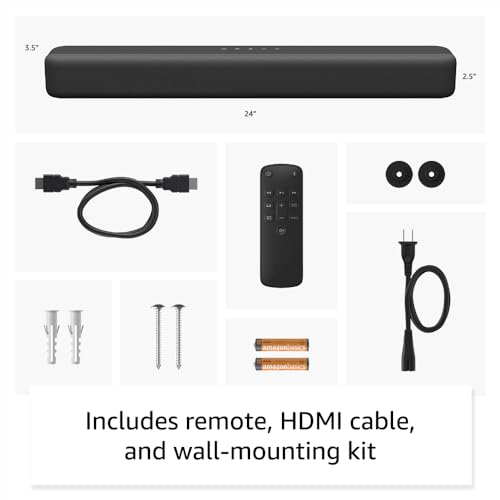
| Plug-and-play with HDMI cable included | Requires Sonos app setup + optical connection |
| Volume Output - Maximum loudness capability | |
| Higher output suitable for larger rooms | Lower output, best for small to medium rooms |
| Release Year - Technology generation and support | |
| 2023 (latest Amazon audio entry) | 2022 (established Sonos budget option) |
The Sonos Ray offers superior dialogue clarity thanks to its Speech Enhancement feature and advanced vocal processing. Multiple reviews consistently praise how conversations "pop" from the soundbar with natural clarity. The Amazon Fire TV Soundbar provides good dialogue improvement over TV speakers with its dedicated Dialog mode, but the Sonos Ray delivers noticeably clearer voices, especially during complex scenes with background music.
The Amazon Fire TV Soundbar includes HDMI ARC/eARC connectivity, allowing single-remote control and easy setup with modern TVs. The Sonos Ray only connects via optical cable, which means you'll need a separate remote for volume control and miss out on some audio format compatibility. For daily convenience, the Amazon Fire TV Soundbar offers a more user-friendly experience.
The Amazon Fire TV Soundbar produces higher maximum volume levels suitable for larger rooms, powered by dual 20-watt amplifiers. The Sonos Ray runs quieter than similarly priced competitors and is best suited for bedrooms or small living rooms. If you need to fill a larger space or compete with noisy environments, the Amazon Fire TV Soundbar is the better choice.
The Sonos Ray excels at music streaming with Wi-Fi connectivity, full streaming service integration, and Apple AirPlay 2 support. You can play music even when your TV is off. The Amazon Fire TV Soundbar only offers basic Bluetooth streaming from your phone. For serious music listening, the Sonos Ray provides a much better experience.
The Amazon Fire TV Soundbar offers plug-and-play setup with an included HDMI cable and automatic TV remote integration. The Sonos Ray requires the Sonos app setup process and optical cable connection, plus you'll need a separate remote for volume control. For simplicity and convenience, the Amazon Fire TV Soundbar wins easily.
Neither the Amazon Fire TV Soundbar nor the Sonos Ray supports Dolby Atmos or other height-channel audio formats. Both are stereo soundbars that use processing to simulate surround effects - DTS Virtual:X on the Amazon Fire TV Soundbar and advanced waveguide processing on the Sonos Ray. For true Atmos support, you'd need to consider more expensive options.
The Amazon Fire TV Soundbar provides excellent value for basic TV audio improvement at its price point, including all necessary cables and convenient connectivity. The Sonos Ray costs significantly more but delivers superior audio quality, streaming features, and expandability options. Your choice depends on whether you prioritize affordability or audio quality - both offer good value in their respective categories.
The Sonos Ray can be expanded with additional Sonos speakers for rear surrounds and subwoofers, creating a full multi-room audio ecosystem. The Amazon Fire TV Soundbar is a standalone system with no expansion options. If you might want to build a larger audio system over time, the Sonos Ray provides that flexibility.
The Sonos Ray is ideal for small spaces due to its compact design, excellent dialogue clarity, and moderate volume output that won't disturb neighbors. Its Wi-Fi streaming capabilities also make it perfect for music listening in smaller rooms. While the Amazon Fire TV Soundbar works well in small spaces too, the Sonos Ray offers more refined performance for apartment living.
The Amazon Fire TV Soundbar integrates with your TV remote through HDMI ARC, so you can control volume and power with your existing remote. The Sonos Ray requires either its included remote or the Sonos app for volume control, since it lacks HDMI ARC connectivity. For seamless daily use, the Amazon Fire TV Soundbar offers better remote integration.
Both soundbars provide decent bass for their size, with the Sonos Ray having slightly better low-end extension thanks to its dual bass chambers. However, neither will satisfy bass enthusiasts, and both have limitations during bass-heavy content. The Amazon Fire TV Soundbar offers three bass EQ presets for customization, while the Sonos Ray provides more sophisticated but fixed bass processing.
Both the Amazon Fire TV Soundbar and Sonos Ray provide solid improvements over TV speakers for casual movie watching, with the Sonos Ray offering superior dialogue clarity for character-driven films. However, neither supports modern surround formats like Dolby Atmos, making them better suited for TV shows and dialogue-heavy content rather than action-packed blockbusters. For dedicated home theater use, consider them as stepping stones to more comprehensive systems.
We've done our best to create useful and informative comparisons to help you decide what product to buy. Our research uses advanced automated methods to create this comparison and perfection is not possible - please contact us for corrections or questions. These are the sites we've researched in the creation of this article: rtings.com - developer.amazon.com - stereoguide.com - developer.amazon.com - techradar.com - hometechnologyreview.com - whathifi.com - youtube.com - whathifi.com - wirelessplace.com - hometechnologyreview.com - dolby.com - aboutamazon.com - developer.amazon.com - community.anker.com - youtube.com - cordbusters.co.uk - techradar.com - soundandvision.com - youtube.com - appleinsider.com - youtube.com - sonos.com - cnet.com - howtogeek.com - pcrichard.com - en.community.sonos.com - epicsystems.tech - en.community.sonos.com - cepro.com - videoandaudiocenter.com

Privacy Policy
Terms and Conditions - Affiliate Policy
Home Security
© Copyright 2008-2026.
11816 Inwood Rd #1211, Dallas, TX 75244