



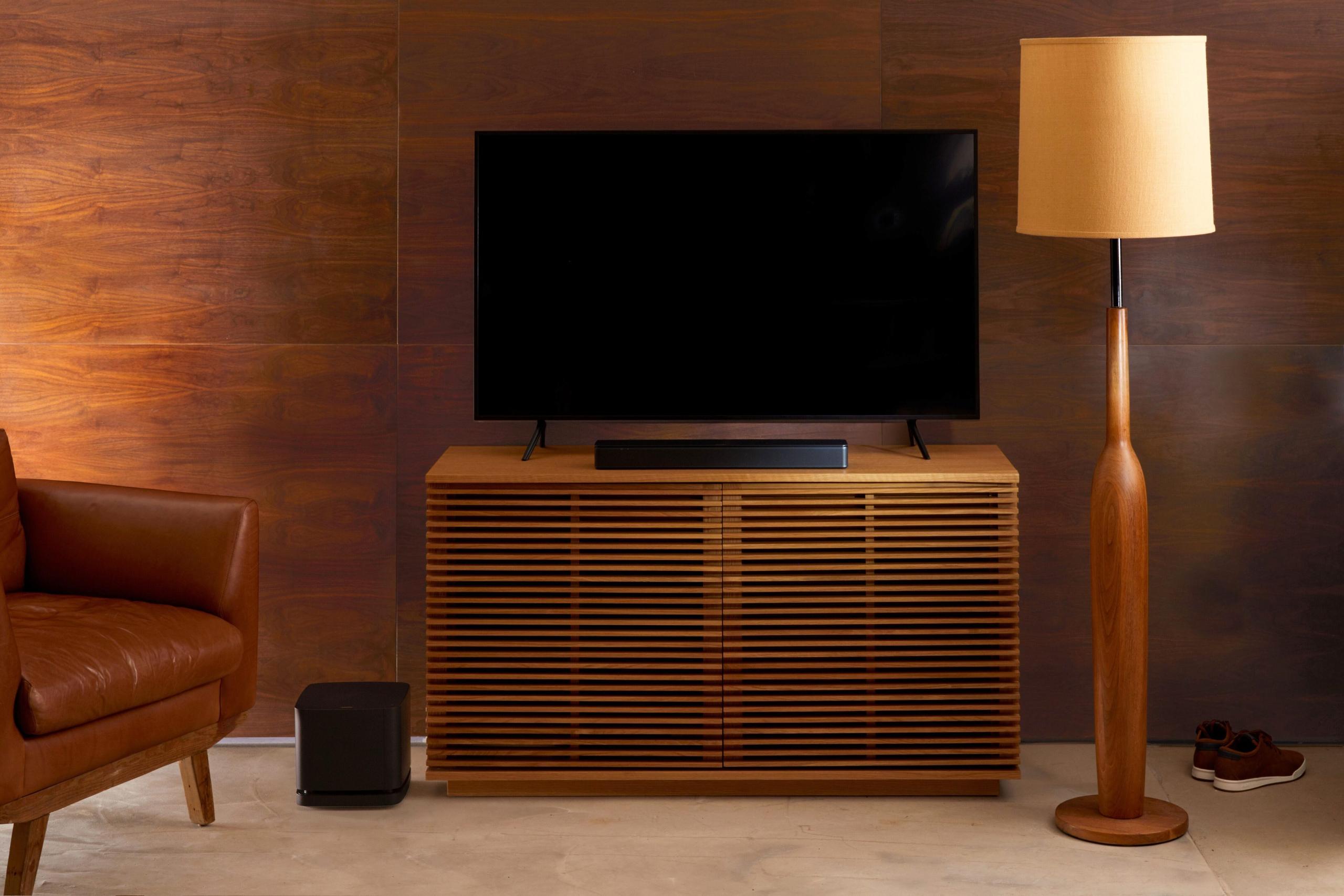
If you've ever tried to watch a movie on your modern TV and found yourself constantly reaching for the remote to turn up the volume during dialogue scenes, you're not alone. Today's sleek, ultra-thin televisions simply don't have room for decent speakers, leaving most people struggling to hear conversations clearly while being blasted by action sequences.
This is where soundbars come in – and specifically, affordable soundbars that can dramatically improve your TV's audio without breaking the bank or requiring a complicated setup. Two popular options that frequently come up in this discussion are the Amazon Fire TV Soundbar and the Bose TV Speaker, both targeting budget-conscious consumers who want better sound without the complexity of a full home theater system.
Before diving into these specific models, it's worth understanding what you're actually buying. A soundbar is essentially a long, thin speaker that sits in front of or below your TV, designed to replace your television's built-in speakers with something much more capable. Think of it as a simple way to get significantly better audio without the wires, multiple speakers, and setup complexity of a traditional surround sound system.
The key things to consider when choosing a soundbar include how it handles dialogue clarity (since that's usually what people struggle with most), how much bass it can produce, how loud it can get, and whether it offers any special audio processing to create a more immersive experience. Size matters too – you want something that fits your space and TV setup without overwhelming your entertainment center.
At the budget end of the market, where both of these soundbars compete, you're typically looking at 2.0 or 2.1 channel systems. The "2.0" means two speakers (left and right) with no separate subwoofer, while "2.1" adds a dedicated bass speaker. Some budget soundbars use virtual surround processing – essentially audio trickery that tries to make two speakers sound like you have speakers all around you.
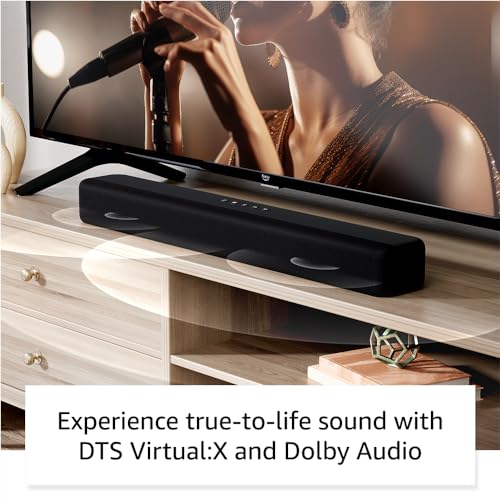
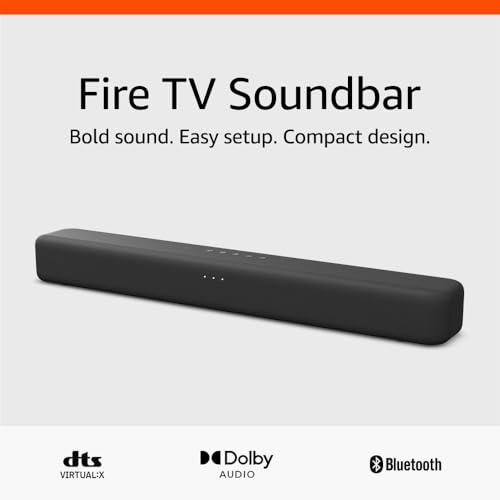
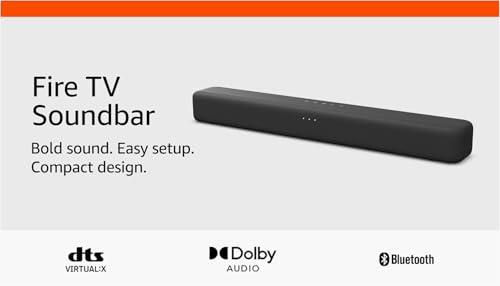
The Amazon Fire TV Soundbar, released in 2023, represents Amazon's entry into the budget soundbar market. At the time of writing, it's positioned as one of the most affordable options that still includes modern audio processing features. Amazon's approach focuses on providing virtual surround sound effects through DTS Virtual:X technology, which analyzes audio and creates the illusion of sound coming from different directions using just two speakers.
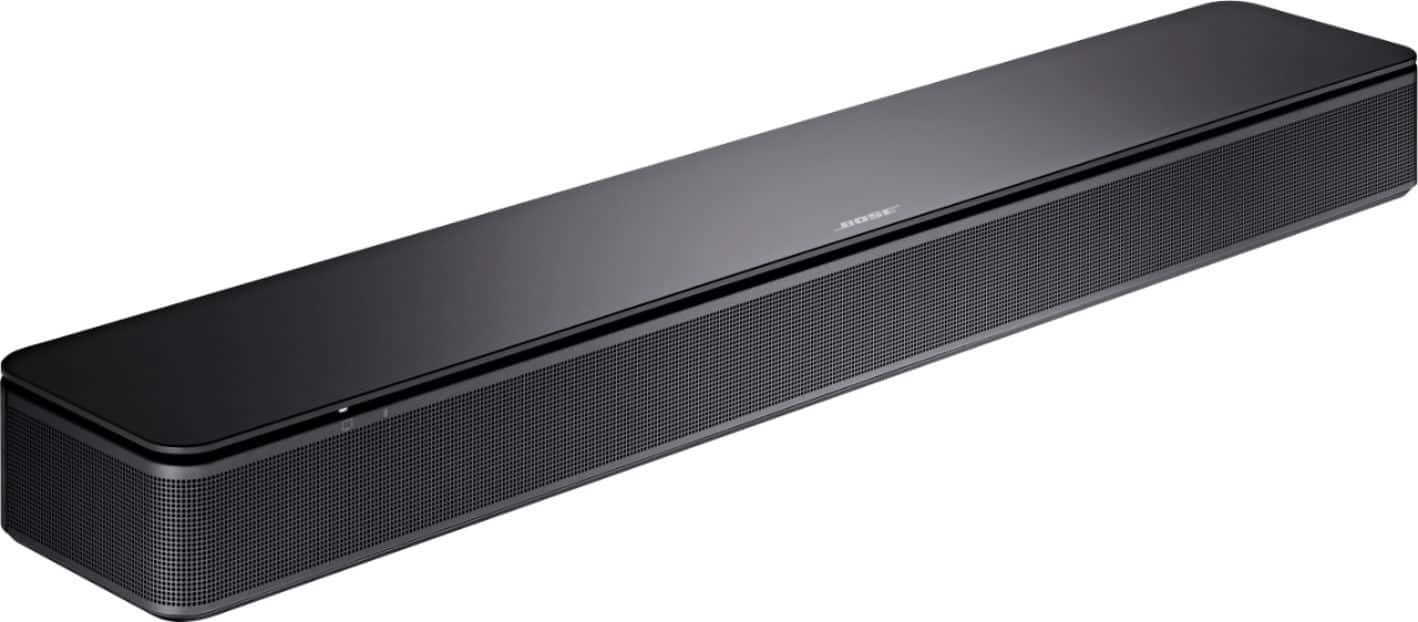
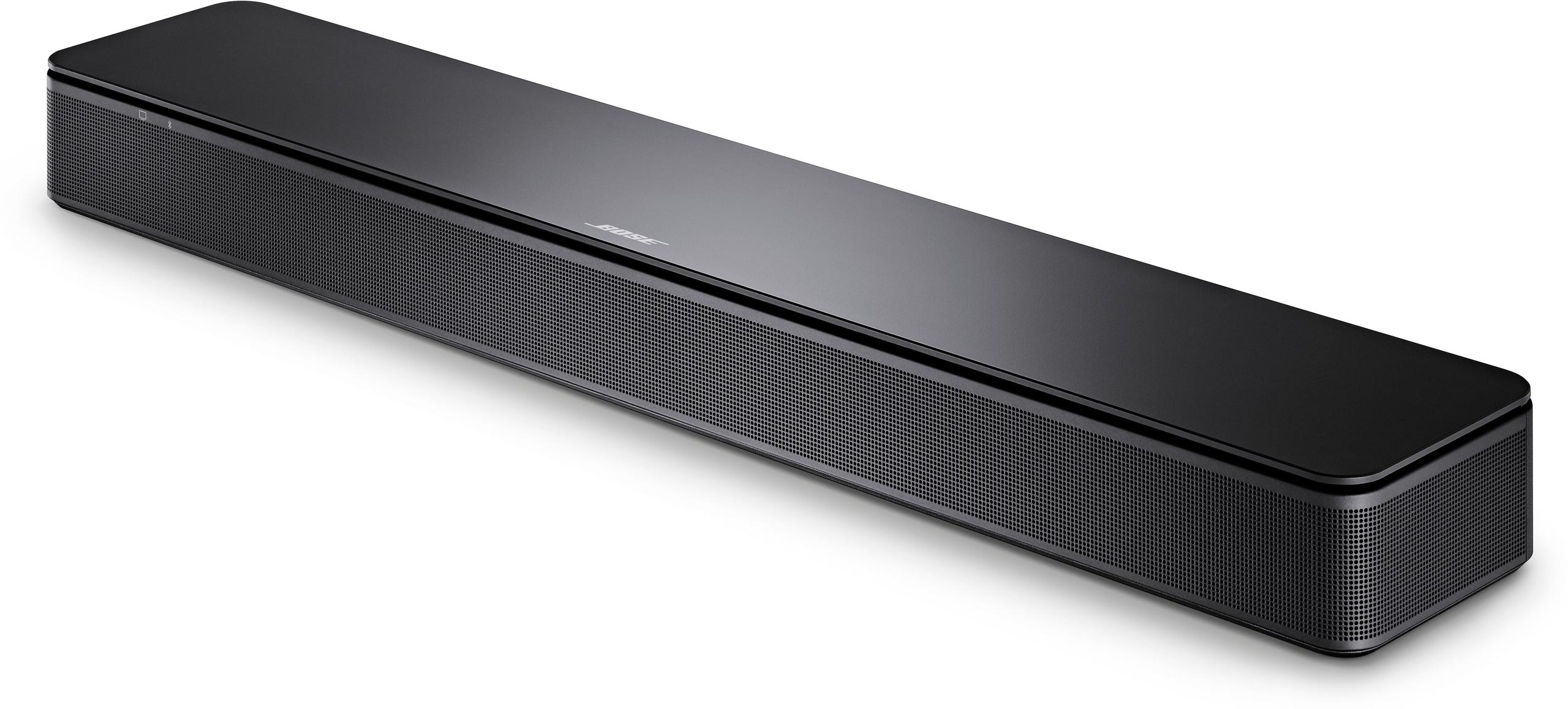
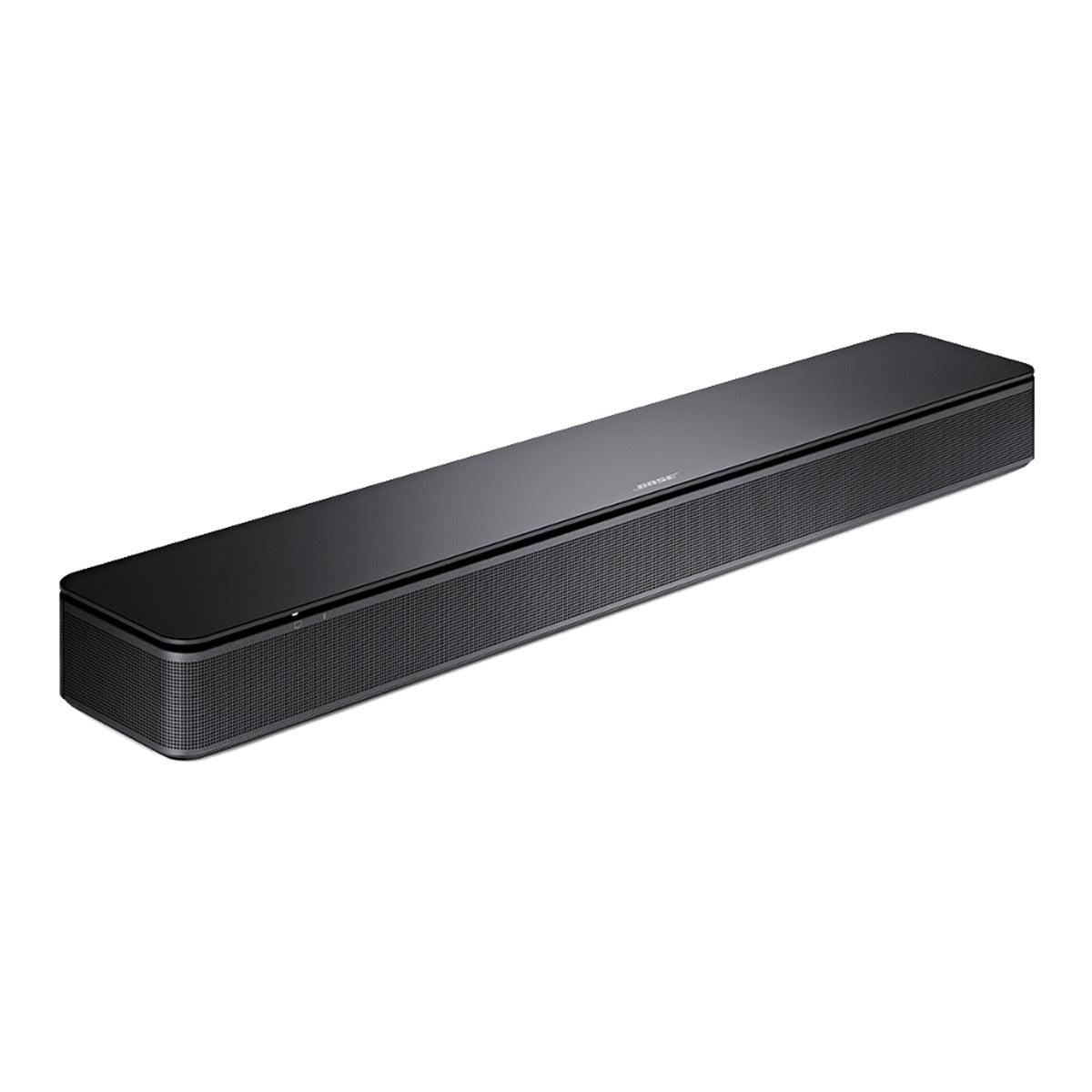
The Bose TV Speaker, which hit the market in 2020, takes a different philosophy entirely. Rather than trying to simulate surround sound, Bose focused on doing stereo audio exceptionally well, with particular emphasis on dialogue clarity – something the company has built its reputation on. It's typically priced higher than the Amazon option, but still sits in the budget-friendly category compared to Bose's premium soundbar offerings.
These different approaches matter more than you might think. The Amazon Fire TV Soundbar is essentially betting that you want a more "cinematic" experience with virtual surround effects, while the Bose TV Speaker is betting that you primarily want clearer, more natural-sounding audio.
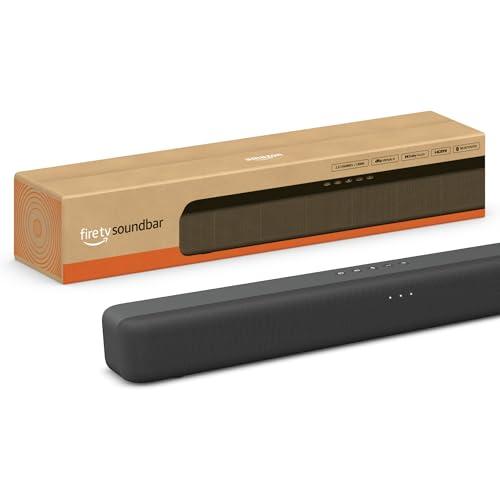
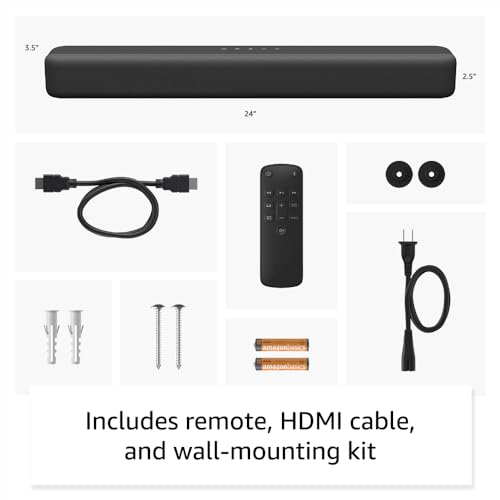
One of the first things you'll notice when comparing these soundbars is their size difference. The Amazon Fire TV Soundbar measures 61 centimeters wide – that's about 24 inches – making it compact enough to fit in front of most TVs without looking oversized. It's also quite shallow at 6.5 cm deep, so it won't stick out too far from your TV stand. The design is understated with a fabric cover over a plastic grille, and it includes touch controls on top for basic functions.
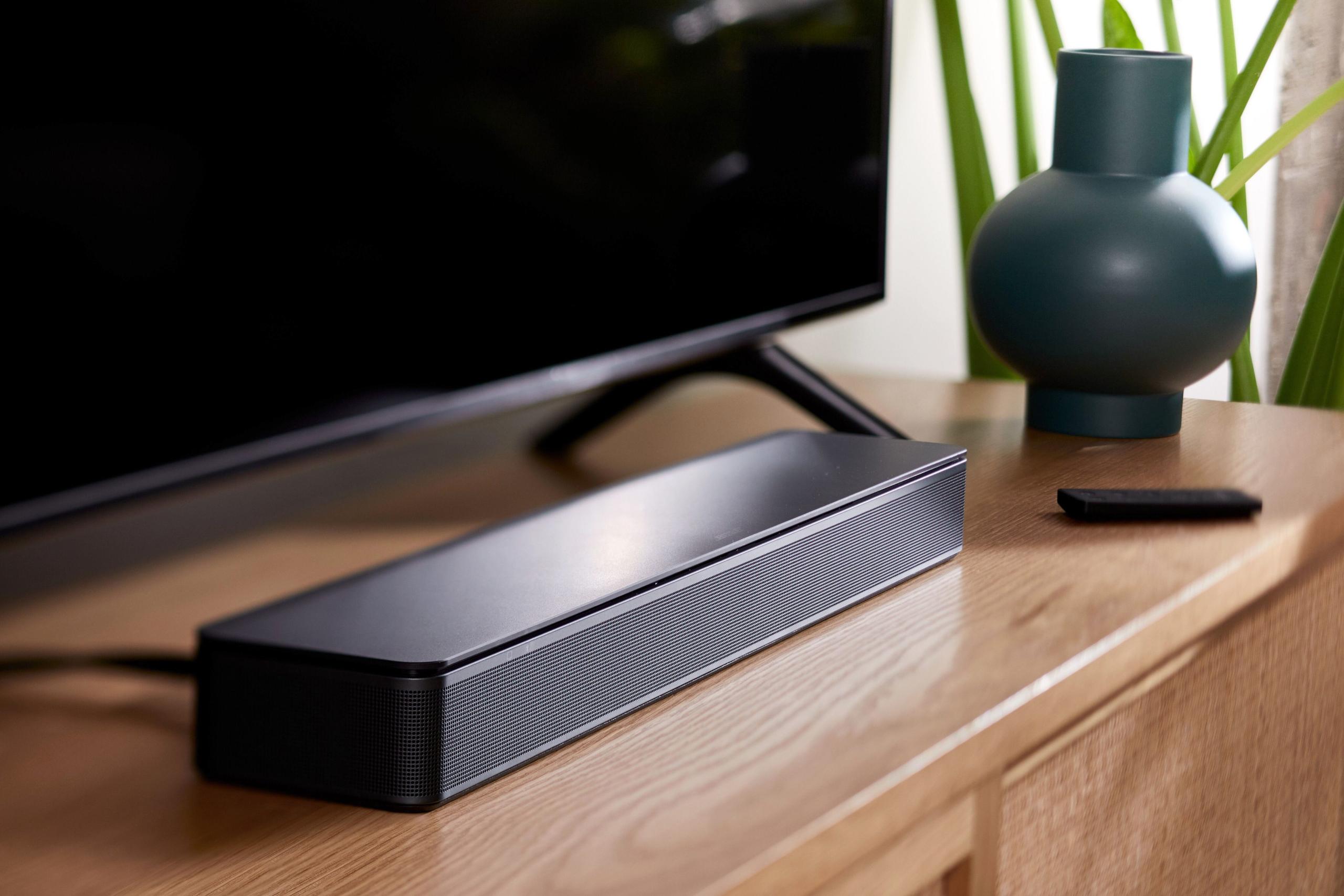
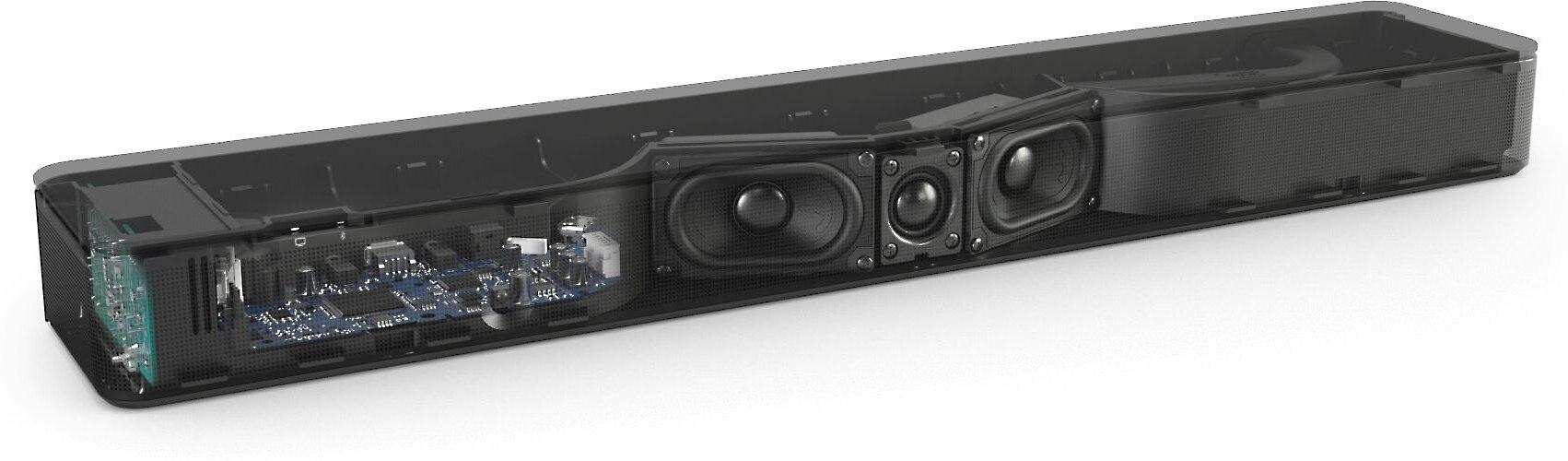
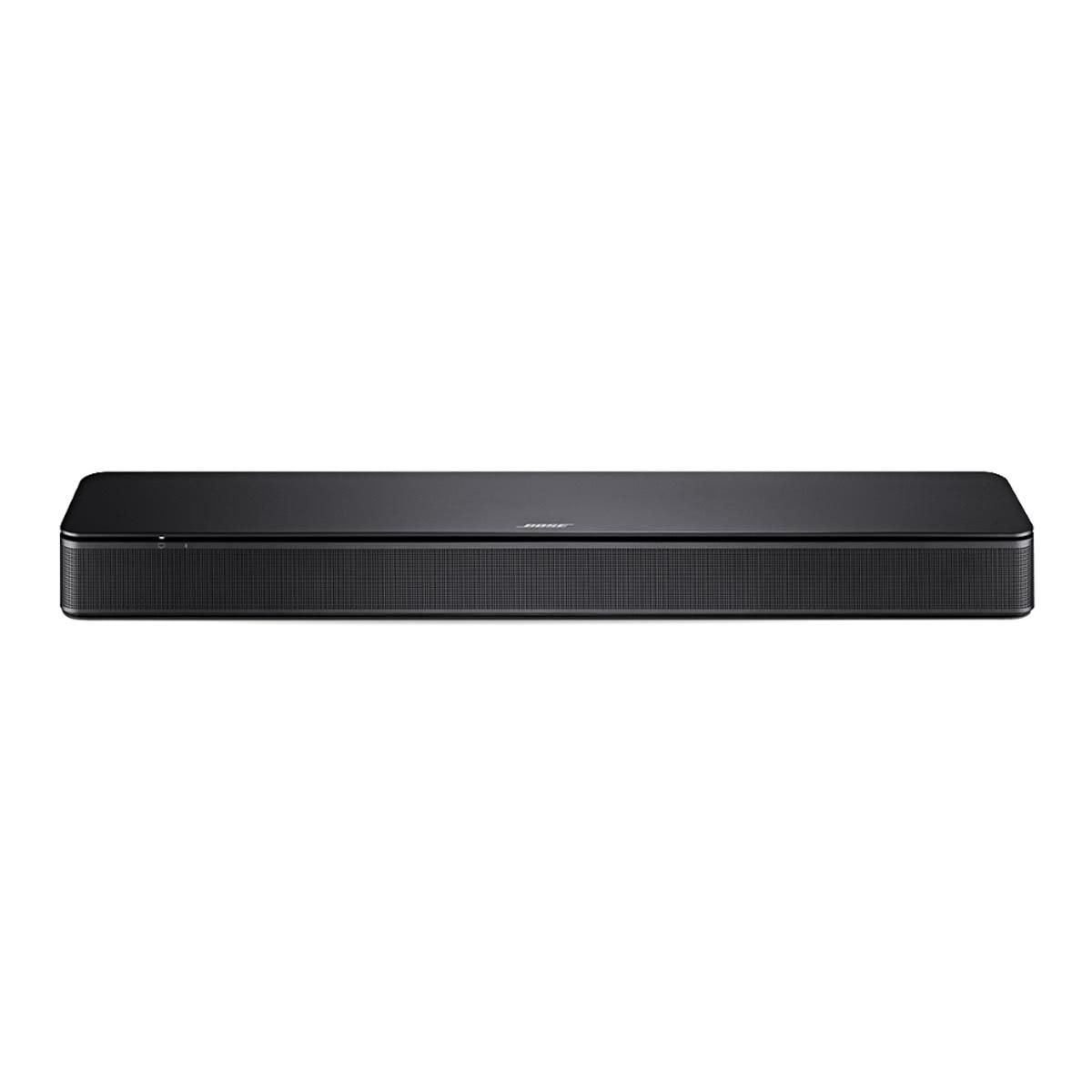
The Bose TV Speaker is slightly smaller at 59.4 cm wide (about 23.5 inches) but taller at 5.6 cm high. What's interesting about the Bose design is how they've optimized the internal layout – they use what they call "racetrack" drivers, which are oval-shaped speakers that maximize the driver surface area while keeping the overall height minimal.
Both soundbars can be wall-mounted, though the Amazon model includes mounting hardware while Bose sells theirs separately. For most people, these will sit on a TV stand or entertainment center, where both are compact enough to not interfere with your TV's base or remote sensor.
The build quality feels different between the two. The Bose TV Speaker has a more premium feel with better materials and more solid construction, while the Amazon Fire TV Soundbar feels adequate but clearly built to hit a lower price point. This isn't necessarily a dealbreaker – it performs well for what it costs – but it's noticeable when you handle both devices.
Here's where these soundbars really diverge, and understanding these differences is crucial for making the right choice. The Amazon Fire TV Soundbar produces what audio reviewers consistently describe as a "warmer" sound signature. This means it emphasizes the lower frequencies more, giving movies and music a fuller, more rounded character. The DTS Virtual:X processing works by analyzing the audio and using psychoacoustic tricks to make sounds seem like they're coming from beside or even behind you.
In practice, this virtual surround effect is genuinely impressive for the price point. When you're watching an action movie, you'll notice sounds seeming to move around the room more than you'd expect from two front-facing speakers. It's not as convincing as a true surround sound system with physical rear speakers, but it's a significant step up from regular stereo sound.
The Bose TV Speaker takes the opposite approach with what's called a "brighter" sound signature. This means it emphasizes the midrange and higher frequencies – exactly where human voices live. Bose achieves this through a clever speaker arrangement: two full-range drivers angled outward to create width, plus a dedicated center tweeter (a small speaker designed for high frequencies) that focuses specifically on vocal clarity.
The result is immediately noticeable when watching dialogue-heavy content. Voices cut through background music and sound effects with remarkable clarity. If you're someone who constantly adjusts volume during movies because you can't hear what people are saying, the Bose approach directly addresses this problem.
Bass is often the biggest weakness of compact soundbars, and both of these handle it differently. The Amazon Fire TV Soundbar uses a bass reflex design with a front-facing port. This is essentially a tuned opening that allows air to move in and out, reinforcing the bass frequencies that the main drivers produce. For a soundbar this size, the bass response is surprisingly full – not earth-shaking, but present enough to add weight to explosions and music.
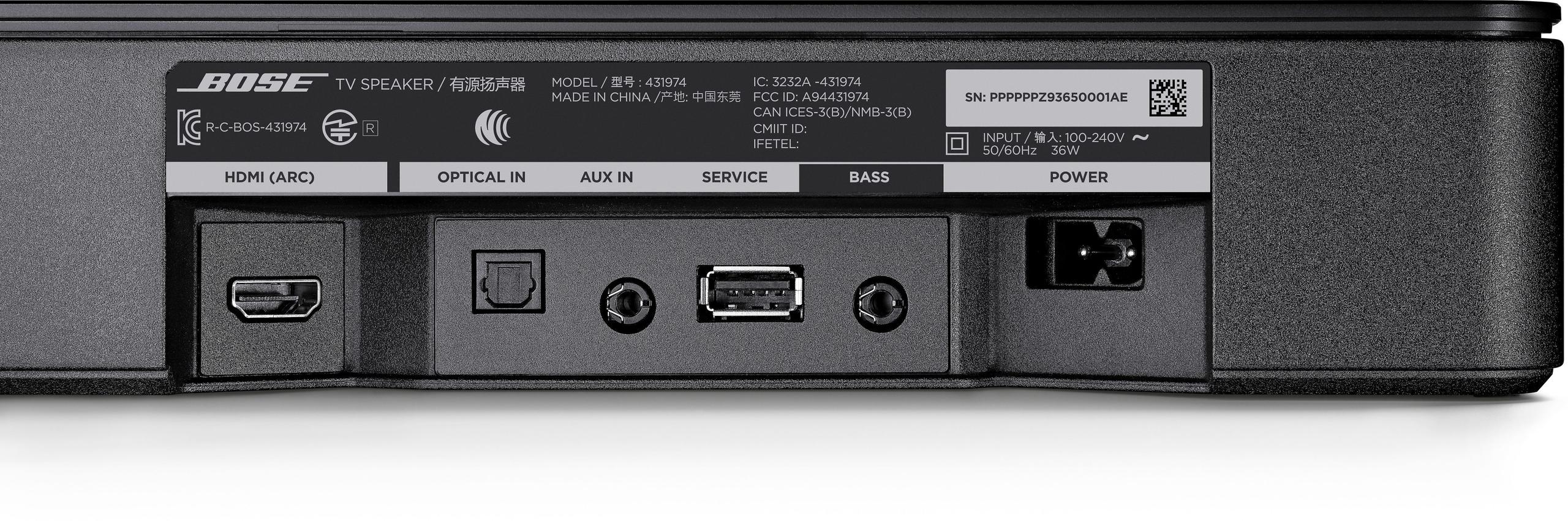
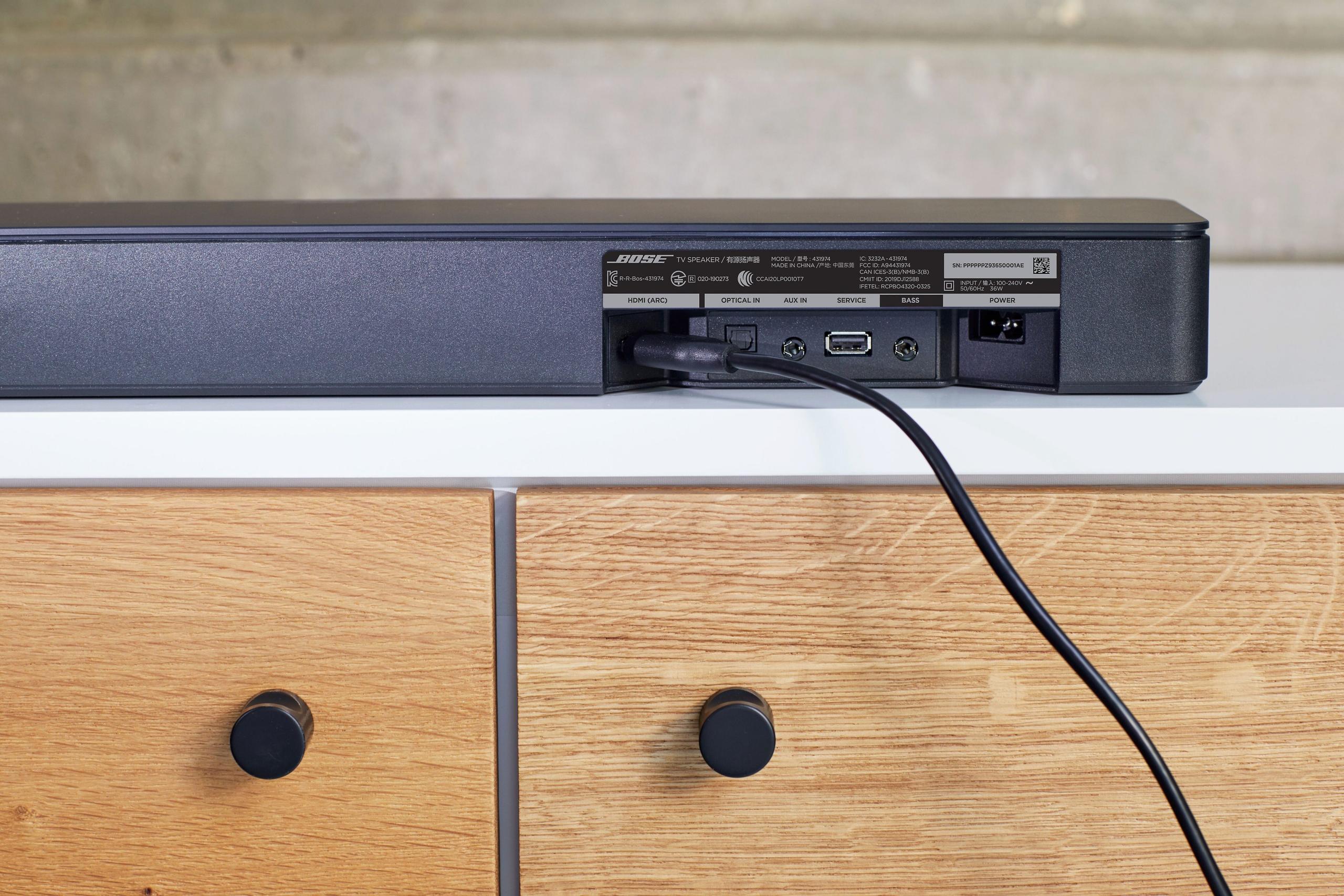
The Bose TV Speaker produces notably less bass in its standard configuration. However, Bose designed it with expansion in mind – there's a 3.5mm output specifically for connecting an external subwoofer. This requires a wired connection (you'll need to buy a special cable), but it opens up the possibility of adding serious bass later if you decide you want it.
This design philosophy reflects the different target users. The Amazon Fire TV Soundbar tries to give you the best complete package right out of the box, while the Bose TV Speaker focuses on what it does best (dialogue and midrange) while giving you an upgrade path for bass.
Maximum volume capability varies significantly between these models. The Amazon Fire TV Soundbar with its two 20-watt amplifiers can get surprisingly loud for its size. This is partly due to those bass reflex ports, which help the speakers move more air efficiently. It's loud enough for most living rooms, though you might find it starts to sound strained at maximum volume.
The Bose TV Speaker doesn't get quite as loud, but what volume it does produce tends to sound cleaner and more controlled. Bose has always been skilled at making speakers sound bigger than they are, and that expertise shows here. Even at higher volumes, dialogue remains clear and the sound doesn't become harsh or fatiguing.
For most home use, both provide adequate volume, but if you have a larger room or like to play content quite loud, the Amazon option has an edge in pure output capability.
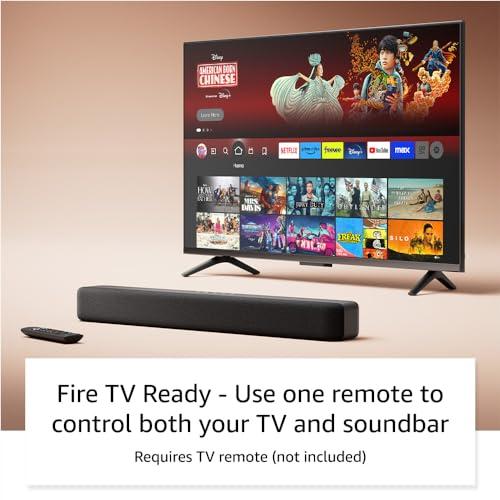
Modern soundbars need to work seamlessly with your TV and other devices, and this is where some important practical differences emerge. Both soundbars support HDMI ARC (Audio Return Channel), which is the best way to connect them to your TV. This connection type allows your TV remote to control the soundbar's volume and can automatically turn the soundbar on when you turn on your TV.
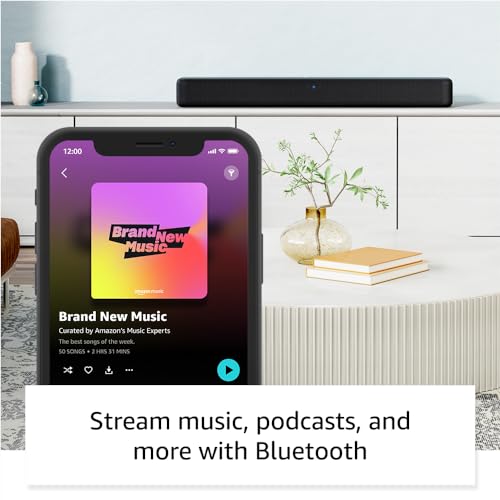
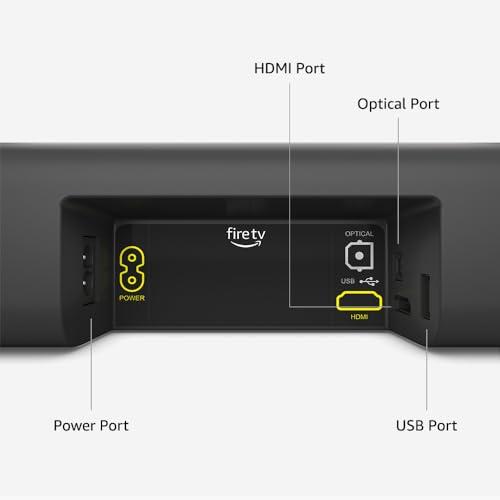
The Amazon Fire TV Soundbar keeps connectivity simple with HDMI ARC, optical digital input, and Bluetooth for streaming music from your phone. There's also a USB port, though it's only used for power supply purposes. The soundbar includes touch controls on top for basic functions, but there's no app support or Wi-Fi connectivity – everything is controlled through the included remote or your TV remote.
The Bose TV Speaker offers more connection options, including HDMI ARC with full CEC support (Consumer Electronics Control, which provides better integration with your TV), optical input, and a 3.5mm analog input for connecting older devices. It also includes Bluetooth, though the version (4.2) is older than what you'll find on most current devices.
One unique feature of the Bose TV Speaker is its "Roku TV Ready" certification. If you own a Roku TV, this soundbar is specifically designed to integrate seamlessly, with automatic setup and access to soundbar settings through the Roku TV interface. This level of integration isn't available with other TV brands, but for Roku TV owners, it's a significant convenience.
The Amazon Fire TV Soundbar's standout feature is its DTS Virtual:X processing. This technology, which typically appears in more expensive soundbars, analyzes incoming audio and uses phase manipulation and timing adjustments to create the impression of three-dimensional sound. It's particularly effective with movie content that has been mixed for surround sound – you'll notice sounds seeming to come from wider than the soundbar itself, and sometimes even from beside your seating position.
The soundbar also includes three preset sound modes: Movie, Music, and Dialog/Voice, plus three levels of bass adjustment. These presets adjust the frequency response to optimize for different types of content, though the differences are relatively subtle.
The Bose TV Speaker focuses on a single special feature, but it's implemented extremely well: Dialogue Mode. When enabled, this mode analyzes the incoming audio and dynamically adjusts the frequency response to make voices more prominent. It's not just a simple EQ adjustment – it's actively processing the audio to separate vocal frequencies from background elements.
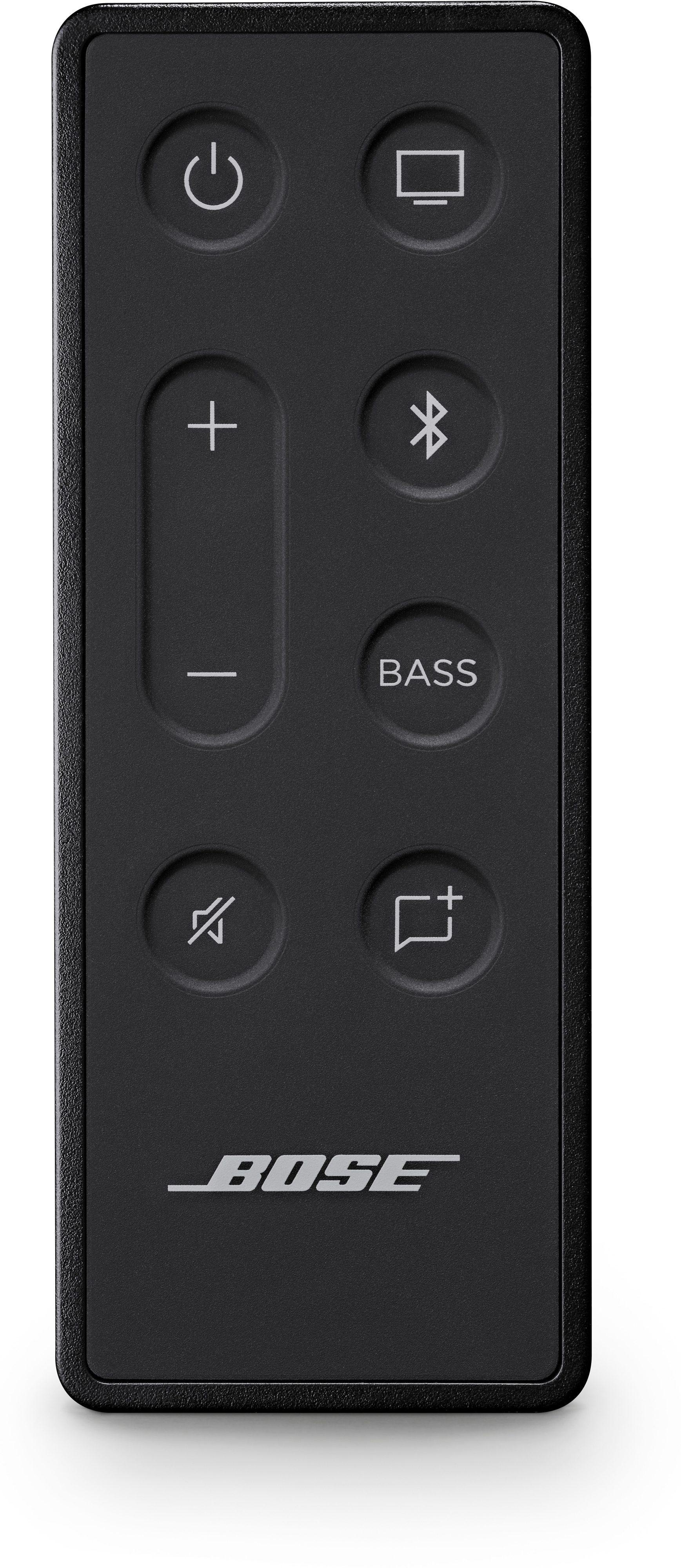
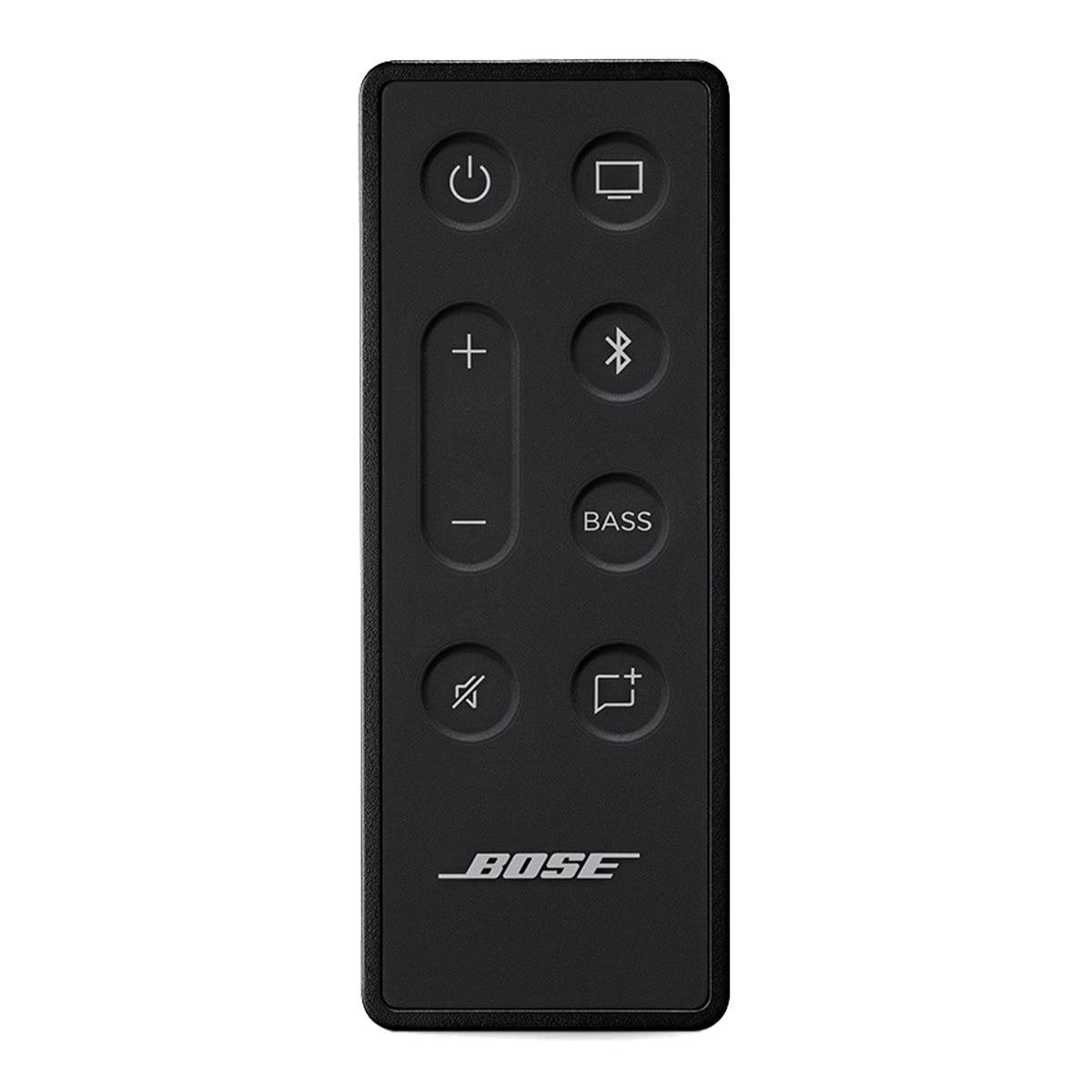
This feature is genuinely useful for content with poor audio mixing, older movies, or when you're watching at lower volumes. The dedicated button on the remote makes it easy to toggle on and off depending on what you're watching.
Neither of these soundbars is designed to be the centerpiece of a serious home theater setup, but they can serve different roles depending on your goals and space constraints. The Amazon Fire TV Soundbar, with its virtual surround processing, provides a more "cinematic" experience right out of the box. For someone with a smaller living room or bedroom setup who wants to feel more immersed in movies, this is the better choice.
The Bose TV Speaker works better as a foundation for a system you might expand later. That subwoofer output means you can add serious bass when your budget and space allow. The superior dialogue handling also makes it better for the varied content most people actually watch – not just action movies, but news, documentaries, and TV shows where clear speech is paramount.
For apartment dwellers or anyone concerned about disturbing neighbors, the Bose TV Speaker is more considerate. Its focus on midrange clarity means you can keep volumes lower while still hearing dialogue clearly, and its controlled bass response won't travel through walls as much.
At the time of writing, these soundbars represent different value propositions within the budget category. The Amazon Fire TV Soundbar typically costs significantly less while including features like DTS Virtual:X that you'd normally find in pricier models. For the money, it delivers impressive performance, especially if you prioritize that virtual surround effect and built-in bass response.
The Bose TV Speaker costs more, but brings the build quality and audio expertise you expect from the Bose brand. The dialogue clarity alone may be worth the price difference for many users, and the expansion capability adds long-term value.
Since both products launched, the soundbar market has continued to evolve rapidly. More budget options now include features that were previously premium, like virtual surround processing and app control. However, both of these models remain competitive because they execute their core missions well rather than trying to include every possible feature.
The Amazon Fire TV Soundbar is ideal for budget-conscious buyers who want the biggest improvement over TV speakers for the least money. It's perfect for people who primarily watch streaming movies and shows, especially content with action and music where that virtual surround effect and fuller bass response really shine. If you have a smaller TV (43 inches or less) and limited space, its compact size is also an advantage.
Choose the Bose TV Speaker if dialogue clarity is your primary frustration with your current TV audio. It's the better choice for people who watch a lot of news, documentaries, or dialogue-heavy dramas. The superior build quality and brand support make it worth the extra cost if those factors matter to you. The expansion capability also makes it the smarter choice if you think you might want to add a subwoofer eventually.
For home theater enthusiasts on a tight budget, the decision depends on your priorities. The Amazon Fire TV Soundbar delivers more immediate "wow factor" with its virtual surround effects, while the Bose TV Speaker provides a more refined foundation that you can build upon.
Both soundbars successfully solve the fundamental problem of poor TV audio, but they do it in meaningfully different ways. The Amazon Fire TV Soundbar prioritizes excitement and value – it wants to make your movies more immersive and your music more engaging, all while costing as little as possible. The Bose TV Speaker prioritizes clarity and quality – it wants to make sure you never miss a word of dialogue while providing a platform for future expansion.
Your choice should align with what frustrates you most about your current TV audio and how you actually use your entertainment system. Neither will disappoint, but understanding these fundamental differences ensures you'll get the soundbar that best fits your specific needs and preferences.
| Amazon Fire TV Soundbar | Bose TV Speaker |
|---|---|
| Dimensions - Critical for TV stand placement and room aesthetics | |
| 61 x 9 x 6.5 cm (compact for smaller TVs) | 59.4 x 5.6 x 10.2 cm (slightly smaller width, better height clearance) |
| Weight - Affects mounting and portability | |
| 1.8 kg (lightweight, easy wall mounting) | 1.95 kg (solid feel, premium construction) |
| Channel Configuration - Determines sound complexity and expansion options | |
| 2.0 stereo (no subwoofer connectivity) | 2.1 ready (includes 3.5mm subwoofer output for future expansion) |
| Audio Processing - Key differentiator for immersive experience | |
| DTS Virtual:X (creates simulated surround sound from 2 speakers) | Dolby Digital + dedicated dialogue processing (optimized for speech clarity) |
| Driver Configuration - Affects sound quality and staging | |
| 2x "Racetrack" full-range drivers with bass reflex | 2x angled full-range drivers + 1 center tweeter for vocals |
| Power Output - Determines maximum volume capability | |
| 2 x 20W amplifiers (adequate for most rooms) | Power rating undisclosed (Bose focuses on efficiency over raw watts) |
| Bass Performance - Important for movie impact without separate subwoofer | |
| Integrated bass reflex with front port (surprisingly full low-end) | Minimal built-in bass (designed for optional subwoofer expansion) |
| Connectivity Options - Affects compatibility with different devices | |
| HDMI ARC/eARC, Optical, Bluetooth (basic but sufficient) | HDMI ARC with CEC, Optical, 3.5mm analog, Bluetooth 4.2 (more versatile) |
| Smart Features - Convenience and integration capabilities | |
| Touch controls, 3 sound modes, 3 bass levels (no app support) | Dedicated remote with Dialogue mode, Roku TV Ready certified |
| Special Features - Unique selling points that justify the purchase | |
| DTS Virtual:X at budget price, Fire TV ecosystem integration | Superior dialogue clarity, premium build quality, subwoofer expandability |
| Best Use Cases - Who should prioritize this option | |
| Budget-focused buyers wanting virtual surround, small TV setups, action/music content | Dialogue clarity priority, future expansion plans, premium brand preference |
The Bose TV Speaker excels at dialogue clarity thanks to its dedicated center tweeter and dialogue processing mode. Its brighter sound signature emphasizes vocal frequencies, making speech cut through background noise more effectively. While the Amazon Fire TV Soundbar provides decent dialogue reproduction, the Bose TV Speaker is specifically engineered for crystal-clear speech and is the better choice if you struggle to hear conversations on TV.
The Amazon Fire TV Soundbar delivers more built-in bass through its integrated bass reflex design with front-facing ports, providing fuller low-end response without additional equipment. The Bose TV Speaker produces minimal bass on its own but includes a 3.5mm subwoofer output for adding external bass later. Choose the Amazon Fire TV Soundbar for immediate bass satisfaction or the Bose TV Speaker for future expansion flexibility.
The Amazon Fire TV Soundbar achieves higher maximum volume levels with its 2 x 20W amplifiers and efficient bass reflex design. The Bose TV Speaker doesn't get quite as loud but maintains cleaner, more controlled sound at higher volumes. For larger rooms or those who prefer louder playback, the Amazon Fire TV Soundbar has the advantage in pure output capability.
The Amazon Fire TV Soundbar features DTS Virtual:X processing that creates simulated surround sound effects from its two speakers, making movies feel more immersive. The Bose TV Speaker focuses on high-quality stereo sound without virtual surround processing. If you want a more cinematic experience with virtual surround effects, the Amazon Fire TV Soundbar is the clear winner.
Both soundbars offer simple setup, but the Bose TV Speaker has slight advantages with HDMI CEC support for better TV integration and Roku TV Ready certification for seamless pairing with Roku TVs. The Amazon Fire TV Soundbar provides straightforward connectivity with included HDMI cable and touch controls. Both connect via single HDMI ARC or optical cable, making setup equally simple for most users.
Only the Bose TV Speaker supports subwoofer connectivity through its 3.5mm output, allowing you to add Bose Bass Module 500 or 700 for enhanced low-end performance. The Amazon Fire TV Soundbar has no subwoofer connectivity options and relies entirely on its built-in bass reflex system. Choose the Bose TV Speaker if you want the option to expand your system later.
The Amazon Fire TV Soundbar typically offers superior value by including DTS Virtual:X processing and solid built-in bass at a lower price point. The Bose TV Speaker costs more but provides premium build quality, exceptional dialogue clarity, and expansion capability. The Amazon Fire TV Soundbar wins on immediate value, while the Bose TV Speaker offers better long-term investment potential.
Both soundbars include HDMI ARC and optical inputs for TV connection, plus Bluetooth for wireless music streaming. The Bose TV Speaker adds a 3.5mm analog input and full HDMI CEC support for enhanced TV integration. The Amazon Fire TV Soundbar keeps connectivity simple with the essentials. The Bose TV Speaker provides more versatile connection options for various devices.
The Amazon Fire TV Soundbar is ideal for small rooms due to its compact 61cm width, integrated bass response, and DTS Virtual:X processing that creates spacious sound from a small footprint. The Bose TV Speaker is also compact but focuses on dialogue clarity rather than room-filling effects. For small spaces wanting maximum impact, the Amazon Fire TV Soundbar is the better choice.
Both soundbars support Bluetooth music streaming, but they excel with different music types. The Amazon Fire TV Soundbar with its warmer sound signature and built-in bass works well for pop, rock, and electronic music. The Bose TV Speaker with its brighter signature is better for acoustic music, podcasts, and vocal-heavy content. The Amazon Fire TV Soundbar provides a more complete music listening experience.
The Bose TV Speaker offers superior build quality with premium materials, solid construction, and better tactile controls compared to the Amazon Fire TV Soundbar. While the Amazon Fire TV Soundbar feels adequate for its price point, the Bose TV Speaker provides the refined fit and finish expected from the Bose brand. If build quality and longevity matter most, choose the Bose TV Speaker.
For home theater use, choose the Amazon Fire TV Soundbar if you want immediate virtual surround effects and fuller bass for movie watching at a budget-friendly price. Select the Bose TV Speaker if dialogue clarity is your primary concern and you plan to potentially expand with a subwoofer later. The Amazon Fire TV Soundbar provides more cinematic immersion out of the box, while the Bose TV Speaker offers a more refined foundation for future upgrades.
We've done our best to create useful and informative comparisons to help you decide what product to buy. Our research uses advanced automated methods to create this comparison and perfection is not possible - please contact us for corrections or questions. These are the sites we've researched in the creation of this article: rtings.com - developer.amazon.com - stereoguide.com - developer.amazon.com - techradar.com - hometechnologyreview.com - whathifi.com - youtube.com - whathifi.com - wirelessplace.com - hometechnologyreview.com - dolby.com - aboutamazon.com - developer.amazon.com - community.anker.com - youtube.com - cordbusters.co.uk - bestbuy.com - projectorscreen.com - forums.audioholics.com - digitaltrends.com - abt.com - crutchfield.com - staples.com - bestbuy.com - pcrichard.com - visions.ca - bose.com - assets.bose.com

Privacy Policy
Terms and Conditions - Affiliate Policy
Home Security
© Copyright 2008-2026.
11816 Inwood Rd #1211, Dallas, TX 75244