


TV speakers have been getting thinner and weaker for years. As manufacturers push for sleeker displays, the space for decent speakers keeps shrinking, leaving us with tinny, dialogue-muffling audio that makes you reach for the volume remote constantly. That's where soundbars come in—they're designed to rescue your TV audio without requiring a full surround sound system with speakers scattered around your room.
The soundbar market has exploded with options ranging from basic stereo bars under $100 to premium Dolby Atmos systems that cost as much as a decent TV. At the time of writing, you'll find budget options starting around $80, while premium models can stretch past $500. Today we're comparing two very different approaches: the Bose Smart Soundbar 1100, a premium compact bar with true 3D audio capabilities, and the Amazon Fire TV Soundbar, an entry-level option focused on delivering better-than-TV audio at an accessible price point.
Before diving into these specific models, it's worth understanding what separates a good soundbar from a mediocre one. The most critical performance factor is dialogue clarity—if you can't understand what characters are saying without cranking the volume or turning on subtitles, the soundbar has failed its primary job. Next comes soundstage width, which refers to how spread out the audio feels. A good soundbar should make sound appear to come from beyond its physical boundaries, creating the illusion of a much larger speaker system.
Bass response matters too, though it's often overhyped in marketing. Deep, punchy bass enhances action scenes and music, but it shouldn't overpower dialogue or make your neighbors hate you. The sweet spot is controlled, musical bass that adds weight to explosions and music without turning everything into a boomy mess.
Modern soundbars also compete on smart features and connectivity. Built-in streaming, voice assistants, and wireless connectivity have become standard expectations rather than luxury additions. The question isn't whether a soundbar has these features, but how well they're implemented and whether they actually improve your daily experience.
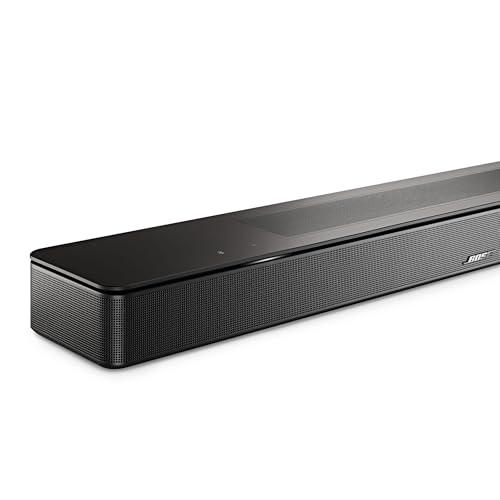
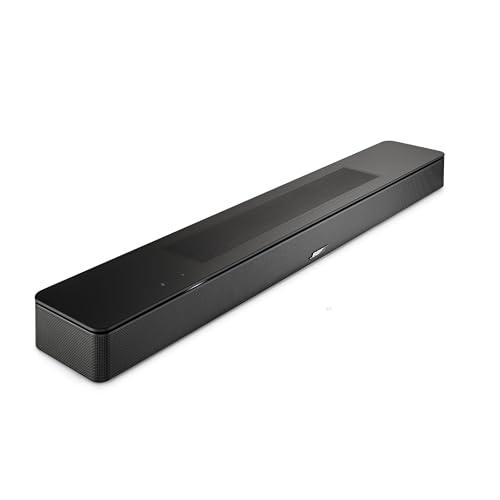
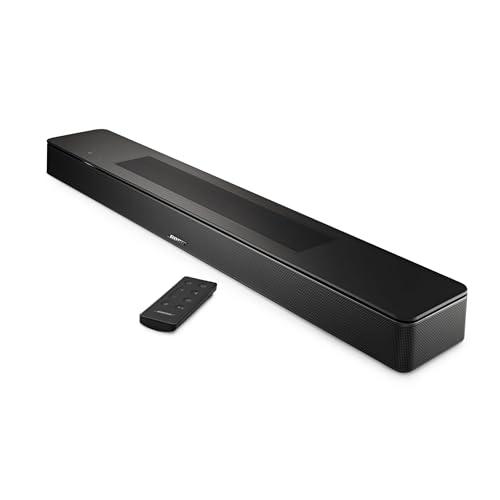
The Bose Smart Soundbar 1100, released in 2023, represents Bose's attempt to pack their premium audio engineering into a compact form factor. It's part of their Smart Family ecosystem, featuring true Dolby Atmos with physical up-firing drivers—small speakers that bounce sound off your ceiling to create overhead effects. Think of it as Bose trying to give you a mini home theater experience without the complexity of multiple speakers.
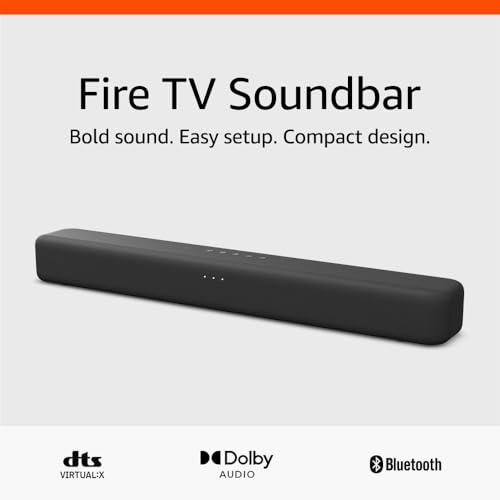
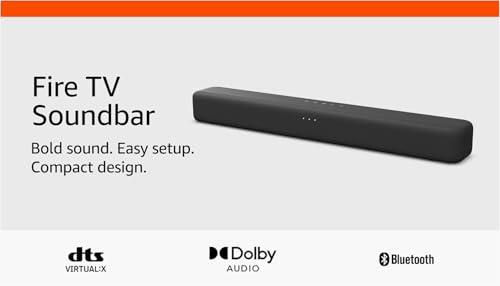
The Amazon Fire TV Soundbar, also from 2023, takes a fundamentally different approach. Amazon focused on delivering the biggest sound improvement over TV speakers at the lowest possible price. It's a straightforward 2.0-channel system (meaning two speakers, no dedicated center channel for dialogue) with basic smart features and simple connectivity.
This is where the philosophical differences become immediately apparent. The Bose Smart Soundbar 1100 uses what they call AI Dialogue Mode, which automatically detects when people are speaking and adjusts the tonal balance to make voices cut through background noise and music. It's paired with a dedicated center channel—essentially a speaker specifically designed to handle dialogue—which creates much more focused vocal reproduction.
Our research into user experiences reveals that people with hearing difficulties particularly appreciate this setup. Multiple reviews mention being able to watch TV without subtitles for the first time in years. The AI processing isn't just marketing fluff; it actively monitors the audio signal and boosts the frequency ranges where human speech lives while keeping the rest of the soundtrack balanced.
The Amazon Fire TV Soundbar, working with just two full-range drivers, relies on careful tuning and a basic dialogue mode to improve voice clarity. While it's certainly clearer than most TV speakers, it can't match the surgical precision of a dedicated center channel. The improvement is noticeable but not transformational—think "better" rather than "dramatically different."
Here's where the price difference becomes most apparent. The Bose Smart Soundbar 1100 includes genuine Dolby Atmos support through its up-firing drivers. Dolby Atmos is a technology that treats sound as objects that can move around you in three-dimensional space, rather than just left-to-right stereo. When a helicopter flies overhead in a movie, Atmos makes it sound like it's actually passing above your head.
Bose enhances this with their TrueSpace technology, which takes regular stereo or 5.1 surround content and upmixes it to create an Atmos-like experience. Their PhaseGuide technology uses precise timing differences between drivers to beam sound in specific directions, making the soundstage feel much wider than the physical bar.
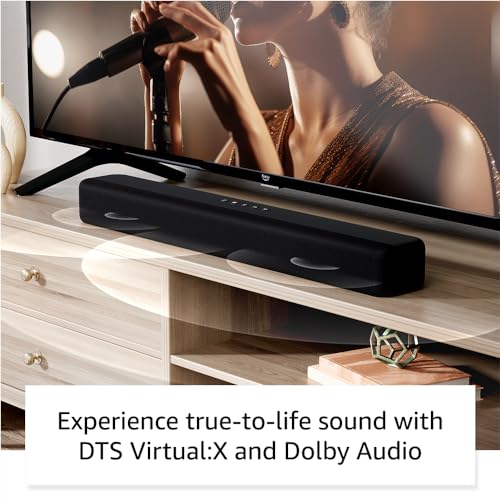
The Amazon Fire TV Soundbar uses DTS Virtual:X, which attempts to create surround effects through digital processing alone. Virtual:X can add some sense of spaciousness and even simulated height effects, but it's working with just two forward-firing speakers. Think of it like using software to simulate surround sound through headphones—it works to some degree, but it's not the same as having actual speakers positioned around you.
Based on user feedback we've analyzed, the Bose creates a noticeably more immersive experience, especially for movies. The Amazon unit provides some enhancement over flat TV audio, but you're not going to mistake it for a full surround system.
Neither soundbar includes a physical subwoofer, but they handle bass very differently. The Bose Smart Soundbar 1100 uses QuietPort technology—essentially a carefully designed port system that reduces the turbulence and noise you typically get from small speakers trying to produce bass. The result is cleaner, more controlled low-end response, though it won't shake your couch during action scenes without adding their optional Bass Module subwoofer.
The Amazon Fire TV Soundbar incorporates a bass reflex system with a front-facing resonator tube. This is a more traditional approach that uses a precisely tuned port to extend bass response. For its size and price, it produces surprisingly full sound, though the overall bass quantity and quality can't compete with the Bose's more sophisticated approach.
User reviews consistently note that both soundbars benefit from subwoofer additions, but only the Bose Smart Soundbar 1100 offers official expansion options. If you're planning to build a more complete system over time, this expandability becomes crucial.
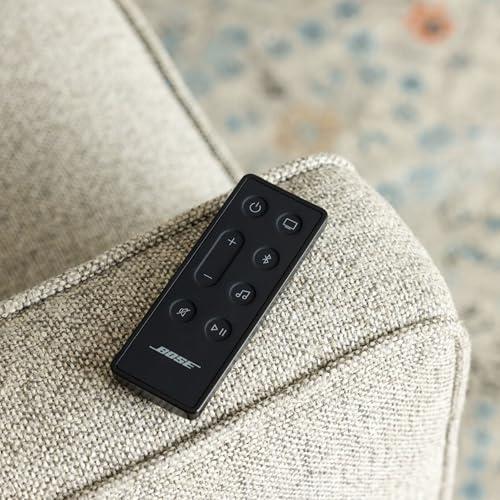
The connectivity story tells you everything about each product's target market. The Bose Smart Soundbar 1100 is essentially a smart speaker that happens to excel at TV audio. It includes built-in Amazon Alexa, Wi-Fi streaming, Apple AirPlay 2, Chromecast, Spotify Connect, and integration with services like Amazon Music, Pandora, and iHeartRadio. The Voice4Video feature lets you control your TV and cable box through voice commands, turning the soundbar into a central hub for your entertainment system.
The Bose Music app provides extensive control over sound settings, multi-room audio setup, and streaming service management. You can group it with other Bose speakers throughout your home, creating a whole-house audio system. There's even a unique feature called Personal Surround Sound that pairs with Bose Ultra Open Earbuds to create rear surround effects just for you—perfect for late-night movie watching without disturbing others.
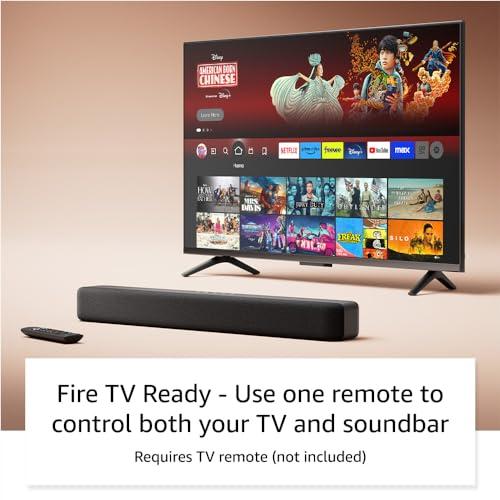
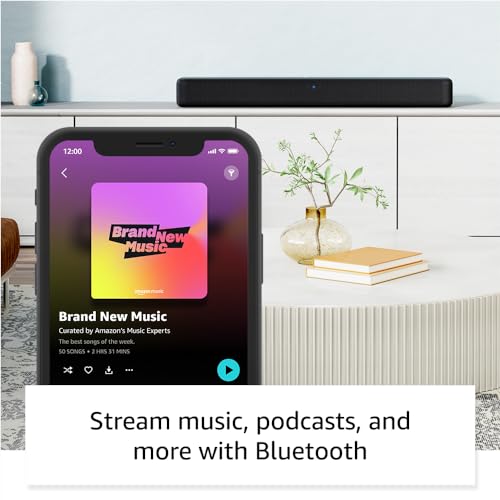
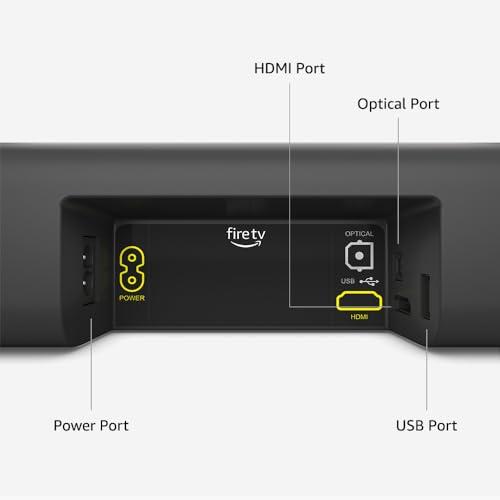
The Amazon Fire TV Soundbar takes a much simpler approach. Despite the "Fire TV" branding, it doesn't actually include streaming capabilities or voice control. You get HDMI ARC, optical input, and Bluetooth for connecting your phone or tablet. The physical touch controls on top handle basic functions like volume and input switching.
This simplicity isn't necessarily bad—some people prefer straightforward devices without complex setup procedures or privacy concerns about always-listening microphones. But it does limit the soundbar's usefulness beyond basic TV audio enhancement.
The construction differences reflect each product's market positioning. The Bose Smart Soundbar 1100 features premium materials including a sleek matte black finish and solid construction that feels substantial despite its compact 27-inch width. The build quality lives up to Bose's reputation for durability and attention to detail.
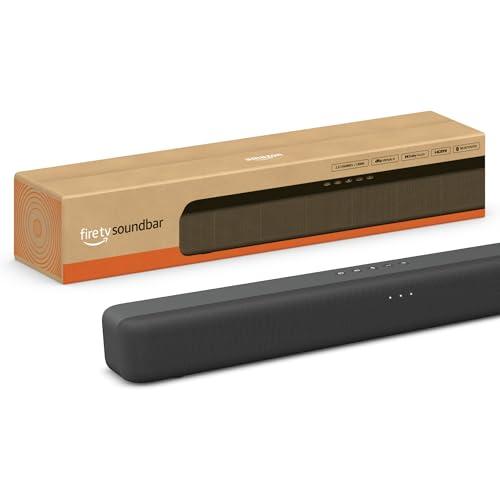
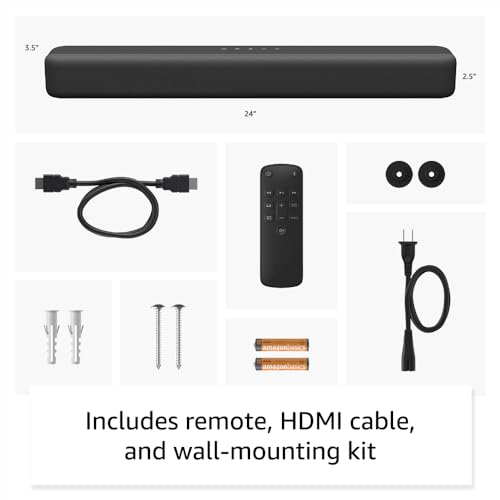
The Amazon Fire TV Soundbar uses quality plastics and fabric coverings that feel solid but not luxurious. At 1.8 kilograms, it's noticeably lighter than the Bose, which makes it easier to mount or reposition but also less substantial-feeling. The design is functional rather than elegant—it does its job without calling attention to itself.
For dedicated home theater use, the Bose Smart Soundbar 1100 clearly takes the lead. The true Dolby Atmos support means you'll get the intended experience from Atmos-encoded movies on Netflix, Disney+, and 4K Blu-rays. The AI Dialogue Mode becomes particularly valuable during complex action sequences where dialogue can get lost in explosions and music.
The expandability factor becomes crucial here too. You can start with just the soundbar and gradually add the Bass Module 500 or 700 for deeper bass, then surround speakers for a complete 5.1.2 system. This modular approach lets you build your ideal setup over time without replacing components.
The Amazon Fire TV Soundbar serves better as a significant upgrade for casual TV watching rather than serious home theater use. It'll make your shows more enjoyable and improve dialogue clarity, but it won't deliver the cinematic impact that movie enthusiasts are seeking.
At the time of writing, the price difference between these soundbars is substantial—the Amazon option costs roughly one-sixth the price of the Bose. That gap reflects fundamentally different value propositions.
The Amazon Fire TV Soundbar delivers impressive sound quality improvements at its price point. For someone who primarily watches news, sitcoms, and casual streaming content, it provides meaningful enhancement without requiring a significant investment. However, it's essentially a dead-end purchase—there's no upgrade path, and you might find yourself wanting something better as your audio expectations evolve.
The Bose Smart Soundbar 1100 costs significantly more but offers a complete ecosystem and upgrade path. The smart features, superior audio processing, and expansion options make it more of a long-term investment. If you're building a primary entertainment system rather than just fixing bad TV audio, the higher upfront cost can make sense.
The engineering differences between these products reveal why the performance gap exists. The Bose Smart Soundbar 1100 uses a 3.0.2 configuration—three front channels (left, center, right) plus two height channels from the up-firing drivers. This gives dialogue a dedicated pathway and creates genuine three-dimensional audio placement.
The PhaseGuide technology deserves special mention. Instead of just making sound louder in different directions, it uses precise timing delays between multiple drivers to create interference patterns that steer sound beams. This is significantly more sophisticated than simple stereo separation and contributes to the wider, more immersive soundstage.
The Amazon Fire TV Soundbar's "Racetrack" drivers are oval-shaped speakers that maximize membrane surface area within the compact vertical space. While clever, they're still just two stereo channels relying on digital processing to create any spatial effects.
The decision ultimately comes down to priorities and expectations. Choose the Amazon Fire TV Soundbar if you're looking for a simple, affordable improvement over TV speakers, primarily watch casual content, need something for a secondary room, or have budget constraints that make the premium option unrealistic. It's also ideal for renters who can't install complex systems or people who prefer simple, no-frills electronics.
The Bose Smart Soundbar 1100 makes sense for audio enthusiasts who notice and care about sound quality differences, anyone planning to build a more complete system over time, smart home users who want voice control and streaming integration, or people with challenging hearing situations who need every advantage for dialogue clarity.
For home theater use specifically, the Bose is almost certainly worth the investment. The Atmos support, expandability, and superior dialogue processing create a dramatically better movie-watching experience that justifies the higher cost for serious film and TV enthusiasts.
These soundbars represent two valid but very different approaches to solving the same problem. The Amazon Fire TV Soundbar excels as an affordable quick fix that meaningfully improves TV audio without complexity or major investment. The Bose Smart Soundbar 1100 approaches soundbar design as an opportunity to create a sophisticated audio system that happens to be compact.
Neither is objectively better—they're designed for different users with different needs and budgets. But understanding these differences helps ensure you choose the one that matches your actual requirements rather than just the lowest or highest price tag.
For most people building a primary entertainment system, the Bose's superior audio quality, smart features, and expansion potential make it worth the investment. For quick improvements on secondary TVs or tight budgets, the Amazon option provides remarkable value. The key is being honest about your priorities and choosing accordingly.
| Bose Smart Soundbar 1100 | Amazon Fire TV Soundbar |
|---|---|
| Channel Configuration - Determines dialogue clarity and immersion | |
| 3.0.2 (dedicated center channel + height channels) | 2.0 (stereo only, no dedicated center) |
| Dolby Atmos Support - Essential for 3D movie sound | |
| True Dolby Atmos with physical up-firing drivers | No Atmos; DTS Virtual:X processing only |
| Dialogue Enhancement - Critical for understanding speech | |
| AI Dialogue Mode with automatic voice optimization | Basic dialogue EQ mode |
| Smart Features - Convenience and streaming capabilities | |
| Built-in Alexa, Wi-Fi streaming, AirPlay 2, Chromecast | No voice control, no streaming (Bluetooth only) |
| Total Audio Power - Affects volume and dynamics | |
| Higher output (exact specs not disclosed) | 40 watts total (2 x 20W) |
| Connectivity Options - Determines device compatibility | |
| HDMI eARC, Optical, Bluetooth 5.0, Wi-Fi | HDMI ARC, Optical, Bluetooth |
| Expandability - Future upgrade potential | |
| Compatible with Bose subwoofers and surround speakers | No expansion options available |
| Build Quality - Long-term durability and aesthetics | |
| Premium materials with glass top and metal construction | Solid plastic construction with fabric grille |
| Room Size Compatibility - Coverage and power needs | |
| Medium to large rooms (suggested 10x12 ft and up) | Small to medium rooms (compact spaces) |
| Mobile App Control - Setup and customization options | |
| Full-featured Bose Music app with EQ and multi-room | No dedicated app or advanced controls |
| Voice Assistant Integration - Smart home compatibility | |
| Built-in Alexa with Voice4Video TV control | No voice assistant support |
| Audio Processing Technology - Sound enhancement features | |
| TrueSpace upmixing, PhaseGuide beam steering, QuietPort | DTS Virtual:X surround simulation |
| Price Category - Value positioning at time of writing | |
| Premium tier (mid-$500s) | Budget tier (under $100) |
The Bose Smart Soundbar 1100 offers superior dialogue clarity thanks to its dedicated center channel and AI Dialogue Mode that automatically adjusts audio balance for speech. The Amazon Fire TV Soundbar improves dialogue over TV speakers but can't match the precision of a dedicated center channel configuration.
Only the Bose Smart Soundbar 1100 supports true Dolby Atmos with physical up-firing drivers that create overhead sound effects. The Amazon Fire TV Soundbar uses DTS Virtual:X processing to simulate surround sound but doesn't offer genuine Atmos capabilities.
The Bose Smart Soundbar 1100 includes built-in Alexa, Wi-Fi streaming, AirPlay 2, Chromecast, and Voice4Video TV control. The Amazon Fire TV Soundbar offers basic connectivity with HDMI ARC, optical input, and Bluetooth but lacks smart features and streaming capabilities.
The Bose Smart Soundbar 1100 can be expanded with compatible Bose subwoofers and surround speakers to create a full home theater system. The Amazon Fire TV Soundbar has no expansion options and cannot connect to additional speakers or subwoofers.
Both work well in small rooms, but the Amazon Fire TV Soundbar is specifically designed for compact spaces and provides adequate sound improvement at a budget price. The Bose Smart Soundbar 1100 offers superior performance but may be overkill for very small rooms.
The Bose Smart Soundbar 1100 uses advanced QuietPort technology for cleaner bass and offers optional subwoofer connectivity. The Amazon Fire TV Soundbar includes bass reflex design for enhanced low-end response but cannot connect external subwoofers for deeper bass.
The Amazon Fire TV Soundbar offers simpler setup with basic HDMI or optical connections and physical touch controls. The Bose Smart Soundbar 1100 requires more initial configuration due to its smart features, app setup, and voice assistant integration.
The Bose Smart Soundbar 1100 excels for home theater with true Dolby Atmos support, expandability options, and immersive audio processing. The Amazon Fire TV Soundbar provides basic TV audio improvement but lacks the features needed for serious home theater applications.
Value depends on your needs: the Amazon Fire TV Soundbar offers exceptional value for basic TV audio improvement at a budget price. The Bose Smart Soundbar 1100 provides premium features and performance that justify its higher cost for audio enthusiasts.
The Bose Smart Soundbar 1100 excels for music with Wi-Fi streaming, multiple service integration, and superior audio quality. The Amazon Fire TV Soundbar supports Bluetooth music playback but lacks dedicated streaming capabilities and advanced audio processing.
The Bose Smart Soundbar 1100 features premium materials, solid construction, and attention to detail consistent with high-end audio equipment. The Amazon Fire TV Soundbar uses quality plastics and fabric covering that feel solid but not luxurious.
The Amazon Fire TV Soundbar works well in small to medium rooms and close seating arrangements. The Bose Smart Soundbar 1100 handles medium to large rooms effectively and provides better sound coverage for larger spaces and home theater setups.
We've done our best to create useful and informative comparisons to help you decide what product to buy. Our research uses advanced automated methods to create this comparison and perfection is not possible - please contact us for corrections or questions. These are the sites we've researched in the creation of this article: bestbuy.com - rtings.com - rtings.com - youtube.com - staples.com - youtube.com - soundguys.com - businessinsider.com - youtube.com - rtings.com - crutchfield.com - youtube.com - youtube.com - smart.dhgate.com - dolby.com - bose.com - assets.bose.com - bose.com - connection.com - bestbuy.com - cdw.com - dell.com - device.report - rtings.com - developer.amazon.com - stereoguide.com - developer.amazon.com - techradar.com - hometechnologyreview.com - whathifi.com - youtube.com - whathifi.com - wirelessplace.com - hometechnologyreview.com - dolby.com - aboutamazon.com - developer.amazon.com - community.anker.com - youtube.com - cordbusters.co.uk

Privacy Policy
Terms and Conditions - Affiliate Policy
Home Security
© Copyright 2008-2026.
11816 Inwood Rd #1211, Dallas, TX 75244