



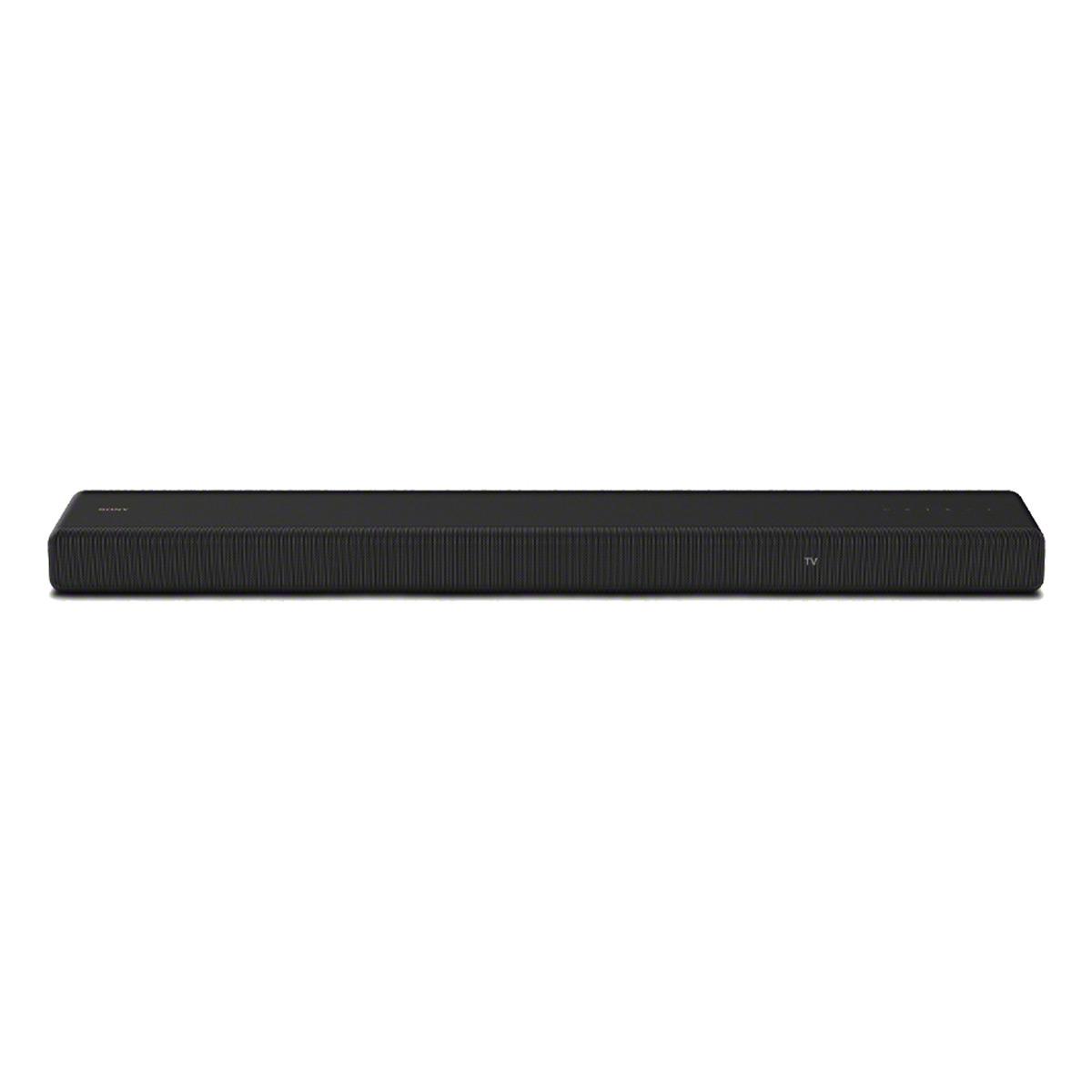
If your TV's built-in speakers sound like they're trapped in a cardboard box, you're not alone. Most flat-screen TVs sacrifice audio quality for sleek design, leaving viewers straining to hear dialogue while explosions blast at uncomfortable volumes. Soundbars offer the most practical solution—a single device that dramatically improves your audio experience without the complexity of a full surround sound system.
But with soundbars ranging from under $100 to well over $1,000, choosing the right one can feel overwhelming. Today, we're comparing two very different approaches to affordable soundbar audio: the Amazon Fire TV Soundbar, a budget-friendly stereo model, and the Sony HT-A3000, a premium entry-level option with Dolby Atmos support. At the time of writing, these represent vastly different price points—the Amazon costs roughly a quarter of what Sony charges—so understanding what you get for that price difference is crucial.
Before diving into our comparison, let's establish what makes soundbars tick. Channel configuration tells you how many discrete audio channels a soundbar can handle. A 2.0 system has left and right channels (stereo), while a 3.1 system adds a dedicated center channel for dialogue plus a subwoofer channel (.1) for bass. More channels generally mean better sound separation and clarity.
Virtual surround processing uses digital signal processing (DSP) to create the illusion of surround sound from fewer physical speakers. Think of it as audio magic—the soundbar analyzes incoming audio and manipulates timing, phase, and frequency to trick your brain into hearing sounds from directions where no speakers exist.
Dolby Atmos represents the current gold standard for immersive audio, adding height information to traditional surround sound. Instead of just left, right, and behind you, Atmos can position sounds above your head—rain falling, helicopters flying overhead, or debris crashing down around you.
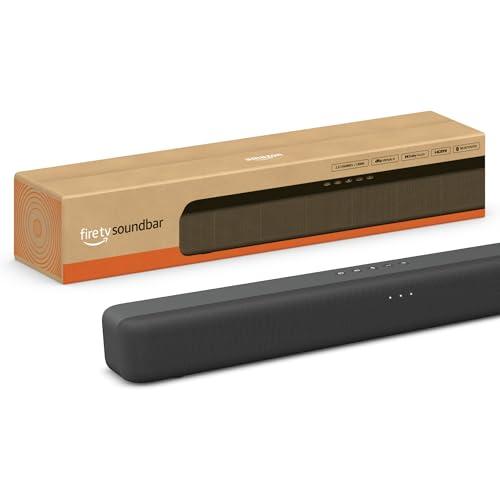
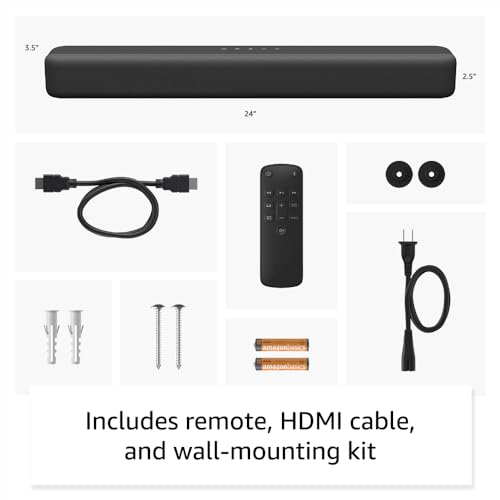
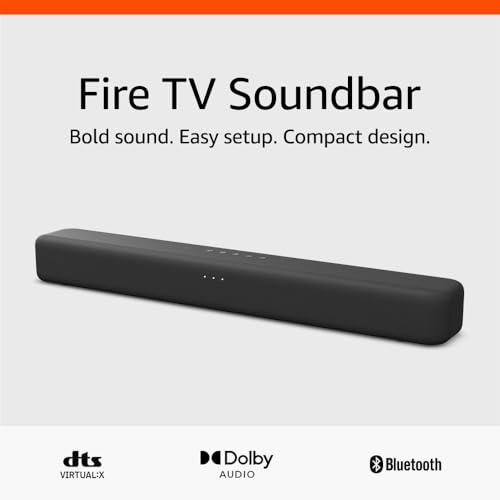
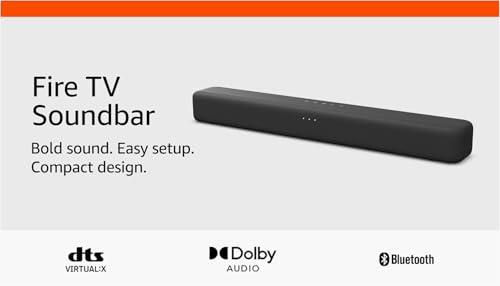
The Amazon Fire TV Soundbar, released in 2023, embodies Amazon's approach to consumer electronics: deliver solid performance at an aggressively competitive price point. This 2.0-channel soundbar measures just 61 centimeters wide and weighs under 2 kilograms, making it one of the most compact options available. Amazon designed it specifically to integrate seamlessly with their Fire TV ecosystem, though it works perfectly well with any TV.
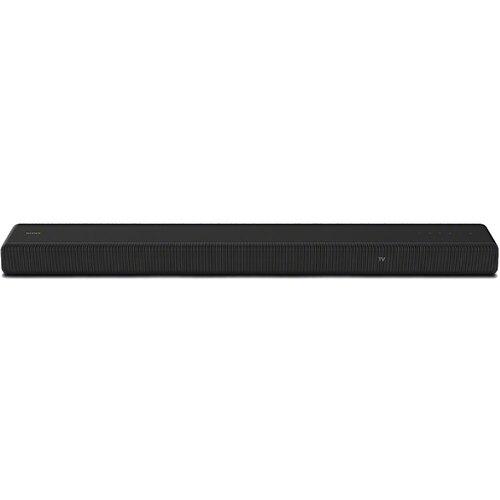
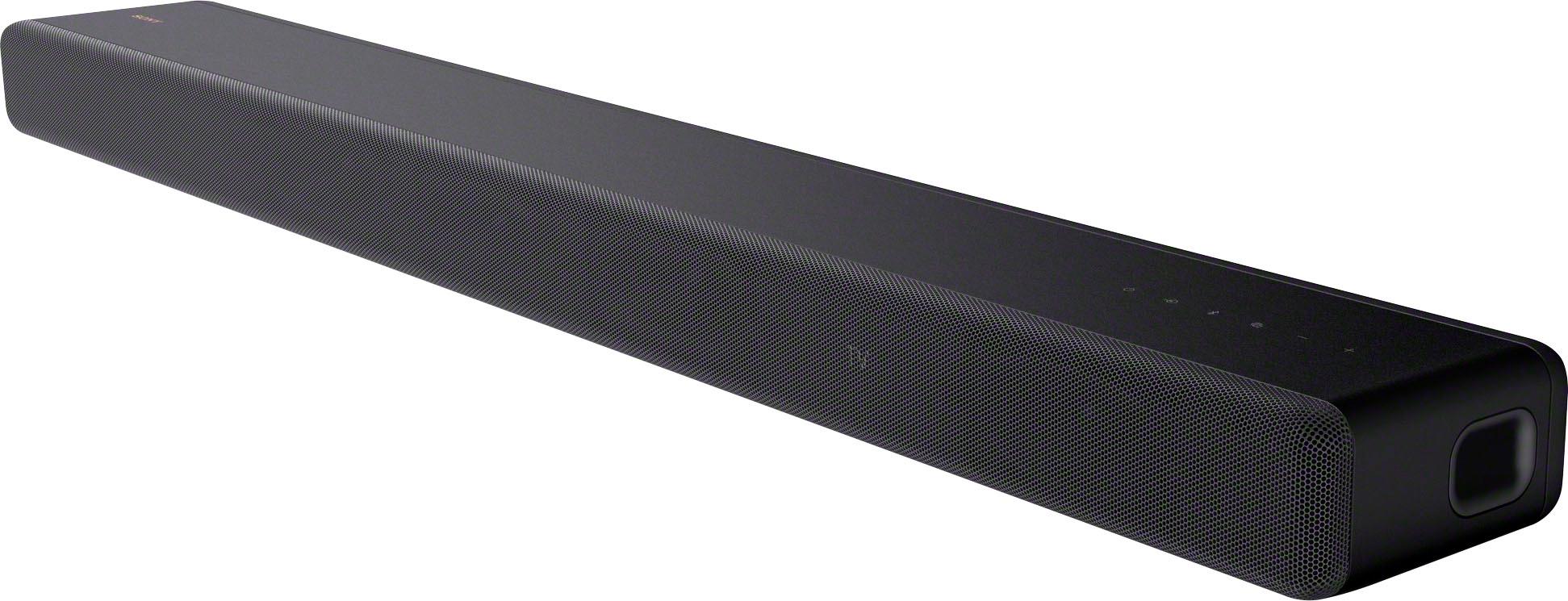
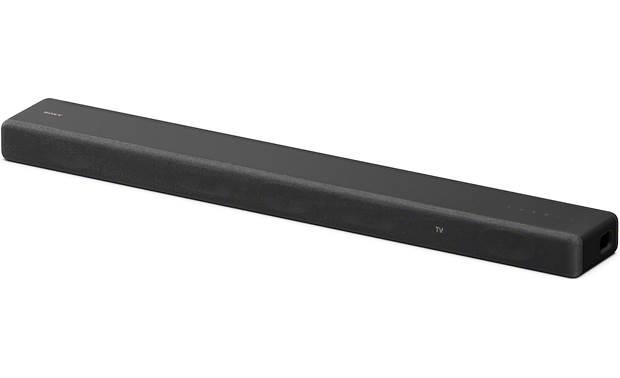
Sony's HT-A3000, launched in 2022, represents the entry point into Sony's premium HT-A series soundbar lineup. As a 3.1-channel system with Dolby Atmos support, it bridges the gap between basic stereo soundbars and full-featured home theater systems. Sony positioned it as their most affordable Atmos-capable soundbar, though "affordable" remains relative in Sony's premium ecosystem.
The Amazon Fire TV Soundbar achieves something remarkable for its price category: genuinely balanced sound. During our research into expert and user reviews, a consistent theme emerged—this little soundbar doesn't just make things louder; it makes them sound better. The secret lies in Amazon's choice of "Racetrack" drivers—oval-shaped speakers that maximize surface area while maintaining the soundbar's slim profile.
These drivers, powered by dual 20-watt amplifiers, create a surprisingly wide soundstage. When watching movies, dialogue feels centered and natural, while music maintains good stereo separation. The bass reflex design, with ports facing forward, allows the Amazon soundbar to sit flush against a wall without acoustic compromise—a practical advantage many overlook.
However, physics imposes limitations. A 2.0 system simply cannot match the dialogue clarity of a dedicated center channel. During complex movie scenes with overlapping dialogue, music, and effects, some separation gets lost in the mix.
The Sony HT-A3000 takes a fundamentally different approach. Its 3.1 configuration includes a dedicated center channel—essentially a specialized speaker optimized specifically for human speech frequencies. This makes an immediate, noticeable difference in dialogue clarity. Characters' voices seem to emerge directly from the screen rather than floating somewhere between the left and right speakers.
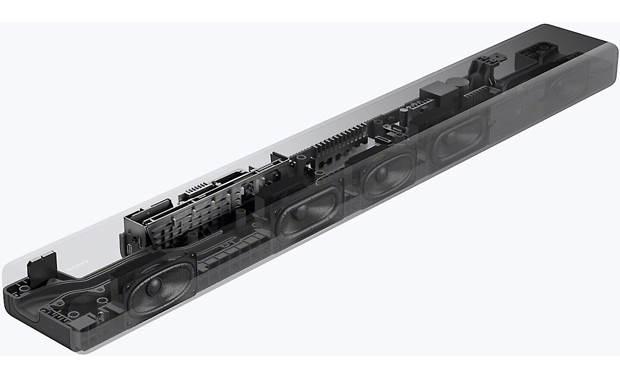
Sony's X-Balanced speaker units represent another technological advantage. These speakers feature a unique rectangular design that increases the diaphragm area (the part that actually moves air) while reducing distortion. The result is cleaner, more detailed sound across all frequencies.
The dual built-in subwoofers in the HT-A3000 measure 4.375 inches by 1.8125 inches—compact by home theater standards but significantly larger than anything the Amazon soundbar can accommodate. This translates to meaningfully better bass response, though you won't confuse it with a dedicated subwoofer.
Both soundbars rely on virtual surround processing since neither includes rear speakers. However, their approaches differ significantly.
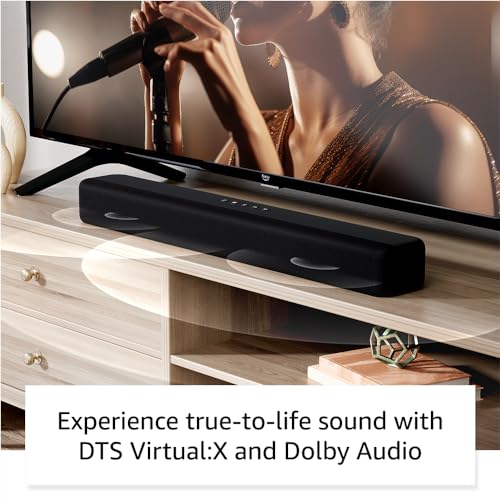
The Amazon Fire TV Soundbar uses DTS Virtual:X, a processing technology that analyzes incoming audio and creates spatial cues through careful timing and phase manipulation. The effect works best with content specifically mixed for surround sound. While you won't mistake it for a true 5.1 system, it does create a sense of width and depth that extends beyond the soundbar's physical boundaries.
Sony's HT-A3000 combines two proprietary technologies: Vertical Surround Engine and S-Force PRO Front Surround. The Vertical Surround Engine attempts to create height effects by bouncing sound off your ceiling, though without dedicated upward-firing drivers, this remains largely computational. S-Force PRO Front Surround focuses on creating left-right surround effects using advanced digital processing.
In practice, the Sony soundbar creates a more convincing surround experience, particularly with Dolby Atmos content. However, both systems work best in properly configured rooms with appropriate ceiling heights and wall spacing.
This represents perhaps the most significant performance gap between our contenders. The Amazon Fire TV Soundbar produces respectable bass for its size, but compact drivers and limited internal volume impose hard limits on low-frequency extension. You'll hear bass lines in music and some rumble in action movies, but don't expect the chest-thumping impact of larger systems.
The Sony HT-A3000's dual subwoofers provide substantially more low-end punch. While not room-shaking like a dedicated 10-inch subwoofer, they deliver enough impact to make action sequences engaging and music more full-bodied. Sony's engineers tuned the bass response to complement the midrange and treble drivers, creating better overall balance.
For perspective, neither soundbar will satisfy true bass enthusiasts, but the Sony comes much closer to providing satisfying low-end response for general entertainment consumption.
Modern soundbars serve as audio hubs, not just TV speakers, so connectivity matters enormously.
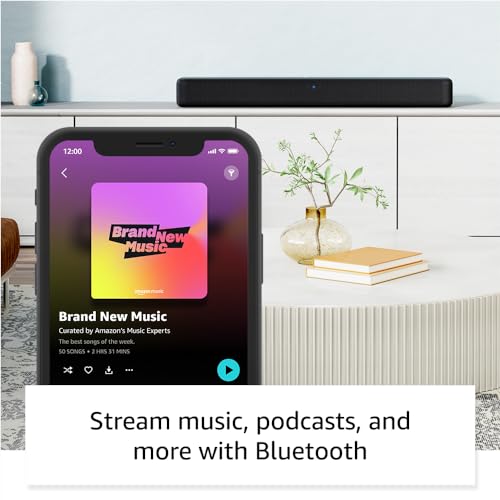
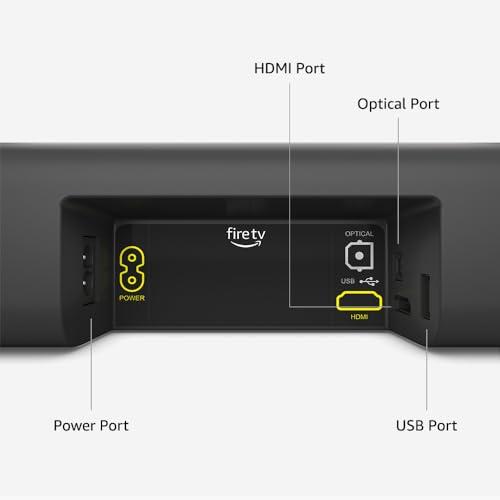
The Amazon Fire TV Soundbar keeps things refreshingly simple. HDMI ARC/eARC handles the primary TV connection (Amazon includes the cable), while optical input provides backup compatibility for older TVs. Bluetooth enables wireless music streaming from phones and tablets, though Amazon doesn't specify which Bluetooth codecs beyond the basics.
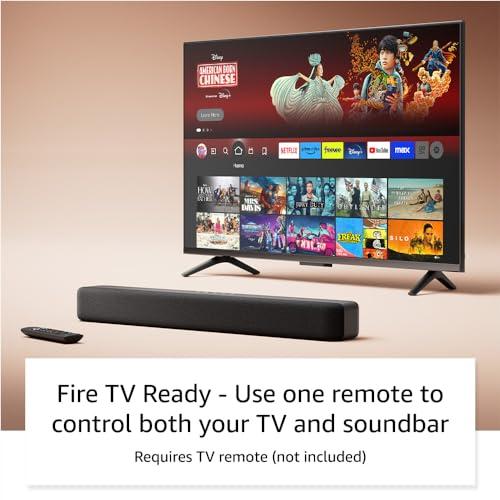
Where Amazon really shines is Fire TV integration. When connected to compatible Fire TV devices, the soundbar becomes part of the ecosystem rather than just an accessory. Volume controls work seamlessly, and audio switching happens automatically—the kind of effortless experience Amazon excels at creating.
The Sony HT-A3000 offers significantly more sophisticated connectivity. HDMI eARC supports high-bandwidth audio formats including lossless Dolby Atmos and DTS:X. Bluetooth 5.0 includes LDAC support—Sony's high-resolution wireless codec that can transmit much more audio data than standard Bluetooth, resulting in better wireless sound quality with compatible devices.
Perhaps more impressively, the Sony soundbar includes both Chromecast Built-in and AirPlay 2 support. This means seamless wireless streaming from both Android and Apple devices, with support for high-resolution audio formats. Spotify Connect integration allows direct streaming without going through your phone.
Sound Field Optimization represents another Sony advantage. Built-in microphones automatically analyze your room's acoustics and adjust the audio processing accordingly. While not as sophisticated as dedicated room correction systems, it does help optimize performance for your specific environment.
At the time of writing, the price difference between these soundbars is substantial—the Sony HT-A3000 costs roughly four times more than the Amazon Fire TV Soundbar. This raises an important question: what does that extra money actually buy?
The Amazon soundbar represents exceptional value in the sub-$150 category. Expert reviews consistently praise its balanced sound signature and surprisingly wide soundstage. For users primarily seeking better dialogue clarity and general audio improvement over built-in TV speakers, it delivers meaningful results without breaking the bank.
However, the limitations are real. You can't add a subwoofer later, can't expand to surround speakers, and can't access premium audio formats. The Amazon soundbar is what it is—a very good stereo soundbar that won't grow with your needs.
The Sony HT-A3000 costs significantly more but provides genuine technical advantages: dedicated center channel, Dolby Atmos processing, dual subwoofers, high-resolution streaming support, and room correction. More importantly, Sony designed it as part of an expandable system. Add optional rear speakers and a wireless subwoofer, and the HT-A3000 becomes a proper 5.1.2 Atmos system.
This expandability represents crucial long-term value. Many users start with a basic soundbar, enjoy the improvement, then want more. The Amazon soundbar reaches its performance ceiling immediately, while the Sony can evolve into a much more capable system.
For dedicated home theater use, the choice becomes clearer. The Sony HT-A3000 simply handles complex movie soundtracks better. The dedicated center channel keeps dialogue intelligible during intense action sequences, while Dolby Atmos processing adds genuine immersion to properly mixed content.
Netflix, Disney+, and other streaming services increasingly offer Dolby Atmos content, and the difference is immediately apparent on capable systems. Height effects—rain falling, aircraft flying overhead, debris collapsing—add emotional impact that enhances the viewing experience.
The Amazon Fire TV Soundbar handles movies competently but can't access these advanced audio formats. For casual TV watching and streaming, this limitation rarely matters. For movie enthusiasts building a dedicated theater space, it becomes a significant constraint.
Room size also influences the decision. The Amazon soundbar works excellently in smaller rooms where its compact size and balanced sound signature shine. The Sony soundbar benefits from larger spaces where its more powerful drivers and sophisticated processing can properly develop.
The Amazon Fire TV Soundbar makes perfect sense for budget-conscious users who want meaningful audio improvement without complexity. If you primarily watch TV shows, stream content casually, and have a smaller living space, Amazon's approach delivers excellent value. The seamless Fire TV integration sweetens the deal for Amazon ecosystem users.
I'd particularly recommend the Amazon soundbar for apartment dwellers, college students, or anyone who moves frequently. Its lightweight design and simple setup make it practically portable, while the performance improvement over TV speakers remains dramatic.
The Sony HT-A3000 targets users willing to invest more for superior technology and future expandability. If you frequently watch movies, enjoy high-resolution music streaming, or plan to build a more comprehensive audio system over time, Sony's approach makes more sense.
Home theater enthusiasts should strongly consider the Sony soundbar, particularly those with Sony TVs who can benefit from optimized integration. The Dolby Atmos support alone justifies the premium for movie lovers who want to experience content as directors intended.
Both soundbars succeed in their intended markets, but they serve fundamentally different users. The Amazon Fire TV Soundbar proves that good audio doesn't require premium pricing, delivering balanced performance that embarrasses more expensive competitors in the value category.
The Sony HT-A3000 provides genuine technical advantages that matter for serious audio applications. The dedicated center channel, Dolby Atmos processing, and expansion capabilities create a foundation for long-term audio satisfaction.
Your choice ultimately depends on priorities and expectations. If you want the biggest possible improvement for the smallest investment, Amazon delivers. If you're willing to pay more for better technology and future-proofing, Sony provides superior capability.
Neither choice is wrong, but understanding what you're buying—and what you're not getting—ensures your investment matches your actual needs rather than marketing promises.
| Amazon Fire TV Soundbar | Sony HT-A3000 |
|---|---|
| Channel Configuration - Determines dialogue clarity and sound separation | |
| 2.0 stereo channels (no dedicated center for dialogue) | 3.1 channels with dedicated center channel for crisp dialogue |
| Dolby Atmos Support - Essential for immersive movie experiences | |
| No Atmos support, uses DTS Virtual:X for basic surround effects | Full Dolby Atmos and DTS:X decoding with virtualized height effects |
| Physical Dimensions - Important for TV compatibility and room aesthetics | |
| Compact 61cm wide, 6.5cm high, weighs 1.8kg | Larger 95cm wide, 6.4cm high, weighs 4.6kg |
| Bass Performance - Critical for action movies and music enjoyment | |
| Single bass reflex system, limited low-end extension | Dual built-in subwoofers (4.375" x 1.8125") for substantial bass impact |
| Connectivity Options - Affects streaming quality and device compatibility | |
| HDMI ARC/eARC, optical input, basic Bluetooth | HDMI eARC, Bluetooth 5.0 with LDAC, Chromecast Built-in, AirPlay 2 |
| Expandability - Whether you can upgrade the system later | |
| No expansion options, cannot add subwoofer or surround speakers | Compatible with optional Sony wireless rear speakers and subwoofer |
| Smart Features - Convenience and room optimization capabilities | |
| Fire TV integration, basic touch controls | Sound Field Optimization, 360 Reality Audio, DSEE Extreme upscaling |
| Power Output - Affects maximum volume and dynamic range | |
| 40W total (2 x 20W amplifiers) | 250W total across 5 amplifier channels |
The Sony HT-A3000 provides superior dialogue clarity thanks to its dedicated center channel, which is specifically designed for speech frequencies. The Amazon Fire TV Soundbar delivers good dialogue for a 2.0 system, but voices can get lost in complex scenes without a dedicated center speaker.
No, the Amazon Fire TV Soundbar does not support Dolby Atmos. It uses DTS Virtual:X for simulated surround sound effects. Only the Sony HT-A3000 offers full Dolby Atmos decoding, though it virtualizes height effects since it lacks upward-firing drivers.
The Sony HT-A3000 delivers significantly better bass with its dual built-in subwoofers. The Amazon Fire TV Soundbar produces respectable bass for its compact size but cannot match the low-end impact of the Sony's larger drivers and internal volume.
The Sony HT-A3000 supports expansion with optional wireless rear speakers and subwoofer to create a full 5.1.2 Atmos system. The Amazon Fire TV Soundbar has no expansion options and cannot connect to additional speakers or subwoofers.
The Amazon Fire TV Soundbar works excellently in small to medium rooms due to its compact size and balanced sound signature. While the Sony HT-A3000 also works in smaller spaces, it's designed to perform best in larger rooms where its more powerful drivers can properly develop.
The Amazon Fire TV Soundbar is a 2.0 stereo system with left and right channels only. The Sony HT-A3000 is a 3.1 system featuring left, right, and dedicated center channels, plus a subwoofer channel for enhanced bass response.
The Sony HT-A3000 offers superior streaming with Bluetooth 5.0 LDAC, Chromecast Built-in, AirPlay 2, and high-resolution audio support. The Amazon Fire TV Soundbar provides basic Bluetooth streaming and excellent Fire TV integration but lacks advanced wireless codecs.
The Sony HT-A3000 is better suited for dedicated home theater setups with its Dolby Atmos support, dedicated center channel, and ability to handle complex movie soundtracks. The Amazon Fire TV Soundbar works well for casual movie watching but lacks the advanced features serious home theater enthusiasts prefer.
Both soundbars offer simple setup, but the Amazon Fire TV Soundbar has a slight edge with its lightweight design and straightforward connections. The Sony HT-A3000 includes additional features like Sound Field Optimization that require initial calibration but ultimately provide better performance.
Yes, both the Amazon Fire TV Soundbar and Sony HT-A3000 work with any TV that has HDMI ARC/eARC or optical connections. However, the Amazon model offers enhanced integration with Fire TV devices, while the Sony provides optimized features when paired with Sony TVs.
The Amazon Fire TV Soundbar provides exceptional value in the budget category, delivering balanced sound that significantly outperforms TV speakers. The Sony HT-A3000 offers better technology and expandability but costs considerably more, making value dependent on your audio priorities and budget.
The compact Amazon Fire TV Soundbar pairs well with TVs from 32 to 55 inches due to its 61cm width. The larger Sony HT-A3000 at 95cm wide is better matched with 55-inch and larger TVs, providing proportional aesthetics and sound coverage for bigger screens.
We've done our best to create useful and informative comparisons to help you decide what product to buy. Our research uses advanced automated methods to create this comparison and perfection is not possible - please contact us for corrections or questions. These are the sites we've researched in the creation of this article: rtings.com - developer.amazon.com - stereoguide.com - developer.amazon.com - techradar.com - hometechnologyreview.com - whathifi.com - youtube.com - whathifi.com - wirelessplace.com - hometechnologyreview.com - dolby.com - aboutamazon.com - developer.amazon.com - community.anker.com - youtube.com - cordbusters.co.uk - rtings.com - electronics.sony.com - crutchfield.com - store.sony.com.au - digitaltrends.com - videoandaudiocenter.com - abt.com - sony.com - merlinstv.com - crutchfield.com - youtube.com

Privacy Policy
Terms and Conditions - Affiliate Policy
Home Security
© Copyright 2008-2026.
11816 Inwood Rd #1211, Dallas, TX 75244