





When your TV's built-in speakers sound like they're trapped in a tin can, upgrading to a soundbar becomes essential. But with options ranging from under $100 to over $1,000, choosing the right one can feel overwhelming. Today we're comparing two soundbars that represent completely different philosophies: the budget-focused Amazon Fire TV Soundbar and the premium JBL Bar 1000 surround system.
These products couldn't be more different in their approach to solving the same fundamental problem—making your TV sound better. The Amazon Fire TV Soundbar focuses on simplicity and value, while the JBL Bar 1000 delivers a comprehensive home theater experience. Understanding which approach suits your needs will save you from buyer's remorse and ensure you get the audio upgrade that matches your expectations.
Before diving into specifics, it's crucial to understand that soundbars exist across a vast spectrum of complexity and capability. At the basic level, you have 2.0-channel soundbars (two channels: left and right) that simply aim to produce clearer, fuller sound than your TV's speakers. At the premium end, you'll find 7.1.4-channel systems (seven main channels, one subwoofer, and four height channels) that create true surround sound environments.
The most important performance characteristics to consider include channel configuration, total power output, supported audio formats, and frequency response. Channel configuration determines how immersive the sound can be—more channels mean more precise audio placement around your listening area. Power output affects how loud and dynamic the system can get, while supported formats like Dolby Atmos determine whether you'll hear the latest movie soundtracks as intended. Frequency response tells you how deep the bass extends and how crisp the treble sounds.
What many people don't realize is that room size and layout dramatically affect soundbar performance. A compact soundbar might excel in a bedroom but sound thin in a large living room, while a powerful surround system could overwhelm a small space. The key is matching the soundbar's capabilities to your specific environment and listening habits.
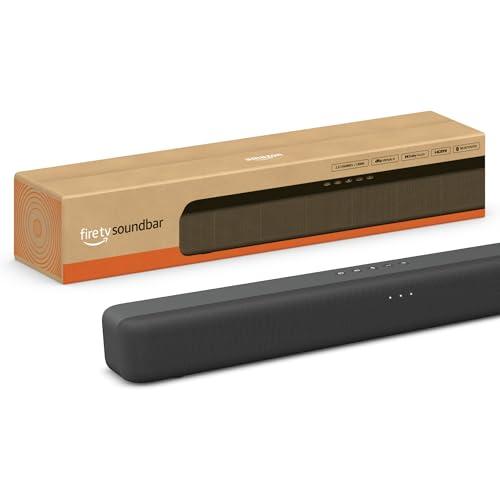
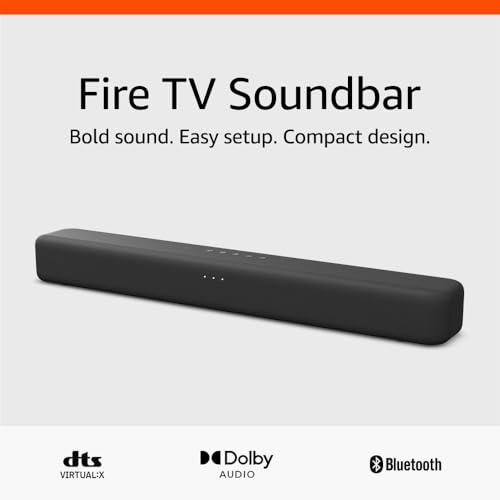
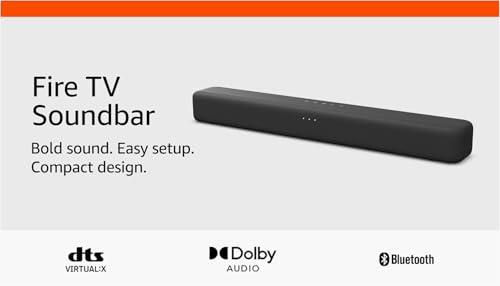
Released in 2023, the Amazon Fire TV Soundbar represents Amazon's entry into the budget soundbar market. At the time of writing, it typically sells for well under $150, making it one of the most affordable name-brand soundbars available. Amazon designed this as a 2.0-channel system (stereo configuration) that prioritizes ease of use above all else.
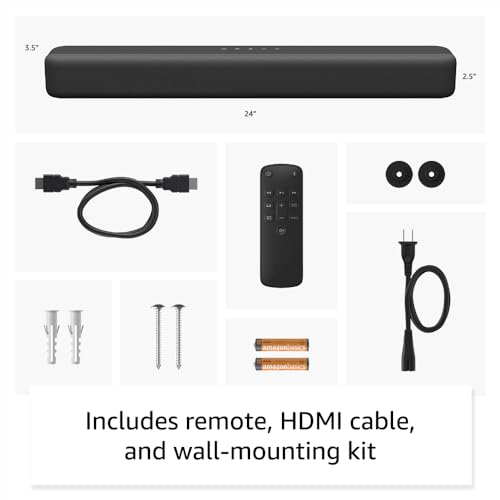
The soundbar measures just 24 inches wide, making it perfect for smaller TVs and tight spaces. It uses two "racetrack" drivers—oval-shaped speakers that maximize membrane area within a compact form factor. These drivers handle both mid-range frequencies (like voices) and high frequencies (like cymbals), while a bass reflex port attempts to extend low-frequency response despite the absence of a dedicated subwoofer.
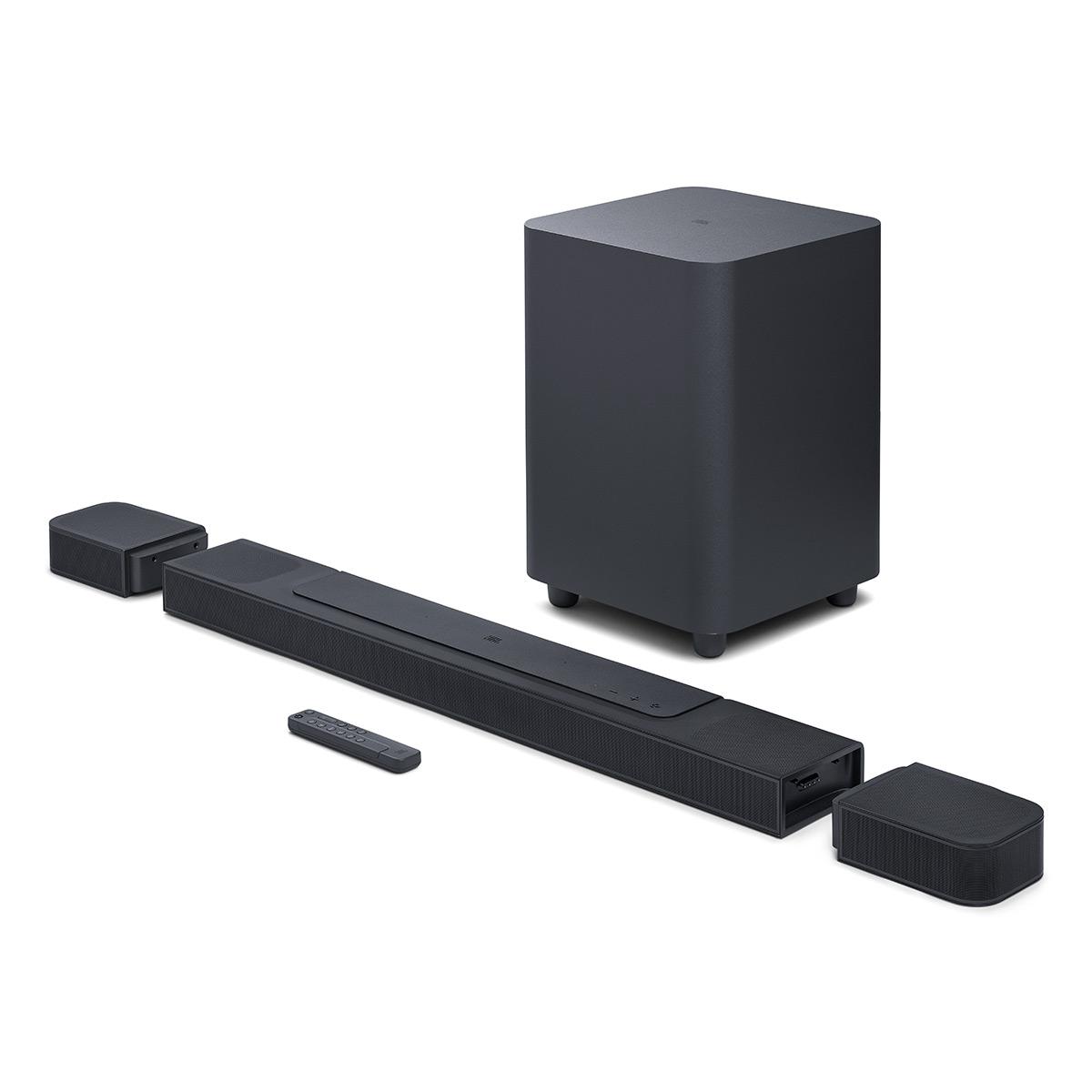
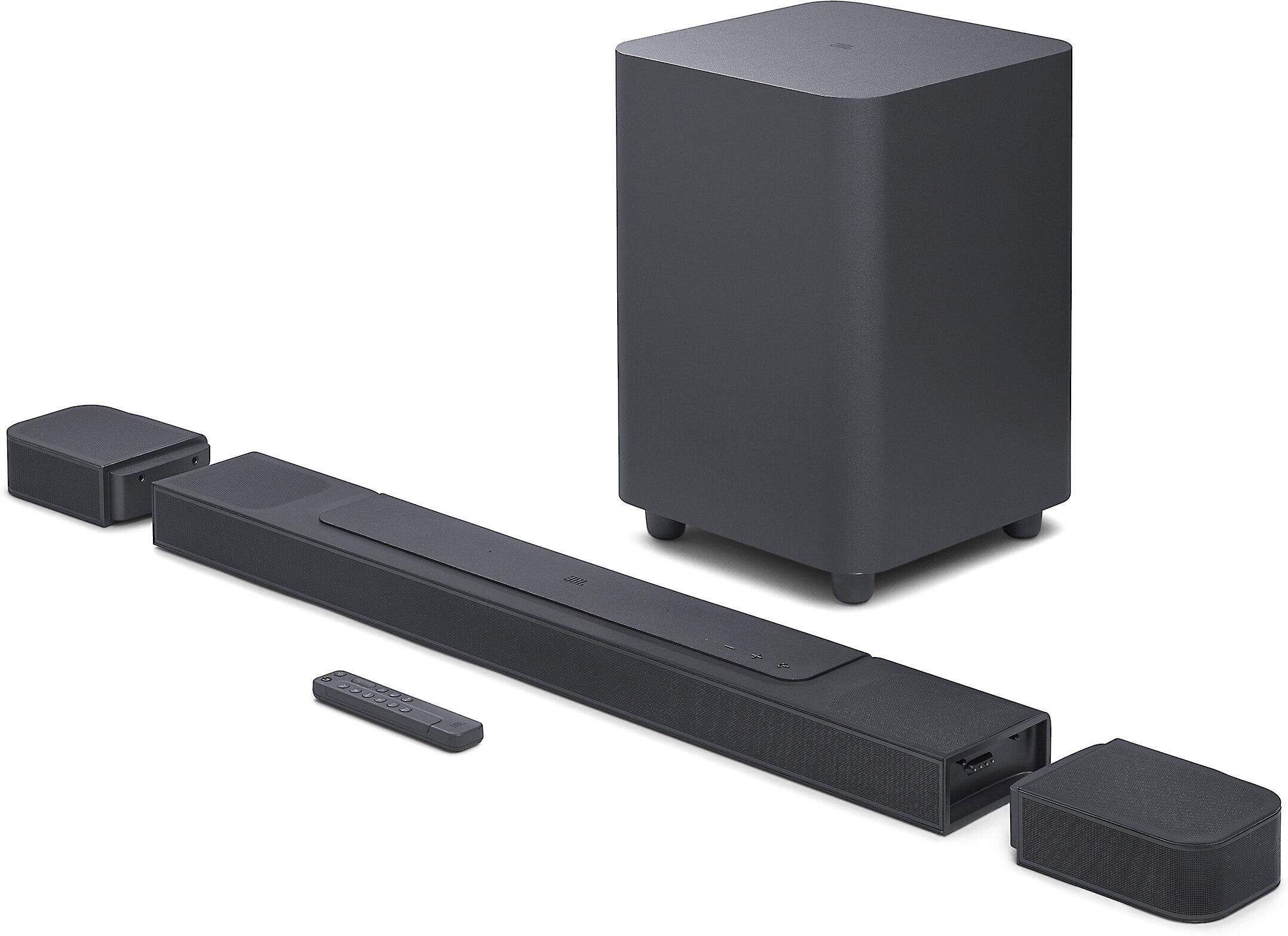
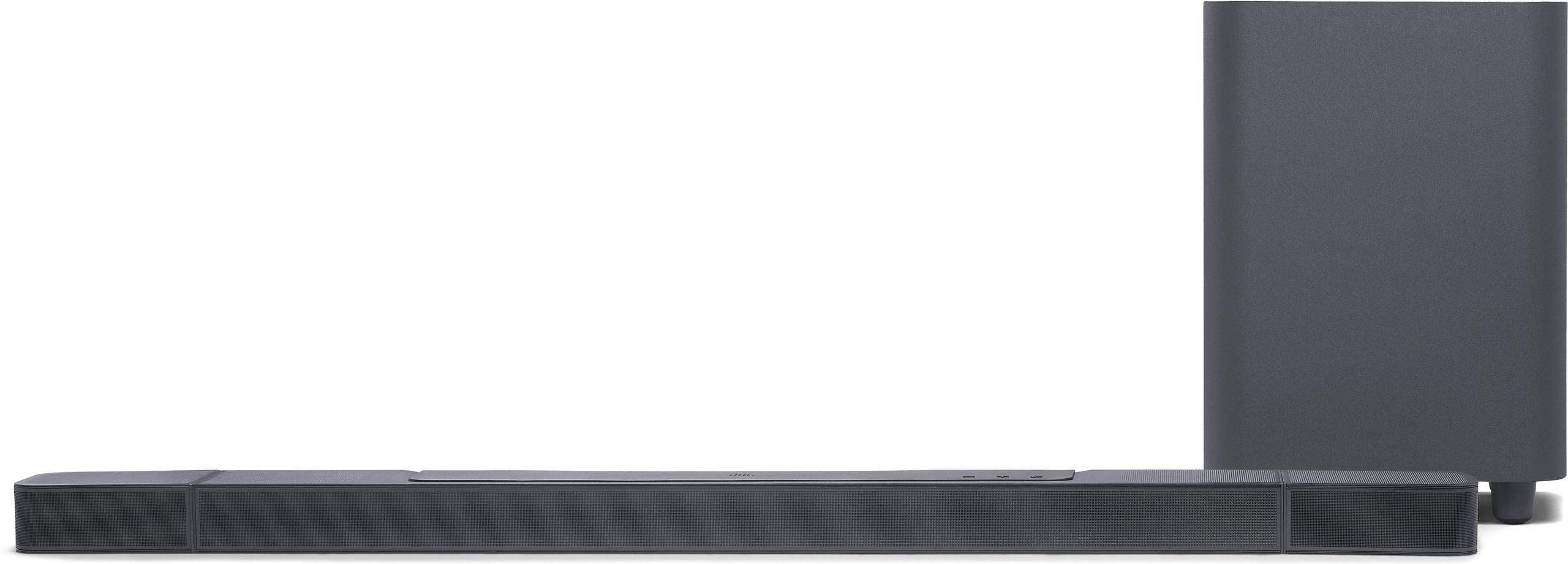
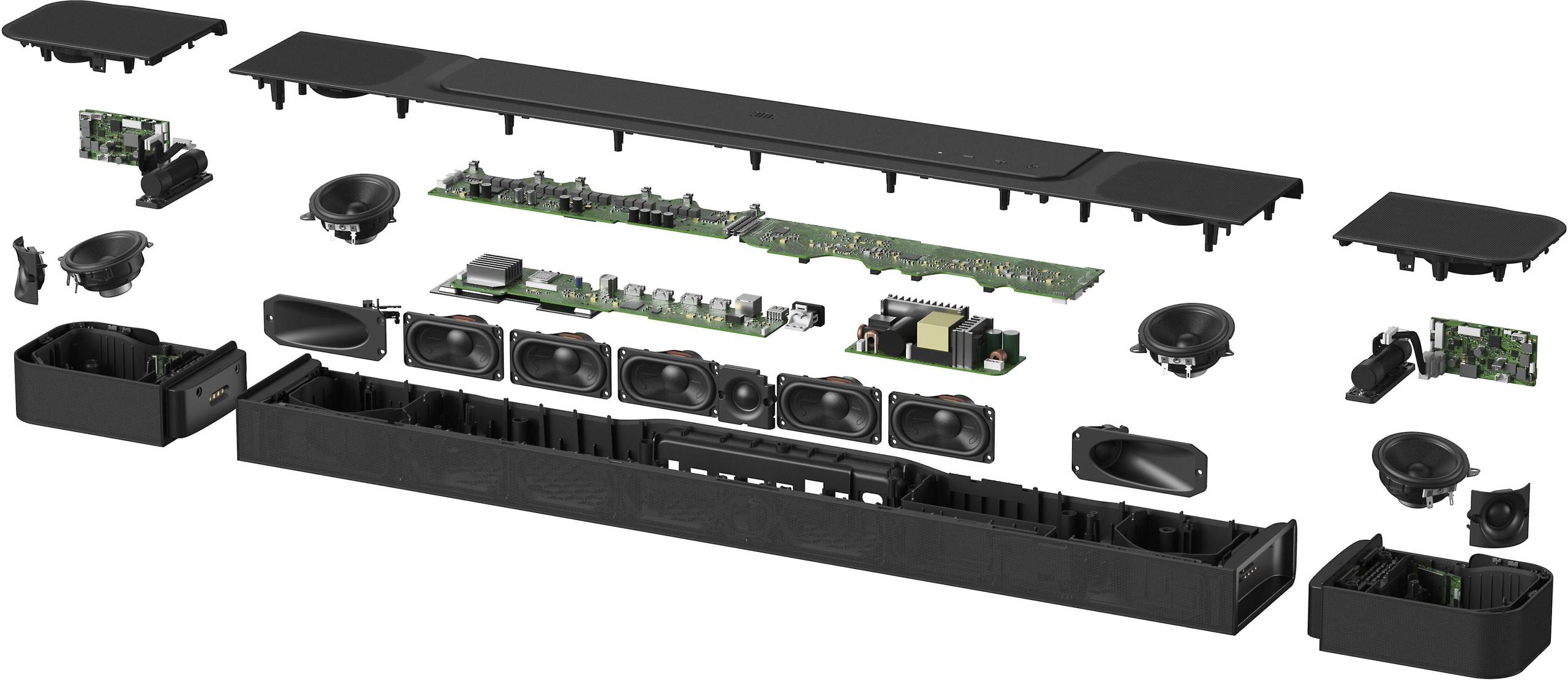
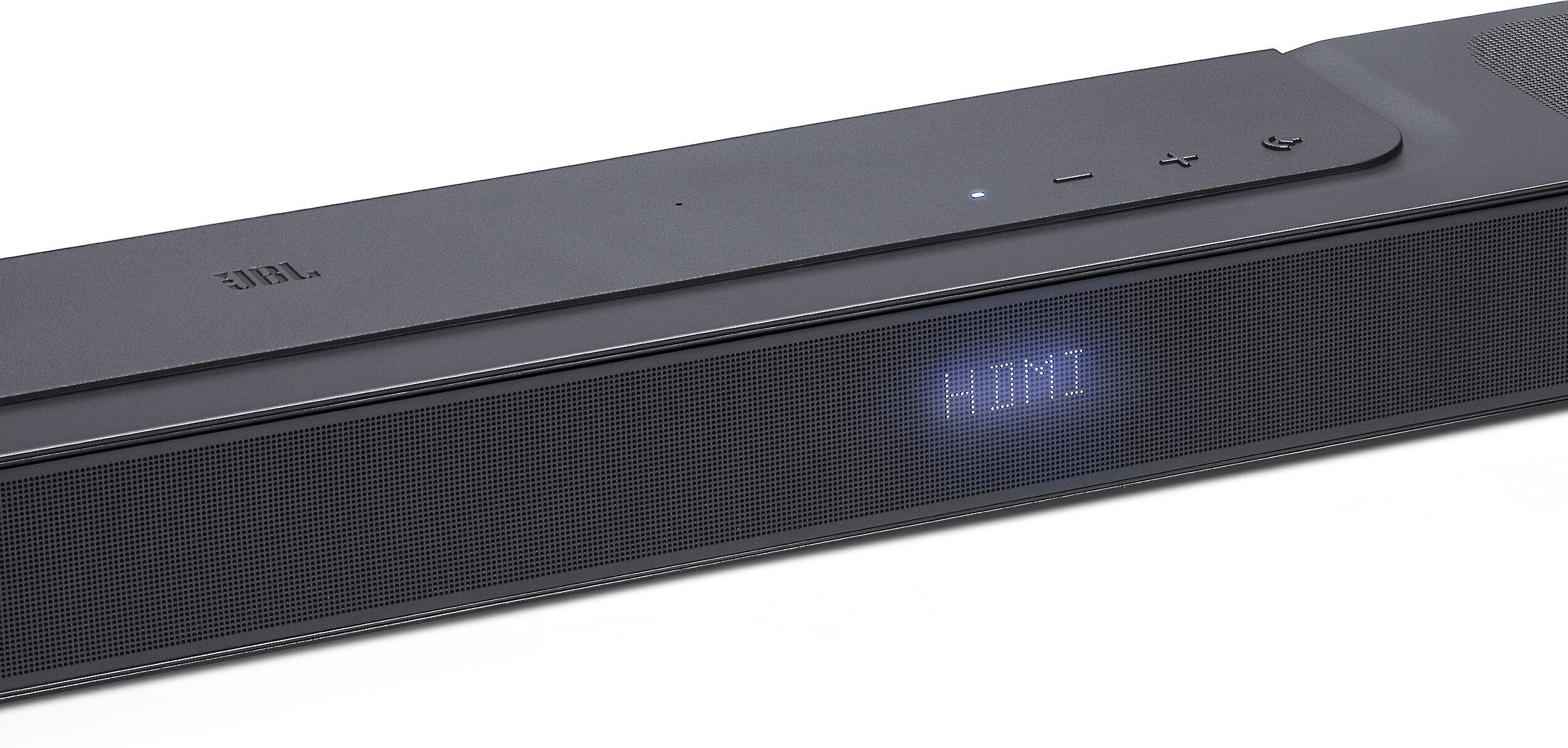
The JBL Bar 1000, released in 2022, takes an entirely different approach. At the time of writing, it costs roughly seven times more than the Amazon Fire TV Soundbar, but delivers a true 7.1.4-channel surround sound system. This means seven main channels for precise audio placement, one dedicated subwoofer channel for deep bass, and four height channels that bounce sound off your ceiling to create the illusion of audio coming from above.
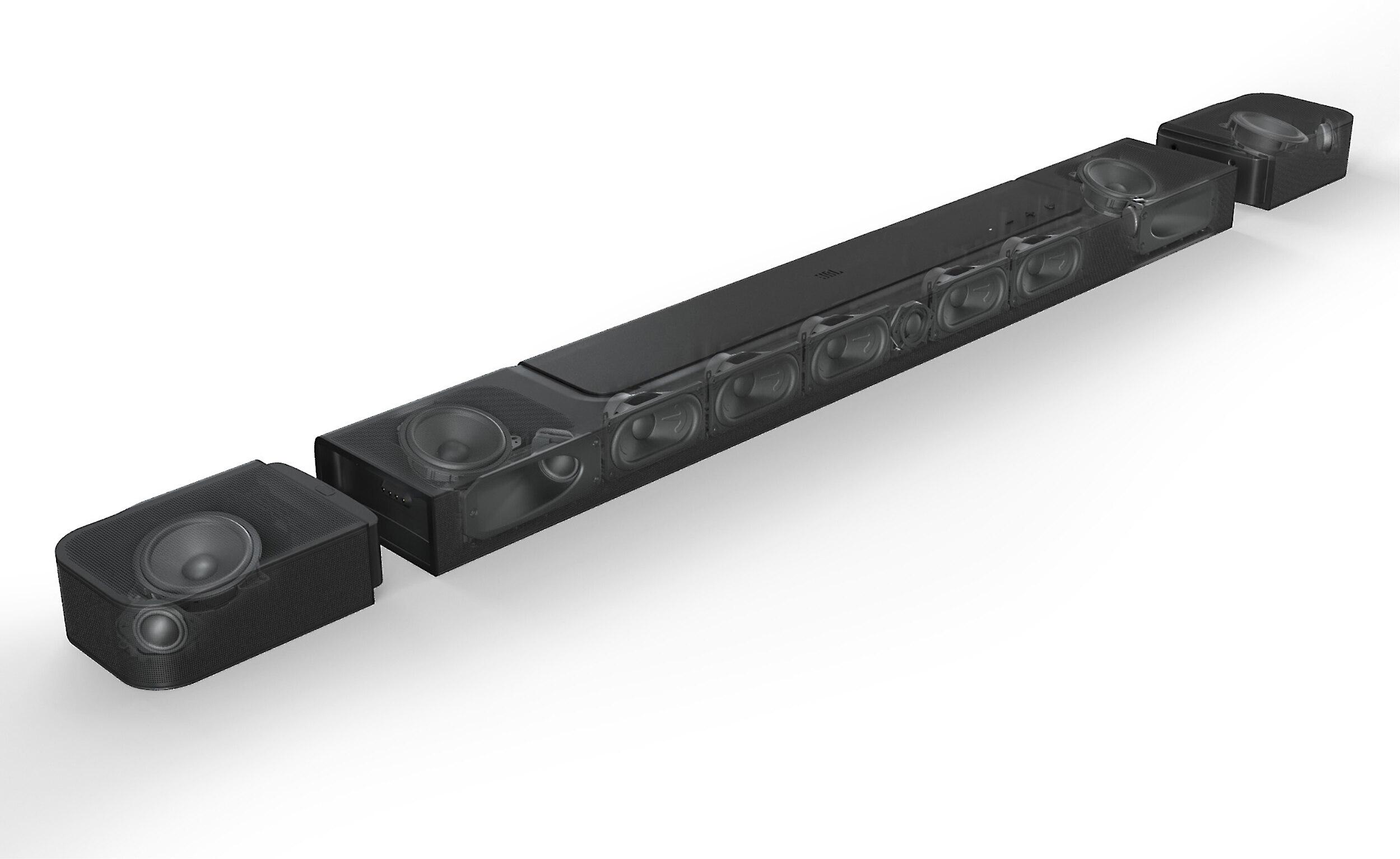
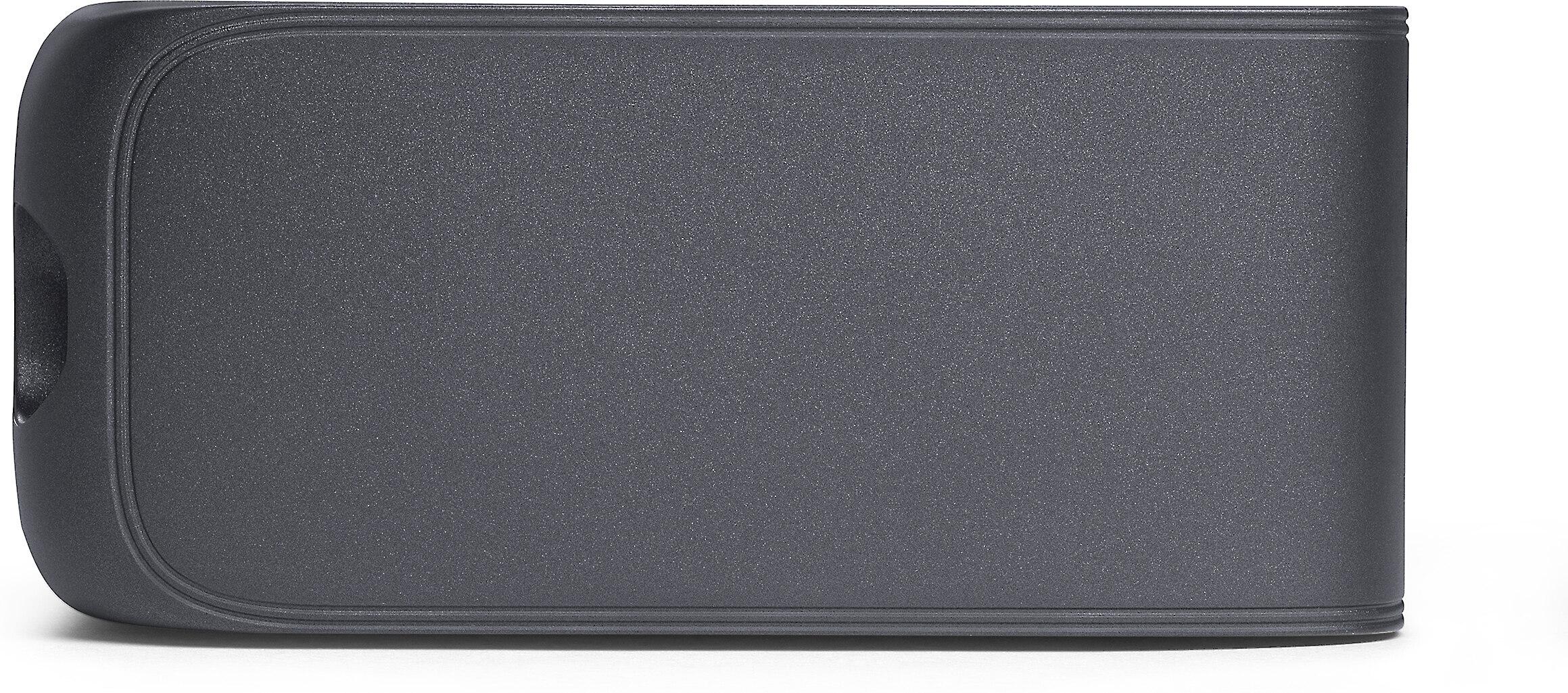
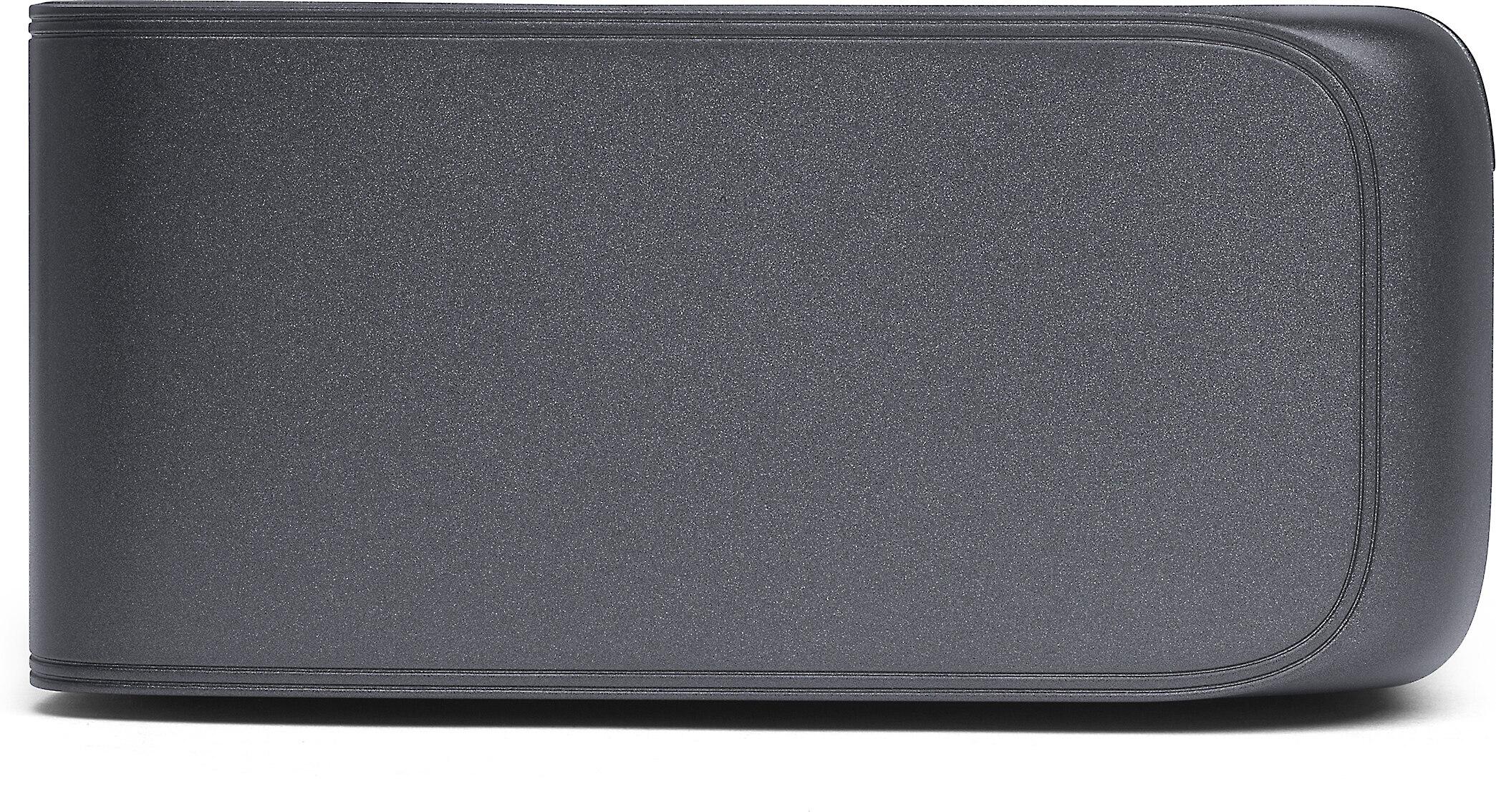
What makes the JBL Bar 1000 unique is its detachable rear speakers. These battery-powered units can operate wirelessly for up to 10 hours, eliminating the need to run cables to your seating area. When not in use for surround sound, they can function as standalone Bluetooth speakers, adding versatility to the system.
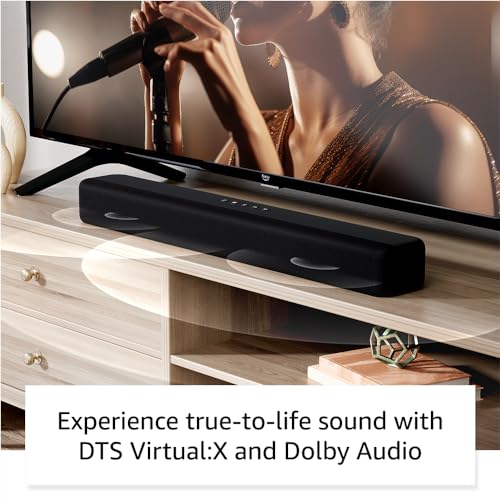
The performance gap between these systems is dramatic, but each excels within its intended scope. The Amazon Fire TV Soundbar delivers what I'd call "essential improvement"—dialogue becomes noticeably clearer, and sound effects gain weight and presence compared to TV speakers. The DTS Virtual:X processing (a technology that simulates surround sound from stereo speakers) creates a modest sense of spaciousness, though it can't replicate true surround sound.
Based on user reviews and expert evaluations, the Amazon Fire TV Soundbar performs admirably for its price point. Voices come through clearly, which is the most important improvement most people notice when upgrading from TV speakers. However, the compact design means bass response remains limited—you'll hear the rumble of explosions, but won't feel them in your chest.
The JBL Bar 1000 operates in a different league entirely. With true Dolby Atmos and DTS:X support, it can decode and reproduce object-based audio—meaning sound engineers can place specific sounds at precise locations in three-dimensional space around you. The four up-firing drivers (two in the main bar, two in the detachable surrounds) bounce audio off your ceiling to create height effects, while the physical surround speakers provide genuine rear-channel audio.
MultiBeam technology, JBL's proprietary processing, enhances the soundstage width even further. This creates what's often described as a "wall of sound" that extends well beyond the physical boundaries of the speakers. Combined with the 10-inch wireless subwoofer, the system can reproduce the full frequency spectrum from deep, room-shaking bass up to crisp, detailed highs.
Power output tells only part of the story, but it's crucial for understanding each system's capabilities. The Amazon Fire TV Soundbar doesn't publish specific wattage figures, but based on its size and performance characteristics, it likely outputs around 40-60 watts total. This is sufficient for moderate listening levels in smaller rooms, but it won't fill a large space or handle dynamic movie soundtracks without compression.
The JBL Bar 1000 delivers 880 watts of total system power, distributed across the main bar (440W), surround speakers (140W combined), and subwoofer (300W). This substantial power reserve means the system can reproduce sudden, loud sounds—like explosions or orchestral crescendos—without distortion or compression. More importantly, it maintains clarity and detail even at high volumes, something budget soundbars struggle with.
Here's where the philosophical differences become most apparent. The Amazon Fire TV Soundbar supports Dolby Audio (a basic surround format) and DTS Virtual:X, but lacks support for Dolby Atmos or DTS:X. This means you won't experience the full dimensionality of modern movie soundtracks, though you'll still get enhanced audio compared to TV speakers.
The JBL Bar 1000 supports every current premium audio format: Dolby Atmos, DTS:X, and legacy formats like Dolby Digital and DTS. This future-proofs your investment, ensuring compatibility with the latest streaming content, 4K Blu-rays, and gaming audio. The system's HDMI eARC connection can handle uncompressed, full-resolution audio, while 4K Dolby Vision passthrough ensures video quality remains pristine.
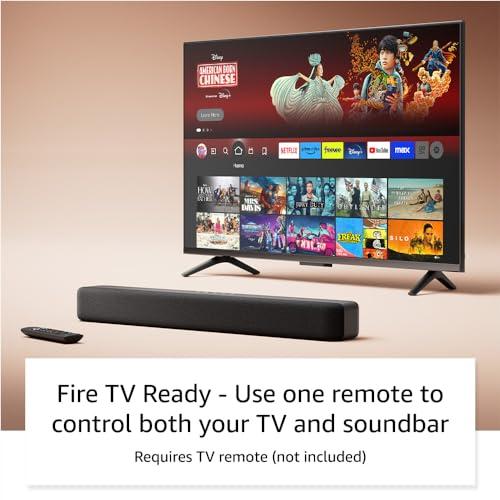
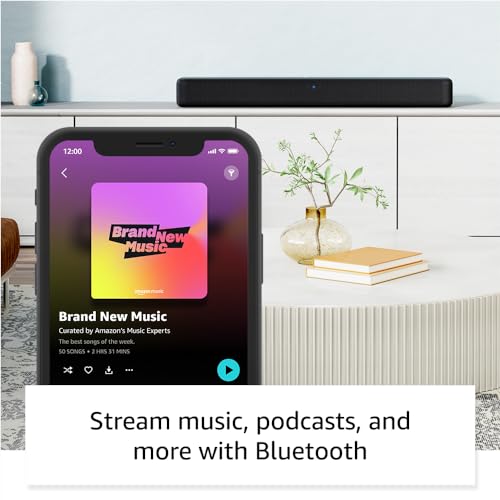
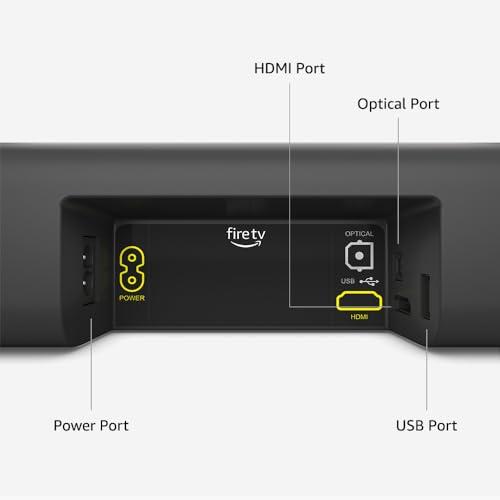
The Amazon Fire TV Soundbar keeps things simple with HDMI ARC/eARC and optical connections, plus Bluetooth for wireless music streaming. Setup typically takes under 10 minutes—connect one cable, and you're done. The soundbar can be controlled through your TV remote thanks to HDMI-CEC (Consumer Electronics Control), eliminating remote clutter.
The JBL Bar 1000 offers extensive connectivity and smart features. Built-in Wi-Fi enables AirPlay, Chromecast, and Alexa Multi-Room Music streaming directly to the soundbar, independent of your TV. The JBL One app provides EQ customization, automatic room calibration, and access to streaming services. Three HDMI inputs accommodate multiple devices, while the wireless subwoofer can be placed anywhere within about 30 feet of the main unit.
For home theater use, the differences between these systems become most pronounced. The Amazon Fire TV Soundbar works well for casual TV watching and smaller rooms, but struggles with the dynamic range of movie soundtracks. Action sequences may sound compressed, and you'll miss the immersive effects that modern films are designed to deliver.
The JBL Bar 1000 transforms your living room into a legitimate home theater. The detachable surround speakers create genuine behind-you effects—bullets whizzing past, footsteps approaching from behind, or rain falling all around you. The height channels add another dimension, making helicopters seem to fly overhead or debris appear to fall from above. Combined with the powerful subwoofer, the system reproduces the full emotional impact of movie soundtracks.
Gaming represents another area where the JBL Bar 1000 excels. Modern games increasingly use spatial audio to provide competitive advantages—hearing enemy footsteps from specific directions or identifying the location of distant gunfire. The system's low-latency processing ensures audio remains synchronized with visual action, crucial for competitive gaming.
The Amazon Fire TV Soundbar makes sense for specific situations and users. If you're upgrading a bedroom TV, furnishing a rental apartment, or simply need better dialogue clarity without complexity, it delivers exceptional value. It's also ideal for older adults who want improved audio without learning new technology, or college students working within tight budgets.
The JBL Bar 1000 targets users who prioritize audio quality and want a complete home entertainment upgrade. If you regularly watch movies, enjoy gaming, or listen to music through your TV, the investment pays dividends in daily enjoyment. The system also makes sense for larger homes where you might use the detachable speakers in different rooms.
Setting up the Amazon Fire TV Soundbar couldn't be simpler—connect the HDMI cable, plug in the power cord, and you're done. The soundbar automatically configures itself, and most TV remotes will control volume immediately thanks to HDMI-CEC integration.
The JBL Bar 1000 requires more involved setup. You'll need to position the wireless subwoofer, place the detachable surrounds, and run the automatic room calibration. The process takes 30-45 minutes but significantly optimizes performance. The JBL One app guides you through setup, but some users find the initial configuration overwhelming compared to plug-and-play alternatives.
The decision ultimately comes down to your priorities, room size, and budget flexibility. The Amazon Fire TV Soundbar delivers remarkable value for its price point—it won't revolutionize your audio experience, but it will make everything sound significantly better than TV speakers. For many users, especially those in apartments or with smaller TVs, this improvement level is perfectly adequate.
The JBL Bar 1000 represents a different category entirely. It's not just an incremental upgrade—it's a complete transformation of your audio experience. The price premium reflects genuine capability differences: true surround sound, powerful bass, smart streaming features, and future-proof format support.
Consider your viewing habits honestly. If you primarily watch news, sitcoms, and casual TV, the Amazon Fire TV Soundbar provides excellent value. If you're passionate about movies, gaming, or music, and have the budget flexibility, the JBL Bar 1000 delivers an experience that justifies its higher cost.
Room size matters tremendously. In smaller spaces, the Amazon Fire TV Soundbar may actually be preferable—it won't overpower the room or annoy neighbors. Larger spaces benefit significantly from the JBL Bar 1000's power and surround capabilities.
The seven-to-one price difference between these systems reflects their fundamentally different approaches to solving the same problem. Choose based on whether you want essential improvement or complete transformation—both products succeed admirably within their intended scope.
| Amazon Fire TV Soundbar | JBL Bar 1000 |
|---|---|
| Channel Configuration - Determines surround sound capability and immersion level | |
| 2.0 channel stereo (left/right only) | 7.1.4 channel true surround (7 main + subwoofer + 4 height) |
| Total System Power - Affects maximum volume and dynamic range | |
| ~40-60W estimated (sufficient for small-medium rooms) | 880W total system power (handles large rooms and demanding content) |
| Subwoofer Included - Critical for deep bass in movies and music | |
| No subwoofer (limited bass from small drivers) | 10" wireless subwoofer with 300W power |
| Surround Sound Format Support - Determines compatibility with modern content | |
| DTS Virtual:X simulation only (no true surround) | True Dolby Atmos, DTS:X, and legacy formats |
| Physical Surround Speakers - Creates genuine behind-you audio effects | |
| None (virtual processing only) | Detachable battery-powered rear speakers |
| Smart Streaming Features - For music and podcast playback without TV | |
| Bluetooth only | Built-in Wi-Fi with AirPlay, Chromecast, Alexa Multi-Room |
| Setup Complexity - Time and effort required for installation | |
| Plug-and-play (5-10 minutes) | Multi-component setup with calibration (30-45 minutes) |
| HDMI Connectivity - Important for 4K passthrough and audio quality | |
| 1 HDMI ARC/eARC input | 1 HDMI eARC + 3 HDMI inputs with 4K Dolby Vision passthrough |
| Room Size Suitability - Where each system performs best | |
| Small to medium rooms (up to ~200 sq ft) | Medium to large rooms (300+ sq ft optimal) |
| Expandability Options - Future upgrade potential | |
| No expansion possible (fixed 2.0 system) | Flexible wireless subwoofer placement, app customization |
| Ideal Use Cases - Best scenarios for each system | |
| Budget TV upgrade, apartments, secondary TVs | Home theater, gaming, music enthusiasts, large spaces |
The Amazon Fire TV Soundbar is ideal for small apartments due to its compact 24-inch width and moderate volume output that won't disturb neighbors. It provides clear dialogue improvement without overwhelming smaller spaces, while the JBL Bar 1000 may be too powerful and complex for apartment living.
While the Amazon Fire TV Soundbar lacks a subwoofer and relies on small drivers for bass, it still improves upon TV speakers significantly. The JBL Bar 1000 includes a 10-inch wireless subwoofer that delivers deep, impactful bass essential for movies and music, making it the better choice if bass quality matters to you.
The Amazon Fire TV Soundbar uses 2.0 channels (left and right stereo), while the JBL Bar 1000 features 7.1.4 channels with seven main speakers, one subwoofer, and four height channels. The higher channel count in the JBL Bar 1000 creates true surround sound with audio coming from all directions.
The Amazon Fire TV Soundbar offers plug-and-play setup requiring just one HDMI cable connection and takes about 5 minutes. The JBL Bar 1000 requires positioning multiple components, running room calibration, and app setup, taking 30-45 minutes but delivering optimized performance.
Both the Amazon Fire TV Soundbar and JBL Bar 1000 work with any TV that has HDMI ARC/eARC or optical connections. Despite the "Fire TV" name, the Amazon Fire TV Soundbar isn't limited to Amazon devices and connects to Samsung, LG, Sony, and other TV brands.
The JBL Bar 1000 excels for home theater use with true Dolby Atmos support, detachable surround speakers, and powerful bass that reproduces the full cinematic experience. The Amazon Fire TV Soundbar improves dialogue clarity but lacks the immersive surround effects modern movies are designed to deliver.
The Amazon Fire TV Soundbar offers basic Bluetooth connectivity for streaming music from phones and tablets. The JBL Bar 1000 provides more advanced wireless options including built-in Wi-Fi, AirPlay, Chromecast, and Alexa Multi-Room Music for superior streaming capabilities.
Value depends on your needs and budget. The Amazon Fire TV Soundbar delivers exceptional value for basic TV audio improvement at a budget-friendly price. The JBL Bar 1000 costs significantly more but provides professional-grade surround sound that justifies the premium for serious home theater enthusiasts.
Both work for gaming, but the JBL Bar 1000 offers superior gaming audio with spatial positioning that helps locate enemies and environmental sounds. Its low-latency processing keeps audio synchronized with gameplay, while the Amazon Fire TV Soundbar provides basic audio enhancement suitable for casual gaming.
The Amazon Fire TV Soundbar suits rooms up to about 200 square feet, while the JBL Bar 1000 performs optimally in spaces of 300+ square feet. Larger rooms benefit from the JBL Bar 1000's power and surround capabilities, while the Amazon Fire TV Soundbar may sound thin in expansive spaces.
The Amazon Fire TV Soundbar includes all necessary cables for basic connection. The JBL Bar 1000 also comes complete with HDMI cables and wireless connectivity for all components, though you may want to consider optimal placement for the wireless subwoofer and detachable surround speakers.
The JBL Bar 1000 offers better future-proofing with support for current premium audio formats like Dolby Atmos and DTS:X, plus expandable features through app updates. The Amazon Fire TV Soundbar provides a fixed feature set that won't evolve but adequately serves basic needs for years to come.
We've done our best to create useful and informative comparisons to help you decide what product to buy. Our research uses advanced automated methods to create this comparison and perfection is not possible - please contact us for corrections or questions. These are the sites we've researched in the creation of this article: rtings.com - developer.amazon.com - stereoguide.com - developer.amazon.com - techradar.com - hometechnologyreview.com - whathifi.com - youtube.com - whathifi.com - wirelessplace.com - hometechnologyreview.com - dolby.com - aboutamazon.com - developer.amazon.com - community.anker.com - youtube.com - cordbusters.co.uk - zdnet.com - jbl.com - jbl.com - pcrichard.com - rtings.com - d21buns5ku92am.cloudfront.net - ro.harmanaudio.com - target.com - harmanaudio.com - dell.com - mm.jbl.com - dolby.com - jbl.com.my - videoandaudiocenter.com

Privacy Policy
Terms and Conditions - Affiliate Policy
Home Security
© Copyright 2008-2026.
11816 Inwood Rd #1211, Dallas, TX 75244