






If you've ever found yourself cranking up the TV volume just to understand what the actors are saying, only to have the explosion scenes wake up the entire neighborhood, you're not alone. Most built-in TV speakers are frankly terrible, designed more for thin aesthetics than audio quality. That's where soundbars come in – they're the most practical way to dramatically improve your TV's audio without the complexity of a full home theater system.
But choosing the right soundbar can be confusing. Today we're comparing two popular options that represent very different approaches: the budget-friendly Amazon Fire TV Soundbar and the more comprehensive Samsung B-Series 5.1 Channel Soundbar with Subwoofer. These products sit in different price tiers and offer distinct experiences, so understanding their differences is crucial for making the right choice.
Before diving into specifics, it's helpful to understand how soundbars are categorized. The numbers you see – like 2.0, 2.1, or 5.1 – tell you about the audio channels. The first number represents main speakers (left, right, center), while the second indicates subwoofers. So a 2.0 system like the Amazon Fire TV Soundbar has stereo left and right channels with no dedicated subwoofer, while a 5.1 system like the Samsung B-Series includes left, right, center, and two surround channels plus a subwoofer.
The key considerations when shopping for soundbars include audio channels and surround capabilities, bass performance, room size compatibility, setup complexity versus performance gains, and overall value for money. These factors determine whether a soundbar will meet your specific needs and expectations.
When evaluating soundbar performance, the most critical metrics are dialogue clarity (how well you can understand speech), soundstage width (how spread out the audio feels), bass extension (how deep the low frequencies go), and surround sound effectiveness (whether you feel immersed in the audio). Different soundbars excel in different areas, which is why understanding your priorities is essential.
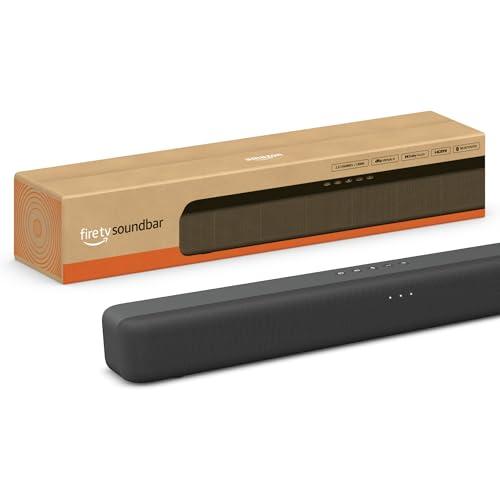
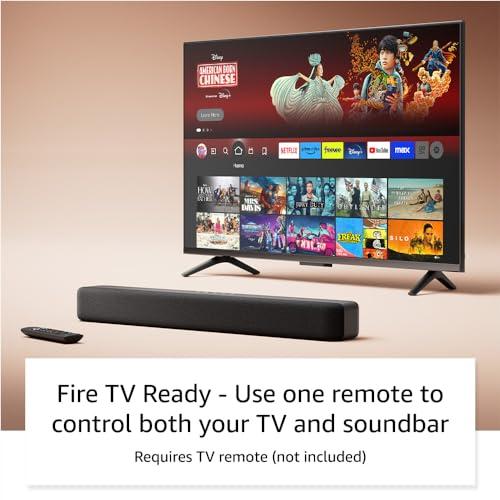
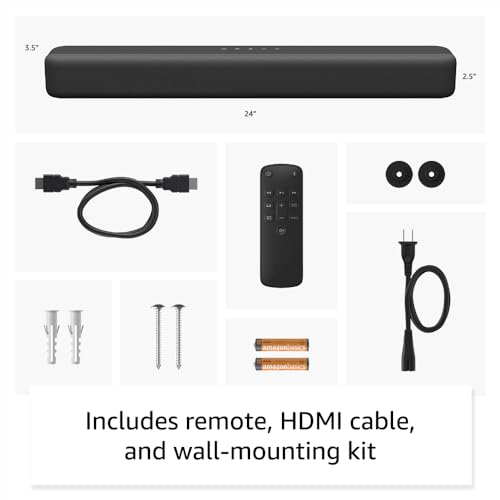
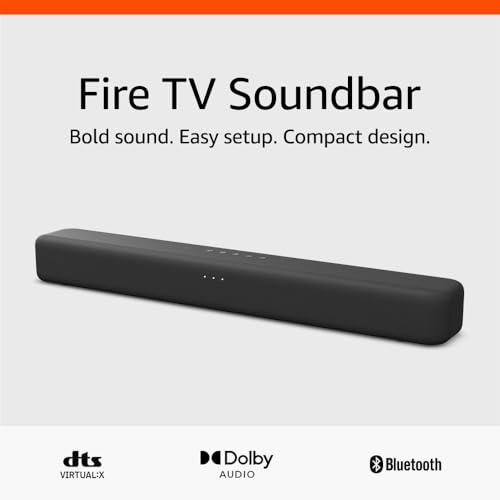
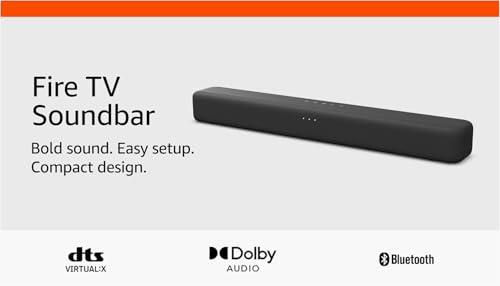
The Amazon Fire TV Soundbar, released in recent years as part of Amazon's push into home entertainment hardware, represents the "keep it simple" philosophy. At around $100 at the time of writing, it's designed to be an affordable, no-fuss upgrade over TV speakers. This compact 2.0-channel soundbar measures just 61 centimeters wide and weighs under 2 kilograms, making it perfect for smaller TVs and spaces where you don't want audio equipment to dominate the room.
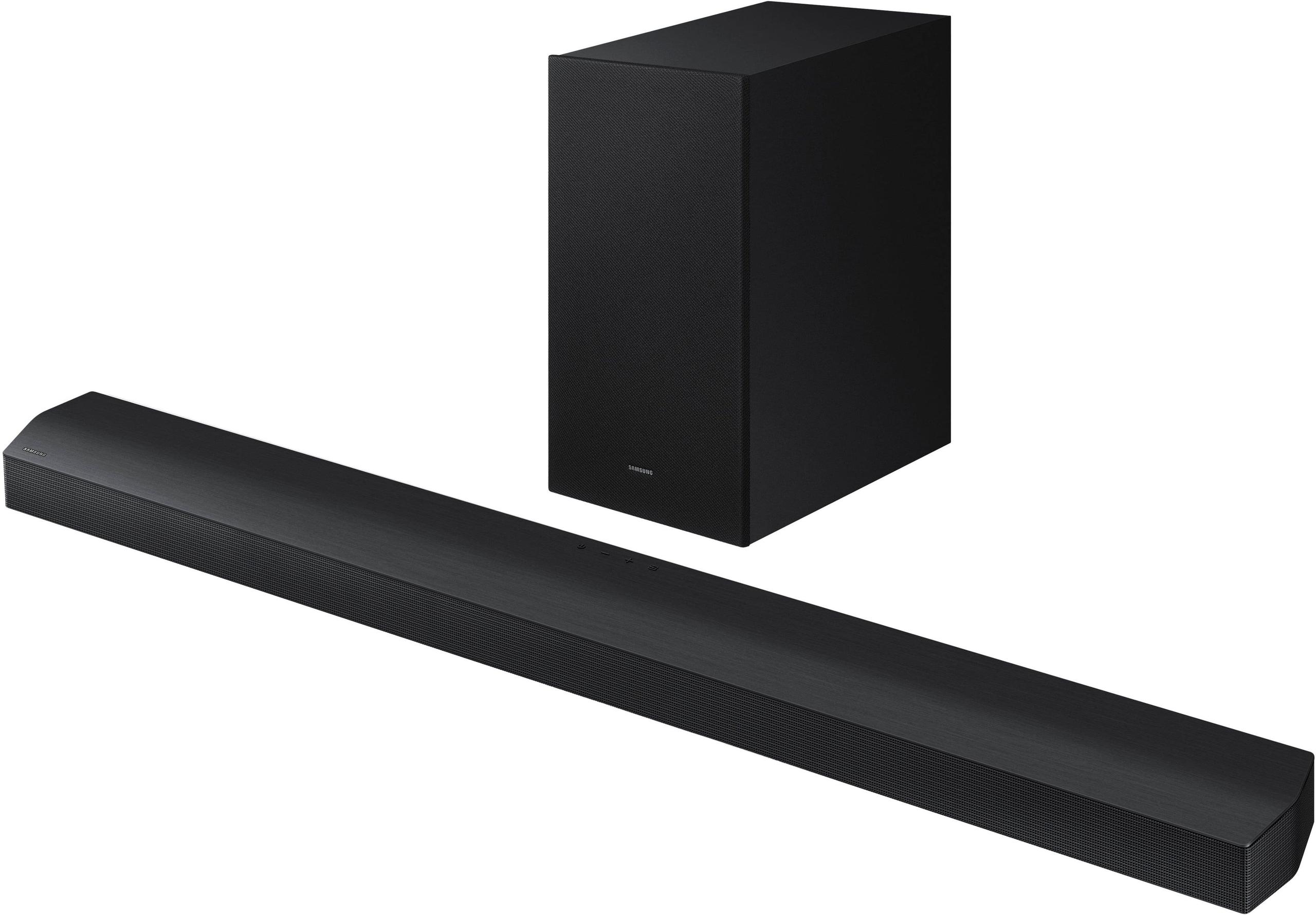
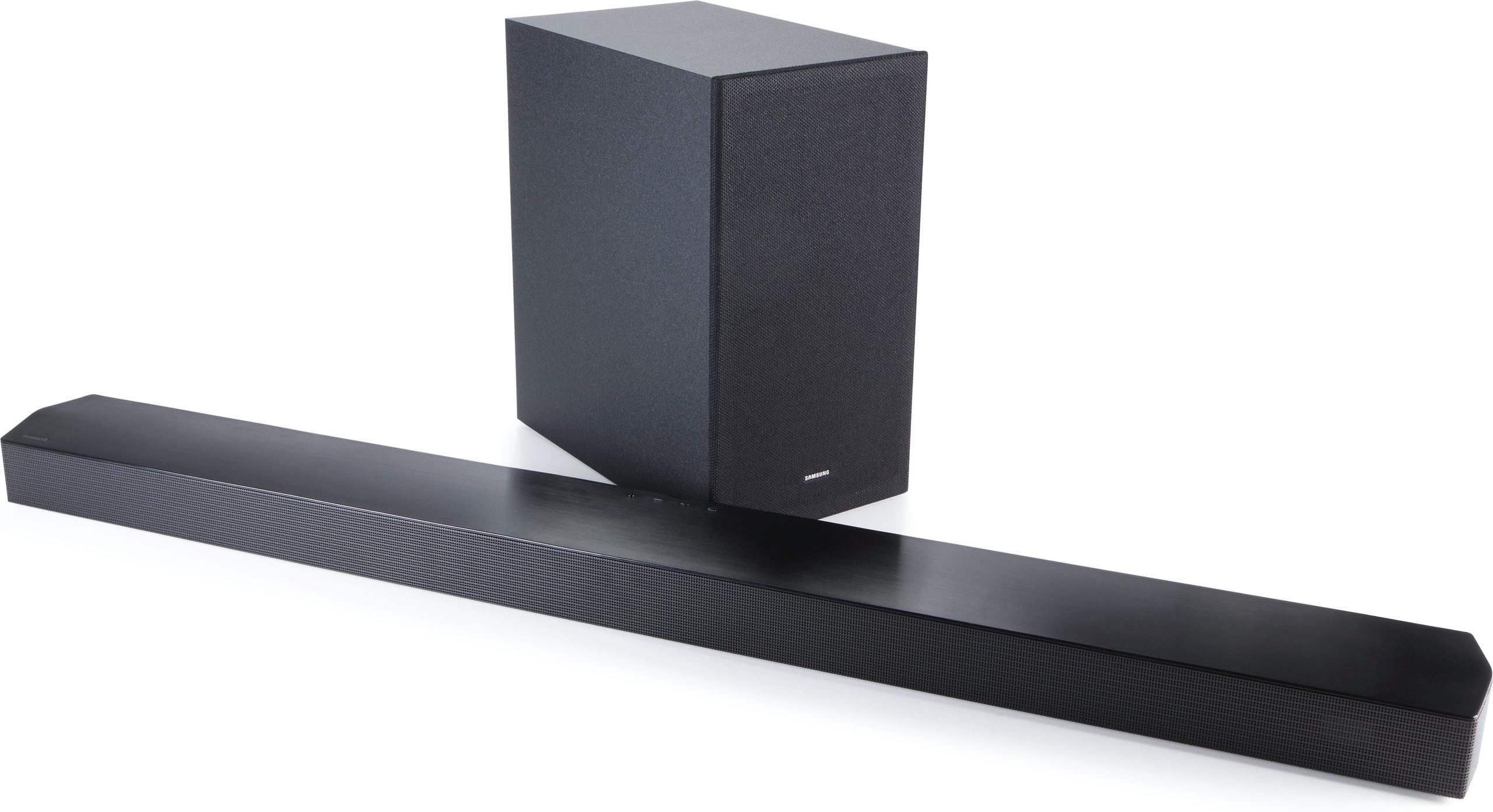
In contrast, the Samsung B-Series 5.1 Channel Soundbar, part of Samsung's 2024 audio lineup, takes the "give me everything" approach. Priced around $250 at the time of writing, it's a complete surround sound system that includes a wireless subwoofer and true 5.1-channel audio. This represents Samsung's continued investment in home audio technology, incorporating years of refinement in digital signal processing and wireless audio transmission.
The technology gap between these release periods is significant. The Samsung B-Series benefits from more recent advances in digital audio processing, improved Bluetooth codecs, and better room correction algorithms. However, the Amazon Fire TV Soundbar leverages proven audio technologies in a cost-effective package, showing that you don't always need the latest tech to achieve good results.
The most important difference between these soundbars lies in their fundamental audio architecture. The Amazon Fire TV Soundbar uses two "Racetrack" drivers – oval-shaped speakers that provide a larger membrane surface area than traditional round drivers while maintaining a compact form factor. These drivers are powered by 20-watt amplifiers each, totaling 40 watts of power. The soundbar uses bass reflex construction with a front-facing resonator tube, which enhances low-frequency response without requiring a separate subwoofer.
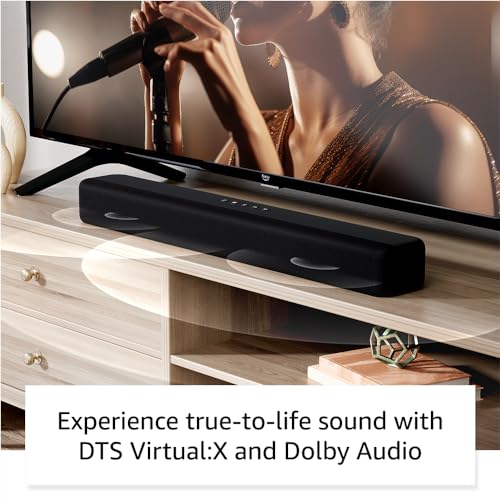
This design philosophy prioritizes simplicity and space efficiency. The DTS Virtual:X processing creates a simulated surround sound experience by manipulating phase relationships and frequency response to trick your brain into perceiving sounds coming from different directions. While clever, this virtual processing can't match the precision of dedicated speakers positioned around a room.
The Samsung B-Series takes a completely different approach with genuine 5.1-channel audio. It includes a dedicated center channel speaker specifically for dialogue, side-firing speakers for surround effects, and a separate wireless subwoofer that handles bass frequencies below about 120Hz. This physical separation of audio frequencies allows each driver to specialize in its optimal range, resulting in clearer, more accurate sound reproduction.
The performance difference in dialogue clarity is substantial. Center channel speakers, like the one in the Samsung B-Series, are specifically engineered to reproduce human speech frequencies with minimal distortion. This means actors' voices sound more natural and are easier to understand, even during complex action scenes with lots of background noise. The Amazon Fire TV Soundbar, while improved over TV speakers, still relies on stereo imaging for dialogue, which can sometimes make voices feel disconnected from the on-screen action.
Bass performance represents perhaps the largest gap between these two soundbars. The Amazon Fire TV Soundbar uses its bass reflex design to extend low-frequency response as much as possible from its compact enclosure. While this produces more bass than typical TV speakers, physics limits how much low-end a small soundbar can generate. The result is adequate bass for dialogue and light music, but action movies and music with deep bass lines will sound thin and lacking impact.
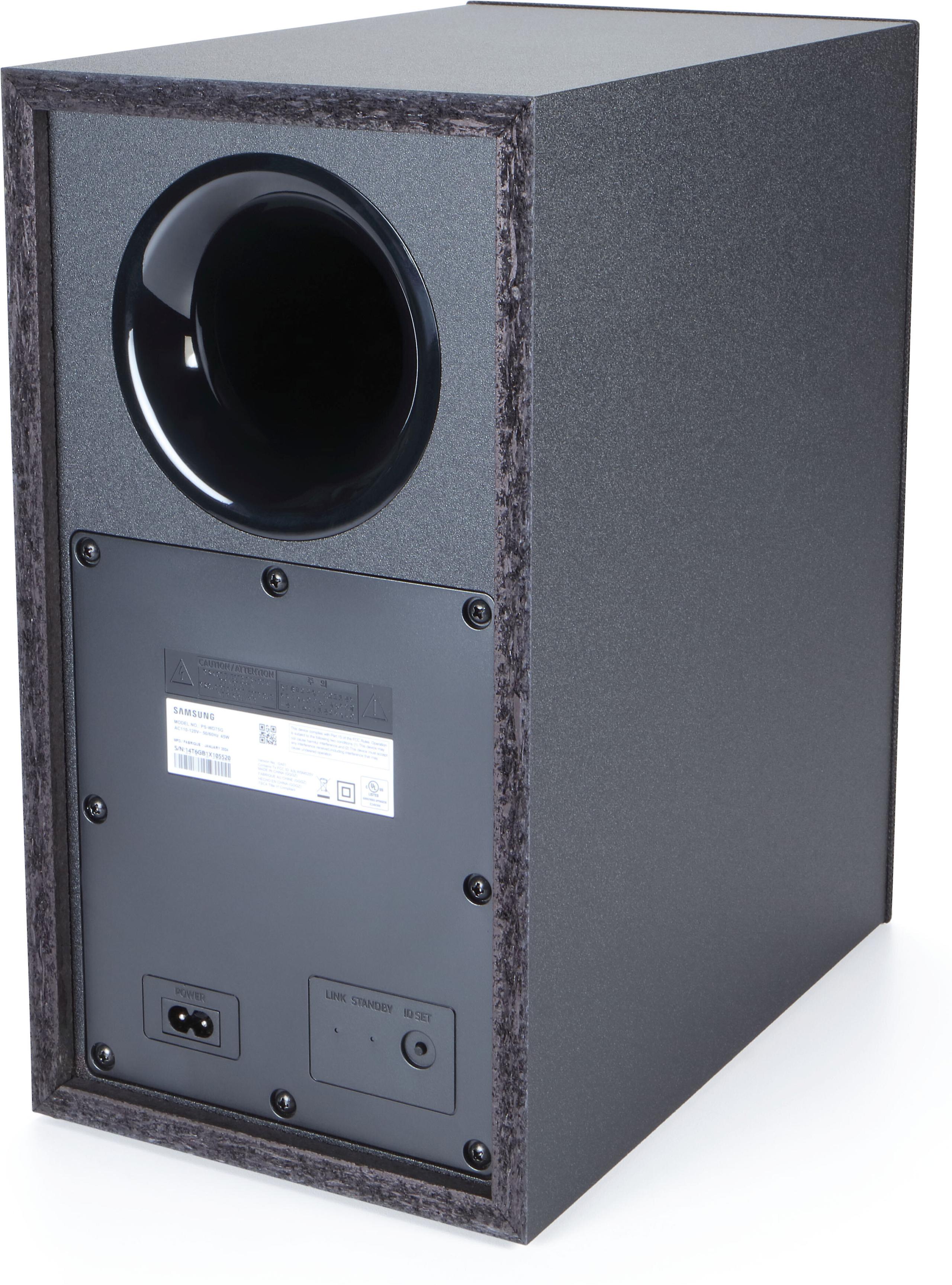
The Samsung B-Series includes a dedicated wireless subwoofer that changes everything. Subwoofers are specifically designed to move large volumes of air to create those deep, room-shaking bass frequencies that make movie explosions feel real and music sound full-bodied. The wireless connection means you can position this subwoofer anywhere in your room for optimal bass response, whether that's behind your couch, in a corner, or hidden behind furniture.
The Samsung's Bass Boost mode takes this further by adjusting the crossover frequency and amplifier settings to emphasize low-frequency content. This isn't just about volume – it's about reproducing the full frequency spectrum of your content. When watching movies, this bass extension helps create the visceral impact that makes action scenes feel more realistic and music sound more complete.
Surround sound capability showcases the fundamental difference between these approaches. The Amazon Fire TV Soundbar relies entirely on DTS Virtual:X processing to create surround effects. This technology uses psychoacoustic principles – essentially tricks that exploit how your brain processes audio – to create the impression of sounds coming from beside or behind you.
Virtual surround can be surprisingly effective in ideal conditions: when you're sitting in the optimal listening position, in a room with appropriate acoustics, and listening to content specifically mixed for virtual processing. However, it breaks down when you move around the room, have multiple listeners, or encounter challenging room acoustics like hard surfaces that create unwanted reflections.
The Samsung B-Series includes physical side-firing speakers that create genuine surround effects. These speakers are angled to bounce audio off your side walls, creating actual sound reflections that reach your ears from different directions. Combined with the dedicated center channel and subwoofer, this creates a much more convincing surround sound experience that works better for multiple listeners and different seating positions.
The Samsung also offers expansion capabilities through optional wireless rear speakers, transforming the system into a true 5.1.2 or even 7.1 setup. This forward compatibility means your investment can grow with your needs and space, something impossible with the fixed configuration of the Amazon Fire TV Soundbar.
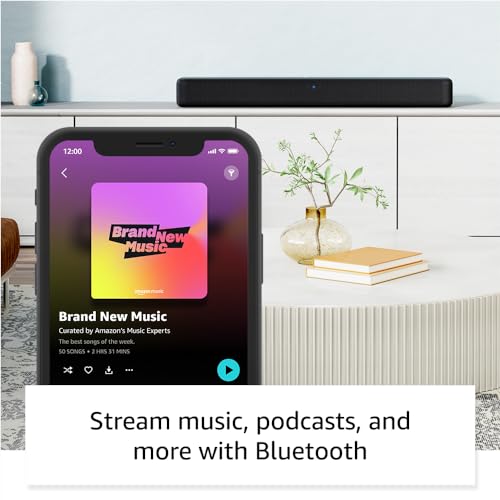
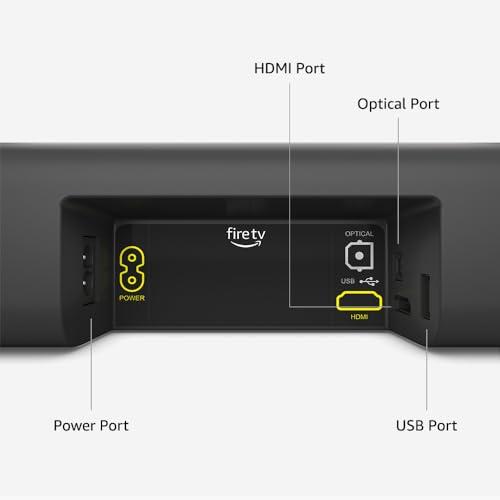
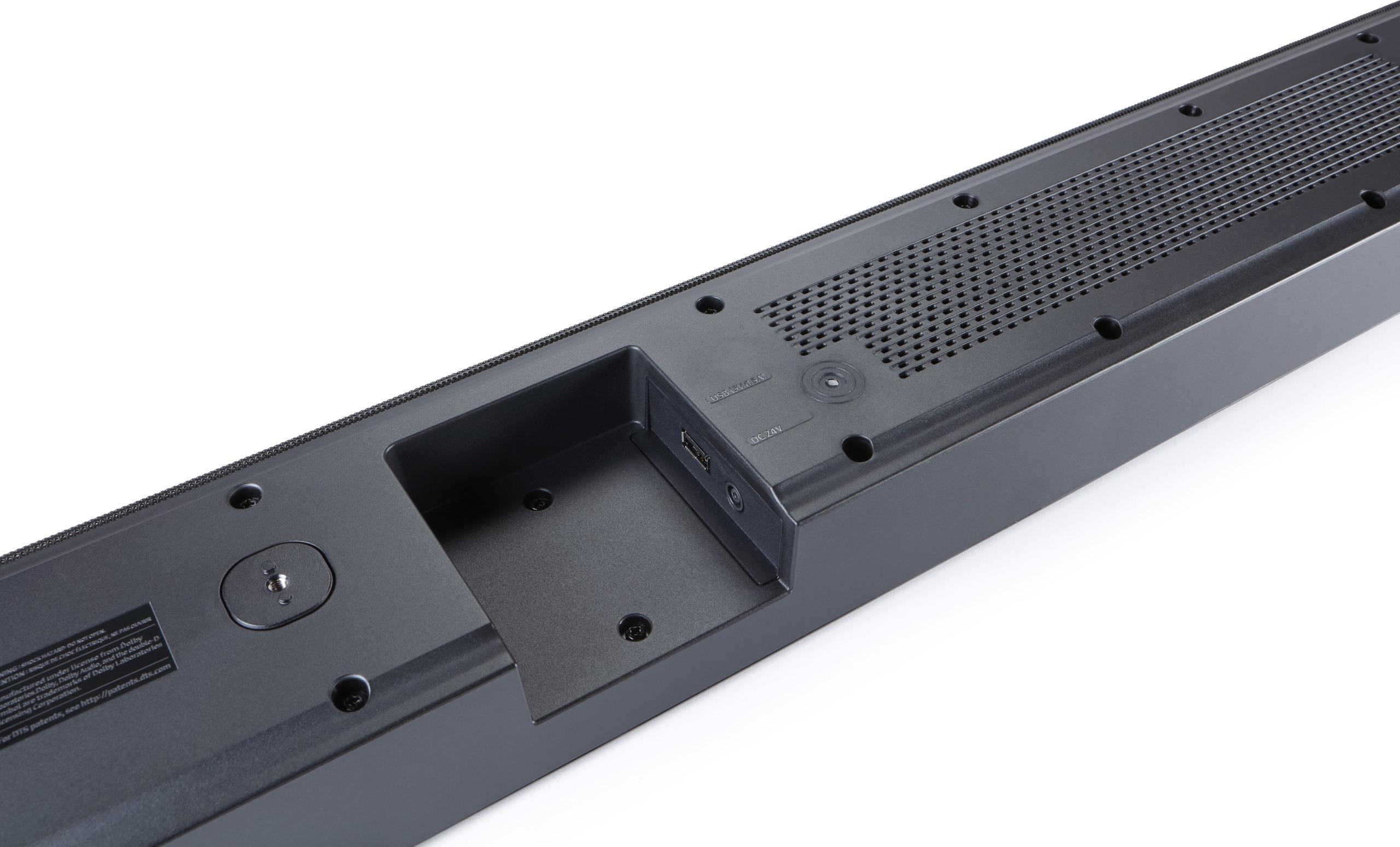
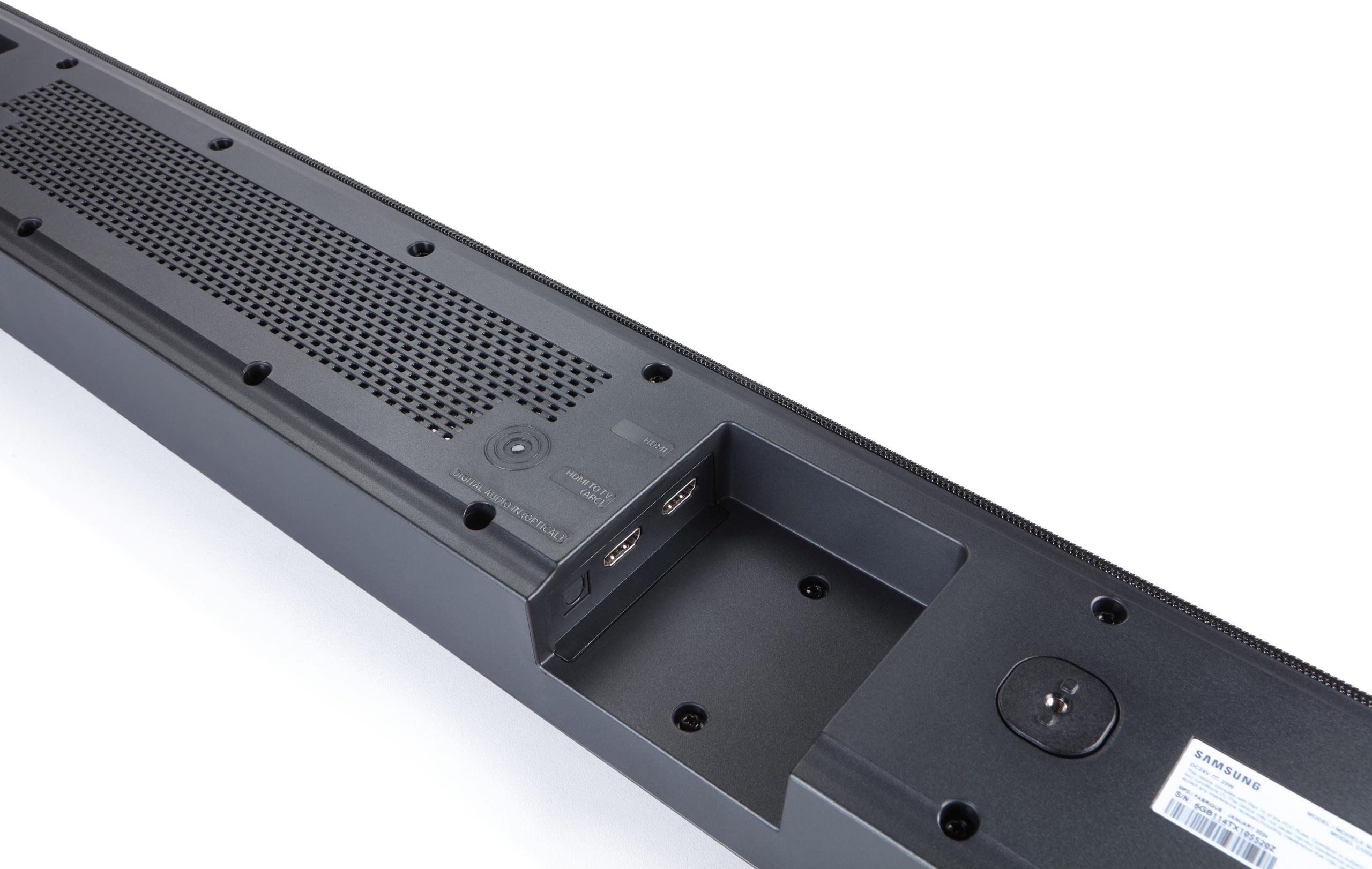
Both soundbars include modern connectivity options, but with different focuses. The Amazon Fire TV Soundbar prioritizes simplicity with HDMI ARC/eARC for TV connection, optical input for older devices, and Bluetooth for wireless music streaming. The physical controls are straightforward – touch buttons for volume, input selection, Bluetooth pairing, and power.
The Samsung B-Series includes these same basic connections but adds more sophisticated features. Adaptive Sound technology analyzes incoming audio in real-time and adjusts EQ settings automatically based on content type. This means dialogue-heavy TV shows get different processing than action movies or music, optimizing the listening experience without manual intervention.
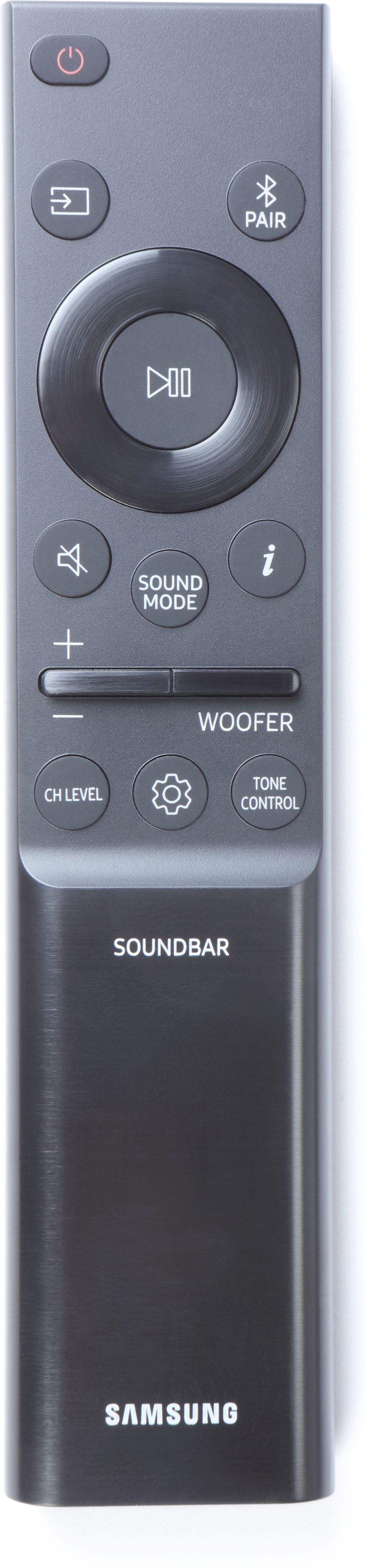
The Samsung's multiple listening modes go beyond basic EQ adjustments. Game Mode reduces audio latency and enhances directional cues for competitive gaming. Night Mode compresses dynamic range, keeping dialogue audible while preventing loud scenes from disturbing others. Voice Enhance mode specifically boosts vocal frequencies and reduces background noise for clearer speech understanding.
Bluetooth capabilities differ significantly as well. While the Amazon Fire TV Soundbar offers standard Bluetooth connectivity, the Samsung B-Series supports multi-device connection, allowing two smartphones to stay connected simultaneously. This feature is surprisingly convenient for households where multiple people want to share music without constantly re-pairing devices.
Room compatibility is crucial for soundbar selection. The Amazon Fire TV Soundbar works best in smaller to medium-sized rooms where its compact size matches the scale of the space. Its 61-centimeter width pairs well with TVs up to about 55 inches, and the simplified audio output won't overwhelm intimate viewing environments.
The soundbar's bass reflex design allows for flexible placement, including directly against walls or in entertainment centers with limited ventilation. This makes it ideal for apartments, bedrooms, or secondary viewing areas where aesthetic integration matters more than absolute audio performance.
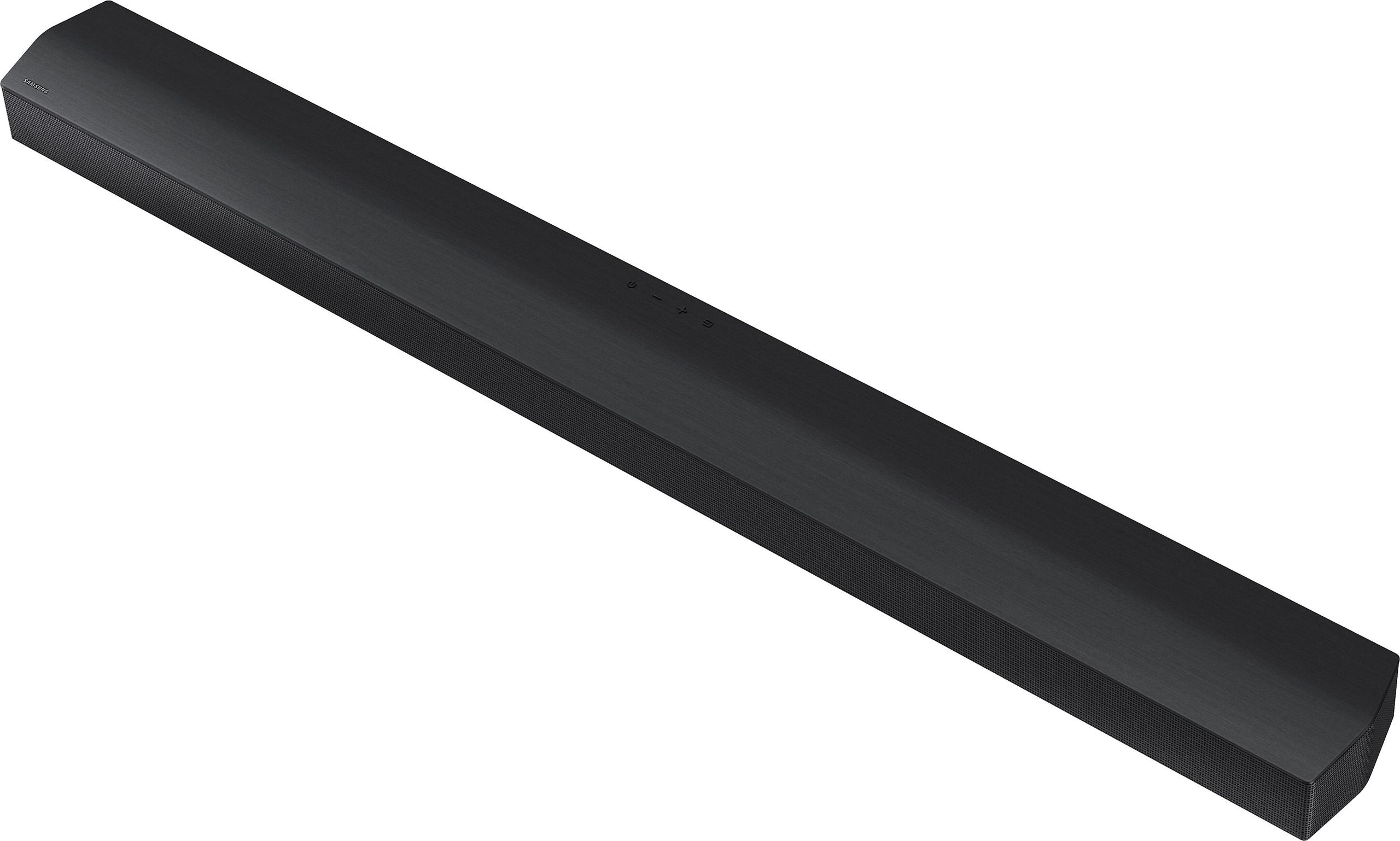
The Samsung B-Series demands more consideration for room acoustics and placement. The main soundbar measures over 100 centimeters wide, making it suitable for larger TVs and rooms. More importantly, the wireless subwoofer requires strategic positioning for optimal bass response. Corner placement typically enhances bass output, while placement near walls can create unwanted resonances.
The Samsung's side-firing speakers work best in rooms with appropriate wall spacing – typically at least 6 feet from side walls to allow proper reflection patterns. This makes it less suitable for very narrow rooms or open-concept spaces where sound can disperse too widely.
For home theater applications, the Samsung B-Series is clearly superior. Its true surround sound capabilities, dedicated subwoofer, and multiple listening modes create a more cinema-like experience. The ability to add wireless rear speakers later makes it genuinely expandable for serious home theater enthusiasts.
Value comparison requires looking beyond initial price to consider long-term satisfaction and capability. The Amazon Fire TV Soundbar, at roughly $100 at the time of writing, represents excellent value for its specific use case. It dramatically improves TV audio quality, offers reliable connectivity, and requires minimal setup or maintenance.
However, its limitations become apparent quickly if your needs evolve. There's no upgrade path, no way to add bass or surround speakers, and no advanced features to discover over time. You get exactly what you buy, nothing more.
The Samsung B-Series, at approximately $250 at the time of writing, costs more than twice as much but delivers significantly more capability. The genuine 5.1 surround, wireless subwoofer, and advanced processing features justify the higher price for users who value audio quality. The expandability through optional rear speakers adds long-term value.
More importantly, the Samsung's performance scales better with higher-quality content and larger rooms. If you invest in 4K streaming services, gaming systems with advanced audio, or larger TVs, the Samsung will continue delivering appropriate audio quality while the Amazon may feel limiting.
The decision between these soundbars depends primarily on your specific needs, budget, and long-term plans. Choose the Amazon Fire TV Soundbar if you're working with a tight budget under $150, living in a small space like a bedroom or studio apartment, primarily watching TV shows and streaming content, wanting the simplest possible setup, or don't particularly care about deep bass or true surround sound.
The Samsung B-Series makes more sense if you can invest $200+ for significantly better performance, have a medium to large living room, regularly watch movies or play games, want genuine surround sound and impactful bass, plan to keep the system for several years, or might want to expand with rear speakers later.
From our research into user experiences and expert reviews, the performance gap between these products is substantial. The Amazon Fire TV Soundbar succeeds as an affordable TV audio improvement that outperforms its price point, while the Samsung B-Series delivers genuinely impressive home theater audio that competes with much more expensive systems.
The price difference of roughly $150 represents a significant jump in audio quality and features. The Samsung offers approximately three times better performance for 2.5 times the price, making it excellent value for those who can afford the upgrade. However, the Amazon model fills an important niche for budget-conscious buyers who need basic audio improvement without complexity or high cost.
Ultimately, both products succeed in their intended roles. The Amazon Fire TV Soundbar democratizes better TV audio for everyone, while the Samsung B-Series provides genuine home theater capabilities at an accessible price. Your choice should align with your specific needs, space constraints, and audio expectations rather than simply looking at specifications or price alone.
| Amazon Fire TV Soundbar | Samsung B-Series 5.1 Channel Soundbar with Subwoofer |
|---|---|
| Audio Channels - Determines surround sound capability and immersion | |
| 2.0 stereo (virtual surround only) | True 5.1 with dedicated center and side channels |
| Subwoofer - Essential for deep bass and movie impact | |
| None (built-in bass reflex only) | Wireless subwoofer included |
| Power Output - Affects volume and dynamic range | |
| 40W total (2 x 20W drivers) | 70W total (25W main + 45W subwoofer) |
| Dimensions - Important for TV matching and room fit | |
| 61 x 9 x 6.5 cm, 1.8 kg (compact) | Main: 103 x 5.9 x 10.5 cm, Sub: 18.4 x 34.3 x 29.5 cm |
| Sound Processing - Creates virtual surround effects | |
| DTS Virtual:X, Dolby Audio | DTS Virtual:X, Dolby Digital 5.1, Adaptive Sound |
| Smart Features - Convenience and optimization capabilities | |
| Basic EQ presets, simple controls | Game Mode, Night Mode, Voice Enhance, Bass Boost |
| Connectivity - How you connect devices and stream audio | |
| HDMI ARC, Optical, Bluetooth | HDMI ARC, Optical, Bluetooth 4.2 multi-connect, USB |
| Expandability - Future upgrade potential | |
| None (fixed 2.0 system) | Compatible with optional wireless rear speakers |
| Best Room Size - Where each performs optimally | |
| Small to medium rooms, bedrooms | Medium to large living rooms, home theaters |
| Setup Complexity - Installation and configuration effort | |
| Plug and play, wall-mountable | Subwoofer placement required, more calibration options |
The Amazon Fire TV Soundbar is ideal for small rooms like bedrooms or apartments. Its compact 61cm width and simplified 2.0 audio won't overwhelm intimate spaces, while still providing a significant upgrade over TV speakers. The Samsung B-Series is designed for larger living rooms and may produce too much bass for small spaces.
A subwoofer makes a dramatic difference in sound quality, especially for movies and music. The Samsung B-Series 5.1 Channel Soundbar includes a wireless subwoofer that delivers deep, impactful bass that the Amazon Fire TV Soundbar simply cannot match with its built-in drivers alone.
The Amazon Fire TV Soundbar offers the simplest setup - just connect one HDMI cable to your TV and you're done. The Samsung B-Series requires positioning the wireless subwoofer and may need some audio calibration, but the improved sound quality is worth the extra effort.
Both the Amazon Fire TV Soundbar and Samsung B-Series work with any TV that has HDMI ARC or optical output, regardless of brand. You don't need a Samsung TV to use the Samsung soundbar or a Fire TV to use the Amazon model.
The Samsung B-Series 5.1 Channel Soundbar excels at dialogue clarity thanks to its dedicated center channel speaker designed specifically for speech. While the Amazon Fire TV Soundbar improves dialogue over TV speakers, it can't match the precision of a dedicated center channel.
The Amazon Fire TV Soundbar uses virtual surround processing to simulate surround effects from two speakers. The Samsung B-Series provides true surround sound with physical side-firing speakers and a subwoofer, creating genuine audio positioning that's much more immersive.
The Samsung B-Series 5.1 Channel Soundbar includes a dedicated Game Mode that reduces audio lag and enhances directional audio cues, making it excellent for competitive gaming. The Amazon Fire TV Soundbar works for gaming but lacks specialized gaming features.
The Samsung B-Series can be expanded with optional wireless rear speakers for a complete surround sound system. The Amazon Fire TV Soundbar is a fixed 2.0 system with no expansion options - what you buy is what you get.
Both soundbars support Bluetooth music streaming, but the Samsung B-Series 5.1 Channel Soundbar delivers superior music performance thanks to its subwoofer and wider frequency response. The Amazon Fire TV Soundbar handles music adequately but lacks the bass depth for full musical enjoyment.
The Amazon Fire TV Soundbar requires minimal space and can be placed directly against walls. The Samsung B-Series needs room for the wireless subwoofer and performs best when the main bar has some breathing room for its side-firing speakers.
The Amazon Fire TV Soundbar provides excellent value for basic TV audio improvement at a budget-friendly price. The Samsung B-Series 5.1 Channel Soundbar costs more but delivers significantly better performance, making it better value for those who prioritize audio quality.
The fundamental difference is that the Amazon Fire TV Soundbar is a simple stereo upgrade, while the Samsung B-Series is a complete home theater audio system. The Samsung includes true surround sound, a subwoofer, and advanced features that the Amazon model cannot match.
We've done our best to create useful and informative comparisons to help you decide what product to buy. Our research uses advanced automated methods to create this comparison and perfection is not possible - please contact us for corrections or questions. These are the sites we've researched in the creation of this article: rtings.com - developer.amazon.com - stereoguide.com - developer.amazon.com - techradar.com - hometechnologyreview.com - whathifi.com - youtube.com - whathifi.com - wirelessplace.com - hometechnologyreview.com - dolby.com - aboutamazon.com - developer.amazon.com - community.anker.com - youtube.com - cordbusters.co.uk - bestbuy.com - abt.com - avsforum.com - crutchfield.com - camelcamelcamel.com - samsung.com - samsung.com - samsung.com - images.samsung.com - samsung.com - avblinq.avbportal.com - samsung.com - samsung.com

Privacy Policy
Terms and Conditions - Affiliate Policy
Home Security
© Copyright 2008-2026.
11816 Inwood Rd #1211, Dallas, TX 75244