

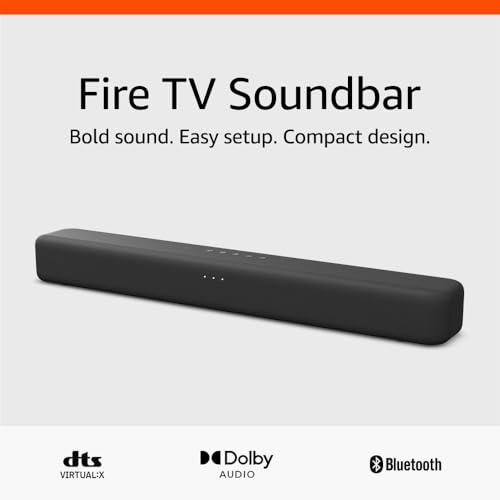

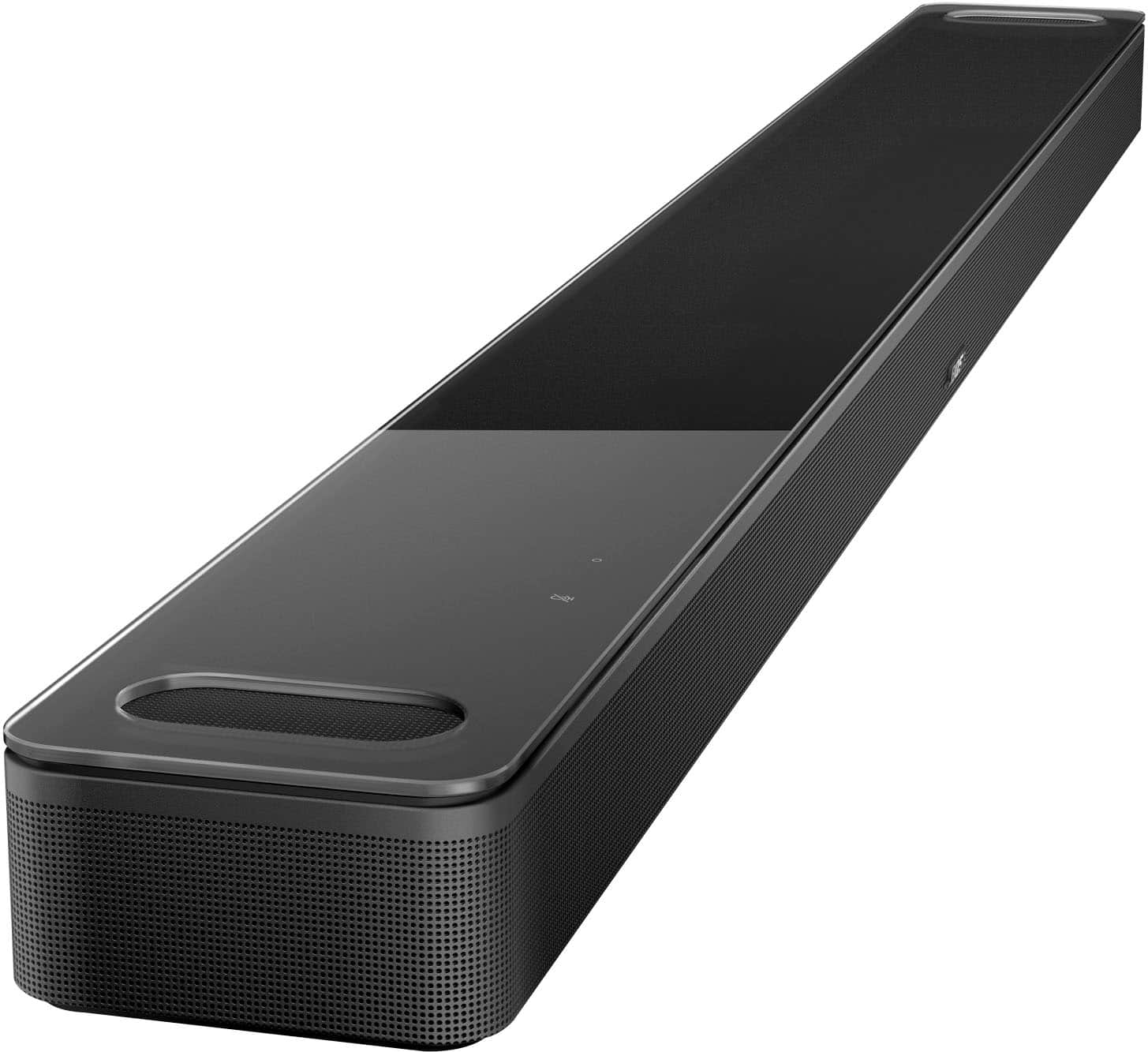
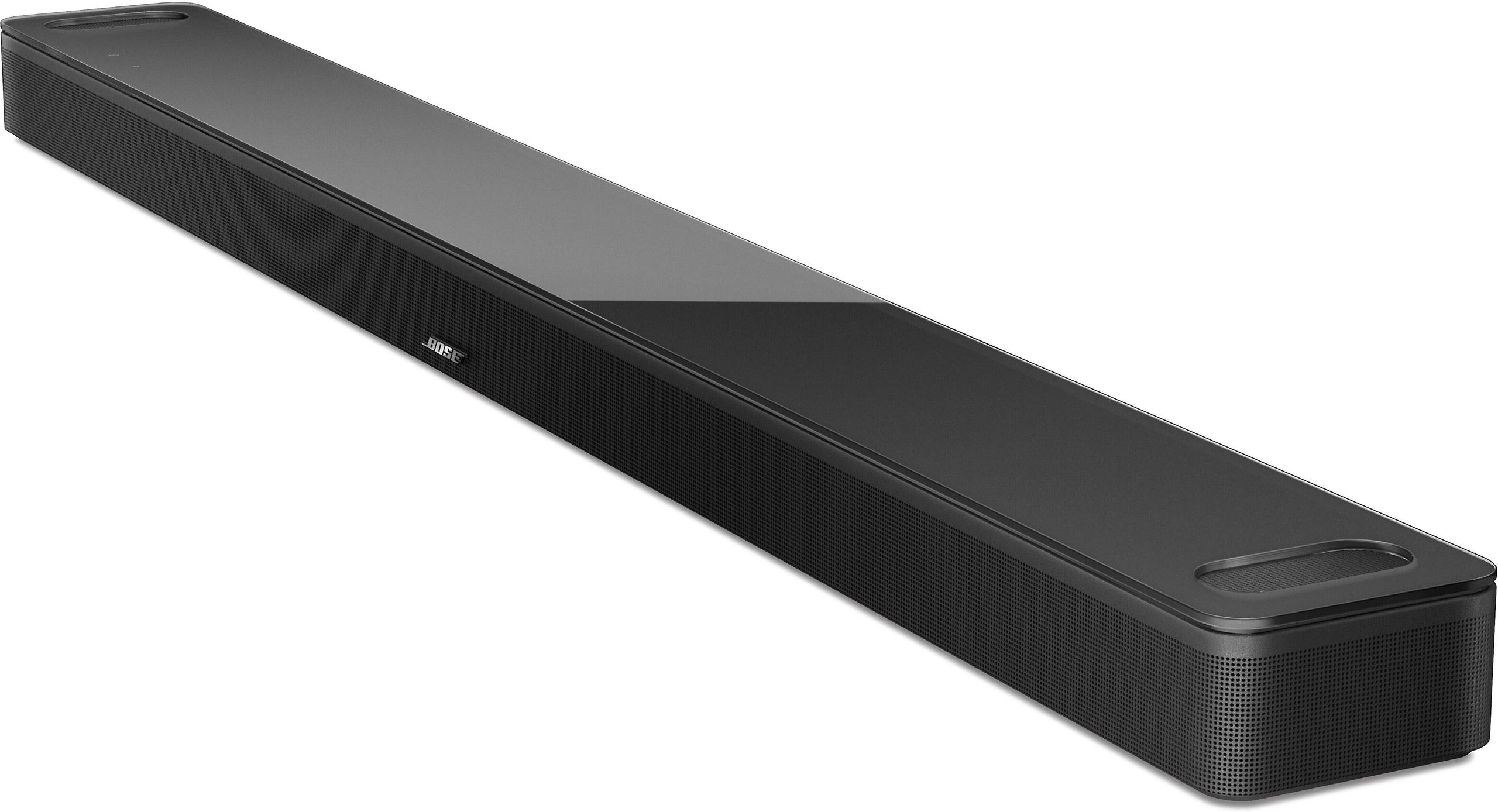
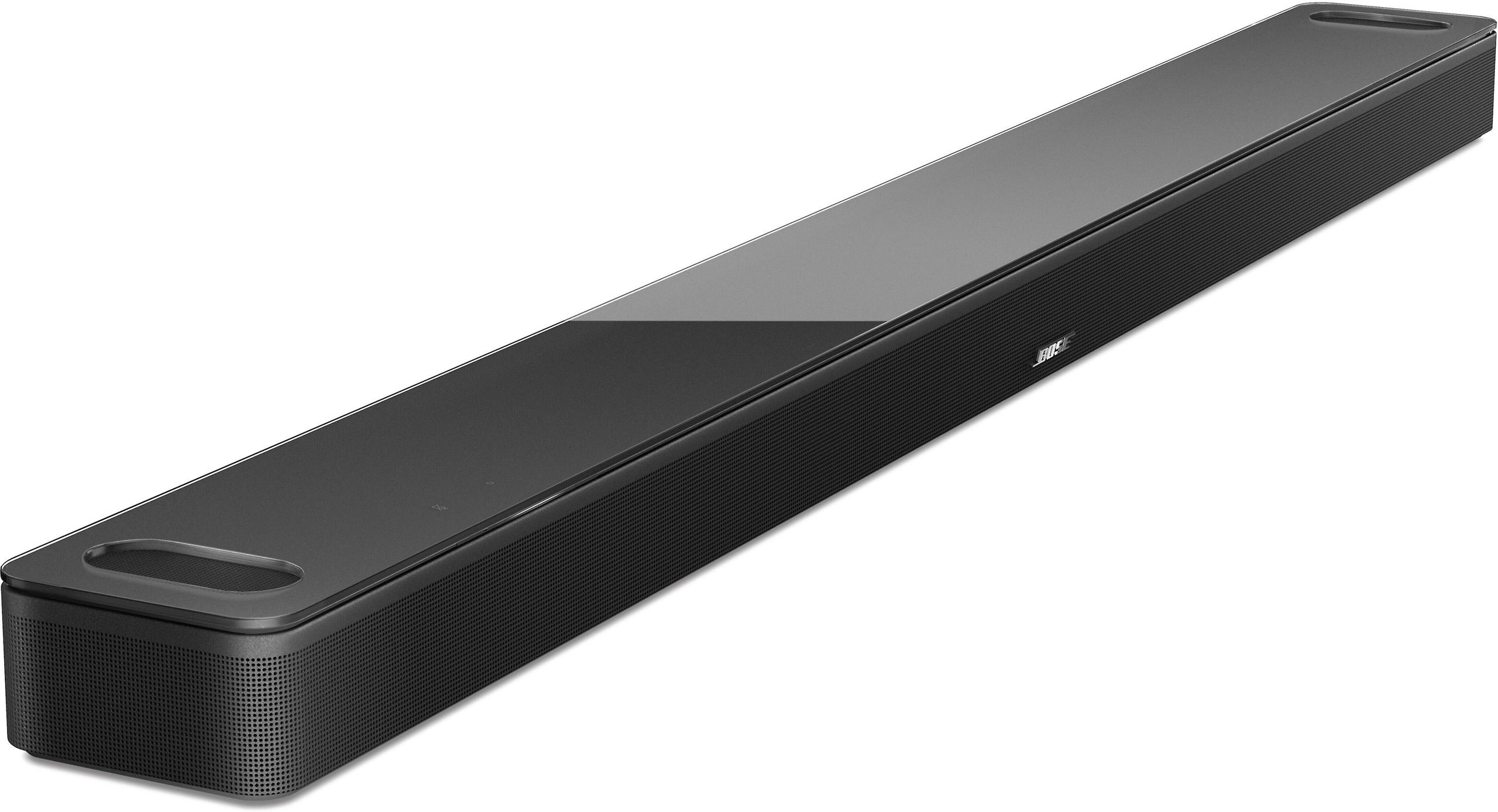

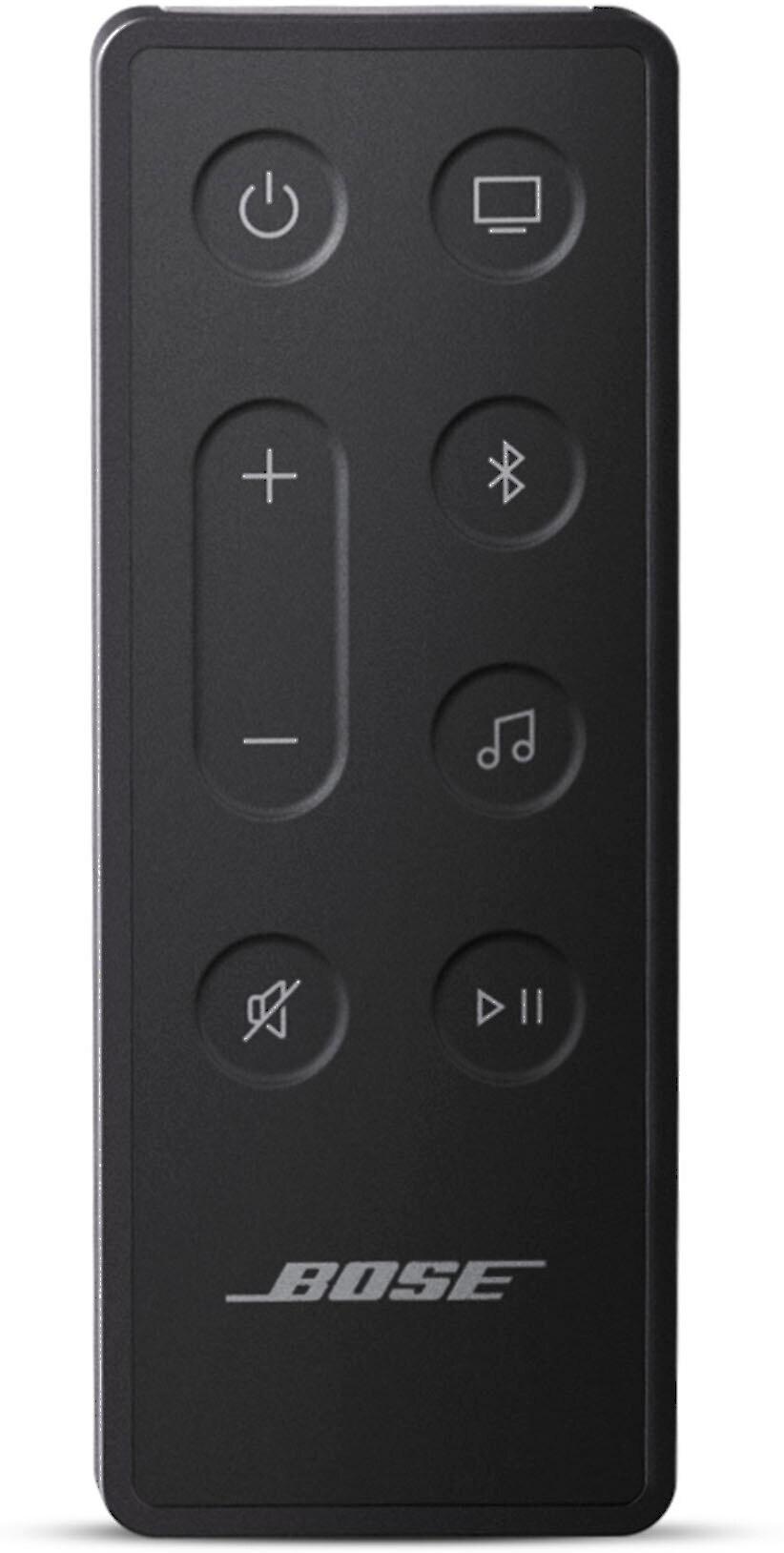
When your TV's built-in speakers just aren't cutting it anymore, a soundbar offers the simplest path to better audio. But with options ranging from budget-friendly basics to premium powerhouses, choosing the right one can feel overwhelming. Today we're comparing two soundbars that represent opposite ends of this spectrum: the budget-focused Amazon Fire TV Soundbar and the premium Bose Smart Ultra Soundbar.
These products couldn't be more different in their approach to improving your TV audio experience. At the time of writing, you'll find the Amazon Fire TV Soundbar priced under $150, while the Bose Smart Ultra commands a premium price tag around six times higher. That massive price difference reflects fundamentally different philosophies about what a soundbar should do and how much you should expect to pay for quality audio.
Before diving into these specific models, it's worth understanding what soundbars actually do and why the differences between them matter so much. At their core, soundbars are designed to solve the biggest problem with modern TVs: terrible built-in speakers. As TVs have gotten thinner and more elegant, there's simply no room for decent speakers inside them.
A soundbar essentially gives your TV external speakers that can produce fuller, clearer sound. But not all soundbars are created equal. The simplest models, like stereo soundbars, just give you left and right channel audio – think of them as fancy external TV speakers. More advanced soundbars add surround sound processing, which means they can take regular stereo audio and make it sound like it's coming from multiple directions around your room.
The most sophisticated soundbars support technologies like Dolby Atmos, which adds height channels to create truly three-dimensional audio. This means sounds can appear to come from above you – like a helicopter flying overhead in a movie scene – rather than just from the front of your room.
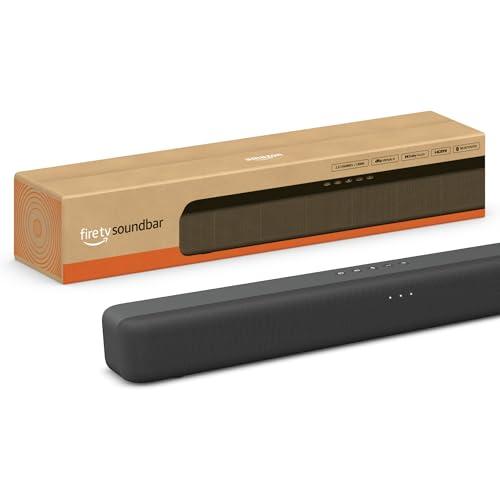
The Amazon Fire TV Soundbar launched in 2023 as Amazon's entry into the budget soundbar market. It represents Amazon's strategy of offering basic functionality at accessible prices, much like their approach with Fire TV devices and Echo speakers. Since its release, the soundbar market has continued evolving toward more premium features, making this basic approach somewhat against the trend but valuable for cost-conscious buyers.
The Bose Smart Ultra Soundbar, also released in 2023, represents Bose's premium offering in an increasingly competitive high-end soundbar market. Bose has been refining their soundbar technology for years, and this model incorporates their latest advances in spatial audio processing and smart home integration. The timing of both releases means they represent current-generation technology, though they target completely different market segments.
The most fundamental difference between these soundbars lies in their basic audio architecture. The Amazon Fire TV Soundbar uses a 2.0 channel configuration, which means it has two drivers (speakers) creating left and right stereo sound. These are positioned in what Amazon calls "Racetrack" drivers – oval-shaped speakers that fit more surface area into a compact design.
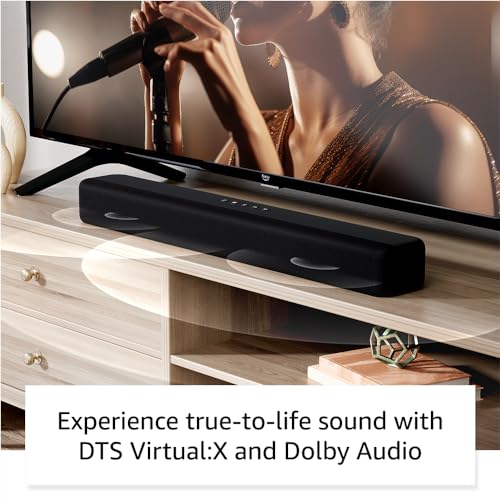
What's particularly interesting about the Amazon model is its use of DTS Virtual:X processing. This technology takes regular stereo or surround sound and tries to create a more spacious, three-dimensional effect using just those two front-facing drivers. Think of it as audio sleight-of-hand – the soundbar tricks your ears into thinking sound is coming from places where there aren't actually any speakers.
In practice, our research into user experiences reveals that the Amazon Fire TV Soundbar delivers a noticeably wider soundstage than most TV speakers. Users consistently report that dialogue sounds clearer and music has more presence. However, the virtual surround processing has limitations – it can't truly replicate the experience of having actual speakers positioned around your room.
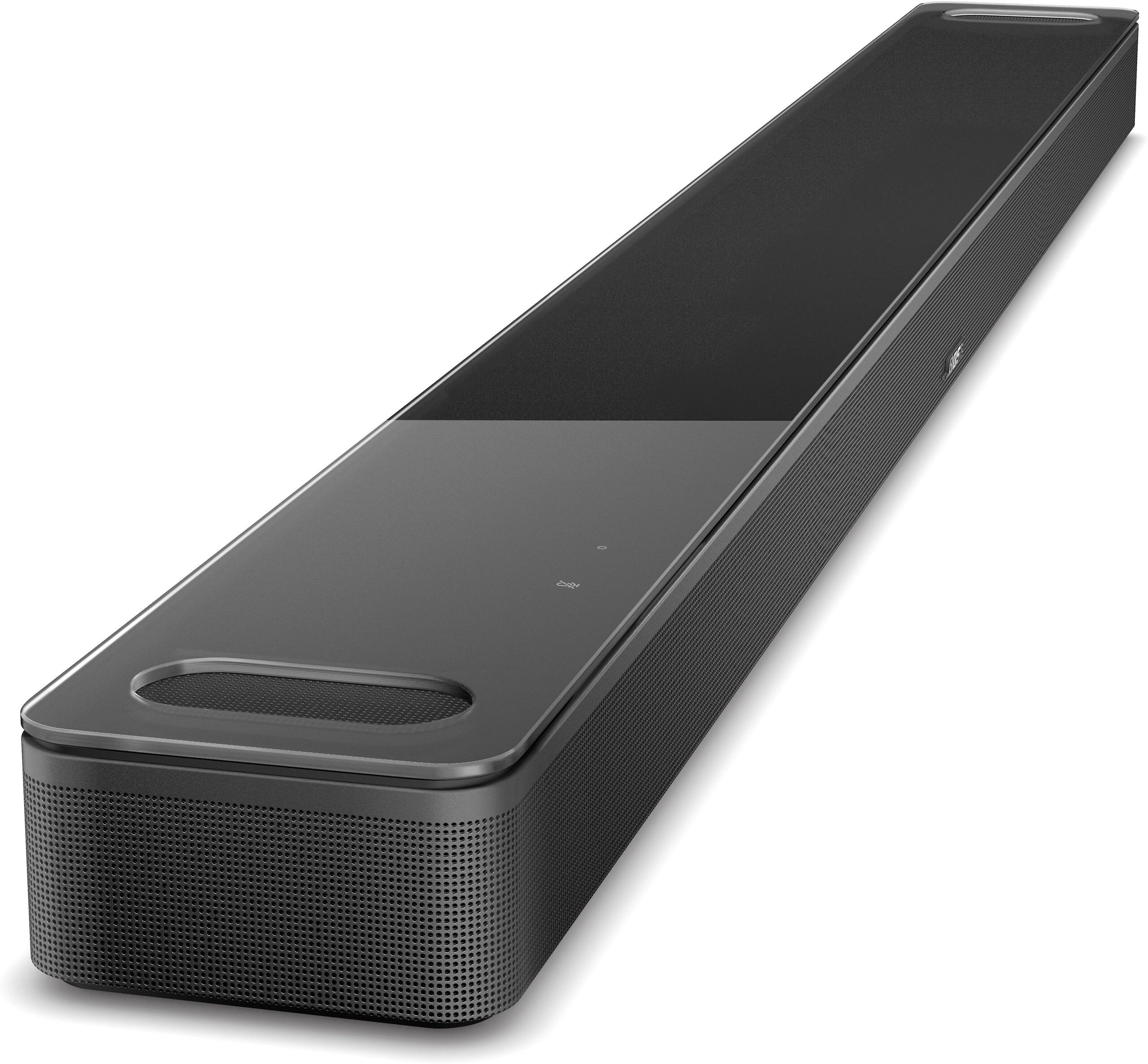
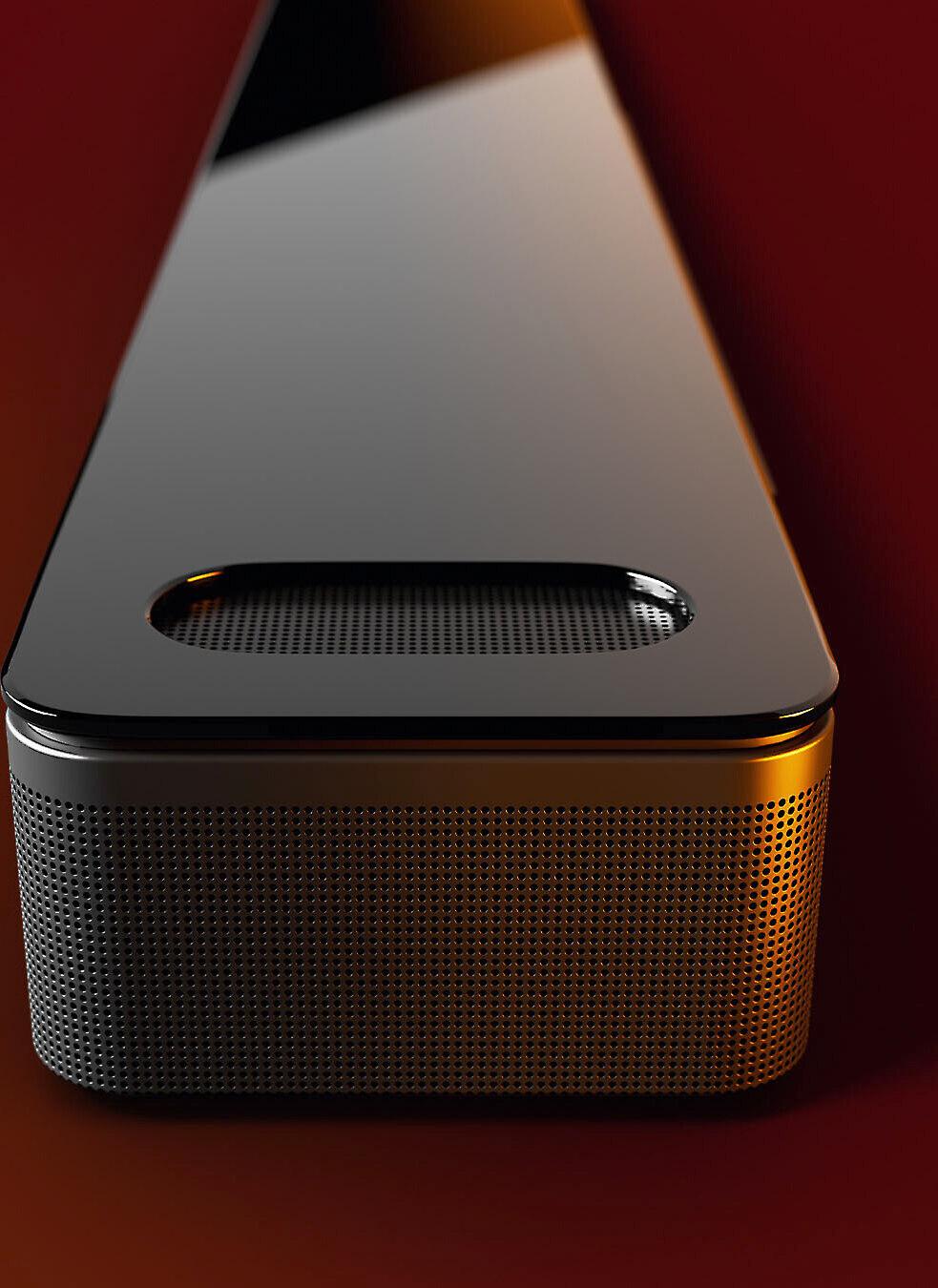
The Bose Smart Ultra Soundbar takes a fundamentally different approach with true Dolby Atmos support. Instead of trying to fake surround sound, it includes actual upward-firing drivers that bounce sound off your ceiling to create height effects. This means when a scene calls for overhead audio – like rain falling or a plane flying by – you'll hear it coming from above, not just from the front of your room.
Bose's implementation also includes what they call PhaseGuide technology, which precisely controls how sound waves interact to create more accurate spatial positioning. Combined with their proprietary signal processing, this creates what reviewers consistently describe as a more convincing and immersive audio experience than virtual processing can achieve.
For most people, dialogue clarity is the single most important performance metric for a soundbar. If you can't understand what characters are saying without constantly adjusting the volume, even the best surround sound effects won't matter.
Here's where we see a significant performance gap. User feedback suggests the Amazon Fire TV Soundbar struggles with dialogue clarity, particularly in scenes with complex soundtracks. The issue isn't that dialogue is inaudible, but rather that users often need to turn up the volume significantly to make speech intelligible, which then makes sound effects and music uncomfortably loud.
The Bose Smart Ultra Soundbar addresses this common problem with what they call A.I. Dialogue Mode. This feature uses machine learning to automatically detect when dialogue is occurring and adjusts the tonal balance in real-time. Instead of just boosting all mid-range frequencies (which would affect everything), it specifically enhances speech while leaving music and effects relatively untouched.
This kind of intelligent processing represents a major advantage of premium soundbars. Rather than forcing you to choose between clear dialogue and balanced audio, the Bose system dynamically adjusts to optimize both.
Bass response reveals another fundamental difference in approach. The Amazon Fire TV Soundbar incorporates bass reflex construction with a front-facing port. This design allows the compact cabinet to produce more bass than its size would normally permit. Users report that it produces "a lot of bass" for such a small unit, though this comes with caveats.
The bass from the Amazon model tends to be somewhat boomy and less precise. It's definitely an improvement over TV speakers, but it lacks the control and accuracy you'd want for more serious listening or movie watching. The compact drivers simply can't move enough air to produce the kind of deep, impactful bass you hear in theaters.
The Bose Smart Ultra Soundbar delivers more controlled and accurate bass response through superior driver design and acoustic engineering. While it still can't match a dedicated subwoofer system, the bass it produces is tighter and more musical. Importantly, Bose designed this soundbar with expansion in mind – it can connect to compatible subwoofers when you want to add serious low-end impact to your system.
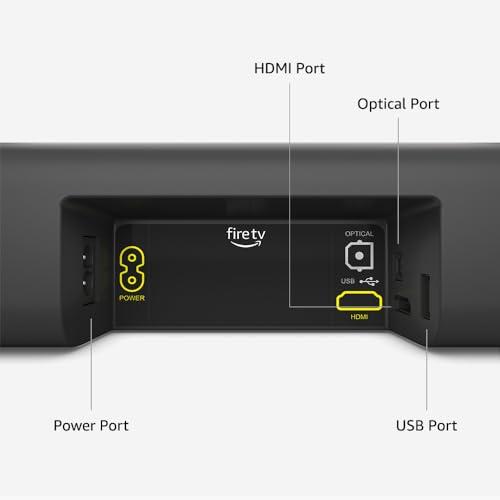
The feature gap between these soundbars becomes most apparent when looking at smart capabilities. The Amazon Fire TV Soundbar takes a deliberately minimalist approach. It connects to your TV via HDMI ARC (Audio Return Channel), includes Bluetooth for music streaming from phones or tablets, and offers an optical input for older TVs. That's essentially it.
There's no Wi-Fi connectivity, no companion app, and no smart home integration beyond basic compatibility with Fire TV devices. All adjustments happen through the included remote, and the available settings are limited to basic sound modes like Movie, Music, and Dialogue. This simplicity is intentional – Amazon designed this soundbar for people who want better TV audio without complexity.
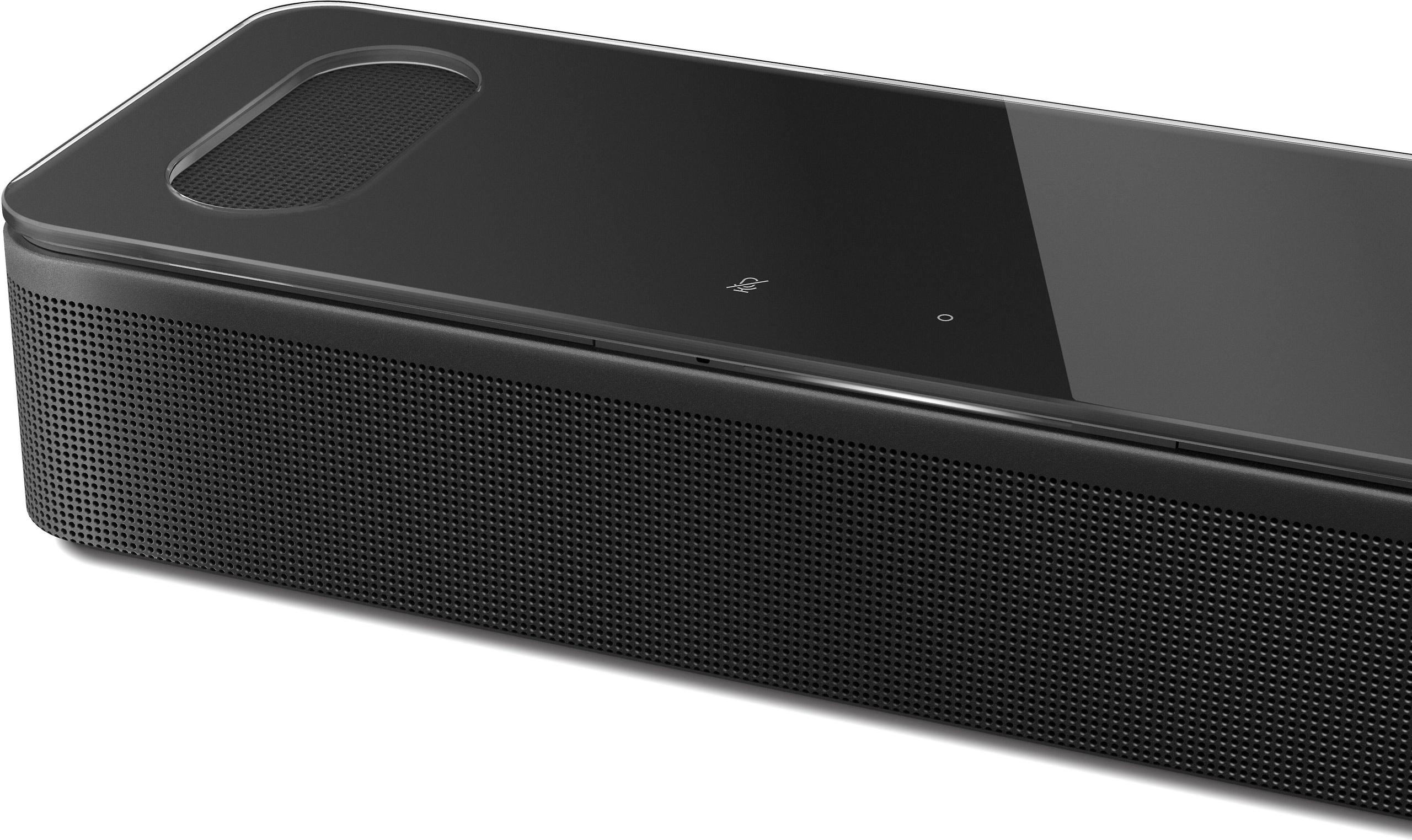
The Bose Smart Ultra Soundbar represents the opposite philosophy. It includes comprehensive Wi-Fi connectivity, a sophisticated smartphone app, and integration with major voice assistants including Amazon Alexa and Google Assistant. The app allows detailed sound customization, room calibration, and access to streaming services like Spotify Connect and Apple AirPlay 2.
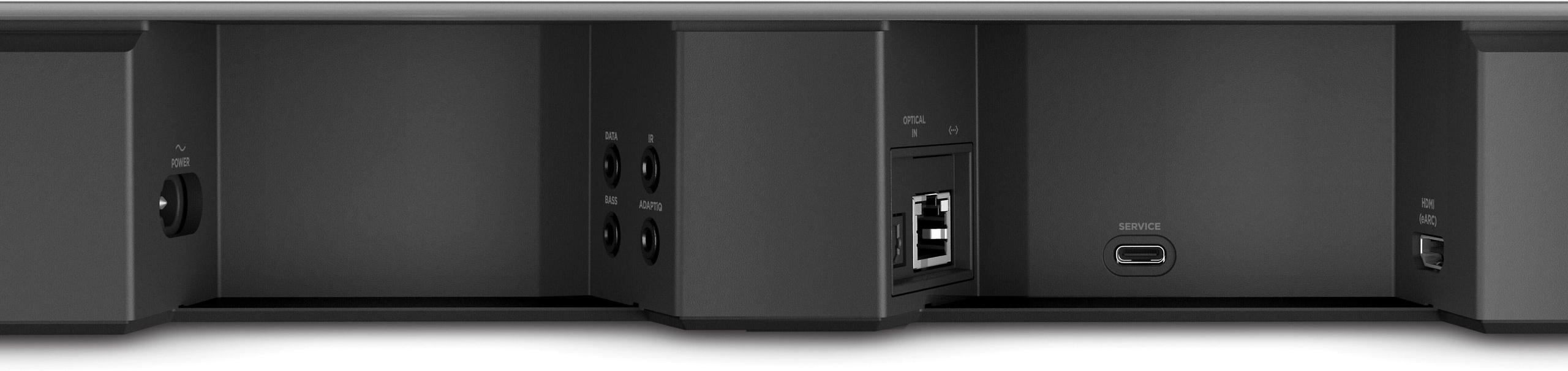
One particularly impressive feature is ADAPTiQ room calibration. This system uses an included microphone headset to analyze your room's acoustic properties and automatically adjust the soundbar's output to compensate for factors like room size, furniture placement, and wall materials. It's like having a professional audio installer optimize your system, but automated.
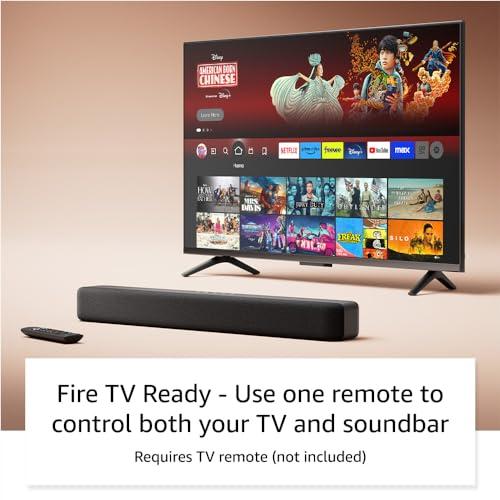
For users building connected home ecosystems, the differences become even more pronounced. The Amazon Fire TV Soundbar offers minimal smart home functionality. While it works fine with Fire TV devices and can be controlled through some Fire TV remotes, it doesn't integrate with broader smart home systems or offer voice control capabilities.
The Bose Smart Ultra Soundbar functions as a full smart speaker in addition to its soundbar duties. You can ask Alexa to control your TV, adjust volume, play music from streaming services, or control other smart home devices. It also supports Bose's multi-room audio system, allowing you to create whole-home audio experiences with other compatible Bose speakers.
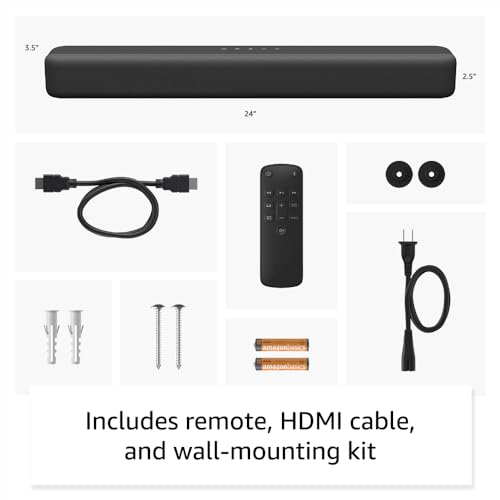
The physical differences between these soundbars reflect their target markets and price points. The Amazon Fire TV Soundbar measures just 61cm wide and 9cm tall, making it one of the most compact soundbars available. At 1.8kg, it's light enough to wall-mount easily and won't overwhelm smaller TVs or tight spaces.
The build quality is solid for the price point, with a practical plastic construction and fabric grille that should hold up well to normal use. Amazon included a wall-mounting kit, which is thoughtful given that many budget soundbars require separate mounting hardware.
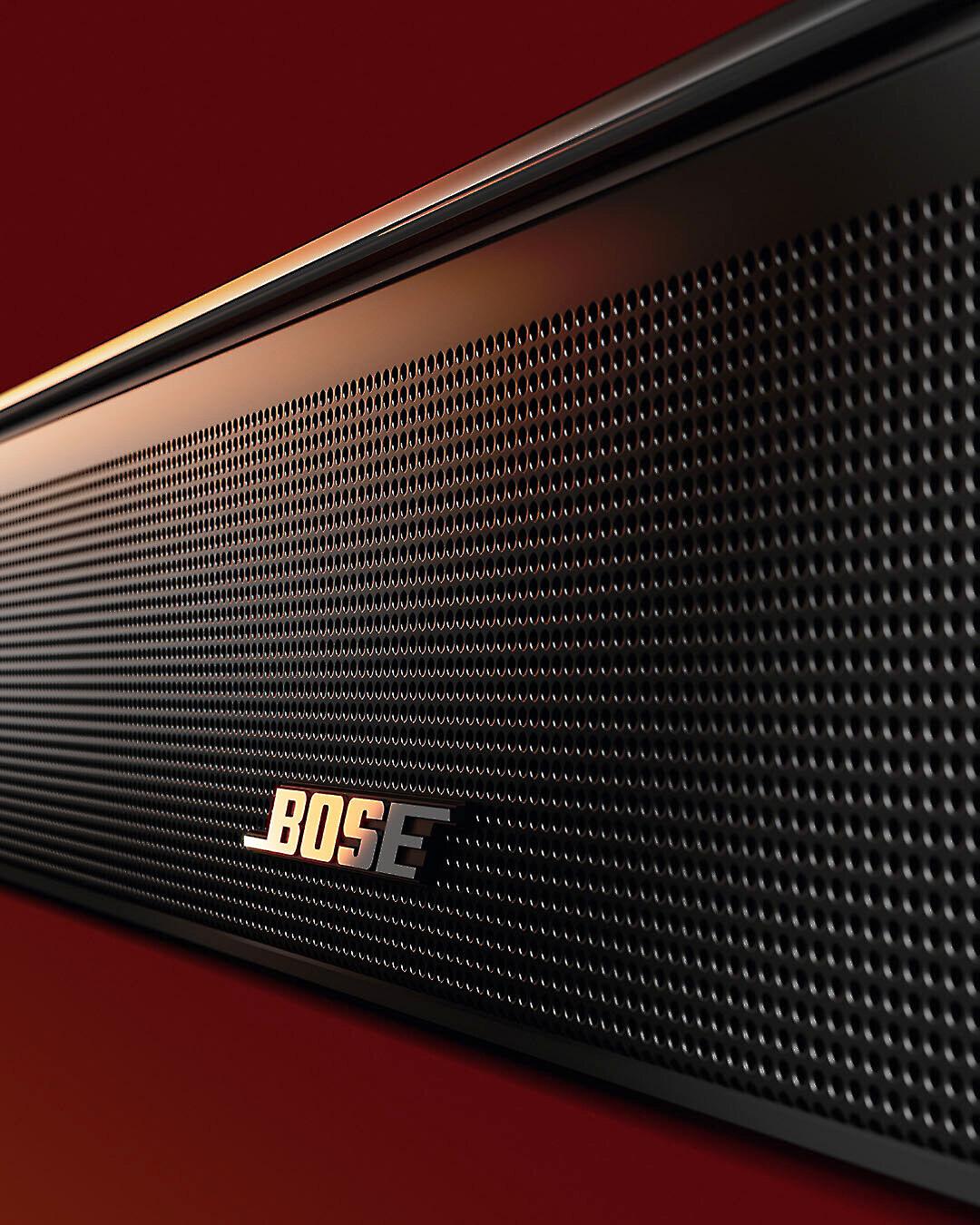
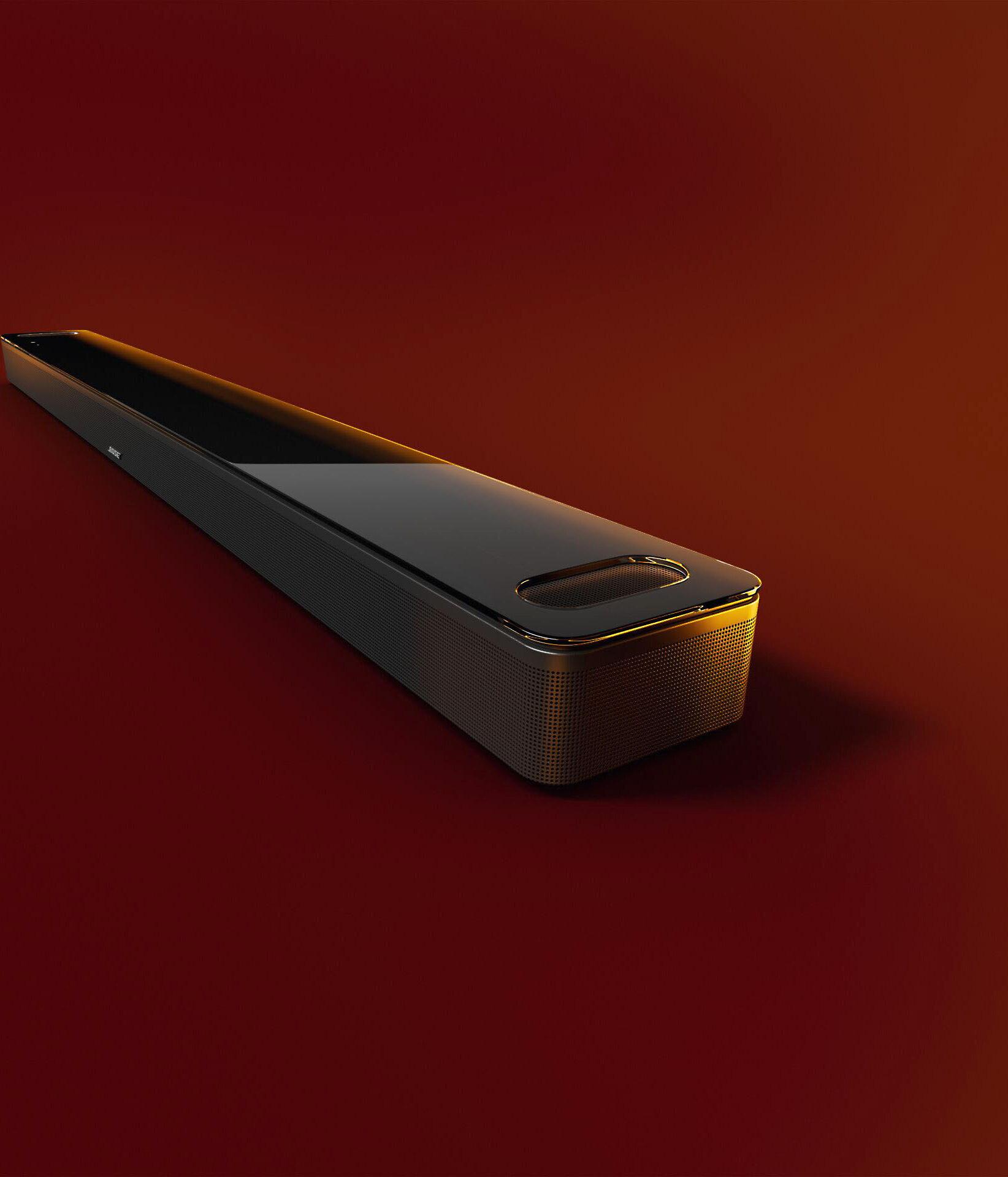
The Bose Smart Ultra Soundbar takes up more space at 87.5cm wide, but this size enables its more sophisticated driver arrangement and acoustic design. The build quality reflects premium pricing with metal grilles, impact-resistant glass surfaces, and precise manufacturing tolerances. It's designed to complement larger TVs (50 inches or bigger) where the proportions work better aesthetically.
For home theater applications, the performance gap becomes most apparent. The Amazon Fire TV Soundbar provides a clear upgrade over TV speakers for casual movie watching. Action sequences sound more dynamic, dialogue is generally clearer, and the overall experience feels more engaging than built-in TV audio.
However, the limitations become obvious with more demanding content. Complex movie soundtracks with multiple layers of dialogue, music, and effects can overwhelm the simple 2.0 channel design. The virtual surround processing helps somewhat, but it can't create the sense of envelopment that makes movies truly immersive.
The Bose Smart Ultra Soundbar transforms movie watching into something approaching a theater experience. Dolby Atmos content delivers genuine overhead effects, dialogue remains clear even during intense action sequences, and the overall soundstage creates convincing spatial audio. Movies feel more immersive and emotionally engaging when the audio properly supports the visual experience.
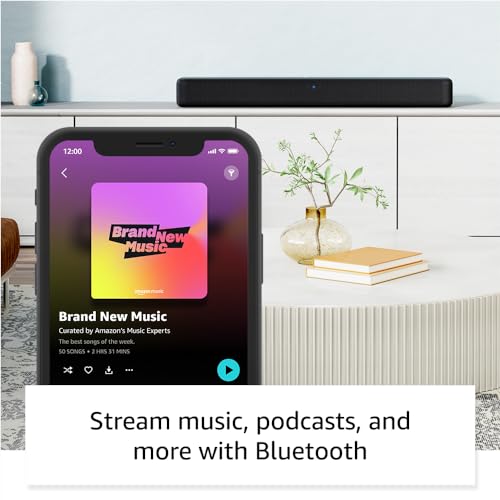
Both soundbars can stream music via Bluetooth, but their approaches and performance differ significantly. The Amazon Fire TV Soundbar treats music as a secondary function. While it can play your phone's music library, it lacks the streaming service integration and audio processing that makes casual music listening enjoyable.
The Bose Smart Ultra Soundbar serves double duty as a capable music speaker. With streaming service integration, room optimization, and superior driver design, it delivers engaging musical performance. The wider soundstage and better frequency balance make it genuinely pleasant for background music or more focused listening sessions.
At the time of writing, the price difference between these soundbars is substantial – roughly six times more expensive for the Bose model. This raises important questions about value and whether the premium features justify the cost increase.
The Amazon Fire TV Soundbar represents exceptional value for basic TV audio improvement. If your primary goal is clearer dialogue and better sound than your TV's built-in speakers, it delivers meaningful improvements at a fraction of the cost of premium alternatives. For many users, especially those with smaller TVs or secondary viewing areas, this level of performance may be entirely adequate.
The Bose Smart Ultra Soundbar justifies its premium pricing through genuine technological advantages. True Dolby Atmos support, intelligent dialogue processing, comprehensive smart features, and superior build quality create an experience that's qualitatively different, not just incrementally better.
The decision between these soundbars ultimately depends on your priorities, budget, and expectations. The Amazon Fire TV Soundbar makes sense if you want simple TV audio improvement without complexity or high cost. It's ideal for apartments, bedrooms, or situations where you just need something better than TV speakers without breaking the bank.
Choose the Amazon Fire TV Soundbar if you're on a tight budget, have a smaller TV (under 50 inches), primarily watch regular TV content rather than movies, or prefer simple setup without smartphone apps and smart features.
The Bose Smart Ultra Soundbar targets users who prioritize audio quality and want a soundbar that can serve as the foundation for a more serious home theater setup. If you frequently watch movies, have a large TV, or want smart home integration, the premium features become much more valuable.
Choose the Bose Smart Ultra Soundbar if you have a larger entertainment budget, watch lots of movies and shows with Dolby Atmos content, want comprehensive smart features, or plan to build out a more sophisticated home theater system over time.
The key is being honest about your actual needs versus your aspirational ones. While the Bose Smart Ultra is objectively superior in almost every performance metric, that superiority only matters if you'll actually use and appreciate those capabilities. For many users, the Amazon Fire TV Soundbar provides the right balance of improvement and affordability.
Both soundbars succeed at their intended purposes – the Amazon model democratizes better TV audio, while the Bose model delivers premium performance for those willing to pay for it. Your choice should align with your budget, expectations, and how seriously you take your home entertainment audio experience.
| Amazon Fire TV Soundbar | Bose Smart Ultra Soundbar |
|---|---|
| Audio Channels - Determines surround sound capability and immersion | |
| 2.0 stereo with DTS Virtual:X processing | 5.1.2 with true Dolby Atmos and upward-firing drivers |
| Smart Features - Affects convenience and streaming options | |
| Basic remote control, no app support, Bluetooth only | Full smartphone app, Wi-Fi, Alexa built-in, AirPlay 2, Spotify Connect |
| Dialogue Enhancement - Critical for understanding speech in movies/shows | |
| Basic dialogue mode, users report clarity issues at normal volumes | AI Dialogue Mode with machine learning optimization |
| Room Calibration - Optimizes sound for your specific space | |
| No room calibration available | ADAPTiQ automatic room calibration with included microphone |
| Physical Size - Important for TV compatibility and placement | |
| 61cm wide × 9cm tall (compact, fits TVs 32-55") | 87.5cm wide × 11.4cm tall (designed for 50"+ TVs) |
| Connectivity Options - Determines compatibility with different devices | |
| HDMI ARC, optical input, Bluetooth | HDMI eARC, optical, Wi-Fi, Bluetooth 5.0 |
| Expandability - Future upgrade potential | |
| No subwoofer connection or expansion options | Compatible with Bose wireless subwoofers and surround speakers |
| Voice Control - Hands-free operation capability | |
| No voice control support | Amazon Alexa and Google Assistant built-in |
| Music Streaming - Standalone music playback quality | |
| Basic Bluetooth streaming only | Dedicated music modes, streaming service integration, superior audio processing |
| Setup Complexity - Time and effort required for installation | |
| Plug-and-play simplicity, minimal configuration | Advanced setup with room calibration and app configuration |
The Bose Smart Ultra Soundbar is significantly better for home theater use with true Dolby Atmos support and upward-firing drivers that create genuine overhead sound effects. The Amazon Fire TV Soundbar uses virtual surround processing which can't match the immersive experience of actual height channels for movie watching.
The biggest difference is audio technology: the Amazon Fire TV Soundbar is a basic 2.0 stereo soundbar with virtual surround processing, while the Bose Smart Ultra Soundbar offers true Dolby Atmos with dedicated height speakers and advanced smart features like room calibration and voice control.
The Amazon Fire TV Soundbar is much easier to set up with simple plug-and-play installation requiring just an HDMI connection. The Bose Smart Ultra Soundbar involves more complex setup including app installation, room calibration, and Wi-Fi configuration.
Yes, both the Amazon Fire TV Soundbar and Bose Smart Ultra Soundbar include optical inputs for older TVs without HDMI ARC. However, you'll get the best performance using HDMI ARC/eARC connections on newer TVs.
The Bose Smart Ultra Soundbar has superior dialogue clarity thanks to its AI Dialogue Mode that automatically optimizes speech without affecting other audio. Users report the Amazon Fire TV Soundbar sometimes requires higher volumes to make dialogue clear.
Both support music streaming, but differently. The Amazon Fire TV Soundbar only offers basic Bluetooth connectivity. The Bose Smart Ultra Soundbar provides Wi-Fi streaming with Spotify Connect, AirPlay 2, and dedicated music optimization modes.
The Amazon Fire TV Soundbar is better for small spaces due to its compact 61cm width and simpler setup. The Bose Smart Ultra Soundbar at 87.5cm wide is designed for larger rooms with TVs 50 inches or bigger.
Only the Bose Smart Ultra Soundbar has built-in voice control with Amazon Alexa and Google Assistant. The Amazon Fire TV Soundbar has no voice control capabilities and must be operated with the included remote.
This depends on your needs. The Amazon Fire TV Soundbar offers excellent value for basic TV audio improvement at a budget-friendly price. The Bose Smart Ultra Soundbar provides premium features and performance that justify its higher cost for serious home theater users.
The Bose Smart Ultra Soundbar can be expanded with compatible wireless subwoofers and rear speakers for a full surround system. The Amazon Fire TV Soundbar has no expansion options and works only as a standalone unit.
The Bose Smart Ultra Soundbar integrates directly with streaming services through Wi-Fi and supports various streaming protocols. The Amazon Fire TV Soundbar relies on your TV or streaming device for content and only provides audio enhancement.
Choose the Amazon Fire TV Soundbar if you want simple TV audio improvement on a budget with easy setup. Choose the Bose Smart Ultra Soundbar if you prioritize premium audio quality, Dolby Atmos effects, smart features, and plan to use it as part of a serious home theater setup.
We've done our best to create useful and informative comparisons to help you decide what product to buy. Our research uses advanced automated methods to create this comparison and perfection is not possible - please contact us for corrections or questions. These are the sites we've researched in the creation of this article: rtings.com - developer.amazon.com - stereoguide.com - developer.amazon.com - techradar.com - hometechnologyreview.com - whathifi.com - youtube.com - whathifi.com - wirelessplace.com - hometechnologyreview.com - dolby.com - aboutamazon.com - developer.amazon.com - community.anker.com - youtube.com - cordbusters.co.uk - techradar.com - bose.com - bestbuy.com - tomsguide.com - pcrichard.com - rtings.com - bose.com - boselatam.com - avsforum.com - bose.com

Privacy Policy
Terms and Conditions - Affiliate Policy
Home Security
© Copyright 2008-2026.
11816 Inwood Rd #1211, Dallas, TX 75244