


If you've ever turned up your TV volume just to understand dialogue, only to get blasted by explosions moments later, you know the frustration of poor built-in TV speakers. Modern TVs, despite their impressive picture quality, often sacrifice audio for slim designs. This has made soundbars the most popular audio upgrade for home entertainment systems.
The soundbar market spans an enormous range, from basic stereo units under $100 to sophisticated multi-speaker systems costing over $1,000. Today we're examining two products that represent opposite ends of this spectrum: the Amazon Fire TV Soundbar and the LG S70TR 5.1.1 Channel Soundbar. At the time of writing, these products sit roughly $300 apart in price, but that difference reflects fundamentally different approaches to improving your TV's sound.
Before diving into specifics, it's worth understanding what makes soundbars effective. Traditional TV speakers face severe physical constraints – they're tiny, often fire downward or backward, and lack the space needed for proper bass reproduction. Soundbars solve these problems by housing larger drivers in a wider enclosure that can sit below or mount above your TV.
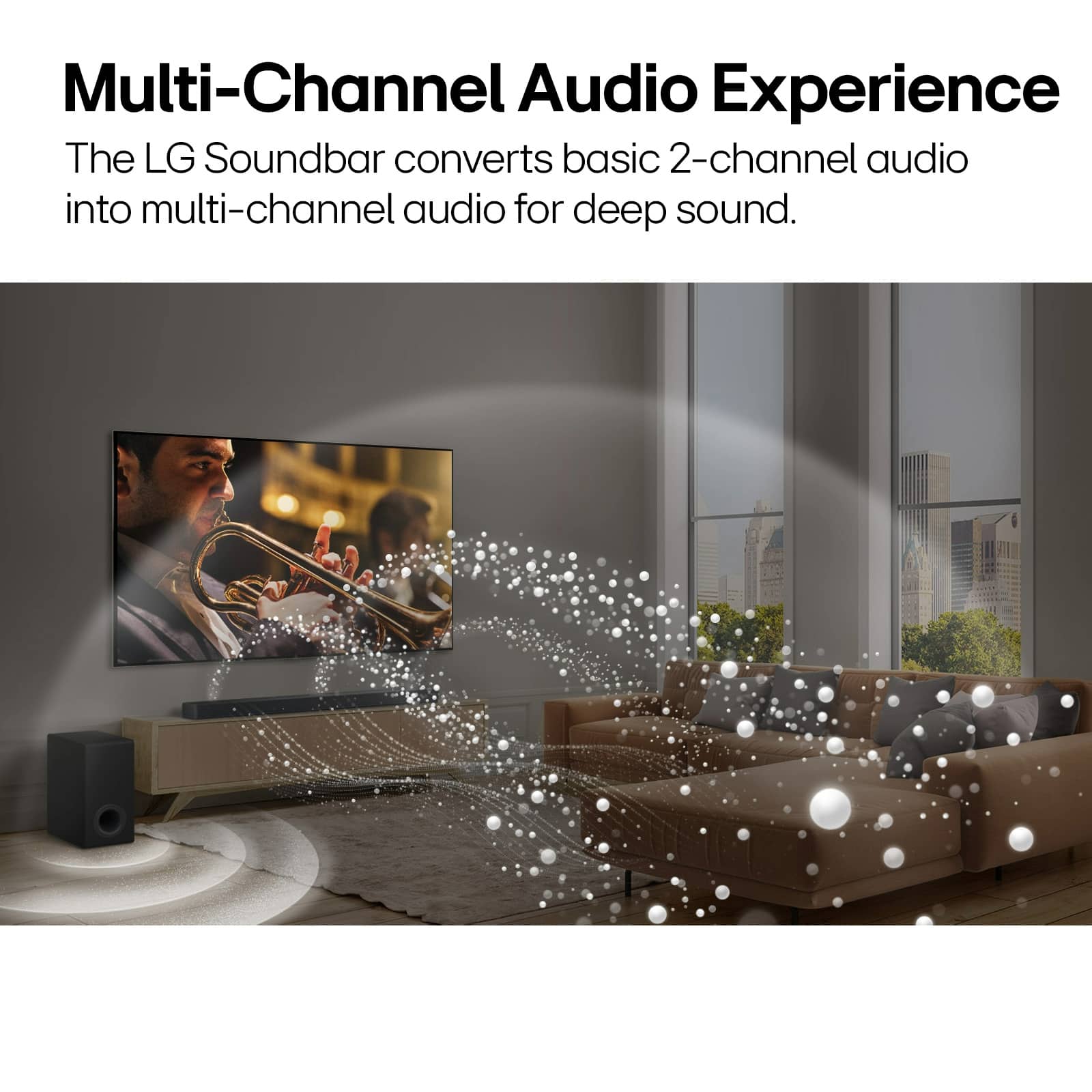
The channel configuration tells you how many distinct audio streams a soundbar can handle. A 2.0 system has two channels (left and right), while a 5.1 system adds center, two surround, and one subwoofer channel. The LG S70TR's 5.1.1 designation means five main channels, one subwoofer, and one height channel for overhead effects.
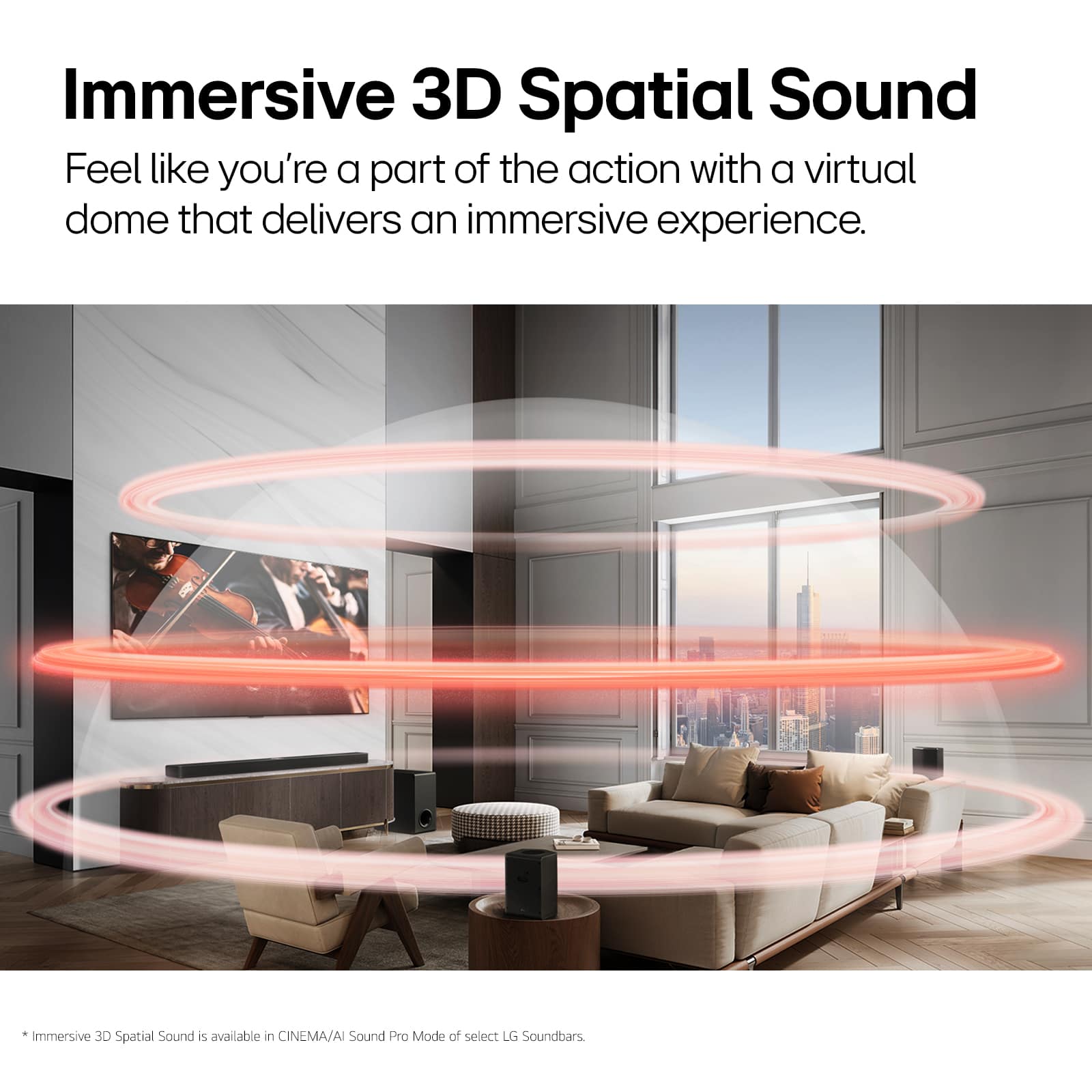
Modern soundbars also process spatial audio formats like Dolby Atmos, which adds height information to create a three-dimensional sound field. Think of it as the difference between watching a movie on a flat screen versus in an IMAX theater – the content becomes more immersive when audio can come from above and around you.
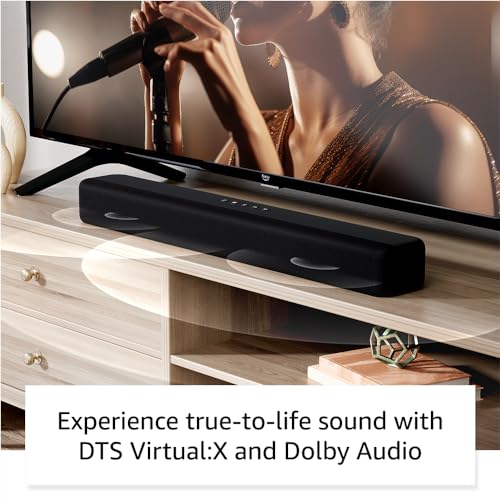
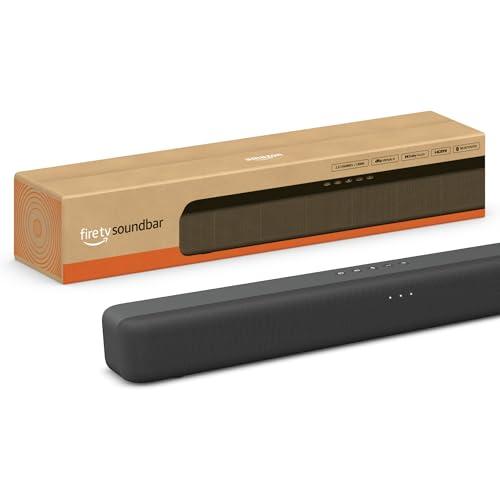
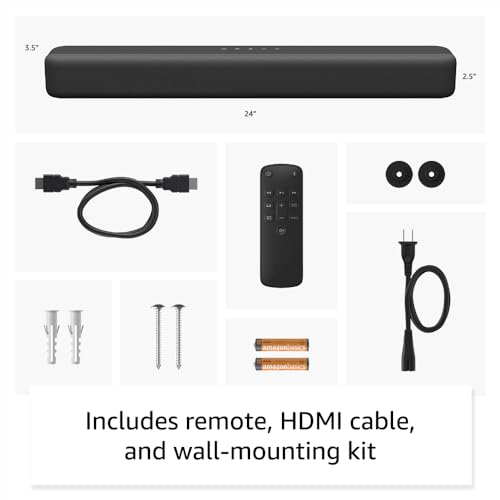
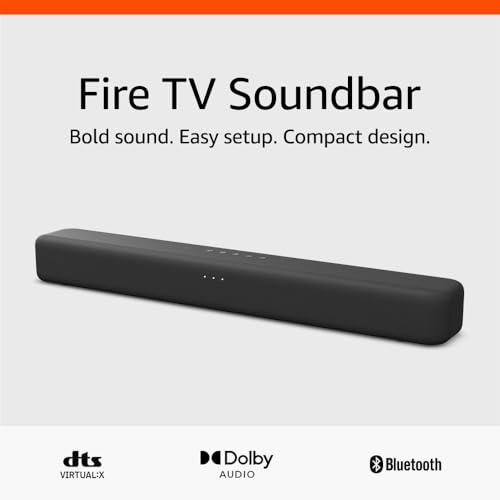
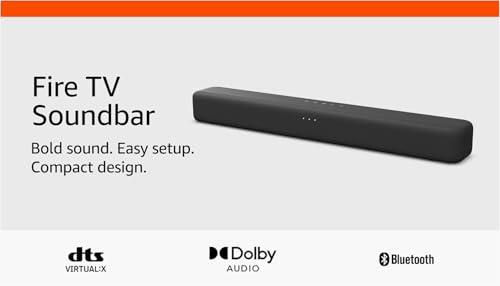
Released in 2023, the Amazon Fire TV Soundbar represents Amazon's entry into the budget soundbar market. This compact 2.0-channel unit measures just 24 inches wide and focuses on solving the most common TV audio problems without overwhelming users with complexity.
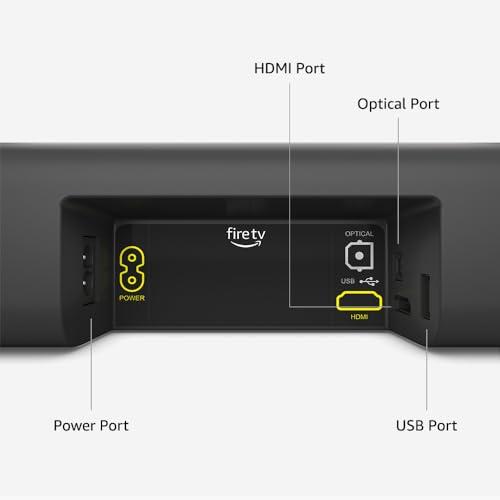
The design philosophy here is straightforward: take two quality full-range drivers, add some smart processing, and keep everything simple enough that anyone can set it up in minutes. Amazon uses what they call "Racetrack" drivers – oval-shaped speakers that pack more surface area into the slim profile. These connect to your TV via HDMI ARC (Audio Return Channel, which sends audio from your TV back to the soundbar) or optical cable.
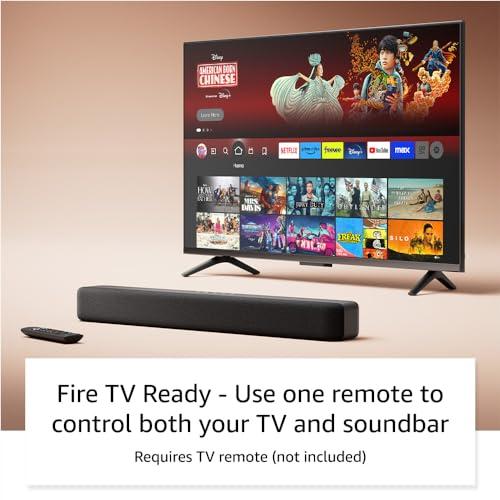
What makes this interesting is Amazon's integration with their Fire TV ecosystem. While the soundbar works with any TV, it's designed to complement Fire TV devices with minimal setup and unified control.
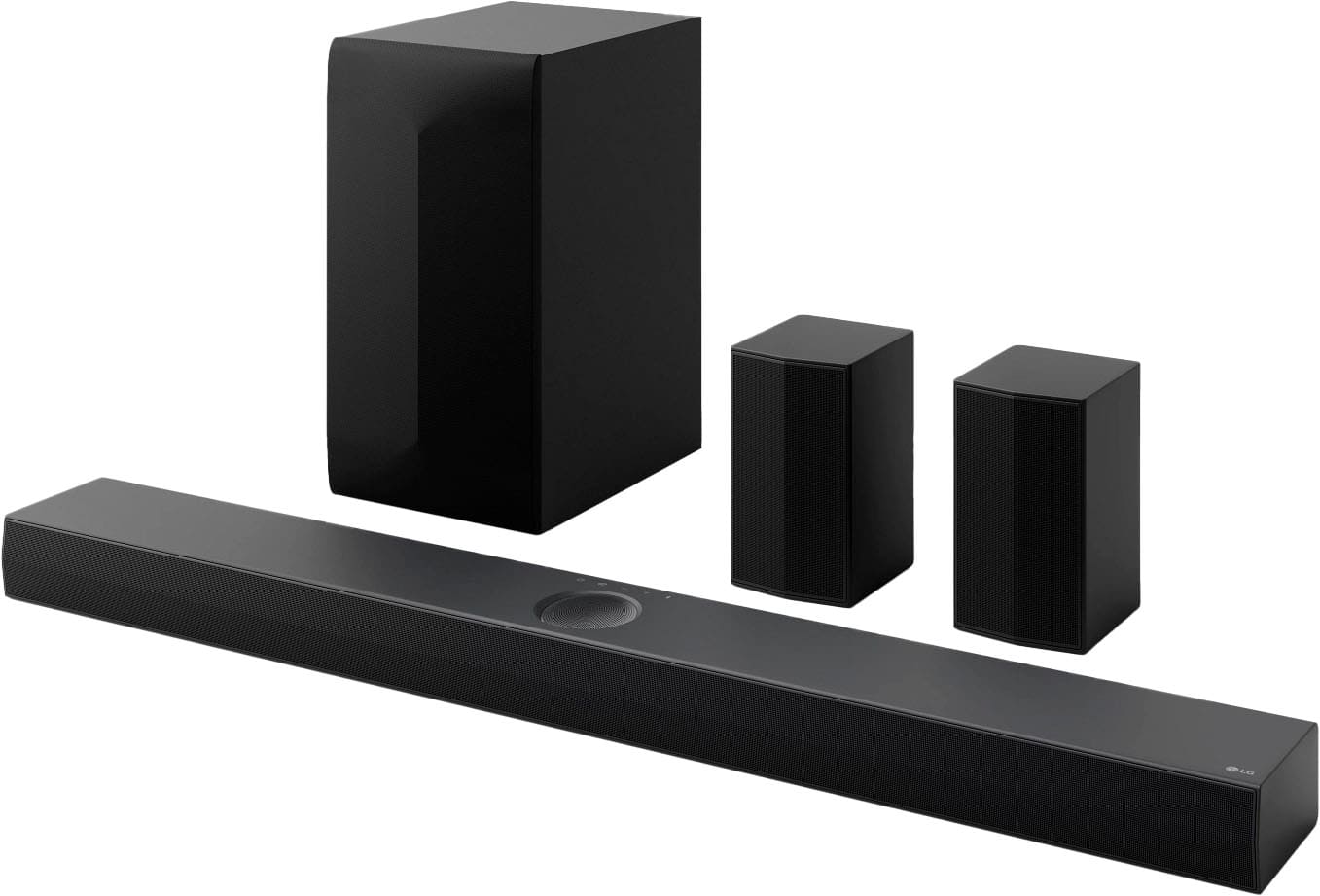
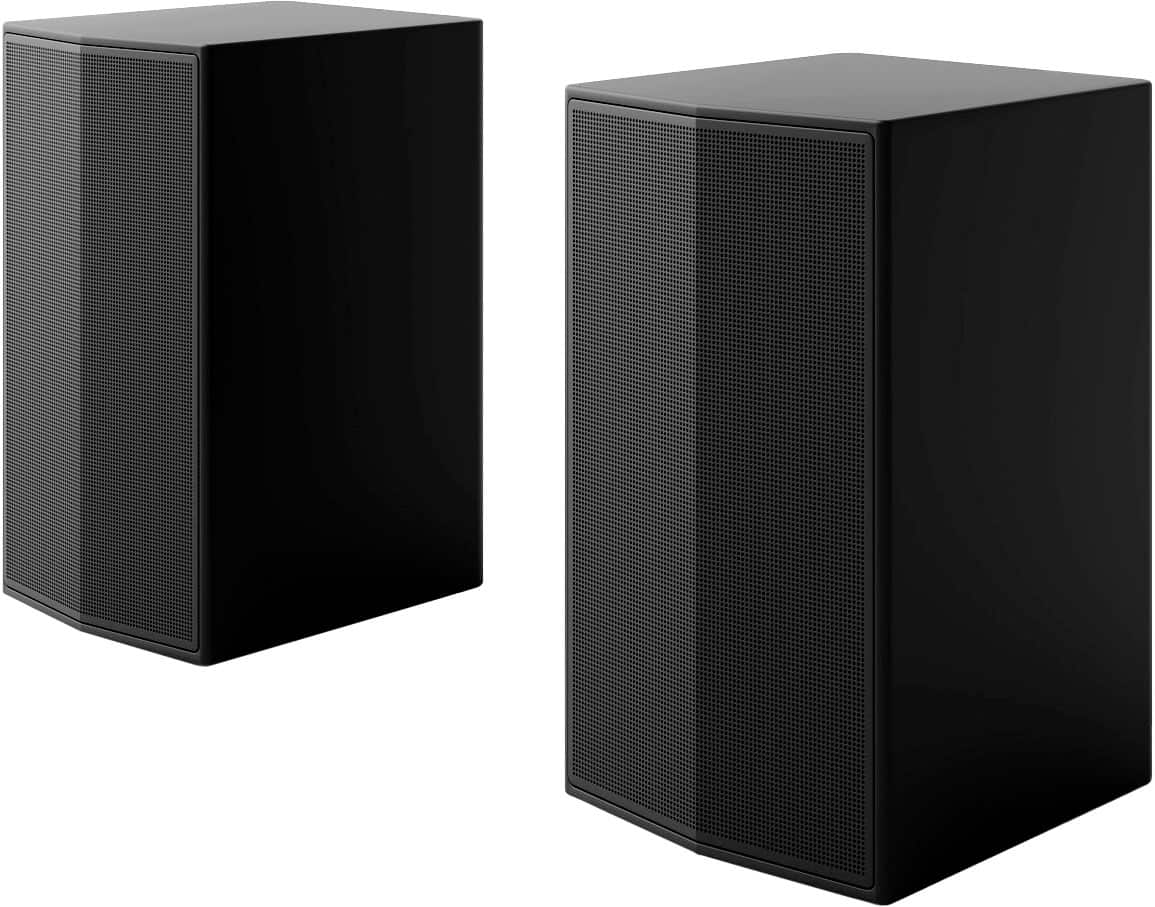
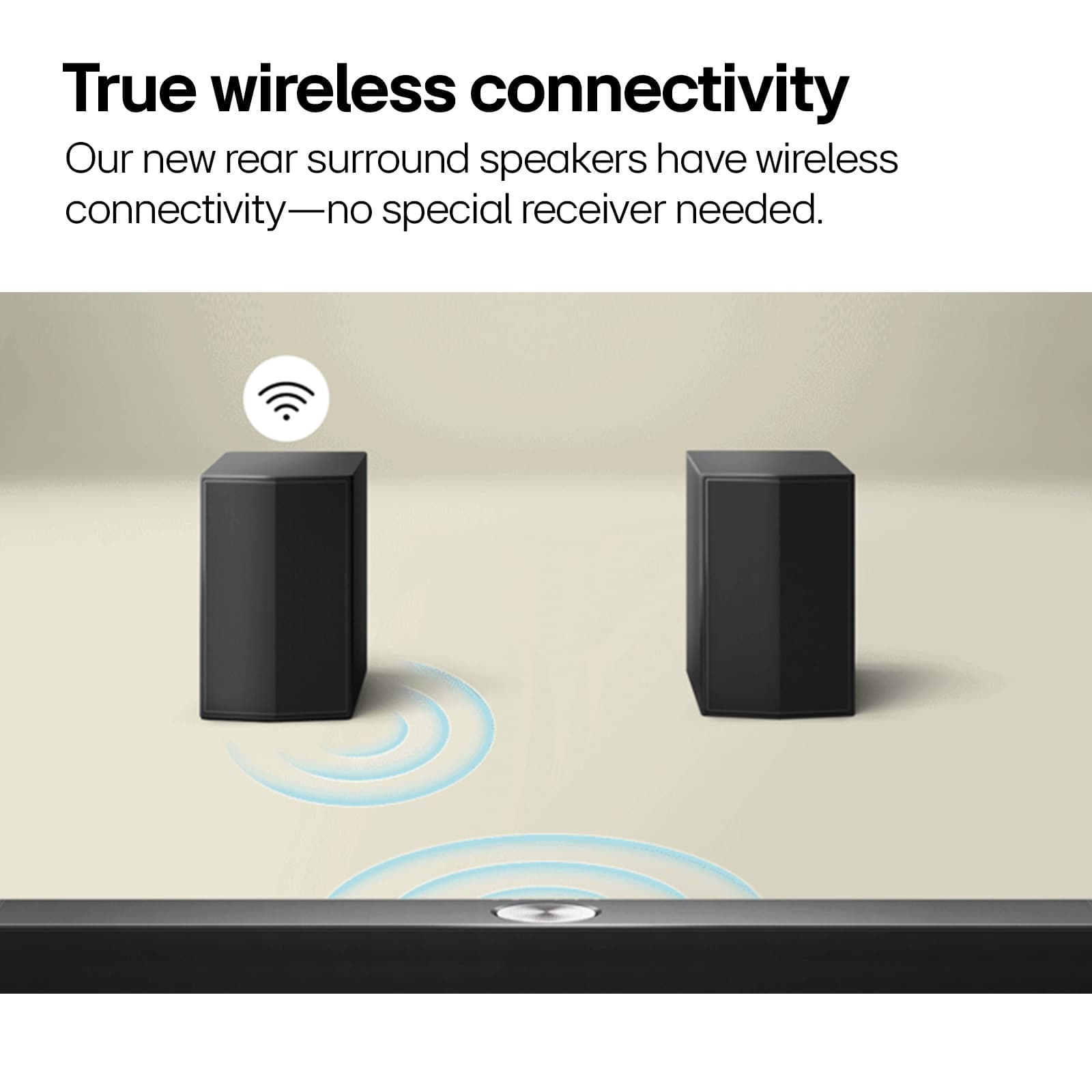
The LG S70TR, launched in 2024, takes an entirely different approach. Instead of a single soundbar, you get a complete surround sound system: a main soundbar, wireless subwoofer, and two wireless rear speakers. This creates what LG calls a "true" 5.1.1 system, meaning each audio channel gets its own dedicated speaker.
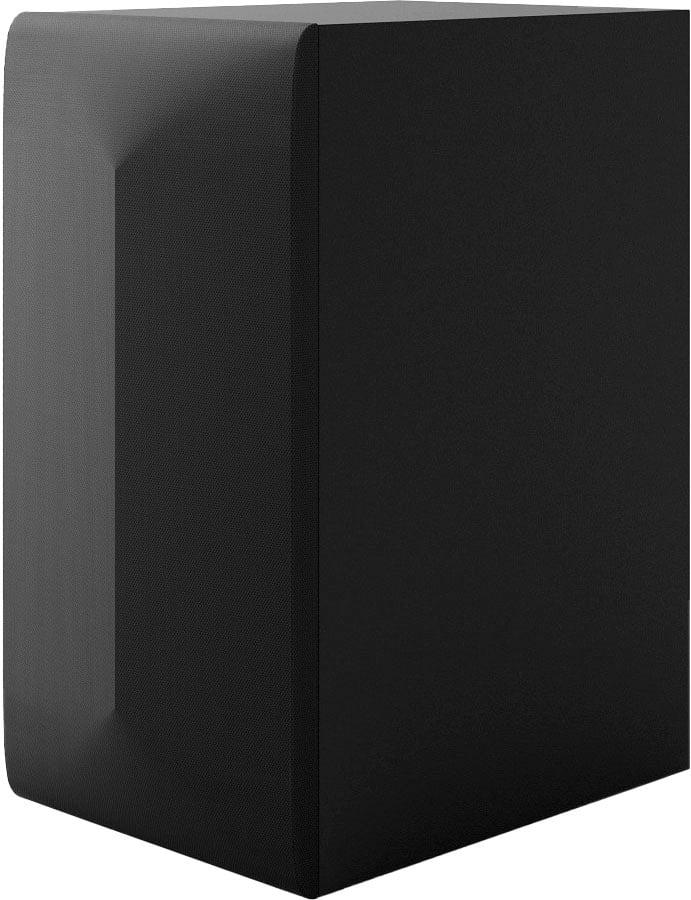
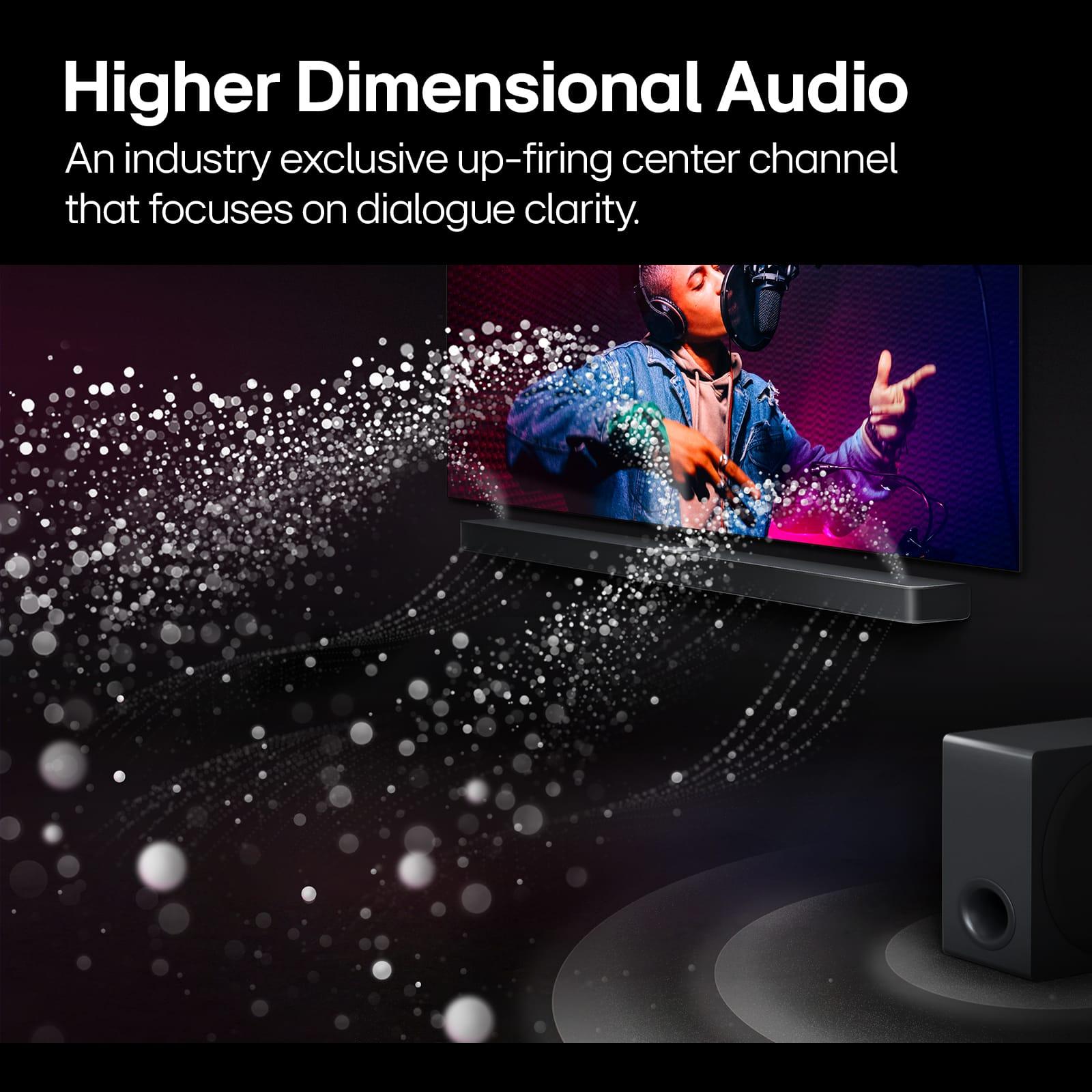
The technical sophistication here is impressive. The main soundbar houses an up-firing center channel specifically for dialogue clarity, while the rear speakers create authentic surround positioning. The wireless subwoofer uses a 7-inch driver with substantial amplification to handle deep bass that smaller speakers simply cannot reproduce.
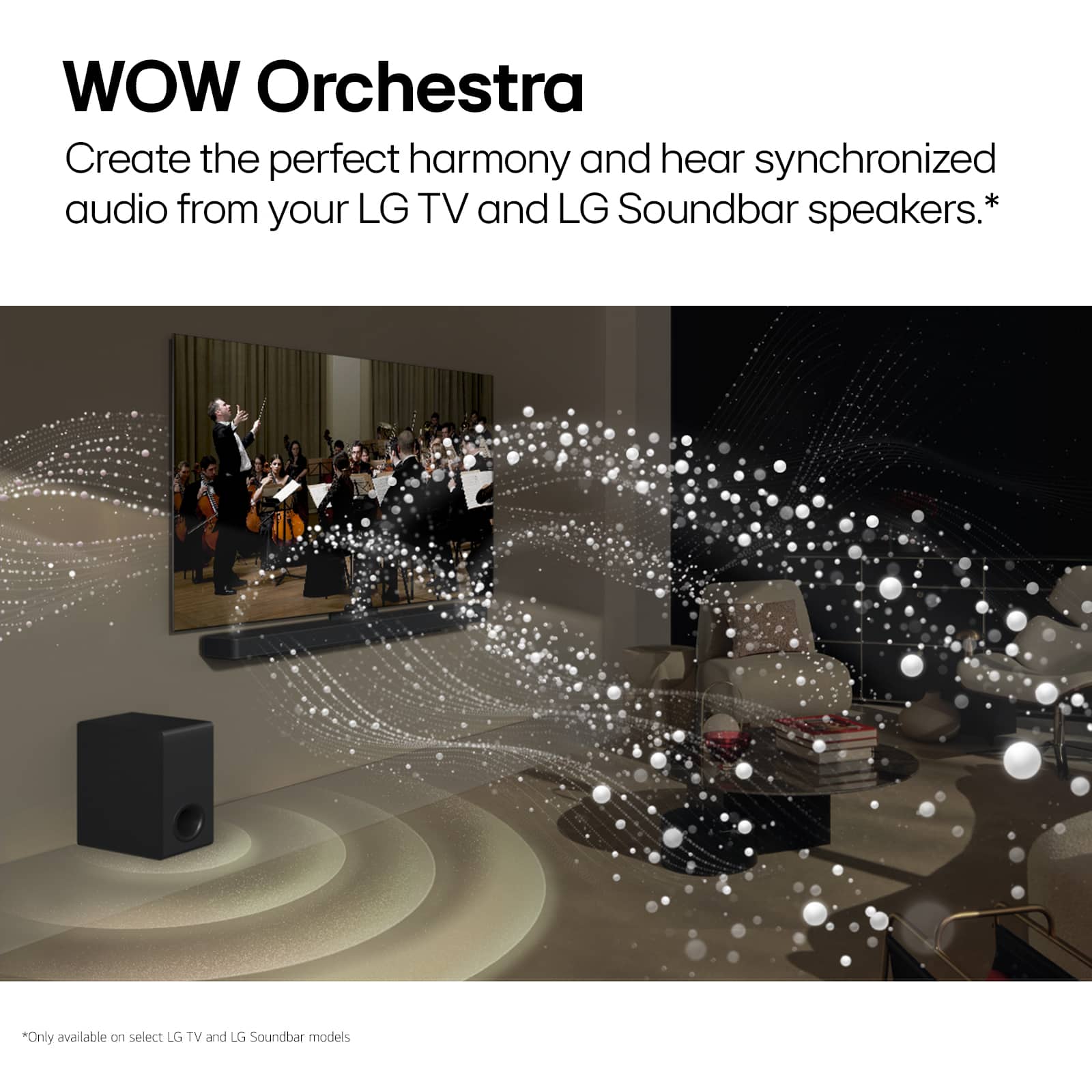
LG's "WOW Orchestra" feature demonstrates their systems-thinking approach. When connected to compatible LG TVs, it synchronizes the TV's built-in speakers with the soundbar system, creating an even larger sound field. This kind of ecosystem integration represents where soundbar technology is heading.
The most immediate difference between these systems lies in their fundamental audio capabilities. The Amazon Fire TV Soundbar, despite its compact size, creates a surprisingly wide stereo image. The Racetrack drivers and built-in digital signal processing expand the perceived soundstage beyond the physical width of the unit.
However, physics imposes real limitations. With only two drivers handling all frequency ranges, the Fire TV soundbar must compromise. Bass response relies on a small bass reflex port, while high frequencies come from the same drivers handling midrange content. This works fine for dialogue-heavy content like news or sitcoms, but action movies expose these limitations quickly.
The LG S70TR operates in a different performance category entirely. With nine total speakers strategically positioned around your room, it creates genuine spatial audio. Dialogue comes from a dedicated center channel, music spreads across left and right speakers, while effects emerge from rear channels. This isn't simulated – it's actual positional audio that your ears can locate in three-dimensional space.
Our research into user feedback consistently shows this difference matters more than you might expect. Viewers report noticing ambient details in familiar movies that they'd never heard before, simply because the LG system can position these sounds spatially rather than mixing everything together.
Bass reproduction reveals perhaps the starkest performance difference between these approaches. The Amazon Fire TV Soundbar includes bass reflex tuning and EQ processing to maximize its low-frequency output, but you're still asking small drivers in a narrow enclosure to move substantial air – something that defies physics.
In practical terms, this means adequate bass for dialogue and light music, but lacking impact for movie explosions, music with deep synthesizers, or games with environmental audio cues. The processing tries to compensate by emphasizing mid-bass frequencies, but this can't replicate true low-frequency extension.
The LG S70TR includes a dedicated wireless subwoofer with a 7-inch driver and 220 watts of amplification. This dedicated component can focus entirely on low frequencies without compromise. The difference isn't subtle – it's the distinction between hearing a movie explosion and feeling it.
Professional reviews consistently highlight this advantage. The wireless subwoofer placement also offers flexibility that built-in bass systems cannot match. You can position it where your room acoustics work best, rather than being constrained by the soundbar's location.
Both soundbars support advanced audio processing, but their implementation differs significantly. The Amazon Fire TV Soundbar uses DTS Virtual:X technology, which processes surround sound information to create the illusion of spatial positioning through just two speakers. This works by manipulating phase relationships and frequency response to trick your brain into perceiving sounds coming from different directions.
Virtual surround processing has improved dramatically in recent years, and the results can be genuinely impressive for the right content. However, it remains fundamentally limited by having only two output points. The processing works best in specific listening positions and can sound strange if you move around the room.
The LG S70TR supports both Dolby Atmos and DTS:X through actual physical speaker positioning. The up-firing drivers bounce sound off your ceiling to create overhead effects, while rear speakers provide authentic surround positioning. This approach requires more setup complexity but delivers demonstrably superior immersion.
The difference becomes apparent with content specifically mixed for these formats. Disney+ movies, Netflix originals, and modern games increasingly include Atmos soundtracks that take advantage of height channels and precise positioning. The LG system can reproduce these as intended, while the Amazon soundbar must approximate them through processing.
Modern gaming demands have pushed soundbar manufacturers to consider latency and synchronization more seriously. The Amazon Fire TV Soundbar provides basic audio improvement for gaming but lacks specialized gaming features.
The LG S70TR includes Variable Refresh Rate (VRR) and Auto Low Latency Mode (ALLM) support up to 120Hz – technical standards that ensure audio stays perfectly synchronized with high-refresh gaming displays. For competitive gaming, the spatial audio also provides tactical advantages by accurately positioning footsteps, gunfire, and environmental cues.
These gaming features represent broader trends in home entertainment. As gaming consoles support higher frame rates and more sophisticated audio, having compatible audio equipment becomes increasingly important for the full experience.
The Amazon Fire TV Soundbar exemplifies plug-and-play simplicity. One HDMI cable connects to your TV, and you're essentially done. The compact form factor suits smaller TVs and apartments where multiple components might feel overwhelming.
Amazon's ecosystem integration shines here. The soundbar appears automatically in Fire TV menus, volume controls work seamlessly, and the setup process requires minimal technical knowledge. This simplicity has real value for users who want better sound without becoming home theater enthusiasts.
The LG S70TR requires more consideration. You'll need to position the main soundbar, find placement for the wireless subwoofer, and locate the rear speakers where they can create proper surround effects. Each wireless component needs power, so you'll need available outlets in multiple locations.
However, LG's wireless implementation works well in practice. User reports indicate reliable connections between components, and the system includes room correction features that optimize performance for your specific space. The additional setup complexity pays dividends in audio quality.
At the time of writing, the price difference between these products reflects their fundamentally different capabilities. The Amazon Fire TV Soundbar competes in the budget category where the primary goal is meaningful improvement over TV speakers without significant investment.
For this price point, it delivers impressive value. The sound quality exceeds what you'd expect from something so affordable, and the simplicity factor has genuine worth for users who don't want audio equipment to become a hobby. The compact size also works well with smaller TVs where a full surround system might feel disproportionate.
The LG S70TR costs significantly more but includes components that would typically require separate purchases. When compared to building an equivalent system from individual components, the pricing becomes more reasonable. You get a complete surround sound setup with wireless convenience and integrated control.
User satisfaction data suggests interesting patterns. Budget soundbar buyers often upgrade within a few years as they realize the limitations of basic systems. Premium system buyers tend to keep their setups longer and report higher long-term satisfaction. This suggests the LG system may offer better value over time despite the higher upfront cost.
For dedicated home theater use, the differences between these approaches become more pronounced. The Amazon Fire TV Soundbar works well for casual viewing and shows where dialogue clarity is the primary concern. It's particularly effective for apartments or situations where space and neighbor considerations limit your options.
However, movie enthusiasts will quickly notice the limitations. Action sequences lack impact, musical soundtracks lose detail, and the overall experience feels flat compared to proper surround sound. The processing does what it can, but you're fundamentally limited by the two-speaker configuration.
The LG S70TR transforms movie watching in ways that budget soundbars simply cannot. The dedicated subwoofer adds weight to explosions and depth to musical scores. Rear speakers create the ambient atmosphere that makes you feel present in the scene. The height channels add overhead effects that complete the immersive experience.
For home theater enthusiasts, this represents a minimum viable system for serious movie watching. While more expensive systems offer additional refinement, the LG setup covers all the essential elements needed for cinematic immersion.
The Amazon Fire TV Soundbar makes sense for specific use cases and user types. Choose it if you live in an apartment where bass levels matter to neighbors, if your TV is smaller than 50 inches, or if you primarily watch dialogue-heavy content like news and sitcoms. It's also the clear choice if your budget is firmly limited or if you strongly prefer simple, single-component solutions.
The compact size works particularly well in bedrooms, kitchens, or secondary viewing areas where a full surround system would feel excessive. The integration with Fire TV devices also adds value if you're already invested in Amazon's ecosystem.
The LG S70TR targets users who want genuine home theater experiences without the complexity of traditional component systems. Choose it if you regularly watch movies, play immersive games, or listen to music through your TV setup. The investment makes sense if you have the space for proper component placement and value audio quality as an important part of your entertainment experience.
This system also works well if you're planning to keep your setup for several years. The comprehensive feature set and upgrade capabilities make it more future-proof than budget alternatives.
These products serve genuinely different needs despite both being called soundbars. The Amazon Fire TV Soundbar excels at solving the most common TV audio problems simply and affordably. It's an excellent first upgrade that provides meaningful improvement without complexity or significant investment.
The LG S70TR delivers a complete home theater audio solution that transforms how movies, games, and music sound in your space. The higher cost reflects substantially more capability, and user satisfaction data suggests most buyers find the investment worthwhile.
The choice ultimately depends on your priorities, space, and how important audio quality is to your entertainment experience. Both products succeed at their intended purposes – the question is which purpose aligns with your needs and expectations.
| Amazon Fire TV Soundbar | LG S70TR 5.1.1 Channel Soundbar |
|---|---|
| Channel Configuration - Determines surround sound capability and immersion level | |
| 2.0 stereo (two front-facing speakers only) | 5.1.1 true surround (main bar + subwoofer + rear speakers + height channel) |
| Total Power Output - Affects volume levels and dynamic range | |
| 40W total (2 x 20W amplifiers) | 360W RMS (substantially more headroom for loud scenes) |
| Subwoofer Inclusion - Critical for bass impact in movies and music | |
| No subwoofer (bass limited to small internal drivers) | Dedicated 7-inch wireless subwoofer with 220W amplification |
| Dolby Atmos Support - Enables overhead sound effects for cinematic experience | |
| Virtual processing only through DTS Virtual:X | True Dolby Atmos with physical up-firing speakers |
| Physical Components - Affects setup complexity and audio positioning | |
| Single soundbar unit (simple setup, limited positioning) | Four separate wireless components (more complex but authentic surround) |
| Dimensions and TV Compatibility - Soundbar width should match your TV size | |
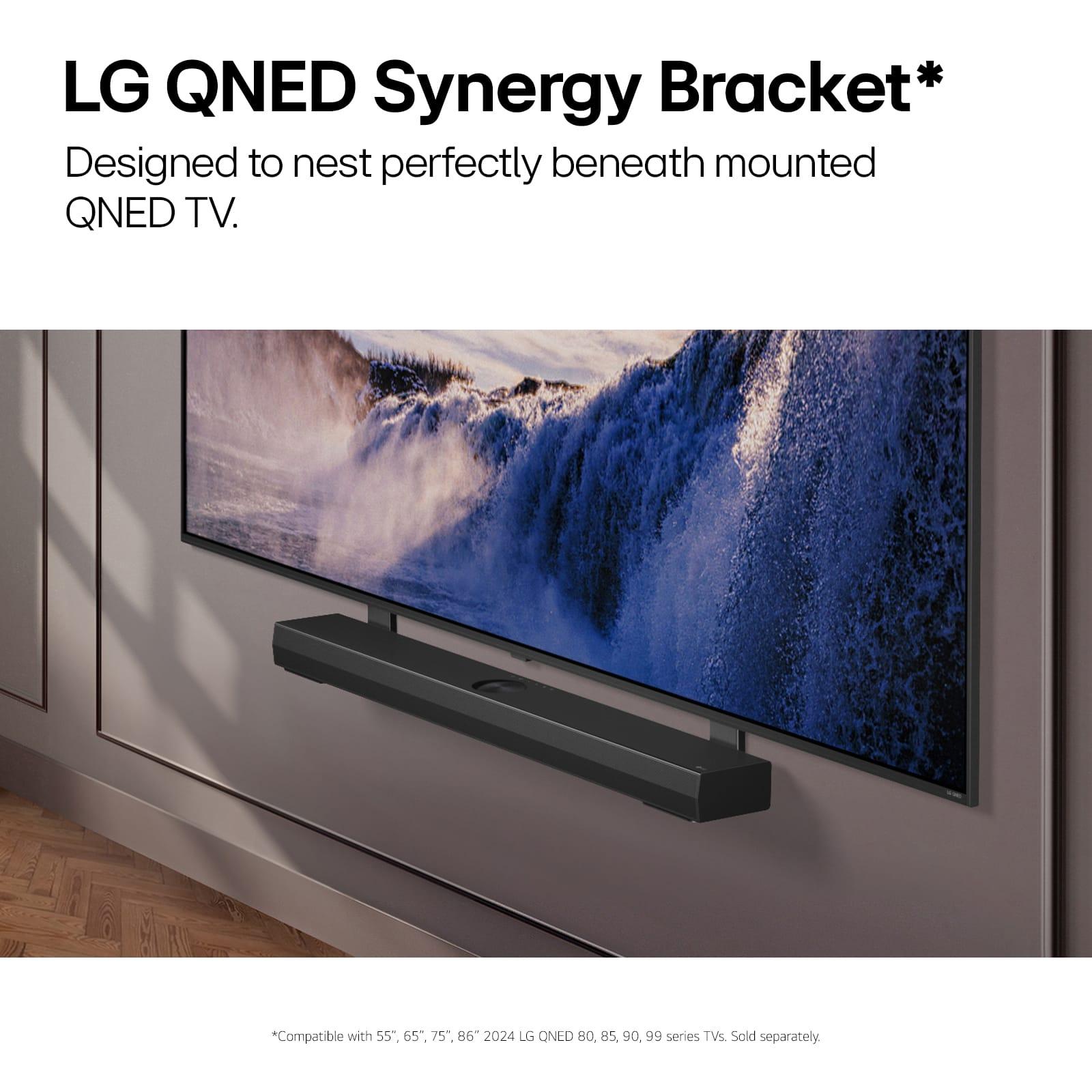
| 24" wide (ideal for TVs under 50 inches) | 37.4" wide (designed for larger TVs, includes mounting hardware) |
| Gaming Features - Important for console gaming and competitive play | |
| Basic audio improvement only | VRR/ALLM support up to 120Hz plus spatial audio advantages |
| Smart Features and Ecosystem Integration | |
| Fire TV ecosystem integration, simple remote control | LG WOW Orchestra, smartphone app, room correction, 3-band EQ |
| Connectivity Options - Determines compatibility with different devices | |
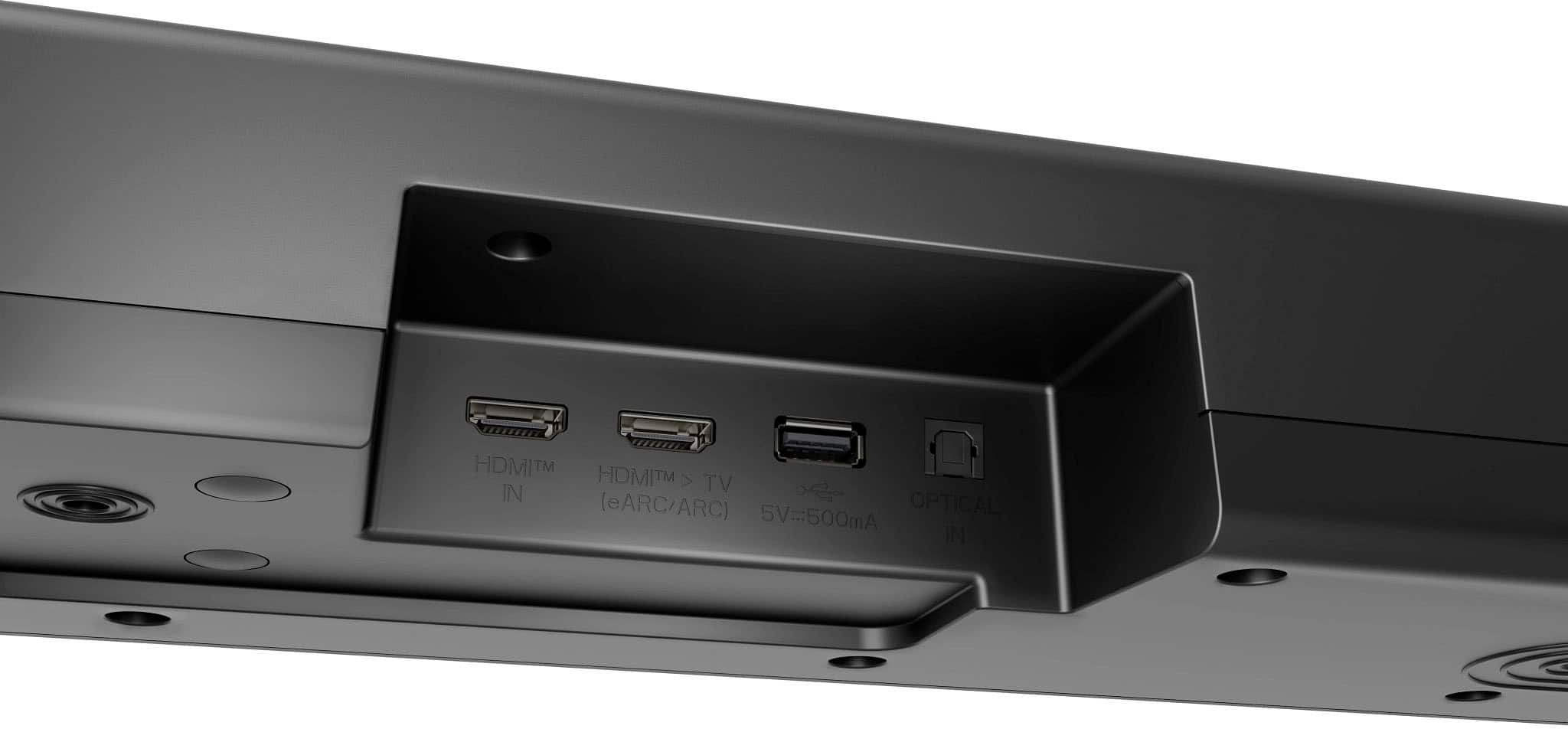
| HDMI ARC/eARC, optical input, Bluetooth streaming | HDMI eARC, optical, WiFi, Bluetooth 5.1, USB playback |
| Target Use Case - Who each product serves best | |
| Budget upgrade for dialogue clarity and basic improvement | Complete home theater system for movies, gaming, and immersive content |
The Amazon Fire TV Soundbar is a simple 2.0-channel stereo soundbar that improves TV dialogue and basic sound quality. The LG S70TR is a complete 5.1.1 surround sound system with a wireless subwoofer, rear speakers, and Dolby Atmos support for true home theater experiences.
The LG S70TR is significantly better for movies and home theater use. It provides authentic surround sound with rear speakers, powerful bass from a dedicated subwoofer, and overhead effects through Dolby Atmos. The Amazon Fire TV Soundbar only offers basic stereo sound enhancement.
For movies, music, and gaming, yes - a subwoofer makes a substantial difference in bass impact and overall immersion. The LG S70TR includes a dedicated wireless subwoofer, while the Amazon Fire TV Soundbar relies only on small internal drivers for bass.
The Amazon Fire TV Soundbar is much easier to set up - it's a single unit that connects with one cable. The LG S70TR requires positioning multiple wireless components (soundbar, subwoofer, and rear speakers) around your room, though all connections are wireless.
Yes, both the Amazon Fire TV Soundbar and LG S70TR work with any TV that has HDMI ARC or optical audio outputs. However, the LG S70TR offers special features like WOW Orchestra when paired with LG TVs.
The LG S70TR is superior for gaming, offering VRR and ALLM support up to 120Hz, plus spatial audio that helps locate in-game sounds. The Amazon Fire TV Soundbar provides basic audio improvement but lacks gaming-specific features.
The sound quality difference is substantial. The Amazon Fire TV Soundbar offers clear dialogue and decent stereo imaging but limited bass and no surround effects. The LG S70TR delivers full surround sound with deep bass, spatial positioning, and overhead effects for a cinematic experience.
This depends on your needs. The Amazon Fire TV Soundbar offers excellent value if you want basic TV audio improvement at a budget price. The LG S70TR provides better value if you want complete home theater audio, as it includes everything needed for surround sound.
The Amazon Fire TV Soundbar cannot be expanded or upgraded - it's a complete system as-is. The LG S70TR comes complete but offers more customization through its app and may support future firmware updates for new features.
The Amazon Fire TV Soundbar is better for small spaces due to its compact size and neighbor-friendly volume levels. The LG S70TR can overwhelm small rooms and may disturb neighbors with its powerful subwoofer.
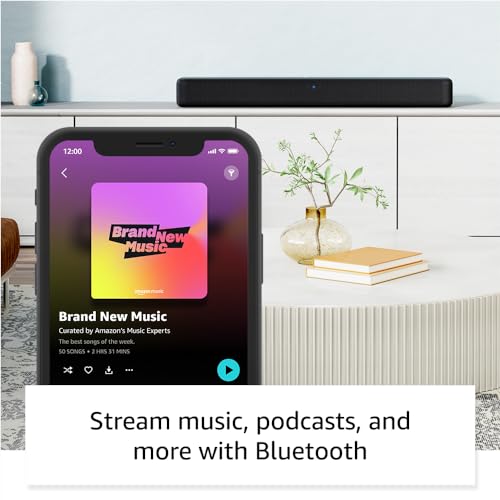
Yes, both support Bluetooth music streaming. The Amazon Fire TV Soundbar offers basic Bluetooth connectivity, while the LG S70TR includes Bluetooth 5.1, WiFi connectivity, and additional streaming options through its app.
Choose the Amazon Fire TV Soundbar if you want simple TV audio improvement, have a smaller TV or room, or prioritize easy setup and budget-friendly pricing. Choose the LG S70TR if you want true home theater sound, regularly watch movies or play games, and have space for multiple components.
We've done our best to create useful and informative comparisons to help you decide what product to buy. Our research uses advanced automated methods to create this comparison and perfection is not possible - please contact us for corrections or questions. These are the sites we've researched in the creation of this article: rtings.com - developer.amazon.com - stereoguide.com - developer.amazon.com - techradar.com - hometechnologyreview.com - whathifi.com - youtube.com - whathifi.com - wirelessplace.com - hometechnologyreview.com - dolby.com - aboutamazon.com - developer.amazon.com - community.anker.com - youtube.com - cordbusters.co.uk - bestbuy.com - mynavyexchange.com - rixaudiovideoappliance.com - rtings.com - youtube.com - bestbuy.com - howards.siteontimedev.com - bestbuy.com - appliancestogousa.us

Privacy Policy
Terms and Conditions - Affiliate Policy
Home Security
© Copyright 2008-2026.
11816 Inwood Rd #1211, Dallas, TX 75244