


When your TV's built-in speakers make dialogue sound like it's coming from inside a cardboard box, it's time for an upgrade. But with soundbar prices ranging from under $100 to over $1,000, choosing the right one can feel overwhelming. Today we're comparing two popular options that represent very different approaches to solving your audio problems: the basic but effective Amazon Fire TV Soundbar and the more comprehensive Yamaha SR-B40A.
Before diving into specifics, let's talk about what soundbars actually do and why the differences between these two models matter so much. A soundbar is essentially a horizontal speaker that sits below your TV, designed to deliver better audio than the tiny speakers crammed inside modern flat-screen TVs. But "better" can mean many different things.
Some soundbars, like the Amazon Fire TV Soundbar, focus on solving the most common complaint about TV audio: muddy, hard-to-understand dialogue. Others, like the Yamaha SR-B40A, aim to recreate something closer to a movie theater experience in your living room.
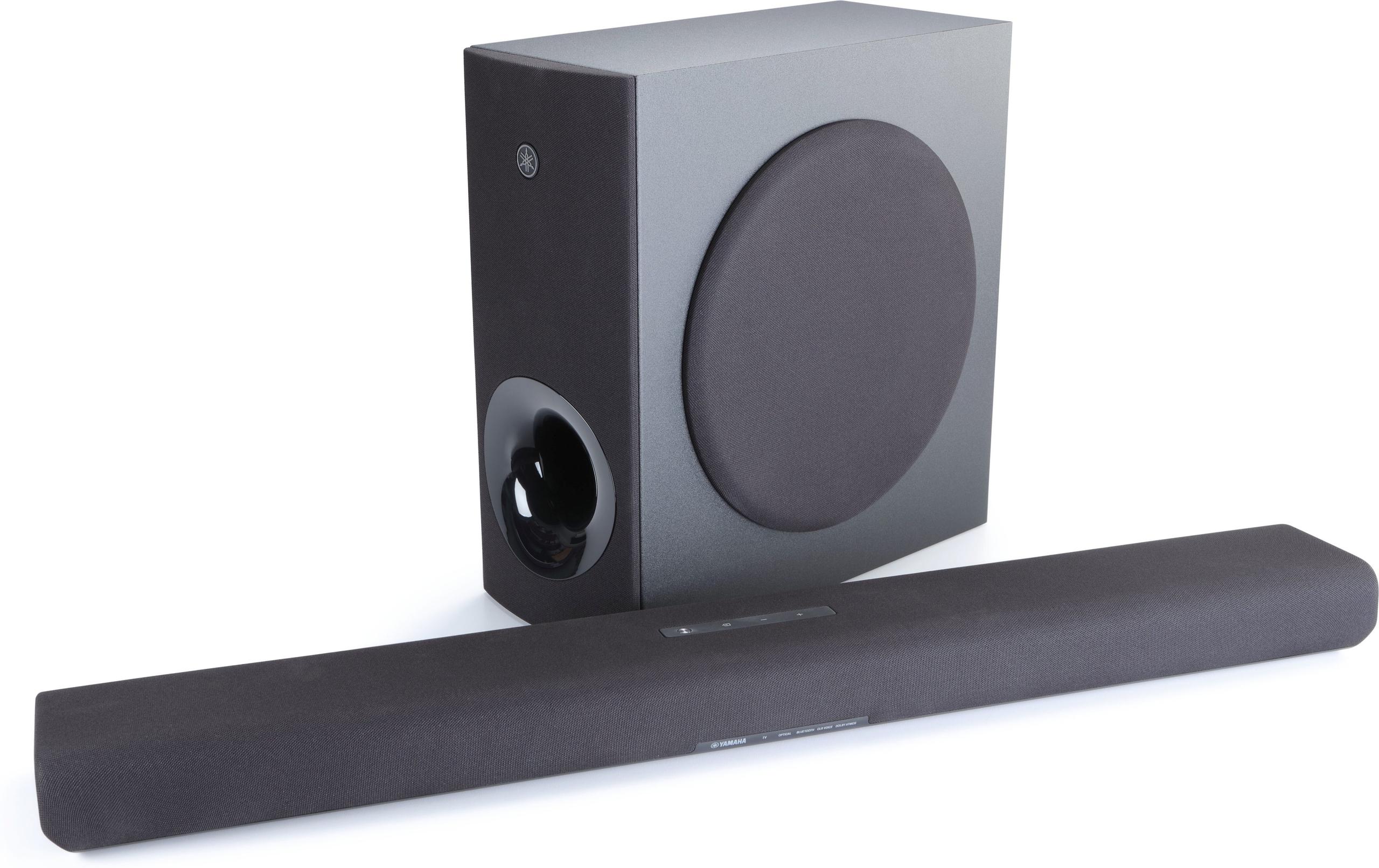
The key technical difference here is channel configuration. The Amazon Fire TV Soundbar uses a 2.0-channel setup, meaning it has two speakers creating left and right stereo sound. The Yamaha SR-B40A is a 2.1-channel system—those same left and right channels plus a ".1" which represents a dedicated subwoofer for bass frequencies. That extra component makes a bigger difference than you might expect.
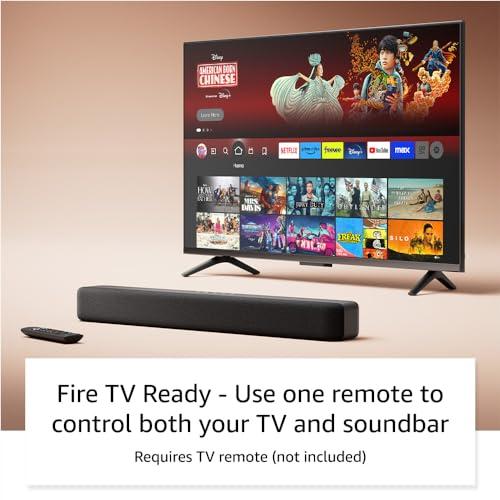
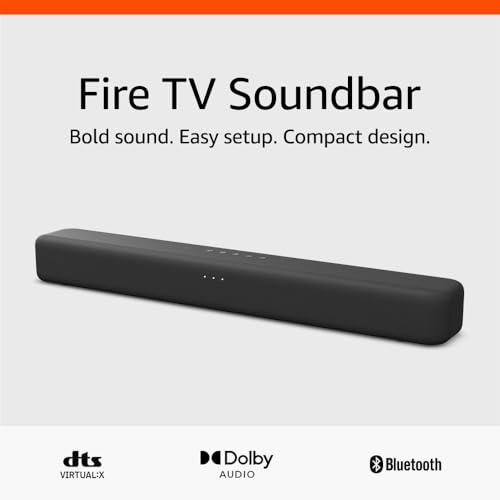
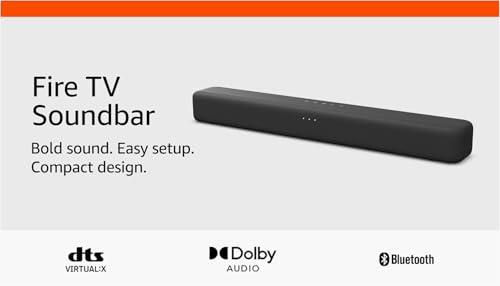
Amazon released their Fire TV Soundbar as part of their 2023 push into affordable home entertainment accessories. Despite the "Fire TV" name, this soundbar doesn't actually include any smart TV features or streaming capabilities—it's purely focused on improving audio from whatever device you connect to it.
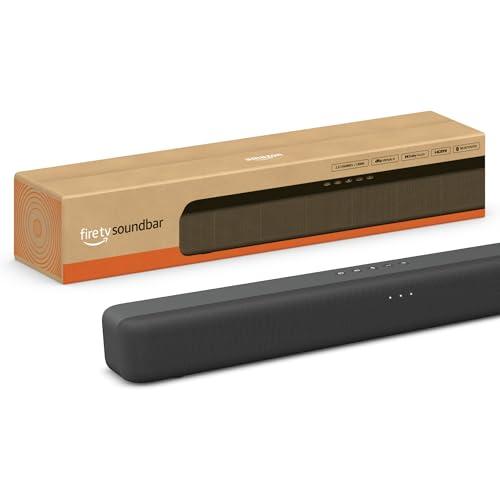
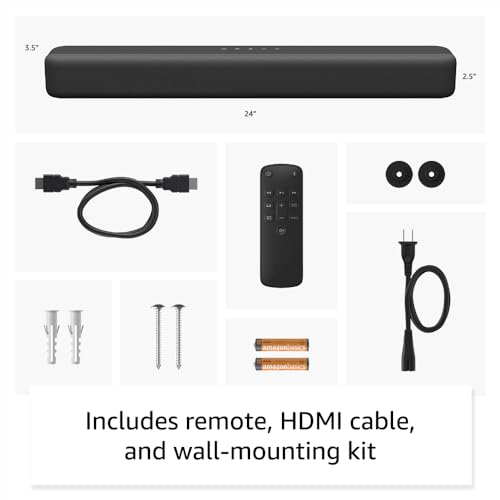
At just over 2 feet wide and weighing less than 4 pounds, the Amazon Fire TV Soundbar takes up minimal space. Inside this compact package, Amazon packed two "racetrack" drivers—oval-shaped speakers that maximize surface area while keeping the overall height low. Each driver gets 20 watts of amplification, for 40 watts total system power.
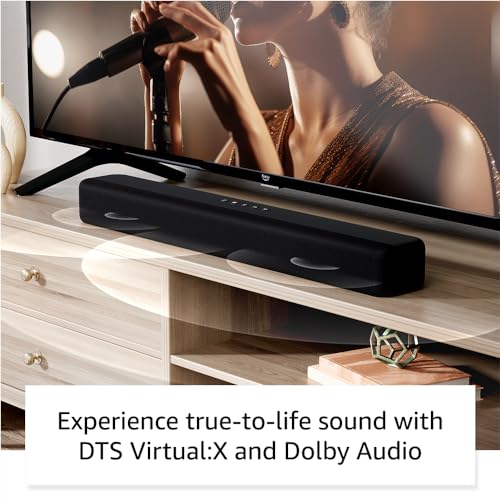
The standout feature here is DTS Virtual:X processing. This technology takes regular stereo audio and uses digital processing to create the illusion of surround sound. It's not magic—you won't suddenly hear helicopters flying behind your head—but it does expand the soundstage beyond what two small speakers should theoretically produce.
What impressed us most in researching this soundbar is how well it handles dialogue clarity. The frequency tuning emphasizes the vocal range, making conversations easier to follow even when background music or sound effects are present. For someone upgrading from TV speakers, this improvement alone justifies the investment.
However, the Amazon Fire TV Soundbar has clear limitations. Bass response is restricted by physics—small drivers in a compact enclosure simply cannot move enough air to produce deep, powerful low frequencies. The bass reflex design (basically a tuned port that helps extend low-end response) helps somewhat, but you're not getting the rumbling explosions or thumping music bass that larger systems provide.
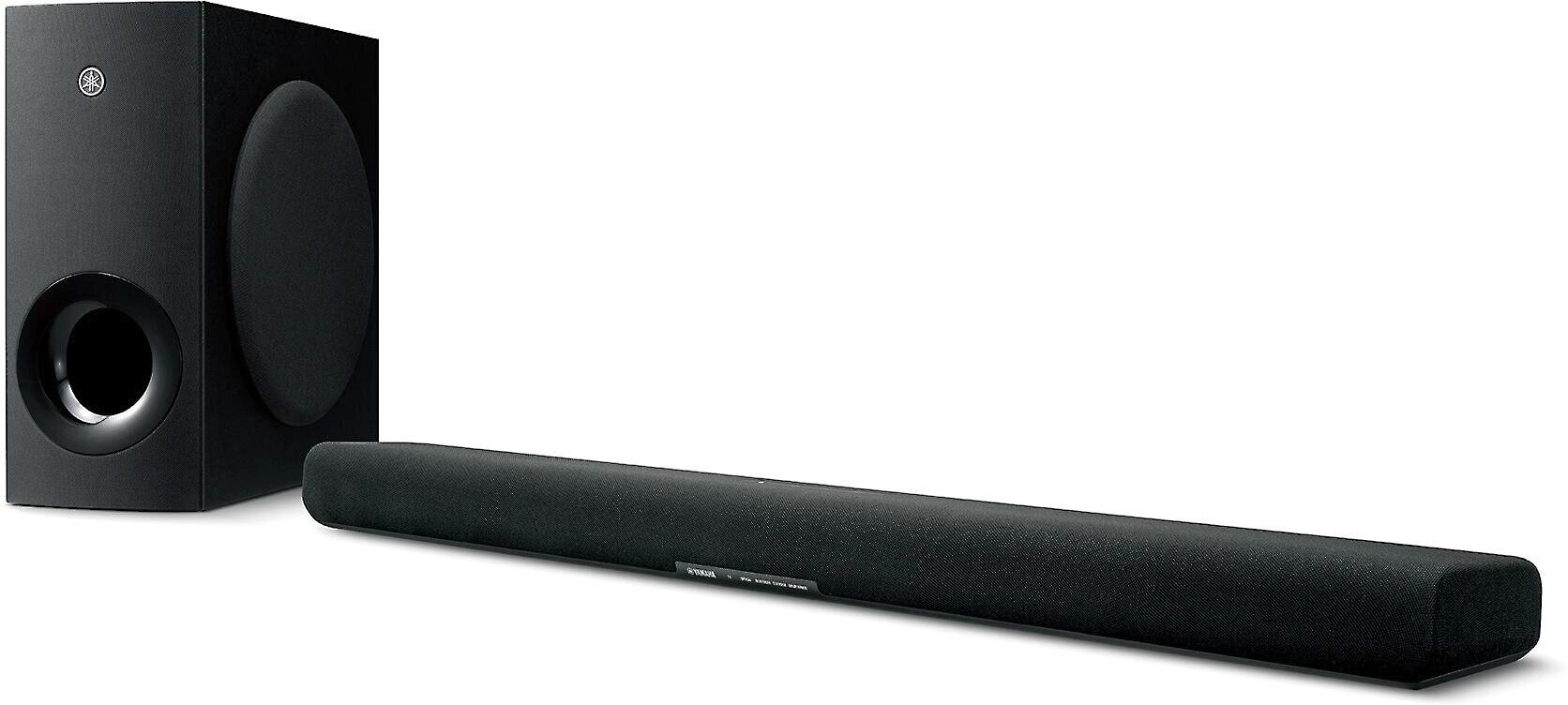
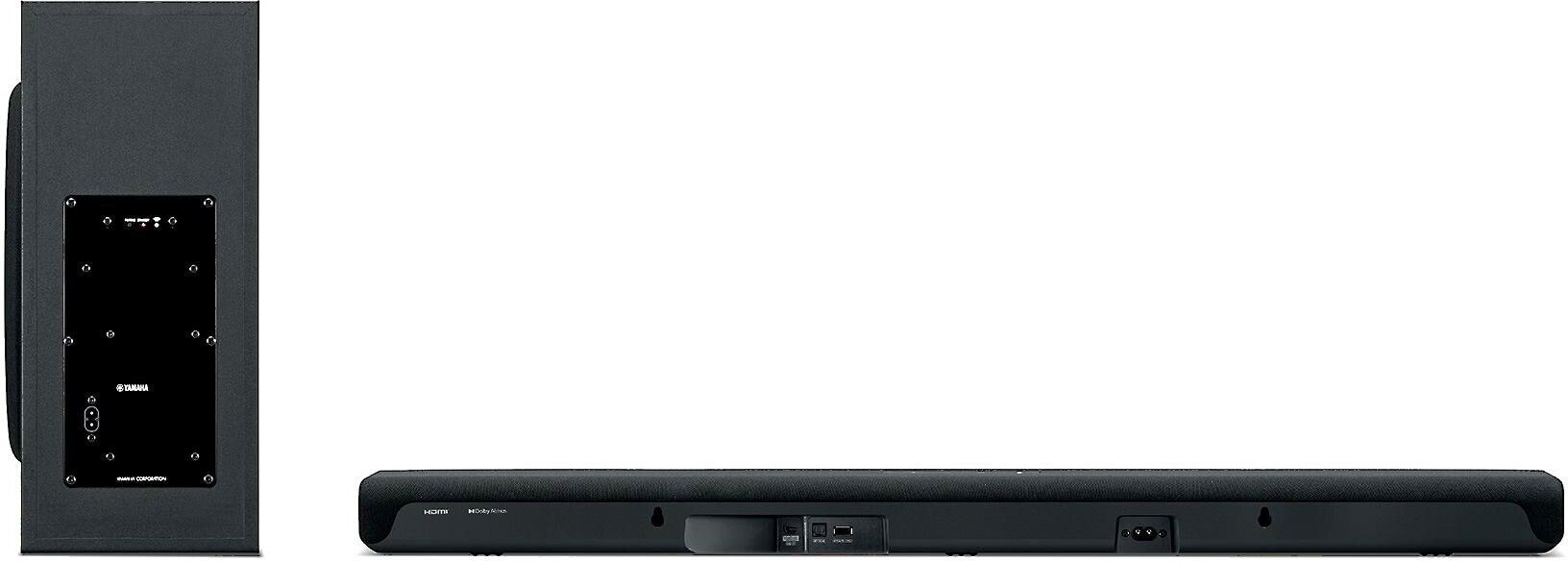
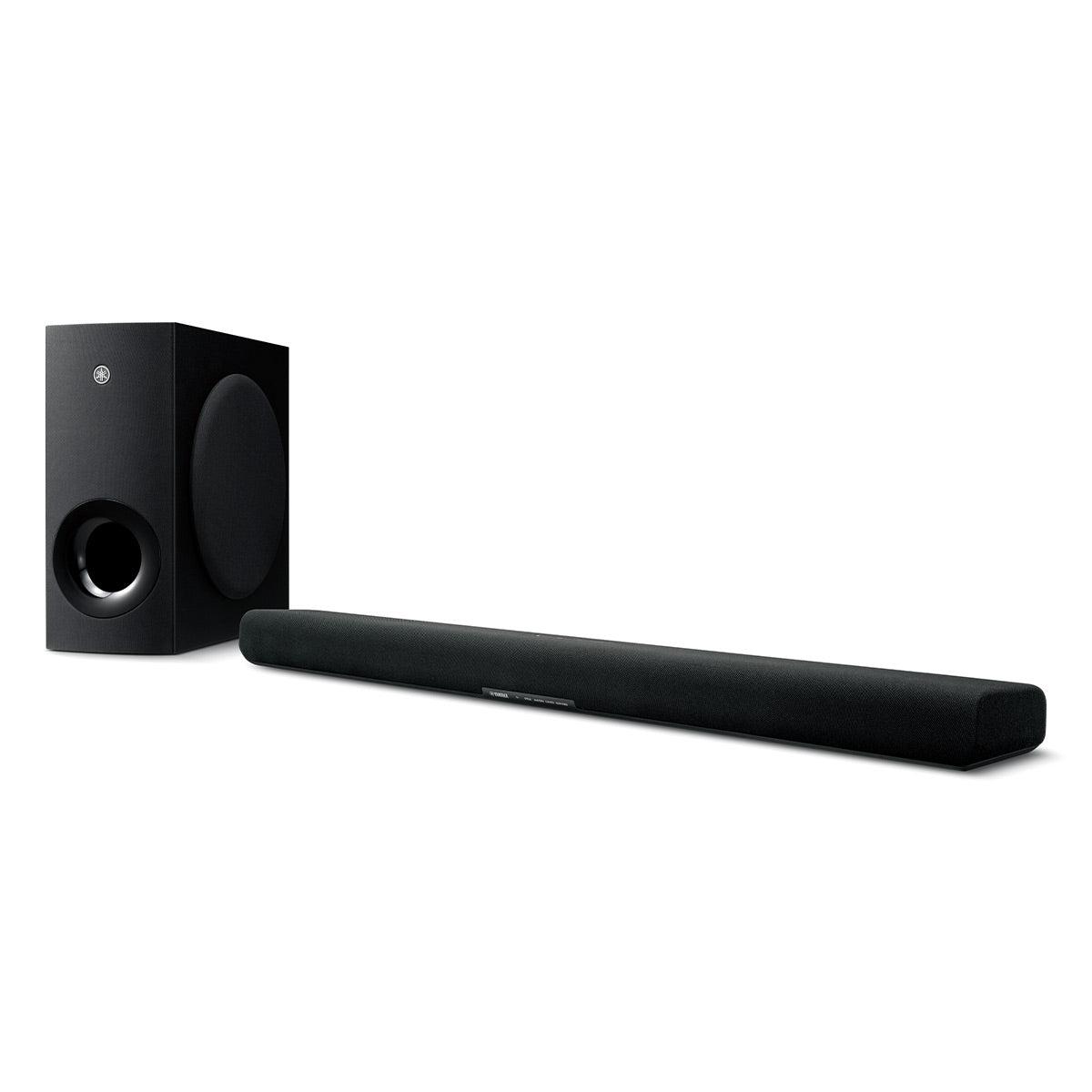
Yamaha took a completely different approach with their SR-B40A, released in 2024 as part of their updated soundbar lineup. Instead of cramming everything into one small package, they separated the system into two parts: a main soundbar and a wireless subwoofer.
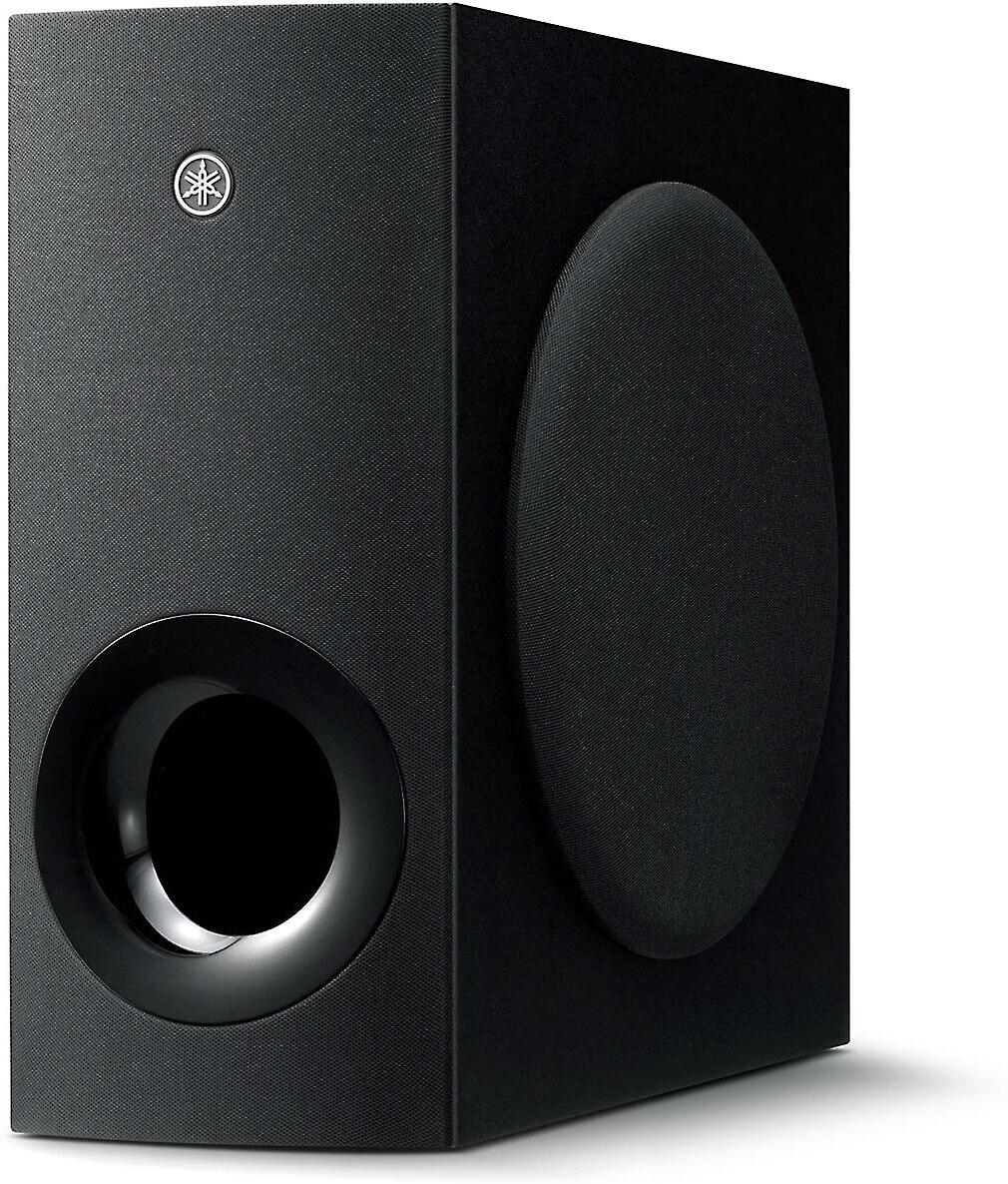
The main unit houses four 1.8-inch full-range drivers plus two 1-inch dome tweeters. Having dedicated tweeters (speakers optimized for high frequencies) means better detail in things like cymbal crashes, dialogue clarity, and musical instruments. The wireless subwoofer contains a 6.5-inch driver dedicated entirely to bass frequencies—and this makes all the difference for movies and music.
The power difference is substantial: 200 watts total system power compared to the Amazon Fire TV Soundbar's 40 watts. More importantly, that power is distributed more effectively. The main soundbar handles mid and high frequencies while the subwoofer focuses entirely on bass, allowing each component to specialize in what it does best.
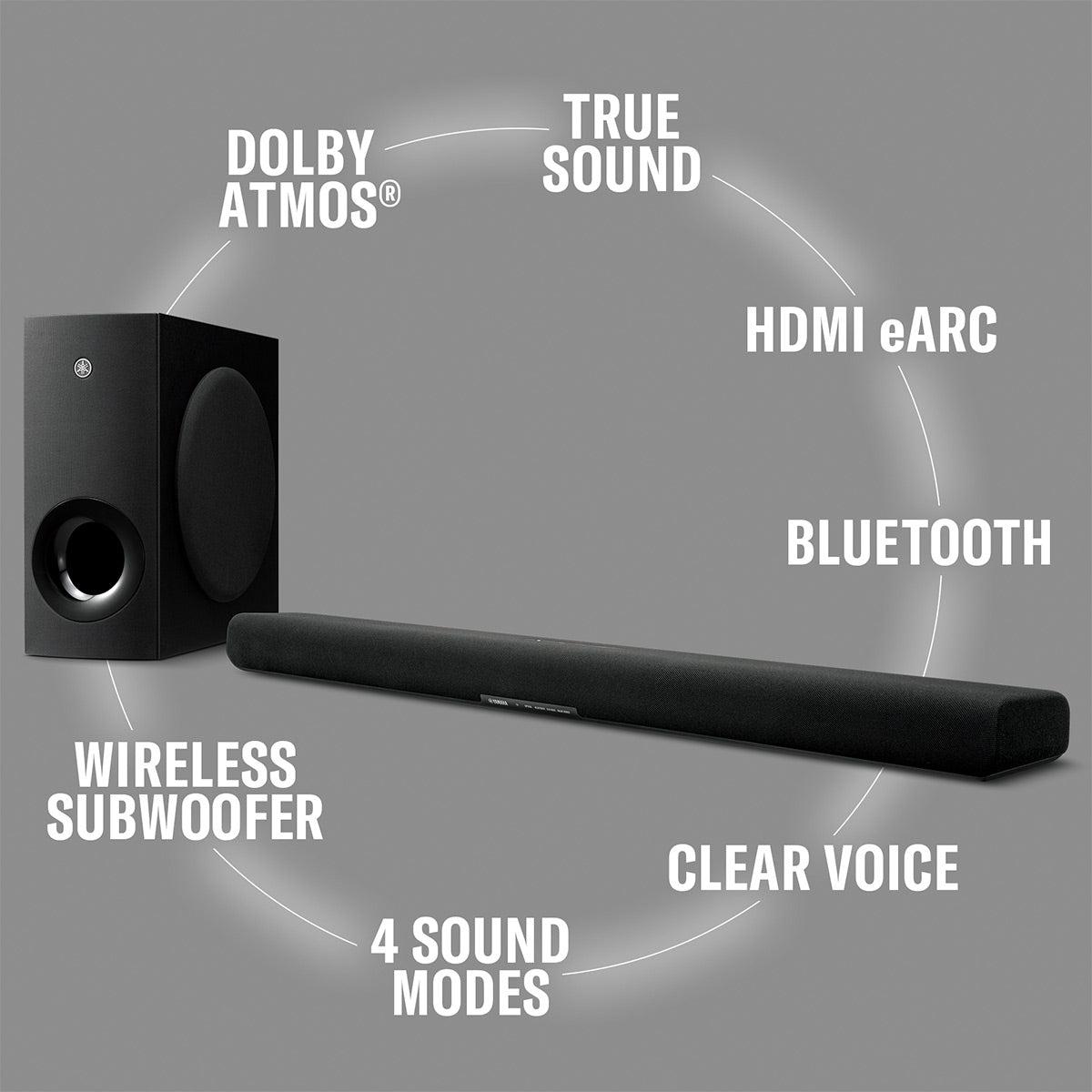
Where the Yamaha SR-B40A really shines is its Dolby Atmos support. Atmos is a surround sound format that adds height information to audio, creating a more immersive three-dimensional soundscape. The SR-B40A uses virtual Atmos processing—it doesn't have actual ceiling speakers, but uses clever digital processing and psychoacoustics (how your brain interprets sound) to simulate overhead effects.
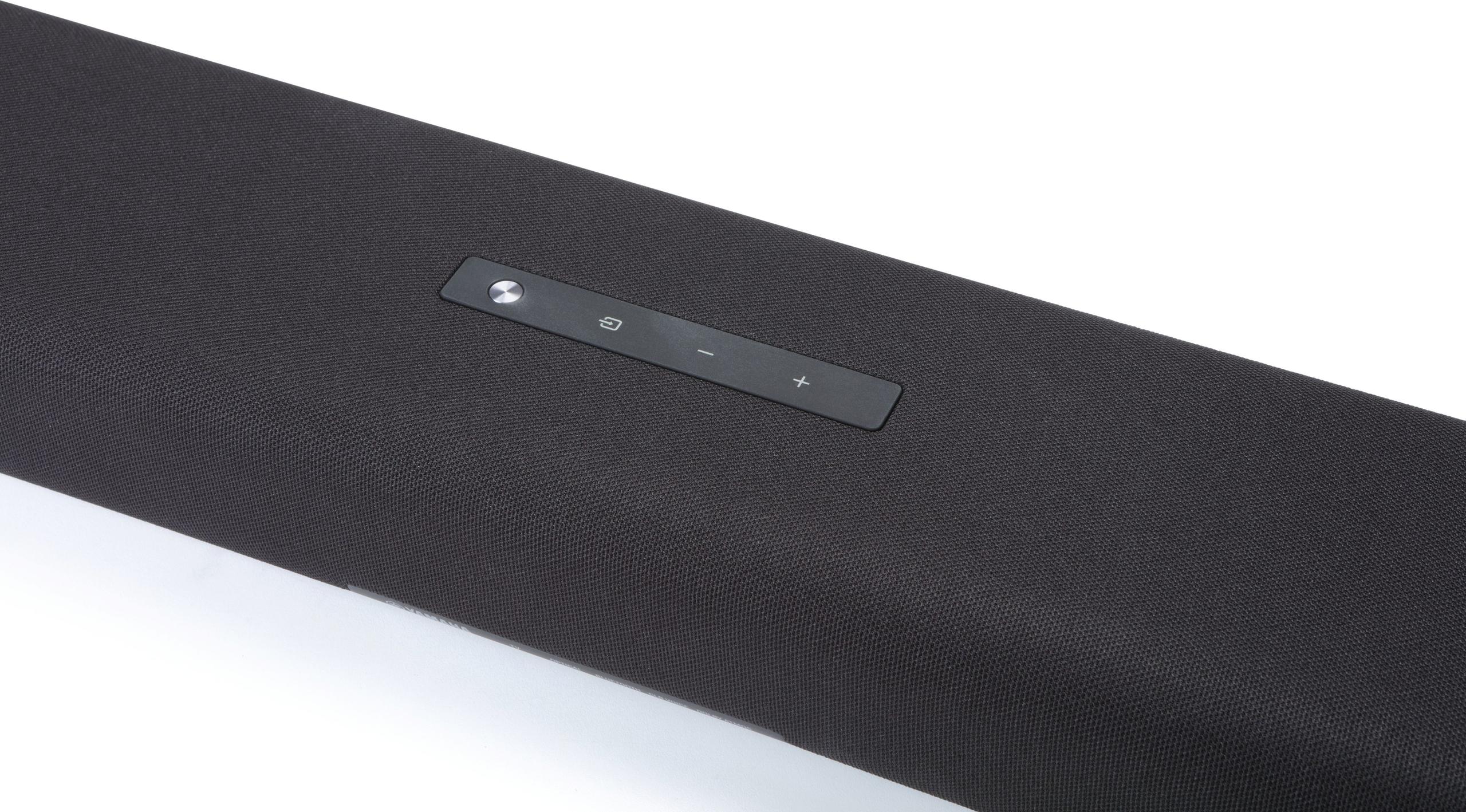
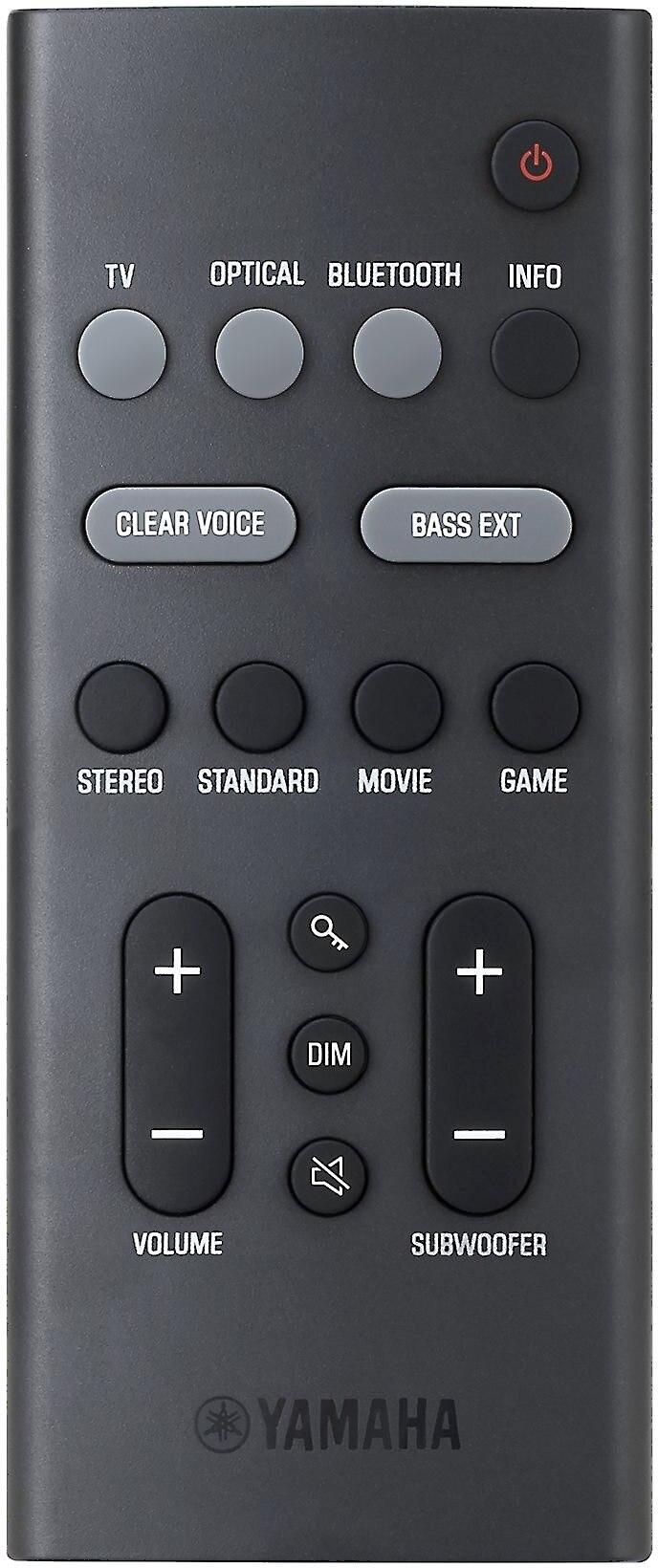
The system includes multiple listening modes: Stereo for music, Movie for enhanced surround effects, Game for optimized gaming audio, and Standard for general content. The Clear Voice feature specifically boosts dialogue frequencies, while Bass Extension mode adds extra low-end emphasis when you want more impact.
Dialogue Clarity Both soundbars significantly improve dialogue over TV speakers, but they achieve this differently. The Amazon Fire TV Soundbar uses careful frequency tuning to emphasize vocal ranges, making conversations easier to follow. The Yamaha SR-B40A takes a more sophisticated approach, using dedicated tweeters for crisp high frequencies and Clear Voice processing that can adapt to different content types.
In our research, both received praise for dialogue improvements, but the Yamaha edges ahead thanks to its more refined driver configuration and processing options. However, the difference isn't night and day—both solve the primary problem of unclear TV dialogue effectively.
Bass Response and Impact This is where the fundamental difference in approach becomes obvious. The Amazon Fire TV Soundbar simply cannot compete with a dedicated subwoofer. Physics is physics—a 6.5-inch driver in a properly sized enclosure will always produce deeper, more impactful bass than small drivers in a compact soundbar.
The Yamaha SR-B40A's subwoofer extends down to much lower frequencies, providing the room-shaking rumble that makes action movies exciting and music more engaging. User reviews consistently mention being surprised by how much bass the system produces, with some noting they had to turn down the subwoofer level to avoid disturbing neighbors.
Surround Sound Simulation Both systems use virtual surround processing, but the Yamaha SR-B40A has significant advantages. With more drivers and Dolby Atmos support, it creates a more convincing illusion of surround sound. The DTS Virtual:X in the Amazon Fire TV Soundbar provides some spatial enhancement, but it's more subtle.
The difference becomes most apparent with movie content. The Yamaha can make helicopter sounds seem to move across the room or place ambient effects around you more convincingly. The Amazon soundbar widens the stereo image but doesn't create the same immersive experience.
Music Performance For music listening, the Yamaha SR-B40A is clearly superior. The dedicated tweeters provide better detail in high frequencies, while the subwoofer adds the low-end foundation that makes music feel full and engaging. The stereo mode optimizes the sound signature for music rather than movie content.
The Amazon Fire TV Soundbar can handle music adequately, especially if you primarily listen to vocals or acoustic content. But for genres that rely on bass impact or complex instrumentation, the limitations become apparent.
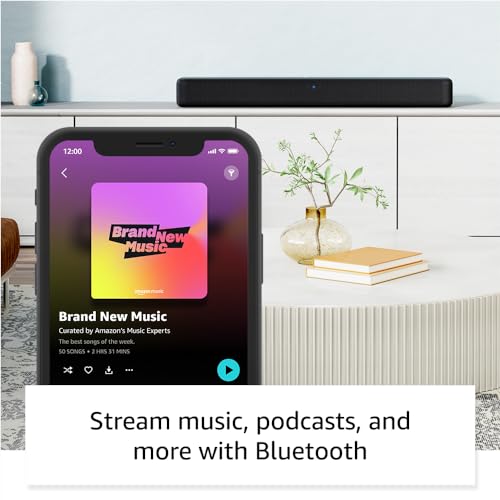
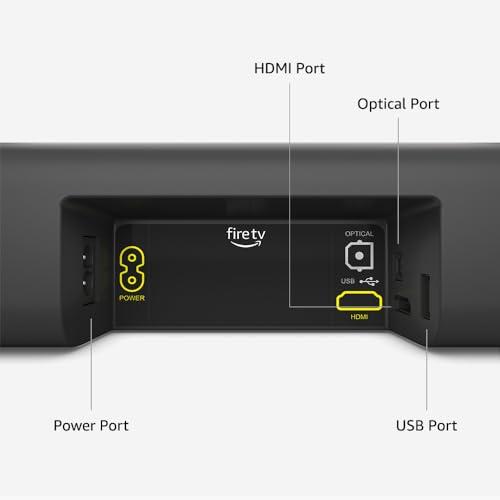
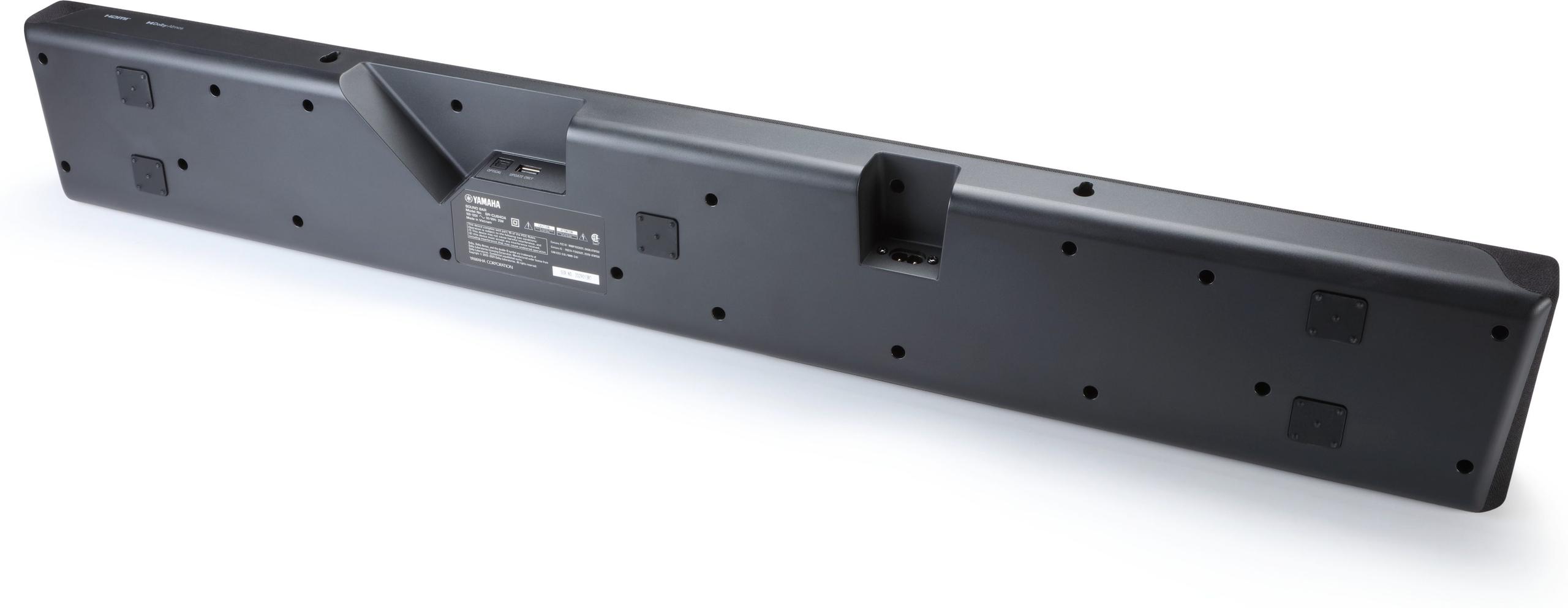
Both soundbars offer modern connectivity options, but with different philosophies. The Amazon Fire TV Soundbar keeps things simple: HDMI ARC for TV connection, optical input for older devices, and Bluetooth for wireless music streaming. Setup is genuinely plug-and-play.
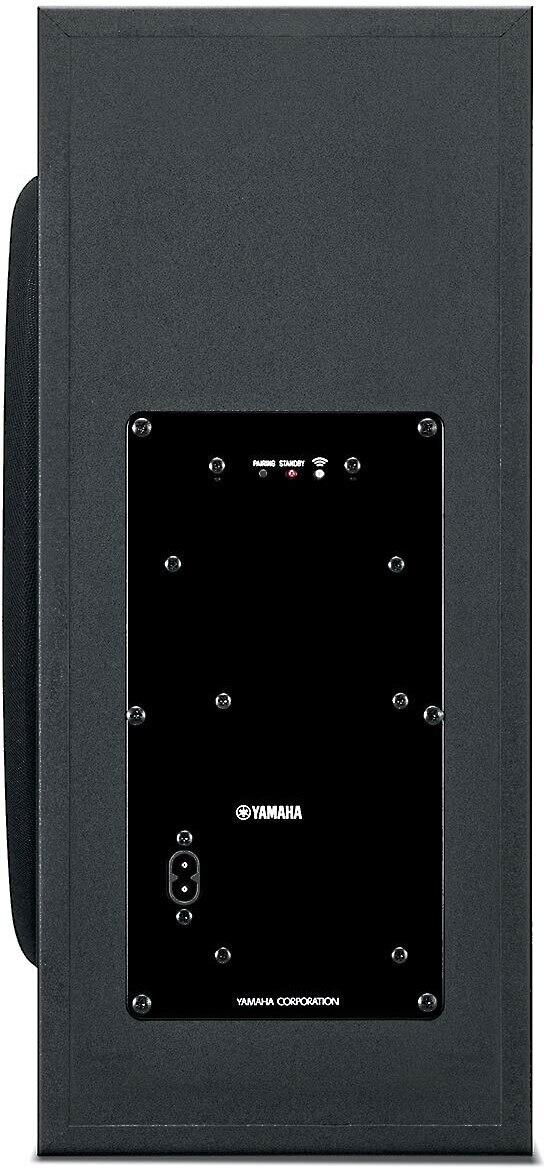
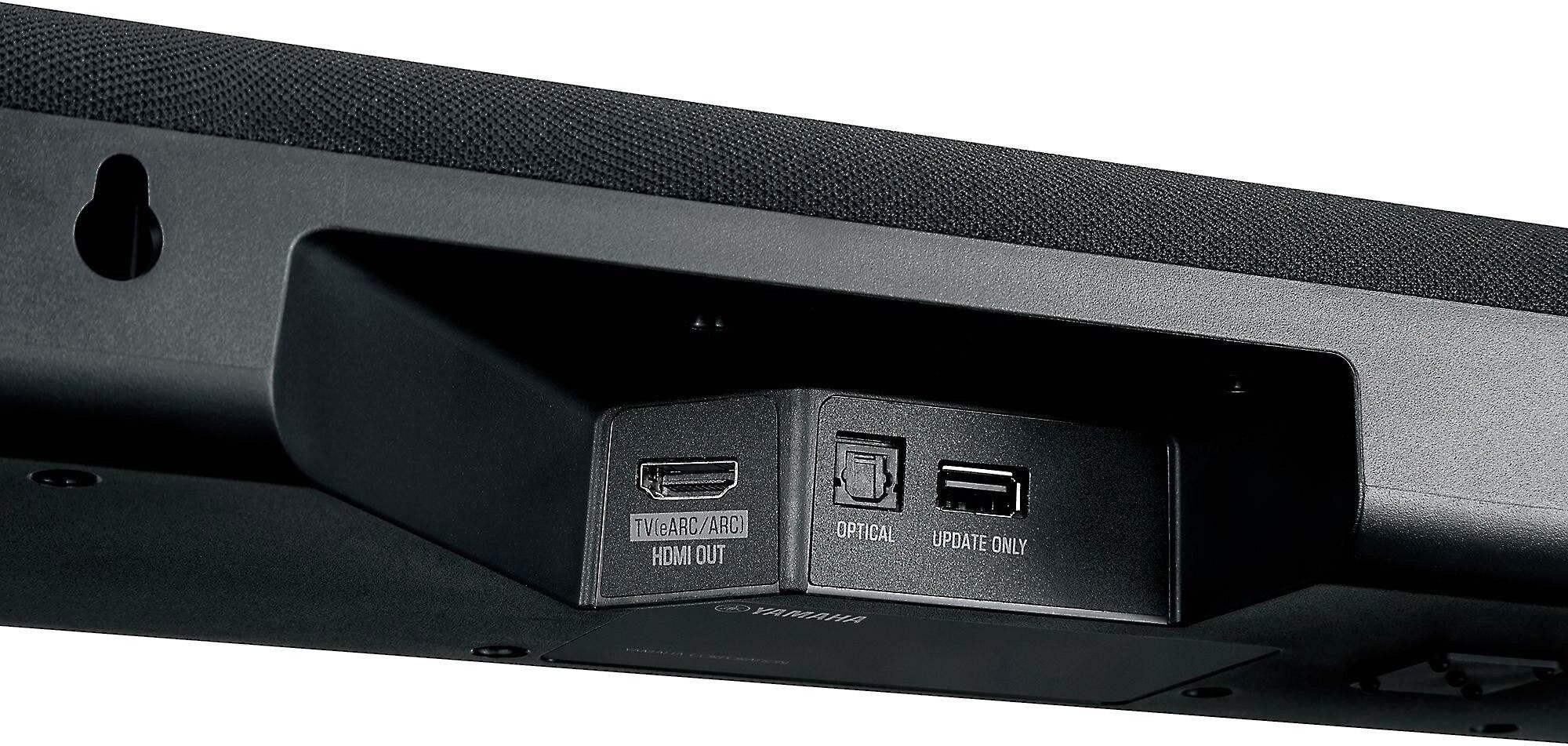
The Yamaha SR-B40A adds HDMI eARC support, which can pass higher-quality audio formats from compatible TVs. The wireless subwoofer connects automatically to the main unit, but you'll need to find appropriate placement—ideally on the floor near a wall for optimal bass response.
One surprising limitation of the Yamaha is the lack of Wi-Fi connectivity. Unlike many competitors at this price point, it doesn't support direct streaming from services like Spotify or Apple Music. You're limited to Bluetooth streaming, which works fine but isn't as convenient as built-in streaming.
At the time of writing, these soundbars occupy very different price segments, with the Yamaha SR-B40A costing roughly three times more than the Amazon Fire TV Soundbar. This price difference reflects their different target audiences and capabilities.
The Amazon Fire TV Soundbar represents exceptional value for basic TV audio improvement. If your main goal is making dialogue clearer and adding some stereo width, it delivers exactly that without breaking the budget. It's particularly appealing for apartment dwellers or anyone with strict space constraints.
The Yamaha SR-B40A costs significantly more but delivers proportionally better performance. In the competitive under-$400 Dolby Atmos soundbar market, it holds its own well. The wireless subwoofer alone would cost nearly as much as the entire Amazon system if purchased separately.
Room size plays a crucial role in determining which soundbar makes sense. The Amazon Fire TV Soundbar works well in smaller spaces—bedrooms, apartments, or secondary viewing areas. In these environments, its compact size is an advantage, and the limited bass output won't be as noticeable.
For medium to large living rooms, the Yamaha SR-B40A becomes much more appealing. The additional power and dedicated subwoofer can fill larger spaces more effectively. The wireless subwoofer also provides placement flexibility—you can position it wherever bass response sounds best, which is often not directly under the TV.
If you're building a dedicated home theater setup, the Yamaha is the clear choice. It provides the foundation for an immersive movie-watching experience, with room to grow if you decide to add rear speakers later (though this particular model doesn't support expansion).
Neither soundbar is perfect, and understanding their limitations helps set proper expectations. The Amazon Fire TV Soundbar cannot overcome physics—it simply doesn't have the driver size or power to produce impactful bass or truly immersive surround sound.
The Yamaha SR-B40A has different limitations. Some reviews note that voices can sound slightly disconnected from the rest of the audio mix, particularly in dialogue-heavy content. The lack of DTS support means some Blu-ray discs won't play in their native format, though this affects relatively few users in practice.
The wireless subwoofer, while generally reliable, occasionally experiences connection hiccups that require manual reconnection. This seems to be more common in environments with heavy Wi-Fi congestion.
The decision between these soundbars ultimately comes down to your priorities, budget, and expectations. The Amazon Fire TV Soundbar excels as a simple, affordable solution to poor TV audio. It's perfect for casual viewers who primarily watch news, sitcoms, or other dialogue-heavy content in smaller rooms.
Choose the Amazon soundbar if you want the smallest possible improvement in TV audio quality, have strict space constraints, or simply don't want to spend much money. It solves the fundamental problem of unclear TV dialogue without adding complexity or requiring much space.
The Yamaha SR-B40A targets users who want a genuine home theater upgrade. If you regularly watch movies, enjoy music through your TV, or want sound that can fill a larger room, the additional investment pays dividends in listening enjoyment.
Choose the Yamaha if you have the budget and space, watch action movies or listen to music regularly, or want Dolby Atmos capability for future content. The bass impact alone transforms movie watching, and the overall sound quality justifies the higher price.
Both soundbars represent solid values within their respective market segments. The Amazon Fire TV Soundbar does exactly what it promises at an aggressive price point, while the Yamaha SR-B40A delivers legitimate home theater audio improvement without the complexity of a full surround sound system.
Your choice should align with both your current needs and future entertainment habits. If you find yourself increasingly drawn to movie nights or music listening, investing in the Yamaha now will provide lasting satisfaction. But if clear dialogue and basic stereo improvement are your primary goals, the Amazon soundbar delivers exactly that at a fraction of the cost.
| Amazon Fire TV Soundbar | Yamaha SR-B40A 2.1-Channel Sound Bar with Wireless Subwoofer |
|---|---|
| Channel Configuration - Determines bass capability and sound separation | |
| 2.0-channel (no subwoofer) | 2.1-channel with wireless subwoofer |
| Total Power Output - Affects maximum volume and dynamic range | |
| 40W (2 × 20W) | 200W (main unit + 100W subwoofer) |
| Driver Configuration - Controls frequency response and clarity | |
| 2 × racetrack full-range drivers | 4 × 1.8" drivers + 2 × 1" tweeters + 6.5" subwoofer |
| Surround Sound Technology - Creates immersive audio experience | |
| DTS Virtual:X (basic spatial processing) | Dolby Atmos virtual processing (advanced 3D sound) |
| Dimensions - Impact on room placement and TV compatibility | |
| 61 × 9 × 6.5 cm (compact, single unit) | 91 × 6.8 × 13.3 cm + separate subwoofer (194 × 419 × 407 mm) |
| Weight - Affects portability and installation ease | |
| 1.8 kg (lightweight, easy mounting) | 3.9 kg main + 8.1 kg subwoofer (permanent installation) |
| Connectivity Options - Determines device compatibility | |
| HDMI ARC, Optical, Bluetooth | HDMI eARC/ARC, Optical, Bluetooth 5.1 |
| Sound Modes - Customization for different content types | |
| Basic EQ presets (Movie, Music, Dialog) | Stereo, Standard, Movie, Game modes + Clear Voice |
| Smart Features - App control and streaming capabilities | |
| None (basic remote only) | Sound Bar Remote app, tone controls |
| Bass Extension - Low-frequency performance for movies and music | |
| Limited by compact drivers and bass reflex design | Dedicated 6.5" wireless subwoofer with adjustable Bass Extension |
| Release Year - Technology generation and feature set | |
| 2023 (budget-focused, basic features) | 2024 (latest Dolby Atmos processing, refined drivers) |
The Amazon Fire TV Soundbar is ideal for small apartments due to its compact 61cm width and single-unit design. It doesn't require additional floor space for a subwoofer, making it perfect for tight spaces. The Yamaha SR-B40A requires placement for both the main unit and a separate wireless subwoofer, which may be challenging in smaller living areas.
A subwoofer significantly improves bass response for movies and music. The Amazon Fire TV Soundbar lacks a subwoofer, limiting its bass output to what small internal drivers can produce. The Yamaha SR-B40A includes a dedicated 6.5-inch wireless subwoofer that delivers much deeper, more impactful bass for action movies and music listening.
Both soundbars improve dialogue clarity over TV speakers. The Amazon Fire TV Soundbar uses frequency tuning to emphasize vocal ranges, while the Yamaha SR-B40A features dedicated tweeters and Clear Voice technology for crisp dialogue. The Yamaha has a slight edge due to its more sophisticated driver configuration.
The Amazon Fire TV Soundbar is a 2.0-channel system with left and right speakers only. The Yamaha SR-B40A is a 2.1-channel system, adding a dedicated subwoofer (".1" channel) for bass frequencies. This configuration provides better frequency separation and much more powerful low-end response.
The Amazon Fire TV Soundbar offers simpler setup with just one unit to connect via HDMI ARC or optical cable. The Yamaha SR-B40A requires positioning both the main soundbar and wireless subwoofer, though the subwoofer connects automatically. Both offer straightforward installation for most users.
Yes, both soundbars support Bluetooth music streaming. The Amazon Fire TV Soundbar uses standard Bluetooth connectivity, while the Yamaha SR-B40A features Bluetooth 5.1 for potentially better connection stability. Neither offers Wi-Fi streaming or built-in music services.
The Yamaha SR-B40A is significantly better for movies due to its Dolby Atmos virtual surround processing, dedicated subwoofer, and higher power output (200W vs 40W). The Amazon Fire TV Soundbar provides basic surround simulation with DTS Virtual:X but lacks the bass impact and immersive experience of the Yamaha.
Only the Yamaha SR-B40A supports Dolby Atmos virtual processing, which creates a more immersive surround sound experience. The Amazon Fire TV Soundbar uses DTS Virtual:X for basic spatial audio enhancement but doesn't support Dolby Atmos technology.
The Amazon Fire TV Soundbar offers excellent value for basic TV audio improvement at a budget-friendly price point. The Yamaha SR-B40A costs significantly more but delivers proportionally better performance with its subwoofer and advanced features. Value depends on your audio quality expectations and budget.
The Amazon Fire TV Soundbar provides 40 watts total power (20W per channel), suitable for small to medium rooms. The Yamaha SR-B40A delivers 200 watts total system power, including 100 watts for the subwoofer, providing much higher volume levels and dynamic range for larger spaces.
Both soundbars support optical connections for older TVs without HDMI ARC. The Amazon Fire TV Soundbar includes standard HDMI ARC, while the Yamaha SR-B40A features HDMI eARC for higher-quality audio formats. Both will work with most TVs from the past decade.
Neither the Amazon Fire TV Soundbar nor the Yamaha SR-B40A supports adding additional speakers for true surround sound. The Amazon soundbar has no expansion options, while the Yamaha is a complete 2.1 system with no provisions for rear speakers or additional components.
We've done our best to create useful and informative comparisons to help you decide what product to buy. Our research uses advanced automated methods to create this comparison and perfection is not possible - please contact us for corrections or questions. These are the sites we've researched in the creation of this article: rtings.com - developer.amazon.com - stereoguide.com - developer.amazon.com - techradar.com - hometechnologyreview.com - whathifi.com - youtube.com - whathifi.com - wirelessplace.com - hometechnologyreview.com - dolby.com - aboutamazon.com - developer.amazon.com - community.anker.com - youtube.com - cordbusters.co.uk - crutchfield.com - visions.ca - shop.usa.yamaha.com - bestbuy.com - bestbuy.com - usa.yamaha.com - my.yamaha.com - europe.yamaha.com - adorama.com - usa.yamaha.com - digitalhomecreations.com - europe.yamaha.com - sundownone.com

Privacy Policy
Terms and Conditions - Affiliate Policy
Home Security
© Copyright 2008-2026.
11816 Inwood Rd #1211, Dallas, TX 75244