



If you've been struggling to hear dialogue clearly on your TV or find yourself constantly adjusting the volume during movies, you're experiencing what millions of people deal with daily. Modern TVs, despite their impressive picture quality, often have terrible built-in speakers. They're thin, rear-facing, and designed more for aesthetics than audio quality. This is where soundbars come in – they're the most popular solution for upgrading your TV's audio without the complexity of a full surround sound system.
Today we're comparing two soundbars that represent opposite ends of the market: the budget-focused Amazon Fire TV Soundbar and the premium Denon Home Sound Bar 550. At the time of writing, these products sit roughly $500 apart in price, which tells you immediately that they're designed for very different users and expectations.
Before diving into these specific models, it's worth understanding what you should look for in any soundbar. The most important factors are audio performance (how good it sounds), connectivity options (how it connects to your devices), smart features (voice control, streaming capabilities), and expandability (whether you can add more speakers later).
Audio performance comes down to several technical aspects. Driver configuration refers to the number and types of speakers inside the soundbar – more drivers generally mean better sound separation and clarity. Channel configuration describes how many distinct audio channels the soundbar can produce; a 2.0 system has left and right channels, while a 4.0 system adds additional channels for better surround sound simulation. Surround sound processing uses digital algorithms to create the illusion of sound coming from multiple directions, even with speakers only in front of you.
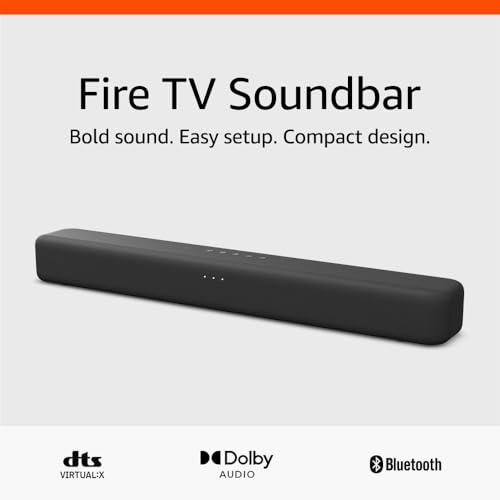
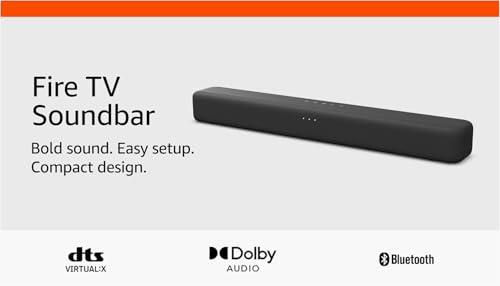
The Amazon Fire TV Soundbar, released in 2023, represents Amazon's first serious entry into the soundbar market. It's designed as a simple, affordable upgrade that works particularly well with Fire TV devices, though it functions with any TV. Meanwhile, the Denon Home Sound Bar 550, launched in 2021, comes from a company with decades of audio engineering experience and targets users who want premium sound quality with room to grow.
The difference in audio performance between these two soundbars is substantial, and it all comes down to their internal components and processing capabilities.
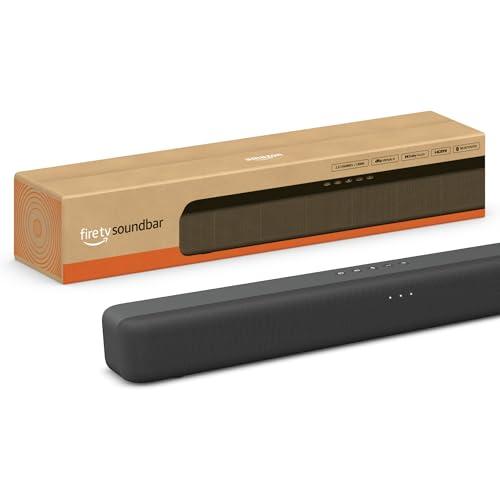
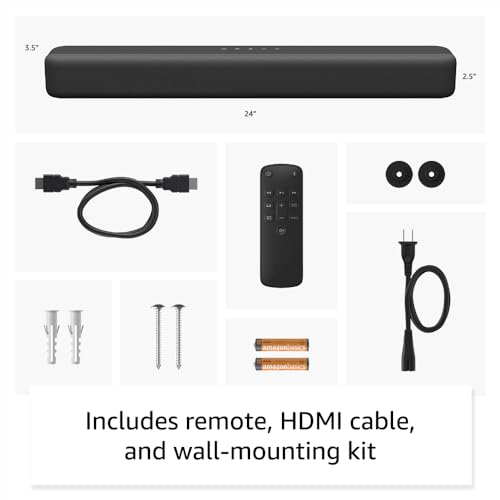
The Amazon Fire TV Soundbar uses a 2.0-channel setup with two "Racetrack" drivers, each powered by 20 watts. These oval-shaped drivers are designed to fit more speaker surface area into a compact space, which is clever engineering for the price point. The soundbar includes a bass reflex system – essentially a tuned port that helps extend low-frequency response without requiring a separate subwoofer.
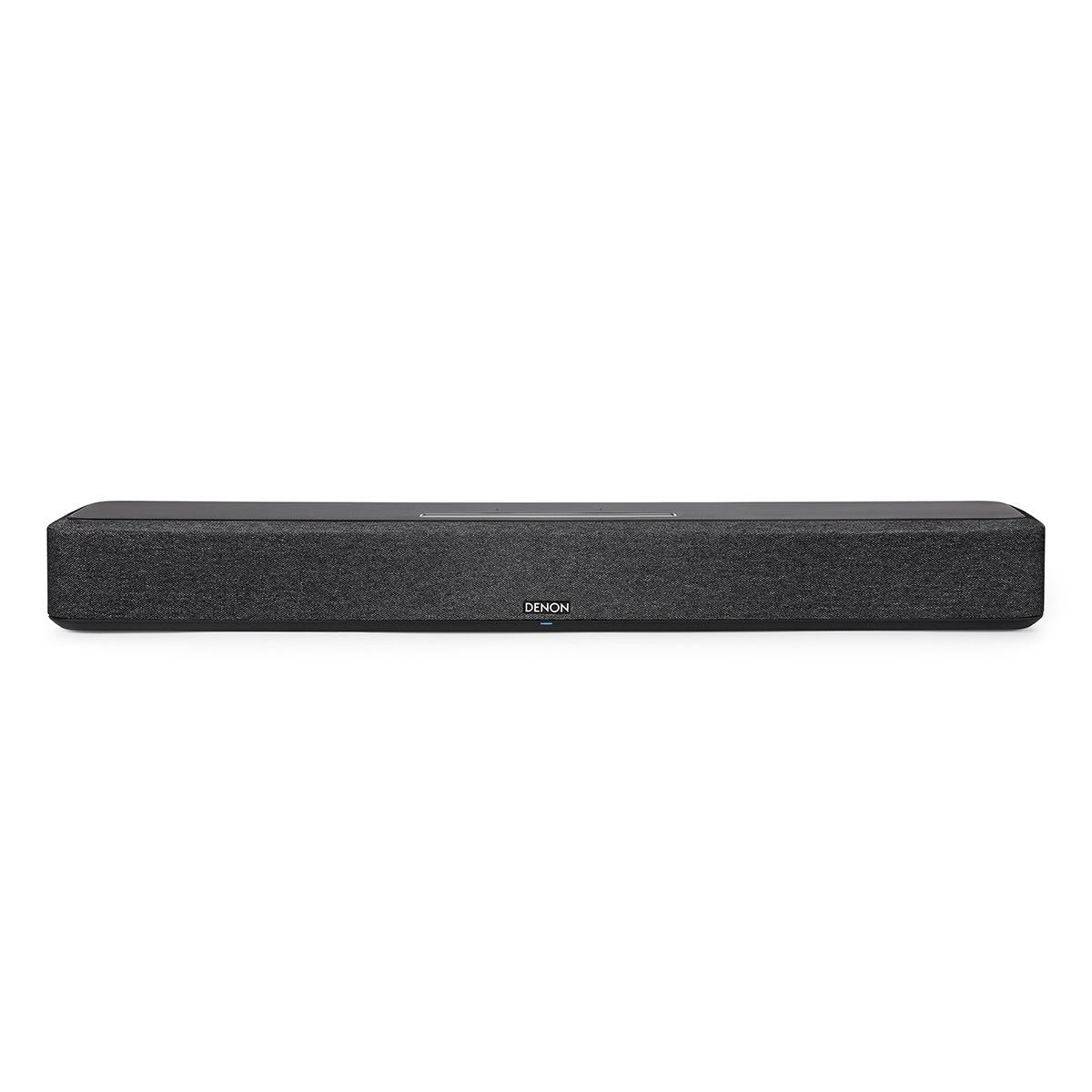
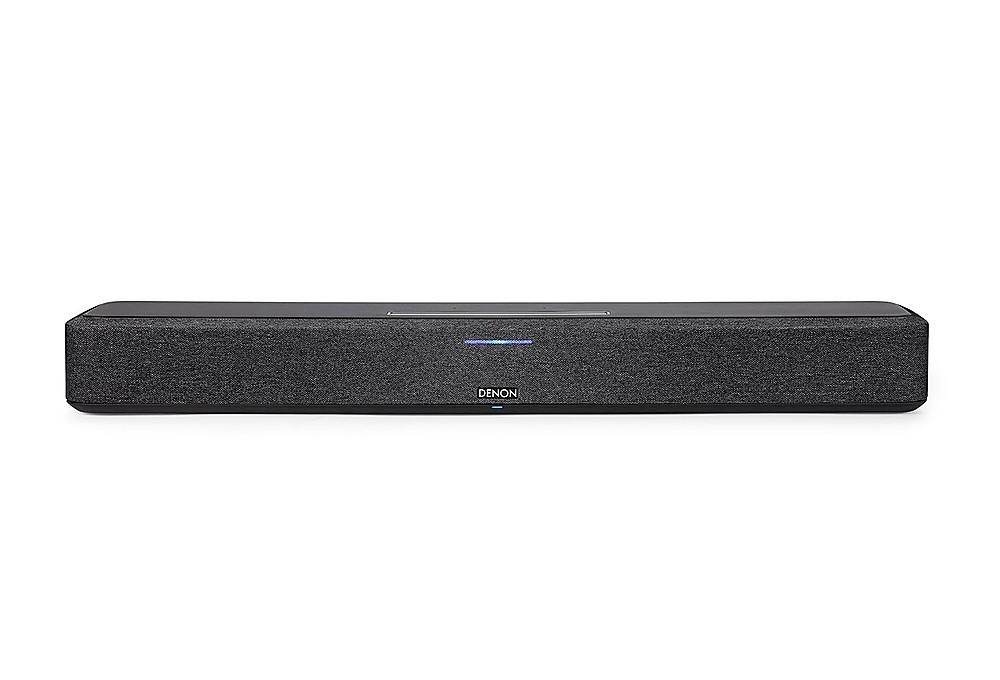
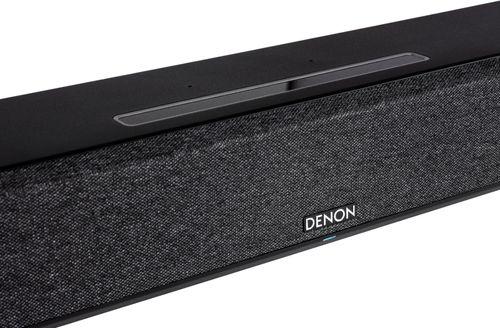
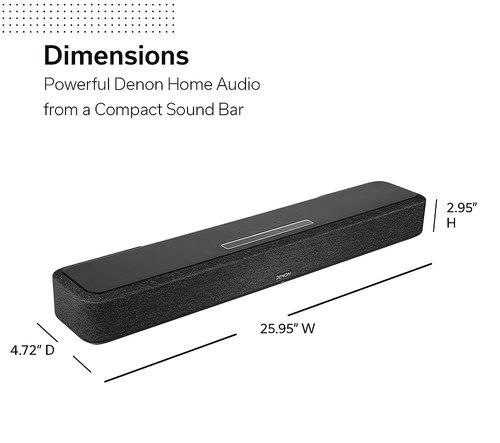
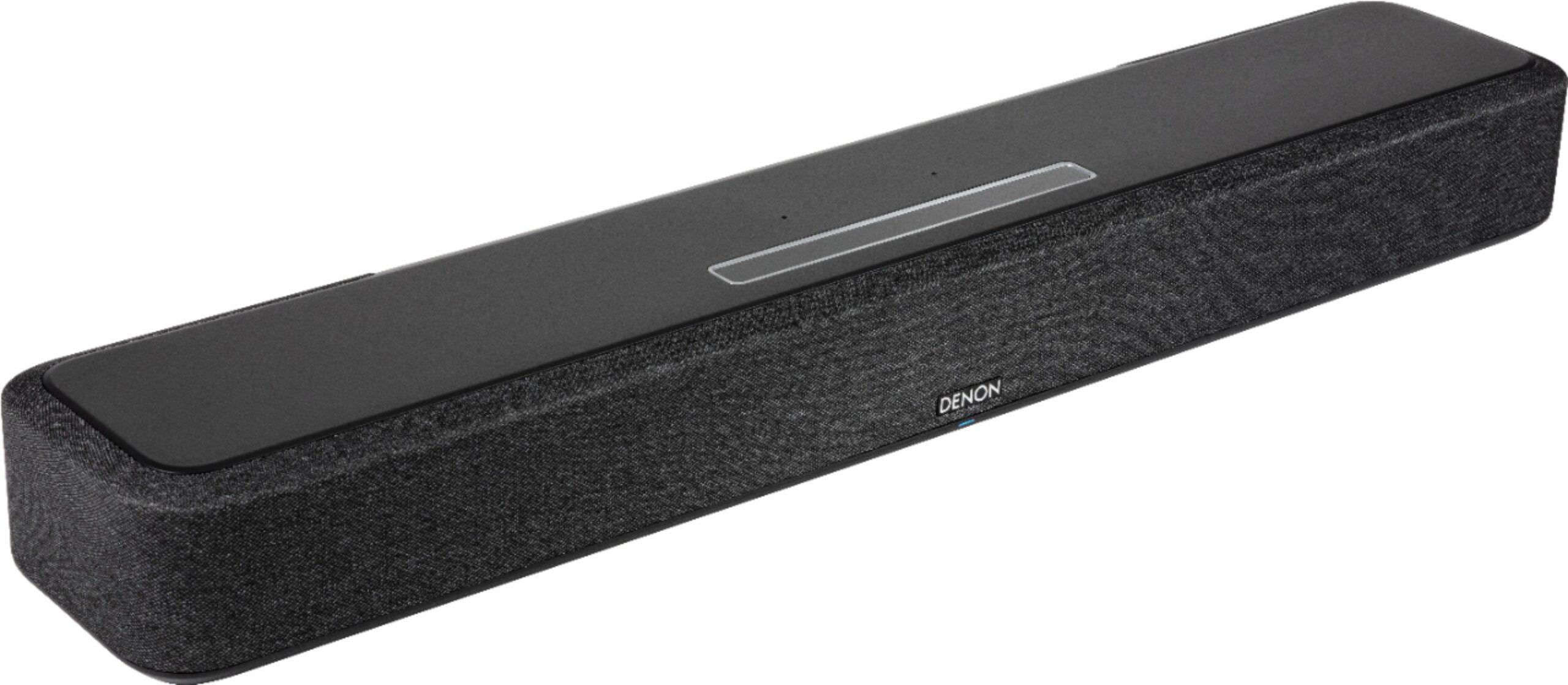
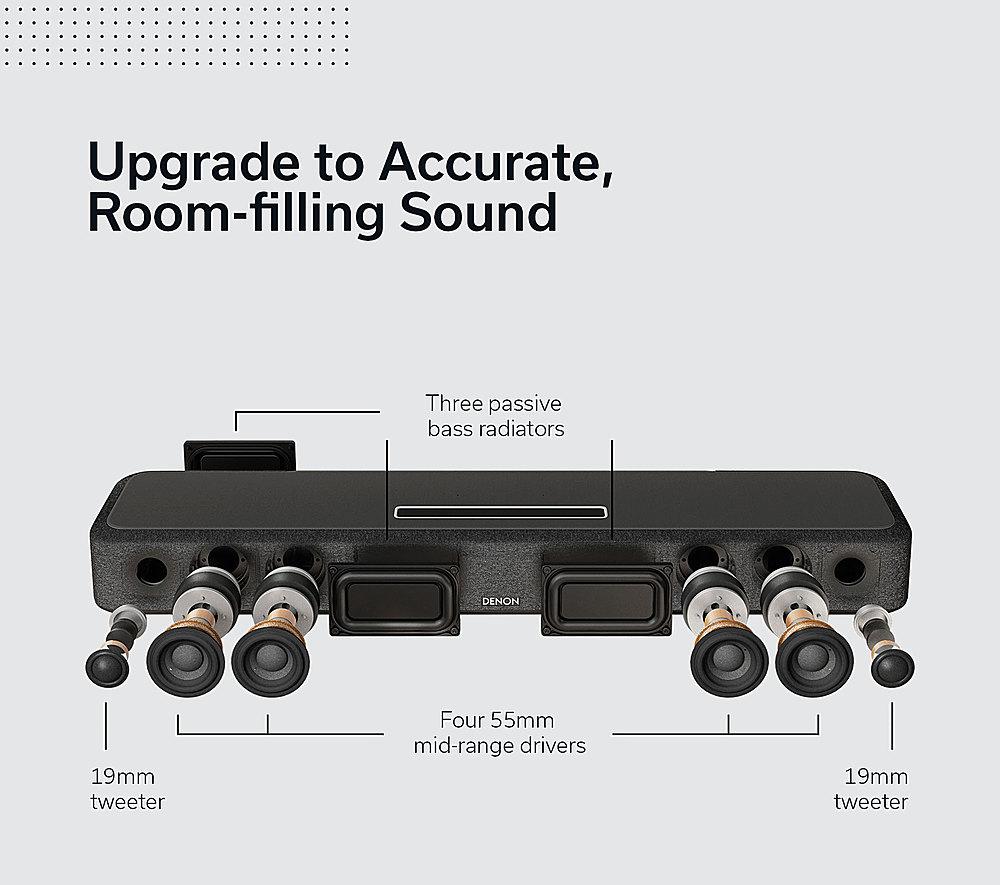
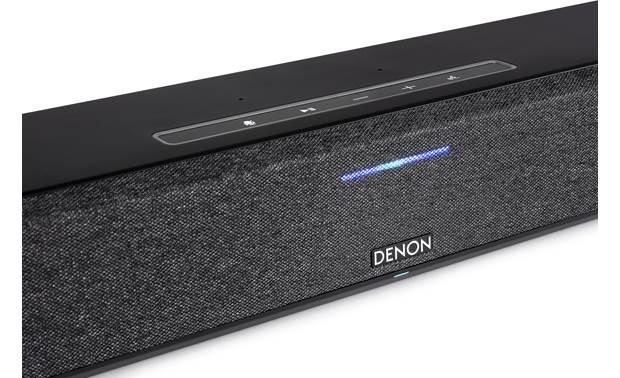
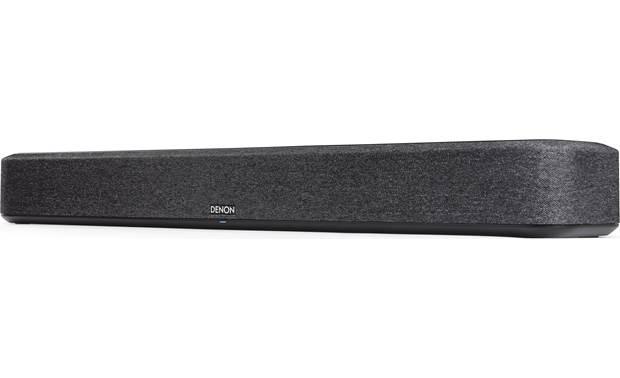
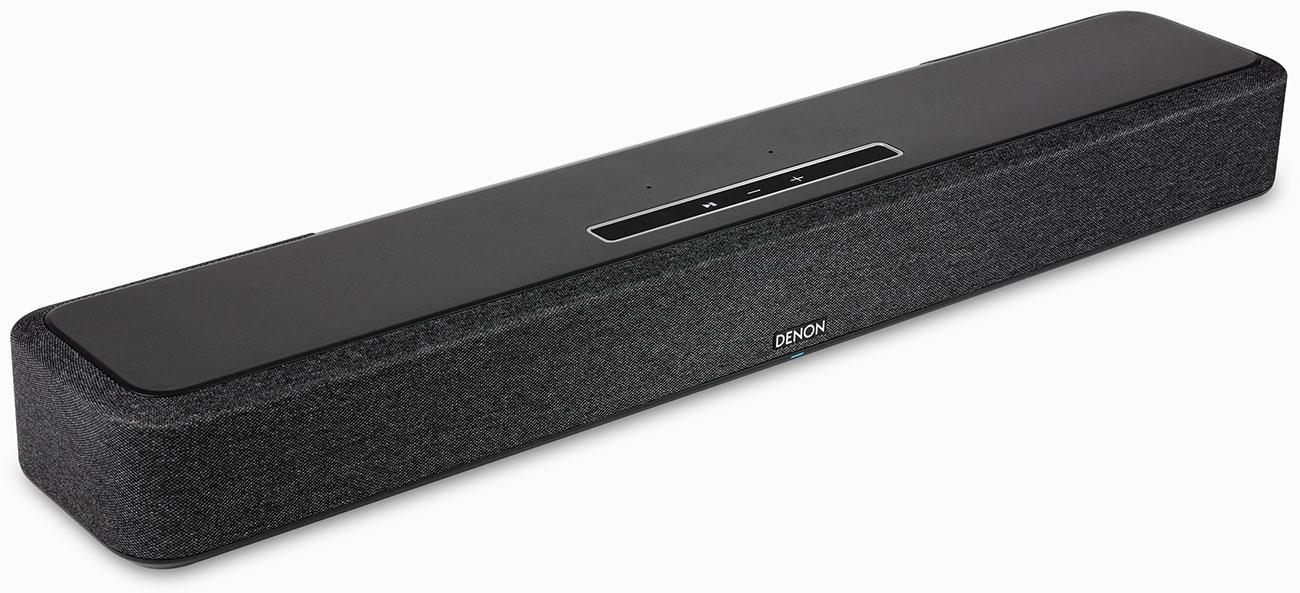
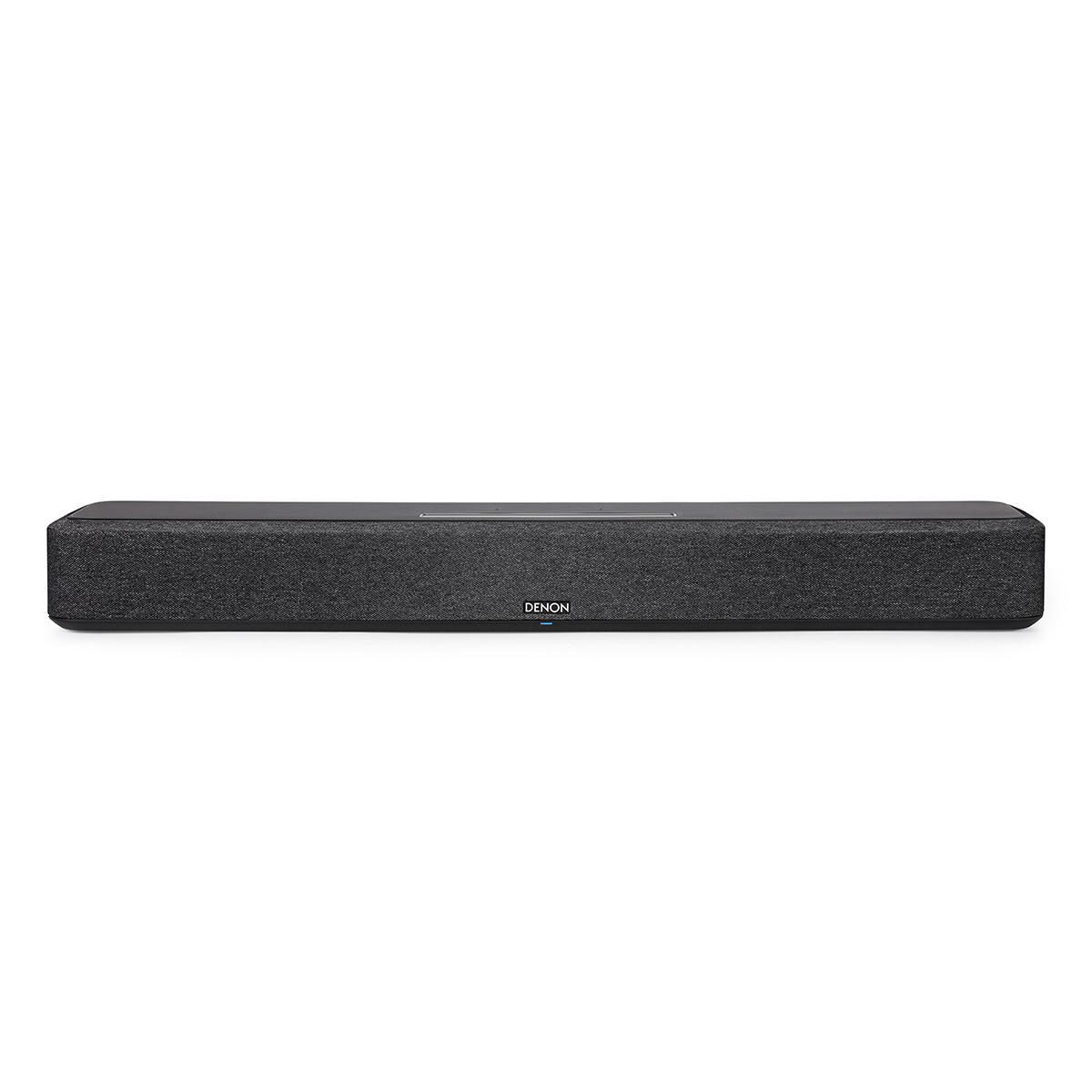
In contrast, the Denon Home Sound Bar 550 employs a much more sophisticated 4.0-channel system with six total drivers: four 2.1875-inch full-range drivers, two 0.75-inch soft-dome tweeters, and three passive radiators. Passive radiators work like speakers but without the electrical components – they move in response to air pressure from the active drivers, helping to extend bass response and create a fuller sound.
This difference in driver count and configuration translates directly to sound quality. The Amazon Fire TV Soundbar produces a wider, clearer soundstage than typical TV speakers, with decent dialogue clarity and some bass presence. However, it's limited by its two-driver design and modest power output. The Denon, with its multi-driver array and more powerful amplification, creates a much more spacious and detailed sound field.
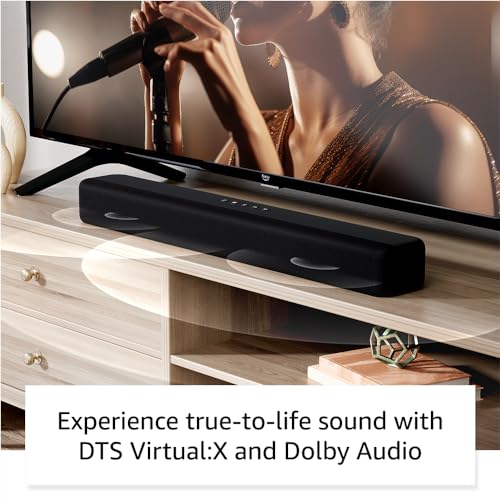
Both soundbars use digital signal processing (DSP) to create virtual surround sound, but they're not in the same league. The Fire TV Soundbar supports DTS Virtual:X, which is a respectable surround sound technology that can create the impression of height and depth from stereo speakers. It also supports Dolby Audio, which ensures consistent sound quality across different content types.
The Denon supports the full range of modern surround formats, including Dolby Atmos and DTS:X. These are object-based audio formats that can precisely place sounds in three-dimensional space. While the Denon doesn't have physical height speakers, it uses Dolby Height Virtualization to create convincing overhead effects. Based on expert reviews, this virtual Atmos implementation is surprisingly effective, creating a sense of immersion that the Fire TV Soundbar simply can't match.
Bass response is where budget soundbars typically struggle most, and both models have limitations here, though for different reasons. The Amazon Fire TV Soundbar produces adequate bass for dialogue and casual viewing, but it can't deliver the deep, room-shaking lows you'd want for action movies or music with heavy bass content.
The Denon performs better thanks to its passive radiators and more sophisticated driver arrangement, producing fuller, more controlled bass. However, professional reviews note that it "doesn't get very loud," which might be limiting in larger rooms or for users who prefer higher volume levels.
The connectivity and smart feature differences between these soundbars are perhaps even more dramatic than their audio performance gap.
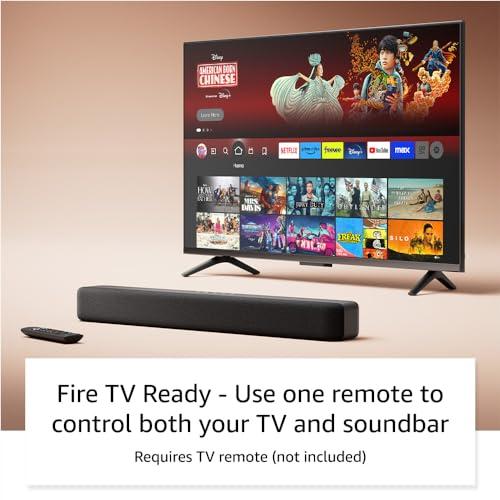
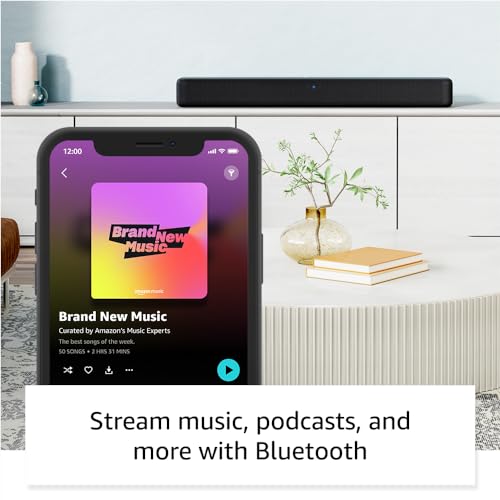
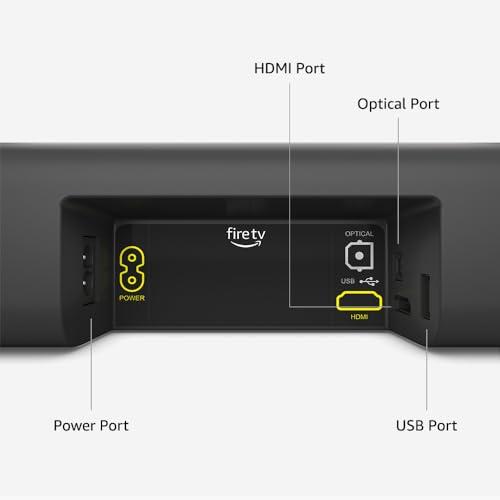
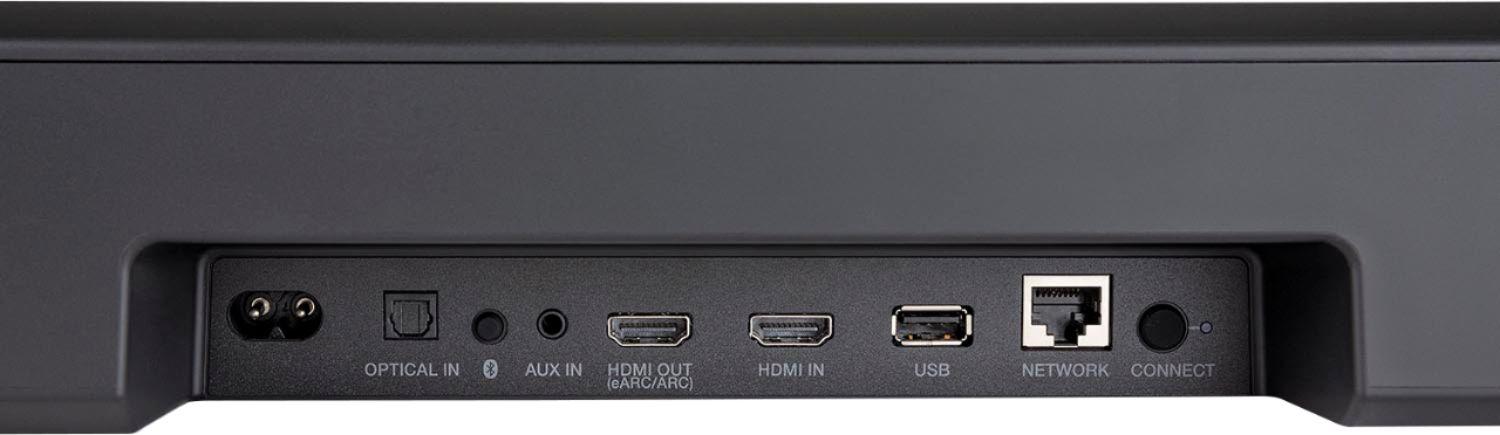
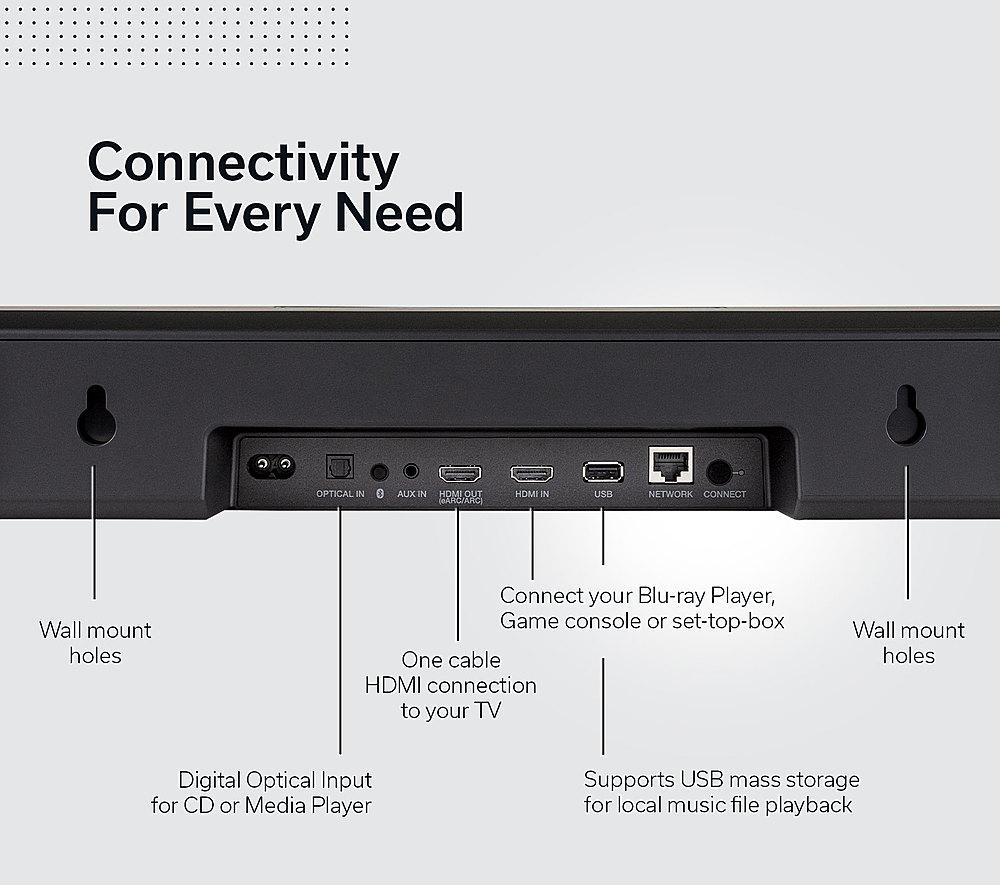
Both soundbars cover the basics with HDMI ARC (Audio Return Channel), which allows your TV remote to control the soundbar's volume and power. The Fire TV Soundbar also includes HDMI eARC (enhanced Audio Return Channel), which supports higher-quality audio formats, though this is somewhat wasted given its limited processing capabilities. It also has an optical input for older TVs and basic Bluetooth for music streaming.
The Denon takes connectivity much further with HDMI 2.0b support, including 4K/60Hz pass-through, HDR (High Dynamic Range), and Dolby Vision compatibility. This means you can connect devices directly to the soundbar and pass both audio and video to your TV without quality loss – particularly important for gaming or streaming high-quality content.
Here's where the products diverge most dramatically. Despite its "Fire TV" branding, the Amazon Fire TV Soundbar has essentially no smart features. It doesn't include voice control, can't stream music directly from the internet, and doesn't integrate with Amazon's Alexa ecosystem beyond basic compatibility when connected to Fire TV devices.
The Denon is essentially a smart speaker that happens to be optimized for TV audio. It includes built-in Amazon Alexa, allowing voice control of volume, inputs, and music playback. More importantly, it features HEOS (Home Entertainment Operating System), Denon's multi-room audio platform that can connect up to 32 speakers throughout your home. It supports Apple AirPlay 2 for seamless streaming from iOS devices and can directly stream from major music services over Wi-Fi.
This ecosystem integration makes the Denon much more versatile. You can start listening to music in your living room and seamlessly continue in other rooms with additional HEOS speakers. The Fire TV Soundbar, by contrast, is purely a TV audio upgrade with basic Bluetooth music capability.
One of the most significant long-term considerations is expandability. The Amazon Fire TV Soundbar is what it is – a fixed 2.0-channel system with no upgrade path. You can't add a subwoofer, rear speakers, or additional channels. If your audio needs evolve, you'll need to replace the entire system.
The Denon is designed as the foundation of a larger audio system. You can add Denon's wireless subwoofer to extend bass response significantly, and pair it with Denon Home rear speakers to create a true 5.1 surround system. All of this connects wirelessly, avoiding the cable management headaches of traditional surround systems.
This expandability partly justifies the Denon's higher price – you're not just buying a soundbar, you're investing in a platform that can grow with your needs and space.
Based on extensive research of professional reviews and user feedback, the performance differences between these soundbars are exactly what you'd expect from their specifications and pricing.
For typical TV viewing, both soundbars deliver on their core promise of improving dialogue clarity over built-in TV speakers. The Fire TV Soundbar makes voices more intelligible and adds some width to the soundstage. Its three sound modes (Movie, Music, Dialog/Voice) provide basic optimization for different content types.
The Denon takes this much further. Its dialogue enhancement technology actively boosts vocal frequencies, making it easier to hear conversations even during loud action scenes. The virtual Dolby Atmos processing creates a more immersive experience, with sound effects that seem to come from around and above you rather than just from the TV area.
This is where the gap widens considerably. The Amazon Fire TV Soundbar can handle basic music playback through Bluetooth, but it's clearly optimized for TV audio rather than music reproduction. The limited bass response and two-driver configuration mean it struggles with complex musical arrangements.
The Denon shines with music, supporting high-resolution audio formats up to 192kHz/24-bit FLAC and even DSD (Direct Stream Digital). These are audiophile-grade formats that contain much more musical information than standard MP3s or streaming audio. Combined with its superior driver array and processing, music playback is detailed, spacious, and engaging.
For gaming, audio latency (the delay between when something happens on screen and when you hear it) is crucial. Both soundbars perform well here, with excellent latency performance through their HDMI connections. However, the Denon's support for object-based audio formats means games that support Dolby Atmos will sound significantly more immersive.
If you're building a dedicated home theater space, these soundbars serve very different roles. The Fire TV Soundbar is best suited for smaller rooms, bedrooms, or secondary viewing areas where you want better sound than TV speakers without complexity or major investment.
The Denon can anchor a serious home theater setup, especially when expanded with additional speakers. Its support for modern audio formats and high-quality processing makes it suitable for the main entertainment area where you watch movies seriously and want an engaging experience.
Room size matters significantly for both products. The Amazon Fire TV Soundbar works well in small to medium rooms but may sound thin or insufficient in larger spaces. The Denon has better projection and room-filling capability, though reviews note volume limitations that might require the addition of a subwoofer for larger spaces.
Since the Denon launched in 2021, we've seen continued evolution in streaming audio quality and smart home integration. The soundbar receives firmware updates that can add new features and improve performance over time. Its support for current high-resolution audio formats and modern HDMI standards means it should remain relevant for years.
The Amazon Fire TV Soundbar, released in 2023, represents Amazon's response to the budget soundbar market. While it lacks advanced features, its support for eARC and current connectivity standards means it won't become obsolete quickly, though it can't evolve beyond its current capabilities.
After researching both products extensively, my recommendation comes down to your specific situation and priorities.
Choose the Amazon Fire TV Soundbar if:
Choose the Denon Home Sound Bar 550 if:
The roughly $500 price difference (at the time of writing) represents fundamentally different approaches to solving the TV audio problem. The Fire TV Soundbar delivers exactly what it promises – a simple, affordable upgrade that makes TV audio acceptable. The Denon offers a premium audio experience with room to grow, smart features, and the kind of sound quality that can genuinely enhance your entertainment experience.
Neither choice is wrong, but they serve different users with different needs and expectations. If you're unsure, consider how you use your entertainment system now and how you might want to use it in the future. The Amazon Fire TV Soundbar is a pragmatic choice for basic needs, while the Denon is an investment in a significantly better audio experience with long-term flexibility.
| Amazon Fire TV Soundbar | Denon Home Sound Bar 550 |
|---|---|
| Audio Channels - Determines soundstage width and surround capabilities | |
| 2.0 stereo (basic left/right separation) | 4.0 virtual surround (wider soundstage, better imaging) |
| Driver Configuration - More drivers typically mean better sound quality | |
| 2x Racetrack drivers, 40W total power | 6 drivers: 4 full-range, 2 tweeters, 3 passive radiators |
| Surround Sound Formats - Modern formats create immersive audio experiences | |
| DTS Virtual:X, Dolby Audio (basic virtual surround) | Dolby Atmos, DTS:X (premium object-based 3D audio) |
| Smart Features - Voice control and streaming capabilities | |
| None (basic Bluetooth only) | Built-in Alexa, HEOS multi-room, AirPlay 2, Wi-Fi streaming |
| HDMI Support - Affects compatibility with 4K devices and gaming | |
| HDMI ARC/eARC (handles most modern devices) | HDMI 2.0b with 4K/60Hz, HDR, Dolby Vision pass-through |
| Expandability - Ability to add subwoofer or rear speakers later | |
| None (fixed 2.0 system) | Wireless subwoofer and rear speakers available |
| Music Streaming Quality - Important for standalone music listening | |
| Bluetooth only (compressed audio) | High-res audio up to 192kHz/24-bit, direct Wi-Fi streaming |
| Setup Complexity - Time and effort required to get optimal sound | |
| Plug-and-play simplicity | Requires HEOS app setup for full functionality |
| Best Room Size - Where each soundbar performs optimally | |
| Small to medium rooms, bedrooms | Medium to large living rooms, main entertainment areas |
| Primary Target User - Who gets the most value from each option | |
| Budget-conscious users wanting basic TV audio improvement | Audio enthusiasts building expandable home theater systems |
The Amazon Fire TV Soundbar offers excellent value for budget-conscious buyers who want a simple TV audio upgrade without advanced features. The Denon Home Sound Bar 550 provides premium audio quality, smart features, and expandability that justify its higher price for serious audio enthusiasts. Your choice depends on whether you prioritize basic functionality or long-term audio quality.
The Amazon Fire TV Soundbar is a basic 2.0-channel system focused on improving TV dialogue and simple setup. The Denon Home Sound Bar 550 is a premium 4.0-channel soundbar with Dolby Atmos, smart home integration, multi-room audio, and the ability to expand into a full surround system.
For casual viewing, the Amazon Fire TV Soundbar provides clear dialogue and better sound than TV speakers. For serious movie watching, the Denon Home Sound Bar 550 delivers superior performance with Dolby Atmos virtual surround sound, dialogue enhancement, and more immersive audio that makes action scenes and soundtracks come alive.
The Amazon Fire TV Soundbar has no subwoofer connection options and cannot be expanded. The Denon Home Sound Bar 550 can be paired with Denon's wireless subwoofer and rear speakers to create a complete 5.1 surround sound system without additional cables.
The Amazon Fire TV Soundbar handles basic music playback through Bluetooth but is optimized for TV audio. The Denon Home Sound Bar 550 excels at music with high-resolution audio support, better driver separation, Wi-Fi streaming from music services, and multi-room capability for whole-home audio.
The Amazon Fire TV Soundbar has no built-in voice control features. The Denon Home Sound Bar 550 includes built-in Amazon Alexa for controlling volume, switching inputs, playing music, and managing smart home devices with voice commands.
The Amazon Fire TV Soundbar offers plug-and-play simplicity with just HDMI or optical connection required. The Denon Home Sound Bar 550 requires the HEOS app for full functionality and Wi-Fi setup, making it more complex but offering significantly more features once configured.
The Amazon Fire TV Soundbar is ideal for TVs between 32-55 inches and smaller rooms. The Denon Home Sound Bar 550 works well with larger TVs (55+ inches) and has better room-filling capability, though both perform best when properly sized to your space.
Both the Amazon Fire TV Soundbar and Denon Home Sound Bar 550 offer excellent low-latency performance for gaming. The Denon provides additional benefits with Dolby Atmos support for compatible games and better overall audio quality for immersive gaming experiences.
The Amazon Fire TV Soundbar supports basic Bluetooth music streaming from phones and tablets. The Denon Home Sound Bar 550 offers Bluetooth plus Wi-Fi streaming, Apple AirPlay 2, direct access to music services, and integration with multi-room audio systems.
The Amazon Fire TV Soundbar provides immediate value for basic needs but cannot be upgraded or expanded. The Denon Home Sound Bar 550 offers better long-term value with expandability, firmware updates, premium audio quality, and the ability to grow into a complete home theater system.
Choose the Amazon Fire TV Soundbar if you want simple TV audio improvement on a tight budget and don't need advanced features. Choose the Denon Home Sound Bar 550 if you value audio quality, want smart features, plan to expand your system, or frequently listen to music through your entertainment setup.
We've done our best to create useful and informative comparisons to help you decide what product to buy. Our research uses advanced automated methods to create this comparison and perfection is not possible - please contact us for corrections or questions. These are the sites we've researched in the creation of this article: rtings.com - developer.amazon.com - stereoguide.com - developer.amazon.com - techradar.com - hometechnologyreview.com - whathifi.com - youtube.com - whathifi.com - wirelessplace.com - hometechnologyreview.com - dolby.com - aboutamazon.com - developer.amazon.com - community.anker.com - youtube.com - cordbusters.co.uk - consumerreports.org - soundandvision.com - crutchfield.com - rtings.com - crutchfield.com - gzhls.at - denon.com - walmart.com - youtube.com - whathifi.com - bestbuy.com

Privacy Policy
Terms and Conditions - Affiliate Policy
Home Security
© Copyright 2008-2026.
11816 Inwood Rd #1211, Dallas, TX 75244