



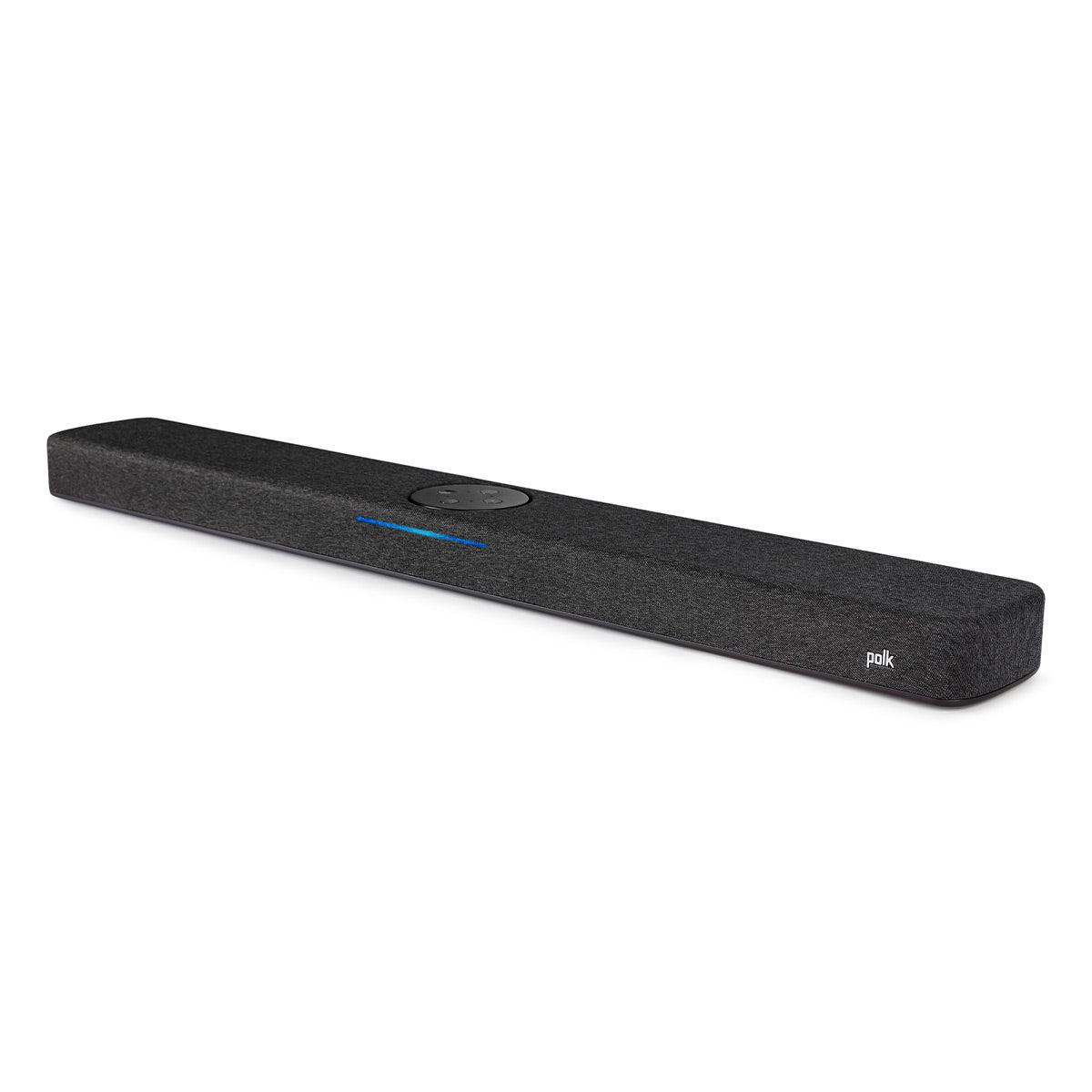
When your TV's built-in speakers make dialogue sound like it's coming from inside a tin can, it's time for a soundbar. But with dozens of options flooding the market, choosing between ultra-budget models and more feature-rich alternatives can feel overwhelming. Two soundbars that represent distinctly different approaches to affordable audio enhancement are the Amazon Fire TV Soundbar and the Polk Audio React Sound Bar with Alexa Built-In.
At the time of writing, these products sit in different tiers of the budget soundbar category – one prioritizes rock-bottom pricing while the other offers significantly more features at a moderate price premium. Understanding their fundamental differences will help you decide which approach better matches your needs and expectations.
Budget soundbars occupy the crucial entry point into home audio improvement. Unlike premium models that can cost over $1,000, these systems focus on delivering meaningful upgrades over TV speakers without requiring complex installation or breaking the bank.
The most important performance characteristics in this category aren't about earth-shaking bass or pinpoint surround imaging – they're about practical improvements you'll notice every day. Dialogue clarity sits at the top of this list because most TV watching involves people talking, and built-in TV speakers notoriously struggle with voice reproduction. Connectivity simplicity comes next because nobody wants to wrestle with multiple cables and confusing setup procedures. Size and placement flexibility matters enormously since these soundbars need to fit real-world living spaces, not idealized showrooms.
What we've learned from analyzing user reviews and expert opinions is that people buying budget soundbars care most about solving specific problems: muffled dialogue, tinny sound quality, and volume levels that require constant adjustment. Advanced features like Dolby Atmos (three-dimensional surround sound) or wireless rear speakers are nice bonuses, but they're not deal-breakers if the core audio performance delivers.
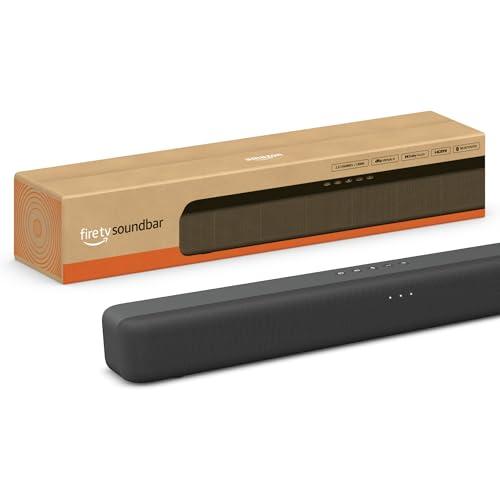
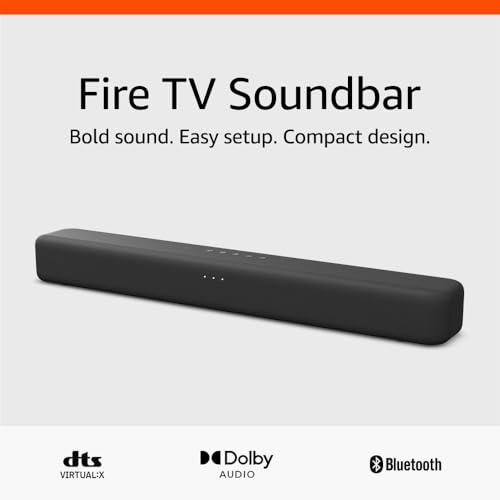
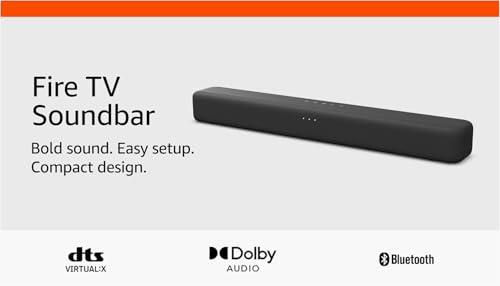
The Amazon Fire TV Soundbar, released in 2023, represents Amazon's ultra-minimalist approach to TV audio enhancement. Despite carrying the Fire TV branding, this soundbar surprisingly lacks built-in Alexa – a decision that reflects its laser focus on simplicity and cost control. Amazon designed this as a "no-frills" solution that does one thing well: make TV dialogue clearer and louder than built-in speakers.
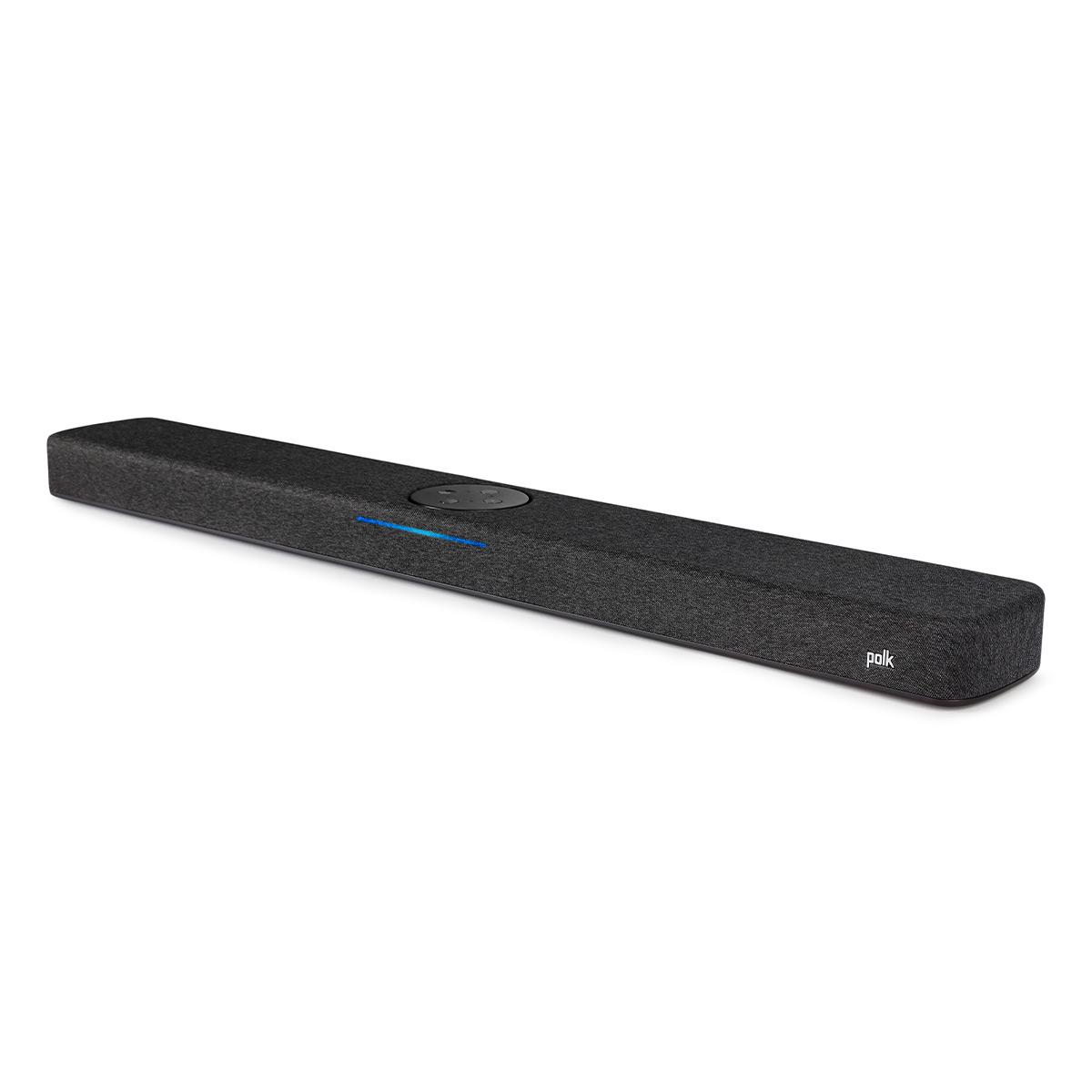
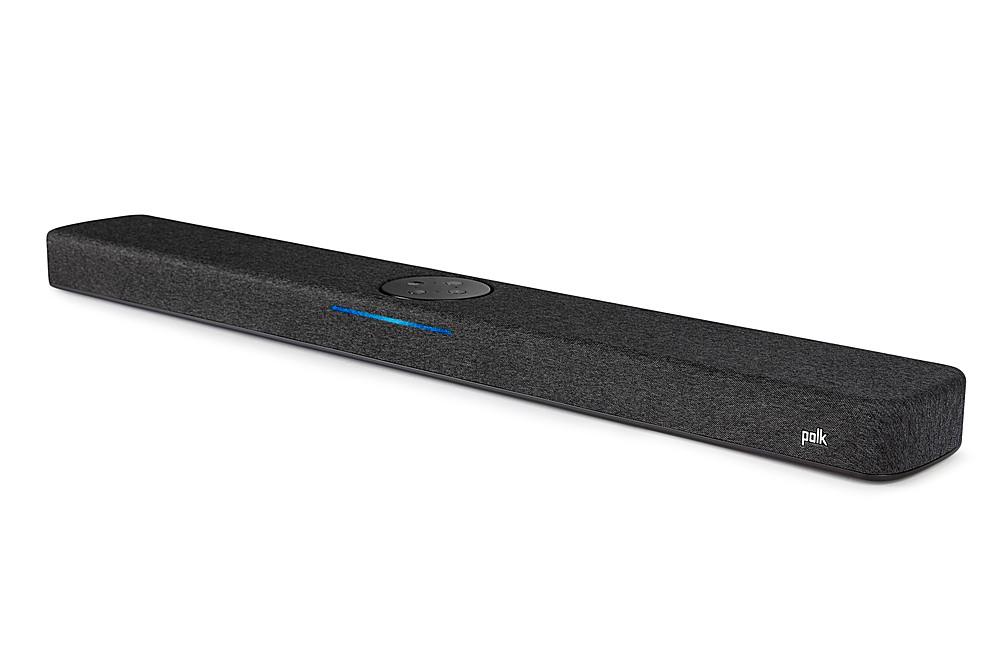
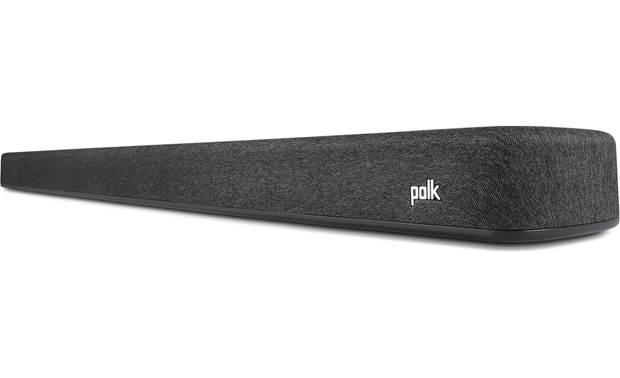
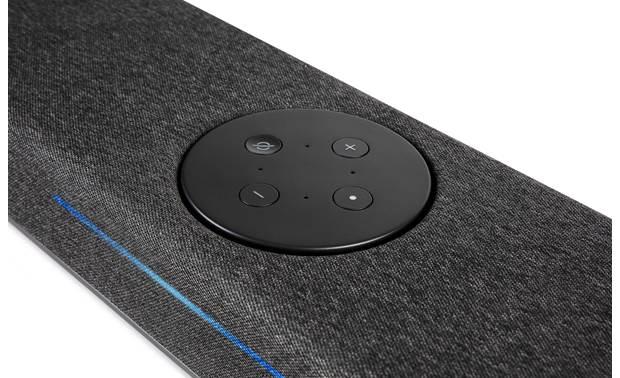
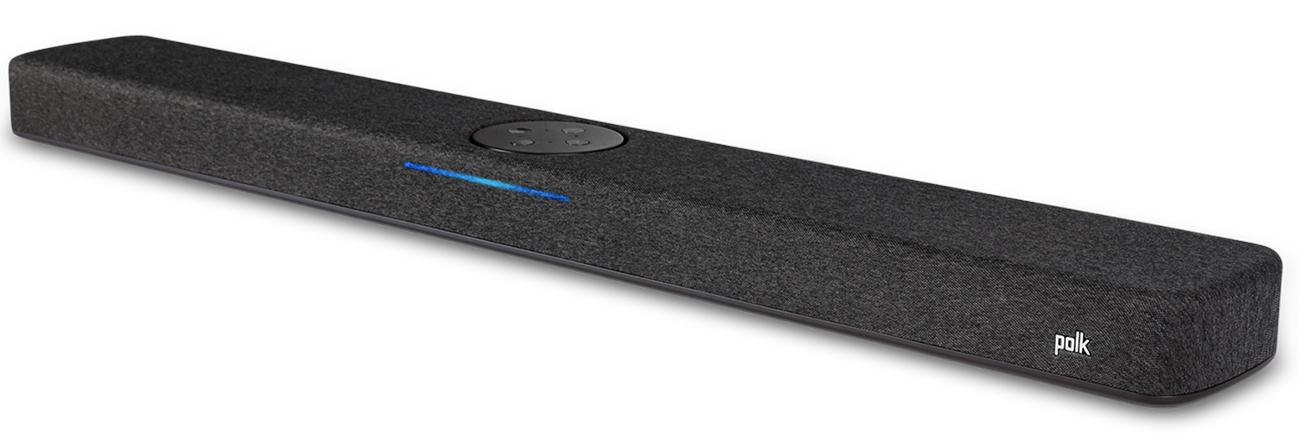
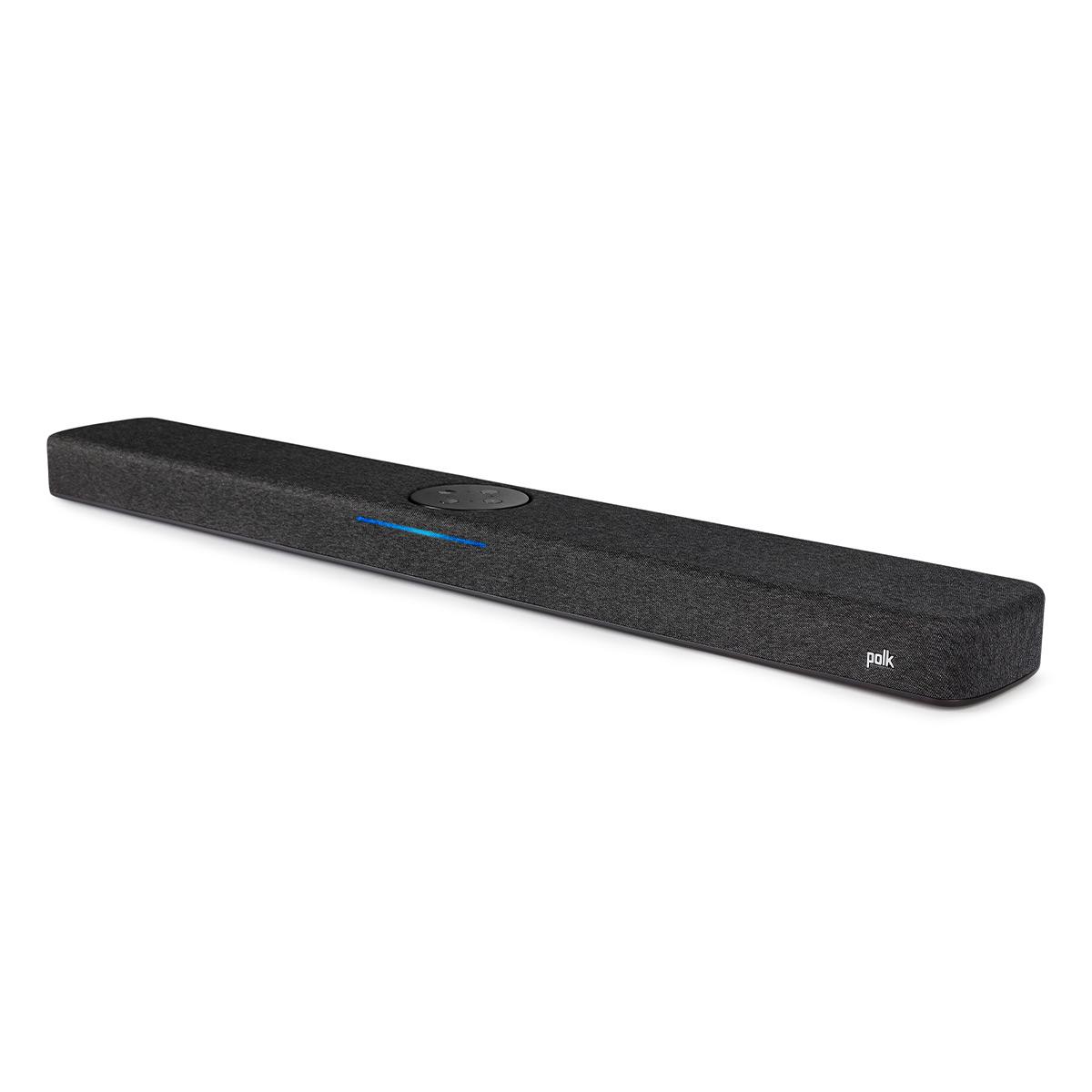
The Polk Audio React Sound Bar, introduced in 2021, takes a more comprehensive approach. Polk, a company with decades of speaker engineering experience, built this soundbar around genuine smart home integration and proprietary audio processing technologies. It's designed for users who want their soundbar to function as both an audio upgrade and a smart home hub.
These represent fundamentally different philosophies. Amazon prioritized extreme affordability and space-saving design, while Polk focused on feature completeness and audio engineering sophistication.
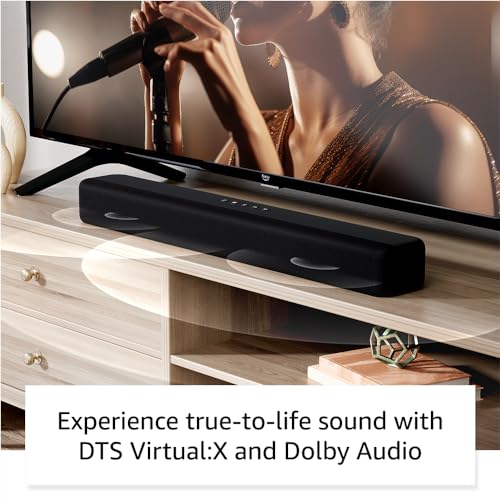
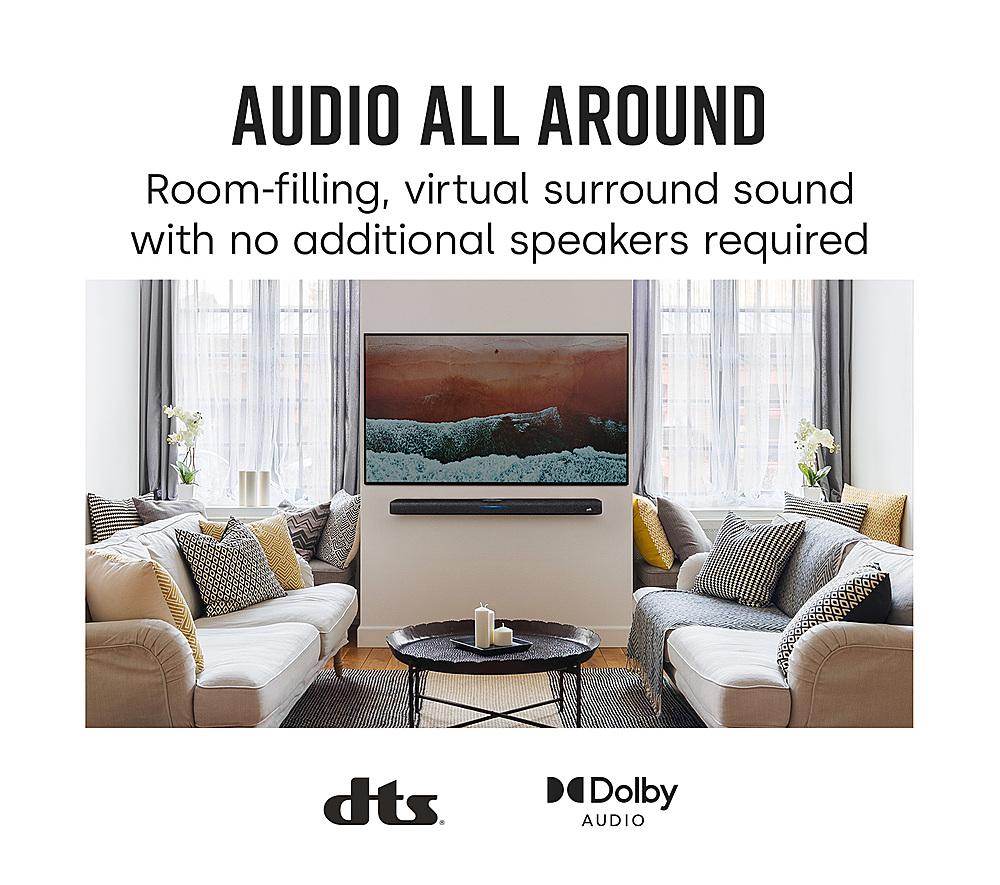
Understanding audio performance requires looking beyond marketing specifications to real-world performance characteristics. The Amazon Fire TV Soundbar uses what Amazon calls "Racetrack" drivers – oval-shaped speakers that maximize membrane surface area within a compact enclosure. This design allows for a surprisingly wide soundstage (the apparent width of sound) from such a slim profile. The soundbar includes DTS Virtual:X processing, which uses digital signal processing to simulate surround sound effects from just two speakers.
However, the Amazon model's 2.0 channel configuration (two speakers with no dedicated subwoofer) limits its dynamic range and bass extension. In practical terms, this means dialogue and mid-range frequencies sound clear and present, but explosive movie scenes or bass-heavy music will lack impact. The three preset sound modes (Movie, Music, Dialogue) provide basic optimization, but the equalizer options remain quite limited.
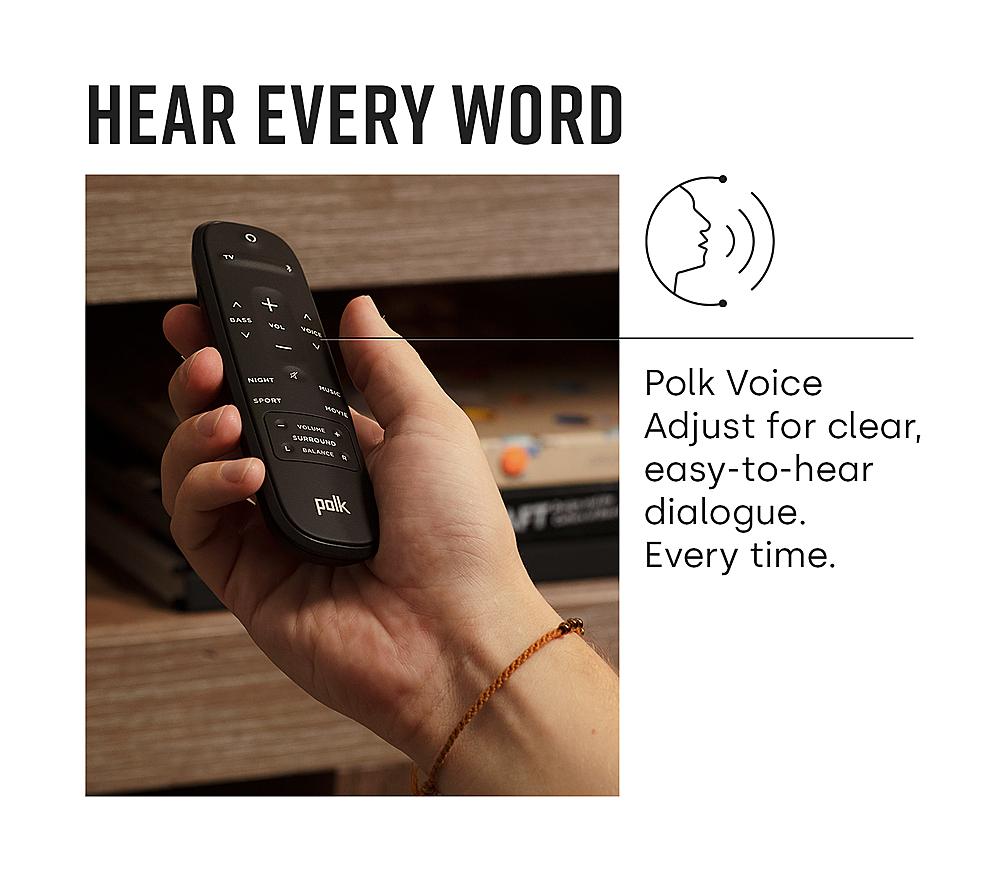
The Polk Audio React employs a more sophisticated approach with six total drivers arranged in a 2.1 configuration. This includes dedicated tweeters for high-frequency clarity, midrange drivers for vocal reproduction, and passive radiators that enhance bass response without requiring a separate subwoofer. The key differentiator is Polk's VoiceAdjust technology, which uses digital signal processing to isolate and enhance dialogue frequencies without affecting music and sound effects.
Based on our research into expert reviews and user feedback, the Polk React consistently outperforms the Amazon model in side-by-side listening tests. The wider driver array creates better stereo imaging, meaning you can more clearly locate where sounds are coming from. The VoiceAdjust technology proves particularly effective during complex movie soundtracks where dialogue can get buried under background music and effects.
Since most soundbar buyers prioritize dialogue improvement, this category deserves deep analysis. The Amazon Fire TV Soundbar approaches dialogue enhancement through a dedicated preset mode that boosts mid-range frequencies where human voices typically reside. While this provides noticeable improvement over TV speakers, it's essentially a broad frequency adjustment rather than sophisticated voice processing.
The Polk Audio React's VoiceAdjust technology represents a more advanced approach. Instead of simply boosting voice frequencies, it uses digital signal processing to separate dialogue from other audio elements, allowing users to adjust voice levels independently. This means you can make dialogue clearer without making background music or sound effects excessively loud – a common problem with basic dialogue enhancement.
User reviews consistently highlight this difference. Amazon Fire TV owners report good improvement in dialogue clarity, but note that the enhancement feels somewhat artificial and can make voices sound disconnected from the rest of the soundtrack. Polk React users describe more natural-sounding dialogue enhancement that maintains the proper relationship between voices and background audio.
For practical home theater use, this difference becomes significant during long viewing sessions. The more sophisticated processing in the Polk React reduces listening fatigue and makes it easier to follow complex dialogue during movies with dense soundtracks.
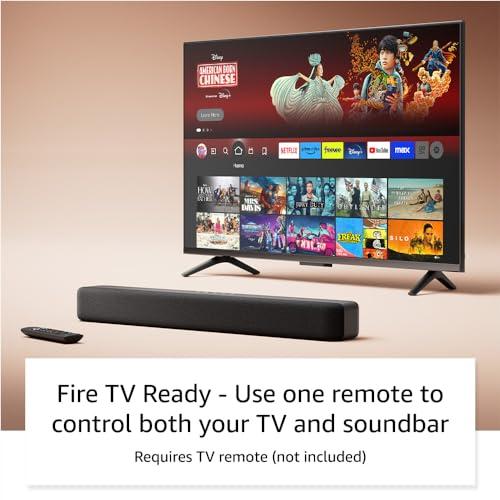
Here's where these products diverge most dramatically. The Amazon Fire TV Soundbar, despite its branding, includes no smart features whatsoever. This seems counterintuitive given Amazon's ecosystem focus, but it reflects the product's extreme budget positioning. You control this soundbar via basic IR remote or your TV's existing remote control through HDMI ARC (Audio Return Channel – a feature that allows your TV remote to control connected audio devices).
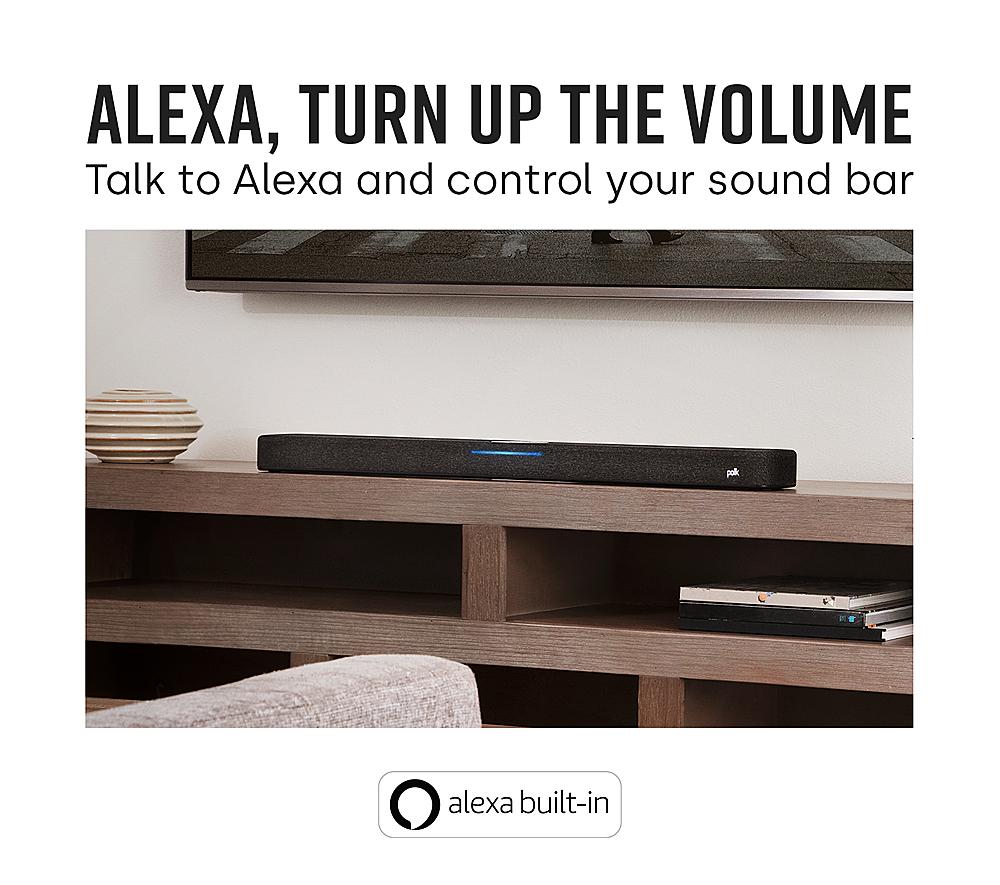
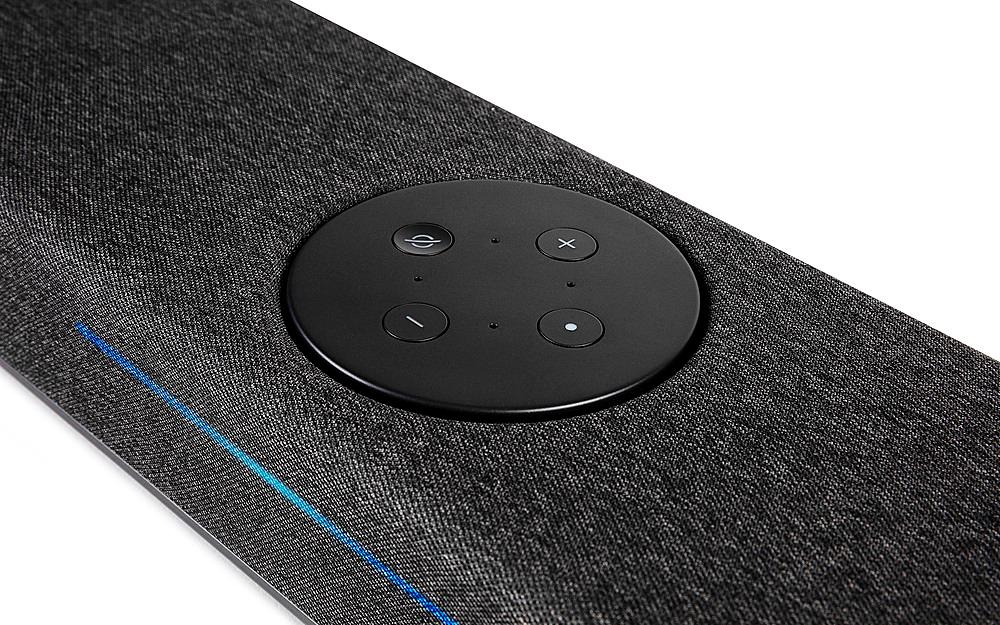
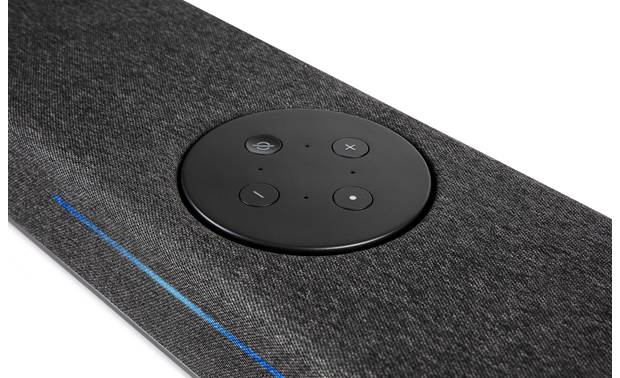
The Polk Audio React integrates full Amazon Alexa functionality with built-in far-field microphones. This transforms the soundbar into a genuine smart speaker that can control smart home devices, answer questions, play music from streaming services, and even handle Alexa's communication features for hands-free calling.
This integration extends to multi-room audio capabilities. You can group the Polk React with other Alexa-enabled devices to play synchronized music throughout your home. The voice control also works for soundbar-specific functions – you can adjust volume, change sound modes, or switch inputs using voice commands.
From a practical standpoint, having Alexa built into your soundbar eliminates the need for a separate smart speaker near your TV. This reduces clutter and provides more convenient voice control for entertainment-related commands.
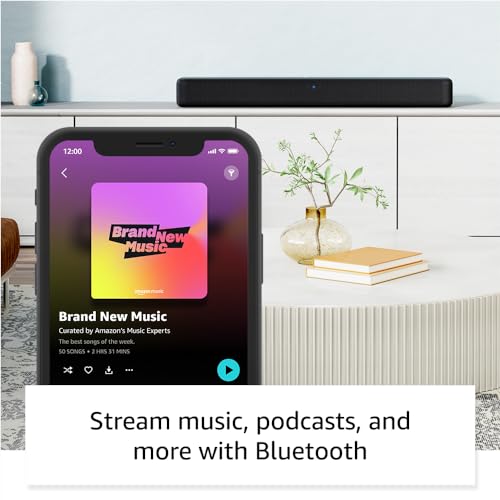
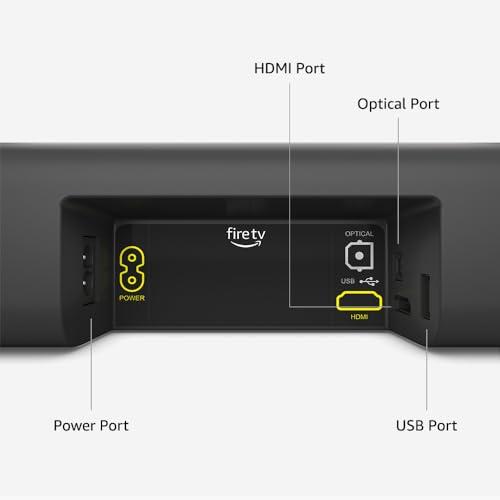
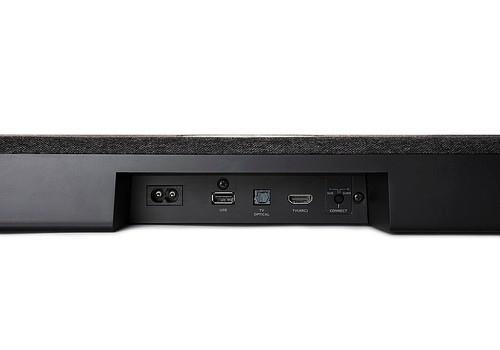
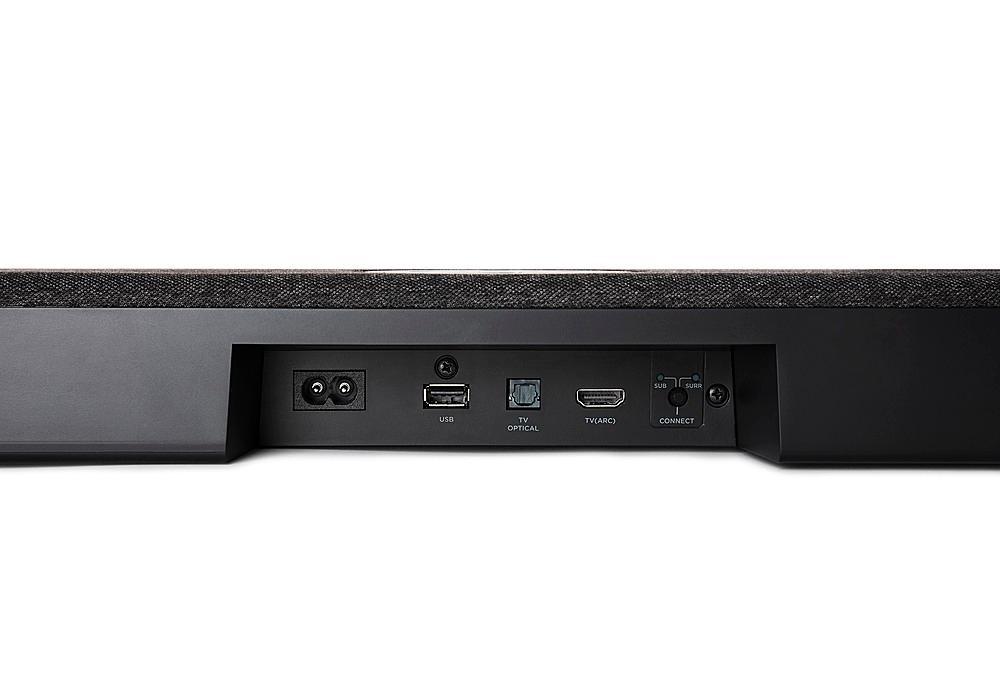
Both soundbars handle basic connectivity well, but with important differences in capability and future-proofing. The Amazon Fire TV Soundbar includes HDMI eARC (enhanced Audio Return Channel), optical digital input, and Bluetooth for wireless music streaming. The HDMI implementation supports basic audio return but doesn't handle advanced video passthrough features.
The Polk Audio React offers more comprehensive HDMI support with 4K video passthrough, HDCP 2.2 compliance, and support for HDR10 and Dolby Vision video formats. This means you can connect devices like game consoles or streaming players directly to the soundbar and pass both audio and high-quality video to your TV through a single cable.
For Bluetooth functionality, both soundbars support wireless music streaming, but the Polk React can remember up to eight paired devices compared to the Amazon's more basic implementation. This makes it easier to switch between different family members' phones or tablets for music playback.
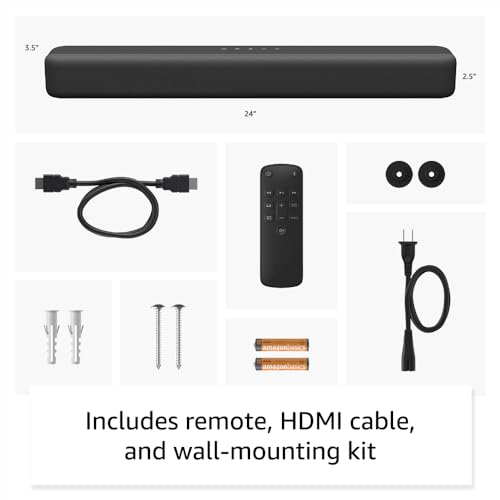
The Amazon Fire TV Soundbar prioritizes minimal footprint above all else. At just 9 centimeters tall and weighing 1.8 kilograms, it fits under virtually any TV without blocking the screen or overwhelming smaller entertainment centers. The ultra-slim profile makes it ideal for apartments, dorm rooms, or any space where every centimeter matters.
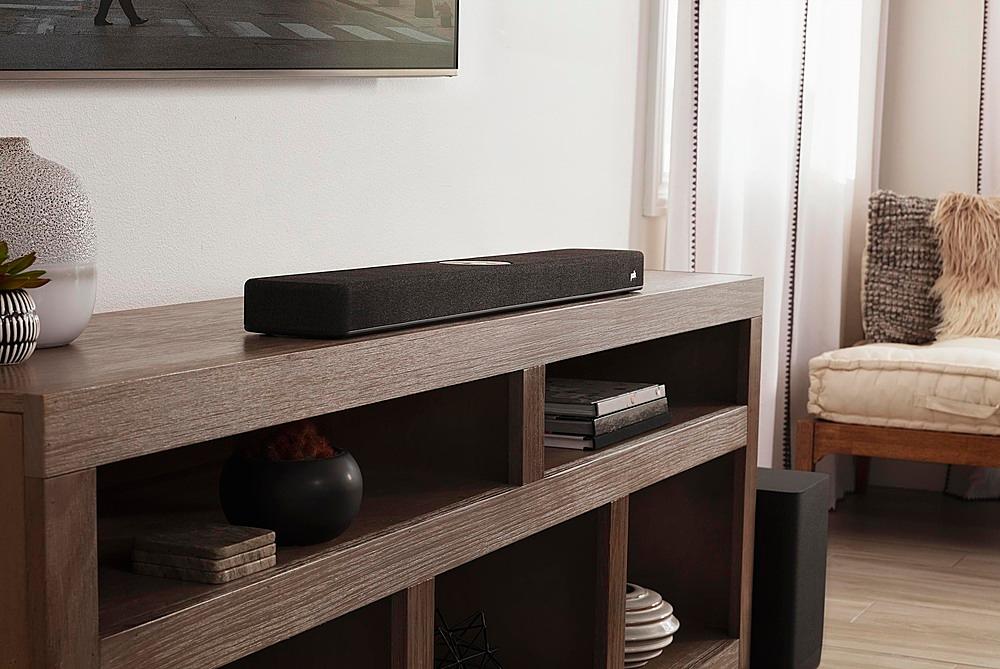
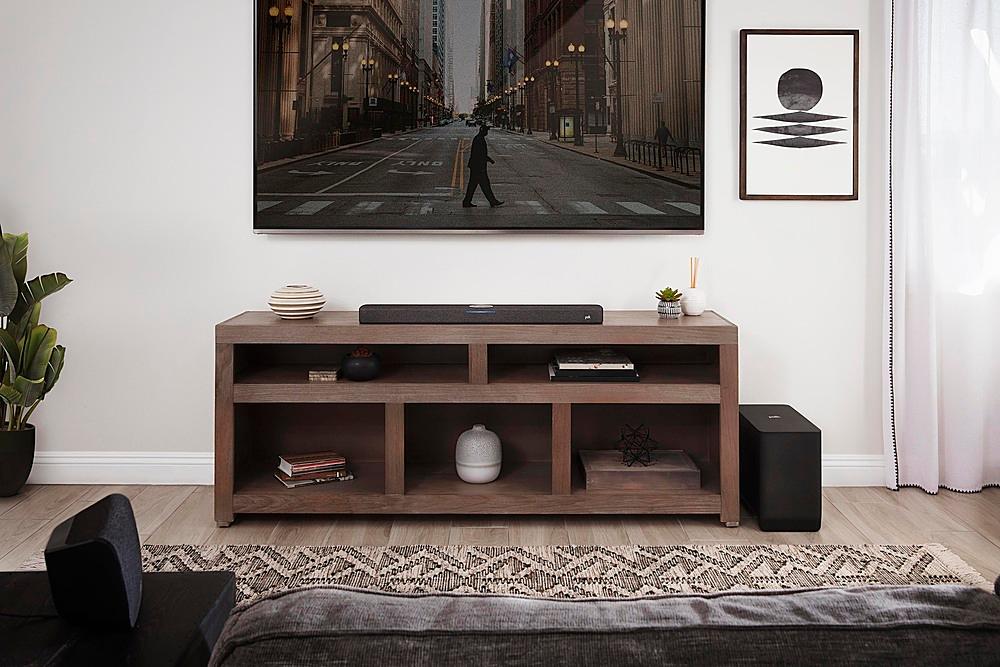
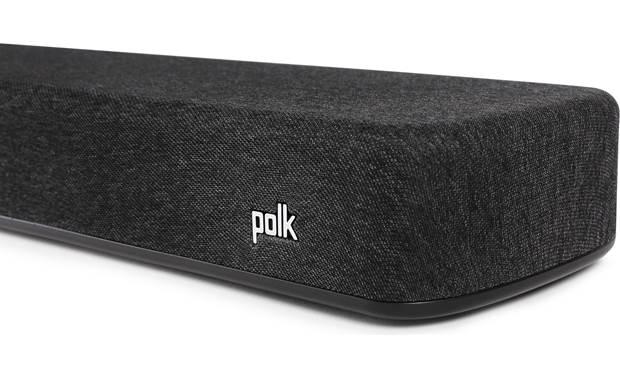
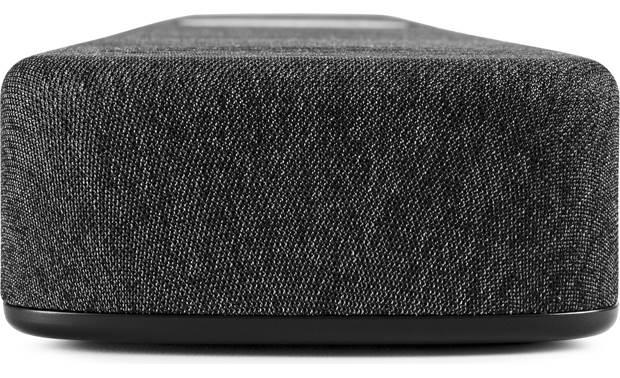
The Polk Audio React requires more space but offers a more substantial presence. Its 34-inch width makes it suitable for larger TVs (32 inches and up), and the additional height accommodates the more complex driver arrangement. The build quality feels more premium, with better materials and a more refined appearance.
Room acoustics play a role here too. The Amazon's compact design works well in smaller spaces where you're sitting relatively close to the TV. The Polk's larger driver array and more powerful amplification better fill medium to large living rooms with sound.
This category reveals perhaps the most significant long-term difference between these products. The Amazon Fire TV Soundbar is a fixed, non-expandable system. What you buy is what you get – there's no option to add a wireless subwoofer or rear surround speakers later.
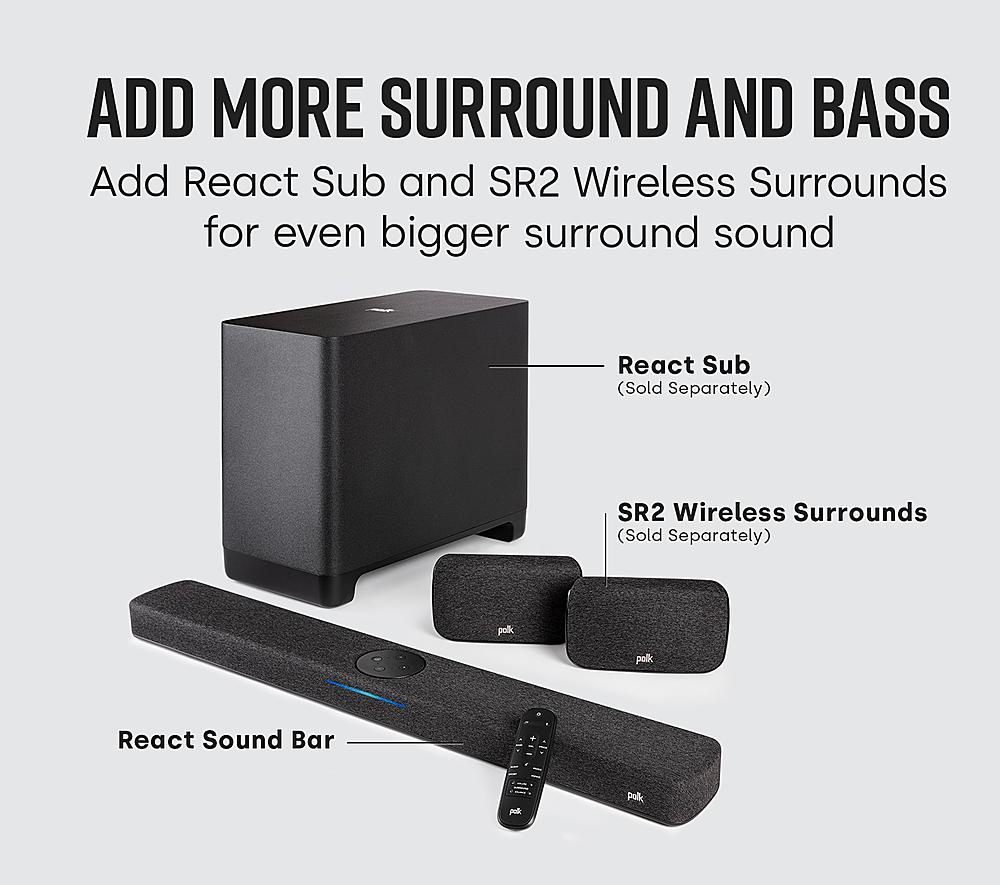
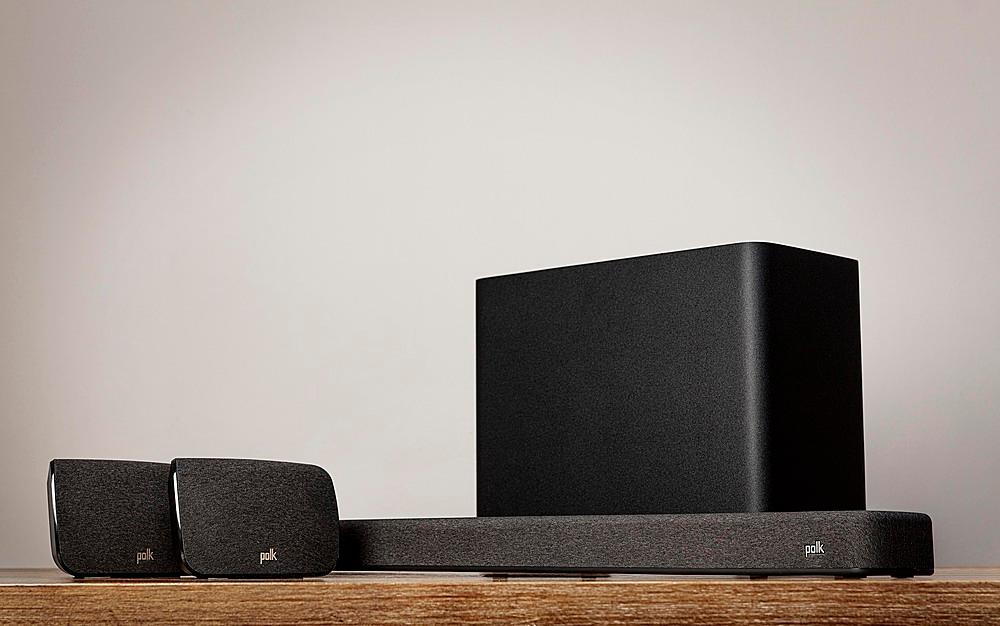
The Polk Audio React offers a clear upgrade path through optional wireless components. You can add the React Sub subwoofer for deeper bass extension, and SR2 wireless surround speakers to create a full 5.1 surround sound system. These additions maintain the wireless simplicity while providing genuine surround sound immersion.
For users who might want to enhance their system over time – perhaps starting with just the soundbar and adding components as budget allows – the Polk approach provides valuable flexibility. The modular design means you're not locked into the initial purchase decision.
Value in the soundbar category isn't just about the lowest price – it's about matching capabilities to actual needs and usage patterns. The Amazon Fire TV Soundbar represents exceptional value for users with specific constraints: tight budgets, limited space, or simple needs focused purely on dialogue improvement.
The Polk Audio React justifies its higher price through significantly more comprehensive feature set. The built-in Alexa functionality alone provides value equivalent to a separate smart speaker, and the superior audio processing delivers performance that approaches more expensive soundbars.
At the time of writing, the price difference between these models reflects their different target markets. The Amazon model serves users who need basic improvement on a strict budget, while the Polk targets users who want a more complete solution with room for growth.
For dedicated home theater use, these soundbars serve different roles. The Amazon Fire TV Soundbar works best as a secondary system for casual viewing – bedrooms, kitchens, or spaces where you're not doing serious movie watching. Its compact size and basic functionality match well with smaller TVs and less demanding audio requirements.
The Polk Audio React functions as a legitimate foundation for a growing home theater system. The expandability options, better connectivity, and superior audio processing make it suitable for primary entertainment spaces where you'll watch movies, play games, and listen to music regularly.
Since the Amazon Fire TV Soundbar's 2023 introduction, the budget soundbar market has become increasingly competitive, with more manufacturers offering basic models at similar price points. However, Amazon's integration with Fire TV devices and the extreme compact design help maintain its relevance for specific use cases.
The Polk Audio React, despite being introduced in 2021, remains current thanks to regular firmware updates and the ongoing relevance of Alexa integration. The audio processing technologies haven't become outdated, and the expandable design helps future-proof the investment.
Choose the Amazon Fire TV Soundbar if you need the most affordable possible improvement over TV speakers, have severe space constraints, or simply want plug-and-play simplicity without any smart features. It's ideal for secondary TVs, small apartments, or users who just want clear dialogue without additional complexity.
Choose the Polk Audio React if you want a comprehensive audio solution that can grow with your needs, value smart home integration, or prioritize superior dialogue processing and overall sound quality. It's the better choice for primary entertainment systems and users who might want to expand to full surround sound eventually.
The fundamental question isn't which soundbar is "better" in absolute terms, but which approach better matches your specific situation. Both products succeed within their intended roles – the key is honestly assessing your needs, space constraints, and long-term audio goals before making a decision.
| Amazon Fire TV Soundbar | Polk Audio React Sound Bar with Alexa Built-In |
|---|---|
| Dimensions - Critical for TV compatibility and room placement | |
| 61 x 9 x 6.5 cm (ultra-compact, fits any TV size) | 34" x 4.8" x 2.2" (requires 32"+ TV, more substantial presence) |
| Audio Configuration - Determines sound quality and bass response | |
| 2.0 stereo with dual 20W "Racetrack" drivers | 2.1 system with 6-driver array plus passive radiators |
| Voice Control Integration - Convenience for smart home users | |
| None (despite Fire TV branding, no Alexa built-in) | Full Amazon Alexa with far-field microphones |
| Dialogue Enhancement - Most important feature for TV watching | |
| Basic dialogue preset mode with frequency boosting | VoiceAdjust™ technology with independent voice level control |
| Audio Processing - Affects surround sound and overall quality | |
| DTS Virtual:X, Dolby Audio, basic 3-stage bass EQ | Dolby Digital, DTS virtual surround, multiple optimized presets |
| HDMI Capabilities - Important for modern TV and device integration | |
| HDMI eARC/ARC with basic audio return | HDMI ARC with 4K/HDR passthrough, HDCP 2.2 support |
| System Expandability - Future upgrade potential | |
| None (fixed 2.0 system, no expansion options) | Wireless subwoofer and surround speakers available for 5.1 setup |
| Smart Features - Added functionality beyond basic audio | |
| IR remote control only, no streaming or smart capabilities | Built-in Alexa, multi-room audio, communication features |
| Weight and Build - Indicates build quality and installation ease | |
| 1.8 kg (extremely lightweight, easy wall mounting) | 6.39 lbs soundbar + 16.5 lbs optional subwoofer (more substantial) |
| Connectivity Options - Flexibility for different setups | |
| HDMI eARC, optical, Bluetooth 4.2, USB (power only) | HDMI ARC, optical, Bluetooth 4.2 (8-device memory), USB updates |
| Target Use Case - Best suited applications | |
| Secondary TVs, small spaces, strict budget constraints | Primary entertainment systems, smart home integration, expandable setups |
The Amazon Fire TV Soundbar is specifically designed for compact setups, measuring just 61 x 9 x 6.5 cm and weighing only 1.8 kg. Its ultra-slim 9cm height means it won't block your TV screen or overwhelm smaller entertainment centers. The Polk Audio React Sound Bar is larger at 34 inches wide and requires at least a 32-inch TV for proper proportions.
No, despite the "Fire TV" branding, the Amazon Fire TV Soundbar does not include built-in Alexa voice control. You control it via IR remote or your TV remote through HDMI ARC. Only the Polk Audio React Sound Bar features genuine Amazon Alexa integration with far-field microphones for voice commands.
The Polk Audio React Sound Bar offers superior dialogue enhancement through its proprietary VoiceAdjust™ technology, which isolates and enhances voice frequencies independently from background audio. The Amazon Fire TV Soundbar uses a basic dialogue preset that simply boosts mid-range frequencies, providing improvement but less sophisticated processing.
Only the Polk Audio React Sound Bar supports wireless expansion with an optional React Sub subwoofer and SR2 surround speakers for a complete 5.1 system. The Amazon Fire TV Soundbar is a fixed 2.0 system with no expansion options available.
The Polk Audio React Sound Bar offers superior connectivity with HDMI ARC that supports 4K video passthrough, HDCP 2.2, HDR10, and Dolby Vision formats. The Amazon Fire TV Soundbar has basic HDMI eARC support but lacks advanced video passthrough capabilities for gaming consoles and 4K streaming devices.
The Polk Audio React Sound Bar delivers significantly better bass response through passive radiators and a 6-driver configuration, even without a subwoofer. The Amazon Fire TV Soundbar uses bass reflex construction but is limited by its compact 2.0 design and lacks the low-end extension for impactful movie soundtracks.
Value depends on your needs: the Amazon Fire TV Soundbar provides excellent value for basic TV audio improvement on a tight budget. The Polk Audio React Sound Bar offers better overall value for users wanting smart features, superior audio quality, and expansion potential, justifying its higher price point.
Yes, both the Amazon Fire TV Soundbar and Polk Audio React Sound Bar work with any TV that has HDMI ARC or optical audio output. Neither is limited to specific TV brands, though the Amazon model pairs seamlessly with Fire TV streaming devices for enhanced integration.
The Amazon Fire TV Soundbar offers simpler plug-and-play setup with just HDMI or optical connection required. The Polk Audio React Sound Bar requires initial setup through the Alexa app for voice features but provides more comprehensive control options once configured.
The Polk Audio React Sound Bar delivers better music performance with wider frequency response, dedicated tweeters, and multiple EQ presets optimized for different music genres. The Amazon Fire TV Soundbar provides acceptable music quality but is primarily designed for dialogue enhancement rather than critical music listening.
For serious home theater use, the Polk Audio React Sound Bar is the clear choice with its expandable 5.1 system capability, advanced audio processing, and better connectivity options. The Amazon Fire TV Soundbar works better as a secondary system for casual viewing rather than primary home theater applications.
Yes, both soundbars support TV remote control through HDMI ARC connection. However, the Polk Audio React Sound Bar offers additional convenience with built-in Alexa voice control for hands-free operation, while the Amazon Fire TV Soundbar relies solely on remote control methods.
We've done our best to create useful and informative comparisons to help you decide what product to buy. Our research uses advanced automated methods to create this comparison and perfection is not possible - please contact us for corrections or questions. These are the sites we've researched in the creation of this article: rtings.com - developer.amazon.com - stereoguide.com - developer.amazon.com - techradar.com - hometechnologyreview.com - whathifi.com - youtube.com - whathifi.com - wirelessplace.com - hometechnologyreview.com - dolby.com - aboutamazon.com - developer.amazon.com - community.anker.com - youtube.com - cordbusters.co.uk - techradar.com - crutchfield.com - popsci.com - youtube.com - tomsguide.com - bestbuy.com - polkaudio.com - crutchfield.com - forum.polkaudio.com - soundunited.com - youtube.com

Privacy Policy
Terms and Conditions - Affiliate Policy
Home Security
© Copyright 2008-2026.
11816 Inwood Rd #1211, Dallas, TX 75244