



When your TV's built-in speakers just aren't cutting it anymore, you're probably looking at soundbars to fix those muffled dialogue scenes and lackluster action sequences. But here's where it gets interesting: not all soundbars are created equal, and the Amazon Fire TV Soundbar and LG S60TR represent two completely different philosophies about home audio.
Released in 2024, both products tackle the same basic problem—your TV sounds terrible—but they do it in fundamentally different ways. The Amazon Fire TV Soundbar takes the "keep it simple" approach with a compact stereo design, while the LG S60TR goes full home theater with true surround sound. At the time of writing, you're looking at roughly a $200 price difference between these two, but that gap represents more than just dollars—it's the difference between a basic upgrade and a complete audio transformation.
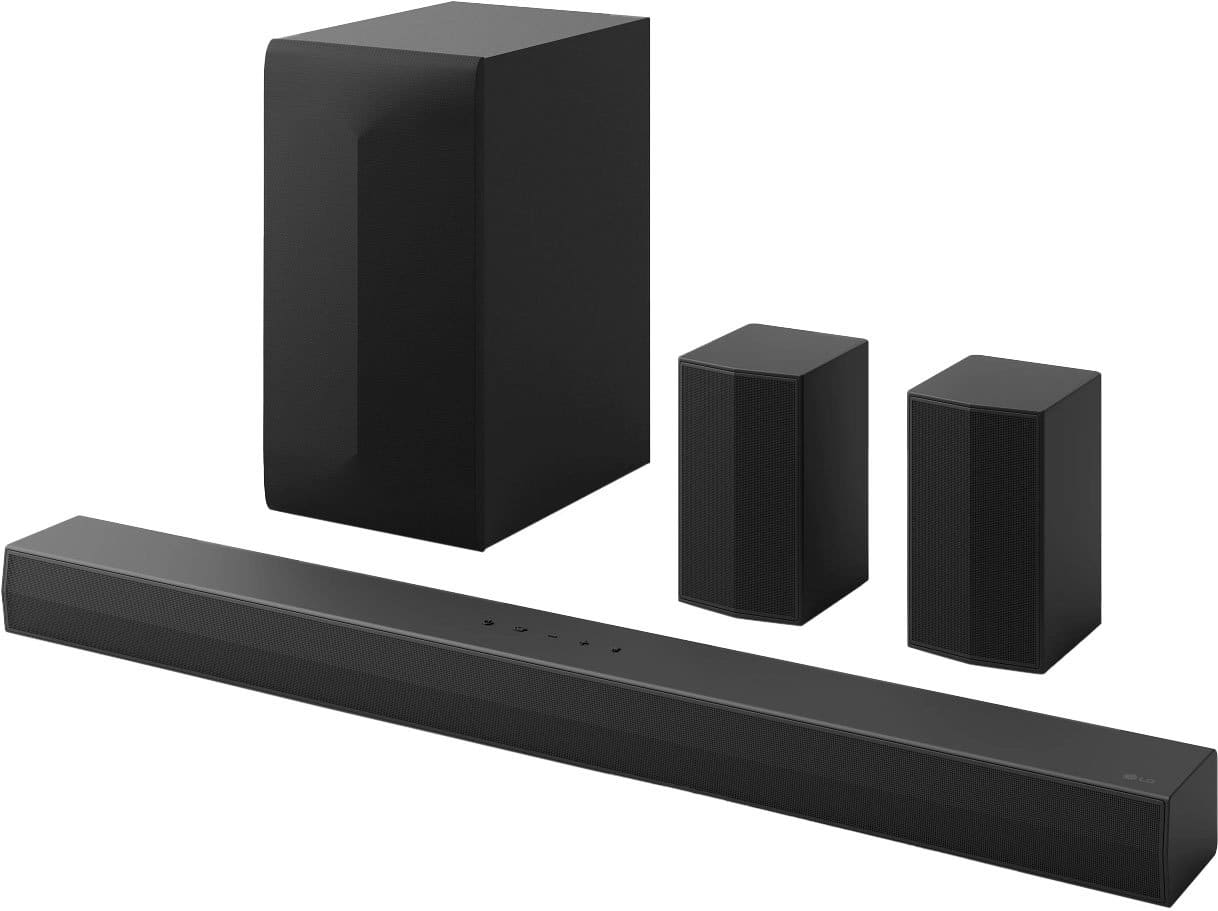
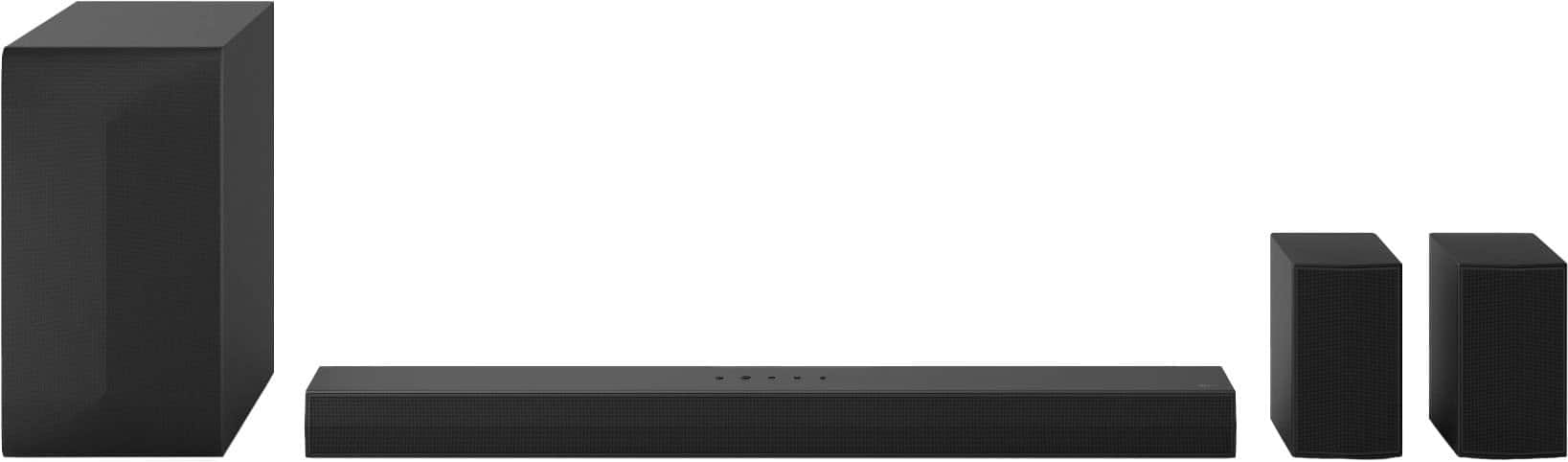
Let's start with the basics. When we talk about soundbar "channels," we're describing how many separate audio streams the system can handle. The Amazon Fire TV Soundbar is a 2.0 system, meaning it has two channels (left and right) with no dedicated subwoofer—that's the ".0" part. The LG S60TR is a 5.1 system: five main channels (front left, center, front right, rear left, rear right) plus one subwoofer channel for deep bass.
This isn't just technical jargon—it fundamentally changes your listening experience. With the Amazon Fire TV Soundbar, you're getting stereo sound that's processed to simulate surround effects. The LG S60TR physically places speakers around your room to create genuine surround sound. It's like the difference between watching a 3D movie on a regular screen versus actually being in an IMAX theater.
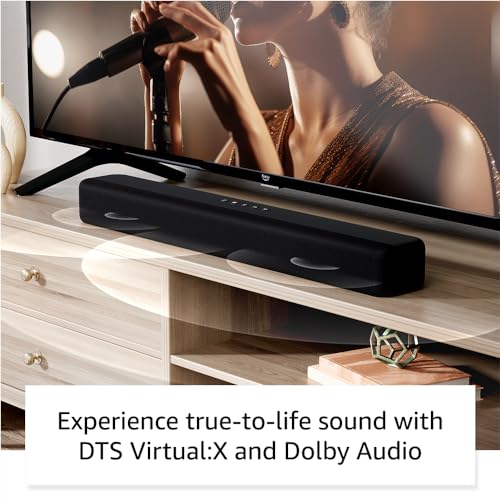
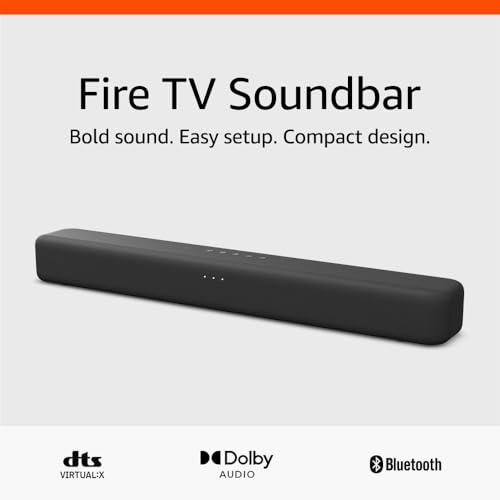
The Amazon model uses what's called DTS Virtual:X processing. This technology analyzes stereo audio and adds subtle delays and phase adjustments to trick your brain into hearing sounds coming from different directions. It works, but it's still an illusion created by two front-facing speakers. The LG system doesn't need tricks—it has actual speakers behind you firing real audio.
Here's where things get nuanced. The Amazon Fire TV Soundbar punches well above its weight class in terms of dialogue clarity. Those "Racetrack" drivers—essentially oval-shaped speakers that maximize surface area while staying compact—deliver surprisingly clear vocals. Based on our research into user feedback and professional reviews, this soundbar consistently improves dialogue intelligibility over TV speakers without making voices sound artificial or overly processed.
The LG S60TR takes a different approach with its dedicated center channel. In any surround sound setup, the center speaker handles most dialogue, and having a dedicated driver for this means voices stay anchored to the screen even during complex audio scenes. User reviews consistently praise how conversations remain clear even when explosions or music are happening simultaneously—something the stereo Amazon model can struggle with during busy audio scenes.
For music listening, the differences become more pronounced. The Amazon Fire TV Soundbar creates a decent stereo image for casual music listening, but you'll notice the lack of deep bass and the somewhat narrow soundstage when playing dynamic tracks. The LG S60TR transforms into a capable music system thanks to its wireless subwoofer, which handles frequencies below 80Hz that the Amazon model simply can't reproduce effectively.
The power specifications tell an important story. The Amazon Fire TV Soundbar delivers 40 watts total—that's 20 watts per channel. For a small to medium-sized room, this is adequate for clear dialogue and decent volume levels. However, our analysis of user feedback suggests this soundbar reaches its limits in larger spaces or when you want party-level volumes.
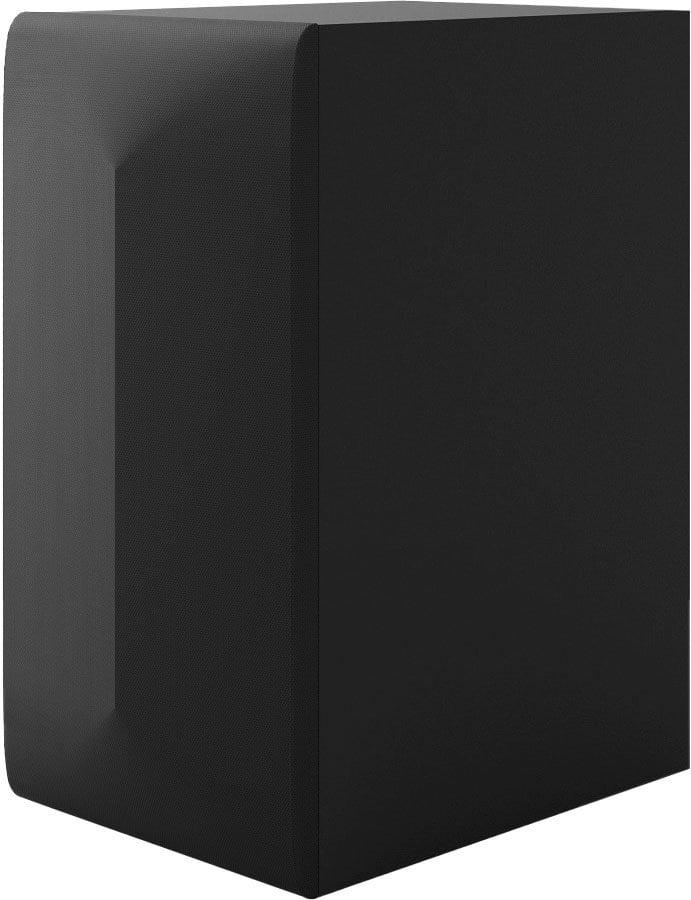
The LG S60TR pushes 440 watts across its entire system. That wireless subwoofer alone contributes 220 watts, which explains why users consistently report room-filling bass that can actually make your couch vibrate during action scenes. The rear speakers add another 100 watts combined, ensuring sound reaches every corner of larger living spaces.
But power isn't just about volume—it's about headroom. When a speaker system has power reserves, it can handle sudden loud sounds (like explosions or dramatic music swells) without distortion. User reports suggest the Amazon Fire TV Soundbar starts showing stress at higher volumes, while the LG S60TR maintains clean sound even at levels that might annoy your neighbors.
This is where the philosophical difference becomes most apparent. The Amazon Fire TV Soundbar uses DTS Virtual:X to create a sense of spaciousness from just two speakers. This processing can make movies feel more immersive than standard TV speakers, and for dialogue-heavy content like sitcoms or news, it provides a pleasant widening effect.
However, our evaluation of professional reviews reveals that virtual surround has clear limitations. You won't get the classic "helicopter flying overhead" effect or the subtle environmental sounds that make horror movies truly creepy. The processing works best with simple audio content and becomes less convincing as soundtracks get more complex.
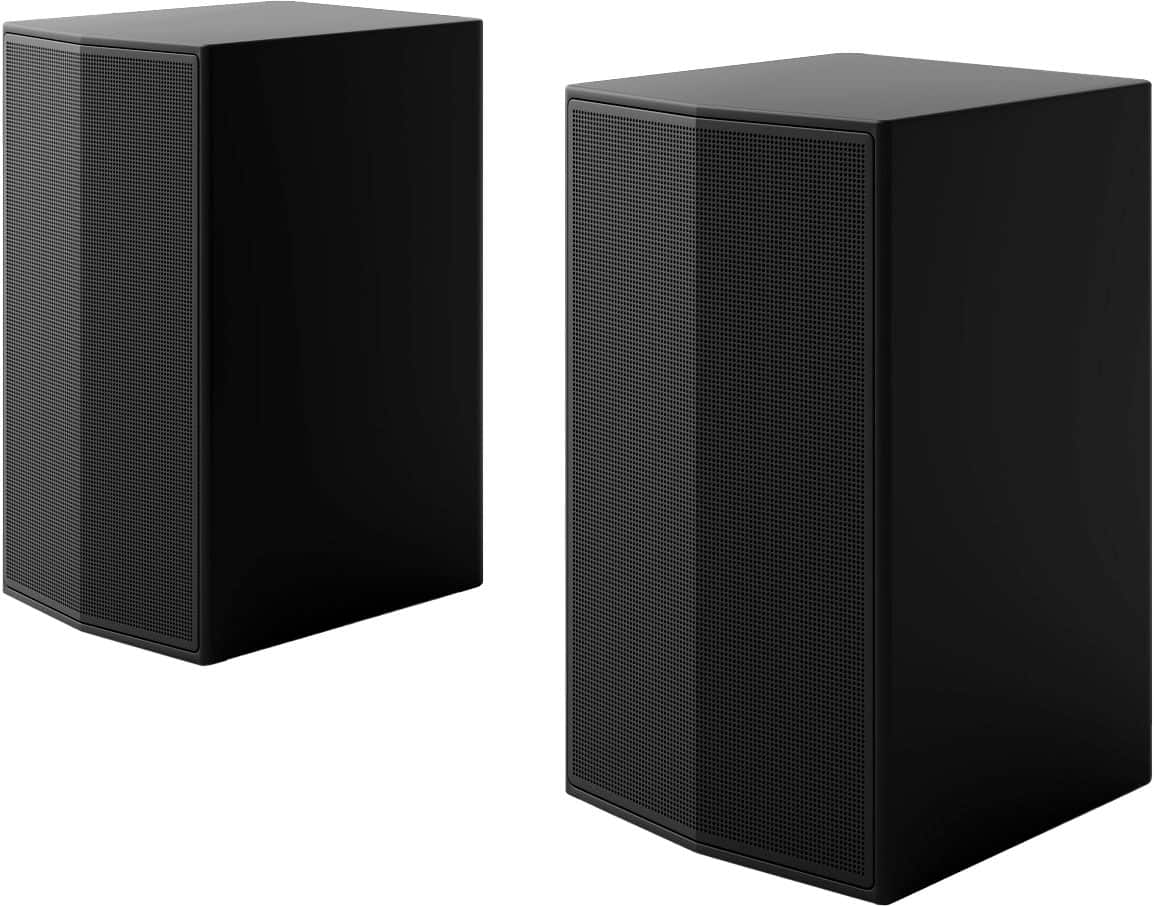
The LG S60TR delivers authentic surround sound because it has physical speakers positioned around your listening space. Those wireless rear speakers can deliver genuine directional effects—footsteps panning from left to right, ambient sounds creating atmosphere, and that crucial sense of being "inside" the action rather than watching it from the outside.
What's particularly clever about the LG system is how it handles the wireless connection to those rear speakers. Unlike some systems that require complicated Wi-Fi setup, the LG uses a proprietary wireless protocol that creates a direct connection between the soundbar and rear speakers. User feedback indicates this connection is generally stable, though some report occasional dropouts in homes with heavy wireless interference.
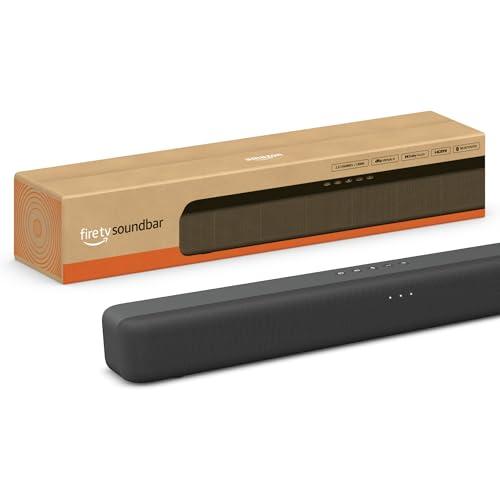
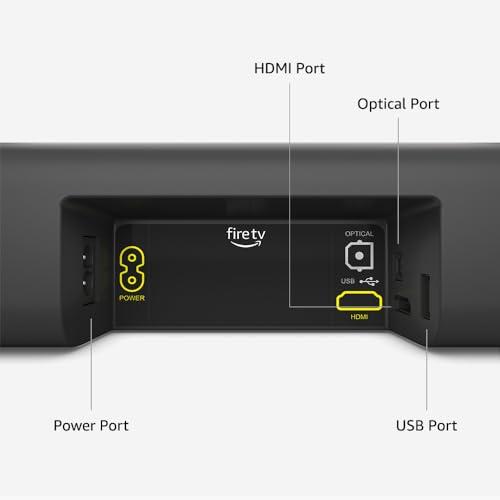
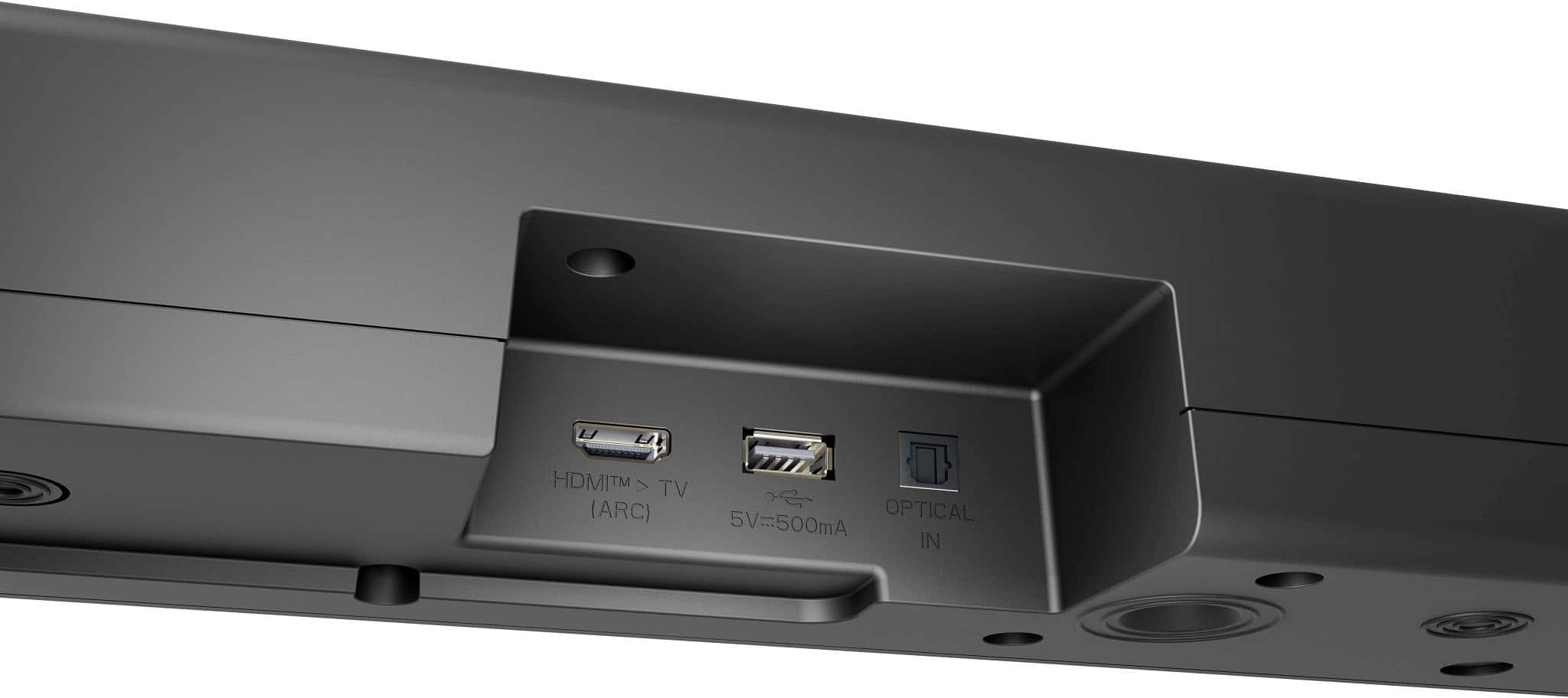
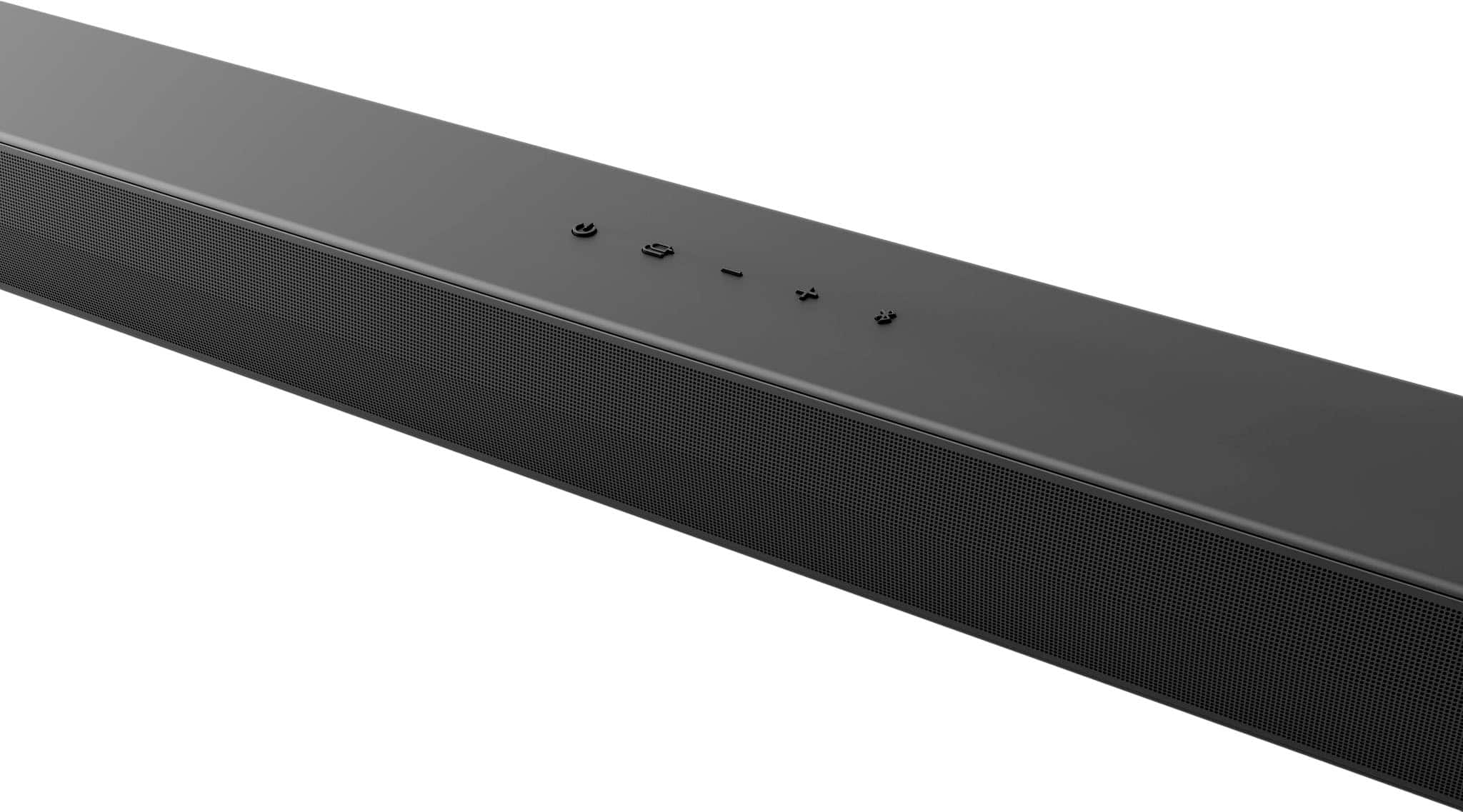
The Amazon Fire TV Soundbar wins hands-down for simplicity. You literally plug in one cable—either HDMI or optical—and you're done. The soundbar is designed to fit under most TVs without blocking infrared remote sensors, and its compact profile means it won't dominate your entertainment center.
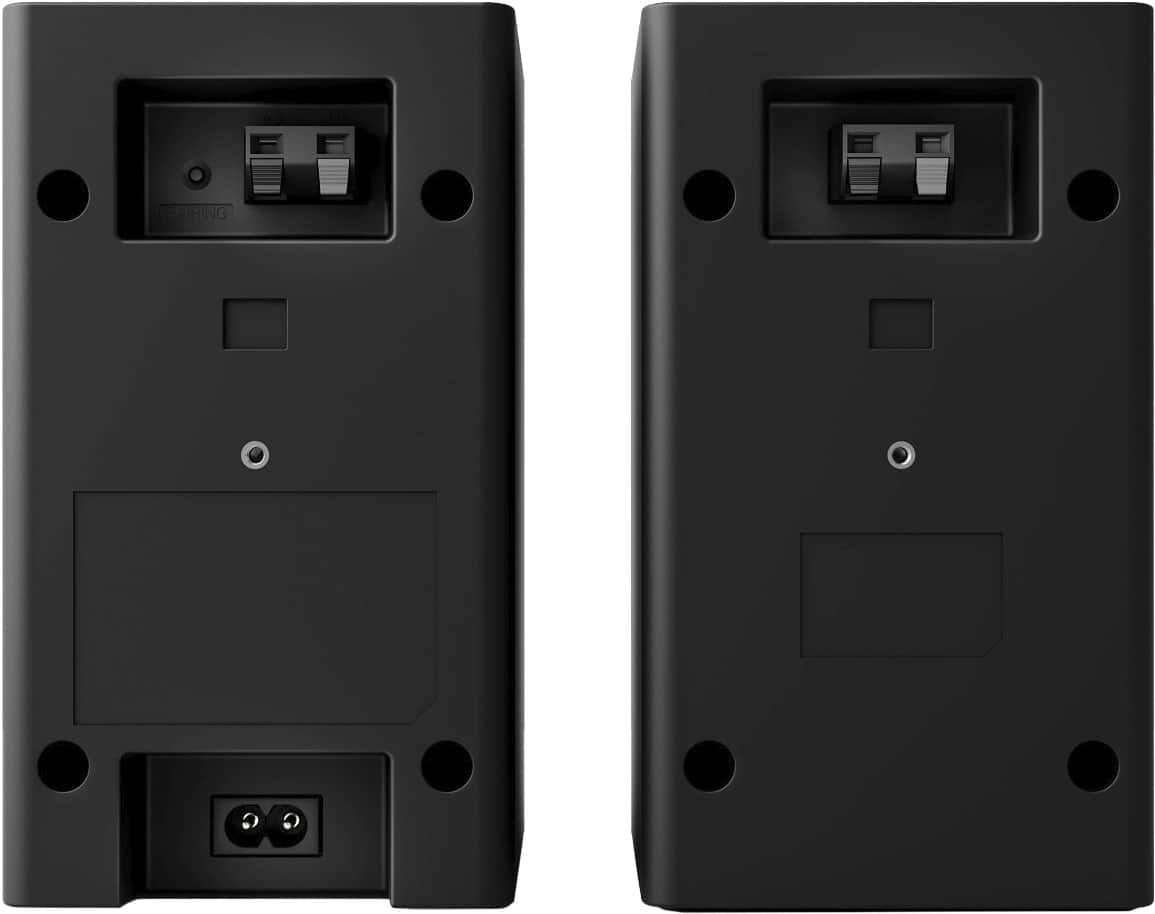
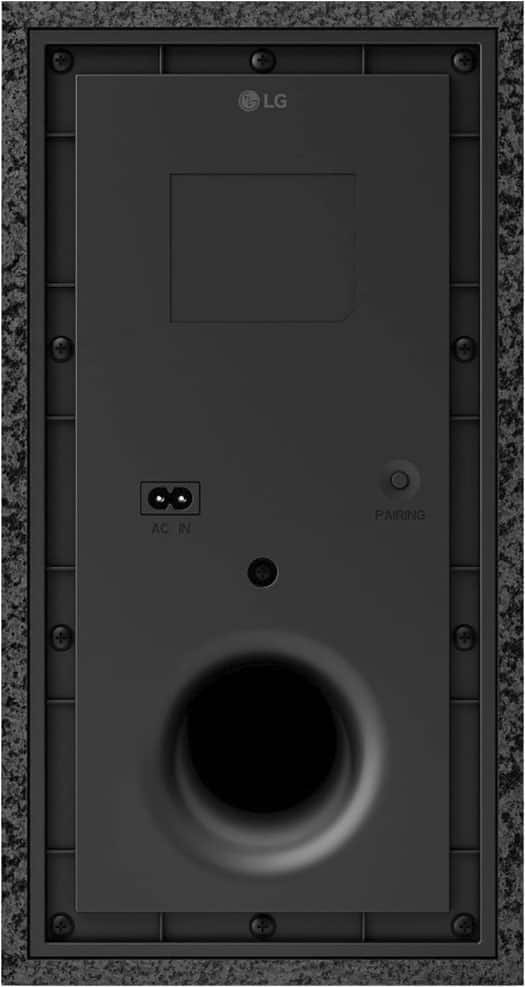
The LG S60TR requires more thought and planning. You'll need to find appropriate spots for the subwoofer (ideally corner placement for maximum bass impact) and the rear speakers (behind your main listening position, at ear level when seated). The wireless design eliminates the need to run speaker cables across your room, but you'll still need power outlets for the subwoofer and one of the rear speakers.
Based on user installation experiences, most people complete the LG setup in 30-45 minutes, including the initial wireless pairing process. The Amazon model takes about 5 minutes. If you're the type who gets frustrated with multi-component setups or lives in a rental where speaker placement is restricted, this difference matters significantly.
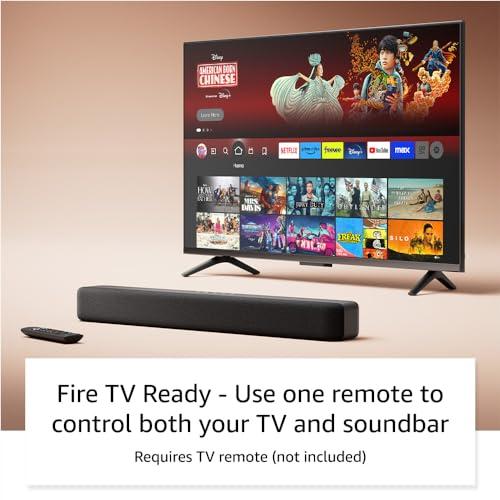
Both soundbars released in 2024, which means they benefit from more mature smart TV integration compared to older models. The Amazon Fire TV Soundbar includes HDMI-eARC support, which allows your TV remote to control volume and power—a surprisingly convenient feature that many cheaper soundbars still lack.
The LG S60TR goes further with its WOW Orchestra feature, particularly if you own an LG TV. This technology actually uses your TV's built-in speakers in conjunction with the soundbar system, creating an even larger soundstage. It's a clever approach that maximizes the audio equipment you already own.
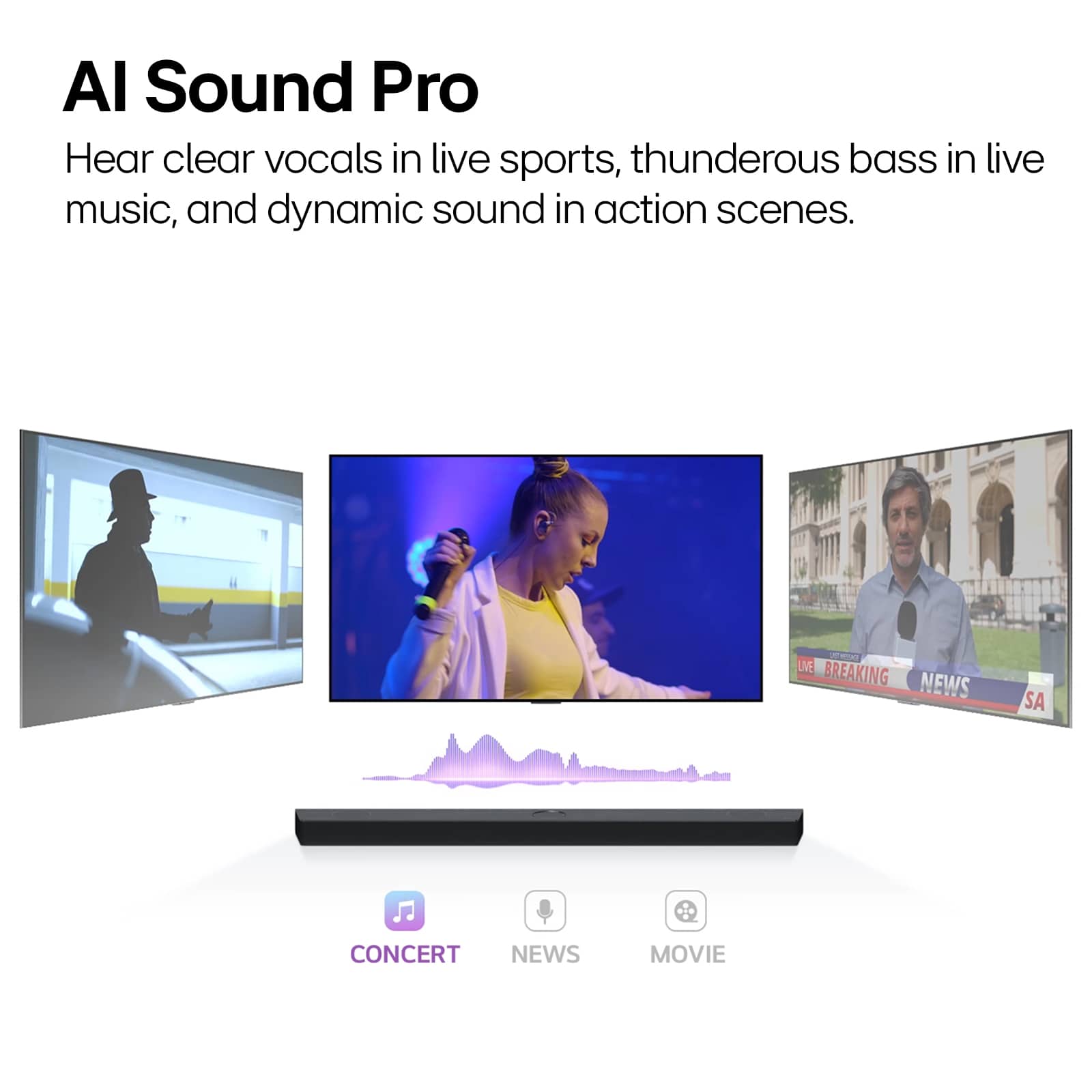
The LG also includes AI Sound Pro, which automatically adjusts audio settings based on content type. When you switch from a dialogue-heavy drama to an action movie, the system recognizes the change and optimizes its sound profile accordingly. User feedback suggests this feature works well most of the time, though some prefer manual control over these automatic adjustments.
At the time of writing, the Amazon Fire TV Soundbar costs roughly a third of what you'd pay for the LG S60TR. That price difference reflects the fundamental difference in what you're buying: a stereo upgrade versus a complete surround sound system.
For the Amazon model, you're paying for simplicity, compactness, and dialogue improvement. If your main frustration is unclear TV dialogue and you live in a smaller space, this soundbar delivers excellent value. The cost-per-watt calculation actually favors the LG system, but that metric doesn't tell the whole story when the use cases are so different.
The LG S60TR represents better long-term value if you're serious about home entertainment. You're getting a complete 5.1 system that would typically require separate components and more complex wiring. The wireless subwoofer alone would cost a significant portion of the Amazon soundbar's price if purchased separately.
However, value isn't just about features—it's about whether those features enhance your actual viewing habits. If you primarily watch TV shows, news, and occasional movies in a small space, the additional capabilities of the LG system might not justify the extra cost. But if you host movie nights, play games with directional audio, or listen to music through your TV setup, the LG's comprehensive approach provides better value over time.
For serious home theater use, the LG S60TR is the clear choice, but with some important caveats. While it provides genuine surround sound, it doesn't support advanced audio formats like Dolby Atmos, which adds height channels for even more immersive audio. However, for most movie content and streaming services, the 5.1 configuration handles everything effectively.
The wireless subwoofer performs admirably for movie bass, delivering the low-frequency effects that make action scenes impactful. User reviews consistently praise how well it integrates with the main soundbar, creating seamless transitions between the different frequency ranges.
The Amazon Fire TV Soundbar can enhance movie watching compared to TV speakers, but it's fundamentally limited by its stereo nature. Complex movie soundtracks with lots of directional effects and ambient sounds won't translate as intended through virtual processing.
The Amazon Fire TV Soundbar makes sense if you're looking for a hassle-free upgrade that solves the most common TV audio complaint—unclear dialogue. It's perfect for apartments, bedrooms, or situations where you want better sound without the complexity of a multi-speaker system. Students, renters, or anyone who prioritizes simplicity over audio perfection will appreciate its plug-and-play nature.
The LG S60TR is for people who want a more complete audio transformation. If you regularly watch movies, enjoy gaming, or listen to music through your TV setup, the authentic surround sound and powerful bass justify the additional cost and setup complexity. It's also the better choice for larger living spaces where the Amazon model would struggle to fill the room with sound.
Your viewing habits matter more than room size, though. Someone who watches complex movie soundtracks in a small space might prefer the LG's surround capabilities, while someone who primarily watches news and sitcoms in a large room might find the Amazon model perfectly adequate with some volume adjustment.
These two soundbars solve different problems. The Amazon Fire TV Soundbar fixes bad TV audio with minimal fuss and expense. The LG S60TR creates a genuine home theater experience with room-filling surround sound.
Neither choice is wrong—they're just different approaches to the same basic need. The Amazon model excels at being an easy, affordable upgrade that makes TV watching more pleasant. The LG system transforms your living room into an entertainment space where movies, games, and music come alive with directional audio and deep bass.
Consider your space, your budget, your viewing habits, and your tolerance for setup complexity. Both soundbars will dramatically improve your audio experience compared to TV speakers, but they'll do it in distinctly different ways. The key is choosing the approach that matches how you actually use your entertainment system, not just what sounds impressive on paper.
| Amazon Fire TV Soundbar | LG S60TR 5.1 Channel Soundbar |
|---|---|
| Channel Configuration - Determines surround sound capability and immersion level | |
| 2.0 stereo with virtual surround processing | True 5.1 surround with physical rear speakers |
| Total System Power - Affects maximum volume and room coverage | |
| 40W (2x20W drivers) | 440W (distributed across all components) |
| Subwoofer - Critical for deep bass in movies and music | |
| Integrated bass reflex (no separate subwoofer) | Dedicated 220W wireless subwoofer |
| Physical Footprint - Important for placement flexibility | |
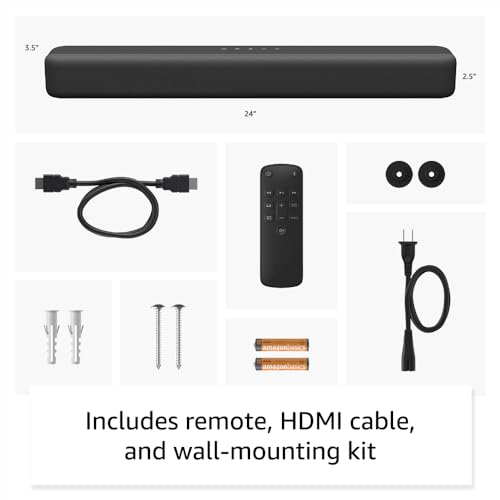
| Ultra-compact: 61cm wide, 9cm tall, 1.8kg | Larger system: soundbar + subwoofer + rear speakers |
| Setup Complexity - Time and effort required for installation | |
| Plug-and-play with single cable connection | Multi-component wireless setup with speaker positioning |
| Audio Processing - Technologies that enhance sound quality | |
| Dolby Audio + DTS Virtual:X for simulated surround | Dolby Audio + AI Sound Pro with content optimization |
| Connectivity Options - Compatibility with different TV types | |
| HDMI-eARC, optical input, Bluetooth streaming | HDMI-eARC, optical input, Bluetooth, Wi-Fi |
| Best Room Size - Where each system performs optimally | |
| Small to medium rooms, close-proximity viewing | Medium to large rooms with flexible speaker placement |
| Smart TV Integration - How well it works with your TV remote | |
| Amazon Fire TV Soundbar works with most TVs via HDMI-eARC | LG S60TR includes WOW Orchestra for enhanced LG TV integration |
| Long-term Expandability - Future upgrade potential | |
| No subwoofer connectivity or expansion options | Complete system with no further upgrades needed |
The Amazon Fire TV Soundbar is ideal for small apartments due to its ultra-compact design at just 61cm wide and 9cm tall. It delivers clear dialogue improvement without taking up much space or requiring additional components like subwoofers or rear speakers that the LG S60TR needs.
For casual movie watching, the Amazon Fire TV Soundbar with virtual surround processing is adequate. However, if you're serious about home theater and want genuine directional audio effects, the LG S60TR with physical rear speakers provides authentic surround sound that makes action movies and thrillers much more immersive.
The LG S60TR has significantly better bass thanks to its dedicated 220W wireless subwoofer that can deliver deep, room-filling low frequencies. The Amazon Fire TV Soundbar relies on integrated bass reflex design, which improves over TV speakers but cannot match the impact of a separate subwoofer.
The Amazon Fire TV Soundbar offers plug-and-play setup with just one cable connection, taking about 5 minutes. The LG S60TR requires positioning the subwoofer and rear speakers around your room, plus wireless pairing, typically taking 30-45 minutes but offering much more comprehensive audio coverage.
The LG S60TR is designed for larger spaces with its 440W total power output and multiple speakers positioned throughout the room. The Amazon Fire TV Soundbar works best in small to medium rooms and may struggle to fill larger spaces with adequate volume and bass.
Both soundbars work with any TV brand through HDMI-eARC or optical connections. However, the LG S60TR offers enhanced integration with LG TVs through WOW Orchestra technology, while the Amazon Fire TV Soundbar provides straightforward compatibility across all TV brands.
Both soundbars significantly improve dialogue over TV speakers. The Amazon Fire TV Soundbar delivers clear dialogue through its well-tuned stereo drivers, while the LG S60TR uses a dedicated center channel that keeps voices anchored to the screen even during complex audio scenes.
The LG S60TR uses wireless rear speakers, eliminating the need to run cables across your room. However, you'll need power outlets for the subwoofer and one rear speaker. The Amazon Fire TV Soundbar has no rear speakers, requiring only a single connection to your TV.
The Amazon Fire TV Soundbar offers excellent value for basic audio improvement at a lower price point. The LG S60TR provides better cost-per-watt value and long-term investment potential if you want a complete surround sound system that won't need future upgrades.
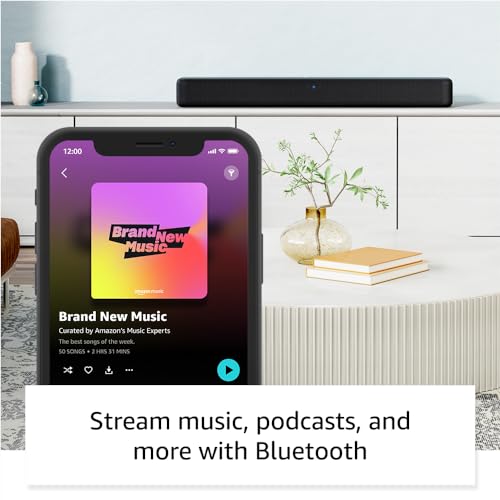
Yes, both the Amazon Fire TV Soundbar and LG S60TR support Bluetooth streaming for music from your phone or tablet. The LG system's wireless subwoofer makes it particularly well-suited for music listening, while the Amazon model works fine for casual music streaming.
The LG S60TR is superior for gaming due to its true surround sound capabilities that provide directional audio cues important in competitive gaming. The Amazon Fire TV Soundbar improves game audio over TV speakers but cannot deliver the positional accuracy that serious gamers benefit from.
The Amazon Fire TV Soundbar needs minimal space - just room under your TV or wall mounting. The LG S60TR requires strategic placement of a subwoofer (typically in a corner) and rear speakers positioned behind your seating area, making it better suited for dedicated entertainment rooms rather than multipurpose spaces.
We've done our best to create useful and informative comparisons to help you decide what product to buy. Our research uses advanced automated methods to create this comparison and perfection is not possible - please contact us for corrections or questions. These are the sites we've researched in the creation of this article: rtings.com - developer.amazon.com - stereoguide.com - developer.amazon.com - techradar.com - hometechnologyreview.com - whathifi.com - youtube.com - whathifi.com - wirelessplace.com - hometechnologyreview.com - dolby.com - aboutamazon.com - developer.amazon.com - community.anker.com - youtube.com - cordbusters.co.uk - bestbuy.com - mynavyexchange.com - youtube.com - consumerreports.org - avsforum.com - rentacenter.com - bestbuy.com - homechoicestores.com - oconsommateur.com - lg.com - bestbuy.com - samsung.com

Privacy Policy
Terms and Conditions - Affiliate Policy
Home Security
© Copyright 2008-2026.
11816 Inwood Rd #1211, Dallas, TX 75244