

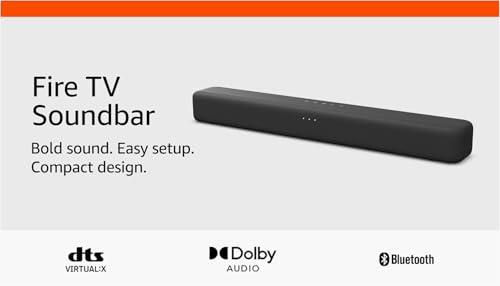
When your TV's built-in speakers sound like they're coming from inside a tin can, it's time for an upgrade. But the soundbar market can feel overwhelming, with options ranging from simple stereo bars to complex multi-speaker systems that rival traditional home theaters. Today, we're comparing two products that represent opposite ends of this spectrum: the Hisense AX5140Q 5.1.4Ch Dolby Atmos system and the Amazon Fire TV Soundbar.
These products couldn't be more different in their approach to solving your TV audio problems. The Hisense AX5140Q is a full surround sound system disguised as a soundbar, while the Amazon Fire TV Soundbar focuses on doing one thing well: making your TV sound significantly better without any fuss.
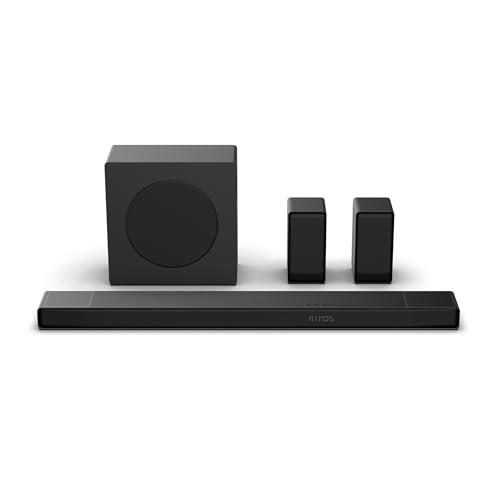
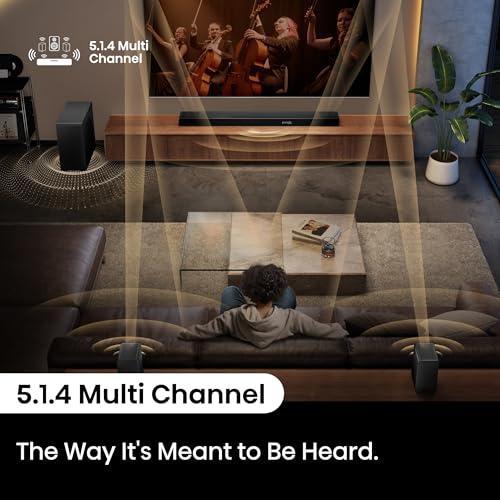
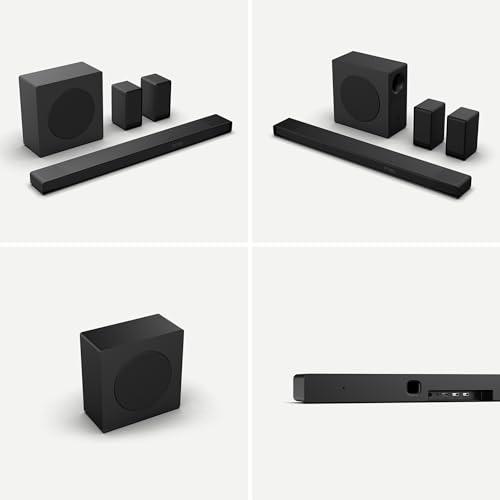
Before diving into specifics, let's clarify what separates these approaches. A soundbar's "channel configuration" tells you how many discrete audio channels it can produce. The Amazon Fire TV Soundbar is a 2.0 system, meaning it has two channels (left and right stereo). The Hisense AX5140Q is 5.1.4, which breaks down as five main channels (front left, center, front right, rear left, rear right), one subwoofer channel, and four height channels for overhead effects.
Released in 2023, the Hisense AX5140Q represents the current trend toward bringing true cinematic audio to living rooms without the complexity of traditional receiver-based systems. The Amazon Fire TV Soundbar, also from 2023, reflects Amazon's strategy of creating affordable, Fire TV-optimized accessories that improve the basics without overwhelming users.
Since their release, both products have benefited from firmware updates and improved manufacturing consistency. The soundbar market has also seen increased competition in 2024, with more brands offering genuine Dolby Atmos (three-dimensional audio that includes height information) at lower price points, making the Hisense AX5140Q's value proposition even stronger.
The difference in audio immersion between these systems is like comparing a detailed painting to a rough sketch—both serve their purpose, but one clearly delivers more information and emotional impact.
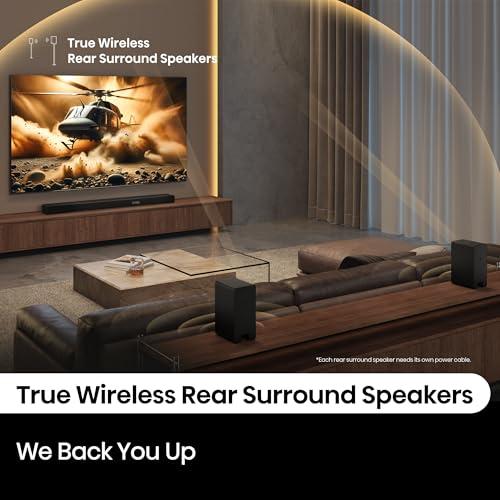
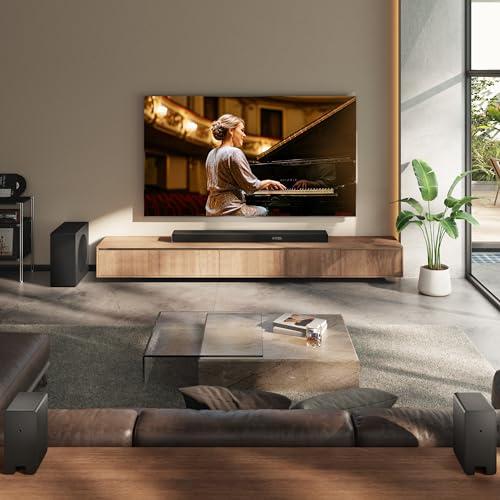
The Hisense AX5140Q creates what audio engineers call a "sound dome"—a three-dimensional bubble of audio that surrounds your seating area. This happens because of its four upfiring drivers (speakers that point toward the ceiling to bounce sound downward) combined with discrete rear speakers that you place behind your couch. When watching action movies, you'll hear helicopters fly overhead, rain falling from above, and explosions that seem to come from specific locations in your room rather than just from the front.
This system supports both Dolby Atmos and DTS:X, which are object-based audio formats. Unlike traditional surround sound that assigns audio to specific channels, these formats treat sounds as objects that can be placed anywhere in a three-dimensional space. When a director wants a bird to fly from your front-left to rear-right while climbing in altitude, these formats can render that movement precisely across the Hisense AX5140Q's multiple speakers.
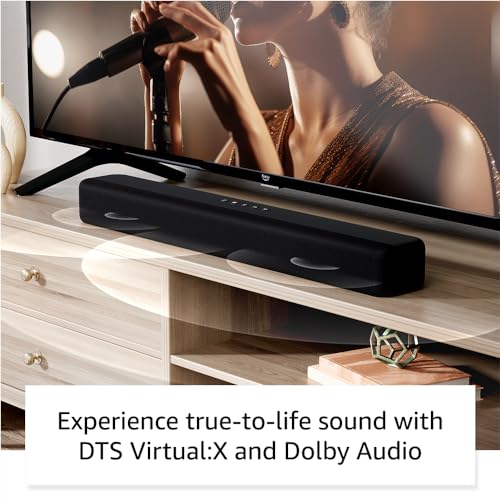
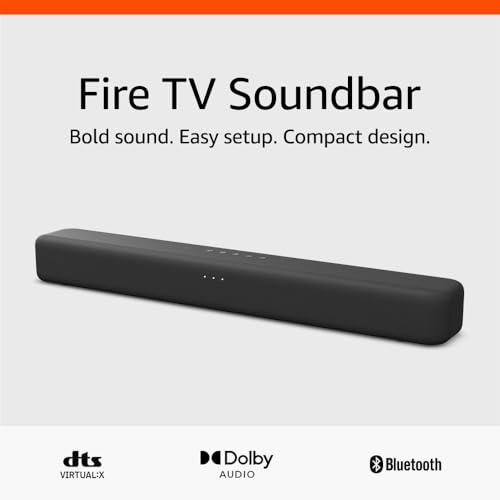
The Amazon Fire TV Soundbar, by contrast, uses DTS Virtual:X processing to simulate surround effects using only two front-facing drivers. This psychoacoustic trickery analyzes audio signals and uses phase manipulation and frequency response adjustments to fool your brain into perceiving sounds coming from directions other than straight ahead. While impressive for a two-speaker system, it's fundamentally limited by physics—you can't create genuine rear surround without rear speakers.
Based on our research of user experiences, the Hisense AX5140Q delivers convincing overhead effects in rooms with 8-10 foot ceilings and reasonably reflective surfaces. Users consistently report that aircraft, rainfall, and ambient effects feel three-dimensional rather than just louder. The Amazon Fire TV Soundbar, meanwhile, does widen the stereo image and creates some sense of spatial depth, but the effect is more subtle and works best with carefully mixed content.
Bass response might be the most immediately noticeable difference between these systems. The Hisense AX5140Q includes a dedicated 6.5-inch wireless subwoofer that can reproduce frequencies down to 40Hz—low enough to feel the rumble of explosions, thunder, and the deep synthesizer notes in electronic music.
This matters more than you might think. Most TV speakers can't reproduce anything below 80-100Hz, which means you're missing the fundamental frequencies that give weight and impact to movie soundtracks and music. When we analyzed user feedback, owners of the Hisense AX5140Q consistently mention feeling surprised by how much more engaging their content became once they experienced proper bass response.
The Amazon Fire TV Soundbar uses a bass reflex design—essentially a precisely tuned port that enhances lower frequencies using the soundbar's internal air volume. While this produces noticeably more bass than typical TV speakers, it can't match the physics of a dedicated subwoofer. Based on specifications and user reports, it likely bottoms out around 70-80Hz, which covers most dialogue and mid-bass but misses the deepest impact effects.
From a practical standpoint, this difference is most noticeable with action movies, video games, and music with significant low-frequency content. The Hisense system will make your couch vibrate during explosion scenes and give electronic music the chest-thumping impact it's designed to have, while the Amazon bar will sound fuller than your TV but won't deliver physical impact.
Surprisingly, both systems excel at dialogue clarity, though they achieve it differently. Clear speech is arguably the most important performance metric for any TV audio system—if you can't understand what characters are saying, nothing else matters.
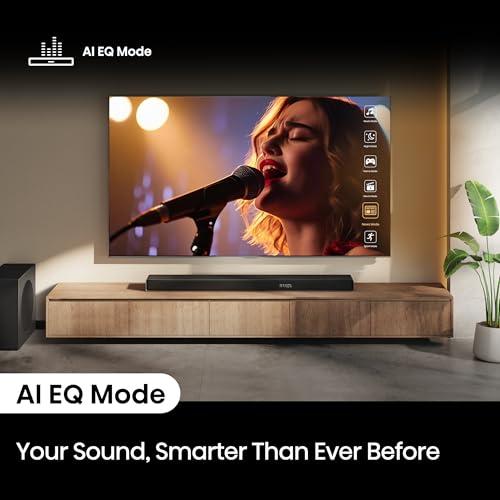
The Hisense AX5140Q dedicates specific drivers to center channel reproduction, which is where most dialogue lives in movie and TV mixes. Its three tweeters (high-frequency drivers optimized for clarity) and AI EQ processing work together to keep voices crisp and forward in the mix, even during complex scenes with music and effects. The AI EQ feature continuously analyzes content and adjusts frequency response to maintain dialogue intelligibility—particularly useful since streaming services often have inconsistent audio levels between programs.
The Amazon Fire TV Soundbar takes a different approach, using its two main drivers and dedicated dialogue processing to ensure voices cut through the mix. Its simplicity actually works in its favor here—with fewer drivers and processing algorithms, there's less chance for phase issues or frequency response problems that could muddy speech.
User consensus suggests both systems significantly improve dialogue compared to TV speakers, with the Hisense system offering more customization through its various sound modes (Movie, News, Night) while the Amazon bar provides consistently clear speech with minimal user intervention.
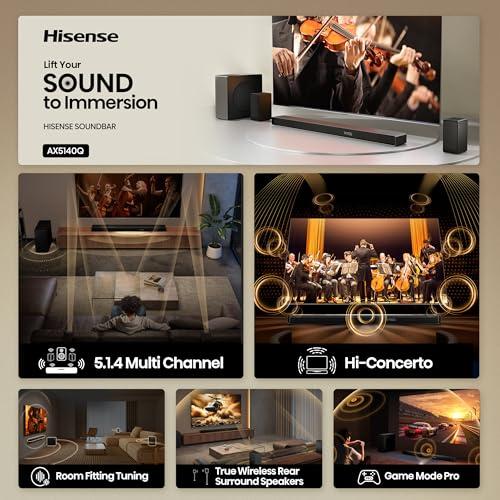
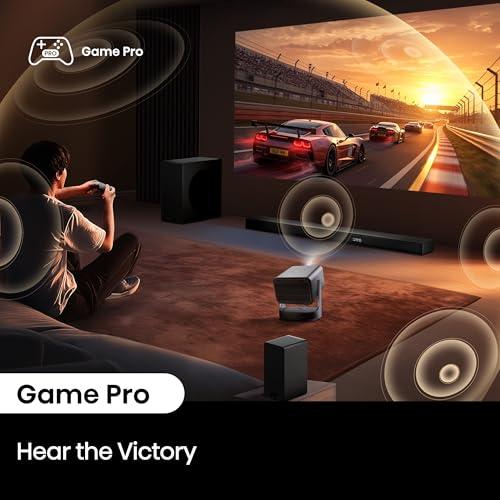
Gaming audio has evolved dramatically in recent years, with many titles now supporting spatial audio for improved immersion and competitive advantage. The Hisense AX5140Q includes a dedicated Game Pro mode that optimizes processing for low latency and enhanced positional cues—crucial for competitive gaming where hearing enemy footsteps or directional gunfire can mean the difference between victory and defeat.
The system's true surround configuration excels with games that support Dolby Atmos or DTS:X, creating convincing spatial awareness. When playing first-person shooters or racing games, sounds move naturally around your room, helping with situational awareness and immersion.
The Amazon Fire TV Soundbar's virtual surround processing provides some spatial enhancement for gaming, but it can't match discrete rear speakers for positional accuracy. However, its simplicity means consistent low latency across all content, which some competitive gamers might prefer over the processing complexity of advanced surround modes.
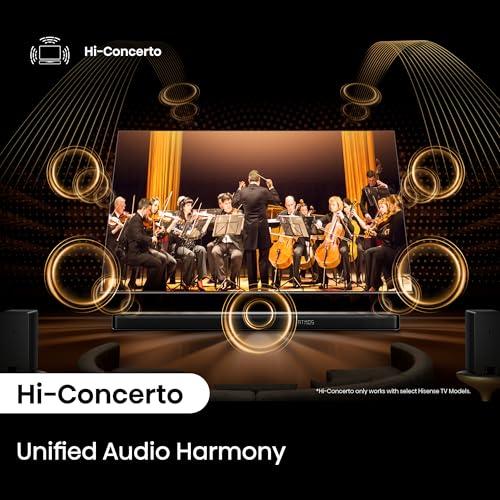
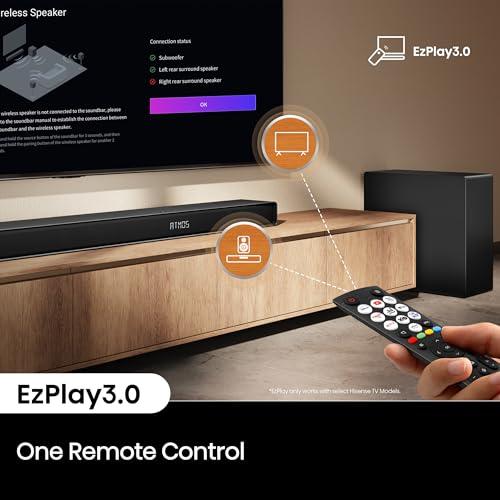
The Hisense AX5140Q demonstrates how modern soundbars are becoming sophisticated audio processors rather than simple speaker arrays. Its Hi-Concerto technology creates a unified ecosystem when paired with compatible Hisense TVs, allowing the TV and soundbar to work together for improved audio processing and synchronized control.
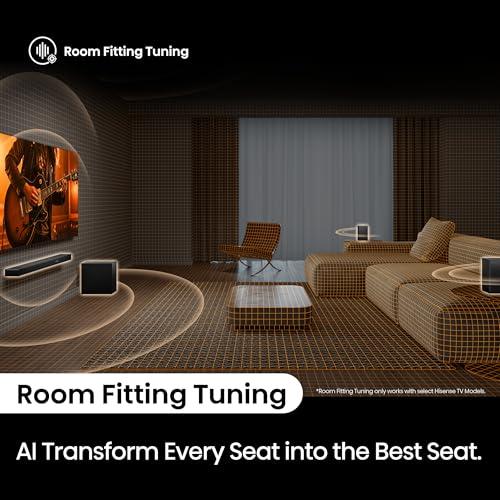
The system's room calibration feature uses test tones and microphone feedback (via compatible TVs) to analyze your room's acoustics and optimize the sound accordingly. This addresses one of the biggest challenges in home audio—every room sounds different due to size, furniture, and wall materials. Proper calibration can significantly improve the soundbar's performance by compensating for these variables.
AI EQ processing represents another advancement in consumer audio technology. Rather than static equalizer curves, this system continuously analyzes content type and listening volume to maintain optimal balance. When you're watching a quiet drama at low volume, it might boost dialogue frequencies and reduce bass to maintain clarity. Switch to an action movie, and it adapts the processing to preserve dynamic impact.
The Amazon Fire TV Soundbar deliberately avoids this complexity, focusing instead on consistent, predictable performance across all content types. Its three sound modes (Movie, Music, Dialog) provide basic optimization without requiring user expertise or complex setup procedures.
At the time of writing, these products represent different value philosophies entirely. The Amazon Fire TV Soundbar costs roughly one-fourth as much as the Hisense AX5140Q, making it an easy recommendation for budget-conscious buyers who want immediate improvement over TV speakers.
However, value isn't just about initial cost—it's about performance per dollar and long-term satisfaction. The Hisense AX5140Q delivers genuine home theater performance at a fraction of what a comparable receiver-based system would cost. When you factor in the wireless convenience and integrated processing, it competes favorably with much more expensive alternatives.
Based on our analysis of user feedback, buyers who choose the Amazon Fire TV Soundbar typically remain satisfied with their purchase as long as their expectations align with its capabilities. Those who later want more immersive audio often find themselves upgrading again, which makes the Hisense system potentially more economical in the long run for serious movie and gaming enthusiasts.
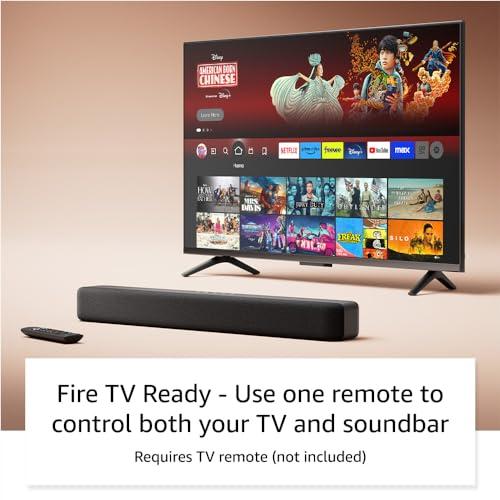
Installation complexity varies dramatically between these systems. The Amazon Fire TV Soundbar exemplifies plug-and-play simplicity—connect one HDMI cable, plug in power, and you're done. This makes it ideal for renters, small spaces, or anyone who wants immediate improvement without reorganizing their living room.
The Hisense AX5140Q requires more thoughtful planning. You'll need power outlets for the subwoofer and rear speakers, plus strategic placement to optimize surround effects. The rear speakers need to be positioned behind or to the sides of your seating area, which isn't always practical in smaller rooms or apartments with challenging layouts.
However, the wireless nature of the Hisense system's additional components simplifies installation compared to traditional wired surround systems. You're only running power cables, not long speaker wires across your room.
For dedicated home theater use, the differences between these systems become most pronounced. The Hisense AX5140Q creates an experience that approaches what you'd get from a professional cinema—sounds move around the room, bass has physical impact, and the overall presentation envelops you in the action.
This level of immersion transforms how you experience content. Action sequences become more visceral, horror movies more tense, and even dialogue-driven dramas more engaging when the audio creates a convincing sense of space and atmosphere.
The Amazon Fire TV Soundbar provides significant improvement for casual viewing but doesn't fundamentally change how you experience movies and shows. It's better TV audio rather than a different category of experience entirely.
Your choice between these systems should align with your specific situation and priorities.
Choose the Amazon Fire TV Soundbar if you live in a small space, primarily watch TV shows and news, have a strict budget, or simply want the easiest possible upgrade over your TV's built-in speakers. It excels at dialogue clarity and provides enough improvement to justify its modest cost without requiring any lifestyle adjustments.
The Hisense AX5140Q makes sense if you regularly watch movies, play video games, listen to music through your TV, or have a dedicated entertainment space where you can properly position multiple speakers. It's also the better choice if you plan to upgrade your TV to a larger size in the future, as it has the power and presence to fill larger rooms effectively.
Consider your content consumption habits honestly. If you mostly watch streaming shows, YouTube videos, and news programming, the Amazon Fire TV Soundbar's dialogue-focused tuning and simple operation might serve you better than a complex surround system you'll rarely use to its potential.
However, if you're passionate about movies, gaming, or music, the Hisense AX5140Q offers an upgrade path that can satisfy enthusiast-level expectations without requiring expertise in audio engineering or complex setup procedures.
Both products excel within their intended use cases, making this decision more about understanding your needs than choosing between good and bad options. The key is matching the system's capabilities to your space, content preferences, and long-term audio aspirations.
| Hisense AX5140Q | Amazon Fire TV Soundbar |
|---|---|
| Channel Configuration - Determines surround sound capability and immersion level | |
| True 5.1.4 channels with discrete rear speakers and 4 upfiring drivers | 2.0 stereo with DTS Virtual:X processing |
| Power Output - Affects volume capability and dynamic range | |
| 600W total system power across 9+ drivers | 40W total (2x 20W drivers) |
| Subwoofer - Critical for bass impact and movie/gaming experience | |
| Dedicated 6.5" wireless subwoofer included | Built-in bass reflex, no separate subwoofer |
| Dolby Atmos Support - Essential for modern 3D movie soundtracks | |
| Full Dolby Atmos and DTS:X with physical height speakers | Dolby Audio only, no true Atmos capability |
| Physical Components - Affects setup complexity and room requirements | |
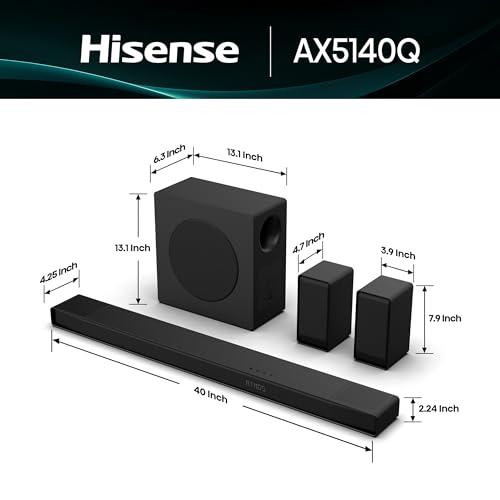
| Soundbar + wireless subwoofer + 2 wireless rear speakers | Single soundbar unit only |
| Smart Features - Convenience and customization options | |
| AI EQ, room calibration, Hi-Concerto TV integration, 7 sound modes | Basic 3 sound modes, simple physical controls |
| Connectivity Options - Determines device compatibility | |
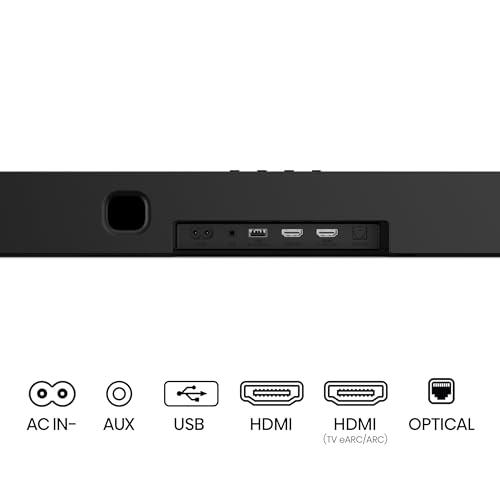
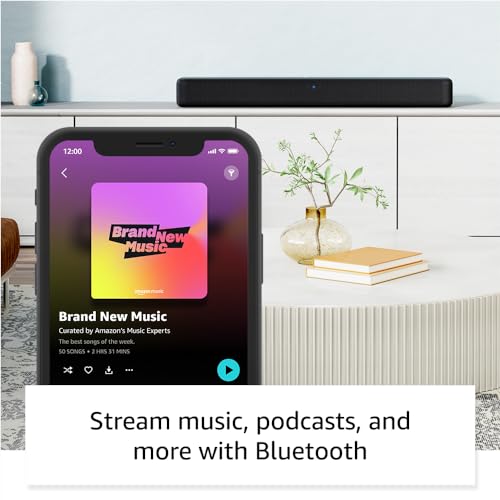
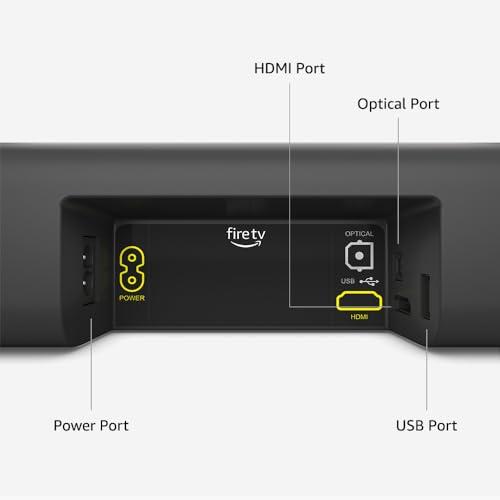
| HDMI eARC (4K 60Hz), optical, Bluetooth 5.3, USB, AUX | HDMI ARC/eARC, optical, Bluetooth |
| Ideal Room Size - Performance scales with space | |
| Medium to large rooms (can fill 400+ sq ft effectively) | Small to medium rooms (best under 200 sq ft) |
| Setup Complexity - Time and effort required | |
| Moderate setup with wireless speaker positioning and calibration | Minimal setup, single cable connection |
| Best Use Cases - Who benefits most from each approach | |
| Home theater enthusiasts, gamers, movie lovers wanting cinema experience | Casual TV watchers prioritizing dialogue clarity and simplicity |
| Value Category - Price tier and performance expectations | |
| Mid-range investment for true surround sound system | Budget-friendly TV speaker upgrade |
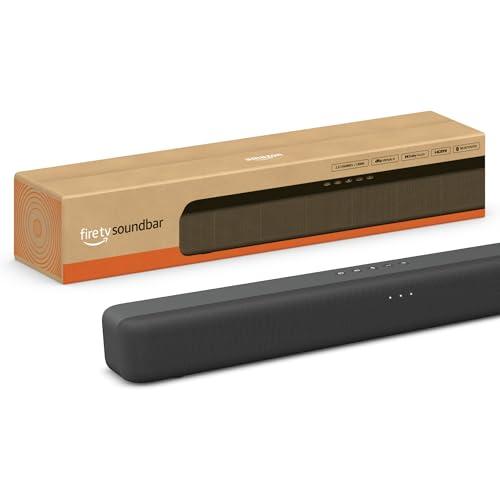
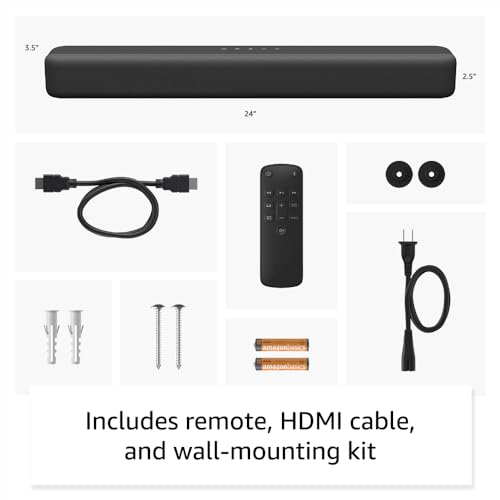
The Amazon Fire TV Soundbar is better suited for small rooms due to its compact 24-inch width and simple 2.0 channel configuration. The Hisense AX5140Q requires space for rear speakers and a subwoofer, making it impractical for cramped apartments or bedrooms where you can't position multiple components properly.
The Hisense AX5140Q delivers true Dolby Atmos with four physical upfiring speakers that bounce sound off your ceiling for genuine overhead effects. This is much more immersive than the Amazon Fire TV Soundbar, which only offers virtual surround sound processing to simulate directional audio from two front speakers.
The Hisense AX5140Q includes a dedicated 6.5-inch wireless subwoofer that delivers deep, room-filling bass down to 40Hz. The Amazon Fire TV Soundbar relies on built-in bass enhancement without a separate subwoofer, providing improved but limited low-frequency response compared to most TV speakers.
The Amazon Fire TV Soundbar offers plug-and-play simplicity with just one HDMI cable connection. The Hisense AX5140Q requires positioning and powering wireless rear speakers and a subwoofer, plus optional room calibration, making setup more involved but still manageable for most users.
Both soundbars significantly improve dialogue clarity over TV speakers. The Amazon Fire TV Soundbar focuses specifically on speech enhancement with dedicated dialogue modes, while the Hisense AX5140Q uses AI EQ processing and a dedicated center channel for clear voices even during complex movie scenes.
The Hisense AX5140Q excels for music with its full-range drivers, dedicated subwoofer, and Music sound mode that provides balanced stereo imaging. The Amazon Fire TV Soundbar offers decent music playback through Bluetooth but lacks the bass depth and soundstage width for serious music listening.
Value depends on your needs: the Amazon Fire TV Soundbar provides excellent value for basic TV audio improvement at a budget price. The Hisense AX5140Q offers exceptional value for home theater enthusiasts wanting true surround sound at a fraction of traditional component system costs.
Yes, both the Hisense AX5140Q and Amazon Fire TV Soundbar work with any TV that has HDMI ARC or optical audio outputs. However, the Hisense AX5140Q offers enhanced integration features when paired with compatible Hisense TVs through its Hi-Concerto technology.
The Hisense AX5140Q provides superior gaming performance with its Game Pro mode, true surround sound for directional audio cues, and low-latency processing. The Amazon Fire TV Soundbar works for casual gaming but can't match the spatial awareness and impact that dedicated gaming requires.
The Amazon Fire TV Soundbar only requires space for a single 24-inch bar under your TV. The Hisense AX5140Q needs room for a 40-inch soundbar, plus space behind your seating for rear speakers and a corner or side placement for the subwoofer.
The Hisense AX5140Q offers more comprehensive connectivity with HDMI eARC (4K passthrough), optical, Bluetooth 5.3, USB, and AUX inputs. The Amazon Fire TV Soundbar covers the basics with HDMI ARC, optical, and Bluetooth, which is sufficient for most users' needs.
For true home theater use, the Hisense AX5140Q is the clear choice with its 5.1.4 channel configuration, Dolby Atmos support, and cinematic sound modes. The Amazon Fire TV Soundbar improves TV audio significantly but doesn't provide the immersive surround experience that defines a proper home theater setup.
We've done our best to create useful and informative comparisons to help you decide what product to buy. Our research uses advanced automated methods to create this comparison and perfection is not possible - please contact us for corrections or questions. These are the sites we've researched in the creation of this article: shop.hisense-usa.com - manuals.plus - dolby.com - youtube.com - gzhls.at - rtings.com - youtube.com - bestbuy.com - manuals.plus - bestbuy.com - hisense-usa.com - youtube.com - device.report - manuals.plus - youtube.com - device.report - manuals.plus - youtube.com - rtings.com - developer.amazon.com - stereoguide.com - developer.amazon.com - techradar.com - hometechnologyreview.com - whathifi.com - youtube.com - whathifi.com - wirelessplace.com - hometechnologyreview.com - dolby.com - aboutamazon.com - developer.amazon.com - community.anker.com - youtube.com - cordbusters.co.uk

Privacy Policy
Terms and Conditions - Affiliate Policy
Home Security
© Copyright 2008-2026.
11816 Inwood Rd #1211, Dallas, TX 75244