







Shopping for a soundbar can feel overwhelming when you're comparing products from completely different price tiers. The Amazon Fire TV Soundbar and Klipsch Flexus Core 100 represent two distinct philosophies in home audio—one prioritizes affordability and simplicity, while the other emphasizes premium materials and expandable performance. Understanding these differences will help you choose the right upgrade for your entertainment setup.
Soundbars have become the go-to solution for improving TV audio without the complexity of full surround sound systems. They solve a fundamental problem: modern TVs prioritize thin designs over audio quality, often relegating speakers to tiny drivers firing downward or backward. A good soundbar restores clarity to dialogue, adds bass depth, and creates a wider soundstage that makes movies and music more engaging.
When evaluating soundbars, several key factors determine their effectiveness. Audio quality encompasses everything from dialogue clarity to bass extension and overall tonal balance. Connectivity options determine how easily the soundbar integrates with your existing equipment—HDMI ARC (Audio Return Channel) has become essential for seamless TV integration, while eARC (enhanced Audio Return Channel) supports higher-quality audio formats. Value proposition compares performance to price, considering both immediate satisfaction and long-term flexibility.
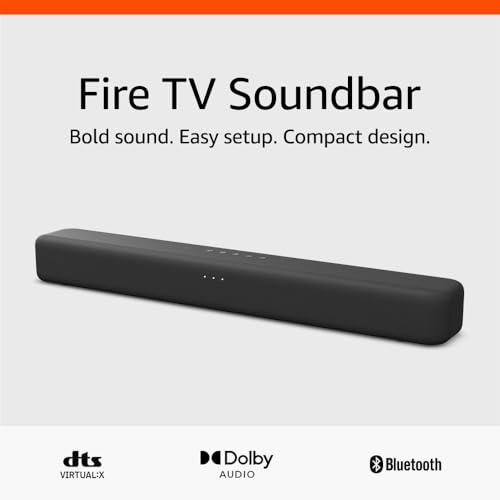
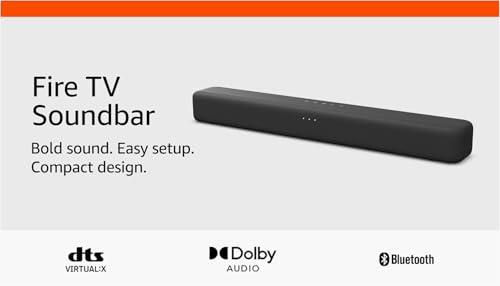
The Amazon Fire TV Soundbar, introduced around 2023, represents Amazon's entry into the budget soundbar market. It's designed as a straightforward upgrade over TV speakers, with particular integration benefits for Fire TV users. At roughly one-third the cost of many competitors, it focuses on delivering essential improvements without premium features or materials.
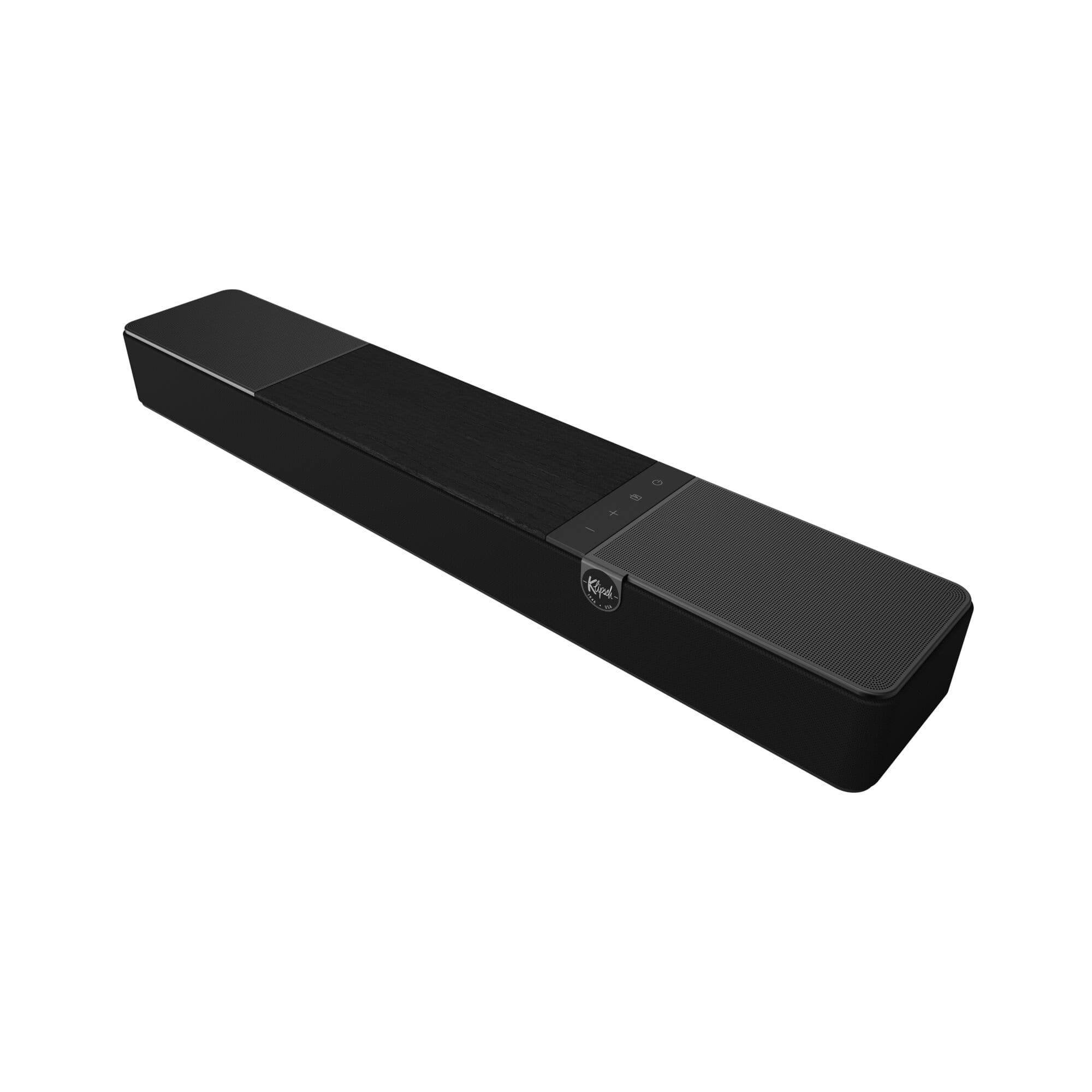
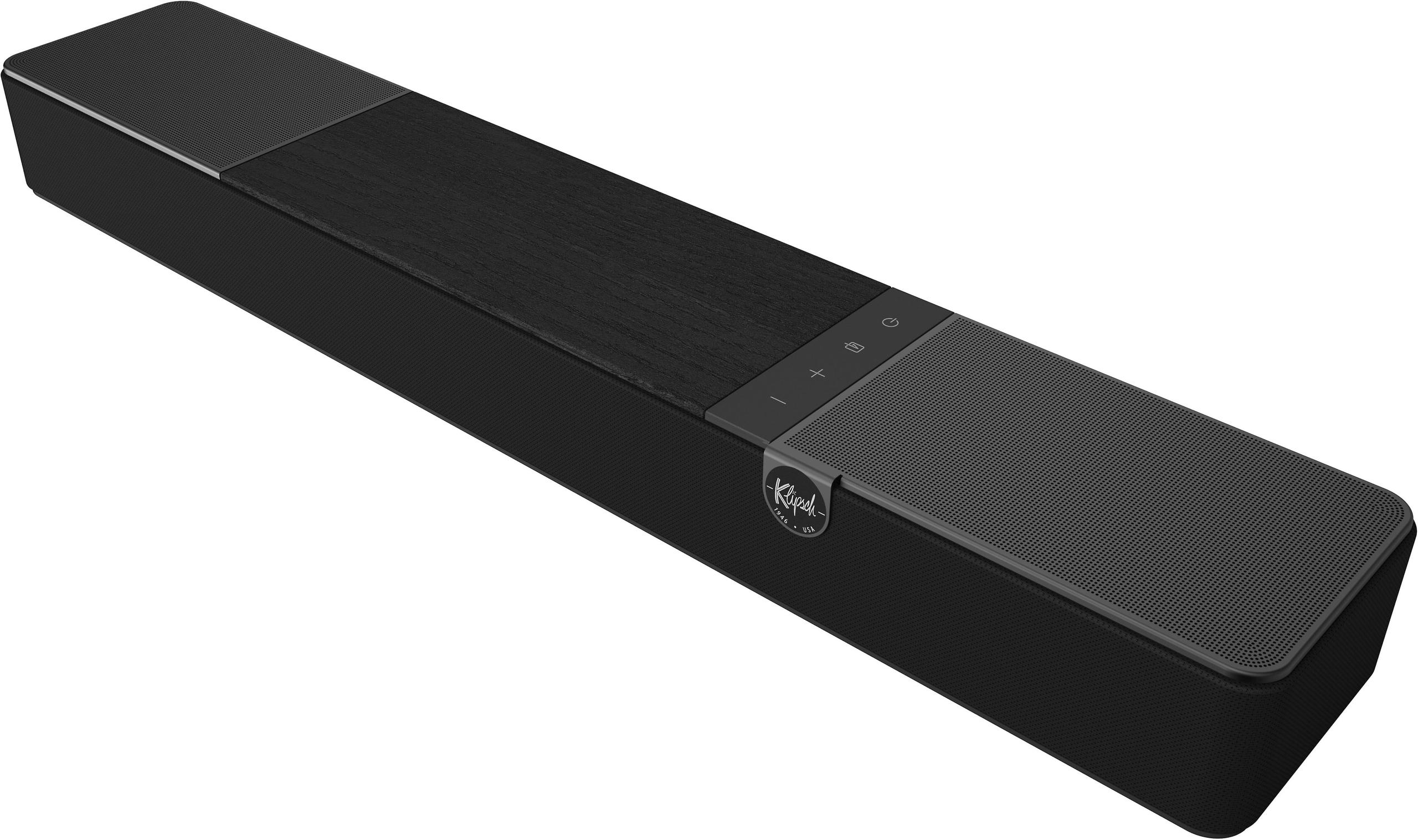
The Klipsch Flexus Core 100 arrived in 2020 as part of Klipsch's strategic shift away from plastic soundbar construction toward traditional wooden enclosures. This timing coincided with the home entertainment boom, when consumers began demanding better audio quality for their upgraded viewing experiences. The collaboration between Klipsch's speaker expertise and Onkyo's audio processing represents a more ambitious approach to soundbar design.
The most significant difference between these soundbars lies in their approach to sound reproduction. The Amazon Fire TV Soundbar uses two 20-watt amplifiers driving specially designed "Racetrack" drivers—oval-shaped speakers that maximize membrane surface area while maintaining a compact profile. This design clever addresses space constraints but ultimately limits output capability.
In contrast, the Klipsch Flexus Core 100 delivers 100 watts RMS through a more sophisticated driver arrangement. It combines dual 2.25-inch aluminum cone drivers with two 4-inch built-in subwoofers, creating what's technically a 2.1-channel system (stereo plus dedicated bass) rather than the Amazon's 2.0 configuration. This power difference isn't just about volume—it enables better dynamic range, meaning the soundbar can handle both whisper-quiet dialogue and explosive action sequences without distortion.
Based on expert reviews and user feedback, this power difference translates to noticeably more engaging audio. The Amazon soundbar provides clear improvement over TV speakers, particularly for dialogue clarity, but struggles with demanding content like action movies or bass-heavy music. The Klipsch model delivers what reviewers consistently describe as "surprising" performance for a single-bar solution, with bass response that eliminates the immediate need for a separate subwoofer.
Bass response reveals the biggest performance gap between these models. Low-frequency reproduction requires either large drivers, significant amplifier power, or clever acoustic design—preferably all three. The Amazon Fire TV Soundbar relies on bass reflex tuning, using a front-firing port to enhance low frequencies from its small drivers. This approach works within limitations but can't overcome the fundamental physics of small drivers and modest power.
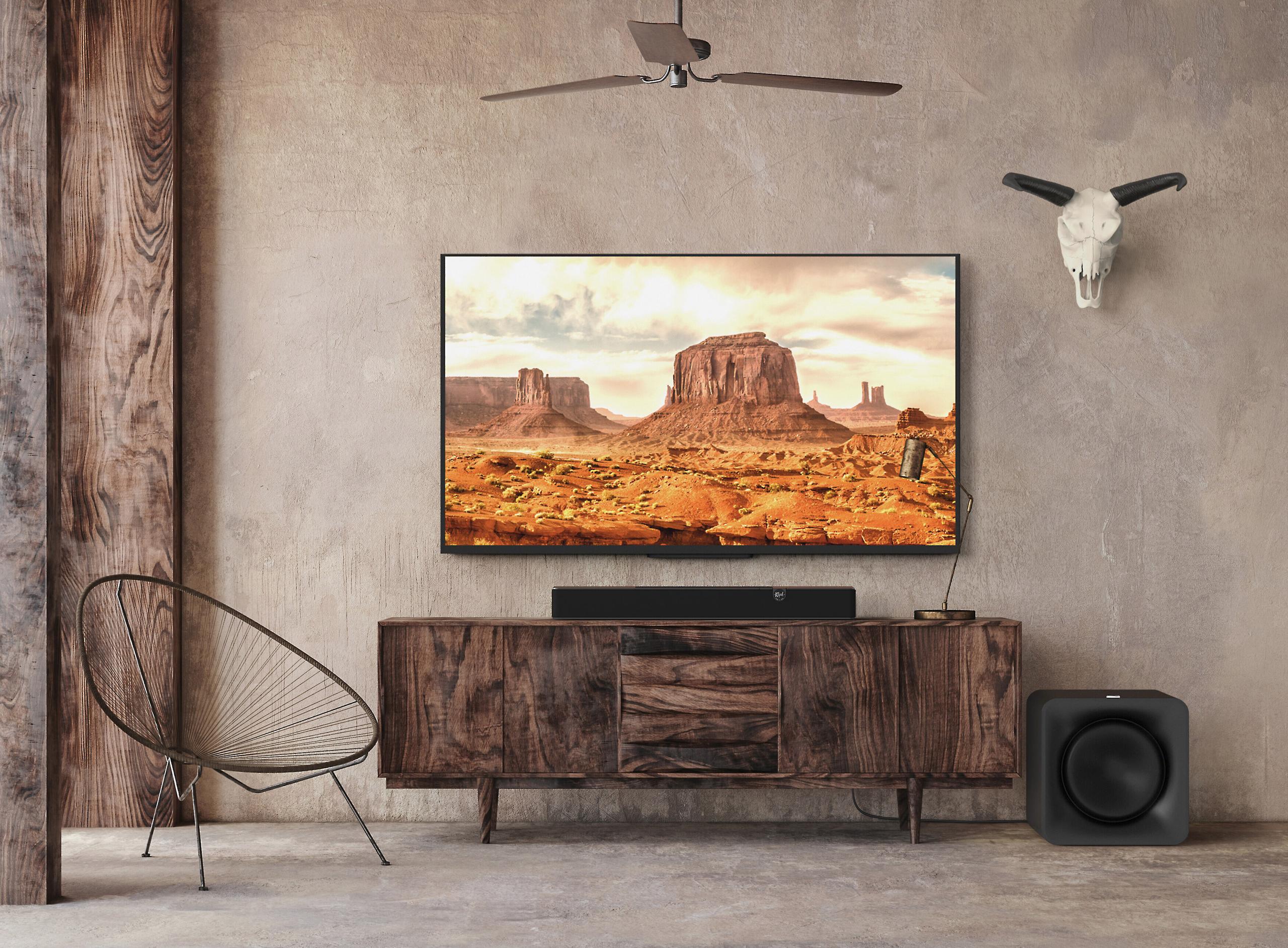
The Klipsch Flexus Core 100 takes a more direct approach with dual 4-inch subwoofers integrated into the main housing. These dedicated bass drivers, combined with substantially more amplifier power, produce what experts describe as "best-in-class bass" for soundbars in this category. The frequency response specification of 45Hz-20kHz indicates meaningful low-end extension—the kind that adds weight to explosions and fullness to music without requiring a separate subwoofer.
This bass difference matters more than specifications suggest. In home theater applications, bass doesn't just add boom—it provides the foundation that makes dialogue more intelligible and creates the sense of space that draws you into movies and shows.
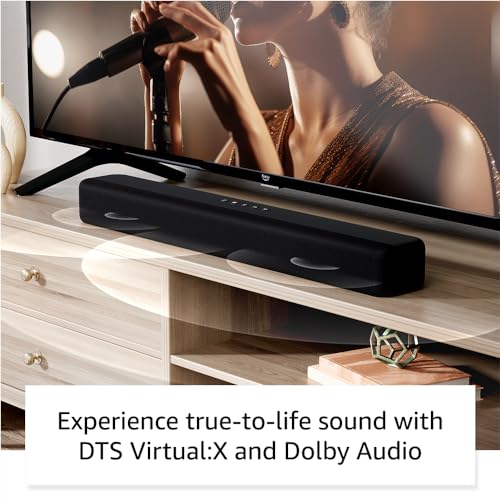
Both soundbars attempt to create a wider sound field than their physical dimensions suggest, but through different methods. The Amazon model uses DTS Virtual:X processing, which applies psychoacoustic algorithms to simulate surround sound from two speakers. This works reasonably well for creating width but can't overcome the limitations of closely-spaced drivers.
The Klipsch soundbar achieves soundstage width through more traditional means—properly positioned drivers with adequate power and sophisticated crossover design. Expert reviews consistently praise its ability to create convincing stereo separation and depth, with some noting performance comparable to the well-regarded Sonos Beam despite being a single-bar solution.
Value in audio equipment isn't just about initial cost—it's about performance per dollar and long-term satisfaction. The Amazon Fire TV Soundbar excels at its primary mission: providing meaningful audio improvement at minimal cost. For users whose current alternative is built-in TV speakers, it delivers substantial enhancement for a modest investment.
However, the Klipsch Flexus Core 100, while costing roughly three times more at the time of writing, delivers significantly more than three times the performance. This isn't unusual in audio equipment, where price-to-performance relationships follow exponential rather than linear curves. The premium pays for better materials, more sophisticated engineering, and notably superior sound quality.
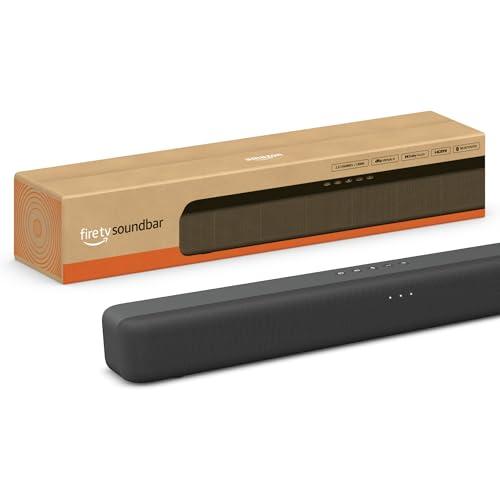
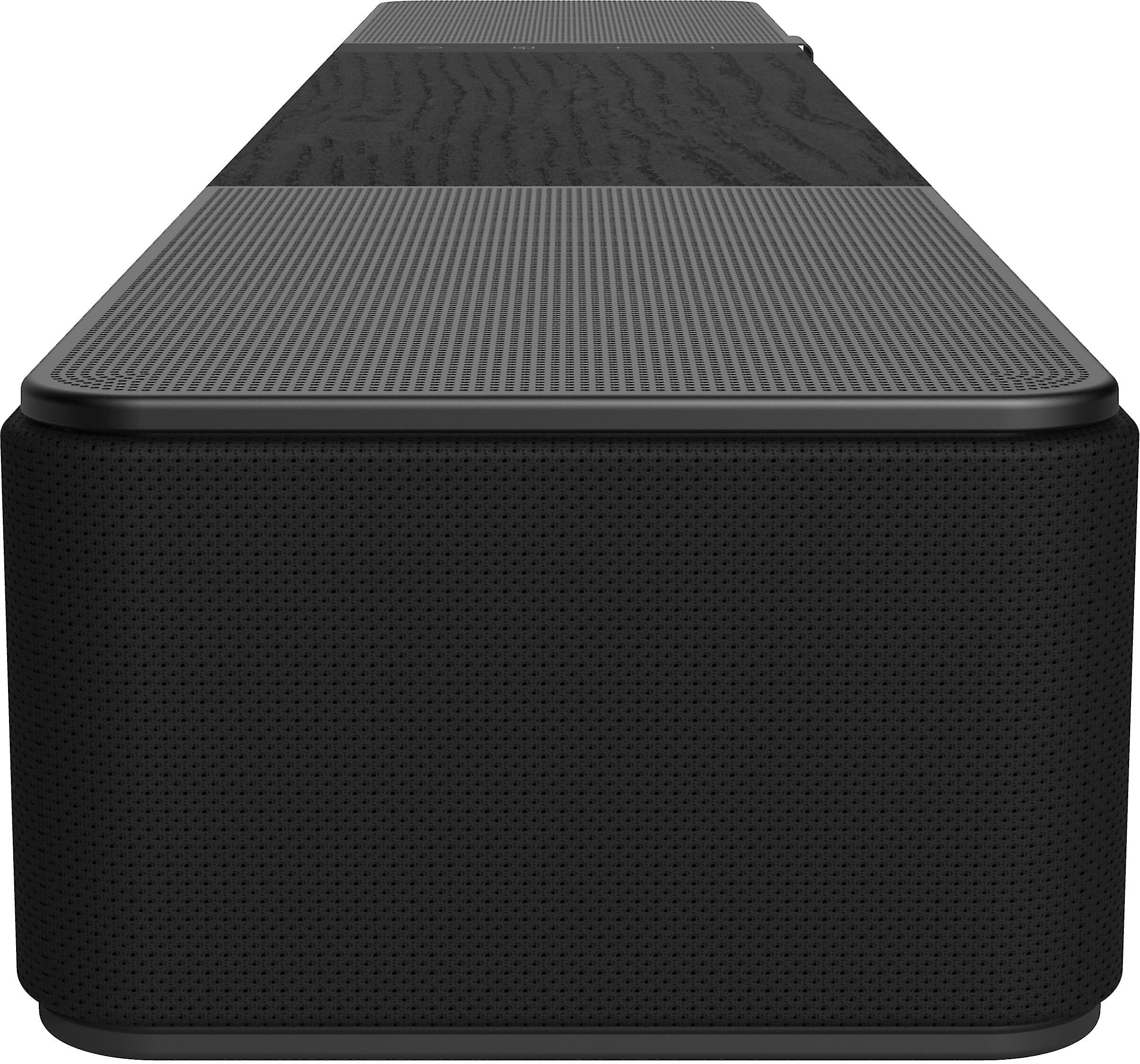
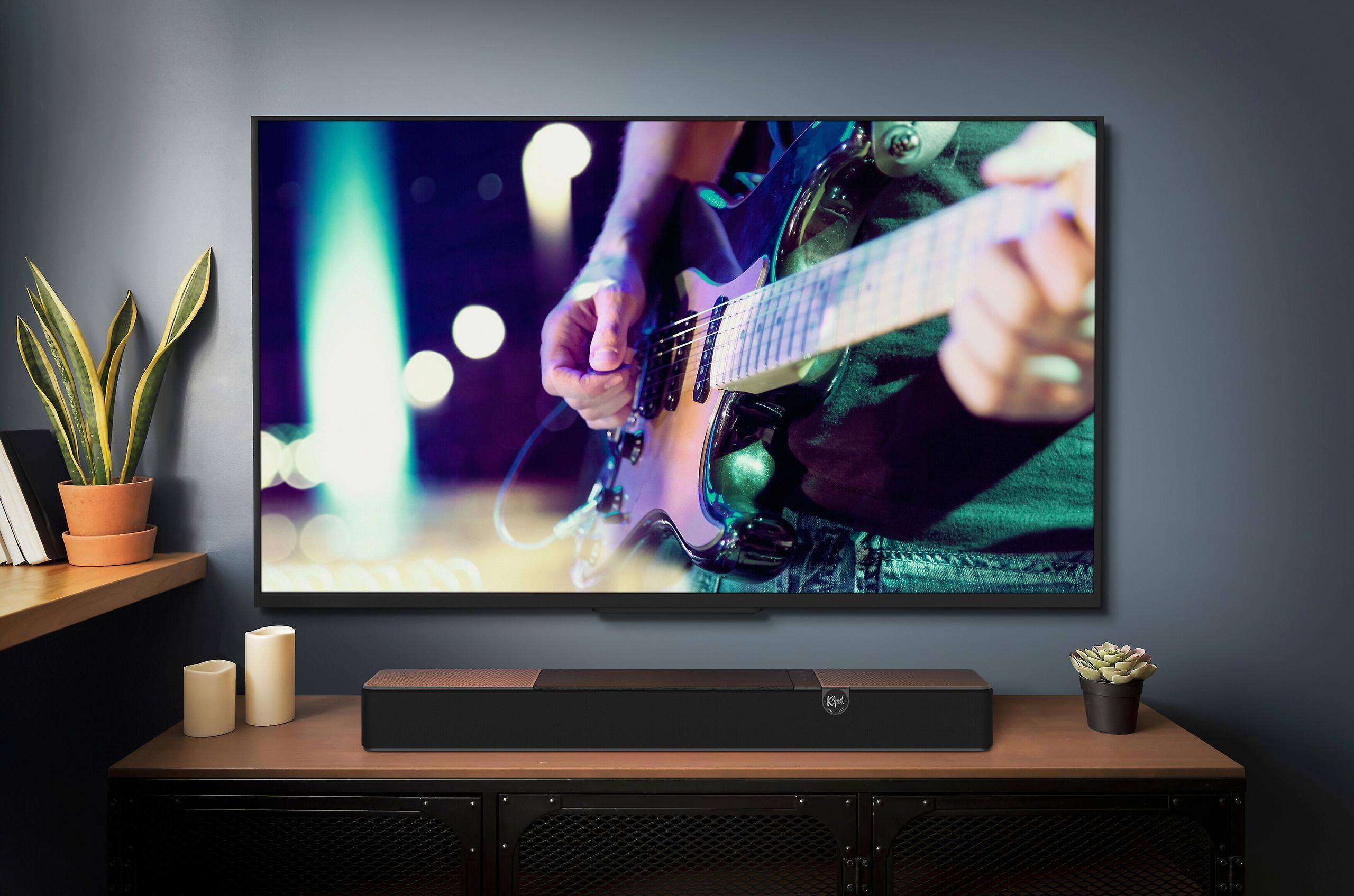
The build quality difference reinforces this value proposition. The Amazon soundbar uses functional but basic plastic construction with fabric covering—perfectly adequate but clearly budget-oriented. The Klipsch model features wooden MDF construction with wood grain vinyl wrap, woolen grille fabric, and metal accents that wouldn't look out of place on much more expensive equipment.
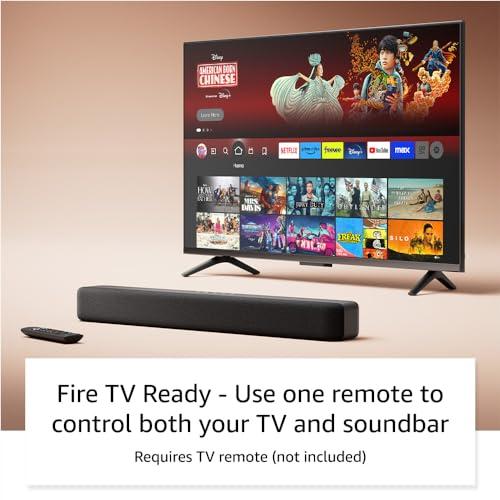
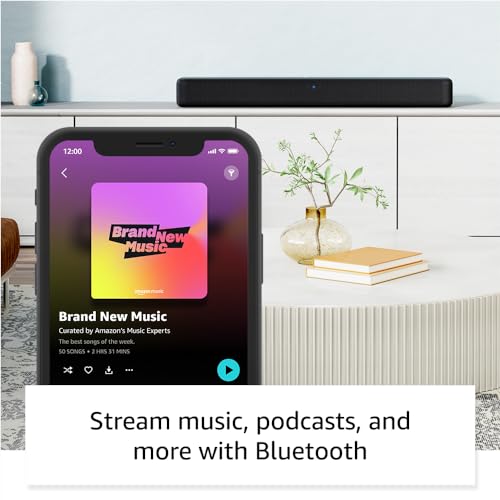
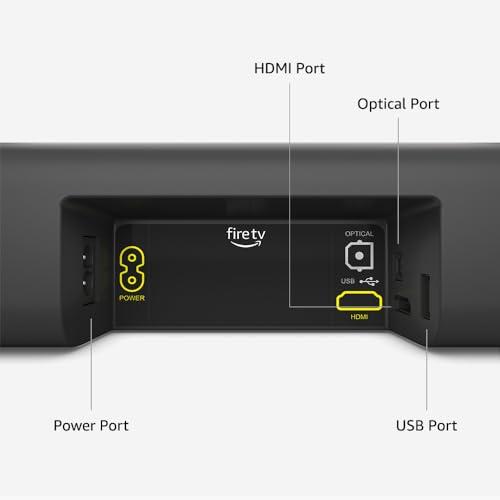
Both soundbars cover connectivity essentials but with different emphasis. The Amazon Fire TV Soundbar provides HDMI ARC/eARC, optical input, and Bluetooth streaming—everything most users need for basic operation. Its Fire TV integration offers some convenience benefits for Amazon ecosystem users, though it works fine with any TV.
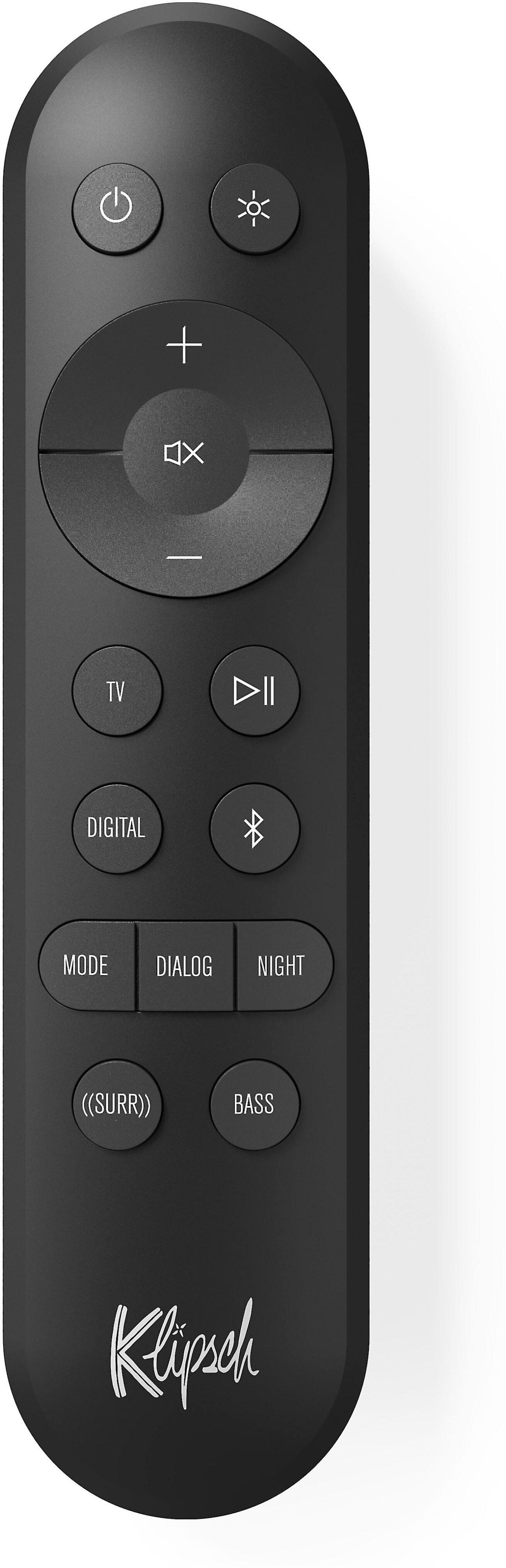
The Klipsch Flexus Core 100 includes similar core connectivity but adds USB-C input and, crucially, a subwoofer output for future expansion. The Klipsch Connect Plus app provides EQ adjustment and sound mode selection—features absent from the Amazon model. Multiple listening modes (Night, Voice, Movies, Music) allow optimization for different content types, while the Amazon offers three basic EQ presets.
This represents perhaps the most significant long-term difference between these soundbars. The Amazon Fire TV Soundbar is essentially a closed system—what you buy is what you get forever. There's no option to add rear speakers, upgrade the subwoofer, or expand capabilities as your needs change.
The Klipsch Flexus Core 100 serves as the foundation for a modular system. Klipsch Transport technology enables wireless connection of rear surrounds and additional subwoofers, transforming the basic soundbar into a full surround system without running new cables. This expandability means your initial investment can grow with your needs and budget over time.
For home theater enthusiasts, this flexibility proves valuable. You might start with just the soundbar, then add rear speakers for true surround sound, and later incorporate a dedicated subwoofer for even deeper bass. The Amazon model forces a complete replacement if you want to upgrade significantly.
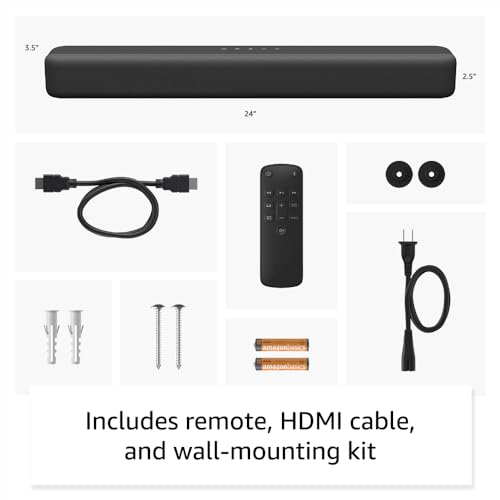
Physical integration varies significantly between these models. The Amazon Fire TV Soundbar measures just 61cm wide and weighs 1.8kg, making it ideal for smaller TVs or space-constrained installations. Its low profile and lightweight construction mean it won't dominate smaller entertainment centers or require reinforced shelving.
The Klipsch Flexus Core 100 is substantially larger and heavier, reflecting its more robust construction and driver complement. While still maintaining a relatively slim 3-inch height profile, it requires more substantial placement and might overwhelm smaller TV installations. However, its premium appearance can enhance rather than detract from living room aesthetics.
Both models support wall mounting, but the weight difference makes installation complexity quite different. The Amazon model can be mounted with basic hardware, while the Klipsch requires more substantial wall anchors and careful consideration of weight distribution.
The Amazon Fire TV Soundbar makes sense for specific situations. Budget-conscious users who need basic audio improvement will find it delivers meaningful enhancement over TV speakers without breaking the bank. It's particularly suitable for bedrooms, small apartments, or secondary viewing areas where modest improvement is sufficient. Fire TV users gain some ecosystem integration benefits, though these aren't dramatic enough to drive purchase decisions alone.
College students, renters who can't make permanent installations, or anyone seeking simple plug-and-play improvement will appreciate its straightforward setup and operation. If your primary concern is dialogue clarity for TV shows and you rarely watch action movies or listen to music through your TV, the Amazon model covers essential needs adequately.
The Klipsch Flexus Core 100 targets users with different priorities. If audio quality significantly impacts your entertainment enjoyment, the premium becomes worthwhile. Music listeners particularly benefit from its superior driver configuration and power handling. Home theater enthusiasts who watch action movies, play games, or enjoy content with complex soundtracks will notice the difference in dynamic range and bass response.
The expandability factor makes it attractive for users who anticipate growing their audio setup over time. Rather than replacing the entire system later, you can build gradually around the soundbar foundation. This approach often proves more cost-effective than buying and replacing complete systems.
For dedicated home theater use, the performance gap between these soundbars becomes more pronounced. The Amazon Fire TV Soundbar handles dialogue and simple stereo content adequately but struggles with the dynamic range and frequency extremes common in movie soundtracks. Its DTS Virtual:X processing helps create some surround effect, but it's no substitute for properly positioned speakers.
The Klipsch Flexus Core 100 performs significantly better with demanding home theater content. Its Dolby Atmos processing, while not providing true height channels, creates more convincing spatial effects. The substantial bass response adds impact to action sequences, while the increased power handling prevents distortion during loud scenes.
However, even the Klipsch has limitations for serious home theater applications. Neither soundbar can match the immersive experience of dedicated surround speakers, and both lack true height channels for proper Atmos reproduction. They represent significant upgrades over TV speakers but remain compromises compared to full speaker systems.
The choice between these soundbars ultimately depends on your priorities, budget, and expectations. The Amazon Fire TV Soundbar excels as an affordable upgrade that solves basic audio problems without complexity or significant investment. If your budget constrains you to entry-level options, it delivers reasonable value within those limitations.
The Klipsch Flexus Core 100 justifies its higher price through notably superior performance, premium construction, and future expandability. It represents a more serious audio investment that should satisfy most users' needs for years.
Consider the Amazon if your budget is strictly limited, your room is small, or you primarily watch dialogue-heavy content like news and sitcoms. Choose the Klipsch if you can afford the premium, enjoy movies and music regularly, or want the flexibility to expand your system later. The Klipsch represents better long-term value for most users who can accommodate the higher initial cost.
Both soundbars succeed at their intended missions, but they serve different user needs and budgets. Understanding these differences ensures you'll choose the model that best matches your specific situation and provides the most satisfaction for your investment.
| Amazon Fire TV Soundbar | Klipsch Flexus Core 100 |
|---|---|
| Channel Configuration - Determines bass capability and surround effects | |
| 2.0 stereo (no dedicated subwoofer) | 2.1 with dual built-in 4" subwoofers |
| Total Power Output - Affects maximum volume and dynamic range | |
| 40W (2x20W amplifiers) | 100W RMS (significantly more headroom) |
| Driver Design - Controls sound quality and frequency response | |
| Two "Racetrack" oval drivers | Dual 2.25" aluminum cones + dual 4" subs |
| Frequency Response - Shows how low the bass extends | |
| Not specified (limited by small drivers) | 45Hz-20kHz (meaningful low-end extension) |
| Audio Processing - Advanced sound enhancement features | |
| DTS Virtual:X, Dolby Audio | Dolby Atmos processing, multiple EQ modes |
| Physical Dimensions - Important for TV compatibility and placement | |
| Compact: 61cm wide, 1.8kg | Larger: 71cm wide, 4.5kg (premium build) |
| Build Materials - Affects durability and aesthetics | |
| Plastic with fabric cover | Wood MDF with vinyl wrap and metal accents |
| Connectivity Options - Determines device compatibility | |
| HDMI ARC/eARC, optical, Bluetooth | HDMI eARC, optical, Bluetooth, USB-C, sub out |
| Expandability - Future upgrade potential | |
| None (closed system) | Wireless rear speakers and subwoofer via Klipsch Transport |
| Smart Features - App control and customization | |
| Basic Fire TV integration | Klipsch Connect Plus app with EQ control |
| Best Use Case - Who should choose this model | |
| Budget upgrade for basic TV audio improvement | Premium single-bar solution with expansion potential |
The Klipsch Flexus Core 100 delivers significantly better sound quality with its 100W power output, dual built-in subwoofers, and aluminum cone drivers. While the Amazon Fire TV Soundbar provides decent improvement over TV speakers for basic use, the Klipsch offers superior bass response, clearer dialogue, and better overall dynamics that justify its higher price point.
The Klipsch Flexus Core 100 features dual 4-inch built-in subwoofers that deliver substantial bass without needing a separate subwoofer, extending down to 45Hz. The Amazon Fire TV Soundbar relies on bass reflex design with smaller drivers, providing limited low-end response that's adequate for dialogue but lacking for movies and music.
Only the Klipsch Flexus Core 100 offers expandability through Klipsch Transport technology, allowing you to add wireless rear speakers and additional subwoofers. The Amazon Fire TV Soundbar is a closed system with no upgrade options - you'd need to replace the entire unit to get better performance.
The Amazon Fire TV Soundbar works well in small spaces due to its compact 61cm width and lightweight design. However, if your budget allows, the Klipsch Flexus Core 100 will provide much better audio quality even in smaller rooms, though it requires more shelf space at 71cm wide.
The Klipsch Flexus Core 100 excels for home theater use with Dolby Atmos processing, powerful amplification, and substantial bass response that handles action movies effectively. The Amazon Fire TV Soundbar improves dialogue clarity but struggles with the dynamic range and bass needed for immersive movie experiences.
Both soundbars include HDMI ARC/eARC, optical input, and Bluetooth connectivity. The Klipsch Flexus Core 100 adds USB-C input and subwoofer output for expansion, while the Amazon Fire TV Soundbar focuses on essential connections with some Fire TV integration benefits.
The Amazon Fire TV Soundbar offers simpler setup with basic controls and straightforward connectivity. The Klipsch Flexus Core 100 provides more customization through the Klipsch Connect Plus app with EQ settings and sound modes, but setup remains relatively straightforward for both models.
The Klipsch Flexus Core 100 features premium construction with wood MDF enclosure, vinyl wood grain wrap, and metal accents. The Amazon Fire TV Soundbar uses functional plastic construction with fabric covering - adequate for the price but clearly more basic in materials and finish quality.
The Klipsch Flexus Core 100 provides superior music performance with its aluminum drivers, dedicated subwoofers, and wider frequency response. Music listeners will notice significantly better detail, bass extension, and overall fidelity compared to the Amazon Fire TV Soundbar, which is optimized more for TV dialogue.
The Amazon Fire TV Soundbar outputs 40W total power while the Klipsch Flexus Core 100 delivers 100W RMS. This power difference enables the Klipsch to handle louder volumes without distortion, provide better dynamic range for movies, and drive its larger drivers more effectively for fuller sound.
The Klipsch Flexus Core 100 offers better gaming performance with its superior bass response, higher power output, and Dolby Atmos processing that enhances spatial audio in games. The Amazon Fire TV Soundbar works for casual gaming but lacks the impact and immersion serious gamers prefer.
Choose the Amazon Fire TV Soundbar if you need basic audio improvement on a tight budget and primarily watch TV shows. Select the Klipsch Flexus Core 100 if you want significantly better sound quality, plan to watch movies or listen to music, or desire future expandability - it's the better long-term investment for most users.
We've done our best to create useful and informative comparisons to help you decide what product to buy. Our research uses advanced automated methods to create this comparison and perfection is not possible - please contact us for corrections or questions. These are the sites we've researched in the creation of this article: rtings.com - developer.amazon.com - stereoguide.com - developer.amazon.com - techradar.com - hometechnologyreview.com - whathifi.com - youtube.com - whathifi.com - wirelessplace.com - hometechnologyreview.com - dolby.com - aboutamazon.com - developer.amazon.com - community.anker.com - youtube.com - cordbusters.co.uk - cnet.com - klipsch.com - klipsch.com - bestbuy.com - sweetwater.com - assets.onkyo-av.com - youtube.com - worldwidestereo.com - avnirvana.com - target.com

Privacy Policy
Terms and Conditions - Affiliate Policy
Home Security
© Copyright 2008-2026.
11816 Inwood Rd #1211, Dallas, TX 75244