

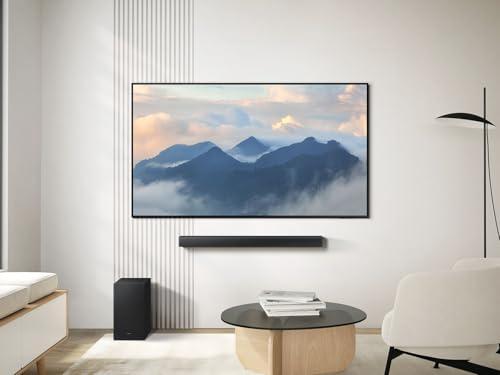
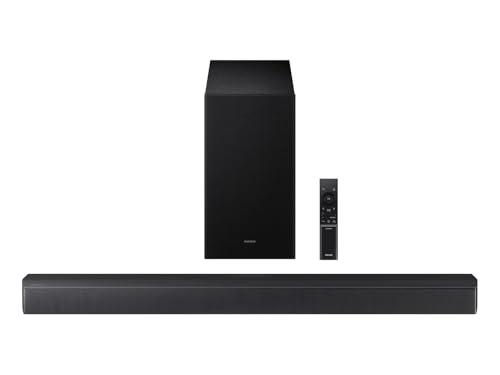
If you've ever struggled to hear dialogue over booming sound effects or found yourself constantly adjusting the volume while watching TV, you're not alone. Modern TVs prioritize sleek designs over audio quality, cramming tiny speakers into impossibly thin profiles that simply can't deliver the rich sound your favorite shows and movies deserve.
The soundbar market has exploded in response, offering everything from basic stereo upgrades to sophisticated surround sound systems that rival dedicated home theaters. Today we're comparing two very different approaches to this problem: the Samsung HW-B630F, a feature-rich 3.1-channel system with wireless subwoofer, and the Amazon Fire TV Soundbar, a compact 2.0-channel solution focused on simplicity and affordability.
Before diving into specifics, it's worth understanding what separates great soundbars from mediocre ones. The most important factor is channel configuration—the numbers you see like "2.1" or "3.1" tell you how many speakers are working to create your audio experience. The first number represents main speakers (left, center, right), while the number after the decimal indicates subwoofers for low-frequency sounds like explosions and bass lines.
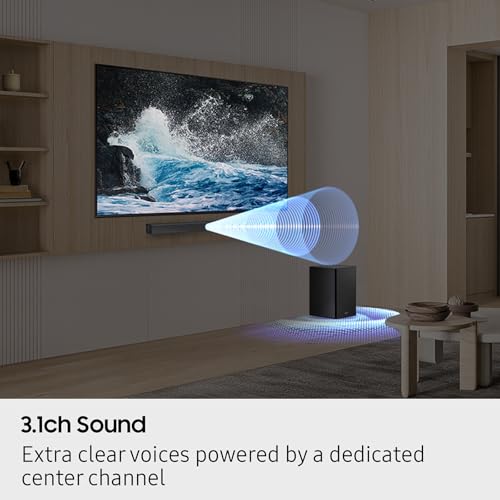
A dedicated center channel is crucial for dialogue clarity. When actors speak on screen, their voices should appear to come directly from their mouths rather than floating somewhere between your left and right speakers. This is why 3.1 systems like the Samsung HW-B630F typically excel at speech intelligibility compared to 2.0 or 2.1 configurations.
Subwoofers handle frequencies below what regular speakers can reproduce effectively—roughly everything under 100Hz. Without one, you're missing the rumble of thunder, the impact of explosions, and the foundation that makes music feel full and engaging. This represents perhaps the biggest fundamental difference between our two contenders.
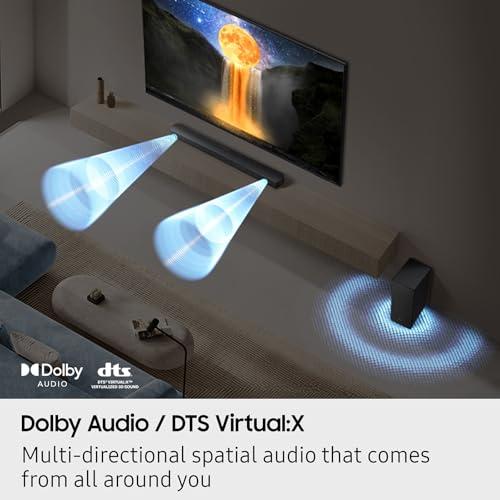
Processing technology has become equally important. Modern soundbars use sophisticated algorithms to create virtual surround effects, enhance dialogue, and optimize sound for different content types. Features like DTS Virtual:X (which both products support) use psychoacoustic tricks to make sound appear to come from directions where no speakers actually exist.
The Samsung HW-B630F launched in 2022 as part of Samsung's B-Series lineup, positioned between their basic entry-level bars and premium Q-Series Atmos systems. It represents a traditional approach: separate soundbar and subwoofer working together to deliver a complete audio experience. Samsung has refined this formula over several years, and the B630F benefits from learnings incorporated since their earlier B-Series models.
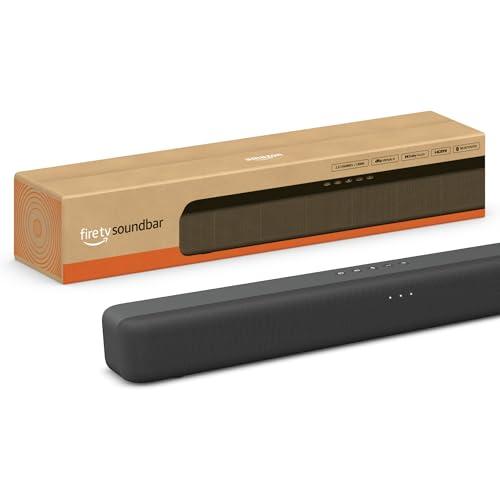
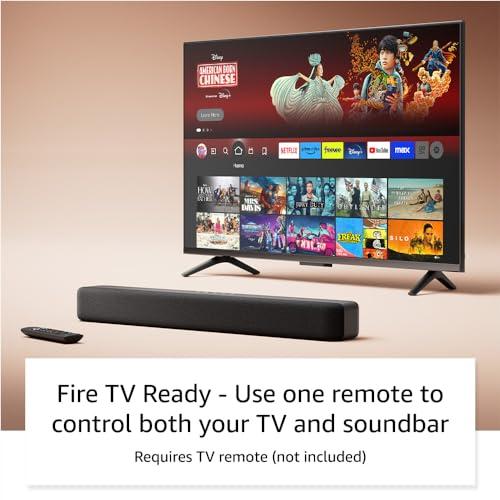
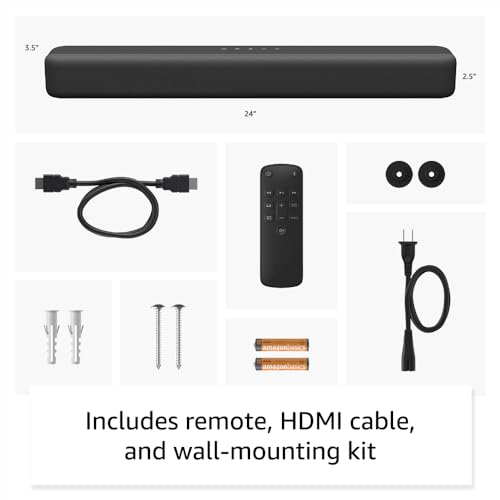
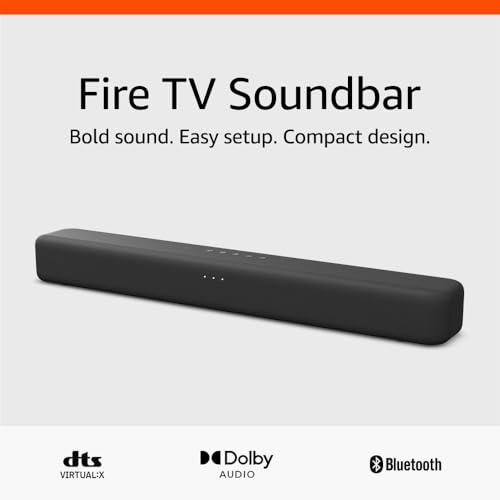
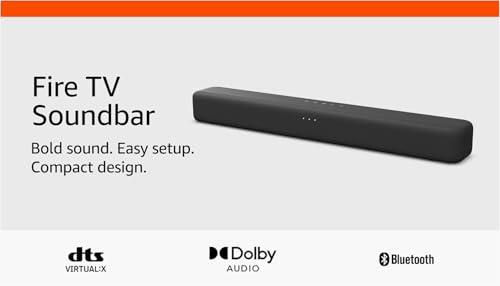
The Amazon Fire TV Soundbar arrived in 2023 as Amazon's first major push into TV audio hardware. Despite the "Fire TV" branding, it works with any television and doesn't actually integrate with Fire TV devices in any special way—somewhat confusing marketing that's worth noting upfront. Amazon took a minimalist approach, cramming everything into a single compact unit that prioritizes simplicity over maximum performance.
The performance gap between these products is immediately apparent when you consider their fundamental architectures. The Samsung HW-B630F splits audio duties between multiple specialized components: three full-range drivers in the soundbar itself handle left, center, and right channels, while a separate 6-inch subwoofer tackles low frequencies. This division of labor allows each component to focus on what it does best.
Our research across professional reviews and user feedback reveals the Samsung consistently delivers more impactful, room-filling sound. The wireless subwoofer uses a bass-reflex design (a ported enclosure that enhances low-frequency output) to produce genuine sub-bass that you feel as much as hear. Action movie explosions have weight and presence that simply isn't possible from compact full-range drivers.
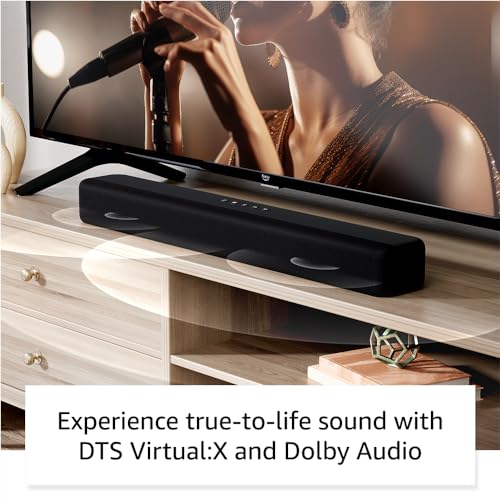
The Amazon Fire TV Soundbar, by contrast, relies on two "Racetrack" drivers—elongated oval speakers that maximize membrane surface area within the bar's compact dimensions. While clever engineering helps it produce a surprisingly wide soundstage for its size, physics ultimately limits what's possible. Bass response extends down to perhaps 80-100Hz rather than the 50Hz or lower that the Samsung's dedicated subwoofer can achieve.
Nothing frustrates viewers more than constantly adjusting volume to catch dialogue, and this is where the channel configuration difference becomes critical. The Samsung HW-B630F's dedicated center channel is specifically tuned for human speech frequencies, ensuring voices remain intelligible even when surrounded by complex soundtracks.
Samsung reinforces this advantage with multiple dialogue-focused processing modes. Voice Enhance mode specifically boosts vocal frequencies without making the overall sound harsh, while Adaptive Sound analyzes incoming audio in real-time to automatically optimize clarity for different content types. Night Mode compresses dynamic range—reducing the difference between whisper-quiet dialogue and explosive action sequences—so you can maintain reasonable volume levels during late-night viewing.
The Amazon Fire TV Soundbar includes a dedicated Dialog mode and generally produces clear speech, but without a discrete center channel, voices must compete with music and effects in the stereo mix. User reviews consistently note good dialogue clarity for a compact bar, but it doesn't match the precision and separation possible with a true 3.1 system.
Both products use DTS Virtual:X processing to create surround effects from front-facing speakers, but the Samsung HW-B630F has more tools to work with. Its 3.1 configuration provides better channel separation, allowing the virtual surround algorithms to create more convincing directional effects. The Surround Sound Expansion mode widens the apparent soundstage beyond the physical boundaries of the bar, while Game Mode enhances positional audio cues for competitive gaming.
The Amazon bar's DTS Virtual:X implementation works reasonably well but is inherently limited by the 2.0 configuration. Without discrete center and low-frequency channels, the processing has less spatial information to manipulate, resulting in a more modest surround effect.
For home theater enthusiasts, the Samsung HW-B630F offers an important expansion path: compatibility with Samsung's optional wireless rear speaker kit transforms the system into a true 5.1 setup with discrete surround channels. This flexibility matters for users who might want to upgrade their immersion factor down the road.
This represents the most significant performance difference between our contenders. The Samsung HW-B630F's 6-inch wireless subwoofer delivers genuine low-frequency impact that transforms how movies and music feel. Bass lines in songs have proper weight, while movie explosions create the visceral impact that makes action sequences engaging rather than just loud.
The wireless connection (operating in the 2.4GHz band) eliminates the need for running cables across your room, and Samsung's Bass Boost mode provides additional low-end emphasis when you want maximum impact. User feedback consistently praises the sub's ability to fill medium-sized rooms with substantial bass without overwhelming dialogue or becoming boomy.
The Amazon Fire TV Soundbar incorporates bass reflex construction with a front-facing port to maximize its compact drivers' low-frequency output. While this produces more bass than typical TV speakers, it's limited to mid-bass frequencies rather than the deep sub-bass that creates truly immersive experiences. The three-stage bass EQ helps optimize what's available, but physics constrains the ultimate capability.
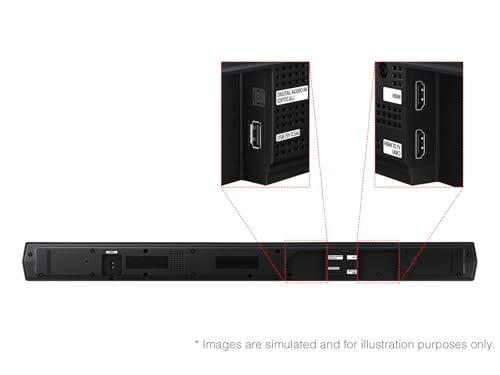
The Samsung HW-B630F provides comprehensive connectivity with HDMI 1.4 input and output supporting Audio Return Channel (ARC), plus optical digital input and USB port for local music files. The HDMI implementation handles up to 1080p video pass-through—adequate for most users, though those with multiple 4K HDR sources may need to connect them directly to their TV instead.
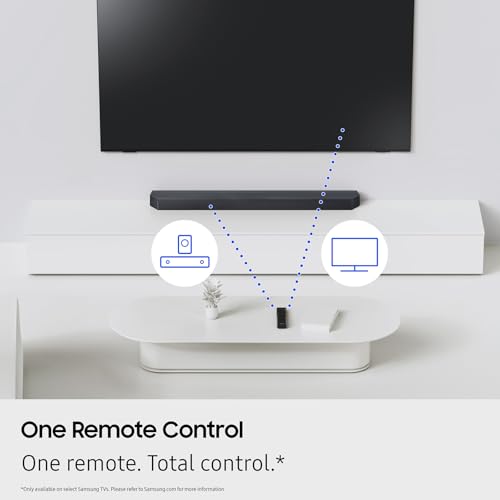
Samsung TV owners benefit from seamless integration through One Remote Control and HDMI Consumer Electronics Control (CEC), allowing their TV remote to handle soundbar volume and power. This seemingly minor convenience significantly improves daily usability.
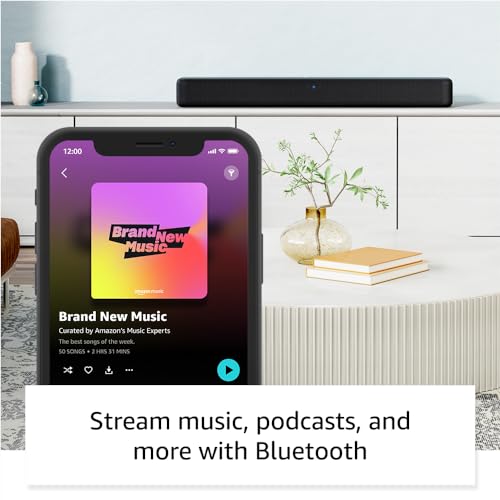
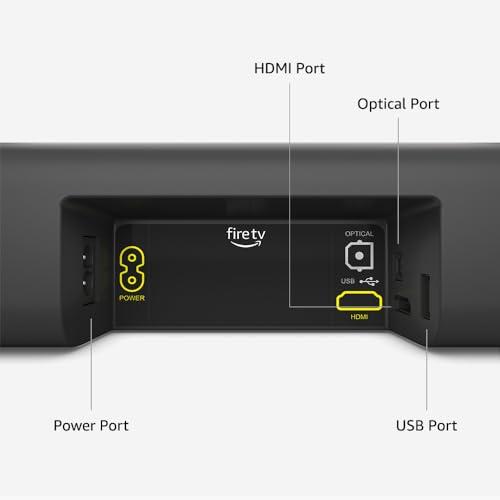
The Amazon Fire TV Soundbar matches the connectivity essentials with HDMI ARC/eARC and optical inputs, plus Bluetooth for wireless music streaming. Interestingly, it supports the newer eARC standard despite its budget positioning—a nice future-proofing touch, though the bar itself doesn't support advanced audio formats that would fully utilize eARC's capabilities.
The Samsung HW-B630F excels in processing sophistication with multiple specialized modes beyond basic presets. Adaptive Sound continuously analyzes content and adjusts EQ, dynamics, and channel balance automatically—reducing the need to manually switch modes as you move between dialogue-heavy dramas and action-packed blockbusters.
Game Mode deserves special mention for its cross-talk cancellation and directional emphasis, helping players locate footsteps and gunfire in competitive titles. Combined with the subwoofer's impact, it creates a genuinely engaging gaming experience that many dedicated gaming headsets struggle to match.
The Amazon bar keeps things simple with Movie, Music, and Dialog modes plus basic bass adjustment. While this simplicity appeals to users who prefer "set it and forget it" operation, it lacks the optimization tools that help the Samsung adapt to different content and room conditions.
Despite their 2022-2023 launch timeframes, neither product embraces the Wi-Fi streaming trend that characterizes higher-end soundbars. The Samsung HW-B630F relies on Bluetooth 4.2 with multi-device pairing for wireless music, while the Amazon Fire TV Soundbar offers basic Bluetooth without any Fire TV-specific features.
This might seem like an oversight, but it actually reflects their target markets. Users prioritizing Wi-Fi streaming, voice control, and smart home integration typically gravitate toward premium models or dedicated streaming speakers like Sonos products.
At the time of writing, the Samsung HW-B630F typically commands a mid-range price that represents exceptional value for a complete 3.1 system with wireless subwoofer. When you consider that quality standalone subwoofers often cost 40-50% of the Samsung's total price, the value proposition becomes compelling for anyone wanting substantial audio improvement.
The Amazon Fire TV Soundbar occupies the budget-friendly tier, costing roughly half what the Samsung commands. For users primarily seeking basic enhancement over TV speakers without major investment, this pricing makes sense.
However, value isn't just about initial cost—it's about satisfaction over time. Our analysis of long-term user reviews suggests the Samsung's superior dialogue clarity, bass impact, and processing versatility create lasting satisfaction, while some Amazon bar owners eventually feel limited by its constraints.
The Samsung HW-B630F suits medium to large rooms where its wireless subwoofer can properly energize the space. The flexibility to position the sub optimally (often near a corner or wall for bass reinforcement) while keeping the soundbar centered under your TV is a significant practical advantage.
The Amazon Fire TV Soundbar excels in constrained spaces where a separate subwoofer would be impractical—apartments with noise restrictions, bedrooms, or temporarily furnished spaces. Its compact 61cm width accommodates smaller TVs without overwhelming the setup.
Home theater enthusiasts who want cinematic bass and surround effects will appreciate the Samsung HW-B630F's complete approach. If you regularly watch action movies, play console games, or listen to music through your TV, the dedicated subwoofer and center channel create a fundamentally more engaging experience.
Gamers particularly benefit from the Game Mode's positional audio enhancements and the subwoofer's impact during gameplay. The wireless rear speaker compatibility also provides an upgrade path for users who might want true 5.1 surround eventually.
Samsung TV owners get additional value through integrated remote control and seamless operation. If you already own recent Samsung TVs, the ecosystem benefits make the B630F even more attractive.
Households with mixed content consumption—bouncing between Netflix dramas, sports broadcasts, and action movies—benefit from the Adaptive Sound processing that automatically optimizes for different material types.
Minimalists seeking simple TV audio improvement without complexity should consider the Amazon Fire TV Soundbar. If you primarily watch dialogue-heavy content like news, talk shows, or sitcoms, its clear speech reproduction and compact footprint may be sufficient.
Budget-conscious buyers who want better-than-TV-speakers sound without major investment can achieve their goals with the Amazon bar. While it won't transform your living room into a cinema, it provides meaningful improvement at an accessible price point.
Renters or users in temporary living situations benefit from the single-unit simplicity and lightweight design. The Amazon bar travels easily and requires minimal setup compared to multi-component systems.
Small space dwellers—whether in apartments, bedrooms, or kitchen areas—often find the Amazon Fire TV Soundbar more practical than larger systems with separate subwoofers.
The Samsung HW-B630F delivers substantially superior performance across virtually every metric that matters: dialogue clarity, bass impact, surround processing, and feature sophistication. The dedicated center channel and wireless subwoofer create a fundamentally more satisfying audio experience that justifies the higher investment for most users.
The Amazon Fire TV Soundbar serves a specific niche: users who want basic improvement over TV speakers in the most affordable, space-efficient package possible. It succeeds at this limited mission but quickly feels constraining for users with broader audio ambitions.
Unless space or budget constraints force compromises, the Samsung represents better long-term value despite its higher initial cost. The performance difference is significant enough that most users will appreciate the upgrade every time they turn on their TV, making it a worthwhile investment for anyone serious about improving their home entertainment experience.
The technology gap between these products reflects their different design philosophies: comprehensive versus minimal, future-ready versus budget-focused, flexible versus simple. Choose based on whether you want to substantially transform your TV audio experience or just make it noticeably better than what came with your television.
| Samsung HW-B630F B-Series 3.1ch Soundbar System | Amazon Fire TV Soundbar |
|---|---|
| Channel Configuration - More channels = better dialogue separation and surround effects | |
| 3.1 channels (left, center, right + subwoofer) | 2.0 channels (left, right stereo only) |
| Subwoofer Included - Essential for movie bass and music impact | |
| Yes, wireless 6" subwoofer with bass reflex design | No subwoofer (relies on small internal drivers) |
| Dedicated Center Channel - Critical for clear dialogue in movies and TV | |
| Yes, discrete center speaker for anchored dialogue | No, voices mixed between left/right channels |
| Audio Processing Modes - Optimizes sound for different content types | |
| 7 modes: Adaptive Sound, Game Mode, Voice Enhance, Night Mode, Bass Boost, Surround Expansion, DTS Virtual:X | 3 basic modes: Movie, Music, Dialog plus 3-stage bass EQ |
| Dolby/DTS Format Support - Determines surround sound quality from streaming and discs | |
| Dolby Digital 5.1, DTS 5.1, DTS Virtual:X | Dolby Audio, DTS Virtual:X (limited by 2.0 configuration) |
| HDMI Connectivity - Simplifies TV connection and control | |
| HDMI 1.4 ARC input/output (1080p pass-through) | HDMI ARC/eARC (better future compatibility) |
| Physical Size - Affects placement options and room compatibility | |
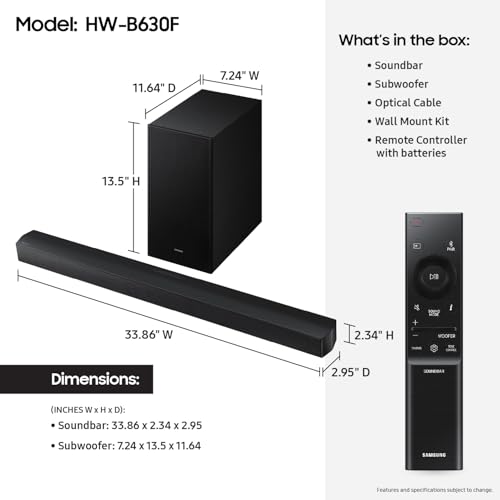
| Soundbar: 33.9" x 2.3" x 3", Subwoofer: 7.2" x 13.5" x 11.6" | Single unit: 24" x 3.5" x 2.6" (much more compact) |
| Wireless Connectivity - For music streaming from phones/tablets | |
| Bluetooth 4.2 with multi-device pairing | Bluetooth (version unspecified, single connection) |
| Smart TV Integration - Reduces remote control complexity | |
| Samsung One Remote compatible, HDMI CEC control | Basic HDMI CEC, works with any TV brand |
| Expandability - Future upgrade options | |
| Compatible with Samsung wireless rear speaker kit for 5.1 | No expansion options available |
| Best Use Cases - Who should consider each option | |
| Home theater setups, gaming, mixed content viewing, medium-large rooms | Small spaces, basic TV improvement, budget-conscious buyers, minimal setup needs |
The Samsung HW-B630F has significantly better bass thanks to its included wireless 6-inch subwoofer that delivers genuine low-frequency impact for movies and music. The Amazon Fire TV Soundbar relies only on small internal drivers and lacks a subwoofer, so bass is limited to mid-bass frequencies that won't provide the rumble and impact you feel during action scenes.
Yes, both the Samsung HW-B630F and Amazon Fire TV Soundbar work with any TV brand through HDMI ARC or optical connections. However, the Samsung HW-B630F offers special integration features like One Remote Control when paired with Samsung TVs, while the Amazon Fire TV Soundbar works equally well with all TV brands.
The Samsung HW-B630F is superior for dialogue thanks to its dedicated center channel that's specifically tuned for human speech, plus Voice Enhance mode that boosts vocal frequencies. The Amazon Fire TV Soundbar has decent dialogue clarity with its Dialog mode, but without a center channel, voices must compete with other sounds in the stereo mix.
Only the Samsung HW-B630F supports adding rear speakers through Samsung's optional wireless rear speaker kit, which transforms it into a true 5.1 surround system. The Amazon Fire TV Soundbar has no expansion options - it's limited to its 2.0 stereo configuration permanently.
The Amazon Fire TV Soundbar is better for small spaces due to its compact single-unit design that won't overwhelm smaller rooms or require space for a separate subwoofer. The Samsung HW-B630F with its wireless subwoofer is designed for medium to large rooms where the sub can properly energize the space.
Neither the Samsung HW-B630F nor Amazon Fire TV Soundbar supports Dolby Atmos. Both use DTS Virtual:X to simulate surround effects from their front-facing speakers. For true Dolby Atmos with overhead audio, you'd need to look at higher-end soundbar models.
The Samsung HW-B630F offers more connectivity with HDMI input/output, optical input, USB port for music files, and Bluetooth with multi-device pairing. The Amazon Fire TV Soundbar has HDMI ARC/eARC, optical input, and basic Bluetooth, but notably supports the newer eARC standard for future compatibility.
The Samsung HW-B630F is excellent for gaming with its dedicated Game Mode that enhances positional audio cues and reduces cross-talk, plus the subwoofer adds impactful sound effects. The Amazon Fire TV Soundbar provides basic gaming audio improvement over TV speakers but lacks specialized gaming features.
The Samsung HW-B630F offers better long-term value despite higher cost because it includes a wireless subwoofer, dedicated center channel, and extensive features that create lasting satisfaction. The Amazon Fire TV Soundbar provides good initial value for basic TV audio improvement but may feel limiting over time due to its constraints.
Neither the Samsung HW-B630F nor Amazon Fire TV Soundbar has built-in Wi-Fi streaming or apps. Both rely on Bluetooth for wireless music from your phone or tablet. Despite its name, the Amazon Fire TV Soundbar doesn't actually integrate with Fire TV devices in any special way.
The Amazon Fire TV Soundbar is simpler to set up as a single compact unit with basic touch controls and minimal configuration options. The Samsung HW-B630F requires positioning both the soundbar and wireless subwoofer, plus offers more sound modes and settings that may require initial adjustment but provide better customization.
Yes, the Samsung HW-B630F includes wall-mounting brackets and is designed for wall installation, though you'll still need floor or shelf space for the wireless subwoofer. The Amazon Fire TV Soundbar can be wall-mounted as a single lightweight unit, making it ideal for clean, minimal installations where a subwoofer would be impractical.
We've done our best to create useful and informative comparisons to help you decide what product to buy. Our research uses advanced automated methods to create this comparison and perfection is not possible - please contact us for corrections or questions. These are the sites we've researched in the creation of this article: samsung.com - bhphotovideo.com - crutchfield.com - youtube.com - bestproducts.com - videoandaudiocenter.com - pcrichard.com - bhphotovideo.com - samsung.com - youtube.com - requiremints.com - karlsonline.com - crutchfield.com - youtube.com - donstv.com - samsung.com - bhphotovideo.com - youtube.com - youtube.com - crutchfield.com - costco.ca - rtings.com - crutchfield.com - accio.com - bhphotovideo.com - manuals.plus - samsung.com - saraappliance.com - rtings.com - developer.amazon.com - stereoguide.com - developer.amazon.com - techradar.com - hometechnologyreview.com - whathifi.com - youtube.com - whathifi.com - wirelessplace.com - hometechnologyreview.com - dolby.com - aboutamazon.com - developer.amazon.com - community.anker.com - youtube.com - cordbusters.co.uk

Privacy Policy
Terms and Conditions - Affiliate Policy
Home Security
© Copyright 2008-2026.
11816 Inwood Rd #1211, Dallas, TX 75244