

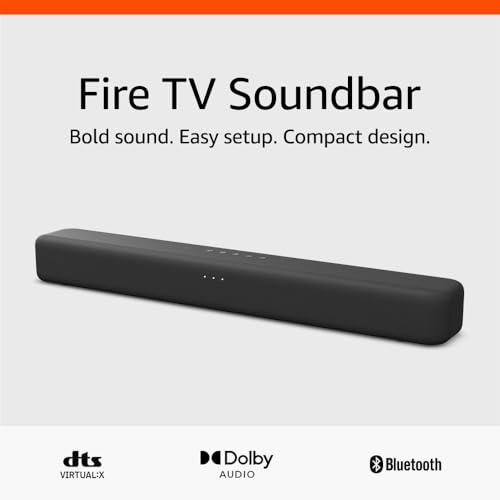
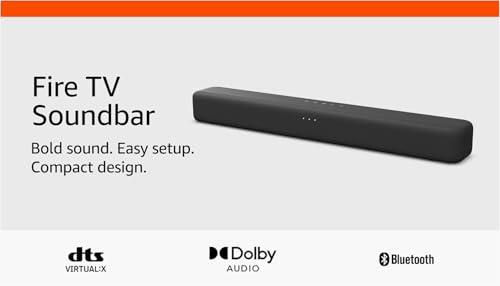
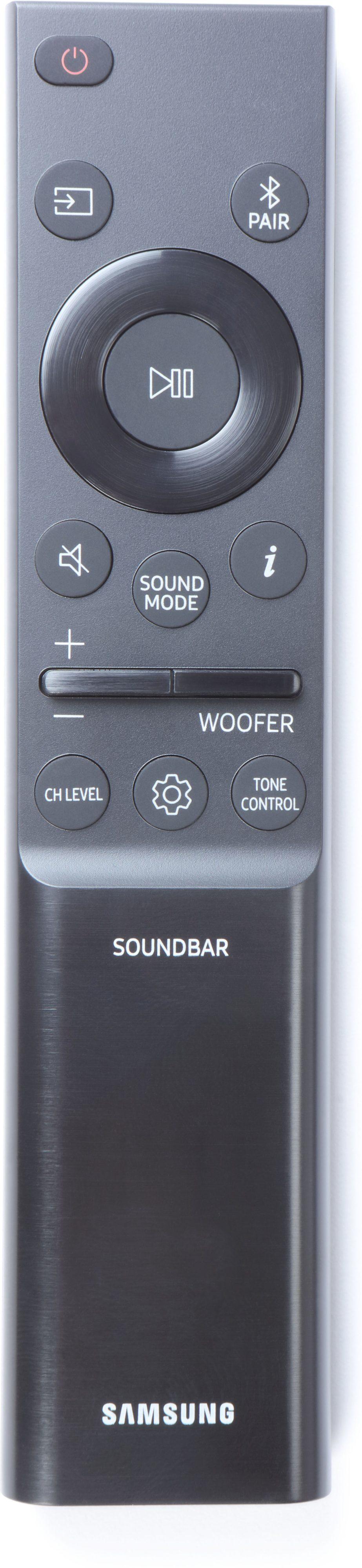
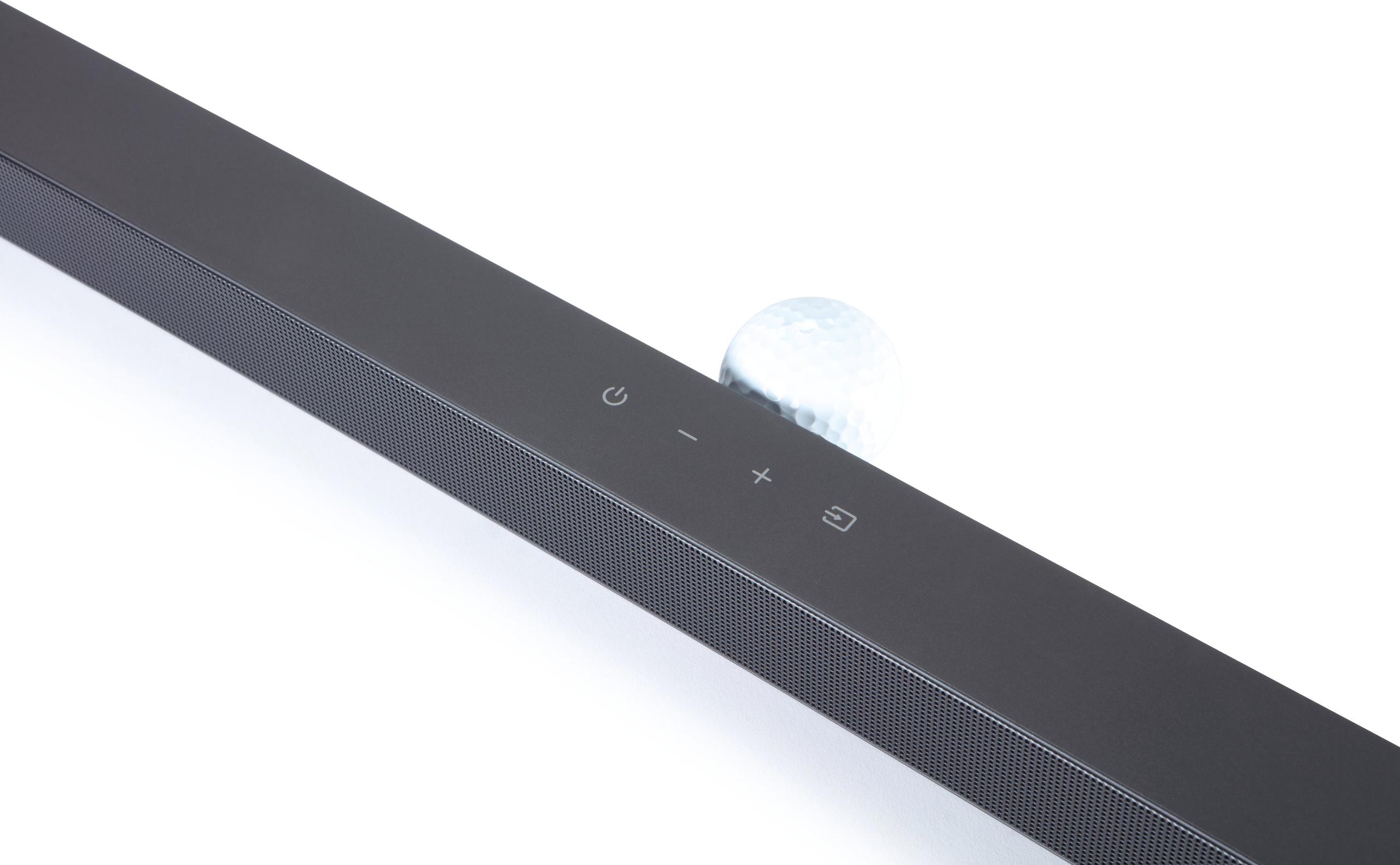

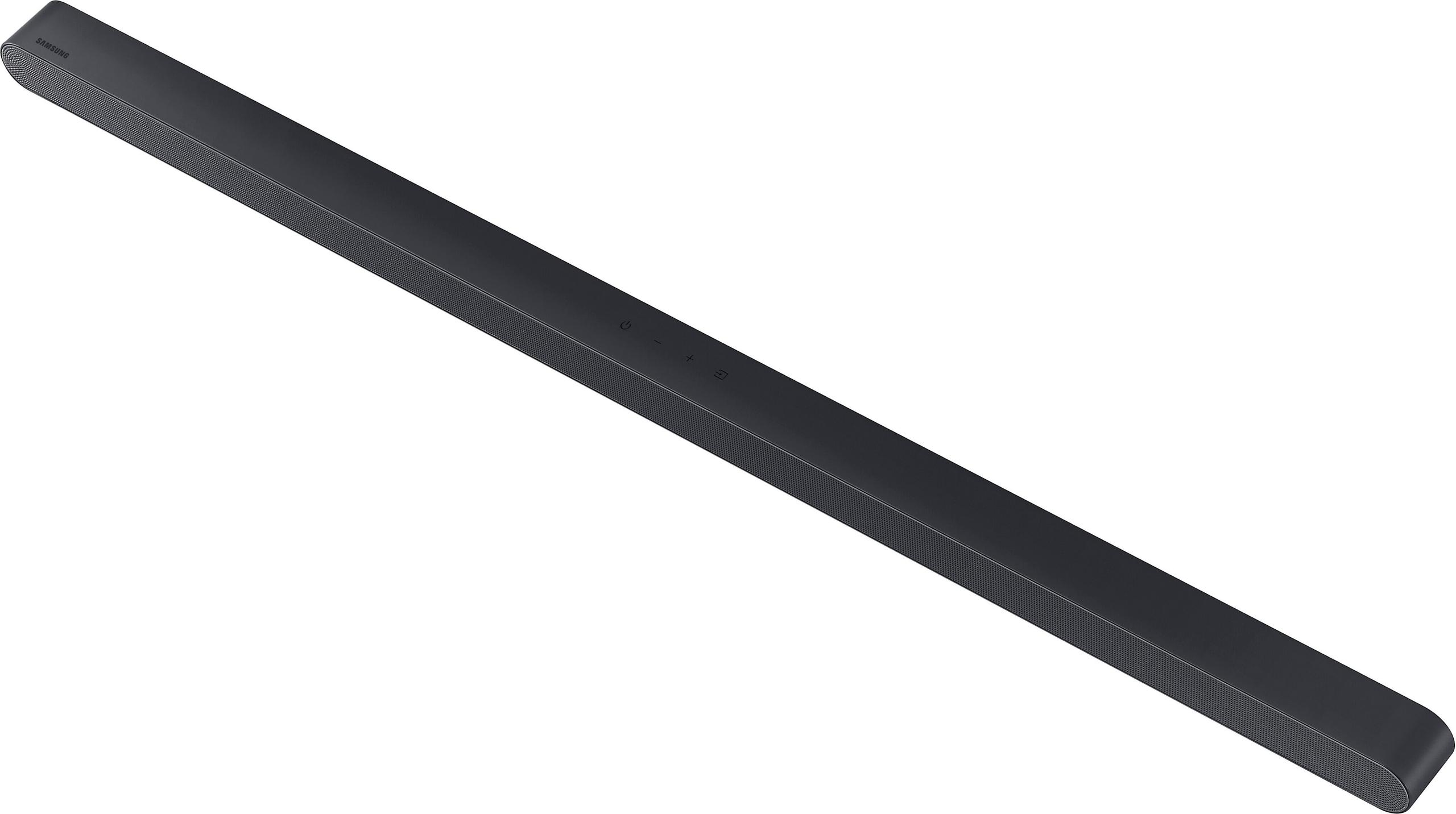
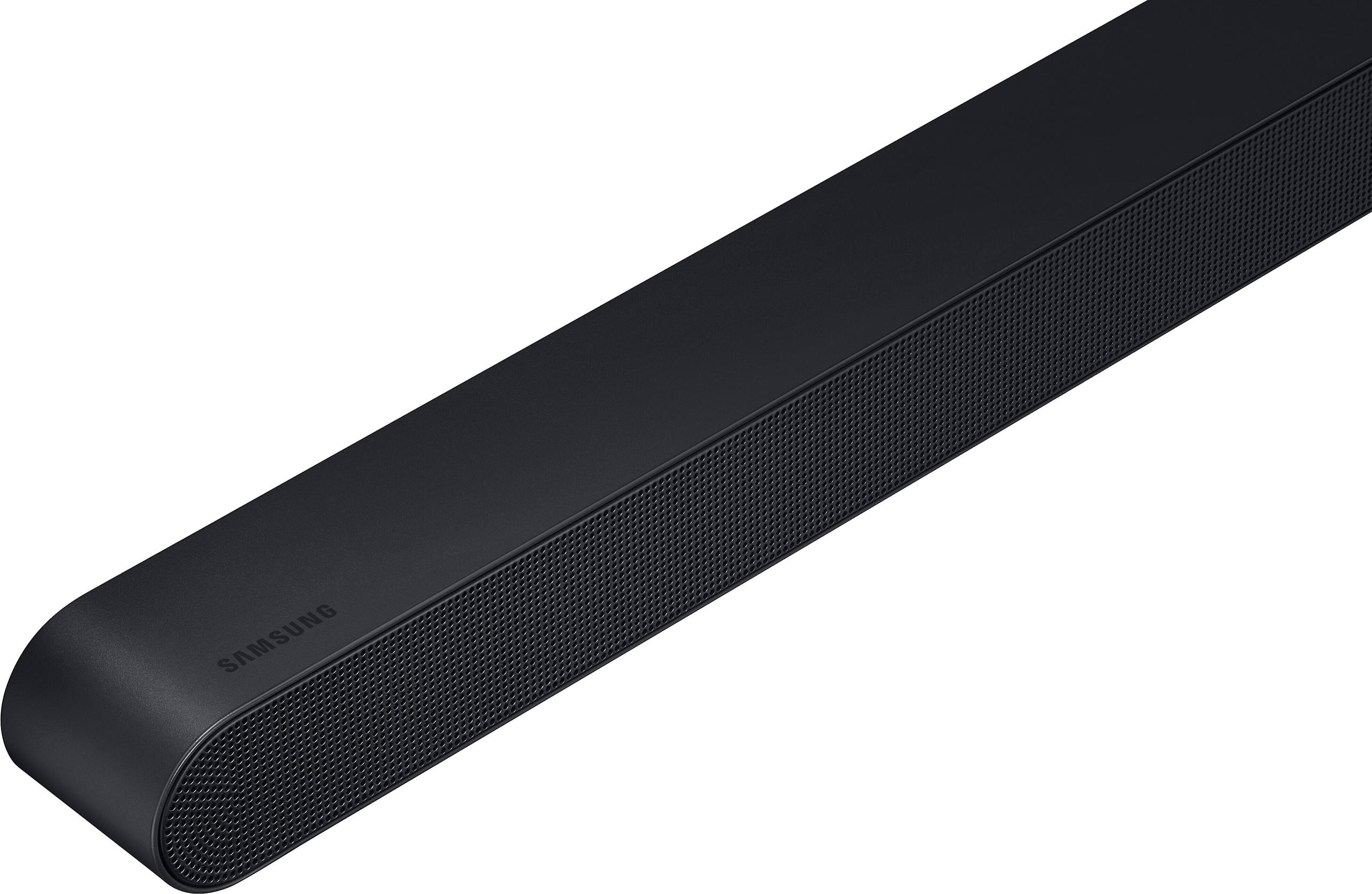

When your TV's built-in speakers sound like they're underwater, you know it's time for an upgrade. The question is: should you grab a budget-friendly soundbar or invest in something more premium? Today we're comparing two very different approaches to better TV audio: the Amazon Fire TV Soundbar and the Samsung HW-S700D.
These represent opposite ends of the soundbar spectrum at the time of writing, with Amazon's offering sitting in the ultra-budget category while Samsung's model commands a premium price that's roughly four times higher. But does that price difference translate to meaningful performance gains, or are you paying for features you'll never use?
Before diving into specifics, let's establish what makes a soundbar worth buying. The primary job is simple: make dialogue clearer and add some bass that your TV simply cannot produce. But the execution varies wildly depending on how much you're willing to spend.
The most critical factor is channel configuration – this tells you how many separate audio channels the soundbar can handle. A 2.0 system has left and right speakers (stereo), while a 3.1 setup adds a dedicated center channel for dialogue plus a subwoofer for bass. More channels generally mean better sound separation and clearer dialogue, though the quality of implementation matters more than raw numbers.
Connectivity options determine how easily the soundbar integrates with your existing setup. HDMI ARC (Audio Return Channel) is the gold standard because it allows your TV remote to control soundbar volume, while eARC (enhanced ARC) supports higher-quality audio formats. Optical connections work with older TVs but have bandwidth limitations.
The wild card is smart features – room calibration that adjusts sound to your space, voice assistants, and integration with your TV's ecosystem. These can transform a soundbar from a simple speaker into an intelligent audio hub, though they also drive up costs.
Released in 2023, the Amazon Fire TV Soundbar represents Amazon's entry into the budget soundbar market. At roughly $100 at the time of writing, it's positioned as an impulse purchase for Fire TV users who want better audio without breaking the bank.
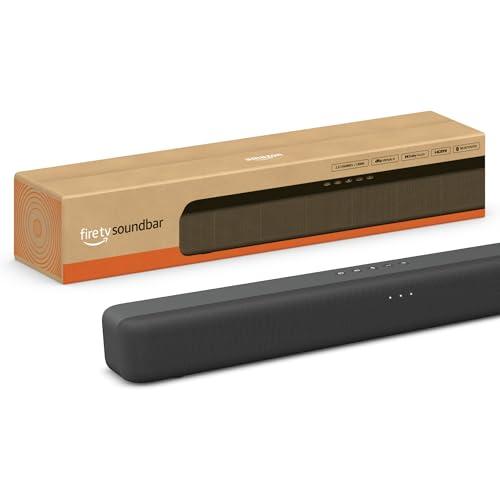
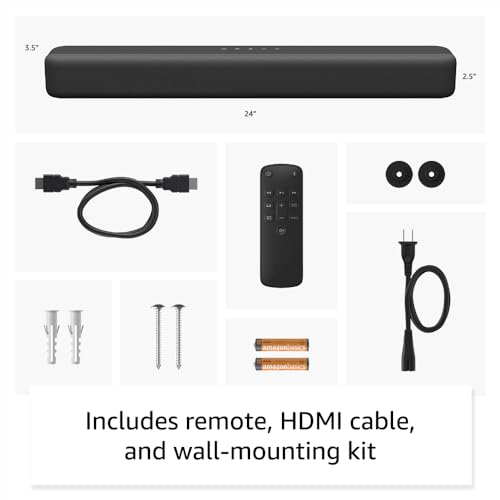
The design philosophy is ruthlessly simple: pack decent sound quality into the smallest possible package at an aggressive price point. Measuring just 61 centimeters wide and weighing under 2 kilograms, it's barely larger than many laptop computers. The build uses a plastic grille with fabric covering – functional but not luxurious.
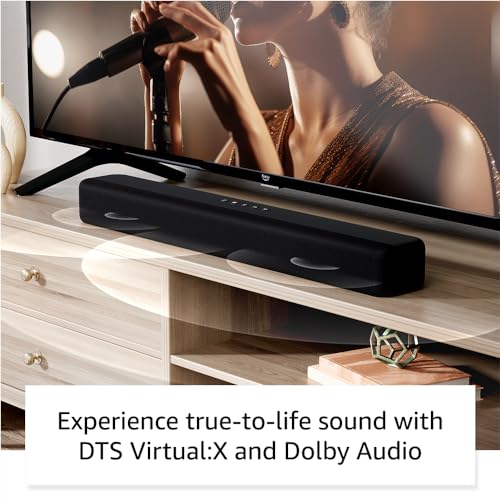
What's interesting is the driver configuration. Amazon uses what they call "Racetrack" drivers – oval-shaped speakers that maximize surface area within the slim profile. These full-range drivers handle everything from dialogue to bass, which is both a strength and limitation we'll explore later.
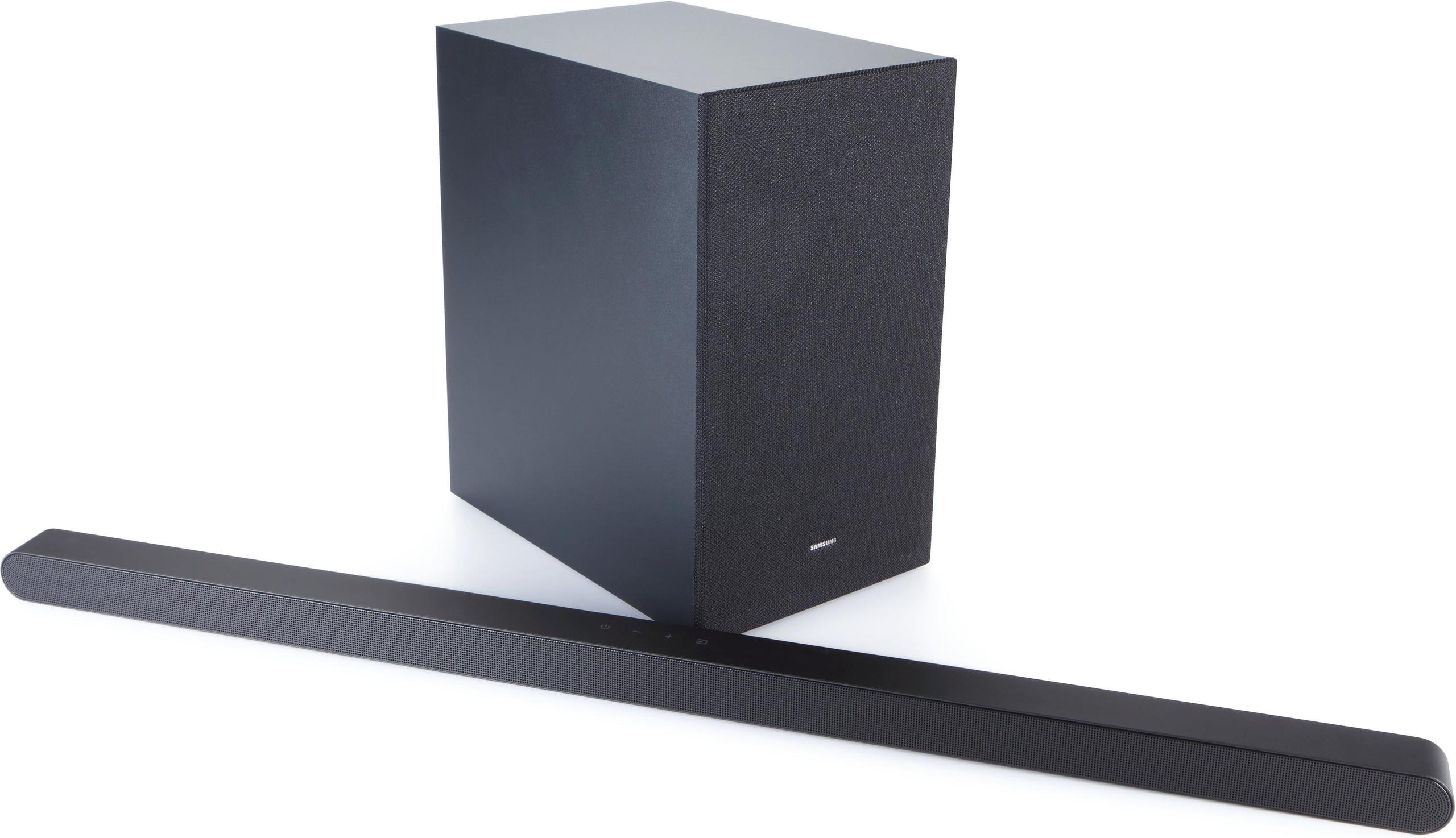
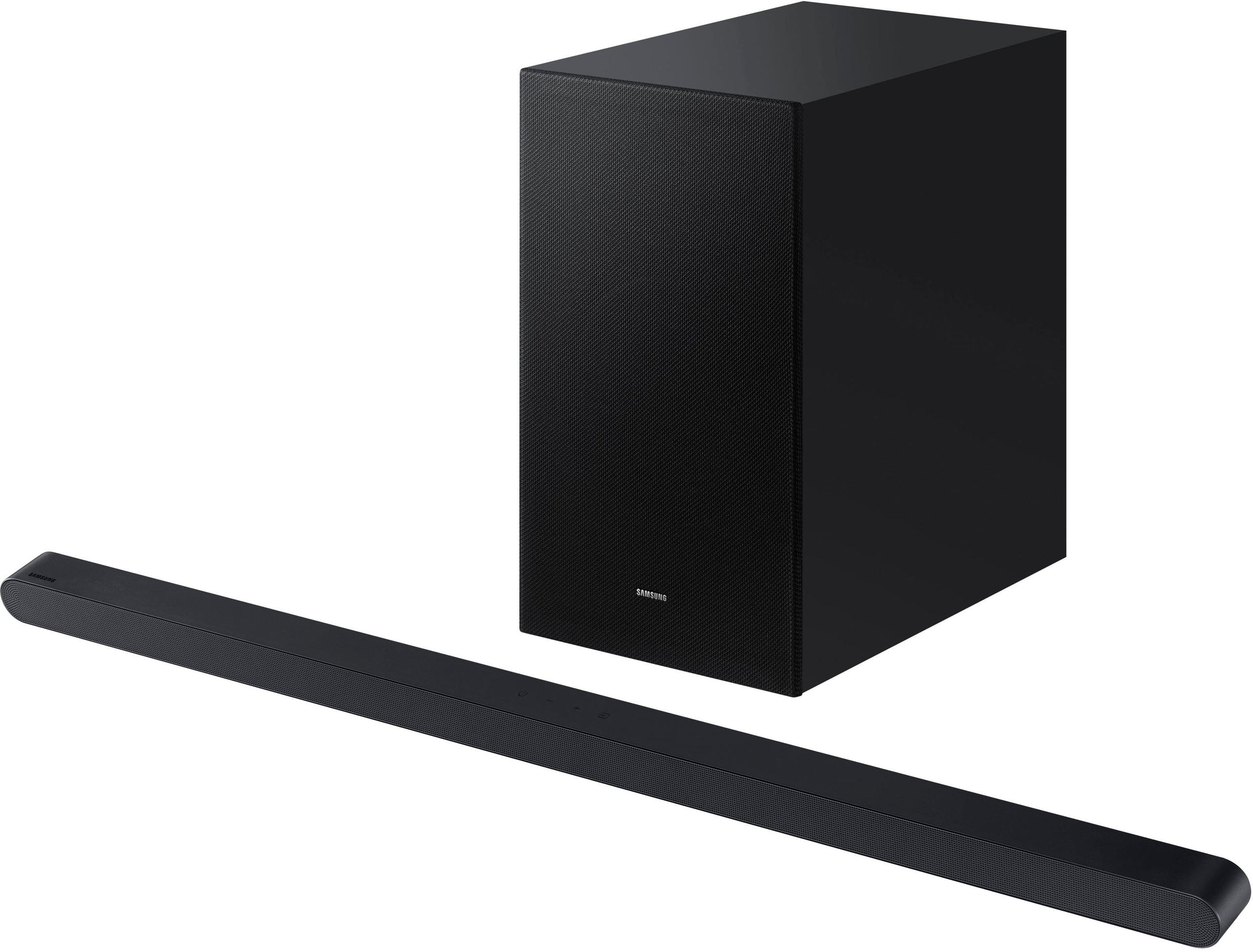
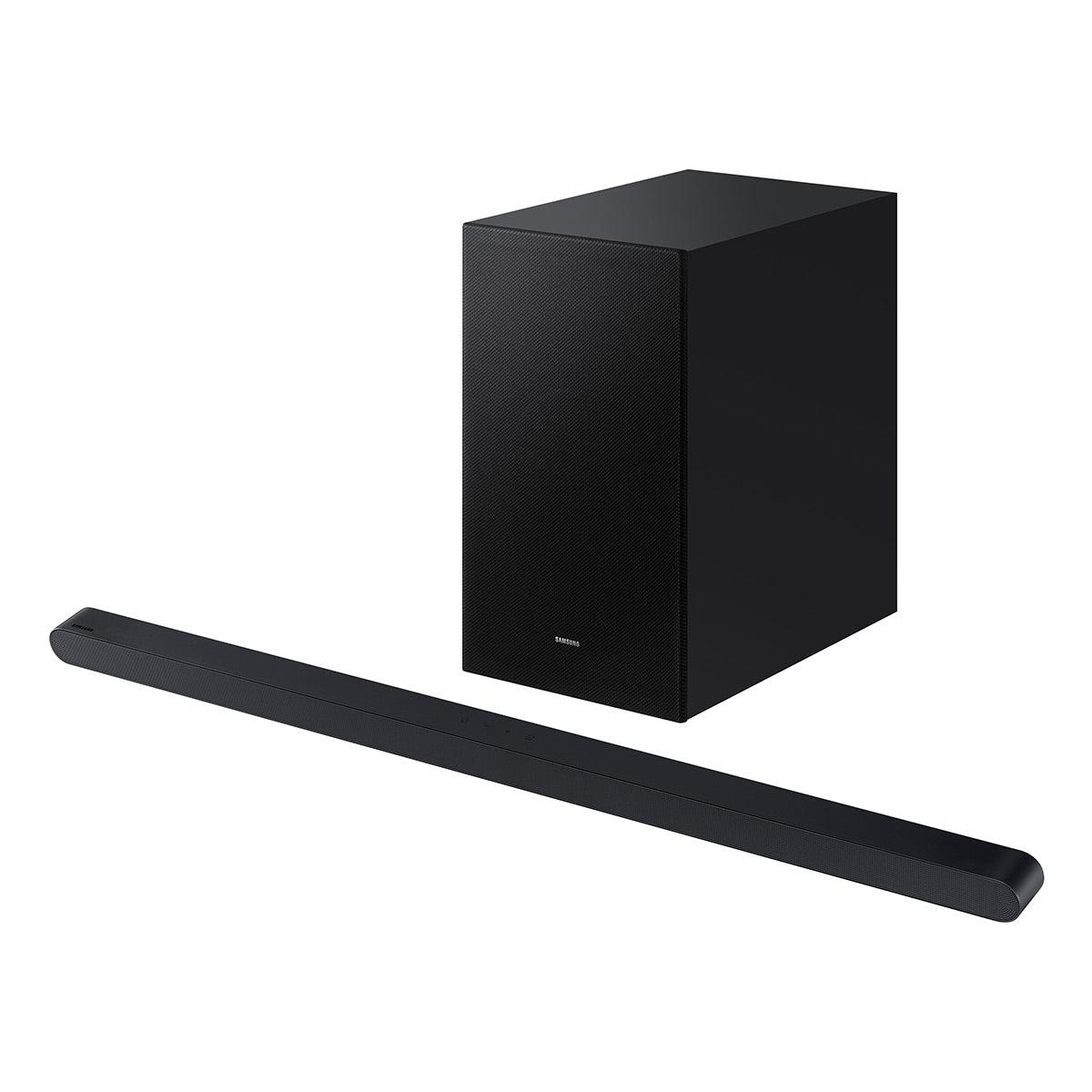
Samsung's HW-S700D, launched in 2024, takes the opposite approach. At roughly four times the price of the Amazon model at the time of writing, it's clearly targeting users who prioritize audio quality and smart features over budget constraints.
The key differentiator is its 3.1 channel configuration with a wireless subwoofer. That dedicated center channel makes an enormous difference for dialogue clarity – something you'll immediately notice when switching from a 2.0 system. The wireless subwoofer eliminates cable management headaches while delivering bass that no integrated soundbar can match.
Samsung has also packed in their latest audio technologies, including Q-Symphony (which syncs soundbar and TV speakers), SpaceFit Sound Pro for room calibration, and Dolby Atmos support. These features represent years of development and show why Samsung commands premium pricing.
The most important performance metric for any soundbar is dialogue clarity. If you can't understand what actors are saying, nothing else matters. This is where channel configuration becomes crucial.
The Amazon Fire TV Soundbar's 2.0 stereo setup does a respectable job with dialogue, but it's mixing voices with music and sound effects through the same drivers. The three sound modes (Movie, Music, Dialog/Voice) help optimize the tuning, but you're still asking two speakers to handle everything.
In contrast, the Samsung HW-S700D's dedicated center channel is engineered specifically for human voices. This makes dialogue consistently intelligible even during action scenes with complex soundtracks. The difference is immediately apparent when watching movies or TV shows with dense audio mixes.
Here's where the price difference becomes most obvious. The Amazon soundbar relies entirely on its small drivers and bass reflex design for low-end response. While DTS Virtual:X processing helps create a sense of spaciousness, you're not getting true sub-bass frequencies. This works fine for news and talk shows but limits the impact during action movies or music.
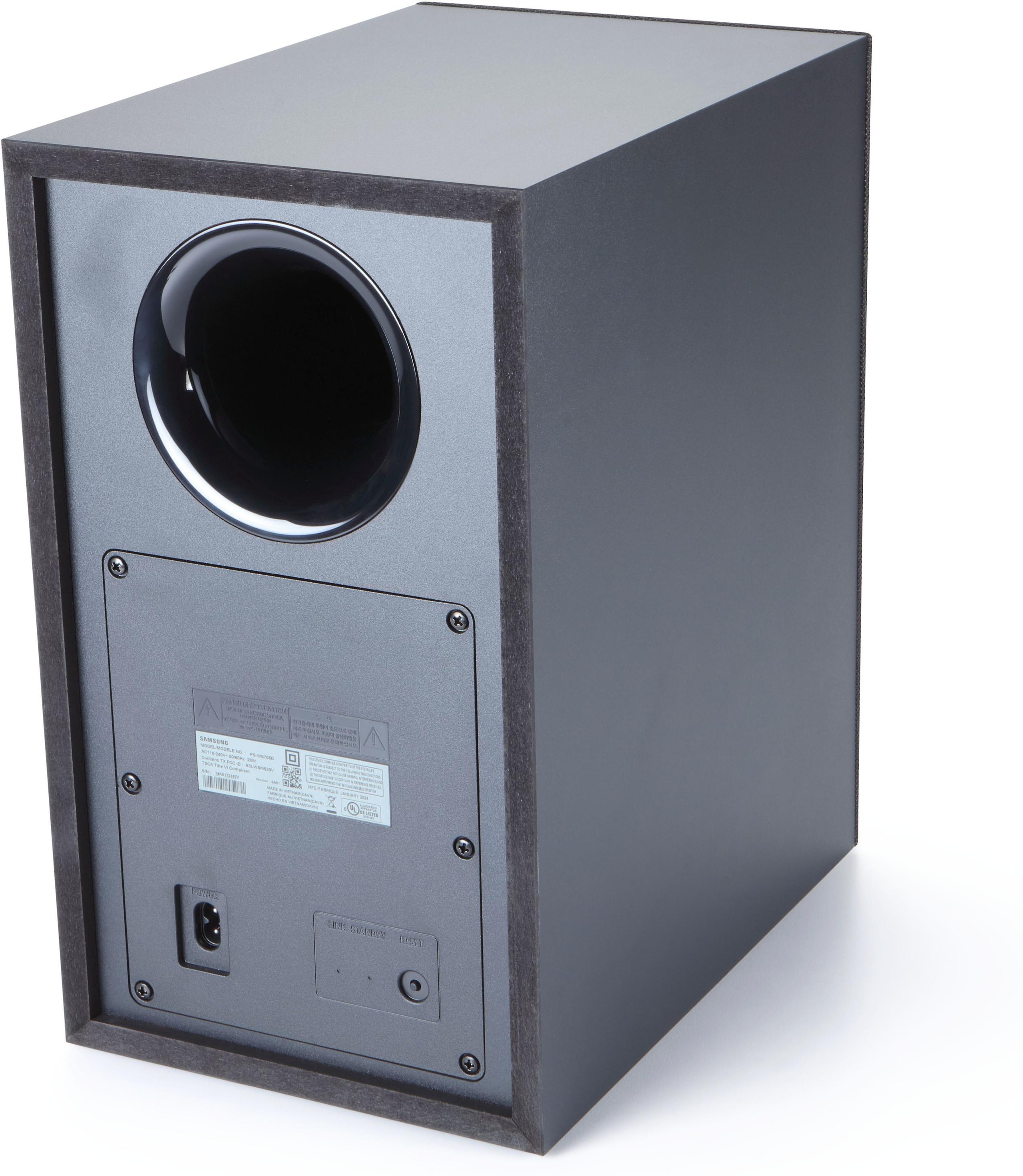
The Samsung model includes a 6-inch wireless subwoofer that transforms the entire listening experience. Movie explosions have actual impact, music has proper weight, and the overall soundstage becomes more convincing. The subwoofer connects wirelessly, eliminating cable runs and allowing flexible placement for optimal bass response in your room.
Both soundbars punch above their physical size in creating a wide soundstage, but through different methods. The Amazon Fire TV Soundbar uses DTS Virtual:X processing to simulate surround effects from its two drivers. This psychoacoustic trickery works surprisingly well for such a compact unit, creating the impression of sounds coming from outside the soundbar's physical boundaries.
The Samsung HW-S700D achieves width through both processing and hardware. Its seven total speakers provide better stereo separation, while Dolby Atmos processing adds height perception. When paired with compatible Samsung TVs, Q-Symphony technology uses the TV's speakers as additional channels, creating an even wider soundstage that conventional soundbars cannot match.
Room-filling volume is where budget soundbars often stumble. The Amazon model can get reasonably loud for its size, but you'll hear compression and distortion at maximum levels. The compact drivers and limited amplifier power (2 x 20W) mean it's best suited for smaller rooms or moderate listening levels.
The Samsung soundbar provides significantly more headroom. The combination of better amplification, larger drivers, and the external subwoofer means you can achieve cinema-like volumes without strain. This makes it suitable for larger rooms and more dynamic content like action movies and concerts.
This is where modern premium soundbars separate themselves from budget models. The Samsung HW-S700D includes SpaceFit Sound Pro, which uses built-in microphones to analyze your room's acoustics and adjust the sound accordingly. This room correction technology, similar to what you'd find in high-end receivers, ensures optimal performance regardless of placement.
The Amazon Fire TV Soundbar lacks any automatic calibration. You get manual EQ presets, but optimizing the sound for your specific room requires trial and error. For many users, this isn't a dealbreaker, but it does mean you might not be hearing the soundbar at its best.
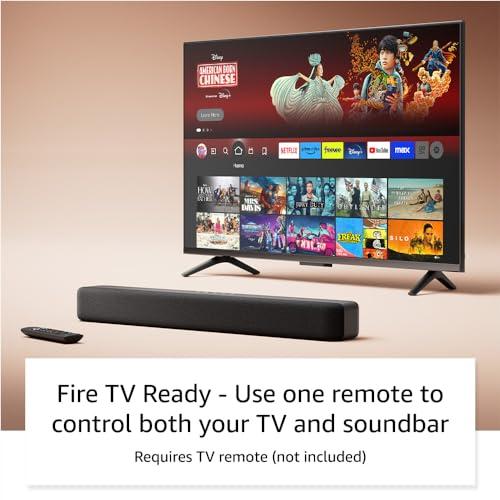
Here's where each soundbar's target audience becomes clear. The Amazon model integrates seamlessly with Fire TV devices, automatically switching inputs and maintaining consistent volume levels. If you're deep in Amazon's ecosystem, this integration feels natural and effortless.
The Samsung HW-S700D shines with Samsung TVs, particularly QLED models from 2021-2023. Q-Symphony technology allows the TV speakers to work in harmony with the soundbar, creating a more immersive experience than either could achieve alone. However, this feature only works with compatible Samsung TVs, limiting its appeal for users with other brands.
Both soundbars support voice assistants, but with different approaches. The Amazon soundbar works with Alexa through connected Fire TV devices, maintaining the simple integration philosophy. The Samsung model supports multiple voice assistants (Alexa, Google Assistant, Bixby) and includes built-in streaming capabilities for services like Spotify and YouTube Music.
The price difference is immediately apparent when handling these soundbars. The Amazon Fire TV Soundbar uses basic plastic construction with a fabric grille – perfectly functional but clearly budget-oriented. The touch controls work reliably, and the compact size makes it easy to position with smaller TVs.
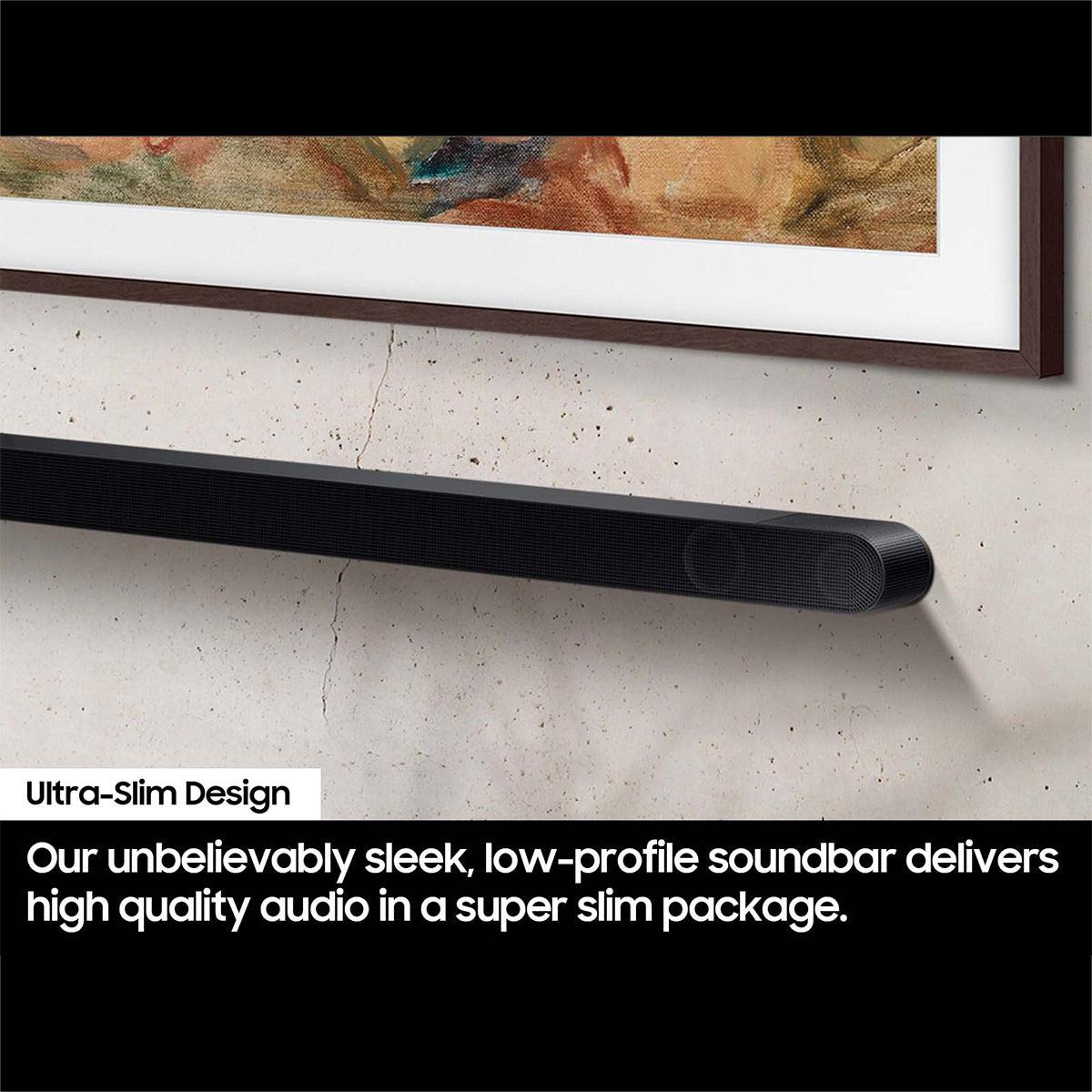
The Samsung HW-S700D feels substantially more premium. The ultra-slim profile (less than 1.5 inches high) and quality materials make it suitable for wall mounting with larger TVs. The included wireless subwoofer eliminates unsightly cables while providing flexibility in placement for optimal bass response.
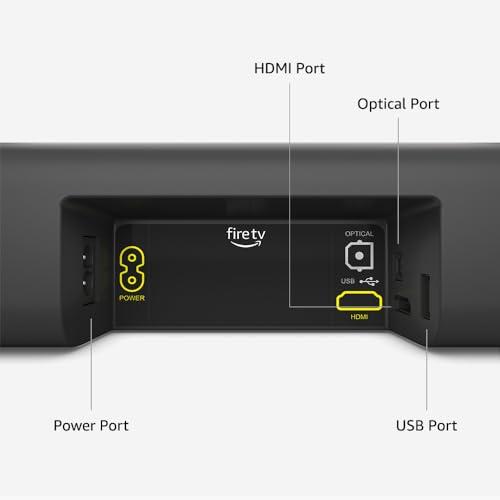
The Amazon model offers broader compatibility with its optical input, making it suitable for older TVs without HDMI ARC. This practical approach reflects Amazon's focus on universal compatibility over cutting-edge features.
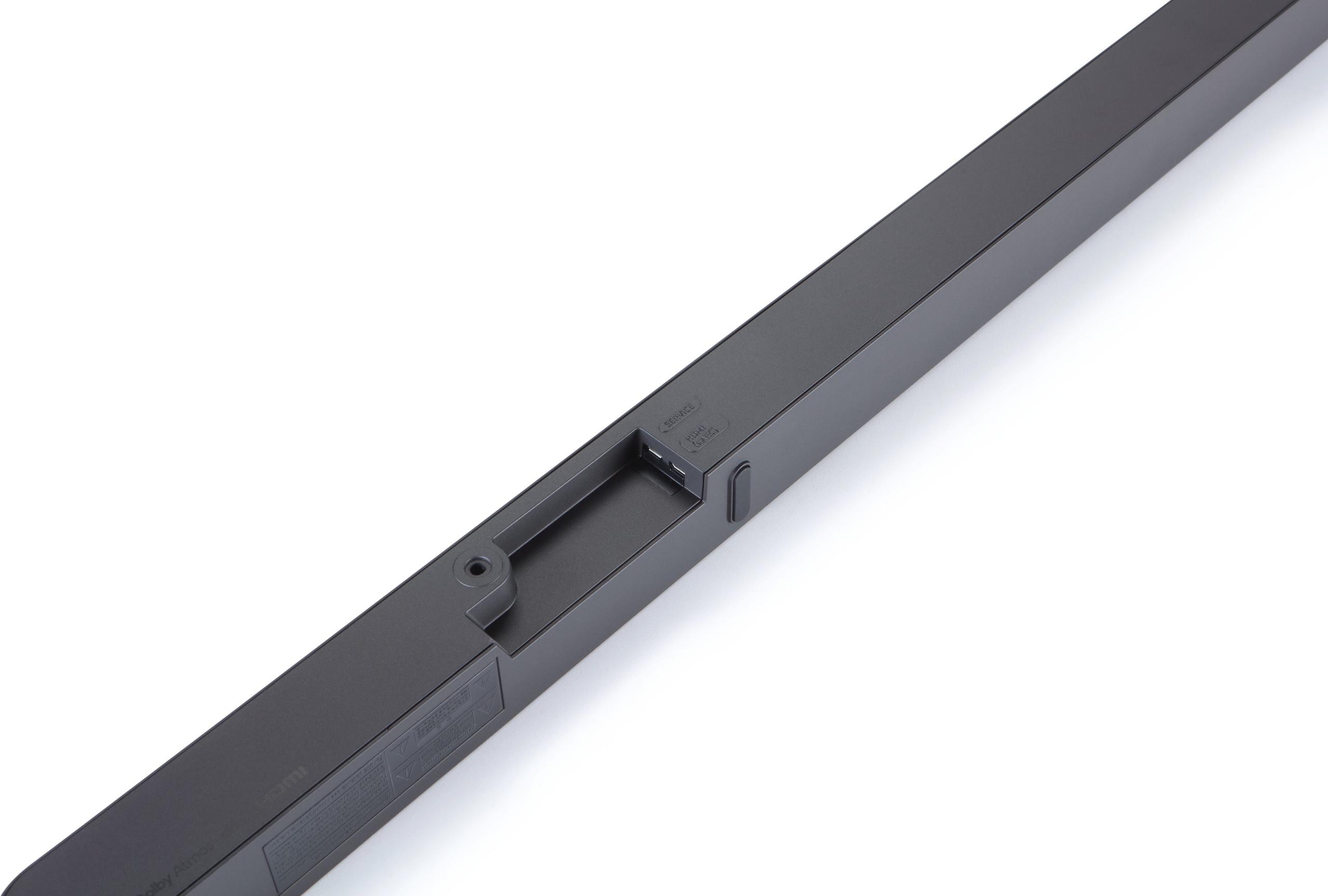
The Samsung soundbar is more selective, relying primarily on HDMI ARC/eARC connectivity. While this enables higher-quality audio transmission and simplified setup, it may require a newer TV or additional equipment for full functionality.
For serious home theater use, the differences become pronounced. The Samsung HW-S700D provides a more cinematic experience with its Dolby Atmos support, dedicated subwoofer, and wider dynamic range. Action movies benefit from the impactful bass and clear dialogue separation, while the room calibration ensures consistent performance across different content types.
The Amazon Fire TV Soundbar works well for casual viewing but has clear limitations with complex audio mixes. It's perfectly adequate for sitcoms, news, and streaming content, but falls short during intense action sequences or music-heavy scenes.
Modern gaming demands responsive audio that can keep up with fast-paced action. The Samsung model includes Game Mode Pro, which optimizes audio processing for lower latency and enhanced directional cues. This makes a noticeable difference in competitive gaming where audio positioning matters.
The Amazon soundbar lacks gaming-specific optimizations, though its DTS Virtual:X processing does provide some spatial audio benefits. For casual gaming, it's adequate, but serious gamers will appreciate the Samsung's dedicated gaming features.
At roughly $100 at the time of writing, the Amazon Fire TV Soundbar offers exceptional value for its price point. It delivers the two most important improvements over TV speakers: clearer dialogue and wider soundstage. For users in apartments, dorm rooms, or secondary viewing areas, it provides 80% of the benefit at 25% of the cost of premium alternatives.
The simplicity is actually a feature for many users. No complex setup procedures, no room calibration confusion – just plug it in and enjoy better TV audio. This approach works particularly well for older users or those who simply want their TV to sound better without learning new technology.
The Samsung HW-S700D justifies its premium pricing through measurably better performance and advanced features. The dedicated center channel and subwoofer create a fundamentally different listening experience, while the smart features ensure optimal performance in various rooms and scenarios.
For home theater enthusiasts or users with larger rooms, the performance difference easily justifies the higher cost. The expandability options (wireless rear speakers can be added) and future-proof features like Dolby Atmos support make it a long-term investment rather than a quick fix.
Since the Amazon Fire TV Soundbar's 2023 release, we've seen increased focus on AI-powered audio optimization and better integration with streaming platforms. Amazon's approach of keeping features simple while improving core performance seems likely to continue.
The Samsung HW-S700D, being a 2024 model, represents the current state of the art in premium slim soundbars. Samsung's investment in room calibration, ecosystem integration, and wireless technology points toward a future where soundbars become more intelligent and adaptable to individual users' needs.
You're looking for an immediate, affordable upgrade over TV speakers without complexity. This soundbar excels in smaller rooms, apartments, or secondary viewing areas where simplicity matters more than audiophile-level performance. It's particularly appealing for Fire TV users who value seamless integration and those who primarily watch dialogue-heavy content like news and sitcoms.
The compact size makes it ideal for bedrooms, kitchens, or offices where space is at a premium. If your budget is tight but you're tired of mumbled dialogue and thin TV audio, the Amazon model delivers meaningful improvement without financial strain.
You're building a proper home theater setup and audio quality is a priority. The dedicated subwoofer and center channel create a fundamentally superior listening experience that justifies the premium cost. Samsung TV owners get additional value through Q-Symphony integration, making this an obvious choice for those already invested in Samsung's ecosystem.
The Samsung soundbar makes sense for larger rooms, movie enthusiasts, and users who want future-proof features like Dolby Atmos and room calibration. If you're planning to keep your soundbar for many years and want it to handle whatever content you throw at it, the premium investment pays dividends over time.
Both soundbars succeed in their respective missions, but they're solving different problems. The Amazon Fire TV Soundbar proves that good sound doesn't require a massive investment – it's a practical solution that dramatically improves TV audio at an accessible price point.
The Samsung HW-S700D demonstrates what's possible when budget isn't the primary constraint. Its superior audio quality, smart features, and premium build quality create a more immersive and enjoyable listening experience.
The four-fold price difference at the time of writing reflects genuinely different performance levels and target audiences. For casual viewing and budget-conscious buyers, Amazon's approach offers excellent value. For home theater enthusiasts and those who prioritize audio quality, Samsung's premium features and performance justify the higher investment.
The decision ultimately comes down to your priorities: immediate affordable improvement versus long-term premium performance. Both soundbars deliver on their promises, making the choice more about your specific needs and budget than finding a clear winner.
| Amazon Fire TV Soundbar | Samsung HW-S700D |
|---|---|
| Channel Configuration - Determines dialogue clarity and sound separation | |
| 2.0 stereo (voices mixed with other audio) | 3.1 channels with dedicated center speaker for crystal-clear dialogue |
| Subwoofer Inclusion - Critical for bass impact and movie experience | |
| No subwoofer (limited bass from small drivers) | Wireless 6" subwoofer included (substantial bass extension) |
| Smart Features - Room optimization and ecosystem integration | |
| Basic Fire TV integration, manual EQ only | Q-Symphony with Samsung TVs, SpaceFit room calibration, Adaptive Sound |
| Audio Processing - Surround sound and immersion quality | |
| DTS Virtual:X (simulated surround from 2 speakers) | Dolby Atmos + DTS Virtual:X (enhanced spatial audio) |
| Physical Design - Size constraints and premium feel | |
| Ultra-compact 61cm wide, 1.8kg (basic plastic/fabric) | Ultra-slim premium build, wireless sub eliminates cables |
| Connectivity Options - Compatibility with different TV types | |
| HDMI ARC/eARC + optical input (works with older TVs) | HDMI ARC/eARC only (requires newer TV for full features) |
| Voice Control Integration - Smart home compatibility | |
| Works with Alexa via Fire TV devices | Built-in Alexa, Google Assistant, and Bixby support |
| Gaming Optimization - Enhanced audio for gaming setups | |
| No gaming-specific features | Game Mode Pro with directional audio tracking |
| Streaming Capabilities - Built-in music services | |
| Bluetooth only for wireless music | Built-in Spotify, YouTube Music, AirPlay 2, Chromecast |
| Room Calibration - Automatic sound optimization | |
| Manual adjustment only | SpaceFit Sound Pro with microphone-based room analysis |
| Total Speaker Count - Overall audio complexity and quality | |
| 2 full-range drivers (2 x 20W amplification) | 7 speakers total with dedicated amplification per channel |
| Expandability - Future upgrade potential | |
| No expansion options | Compatible with wireless rear speakers for true surround |
The Amazon Fire TV Soundbar offers exceptional value for budget-conscious buyers, delivering clear dialogue improvement and decent sound quality at an entry-level price point. The Samsung HW-S700D provides premium audio quality with a dedicated subwoofer and advanced features, justifying its higher cost for users who prioritize superior sound and smart functionality.
The Amazon Fire TV Soundbar doesn't include a subwoofer, which limits bass response but keeps costs down - adequate for dialogue and casual viewing. The Samsung HW-S700D includes a wireless subwoofer that dramatically improves movie and music experiences with deeper, more impactful bass that built-in drivers simply cannot match.
While the Amazon Fire TV Soundbar works with any TV brand through standard connections, the Samsung HW-S700D offers exclusive Q-Symphony technology that synchronizes with Samsung QLED TVs for enhanced audio performance, making it the clear choice for Samsung TV owners.
The Amazon Fire TV Soundbar uses DTS Virtual:X for simulated surround sound, which works well for basic spatial audio. The Samsung HW-S700D supports Dolby Atmos processing, providing more convincing height and surround effects that enhance the movie-watching experience significantly.
Both soundbars offer straightforward setup, but the Amazon Fire TV Soundbar wins for simplicity with plug-and-play operation and no configuration needed. The Samsung HW-S700D requires initial room calibration and wireless subwoofer pairing, though this extra setup results in optimized performance.
The Amazon Fire TV Soundbar works best in smaller to medium rooms due to its compact drivers and limited power output. The Samsung HW-S700D can easily fill larger spaces with its more powerful amplification, dedicated subwoofer, and wider dynamic range.
The Amazon Fire TV Soundbar provides basic audio improvement for gaming but lacks specialized features. The Samsung HW-S700D includes Game Mode Pro with directional audio tracking and lower latency, making it significantly better for immersive gaming experiences.
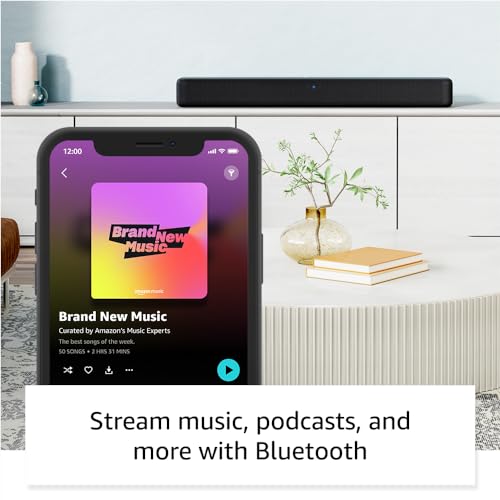
The Amazon Fire TV Soundbar offers Bluetooth connectivity for wireless music streaming from phones and tablets. The Samsung HW-S700D provides more comprehensive streaming options including built-in Spotify, AirPlay 2, Chromecast, and Bluetooth for broader compatibility.
While the Amazon Fire TV Soundbar improves dialogue over TV speakers through its dedicated voice mode, the Samsung HW-S700D delivers superior dialogue clarity with its dedicated center channel speaker specifically engineered for human voices.
The Amazon Fire TV Soundbar provides a basic home theater upgrade suitable for casual movie watching and smaller spaces. The Samsung HW-S700D offers a true home theater experience with cinematic bass, Dolby Atmos processing, and room-filling sound that rivals more expensive systems.
The Amazon Fire TV Soundbar focuses on Fire TV integration with basic smart functionality. The Samsung HW-S700D provides extensive smart features including room calibration, adaptive sound optimization, multiple voice assistants, and ecosystem integration with Samsung devices.
The Amazon Fire TV Soundbar has no expansion options - what you buy is what you get. The Samsung HW-S700D supports wireless rear speakers for true surround sound expansion, making it more future-proof for users who might want to upgrade their audio setup later.
We've done our best to create useful and informative comparisons to help you decide what product to buy. Our research uses advanced automated methods to create this comparison and perfection is not possible - please contact us for corrections or questions. These are the sites we've researched in the creation of this article: rtings.com - developer.amazon.com - stereoguide.com - developer.amazon.com - techradar.com - hometechnologyreview.com - whathifi.com - youtube.com - whathifi.com - wirelessplace.com - hometechnologyreview.com - dolby.com - aboutamazon.com - developer.amazon.com - community.anker.com - youtube.com - cordbusters.co.uk - crutchfield.com - samsung.com - bestbuy.com - avsforum.com - walts.com - samsung.com - samsung.com - videoandaudiocenter.com - samsung.com - samsung.com - samsung.com - pcrichard.com

Privacy Policy
Terms and Conditions - Affiliate Policy
Home Security
© Copyright 2008-2026.
11816 Inwood Rd #1211, Dallas, TX 75244