

If you've been cranking up your TV volume just to hear dialogue clearly, or if explosions in movies sound more like gentle puffs, you're probably ready to upgrade from your TV's built-in speakers. The good news is that even a modest soundbar investment can transform your viewing experience. The challenge lies in choosing between entry-level options that promise big improvements at dramatically different price points.
Today we're comparing two popular budget-friendly soundbars that take very different approaches to solving your TV audio problems: the Amazon Fire TV Soundbar and the Polk Audio Signa S2. While both aim to deliver better sound than your TV's tiny built-in speakers, they represent fundamentally different philosophies about what constitutes good value in home audio.
Before diving into specifics, let's establish what makes soundbars effective. Unlike traditional stereo speakers that sit apart from each other, soundbars pack multiple drivers (the individual speakers that produce sound) into a single horizontal enclosure. This creates a wider soundstage than your TV speakers while maintaining a clean, minimalist look.
The key specifications that matter most are channel configuration, driver quality, amplifier power, and connectivity options. Channel configuration tells you how many discrete audio channels the system can reproduce - a 2.0 system has left and right channels, while a 2.1 system adds a dedicated subwoofer (.1) for bass frequencies below about 80Hz. Driver quality and amplifier power determine how loud and clear the system can play, while connectivity affects how easily it integrates with your existing setup.
When evaluating soundbars, the most important performance characteristics are dialogue clarity, bass response, soundstage width, and maximum volume without distortion. For most people, dialogue clarity trumps everything else - if you can't understand what characters are saying, even the most impressive explosions won't save your viewing experience.
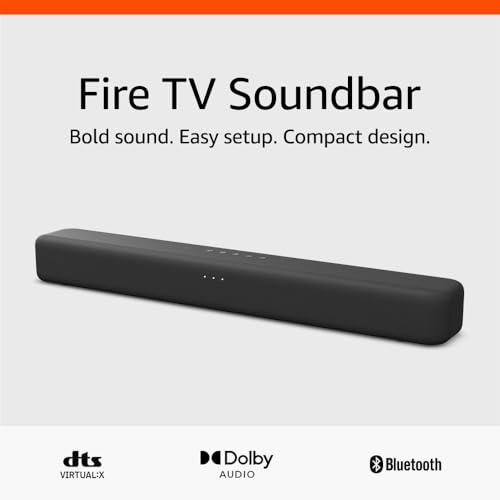
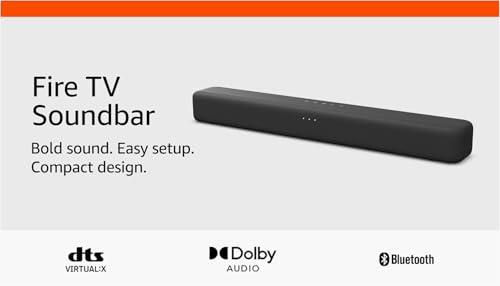
The Amazon Fire TV Soundbar launched in 2023 as Amazon's first foray into dedicated TV audio hardware. This timing is significant because it came after several years of Amazon perfecting their Fire TV streaming platform and Echo smart speakers. However, rather than cramming Alexa voice control into this soundbar, Amazon focused on simplicity and affordability.
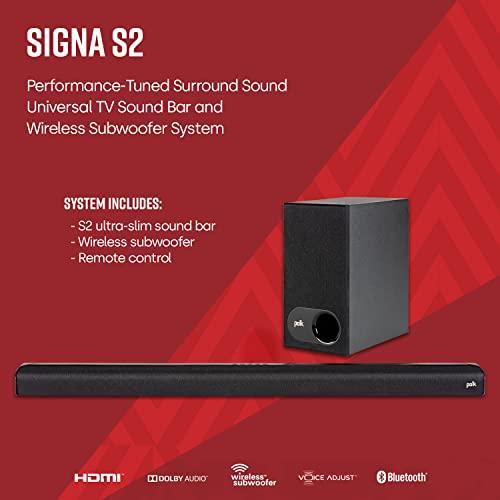
The Polk Audio Signa S2 represents a more traditional approach from a company that's been making speakers since 1972. Released in the late 2010s, the Signa S2 builds on decades of Polk's experience in home audio, incorporating their proprietary VoiceAdjust technology - a feature that specifically targets the dialogue clarity issues that plague most TV viewing.
Since their respective launches, the soundbar market has evolved considerably. We've seen the rise of Dolby Atmos (a surround sound technology that adds height channels for more immersive audio), improved wireless subwoofer reliability, and better integration with streaming devices. The Amazon Fire TV Soundbar represents the newer generation's emphasis on simplicity and ecosystem integration, while the Polk Audio Signa S2 embodies the traditional audio company approach of focusing purely on sound quality fundamentals.
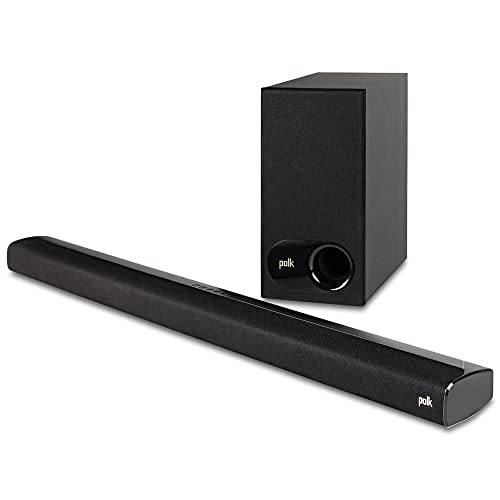
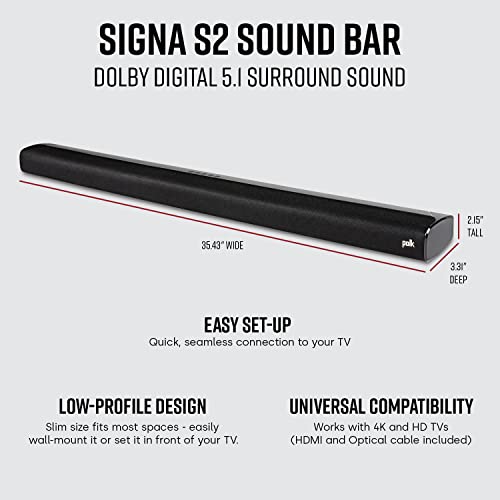
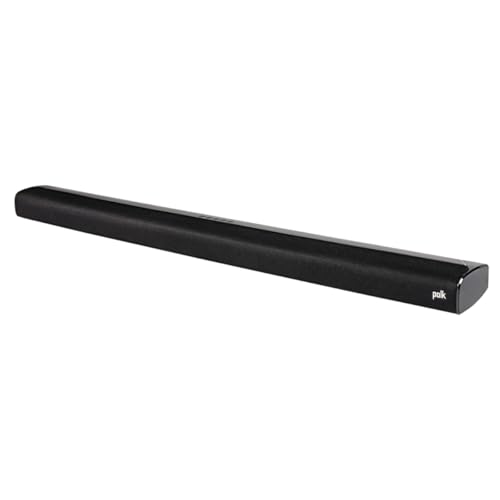
The most fundamental difference between these systems lies in their physical construction. The Polk Audio Signa S2 employs what audio engineers call a "dedicated driver array" - two oval midrange drivers handle vocals and most instruments, while two separate tweeters (small drivers optimized for high frequencies) reproduce crisp details like cymbals and dialogue consonants. This four-driver setup in the main bar works alongside a wireless subwoofer containing a 5.25-inch woofer dedicated entirely to bass frequencies.
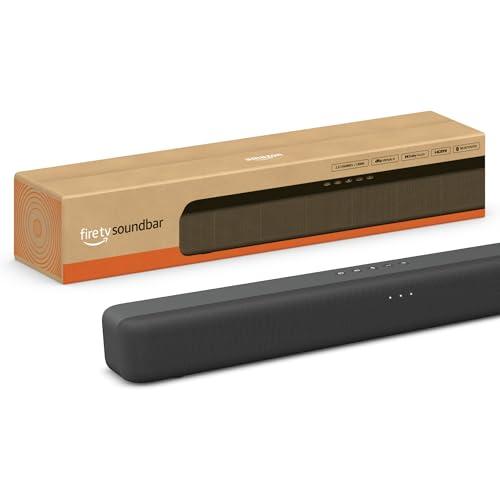
In contrast, the Amazon Fire TV Soundbar uses two "Racetrack" full-range drivers. These oval-shaped drivers attempt to reproduce the entire audio spectrum from deep bass to sparkling highs. While this approach keeps costs down and simplifies the design, physics limits how effectively a single driver can handle such a wide range of frequencies.
The practical impact becomes clear when you consider frequency response - the range of audio frequencies a system can reproduce. The Polk Audio Signa S2 covers 45Hz to 20kHz, meaning it can reproduce the deep rumble of movie explosions (45Hz is quite low) while maintaining crystal-clear dialogue and music details up to the limits of human hearing (20kHz). The Amazon Fire TV Soundbar, without a dedicated subwoofer, simply cannot reach those deep bass frequencies that make action movies engaging or music feel full-bodied.
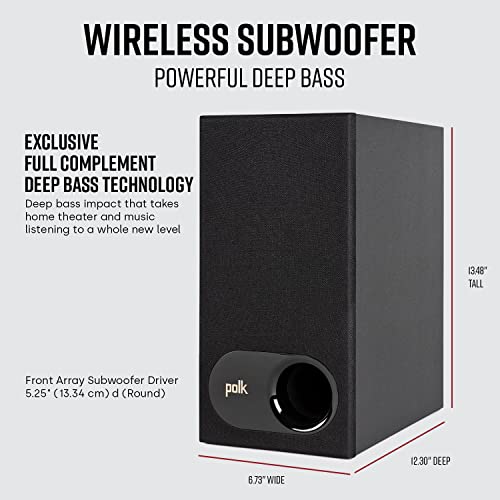
This brings us to perhaps the most significant difference: dedicated bass reproduction. Bass frequencies require moving large amounts of air, which demands either large drivers or specialized enclosure design. The Polk Audio Signa S2's wireless subwoofer uses a ported enclosure - essentially a carefully tuned box with an opening that helps reinforce low frequencies through acoustic resonance.
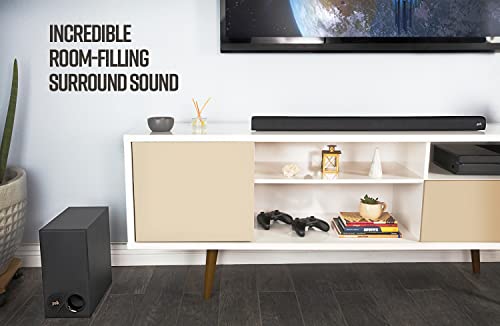
The wireless aspect matters more than you might think. Unlike some cheaper 2.1 systems that require running cables across your room, the Signa S2's subwoofer connects automatically and can be placed wherever it sounds best. Bass frequencies are omnidirectional (you can't easily tell where they're coming from), so the subwoofer can sit behind your couch, in a corner, or anywhere that doesn't interfere with your room's aesthetics.
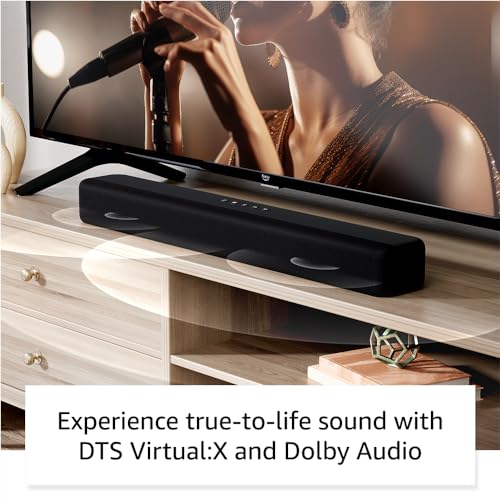
The Amazon Fire TV Soundbar attempts to compensate through DTS Virtual:X processing, which uses psychoacoustic tricks to simulate surround sound and enhance bass perception. While clever, this digital processing cannot create the physical air movement that produces genuine bass impact. You'll hear low-frequency sounds, but you won't feel them the way you would with a dedicated subwoofer.
Most soundbar buyers list dialogue clarity as their primary concern, and both systems address this challenge differently. The Polk Audio Signa S2 employs VoiceAdjust technology, which dynamically boosts vocal frequencies while maintaining natural sound balance. This proprietary processing identifies dialogue in real-time and gently elevates it above background music and sound effects.
The Amazon Fire TV Soundbar includes a dedicated dialogue mode that reshapes the frequency response to emphasize vocal ranges. However, without the sophisticated processing of Polk's system, this typically results in a more obvious tonal shift that can make voices sound artificially bright or thin.
Both systems benefit from having their drivers positioned at ear level rather than firing upward from below your TV like built-in speakers. This direct sound path reduces the audio reflections and filtering that muddy dialogue intelligibility.
Soundstage refers to how wide and spacious audio sounds - essentially, how well a system creates the illusion that sound extends beyond the physical speakers. The Polk Audio Signa S2's driver separation and wireless subwoofer create a more convincing stereo image, where you can sense instruments and effects positioned across a virtual stage rather than just coming from a single point.
The Amazon Fire TV Soundbar's compact design limits its soundstage width, though DTS Virtual:X processing attempts to expand the perceived audio space through phase manipulation and timing delays. While this can create some sense of spaciousness, it cannot match the physical separation that comes from having a subwoofer positioned away from the main soundbar.
Both soundbars support modern connectivity standards, but with different emphases. HDMI ARC (Audio Return Channel) allows your TV to send audio back to the soundbar through the same cable that might be carrying video to your TV from other sources. The enhanced eARC standard supports higher-quality audio formats, though both systems handle standard TV viewing equally well.
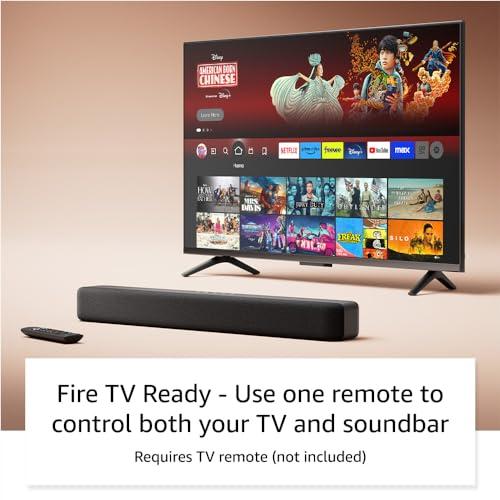
The Amazon Fire TV Soundbar integrates seamlessly with Fire TV devices, automatically adjusting settings and allowing volume control through your Fire TV remote. However, it lacks the comprehensive remote control and sound mode options found on the Polk Audio Signa S2.
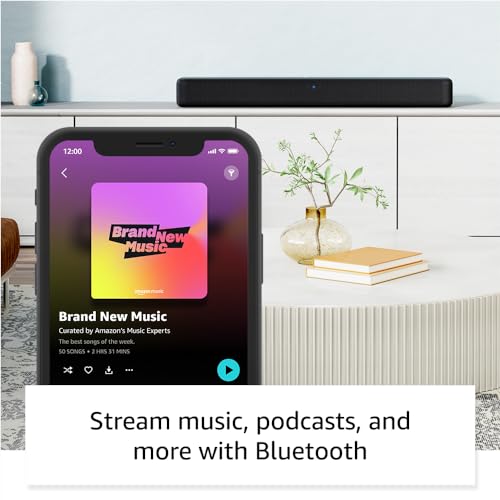
Both systems include Bluetooth connectivity for music streaming, though this reveals another performance difference. Music playback through the Amazon Fire TV Soundbar lacks the bass foundation that makes songs feel complete, while the Polk Audio Signa S2 delivers a more satisfying musical experience that could serve double-duty as a casual music system.
For dedicated home theater use, the differences become more pronounced. Movie soundtracks rely heavily on bass frequencies to create impact and immersion - the rumble of approaching vehicles, the crack of gunfire, or the atmospheric low-end that builds tension in dramatic scenes. The Polk Audio Signa S2 delivers these elements convincingly, while the Amazon Fire TV Soundbar presents them as audible but not visceral experiences.
Surround sound processing also differs significantly. The Polk Audio Signa S2 includes Dolby Digital decoding, which properly processes 5.1 surround soundtracks from Blu-rays and streaming content, then intelligently downmixes them to its 2.1 speaker configuration. The Amazon Fire TV Soundbar's DTS Virtual:X creates phantom surround effects but cannot reproduce the discrete audio channels that sound engineers specifically positioned in surround mixes.
Neither system supports Dolby Atmos, the latest surround format that adds height channels for overhead effects. At these price points, that omission is understandable and doesn't significantly impact the value proposition for most users.
At the time of writing, these systems occupy different tiers of the budget soundbar market, with the Amazon Fire TV Soundbar positioned as an entry-level option and the Polk Audio Signa S2 commanding a premium that typically runs about 60-80% higher.
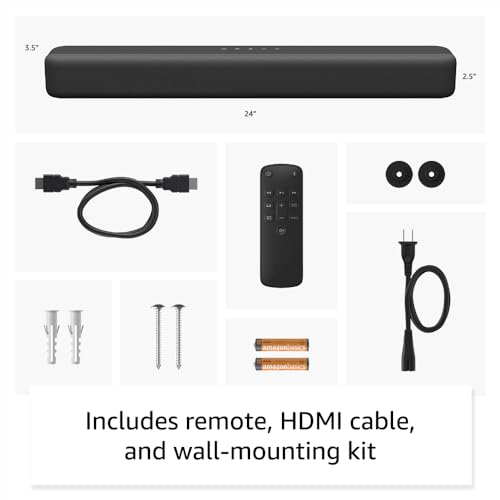
This price difference reflects more than just additional hardware. The Polk Audio Signa S2 includes a comprehensive package: the soundbar, wireless subwoofer, remote control, and all necessary cables for connection. The Amazon Fire TV Soundbar provides the basics but assumes you'll use your existing TV remote for most control functions.
When evaluating value, consider the lifespan of these purchases. A quality soundbar typically serves users for 5-10 years or more. Over that timeframe, the additional investment in the Polk Audio Signa S2 amounts to pennies per day for significantly enhanced audio performance across all content types.
However, value calculations depend heavily on your specific needs and room characteristics. In a small apartment where loud bass might disturb neighbors, or in a secondary bedroom setup where you primarily watch news and talk shows, the Amazon Fire TV Soundbar might provide perfectly adequate improvement over TV speakers.
The Amazon Fire TV Soundbar makes sense for specific scenarios: you're primarily seeking dialogue improvement for TV watching, you have space constraints that prevent subwoofer placement, your budget is tightly constrained, or you value extreme setup simplicity over audio performance. It's also ideal for Fire TV users who want seamless integration with their existing ecosystem.
The Polk Audio Signa S2 serves users who want a meaningful upgrade across all content types. If you watch movies regularly, listen to music through your TV setup, struggle with dialogue clarity despite good hearing, or simply want audio that adds rather than detracts from your entertainment experience, the additional investment pays dividends daily.
For home theater enthusiasts, even those on tight budgets, the Polk Audio Signa S2 represents the minimum viable system for authentic movie sound reproduction. The bass extension and soundstage width transform action sequences and dramatic moments in ways that the Amazon Fire TV Soundbar simply cannot match.
Based on extensive research into professional reviews and user feedback, the Polk Audio Signa S2 delivers substantially better value for most users despite its higher upfront cost. The dedicated subwoofer, sophisticated driver array, and mature audio processing create a listening experience that justifies the premium over years of daily use.
However, the Amazon Fire TV Soundbar serves an important market segment: users who need basic TV audio improvement without complexity or significant investment. For this specific need, it performs adequately and integrates well with Amazon's ecosystem.
The decision ultimately comes down to whether you want to solve your TV audio problem minimally or comprehensively. The Amazon Fire TV Soundbar addresses dialogue intelligibility adequately, while the Polk Audio Signa S2 transforms your entire audio experience. Both approaches have merit, but for most users seeking long-term satisfaction with their purchase, the Polk Audio Signa S2 represents the better investment in daily entertainment quality.
| Amazon Fire TV Soundbar | Polk Audio Signa S2 Sound Bar with Wireless Subwoofer |
|---|---|
| Channel Configuration - Determines bass capability and audio separation | |
| 2.0 channel (stereo only, no subwoofer) | 2.1 channel (stereo + dedicated wireless subwoofer) |
| Driver Array - More drivers typically mean better sound quality | |
| 2x Racetrack full-range drivers | 4 drivers: 2x midrange + 2x tweeters + 5.25" subwoofer |
| Frequency Response - How deep the bass goes and how clear the highs are | |
| Limited by compact drivers (no published range) | 45Hz - 20kHz (excellent bass extension for the price) |
| Amplifier Power - Affects maximum volume and dynamic range | |
| 2 x 20W (40W total) | Not specified, but powers larger driver array effectively |
| Bass Performance - Critical for movies and music enjoyment | |
| Virtual bass processing only (DTS Virtual:X) | Dedicated 5.25" wireless subwoofer with ported enclosure |
| Dialogue Enhancement - Essential for clear speech in movies/TV | |
| Basic dialog mode | Advanced VoiceAdjust technology with real-time processing |
| Surround Sound Processing - Creates immersive audio from stereo sources | |
| DTS Virtual:X (simulated surround) | Dolby Digital decoding + DTS virtual surround |
| Physical Dimensions - Important for TV compatibility and placement | |
| 61 x 9 x 6.5 cm (ultra-compact, 1.8 kg) | Soundbar: 90 x 5.5 x 8.2 cm + separate subwoofer |
| Connectivity Options - Determines compatibility with your devices | |
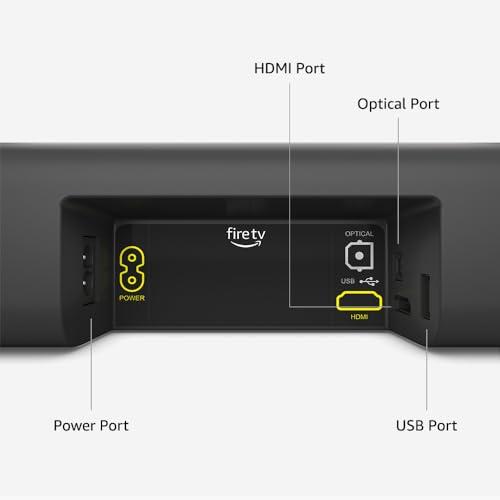
| HDMI ARC/eARC, Optical, Bluetooth | HDMI ARC, Optical, 3.5mm AUX, Bluetooth |
| Remote Control and Features - Affects daily usability | |
| Basic touch controls, works with TV remote | Full IR remote with sound modes and bass adjustment |
| Setup Complexity - How easy it is to get running | |
| Plug and play, optimized for Fire TV | Simple setup, includes all cables, universal TV compatibility |
| Music Listening Capability - Whether it works well for non-TV audio | |
| Limited by lack of bass extension | Excellent for casual music listening via Bluetooth |
| Ideal Room Size - Where each system performs best | |
| Small rooms, apartments, bedrooms | Small to medium rooms, living rooms, home theaters |
The Polk Audio Signa S2 offers superior dialogue clarity thanks to its VoiceAdjust technology, which intelligently boosts vocal frequencies in real-time. While the Amazon Fire TV Soundbar includes a basic dialog mode, the Signa S2's dedicated midrange drivers and advanced processing deliver clearer speech reproduction for movies and TV shows.
No, the Amazon Fire TV Soundbar is a 2.0 channel system without a subwoofer. It relies on DTS Virtual:X processing to simulate bass, but cannot produce the deep, physical bass that comes from a dedicated subwoofer like the one included with the Polk Audio Signa S2.
The Polk Audio Signa S2 is significantly better for movies and home theater use. Its wireless subwoofer delivers impactful bass for explosions and dramatic scenes, while its Dolby Digital decoding properly processes surround sound content. The Amazon Fire TV Soundbar lacks the bass extension and dynamic range needed for an engaging movie experience.
The Polk Audio Signa S2 is much better for music listening, providing full-range sound with deep bass from its dedicated subwoofer and clear highs from separate tweeters. The Amazon Fire TV Soundbar struggles with music due to its limited bass response and single-driver design that can't reproduce the full frequency spectrum effectively.
Both soundbars are relatively easy to set up, but the Amazon Fire TV Soundbar has a slight edge in simplicity with its plug-and-play design. However, the Polk Audio Signa S2 includes all necessary cables and features automatic wireless subwoofer pairing, making setup straightforward despite being a more complex system.
Yes, both the Amazon Fire TV Soundbar and Polk Audio Signa S2 work with virtually any TV from the last decade through HDMI ARC or optical connections. However, the Amazon soundbar offers optimized integration with Fire TV devices for seamless remote control and automatic settings.
The Polk Audio Signa S2 can achieve higher volume levels without distortion thanks to its larger driver array and dedicated amplification for different frequency ranges. The Amazon Fire TV Soundbar may introduce compression and distortion when pushed to maximum volume due to its compact full-range drivers.
The wireless subwoofer in the Polk Audio Signa S2 makes a dramatic difference in sound quality, adding deep bass that the Amazon Fire TV Soundbar simply cannot produce. This affects everything from movie explosions to music basslines, making it one of the most significant distinctions between these systems.
While the Amazon Fire TV Soundbar costs less upfront, the Polk Audio Signa S2 typically offers better long-term value with its superior sound quality, dedicated subwoofer, and comprehensive feature set. The choice depends on whether you prioritize initial cost savings or overall audio performance.
The Polk Audio Signa S2 offers bass level adjustment through its remote control, allowing you to customize the subwoofer output for your room and preferences. The Amazon Fire TV Soundbar has limited bass adjustment options since it lacks a dedicated subwoofer to control.
For small apartments where bass might disturb neighbors, the Amazon Fire TV Soundbar could be more appropriate due to its limited bass output. However, the Polk Audio Signa S2 includes a night mode that reduces bass and dynamic range for late-night viewing, making it suitable for apartment living when configured properly.
Yes, both the Amazon Fire TV Soundbar and Polk Audio Signa S2 support Bluetooth connectivity for wireless music streaming from smartphones, tablets, and other devices. However, the Signa S2's superior frequency response and dedicated subwoofer make it much more enjoyable for music playback compared to the Fire TV Soundbar's limited bass reproduction.
We've done our best to create useful and informative comparisons to help you decide what product to buy. Our research uses advanced automated methods to create this comparison and perfection is not possible - please contact us for corrections or questions. These are the sites we've researched in the creation of this article: rtings.com - developer.amazon.com - stereoguide.com - developer.amazon.com - techradar.com - hometechnologyreview.com - whathifi.com - youtube.com - whathifi.com - wirelessplace.com - hometechnologyreview.com - dolby.com - aboutamazon.com - developer.amazon.com - community.anker.com - youtube.com - cordbusters.co.uk - rtings.com - youtube.com - bestbuy.com - rtings.com - consumerreports.org - rtings.com - youtube.com - hometechnologyreview.com - soundbars.com - youtube.com - manuals.plus - creativeaudio.net - parts-express.com - thomsunmusic.com - polkaudio.com - manuals.plus - polkaudio.com - polkaudio.com - polkaudio.com - bestbuy.com - youtube.com - youtube.com - polkaudio.com

Privacy Policy
Terms and Conditions - Affiliate Policy
Home Security
© Copyright 2008-2026.
11816 Inwood Rd #1211, Dallas, TX 75244